
Custom tactical bags: What is a military backpack called?
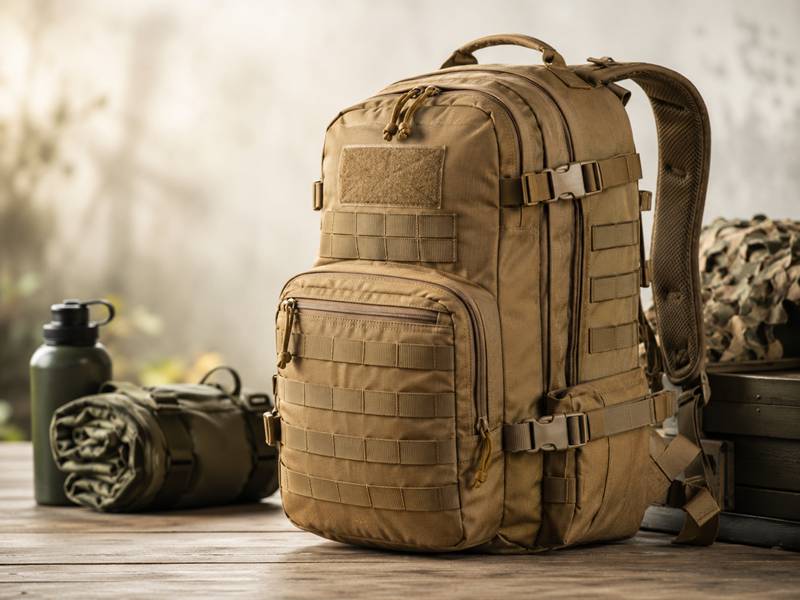
A military backpack is commonly called a rucksack or “ruck,” while smaller mission-focused designs may be known as assault packs or patrol packs. The right term depends on capacity, load, carrying system, access, and intended use. For custom tactical bags, those differences directly affect fabric denier, MOLLE layout, reinforcement, harness design, sampling, MOQ, quality control, and bulk production planning—especially when the finished pack must balance durability, comfort, organization, and repeatable production.
Custom cooler bagshow long do insulated bags keep food cold
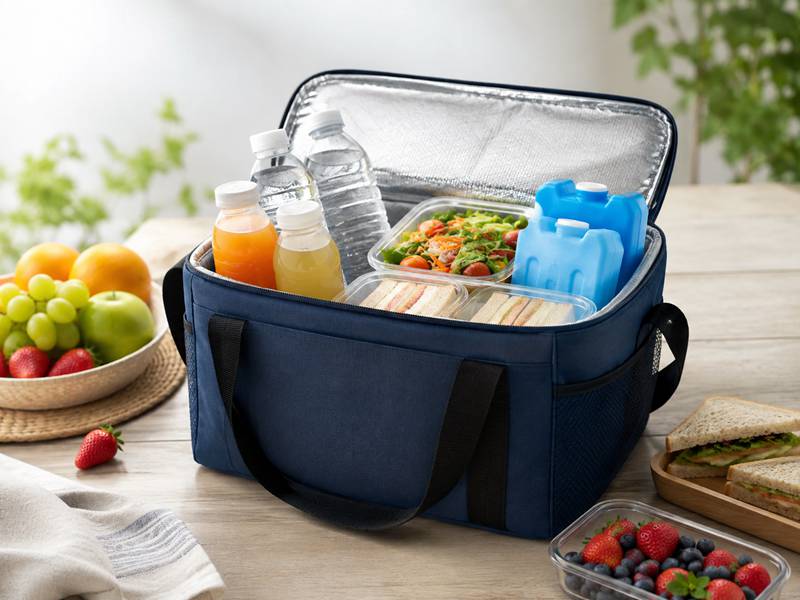
How long an insulated bag keeps food cold depends on more than foam thickness. Cold retention is shaped by insulation structure, bag size, starting temperature, frozen-pack quantity, ambient heat, zipper design, opening frequency, and load volume. This guide explains how different cooler bags perform, how to compare materials and structures, how to run repeatable cold-retention tests, and what to define before developing a custom cooler bag.
What Is a Custom Senior Backpack? A Brand and Factory Guide
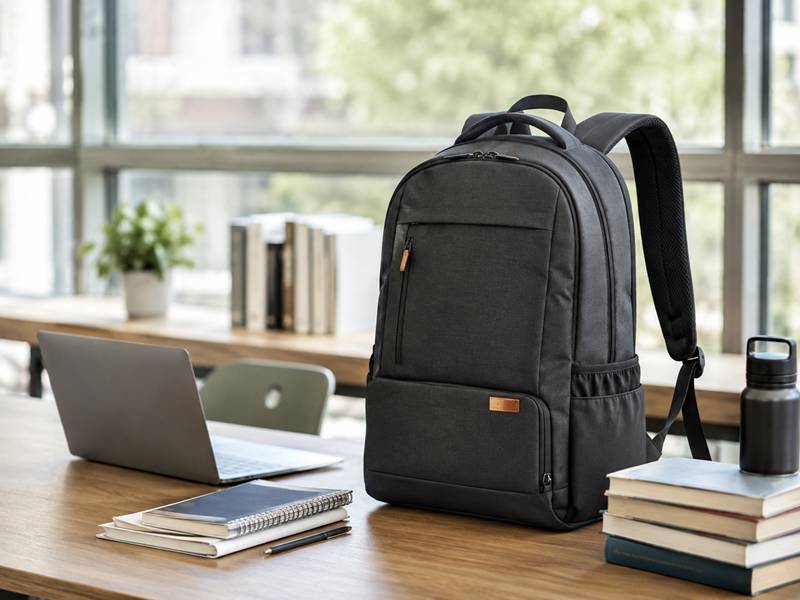
A custom senior backpack is a personalized bag designed for a student’s final year of high school or college. It may feature a name, graduation year, school colors, mascot, photographs, patches, embroidery, or licensed artwork. The strongest designs combine memorable senior-year identity with practical capacity, comfortable straps, durable materials, accurate personalization, and organized storage for folders, laptops, bottles, and other daily essentials throughout the academic year and after graduation.
Fake vs. Genuine Leather Tote Bags: How Can Brands Tell the Difference? A Sourcing Guide
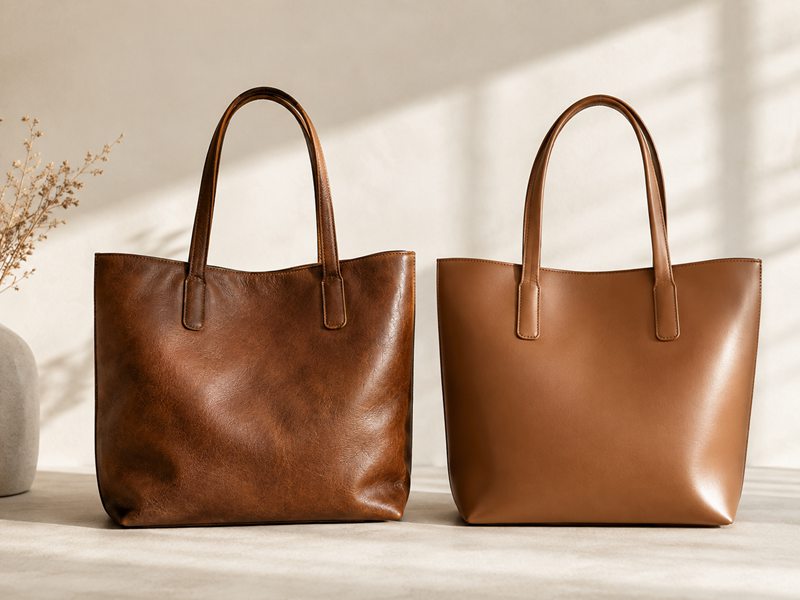
Real leather tote bags are made from animal hide and show natural grain variation, irregular pores, fibrous cut edges, and gradual patina. Faux leather uses a coated textile or synthetic base and usually has a more uniform surface and backing. Reliable identification combines visual inspection, edge and backing checks, flex behavior, material documents, and laboratory analysis when needed. No single smell, water-drop, or burn test can confirm leather composition with complete certainty.
Are custom EVA bags safe?
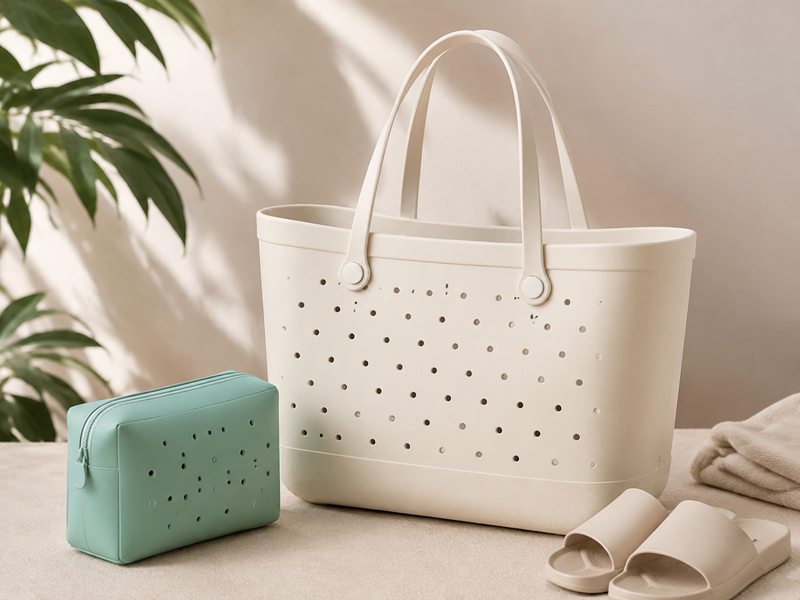
Custom EVA bags can be safe when the complete product—not only the EVA shell—is matched to its intended use. Safety depends on material formulation, pigments, adhesives, lining, zipper parts, inner inserts, chemical requirements, and physical performance. Children’s items, direct food-contact bags, electronics cases, and tool carriers need different controls. Reliable evidence includes traceable materials, representative test reports, an approved sample, production controls, and inspections for each construction and color combination.
Why are Custom backpacks so expensive now?
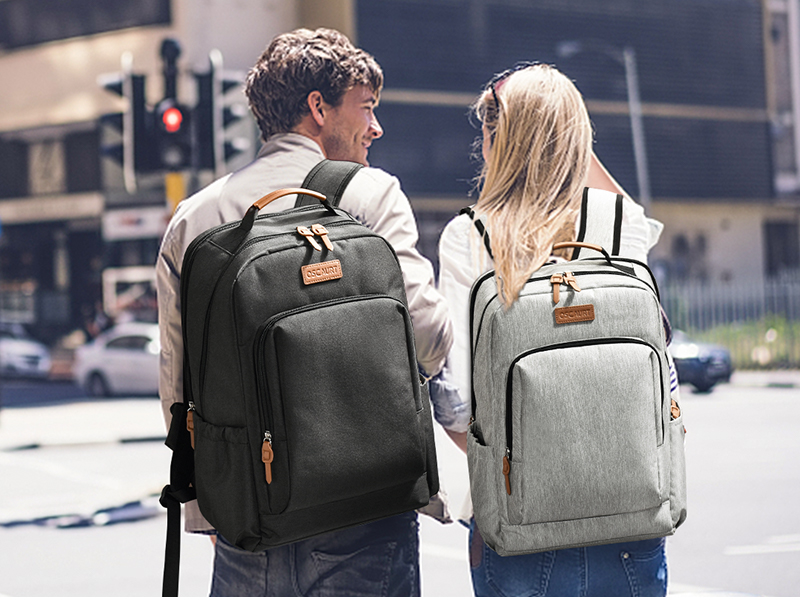
Custom backpacks cost more because each project combines dedicated materials, pattern development, logo setup, skilled sewing, sampling, quality control, and smaller production runs. MOQ, SKU count, custom colors, packaging, testing, and delivery terms can change the unit price significantly. A reliable comparison requires identical specifications and a complete cost breakdown, since two similar-looking backpacks may use very different fabrics, padding, zippers, reinforcement, and inspection standards during bulk production.
How much do custom backpacks cost?
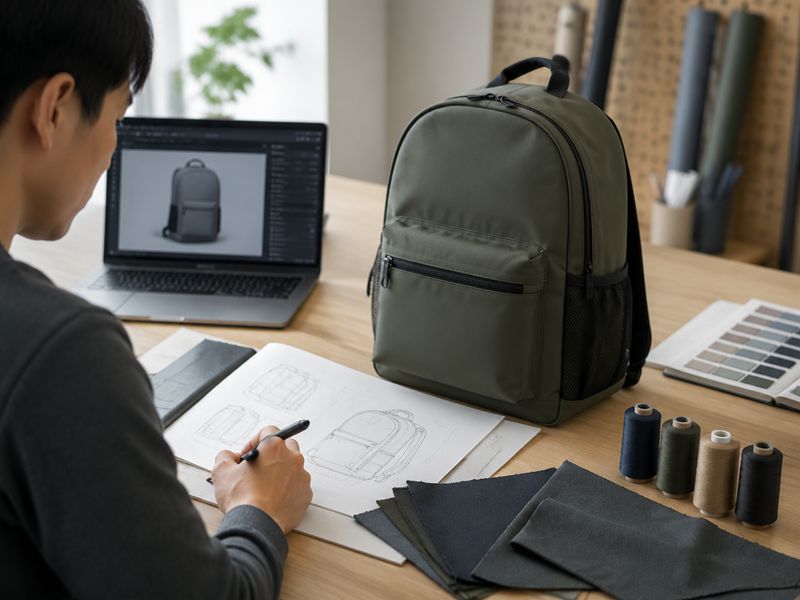
Custom backpacks do not have one fixed price. Cost depends on fabric, size, compartments, padding, zippers, hardware, logo method, packaging, order quantity, testing, and delivery terms. A simple stock backpack with a printed logo costs less than a fully custom laptop or travel pack. Accurate pricing starts with a complete specification, quantity by color, an approved sample, a packaging plan, a named delivery destination, and required arrival date.
What is the best capacity of a school bag for all ages kids? ultimate guide
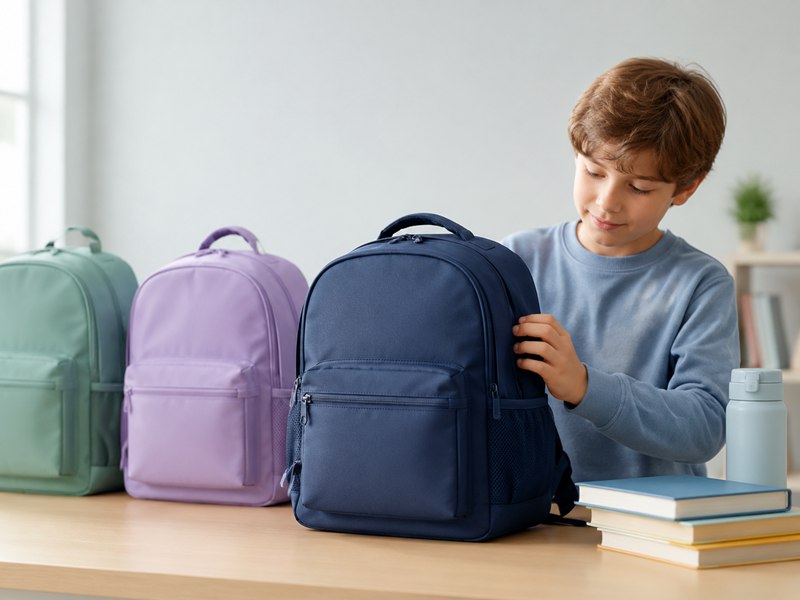
The best school bag capacity depends on age, torso length, daily contents, and filled weight. As a practical guide, choose 6–12L for ages 3–5, 10–17L for ages 6–8, 15–22L for ages 9–12, 20–28L for ages 13–15, and 22–32L for ages 16–18. Confirm the final size with A4 folders, lunch boxes, devices, clothing, and a physical fit test because identical liter labels can provide very different usable space and carrying comfort.
What are tote bags made of?
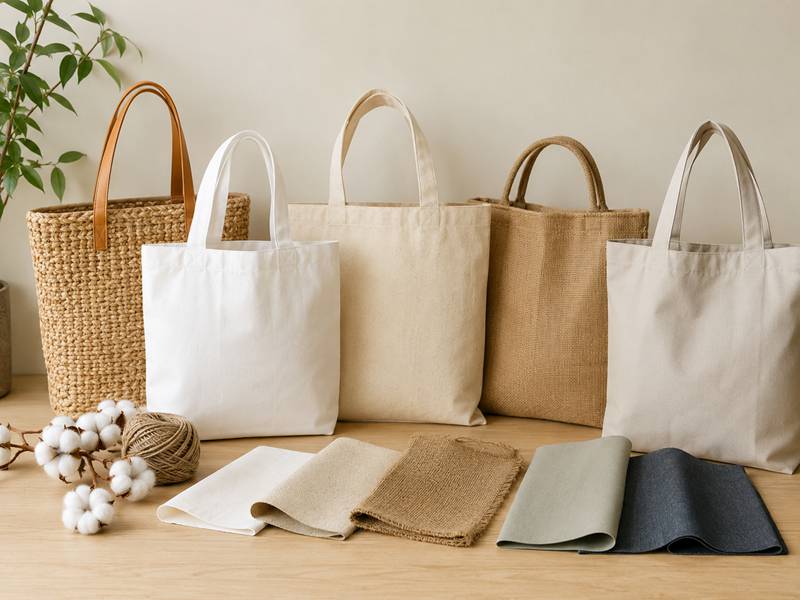
Tote bags are made from materials such as cotton, canvas, polyester, Oxford cloth, RPET, jute, non-woven polypropylene, PU, and leather. The best choice depends on carrying weight, desired structure, printing method, water resistance, lifespan, and budget. Canvas suits durable everyday totes, polyester supports lightweight or water-resistant styles, jute adds natural texture, and RPET works well when verified recycled content is required. Construction details then determine comfort, strength, appearance, and cost.
How to Work Smoothly with a Bag Manufacturer
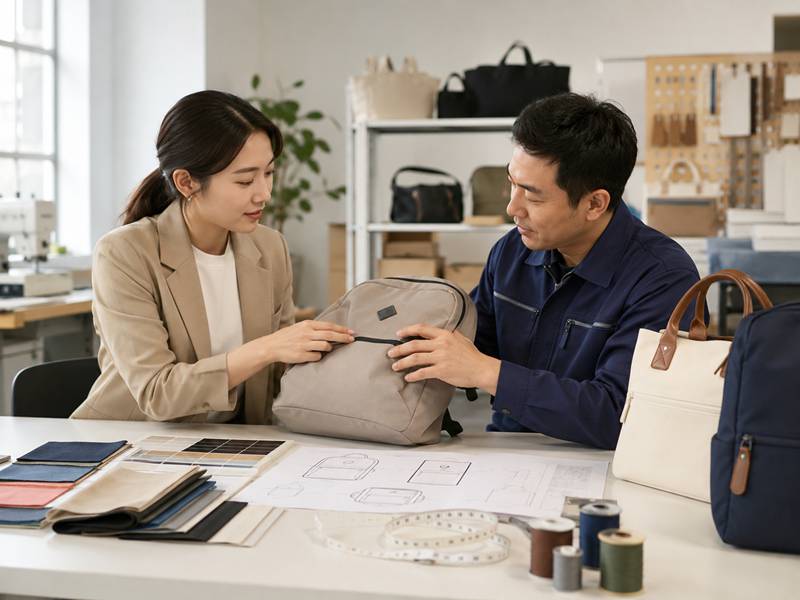
Smooth cooperation with a bag factory starts with a clear brief, controlled specifications, approved materials, realistic timing, and written decisions. This guide explains how to prepare for sampling, compare factories, control price and quality, track bulk production, prevent common delays, manage repeat orders, and build a dependable long-term relationship. It also shows which records, inspections, approvals, and communication habits keep custom bag projects consistent from the first concept through final delivery.
Custom Logo Luggage for Corporate Travel: When Premium Gifts Need Better QC
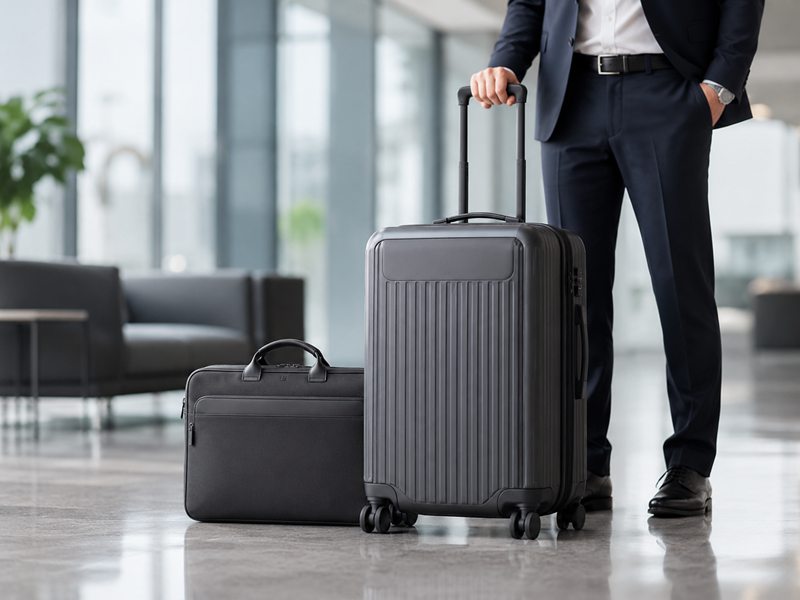
Premium corporate luggage needs stronger quality control because every case carries the brand into airports, hotels, meetings, and repeated travel. Reliable programs confirm body construction, wheels, trolley handles, zippers, logo accuracy, interior organization, and protective packing before bulk production. An approved sample, written tolerances, in-process inspection, functional checks, and pre-shipment verification reduce visible defects, travel failures, replacement costs, and damage to the recipient’s impression across large corporate gift orders.
PVC Cosmetic Bags for Beauty and Travel Kits: Thickness, Smell, and Cleaning Tips
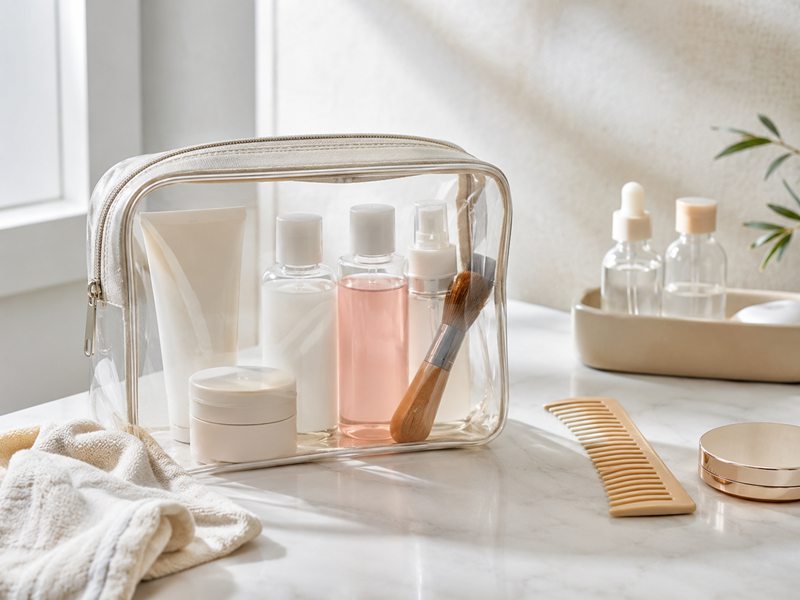
PVC cosmetic bags work well for beauty and travel kits when their thickness, softness, odor, seams, and care method are matched to real use. Most everyday pouches begin around 0.25–0.40 mm, while larger structured cases may need heavier panels or reinforcement. Mild soap and lukewarm water are safest for cleaning. Strong or persistent smells should be traced to the film, ink, adhesive, trim, or sealed packing before approval.