
PVC Cosmetic Bags for Beauty and Travel Kits: Thickness, Smell, and Cleaning Tips
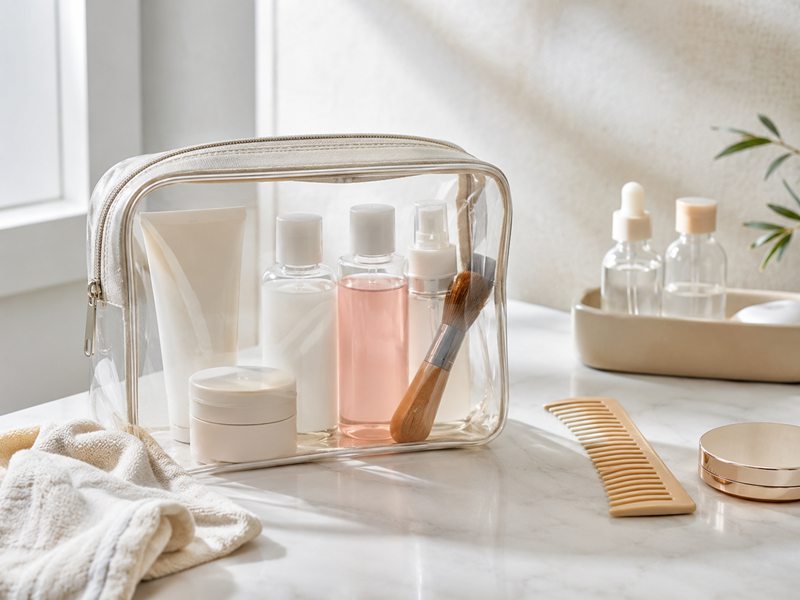
PVC cosmetic bags work well for beauty and travel kits when their thickness, softness, odor, seams, and care method are matched to real use. Most everyday pouches begin around 0.25–0.40 mm, while larger structured cases may need heavier panels or reinforcement. Mild soap and lukewarm water are safest for cleaning. Strong or persistent smells should be traced to the film, ink, adhesive, trim, or sealed packing before approval.
Kids’ Luggage for Children’s Brands: Safety, Weight, Wheels, and Cute Design Balance
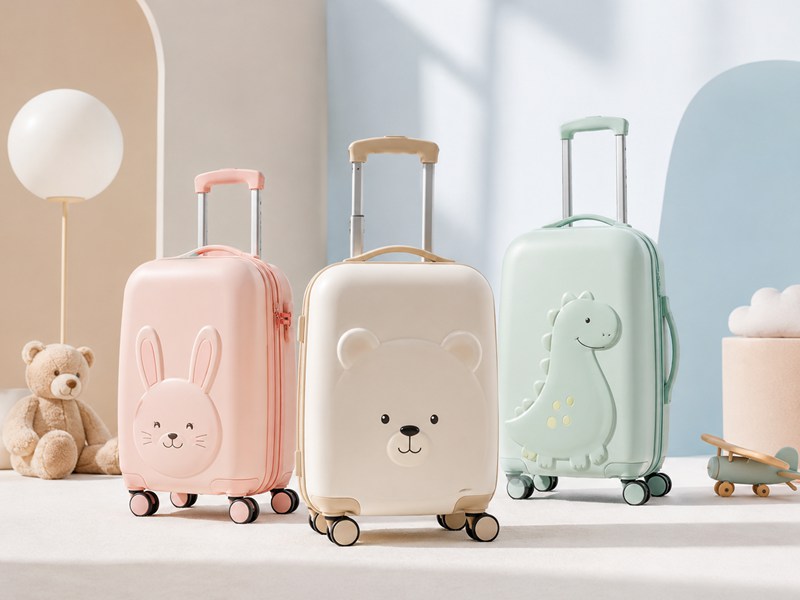
Custom kids’ luggage works best when safety, low empty weight, durable wheels, child-height handles, practical capacity, and appealing design are developed together. Standard suitcases and ride-on cases require different structures and test plans. Materials, artwork, moving parts, labels, packaging, and production samples should match the intended age and destination. A well-controlled development process protects usability, visual consistency, repeat-order quality, and long-term brand value while reducing revisions, delays, returns, and replacement costs.
Carry-On Luggage for Business Travelers: Size, Wheels, Handle, and Packing Details
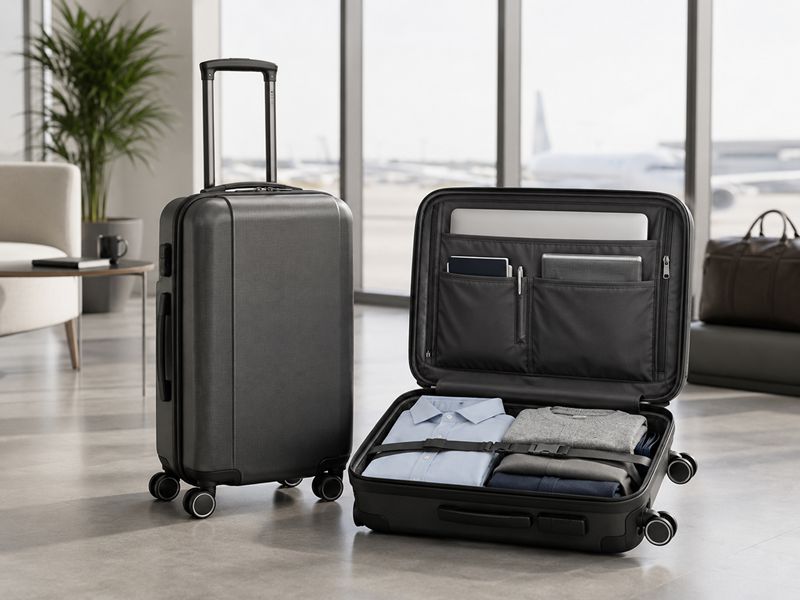
Business carry-on luggage should fit airline limits, roll smoothly under load, keep the trolley stable, and separate work equipment from clothing and liquids. A practical case measures about 55 × 35 × 23 cm externally, includes protected laptop storage, balanced spinner wheels, multi-height handles, garment compression, and serviceable hardware. Final approval should confirm dimensions, weight, capacity, durability, organization, and packaging before volume production begins for consistent quality across every shipment.
Custom Luggage for Travel Brands: Soft Shell, EVA, or Rolling Travel Bag?
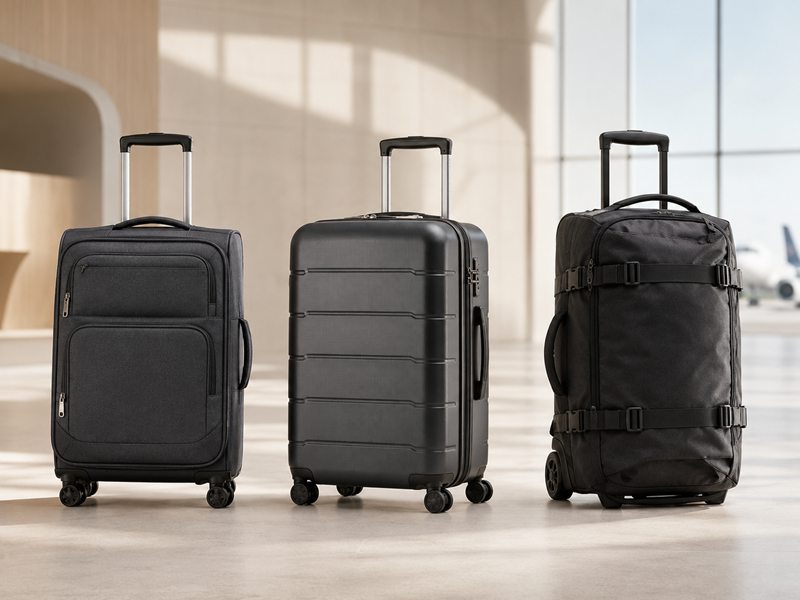
Soft-shell luggage offers flexible packing and lighter construction, EVA luggage adds structured protection and a distinctive molded appearance, while rolling travel bags prioritize mobility and carrying comfort. The right choice depends on trip length, packing habits, protection needs, target weight, retail position, and delivery budget. Before production, confirm finished dimensions, wheel and trolley specifications, interior layout, testing requirements, packaging, MOQ, and the complete development schedule for every size and color.
Private Label Wallets for Fashion Accessories Brands: Color, Texture, and Logo Detail
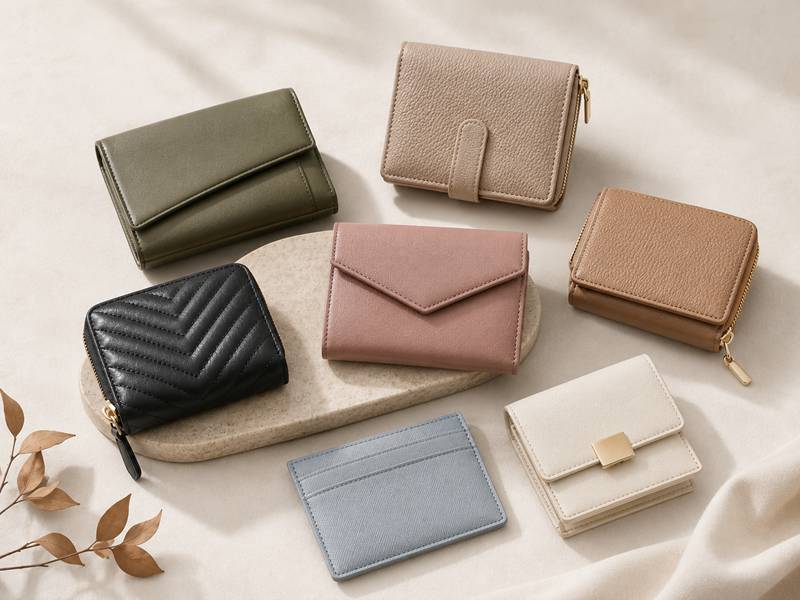
Private label wallets combine visual identity with practical structure. Strong results come from choosing the right wallet type, material, card capacity, logo method, hardware, edge finish, lining, and packaging as one connected product. Careful sampling, full-load testing, clear specifications, and controlled production help create wallets that look refined, feel comfortable in daily use, and remain consistent across colors, styles, seasonal collections, retail channels, and future repeat orders.
Travel Wallets for Passport and Cards: Interior Layouts Should Compare
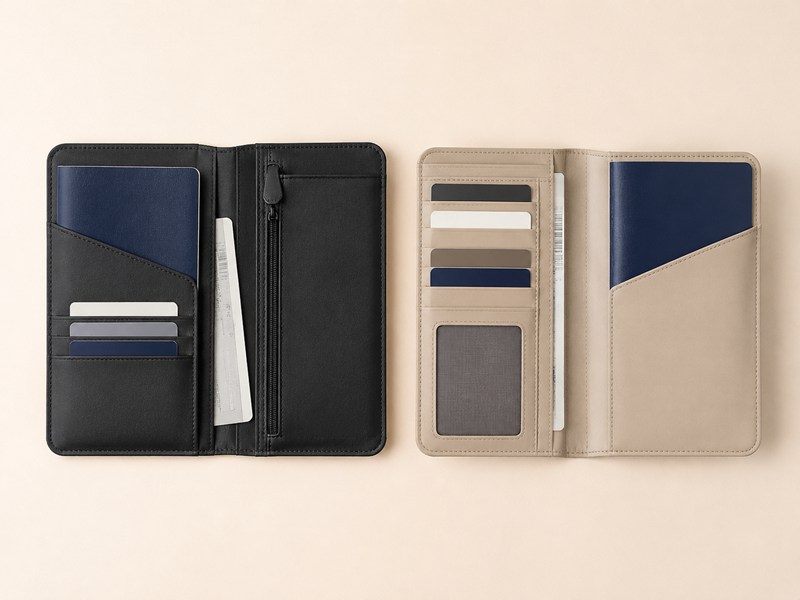
A well-designed travel wallet keeps passports, cards, cash, tickets, and small travel essentials organized without becoming bulky or difficult to use. The strongest designs match passport capacity, card layout, closure, materials, security features, and carrying comfort to a clear travel scenario. Before approving a custom style, check the wallet fully loaded, confirm pocket access, test the zipper or fold, and review how materials and packaging support its intended price position.
Custom Logo Wallets for Corporate Gifts: Packaging, Logo, and Gift Set Ideas
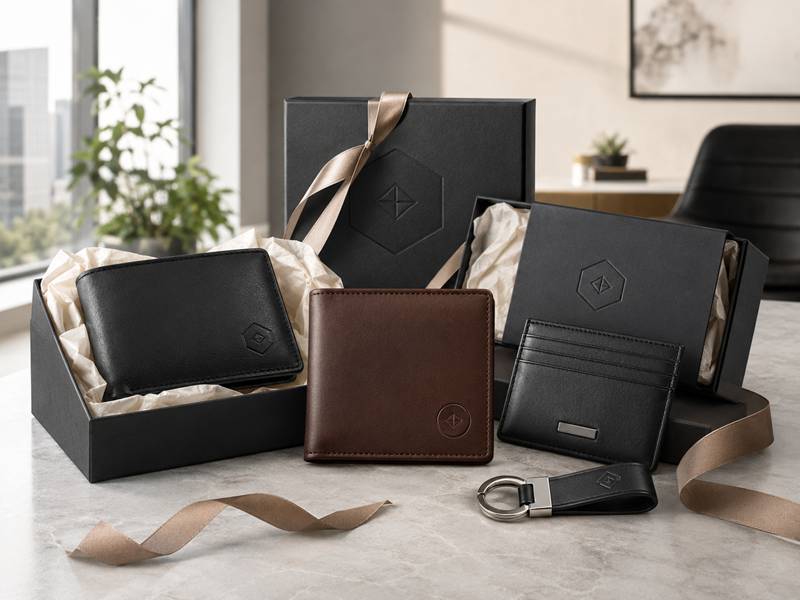
Custom logo wallets work best when the wallet type, logo finish, packaging, and gift set structure match the occasion. A slim bifold wallet, card holder, RFID wallet, or passport wallet can become a lasting corporate gift when card slots feel smooth, the logo stays refined, and the box protects the opening experience. Samples should confirm fit, stitching, logo depth, packing, and delivery details before bulk orders.
Custom Wallets for Leather Goods Brands: PU, Genuine Leather, or Fabric?
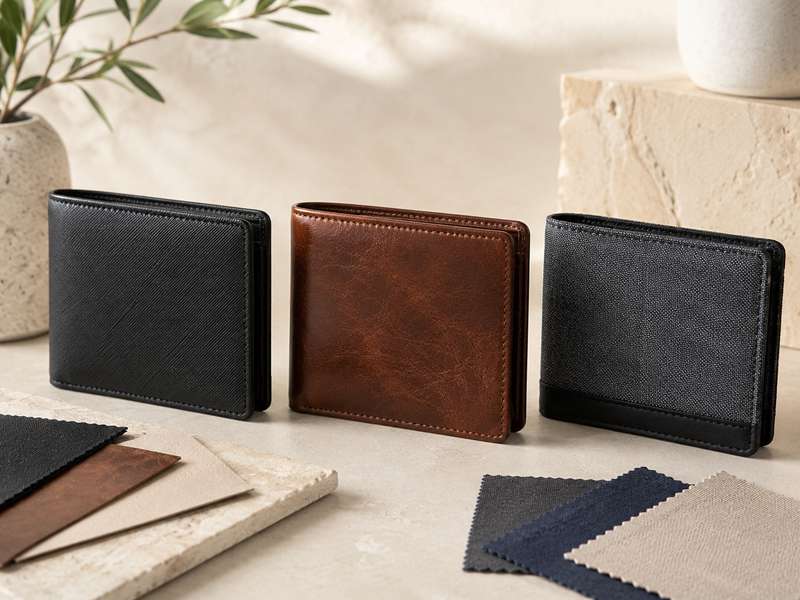
Custom wallets should be planned by material, structure, logo method, and daily use. Genuine leather fits premium and gift-ready wallets, PU works well for color-rich and cost-controlled lines, while fabric suits travel, sport, and lightweight designs. The right choice depends on card slot tension, edge finish, lining, zipper quality, sample testing, MOQ, and bulk consistency.
Outdoor Backpacks for Hiking Brands: Fabric, Straps, and Pocket Layout Basics
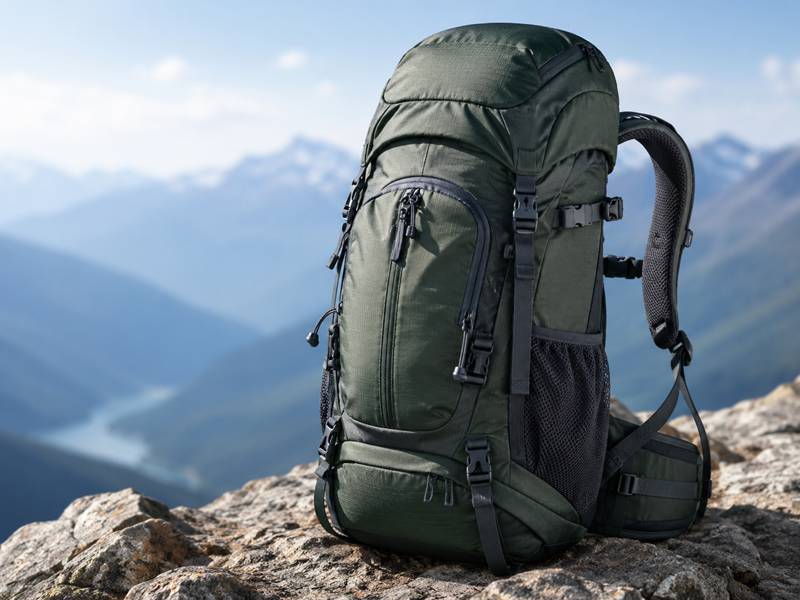
A reliable hiking backpack starts with real trail use, not only an outdoor look. Fabric should match abrasion zones, straps should support the planned load, and pocket layout should keep water, snacks, phone, rain shell, and wet gear easy to manage. A strong design balances comfort, durability, access, weight, sample accuracy, and bulk consistency for hiking, camping, and outdoor retail programs.
Laptop Backpacks for Tech Brands: Padding, Compartments, and Business Look
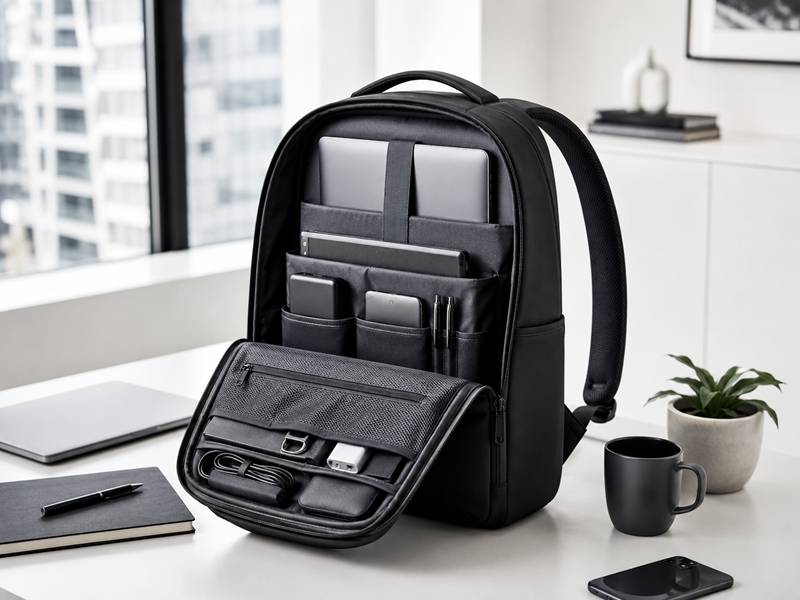
Tech-brand laptop backpacks need more than a padded sleeve. A strong design protects 13–16 inch devices, separates chargers and cables, keeps the outer shape clean, and looks professional in offices, airports, events, and daily commutes. The best starting direction is a 20–30L body with a stable laptop area, organized pockets, smooth zippers, comfortable straps, and subtle logo placement for repeated work use.
School Backpacks for Campus Programs: Size, Comfort, and Durability Checklist
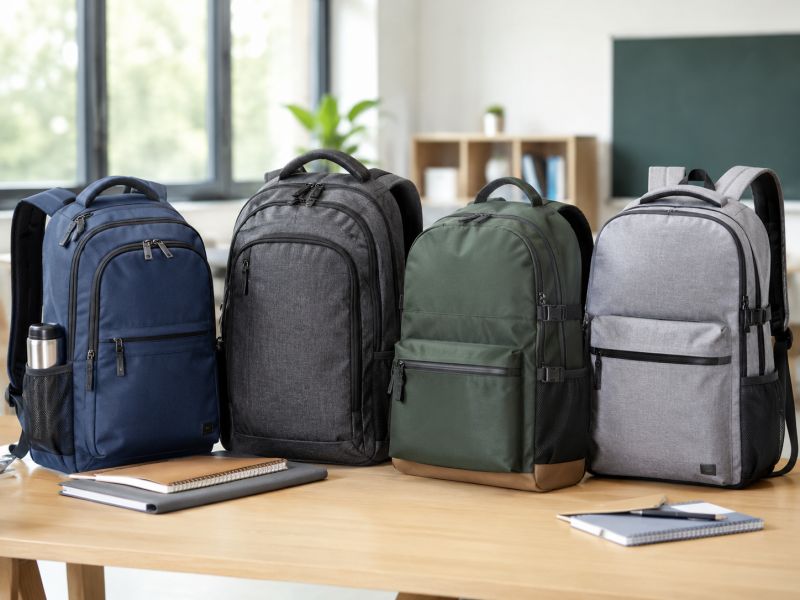
A campus backpack should fit real student routines, not just look good in a product photo. The right design balances size, comfort, laptop storage, fabric strength, zipper quality, strap support, logo placement, packing, and delivery timing. For most high school and college programs, a 20–30L backpack with padded straps, reinforced stress areas, and practical compartments offers a strong daily-use starting point.
Waterproof Waist Bags for Outdoor and Beach Use: What Waterproof Level Is Enough?
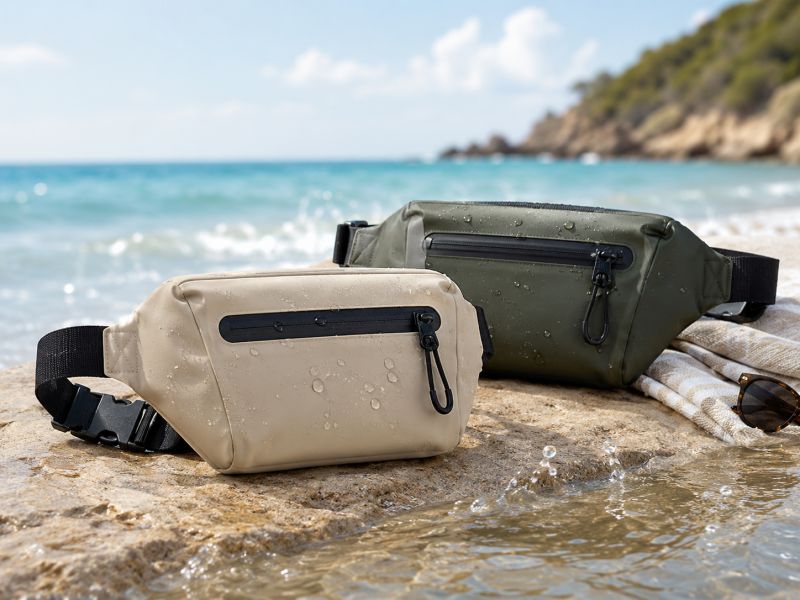
A waterproof waist bag should match the real water scene, not just the strongest rating on a label. Splash protection may be enough for beach walking, while rain travel needs better zipper and seam control. Kayaking and paddleboarding require short-immersion protection, and swimming needs a sealed pouch structure with clear depth, time, and closure limits. The best design balances protection, comfort, cost, logo placement, and daily use.