 Skip to content
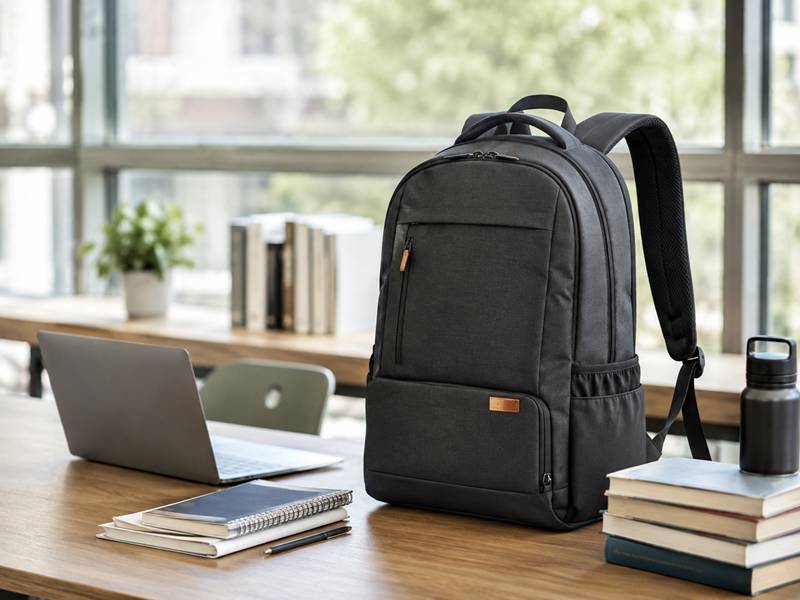
A senior backpack can look playful, but its purpose goes far beyond carrying a cartoon character through a school hallway. It marks the last academic year, preserves childhood memories, and gives students a visible way to express identity before graduation. Once names, photographs, school colors, mascots, patches, or licensed graphics are added, the bag also becomes a complex product that must balance emotional design with everyday performance.
A custom senior backpack is a personalized bag created for a student’s final year of high school or college. It may feature a name, graduation year, school colors, mascot, original artwork, embroidery, patches, photographs, or printed graphics. Unlike an ordinary school bag, it combines practical storage with a commemorative role, helping students celebrate the transition from school life toward graduation, further study, or work.
Imagine a student arriving on the first day of senior year with a childhood-inspired bag that friends recognize immediately. It photographs well, carries a laptop safely, fits folders without bending them, and remains comfortable after a full day. That is the real challenge: preserving the fun of the tradition without producing a novelty item that becomes inconvenient after the first week.
What Is a Custom Senior Backpack?

A custom senior backpack is personalized for a student’s final academic year. It may include a name, class year, school colors, mascot, original graphics, licensed characters, photographs, patches, or embroidery. It differs from an ordinary school backpack because it combines daily storage with graduation identity, nostalgia, and group belonging. The term usually refers to final-year students, not older adults.
What Does “Senior” Mean?
In this context, “senior” usually means a student in the final year of high school or college, especially in American English. It does not primarily mean an elderly person.
The wording can cause confusion outside the United States because “senior” has several meanings:
| Phrase | Usual meaning | Main product needs |
|---|---|---|
| Senior backpack | Backpack associated with a final-year student | Graduation identity and school use |
| Custom senior backpack | Personalized final-year backpack | Name, class year, colors, photos, or artwork |
| Backpack for seniors | Bag designed for older adults | Low weight, simple access, balance, and comfort |
| Senior hiking backpack | Outdoor pack for an older user | Fit, load transfer, stability, and low weight |
A custom senior backpack is not defined by one material, shape, or capacity. Its identity comes from the relationship between the bag and the graduation year.
Clear wording is particularly important when a project is developed across countries. Terms such as “senior-year backpack,” “graduation backpack,” “final-year school backpack,” or “Class of 2027 backpack” make the intended meaning easier to understand.
A complete product description should also state whether the bag is intended for daily school use, graduation photographs, event distribution, or use after graduation. That purpose affects dimensions, compartments, materials, decoration, and carrying comfort.
Who Uses Senior Backpacks?
High school seniors are the group most closely associated with senior backpacks, but the concept can serve several school, retail, team, and graduation programs.
| User or program | Common design approach | Important requirement |
|---|---|---|
| Individual student | Name, photographs, favorite theme | Accurate personalization |
| Graduating class | Shared artwork and class year | Consistent colors and group identity |
| School store | Several approved designs | Repeatable stock and reorder control |
| Sports team | Name, number, mascot, team colors | Durable materials and clear allocation |
| Club or society | Shared symbol with individual details | Simple variation control |
| Graduation event | One coordinated design | Named packing and fixed delivery |
| Licensed collection | Approved character graphics | Written artwork authorization |
| Alumni program | Crest and graduation year | Mature styling and longer useful life |
The expected use changes the structure. A bag carried for one photography event can prioritize visual impact. A backpack used through an entire school year needs practical capacity, smooth zippers, padded straps, reinforced attachment areas, and an easy-clean surface.
Quantity structure also matters. An 800-piece class program can take several forms:
| Program structure | Variation level |
|---|---|
| One shared design | 1 repeated version |
| One design in four colors | 4 versions, 200 pieces each |
| Four colors with two graphics | 8 versions, 100 pieces each |
| One bag with 800 names | 800 individually traceable units |
The final example may use the same backpack construction, yet each piece must still be matched with the correct name, decoration, packing label, and distribution group.
Why Does a Senior Backpack Matter?
A senior backpack marks the transition from school life toward graduation, further study, or work. Students often choose childhood characters, films, games, colors, music, sports, or photographs that reflect earlier memories. Carrying those references during the final academic year creates a visible link between childhood and adulthood.
Its value can be divided into four areas:
- Personal identity: Names, artwork, photographs, and interests make the bag distinctive.
- Class connection: Shared colors, dates, and symbols connect the graduating group.
- Commemorative value: The backpack can remain as a keepsake after graduation.
- Daily function: It can still carry folders, a laptop, lunch, chargers, and personal items.
These four roles do not always align automatically. A small character-shaped backpack may have strong emotional appeal but insufficient capacity for school supplies. A heavily decorated bag may look impressive while becoming stiff, heavy, or difficult to open.
The strongest version keeps the nostalgic idea while adapting the structure to final-year students. An adult-size classic backpack can use playful graphics without sacrificing laptop protection, shoulder comfort, or folder space.
A useful design test is simple: remove the graduation artwork mentally and evaluate the backpack as an everyday product. If its size, access, comfort, and construction still make sense, the foundation is likely sound.
What Is the History of Senior Backpacks?
Senior backpacks do not have one formally documented origin comparable with graduation gowns, yearbooks, or class rings. The practice appears to have developed through local school customs before gaining wider visibility through photographs, videos, and school publications.
Earlier participation often involved choosing a ready-made children’s backpack featuring a favorite childhood character. Students carried these bags during their last year as a playful reminder of their early school days.
School publications have described the tradition as a way for final-year students to revisit childhood interests while preparing for adulthood. The Oarsman notes that the practice gained greater visibility around 2021 and 2022, although some accounts suggest earlier versions existed. Norse Notes also connects the bags with nostalgia and personal expression.
The product has gradually changed from selecting an existing character bag to actively creating a personalized item. Newer versions may include:
- Embroidered student names
- “Class of” dates
- School crests and colors
- Chenille numbers
- Photo collages
- Original illustrations
- Removable patches
- Custom zipper pullers
- Group-specific packing
- Adult-size laptop structures
This change is important because decoration and product development are not the same process. Adding a name to an existing backpack is relatively straightforward. Creating a new silhouette, full-panel graphic, custom patch system, or coordinated class collection requires patterns, samples, material approvals, and production controls.
What Is the Trend in Senior Backpacks?
The current direction combines nostalgia with stronger personalization and more practical capacity. Character themes remain popular, but senior backpacks are no longer limited to small children’s bags.
| Design direction | Common elements | Practical concern |
|---|---|---|
| Childhood nostalgia | Cartoons, films, games, toys | Rights to protected artwork |
| Varsity style | Chenille letters, class year, stripes | Patch thickness and attachment |
| Photo collage | Childhood and school photographs | Image resolution and seam placement |
| Class identity | School colors, crest, slogan | Color and artwork consistency |
| Individual story | Name, interests, activities | Accurate variable data |
| Coordinated group | Shared theme with unique details | SKU and packing control |
| Collectible style | Removable patches and charms | Attachment strength |
| Everyday style | Subtle graduation identity | Continued use after graduation |
One important shift is the use of adult-capacity structures with childhood-inspired artwork. This approach preserves the emotional idea while providing space for folders, laptops, bottles, and other daily items.
Layered decoration is also common. A bag may combine:
- Printed background graphics
- Embroidered names
- Chenille class numbers
- Woven school patches
- Rubber badges
- Custom zipper pullers
- Removable charms
Each additional method should have a clear purpose. Large patches can stiffen pockets. Heavy decoration can pull a soft panel out of shape. Charms may interfere with walking or doorways. Dense embroidery can wrinkle lightweight fabric.
The most commercially stable designs usually use one common backpack structure and vary selected identity elements. For example:
1 base structure × 4 colors × 2 graphics = 8 standard SKUs
If 800 individual names are added, the structure remains shared, but 800 pieces require unit-level identification. This is why personalization planning is as important as visual creativity.
Custom vs Regular Backpacks: What Changes?
A regular school backpack is selected from an established structure, color, material, and packing method. A custom senior backpack changes selected elements to represent a student, school, class, team, graduation event, or licensed theme.
Customization can occur at several depths:
| Custom level | What changes | Development impact |
|---|---|---|
| Personalization | Name, initials, number, or class year | Individual data and identification |
| Graphic treatment | Photograph, illustration, or pattern | Artwork and color approval |
| Decorative treatment | Embroidery, patch, appliqué, or charm | Added processes and attachment checks |
| Material colors | Fabric, lining, zipper tape, and webbing | Color matching and material minimums |
| Functional features | Laptop sleeve, bottle pockets, organizer | Construction development |
| Structural design | Size, silhouette, opening, and straps | New patterns and physical sample |
| Packaging | Named polybag, insert, gift box, or barcode | Packing data and carton control |
The word “custom” should therefore be defined before price or timing is discussed. Printing “Class of 2027” on an established backpack is very different from developing an original character-shaped bag.
A practical program separates the product into two layers:
- Common structure: size, fabric, lining, straps, pockets, zippers, foam, hardware, and carton format.
- Variable identity: name, class year, color, photograph, patch, artwork, or group code.
Keeping the structure stable allows visual variety without repeatedly changing patterns and sewing operations. It also helps a school or label return the following year with a new date and color while preserving the proven construction.
Customization should support the backpack rather than overpower it. Artwork placement needs to respect seams and zippers. Decoration should remain flexible enough for pocket movement. Names must be readable but not so large that they dominate every other design element.
Are Senior Backpacks Only for High School?
No. High school seniors are the strongest cultural association, but the idea can also work for college graduates, vocational schools, university departments, clubs, sports teams, alumni programs, and graduation events.
The visual direction should match the setting:
| Group | Suitable design direction | Functional priority |
|---|---|---|
| High school seniors | Childhood themes, photos, class graphics | Books, folders, comfort |
| College graduates | Department colors, initials, date | Laptop protection and commuting |
| Vocational programs | Trade icons and course identity | Strong materials and organization |
| Sports teams | Mascot, name, number, team colors | Easy cleaning and equipment storage |
| Clubs | Shared symbol with personal details | Consistent group identity |
| Alumni programs | Crest and graduation year | Travel and everyday use |
| Graduation events | Coordinated event artwork | Simple distribution and packing |
A college or vocational-school version may need a more restrained appearance so it remains suitable for internships, commuting, travel, or work. A high school version may deliberately emphasize childhood memories and playful imagery.
The wording also changes across regions. “Senior” may not immediately mean a final-year student outside American English. Adding “graduation,” “final year,” or “Class of 2027” makes the intended use clearer.
The category is therefore defined less by age than by occasion. It applies wherever a backpack is used to celebrate a final academic year, preserve group identity, and create a useful graduation keepsake.
Which Senior Backpack Design Works Best?
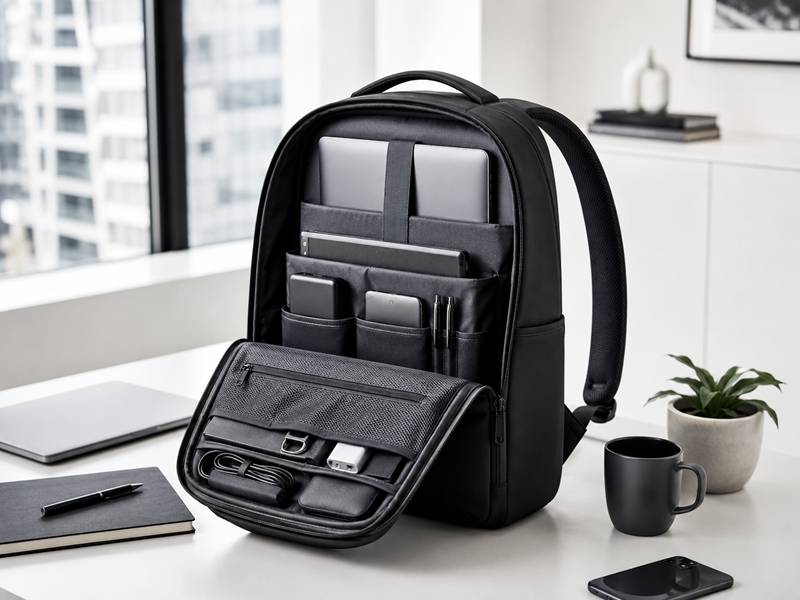
The best senior backpack combines a memorable graduation identity with the capacity, comfort, and durability needed for daily use. Its size should match the intended contents, while materials, pockets, straps, decoration, and personalization should support the same purpose. A successful design looks distinctive in photographs, carries school essentials securely, and remains useful beyond the graduation event.
What Are the Different Types of Custom Backpacks?
The right backpack type depends on whether the product is intended for daily classes, graduation photographs, a one-day event, campus-store sales, or continued use after graduation. Artwork should be planned after the structure because seams, zippers, curves, and pockets determine the available decoration area.
| Backpack type | Best use | Main strengths | Main limitation |
|---|---|---|---|
| Classic school backpack | Daily senior-year use | Familiar shape, practical capacity, large front panel | May need added laptop organization |
| Laptop backpack | School, college, commuting | Device protection and longer useful life | Padding adds weight and cost |
| Character-shaped backpack | Nostalgic themes | Strong visual recognition | Irregular shapes reduce internal space |
| Full-print backpack | Photos, patterns, illustrations | Large graphic coverage | Seam alignment requires careful control |
| Varsity backpack | School and team identity | Works well with patches and embroidery | Thick decoration can stiffen panels |
| Mini backpack | Events, photographs, keepsakes | Compact and playful | Usually too small for folders or laptops |
| Drawstring backpack | One-day distribution | Lightweight with a broad print area | Limited structure and protection |
| Convertible backpack | School, travel, activities | Several carrying options | More components and sewing operations |
A mini character bag may look perfect in senior photographs but become inconvenient during classes. An adult-size classic backpack with nostalgic graphics often provides a stronger balance between emotional appeal and everyday use.
A shared base structure is also easier to repeat across several colors, names, and graduation years. Completely different silhouettes require separate patterns, samples, material calculations, and packing plans.
What Size Works Best?
Size should follow the intended contents rather than a general age description. A final-year student may carry folders, notebooks, a laptop, chargers, lunch, a water bottle, sports items, or personal belongings.
Approximate external volume can be calculated as:
Height × Width × Depth ÷ 1,000 = Liters
| External dimensions | Box volume | Suitable use |
|---|---|---|
| 30 × 22 × 10 cm | 6.6 L | Keepsake or event bag |
| 36 × 26 × 12 cm | 11.2 L | Light daily essentials |
| 40 × 28 × 14 cm | 15.7 L | Tablet, notebooks, and personal items |
| 43 × 30 × 15 cm | 19.4 L | General school use with folders |
| 46 × 32 × 17 cm | 25.0 L | Laptop, books, lunch, and accessories |
These figures represent an external box. Curved panels, foam, lining, dividers, seams, and tapered sections reduce usable internal capacity.
A practical starting selection is:
- 10–14 L: event use, photographs, and light contents
- 15–18 L: notebooks, tablet, and daily essentials
- 19–22 L: general school use with folders and a laptop
- 23–27 L: books, technology, lunch, and additional items
Before fixing dimensions, check:
- Maximum folder or binder size
- Laptop body measurements
- Device sleeve opening
- Main zipper opening
- Bottle diameter
- Intended working load
- Locker dimensions
- User height and shoulder spacing
Laptop sleeves should be planned from the physical device dimensions rather than screen size alone. Two devices described as 15.6-inch laptops can have different body widths, depths, and thicknesses.
A playful theme does not require a child-size structure. Nostalgic artwork can be applied to a full-capacity backpack without weakening the senior-year concept.
Which Materials Last a School Year?
Material performance depends on yarn, weave density, weight, backing, coating, colorfastness, and seam construction. Denier is useful, but it does not define quality by itself.
| Material | Useful qualities | Suitable application | Detail to confirm |
|---|---|---|---|
| 300D polyester | Smooth, lightweight, printable | Light school and full-print designs | Backing and abrasion resistance |
| 600D polyester | Durable and widely available | Classic school backpacks | Coating, weight, and weave density |
| Oxford polyester | Textured and practical | Everyday school use | Thickness and backing |
| 420D–500D nylon | Strong with relatively low weight | Refined or active-use designs | Finish and abrasion behavior |
| Canvas | Natural look and firm hand feel | Varsity and lifestyle styles | Weight, shrinkage, and color transfer |
| RPET polyester | Recycled-content option | Sustainability-led programs | Documentation and batch consistency |
| PU-coated fabric | Smooth and easy to clean | Fashion-oriented designs | Flexing and coating adhesion |
| Mesh | Ventilation and stretch | Bottle pockets and back panels | Tear resistance and edge reinforcement |
A strong shell cannot compensate for weak construction. Common failure risks include:
- Shoulder straps attached without sufficient reinforcement
- Seams placed too close to a cut edge
- Dense embroidery applied to unsupported lightweight fabric
- A tightly curved zipper that is difficult to operate
- Bottle-pocket mesh cut in the wrong stretch direction
- An unprotected base repeatedly placed on rough floors
Material should also match the decorative process. Sublimation requires suitable polyester surfaces. Embroidery needs enough stability to resist puckering. Heat transfer should be tested against the fabric coating and heat sensitivity.
For light-colored bags, easy-clean performance and color transfer deserve attention. Dark colors may hide marks but can show lint or coating scratches. Full-print panels should be checked after folding, rubbing, and sewing because an attractive flat print may behave differently after assembly.
What Features Matter Most?
The most valuable features are used every day. Decoration attracts attention, but access, comfort, and organization determine whether the backpack remains in regular use.
| Feature | Practical requirement | Problem it helps prevent |
|---|---|---|
| Main compartment | Fits folders without bending | Damaged papers and limited access |
| Laptop sleeve | Correct device fit with protective foam | Impact and movement inside the bag |
| Shoulder straps | Curved, padded, adjustable, reinforced | Pressure and attachment failure |
| Back panel | Stable padding and suitable airflow | Discomfort and shape collapse |
| Main zipper | Smooth operation around curves | Jamming and premature wear |
| Bottle pockets | Sufficient depth and elastic recovery | Bottles falling out |
| Top handle | Reinforced attachment and comfortable grip | Tearing during lifting |
| Front pocket | Accessible without blocking artwork | Poor daily organization |
| Internal label | Name and identification space | Loss or distribution errors |
| Base panel | Durable surface and stable construction | Abrasion and sagging |
Main openings often benefit from a stronger zipper construction than small internal pockets. A No. 8 coil zipper may suit a heavily used main opening, while a No. 5 zipper may be suitable for secondary pockets. Final selection should reflect bag size, opening shape, expected load, and desired appearance.
Shoulder-strap attachment deserves more attention than decorative hardware. The upper strap area carries repeated load and should use suitable reinforcement, seam placement, and stitch structure.
A laptop sleeve should protect the device at the sides and base. Raising the sleeve slightly above the backpack floor can help prevent direct impact when the bag is placed down.
More pockets are not automatically better. Every additional section adds fabric, lining, zippers, bindings, cutting, sewing, and inspection. A clear three-section structure may be more useful than several narrow compartments that reduce the main storage area.
Which Custom Methods Look Best?
The most suitable method depends on the artwork, fabric, quantity, desired texture, and expected wear. One backpack can combine several methods, but every addition should contribute something visible.
| Method | Visual effect | Best application | Main control |
|---|---|---|---|
| Screen printing | Clean solid color | Class year, slogan, simple graphic | Ink adhesion and color |
| Heat transfer | Detailed multicolor image | Photos and complex illustrations | Edge adhesion and heat response |
| Sublimation | Full-color integrated surface | Polyester printed panels | Resolution and panel alignment |
| Embroidery | Raised, durable texture | Names, initials, mascots | Density, backing, and puckering |
| Woven patch | Fine textile detail | Crests and small graphics | Edge finish and attachment |
| Chenille patch | Varsity appearance | Letters and graduation numbers | Thickness and sewing accuracy |
| Rubber patch | Modern raised finish | Bold icons and simple graphics | Mold detail and attachment |
| Appliqué | Layered fabric effect | Large letters and character elements | Edge sewing and stability |
| Metal badge | Refined structured appearance | Subtle premium identity | Weight, finish, and secure backing |
A useful design hierarchy is:
- Graduation identity
- Main graphic or mascot
- Student name
- Supporting patches or decoration
When every element is equally large, the design becomes difficult to read. The class year should usually remain visible at normal viewing distance, while names and smaller details can be read more closely.
Decoration placement must respect the backpack structure. A large chenille patch may make a front pocket too rigid. Heavy embroidery can pull a soft panel out of shape. A metal badge requires backing so it does not tear through the fabric. Hanging charms should remain clear of walking movement, zipper paths, and doorways.
Artwork files should record finished dimensions, colors, placement from fixed seams, decoration method, and the protected space around trimming and stitching.
Do Character Designs Need Licensing?
Protected cartoon characters, film graphics, sports marks, school crests, logos, and professional photographs may require written authorization. Easy online access to an image does not provide permission for commercial reproduction.
Clear artwork routes include:
- Original illustrations developed specifically for the program
- Assets owned by the school, team, club, or commissioning organization
- Licensed character artwork supported by written authorization
- Public-domain material verified for the intended use
- Student artwork accompanied by the necessary permissions
The approval record should identify:
| Rights detail | Information required |
|---|---|
| Artwork owner | Person or organization controlling the asset |
| Permitted product | Backpack, patch, packaging, or related item |
| Territory | Countries where distribution is allowed |
| Quantity | Approved production volume |
| Validity | Authorized period |
| Modification rights | Whether colors, layout, or proportions may change |
| Approval route | Person providing final artwork approval |
School mascots may also be protected. A student-created design may contain another company’s character. A photo collage may involve a photographer’s rights or the likeness of several people.
Original nostalgia-inspired artwork is often a practical alternative. It can use retro colors, playful shapes, school memories, or childhood themes without copying a protected character.
A factory can reproduce artwork that has been approved, but authorization should come from the party entitled to use it. Clear documentation also supports future reorders and new graduation-year editions.
How Do Names and Class Years Add Value?
Names and graduation dates give the backpack personal meaning and make it suitable for photographs, gifts, class activities, and long-term keepsakes. They also introduce unit-level control because every personalized bag must match the correct design, color, label, and distribution group.
| Personalization method | Appearance | Operational need |
|---|---|---|
| Embroidered name | Textured and durable | Correct spelling and machine file |
| Heat-transfer name | Clean and flexible | Position and adhesion control |
| Printed panel | Integrated with the artwork | Accurate file and panel matching |
| Woven name label | Textile identity | Label allocation before sewing |
| Removable patch | Collectible and replaceable | Secure hook-and-loop attachment |
| Named hangtag | External identification | Matching during packing |
Consider a 600-piece program:
| Structure | Variations created |
|---|---|
| One shared class design | 1 |
| Three body colors | 3 |
| Three colors with two graphics | 6 |
| One design with 600 names | 600 individually traceable units |
| Six designs with 600 names | Up to 600 unique combinations |
The name file should contain consistent fields:
| Field | Example |
|---|---|
| Student name | Jordan Lee |
| Class year | Class of 2027 |
| Design code | SR-06 |
| Body color | Navy |
| Logo version | Crest B |
| Name method | White embroidery |
| Distribution group | Grade 12 / Group C |
| Packing code | Jordan Lee / SR-06 |
Before decoration begins, names should be checked for spelling, capitalization, accents, special characters, duplicates, and missing entries. One locked master file should control all versions.
Visual balance also matters. A large student name can overpower the graduation theme, while very small text may disappear in photographs. The name, class year, and main graphic should have a clear order of importance.
Personalization creates value only when it is accurate. A well-constructed backpack with the wrong name or graduation year cannot fulfill its commemorative purpose. Data control is therefore part of product quality.
How Does a Factory Develop a Custom Sample?

A factory develops a custom senior backpack sample by translating use requirements, dimensions, materials, artwork, personalization, and packing instructions into patterns and a physical prototype. The sample is then measured, loaded, worn, operated, and inspected. Its purpose is to confirm appearance and function before bulk materials are cut, names are applied, and repeated production begins.
What Does the Factory Need First?
Development begins with a product brief that explains what the backpack must carry, how it will be used, and which details can change. A photograph communicates appearance, but it rarely reveals hidden reinforcement, foam density, seam allowance, lining construction, zipper size, or laptop protection.
Essential input includes:
- Intended use and age group
- Finished height, width, and depth
- Expected contents and working load
- Laptop or tablet body dimensions
- Outer fabric, lining, and padding preference
- Main and contrast colors
- Compartment and pocket layout
- Shoulder-strap and back-panel requirements
- Logo, class year, photographs, and graphic files
- Personalization method and name quantity
- Quantity per design, color, and size
- Artwork authorization where required
- Individual packing and carton instructions
- Destination country
- Required arrival date
- Inspection or testing requirements
| Design input | Unclear description | Measurable description |
|---|---|---|
| Backpack size | Standard school size | 43 × 30 × 15 cm finished dimensions |
| Laptop sleeve | Fits a laptop | Fits a device measuring 360 × 245 × 20 mm |
| Main fabric | Durable polyester | 600D polyester with specified backing |
| School color | Navy blue | Approved physical or numerical color reference |
| Front logo | Large embroidered crest | 90 mm wide embroidery centered on front pocket |
| Student name | Add name under logo | White embroidery, 12 mm letter height |
| Bottle pocket | Fits a normal bottle | Fits the approved bottle diameter and height |
| Packing | Individual packing | Named polybag label with design and class code |
The product brief should identify whether the structure already exists or needs to be developed from the beginning. Adapting an established school backpack is different from creating a character-shaped bag with new patterns.
Reference files should also be ranked. If a photograph conflicts with written dimensions, the record must state which one governs development.
How Does the Design Process Work?
The process should move from use to structure, then to materials and decoration. Starting with a large graphic before confirming pocket openings and seams can create artwork that later needs to be reduced, divided, or moved.
| Stage | Main activity | Required output |
|---|---|---|
| 1 | Review use, contents, quantity, and timing | Confirmed design brief |
| 2 | Establish dimensions and capacity | Measurement plan |
| 3 | Select fabric, lining, foam, and hardware | Material proposal |
| 4 | Plan compartments, straps, and openings | Construction drawing |
| 5 | Create backpack patterns | Pattern set |
| 6 | Position graphics and names | Artwork placement file |
| 7 | Produce print, embroidery, or patch trial | Decoration reference |
| 8 | Cut and sew the first prototype | Physical sample |
| 9 | Measure, load, wear, and inspect it | Revision record |
| 10 | Produce a corrected sample where required | Approval version |
| 11 | Lock materials, construction, and packing | Bulk reference set |
Pattern development must account for material thickness and assembly. Foam changes the finished dimensions. Binding consumes panel edges. Curved zipper openings need enough space for smooth operation. A patch placed near a seam may require additional clearance.
The decoration sequence also matters. Embroidery may need to be applied before a pocket is attached. A sublimated panel is normally printed before cutting and sewing. A rubber patch may require a mold before the final sample can represent the intended appearance.
Any temporary substitution should be recorded. If the first sample uses available black webbing while the final bag requires a dedicated navy color, the approval record must show that the webbing is not yet final.
Which Details Need a Physical Sample?
Drawings can confirm dimensions and layout, while swatches can confirm material and color. A complete physical sample is still necessary when several parts interact or when the backpack must be evaluated during actual use.
| Detail | Drawing or swatch sufficient? | Full sample needed? |
|---|---|---|
| Flat logo dimensions | Yes | Final position should still be checked |
| Fabric color and texture | Swatch required | Confirm on the assembled bag |
| Finished silhouette | No | Yes |
| Usable capacity | No | Yes |
| Laptop fit | No | Yes |
| Strap comfort | No | Yes |
| Zipper operation | No | Yes |
| Pocket access | No | Yes |
| Patch flexibility | Trial helps | Yes |
| Loaded balance | No | Yes |
| Folding and packing | No | Yes |
The sample should be filled with representative contents. An empty bag may appear balanced even when the loaded version pulls away from the back or places excessive pressure on the upper strap attachments.
Physical review should include:
- Whether folders enter without bending
- Whether the laptop passes through the main opening
- Whether the sleeve protects the device sides and base
- Whether the bottle pocket grips the intended bottle
- Whether the straps adjust for the intended user group
- Whether the top handle remains comfortable under load
- Whether the front artwork stays visible when the bag is filled
- Whether patches restrict pocket movement
- Whether charms interfere with zippers or walking
- Whether the backpack stands, collapses, or leans when packed
A partial mock-up may confirm an embroidery or patch before a complete second sample is made. However, partial confirmation should not replace a full approval sample when a change affects size, capacity, comfort, shape, or construction.
How Long Does Sampling Take?
Sampling time depends on design complexity, material availability, custom components, decoration, and the completeness of the initial files.
| Sample type | Common development time | Suitable example |
|---|---|---|
| Simple adaptation | 2–3 days | Existing structure with a new logo or color |
| Standard custom sample | 5–7 days | Original artwork with common materials and pockets |
| Complex backpack | 7–15 days | New shape, several compartments, layered decoration |
| Molded detail | Project-specific | Custom rubber patch, badge, buckle, or zipper puller |
| Dedicated material color | Project-specific | Custom fabric, zipper tape, webbing, or buckle color |
The schedule should begin after essential information is confirmed. If dimensions, artwork, colors, materials, and personalization continue to change, a fixed completion date becomes unreliable.
Sample completion and sample approval are separate milestones. A prototype may be sewn in five days, but the complete cycle can also include:
- International courier transit
- Internal wear and capacity review
- Artwork approval
- Name-format confirmation
- Revision preparation
- Corrected sample production
- Final written approval
Faster development is more practical when available materials, standard hardware, complete vector artwork, and an established backpack structure are used.
A custom mold, dedicated dye lot, full photo collage, character-shaped construction, or several decoration methods requires more coordination. At Jundong, the standard backpack sample usually takes 5–7 days; simple adaptations may take 2–3 days, while more complex structures may require 7–15 days.
What Should the Sample Confirm?
Sample approval should be based on measurable information and actual use, not only visual appearance. The bag should be checked from the outside, inside, and while loaded.
| Review area | Details to confirm |
|---|---|
| Dimensions | Height, width, depth, pocket sizes, strap length |
| Capacity | Folders, laptop, bottle, lunch, and personal items |
| Shape | Symmetry, panel curves, base stability, filled appearance |
| Materials | Outer fabric, lining, mesh, foam, webbing, binding |
| Colors | Fabric, thread, zipper tape, hardware, print, patches |
| Carrying system | Strap width, curve, adjustment, padding |
| Components | Zippers, sliders, pullers, buckles, elastic |
| Decoration | Size, position, color, texture, edge finish |
| Personalization | Name spelling, type style, contrast, placement |
| Construction | Seams, reinforcement, binding, stitch consistency |
| Packing | Folding, labels, polybag, inserts, carton quantity |
Capacity can be estimated from external dimensions:
Height × Width × Depth ÷ 1,000 = Approximate external liters
A backpack measuring 43 × 30 × 15 cm has an external box volume of approximately 19.4 liters. Its usable capacity will be lower because padding, lining, curved panels, pockets, and seams occupy space.
The sample should also confirm artwork readability. Graduation years and main graphics should remain clear when viewed from a normal distance. Names can be smaller, but they should have enough contrast against the body color.
Photographs of the approved sample should include front, back, sides, base, interior, decoration close-ups, measurement positions, and packing. These images support the physical reference but do not replace it.
When Are Revisions Necessary?
Revisions are necessary when the prototype differs from the approved brief or when physical evaluation reveals a functional conflict. Not every change requires a complete new sample, but the effect should be assessed before rework begins.
| Revision level | Examples | Development effect |
|---|---|---|
| Minor | Thread color, label position, webbing tail | Limited adjustment |
| Decorative | Logo size, name height, patch position | New decoration trial may be required |
| Component | Zipper, buckle, lining, foam | New sourcing and partial reconstruction |
| Structural | Dimensions, opening, pocket depth, strap curve | Pattern changes and new panels |
| Fundamental | New shape, use, size, or material family | New development cycle |
A seemingly small dimensional change can affect several components. Increasing depth from 14 to 17 cm changes the gussets, base, lining, zipper length, binding, internal volume, material use, and carton size.
Revision instructions should be specific:
- Replace “make the straps thicker” with an approved finished padding requirement.
- Replace “move the logo higher” with a measured distance from the zipper seam.
- Replace “make the pocket larger” with finished width, height, and opening dimensions.
- Replace “improve the blue” with an approved color reference.
- Replace “fix the name” with the corrected spelling and file code.
All comments should be consolidated into one dated revision record. Scattered messages can create conflicts, especially when several people review the same sample.
Each version should have a clear code, such as S1, S2, or Approval Sample. When one feature is corrected, previously approved details should remain locked unless a related construction change makes that impossible.
How Does Approval Protect Bulk Production?
An approved sample gives pattern, cutting, decoration, sewing, inspection, and packing teams one shared product reference. It reduces interpretation and helps prevent earlier rejected details from returning.
The approval package should contain:
| Approval record | What it controls |
|---|---|
| Sealed physical sample | Overall appearance, proportion, and workmanship |
| Measurement sheet | Finished dimensions and agreed tolerances |
| Material card | Outer fabric, lining, mesh, foam, and binding |
| Component board | Zippers, pullers, buckles, webbing, and elastic |
| Artwork file | Graphic version, dimensions, colors, and placement |
| Personalization file | Names, design codes, colors, and packing groups |
| Construction notes | Seams, reinforcement, foam, and assembly |
| Revision history | Changes accepted during development |
| Packing instructions | Folding, labels, polybags, cartons, and marks |
| Inspection criteria | Functional and appearance checks |
The approved physical reference is often called a golden sample. It should represent the accepted materials, dimensions, decoration, construction, function, and packing as closely as possible.
One physical sample alone is not enough because some features become hidden after sewing. Reinforcement layers, seam allowances, foam density, backing materials, and internal stitch construction should also be documented.
Changes after approval require written control. Replacing a zipper, foam, coating, lining, webbing, or patch backing may affect performance even if the finished appearance looks similar.
For personalized programs, approval must also cover the data process. A correct golden sample cannot prevent name errors unless the master name file, unit identification, decoration record, and packing match are controlled.
The approved package therefore protects more than appearance. It links the original design to repeated production, inspection, packing, and future reorders.
What Affects Price, MOQ, and Lead Time?
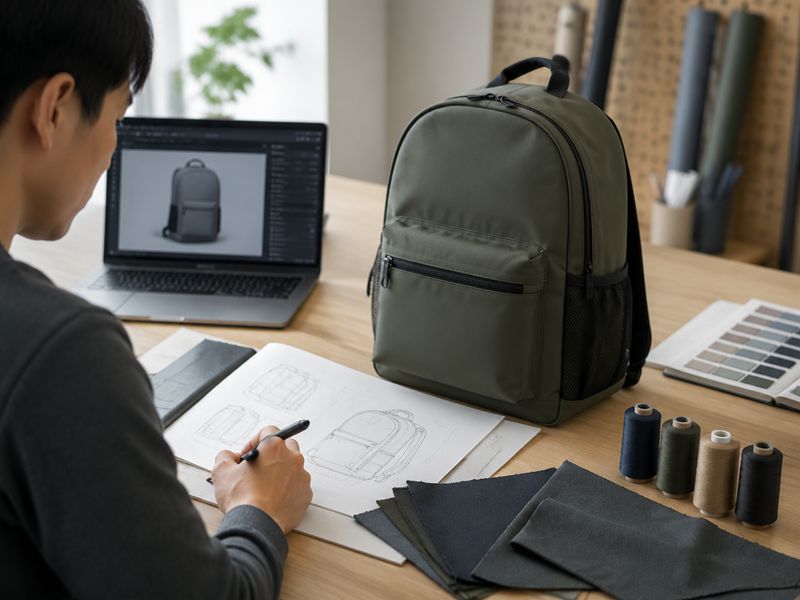
Price, MOQ, and lead time depend on the complete backpack specification rather than the product name. Dimensions, materials, compartments, padding, zippers, artwork, personalization, packaging, quantity per variation, testing, and delivery timing all influence the project. A large total quantity may still carry high complexity when divided among many colors, graphics, names, sizes, or distribution groups.
How Much Does a Custom Senior Backpack Cost?
There is no single price for a custom senior backpack because a shared printed design and an individually personalized laptop backpack require different materials, operations, and controls.
The unit amount can be understood through this structure:
Materials + Components + Cutting and Sewing + Decoration + Personalization + Packing + Allocated Development + Quality Control
Other expenses may be listed separately:
- Physical samples
- Sample courier
- Print or embroidery setup
- Patch, badge, or zipper-puller molds
- Custom-colored materials
- Laboratory testing
- Third-party inspection
- Freight
- Duties and taxes
- Warehousing
- Distribution to several locations
A production-ready quotation requires enough information to calculate these items accurately:
| Required information | Why it changes cost |
|---|---|
| Finished dimensions | Controls fabric, lining, foam, zippers, and carton size |
| Outer fabric | Fiber, weight, denier, backing, and coating affect material cost |
| Internal structure | Pockets, dividers, and laptop sleeves add components and labor |
| Padding | Type, density, thickness, and placement affect protection and sewing |
| Zippers and hardware | Size, finish, brand, and custom parts change component cost |
| Decoration | Method, size, color count, and positions affect setup and production |
| Personalization | Shared artwork and individual names require different handling |
| Quantity | Fixed preparation is distributed across the finished units |
| SKU count | Each variation needs separate allocation and identification |
| Packaging | Named polybags, inserts, boxes, and labels add material and work |
| Testing | Requirements differ by destination and product claim |
| Delivery term | EXW, FOB, CIF, and DDP include different responsibilities |
A low figure supplied without these details is usually an estimate based on assumptions. It may change after the sample reveals the real fabric use, decoration area, pocket structure, or packing requirement.
The most reliable comparison is the complete project amount, not the isolated unit figure:
Complete project amount = Unit price × Quantity + Development + Tooling + Testing + Inspection + Packing extras + Delivery-related expenses
Which Factors Change the Price?
The largest price changes usually come from material selection, construction complexity, decoration, personalization, quantity per variation, and packaging.
| Cost area | Lower-complexity choice | Higher-complexity choice |
|---|---|---|
| Outer fabric | Available polyester | Dedicated nylon, coated fabric, or documented RPET |
| Structure | One main compartment | Several lined and padded sections |
| Back panel | Light padding | Shaped foam with airflow construction |
| Shoulder straps | Basic padded straps | Curved multilayer straps with added reinforcement |
| Zippers | Standard sliders and pullers | Branded or molded pullers |
| Logo | One-color screen print | Embroidery, patches, appliqué, and print |
| Personalization | One shared class design | Different name or photo on every bag |
| Colors | One available body color | Several coordinated custom colors |
| Packaging | Plain polybag | Named packing, inserts, and gift box |
| Testing | Basic functional checks | Formal laboratory testing |
| Timing | Planned schedule | Urgent materials, production, and transport |
Size has a wider effect than many projects expect. Increasing a backpack from 40 × 28 × 14 cm to 46 × 32 × 17 cm changes:
- Outer fabric consumption
- Lining consumption
- Foam area
- Zipper length
- Binding length
- Pocket dimensions
- Cutting layout
- Sewing time
- Carton quantity
- Shipment volume
Pockets also create more cost than their visible fabric suggests. A zipper pocket may require an outer panel, lining, zipper tape, slider, puller, binding, reinforcement, cutting, sewing, and inspection.
Decoration cost depends on more than the method. A small repeated embroidered crest is different from hundreds of unique names. A chenille class-year patch may require thick materials and careful edge sewing. A full-print photo panel needs high-resolution artwork, print positioning, cutting alignment, and color approval.
The most efficient design spends more on high-use areas—straps, zippers, base, and laptop protection—while removing decorative or structural details that do not improve the product.
Why Does a Factory Set an MOQ?
MOQ reflects the smallest practical quantity across fabric, lining, webbing, zippers, buckles, labels, decoration, cutting, sewing, inspection, and packing. Each component can have its own minimum.
Common MOQ drivers include:
| Component or process | Why a minimum may apply |
|---|---|
| Outer fabric | Supplied by full roll or dedicated dye lot |
| Lining | Separate material and color requirement |
| Zipper tape | Custom tape colors need their own production lot |
| Webbing | Width and color may require dedicated preparation |
| Buckles | Custom colors or shapes may require molding |
| Embroidery | Digitizing and machine setup occur before repeated stitching |
| Screen printing | Screens and color setup are prepared before printing |
| Rubber patch | Mold preparation is required |
| Woven label | Loom and artwork setup apply |
| Printed polybag | Printing setup and packaging quantity apply |
| Gift box | Printing, cutting dies, and assembly apply |
Production preparation also occurs before the first completed backpack:
- Pattern preparation
- Cutting-marker planning
- Material allocation
- Machine adjustment
- Decoration setup
- Sewing-operation arrangement
- Inspection instructions
- SKU identification
- Packing preparation
For Jundong backpack projects, the standard MOQ is generally 500 pieces per design. Simple structures using available materials and standard components may be reviewed at 200–300 pieces, depending on construction, colors, decoration, and current production conditions.
MOQ should be confirmed per design and color. An order of 1,000 pieces divided among ten structures cannot be treated like one continuous 1,000-piece run.
Custom colors may create a further issue: the material mill’s minimum can exceed the finished backpack quantity. The unused material must then be stored, applied to a repeat order, or included in the project cost.
How Does Order Volume Affect Unit Cost?
Larger volume can reduce unit cost when it creates repetition. Patterns, decoration setup, cutting plans, line preparation, and inspection instructions can be distributed across more finished pieces.
The basic relationship is:
Allocated preparation cost per bag = Total preparation cost ÷ Finished quantity
Higher volume may also improve:
- Fabric-roll utilization
- Cutting efficiency
- Component pricing
- Sewing repetition
- Decoration repetition
- Carton planning
- Testing cost per finished piece
- Packing-material allocation
However, quantity alone does not guarantee a lower unit amount. Repetition matters more than the total number written on the order.
Consider four programs containing 2,000 backpacks:
| Program structure | Standard variations | Pieces per variation |
|---|---|---|
| One design and one color | 1 | 2,000 |
| One design and four colors | 4 | 500 |
| Two designs and four colors | 8 | 250 |
| Four designs and five graphics | 20 | 100 |
The first program provides long repeated production. The last requires separate artwork, material allocation, work instructions, inspection records, packing labels, and carton identification for twenty small groups.
Individual names create another type of complexity. Two thousand bags may share one structure, but two thousand unique names require unit-level decoration and traceability.
A larger quantity reduces cost most effectively when the project shares:
- One base pattern
- Common lining
- Common zipper sizes
- Common buckles
- Common webbing
- One packaging structure
- Shared logo positions
- Stable carton dimensions
At Jundong, the sample charge can generally be refunded or deducted when the confirmed bulk quantity reaches 2,000 pieces, subject to the agreed project terms.
Do Multiple Designs Increase Cost?
Multiple designs increase cost when they create separate materials, patterns, artwork files, decoration setups, production instructions, inspections, or packing groups.
The number of standard SKUs can be estimated as:
Backpack structures × Colors × Sizes × Graphic versions = Standard SKUs
For example:
2 structures × 4 colors × 2 graphics = 16 standard SKUs
If 800 individual names are then added, the project may still contain 16 structural SKUs, but 800 bags require individual identification.
| Variation | Main operational effect |
|---|---|
| Different name only | Variable artwork and named packing |
| Different print on same panel | Separate print files and setup |
| Different body color | Material and thread separation |
| Different logo method | Separate decoration process |
| Different pocket layout | New patterns and sewing instructions |
| Different size | Separate patterns, cutting, and cartons |
| Different character shape | Complete structural development |
Variation becomes expensive when every design changes several things at once. Five graphics on one common backpack are easier to control than five bags with different sizes, materials, zippers, pockets, and packaging.
Practical ways to preserve variety include:
- Use one core backpack structure.
- Share lining, webbing, buckles, and zipper sizes.
- Change the front graphic rather than the full pattern.
- Keep logo dimensions and positions consistent.
- Use neutral internal components across all body colors.
- Apply variable names at the last controlled decoration stage.
- Use printed SKU labels instead of several packaging structures.
- Group small visual versions under one common carton system.
The design collection can still look diverse while production remains concentrated around shared components.
How Do Packaging and Labels Affect Price?
Packaging affects material cost, labor, carton volume, name accuracy, distribution, and freight. A plain polybag is simpler than a gift-ready pack identified for one student.
| Packing format | Included elements | Suitable use |
|---|---|---|
| Basic | Plain polybag and export carton | Central unpacking |
| Branded | Printed bag, hangtag, and care label | Campus-store or retail presentation |
| Named | Student label and design code | Individual distribution |
| Gift | Tissue, insert, sleeve, or box | Graduation presentation |
| Group sorted | Class, team, or location carton code | Multi-group handout |
| Multi-location | Separate carton marks and packing lists | Delivery to several addresses |
Labels may include:
- Main woven label
- Care and material label
- Country-of-origin label
- Student name label
- Graduation-year label
- Barcode or SKU sticker
- Hangtag
- School or team identification
- Polybag warning
- Carton mark
- Distribution-group code
Named packing requires each finished bag to be matched with the correct:
- Student name
- Body color
- Graphic version
- Logo version
- Polybag label
- Distribution group
- Carton destination
A mismatch may not damage the backpack, but it can make the item unusable for the intended student. Packing accuracy is therefore part of finished-product quality.
Gift boxes add presentation value but also increase carton dimensions and shipment volume. A flat sleeve or printed insert may provide a graduation-gift feeling with less freight impact.
Carton quantity should be checked against backpack shape and decoration. Thick chenille patches, molded badges, or structured back panels may prevent tight folding. Excessive compression can leave creases, distort foam, or damage decoration.
How Long Does Bulk Production Take?
Standard custom backpack production commonly takes about 20–30 days after the sample, materials, artwork, quantity, packaging, and commercial terms are confirmed. Complex structures, custom-colored materials, molds, extensive personalization, several SKUs, or formal testing may require additional time.
A complete schedule includes more than sewing:
| Stage | Timing consideration |
|---|---|
| Product brief | Must be complete before accurate development |
| Simple sample | About 2–3 days |
| Standard custom sample | About 5–7 days |
| Complex sample | About 7–15 days |
| Sample review | Depends on courier and internal approval |
| Material preparation | Depends on availability and custom colors |
| Artwork setup | Depends on print, embroidery, patches, or molds |
| Name-file verification | Must be locked before personalization |
| Bulk production | Commonly about 20–30 days |
| Inspection and packing | Included in the planned production schedule |
| Air transport | Commonly about 7–12 days |
| Sea transport | Commonly about 40–45 days |
| Customs and distribution | Depends on destination and delivery plan |
The production clock should begin from a clearly agreed milestone. “After deposit” is not enough if the sample, name list, or artwork remains unapproved. A more reliable start condition is:
After deposit, approved sample, confirmed materials, locked artwork, final name file, and approved packing instructions.
Late changes can create wider delays:
- A new body color may require new fabric.
- A changed patch size may require another trial or mold.
- Additional names may interrupt decoration sequencing.
- Revised packaging may delay labels or cartons.
- A new destination may require different markings.
- Added tests may require extra samples and laboratory time.
Projects tied to the first day of school, senior photographs, or graduation ceremonies should be planned backward from the required arrival date. Freight, customs clearance, local handling, and distribution should be added after the factory completion date.
A realistic schedule includes time for sample review, correction, name verification, bulk production, inspection, and shipping. The sewing period is only one part of the full timeline.
How Do You Choose a Senior Backpack Manufacturer?
Choose a senior backpack factory by checking its ability to develop accurate samples, control materials and colors, manage individual names, maintain bulk consistency, and meet a fixed event date. Compare quotations using the same specification, then review physical samples, inspection records, capacity evidence, packing controls, and communication quality. The strongest choice provides clear proof instead of relying on low prices or broad claims.
Where Can You Find Senior Backpacks?
The suitable source depends on quantity, customization depth, and whether the bag is intended for one student, a graduating class, a school store, or a seasonal collection.
| Requirement | Suitable source | Main advantage | Main limitation |
|---|---|---|---|
| One personalized bag | Online personalization shop | Simple name or photo decoration | Little control over structure |
| One locally decorated bag | Local print or embroidery studio | Easy communication and quick handling | Limited to available backpack styles |
| School-approved bag | Campus store or authorized program | Approved identity and colors | Restricted style selection |
| Coordinated class program | Custom bag factory | Shared structure with controlled personalization | MOQ and development time apply |
| Original branded collection | OEM or ODM bag factory | Full material, structure, and packing control | Requires clear specifications |
| Licensed character series | Authorized program with a qualified factory | Approved commercial artwork use | Written rights and approvals are required |
For one student, decorating an existing backpack may be practical. For several hundred pieces, original structures, repeat programs, or retail distribution, direct factory development offers stronger control over dimensions, fabric, hardware, artwork, names, labels, and packaging.
Quantity should be assessed per design and color. One thousand identical bags create more repetition than one thousand pieces divided across ten unrelated styles.
A suitable source should also match the desired customization level. Adding an embroidered name to an existing backpack is different from creating a new silhouette, full-print panel, custom patch, private label, and named packing system.
Which Factory Capabilities Matter?
Senior backpacks combine everyday bag construction with graduation artwork, individual identity, and deadline-sensitive distribution. The factory should be able to control these elements as one connected project.
Important capabilities include:
- Backpack pattern development
- Material and component sourcing
- Print, embroidery, appliqué, and patch coordination
- Individual-name data handling
- Physical sample development
- Color-reference control
- Laptop and capacity evaluation
- Strap and reinforcement development
- Inline inspection
- Final inspection
- SKU and named-packing control
- Carton separation by class or destination
- Repeat-order consistency
- Protection of artwork and product files
Evidence should support every claimed capability:
| Capability | Useful evidence | Why it matters |
|---|---|---|
| Product development | Similar samples, patterns, and specification sheets | Shows the ability to build the intended structure |
| Decoration | Print trials, embroidery sew-outs, and patch references | Confirms control of artwork and placement |
| Material control | Swatches, component cards, and color approvals | Reduces substitutions and shade differences |
| Personalization | Name-file format and identification method | Protects student-name accuracy |
| Production control | Work instructions and inline records | Shows how the approved sample is repeated |
| Quality control | Inspection forms and correction records | Demonstrates how defects are handled |
| Capacity | Current production schedule and planned line allocation | Supports a realistic completion date |
| Packing | Named polybags, SKU labels, and carton maps | Reduces distribution errors |
| Repeat orders | Records linking materials and components to earlier runs | Supports consistent future editions |
A factory experienced only with simple promotional bags may struggle with laptop compartments, heavy embroidery, or shaped foam. Another producing standard retail backpacks may lack a reliable process for hundreds of unique names.
The selected facility should therefore match the project’s actual structure, decoration, quantity, and distribution plan.
What Should a Quote Include?
A useful quote should describe the proposed backpack in enough detail to make the price understandable and repeatable. “Custom senior backpack, 500 pieces” is not a complete specification.
| Quote item | Detail that should be recorded |
|---|---|
| Product reference | Drawing, photograph, style code, or sample |
| Finished dimensions | Height, width, depth, and agreed tolerance |
| Outer fabric | Fiber, denier or weight, backing, coating, and color |
| Lining | Material, color, density, and coating |
| Padding | Type, thickness, density, and placement |
| Structure | Compartments, pockets, sleeves, openings, reinforcement |
| Zippers | Size, tape color, slider, puller, and required grade |
| Hardware | Buckles, adjusters, rings, and finish |
| Decoration | Method, dimensions, colors, and positions |
| Personalization | Number of unique names or photographs |
| Labels | Main label, care label, country label, and barcode |
| Packaging | Polybag, name sticker, insert, gift box, and carton |
| Quantity | Pieces per design, color, graphic, size, and group |
| Sample | Fee, timing, included revisions, and refund terms |
| Tooling | Molds, screens, plates, dies, or digital setup |
| Testing | Functional checks and formal laboratory requirements |
| Production time | Start condition and estimated completion |
| Delivery term | EXW, FOB, CIF, DDP, or another agreed term |
| Price validity | Date until which the quotation remains valid |
| Exclusions | Courier, inspection, freight, duty, tax, or storage |
The quotation should also clarify whether the unit price assumes one continuous production run. Splitting one order into several delivery dates may require separate material allocation, packing, inspections, or storage.
Trade terms must be aligned before prices are compared. EXW and FOB cover different responsibilities. CIF and DDP involve different transport and import arrangements.
The complete project amount is more useful than an isolated unit figure:
Unit value × Quantity + Development + Tooling + Testing + Inspection + Packing extras + Delivery-related expenses
How Do You Compare Two Factories?
Send the same product brief to each shortlisted factory. Place every technical and commercial detail into one comparison table rather than reviewing each quotation in its original format.
| Comparison area | Factory A | Factory B | Required decision |
|---|---|---|---|
| Finished size | 43 × 30 × 15 cm | 41 × 29 × 14 cm | Confirm required dimensions |
| Outer fabric | 600D polyester with backing | “600D polyester” | Confirm full construction |
| Laptop sleeve | Defined dimensions and foam | “Padded laptop sleeve” | Confirm device fit |
| Main zipper | No. 8 coil zipper | Standard zipper | Confirm size and slider |
| Shoulder straps | Defined padding and reinforcement | Padded straps | Confirm construction |
| Logo | 90 mm embroidery | Logo included | Confirm method and dimensions |
| Personalization | 500 unique names | Shared class graphic | Align the work included |
| Packing | Named polybag | Plain polybag | Confirm distribution method |
| Inspection | Incoming, inline, and final | Final check only | Confirm control stages |
| Delivery term | FOB Shenzhen | EXW Guangdong | Align cost boundaries |
| Production start | After all approvals | After deposit | Align the start condition |
A weighted comparison can help balance price with execution:
| Evaluation area | Suggested weight |
|---|---|
| Specification accuracy | 25% |
| Sample execution | 20% |
| Quality-control evidence | 15% |
| Capacity and timing | 15% |
| Complete project cost | 15% |
| Communication and change control | 10% |
| Total | 100% |
The weight can change with the project. A fixed first-day-of-school date may place greater emphasis on timing. A photo-personalized program may require stronger data and packing controls. A laptop backpack may place more emphasis on structure, materials, and functional testing.
The way a factory handles unclear information is also revealing. A dependable team identifies missing dimensions, undefined materials, artwork risks, and packing conflicts before final pricing.
Which Quality Checks Protect the Order?
Quality control should begin before cutting and continue through decoration, sewing, final inspection, and packing. Waiting until every backpack is complete makes correction slower and more expensive.
| Inspection stage | Main checks |
|---|---|
| Incoming materials | Fabric color, coating, width, defects, zippers, buckles |
| Pre-production review | Approved sample, patterns, artwork, and name data |
| Cutting inspection | Panel dimensions, direction, shade grouping, quantity |
| Decoration inspection | Position, color, size, density, adhesion, edge finish |
| Inline sewing inspection | Seams, reinforcement, symmetry, stitch consistency |
| Functional inspection | Zippers, buckles, straps, pockets, laptop fit |
| Final inspection | Appearance, measurements, cleanliness, workmanship |
| Packing inspection | Name match, SKU, label, carton quantity, carton marks |
Senior backpacks have several high-risk areas:
- Upper shoulder-strap attachments
- Top-handle reinforcement
- Main zipper curves
- Laptop-sleeve base protection
- Bottle-pocket elastic
- Chenille and appliqué edges
- Embroidery puckering
- Printed-panel alignment
- Student-name spelling
- Named polybag matching
- Carton separation by group
Functional checks should reflect intended use. A bag carrying books and a laptop needs an agreed working load. Straps, handles, seams, zippers, buckles, and base construction should be evaluated against that load.
If formal laboratory testing is required, the test items, sample quantity, laboratory, acceptance criteria, and retest responsibility should be agreed before production.
Jundong supports incoming, inline, final, and packing control with a team of 80 quality inspectors. This scale is particularly useful for programs containing several colors, graphics, names, and distribution groups.
How Are Colors and Artwork Kept Consistent?
Color consistency begins with an approved reference. Descriptions such as “school blue,” “bright red,” or “gold” are too subjective for bulk production.
A controlled color record may include:
- Numerical color reference
- Physical fabric swatch
- Printed strike-off
- Embroidery-thread sample
- Zipper-tape reference
- Webbing sample
- Buckle color
- Patch sample
- Approved physical backpack
Different surfaces reflect light differently. Polyester fabric, nylon webbing, plastic buckles, embroidery thread, rubber patches, and metal finishes may not appear identical even when matched to the same reference. A coordinated approved appearance is more realistic than expecting every material to look exactly the same.
Artwork files should record:
| Artwork control | Required information |
|---|---|
| File format | Vector file or approved high-resolution image |
| Finished dimensions | Width and height in millimeters |
| Placement | Measured distance from fixed seams |
| Colors | Approved references for each element |
| Method | Print, embroidery, patch, appliqué, or badge |
| Safe area | Space protected from cutting and sewing |
| Version | File code and approval date |
| Personalization | Font, letter height, position, and name list |
Photo graphics should have enough resolution at the final print size. Faces and important text should not cross seams, curves, or fold lines.
One locked master file should control individual names. Changes should be entered into that file rather than scattered across separate messages. Each finished bag can then be checked using its name, design code, color, and packing label.
When Should Production Be Scheduled?
Production should be planned backward from the required arrival date. The first day of school, senior photographs, graduation events, and ceremonies are fixed dates that cannot easily be moved.
| Stage | Common timing or requirement |
|---|---|
| Design and specification lock | Required before sampling |
| Simple sample | About 2–3 days |
| Standard custom sample | About 5–7 days |
| Complex sample | About 7–15 days |
| Sample review | Depends on courier and approval time |
| Artwork and name-list lock | Required before decoration |
| Standard bulk production | Commonly about 20–30 days |
| Air transport | Commonly about 7–12 days |
| Sea transport | Commonly about 40–45 days |
| Customs and local distribution | Depends on destination |
The production schedule becomes longer when the project includes:
- Custom-dyed materials
- Molded badges or zipper pullers
- Several backpack structures
- Hundreds of individual names
- Formal laboratory testing
- Gift boxes or printed inserts
- Several delivery addresses
- Late artwork changes
- Peak-season capacity pressure
The production clock should begin from a defined milestone:
Deposit received + sample approved + materials confirmed + artwork locked + name list approved + packing confirmed
Starting the clock from the deposit alone is unreliable if essential design information remains open.
A realistic schedule should also include time for name verification, inspection, customs clearance, and school-level distribution.
What Makes the Best Custom Backpack Factory?
The best factory is the one that can reproduce the approved sample accurately across the full quantity while protecting artwork, personalization data, quality, and timing.
Strong signs include:
- Experience with similar backpack structures
- An internal development and pattern team
- Clear material specifications
- Accurate physical samples
- Several decoration capabilities
- Reliable name-data handling
- Realistic capacity planning
- Incoming, inline, and final inspection
- Documented correction procedures
- SKU and carton traceability
- Secure artwork handling
- Repeat-order consistency
- Clear communication when specifications change
Factory scale is useful when it supports control. Jundong has more than 20 years of custom bag experience, an 18,000-square-meter facility, over 600 employees, and 80 quality inspectors. Its backpack work includes school, laptop, business, sports, outdoor, travel, children’s, and private-label styles.
The standard backpack MOQ is generally 500 pieces per design. Simple 200–300-piece programs can be reviewed individually when available materials, standard components, and uncomplicated construction make production practical. Standard samples usually take 5–7 days, while common bulk schedules are about 20–30 days after essential approvals.
A dependable factory should also identify impractical details early. A large patch may block a pocket. A child-size character shape may not fit folders. Too many body colors may divide material quantities. Hundreds of names may require a different packing method.
For a project evaluation, prepare the intended dimensions, artwork, colors, quantity per design, personalization plan, packaging, destination, and required arrival date. These details can be sent to info@jundongfactory.com for a custom senior backpack review and quotation.