
Product developmentis it profitable to make bags
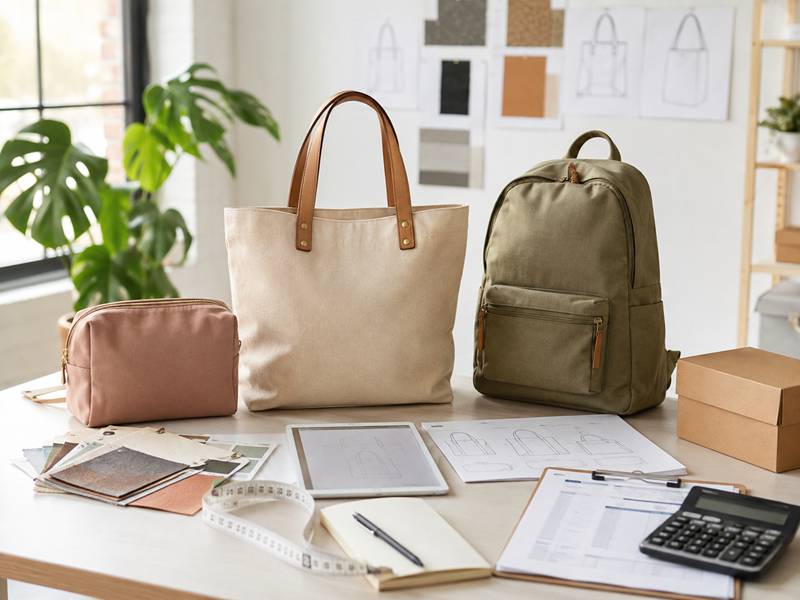
Making bags can be profitable when product design, target cost, material selection, order quantity, sampling, quality control, packing, and delivery are planned together. The strongest margin usually comes from controlling total landed cost while protecting the features that create real selling value. This guide explains how to evaluate profitability, develop production-ready samples, compare factories, control hidden costs, and build a repeatable bag program from concept to bulk production.
How to choose a great custom backpacks manufacturer
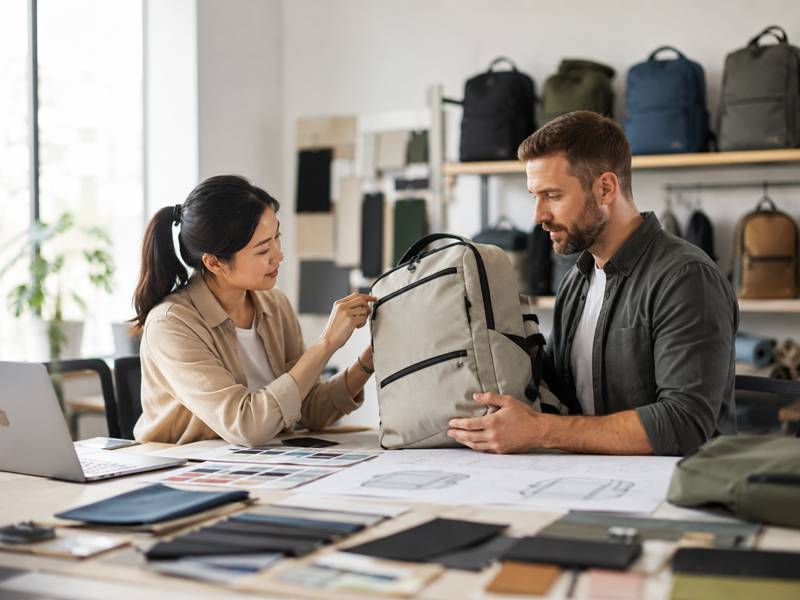
Choosing a custom backpack manufacturer requires more than comparing unit prices. The right factory should match your backpack type, understand materials and structure, develop accurate samples, control sample-to-bulk consistency, manage production capacity, verify packaging details, and support the required delivery schedule. A strong long-term partner combines technical development, reliable QC, transparent commercial terms, and repeatable production rather than simply offering the lowest quotation.
Custom tote bags: standard tote bag dimensions
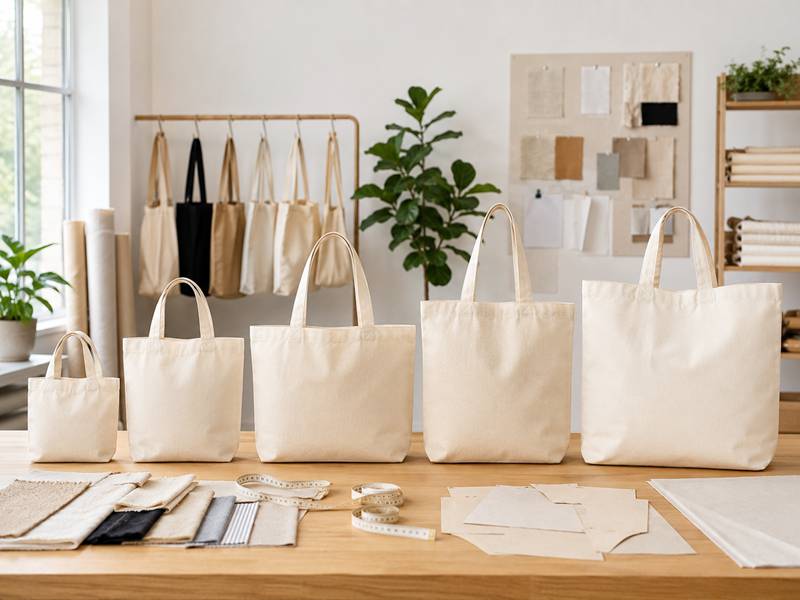
Choosing the right dimensions is one of the most important steps when developing custom tote bags. This guide explains standard tote bag sizes, width and height measurements, gusset options, handle drops, material impact, logo space, sampling, and bulk production considerations. Learn how professional brands select tote dimensions that balance usability, appearance, durability, packaging efficiency, and production requirements.
Are belt bags still trendy?

Are belt bags still trendy? Yes. Belt bags remain a strong accessory category because they combine hands-free convenience, modern styling and practical storage. The latest designs have evolved beyond traditional waist packs into versatile products for travel, lifestyle, fashion and outdoor use. Successful belt bags focus on comfortable wearing, smart organization, premium materials and functional details that match changing consumer habits.
How to find a better manufacturer for bag products?
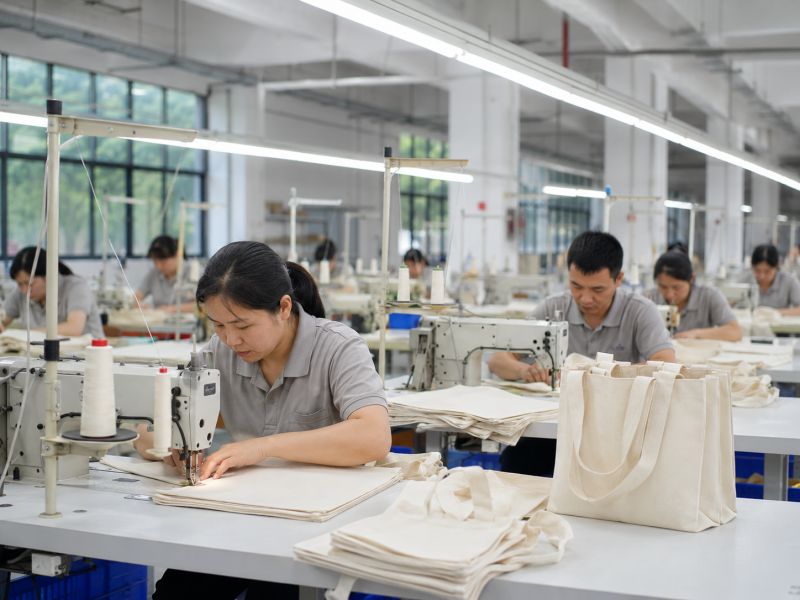
The biggest sourcing mistake is often made before the first sample is sewn: choosing a factory because the quotation looks attractive rather than because the production system fits the product. Two factories can quote the same backpack from the same drawing and still be offering very different products. One may calculate with a lighter fabric, […]
Why are clear bags popular for sell?
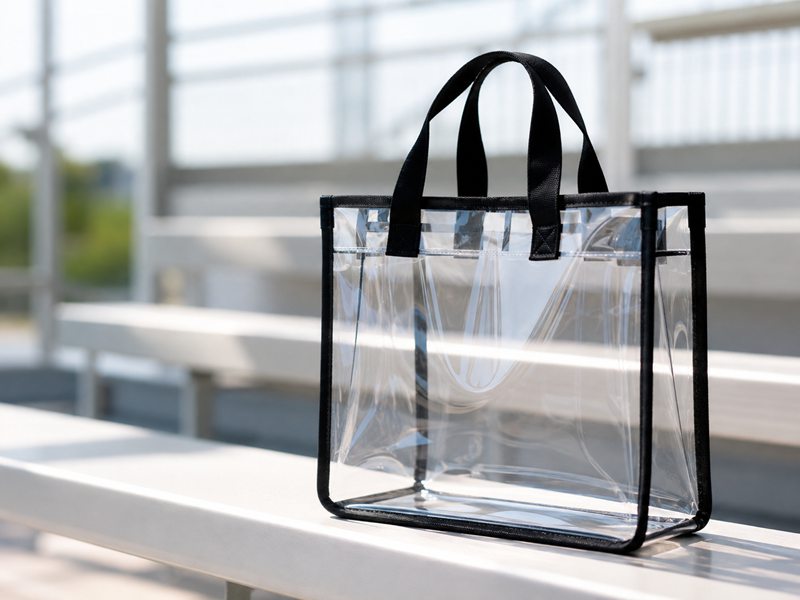
Clear bags are becoming increasingly popular because they combine security, convenience, organization, and branding opportunities in one product. Their transparent design allows faster inspection, easier access to personal items, and stronger visual presentation for brands. From stadium events and schools to retail collections and promotional programs, custom clear bags provide flexible solutions with different materials, structures, and designs to match various applications.
What is the Best waterproof fabrics for cooler bags
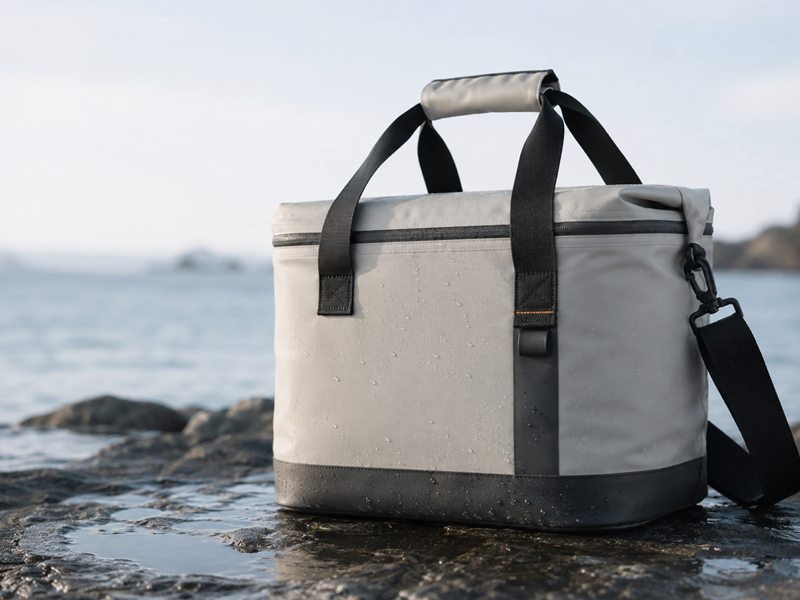
The best waterproof fabric for a cooler bag depends on how the bag will actually be used. Coated polyester and 600D Oxford offer a strong balance of water resistance, durability and cost for everyday designs. PVC- and TPU-based materials suit wetter or higher-performance applications. Reliable cold retention also depends on the liner, insulation thickness, seam construction, zipper and whether the cooler uses ice packs or loose ice.
What cooler stays cold the longest For custom Lunch Bag?
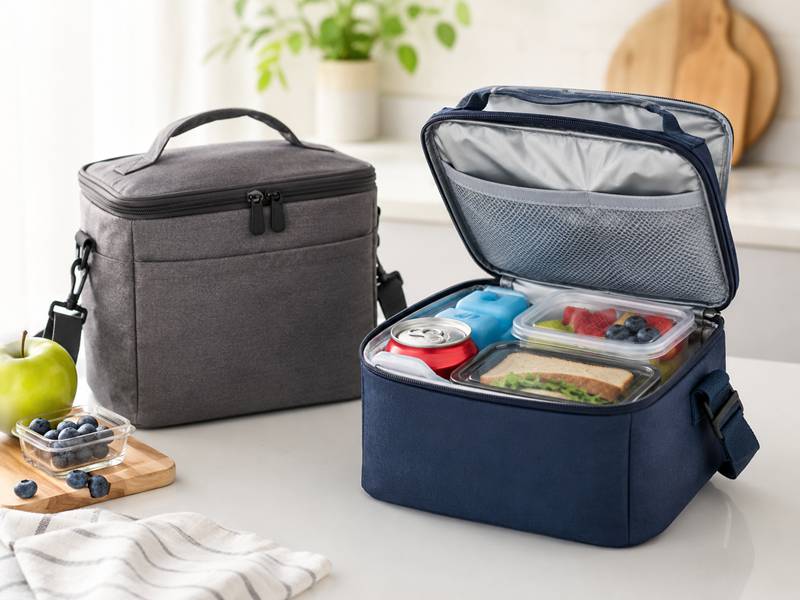
A rigid cooler usually offers the greatest ice-retention potential, but a well-designed soft cooler is often more practical for a custom lunch bag. Long cold retention depends on the complete thermal system: insulation thickness, lining, zipper and opening design, seam construction, internal capacity, ice-pack placement, loading, and ambient conditions. For branded lunch bags, the most reliable approach is to define the required cooling period and verify it through controlled sample testing.
Best tactical backpacks manufacturer guide
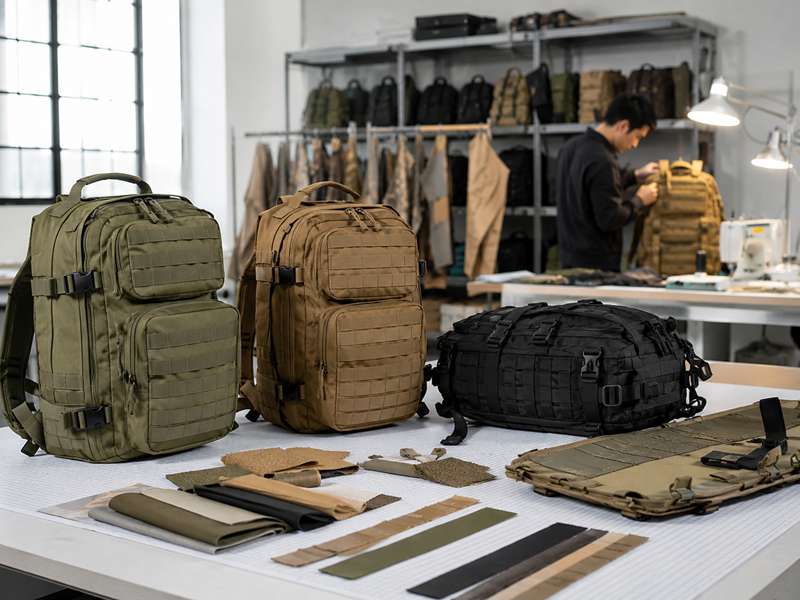
tactical backpack manufacturer,custom tactical backpacks,military backpack manufacturer,tactical backpack factory,OEM tactical backpack,ODM tactical backpack,private label tactical backpack,MOLLE backpack factory,military backpack factory,tactical backpack wholesale,tactical backpack MOQ,tactical backpack sample,tactical backpack price,600D tactical backpack,1000D tactical backpack,Berry Compliant backpack,tactical backpack quality control,tactical gear factory,custom military backpack,OEM backpack factory
Is Custom no zipper luggage better for market?
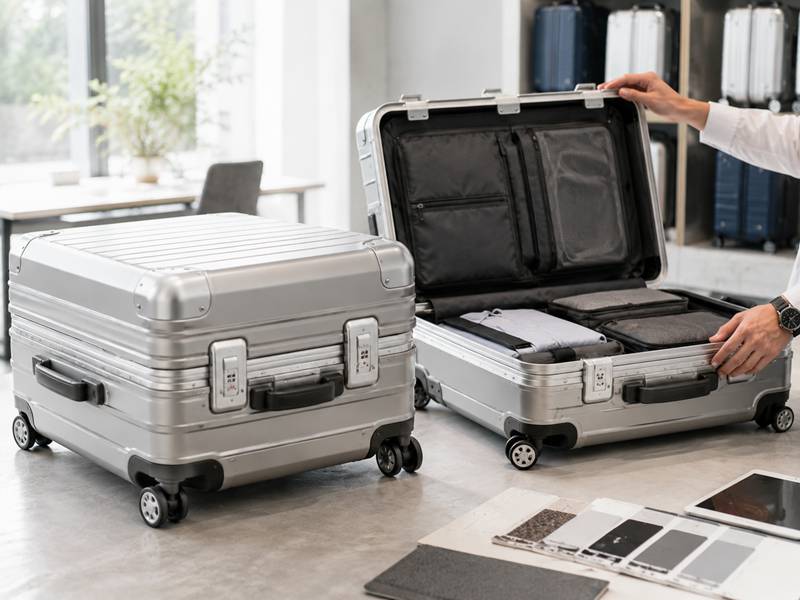
Custom zipperless luggage can offer stronger security perception, rigid protection, premium styling, and clear product differentiation, but it is not automatically better than zippered luggage. Frame construction can add weight, cost, alignment sensitivity, and expansion limits. The better choice depends on intended travelers, retail positioning, target weight, packing habits, latch reliability, wheel and trolley quality, serviceability, and whether the finished sample performs consistently under realistic travel conditions.
Custom cooler bag:swhat are the insulation fabrics for lunch bags
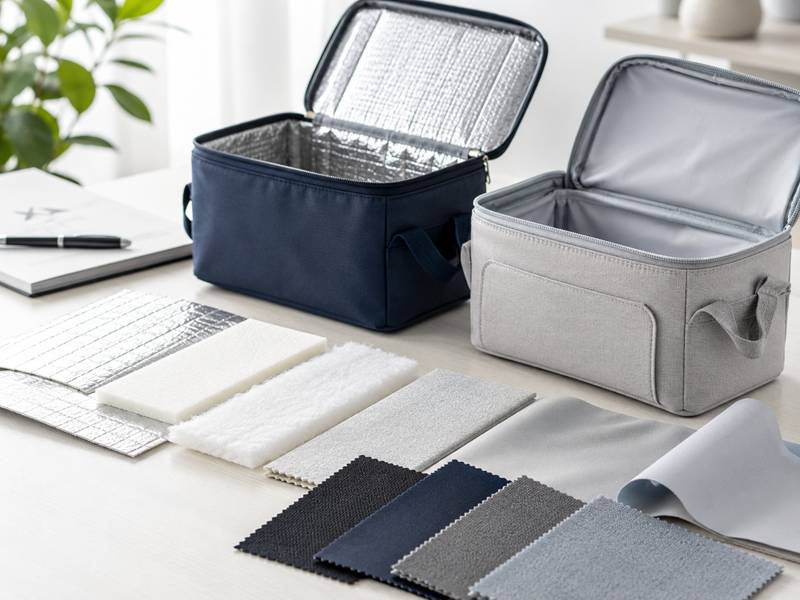
Custom lunch bags are not insulated by one fabric alone. Most designs combine an outer shell such as polyester or Oxford fabric, an insulation layer such as EPE foam, and an inner lining such as PEVA or aluminum foil. Neoprene is another option for softer styles. The best structure depends on bag size, insulation thickness, opening design, cleaning needs, ice packs, expected cooling time, and the intended use.
How to fix zipper on custom backpacks step guide
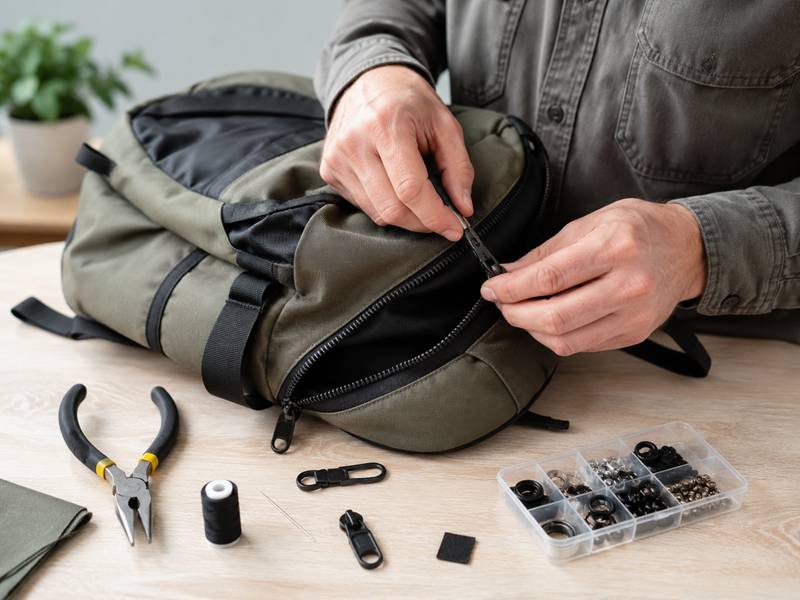
A backpack zipper that keeps splitting, jamming, or coming off track may not need complete replacement. The right repair depends on whether the problem comes from trapped fabric, slider wear, damaged teeth, torn tape, or excessive opening tension. This guide explains practical repair steps, slider replacement, zipper-type selection, and the checks that help custom backpacks maintain smooth, reliable closure from sample development through bulk production under everyday loading conditions.