
Private Label Belt Bags for Lifestyle Brands: Shape, Material, and Color Trends
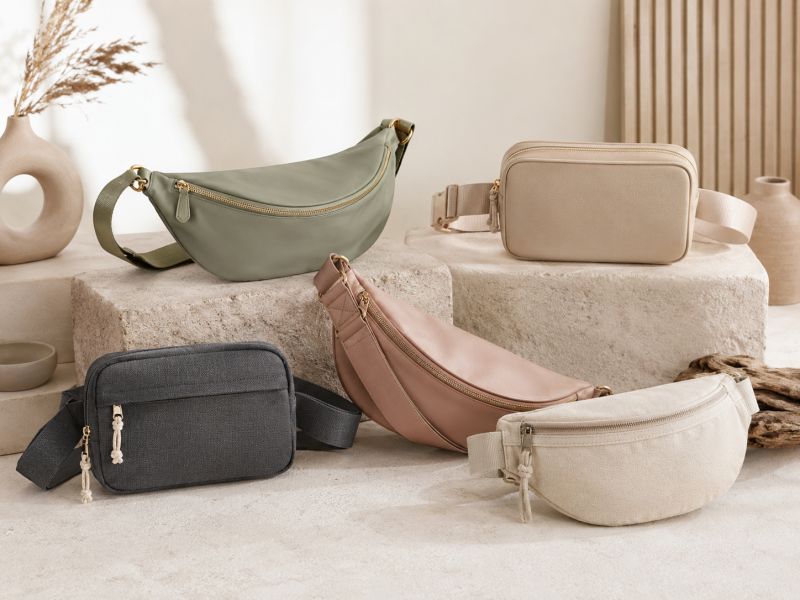
Private label belt bags remain strong because they fit daily movement: phone carry, travel, errands, events, wellness routines, and hands-free styling. A successful belt bag should start with the right body shape, then match fabric, color, strap, zipper, pocket layout, logo method, sample review, and bulk quality control. The goal is not just a trendy accessory but a practical product people keep using.
Running Waist Bags for Fitness Brands: Lightweight Structure and Bounce Control
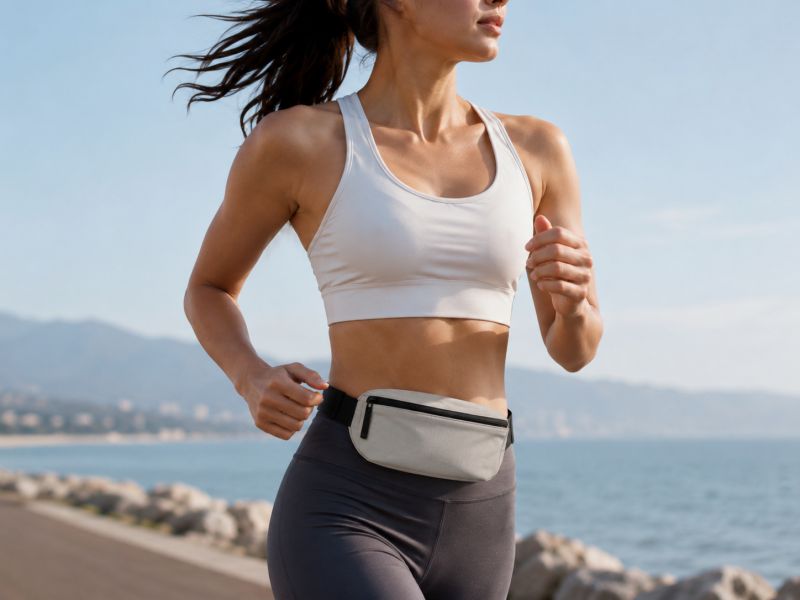
Custom running waist bags should feel light, stay close, and keep essentials secure without distracting the runner. A strong design balances phone fit, strap stability, pocket depth, sweat comfort, elastic recovery, and smooth access. When structure, material, and sample testing are planned together, the final product can support jogging, gym training, race kits, running clubs, and active lifestyle programs.
Custom Fanny Packs for Festivals and Events: Logo Visibility Without Losing Function
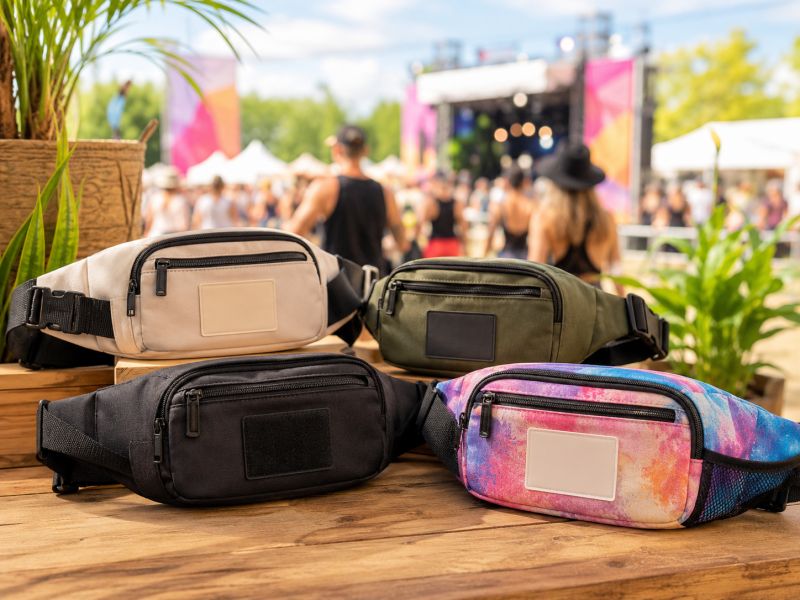
Custom fanny packs for festivals and events should make the logo easy to notice while still working like a real everyday carry item. A strong design balances front decoration, phone storage, inner pockets, zipper smoothness, strap comfort, material choice, and sample testing. When the bag stays comfortable through walking, dancing, queuing, and photos, the logo keeps moving with the crowd.
Travel Waist Bags for Tourists: Anti-Theft Pockets, Strap Comfort, and Daily Use
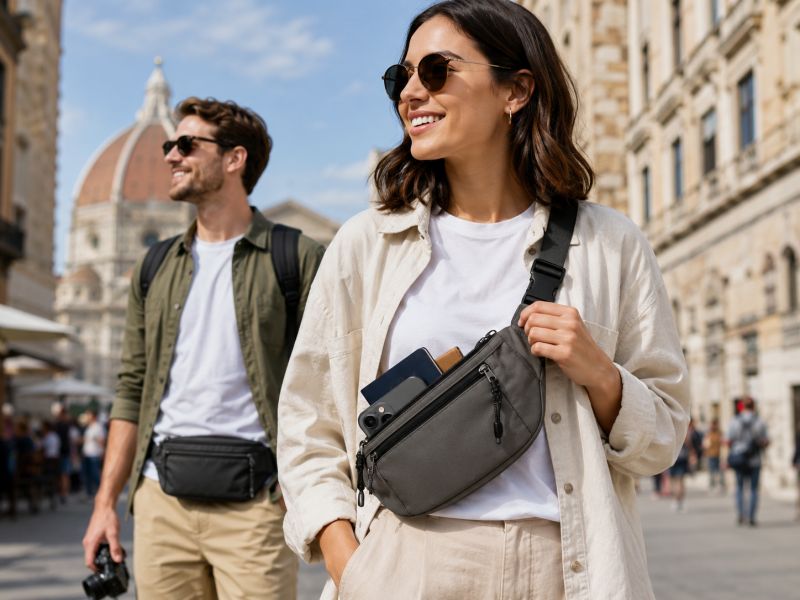
Travel waist bags for tourists should do more than carry small items. A strong design keeps passports, cards, phones, and cash close to the body, while allowing fast access during city walks, airport transfers, museums, festivals, and daily errands. Hidden pockets, stable straps, clean capacity, smooth zippers, and real sample testing decide whether the bag feels secure, comfortable, and worth using after the trip.
Foldable Beach Bags for Travel: Why Lightweight Structure Matters
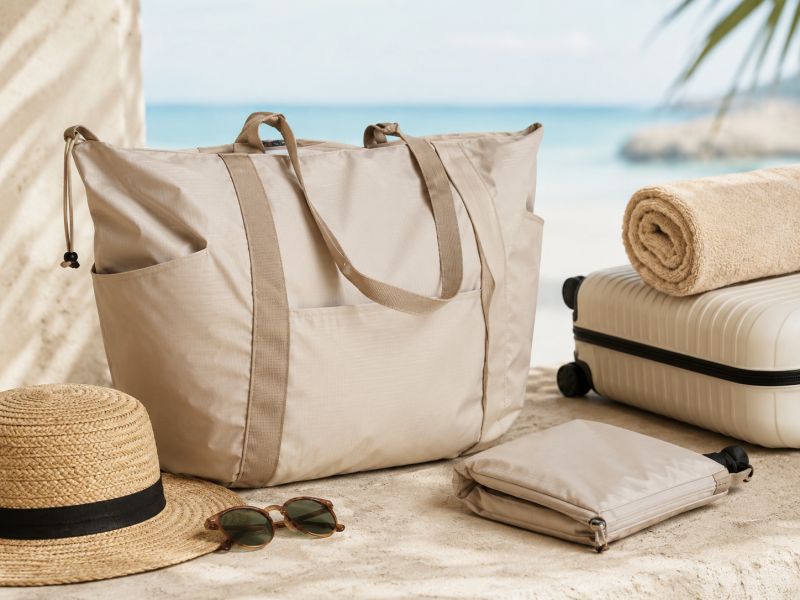
Foldable beach bags for travel should stay light in luggage, open into a useful beach tote, and carry towels, sunscreen, bottles, sandals, phones, room cards, and wet items without sagging. Strong designs balance fabric weight, folded thickness, handle strength, pocket layout, logo placement, and packing method, so the bag feels compact before the trip and reliable near the water during daily resort, cruise, pool, and beach use.
Custom Logo Beach Bags for Summer Promotions: How to Plan Before Peak Season
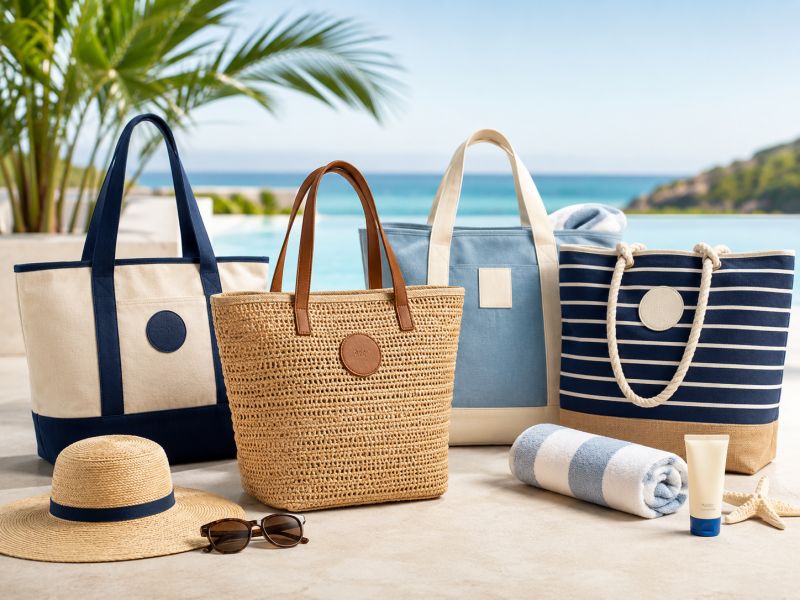
Custom logo beach bags perform best when style, material, logo method, sample approval, packing, and delivery timing are planned before summer demand peaks. This guide explains how to choose canvas, mesh, PVC, TPU, polyester, or straw-look materials, control price and MOQ, test logo placement, review samples, and manage bulk orders so each bag arrives useful, clean, and ready for summer programs.
Large Beach Bags for Tourism: Capacity Planning for Towels, Sandals, and Sunscreen
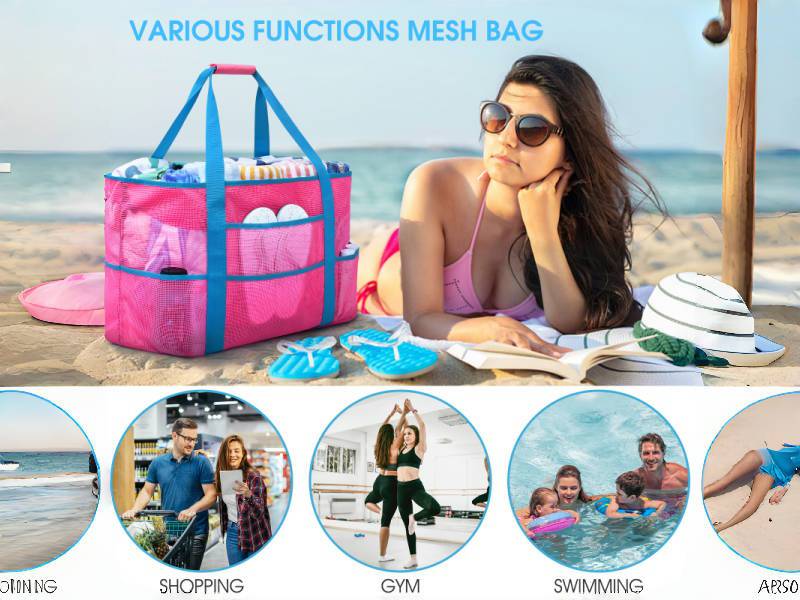
Large beach bags for tourism should be planned around real beach-day use, not only outside dimensions. The right design should fit towels, sandals, sunscreen, water bottles, wet swimwear, phones, room cards, and small personal items while staying comfortable to carry. Strong capacity planning also considers bottom depth, pocket layout, handle strength, material choice, logo placement, and packing method before a custom sample is approved.
Beach Bags for Swimwear Brands: Mesh, Canvas, PVC, or Straw-Look Materials?
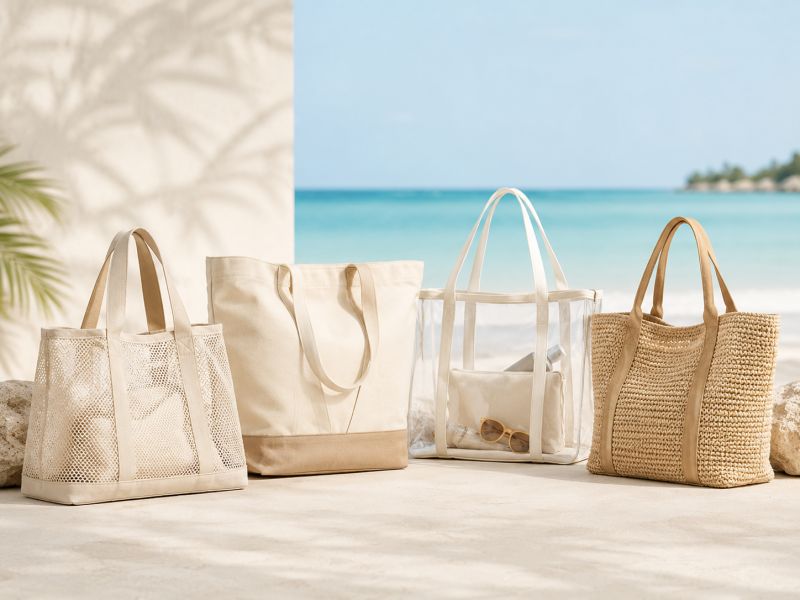
Choosing the right beach bag material can change how a swimwear collection feels, ships, photographs, and performs after real beach use. Mesh helps with sand and wet swimwear, canvas gives cleaner structure and logo display, PVC and TPU are easier to wipe, while straw-look textures create a stronger resort mood. This guide compares material fit, price factors, sampling checks, and bulk order control.
Custom Beach Bags for Resorts: What Makes a Guest Gift Feel Retail-Ready
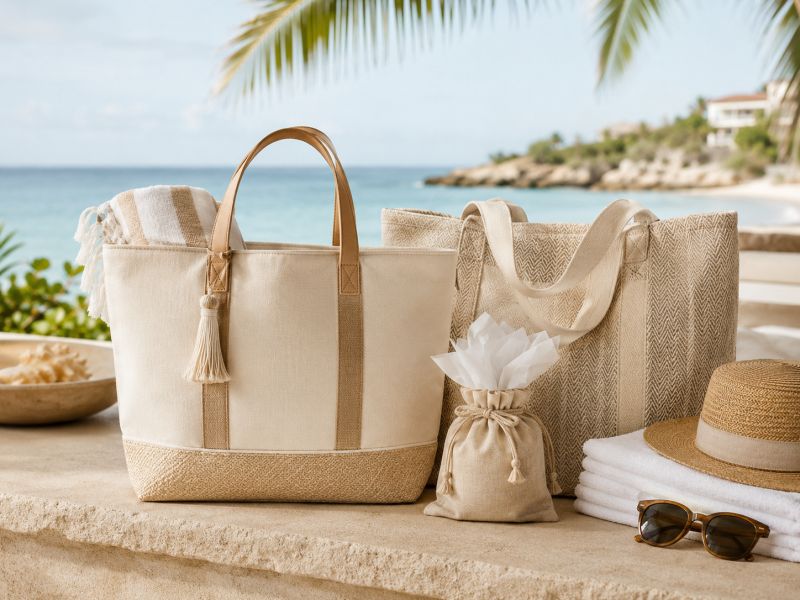
A resort beach bag feels retail-ready when it looks polished in the room, carries towels and daily essentials comfortably, matches the destination style, and remains useful after checkout. The strongest designs combine the right material, secure pocket, comfortable handle, stable bottom, refined logo, label details, and clean packing so guests treat the bag as a real travel item before, during, and after the beach stay, rather than simple packaging.
Custom Logo PVC Bags for Summer Campaigns: Printing, Color, and Packing Advice
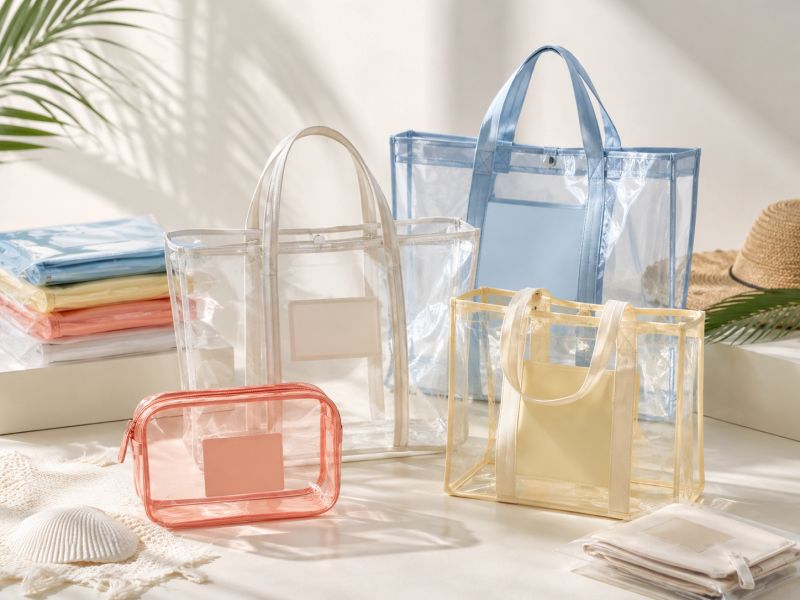
Custom logo PVC bags for summer campaigns need more than a clear surface and printed artwork. Material finish, bag type, logo method, color contrast, trim, handle strength, packing protection, sample review, and delivery timing all affect the final result. Clear PVC works well for product display, frosted PVC feels softer and more private, while tinted PVC can create stronger seasonal style.
Transparent PVC Bags for Gift Sets: When Clear Packaging Helps Sell More
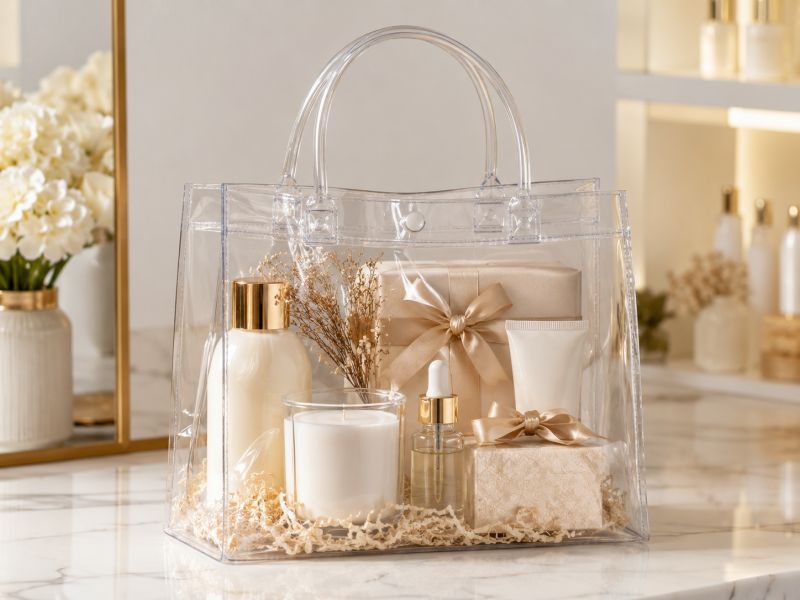
Transparent PVC bags help gift sets look clearer, fuller, and easier to choose when the products inside have strong color, neat labels, useful quantity, and a clean layout. They work especially well for beauty kits, travel sets, candy bundles, resort gifts, event packs, and seasonal collections where visibility, structure, logo placement, and reusable value can lift the whole presentation.
Waterproof PVC Bags for Beach and Pool Brands: What Should Specify
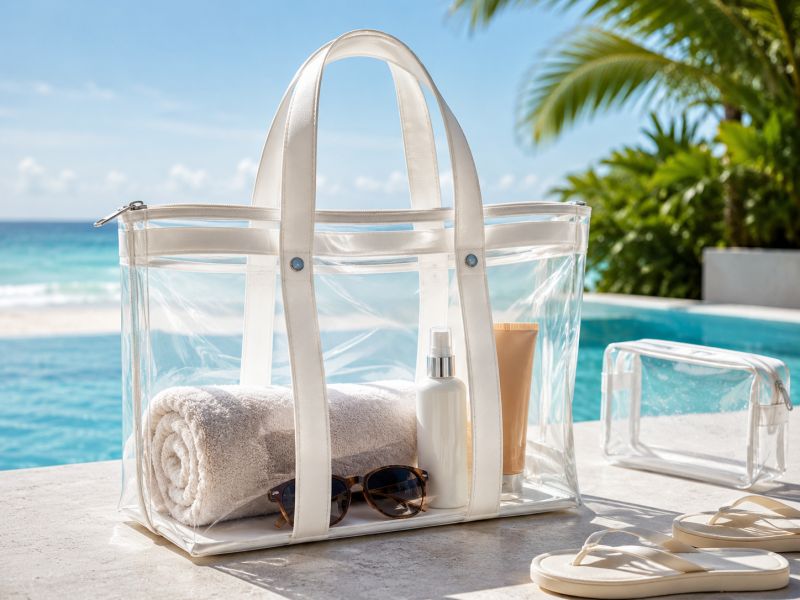
Waterproof PVC bags for beach and pool use should be specified by real function, not only by material name. Clear PVC, frosted PVC, TPU, stitched seams, welded seams, zipper closures, roll-top openings, handle reinforcement, logo process, and packing method all affect the final product. This guide explains how to match the structure with splash resistance, wet-item storage, or dry protection.