
Clear PVC Bags for Events and Stadiums: Size, Transparency, and Logo Rules
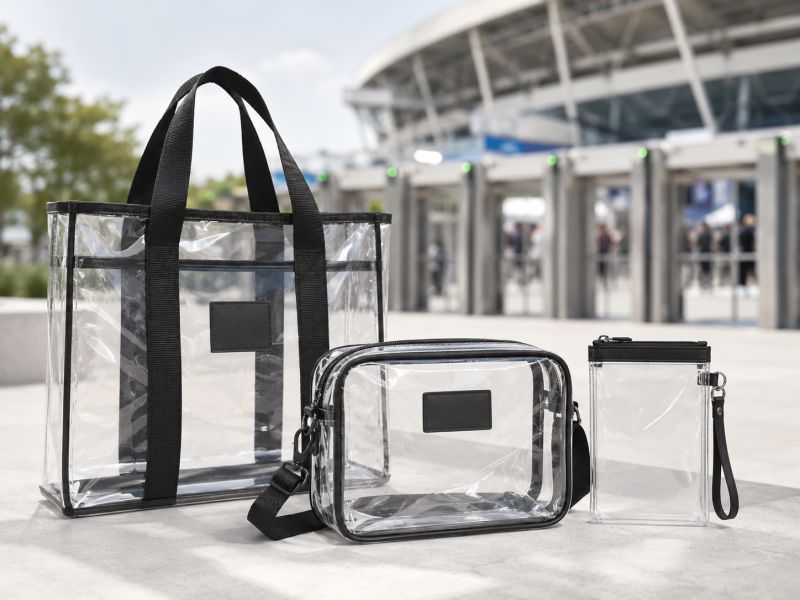
Clear PVC bags for stadiums and events should be planned around accepted size limits, strong visibility, controlled logo placement, and practical structure. A safe design usually keeps the body close to common 12″ x 6″ x 12″ requirements, uses clear PVC or vinyl-style material, avoids heavy tint or full-panel print, and confirms the sample with real items before bulk production.
Heavy Duty Tactical Bags: How to Balance Rugged Look and Real Function
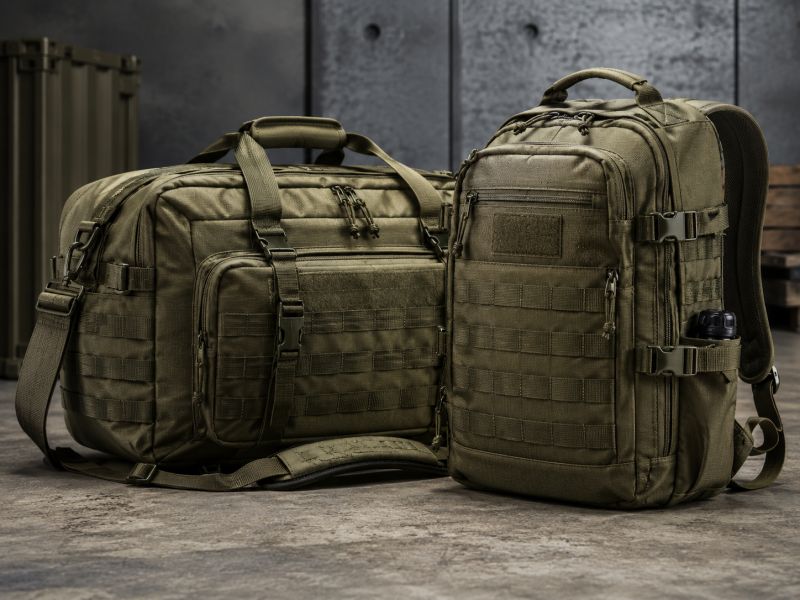
Heavy duty tactical bags should prove more than a rugged look. A strong design connects fabric grade, MOLLE layout, zipper strength, webbing, bottom reinforcement, shoulder comfort, compartment logic, sample testing, MOQ, and bulk quality checks. When these details match the real carry scene, the bag can support tools, outdoor gear, emergency kits, travel equipment, or daily tactical use without feeling overbuilt.
MOLLE Tactical Bags: Common Design Mistakes Brands Should Fix Before Sampling
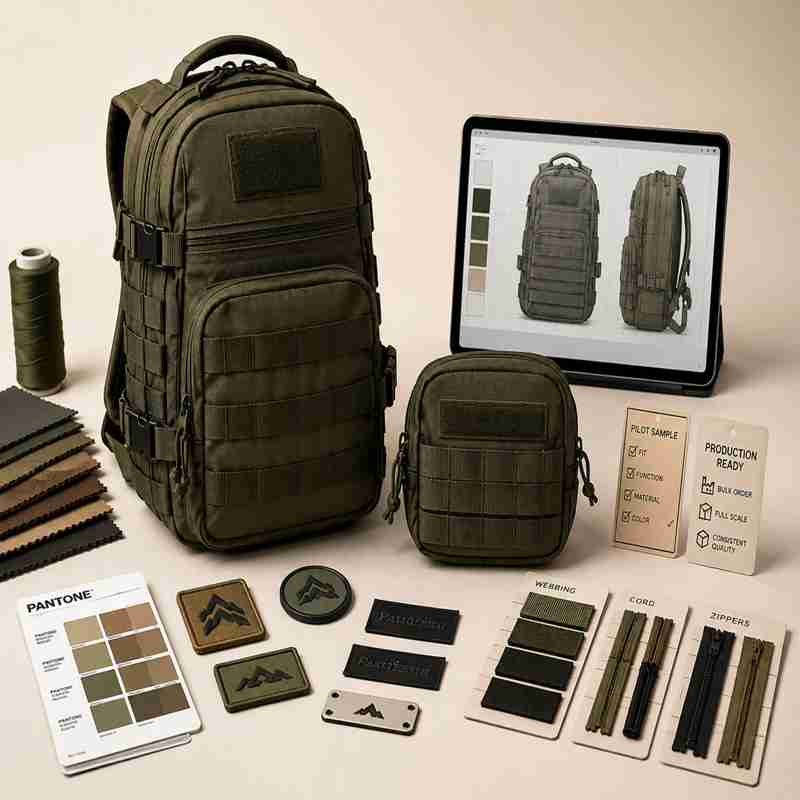
MOLLE tactical bags should be reviewed before sampling because small design mistakes can create major production risks. Incorrect PALS grid alignment, weak bartack reinforcement, poor fabric stiffness, untested load capacity, slot stretching on laser-cut panels, blocked zipper access, unclear tech pack details, and poor logo placement can lead to sample revisions, pouch incompatibility, higher costs, and bulk quality issues. A clear pre-sampling review helps brands build stronger, cleaner, production-ready tactical bags.
Tactical Gear Bags for Emergency Kits: Layout Ideas for Rescue and Preparedness Use
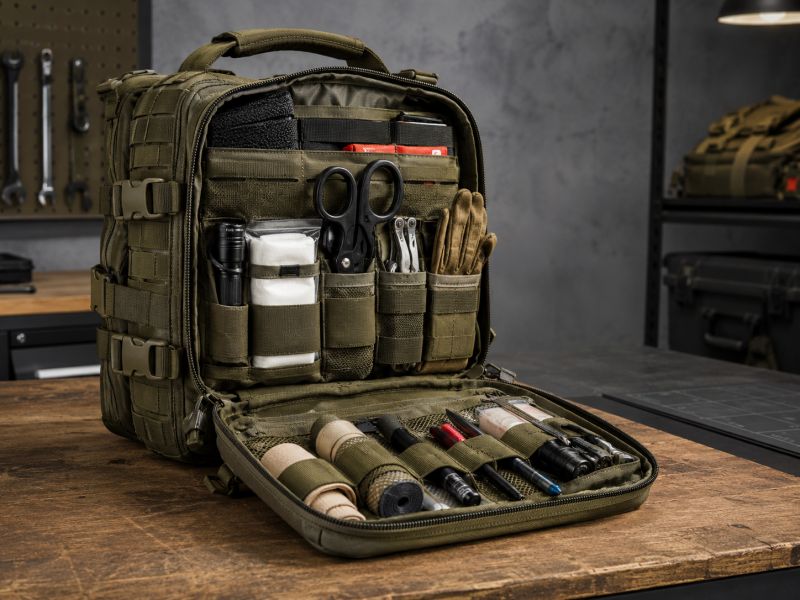
Tactical gear bags for emergency kits should be designed around access, clarity, and movement. A good layout helps users separate medical items, lighting, tools, documents, water, communication gear, and personal supplies without wasting time searching. For rescue and preparedness projects, the bag is not only a container. It is an organized response system that must be easy to carry, easy to identify, and consistent in bulk production.
Tactical Backpacks for Outdoor Gear Brands: MOLLE, Fabric, and Load Design
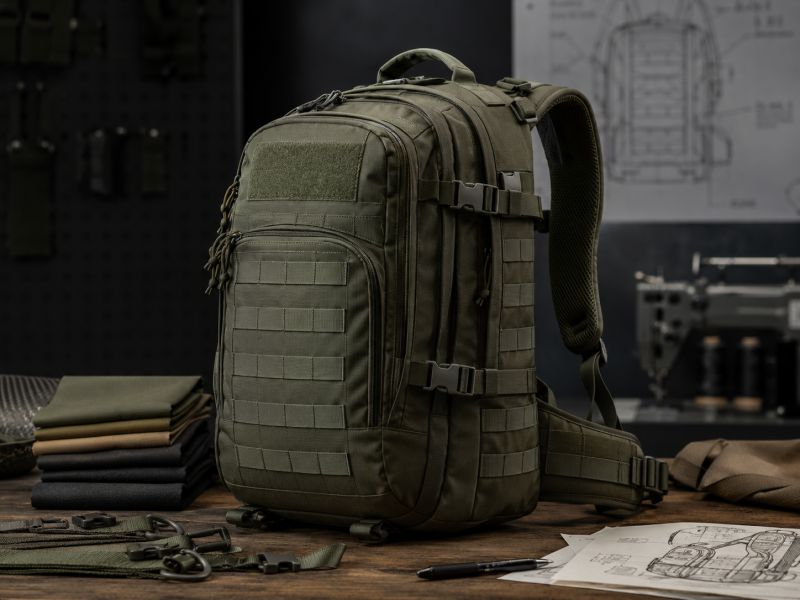
Tactical backpacks for outdoor gear brands should be built around real use, not only rugged appearance. A strong custom pack needs practical MOLLE placement, durable fabric, balanced load support, reinforced stress areas, useful compartments, approved samples, and controlled bulk quality. For brand projects, the goal is to develop a backpack that carries gear well, fits the product position, and stays consistent from sample to repeat orders.
Private Label Travel Bags for E-Commerce
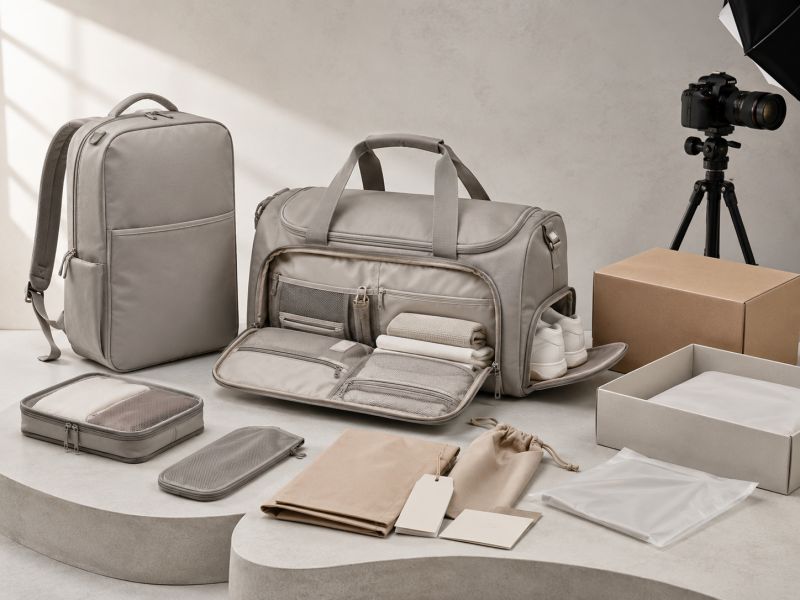
Private label travel bags for e-commerce should be developed around what shoppers see, expect, and receive. Accurate size photos, realistic capacity images, laptop fit checks, zipper quality, strap comfort, protective packaging, SKU labels, and sample-to-bulk control can reduce wrong expectations, warehouse mistakes, damaged arrivals, poor reviews, and avoidable returns. Strong travel bag projects connect product design, photo planning, packing rules, and quality checks before bulk production begins.
Travel Duffel Bags for Sports Brands
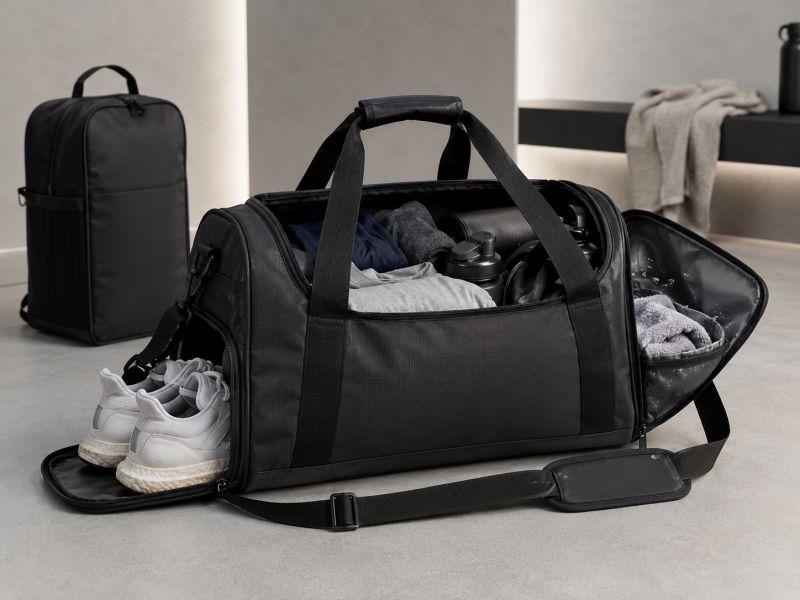
A strong travel duffel bag for sports brands should balance three core areas: a shoe compartment that separates dirty footwear without stealing too much main space, a wet pocket that keeps towels or swimwear away from dry gear, and strap design that remains comfortable when fully loaded. The best design depends on sport type, capacity, material, carry style, logo area, sample testing and bulk quality control.
Custom Travel Bags for Travel Gear Brands
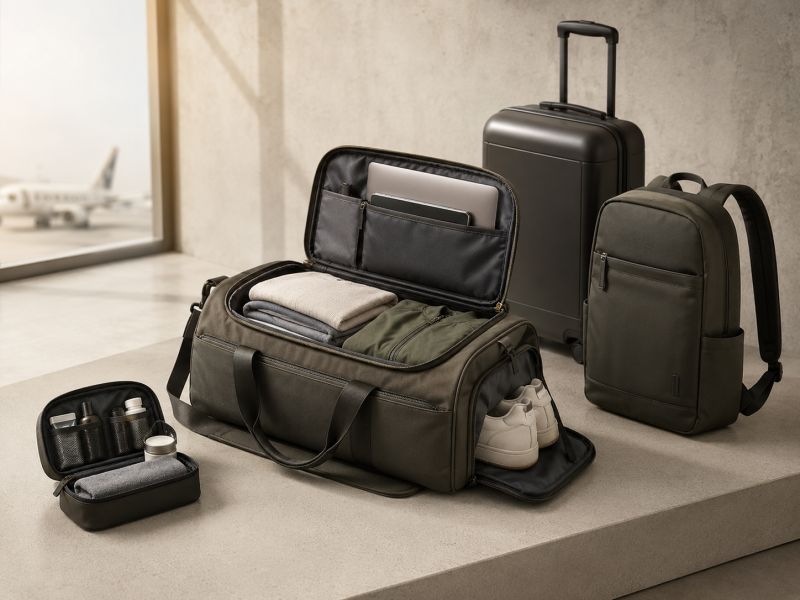
Custom travel bags for travel gear brands should be planned around trip length, usable capacity, compartment layout, carry-on size targets, material strength, comfort, branding, and bulk consistency. A good travel bag should organize clothes, shoes, laptop, toiletries, documents, and quick-access items while staying comfortable to carry. Loaded size, strap balance, zipper movement, and real packing tests should be checked before bulk production.
Custom Drawstring Bags for Brand Merchandise
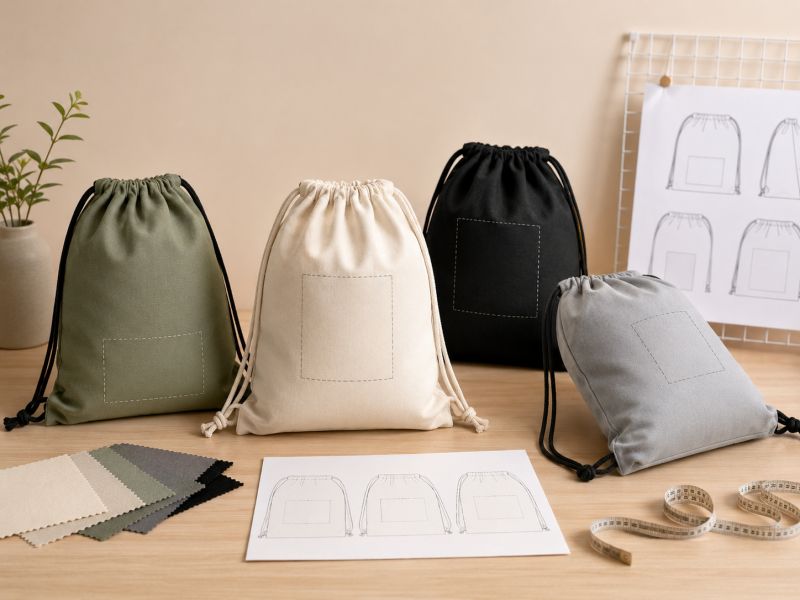
For most custom drawstring bags, the safest logo position is the front-center area below the drawstring channel, away from seams, bottom corners and heavy wrinkle zones. The ideal print area depends on bag size, fabric, artwork detail, print method and how the bag looks when filled, folded and cinched. A physical sample should confirm logo size, color, position and finish before bulk production.
Drawstring Packaging Bags for Shoes and Gift Sets
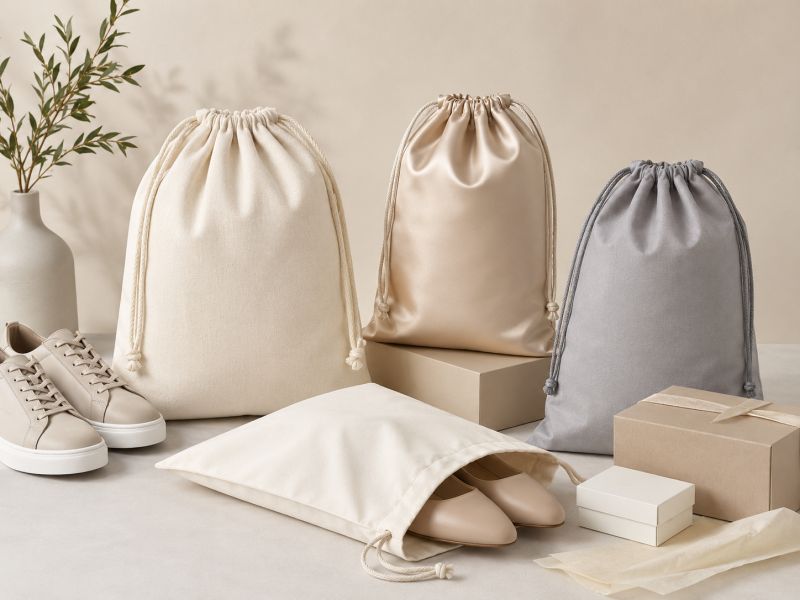
Drawstring packaging bags for shoes and gift sets should be planned around product size, fabric feel, protection needs, logo method, drawstring closure, packing rules, and bulk consistency. Shoe bags need space for length, height, pair packing, or shoe box use, while gift set bags need clean shape and good presentation. A sample helps confirm fit, fabric, logo clarity, closure, labels, and carton packing before bulk production.
Private Label Lunch Bags for E-Commerce
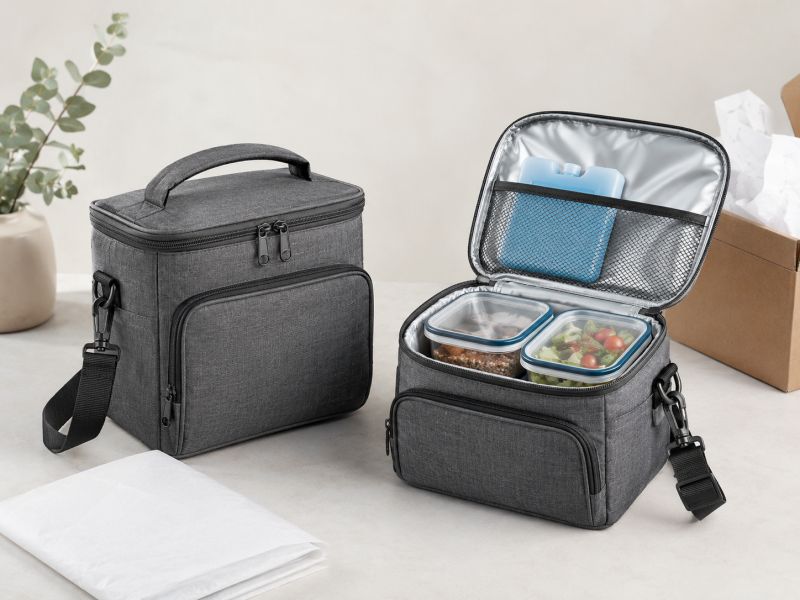
Private label lunch bags for e-commerce get better reviews and stronger repeat orders when key details are confirmed before bulk production: leak-resistant lining, stable insulation, zipper quality, handle strength, meal prep layout, logo placement, retail packaging, barcode accuracy, SKU sorting, sample approval, and repeat order records. These details shape daily use, warehouse handling, product ratings, return risk, and long-term order consistency.
School Drawstring Bags for Student Kits: Fabric, Size, and Cord Safety
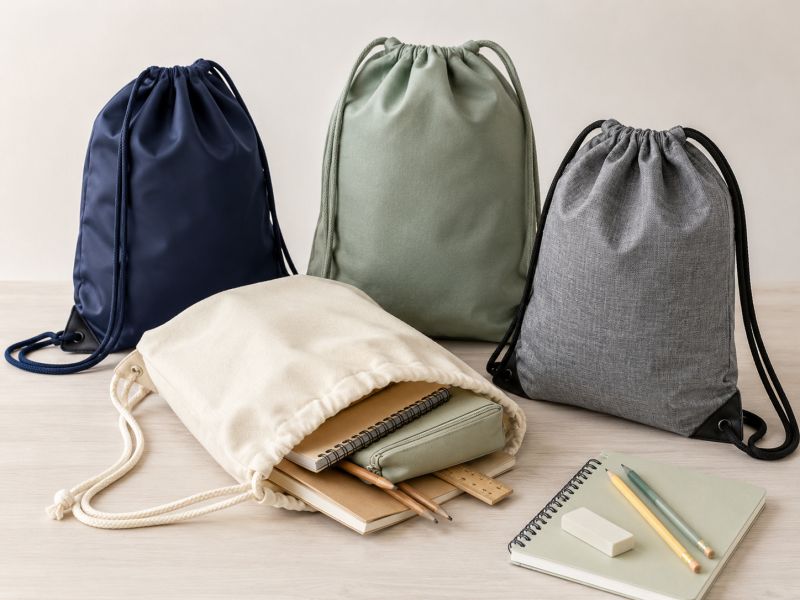
Polyester is the safest all-round fabric for school drawstring bags used in daily student kits; nylon works well for stronger and lighter upgrade versions; cotton gives a softer natural feel for eco or campus programs; RPET supports sustainable school projects. The right school drawstring bag design depends on student age, kit weight, finished size, cord comfort, corner reinforcement, logo method, packing needs and cord safety review before bulk production.