 Skip to content
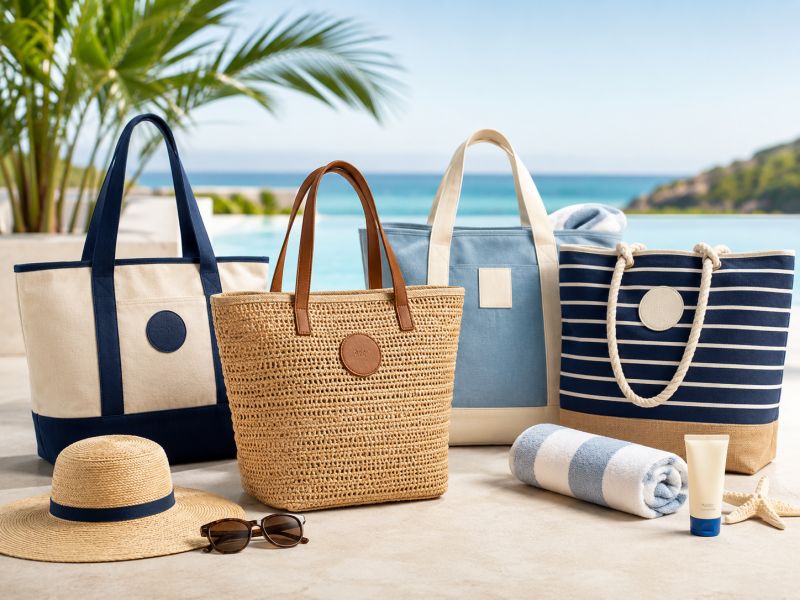
Custom Logo Beach Bags For Summer Promotions: A Peak Season Planning Guide
A custom logo beach bag is one of those summer items that looks easy until the launch date gets close. The idea may start with a clean tote, a bright logo, and a simple goal: give people something useful during a summer event. But once real planning begins, many details appear quickly. Which material fits poolside use? Can the logo stay clear on canvas, mesh, PVC, or polyester? Will the bag hold a towel, sunscreen, and a bottle? Can the sample be approved before the event calendar becomes tight? Will the packing keep the bag clean and presentable after shipping?
The best way to plan custom logo beach bags before peak season is to start early, define the use scene, choose the right material, test the logo on the real surface, approve a sample, confirm packing, and leave enough time for bulk production and delivery. Simple tote styles can move faster, while PVC, straw-look, lined, multi-color, or retail-packed designs need more review time.
Summer promotion bags are often judged in small moments. Someone reaches for sunscreen and notices the inner pocket is missing. A towel does not fit. The handle feels sharp after five minutes. The logo is partly hidden when the bag is full. A PVC panel arrives with heavy fold marks. These are not tiny issues when the bag carries a logo. They decide whether the product is kept, used, photographed, and remembered.
A good beach bag does not need to be complicated. It needs to be planned around real summer use. The strongest designs usually get a few things right: enough capacity, clean logo placement, comfortable handles, material that fits the setting, and packing that protects the final look. When these details are settled before peak season, the project feels smooth instead of rushed.
What Makes Logo Beach Bags Work?
A logo beach bag works when people want to carry it again after the first summer moment. It should hold real beach items, feel comfortable on the shoulder, show the logo clearly, match the event or collection style, and arrive in clean, presentable condition. A strong design usually has enough capacity, a suitable material, reinforced handles, a practical pocket plan, a clear logo position, and packing that protects the final look.
A beach bag is different from many other summer gifts because it moves through public spaces. It may be seen at a hotel pool, beach club, cruise shop, swimwear launch, resort welcome desk, outdoor event, or travel set. The logo does not stay on a table. It travels with towels, bottles, sunscreen, wet swimwear, sandals, and sunglasses. That movement is where the value comes from.
The strongest logo beach bags usually share five traits:
| Success Factor | What It Means | Practical Direction |
|---|---|---|
| Useful capacity | Holds real summer items without looking overfilled | 15–30L for many beach tote programs |
| Comfortable carry | Easy to hold by hand or shoulder | 23–28 cm handle drop for many tote styles |
| Clear logo area | Logo stays visible when the bag is filled | Place logo above lower folding and bulging zones |
| Suitable material | Material matches water, sand, resort, travel, or gift use | Canvas, mesh, PVC, TPU, polyester, straw-look |
| Clean presentation | Bag arrives neat and ready to hand out or display | Check fold line, hangtag, barcode, carton plan |
A weak logo beach bag usually fails for simple reasons:
- The towel does not fit.
- The handle feels thin or sharp.
- The logo is placed too low.
- The material feels too light for the setting.
- The bag collapses when loaded.
- The surface gets marked during packing.
- The pocket is too deep or too small.
- The style does not match the summer program.
A good beach bag does not need every feature. It needs the right features. For a broad outdoor event, a clean polyester or light canvas tote with one strong logo may be enough. For a resort welcome set, a lined canvas or straw-look tote can feel more refined. For poolside use, PVC, TPU, mesh, or coated fabric can make cleaning and wet use easier. For travel sets, a foldable tote keeps carton volume more controlled.
The best planning starts with one simple thought: the bag should make a summer day easier. If it holds the right items, feels pleasant to carry, and looks good in photos, people are more likely to keep using it.
Who Uses Custom Beach Bags?
Custom beach bags are used across many summer and travel settings: swimwear launches, resort shops, hotel pools, beach clubs, cruise programs, water sport events, wellness retreats, airport retail, outdoor gatherings, travel gifts, and seasonal product sets. The same bag type may need a very different material, logo, and packing plan depending on where it will appear.
A swimwear launch often needs the bag to match the clothing collection. Color, texture, logo size, and photo effect matter. A clean canvas tote with embroidery may fit a minimal swimwear line, while a straw-look tote with a small patch may work better for a vacation capsule.
A resort or hotel pool program often needs practical daily use. Towels, slippers, sunscreen, room cards, bottles, and wet swimwear may all go inside. Here, easy cleaning, handle comfort, and a polished appearance matter more than complicated decoration.
A beach club or water sport event may need stronger logo visibility and material that handles sand, water, and frequent use. Mesh, PVC, TPU, coated polyester, and Oxford trim are often practical in these situations.
A travel or retail set may need better packing control. Foldable polyester and canvas ship more efficiently. Straw-look and structured PVC styles need more space and protection to avoid deformation, scratches, or fold marks.
| Use Setting | Main Purpose | Better Bag Direction | Key Detail |
|---|---|---|---|
| Swimwear launch | Match collection style | Canvas, cotton, straw-look | Color and logo balance |
| Resort shop | Present a vacation feel | Lined canvas, straw-look, rope handle | Shape and finish |
| Hotel pool | Daily guest use | PVC, TPU, coated fabric | Easy cleaning |
| Beach club | Strong public visibility | Mesh, PVC, polyester | Logo size and placement |
| Water sport event | Wet and sandy use | Mesh, Oxford trim, coated fabric | Seam binding |
| Travel gift | Easy packing and reuse | Foldable canvas or polyester | Carton volume |
| Retail set | Sellable appearance | Medium canvas, structured tote | Hangtag and barcode |
The most useful starting point is the use scene. A beach tote for a premium resort set should not feel like a thin one-time giveaway. A pool bag should not be difficult to clean. A beach club bag should not hide the logo when full. The clearer the setting, the easier it becomes to choose size, material, handle, logo, pocket, and packing.
What Beach Bags Are Trending?
Current beach bag styles are moving toward useful, reusable, and visually clean designs. Popular directions include large canvas totes, mesh beach bags, PVC pool bags, TPU pouches, straw-look resort totes, foldable travel bags, cooler beach bags, and mixed-material totes. The strongest styles are popular because they solve real summer problems, not just because they look nice.
Large canvas totes remain strong because they are versatile. They work for swimwear collections, travel sets, resort shops, and beach gifts. Canvas gives a clean logo surface and can be adjusted from casual to premium through fabric weight, handle choice, lining, and logo method.
Mesh beach bags are popular for active summer use. They release sand, breathe better with damp swimwear, and feel light. To avoid a cheap look, mesh styles often need stronger webbing, bound seams, a solid front logo panel, or contrast trim.
PVC and TPU beach bags fit poolside settings. They wipe more easily than plain fabric and can look modern with transparent or colored panels. They need careful review for thickness, odor, scratches, logo adhesion, and packing marks.
Straw-look totes continue to work well for resort and vacation styling. They feel warm and photogenic, especially with rope handles, woven labels, lining, or leather-look patches. Their main risks are rough edges, shape loss, and packing pressure.
| Trending Style | Why It Works | Best Setting | Check Before Approval |
|---|---|---|---|
| Large canvas tote | Clean, reusable, logo-friendly | Swimwear, retail, resort | Fabric weight and handle strength |
| Mesh beach bag | Breathable and sand-friendly | Pool, sport, beach club | Seam binding and trim strength |
| PVC pool bag | Easy to wipe, modern look | Poolside, summer gift | Fold marks and scratches |
| TPU pouch or tote | Softer wet-use feel | Swimwear set, pool gift | Logo adhesion |
| Straw-look tote | Strong vacation mood | Resort and boutique sets | Lining and edge finish |
| Foldable travel tote | Easy to pack and ship | Travel and broad events | Fold line and logo position |
| Cooler beach bag | Functional for drinks and food | Family, picnic, outdoor programs | Insulation and zipper |
| Mixed-material tote | Balances look and function | Premium summer sets | Material matching |
A trend should be adapted to the program. A mesh tote may be practical, but it may need a canvas logo panel for a more polished look. A straw-look tote may feel premium, but it may need lining and careful carton packing. A PVC bag may look fresh, but it should be sampled with the logo and packing method before approval.
The most reliable trend is usefulness. A beach bag that carries real items comfortably, handles the setting, and keeps the logo visible has a longer life than a style chosen only from a photo.
What Type Fits Summer Promotions?
The right beach bag type depends on the summer activity, quantity, material value, logo goal, packing method, and whether the bag should be reused after the event. Light cotton or polyester totes work for broad distribution. Canvas, mesh, PVC, TPU, and straw-look bags work better when the item needs stronger use value or a more specific style.
A simple outdoor program may only need a light tote with one clear logo. A resort program may need better material, lining, and hangtag. A swimwear gift set may need a color and texture that matches the collection. A poolside event may need PVC, TPU, mesh, or coated fabric. A travel program may need foldable structure and controlled carton volume.
| Program Type | Better Bag Choice | Why It Fits |
|---|---|---|
| Swimwear gift set | Cotton tote, light canvas, small beach tote | Easy to pack with apparel |
| Resort summer set | Canvas, straw-look, rope handle tote | Stronger vacation feeling |
| Beach club event | Mesh or PVC tote | High logo visibility and practical use |
| Poolside program | PVC, TPU, coated polyester | Easier cleaning |
| Travel gift | Foldable canvas or polyester tote | Lower carton volume |
| Family beach activity | Large canvas, mesh tote, cooler style | Better capacity |
| Premium summer launch | Lined canvas, straw-look, custom patch | Higher perceived value |
| Water sport event | Mesh with Oxford trim | Better airflow and sand release |
A useful selection method is to define the most important use:
- If wet swimwear is central, add mesh, PVC, TPU, coated lining, or a wet pouch.
- If logo visibility is central, use canvas, polyester, a solid panel, or a patch.
- If retail presentation is central, use better fabric weight, lining, hangtag, and neat packing.
- If shipping cost is sensitive, use foldable canvas, polyester, or mesh.
- If the program needs a resort feel, use straw-look, rope handles, natural canvas, or subtle labels.
- If the item must hold drinks or snacks, consider cooler structure or insulated lining.
Size also matters. Many beach bags fail because they are too small. A practical summer tote often needs to hold at least one towel, sunscreen, bottle, phone, keys, and small personal items. For many general-use beach totes, a size around 40–50 cm wide, 30–38 cm high, and 10–18 cm deep gives a useful starting direction, depending on the final product style.
The best promotional beach bag is not always the largest or most decorated one. It is the one people carry again because it fits the moment.
What Are Essential Beach Bag Items?
Essential beach bag items usually include a towel, sunscreen, water bottle, sunglasses, phone, keys, wallet, wet swimwear, sandals, cover-up, snacks, room card, lip balm, and a small pouch. These items should influence the bag’s size, handle strength, pocket plan, lining, closure, and material choice.
A towel needs volume. A water bottle adds weight. Sunscreen can leak. Wet swimwear needs separation. Sunglasses need protection. Keys and cards need a secure pocket. Sandals can bring sand inside the bag. If these items are ignored during design, the final product may look good but feel inconvenient.
| Item | Design Need | Better Detail |
|---|---|---|
| Beach towel | Main volume | Wider body and bottom gusset |
| Sunscreen | Leakage and stains | Wipe-clean lining or small pouch |
| Water bottle | Weight and balance | Strong handles and stable base |
| Phone | Protection | Inner pocket near top opening |
| Keys and cards | Security | Zipper pocket or mini pouch |
| Wet swimwear | Moisture control | Wet pouch, mesh section, PVC/TPU pocket |
| Sunglasses | Scratch protection | Soft pouch or inner pocket |
| Sandals | Dirt and bulk | Larger opening and easy-clean interior |
| Cover-up | Soft volume | Smooth lining and no sharp edges |
| Snacks | Clean storage | Main space or small pouch |
| Room card | Quick access | Small inner pocket |
| Lip balm | Easy reach | Small pocket or accessory pouch |
The bag does not need a compartment for every object. Too many pockets add cost and may make the structure feel busy. For many summer totes, one inner zipper pocket plus a large main compartment is enough. For swimwear, pool, or resort use, a detachable wet pouch can add more value than several small pockets.
A simple fill test is important before approval. Put one towel, sunscreen, bottle, phone pouch, sandals, and wet swimwear pouch inside the sample. Then check:
- Does the bag still look balanced?
- Does the handle feel comfortable?
- Does the bottom sag?
- Is the logo still visible?
- Can small items be reached easily?
- Does the opening stay convenient?
- Does the bag feel too heavy before use?
This test makes the design more practical and helps avoid common summer-use complaints.
What To Put In A Summer Gift Bag?
A summer beach gift bag works best when the contents feel coordinated, useful, and easy to carry. Common items include swimwear, towel, sunscreen, water bottle, sunglasses pouch, flip-flops, waterproof phone pouch, mini cosmetic bag, toiletry pouch, cap, fan, wet pouch, care card, or resort card holder. The bag should be sized so the set looks full but not overstuffed.
A strong gift set does not feel random. The bag, contents, color, logo, and packing should feel connected. A swimwear launch may include a towel, wet pouch, and care card. A resort welcome set may include slippers, water bottle, sunscreen, and room card pouch. A pool club gift may include a cap, sunglasses pouch, PVC pouch, and bottle. A travel set may include a toiletry pouch, foldable tote, and small accessory bag.
| Gift Set Theme | Suitable Contents | Better Bag Direction |
|---|---|---|
| Swimwear launch | Swimsuit, towel, wet pouch, care card | Canvas tote or straw-look tote |
| Pool club gift | Cap, bottle, sunscreen, phone pouch | PVC or mesh tote |
| Resort welcome | Towel, slippers, room card pouch | Canvas or straw-look bag |
| Water sport event | Mesh pouch, bottle, towel, dry pouch | Mesh or Oxford-trim tote |
| Summer retail bundle | Cosmetic pouch, towel, mini pouch | Canvas tote |
| Travel program | Toiletry pouch, foldable tote, bottle | Lightweight canvas or polyester |
| Premium holiday set | Towel, pouch, sunscreen, small accessory | Lined tote with subtle logo |
The contents directly affect the bag structure:
- Heavy items need stronger handles.
- Bottles need a stable base.
- Liquid items need a pouch or lining.
- Soft apparel needs smooth interior seams.
- Retail items need neat packing and labels.
- Gift sets need balanced volume so the bag does not look empty.
Packing should be tested with the actual gift contents. A tote that looks roomy when empty may become tight once a towel and bottle are added. A large tote may look underfilled if the contents are small. If the gift set will ship already packed, carton size and shape protection must be reviewed early.
A good summer gift bag has three layers of value:
- It looks good when opened.
- It holds the planned items cleanly.
- It remains useful after the gifts are removed.
When the bag itself becomes reusable, the summer program lasts beyond the first handout.
When Should Planning Start?
Custom logo beach bags should be planned from the required arrival date, not from the design idea. A safe summer schedule should include time for style choice, material review, artwork check, sample making, sample revision, bulk production, packing, inspection, and delivery. Simple tote styles can move faster, while PVC, TPU, straw-look, lined, multi-color, or retail-packed designs need more time before peak season.
Summer projects usually have fixed dates. A beach club opening, resort welcome program, swimwear drop, outdoor event, retail display, or holiday gift set cannot wait because a sample needed one more revision or shipping was planned too late. This is why timing should be treated as part of the product design.
A beach bag timeline has several hidden steps. Material must be available. Logo artwork must be suitable for the chosen surface. The sample must be reviewed with real items inside. Packing must protect the bag without damaging the logo or shape. Carton size must fit the delivery method. If any of these details are left until the end, the project becomes harder to control.
A practical planning calendar can look like this:
| Stage | Time To Reserve | What To Confirm |
|---|---|---|
| Product direction | 3–7 days | Bag type, use scene, size direction, material idea |
| Material and trim review | 3–7 days | Fabric, handle, lining, zipper, patch, color |
| Artwork and logo review | 1–3 days | File quality, size, placement, process |
| Sample making | Usually 5–7 days | Material, structure, logo, handle, pocket, packing |
| Simple sample option | Around 2–3 days for very basic styles | Basic shape and logo trial |
| Revision | 3–10 days or more | Size, material, logo, handle, pocket, packing changes |
| Bulk production | Often around 20–30 days | Cutting, sewing, logo, finishing, packing |
| Delivery | Depends on destination and method | Express, air, sea, rail, or forwarder pickup |
The exact schedule depends on the design. A simple cotton tote with one-color print and basic packing may be straightforward. A lined straw-look beach tote with a leather-look patch, rope handles, inner pocket, hangtag, barcode, and shape-protected carton needs more review. A PVC pool bag may need extra checks for thickness, smell, scratches, logo adhesion, and fold marks.
The safest plan leaves room for one revision. Most real projects need at least one small adjustment: logo position, handle drop, pocket placement, lining color, fabric weight, or packing method. When this revision time is not reserved, small issues can turn into late decisions.
For summer projects, the best timing plan should cover four questions:
- When must the bags arrive?
- How long can the sample review take?
- How much time is needed for bulk production?
- Which delivery method keeps the launch safe without wasting freight cost?
If these dates are clear early, the product team has more choices. If they are unclear, the project often becomes a race between cost, quality, and arrival time.
How Early Before Peak Season?
Planning should begin as soon as the summer use date is known. For a simple tote with available material and one logo, 8–10 weeks before the needed arrival date may be workable when fast delivery is possible. For a more developed beach bag with custom material, lining, special logo, retail packing, or sea shipment, 12–16 weeks is a safer starting window. Large or multi-color programs may need 14–20 weeks.
A beach bag may look simple, but timing grows with every custom detail. A new fabric color requires confirmation. A logo patch needs sampling. A zipper pocket adds sewing steps. PVC needs surface review. Straw-look material needs lining and shape protection. Retail labels need checking. Each extra detail can be reasonable, but the timeline must allow for it.
Suggested planning windows:
| Project Type | Suggested Start Before Needed Arrival | Why More Time May Be Needed |
|---|---|---|
| Simple cotton tote with one logo | 8–10 weeks | Basic fabric and simple print |
| Polyester beach tote | 8–10 weeks | Easier material and packing |
| Canvas tote with print or embroidery | 10–12 weeks | Fabric weight and logo check |
| Mesh beach bag with trim | 10–14 weeks | Seam binding and logo panel review |
| PVC or TPU pool bag | 10–14 weeks | Thickness, surface, logo, packing check |
| Straw-look resort tote | 12–16 weeks | Lining, edges, handle, carton protection |
| Multi-color summer program | 14–18 weeks | Color sorting and label control |
| Large order with sea shipment | 14–20 weeks | Production, packing, booking, transit time |
Earlier planning does not mean placing a large order immediately. It means starting the decisions that take time: size, material, logo, packing, and deadline. Even a rough plan in February or March can make a June or July program much easier.
Late planning usually forces trade-offs:
| Late Planning Pressure | Common Result |
|---|---|
| Not enough sample time | Fewer revisions, higher risk |
| Material not ready | Use available fabric instead of preferred material |
| Logo method not tested | Simpler process or visual compromise |
| Packing not confirmed | Basic packing or rushed labels |
| Delivery date close | Higher freight cost or partial shipment |
| Too many design details | Structure must be simplified |
If the event date is fixed, complexity should reduce as time gets shorter. With 16 weeks available, a lined straw-look tote may be realistic. With 8 weeks left, a canvas or polyester tote with a clean logo may be safer. With 4–6 weeks left, the design should become very simple, and delivery method must be reviewed immediately.
When Should Samples Be Approved?
Samples should be approved only after the bag is checked as a real summer item. Material, size, logo, handle, pocket, closure, lining, color, packing, and carton method should be reviewed before bulk production begins. For peak season projects, sample approval should happen early enough to leave around 20–30 days for production, plus time for final packing and delivery.
The sample should not be judged only when it is empty. Many beach bags look good on a table but change when filled. A towel can make the front panel curve. A bottle can pull the base to one side. Wet swimwear can expose lining issues. A handle can feel too short on the shoulder. A logo can sit too low once the bag has volume.
A useful sample approval check:
| Sample Area | What To Review | Why It Matters |
|---|---|---|
| Size | Width, height, gusset, handle drop | Controls capacity and comfort |
| Material | Weight, texture, stiffness, odor, coating | Controls hand feel and use setting |
| Logo | Size, color, method, position | Controls visibility and finish |
| Handle | Width, length, comfort, reinforcement | Controls load and carry experience |
| Size, position, zipper movement | Controls small item storage | |
| Closure | Open top, snap, zipper, drawstring | Controls access and security |
| Lining | Color, seam, water resistance | Controls inside finish and wet use |
| Packing | Fold line, individual bag, hangtag, barcode | Controls delivery condition |
| Color | Body, handle, lining, logo, trim | Controls collection harmony |
A sample should be filled with real items before approval:
- One beach towel.
- One sunscreen bottle.
- One water bottle.
- One phone pouch.
- One pair of sandals.
- One wet swimwear pouch.
- Keys, card, or room pass.
- Sunglasses or case.
After filling, check whether the logo is still visible, the handle feels comfortable, the base sags, the pocket remains reachable, and the bag still looks balanced. This quick test can prevent many problems before production.
Sample approval should include clear written details:
| Detail To Lock | Example |
|---|---|
| Final size | 45W × 35H × 15D cm |
| Handle drop | 25 cm |
| Main material | 12 oz natural canvas |
| Logo method | One-color screen print |
| Logo position | Front center, 12 cm below top edge |
| Inner zipper pocket, 18 × 15 cm | |
| Packing | Folded individual bag with hangtag |
| Carton | 50 pcs per carton, color separated |
If a change is needed after approval, it should be recorded clearly. Small changes can affect timing. Moving a logo, changing fabric weight, replacing a handle, or adding a pocket may require another check. For summer projects, sample approval should be careful but not endless. The goal is to confirm the important details early enough for production to begin with confidence.
How Long Does Bulk Production Take?
For many custom bag projects, bulk production often takes around 20–30 days after the sample and order details are approved. The exact time depends on material availability, order quantity, logo process, bag structure, packing requirements, inspection level, and production schedule. Simple open-top totes are usually easier to arrange than lined, zipped, structured, or multi-material beach bags.
Production time should be counted separately from delivery time. A bag may need 20–30 days for bulk production, then additional time for shipping. Confusing these two periods is one of the most common planning mistakes before summer.
Main production stages:
| Stage | What Happens | Timing Risk |
|---|---|---|
| Material preparation | Fabric, lining, handle, zipper, trim arrive | Special material or color delay |
| Cutting | Body, pocket, lining, handle pieces are cut | Size changes after approval |
| Logo process | Print, embroidery, patch, label, or plate applied | Artwork or color issue |
| Sewing | Body, gusset, lining, pocket, handle, closure assembled | Complex structure takes longer |
| In-process check | Early pieces reviewed | Errors found late if skipped |
| Finishing | Thread trimming, cleaning, shaping | Surface marks or loose threads |
| Packing | Individual packing, hangtag, barcode, carton | Late packing material or label issue |
| Final check | Size, logo, quantity, carton mark reviewed | Rework if standard is unclear |
Details that may add time:
| Added Detail | Why It Adds Time |
|---|---|
| Custom color material | Needs color confirmation and material preparation |
| Embroidery | Stitching setup and production time |
| Rubber patch or metal plate | Mold or accessory preparation may be needed |
| Top zipper | More sewing and alignment |
| Lining | Extra cutting and stitching |
| Wet pouch | Additional small item production |
| Retail hangtag and barcode | Printing, checking, SKU sorting |
| Multi-color order | More sorting and color control |
| PVC/TPU panels | Surface protection and packing review |
| Straw-look material | Edge finish and shape protection |
A simple production schedule example:
| Week | Work Focus |
|---|---|
| Week 1 | Material arrival, cutting, logo preparation |
| Week 2 | Logo process, sewing start, first-piece check |
| Week 3 | Main sewing, in-process inspection, finishing |
| Week 4 | Packing, carton review, final checks, shipment preparation |
This is not a promise for every order. It is a practical planning view for many standard projects. Large orders, complicated structures, special materials, multiple color versions, or custom packaging can need more time.
To keep production on track, the following should be fixed before the order starts:
- Final sample.
- Final material and color.
- Final logo file.
- Final logo size and position.
- Final quantity per color.
- Final packing method.
- Final carton mark.
- Final delivery schedule.
Changing these after production begins can delay the order, especially close to peak season.
Do Shipping Methods Affect Timing?
Shipping method affects timing, cost, packing, and risk. Express delivery is faster for samples and urgent small shipments. Air freight can help when a summer date is tight. Sea freight is often better for larger quantities when there is enough lead time. Rail or forwarder pickup may work depending on destination, route, and schedule. The right choice depends on deadline, carton volume, bag structure, and total quantity.
Beach bags are often light but bulky. Freight cost may be based on volume rather than actual weight. A foldable polyester tote can pack compactly. A canvas tote may fold well if the logo is protected. A PVC bag may need flatter packing to reduce creases. A straw-look tote may need more carton space to avoid deformation. Cooler bags and structured pool bags can take up much more room.
Shipping method comparison:
| Method | Better For | Timing Character | Watch Carefully |
|---|---|---|---|
| Express | Samples, urgent small orders | Fastest option | Cost rises with volume |
| Air freight | Tight event dates, partial shipment | Faster than sea | Carton volume matters |
| Sea freight | Larger orders with enough time | Cost-friendly for volume | Longer transit |
| Rail | Certain planned routes | Middle option in some regions | Route must be reviewed |
| Forwarder pickup | Teams with existing logistics setup | Flexible coordination | Carton info needed early |
Packing should be decided before shipping is booked. A small change in fold method can change carton size. A large rigid bag may reduce pieces per carton. A straw-look bag may need fewer pieces per carton to protect shape. PVC bags may need protective layers to prevent scratches.
Useful shipping details to confirm early:
| Detail | Why It Matters |
|---|---|
| Destination country | Determines transit option and timing |
| Delivery deadline | Sets the latest shipping date |
| Carton size | Affects freight quote |
| Carton weight | Affects handling and transport |
| Pieces per carton | Affects volume and storage |
| Shipping mark | Helps sorting and receiving |
| Forwarder address | Needed for pickup planning |
| Partial shipment need | Helps protect urgent launch date |
Partial shipment can be useful when timing is tight. For example, a smaller quantity can ship by air for the launch event, while the balance ships by sea. This increases logistics complexity but may protect the campaign date. It should be planned early, not decided after all cartons are ready.
Delivery should not be left until the end. Shipping review should happen once size, packing, quantity, and destination are clear. This prevents the surprise of a beautiful bag that is too bulky or too costly to deliver on time.
What Delays Summer Orders Most?
Summer orders are delayed most often by unclear artwork, late material changes, unfinished size decisions, unapproved logo methods, missing packing details, slow sample feedback, custom color delays, complicated trim choices, quantity changes, and late shipping decisions. Most delays begin early, long before production reaches the sewing stage.
Common delay causes:
| Delay Cause | What Happens | Better Prevention |
|---|---|---|
| Logo file is not ready | Logo testing cannot start | Prepare vector artwork early |
| Size is not fixed | Pattern and cutting cannot be confirmed | Confirm width, height, gusset, handle drop |
| Material changes late | Sample may need rework | Review material before sample approval |
| Color standard is vague | Bulk color may not match expectation | Use Pantone, swatch, or approved sample |
| Logo method is not tested | Print, patch, or embroidery risk remains | Test on actual material |
| Packing is decided late | Carton plan and labels are delayed | Confirm packing with sample |
| Hangtag or barcode not ready | Packing line slows down | Prepare label files early |
| Quantity changes late | Material and schedule may change | Lock quantity per color early |
| Too many revisions | Approval moves closer to launch | Separate must-change from nice-to-have |
| Shipping plan is late | Freight cost and timing become tight | Review destination and method early |
The most dangerous delay is vague feedback. “Make it better” does not help the sample move quickly. Clear feedback does.
Better sample feedback examples:
- Move logo 2 cm higher.
- Increase handle drop from 23 cm to 26 cm.
- Change material from 10 oz to 12 oz canvas.
- Replace direct print on mesh with woven label.
- Add bottom gusset of 12 cm.
- Change folded packing so the logo is not creased.
- Remove the outer pocket to control cost.
- Add inner zipper pocket for phone and keys.
Peak season also makes small delays feel bigger. A three-day artwork delay can push sample timing. A one-week sample revision can push production. A late packing decision can push shipping. By the time the event date is close, every missed day matters.
A safer peak season checklist:
| Before Sampling | Before Bulk Production | Before Shipping |
|---|---|---|
| Product type confirmed | Approved sample confirmed | Carton size confirmed |
| Size direction confirmed | Material and color locked | Carton weight confirmed |
| Material options reviewed | Logo method locked | Shipping mark confirmed |
| Logo file ready | Packing method locked | Destination confirmed |
| Quantity estimated | Quantity per color locked | Delivery method reviewed |
| Packing needs discussed | Hangtag and barcode ready | Forwarder details ready |
A summer project becomes much easier when decisions are made in the right order. First fix the use scene. Then fix material and size. Then test the logo. Then approve the sample. Then confirm packing and production details. Then ship with enough time for the arrival date.
The closer peak season gets, the more important simplicity becomes. If the deadline is tight, a clean canvas or polyester tote with one tested logo may be safer than a complex multi-material style. If the timeline is generous, more refined details can be added without creating unnecessary pressure.
Which Material And Logo Fit?
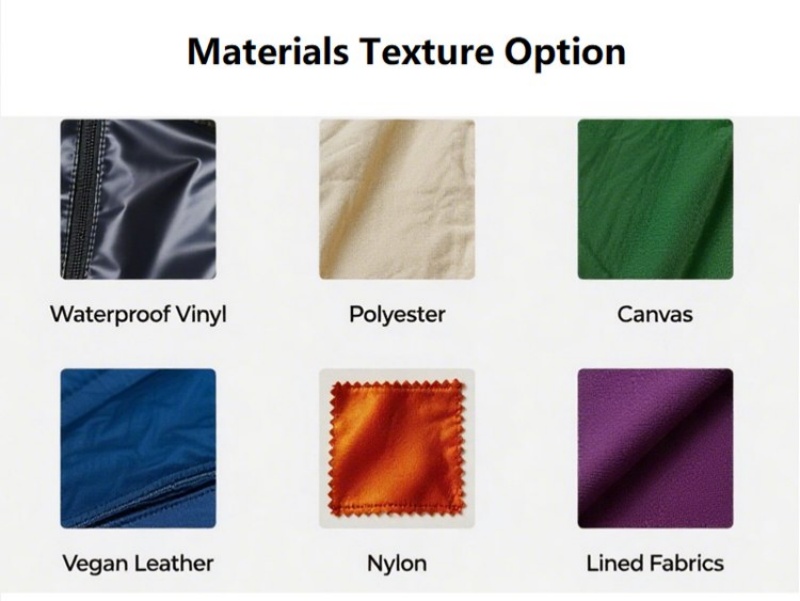
The right material and logo method should be chosen together. A beach bag may use canvas, mesh, PVC, TPU, polyester, Oxford, straw-look material, cotton, or RPET, but each surface handles logo work differently. A clean logo on the wrong material can lose detail, peel, wrinkle, sink into texture, or look cheaper than planned. The strongest result comes from matching use scene, material feel, logo process, color, packing, and summer handling before the sample is approved.
A custom logo beach bag is often carried in bright outdoor light, near water, sand, sunscreen, towels, and wet swimwear. That use setting changes the material decision. A bag for a pool club should be easy to wipe. A bag for a swimwear launch should photograph well. A bag for a resort gift should feel more polished. A bag for a large outdoor program should stay practical and cost controlled. The logo should support that purpose instead of fighting the material.
Material choice affects at least seven things:
| Material Decision | What It Changes |
|---|---|
| Surface texture | Whether the logo looks sharp or broken |
| Fabric weight | Whether the bag feels strong or too thin |
| Water contact | Whether wet items create stains or odor |
| Sand contact | Whether sand is trapped or released |
| Handle strength | Whether the bag can hold towel, bottle, and sunscreen |
| Packing method | Whether the bag can fold without deep marks |
| Overall feel | Whether the item feels casual, sporty, resort-style, or premium |
Logo choice should follow the same logic. A bold print may work well on canvas or polyester. A woven label may look better on straw-look texture. A rubber patch may fit mesh, Oxford, PVC, or sport-style totes. Embroidery adds texture on cotton or canvas, but it may not suit very thin fabric or waterproof surfaces. Metal plates and leather-look patches can lift the perceived value, but they also need secure fixing and careful packing.
A useful material-and-logo match:
| Use Scene | Better Material | Better Logo Direction | What To Check |
|---|---|---|---|
| Swimwear launch | Canvas, cotton, straw-look | Embroidery, woven label, leather-look patch | Color harmony and photo effect |
| Beach club event | Mesh, PVC, polyester | Bold print, rubber patch, solid logo panel | Visibility and durability |
| Poolside gift | PVC, TPU, coated polyester | Print, label, rubber patch | Wipe-clean surface and fold marks |
| Resort welcome set | Lined canvas, straw-look | Woven label, patch, small plate | Shape and presentation |
| Water sport event | Mesh, Oxford, polyester | Rubber patch, reflective logo, woven label | Seam binding and handle strength |
| Travel promotion | Polyester, foldable canvas | Screen print, heat transfer, label | Fold line and carton volume |
| Premium summer set | Heavy canvas, lined straw-look | Embroidery, patch, plate | Edge finish and packing protection |
The safest method is to test the logo on the actual material. A digital artwork file cannot show how ink sits on canvas, how embroidery pulls fabric, how a patch looks on mesh, or how a print behaves on PVC after folding. The real sample should confirm logo clarity, position, color, texture, and packing condition.
A good beach bag material should pass these checks before bulk order:
- Does it fit the use setting?
- Does it feel strong enough for towel and bottle weight?
- Does it match the visual style of the summer program?
- Does the logo stay clear on the surface?
- Does the material fold or pack safely?
- Does it show dirt, stains, scratches, or fold marks easily?
- Does it need lining, binding, bottom support, or a wet pouch?
- Does the handle material match the body fabric?
When the material and logo are planned together, the bag feels intentional. When they are chosen separately, small problems often appear later: a beautiful logo becomes unclear on texture, a premium material gets damaged during packing, or a low-cost process makes the whole item feel less valuable.
Mesh vs Canvas: Which Works Better?
Mesh and canvas both work well for beach bags, but they serve different summer needs. Mesh is better for airflow, wet items, sand release, and sporty settings. Canvas is better for structure, clean logo display, stronger visual value, and resort or retail-style presentation. The right choice depends on whether the bag needs to handle water and sand, or look more polished in photos and gift sets.
Mesh is practical for pool clubs, swim schools, beach events, surf programs, family beach activities, and water sport use. It lets sand fall out and helps damp items breathe. A mesh beach bag can feel light and easy to carry, especially when used with towels, toys, sandals, and swim gear. The risk is appearance. If the mesh is too thin, the trim is weak, or the logo has no solid surface, the bag can look too casual.
Canvas feels more structured and stable. It gives a clean surface for logo work and can be upgraded through fabric weight, handle material, lining, pocket details, and logo process. A canvas beach tote works well for swimwear collections, resort gifts, travel sets, and retail displays. The risk is wet use. Plain canvas can absorb moisture or stains, so a wet pouch, coated lining, or inner pocket may be needed.
| Feature | Mesh | Canvas |
|---|---|---|
| Sand release | Very strong | Limited unless mixed with mesh |
| Wet item use | Breathable | Better with lining or wet pouch |
| Logo clarity | Needs solid logo panel or patch | Strong for print, embroidery, label |
| Structure | Soft and flexible | More stable |
| Premium feel | Depends on trim and handle | Easier to upgrade |
| Packing | Easy to fold | Easy to fold, but watch logo crease |
| Best setting | Sport, pool, beach activity | Resort, swimwear, retail, gift sets |
| Main risk | Looks too casual if trim is weak | Stains or absorbs moisture if untreated |
A mixed design can solve both sides. For example, a canvas front panel with mesh side panels gives better logo display while improving airflow. A mesh body with canvas bottom and webbing handles improves strength. A canvas tote with a PVC or TPU wet pouch keeps the cleaner look while adding function.
Useful mesh upgrades:
- Solid front panel for logo.
- Strong webbing handles.
- Bound edges.
- Oxford or canvas bottom.
- Inner pouch for small items.
- Denser mesh for cleaner appearance.
- Reinforced handle root stitching.
Useful canvas upgrades:
- Medium or heavy fabric.
- Inner zipper pocket.
- Coated lining.
- Bottom gusset.
- Soft cotton webbing or rope handle.
- Embroidery, woven label, or leather-look patch.
- Packing method that avoids logo creases.
For a casual beach activity, mesh often feels more practical. For a swimwear launch or resort set, canvas usually creates a stronger visual result. If the project needs both function and style, a mixed-material tote is often worth reviewing.
PVC vs Polyester: Which Is Cleaner?
PVC is easier to wipe and gives a stronger poolside look, while polyester is lighter, softer, more flexible, and often easier to pack. PVC works well for pool bags, clear totes, wet pouches, and summer gifts that may touch water, sunscreen, or damp swimwear. Polyester works well for broad summer programs, foldable totes, coated beach bags, and cost-controlled logo items.
PVC gives a bright, smooth, modern appearance. It can be transparent, tinted, glossy, matte, or colored. It is useful when the bag may sit near water or hold damp items. It can be wiped more easily than plain fabric. However, PVC needs careful review for thickness, surface scratches, smell, edge comfort, logo adhesion, and fold marks. A PVC bag that is packed too tightly can arrive with visible creases.
Polyester is more flexible. It can be used for totes, drawstring bags, beach shoppers, cooler bags, foldable travel bags, and coated styles. It usually packs more efficiently than structured PVC. With the right coating or lining, polyester can improve water resistance while staying lighter than many PVC styles. The risk is hand feel. If the fabric is too thin, the final bag can feel basic.
| Feature | PVC | Polyester |
|---|---|---|
| Cleaning | Easy to wipe | Depends on coating |
| Water contact | Strong for poolside use | Better when coated |
| Weight | Can become heavier with thickness | Usually lighter |
| Packing | Needs crease control | Folds more easily |
| Logo method | Print, patch, label, plate after test | Print, heat transfer, embroidery, patch |
| Visual style | Modern, clear, pool-ready | Flexible, casual, practical |
| Cost control | Depends on thickness and structure | Easier for larger programs |
| Main risk | Scratches, odor, fold marks | Thin feel if material is too light |
PVC is useful when the bag itself should feel like a pool accessory. Polyester is useful when the project needs easier packing, lighter cartons, and a simpler structure. Many summer programs combine both: polyester or canvas as the main body, with PVC or TPU used for a wet pouch, front pocket, inner pocket, or clear accent.
Useful PVC checks:
- Is the thickness suitable for the bag size?
- Does the surface scratch easily?
- Does the material smell strong when unpacked?
- Does the logo stick well?
- Does the edge feel comfortable?
- Does folding create permanent marks?
- Does the carton pressure deform the bag?
Useful polyester checks:
- Is the fabric dense enough?
- Is the coating even?
- Does the logo look sharp?
- Does the fabric wrinkle too easily?
- Does the handle feel strong enough?
- Does the material fit the planned value level?
- Does the bag look too soft when filled?
A PVC bag can feel cleaner, but it is not always the easier choice. A polyester tote with coated lining may deliver enough function with better packing efficiency. The best choice depends on how much water contact, cleaning, visual clarity, and freight volume matter to the project.
Which Logo Process Looks Best?
The best logo process depends on material surface, artwork detail, color count, product value, and use setting. Screen print works well on canvas, cotton, polyester, and some coated fabrics. Heat transfer is useful for multi-color artwork. Embroidery gives texture on canvas and cotton. Woven labels, rubber patches, leather-look patches, and metal plates can work well when the bag needs a more finished look.
A logo should feel natural on the bag. A large front print may be right for beach clubs and outdoor events. A small woven label may be better for resort or swimwear sets. A rubber patch can fit sporty mesh or coated fabric. Embroidery can make canvas feel more refined. A leather-look patch can suit natural canvas or straw-look texture. A metal plate can add accessory value, but only if the bag structure supports it.
| Logo Process | Better Material Fit | Best Use | Watch Carefully |
|---|---|---|---|
| Screen print | Canvas, cotton, polyester | Bold logo, simple color | Ink thickness, fold line |
| Heat transfer | Polyester, coated fabric, canvas | Multi-color artwork | Heat compatibility |
| Embroidery | Canvas, cotton, thicker fabric | Premium texture | Puckering and stitch density |
| Woven label | Mesh, canvas, straw-look, webbing | Subtle detail | Size and placement |
| Rubber patch | Mesh, Oxford, PVC, sporty canvas | Sport and pool style | Patch thickness and fixing |
| Leather-look patch | Canvas, straw-look | Resort and natural styling | Edge finish and stitching |
| Metal plate | Structured tote, straw-look, PVC | Boutique feeling | Weight and secure fixing |
| Reflective logo | Outdoor, travel, sport use | Functional accent | Surface compatibility |
| Digital print | Smooth fabric and complex graphics | Rich color artwork | Color accuracy and durability |
Logo size should be planned with the bag size. A small logo can disappear on an oversized tote. A large logo can feel too loud on a premium resort bag. A detailed logo may need a smoother material. A simple mark can work on rougher texture.
Practical logo placement guide:
| Placement | Better For | Effect |
|---|---|---|
| Front center | Most tote styles | Clear and direct |
| Upper front | Bags that bulge when filled | Keeps logo visible |
| Lower corner | Premium canvas, straw-look | More subtle |
| Side label | Minimal collections | Quiet visual detail |
| Handle label | Small detail | Less visible, more refined |
| Solid mesh panel | Mesh bags | Keeps logo readable |
| PVC front panel | Pool bags | Clean modern look |
| Inner label | Premium sets | Discreet finish |
A logo should be checked in four states:
- Empty bag.
- Filled bag.
- Folded or packed bag.
- Carried bag.
This matters because a flat sample can be misleading. Once the bag holds a towel or bottle, the panel may curve. Once the bag is folded, a logo can crease. Once it is carried, the handle may cover part of the mark. These details should be checked before bulk approval.
Before production, lock the following:
- Artwork version.
- Logo process.
- Logo size.
- Logo position.
- Logo color.
- Material surface.
- Logo tolerance.
- Packing method.
- Approved sample reference.
The best logo process is not always the most expensive one. It is the one that fits the material, stays clear in real use, and supports the overall product feeling.
How Are Colors And Artwork Checked?
Colors and artwork should be checked through real material swatches, logo trials, approved samples, and full component review. A beach bag may include body fabric, lining, webbing, rope, zipper, thread, mesh, PVC, TPU, patch, label, and carton label. Each component can show color differently, so color approval should happen on the complete material set, not only on a screen.
Summer colors can be tricky. Natural canvas, cream, beige, sand, white, pastel, ocean blue, coral, mint, and straw-look tones may shift under daylight, indoor lighting, and camera settings. A logo color can also change visually depending on background texture. Navy on natural canvas may look rich, but navy on mesh may appear broken. White on PVC may look clean, but may need backing or thicker ink.
Color review should include:
| Component | What To Check |
|---|---|
| Body material | Color, texture, thickness, surface feel |
| Handle | Color match or planned contrast |
| Lining | Does not clash with outer material |
| Zipper tape | Matches body, lining, or trim |
| Thread | Blends or creates intentional contrast |
| Logo | Clear against background |
| Patch or label | Color, material, edge finish |
| Mesh | Density and color depth |
| PVC/TPU | Tint, clarity, surface marks |
| Straw-look material | Weave tone and natural variation |
| Carton label | Correct SKU and color reference |
Artwork should also be reviewed for process suitability. A thin-line logo may not work well with embroidery. A gradient may need digital print or heat transfer. A detailed mark can disappear on rough straw-look texture. A full-color logo may cost more and need extra testing. A large solid print can feel stiff on soft fabric.
Artwork preparation checklist:
| Artwork Detail | Recommended Preparation |
|---|---|
| File type | Vector file or high-resolution artwork |
| Logo size | Final width and height in centimeters |
| Color | Pantone or approved color reference when needed |
| Placement | Distance from top, side, seam, or pocket |
| Process | Print, embroidery, patch, label, plate |
| Background | Final material and color |
| Version control | One confirmed file for production |
| Small text | Check readability at real size |
Full component review is important when the bag uses more than one material. A natural canvas body, beige rope handle, white lining, brass zipper pull, and brown patch may look good separately but uneven together. Placing all components side by side before sample approval helps avoid this issue.
Before approval, check the logo under normal viewing distance. A beach bag is not viewed like a flat business card. It is seen while moving, carried on the shoulder, placed on a beach chair, folded in a suitcase, or photographed outdoors. The logo should look clear from real use distance, not only under close inspection.
Are Eco Materials Worth Using?
Eco-minded materials can be worth using when they support real reuse, suitable strength, and a clear product purpose. Cotton, canvas, RPET polyester, jute-look, straw-look, reusable polyester, and mixed-material designs can all fit summer programs. The key is to choose a material that people will actually keep using, not only a material that sounds responsible.
A reusable beach bag already has a practical advantage. If it is strong, comfortable, and good-looking, it may replace disposable bags during travel, beach days, grocery runs, gym visits, and weekend trips. The longer it is used, the stronger its value becomes. A weak eco-style bag that tears or stains quickly does not create the same result.
Common eco-minded directions:
| Material Direction | Better Use | What To Check |
|---|---|---|
| Cotton | Gift tote, swimwear set | Fabric weight and shrinkage feel |
| Canvas | Resort tote, retail set, premium gift | Durability and logo surface |
| RPET polyester | Travel tote, event bag | Texture, color, certification needs if required |
| Jute-look fabric | Natural summer styling | Edge finish and stiffness |
| Straw-look material | Resort and vacation mood | Lining, handle, shape protection |
| Reusable coated polyester | Pool or travel use | Coating and logo result |
| Mixed-material tote | Higher-value summer set | Balance of function and appearance |
Eco material decisions should be practical. Cotton and canvas can feel natural but may absorb stains. RPET polyester can be light and flexible, but the texture and color should be checked. Straw-look materials can photograph beautifully, but they may need lining and careful carton packing. Coated reusable polyester can be useful near water, but coating quality should be reviewed.
A responsible beach bag should still have:
- Useful size.
- Comfortable handle.
- Strong stitching.
- Clear logo.
- Good packing.
- Durable material.
- Real reuse value.
- Suitable structure for summer items.
Eco direction works best when the message is supported by the product. A clean reusable canvas tote with strong handles may be more convincing than a fragile natural-look bag that does not perform. A foldable RPET tote can be strong for travel programs when the material and logo are tested. A straw-look tote can feel premium when lined and packed properly.
If the project needs a responsible material story, prepare the requirements early. Some material requests may need sourcing, swatch review, or documentation checks. These steps should be included in the timeline, especially before peak season.
The strongest choice is a material that fits both purpose and use. If people keep the bag because it works well, the material decision has done its job.
How Do Price And MOQ Change?
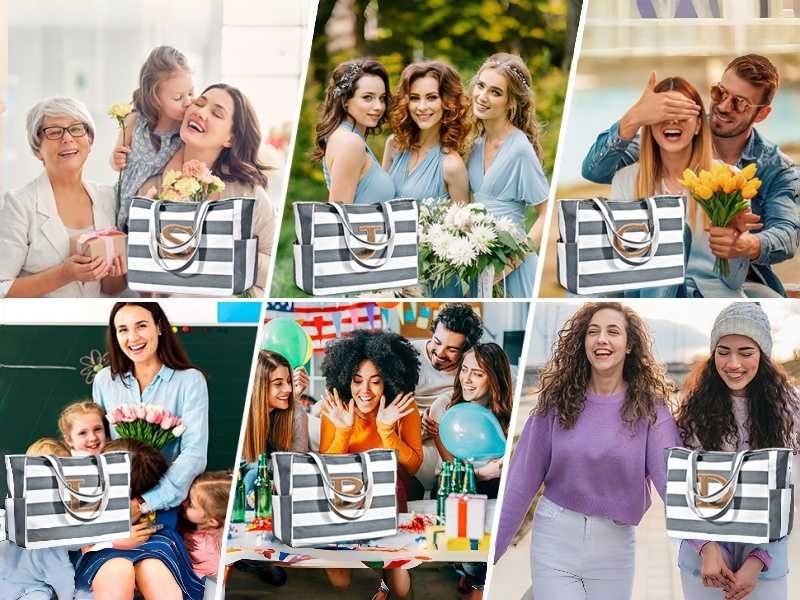
Beach bag price and MOQ change with material, size, structure, logo method, handle type, pockets, lining, closure, packing, quantity, and delivery schedule. A simple polyester tote with one logo is easier to control than a lined straw-look beach bag with rope handles, an inner pocket, custom patch, hangtag, barcode label, and shape-protected carton packing.
The most useful way to understand beach bag cost is to separate visible value from hidden work. Visible value includes fabric feel, color, logo, handle, shape, and packing presentation. Hidden work includes material preparation, cutting loss, logo setup, sewing steps, trim matching, inspection, packing labor, carton volume, and delivery method.
Two bags may look similar from the front but have very different cost structures. A 45 cm canvas tote with no lining and one print is not the same as a 45 cm canvas tote with lining, zipper, pocket, bottom support, embroidery, hangtag, barcode, and individual packing. The first style is easier to arrange. The second style feels more finished, but every added part increases material use, labor time, and checking work.
The goal is not always to make the cheapest bag. The better goal is to spend money where people notice and where function improves. For summer beach bags, the details that often matter most are size, handle comfort, logo clarity, material feel, pocket usefulness, and packing condition.
| Cost Area | What Changes Price | Why It Matters |
|---|---|---|
| Material | Canvas, polyester, mesh, PVC, TPU, straw-look, cotton, RPET | Different surfaces, weights, and preparation needs |
| Size | Width, height, gusset, handle drop | Larger panels use more material and carton space |
| Fabric weight | Canvas oz, PVC thickness, mesh density, polyester denier | Changes strength, hand feel, and shipping weight |
| Logo method | Print, embroidery, patch, woven label, rubber patch, metal plate | Different setup, labor, and surface suitability |
| Handle | Cotton webbing, polyester webbing, rope, PU, PVC, same fabric | Affects comfort, strength, and product value |
| Structure | Lining, zipper, snap, wet pouch, inner pocket, base support | Adds cutting, sewing, and checking work |
| Packing | Individual bag, hangtag, barcode, belly band, carton divider | Affects presentation, labor, and carton size |
| Quantity | 300, 500, 1000, 3000+ pieces | Setup work spreads differently across pieces |
| Delivery | Express, air, sea, rail, forwarder pickup | Total landed cost can change greatly |
For many custom bag projects, 500 pieces per design is a practical starting quantity. Some simple styles may be reviewed at 200–300 pieces when material, color, logo, and packing are straightforward. More detailed products, special materials, custom colors, molded parts, complex labels, or several color versions usually need higher quantities to keep preparation and production stable.
A practical price view should include three levels:
| Level | Product Direction | Better For | Main Control Focus |
|---|---|---|---|
| Simple | Light fabric, one logo, basic packing | Broad summer giveaways | Clean logo and handle strength |
| Core | Better fabric, useful pocket, stronger handle | Swimwear launch, resort gift, event set | Material feel and practical use |
| Premium | Lining, refined logo, upgraded handle, retail packing | Resort shop, high-value campaign, gift set | Presentation and repeat use |
A project does not need the highest level every time. A beach club event may need a strong logo and durable handle more than lining. A resort set may need better material, subtle branding, and neat packing. A travel program may need foldability and carton efficiency. A swimwear gift set may need color harmony, soft fabric, and a small wet pouch.
Price control is most effective before sampling. Once the sample is made with a specific material, logo, handle, pocket, and packing plan, cutting cost later can lead to redesign and delay. Early cost planning keeps the product useful without creating unnecessary complexity.
What Affects Beach Bag Price?
Beach bag price is shaped by material, size, fabric weight, logo process, handle material, structure, pocket plan, closure, packing, quantity, and delivery method. The largest cost changes often come from size, sewing complexity, logo setup, trim choice, and packing, not only from the main fabric.
Material is the first visible cost. Polyester and light cotton are often easier to control. Canvas can feel more valuable, but heavier canvas increases material use and shipping weight. PVC and TPU require checks for thickness, smell, surface marks, logo adhesion, and packing. Straw-look materials may need lining, edge binding, and shape protection to look finished.
Size also changes cost quickly. A small tote uses less material and packs more tightly. A large beach shopper uses more fabric, longer seams, stronger handles, and more carton space. A deeper gusset improves capacity but adds material and sewing work.
| Detail | Lower Cost Direction | Higher Cost Direction |
|---|---|---|
| Material | Polyester, light cotton | Heavy canvas, TPU, straw-look |
| Size | Small or medium tote | Oversized beach shopper |
| Structure | Open top, no lining | Lining, zipper, pocket, base support |
| Handle | Standard webbing | Rope, PU, custom padded handle |
| Logo | One-color print | Embroidery, rubber patch, metal plate |
| Packing | Simple individual bag | Hangtag, barcode, gift-style packing |
| Color | Available color | Custom color or several color versions |
| Delivery | Foldable and compact | Rigid, bulky, shape-protected |
Logo cost depends on method and artwork. One-color print is usually easier for broad programs. Embroidery adds texture but takes more time and can pull thin fabric. Woven labels and patches can look refined, but they need setup and attachment. Rubber patches work well for sporty styles, while metal plates add accessory value but require secure fixing.
Handle cost deserves attention because handles affect both look and function. A weak handle can damage the entire product experience. If the bag needs to hold a towel, bottle, sunscreen, and sandals, handle width, stitching, and reinforcement are not optional details.
Useful price planning questions:
- Does the bag need to hold one towel or several items?
- Is the bag a giveaway, gift set, retail item, or resort accessory?
- Should the logo be bold, subtle, textured, or sporty?
- Is the material expected to handle wet use?
- Does the bag need lining, pocket, or closure?
- Does packing need hangtags, barcodes, or carton sorting?
- Is freight volume sensitive?
A strong price plan keeps the details people notice most and removes details that add cost without improving use.
Which Type Controls Cost Best?
The easiest beach bag types to control in cost are simple polyester totes, cotton totes, light canvas totes, foldable beach bags, and mesh bags with standard trim. These styles usually use familiar materials, simpler cutting, straightforward logo methods, and compact packing. PVC, TPU, cooler bags, lined straw-look totes, and multi-feature bags need more review and usually require a higher budget.
Cost control does not mean the bag must feel cheap. A simple tote with correct size, strong handles, clean stitching, and a clear logo can feel better than a complicated bag with weak details. Many successful summer bags are simple because they do the basic things well.
| Bag Type | Cost Control Level | Why |
|---|---|---|
| Polyester tote | Strong | Flexible material, simple sewing, compact packing |
| Cotton tote | Strong | Clean structure and easy logo placement |
| Light canvas tote | Good | Better feel with controlled structure |
| Mesh bag | Good | Lightweight, but trim and binding matter |
| Coated polyester tote | Medium | Better function, coating adds cost |
| PVC tote | Medium | Thickness, surface, logo, and packing need testing |
| Straw-look tote | Medium to high | Lining, edge finish, and shape protection matter |
| Cooler beach bag | High | Insulation, zipper, and lining add work |
| Premium lined tote | High | Several materials and sewing steps |
A good cost-controlled beach bag often uses one main upgrade instead of many small decorations. For example:
| Product Goal | Better Upgrade |
|---|---|
| Better carry comfort | Wider cotton webbing handle |
| Better logo effect | Cleaner front logo panel |
| Better summer use | One inner pocket or wet pouch |
| Better retail look | Hangtag and neat individual packing |
| Better resort feel | Rope handle or subtle woven label |
| Better durability | Reinforced handle roots and bottom seam |
| Better travel use | Foldable structure and lower carton volume |
The project should avoid adding features only because they sound attractive. A top zipper may not be necessary for an open beach tote. A full lining may not be needed for a simple event bag. A metal plate may look premium, but it may not fit a low-cost giveaway. A wet pouch may be more useful than two small inner pockets.
A practical cost-control method:
- Keep the main shape simple.
- Use a material that matches the use setting.
- Choose one clear logo method.
- Keep the handle strong.
- Limit pocket count.
- Avoid custom hardware unless it adds visible value.
- Confirm packing early.
- Reduce color versions if timing or budget is tight.
A simple canvas tote with strong handles and a clean logo can often create better perceived value than a busy bag with too many weak details.
Do Pockets And Zippers Add Cost?
Pockets and zippers add cost because they require extra material, cutting, sewing, alignment, and checking. They are worth adding when they solve real summer problems, such as storing a phone, separating wet swimwear, holding keys, protecting sunglasses, or giving the bag a more finished feel.
An open-top beach tote is convenient for towels and bulky items. A snap closure gives light security without adding too much complexity. A full zipper is useful for travel or retail products but adds more sewing time. A drawstring can work for sporty or gift styles. The right choice depends on how the bag will be used.
| Feature | Adds Value When | Adds Cost Because |
|---|---|---|
| Inner zipper pocket | Phone, keys, cards need safe storage | Extra fabric, zipper, sewing |
| Wet pouch | Swimwear or sunscreen needs separation | Special material and extra item |
| Bottle pocket | Pool or sport use needs stability | Extra panel and stitching |
| Top zipper | Travel or retail security matters | Long zipper and careful alignment |
| Snap button | Light closure is enough | Hardware and placement |
| Drawstring | Sport or gift style | Cord, eyelets, channel sewing |
| Bottom support | Large tote needs better shape | Extra material and fitting |
| Detachable pouch | Premium gift or wet-use upgrade | Extra item and packing |
Pockets should be easy to reach. A small zipper pocket near the top works well for phone, room card, keys, and lip balm. A deep pocket at the bottom can be annoying because small items are hard to find. A wet pouch should be removable or easy to wipe. A bottle pocket should not make the bag tilt.
Good feature choices by product role:
| Product Role | Useful Feature |
|---|---|
| Simple giveaway | No pocket or one small open pocket |
| Swimwear gift set | Wet pouch or small zipper pocket |
| Resort tote | Lining, inner pocket, snap closure |
| Pool bag | PVC pouch, coated lining, snap |
| Travel tote | Top zipper and inner pocket |
| Family beach bag | Bottle pocket and reinforced bottom |
| Premium summer gift | Detachable pouch and refined label |
The best feature plan keeps the product easy to use. Too many pockets can raise cost and make the design feel crowded. For many beach bags, one inner pocket plus a roomy main compartment is enough. For pool or swimwear use, a wet pouch can add more practical value than several small pockets.
Before adding a zipper, check whether it improves the actual use. Towels and sandals are easier to place in an open bag. Travel items may need a zipper. Retail items may need a cleaner closed shape. The zipper should match the purpose, not just add decoration.
How Can A Factory Review MOQ?
MOQ is reviewed through material availability, color choice, logo method, trim, structure, packing, quantity per color, and project complexity. A simple tote using available fabric and one logo is easier to review than a custom-colored beach bag with lining, zipper, special patch, several color versions, and detailed retail packing.
For many custom bag projects, 500 pieces per design is a practical starting quantity. Some simple styles may be reviewed at 200–300 pieces when the material, structure, color, logo, and packing are straightforward. Products with custom materials, special trims, complex patterns, or several versions usually need higher quantities to keep setup and production stable.
MOQ is not only about the final sewing work. It is affected by the full preparation process: material purchase, color preparation, logo setup, cutting, sewing, packing, inspection, and carton handling.
| Project Detail | MOQ Impact |
|---|---|
| Available material | Easier to review |
| Custom dyed material | Higher quantity may be needed |
| One logo color | Easier to arrange |
| Multi-color logo | More setup and checking |
| Simple open-top tote | Easier to review |
| Lining, zipper, pockets | More labor and preparation |
| One color version | Easier |
| Several colors | More sorting and control |
| Basic packing | Easier |
| Hangtag, barcode, SKU sorting | More detail control |
| Custom patch or hardware | Higher setup pressure |
| Special material | More material planning |
A lower quantity is easier when the design stays simple:
- Available fabric.
- Available color.
- One logo method.
- Basic open-top structure.
- Standard handle.
- Simple packing.
- No custom hardware.
- No complex pocket layout.
- One color version.
A higher quantity may be needed when the design includes:
- Custom fabric color.
- Special material.
- Custom molded or metal part.
- Rubber patch or special label.
- Multi-color print.
- Several color versions.
- Lining, zipper, or multiple pockets.
- Gift packing.
- Barcode sorting by color or style.
MOQ can sometimes be improved by adjusting the structure. For example, using an available canvas color instead of custom dyeing may help. Replacing a molded rubber patch with a woven label may simplify setup. Keeping one color version instead of three may lower complexity. Removing unnecessary pockets may make production easier.
The best MOQ discussion starts with the target quantity and the design priority. If the priority is timing, simplify the bag. If the priority is premium appearance, keep the most visible upgrades and accept a higher preparation requirement. If the priority is cost control, use available material, simple logo, and compact packing.
What Specs Help Quote Faster?
A quote becomes faster and more accurate when the main product details are clear: bag type, size, material, color, logo, quantity, structure, handle, packing, delivery date, and destination. A reference photo helps show style, but the final price needs measurable details.
A clear request avoids repeated back-and-forth. If the material is not decided, ask for two options. If the logo method is unclear, share the artwork and the planned use setting. If the size is flexible, give a preferred size and an acceptable adjustment. If the schedule is tight, state the required arrival date at the beginning.
Useful details to prepare:
| Spec | Example |
|---|---|
| Bag type | Canvas beach tote, mesh beach bag, PVC pool tote |
| Size | 45W × 35H × 15D cm, handle drop 25 cm |
| Material | 12 oz canvas, polyester mesh, 0.3 mm PVC, coated polyester |
| Color | Natural canvas, navy trim, Pantone reference |
| Logo | One-color print, embroidery, woven label, rubber patch |
| Quantity | 500 pcs, 1000 pcs, 3000 pcs |
| Structure | Open top, zipper, snap, lining, pocket, wet pouch |
| Handle | Cotton webbing, rope, PU, PVC, same fabric |
| Packing | Individual bag, hangtag, barcode, carton mark |
| Deadline | Needed arrival date |
| Destination | Country, port, warehouse, or forwarder address |
A strong request can be simple:
“We need a medium canvas beach tote for a summer swimwear gift set. Target size is around 45 × 35 × 15 cm. Natural canvas body, navy one-color logo, cotton webbing handles, one inner pocket, 1000 pieces, individual bag packing, needed before June. Please review suitable material, logo process, sample time, bulk timing, and packing.”
That type of information helps review price, sample time, MOQ, packing, and timing together. It also allows early suggestions. If the bag is too large for the target budget, the gusset can be reduced. If the logo has thin details, a woven label may work better. If shipping volume is sensitive, a foldable structure can be reviewed.
Before asking for price, it helps to decide which items are fixed and which can change:
| Fixed Detail | Flexible Detail |
|---|---|
| Needed arrival date | Material weight |
| Logo artwork | Logo process |
| Main use scene | Exact size |
| Quantity target | Pocket layout |
| Brand color | Handle material |
| Gift set purpose | Packing style |
A faster quote does not come from less information. It comes from clear information. When the size, material, logo, quantity, packing, and deadline are clear, the project can move from idea to sample with fewer delays.
How Are Peak Season Orders Controlled?

Peak season beach bag orders are controlled by locking the approved sample, checking materials before cutting, reviewing logo work early, inspecting first sewn pieces, testing handles and closures, confirming packing before cartons are filled, and keeping delivery details clear. The goal is simple: prevent small mistakes from repeating across the full order when the summer deadline is already fixed.
Summer beach bag projects often have a hard date. A resort opening, swimwear launch, beach club event, retail drop, or travel campaign cannot wait because a logo test took too long or packing labels arrived late. For this reason, control should start before production begins, not only at the last inspection.
The approved sample should become the physical standard. It should define the material, size, shape, handle, logo, pocket, lining, closure, color, folding method, packing, and carton details. If the approved sample is unclear, the bulk goods may slowly drift away from the intended look.
A controlled summer order usually follows this path:
| Stage | What To Confirm | Why It Matters |
|---|---|---|
| Before cutting | Material, color, thickness, trim, lining | Prevents wrong fabric or shade issue |
| Before logo work | Artwork, logo size, placement, process | Prevents logo shift or poor clarity |
| First logo pieces | Color, edge, adhesion, position | Stops repeated logo errors early |
| First sewn pieces | Size, shape, handle, pocket, seam | Confirms the sewing standard |
| In-process check | Stitching, loose threads, handle roots | Finds issues before too many pieces finish |
| Function check | Zipper, snap, drawstring, pocket | Confirms daily use |
| Packing test | Fold line, individual bag, hangtag, barcode | Prevents marks, creases, and sorting errors |
| Carton check | Quantity, color, label, mark, weight | Supports delivery and warehouse handling |
The most common peak season risks are not dramatic. They are small, repeated issues: a logo 2 cm too low, a handle drop that feels short, a pocket opening sewn too tight, canvas shade variation, PVC scratches, mesh seams pulling, straw-look bodies pressed flat in cartons, or barcode labels mixed between colors.
These problems can be controlled when the first pieces are checked early. If the first 20–50 pieces match the approved sample, the order can continue with more confidence. If something is wrong, it should be corrected before the same mistake appears across hundreds or thousands of bags.
A practical control plan should cover:
| Control Area | Key Check | Common Risk |
|---|---|---|
| Main material | Weight, thickness, texture, color | Wrong feel or shade difference |
| Logo | Size, position, color, process | Crooked, unclear, peeling, or hidden logo |
| Handle | Drop, width, stitch pattern, reinforcement | Breakage or uncomfortable carrying |
| Body shape | Width, height, gusset, base | Bag looks uneven or holds less than planned |
| Size, depth, zipper, access | Phone or keys hard to reach | |
| Closure | Zipper, snap, drawstring | Stiff, misaligned, or weak closure |
| Surface | Dirt, scratches, glue, loose threads | Poor first impression |
| Packing | Fold line, label, hangtag, carton | Creases, mixed colors, wrong labels |
A summer beach bag should also be checked as a real carry item. Fill several pieces with a towel, bottle, sunscreen, sandals, and pouch. Lift the bag, place it on a table, carry it on the shoulder, and check whether the logo still looks good. This type of check often finds issues that a flat inspection misses.
What Should Brands Send First?
A peak season beach bag project moves faster when the first request includes bag type, size, material idea, logo file, quantity, packing needs, required arrival date, and destination. A reference photo helps show the style direction, but measurable details make the review far more useful.
For summer work, the first message should reduce guesswork. If the design is still early, send the preferred direction and the details that are already fixed. The material, size, logo process, and packing can then be reviewed together.
Helpful information to send first:
| Detail | Example |
|---|---|
| Bag type | Canvas beach tote, mesh beach bag, PVC pool tote |
| Size | 45W × 35H × 15D cm, handle drop 25 cm |
| Material idea | 12 oz canvas, polyester mesh, 0.3 mm PVC, coated polyester |
| Logo file | Vector artwork, PDF, SVG, AI file, or clear high-resolution file |
| Logo style | One-color print, embroidery, woven label, rubber patch |
| Quantity | 500 pcs, 1000 pcs, 3000 pcs |
| Color | Natural canvas, navy trim, Pantone reference |
| Structure | Open top, zipper, snap, lining, inner pocket, wet pouch |
| Handle | Cotton webbing, rope, PU, PVC, same fabric |
| Packing | Individual bag, hangtag, barcode, carton mark |
| Required date | Needed arrival date, not only event date |
| Destination | Country, warehouse, port, or forwarder address |
A clear first request may look like this:
“We need a medium canvas beach tote for a June swimwear gift set. Target size is 45 × 35 × 15 cm with 25 cm handle drop. Natural canvas body, navy one-color logo, cotton webbing handles, one inner pocket, 1000 pieces, individual bag packing, needed before early June. Please review material, logo method, sample time, bulk timing, and packing.”
This type of request helps the project move quickly because it connects design, cost, sample, packing, and timing from the beginning.
If the schedule is tight, it also helps to state what can change:
| Fixed Detail | Flexible Detail |
|---|---|
| Required arrival date | Material weight |
| Main logo artwork | Logo process |
| Product use scene | Exact size |
| Quantity target | Pocket layout |
| Main color direction | Handle material |
| Gift set purpose | Packing style |
Flexibility can protect the launch date. For example, if a custom patch needs too much setup time, a woven label may work. If a straw-look tote needs more packing space, canvas may be safer. If a full zipper adds time, a snap closure may be enough.
How Are Samples Checked?
A beach bag sample should be checked with real summer use in mind. The sample should confirm material feel, size, logo position, handle comfort, pocket function, closure, lining, color, folding, and packing. For many standard custom bag styles, sample making usually takes around 5–7 days after the key details are clear. Very simple styles may move faster, while special materials or complex logo methods may need more review time.
The sample should not be approved only from a front photo. Many issues appear only when the bag is filled and carried. A towel can make the front panel curve. A bottle can pull the base to one side. A logo can sit too low when the bag is full. A handle can feel uncomfortable against bare skin. PVC can show fold marks after packing. Straw-look edges can feel rough if binding is weak.
A practical sample check:
| Check Area | How To Review | What It Reveals |
|---|---|---|
| Capacity | Fill with towel, bottle, sunscreen, sandals, pouch | Whether the size works |
| Handle | Carry by hand and shoulder | Comfort, drop, width, reinforcement |
| Logo | Check empty, filled, folded, and carried | Visibility and placement |
| Shape | Stand the bag empty and filled | Base, gusset, balance |
| Put phone, keys, card, lip balm inside | Reach and size | |
| Closure | Test zipper, snap, drawstring repeatedly | Smoothness and alignment |
| Lining | Check seams, color, and inside feel | Finish and wet-use suitability |
| Packing | Pack using the planned method | Fold marks, surface marks, shape change |
Useful sample feedback should be specific:
- Move logo 3 cm higher.
- Reduce logo width from 18 cm to 15 cm.
- Increase handle drop from 23 cm to 26 cm.
- Change 10 oz canvas to 12 oz canvas.
- Add one inner zipper pocket near the top edge.
- Use a woven label instead of print on mesh.
- Add bottom support for the large tote.
- Change folded packing to flat packing for PVC.
- Add lining to the straw-look tote.
- Use softer cotton webbing instead of rough rope.
Before approval, lock these details:
| Detail | Approval Standard |
|---|---|
| Final size | Width, height, gusset, handle drop |
| Material | Main body, lining, trim, handle |
| Logo | Process, size, color, placement |
| Size, position, zipper or no zipper | |
| Closure | Open top, snap, zipper, drawstring |
| Color | Body, handle, lining, logo, trim |
| Packing | Fold method, individual bag, hangtag, carton |
| Tolerance | Practical difference allowed in bulk goods |
Once the sample is approved, changes should be kept limited. A small change may seem easy, but it can affect material use, logo setup, sewing guide, packing, and timing.
How Are Bulk Orders Controlled?
Bulk beach bag orders are controlled by comparing materials, first logo pieces, first sewn pieces, in-process goods, packed pieces, and cartons against the approved sample. For many custom bag projects, bulk production often takes around 20–30 days after approval, depending on material, quantity, structure, logo, packing, and schedule.
Bulk control should start before cutting. If the material color, fabric weight, PVC thickness, mesh density, or handle webbing is wrong, the issue should be found before panels are cut. Once materials are cut and printed, changes become harder.
Key control stages:
| Stage | Main Check | What To Prevent |
|---|---|---|
| Material arrival | Color, texture, thickness, trim | Wrong material or shade |
| Cutting | Panel size, pocket parts, gusset | Uneven shape or size drift |
| Logo start | Position, color, clarity, adhesion | Repeated logo errors |
| Sewing start | First pieces vs approved sample | Shape, seam, handle issues |
| In-process check | Stitching, loose threads, lining | Hidden defects |
| Function check | Zipper, snap, drawstring, pocket | Use problems |
| Surface check | Dirt, scratches, glue, marks | Poor appearance |
| Packing check | Fold line, labels, carton quantity | Creases and sorting errors |
| Carton review | Color, SKU, mark, weight | Delivery confusion |
Different materials need different attention:
| Material | Common Bulk Risk | Control Focus |
|---|---|---|
| Canvas | Shade variation, print clarity, seam strength | Roll check, logo check, stitch review |
| Mesh | Stretch, seam pulling, weak trim | Binding, webbing, solid logo panel |
| PVC | Scratches, odor, fold marks | Thickness, surface protection, packing |
| TPU | Softness, deformation, logo adhesion | Logo test, folding, heat behavior |
| Polyester | Thin feel, coating issue, print clarity | Density, coating, seam strength |
| Straw-look | Shape loss, rough edge, weave variation | Lining, binding, carton protection |
The first sewn pieces are especially important. They should be checked for size, gusset, handle drop, logo placement, pocket position, seam quality, and overall shape. If the first pieces are correct, the order can continue. If not, adjustment should happen immediately.
A loaded check is helpful during production. Fill several finished pieces with real items and carry them. Look for handle pulling, seam twisting, base sagging, zipper difficulty, and logo distortion. Beach bags are not used flat, so they should not be checked only as flat products.
How To Pack Beach Bags Efficiently?
Beach bags should be packed according to material, shape, logo position, and delivery method. Foldable cotton, canvas, polyester, and mesh bags can usually be packed more efficiently. PVC, TPU, straw-look, cooler, and structured bags need more careful packing to avoid scratches, fold marks, pressure marks, and shape loss.
Efficient packing is not only about putting more pieces into a carton. It must protect the product. If a printed canvas tote is folded across the logo, the mark may crease. If a PVC tote is pressed too hard, the surface may show marks. If a straw-look bag is compressed, the body may lose shape. If a mesh bag is packed with rough trims, the surface may snag.
Packing method by bag type:
| Bag Type | Better Packing Method | Main Concern |
|---|---|---|
| Cotton tote | Folded individual bag | Keep logo area clean |
| Canvas tote | Folded or flat pack | Avoid heavy crease on logo |
| Mesh bag | Folded pack | Avoid snagging and trim distortion |
| Polyester tote | Folded pack | Control fold line and label placement |
| PVC bag | Flat or softly curved packing | Avoid scratches and hard creases |
| TPU pouch | Protective packing | Avoid pressure marks |
| Straw-look tote | Shape-protected packing | Avoid crushing and rough edges |
| Cooler bag | Protected shape packing | Avoid zipper and insulation deformation |
Packing details to confirm early:
| Packing Detail | Why It Matters |
|---|---|
| Fold direction | Prevents logo crease and poor opening shape |
| Individual bag size | Keeps product neat and easy to distribute |
| Hangtag position | Supports presentation and consistency |
| Barcode label | Helps color and SKU sorting |
| Belly band | Creates a clean folded look |
| Carton quantity | Affects carton size, weight, and storage |
| Carton mark | Helps receiving and warehouse handling |
| Color separation | Prevents mixed-color confusion |
| Surface protection | Reduces scratches and pressure marks |
For gift sets, packing must be tested with the actual contents. A towel, sunscreen bottle, pouch, cap, or water bottle can change the bag’s shape and carton size. If the gift set is packed too tightly, the bag may arrive wrinkled. If the carton has too much empty space, the set may shift during delivery.
A packing test should check:
- Does the fold line avoid the logo?
- Does the bag fit neatly into the individual bag?
- Does the surface scratch during packing?
- Does the handle deform?
- Does the straw-look body keep shape?
- Are tags and labels in the correct place?
- Are colors sorted correctly?
- Are carton marks easy to read?
- Is the carton too heavy for handling?
- Does the packed bag still look presentable when opened?
Packing should be approved before bulk goods are finished. Waiting until the end can cause unnecessary delays or extra repacking work.
Why Work With A Direct Bag Factory?
Working with a direct bag factory helps connect material, size, logo, structure, sample, packing, and bulk control in one review. This is valuable for peak season beach bags because every choice affects the next step. A material change can affect the logo. A larger size can affect handle strength. A new pocket can affect cost and sewing time. A different packing method can affect carton size and delivery cost.
A direct review helps avoid problems before they become expensive or late. If the timeline is tight, the design can be simplified early. If the logo has fine details, a better process can be suggested. If the material is not suitable for water or sand, another option can be reviewed. If a gift set needs to ship already packed, carton size can be checked before bulk packing starts.
Practical review areas:
| Project Need | What Can Be Reviewed |
|---|---|
| Material | Canvas, mesh, PVC, TPU, polyester, Oxford, straw-look |
| Logo | Print, embroidery, label, patch, plate |
| Size | Towel fit, gusset, handle drop, carton volume |
| Structure | Pocket, lining, closure, wet pouch, bottom support |
| Sample | Real item test, logo effect, packing marks |
| Bulk order | First-piece check, handle strength, logo control |
| Packing | Individual bag, hangtag, barcode, carton mark |
| Delivery | Carton size, route, deadline, forwarder plan |
A direct bag factory can also help decide which details should stay and which can be simplified.
| Situation | Practical Adjustment |
|---|---|
| Deadline is tight | Use available fabric and simpler logo |
| Logo is too detailed | Use woven label or patch |
| Bag is too costly | Reduce size, pocket count, or trim complexity |
| Pool use is important | Add PVC/TPU pouch or coated lining |
| Resort look is needed | Use canvas, straw-look, rope handle, subtle label |
| Freight cost is sensitive | Choose foldable structure and compact packing |
| Gift set looks empty | Adjust bag size or contents layout |
| PVC creases too much | Review flat packing or different material |
For a summer launch, the biggest value is fewer surprises. A good review should lead to clear choices: which material fits, which logo method works, what the sample should prove, how the bag should be packed, and how much time is needed before delivery.
If the project already has a fixed summer date, early discussion is useful. It gives more room to choose the right material, test the logo, approve the sample, protect the packing, and keep delivery realistic.