 Skip to content
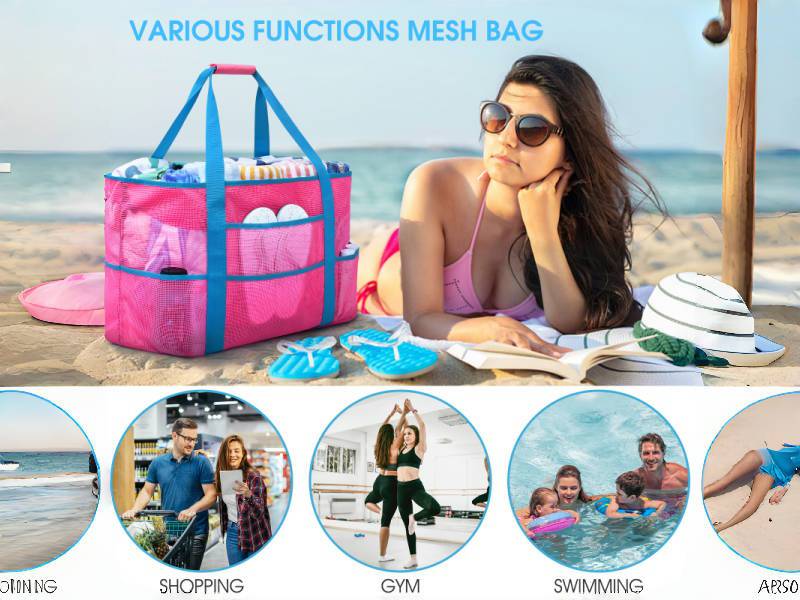
A large beach bag is often judged too quickly. From a product photo, it may look generous. In a resort room, it may look polished. On a display shelf, it may feel like an easy summer item. But the real test starts when someone walks toward the beach with a towel that is not folded neatly, sandals covered with sand, a sunscreen bottle that must stay upright, a phone that needs protection, and a wet swimsuit that should not touch everything else.
That is why capacity planning matters. A tourism beach bag should be built around real guest behavior: one or two towels, sandals, sunscreen, water, sunglasses, room card, phone, wet clothing, and small extras. The right size depends on the user group, trip length, material stiffness, bottom width, pocket layout, handle strength, and how the bag will be packed, stored, carried, and reused.
The most successful beach bags are not always the biggest ones. They are the ones that feel easy at 10 a.m., still look clean at 3 p.m., and remain useful after the trip ends. A guest may forget the exact fabric name, but they remember whether the bag stood open, whether the phone stayed dry, whether the sunscreen was easy to find, and whether the handles hurt after a short walk across hot sand.
For tourism programs, this small daily-use item can become part of the travel memory. A poorly planned bag becomes clutter. A well-planned one becomes a quiet upgrade to the whole stay.
What Should A Large Beach Bag Fit?
A large beach bag for tourism use should hold more than a towel. It should carry the full beach-day kit: one or two towels, sandals, sunscreen, water, sunglasses, phone, room card, wet swimwear, small care items, and a little extra space for things added during the day. The best design is not simply bigger. It makes each item easier to place, find, protect, and carry.
A beach bag used in a resort, hotel, cruise, beach club, pool area, or island tour has a different job from a casual shopping tote. People do not pack beach items neatly. Towels are rolled quickly. Sandals may still have sand on the sole. Sunscreen may be oily. Wet swimwear may be placed inside after swimming. A water bottle may roll around unless the base is stable. A phone and room card need a safe pocket.
This is why capacity should be planned around item behavior, not only external size. Soft items need open volume. Wet items need separation. Small valuables need protection. Bottles and sunscreen need upright space. Sandals need bottom depth. If all these items are dropped into one deep compartment without structure, the bag may look large but feel messy in daily use.
A well-planned large beach bag usually includes:
Enough main space for one or two towels.
A bottom depth that allows sandals, bottles, and folded clothing to sit naturally.
One secure pocket for phone, room card, cash, and keys.
One easy-reach area for sunscreen, lip balm, tissues, or sunglasses.
A wet-friendly zone for swimwear or damp towels.
Comfortable handles that still feel good when the bag is full.
A shape that does not collapse completely when packed.
For tourism programs, the goal is simple: the bag should work from room to beach, from pool chair to café, from boat deck to hotel lobby, and from vacation to home reuse. If the bag only looks nice when empty, it has not been planned deeply enough.
| Item | Suggested Space Need | Best Placement | Design Detail To Consider |
|---|---|---|---|
| One standard towel | 6–10 L | Main compartment | Wide opening, enough height |
| Two towels | 12–18 L | Main compartment | Wider base, stronger handles |
| Sandals or slides | 3–6 L | Bottom area or side zone | Washable base, sand-tolerant lining |
| Sunscreen bottle | 0.5–1.5 L | Side pocket or upright inner pocket | Elastic loop, coated pocket, easy reach |
| Phone and room card | Small | Inner zipper pocket | Higher pocket position, secure closure |
| Sunglasses | Small | Soft pocket or protected section | Avoid pressure from bottles |
| Wet swimwear | 2–4 L | Wet pocket or separate pouch | Coated lining, ventilation, easy cleaning |
| Water bottle | 1–2 L | Side pocket or stable inner space | Bottle pocket depth and stretch |
| Snacks or small care items | 1–3 L | Front pocket or top layer | Quick access, clean separation |
| Hat or cover-up | 3–6 L | Top of main compartment | Spare room above towel layer |
A practical test is to fill the bag to about 75–85% of its planned capacity. If it is already tight at this stage, it will feel too small in real use. People always add something later: a wet swimsuit, a child’s toy, a souvenir, a hat, a book, or a second bottle of water.
How Many Towels Should It Hold?
Towel capacity should match the use scene. A single-guest beach bag may only need to hold one towel plus personal items. A couple-use bag should hold two towels, sunscreen, and a bottle without losing shape. A family-use bag needs more space, but it also needs stronger handles and better separation because the contents become heavier and less organized.
Towels are the main reason a beach bag needs real volume. They take up more space than many people expect, especially when they are made from thicker cotton. A thin travel towel may fold into a compact layer, while a plush hotel towel can fill a large part of the bag. If a resort plans to place towels inside the bag before guests arrive, the actual towel size should be tested during sample review.
For one towel use, the bag can stay lighter and cleaner in shape. For two towels, the base should be wider so the towels can lie naturally instead of being forced upward. If the bag is too narrow, it becomes tall, bulky, and harder to carry. For family use, the bag should not rely only on height. A wide opening and stable base make a bigger difference.
A useful planning guide:
| Towel Load | Practical Use Scene | Suggested Bag Capacity | Structural Focus |
|---|---|---|---|
| 1 thin towel | Light travel, pool visit, spa gift | 12–18 L | Lightweight body, small secure pocket |
| 1 full beach towel | Hotel room gift, resort day use | 15–22 L | Wide opening, comfortable handles |
| 2 beach towels | Couple stay, beach club, cruise trip | 22–30 L | Wider base, stronger handle stitching |
| 2 towels plus sandals | Resort day kit, island tour | 28–35 L | Bottom depth, bottle pocket, inner zipper pocket |
| 3+ towels | Family resort, waterpark, group travel | 35–45 L+ | Reinforcement, pocket layout, wet/dry separation |
The bag should not be designed to look perfect only when the towels are folded like a display. Real towels are loose, damp, sandy, and often pushed into the bag quickly. A good beach bag accepts imperfect packing without making the user feel that the product is too small.
What Size Fits Sandals And Sunscreen?
Sandals and sunscreen need different space from towels. Towels are soft and flexible. Sandals have shape, edges, and sandy soles. Sunscreen bottles are round, slippery, and often used many times during the day. These items need a bag with enough bottom depth and smarter pocket placement.
For sandals, a narrow flat tote is often the wrong shape. It may look elegant from the front, but once sandals are placed inside, the bag can bulge or tilt. A bottom depth of around 12–20 cm is usually more practical for tourism beach bags, depending on total size. This lets sandals lie flatter and helps the bag remain stable when placed on the ground.
Sunscreen should not sit at the very bottom under towels. People may need to apply it before leaving the room, after swimming, after lunch, and again in the afternoon. If the bottle is hard to find, the bag feels poorly organized. A side pocket, inner upright pocket, elastic bottle loop, or small coated pocket can make sunscreen easier to reach and reduce mess from minor leakage.
The sunscreen pocket should be tall enough to hold the bottle securely but not so deep that the bottle disappears. If the product is used near pools or boats, a coated pocket is worth considering. If the bag has a more natural canvas look, a small removable pouch can provide protection without changing the whole bag style.
Practical size planning for sandals and sunscreen:
| Item | Better Bag Detail | Why It Matters |
|---|---|---|
| Flat sandals | Wider base or lower pocket | Keeps clean items away from sandy soles |
| Thick slides | Deeper bottom panel | Prevents side bulging |
| Kids’ sandals | Mesh or washable section | Helps with sand and dampness |
| Sunscreen tube | Upright slip pocket | Faster access, less leakage risk |
| Sunscreen spray bottle | Elastic loop or side pocket | Reduces rolling inside the bag |
| After-sun lotion | Coated small pocket | Helps protect fabric from oily marks |
A good beach bag does not need a separate compartment for every item. But it should give shaped and messy items a logical place. Sandals, sunscreen, and wet items should not compete with phones and towels in one crowded space.
Which Items Need Quick Access?
Quick-access items are the things people reach for repeatedly: sunscreen, phone, room card, sunglasses, lip balm, tissues, wet wipes, hair ties, bottle, and small cash. These items should not be buried under towels or mixed with sandy sandals.
A large beach bag should have a clear access logic. The main compartment is for towels, cover-ups, clothing, and larger soft items. A secure inner pocket is for valuables. Side or front pockets are for sunscreen, water, and daily care items. A wet pocket or removable pouch is for swimwear. When the layout follows this logic, the bag feels easier without looking complicated.
The phone pocket deserves special attention. It should be high enough to reach easily, secure enough to prevent slipping, and placed away from wet items. A zipper is often the safest choice. For resort and hotel use, the same pocket can also hold a room card, key, cash, and small documents.
Sunglasses need a different kind of protection. If they are placed in the main compartment, they may be crushed by bottles or towels. A soft slip pocket, top pocket, or separate pouch can reduce scratches. If the bag is for family travel, a front pocket can hold wipes, snacks, sunscreen, and small care items that parents need many times a day.
The most practical quick-access layout often includes:
One inner zipper pocket for phone, room card, cash, and keys.
One side or front pocket for sunscreen.
One bottle position that keeps water upright.
One small soft area for sunglasses or care items.
One wet-friendly area for swimsuits or damp items.
| Quick-Access Item | Recommended Placement | Useful Detail |
|---|---|---|
| Phone | Inner zipper pocket | High pocket position, dry area |
| Room card | Same secure pocket as phone | Small divider or zipper |
| Sunscreen | Side pocket or inner upright pocket | Easy reach, coated lining if needed |
| Sunglasses | Soft pocket or top pouch | Away from bottle pressure |
| Water bottle | Side pocket or stable inner holder | Upright support |
| Wet wipes | Front slip pocket | Fast access for families |
| Lip balm | Small inner slip pocket | Avoid losing small items |
| Cash and keys | Inner zipper pocket | Secure closure |
A beach bag feels high quality when people can find what they need without digging. This is especially important in resorts, pool clubs, cruise trips, and family beach settings where people move between different areas throughout the day.
How Much Space Is Enough For Tourism Use?
Enough space means the bag can carry the planned items while leaving room for real-life additions. A beach bag that is filled completely during a neat packing test will feel too small in daily use. A better target is to let the planned load fill around 75–85% of the bag.
Tourism use adds extra unpredictability. People may start with a towel and sunscreen, then add a wet swimsuit, a hat, a child’s toy, a snack pouch, a bottle, or a souvenir. If the bag has no spare space, it becomes frustrating by the middle of the day. If it is much too large, it may collapse when half full and take too much space during storage or shipping.
The right size depends on the scene:
A hotel room gift may need a clean, medium-large size that holds one towel and amenities.
A beach club bag may need two-towel capacity and a polished logo area.
A cruise or island tour bag may need lightweight construction and secure closure.
A waterpark bag may need more wet-item space and washable material.
A family resort bag may need large volume, strong handles, and visible organization.
The following capacity guide can help during planning:
| Use Scene | Suggested Capacity | What It Should Fit | Important Detail |
|---|---|---|---|
| Poolside hotel gift | 15–22 L | 1 towel, sunscreen, phone, room card | Clean look, inner pocket |
| Resort beach day | 22–30 L | 1–2 towels, sandals, bottle, sunscreen | Wider base, shoulder handles |
| Beach club package | 25–35 L | 2 towels, small items, sunglasses, bottle | Logo area, good shape |
| Cruise or boat trip | 20–30 L | Towel, wet swimsuit, bottle, travel items | Zipper or secure pocket |
| Family resort use | 35–45 L | Multiple towels, kids’ items, wet clothes | Reinforced handles, more pockets |
| Waterpark use | 30–45 L | Wet towels, swimwear, goggles, sandals | Coated or mesh areas |
A practical size review should include three simple checks.
First, pack the expected items. Use actual towel size, sandal type, sunscreen bottle, and water bottle. Do not use smaller substitute items.
Second, carry the bag for several minutes. Check whether the handles twist, whether the top edge rubs under the arm, whether the weight pulls one side down, and whether the base sags.
Third, unpack the bag in normal order. Try to take out sunscreen, phone, room card, and sunglasses without removing the towels first. If these items are hard to reach, the bag may need a different pocket layout, not necessarily a bigger size.
A well-planned beach bag should feel roomy when packing, stable when carried, and easy when searching for small items. Size alone does not create that experience. Shape, pocket placement, handle comfort, and material behavior all work together.
Which Capacity Works Best For Tourism?

The right capacity depends on the guest group, the towel size, the travel scene, and how long the bag will be carried. A light beach tote can work for one guest. A larger resort tote should handle two towels, sandals, sunscreen, and a bottle. Family use needs more volume, stronger handles, and smarter wet/dry separation.
Capacity is often misunderstood because many large beach bags look similar in photos. The real difference appears after packing. A 20-liter bag may feel generous for one towel but too tight for two thick towels and sandals. A 35-liter bag may work well for a family beach day, but it may feel oversized for a boutique hotel room gift. A very large bag can look impressive, yet become uncomfortable if the handles, base, and pocket layout are not planned together.
Tourism use also includes more than beach walking. The bag may sit in a hotel room, hang in a resort shop, travel on a boat, move through a cruise corridor, sit under a pool chair, or fold into a suitcase. Each scene changes the ideal capacity. A beach club tote may need a polished shape. A waterpark bag may need a large wet area. A cruise tote may need a zipper and lighter structure. A family resort bag may need wider bottom depth and stronger seam reinforcement.
A practical way to choose capacity is to start with the real load:
One guest: one towel, sunscreen, phone, room card, sunglasses, bottle.
Two guests: two towels, two pairs of sandals, shared sunscreen, bottle, wet swimwear.
Family use: multiple towels, kids’ items, snacks, wipes, sunscreen, wet clothing, bottles.
Pool use: wet swimsuits, goggles, towel, skincare, room card, bottle.
Boat or cruise use: towel, light clothing, valuables, water, sunscreen, secure closure.
The bag should not be filled to its limit during planning. Leave around 15–25% extra space for loose folding and items added later. This extra room makes the bag easier to use and prevents stress on zippers, seams, and handles.
| Capacity Level | Practical Volume | Suitable Scene | What It Should Fit | Key Structure Need |
|---|---|---|---|---|
| Light | 12–18 L | Pool visit, spa, one-person light use | One thin towel, phone, room card, sunscreen | Lightweight body, secure pocket |
| Standard | 18–24 L | Hotel room gift, single resort guest | One full towel, bottle, sandals, small items | Wide opening, shoulder handles |
| Large | 24–32 L | Couple beach use, beach club, resort shop | Two towels, sandals, sunscreen, bottle, wet pouch | Wider base, stronger handle joints |
| Extra Large | 32–45 L | Family resort, waterpark, island tour | Multiple towels, kids’ items, snacks, wet items | Reinforced base, more pockets |
| Oversized | 45 L+ | Large family day, group activity, retail feature item | Several towels, toys, gear, clothing | Strong load design, careful weight control |
A good capacity plan should feel balanced. The bag should look full enough to keep shape, but not so packed that towels push against the top and small items disappear at the bottom.
What Size Works For One Guest?
For one guest, a beach bag should usually stay light, clean, and easy to carry. A capacity of around 15–22 liters is often enough for one full towel, sunscreen, sunglasses, phone, room card, small personal items, and one bottle. If sandals must go inside, the bottom should be wider rather than simply making the bag taller.
A one-guest bag is often used in hotel rooms, spa sets, beach club day passes, cruise cabins, and travel welcome kits. It should not feel like a large family tote. A smaller, well-shaped bag can feel more refined because it is easier to place in a room, easier to fold, and easier to carry after checkout.
The main compartment should accept one towel without forcing. A small inner zipper pocket is useful for phone, cash, room card, and keys. A side or inner pocket for sunscreen keeps the bottle from rolling around. If the bag is used near a pool, a small coated pouch or wet pocket can help separate damp swimwear.
A one-guest bag works well when it has:
A body size that holds one towel without stretching.
A bottom depth around 10–14 cm for light beach use.
A shoulder-friendly handle drop around 25–30 cm.
One secure pocket for valuables.
One quick-reach place for sunscreen or bottle.
A clean front panel for logo or visual detail.
The mistake is making the bag too tall. A tall narrow bag may look elegant, but small items fall deep and become hard to find. A slightly shorter bag with better bottom depth often feels more practical.
| One-Guest Item Load | Recommended Bag Detail |
|---|---|
| One full towel | Wide opening, soft main compartment |
| Sunscreen | Upright pocket or side slip pocket |
| Phone and room card | Inner zipper pocket |
| Bottle | Side pocket or stable base space |
| Sunglasses | Small soft pocket or upper slip pocket |
| Sandals | Slightly wider bottom if placed inside |
For one guest, the bag should feel simple. It should not require careful packing or many compartments. A clean structure with two or three useful storage areas is usually enough.
What Size Works For Couples?
A couple-use beach bag should hold two towels, shared sunscreen, one or two bottles, sunglasses, small valuables, and often two pairs of sandals. A capacity of around 24–32 liters works well for many resort, cruise, beach club, and seaside travel programs, depending on towel thickness and material choice.
This size needs more structure than a one-guest tote. Two towels create bulk. Bottles add weight. Sandals create uneven pressure at the bottom. If the bag is only enlarged from the front panel without adding bottom depth and handle strength, it may bulge or feel uncomfortable.
A good couple-use bag usually needs:
A main compartment that accepts two towels easily.
A bottom depth around 14–18 cm for sandals and bottles.
Reinforced handle stitching.
Shoulder handles long enough for comfortable carrying.
One inner zipper pocket for valuables.
One bottle or sunscreen area.
Optional wet pouch for swimwear.
Two-towel bags should be tested with real towels, not only lightweight sample cloth. Thick resort towels can take up much more space. If the bag is designed around thin towels but used with plush cotton towels, it may feel too small during real use.
The shape matters more than the outer size. A bag with a wide base and moderate height can feel more useful than a tall flat bag. The wide base allows towels and sandals to settle naturally. It also keeps the bag from becoming top-heavy when bottles are added.
| Couple-Use Need | Practical Structure |
|---|---|
| Two towels | Wider main compartment |
| Two pairs of sandals | Deeper base or lower washable area |
| Shared sunscreen | Easy-reach pocket |
| Water bottles | Side pocket or stable inner holder |
| Phone, card, cash | Inner zipper pocket |
| Wet swimwear | Coated pouch or wet pocket |
For a beach club or resort shop, this capacity also gives more room for visual design. Color blocking, woven labels, embroidery, rubber patches, or clean front artwork can be added without making the product feel crowded. Still, the usable shape should come before decoration.
What Size Works For Families?
Family beach bags need more than extra space. They need better organization, stronger stress areas, and materials that can handle wet towels, toys, snacks, sunscreen, bottles, and sandy sandals. A capacity of around 35–45 liters works well for many family resort and waterpark settings. Larger sizes can be useful, but they must be controlled carefully to avoid shoulder discomfort and storage problems.
A family bag is rarely packed neatly. It may carry several towels, kids’ sandals, sunscreen spray, wet swimsuits, snacks, wipes, hats, toys, goggles, and spare clothing. Small items are used often, so a single deep compartment can become frustrating. Parents need to find sunscreen, wipes, and water quickly without removing every towel.
A good family beach bag usually benefits from:
A wide top opening.
A stable base with enough bottom depth.
Stronger handles with reinforced stitching.
One or two quick-access pockets.
A wet pocket or coated pouch.
A bottle area.
Mesh or washable sections for sandy items.
A lining that can handle moisture and sunscreen marks.
For family use, bottom depth is critical. A bag that is too narrow forces items upward and creates a messy tower. A deeper base lets towels, sandals, and bottles sit in layers. This makes the bag easier to pack and easier to place beside a pool chair or beach mat.
| Family Item Load | Suggested Feature |
|---|---|
| 2–4 towels | Extra large main compartment |
| Kids’ sandals | Mesh or washable lower area |
| Snacks and wipes | Front or side pocket |
| Multiple sunscreen bottles | Upright pocket or elastic loop |
| Wet swimwear | Coated pocket or removable pouch |
| Bottles | Side pockets or stable inner base |
| Toys or goggles | Mesh pocket or open top area |
The risk with family bags is weight. A 40-liter bag can become heavy fast. Wider handles, comfortable shoulder drop, and reinforced stress areas make a big difference. If the bag is expected to carry heavy loads, handle attachment, side seams, and bottom corners should be checked carefully during sample review.
A family beach bag should feel generous but not chaotic. The design should help people pack quickly and still find the most-used items during the day.
How Do Resorts Choose Capacity?
Resorts should choose capacity by guest type, room category, activity style, storage space, and presentation method. A boutique beach hotel may need a clean one-towel tote. A family resort may need a larger, more organized bag. A waterpark hotel may need washable material and wet-item separation. A beach club may need a shape that looks good in photos and holds two towels comfortably.
The first choice is whether the bag is mainly for display, daily use, retail sale, or activity support. A room gift often needs a polished shape and neat packing. A resort shop item needs good shelf or hanging presentation. A beach club tote needs a clean logo area and comfortable handles. A tour or cruise tote needs lighter structure and secure closure.
Operational storage is also important. A rigid oversized bag can take much more carton space. A soft foldable tote can save storage room but may not stand well in a hotel room. A structured bottom panel improves presentation but may reduce packing efficiency. These tradeoffs should be reviewed before final size approval.
A practical resort capacity plan can look like this:
| Resort Scene | Recommended Capacity | Best Fit |
|---|---|---|
| Spa or wellness hotel | 15–22 L | One towel, skincare, room card |
| Boutique seaside hotel | 18–26 L | One towel, slippers, sunscreen, phone |
| Couples resort | 24–32 L | Two towels, bottle, sandals, small items |
| Family resort | 35–45 L | Multiple towels, kids’ items, wet clothing |
| Waterpark hotel | 32–45 L | Wet swimwear, towels, goggles, sandals |
| Beach club | 25–35 L | Two towels, sunglasses, sunscreen, bottle |
| Cruise or island tour | 20–30 L | Towel, valuables, sunscreen, light clothing |
Color and material should follow the capacity decision. A 20-liter canvas tote may feel refined and easy to place in a room. A 40-liter mesh or coated polyester tote may feel more practical for families. A 30-liter structured tote may work well for a beach club because it carries enough items and still keeps a clean shape.
Capacity should be tested with the actual items included in the room, shop set, or activity kit. If towels are provided by the resort, use those towels during review. If the bag includes sunscreen, slippers, or welcome cards, pack them inside and check the final presentation.
How Does Bag Volume Affect Comfort?
Bag volume affects comfort through weight, balance, shoulder pressure, and body contact. A bigger bag can carry more, but it can also become harder to handle if the base collapses, the handles are narrow, or the load shifts to one side.
Comfort begins with how the weight sits inside the bag. Towels are bulky but soft. Bottles, sunscreen, sandals, and wet items are heavier and less flexible. If these items roll around, the bag pulls unevenly. A stable base, bottle pocket, and inner divisions can make the same load feel lighter.
Handle design is one of the most important comfort details. Thin handles may look clean but can dig into the shoulder. Wider webbing spreads pressure better. A handle drop around 25–35 cm often works well for shoulder carry, depending on bag height and material. For heavier family bags, soft handle wraps or wider webbing may be worth considering.
The side shape also matters. A very wide bag can bump against the body. A very tall bag can swing while walking. A very soft bag can sag and pull downward. A very stiff bag can feel bulky in travel. Comfort comes from balance, not only size.
| Comfort Factor | Good Design Choice | Problem If Ignored |
|---|---|---|
| Handle width | Wider webbing for heavier bags | Shoulder pressure |
| Handle drop | Shoulder-friendly length | Awkward hand carry |
| Bottom structure | Stable base or reinforced panel | Sagging and uneven weight |
| Pocket layout | Bottles and sunscreen kept upright | Load shifts while walking |
| Bag height | Easy to see and reach inside | Small items disappear |
| Material stiffness | Balanced softness and support | Too floppy or too bulky |
| Wet storage | Separate coated area | Damp weight spreads inside |
A good comfort test should include real walking. Pack the bag with the expected load, add a little extra weight, carry it for several minutes, and check the shoulder feel, balance, handle twist, and base shape. Then place it down and check whether it stands, collapses, or tips.
The most useful beach bag feels larger when packing and lighter when carrying. That comes from the right capacity, not the largest capacity.
What Type Of Beach Bag Is Best?

The best beach bag type depends on where it will be used, how much sand or water it faces, what items it must carry, how refined it should look, and whether it needs to fold into luggage or stand upright beside a pool chair. Canvas, mesh, polyester, PVC, EVA-style, zipper totes, and open totes all work well, but each one fits a different travel scene.
A beach bag used in a seaside resort does not have the same job as one used in a waterpark. A cruise gift tote has different needs from a family beach bag. A poolside bag may need water resistance and a secure phone pocket, while a boutique hotel tote may need a softer texture, cleaner logo area, and a more polished shape.
The wrong bag type often creates problems after use begins. A canvas tote may look beautiful in a room setting, but it can absorb moisture if wet towels are placed inside often. A mesh bag may release sand easily, but it may not offer enough privacy for room cards, wallets, sunscreen, or clothing. A PVC bag can be easy to wipe clean, but it may feel stiff or warm under strong sun. An EVA-style tote can stand upright and rinse clean, but it takes more space in storage and transport.
The right beach bag type should be chosen from real use conditions:
Will guests carry one towel or two towels?
Will sandals be placed inside the bag?
Will wet swimwear need a separate area?
Will the bag be used mainly at the beach, pool, boat deck, or resort room?
Does it need to fold into luggage after the trip?
Does it need a clean logo area?
Will it be sold, gifted, or used as part of a room setup?
Will the bag be reused after the holiday?
A good beach bag type should not only look suitable. It should solve daily handling problems: sand, water, weight, towel volume, bottle placement, sunscreen access, wet clothing, and comfort during walking.
| Bag Type | Strong Use Scene | Main Advantage | Main Limitation | Good Upgrade |
|---|---|---|---|---|
| Canvas beach tote | Resorts, boutique hotels, resort shops | Natural texture, clean look, strong logo area | Can absorb moisture and stains | Lining, darker bottom, inner pocket |
| Mesh beach bag | Sandy beaches, family trips, waterparks | Sand release, fast drying, light weight | Less privacy, less refined look | Solid front panel, reinforced binding |
| Polyester beach tote | Travel gifts, beach clubs, cruise trips | Lightweight, foldable, color-friendly | Thin fabric may feel too light | Higher fabric weight, reinforced base |
| PVC beach bag | Pool areas, wet settings, clear bag use | Easy to wipe, water-friendly surface | Stiffer feel, less privacy if clear | Softer handle, inner pouch |
| EVA-style beach tote | Waterparks, boat trips, family beach days | Stands upright, easy to rinse, stable shape | Bulky storage, higher carton volume | Soft handle wrap, drainage detail |
| Open beach tote | Resort rooms, casual beach use | Fast packing, easy access, clean shape | Less secure for valuables | Inner zipper pocket |
| Zipper beach tote | Cruises, tours, travel retail | Keeps items secure during movement | Higher cost, reduced opening if too narrow | Wide-mouth zipper, inner slip pockets |
A good choice often comes from combining materials instead of choosing only one. A canvas tote with a coated inner pocket, a polyester tote with mesh side panels, or a structured EVA-style bag with a softer handle can solve more real-use problems than a single-material design.
What Are Beach Bags Called In Sourcing?
Beach bags are commonly described as beach totes, beach tote bags, resort totes, pool bags, vacation totes, summer totes, seaside bags, mesh beach bags, canvas beach bags, waterproof beach bags, EVA beach totes, travel beach bags, or custom logo beach totes. The name often changes according to material, use scene, structure, and sales channel.
The wording matters because each name creates a different expectation. “Beach tote” often means an open, casual bag with enough space for towels and daily items. “Pool bag” usually suggests wet-item handling, wipe-clean material, and secure pockets. “Resort tote” sounds more refined and may need better texture, cleaner stitching, and more elegant logo placement. “Travel beach bag” suggests lighter weight, folding ability, and easy packing into luggage.
A “mesh beach bag” should be good at releasing sand and drying quickly. A “canvas beach tote” should have enough fabric weight and a comfortable handle. A “waterproof beach bag” should be reviewed carefully because many bags are water-resistant in daily use but not fully sealed like dry bags. Clear naming helps avoid design mismatch before sampling.
A practical naming format is:
Material + structure + use scene.
Examples:
Large canvas beach tote for resorts.
Foldable polyester beach bag for travel gifts.
Mesh beach bag for family beach programs.
Water-resistant pool tote for hotels.
EVA-style beach tote for waterparks.
Custom logo resort tote for beach clubs.
This naming method helps the product feel clear from the beginning. It also makes communication around size, pocket layout, fabric, logo placement, and packing much easier.
Which Beach Bag Type Works Best For Travel?
For travel, a beach bag should be lightweight, foldable, easy to clean, and large enough to hold towels, sunscreen, and small personal items without taking too much suitcase space. Soft canvas, polyester, foldable mesh, and lightweight zipper totes often work better than very rigid bags when guests need to pack the bag after use.
A travel beach bag has two lives. During the trip, it carries towels, sandals, sunscreen, water, sunglasses, and wet swimwear. After the trip, it may go into luggage, a car trunk, a cruise cabin, or a storage closet. If the bag is too stiff, too bulky, or difficult to fold, many guests will not take it home. If it is too thin, it may not feel durable enough for beach use.
The strongest travel beach bags usually have:
A lightweight body.
A wide opening for towels.
At least one secure pocket.
A foldable or semi-soft structure.
A material that shakes off sand easily.
A handle long enough for shoulder carry.
A logo area that does not crease badly after folding.
A shape that still looks good after being packed flat.
Polyester is often practical for travel because it can be light, colorful, and foldable. Canvas feels more elevated, especially for resort and lifestyle travel, but heavier canvas should be reviewed carefully if luggage space matters. Mesh is useful for sandy family trips but may need solid panels for privacy and logo clarity. PVC and EVA-style bags perform well around water, but they are less convenient for packing into luggage.
For travel programs, folded size should be checked during sample review. A bag that looks perfect when open may crease, distort, or become too thick when folded. Handles, patches, zipper pulls, and logo panels should also be reviewed after folding.
| Travel Need | Better Bag Type | Why It Works |
|---|---|---|
| Packable in luggage | Polyester, soft canvas, foldable mesh | Lower weight and softer structure |
| Beach and pool crossover | Polyester with coated pocket, PVC detail, mesh panel | Handles wet and dry items better |
| Resort gift with refined look | Canvas, cotton blend, structured polyester | Better texture and logo surface |
| Family travel | Mesh, polyester, large open tote | More volume and easier cleaning |
| Cruise or tour use | Zipper tote, foldable polyester tote | More security during movement |
| Photo-friendly resort use | Canvas tote, structured tote, EVA-style tote | Better shape in lifestyle settings |
A travel beach bag should be easy enough to use on the first day and useful enough to keep after the last day.
Beach Bag Vs Pool Bag
A beach bag is mainly planned for towels, sand, sandals, sunscreen, hats, bottles, and outdoor use. A pool bag is more focused on wet swimwear, water bottles, room cards, goggles, towels, and easy cleaning. The two bags can overlap, but the details are not exactly the same.
A beach bag often needs more open space because towels, cover-ups, beach mats, and sandals are bulky. Sand management is important, so mesh panels, washable linings, or easy-shake structures can be useful. The style may be casual, natural, bright, or lifestyle-oriented.
A pool bag usually needs more wet protection. After swimming, guests may place damp swimsuits, goggles, towels, and skincare items inside. A coated pocket, waterproof pouch, or wipe-clean lining is useful. Pool bags also need better security for room cards and phones because people move between loungers, changing areas, cafés, elevators, and hotel rooms.
A hybrid beach-pool bag works well for resorts because guests rarely use only one setting. They may leave the room, stop at the pool, walk to the beach, have lunch, and return with damp items. A hybrid style should include towel space, a secure pocket, one wet-friendly area, and material that does not feel unpleasant when exposed to moisture.
| Feature | Beach Bag | Pool Bag | Beach-Pool Hybrid |
|---|---|---|---|
| Main setting | Sand, seaside, beach walk | Pool, spa, waterpark | Resort, cruise, beach club |
| Main items | Towels, sandals, sunscreen, hats | Wet swimwear, goggles, bottle, room card | Towels, sandals, wet items, valuables |
| Material focus | Sand release, durability, capacity | Water resistance, easy cleaning | Balanced texture and function |
| Pocket focus | Open main space, secure small pocket | Wet pocket, valuables pocket | Wet/dry separation plus quick access |
| Closure | Open top or snap | Zipper or secure pocket | Open main bag with secure inner pocket |
| Best look | Casual, natural, resort style | Clean, sporty, wipeable | Practical but polished |
For hotels and beach clubs, a hybrid design is often safer than a pure beach tote. It covers more daily situations while still keeping a clean visual style.
Canvas Vs Mesh Beach Bags
Canvas and mesh solve different beach problems. Canvas looks more refined, gives a better logo surface, and feels more reusable in daily life. Mesh is lighter, dries faster, and releases sand more easily. Canvas suits resorts and lifestyle programs. Mesh suits sandy beaches, family trips, waterparks, and activity-heavy settings.
Canvas gives structure and texture. It works well with embroidery, screen printing, woven labels, leather patches, and clean front panels. It feels more like a real lifestyle tote than a temporary beach item. This makes it useful for hotels, resorts, wellness programs, boutique shops, and premium travel gifts.
The weakness of canvas is moisture. It can absorb water, hold stains, and become heavier when wet. Sunscreen marks and damp towels can affect the appearance, especially on light colors. For this reason, canvas beach bags often benefit from a lining, coated inner pocket, darker bottom panel, or removable wet pouch.
Mesh works differently. It lets sand fall out, helps damp items breathe, and keeps the bag lighter. It is useful for toys, sandals, wet towels, and family beach days. The weakness is privacy and logo clarity. If the whole body is mesh, items are visible and the logo may not stand out. A solid front panel can solve this.
| Detail | Canvas Beach Bag | Mesh Beach Bag |
|---|---|---|
| Visual feel | Natural, refined, reusable | Sporty, light, practical |
| Sand control | Needs shaking or lining | Sand falls out more easily |
| Water behavior | Can absorb moisture | Dries faster |
| Logo area | Strong and clear | Needs solid panel or patch |
| Privacy | Better | Lower |
| Weight | Medium to heavy depending on fabric | Usually light |
| Best setting | Resorts, boutique hotels, shops | Family beach, waterparks, sandy use |
A mixed canvas-and-mesh structure can work well when both appearance and function matter. Solid canvas or polyester panels provide privacy and logo space, while mesh sides or pockets improve sand release and drying.
Polyester Vs PVC Beach Bags
Polyester and PVC both work for beach and pool use, but they create very different products. Polyester is lighter, softer, easier to fold, and better for travel. PVC is easier to wipe clean, more water-friendly in daily use, and can create a modern summer look, but it can feel stiffer and less breathable.
Polyester is one of the most flexible choices for large tourism beach bags. It can be made in many colors, supports different logo methods, folds better than rigid materials, and works for resort gifts, event totes, beach clubs, and travel kits. The key is fabric weight. A very thin polyester body may feel too light for towels and bottles. A stronger polyester with lining, binding, or bottom reinforcement can feel much more durable.
PVC is useful when easy cleaning matters. Clear PVC can show contents and works in pool or event settings. Colored PVC gives a fun beach look. It can handle damp surfaces better than untreated fabric, but it should not be assumed to behave like a fully sealed dry bag. Thickness matters. Thin PVC may feel weak. Thick PVC may become heavy or stiff. Folding marks, heat response, and handle comfort should be checked.
| Detail | Polyester Beach Bag | PVC Beach Bag |
|---|---|---|
| Weight | Usually lighter | Can be heavier depending on thickness |
| Foldability | Good | Limited, may crease |
| Water handling | Good with coating or lining | Easy to wipe, water-friendly surface |
| Privacy | Good if opaque | Lower if clear |
| Logo options | Print, heat transfer, label, patch | Print or patch after surface testing |
| Comfort | Softer against body | Can feel stiff |
| Best use | Travel, resorts, events, beach clubs | Pool, waterpark, clear-bag settings |
For many projects, polyester with a coated pocket gives a better balance than a full PVC body. It keeps the bag lighter while still protecting wet swimwear, sunscreen, or small damp items.
Open Tote Vs Zipper Tote
An open tote is faster to pack and easier to use with towels. A zipper tote gives more security during movement. The right choice depends on whether the bag is used mainly from room to beach or carried through buses, boats, cruise decks, airports, shops, and public areas.
Open totes feel relaxed and natural. People can drop in towels, sunscreen, hats, sandals, and clothing quickly. They are easy to display, easy to fill with gifts, and often cost less than zipper styles. For hotel rooms, resort shops, beach clubs, and short beach walks, an open tote can work very well.
The weakness is security. Phones, wallets, sunglasses, room cards, and small items may fall out or feel exposed. For this reason, an open tote should usually have at least one inner zipper pocket. This keeps the main opening easy while protecting valuables.
Zipper totes are better when travel movement is part of the use. Cruise trips, island tours, boat transfers, public beach programs, and retail travel items may benefit from a top zipper. Items stay inside more securely, and the bag feels more finished. The zipper also helps when the bag is placed under a seat, in a shuttle, or inside luggage.
The tradeoff is that a zipper can reduce the usable opening if it is not designed well. Towels need a wide mouth. A narrow zipper opening makes a large bag feel smaller. A wide-mouth zipper, recessed zipper, or partial zipper panel can help balance security and easy packing.
| Closure Type | Best Use | Advantage | Watch Carefully |
|---|---|---|---|
| Open top | Resort rooms, beach clubs, casual use | Easy towel packing, clean shape | Needs secure inner pocket |
| Magnetic snap | Light resort use, lifestyle totes | Simple closure, clean appearance | Not enough for travel security |
| Button or tie closure | Casual canvas styles | Soft look, low weight | Slower access |
| Full zipper | Travel, cruise, boat, retail | Better security | Opening must stay wide |
| Recessed zipper | Premium tote styles | Cleaner top edge | Can reduce usable space |
| Inner zipper pocket only | Most beach tote styles | Protects valuables without closing main bag | Pocket size and position matter |
A strong tourism tote often uses an open main compartment with a secure inner zipper pocket. This gives fast access to towels while protecting phone, card, and cash.
Why Is The Bogg Bag So Popular?
Bogg-style totes became popular because they solve common beach frustrations: they stand upright, rinse clean, handle wet settings, offer a wide opening, and feel stable when loaded with towels, bottles, toys, and sandals. Their popularity comes from practical daily comfort as much as appearance.
The appeal is easy to understand. A structured body makes packing simpler. The bag does not collapse while a towel or bottle is being placed inside. The surface can be rinsed after sand, sunscreen, or spills. The shape feels sturdy beside a pool chair or on a beach mat. Bright color options also make the bag feel cheerful and easy to spot.
The core features people respond to are:
Upright structure.
Wide opening.
Rinse-clean surface.
Stable base.
Room for family items.
Casual summer look.
Easy beach-to-pool use.
For product development, the value is not copying a protected style. The useful idea is understanding what people like: less mess, less worry, easier cleaning, and better structure. These needs can be expressed through many original designs, such as a structured polyester tote, coated canvas beach bag, EVA-style pool tote, waterproof-look tote, or mesh-panel family beach bag.
A travel or resort program can take inspiration from the function rather than the exact shape. The goal is to create a bag that stands well, cleans easily, carries a real load, and still matches the visual direction of the brand or destination.
Which Type Fits Hotel Programs?
Hotel beach bags should look polished in the room, carry towels comfortably, protect small essentials, support clear logo placement, and store efficiently before use. Canvas totes, structured polyester totes, soft zipper totes, and mixed-material beach bags often fit hotel and resort programs well.
The right type depends on the hotel style. A boutique seaside hotel may prefer canvas, cotton, jute-like textures, soft neutral colors, and subtle logo details. A family resort may need polyester, mesh panels, bigger capacity, and washable areas. A pool-focused hotel may prefer coated fabric, PVC details, or wet pockets. A beach club may prefer stronger color, a clean front logo area, and a shape that photographs well.
Hotel use has special handling needs. Bags may be stored in bulk, placed in rooms, filled with towels or amenities, sold in shops, or used for membership gifts. A very rigid bag may look good but take too much storage space. A very soft bag may store well but look flat in a room. The right structure depends on how the bag will be presented.
Practical hotel design needs include:
A clean front panel for logo placement.
A main compartment sized for one or two towels.
A secure pocket for phone and room card.
A comfortable shoulder handle.
A bottom depth that holds towels and sandals naturally.
Material that matches the room atmosphere.
Packing that prevents heavy creases.
Carton labeling for color, size, or room package sorting.
For hotel programs, a beach bag should feel like part of the stay, not a random giveaway. It should look suitable in the room, work well at the beach, and be useful enough to take home.
| Hotel Type | Better Bag Direction | Useful Features |
|---|---|---|
| Boutique seaside hotel | Canvas or cotton tote | Soft colors, subtle logo, inner pocket |
| Luxury resort | Structured canvas or premium polyester | Clean shape, refined trims, gift-ready packing |
| Family resort | Polyester, mesh mix, larger tote | More space, wet pocket, strong handles |
| Pool-focused hotel | Coated fabric, PVC detail, hybrid pool tote | Wipe-clean areas, secure pocket |
| Beach club | Structured tote, bright polyester, canvas mix | Photo-ready shape, visible logo area |
| Cruise or island tour | Zipper polyester tote, foldable beach bag | Secure closure, lightweight packing |
The best hotel beach bag is the one that looks calm before use, works hard during the day, and still feels worth keeping after checkout.
How Should A Factory Plan Structure?
A large beach bag structure should be planned around real packing behavior: towels go in loosely, sandals may be sandy, sunscreen should stay upright, wet swimwear needs separation, and phones or room cards need protection. The strongest structure is not always the most complicated one. It is the one that keeps the bag easy to pack, stable when loaded, comfortable to carry, and clean enough for repeated travel use.
For tourism programs, structure matters as much as material. Two bags may have the same front size, but they can feel completely different in use. One may open wide, hold two towels smoothly, keep bottles upright, and sit well beside a pool chair. The other may collapse, twist at the handles, bulge at the bottom, and make small items disappear under towels. The difference comes from pattern shape, bottom width, handle placement, pocket layout, closure style, and reinforcement.
A beach bag should be reviewed as a loaded product, not a flat product. When it is empty, many styles look acceptable. Once filled with towels, sandals, sunscreen, a water bottle, a hat, and wet clothing, weak areas appear quickly. The top edge may pull inward. Handles may twist. The bottom may sag. Pockets may deform. A zipper may become hard to close. A side seam may look strained. These are not only quality details; they change the whole travel experience.
Good structure planning usually starts with five checks:
Can a rolled towel enter the opening without force?
Can sandals sit inside without distorting the shape?
Can sunscreen and bottles stay upright?
Can phone, card, and cash stay dry and easy to find?
Can the handles carry extra weight without digging into the shoulder?
The goal is not to add more and more parts. Too much structure can make the bag heavy, stiff, expensive, and hard to pack into luggage. Too little structure makes it floppy and unreliable. The best result sits in the middle: soft enough for travel, strong enough for real use, and organized enough for a beach day.
| Structure Area | Practical Target | Why It Matters | Poor Design Result |
|---|---|---|---|
| Opening width | Easy towel loading | Reduces packing frustration | Towels get stuck at the top |
| Bottom depth | 12–20 cm for many tourism totes | Helps sandals and bottles sit naturally | Bag bulges or tips over |
| Handle drop | Around 25–35 cm for shoulder carry | More comfortable when full | Hand-carry only, shoulder pressure |
| Handle width | Wider webbing for heavier loads | Spreads pressure better | Handles cut into shoulder |
| Inner secure pocket | Phone, card, cash, keys | Protects valuables | Small items get buried |
| Wet area | Coated pocket or removable pouch | Separates damp swimwear | Damp towel, odor, stains |
| Base support | Reinforced bottom or shaped base | Reduces sagging | Bottom collapses under weight |
| Closure | Open, snap, magnetic, or zipper | Balances access and security | Hard packing or poor protection |
| Side seams | Reinforced stress areas | Holds shape under load | Seam distortion after use |
For resort and travel use, structure should also consider how the bag looks before use. If the bag is placed in a room with towels inside, it should stand neatly enough. If it is sold in a shop, the front panel should not wrinkle heavily. If it is folded for shipping or luggage, the material should recover without deep creases. The best beach bag works in storage, display, carrying, and reuse.
How Wide Should The Opening Be?
The opening should be wide enough for a towel to go in without pushing, twisting, or folding it again. For large beach bags, the opening often needs to be wider than the bottom because towels are soft but bulky. A narrow opening makes even a large bag feel small.
A practical opening should allow a rolled beach towel to enter in one movement. If the user has to press the towel down hard, the product will feel inconvenient. This is especially important in hotels, resorts, cruise cabins, and beach clubs, where guests may pack quickly before leaving the room.
The opening style changes the experience:
An open top gives the fastest access and is easiest for towels.
A magnetic snap keeps the shape clean but offers only light closure.
A tie closure feels relaxed but is slower to use.
A zipper gives better security but can reduce usable opening space.
A recessed zipper looks neat but needs careful size planning.
For two-towel bags, the top opening should not be too narrow compared with the body. If the top is tight, towels sit awkwardly and the zipper may be hard to close. A wide-mouth zipper can help if security is needed for cruise trips, island tours, or travel retail use.
A good sample check is simple: pack one towel, then two towels, then add sunscreen and a bottle. If the opening still feels easy and the bag keeps its shape, the pattern is close to practical use.
How Strong Should Handles Be?
Handles should be planned for the expected load plus extra weight from real beach behavior. A bag designed for towels may also carry water bottles, books, snacks, toys, wet clothing, slippers, and souvenirs. This added weight often concentrates at the handle connection, making reinforcement very important.
The most stressed area is where the handle attaches to the bag body. For larger beach bags, stronger stitching is usually needed. Box stitching, cross stitching, bar tack reinforcement, extra backing fabric, and wider webbing can all improve durability. The right choice depends on fabric weight, handle material, and how heavy the bag will become when full.
Handle comfort should be reviewed together with strength. A handle can be strong but still unpleasant if it is too narrow. For heavy beach loads, wider webbing spreads pressure better across the shoulder. A soft cotton webbing handle feels natural for canvas totes. Polyester webbing performs well in wet settings. Padded handle wraps may suit family beach bags, waterpark bags, or larger travel styles.
Useful handle planning checks include:
Can the bag be carried on the shoulder when full?
Does the handle drop fit over summer clothing?
Does the handle twist under weight?
Does the top edge pull inward when lifted?
Does the stitching show stress after repeated lifting?
Does the handle feel too rough on bare skin?
For many tourism beach bags, a handle drop around 25–35 cm works better than short hand handles. Guests often carry the bag while holding a phone, drink, child’s hand, hat, or towel. Shoulder carry gives more freedom and makes a large bag feel easier.
Which Pocket Layout Works Best?
The best pocket layout separates valuables, sunscreen, bottles, wet items, and small daily essentials without making the bag crowded. A large beach bag usually needs one main compartment, one secure pocket, one quick-access area, and one wet-friendly space if swimming or pool use is expected.
Pockets should be designed around how items behave. A phone needs a dry and secure place. A room card should not fall to the bottom. Sunscreen should be reached often and kept upright. Sunglasses need protection from pressure. Wet swimwear should not touch dry clothing. Water bottles should not roll into the towel layer.
A practical pocket layout may include:
Inner zipper pocket for phone, room card, cash, and keys.
Side pocket or inner bottle loop for sunscreen or water.
Front slip pocket for wipes, sunglasses, or small care items.
Coated pocket or pouch for wet swimwear.
Large open main compartment for towels and cover-ups.
Pocket count should stay controlled. Too many pockets add fabric, lining, sewing time, and inspection work. They can also make the bag heavier and harder to clean. A refined resort tote may look better with hidden inner pockets. A family beach bag may need more visible organization. A pool or boat bag may need a stronger wet pocket.
| Pocket Type | Best Use | Useful Detail | Watch Carefully |
|---|---|---|---|
| Inner zipper pocket | Phone, card, cash, keys | High placement, dry side | Too small or too deep |
| Front slip pocket | Sunglasses, wipes, care items | Fast access | May affect logo area |
| Side pocket | Bottle or sunscreen | Enough depth, elastic or binding | Bottle tilting outward |
| Wet pocket | Swimwear, damp items | Coated lining, sealed edge review | Odor if no ventilation |
| Mesh pocket | Sandals, toys, wet gear | Fast drying | Lower privacy |
| Detachable pouch | Valuables or wet items | Easy cleaning, flexible use | Added cost and packing work |
Pocket placement should also protect the outer appearance. A large front pocket can interrupt a logo area. A side bottle pocket can change the silhouette. A wet pocket can add stiffness. These details should be checked with the actual logo and packed sample before final approval.
How Does Bottom Width Affect Capacity?
Bottom width has a bigger effect on real capacity than many people expect. A bag with enough bottom depth can hold towels, sandals, sunscreen, and bottles more naturally. A flat bag may look large from the front but feel tight once shaped items go inside.
For many tourism beach totes, a bottom depth of 12–20 cm is practical. A lighter one-towel tote may use a smaller base. A two-towel resort bag or family beach bag usually needs more depth. The goal is to let items sit in layers instead of stacking awkwardly upward.
A wider bottom improves:
Towel placement.
Sandal storage.
Bottle stability.
Overall shape.
Weight distribution.
Ease of finding items.
But more bottom depth also affects storage and shipping. A structured wide base may increase carton size. If the bag must be stored in large quantities before peak season, foldability and carton efficiency should be considered. A soft foldable base can save space, while a reinforced base gives better shape in use.
The bottom material also matters. A thin soft bottom may sag when bottles and wet towels are added. A reinforced bottom panel can help the bag sit better and carry weight more evenly. For waterproof or pool-focused styles, a coated or wipe-clean bottom can reduce staining from wet floors, sand, and sunscreen spills.
A useful test is to place sandals, a bottle, and a towel inside, then set the bag down. If the bag tips over, collapses, or pushes the sandals into the side wall, the base needs adjustment.
How Are Heavy Loads Tested?
Heavy-load testing should copy real beach use as closely as possible. The bag should be filled with towels, sandals, sunscreen, water bottle, wet swimwear, phone pouch, and small accessories. Then it should be lifted, carried, placed down, opened, closed, and checked for stress.
A large beach bag is often used beyond its planned load. People add extra bottles, children’s items, books, snacks, wet towels, and souvenirs. Because of this, testing only the expected load may not be enough. Adding around 20–30% extra weight gives a more realistic view of how the bag handles daily use.
A practical heavy-load check can include:
Pack the planned beach items.
Add extra weight to reflect real overpacking.
Lift the bag repeatedly by both handles.
Carry it on the shoulder for several minutes.
Place it on the floor and check whether it stands or collapses.
Open and close the zipper, snap, or magnetic closure if included.
Check handle stitching, side seams, pocket edges, and bottom corners.
Check whether the logo area distorts when full.
Check whether the lining pulls or shifts inside.
Check whether the bag still feels comfortable after walking.
The most common weak areas are handle joints, top side seams, bottom corners, zipper ends, front pocket edges, and side bottle pockets. Reinforcement should be added where stress appears, not everywhere. This keeps the bag strong without making it heavy or stiff.
For large beach bags, visual review is not enough. A product can look attractive on a table and still fail when full. Carrying tests, packing tests, pocket access tests, and folding tests give a more accurate view.
| Test Area | What To Check | Good Result |
|---|---|---|
| Handle lift | Repeated lifting with weight | No tearing, twisting, or stitch stress |
| Shoulder carry | Loaded carry for several minutes | Comfortable pressure and stable balance |
| Base support | Bag placed down when full | Limited sagging, stable bottom |
| Pocket stress | Bottle, phone, sunscreen inside pockets | No pulling or distortion |
| Closure test | Zipper, snap, magnet, or tie | Smooth use when bag is full |
| Wet item test | Damp pouch or wet swimwear inside | No staining or leakage to dry area |
| Shape test | Front and side view when loaded | Clean silhouette, no severe bulging |
| Folding test | Folded for packing or luggage | Acceptable crease recovery |
A well-structured beach bag should handle imperfect use. It should not require careful packing every time. When a guest can throw in towels, sandals, sunscreen, and wet items without worrying about the bag collapsing or hurting the shoulder, the structure is doing its job.
How To Custom Beach Bags For Brands?

A beach bag made for a travel name, hotel group, resort, beach club, cruise program, or summer retail line should not begin with decoration alone. It should begin with the scene: where the bag appears, what it carries, how long people use it, how it is stored, how it is packed, and what kind of feeling it should leave after the trip.
A strong beach bag project connects six things at the same time: size, material, structure, logo method, color, and packing. If these parts are planned separately, the result may look good in a flat drawing but feel weak in real use. A logo may sit on the wrong fabric. A beautiful light color may stain too easily. A large size may become uncomfortable. A zipper may make the opening too narrow for towels. A thick material may look premium but take too much carton space.
The better way is to plan the bag around the full user journey. A guest may first see it in a hotel room with towels inside. Then it goes to the pool, beach, café, boat, or shop. Later it may be packed into luggage and reused at home. Every step creates a design requirement.
A practical custom plan should define:
The main use scene: beach, pool, resort room, cruise, event, retail display, waterpark.
The carrying load: one towel, two towels, sandals, sunscreen, bottle, wet swimwear, personal items.
The desired look: natural, sporty, luxury, colorful, minimalist, family-friendly, travel-ready.
The material behavior: foldable, washable, structured, breathable, water-resistant, easy to wipe.
The logo style: bold print, subtle woven label, embroidery, rubber patch, leather patch, metal detail.
The packing style: folded flat, room gift, shelf display, hangtag, barcode, gift card, carton sorting.
A beach bag is successful when it feels useful before the logo is noticed. The logo then becomes part of a product people actually carry, photograph, and keep.
| Planning Area | Key Decision | Practical Impact |
|---|---|---|
| Size | One towel, two towels, or family load | Controls comfort, material use, and storage volume |
| Material | Canvas, polyester, mesh, PVC, coated fabric, EVA-style | Affects look, weight, cleaning, and logo result |
| Structure | Open top, zipper, pocket layout, bottom depth | Affects daily use and packing convenience |
| Logo | Print, embroidery, label, patch, plate | Affects visual level and durability |
| Color | Neutral, bright, natural, contrast trim | Affects photos, stains, and identity recognition |
| Packing | Polybag, hangtag, barcode, gift insert, carton mark | Affects presentation and distribution |
| Review | Sample loading, logo check, carry test, packing test | Reduces later changes and quality risk |
What Logo Process Works Best?
The best logo process depends on the material, artwork style, size, color count, surface texture, and how the beach bag will be used. A large beach bag faces sun, sand, water, sunscreen, friction, folding, and repeated handling, so the logo should be selected for both appearance and use.
Screen printing works well for clean artwork, large flat panels, simple color blocks, and cost control. It is a common choice for canvas, cotton, polyester, and some coated fabrics after testing. For a large beach tote, screen printing can create a clear front logo without adding weight. It works best when the fabric surface is stable and the logo area does not stretch or wrinkle heavily.
Embroidery gives a textured and more lasting look. It works especially well on canvas, cotton, thicker polyester, and lifestyle-style beach totes. It is suitable for resort names, boutique hotel logos, monograms, small icons, and refined labels. However, embroidery may not be ideal for very large filled artwork because it can make the panel stiff or create puckering if the fabric is too thin.
Heat transfer is useful for colorful artwork, gradients, fine details, or designs that need sharper visual effects. It can work well on polyester and selected synthetic fabrics. The surface should be tested because high heat, coating, texture, or fabric stretch can affect the final result.
Woven labels are a good choice when the logo should feel subtle and retail-ready. They work well on side seams, front panels, handles, or inner branding areas. A woven label does not need to dominate the bag. It gives a clean identity mark that feels natural on travel and resort products.
Rubber patches work well for sporty, waterproof, poolside, and outdoor-style beach bags. They can match polyester, mesh, coated fabric, and EVA-style bags. Rubber patches feel durable and playful, but size and thickness should be controlled so they do not make the bag look heavy.
Leather patches fit canvas, cotton, jute-like textures, and elevated resort looks. They work well with natural colors and soft neutrals. If the bag will face heavy water exposure, leather-like synthetic patches may be considered instead.
Metal plates can create a polished look, but they should be used carefully. They add weight, cost, and possible scratch risk during packing. They are better for high-value resort retail items than for rough family beach use.
| Logo Method | Best Material Match | Best Use Scene | Watch Carefully |
|---|---|---|---|
| Screen print | Canvas, cotton, polyester | Resort totes, beach clubs, events | Fabric texture and ink durability |
| Embroidery | Canvas, cotton, thicker polyester | Boutique hotels, premium resort gifts | Puckering on thin fabric |
| Heat transfer | Polyester, selected synthetics | Colorful summer artwork | Heat response and peeling risk |
| Woven label | Most textile bags | Subtle travel and retail looks | Label size and placement |
| Rubber patch | Polyester, mesh, coated fabric, EVA-style | Pool, waterpark, sporty beach bags | Patch thickness and edge sewing |
| Leather patch | Canvas, cotton, natural textures | Resort, lifestyle, boutique travel | Moisture exposure |
| Metal plate | Structured totes | Higher-end retail or gift sets | Scratches and added weight |
Logo placement should avoid high-stress areas. A logo placed too close to the bottom may bend when the bag is loaded. A logo across a pocket may distort when the pocket is used. A logo near the handle may be interrupted by stitching. The most reliable position is usually a stable front panel, upper center area, side label, or patch zone designed into the pattern from the start.
Which Materials Support Custom Branding?
Canvas, cotton, polyester, nylon, mesh, PVC, coated fabric, and EVA-style material can all support branded beach bags, but each one gives a different look and different limits. The material should be chosen before the logo is finalized, because fabric texture and surface behavior directly affect the logo result.
Canvas is one of the strongest choices for a natural travel look. It feels substantial and works well for resort rooms, boutique hotels, wellness retreats, seaside shops, and lifestyle summer collections. Canvas pairs well with screen print, embroidery, woven labels, leather patches, and clean color blocking. The main concern is moisture and staining. If the bag will hold wet towels or sunscreen often, lining, darker bottom panels, coated pockets, or washable inner sections should be considered.
Cotton gives a soft, casual feeling and works well for relaxed beach programs. It is lighter than heavy canvas and comfortable to carry. It can be printed or embroidered, but fabric weight should be selected carefully. Very light cotton may not be strong enough for two towels and bottles unless the structure is reinforced.
Polyester is practical for travel, beach clubs, family resorts, and large-volume programs. It is lighter, more foldable, and easier to produce in stable colors. It can support screen print, heat transfer, woven labels, rubber patches, and embroidery depending on thickness. A higher-denier polyester fabric can feel much more reliable than thin promotional fabric.
Nylon offers strength and a smoother technical look. It can suit sporty beach bags, boat trips, travel gear, and outdoor-style programs. It can be lightweight and durable, but logo adhesion and coating should be reviewed when print or transfer methods are used.
Mesh is excellent for sand release and drying. It works well for family beach days, waterparks, toys, sandals, and wet items. Mesh alone does not provide a strong logo surface, so a solid front panel, label patch, or reinforced fabric zone is often needed.
PVC is useful for poolside and easy-clean use. Clear PVC can work where visible contents are acceptable. Colored PVC gives a bright summer look. Since PVC can feel stiff, handle design and thickness should be checked carefully.
Coated fabrics are useful when a textile look is desired but wet-use protection is needed. They can work for inner pockets, wet sections, bottom panels, or full-body pool totes. Fold marks, coating durability, and seam handling should be reviewed.
EVA-style material gives structure, water-friendly performance, and a rinse-clean surface. It is strong for waterparks, family beach use, and boat trips. It also has a recognizable summer feel. The tradeoff is storage volume and less foldability.
| Material | Visual Feeling | Strong Use Scene | Better Branding Detail |
|---|---|---|---|
| Canvas | Natural, substantial, refined | Resorts, boutique hotels, shops | Embroidery, print, woven label, leather patch |
| Cotton | Soft, casual, relaxed | Light travel gifts, summer sets | Screen print, small embroidery |
| Polyester | Practical, light, color-rich | Travel, clubs, events, family resorts | Print, transfer, rubber patch, woven label |
| Nylon | Sporty, smooth, durable | Boat trips, outdoor beach use | Patch, label, tested print |
| Mesh | Light, breathable, sandy-use | Waterparks, family beach, toys | Solid panel, sewn patch |
| PVC | Wipe-clean, modern, bright | Pool, clear bag programs | Patch, tested print, pouch detail |
| Coated fabric | Protected textile feel | Wet pockets, pool bags | Print or patch after testing |
| EVA-style | Structured, water-friendly | Family beach, boat, waterpark | Patch, molded detail, rivet feature |
The best material choice depends on what the bag should do after the first use. If it should be reused as a daily tote, canvas or quality polyester may be stronger. If it should handle wet sand and pool water, mesh, coated fabric, PVC, or EVA-style materials may be better. If it should fold into luggage, soft polyester or lighter canvas often works well.
How Should Color Match Tourism Themes?
Color should match the destination, the guest mood, the season, and the cleaning reality of beach use. A beach bag may look perfect in white during design review, but sunscreen, sand, drinks, makeup, and wet towels can change how it looks after one day.
Neutral colors such as beige, ivory, sand, taupe, light gray, navy, and natural canvas work well for resorts, boutique hotels, spa programs, and quiet seaside aesthetics. They feel calm and easy to match with towels, robes, slippers, and room décor. The risk is staining. Pure white may look beautiful but needs careful material and lining choices.
Bright colors such as coral, turquoise, lemon yellow, aqua, orange, lime, and royal blue work well for beach clubs, family resorts, waterparks, cruise events, and summer campaigns. Bright colors are easy to spot on sand and often photograph well. The challenge is color consistency across fabric, handles, zipper tape, thread, trims, and logo details.
Dark colors such as navy, black, charcoal, forest green, and deep blue hide stains better and can feel more durable. They work well for travel gear and pool use, but they may feel hotter under direct sun and less relaxed for some beach settings.
Natural materials may have slight color variation. Canvas, cotton, and jute-like textures can look warm and authentic, but color consistency should be reviewed before final approval, especially if matching a strict brand color.
Color planning should include:
Main fabric color.
Handle color.
Binding color.
Lining color.
Zipper tape and puller color.
Logo color.
Thread color.
Patch or label color.
Gift card or hangtag color.
| Theme | Suitable Color Direction | Good Material Match | Watch Carefully |
|---|---|---|---|
| Luxury seaside resort | Ivory, sand, navy, taupe, natural canvas | Canvas, cotton, structured polyester | Stains on light shades |
| Family beach resort | Aqua, coral, yellow, blue, green | Polyester, mesh, coated fabric | Color matching across trims |
| Wellness retreat | Natural, beige, sage, warm gray | Canvas, cotton, jute-like texture | Moisture and shrinkage |
| Beach club | Bold blue, orange, black, white contrast | Polyester, canvas mix, EVA-style | Logo visibility |
| Cruise travel | Navy, white, red, sky blue | Polyester, nylon, zipper tote | Fold marks and salt exposure |
| Pool program | Clear, aqua, white, bright trim | PVC, coated fabric, mesh | Heat and stiffness |
A good color plan should still look clean when the bag is filled, photographed outdoors, handled by wet hands, and packed in bulk. It should support both first impression and long-term use.
What Packaging Fits Resort Gifts?
Packaging should be planned according to how the bag is received. A beach bag placed in a hotel room has different packing needs from one sold in a resort shop or handed out at a beach event. The goal is to protect the product, keep the shape clean, and make distribution simple.
For hotel room gifts, the bag may be folded neatly, packed with tissue, or filled with towels and amenities. If it arrives with hard creases or crushed handles, the room presentation suffers. A simple paper band, hangtag, welcome card, or fabric label can make the item feel more considered without turning it into excessive packaging.
For resort shops, barcodes, hangtags, size labels, and clean folding are important. The bag should sit neatly on shelves or hang without distorting the shape. If it has a structured bottom, packing should protect the base and corners.
For cruise, tour, or event use, speed matters. Bags may need to be sorted by color, room group, route, or destination. Clear carton marks and inner packing labels help avoid confusion. If several colors or styles are shipped together, carton separation should be planned.
Common packing options include:
Individual polybag for basic protection.
Tissue paper for a softer gift feel.
Hangtag for retail or resort shop display.
Barcode label for scanning and stock control.
Paper band for folded presentation.
Welcome card or insert card for hotel room sets.
Carton marks for color, size, style, and destination.
Master carton packing by room program, event batch, or SKU.
| Use Scene | Packaging Direction | Helpful Details |
|---|---|---|
| Hotel room gift | Neat fold, tissue, welcome card | Avoid heavy creases, protect handles |
| Resort shop | Hangtag, barcode, clean fold | Shelf or hanging display |
| Beach club event | Individual packing, clear carton marks | Fast distribution |
| Cruise program | Zipper bag or polybag, group labels | Easy room or group sorting |
| Premium gift set | Paper band, insert card, better folding | Stronger presentation |
| Family resort set | Durable polybag, color separation | Easier storage and handling |
Packing should be checked together with the bag. Some logos crease badly when folded. Some handles deform if packed too tightly. Some structured bags need extra carton space. A packing test can prevent problems that only appear after shipping.
What Project Details Should Be Sent?
A clear project brief helps the beach bag move from idea to sample faster. The most useful details are not only logo files. Size, use scene, carrying load, material direction, packing method, quantity, deadline, and delivery country all affect the final design.
A strong brief can be simple. It should tell the design and production team what the bag must do in real life. For example, “large beach tote for a seaside resort, should hold two towels and sandals, natural canvas look, subtle logo, inner zipper pocket, room gift packing” gives enough direction to start a practical review.
Useful details include:
Use scene: resort room, pool club, beach club, cruise, island tour, retail shop, waterpark.
Carrying load: one towel, two towels, sandals, sunscreen, bottle, wet swimwear, phone, room card.
Size idea: length, height, bottom depth, or a reference bag size.
Material direction: canvas, polyester, mesh, PVC, coated fabric, EVA-style.
Logo artwork: vector file if available, plus color and placement idea.
Logo method preference: print, embroidery, woven label, rubber patch, leather patch, metal plate.
Color direction: Pantone, fabric reference, mood board, or existing product color.
Structure needs: open top, zipper, snap, wet pocket, bottle pocket, inner zipper pocket.
Packing needs: polybag, hangtag, barcode, insert card, carton marks, gift packing.
Quantity: first order quantity and expected repeat plan if known.
Timeline: sample deadline, event date, launch date, delivery window.
Destination: country, port, warehouse, hotel location, or forwarder address.
| Detail Needed | Why It Helps |
|---|---|
| Use scene | Selects the right material and structure |
| Expected load | Confirms size, bottom depth, and handle strength |
| Reference photo | Speeds up style direction |
| Target size | Reduces sample revisions |
| Logo file | Allows accurate process review |
| Material idea | Controls look, weight, cleaning, and cost |
| Quantity | Affects process choice and production planning |
| Packing request | Protects presentation and distribution |
| Deadline | Helps plan sample and bulk timing |
| Destination | Supports shipping and carton planning |
If exact details are not ready, start with the use scene and item load. Those two pieces already help narrow the size, material, and structure. A beach bag for two plush resort towels will be planned differently from a foldable pool tote for cruise guests.
A custom sample should be checked with real items before final approval. Pack the towel, sandals, sunscreen, bottle, phone, and wet pouch. Carry the bag. Check the logo position, handle comfort, pocket access, bottom shape, folding, and packing. These checks are far more useful than judging the bag while it is empty.
When the product is built around real use from the beginning, the finished beach bag feels more natural, more durable, and more likely to be kept after the trip.
What Affects Price And Bulk Orders?
Price is shaped by size, material, fabric weight, structure, pocket count, closure, handle strength, logo method, packing style, quantity, and timeline. For large beach bags, the biggest cost changes often come from fabric use, bottom depth, lining, reinforced handles, wet pockets, and carton volume, not from the outside look alone.
A large beach bag may look like a simple summer tote, but small design choices can change the final cost quickly. Adding 3 cm to the bottom depth may improve towel and sandal storage, but it also increases fabric usage and carton space. Adding a zipper improves security, but it changes the sewing process and can reduce the usable opening if not planned well. A wet pocket improves poolside use, but it adds coated material, lining, seam work, and inspection steps.
The goal is not to remove every detail. A bag that is too simple may feel weak, uncomfortable, or hard to reuse. The better approach is to keep the details that people actually notice during use: enough bottom width, comfortable handles, one secure pocket, suitable material, clear logo placement, and packing that protects the product before it reaches the resort, shop, or event site.
A well-planned large beach bag controls cost by choosing details with purpose:
The size should match the real towel and sandal load.
The material should match water, sand, cleaning, and visual needs.
The pocket layout should solve real storage problems.
The logo method should suit the fabric surface.
The handle should support the loaded weight.
The packing should match storage, display, and distribution needs.
| Cost Area | Lower-Cost Direction | Higher-Detail Direction | What To Check |
|---|---|---|---|
| Size | Standard tote shape | Oversized family tote | Fabric use and carton volume |
| Material | Lightweight polyester | Heavy canvas, coated fabric, EVA-style body | Weight, texture, cleaning |
| Lining | No lining or simple lining | Full lining, coated lining, printed lining | Moisture control and hand feel |
| Pockets | One inner pocket | Multiple pockets, wet pocket, bottle pocket | Real use value |
| Closure | Open top | Zipper, magnetic snap, buckle, tie | Security and towel access |
| Handle | Standard webbing | Wider, padded, reinforced handle | Shoulder comfort |
| Logo | One-color print | Embroidery, rubber patch, leather patch, metal plate | Surface match and durability |
| Packing | Individual polybag | Hangtag, barcode, insert card, gift packing | Display and distribution |
| Quantity | Smaller run | Larger run | Setup cost sharing |
| Timeline | Normal schedule | Urgent timeline | Material availability and production planning |
For tourism beach bags, the strongest value often comes from a balanced design rather than the most complex one. A clean 28-liter resort tote with good canvas, strong handles, one inner zipper pocket, and neat packing can feel better than a 40-liter bag with too many pockets and weak structure.
How Do Size And Material Affect Price?
Size affects price through fabric usage, lining area, zipper length, handle length, binding, sewing time, and carton volume. Material affects price through fabric cost, weight, hand feel, color stability, cleaning performance, logo result, and cutting efficiency. When size and material change together, the cost difference can become much larger than expected.
A beach bag with a wider base usually performs better for towels and sandals, but it needs larger side panels and bottom pieces. A taller body gives more visual presence, but small items may become harder to find. A wider opening improves packing, but the upper edge may need more reinforcement. If the bag becomes too large, more pieces may be placed in fewer cartons, increasing storage and transport pressure.
Material choice has an equally strong effect. Canvas feels natural and substantial, but heavier canvas increases weight and may cost more than light polyester. Mesh helps with sand release and drying, but it often needs solid panels for logo placement and privacy. PVC and EVA-style materials can be easy to rinse, but they may require more storage space and careful handle design. Coated fabric improves wet-item handling, but coating quality and folding behavior should be checked.
A size increase should be reviewed with real item loading, not only measurements. A 25-liter bag may work better than a 35-liter bag if the base is planned well. A 35-liter bag may become uncomfortable if the handles are too thin. Capacity should be useful, not just impressive.
| Design Choice | Cost Impact | Practical Effect |
|---|---|---|
| Larger height | More fabric and lining | More towel space, but deeper search |
| Wider width | More front/back panel area | Better visual presence and logo area |
| Deeper bottom | More side/bottom material | Better sandal and bottle placement |
| Heavy canvas | Higher material weight | Stronger hand feel, less foldable |
| Lightweight polyester | Lower weight and easier packing | Needs quality fabric to avoid cheap feel |
| Mesh panels | Extra panel joining | Better sand release and drying |
| Coated pocket | Extra material and seam work | Better wet-item separation |
| EVA-style body | Higher structure and volume | Rinse-clean feel, more carton space |
Before confirming size and material, test the expected towel, sandal, sunscreen, and bottle load. This prevents paying for extra volume that does not improve daily use.
How Do Pockets Affect Cost?
Pockets affect cost through extra fabric, lining, zippers, elastic, binding, pattern work, sewing time, and inspection. One well-placed pocket can improve the whole product. Too many pockets can make the bag heavier, slower to produce, harder to clean, and less elegant.
The most useful pocket in a large beach bag is usually an inner zipper pocket. It protects phone, room card, cash, and keys. This small feature often improves the whole travel experience more than extra decoration. A sunscreen pocket or bottle pocket can also be valuable because these items are used repeatedly and should not roll around under towels.
Wet pockets add more cost but can be worth it for pool, cruise, waterpark, and family resort use. They may use coated lining, waterproof-look fabric, mesh ventilation, zipper closure, or a removable pouch. The design should be realistic. If wet swimwear is placed inside for many hours, ventilation and odor should be considered. A fully sealed pocket may protect dry items but can trap moisture.
A pocket should solve a real problem:
Phone and room card need security.
Sunscreen needs upright placement.
Water bottle needs stability.
Wet swimwear needs separation.
Sunglasses need protection from pressure.
Sandals need washable or lower space.
Snacks and wipes need quick access for family use.
| Pocket Type | Added Work | Best Use | Cost Control Tip |
|---|---|---|---|
| Inner slip pocket | Low | Small dry items | Use for light beach totes |
| Inner zipper pocket | Medium | Phone, room card, cash | Worth keeping in most designs |
| Side bottle pocket | Medium | Bottle, sunscreen | Check depth and elastic strength |
| Front pocket | Medium | Wipes, sunglasses, small care items | Avoid blocking logo area |
| Mesh pocket | Medium | Sandals, toys, wet gear | Good for sandy use |
| Coated wet pocket | Higher | Wet swimwear, damp towel | Use only when wet use is clear |
| Detachable pouch | Higher | Valuables or wet items | Adds value but also packing steps |
For resort-style bags, fewer hidden pockets may look cleaner. For family beach bags, visible organization can be helpful. For pool use, one wet-friendly area may be more valuable than several dry pockets.
How Long Does Sampling Take?
Sampling usually takes about 5–7 days after the main details are confirmed. Simple beach bag styles may take around 2–3 days when the material, size, logo method, and structure are straightforward. More complex styles may need extra time, especially when they include special fabric, custom patches, coated pockets, EVA-style structure, unusual hardware, or several adjustment rounds.
A sample should not only prove appearance. It should prove capacity, comfort, pocket logic, material feel, logo placement, color, handle length, closure, and packing method. Large beach bags should be checked with real items, including towels, sandals, sunscreen, water bottle, phone, and wet pouch if needed.
A complete sample review should include:
Towel loading test.
Sandal and bottle placement test.
Shoulder carry test.
Pocket access test.
Logo placement check.
Zipper or snap function check.
Wet pocket check if included.
Folding and packing check.
Color and material feel check.
Handle stitching and stress review.
Sampling can move faster when the project details are clear. A rough photo is helpful, but it is not enough by itself. Size, material, logo, quantity, packing, and use scene should be shared together if possible.
| Sample Detail | Why It Matters |
|---|---|
| Size and bottom depth | Confirms towel, sandal, and bottle capacity |
| Material | Controls texture, weight, cleaning, and cost |
| Logo file | Allows process and placement review |
| Pocket needs | Prevents later structure changes |
| Closure type | Affects access, security, and sewing |
| Color direction | Reduces shade correction |
| Packing request | Prevents creasing or poor presentation |
| Quantity and timeline | Helps plan production path |
A sample should be reviewed when full, not only when empty. Many beach bags look good on a table, but the real result appears after loading and carrying.
What MOQ Should Be Expected?
Standard MOQ is usually 500 pcs per design for custom bag projects. Some simple styles may be reviewed at 200–300 pcs, depending on material availability, structure, logo process, and production arrangement. Basic low-cost styles or special material orders may require higher quantities.
MOQ is connected to setup work. Even a simple beach bag may need material sourcing, color review, pattern making, cutting setup, logo setup, sewing line arrangement, quality checks, packing, and carton planning. When quantity is too small, these setup tasks are spread across fewer pieces, and the unit cost rises.
Several details can affect MOQ:
Custom fabric color.
Special material.
Large printed logo.
Embroidery or patch setup.
Complex pockets.
Special lining.
Custom zipper or hardware.
Gift packing.
Multiple colors or sizes.
Urgent schedule.
If the first run needs lower risk, a cleaner design is usually easier to start with. Standard fabric color, simple logo, one inner pocket, open-top structure, and basic packing can make the first order smoother. Later versions can add wet pockets, special trims, stronger branding details, or more color options.
| Project Style | MOQ Direction | Reason |
|---|---|---|
| Simple polyester tote | May be easier to review at lower quantity | Common fabric and simple sewing |
| Canvas beach tote | Usually standard MOQ | Fabric weight and color need planning |
| Mesh beach bag | Depends on mesh and trim availability | Mesh type and binding affect setup |
| PVC or coated bag | May need careful review | Material thickness and surface testing |
| Multi-pocket family bag | Usually higher planning need | More sewing and inspection steps |
| Special logo patch bag | Depends on patch setup | Mold, patch MOQ, or special process |
| Custom color material | May require higher quantity | Fabric dyeing or sourcing requirement |
Sample fees can usually be refunded or deducted when the order reaches 2000 pcs. This helps serious projects test the product properly before moving into larger production.
How Is Bulk Quality Controlled?
Bulk quality should be controlled from material arrival to final packing. Large beach bags need checks on fabric, cutting size, logo position, handle strength, pocket placement, closure function, bottom shape, seam strength, loose threads, folding method, carton labels, and final packing.
For beach bags, quality issues often come from small details. A handle may be 2 cm shorter than expected. A pocket may be too low for a phone. A logo may shift on a curved panel. A zipper may work well when empty but feel tight when the bag is full. A bottom panel may sag after loading bottles and towels. These problems are easier to catch during production than after the goods are packed.
A strong control process should include several stages:
Material check before cutting.
Color and fabric weight review.
Cutting size check.
Logo process check before full production.
First finished piece review.
In-line sewing inspection.
Handle stress and pocket check.
Closure function check.
Finished appearance check.
Packing and carton label check.
Jundong has 80 QC inspectors and uses multi-stage checks across custom bag projects. For large beach bags, this matters because sample-to-bulk consistency depends on many linked details: material, pattern, logo, sewing, handle position, pocket layout, and packing.
| Check Stage | Main Focus | Common Issue Found |
|---|---|---|
| Material arrival | Color, texture, weight, coating | Shade difference, fabric defects |
| Cutting | Panel size and shape | Uneven body shape |
| Logo process | Size, color, position, clarity | Misalignment or weak color |
| Sewing line | Seams, pockets, handles | Twisting, loose stitches |
| Structure check | Base, opening, side shape | Sagging or poor balance |
| Function check | Zipper, snap, pocket use | Hard closure or tight access |
| Load check | Handles, side seams, base | Stress at handle joints |
| Final packing | Folding, label, carton mark | Creasing, wrong carton sorting |
The approved sample should be treated as the reference for material, color, size, logo, structure, and packing. When the final goods match the approved sample closely, the product feels consistent across stores, hotels, resort programs, and repeat orders.
For large beach bags, good quality control is not only about avoiding defects. It protects the whole use experience: easy packing, comfortable carrying, clean branding, stable shape, and reliable presentation after long-distance transport.
Optional FAQ Section
Are Large Beach Bags Good For Hotel Welcome Gifts?
Yes, large beach bags can work very well for hotel welcome gifts when the size, material, and presentation match the stay experience. A beach bag is more useful than many one-time gifts because guests can carry it from the room to the pool, beach, spa, café, boat deck, or resort shop. If it is designed well, it may also go home with the guest and remain in use after the trip.
For hotel welcome use, the bag should not be oversized without purpose. A clean medium-large tote often works better than an extremely large family bag. It should hold one towel, sunscreen, sunglasses, phone, room card, and possibly slippers or a small amenity set. If the hotel plans to place two towels inside, the bottom depth and handle strength should be reviewed carefully.
The material should match the hotel style. Canvas, cotton, and natural textures suit boutique resorts, wellness hotels, and seaside villas. Polyester or coated fabric works better for family resorts, pool-heavy hotels, and waterpark stays. A structured bag may look better in the room, while a softer foldable bag is easier to store in large quantities.
Useful hotel welcome details include:
A clean front area for logo placement.
One inner zipper pocket for phone and room card.
Enough bottom depth for folded towels.
Comfortable shoulder handles.
Neat folding or gift-ready packing.
Hangtag, welcome card, barcode, or room-program label if needed.
A hotel welcome bag should feel like part of the stay, not a random giveaway. The best versions look calm in the room, work well beside the water, and remain useful enough to take home.
Do Tourism Beach Bags Need Waterproof Material?
Not always. A tourism beach bag does not always need fully waterproof material, but it should be planned for water exposure. The right choice depends on whether the bag is used mainly for dry towels, poolside items, wet swimwear, boat trips, or waterpark activities.
For light resort use, canvas or polyester may be enough if the main purpose is to carry towels, sunscreen, and personal items. In this case, one coated pocket or removable wet pouch can protect damp swimwear without making the whole bag stiff or heavy. This keeps the product more comfortable and easier to fold.
For pool, boat, cruise, and waterpark use, stronger water-friendly features may be needed. Coated fabric, PVC details, mesh panels, or EVA-style structures can help with damp towels, wet clothing, and rinse-clean needs. However, water resistance should not be confused with a sealed dry bag. Unless the design is specifically developed as a dry bag with sealed seams and roll-top closure, it should be treated as water-friendly for daily use, not fully submersible protection.
A practical material direction:
| Use Scene | Better Material Direction | Useful Detail |
|---|---|---|
| Hotel room to pool | Canvas or polyester | Inner wet pouch or coated pocket |
| Beach club | Canvas, polyester, coated fabric | Secure pocket plus clean logo area |
| Waterpark | Mesh, coated fabric, PVC, EVA-style | Easy cleaning and wet separation |
| Boat trip | Polyester, PVC detail, coated fabric | Zipper or secure inner pocket |
| Family resort | Polyester, mesh mix, coated pocket | More pockets and stronger handles |
The safest design for many tourism programs is a balanced hybrid: comfortable textile body, secure inner pocket, and one wet-friendly area.
Is Mesh Better Than Canvas For Sand?
Mesh is better when sand release, fast drying, and casual family use are the main priorities. Canvas is better when the bag needs a cleaner, more refined, and more reusable look. Neither material is always better; each one serves a different setting.
Mesh performs well on sandy beaches because sand can fall through more easily. It is also useful for wet sandals, beach toys, kids’ items, goggles, and swim gear. For waterparks and family resorts, mesh can reduce the mess that builds up inside the bag. The downside is visibility. Personal items are easier to see, and the bag may not feel polished enough for premium room gifts unless it includes solid panels, strong binding, or a better logo area.
Canvas feels more substantial and works well for resort rooms, boutique hotel gifts, lifestyle travel products, and resort shops. It supports embroidery, printing, woven labels, leather patches, and clean front panels. The downside is moisture and stains. Light canvas can show sunscreen marks, wet patches, and sand more easily. A darker bottom, lining, coated inner pocket, or removable pouch can help.
A mixed construction often works best. Solid canvas or polyester panels can give privacy and a clean logo area, while mesh side pockets or mesh lower sections help with sand and drying.
| Detail | Mesh Beach Bag | Canvas Beach Bag |
|---|---|---|
| Sand release | Strong | Moderate |
| Drying speed | Fast | Slower |
| Privacy | Lower | Better |
| Logo clarity | Needs solid panel | Strong |
| Visual feel | Sporty and practical | Natural and refined |
| Best use | Family beach, waterpark, toys, sandals | Resorts, shops, hotel gifts |
For tourism beach bags, the choice should start from use: sandy activity and wet gear favor mesh; room presentation and lifestyle reuse favor canvas.
Can One Bag Hold Two Towels And Sandals?
Yes, one large beach bag can hold two towels and sandals if the main compartment has enough volume, the bottom is wide enough, and the handles are built for the extra weight. The key is not only total size, but usable shape.
Two towels need soft volume. Sandals need bottom depth. Sunscreen and bottles need upright placement. Phone, room card, and keys need a secure pocket. If everything is forced into one tall narrow compartment, the bag may bulge, tip, or feel uncomfortable even if the listed dimensions look large.
For two-towel use, a bag around 22–30 liters can work for many resort and beach club settings, depending on towel thickness. If sandals, bottles, wet swimwear, and extra clothing are also expected, 28–35 liters may feel more comfortable. Family use may need 35 liters or more.
The bottom depth is important. A bottom panel around 12–20 cm helps sandals lie flatter and keeps bottles from rolling into towels. A shoulder-friendly handle drop also matters because two towels plus accessories can become too heavy for hand carry.
A good sample test should include:
Two actual towels.
One pair of sandals or slides.
One sunscreen bottle.
One water bottle.
Phone and room card in the inner pocket.
One wet pouch if needed.
If the bag can be packed without force, carried on the shoulder comfortably, and opened easily, the size is close to real use.
How Do I Choose The Best Capacity?
Choose capacity by starting with the real item list, not the outside dimensions. Decide whether the bag is for one guest, two guests, families, pool use, cruise travel, beach club use, or hotel room presentation. Then list what must go inside.
A useful capacity plan should leave spare room. If the planned items fill the bag completely during a neat packing test, the bag will feel too small in daily use. People add hats, wet clothing, snacks, water bottles, toys, or souvenirs during the day. A safer target is to let the planned load fill about 75–85% of the bag.
A simple guide:
| Use Type | Suggested Capacity | What It Should Fit |
|---|---|---|
| Light pool use | 12–18 L | One towel, phone, room card, sunscreen |
| Single resort guest | 15–22 L | One towel, bottle, sunglasses, small items |
| Couple beach use | 22–30 L | Two towels, sunscreen, bottle, sandals |
| Beach club or cruise | 25–35 L | Towels, personal items, secure pocket, light wet item |
| Family beach use | 35–45 L+ | Multiple towels, kids’ items, snacks, wet clothing |
Capacity should also match material. A foldable polyester tote may feel easier for travel. Canvas may look better in a resort room but needs moisture planning. Mesh helps with sand and wet items. PVC or EVA-style materials help with cleaning but may increase storage space.
The best capacity feels roomy when packing, balanced when carried, and easy when searching for small items.
Can A Factory Make A Custom Sample First?
Yes, a custom sample is usually the safest step before larger production. A sample allows the size, material, structure, logo, handle length, pockets, wet area, color, and packing method to be checked with real items before the full order begins.
For many custom beach bag styles, sampling usually takes around 5–7 days after size, material, logo, and structure are confirmed. Simple styles may be faster, around 2–3 days. More complex designs may need extra time if they include special fabrics, coated pockets, multiple compartments, custom patches, molded parts, or several rounds of revision.
A good sample review should not be based only on appearance. The bag should be packed and tested in a realistic way:
Place one or two towels inside.
Add sandals, sunscreen, and a water bottle.
Use the inner pocket for phone and room card.
Try the wet pocket or pouch if included.
Carry the bag on the shoulder for several minutes.
Check if the handles twist or feel uncomfortable.
Check whether the logo distorts when the bag is full.
Fold the bag if travel packing is required.
Sample review is where many important details can still be corrected easily. A small change to bottom width, pocket height, handle drop, zipper opening, or logo size can make the final bag much more practical.
What Details Affect The Final Price?
The final price is affected by size, material, fabric weight, lining, pocket count, zipper or closure, handle strength, logo method, packing style, order quantity, and timeline. A large beach bag may look simple, but each detail changes material use, sewing time, packing volume, and inspection work.
Size is one of the biggest factors. A wider base, taller body, or larger family capacity uses more fabric and may reduce the number of bags per carton. Material also changes cost. Lightweight polyester, heavy canvas, mesh, coated fabric, PVC, and EVA-style materials all have different cost and handling requirements.
Logo method matters too. A one-color print is usually more direct. Embroidery, rubber patches, leather patches, woven labels, and metal plates can improve visual texture but add setup, material, and sewing work. Pockets also change cost because they require extra fabric, lining, zippers, elastic, binding, and stitching.
| Detail | Lower-Cost Direction | Higher-Detail Direction |
|---|---|---|
| Size | Standard tote | Oversized family tote |
| Material | Basic polyester | Heavy canvas, coated fabric, EVA-style |
| Logo | One-color print | Embroidery, rubber patch, metal plate |
| Pockets | One inner pocket | Multiple pockets plus wet area |
| Closure | Open top | Full zipper or magnetic closure |
| Handle | Standard webbing | Wider, padded, reinforced handle |
| Packing | Individual polybag | Hangtag, barcode, insert card, gift packing |
The best way to control price is to keep the details people actually use: comfortable handles, enough bottom depth, one secure pocket, suitable material, and a clear logo area. Decorative features should only be added when they improve appearance or use.
How Should Bulk Bags Be Packed?
Bulk beach bags should be packed according to how they will be stored, displayed, distributed, or placed in rooms. Packing should protect the bag’s shape, logo, handles, trims, and surface while keeping sorting and delivery simple.
For hotel room gifts, bags may need neat folding, individual protection, welcome cards, or tissue paper. For resort shops, hangtags, barcodes, SKU labels, and clean shelf presentation may be needed. For beach clubs and event use, carton labels and easy distribution may be more important than decorative packing.
The packing method should be checked before final approval. Some bags crease if folded too tightly. Some logos may crack or mark if folded across the print. Some structured bags need more carton space. Handles can deform if pressed for too long. Metal plates, rubber patches, and leather patches may need extra protection to avoid scratching.
Practical packing options include:
Individual polybag for basic protection.
Tissue paper for room gift presentation.
Hangtag for retail display.
Barcode or SKU label for inventory control.
Paper band for folded resort sets.
Insert card for hotel welcome programs.
Carton marks for color, style, quantity, and destination.
Separate cartons by color, room set, or program batch.
| Use Scene | Packing Focus | Helpful Detail |
|---|---|---|
| Hotel welcome gift | Clean presentation | Tissue, insert card, neat fold |
| Resort shop | Retail display | Hangtag, barcode, shelf-ready fold |
| Beach club event | Fast handout | Individual packing, clear cartons |
| Cruise program | Room or group sorting | Batch labels, secure packing |
| Family resort set | Storage and durability | Strong carton, color separation |
| Premium gift set | Elevated opening feel | Paper band, card, protected logo area |
Good packing reduces damage, keeps presentation clean, and makes distribution easier after the goods arrive. For large beach bags, this is especially important because size, structure, and handles can be affected during long-distance transport.