
How to make a flat bottom makeup bag
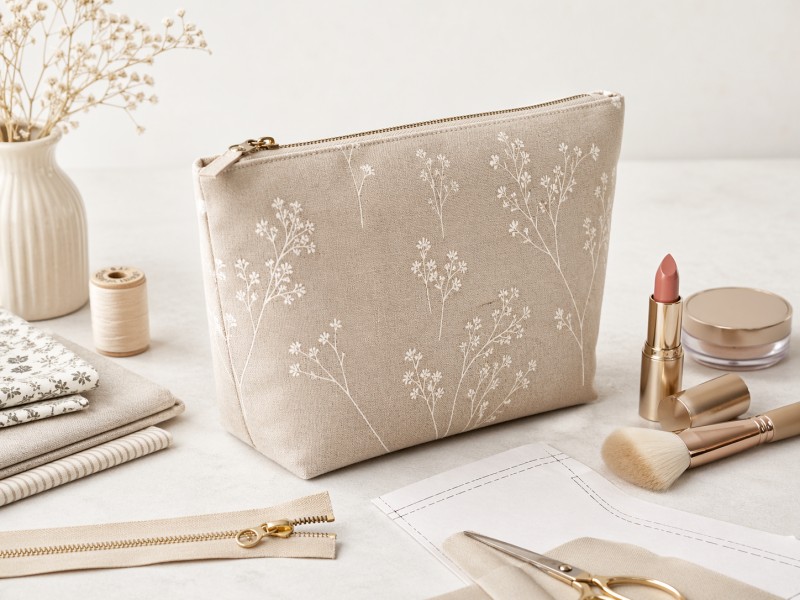
A flat bottom makeup bag looks simple at first glance. A zipper. Two fabric panels. A lining. A few seams. But anyone who has sewn one, sourced one, or approved one for a beauty brand knows the truth: the bottom shape decides whether the bag feels useful or forgettable.
What Material Are Drawstring Bags Made Of?
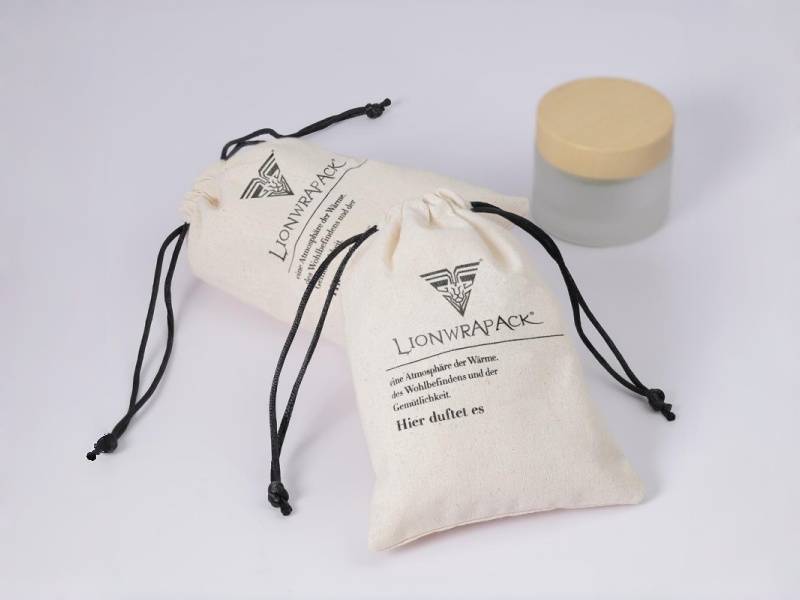
At first glance, a drawstring bag seems like one of the simplest products in soft goods. Two panels, a cord, a quick stitch—and it’s done. But once you start comparing different drawstring bags side by side, something becomes clear very quickly: they behave completely differently depending on the material.
How to hand sew a pouch
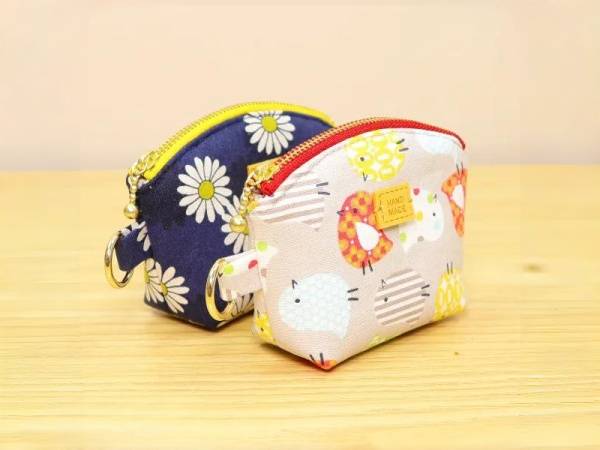
Hand sewing a pouch looks simple on the surface. A piece of fabric, a needle, some thread—done. But once you actually start, you quickly realize something: most pouch problems don’t come from stitching itself. They come from structure, material choice, and sequence mistakes.
Where to find drawstring bags
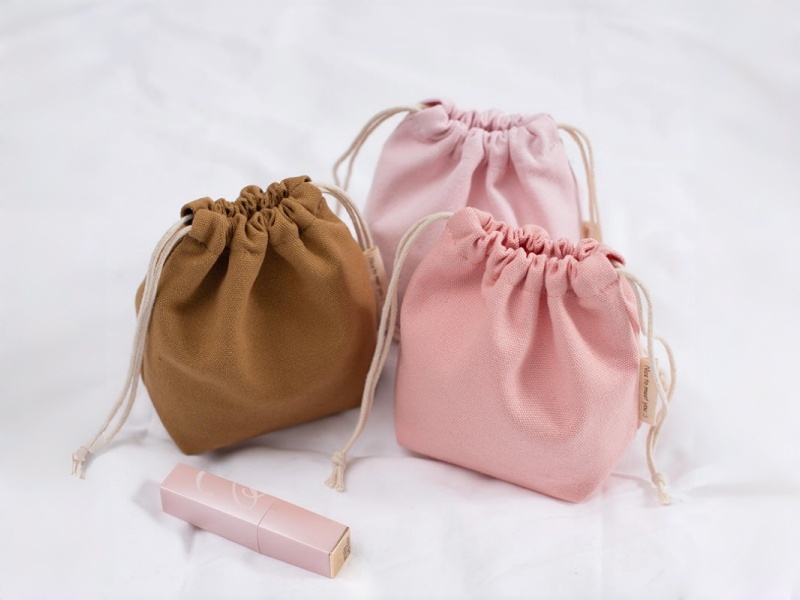
Most people think finding drawstring bags is simple. Search online, compare prices, place an order. But once you move beyond small purchases into real business use—events, retail, brand programs, or large campaigns—you quickly realize the process is not that straightforward.
Why are makeup junkie bags so popular?
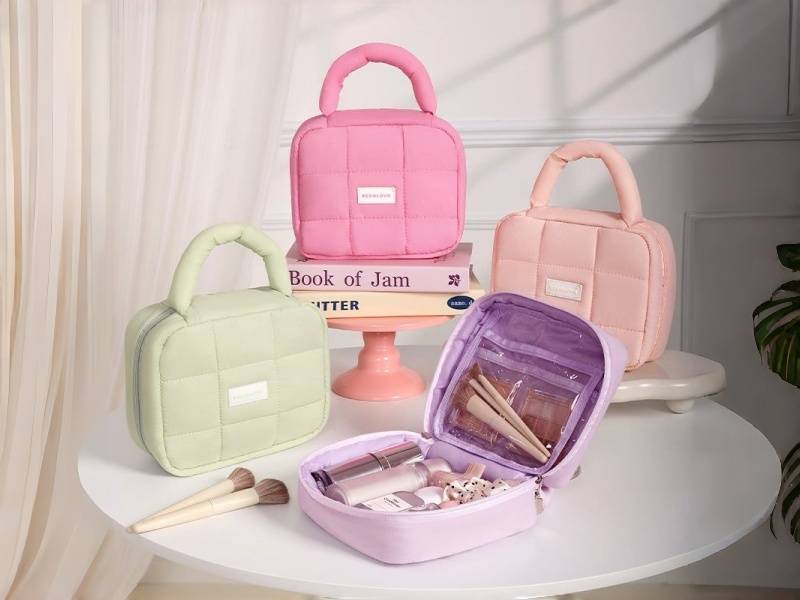
Some bag categories become popular because they are fashionable for a season. Others last because they quietly fix a problem people deal with every single day. Makeup junkie bags belong to the second group.
How does a drawstring bag work
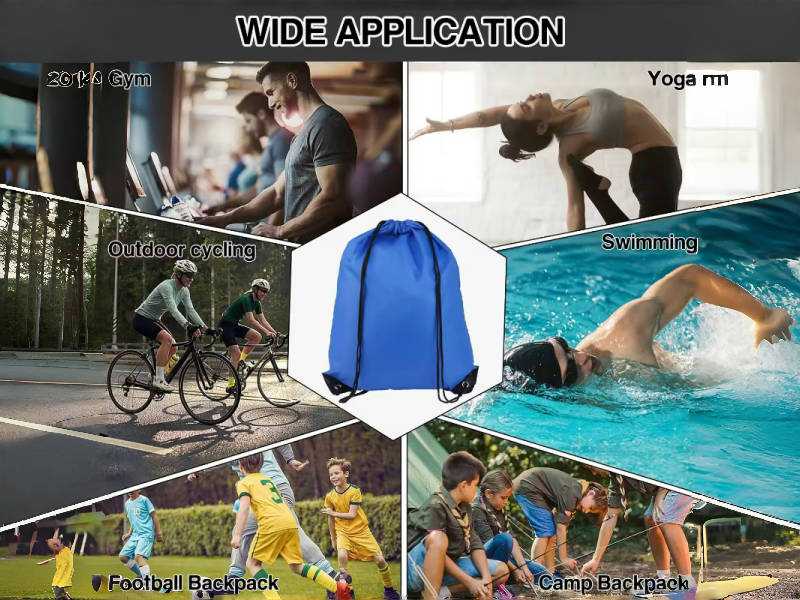
A drawstring bag looks simple. That is exactly why many teams underestimate it.
On the surface, it is just a lightweight bag with cords. In real use, though, it solves several problems at once. It opens fast. It closes fast. It is easy to carry. It takes little storage space before filling. It gives a large visible area for branding. It is inexpensive enough for events, yet flexible enough to be upgraded into something much more polished for retail, gift-with-purchase, team programs, school packs, sports sets, and private label collections.
How to sew a makeup bag without zipper
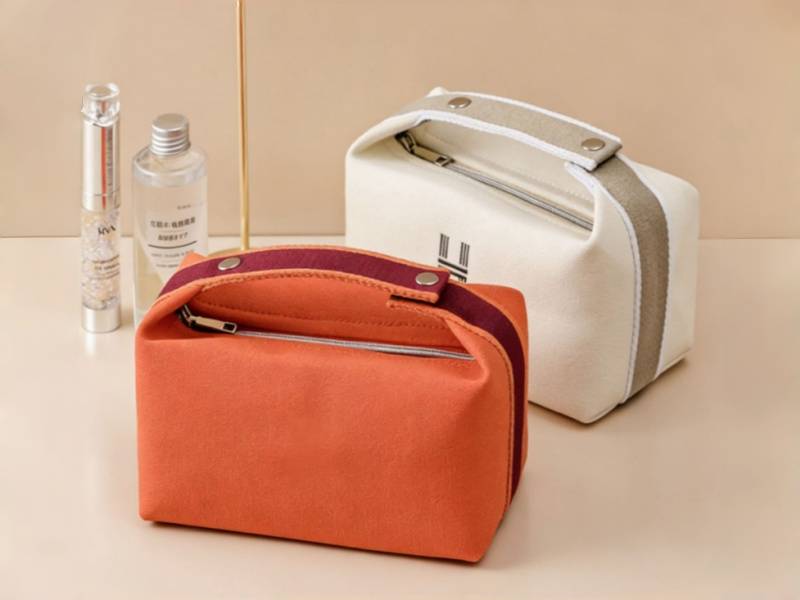
A zipper is not always the smartest place to start. That may sound strange in a bag business, because many people assume a makeup bag needs a zipper to feel complete. In real use, though, a zipper is often the part that creates the most hesitation. It adds hardware, narrows the opening, raises the skill level for sewing, and becomes the first thing people blame when a pouch feels stiff, awkward, or cheap. A zipper can look polished, yes. But it can also make a small cosmetic bag harder to sew, harder to sample, and harder to get right at scale.
How to sew a makeup bag with lining
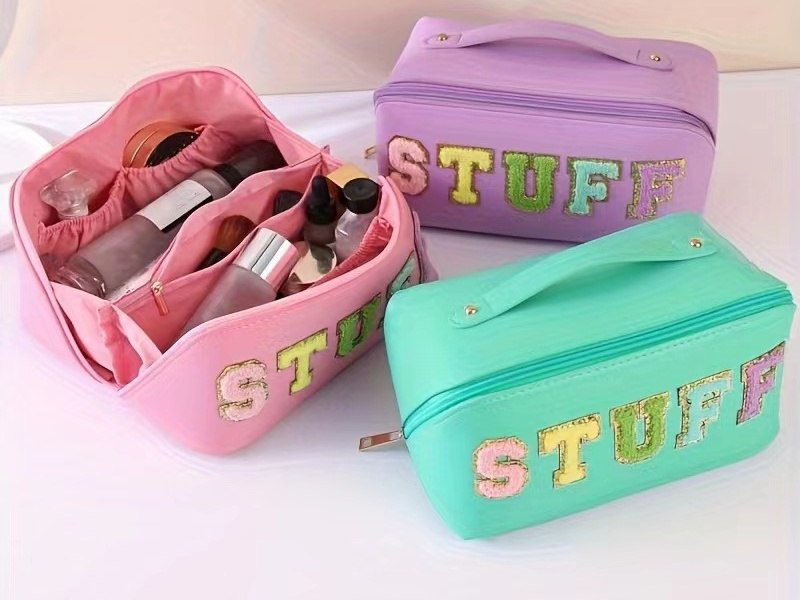
A makeup bag looks simple until you try to make one that actually feels good in the hand, opens smoothly, stays upright on a counter, and still looks clean after weeks of real use. That is where a lot of soft goods go wrong. People often think sewing a lined pouch is only about joining two layers of fabric and adding a zipper. In real life, the result depends on a chain of small decisions: outer fabric weight, lining behavior, seam bulk, zipper width, corner depth, interfacing stiffness, and turning method. Change one of them, and the whole bag can feel cheaper, flimsier, or harder to use.
How to make a cosmetic bag
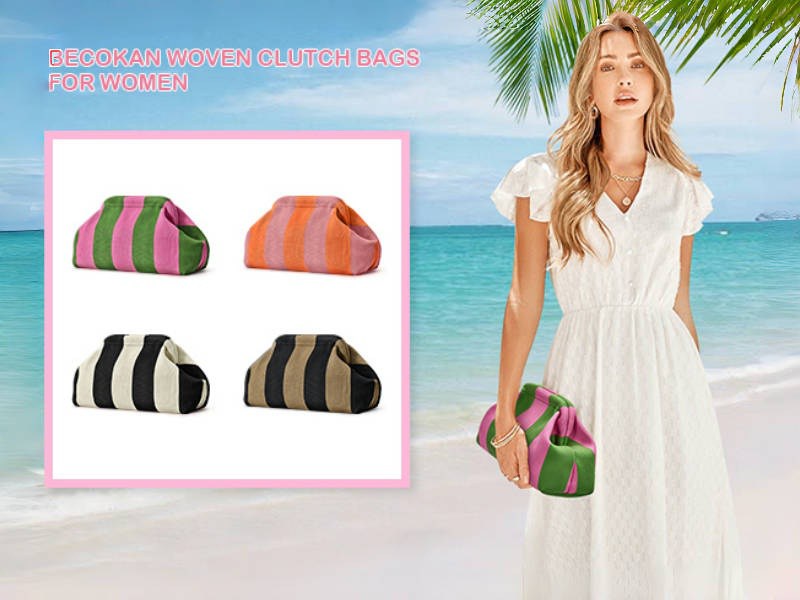
A cosmetic bag looks simple until you have to make one that actually works. That is where many projects go off track. A pretty pouch can still fail if the opening is too narrow, the base collapses, the lining stains too easily, or the zipper scratches the hand every time it moves. On the other side, a bag that seems plain on a sketch can perform beautifully because the proportions are right, the pockets are placed with purpose, the fabric suits the product, and the construction matches how people really pack and use makeup. Current search results also show a split in intent: one side is dominated by zipper pouch tutorials, boxed pouch patterns, and small organizer projects, while the other side focuses on logo options, waterproof materials, low-MOQ development, and ready-for-sale travel makeup bags. That tells you something useful. People are not only asking how to sew a cosmetic bag. They are also asking how to turn one into a product that opens well, carries well, photographs well, and survives repeated use.
What is a drawstring bag
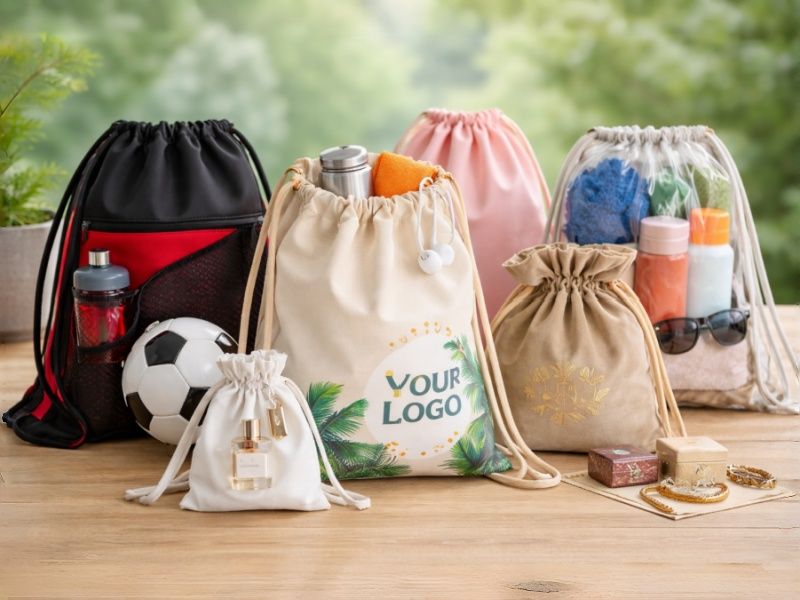
A drawstring bag looks simple. That is exactly why many teams underestimate it.
At a glance, it is just a soft bag with a cord closure. But in actual use, it can sit in very different roles. It can be a low-cost event giveaway. It can be a gym carry bag. It can be a retail packaging pouch. It can be a shoe bag, a dust bag, a gift bag, a merch item, or even a light travel backup bag folded inside a suitcase. That is why this product keeps showing up across sports programs, schools, retail brands, beauty sets, trade events, and promotional campaigns. Current catalog and product listings still show drawstring bags across polyester sport packs, cotton styles, clear styles, non-woven options, and higher-touch gift pouches, which says a lot about how flexible the format remains.
How to sew a makeup bag with zipper
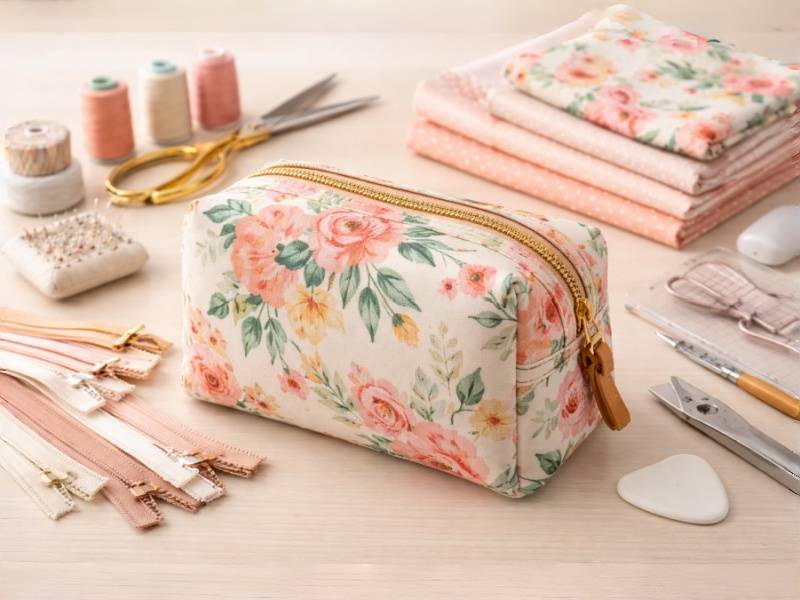
A zip makeup bag looks simple. That is exactly why so many people underestimate it.
From the outside, it is just a small pouch with a zipper. In real work, it is one of the clearest tests of whether a bag project has been thought through properly. A good one opens smoothly, stands the way it should, keeps its shape after repeated use, hides messy construction, and still looks neat when the lining is turned out and checked. A weak one does the opposite. The zipper waves. The corners collapse. The lining bunches. The seams twist. The pouch photographs well for one minute, then starts looking cheap in the hand.
How to make a drawstring bag
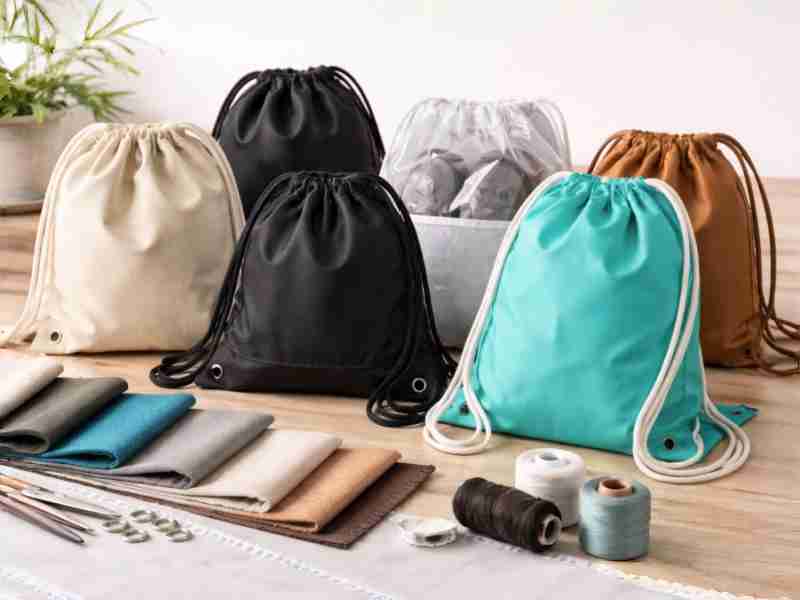
A drawstring bag looks simple. That is exactly why so many people underestimate it.
At first glance, it feels like one of the easiest bag styles to make: two panels, a cord channel, a pair of strings, done. But a good drawstring bag is not just a pouch with a cord. The real difference sits in **fabric behavior, seam strength, channel width, rope friction, opening size, corner reinforcement, print layout, and intended use**. A bag for a school event should not be built like a bag for boutique retail. A bag for gym shoes should not be built like a bag for cosmetics, and a soft cotton gift pouch should not be priced or developed like a polyester sports cinch pack. Public search results around this topic keep circling back to the same pain : **best fabric, step-by-step sewing, lined vs unlined construction, drawstring bag vs backpack, and custom logo or bulk-order decisions**. That tells you something useful. People are not only asking how to sew one. They are asking how to make the **right** one for the job.