 Skip to content
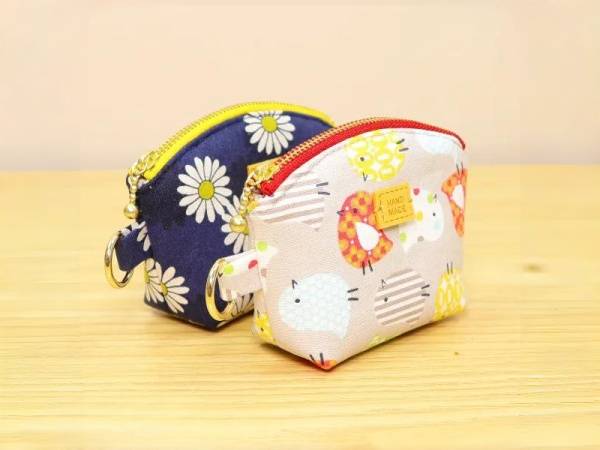
Hand sewing a pouch looks simple on the surface. A piece of fabric, a needle, some thread—done. But once you actually start, you quickly realize something: most pouch problems don’t come from stitching itself. They come from structure, material choice, and sequence mistakes.
This is why many first attempts end up uneven, too soft, or simply not usable for real storage. And interestingly, this is exactly the same challenge seen in early-stage product development—just at a different scale.
Right in the middle of this topic, there’s a key practical takeaway:
A hand-sewn pouch is best approached as a small-scale prototype process, where choosing the right pouch type (flat, box, or zipper), selecting suitable materials, and following a clear step-by-step sequence directly determine the final quality, durability, and usability. Most simple pouches can be completed within 30–120 minutes depending on complexity, but the outcome depends more on preparation than stitching speed.
Understanding this changes how you approach the project. Instead of just “sewing,” you start thinking like a developer:
- What type of pouch fits the use case?
- Which fabric holds structure?
- How will seams behave over time?
- Is this a one-off piece or a repeatable design?
That shift—from casual sewing to controlled making—is what separates a pouch that looks okay from one that actually works.
What Is a Hand-Sewn Pouch, and Why Do Many Beginners Start with This Type of Sewing Project?
A hand-sewn pouch is a small fabric container made without machines, typically used for storage, organization, or packaging. Beginners start with this project because it requires minimal tools, simple stitching techniques, and offers quick visible results within a short time.
At a basic level, a pouch is one of the simplest functional soft goods. It usually involves:
- Two main fabric panels
- Edge stitching or seam joining
- A closure (optional)
That simplicity is exactly why it’s often recommended as a starting project.
But here’s where it gets interesting.
A pouch is also a compressed version of a much larger product system. Every real bag—whether it’s a backpack or a cosmetic case—still relies on the same fundamentals:
- Fabric behavior
- Seam strength
- Edge finishing
- Structure retention
So when someone learns to hand sew a pouch, they’re not just learning a hobby skill. They’re actually touching the core logic of soft product construction.
This is also why early-stage brands often use simple pouch designs for testing. They allow fast iteration without large investment.
Another reason beginners choose this project is control. Machine sewing introduces speed but reduces feedback. Hand sewing slows the process down, which makes it easier to:
- Adjust seam alignment
- Feel fabric tension
- Understand material resistance
From a development perspective, this is valuable. It’s similar to building a first prototype manually before scaling.
Which Type of Pouch Is Best to Hand Sew: Flat Pouch vs Box Pouch vs Zipper Pouch?

The best pouch type for hand sewing depends on your skill level and intended use. Flat pouches are easiest for beginners, box pouches provide more storage capacity, and zipper pouches offer better functionality but require more precision and time.
Choosing the right pouch type is not just about difficulty. It directly affects usability, durability, and even perceived value.
Here’s a clearer comparison:
| Type | Difficulty | Structure | Use Case | Hand Sewing Suitability |
|---|---|---|---|---|
| Flat Pouch | Low | Soft | Documents, light items | Excellent |
| Box Pouch | Medium | 3D shape | Cosmetics, accessories | Good |
| Zipper Pouch | Medium–High | Structured | Daily carry, retail | Moderate |
Flat pouch is the most forgiving. It requires straight seams and minimal shaping. If the stitching is slightly off, the product still works.
Box pouch introduces depth. This means you must think about corner alignment and folding accuracy. Mistakes become more visible.
Zipper pouch changes everything. Now you’re dealing with:
- Alignment between fabric and zipper
- Symmetry
- Opening smoothness
And this is where many beginners struggle.
Interestingly, in real product development, zipper alignment is also one of the most common failure . Even experienced teams spend multiple sample rounds just to get it right.
So if your goal is:
- Learning → Start with flat
- Function → Move to box
- Real product simulation → Try zipper
If you’re testing pouch designs for future bulk production, starting from a flat or box pouch can reduce early-stage errors. Once the structure is stable, closures can be upgraded later. For structured or branded pouch development, it often helps to validate samples before scaling—this is where a controlled sampling process becomes valuable. You can share your concept or reference to info@jundongfactory.com to review feasibility early.
What Materials, Tools, and Fabric Types Do You Need Before You Start the Hand Sewing Process?
To hand sew a pouch, you need basic tools like a needle, thread, scissors, and fabric, but choosing the right fabric type (such as cotton, canvas, or polyester) is critical because it affects durability, shape, and ease of stitching.
Most tutorials oversimplify this step. They say “just pick any fabric.” That’s exactly why many finished pouches feel weak or unstable.
Material choice directly controls:
- Shape retention
- Stitch resistance
- Long-term wear
Here’s a practical breakdown:
Common Fabric Types for Hand-Sewn Pouches
| Material | Difficulty | Structure | Best Use |
|---|---|---|---|
| Cotton | Easy | Soft | Beginners, light use |
| Canvas | Medium | Firm | Durable pouches |
| Polyester | Medium | Flexible | Everyday use |
| PU Leather | Hard | Structured | Premium look |
| Neoprene | Medium | Thick & elastic | Protective cases |
Cotton is easy to stitch but lacks structure. Good for learning, not ideal for long-term use.
Canvas is one of the most balanced options. It provides strength and shape while still being manageable by hand.
Polyester adds durability but can be slightly slippery, making stitching alignment harder.
PU leather and neoprene introduce new challenges:
- Needle resistance
- Edge finishing complexity
- Stitch visibility
These materials are closer to what is used in real commercial products.
Tool Considerations
Even basic tools have variation:
- Needle thickness must match fabric density
- Thread strength should align with load expectation
- Scissors quality affects edge accuracy
In production settings, material selection is often locked before sampling because changing it later impacts structure, cost, and processing steps.
For anyone moving from DIY to repeat production, material decisions should be treated as early-stage engineering choices rather than casual selection. If you’re planning to develop custom pouches with specific materials or durability requirements, it’s useful to evaluate structure and fabric compatibility early. You can send your material idea or usage scenario to info@jundongfactory.com for technical feedback.
How Do You Hand Sew a Simple Pouch Step by Step, and What Is the Easiest Process for Beginners?

The easiest way to hand sew a pouch is to use two fabric pieces, stitch three sides with a backstitch, turn the pouch inside out, and finish the opening with a simple fold-and-stitch method. This process minimizes complexity while maintaining functional durability.
Most beginners fail not because they don’t know how to stitch—but because they don’t follow the right sequence.
A controlled process matters more than speed.
Step-by-Step Process (Beginner-Friendly)
Step 1: Fabric Preparation
Cut two identical rectangles. Typical beginner size:
- 20cm x 15cm (easy to handle)
Keep edges straight. Uneven cutting leads to misalignment later.
Step 2: Positioning
Place fabric right sides facing each other.
This is a critical step.
If reversed, your pouch will show seams outside.
Step 3: Stitching the Edges
Use backstitch (stronger than running stitch).
- Stitch left side
- Stitch bottom
- Stitch right side
- Leave top open
Why backstitch?
Because it mimics machine stitching strength and prevents seam splitting.
Step 4: Turning Inside Out
Flip the pouch.
Now seams are hidden inside, and structure becomes visible.
Step 5: Finishing the Opening
Fold the top edge inward (about 1–2 cm).
Then stitch along the fold.
Why This Process Works
This method reduces variables:
- No zipper alignment
- No corner shaping
- No lining complexity
It allows beginners to focus on:
- Stitch consistency
- Edge control
- Fabric behavior
From a development perspective, this is similar to a baseline sample. Once stable, complexity can be added.
How Do You Hand Sew a Zipper Pouch, and Is It Better Than a Button or Snap Closure?
A zipper pouch provides better security and usability compared to buttons or snaps, but hand sewing a zipper requires precise alignment, careful stitching, and more time, making it more suitable for intermediate skill levels.
Zippers look simple—but they are one of the most error-sensitive components in soft goods.
Even in large-scale production, zipper alignment issues are among the most common defects.
Key Differences Between Closure Types
| Closure Type | Difficulty | Security | Appearance | Hand Sewing Suitability |
|---|---|---|---|---|
| Button | Easy | Low | Casual | High |
| Snap | Easy | Medium | Clean | High |
| Zipper | Medium–High | High | Professional | Moderate |
Zipper Sewing Process (Simplified)
- Attach zipper to one fabric edge
- Attach other side symmetrically
- Stitch side seams
- Turn pouch inside out
Where Problems Usually Happen
- Uneven zipper placement → crooked opening
- Fabric shifting → misalignment
- Tension mismatch → zipper waves
These are not beginner mistakes—they are structural issues.
Why Zipper Pouches Feel “More Professional”
Because they offer:
- Better containment
- Clean visual finish
- Retail-ready usability
This is why most commercial pouches use zippers, even though they increase complexity.
If you are planning to turn a hand-sewn design into a sellable product, zipper construction usually becomes necessary. However, this is also where consistency becomes difficult to maintain manually. For projects that require repeatable zipper alignment and clean finishing, structured sampling can save significant time before scaling. You can share your zipper pouch reference with info@jundongfactory.com to evaluate structure feasibility early.
How Long Does It Take to Hand Sew a Pouch, and What Affects Sample Time, Difficulty, and Price?

A simple hand-sewn pouch typically takes 30 to 60 minutes, while more complex designs such as zipper or lined pouches can take 1 to 3 hours. Time depends on pouch type, material, skill level, and finishing requirements.
Time is often misunderstood.
People think faster stitching = faster completion.
In reality, most time is spent on:
- Preparation
- Adjustment
- Correction
Time Breakdown by Pouch Type
| Pouch Type | Estimated Time | Key Time Factor |
|---|---|---|
| Flat pouch | 30–60 min | Straight seams |
| Box pouch | 60–90 min | Corner shaping |
| Zipper pouch | 90–180 min | Alignment & precision |
| Lined pouch | +30–60 min | Extra structure |
What Actually Affects Time
1. Material Difficulty
- Soft cotton → fast
- Thick canvas → slower
- PU / neoprene → much slower
2. Skill Level
- Beginner → more corrections
- Experienced → smoother flow
3. Structure Complexity
- More parts = more alignment work
4. Finishing Requirements
- Clean edges
- Symmetry
- Visual consistency
Time vs Cost (Important Insight)
In small-batch or commercial context:
- More time = higher labor cost
- More complexity = higher defect risk
This is why many designs that look simple at first become expensive when scaled.
If you’re developing pouches for resale, it’s useful to think in terms of repeatable production time, not just one-off creation. A design that takes 2 hours manually may need to be optimized before scaling. Sharing your expected quantity and structure can help evaluate realistic timelines—contact info@jundongfactory.com for early-stage planning.
When Should You Add Lining, Interfacing, or Custom Details to a Hand-Sewn Pouch?
You should add lining, interfacing, or custom details when you need improved structure, durability, or visual quality. These elements are not required for basic pouches but are essential for products intended for repeated use or resale.
This is where a pouch transitions from “DIY item” to “product.”
Function of Each Component
| Element | Purpose | Impact |
|---|---|---|
| Lining | Internal layer | Cleaner interior, durability |
| Interfacing | Reinforcement | Shape retention |
| Padding | Protection | Cushioning |
| Branding | Identity | Perceived value |
When to Add Lining
- When inside visibility matters
- When carrying small items
- When aiming for cleaner finish
Without lining:
- Seams remain exposed
- Durability decreases
When to Use Interfacing
- When pouch collapses too easily
- When structure is required
This is especially important for:
- Cosmetic pouches
- Travel organizers
When to Add Custom Details
- Branding (logo, label)
- Functional features (pockets, dividers)
- Visual upgrades
The Hidden Trade-Off
Every added feature increases:
- Time
- Complexity
- Error risk
This is why many early designs start simple, then evolve.
In structured product development, these elements are usually introduced step-by-step through sampling rather than all at once. If you are planning a pouch with lining, structure, or branding, it’s often more efficient to validate each layer progressively before finalizing the full design. You can share your concept to info@jundongfactory.com to review structure options.
What Mistakes Do Beginners Most Often Make, and How Can You Get Better Results by Hand?

Beginners most often make mistakes in fabric choice, seam allowance, stitch consistency, and construction order. Better hand-sewn results usually come from slower preparation, stronger stitching, cleaner edge control, and choosing a simpler pouch type before moving into lined or zippered versions.
Most poor pouch results do not come from “bad hands.” They come from bad decisions made too early.
A beginner often assumes the hardest part is sewing the seam. It usually is not. The harder part is deciding:
- Is the fabric too soft for the intended shape?
- Is the seam allowance wide enough?
- Is the pouch being stitched in the correct order?
- Is the closure type realistic for the skill level?
These decisions affect the final result far more than stitching speed.
Common Beginner Mistakes
| Mistake | What Happens | Better Practice |
|---|---|---|
| Choosing fabric that is too thin | Pouch feels weak and collapses | Start with medium-weight cotton or canvas |
| Using a weak stitch | Seams open under light load | Use backstitch for structural seams |
| Cutting inaccurate panels | Sides become uneven | Measure twice and cut with a ruler |
| Ignoring seam allowance | Final size changes too much | Mark seam allowance before sewing |
| Adding zipper too early | Shape and alignment fail | Stabilize the body first, then add closure |
| Pulling thread too tight | Fabric puckers | Keep tension even and controlled |
Another common issue is chasing a “perfect look” too early. That usually backfires. In soft goods, functional accuracy comes before cosmetic polish. A pouch that closes properly, holds shape, and survives repeated use is already a successful first build.
A practical way to improve is to run your work in three checks:
- Before sewing: fabric, size, seam allowance, closure plan
- During sewing: stitch length, tension, alignment
- After turning: symmetry, opening behavior, edge cleanliness
This mirrors how strong sample development works in real projects. First, lock the structure. Then improve the finish. Not the other way around.
Who Uses Custom Pouches, and What Can a Factory Do Better Than DIY Sewing?
Custom pouches are widely used for cosmetics, travel, electronics, gifts, tools, retail packaging, and promotional programs. Hand sewing is useful for concept testing, but controlled factory development performs better when the pouch needs repeat consistency, branded details, structured materials, or stable bulk quality.
A pouch is not a niche item. It appears in far more applications than most people expect.
Common Use Scenarios for Custom Pouches
- Cosmetic and skincare kits
- Jewelry or accessory packaging
- Travel organizers
- Charging cable and electronics storage
- Tool and repair kits
- Event giveaways
- Retail gift-with-purchase sets
- Brand packaging and launch kits
What changes from use case to use case is not just the outer look. It is the construction logic behind the pouch.
A cosmetic pouch may need:
- Better wipe-clean lining
- Shape retention
- Smooth zipper action
A travel organizer may need:
- Lightweight material
- Flexible compression
- Easy packing dimensions
A retail packaging pouch may need:
- Strong logo placement
- Better visual finish
- Controlled color matching across repeat runs
That is where manual sewing starts to hit limits. A single handmade pouch can prove a concept. But once the product needs to be repeated across dozens, hundreds, or thousands of units, the real challenge becomes consistency.
A developed production route performs better in several areas:
| Requirement | Hand Sewing | Controlled Production |
|---|---|---|
| One-off concept sample | Strong | Strong |
| Repeat size consistency | Limited | Strong |
| Clean zipper repeatability | Limited | Strong |
| Branded trims and labels | Limited | Strong |
| Structured materials like EVA, PU, neoprene | Difficult | Strong |
| Bulk packing and timeline control | Weak | Strong |
This does not make hand sewing irrelevant. It makes it useful for what it does best: early testing, shape study, closure logic, and first-round concept validation.
If a pouch idea has already passed that stage and now needs structured development, material matching, or repeatable branded finishing, it is worth reviewing the design before larger execution. For that kind of evaluation, you can send reference images, dimensions, or target quantity to info@jundongfactory.com.
Is Hand Sewing a Pouch Good for Small Business, Sampling, Custom Gifts, or Low-MOQ Product Testing?

Hand sewing a pouch is a good option for custom gifts, early product testing, and very small-volume concepts, but it becomes less practical when the design requires speed, consistent finishing, or repeatable branded output. It works best as a sampling or validation step before a more stable production route is chosen.
For small creative projects, hand sewing has real value. It offers:
- Low entry cost
- Fast design experimentation
- Direct control over shape changes
- Immediate learning from each build
That makes it useful for:
- Personal gifts
- First product trials
- Craft-based limited editions
- Early-stage concept checks
But there is a boundary. And many people reach it sooner than expected.
The moment a pouch project needs any of the following, manual execution becomes much harder to sustain:
- Repeated sizing accuracy
- Matched stitching appearance
- Stable zipper installation
- Multiple material combinations
- Logo placement consistency
- Higher output within shorter time
This is why small product testing and scaled execution should not be treated as the same task.
A simple way to think about it is this:
When Hand Sewing Still Makes Sense
- Testing shape and size
- Reviewing closure style
- Trying a new fabric idea
- Making one or two concept pieces
When It No Longer Makes Sense
- Selling repeated units with fixed standards
- Launching gift sets or retail programs
- Using dense or specialty materials
- Requiring packaging, labels, or barcodes
- Working against a delivery deadline
For growing projects, the smartest path is often hybrid:
- Use hand sewing or simple sampling to validate the idea
- Adjust size, structure, and closure
- Move into a stable sample process for repeat execution
That path reduces waste, shortens revision cycles, and protects the final result from early design mistakes.
FAQ: 10 Practical People Still Ask Before Making, Testing, or Developing a Pouch
1. What fabric works best for a pouch if you want it to look clean, hold shape well, and still be easy to sew?
For most pouch projects, medium-weight canvas, cotton twill, and polyester blends are usually the safest starting choices because they balance stitchability, shape retention, durability, and visual neatness better than either very soft fabric or very stiff coated material.
The fabric choice changes almost everything about a pouch. It affects how the body stands, how the seams behave, how clean the corners look, and even whether the zipper feels smooth or awkward after installation. This is why fabric should never be chosen by color alone. A pouch that looks attractive as a fabric swatch can still perform poorly once it is cut, folded, turned, and stitched.
For a beginner or an early sample, cotton canvas is often a strong option because it is stable enough to hold shape but still easy to mark, cut, and sew. Cotton twill gives a slightly softer hand feel while still keeping the body under control. Polyester blends can work very well when abrasion resistance and lighter weight matter more, though they may feel a little more slippery during construction.
Here is a simple comparison:
| Fabric Type | Shape Retention | Ease of Sewing | Durability | Best Use |
|---|---|---|---|---|
| Cotton | Medium | High | Medium | Simple everyday pouch |
| Canvas | High | Medium | High | Cosmetic, tool, travel pouch |
| Twill | Medium-High | High | Medium-High | Lifestyle pouch |
| Polyester Blend | Medium | Medium | High | Travel, utility use |
| PU / Coated Fabric | High | Low | High | Premium-look structured pouch |
Very thin fabric often causes disappointment because the pouch collapses, wrinkles, or loses proportion after turning. On the other hand, very thick coated material can become difficult to sew neatly by hand, especially around corners or zipper ends. The smartest path is usually to match the fabric to the job. A soft gift pouch does not need the same body as a daily makeup pouch or cable organizer.
If the pouch is meant for repeated use, not just a one-off handmade piece, it helps to review fabric, lining, and closure together rather than as separate decisions. That early combination usually determines whether the finished pouch feels casual, polished, or truly retail-ready.
2. What is the best pouch shape for cosmetics, travel items, cables, tools, or gift packaging?
The best pouch shape depends on what the pouch needs to carry, how often it will be opened, and whether appearance or function matters more. Flat pouches work well for slim items, boxed shapes are better for bulkier contents, and gusseted or structured styles perform better when organization and capacity both matter.
A lot of people choose pouch shape by appearance first. That is understandable, but it often leads to frustration later. The better way is to begin with the use case. A pouch that looks elegant on its own may feel awkward once actual items are placed inside.
For example, a flat pouch works well for documents, slim skincare sachets, stationery, or jewelry cards because it takes up little space and stays easy to carry. But if you try to put bulky makeup, charging cables, or rounded accessories inside, the silhouette often becomes distorted. That is where a boxed pouch or a bottom-gusset pouch starts making more sense. Those structures create volume in a more controlled way, so the pouch opens wider, sits better, and feels more useful in daily use.
Here is a practical guide:
| Use Scenario | Most Suitable Shape | Why It Works |
|---|---|---|
| Lipsticks, brushes, compact items | Box pouch | Better depth and opening |
| Chargers, cables, adapters | Gusset pouch | More internal volume |
| Gift cards, jewelry, flat kits | Flat pouch | Clean and slim |
| Toiletries and travel minis | Structured zipper pouch | Better shape and access |
| Tool pieces or repair kits | Reinforced utility pouch | Better load handling |
There is also a visual side to this. Some shapes feel more premium because they hold their profile better on a table or in a retail set. Others feel softer and more handmade, which may be ideal for gifting, craft-style packaging, or light-use applications.
This is why shape should be treated as a performance decision, not only a style decision. If the goal is to move from idea to a more polished custom piece, the shape should be reviewed alongside item size, opening width, closure type, and fabric body. That combination usually decides whether the pouch feels practical or frustrating after the first few uses.
3. Is hand sewing good enough for a pouch that will be sold, gifted, or used every day?
Hand sewing can be good enough for small runs, gifts, concept validation, and some carefully made craft pieces, but it becomes much less dependable when the pouch needs repeat consistency, stronger load performance, cleaner zipper installation, or a more polished finish across multiple units.
This is one of the most common concerns because people often start with a handmade sample and then wonder whether that same method can carry them all the way into repeated use or small-scale selling. The honest is: sometimes yes, but only within a certain limit.
A carefully hand-sewn pouch can absolutely work well as a gift item, a proof of concept, or even a premium handmade piece if the style is simple and the stitching is done with control. In fact, hand sewing can reveal useful things that faster methods sometimes hide, such as seam tension, turning resistance, and how the fabric behaves at folds. That makes it valuable during the early phase.
But problems start to show when expectations rise. Everyday use introduces stress at the corners, opening edge, zipper ends, and seam lines. Selling also changes the standard. Once someone pays for a pouch, they notice details more critically:
- Is the body symmetrical?
- Does the zipper sit straight?
- Do the seams feel secure?
- Does the pouch keep its shape after repeated opening?
Here is a simple way to think about it:
| Use Goal | Hand Sewing Suitability |
|---|---|
| Personal gift | Strong |
| First concept sample | Strong |
| Limited craft batch | Moderate |
| Daily-use zipper pouch | Moderate to weak |
| Branded repeat run | Weak |
| Structured organized pouch | Weak |
So hand sewing is not the wrong route. It is simply best used at the stage where learning, shape testing, and quick iteration matter more than uniform repetition. Once the pouch needs stronger consistency, the construction logic usually needs to be refined before the project moves further. That transition is often where many promising ideas either become dependable products—or stay as one-off experiments.
4. How do you choose the right lining for a pouch, and is lining always necessary?
Lining is not always necessary, but it becomes highly valuable when the pouch needs a cleaner interior, better durability, improved shape, or a more finished feel. The right lining should match the pouch’s purpose, not just the outer fabric.
A pouch without lining can still work well, especially if the design is casual, lightweight, or intentionally simple. For early prototypes or soft gift pouches, an unlined construction may even be the better choice because it reduces variables and keeps the process easier to control. But once the pouch is meant to feel more refined, lining starts to matter a lot.
A good lining does several things at once. It hides raw seams, protects the inside from abrasion, adds a second layer of support, and changes how the pouch opens and collapses. In cosmetic and travel styles, lining also affects how easy the pouch is to wipe clean. In branded or premium-looking pieces, lining often influences whether the pouch feels thoughtfully made or unfinished.
Here is a useful comparison:
| Lining Type | Feel | Practical Use |
|---|---|---|
| Cotton lining | Soft, natural | Everyday simple pouch |
| Polyester lining | Smooth, durable | Travel and daily organization |
| Wipe-clean lining | Functional | Cosmetics, toiletries |
| Padded lining | Cushioned | Accessories, electronics |
| No lining | Light and simple | Gift pouch, low-structure use |
The lining should support the outer shell, not fight it. For example, a firm canvas outside with an extremely slippery thin lining may feel mismatched and create bunching. A very soft outer fabric with a stiff lining can also produce awkward distortion. The best result usually comes when the outer layer, lining, and closure are chosen as one system.
If you already have a pouch idea and are unsure whether it needs lining, the easiest way to judge it is to ask three practical things: Will the inside be visible? Will the pouch be opened often? Will it carry items that create friction or dirt? If the is yes to any of those, lining deserves careful attention.
5. What makes a zipper pouch look neat instead of crooked, wavy, or cheap?
A neat zipper pouch depends on balanced fabric tension, accurate zipper placement, controlled seam allowance, and a pouch body that has enough structure to support the opening. Most poor-looking zipper pouches fail because the body and zipper are treated separately instead of as one construction system.
People often blame the zipper when a pouch looks off. In reality, the zipper is usually only the visible part of a deeper problem. When the opening waves, the top edge twists, or one side sits higher than the other, the cause often comes from uneven cutting, mismatched seam allowance, unstable fabric, or incorrect construction order.
A zipper pouch looks clean when four things happen together:
- The zipper length suits the pouch width
- The fabric has enough stability near the opening
- Both sides are attached evenly
- The top seam is not over-pulled during stitching
This is why zipper pouches are often harder than they seem. Even when the body is small, the margin for error becomes smaller too. A deviation that looks minor on the sewing table becomes very obvious once the pouch is turned and closed.
Here is a practical checklist:
| Area | What to Watch |
|---|---|
| Zipper length | Should match the pouch opening logic |
| Tape placement | Must be even on both sides |
| Fabric body | Too soft = waves; too thick = drag |
| End finishing | Needs control at corners or zipper stops |
| Thread tension | Too tight = puckering |
A pouch can also look “cheap” when the zipper is technically attached but visually disconnected from the rest of the design. For example, a clean shell with a weak, wrinkled zipper line immediately lowers the perceived value of the whole piece.
If the design is being prepared for repeated production, zipper control is one of the first areas worth reviewing carefully. A good result usually comes from testing fabric, zipper size, puller style, and opening width together, not one by one. If you have a zipper pouch concept that needs more stable structure or cleaner finish, sending a sketch or reference to info@jundongfactory.com can help clarify the best route before larger execution.
6. How big should a pouch be, and what size mistakes cause trouble later?
A pouch should be sized from the actual contents outward, not from appearance inward. Many size problems come from forgetting seam allowance, underestimating item thickness, or designing an opening that looks wide enough on paper but feels too narrow in real use.
Size is one of the most underestimated parts of pouch development. People often think, “It looks big enough,” and move on. But a pouch is not judged only by whether the items fit. It is judged by whether they fit comfortably, repeatedly, and without fighting the opening.
A common mistake is using only the flat dimensions of the item. Real objects have thickness, edges, and awkward shapes. A charger plug, small bottle, makeup brush, or bundled cable all occupy more volume than their simple width and height suggest. That becomes even more noticeable once the pouch includes lining, padding, or seam allowance.
Here are the size errors that create the most trouble:
- Ignoring item thickness
- Forgetting the pouch loses internal space after seams are sewn
- Choosing a zipper opening shorter than the contents need
- Making the body tall enough, but the mouth too tight
- Adding lining and interfacing without rechecking final usable space
A quick guide can help:
| Intended Contents | Better Sizing Habit |
|---|---|
| Flat items | Add seam allowance and a little clearance |
| Rounded items | Add body depth, not just width |
| Multiple items | Size for arrangement, not just total volume |
| Frequent-access items | Prioritize opening width |
The best pouch size is rarely the smallest possible. It is the smallest size that still feels easy to use. A pouch that technically fits the contents but feels cramped often disappoints in daily life.
When the pouch is meant for branding, gift sets, travel kits, or repeated orders, size should ideally be checked with real items inside, not only with measurements on paper. That single step often catches issues that drawings alone miss.
7. How can you make a pouch feel more premium without making it unnecessarily complicated?
A pouch feels more premium when the material, structure, zipper line, proportions, and finishing details all work together cleanly. It does not need excessive decoration. In many cases, a simpler pouch with better balance feels more expensive than a complicated pouch with weak execution.
A premium feel usually comes from restraint, not overload. Many people assume that more details automatically mean more value: more pockets, more trims, more panels, more hardware. But with pouches, too many features can quickly create clutter, distortion, and avoidable weakness.
What actually lifts the feel of a pouch is usually a combination of clean silhouette, controlled structure, smoother opening, and well-chosen materials. For example, a medium-weight canvas pouch with a good lining, clean zipper setting, and thoughtful proportions can feel more polished than a heavily decorated pouch with uneven construction.
The following elements often improve perceived quality:
| Detail | Why It Matters |
|---|---|
| Better shell fabric | Changes body and hand feel |
| Cleaner lining | Makes the interior feel finished |
| Correct zipper size | Improves both look and use |
| Balanced proportion | Makes the pouch feel intentional |
| Label or subtle branding | Adds identity without crowding |
A premium pouch also tends to feel calm. The opening works smoothly. The body does not collapse awkwardly. The corners do not look stressed. The lining does not twist. These details are small individually, but together they change how the pouch is perceived.
One useful rule is this: before adding more features, improve the three basics first—material body, opening performance, and finishing cleanliness. Those usually do more for the result than extra decoration ever will.
If the goal is a more polished custom pouch for gifting, branded sets, or retail presentation, it often helps to refine the shell, lining, and branding together at the sample stage instead of upgrading them one by one later. That keeps the pouch looking intentional instead of patched together.
8. What usually causes pouch samples to look good in photos but disappointing in real life?
Pouch samples often look better in photos than in real use because photos hide issues like weak body support, poor opening behavior, rough interior finishing, uneven tension, and awkward scale. A pouch should always be judged in the hand, in motion, and with contents inside—not only in a flat image.
This is a very real issue, especially during early development. A pouch can photograph beautifully on a clean surface under soft lighting and still feel disappointing the moment someone touches it. Why? Because a photo only captures one moment from one angle. It does not show whether the zipper drags, whether the body sags, whether the corners deform when filled, or whether the size feels practical in use.
The most common reasons behind this mismatch are:
- The fabric looks rich on camera but feels too thin in hand
- The pouch is styled empty, so body collapse is hidden
- The opening is photographed closed, so usability is not tested
- The interior is not shown
- Scale is unclear, so the pouch feels smaller or larger than expected
A stronger review method is to check the pouch in four ways:
| Review Method | What It Reveals |
|---|---|
| Flat photo | General silhouette |
| In-hand photo | True scale and proportion |
| Filled sample | Body behavior and capacity |
| Open-close test | Real usability |
Another issue is that visual styling can distract from structural truth. A pouch placed beside nice props can appear more premium than it actually is. This is why the real test should include use, not just presentation.
For any pouch intended for repeated use, gifting, or branded output, it helps to evaluate the sample as a functional object first and a styled object second. That order prevents a lot of avoidable disappointment later.
9. What information should you prepare before asking for a custom pouch quote or sample?
The most useful starting information includes pouch size, intended use, preferred fabric, closure type, lining needs, logo method, estimated quantity, and reference images. Clear early information usually reduces revisions, speeds up evaluation, and leads to more realistic sample planning.
A lot of delays happen not because the pouch is difficult, but because the starting brief is too vague. When someone only says, “I want a cosmetic pouch,” that leaves too many open . Does it need to stand up on a counter? Does it need wipe-clean lining? Should the zipper open wide? Does it carry full-size bottles or only travel minis? Is the logo printed, stitched, or attached as a patch?
The more clearly the pouch is described at the start, the easier it becomes to judge structure, materials, and expected finish.
Here is a practical checklist:
| Information | Why It Helps |
|---|---|
| Finished size | Determines panel planning and capacity |
| Intended contents | Clarifies shape and opening needs |
| Fabric preference | Affects body, feel, and construction |
| Closure type | Changes difficulty and visual finish |
| Lining requirement | Affects durability and interior quality |
| Logo method | Influences placement and execution |
| Estimated quantity | Helps determine suitable route |
| Reference photos or sketches | Reduces misinterpretation |
Even simple reference images are useful. They do not need to be technical drawings. A phone screenshot, marked-up inspiration image, or rough sketch can already make the direction much clearer.
If you are preparing to develop a pouch with custom details, the most efficient first step is to send the essentials in one message instead of discussing them one by one over many rounds. For a faster review, you can share your dimensions, reference image, fabric idea, and target quantity with info@jundongfactory.com.
10. When does it make sense to move from a handmade pouch idea to a more controlled custom development process?
It makes sense to move into a more controlled development process when the pouch idea is already clear enough that the next challenge is no longer creativity, but consistency, structure, finish, material matching, or quantity planning.
This shift is easier to recognize than many people think. A handmade pouch idea is still in the concept phase when the main goal is to test shape, size, or visual direction. At that stage, imperfection is normal and even useful, because it helps reveal what needs to change.
But once the same start coming back again and again—
Can this keep its shape better?
Can the zipper sit cleaner?
Can the inside look more finished?
Can this be repeated without visible variation?
Can the branding look sharper?—
that usually means the project has reached a different stage.
At that, the challenge is no longer “Can this pouch be made?” The challenge becomes “How can this pouch be made well and repeatedly?”
A more controlled route becomes worthwhile when the pouch includes one or more of the following:
- Structured shape
- Lining or padding
- Multiple materials
- Branded trims or labels
- Zipper accuracy
- Gift set or retail presentation
- Repeat quantity with stable look
Here is a simple threshold view:
| Stage | Main Goal |
|---|---|
| Handmade concept | Learn and validate |
| Refined sample | Improve structure and finish |
| Controlled development | Lock details and repeat cleanly |
This does not mean creativity ends. It means the pouch starts being treated like a real product instead of only a craft experiment. For teams or creators who are ready to make that move, early clarification around materials, size, opening, branding, and quantity usually saves a surprising amount of time later.
Start with the Simplest Pouch, but Think Further Than the First Stitch
A good pouch is rarely defined by stitching alone. What makes it useful is the combination of shape, fabric, closure, seam control, and repeatability. Hand sewing is a strong way to understand those basics because it slows the process down and makes each decision visible.
But that same clarity also reveals the next truth: once a pouch needs better structure, cleaner branding, stable zipper work, or repeat execution, the challenge is no longer just sewing. It becomes development, control, and consistency.
That is why a simple pouch can be such a useful starting place. It teaches the exact logic that stronger soft goods rely on later.