 Skip to content
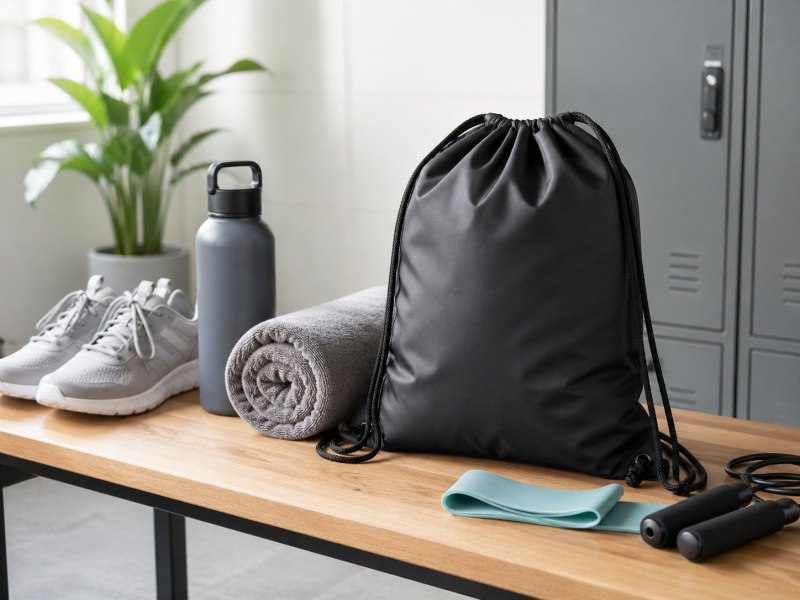
A drawstring bag is one of those products people often underestimate until they need something light, flexible, easy to carry, and simple to customize. It does not have the heavy structure of a backpack. It does not have the open-top shape of a tote bag. It does not try to be complicated. That is exactly why it works so well.
For event teams, schools, sports clubs, retail brands, travel companies, gift programs, and product packaging teams, a drawstring bag solves a very practical problem: how to carry, pack, hand out, and present items without adding unnecessary weight, cost, or bulk.
A drawstring bag is useful because it combines lightweight storage, quick closure, easy logo placement, flat packing, and flexible daily use in one simple product. It can work as a gym sack, school activity bag, sports gear bag, event giveaway, shoe bag, travel organizer, retail pouch, or branded packaging item. For custom projects, its value comes from low material waste, broad fabric options, strong logo visibility, and efficient bulk packing.
That is why drawstring bags are used in so many places. You may see them at a school sports day, inside a hotel welcome kit, at a trade event, in a gym locker, in a retail gift box, or attached to a seasonal campaign. The product is simple, but the use logic behind it is smart.
For custom projects, the best result does not come from choosing the cheapest bag. It comes from matching the fabric, size, cord, logo method, packing style, and quantity to the real use scene. A bag for a children’s sports camp should not be planned the same way as a cotton drawstring pouch for skincare packaging. A clear stadium bag does not follow the same logic as a canvas gift bag. A mesh laundry bag needs different thinking from a satin jewelry pouch.
This guide breaks down the real value of drawstring bags from a practical sourcing angle, so your team can decide whether this product fits your event, brand line, store program, sports project, or private label plan.
What Is a Drawstring Bag Used For?
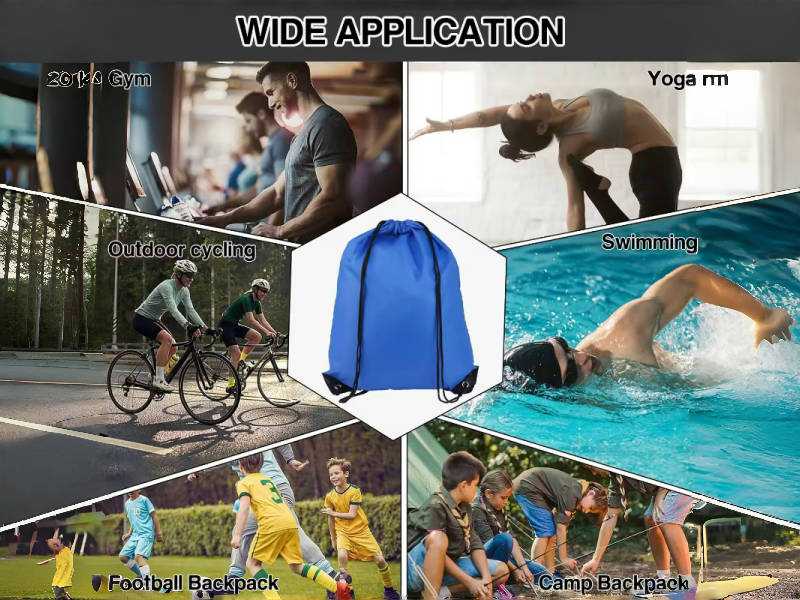
A drawstring bag is used for lightweight carrying, quick packing, event distribution, gym gear, school activities, sports items, travel organization, product packaging, and branded giveaways. Its biggest strength is flexibility. One basic shape can be adjusted through fabric, size, cord type, logo method, color, pocket design, and packing style to suit many commercial and everyday uses.
The most common mistake is thinking of a drawstring bag as only a “cheap giveaway.” That can be true for very basic promotional projects, but it is only one small part of its use.
A drawstring bag can be a practical carry item. It can hold shoes, towels, light clothing, notebooks, small sports gear, cosmetic kits, travel accessories, or product samples. Because the top closes with cords, the user does not need zippers, buttons, or complex hardware. That makes the bag fast to open, fast to close, and easy to fold flat when empty.
For event teams, this makes distribution much easier. A drawstring bag can be pre-packed with brochures, T-shirts, badges, drink bottles, coupons, wristbands, or small gifts. Staff can hand it out quickly, and guests can carry all event items in one place.
For schools and clubs, drawstring bags work well for sports days, student welcome packs, summer camps, art classes, after-school programs, and team activities. They are light enough for younger users and simple enough for repeated use.
For retail and packaging projects, the role changes again. A cotton, canvas, velvet, satin, or RPET drawstring bag can become part of the product experience. It can protect the item, improve presentation, and carry a logo without needing a rigid box.
Here is a practical view:
| Use Scene | Common Bag Direction | Why It Works |
|---|---|---|
| Gym & fitness | Polyester or nylon drawstring sack | Light, washable, easy to carry |
| School activity | Polyester or cotton bag | Simple, affordable, easy to brand |
| Sports team | Reinforced polyester or mesh | Holds shoes, towels, uniforms |
| Travel kit | Nylon, mesh, or cotton pouch | Keeps items grouped inside luggage |
| Event giveaway | Polyester logo bag | Easy to pack, print, and distribute |
| Retail packaging | Cotton, canvas, satin, velvet | Adds reusable value |
| Product sampling | Small drawstring pouch | Keeps sample sets organized |
The real value is not only the bag itself. It is the way the bag makes a project easier to pack, carry, present, and remember.
Why Do Brands Choose Custom Drawstring Bags Instead of Regular Tote Bags?
Brands choose custom drawstring bags instead of tote bags when they need a lighter, flatter, more compact, and easier-to-distribute carry product. A tote bag often feels more like a shopping or lifestyle item, while a drawstring bag works better for sports, schools, events, travel kits, youth programs, and quick handout projects.
A tote bag and a drawstring bag may both carry items, but they solve different problems.
A tote bag is open at the top unless it has a snap, zipper, or inner closure. It is easy to drop items into, which makes it great for shopping, retail use, and lifestyle branding. But it can be less suitable when items need to stay inside during movement.
A drawstring bag closes by pulling the cords. That simple closure gives it a different feel. It can be worn on the back, carried in the hand, placed inside luggage, or hung on a hook. It is not as structured as a backpack, but it gives more closure than a basic tote.
For projects where speed matters, drawstring bags are especially useful. They can be stacked flat, packed in cartons efficiently, filled before an event, and handed out quickly. They also give a large front area for logo printing.
| Factor | Drawstring Bag | Tote Bag |
|---|---|---|
| Carry method | Cords over shoulders or hand carry | Hand carry or shoulder carry |
| Closure | Pull-cord closure | Usually open top |
| Best use | Events, sports, schools, travel kits | Retail, shopping, lifestyle use |
| Storage | Very flat when empty | Depends on fabric and handle |
| Logo space | Large front print area | Front, back, or full surface |
| Bulk packing | Usually very efficient | May need more carton space |
| Perceived style | Active, casual, practical | Retail, lifestyle, reusable shopping |
A drawstring bag is usually the better fit when the project needs movement, speed, compact packing, and simple distribution.
A tote bag is often better when the project needs stronger retail presence, higher daily-use value, and more open carrying space.
The best choice depends on how the item will be used after it leaves your warehouse, event desk, store counter, or packing line.
Which Type of Drawstring Bag Is Best for Your Project?

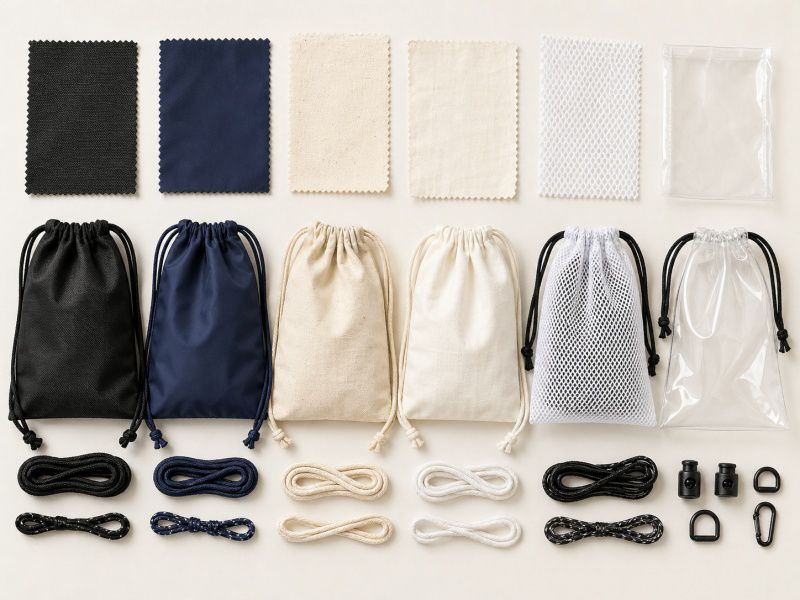
The best drawstring bag type depends on use, weight, handfeel, print needs, budget, and packing style. Polyester is common for events and sports. Nylon works well for stronger daily use. Canvas and cotton fit retail or gift programs. Mesh is useful for breathable storage. Clear material works for security-check scenes. Satin or velvet fits small premium packaging.
Choosing the right drawstring bag starts with one practical: What will the bag carry, and how will people use it?
A bag used once at a conference does not need the same fabric as a bag used every week for gym gear. A small jewelry pouch does not need the same structure as a large sports sack. A beach mesh bag needs breathability. A shoe bag needs dirt separation. A clear event bag may need size and material rules that match entry requirements.
Here are the most common custom directions:
| Bag Type | Best Fit | Notes |
|---|---|---|
| Polyester drawstring bag | Events, schools, sports, promotions | Cost-friendly, easy to print, light |
| Nylon drawstring bag | Outdoor, travel, gym, repeated use | Stronger handfeel, often better durability |
| Canvas drawstring bag | Retail, lifestyle, gift packaging | Heavier feel, natural look |
| Cotton drawstring bag | Product packaging, light retail use | Soft handfeel, simple branding |
| Mesh drawstring bag | Beach, laundry, sports gear | Breathable and quick-drying |
| Clear drawstring bag | Stadiums, events, school security | Visibility and easy checking |
| Satin drawstring pouch | Beauty, gifts, jewelry | Smooth and decorative |
| Velvet drawstring pouch | Premium gift packaging | Soft texture and higher perceived value |
| RPET drawstring bag | Reusable campaigns, eco-minded projects | Recycled material story, practical use |
Material choice also affects the logo method. Polyester often works well with screen printing or heat transfer. Canvas and cotton may suit screen printing, embroidery, woven labels, or patches. Clear PVC needs different handling, because print adhesion and seam strength need careful review. Velvet and satin require more attention to logo clarity, surface marks, and sewing tension.
For larger custom programs, it is smart to request material swatches before making a sample. A photo can show color, but it cannot show handfeel, stiffness, thickness, surface texture, or folding behavior.
If you already have a target use, size, logo file, and quantity, Jundong can review the best fabric direction before sampling. Project details can be sent to info@jundongfactory.com.
When Is a Drawstring Bag Better Than a Backpack?
A drawstring bag is better than a backpack when the project needs a lightweight, simple, compact, and easy-to-print carry item. A backpack is better when the product needs padded straps, compartments, laptop protection, heavier load support, or a more structured shape. The right choice depends on load, use time, comfort, and product image.
Drawstring bags and backpacks are often compared because both can be worn over the shoulders. But they are not built for the same job.
A backpack is a structured carry product. It may include padded straps, foam panels, laptop sleeves, zipper pockets, bottle holders, inner dividers, reinforced base panels, and shaped back panels. It is better for school, work, travel, tech gear, and heavier daily use.
A drawstring bag is a light carry solution. It works best when the load is moderate and the main goal is quick use, low weight, easy storage, and simple branding. It does not try to replace a serious backpack. It fills the space between a pouch, tote, and lightweight activity bag.
| Project Need | Better Choice | Why |
|---|---|---|
| Event handout | Drawstring bag | Fast to pack and distribute |
| Gym towel and shirt | Drawstring bag | Light and easy to carry |
| Laptop and books | Backpack | Needs padding and structure |
| Team uniform kit | Drawstring bag | Simple and practical |
| Travel carry-on | Backpack | More compartments and support |
| Shoe or laundry storage | Drawstring bag | Flexible and compact |
| Daily commute | Backpack | Better long-use comfort |
| Youth camp pack | Drawstring bag | Light, simple, easy to brand |
This comparison also helps avoid overbuilding a product. Some teams ask for a backpack when a drawstring sack would be enough. Others choose a very basic drawstring bag when the load really needs a reinforced backpack.
The smart choice comes from looking at three things: how heavy the contents are, how long the user will carry it, and how the product should represent the brand.
How Do Custom Drawstring Bags Help Events, Schools, Sports Teams, and Retail Brands?

Custom drawstring bags help events, schools, sports teams, and retail brands by turning a simple carry item into a useful branded product. They can hold materials, organize kits, support group identity, improve product presentation, and keep the logo visible after the original activity ends.
A good drawstring bag is not just something people receive. It is something they may keep using.
At events, the bag gives attendees a place to put printed materials, shirts, badges, water bottles, and small gifts. Without a bag, these items become scattered. With a bag, the event feels better organized. The logo also travels with the attendee after the event ends.
For schools, drawstring bags work well because they are light and easy to identify by color, class, team, or activity. They can be used for sports days, music programs, student clubs, art supplies, field trips, orientation packs, and fundraising items.
Sports teams use drawstring bags for training kits, shoes, towels, spare shirts, fan merchandise, and youth team packs. A team logo on the front gives the product a strong group identity without requiring a complex structure.
Retail brands may use smaller drawstring bags as reusable packaging. This is common for beauty sets, accessories, shoes, jewelry, candles, wellness kits, baby products, pet gifts, and limited seasonal bundles. In this case, the bag is part of the presentation. It can make a simple item feel more complete.
| User Group | Good Drawstring Bag Direction | Practical Value |
|---|---|---|
| Event teams | Polyester logo bag | Easy handout and visible branding |
| Schools | Cotton or polyester activity bag | Light, simple, group-friendly |
| Sports clubs | Reinforced polyester or mesh | Holds gear and uniforms |
| Retail brands | Cotton, canvas, satin, velvet | Improves packing experience |
| Travel teams | Nylon or mesh organizer | Keeps kits separated |
| Promotional agencies | Logo print bag | Useful item with broad appeal |
The value is strongest when the bag is matched to the activity. A sports bag should not feel too delicate. A beauty pouch should not feel too rough. A student bag should be safe, simple, and easy to carry.
That is why custom development starts with the use scene, not just the logo.
How Much Do Custom Drawstring Bags Cost in Bulk?
Custom drawstring bag cost depends on fabric, size, quantity, logo method, structure, cord type, packing, testing needs, and delivery plan. A basic polyester drawstring bag with one-color print is usually easier to control, while canvas, nylon, clear PVC, pockets, reinforced corners, woven labels, or retail packing will raise the cost.
Price is not only about the bag shape. Two drawstring bags can look similar in photos but have very different cost structures.
A simple polyester bag may use light fabric, standard cord, basic stitching, and one-color screen printing. It is often suitable for events, schools, and promotional distribution.
A more advanced drawstring bag may include thicker fabric, custom dyed cords, metal eyelets, reinforced corners, zipper pocket, inner lining, woven label, barcode sticker, hangtag, or retail packing. Each added element affects material cost, labor time, sample work, inspection, and packing.
| Cost Factor | What to Check Before Quotation |
|---|---|
| Fabric | Polyester, nylon, canvas, cotton, mesh, PVC, satin, velvet, RPET |
| Size | Width, height, base shape, usable capacity |
| Fabric weight | Thin, medium, heavy, coated, lined |
| Cord | Polyester cord, cotton cord, flat webbing, elastic cord |
| Closure | Simple drawstring, double cord, stopper, flap, zipper pocket |
| Logo method | Screen print, heat transfer, embroidery, patch, woven label |
| Logo size | Small chest logo, large front print, all-over pattern |
| Color | Stock fabric color or custom dyed color |
| Packing | OPP bag, hangtag, barcode, carton marks, retail set |
| Quantity | Higher volume usually helps unit cost |
| Testing | Load test, colorfastness, material checks, special documents |
A serious quotation should not be based only on “how much per piece.” It should clarify what is included. Does the price include one logo? Does it include individual packing? Are carton marks included? Is the fabric stock color or custom color? Is the sample based on real production material or substitute material?
A clear request should include: size, fabric, quantity, logo file, logo position, packing style, delivery country, and target timing. With those details, the quotation becomes much more useful.
How Long Does the Sample and Production Process Take?
A custom drawstring bag usually starts with project review, material selection, logo method confirmation, sample making, revision, order approval, bulk production, inspection, packing, and shipment preparation.
The sample stage is where many projects are won or lost.
A photo, sketch, or product idea may look simple, but the sample confirms whether the size feels right, whether the cord length works, whether the logo position is balanced, whether the fabric folds well, whether the stitching is strong enough, and whether packing will be efficient.
A practical process may look like this:
| Step | What Happens | Typical Timing |
|---|---|---|
| Project review | Confirm use, size, quantity, logo, fabric, packing | 1–2 days |
| Material check | Review fabric, color, thickness, cord, accessories | Varies by detail |
| Logo check | Confirm artwork, size, placement, method | 1–2 days if artwork is ready |
| Sample making | Produce first sample | Usually 5–7 days |
| Fast simple sample | For some simple styles | 2–3 days possible |
| Revision | Adjust size, logo, cord, sewing, label, packing | Based on changes |
| Pre-production check | Confirm final sample before bulk order | Before production |
| Bulk production | Cutting, printing, sewing, finishing | Usually 20–30 days |
| Inspection & packing | Check quality, pack, label, prepare cartons | Within production flow |
| Shipment prep | Arrange export packing and delivery coordination | Based on route |
A strong sample process should do more than produce a pretty sample. It should create a reliable reference for bulk production. That means the approved sample, fabric record, logo file, sewing details, cord length, label position, packing method, and carton marks need to be clear.
Jundong supports this through a professional development team, design support, sampling room, and an internal quality team with 80 QC staff. For overseas projects, this matters because the product must not only look right in one sample. It must stay consistent across hundreds or thousands of pieces.
To shorten the timeline, prepare the artwork file, Pantone color, target size, material preference, quantity, and packaging needs before starting. The clearer the first request, the fewer sample rounds the project usually needs.
Do Drawstring Bags Need Special Packaging, Labels, or Carton Marks?
Drawstring bags often need packaging, labels, barcode placement, carton marks, and packing instructions when they are used for retail, events, e-commerce, warehouse receiving, or multi-style shipments. Good packing control reduces sorting errors, relabeling work, damaged presentation, and receiving delays.
Many teams spend a lot of time on the bag design but leave packing decisions too late. That can create problems after production.
For example, if bags are packed in mixed colors without clear grouping, a warehouse may need extra time to sort them. If barcode labels are missing, a retail or online program may face delays. If carton marks are unclear, a distributor may have trouble receiving goods accurately. If individual bags are folded poorly, the product may arrive wrinkled or unattractive.
Packaging is not just a final step. It is part of the product plan.
| Packing Need | Why It Matters |
|---|---|
| Individual OPP bag | Keeps each bag clean during storage and delivery |
| Custom hangtag | Adds brand, care, or product information |
| Woven label | Gives a more permanent brand detail |
| Barcode label | Supports retail, warehouse, or platform handling |
| Warning label | Useful for age, material, or safety notes |
| Color grouping | Reduces sorting work |
| Size grouping | Helps multi-SKU shipments |
| Inner carton packing | Keeps styles organized |
| Export carton marks | Helps receiving and delivery checks |
| Packing list support | Reduces communication errors |
For event use, packing may focus on fast distribution. For retail use, it may focus on appearance and barcode readiness. For online sales, it may focus on protective packing and fulfillment accuracy. For promotional kits, it may focus on assortment control.
This is one area where a factory with export project experience can add real value. The bag itself may be simple, but the packing plan can decide whether the whole project runs smoothly.
Who Should Work With a Custom Drawstring Bag Factory?
A custom drawstring bag factory is a good fit for brands, schools, sports clubs, event companies, retailers, e-commerce teams, gift companies, travel programs, packaging teams, and agencies that need custom size, fabric, logo, color, packing, bulk production, and repeat-order consistency.
Working directly with a factory is not always necessary for every small need. If someone only needs a few blank bags for personal use, a ready-stock seller may be enough.
A custom factory becomes more useful when the project has a clear commercial purpose. That may include logo consistency, fabric selection, size control, private label details, packaging needs, repeat orders, or multi-style development.
Good-fit projects include:
| Project Type | Why Factory Support Helps |
|---|---|
| Brand merchandise | Custom logo, color, label, packing |
| School programs | Color grouping, size planning, event packs |
| Sports team orders | Stronger fabric, team logo, gear use |
| Event programs | Fast packing, bulk handling, deadline control |
| Retail packaging | Better material, hangtag, barcode, presentation |
| Gift sets | Fabric feel, pouch size, premium look |
| E-commerce products | Packing accuracy, labels, carton marks |
| Travel kits | Organizer sizing, fabric function, repeat order |
| Promotional campaigns | Cost control, print visibility, delivery timing |
| Private label lines | Consistent quality and future SKU expansion |
A factory with design, development, sampling, and inspection teams can also help refine details before production. Sometimes a small change in size, cord thickness, print method, or fabric weight can improve the final product without making the project much more expensive.
For custom drawstring bag development, your team can send project details to info@jundongfactory.com for review.
What Should You Prepare Before Contacting a Drawstring Bag Factory?

Before contacting a drawstring bag factory, prepare the use scene, target size, fabric idea, logo file, logo placement, quantity, color requirement, cord style, packing method, delivery country, deadline, and any testing or labeling needs. Clear details help the factory give a more accurate quotation, better sample plan, and smoother production path.
A good request saves time for both sides. It also helps avoid vague quotations that later change after sampling.
You do not need to know every technical detail before starting, but you should know the purpose of the bag. Is it for an event? A school program? A sports team? A retail product? A gift set? A travel kit? A private label line?
Once the use scene is clear, the factory can recommend material, size, cord type, logo method, and packing direction more accurately.
Use this checklist:
| What to Prepare | Example |
|---|---|
| Use scene | Event gift, sports kit, shoe bag, retail pouch |
| Size | 35 x 45 cm, 40 x 50 cm, or custom size |
| Fabric direction | Polyester, nylon, cotton, canvas, mesh, PVC |
| Logo file | AI, PDF, EPS, or high-resolution artwork |
| Logo position | Center front, lower corner, woven label, patch |
| Logo method | Screen print, heat transfer, embroidery, label |
| Quantity | 500 pcs, 1,000 pcs, 5,000 pcs, or mixed styles |
| Color | Stock color, Pantone color, mixed colors |
| Cord | Round cord, flat cord, cotton rope, webbing |
| Packing | Bulk pack, individual bag, hangtag, barcode |
| Delivery country | Helps estimate export packing and logistics |
| Timing | Event date, launch date, delivery deadline |
| Testing needs | Load, colorfastness, material, special label |
The best projects begin with clear priorities. If the budget is fixed, the factory can help simplify structure. If the handfeel matters most, material should be reviewed early. If the deadline is tight, avoid unnecessary custom dyeing or complex accessories. If the bag will be sold in stores, label and barcode planning should not be left until the end.
A drawstring bag may be simple in shape, but good project planning still matters. The more clearly your team defines the use, the easier it is to control cost, timing, quality, and repeat orders.
Practical Custom Options for Drawstring Bags
Custom drawstring bags can be adjusted through fabric, size, logo, cord, color, structure, lining, pockets, labels, and packaging. The best custom plan should improve real use instead of adding details only for decoration. Every change should support carrying comfort, brand visibility, packing needs, durability, or retail presentation.
Customization should not be treated as “add more things.” A good custom product is usually the result of choosing the right details and removing unnecessary ones.
For a school sports event, a one-color polyester bag with a clear logo may be enough. For a retail beauty kit, cotton or satin may feel better. For a fitness brand, stronger nylon with reinforced corners may be worth the extra cost. For a stadium event, transparent material may be required. For a travel kit, mesh panels or different pouch sizes may make the product more useful.
Common custom options include:
| Custom Area | Options |
|---|---|
| Fabric | Polyester, nylon, canvas, cotton, mesh, PVC, RPET, satin, velvet |
| Size | Mini pouch, standard gym sack, large sports sack, shoe bag |
| Cord | Round cord, flat drawcord, cotton rope, webbing-style straps |
| Logo | Screen print, heat transfer, embroidery, woven label, patch |
| Color | Stock colors, Pantone matching, contrast cord |
| Structure | Flat bag, bottom gusset, zipper pocket, reinforced corners |
| Accessories | Eyelets, cord stoppers, labels, hangtags |
| Packing | Individual polybag, carton grouping, retail-ready pack |
The key is to decide what the end user will notice and what the project team needs to control.
A student may care about comfort and color. An event planner may care about deadline and carton packing. A retailer may care about presentation and barcode labels. A sports club may care about durability and logo visibility. A gift brand may care about handfeel and photo appeal.
Good customization makes the bag more suitable. Poor customization only adds cost.
How Can Drawstring Bags Support Repeat Orders and Long-Term Product Lines?
Drawstring bags support repeat orders because they are easy to adjust by color, size, print, fabric, and seasonal theme while keeping the same basic construction. Once the first approved sample is stable, future orders can expand into new colors, event versions, retail sets, or matching accessories with less development risk.
Many strong product programs do not stop at one drawstring bag. They start with one reliable style and then adjust it for different uses.
A school may create one bag for orientation, another for sports day, and another for graduation gifts. A fitness brand may create a gym sack, shoe bag, and towel pouch in matching colors. A retail brand may use cotton drawstring bags for gift sets, then add smaller pouches for accessories. A travel brand may build a full organizer set using different pouch sizes.
Repeat-order stability depends on records. The approved sample should not be treated as a one-time item. It should become a reference.
Key details to lock:
| Detail to Lock | Why It Helps Repeat Orders |
|---|---|
| Fabric code | Keeps handfeel and color more stable |
| Fabric weight | Controls strength and drape |
| Size tolerance | Reduces fit and packing issues |
| Cord length | Keeps use comfort consistent |
| Logo file version | Avoids print differences |
| Logo position | Keeps appearance stable |
| Sewing method | Controls durability |
| Packing method | Keeps warehouse handling smooth |
| Carton marks | Helps receiving and reorder tracking |
This is where factory discipline matters. If the first order sells well, the next order should not feel like starting from zero. A stable partner keeps records, reviews changes carefully, and helps improve small details over time.
For teams planning long-term branded bag programs, repeat-order consistency can be more valuable than shaving a few cents off the first order.
Closing Section: So, What Is the Real Value of a Drawstring Bag?
The real value of a drawstring bag is that it solves many small problems at once. It carries items. It closes quickly. It folds flat. It shows a logo clearly. It fits many materials. It works for events, schools, sports, travel, retail, packaging, and gift programs. It can stay simple or become highly customized.
A drawstring bag is not the right product for every situation. It should not replace a structured backpack when heavy loads, compartments, or laptop protection are needed. It may not replace a premium tote bag when retail fashion value matters most. But for lightweight carrying, fast distribution, custom branding, flexible packaging, and efficient bulk projects, it is one of the most practical soft goods available.
The best results come from matching the bag to the real use scene:
- For events: focus on print clarity, packing speed, and delivery timing.
- For schools: focus on safe materials, color grouping, and easy carrying.
- For sports: focus on stronger fabric, reinforced stress, and breathable options.
- For retail: focus on handfeel, packaging value, labels, and presentation.
- For travel: focus on lightweight organization and foldability.
- For repeat orders: focus on locked samples, stable fabric records, and packing accuracy.
Jundong supports custom drawstring bag projects from concept review, material advice, sample making, logo application, production, inspection, packing, and export coordination. For a practical review, send your size, quantity, material idea, logo file, and use scene to info@jundongfactory.com
FAQs About Custom Drawstring Bags
FAQ 1: What makes a drawstring bag useful for events, schools, sports teams, and brand programs?
A drawstring bag is useful because it gives people a simple way to carry loose items without adding weight, bulk, or complicated hardware. For events, it can hold brochures, T-shirts, badges, samples, water bottles, coupons, and small gifts in one clean pack. For schools, it works well for sports days, student clubs, orientation kits, art supplies, and field trips. For sports teams, it can carry shoes, towels, uniforms, training gear, or fan merchandise. For retail and brand programs, it can act as a reusable packing bag that keeps the logo visible after the original activity ends.
The real value is not only “carrying things.” A good drawstring bag also helps with organization, distribution speed, group identity, brand visibility, and storage efficiency. It folds flat when empty, takes little carton space, and can be made in different materials such as polyester, nylon, cotton, canvas, mesh, clear PVC, satin, velvet, or RPET.
For custom projects, the best result comes from matching the bag to the use scene. A gym sack may need stronger fabric and reinforced corners. A school activity bag may need bright colors and safe, simple details. A retail pouch may need softer fabric, neat stitching, a woven label, and individual packing. A sports team bag may need breathable mesh or stronger cords. The shape looks simple, but the planning should be practical.
| Use Scene | Better Bag Direction | Main Benefit |
|---|---|---|
| Event giveaway | Polyester logo drawstring bag | Fast handout, easy packing |
| School program | Cotton or polyester bag | Light, simple, group-friendly |
| Sports team | Reinforced polyester or mesh bag | Holds gear, shoes, uniforms |
| Retail gift set | Cotton, canvas, satin, or velvet pouch | Better product presentation |
| Travel kit | Nylon or mesh organizer bag | Keeps items separated |
A drawstring bag is most valuable when it solves a real carrying or packing problem, not when it is treated as a random giveaway.
FAQ 2: Which material is best for a custom drawstring bag?
The best material depends on how the bag will be used. There is no single fabric that fits every project. Polyester is often chosen for events, schools, sports programs, and large-volume logo bags because it is light, easy to print, and cost-friendly. Nylon usually gives a smoother and stronger feel, so it works well for travel kits, outdoor use, gym sacks, and more durable daily carry items. Cotton and canvas feel more natural and are often used for retail packaging, lifestyle products, gift sets, and brands that want a softer or heavier handfeel.
For breathable storage, mesh is useful for beach items, sports gear, laundry, and shoes. For stadiums, schools, concerts, or security-check scenes, clear PVC can help because the contents can be seen quickly. For jewelry, beauty items, small accessories, and gift sets, satin or velvet drawstring pouches create a softer, more decorative presentation.
Material choice also affects the logo method. A polyester bag may work well with screen print or heat transfer. Canvas and cotton may support screen print, embroidery, woven labels, or patches. Clear PVC needs careful testing for print adhesion and seam strength. Satin and velvet require more control because the surface can show marks, pressure, or stitching tension more easily.
| Material | Best For | Notes |
|---|---|---|
| Polyester | Events, schools, sports, promotions | Light, practical, easy to print |
| Nylon | Travel, gym, outdoor use | Stronger feel, better daily use |
| Cotton | Gift packaging, light retail use | Soft, natural look |
| Canvas | Retail, lifestyle, premium packs | Thicker handfeel |
| Mesh | Beach, sports, laundry, shoes | Breathable, quick-drying |
| Clear PVC | Stadiums, events, safety checks | Contents visible |
| Satin / Velvet | Beauty, jewelry, gift pouches | Soft and decorative |
Before sampling, it is smart to confirm the use scene, target weight, color, logo position, and packing method. A fabric that looks attractive in photos may not fold well, carry weight well, or print clearly. Jundong can review material direction before sampling when the project details are clear.
FAQ 3: How much does a custom drawstring bag cost in bulk?
The cost of a custom drawstring bag depends on fabric, size, logo method, quantity, cord type, structure, packing, and delivery requirements. A simple polyester drawstring bag with one-color printing is usually easier to control. A thicker canvas bag, nylon gym sack, clear PVC bag, mesh sports bag, or retail-ready cotton pouch will follow a different cost structure because the material, sewing, finishing, and packing needs are different.
Quantity also affects the unit cost. For many custom bag projects, material purchase, artwork setup, sample work, printing setup, production preparation, inspection, and packing still require time even when the order is small. This is why very small quantities may look simple but often have a higher unit price.
| Cost Factor | What It Affects |
|---|---|
| Fabric | Handfeel, strength, print result, unit cost |
| Size | Material use and carton volume |
| Logo method | Setup cost, durability, appearance |
| Quantity | Unit cost and material planning |
| Cord type | Comfort, strength, visual style |
| Structure | Pockets, lining, reinforced corners, eyelets |
| Packing | OPP bag, hangtag, barcode, retail pack |
| Timing | Rush projects may require special planning |
A useful quotation should not only show a number. It should clarify what the price includes: fabric type, logo method, logo size, packing method, sample fee, carton packing, label needs, and estimated production time. If these details are missing, the price may change later.
For a more accurate review, prepare the bag size, material idea, logo file, quantity, packing request, and delivery country before asking for a quotation.
FAQ 4: How long does it take to make a custom drawstring bag sample and bulk order?
A custom drawstring bag sample usually takes 5–7 days after the main details are confirmed. Some simple styles may be completed in 2–3 days when the fabric is available, the logo method is simple, and the structure does not require special development. Bulk production usually takes 20–30 days, depending on quantity, material, printing, sewing complexity, packing, and inspection requirements.
The timeline starts before the sample is made. The project team first needs to confirm size, fabric, color, logo artwork, logo position, cord type, packing style, and target quantity. If the artwork is not clear, the color is not confirmed, or the material is not available, the sample stage may take longer.
| Stage | Main Work | Typical Timing |
|---|---|---|
| Project review | Size, material, use scene, quantity, packing | 1–2 days |
| Material check | Fabric, color, cord, accessories | Depends on details |
| Artwork check | Logo size, file quality, placement | 1–2 days if file is ready |
| Sample making | First sample production | Usually 5–7 days |
| Simple sample | Basic style with ready material | 2–3 days possible |
| Sample revision | Adjust size, print, sewing, cord, label | Based on feedback |
| Bulk production | Cutting, printing, sewing, finishing | Usually 20–30 days |
| QC and packing | Inspection, folding, labeling, cartons | Within production flow |
A fast timeline is helpful, but speed should not replace accuracy. The sample needs to confirm the real product details that will be repeated in production. That includes fabric thickness, logo clarity, cord length, sewing strength, folding method, packing style, and carton arrangement.
To reduce delays, send complete artwork files, target dimensions, Pantone colors if needed, packing notes, and deadline information at the beginning. Clear input helps the development team avoid repeated back-and-forth and gives the project a smoother path from sample to bulk order.
FAQ 5: Can drawstring bags be customized with a logo, private label, or full brand packaging?
Yes. Drawstring bags can be customized with printed logos, woven labels, rubber patches, leather patches, embroidery, hangtags, barcode labels, custom packaging, and carton marks. The right branding method depends on the fabric, use scene, budget, and visual style. A sports team bag may need a bold front logo. A retail pouch may look better with a small woven label. A premium gift bag may use satin fabric with subtle hot stamping, embroidery, or a refined hangtag.
Logo method should be chosen carefully because not every technique works equally well on every material. Screen printing is practical for many polyester, cotton, and canvas bags. Heat transfer can create sharper color effects on suitable fabrics. Embroidery gives a more textured look but may not be ideal for very thin fabric. Woven labels and patches work well when the brand detail needs to look more permanent. Clear PVC and coated fabrics need testing because surface adhesion can vary.
| Branding Option | Good Fit | Notes |
|---|---|---|
| Screen print | Polyester, cotton, canvas | Practical for clean logo work |
| Heat transfer | Polyester, nylon | Good for detailed graphics |
| Embroidery | Canvas, thicker cotton, some nylon | Textured, stronger visual feel |
| Woven label | Retail and private label items | Neat and long-lasting |
| Rubber / PVC patch | Sports, outdoor, youth products | More dimensional look |
| Hangtag | Retail, gift, brand programs | Adds product information |
| Barcode label | Warehouse, retail, online sales | Helps sorting and receiving |
| Custom carton marks | Bulk shipment | Reduces handling confusion |
Full brand packaging is also possible. This may include individual OPP bags, printed paper bands, header cards, hangtags, care labels, warning labels, color grouping, assortment packing, and outer carton marks. For retail or online programs, these details can be just as important as the bag itself.
A strong private label project should lock the logo file, logo size, logo position, label placement, packing method, and carton marking rules before bulk production begins.
FAQ 6: What is the best size for a custom drawstring bag?
The best size depends on what the bag needs to carry, how it will be packed, and who will use it. For many event, school, gym, and sports projects, a common adult drawstring bag size is around 35 x 45 cm or 40 x 50 cm. These sizes can hold light clothing, notebooks, shoes, towels, small sports gear, brochures, and giveaway items without feeling too small. For children’s activities, smaller sizes may feel more comfortable. For retail packaging, gift sets, jewelry, cosmetics, or accessories, smaller drawstring pouches are usually more suitable.
Size should never be chosen only by looking at a photo. A bag that looks fine online may feel too narrow when filled, too long for children, too small for shoes, or too large for retail display. The best approach is to start from the items that will go inside the bag. Measure the product length, width, height, and extra space needed for easy packing. Then consider whether the bag needs to lie flat, stand slightly, hang on a display rack, fit inside a carton, or be inserted into another product kit.
| Use Scene | Common Size Direction | Practical Note |
|---|---|---|
| Event giveaway | Medium size | Holds brochures, T-shirts, small gifts |
| Gym use | Medium to large | Needs space for towel, shoes, bottle |
| School activity | Small to medium | Should match age group |
| Sports team | Medium to large | Better with stronger cords |
| Shoe bag | Narrower and taller | Size depends on shoe type |
| Gift pouch | Small to medium | Should fit product closely |
| Retail packaging | Product-based size | Avoid too much empty space |
For custom projects, size also affects cost. A larger bag uses more fabric and may need stronger cords, reinforced corners, or thicker stitching. A very small pouch may seem simple, but if it needs premium fabric, accurate stitching, or neat packing, the details still need careful control.
A good factory will not only ask “what size do you want?” It should also ask what the bag will carry, how it will be used, and how it will be packed. That is how the final size becomes practical, not just visually acceptable.
FAQ 7: Are drawstring bags strong enough for sports, gym, or repeated daily use?
Drawstring bags can be strong enough for sports, gym, and repeated daily use when the fabric, stitching, cord, and stress are planned correctly. A basic lightweight promotional bag may be fine for one event or light items, but it may not be the best choice for shoes, towels, uniforms, training gear, or frequent carrying. For stronger use, the bag should be reviewed as a functional product, not just a printed giveaway.
The most common weak areas are the bottom corners, cord channel, side seams, and cord attachment. If the bag carries heavier items, these areas need better stitching, stronger fabric, or reinforcement. For sports and gym projects, polyester, nylon, oxford fabric, ripstop fabric, or mesh can be considered depending on the use. If the bag needs to hold wet towels, beach items, or sweaty sports gear, breathable mesh or water-resistant materials may be more suitable.
| Strength Factor | What to Check |
|---|---|
| Fabric weight | Too thin may tear or lose shape faster |
| Seam type | Better stitching improves load performance |
| Bottom corners | Reinforcement helps reduce tearing |
| Cord quality | Weak cords may fray or break |
| Eyelets or loops | Need secure placement |
| Fabric coating | Helps with water resistance in some uses |
| Bag size | Larger bags may carry more weight, so structure matters |
Repeated use also depends on how people treat the bag. A drawstring bag is not designed to replace a heavy hiking backpack or laptop backpack. It works best for moderate loads and flexible carrying. If the project involves heavy objects, sharp tools, bulky equipment, or long daily commuting, the structure should be upgraded or another bag type may be better.
For sports teams, gyms, school athletic programs, and outdoor events, it is better to test the sample with real items before bulk production. Put the shoes, towel, bottle, shirt, or gear inside and check the shape, and carrying comfort. This simple step can prevent many problems later.
FAQ 8: What logo method works best on drawstring bags?
The best logo method depends on the fabric, artwork detail, quantity, budget, and the visual effect you want. Screen printing is widely used for simple logos, text marks, and large front graphics on polyester, cotton, and canvas drawstring bags. Heat transfer works well for more detailed artwork, gradient colors, and sharper edges on suitable fabrics. Embroidery gives a more textured and premium feel, but it is better for thicker fabrics and smaller logo areas. Woven labels, patches, rubber badges, and leather labels are useful when the brand mark should look more permanent.
Logo size is just as important as logo method. A logo that looks good on a screen may look too large, too low, too close to the cord channel, or too small after the bag is filled. For drawstring bags, the front panel moves and wrinkles when the top is pulled closed, so the print area should be placed carefully. The upper area near the gathered opening is not always the best location for detailed graphics.
| Logo Method | Best For | Things to Watch |
|---|---|---|
| Screen print | Simple logos, large solid graphics | Color count and fabric surface |
| Heat transfer | Detailed artwork, bold colors | Fabric compatibility and heat marks |
| Embroidery | Premium texture, small logos | Not ideal for very thin fabric |
| Woven label | Private label and retail use | Placement and sewing accuracy |
| Rubber patch | Sports, youth, outdoor style | Added weight and attachment method |
| Leather patch | Canvas or lifestyle bags | Material match and care needs |
| All-over print | Fashion or campaign styles | Higher setup and pattern control |
For large orders, it is best to confirm a logo sample before production. This helps check color, edge clarity, placement, size, and adhesion. If the bag will be washed or used outdoors, durability should also be considered. For retail or private label projects, the logo should be planned together with hangtags, inner labels, barcode labels, and packing style.
A good logo should not only be visible. It should look balanced when the bag is empty, filled, carried, and packed.
FAQ 9: What should I check before approving a drawstring bag sample?
Before approving a drawstring bag sample, check the size, fabric feel, color, logo position, print quality, stitching, cord length, closure smoothness, bottom corners, label placement, packing method, and how the bag looks when filled. A sample should not only look good on a table. It should work properly in the real use scene.
Many problems happen because the sample is approved too quickly. The bag may look fine when empty, but after filling it with shoes, clothes, gifts, or brochures, the shape may change. The logo may sit too low. The cords may feel too thin. The opening may not close smoothly. The bottom corners may pull too tightly. The fabric may wrinkle more than expected. These are not small details when the order becomes hundreds or thousands of pieces.
Use this practical sample checklist:
| Sample Check | What to Review |
|---|---|
| Size | Does it fit the intended items? |
| Fabric | Is the handfeel, thickness, and folding behavior right? |
| Color | Does it match the approved reference or Pantone target? |
| Logo | Is the size, color, clarity, and position correct? |
| Sewing | Are seams straight and secure? |
| Cord | Is the length comfortable? Does it pull smoothly? |
| Corners | Are stress areas strong enough? |
| Label | Is the position neat and consistent? |
| Packing | Can it fold and pack as planned? |
| Filled test | Does it look good with real contents inside? |
If the bag is for retail, also check presentation after folding and unpacking. If it is for events, check how fast it can be filled and distributed. If it is for sports, check strength with actual gear. If it is for packaging, check product fit and unboxing feel.
A sample is not just a preview. It is the production reference. Once approved, it should guide material choice, logo placement, stitching, cord details, packing, and inspection. That is why sample approval should be careful, even for a simple drawstring bag.
FAQ 10: Why work with a custom drawstring bag factory instead of choosing ready-made stock bags?
Working with a custom drawstring bag factory is better when your project needs specific size, fabric, color, logo placement, packing, private label details, bulk consistency, or repeat-order planning. Ready-made stock bags are useful when you only need a small number of plain bags quickly. But when the bag represents a brand, event, school, team, retail product, or long-term program, stock options often become limiting.
Stock bags usually come with fixed size, fixed material, fixed colors, and limited logo positions. That may be acceptable for simple needs, but it can create problems when the bag must fit exact contents, match brand colors, meet packing rules, or support retail display. A bag that is slightly too small, too thin, too shiny, or poorly packed can reduce the perceived value of the whole project.
A custom factory can help review the project from a more practical angle:
| Need | Stock Bag Limitation | Custom Factory Advantage |
|---|---|---|
| Exact size | Usually fixed sizes | Size can match contents |
| Fabric choice | Limited options | Material can match use scene |
| Logo placement | Standard print area | Position can be adjusted |
| Color control | Stock colors only | Pantone matching may be reviewed |
| Packing | Basic bulk packing | Individual, retail, barcode, carton marks |
| Repeat orders | May change by stock batch | Approved sample records help consistency |
| Private label | Limited support | Labels, tags, patches, custom packing |
For Jundong, custom projects are supported by development, design, sampling, production, quality inspection, packing, and export coordination teams. The factory has 600+ employees, an 18,000㎡ facility, and 80 QC staff, which is useful for projects that need stable bulk quality and clear process control.
A custom route may take more planning than buying stock bags, but it gives much more control. For serious brand, school, sport, event, retail, gift, and private label programs, that control is often worth it.
If your team already has a use scene, size idea, logo file, and quantity, Jundong can help review material, structure, packing, and sample direction before production.