 Skip to content
How to thread a double drawstring bag?

A double drawstring bag looks simple from the outside. Two cords. Two sides. One pull. Done.
But anyone who has worked with real bag samples knows the truth.
If the cord path is wrong, the bag will not close evenly. If the casing is too tight, the cord will drag. If the cord is too thick, the top opening may wrinkle. If the cord is too thin, the bag may feel weak, cheap, or unstable in daily use. A small threading mistake can make a drawstring pouch, gym sack, dust bag, promotional pack, or drawstring backpack feel poorly made.
How to restring a drawstring backpack

A drawstring backpack looks simple until the cord slips out, breaks, twists inside the channel, or refuses to pull smoothly. Then a basic bag suddenly becomes awkward to use. This happens often with gym sacks, school drawstring bags, beach bags, event bags, sports packs, retail gift bags, and promotional logo backpacks. The repair may look small, but the cause can be very different from case to case.
How to make a drawstring bag without sewing
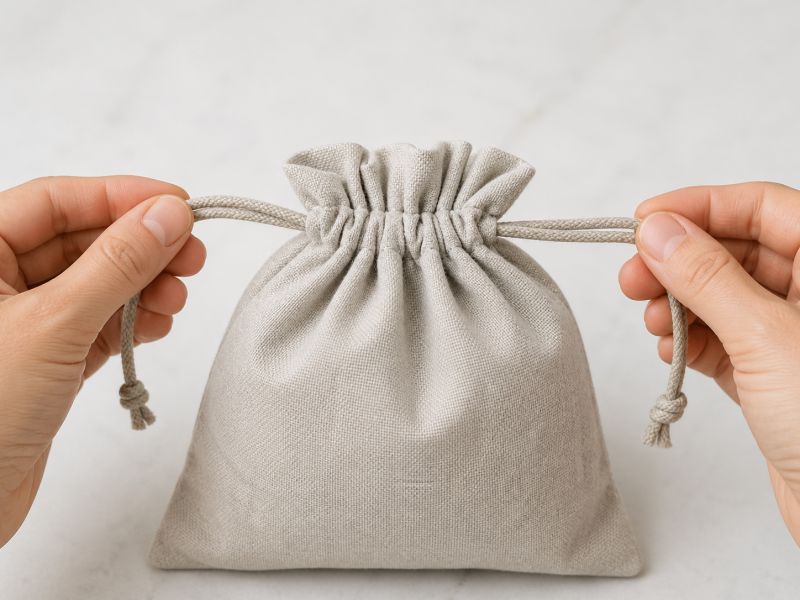
A drawstring bag looks simple at first glance. Two fabric panels, a cord channel, a pull string, and a closed bottom. Easy, right?
Not always.
The moment a brand wants a drawstring bag for product packaging, events, retail sets, gym use, school kits, travel storage, beauty pouches, or brand merchandise, small details start to matter. The fabric must hold its shape. The seams must stay closed. The drawstring must slide smoothly. The logo must sit in the right position. The bag must look clean after packing, shipping, handling, and repeated use.
What Material Are Drawstring Bags Made Of?
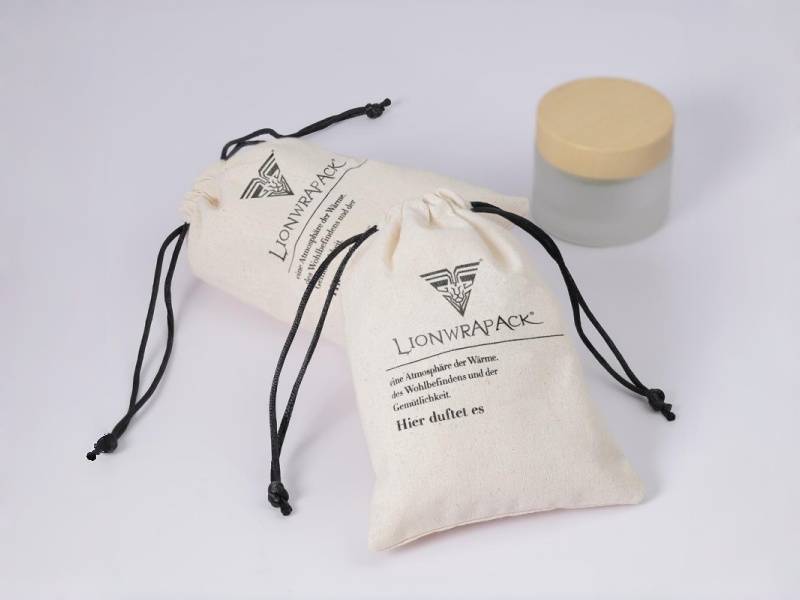
At first glance, a drawstring bag seems like one of the simplest products in soft goods. Two panels, a cord, a quick stitch—and it’s done. But once you start comparing different drawstring bags side by side, something becomes clear very quickly: they behave completely differently depending on the material.
Where to find drawstring bags
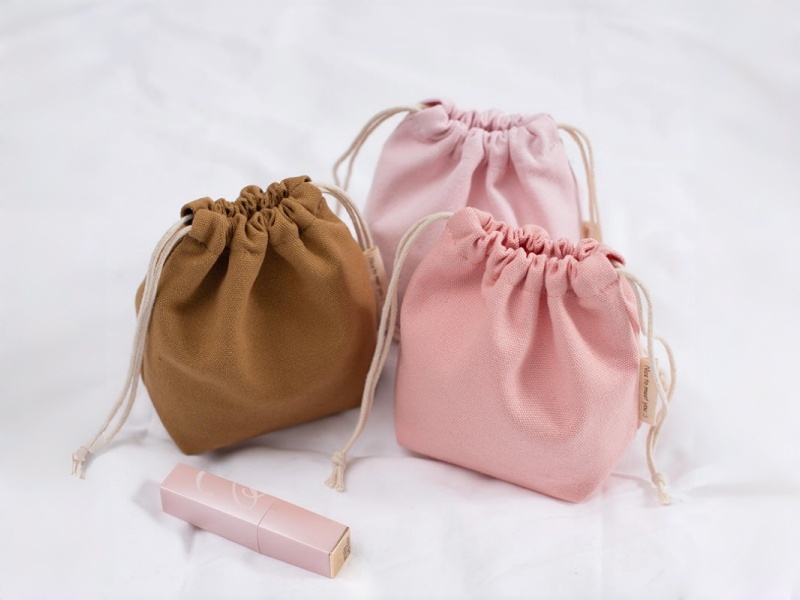
Most people think finding drawstring bags is simple. Search online, compare prices, place an order. But once you move beyond small purchases into real business use—events, retail, brand programs, or large campaigns—you quickly realize the process is not that straightforward.
How does a drawstring bag work
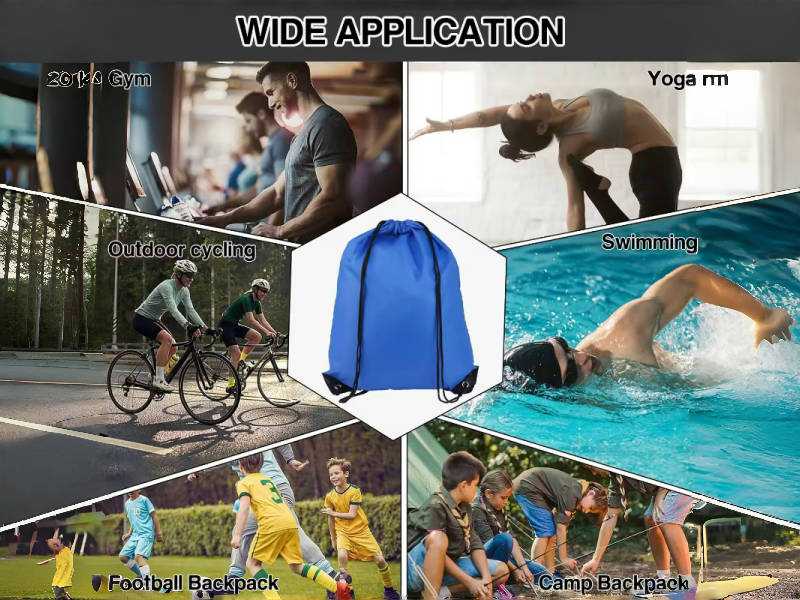
A drawstring bag looks simple. That is exactly why many teams underestimate it.
On the surface, it is just a lightweight bag with cords. In real use, though, it solves several problems at once. It opens fast. It closes fast. It is easy to carry. It takes little storage space before filling. It gives a large visible area for branding. It is inexpensive enough for events, yet flexible enough to be upgraded into something much more polished for retail, gift-with-purchase, team programs, school packs, sports sets, and private label collections.
What is a drawstring bag
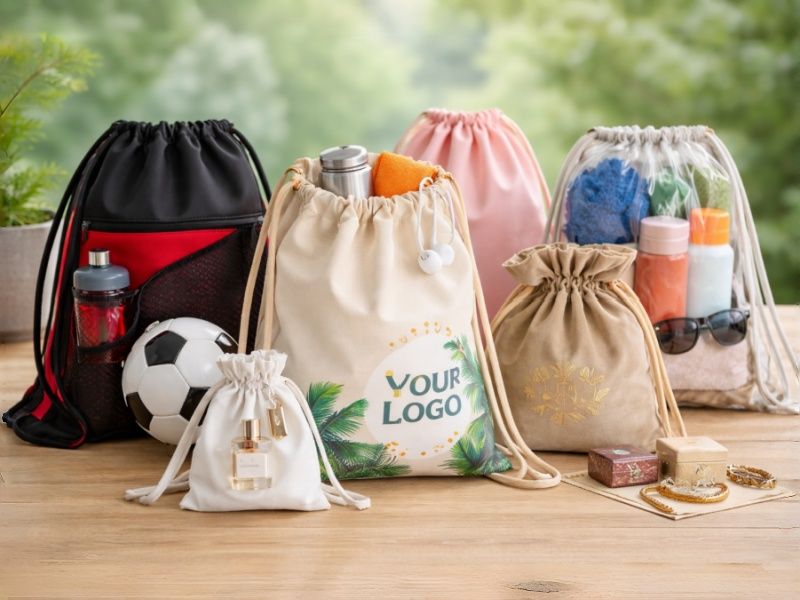
A drawstring bag looks simple. That is exactly why many teams underestimate it.
At a glance, it is just a soft bag with a cord closure. But in actual use, it can sit in very different roles. It can be a low-cost event giveaway. It can be a gym carry bag. It can be a retail packaging pouch. It can be a shoe bag, a dust bag, a gift bag, a merch item, or even a light travel backup bag folded inside a suitcase. That is why this product keeps showing up across sports programs, schools, retail brands, beauty sets, trade events, and promotional campaigns. Current catalog and product listings still show drawstring bags across polyester sport packs, cotton styles, clear styles, non-woven options, and higher-touch gift pouches, which says a lot about how flexible the format remains.
How to make a drawstring bag
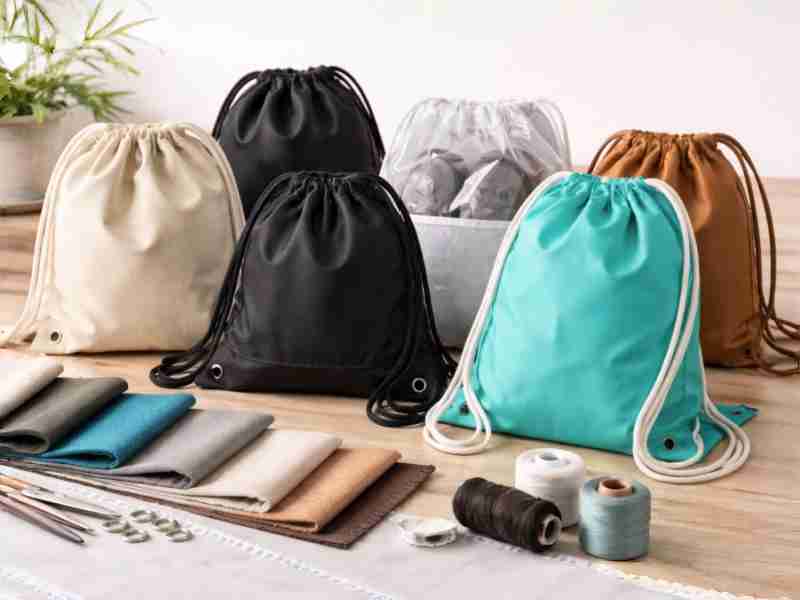
A drawstring bag looks simple. That is exactly why so many people underestimate it.
At first glance, it feels like one of the easiest bag styles to make: two panels, a cord channel, a pair of strings, done. But a good drawstring bag is not just a pouch with a cord. The real difference sits in **fabric behavior, seam strength, channel width, rope friction, opening size, corner reinforcement, print layout, and intended use**. A bag for a school event should not be built like a bag for boutique retail. A bag for gym shoes should not be built like a bag for cosmetics, and a soft cotton gift pouch should not be priced or developed like a polyester sports cinch pack. Public search results around this topic keep circling back to the same pain : **best fabric, step-by-step sewing, lined vs unlined construction, drawstring bag vs backpack, and custom logo or bulk-order decisions**. That tells you something useful. People are not only asking how to sew one. They are asking how to make the **right** one for the job.
Does Disney Allow Drawstring Bags? Official Rules, Packing Tips & Custom Options
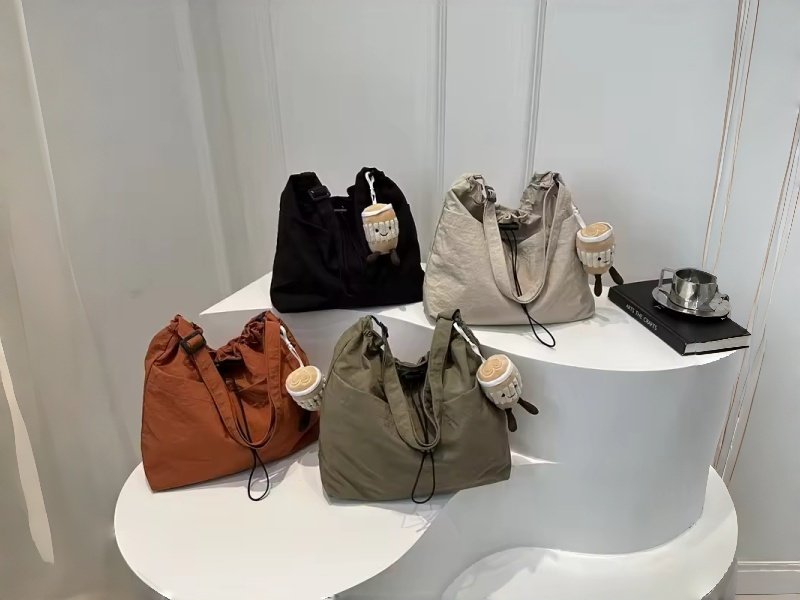
The question “Does Disney allow drawstring bags?” sounds simple, but the real answer lives at the intersection of policy, practical use, crowd dynamics, and group branding. Millions of guests show up with bags every day—some carry backpacks, some use crossbody pouches, and a growing number rely on drawstring bags because they are light, flexible, and easy to personalize. Disney’s official stance is broad (“most bags are allowed if they fit size rules”), yet visitors encounter confusion online, conflicting advice, and nerves at security checkpoints.
What Is a Drawstring Bag? Uses, Materials & Buying Guide
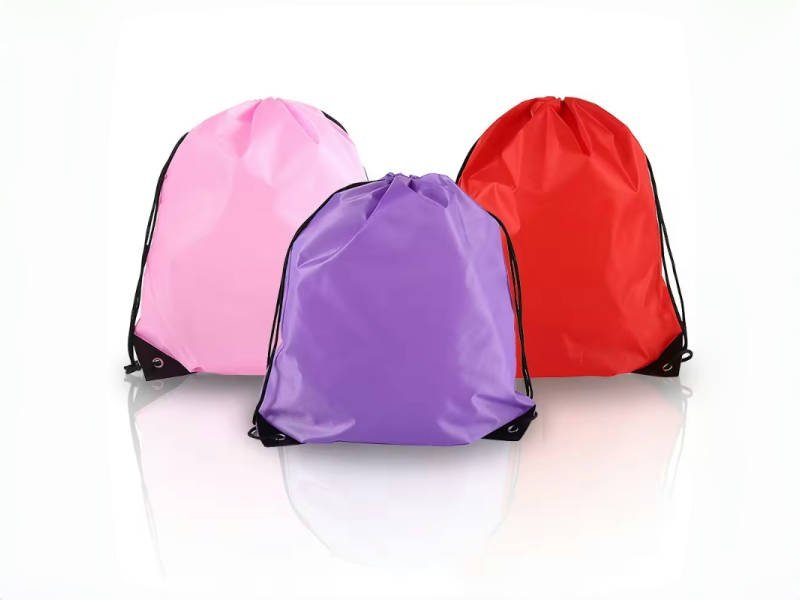
In a world awash with specialized backpacks, duffels, and totes, the humble drawstring bag stands out for its simplicity and versatility. Essentially a pouch with a cord threaded through its top hem, pulling the strings both closes the mouth and forms shoulder straps, turning an open sack into a hands‑free carry solution in an instant. […]