 Skip to content
Color Accuracy & Pantone Management in Production — Why It Matters for Custom Manufacturing?
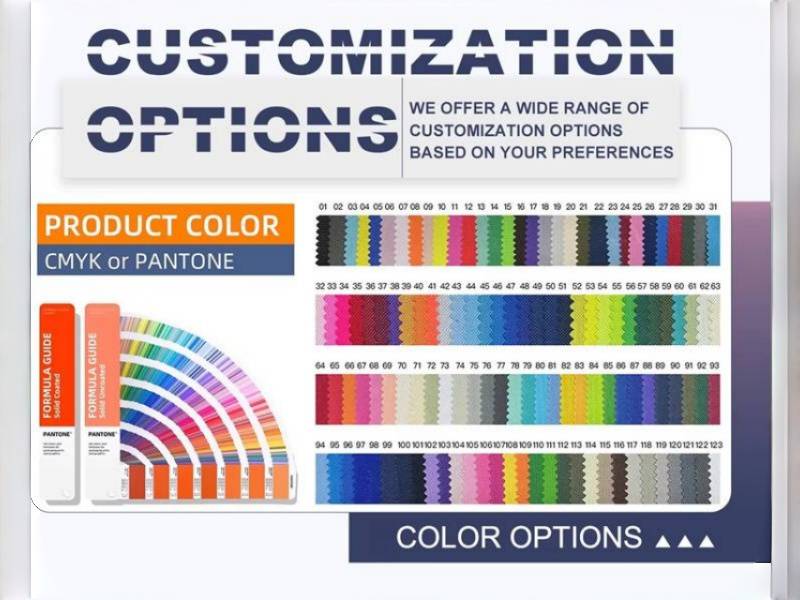
Color is often the first detail customers notice in any product. For custom bags, private label orders, and branded accessories, the color is more than a visual choice—it is brand identity, messaging, and uniformity. A small shift in shade can change how a product is perceived and even create problems across an entire product line. Many brands who work with multiple suppliers struggle with color inconsistencies, especially when producing across different materials such as canvas, polyester, leather, nylon, and TPU. This is why consistent color accuracy and Pantone management have become essential topics for global buyers.
Modern brands expect their suppliers to match colors with precision. Whether it is a company’s signature blue, a retail collection’s seasonal color, or a promotional campaign’s custom shade, every piece needs to look the same. Yet the reality is more complex. Different fabrics absorb dye differently. Lighting conditions change how colors appear. Even slight humidity variations in the factory environment can shift shades. Without a controlled system, achieving accurate Pantone color matching is difficult.
Color accuracy in production refers to how precisely a factory can match a requested Pantone color across fabrics, printing, and accessories. It matters because brand identity depends on consistent color across all materials. Manufacturers use Pantone guides, lab dips, strike-offs, controlled lighting, and Delta-E testing to ensure consistent results from sample to mass production.
Pantone management is not only a technical process—it is a communication system that links designers, brands, and manufacturers. Understanding how factories handle this process helps buyers set clear expectations, avoid miscommunication, and achieve reliable results in every order. Below, we break down what color accuracy means, how Pantone guides are used, what affects color appearance, and how manufacturers like Jundong maintain consistent color from sample to full production.
What Is Color Accuracy in Manufacturing?
Color accuracy describes how closely the final product matches the intended Pantone shade across all materials and production stages. It is critical because color inconsistency impacts branding, quality perception, and product uniformity. Accurate color control ensures that fabrics, prints, zippers, webbing, and accessories align with the brand’s visual standards.
Understanding Color Accuracy
Color accuracy is essentially the measurement of how close a factory’s final output is to the original color goal. For custom bag manufacturing, color accuracy affects every visible component: the main fabric, trims, handles, zippers, stitching, logo patches, and even accessories such as mesh pockets or binding tape. When these components vary in shade, the final bag loses cohesion and appears unprofessional.
Why Color Accuracy Matters for Custom Bag Production
Different industries depend on precise color matching for different reasons:
- Corporate clients need exact brand colors for company identity.
- Retail brands rely on color consistency for seasonal collections.
- Promotional buyers require colors that match campaign branding.
- DTC brands expect the same color across repeat orders to maintain store visual identity.
A difference of even 1–2 tones can be visible to the naked eye. Customers may perceive mismatched colors as low quality, even when the bag itself is constructed perfectly.
What Is “Color Accuracy” and Why Does It Matter for Custom Bag Production?
Color accuracy ensures:
- product consistency across all SKUs
- stable branding across multiple suppliers
- reduced returns due to “color not as described”
- smoother photography for online listings
- fewer disputes between buyer and factory
A company’s signature color is not just a number—it is part of their identity. When it appears differently across platforms, products, or materials, it weakens brand recognition.
What Causes Color Variations in Fabric, Printing, and Accessories?
Multiple factors may shift color unintentionally:
- Different dyeing techniques for different fabrics
- Surface texture differences between materials
- Batch-to-batch dye variations
- Ink vs dye behavior
- Factory lighting conditions
- Environmental factors such as humidity
- Absorption and reflectivity of materials
These issues highlight why factories must use controlled testing and strict color approval processes.
Which Pantone Systems and Color Standards Do Manufacturers Use?
Manufacturers use different Pantone systems depending on the material: Pantone TCX for textiles, Pantone C/U for printing, and coated/uncoated formats for various surfaces. Choosing the correct Pantone system ensures materials are matched using the appropriate color reference.
Understanding Pantone Systems
Pantone is the universal language of color. However, many buyers don’t realize that Pantone offers multiple systems. Using the wrong Pantone reference often leads to mismatched colors because each system is designed for different materials.
Pantone Systems Used in Bag Manufacturing
| Pantone Type | Best For | Notes |
|---|---|---|
| Pantone TCX | Textiles (canvas, cotton, polyester, nylon) | Used for dyeing fabrics |
| Pantone C (Coated) | Printing on glossy surfaces | Used for coated papers, PU |
| Pantone U (Uncoated) | Printing on matte surfaces | Less reflective |
| Pantone CMYK Guides | Digital printing | Not fabric-accurate |
| Pantone Plastic Chips | PU, EVA, PVC, TPU | Matches plastic accessories |
Pantone TCX is the most important guide for bag factories, because most custom bags involve dyed fabrics.
Which Pantone Books Are Used for Different Materials (TCX, C, U)?
Different materials require different guides:
- Canvas / Cotton / Polyester / Nylon → Pantone TCX
- PU Leather → Pantone C or U depending on finish
- EVA Shells → Pantone Plastic Chips
- Printed logos on fabric → match TCX where possible
- Printed packaging or hangtags → Pantone C/U
A buyer who selects “Pantone 286C” for dyed fabric is likely to receive the wrong color, because C (coated) is a printing reference. TCX is needed for textile dyeing.
Do Materials, Lighting, and Production Methods Affect How a “Pantone Color” Looks — and How Can These Variables Be Managed?
Yes. Even if two suppliers use the same Pantone code, the final shade may look different due to:
- Material absorption
- Fabric texture
- Matte vs glossy finishes
- Lighting conditions (daylight vs warm indoor light)
- Dyeing vs printing technology
Factories manage this by using:
- Lightboxes with D65, TL84, and A light sources
- Color meters (spectrophotometers)
- Standardized viewing conditions
- Material-specific adjustments during dyeing
- Multi-stage visual approvals
How Do Factories Match Pantone Colors Accurately During Production?
Factories use lab dips, strike-offs, controlled lighting, and Delta-E testing to match Pantone colors. They then run pre-production checks and compare the mass-production output against approved samples to maintain consistency.
Matching Colors with Precision
Manufacturers rely on a color-matching workflow that prevents guesswork. This includes the use of physical Pantone books, professional lighting equipment, and lab-controlled dyeing.
Typical Color Matching Workflow
| Step | Description |
|---|---|
| Pantone code received | Buyer provides TCX or physical swatch |
| Lab dip created | Small dyed sample for approval |
| Buyer approves dip | Adjustments made if needed |
| Bulk fabric dyeing | Factory dyes full yardage |
| Pre-production check | Fabric compared to original dip |
| Mass production | Output checked for Delta-E tolerance |
Tools Used for Accuracy
- Lightbox viewing (D65 daylight simulation)
- Spectrophotometer for objective readings
- Delta-E measurement to quantify variation
- Fabric test cuts across the roll
How Do Manufacturers Maintain Color Consistency From Sample to Mass Production?
Factories maintain consistency through:
- Batch control
- Keeping dye formulas
- Monitoring water temperature
- Tracking dye suppliers
- Using the same dye lot for the entire order
- Checking color at multiple production stages
If the buyer requests multiple repeated orders, factories store dye formulas and fabric samples for future consistency.
How to Use Lightboxes, Spectrophotometers, and Delta-E Measurement?
Lightboxes ensure that both buyer and factory see colors under the same lighting.
Spectrophotometers provide objective values to confirm accuracy.
Delta-E values quantify how different two colors are:
| Delta-E Value | Meaning |
|---|---|
| 0–1 | Almost identical to the eye |
| 1–2 | Very small visible difference |
| 2–3 | Visible difference |
| >3 | Not acceptable for most brands |
Do Environmental and Technical Factors Affect Color Accuracy?
Yes. Humidity, temperature, water quality, dyeing method, and drying conditions all affect color outcomes. Managing these variables helps factories produce stable and consistent colors across fabrics.
Environmental Effects
Color accuracy is not only a technical challenge—it is an environmental challenge. Dyeing is highly sensitive to conditions inside the factory. Small fluctuations can shift shades.
Key Environmental Factors
| Factor | Impact |
|---|---|
| Temperature | Higher heat increases dye absorption |
| Humidity | Affects drying and color deviation |
| Water quality | Minerals change dye reaction |
| Drying method | Air drying vs machine drying differs |
| Dye chemicals | Eco-dyes vs regular dyes react differently |
Factories reduce risk by controlling water temperature, using purified water, and running color tests at different stages.
How Temperature, Humidity, and Dye Conditions Influence Fabric Color?
- Nylon absorbs dye faster at higher temperatures
- Canvas may shrink slightly during dyeing
- Polyester requires precise heat control
- Humidity affects color brightness
- Poor drying conditions dull the final shade
Is Pre-Production Sampling Enough for Complex Colors?
Complex colors often require:
- Multiple lab dips
- Strike-offs for printed surfaces
- Accessory matching (zippers, webbing, trims)
- Cross-fabric comparison
For multi-material products such as backpacks, cross-material matching is often the most challenging part.
How Can Brands Maintain Color Accuracy From Sampling to Bulk Production?
Brands can maintain color accuracy by using clear Pantone references, approving lab dips, keeping physical swatches, and following a structured color approval process with the manufacturer.
Brand Strategies
Buyers play an important role in maintaining color accuracy. Effective communication prevents misunderstandings.
Best Practices for Buyers
| Practice | Benefit |
|---|---|
| Provide Pantone TCX codes | Ensures correct dyeing reference |
| Send physical swatches | Eliminates screen-based errors |
| Approve lab dips promptly | Keeps production on schedule |
| Use the same lighting as factory | Ensures visual consistency |
| Confirm tolerance levels | Prevents disputes later |
How to Build a Reliable Color Approval Workflow for OEM/ODM?
Steps include:
- Choosing Pantone TCX
- Providing swatches whenever possible
- Approving lab dips in daylight conditions
- Keeping signed color approval records
- Checking first roll of bulk fabric before cutting
How Should Buyers Communicate Pantone Requirements to the Factory Clearly?
Buyers should:
- State Pantone system (TCX, C, U)
- Specify material type
- Confirm finish (matte/glossy)
- Provide high-resolution files
- Include color comments on PO or tech pack
Are Pantone Alternatives Available for Large-Scale Production?
Pantone remains the standard, but other formats like CMYK, RGB, LAB, and RAL are used for certain applications. These digital systems are useful for printing or design previews but are not ideal for fabric dyeing.
Pantone vs Other Systems
Digital formats are essential for design, but they do not translate directly to fabric. RGB and CMYK depend on light and printing ink behavior, so they cannot reliably match dyed textiles.
| System | Best Use | Notes |
|---|---|---|
| RGB | Digital screens | Not stable for textiles |
| CMYK | Printing | Needs Pantone bridge |
| LAB | Scientific comparison | Useful for measurement |
| RAL | Industrial coatings | Not textile-friendly |
| Pantone | Universal standard | Ideal for fabric dyeing |
Pantone remains the most reliable option.
Conclusion — Ready to Produce Custom Bags with Accurate Pantone Colors?
Accurate color matching is essential for custom bag production. It protects your brand identity, keeps products consistent across batches, and ensures that every material—from fabric to trim—looks unified. Whether you are producing tote bags, backpacks, travel bags, clear bags, lifestyle bags, EVA cases, or leather goods, the right Pantone management process makes a clear difference in the final quality.
Jundong has over 20 years of experience managing Pantone accuracy for global OEM/ODM clients. We offer:
- free design
- low MOQ
- fast sampling
- precise Pantone matching for all fabrics
- professional QC and color approval workflow
- consistent bulk production across materials
Let's work together
With over 10 years of OEM/ODM bag industry experience, I would be happy to share with you the valuable knowledge related to leather products from the perspective of a leading supplier in China.


Make A Sample First?
If you have your own artwork, logo design files, or just an idea, please provide details about your project requirements, including preferred fabric, color, and customization options, we’re excited to assist you in bringing your custom bag designs to life through our sample production process.