 Skip to content
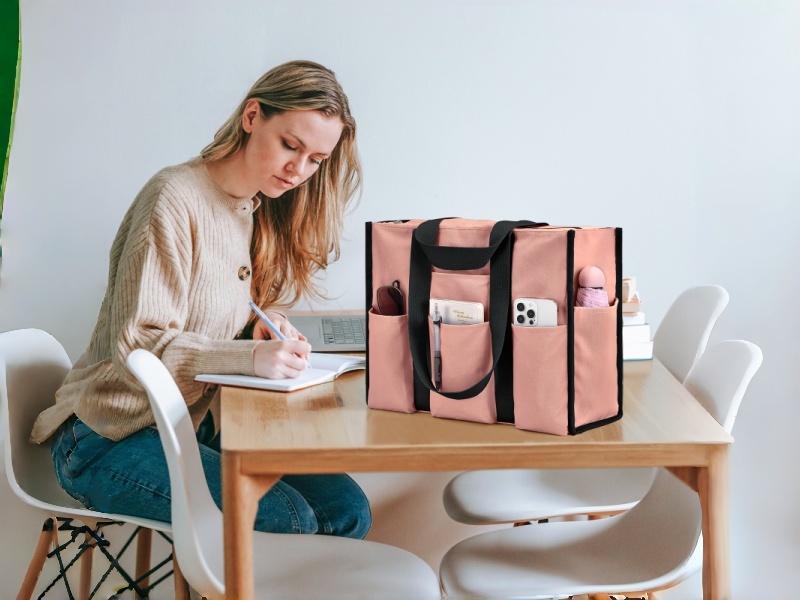
How to Sew a Tote Bag? Step-by-Step Guide for Custom Branding & Manufacturing
Imagine you’ve just landed a powerful brand order: your customer wants a spacious, strong, elegant tote bag with their logo printed on one side, high-quality handles and a custom colour interior. You know the end product must look and feel premium. The question is: how exactly do you sew a tote bag that meets those demands and aligns with a factory-scale production process?
To sew a tote bag, you’ll select the right fabrics and handles, design the shape and features for your brand, cut and assemble all pieces, follow precise sewing steps including handle attachment and boxed corners, then perform quality checks and packaging to ensure a B2B-ready product.
In this article we’ll walk you through each stage from material choice to final packaging, with a manufacturing-friendly perspective. Whether you’re an OEM/ODM brand buyer, a merchandiser, or a product manager setting up your next line, you’ll gain a clear, actionable roadmap. As a factory with over 20 years of experience, Jundong offers full customization, low MOQs, free sampling and speedy lead times—so you’ll see how each step flows into our capabilities. Let’s get started.
What materials and fabrics should you choose for a tote bag?
Choose a fabric and handle material that fits your target use, brand values and production budget. For durable brand tote bags you might use heavy canvas or laminated polyester, paired with strong handles like cotton webbing or nylon straps; you’ll also decide whether to include lining or interfacing for structure. Material choices directly affect appearance, cost and manufacturing feasibility.
When you’re planning a custom tote bag for a brand—or as part of an OEM/ODM contract through a factory like Jundong—you need to think beyond just “looks good”. The material and fabric choices impact durability, branding, cost, lead time and the impression your end customer gets. Let’s unpack this from different angles:
Durability & use-case:
If the tote is meant for everyday heavy use—like a grocery tote, travel carry-on or conference giveaway you want the shirt to bear weight, resist wear, maybe be washable or even water-resistant. A heavy canvas (12 oz+), or laminated fabric (e.g., PVC-coated polyester) makes sense. On the other hand, if the tote is a boutique gift bag, lighter canvas or cotton may suffice. Choosing the right material here is key for performance under real-world load.
Branding & appearance:
Your fabric speaks to the brand image. A rugged olive heavy-canvas tote says “outdoor / lifestyle”. Bright laminated polyester with a sheen reflects “premium modern”. Also you’ll think about printing or embroidery: some fabrics take printing better (smooth polyester), while others suit embroidery (dense canvas). If you’re customizing for an international buyer, you’ll propose fabric swatches showing how their brand colour appears.
Manufacturing feasibility & cost:
At a factory level, thicker materials may require stronger machines, slower speed, more labour for boxed corners and heavier handles. If your MOQ is low (and at Jundong you can have low MOQs) you’ll want to keep tooling changes minimal. Also, you may need interfacing (to stiffen the body) or lining (to hide seams and provide premium touch). Each adds cost and time. So you’ll weigh: extra structure vs cost vs lead time.
Handles & straps matter as much as body fabric:
Handles bear the load and affect carry comfort. Two common choices: cotton webbing (soft but durable) or nylon/PP straps (stronger but less premium feel). Then you choose handle length (hand-carry vs shoulder), width (more width = more comfort under load), attachment method (sewn in, riveted, with bar-tack reinforcement). You’ll align this decision with expected usage and the brand’s positioning.
Lining, interfacing, reinforcement:
Smart tote bags often include a lining—matching brand colour or contrast. The lining hides raw seams and gives premium finish. Interfacing may stiffen the body so the bag stands upright. Reinforcement at key stress points (handle base, boxed corners) enhances lifespan. These aren’t always necessary, but for B2B custom orders you’ll often recommend them to uphold quality standards.
Summary table for quick reference:
| Use-case | Body fabric | Handle material | Additional features |
|---|---|---|---|
| Everyday heavy-use tote | 12 oz canvas or laminated polyester | 38–50 mm cotton webbing or nylon strap | Boxed corners, reinforced handles |
| Premium boutique gift tote | 8 oz cotton/linen blend | Matching fabric handles | Optional lining, neat binding |
| Eco-friendly promotional tote | Recycled cotton canvas | Recycled cotton webbing | Minimal hardware, printed logo |
In a custom manufacturing environment, you’ll present these options to the buyer, show samples of each, and tie material choice to cost, lead time and brand requirements. Because at the end of the day, the material decisions determine how your brand tote will look, feel and perform in the field.
Which design features and dimensions matter for a custom tote bag?
Design decisions—size, pockets, closures, gussets, handles—directly affect usability, brand identity and manufacturing complexity. You’ll choose dimensions that match target purpose (shopping, travel, gift), decide on additional features (pockets, zippers, key clip) and ensure brand customisation (logo, colours, hardware). Smart design features keep users happy and reduce returns.
When you’re supplying brand-custom tote bags, it’s not enough to simply “make a bag”. You must align its design features and dimensions with your buyer’s needs, aesthetic goals and manufacturing practicality. Let’s examine key considerations from multiple perspectives.
Determining size and shape by use case:
A tote bag for a trade show might be 14″ W × 15″ H × 4″ D — large enough to hold brochures and samples. A daily use fashion tote might be 11″ W × 12″ H × 3″ D. Travel totes could be larger (18″ W × 14″ H × 6″ D) and maybe include base feet. You’ll present size charts based on intended usage. Making the bag too shallow or narrow may upset brand client if their users find it too small; too large may cost unnecessarily.
Pockets, closures and customisations:
Here is where many tote bags differentiate. Buyers often ask: “Do you add pockets, closures or customisations—and how?” For example:
Inner zipper pocket for valuables.
Interior slip pockets for phone or bottle.
External front pocket for quick access.
Closure options: open top, magnetic snap, full top-zip.
Customisations: printed logo, embroidered patch, metal hardware branded with logo, custom strap webbing with brand name.
Each added feature increases cost and manufacturing time. You’ll evaluate: Is the added utility worth the cost? For a promo tote bag it may not; for a premium lifestyle bag it likely is.
Gussets, boxed corners and handle placement:
To give depth and structure you may include a gusset (e.g., 3″ wide) or boxed corners (sewn to create a flat base). This impacts how much the bag stands upright and how much volume it holds. Handle placement affects comfort and load distribution: handles too narrow or too short can dig into shoulders. For brand bags you might choose shoulder straps (22″ length) vs hand-carry (12″ length). The position (inside seam vs outside seam) also affects appearance.
Branding integration with design:
The dimensions and features must accommodate branding elements: logo placement (front, back, side), branding hardware (metal plates, embossed leather patch), colour matching (body fabric, lining fabric, strap webbing). When the client wants “low MOQ custom, private label” you’ll explain how design features influence tooling or setup cost.
Manufacturing implications and balancing cost vs features:
Every feature added means more labour, more material, possibly more tooling. For example, adding a full top-zip on a large bag means longer machine time and maybe specialist machinery. More pockets means more cutting pieces, more signal for quality checking. As a B2B manufacturer you’ll guide the brand buyer: “Yes we can add that pocket feature – but note it adds 10% cost and 2 days to lead time.” That transparency builds trust.
Design feature summary checklist:
Use case → size (W×H×D)
Handles: length, width, carry style
Depth: gusset or boxed corners
Pockets: none / inner / outer / zip
Closures: open / magnet / zip
Branding: logo type, hardware, strap webbing
Material implications: heavier fabric, extra labour/time
Working through this checklist ensures your custom tote aligns with the brand’s goals and the manufacturing process.
How do you prepare and cut the fabric pieces for sewing?
Preparing and cutting accurately means measuring with precision, selecting correct tools, and aligning fabric grain and branding. That ensures all pieces fit properly, print and logo areas align, and manufacturing proceeds smoothly without waste or rework.
Cutting and preparation might seem straightforward—but in custom tote bag production it’s a critical step. Mistakes here create delays, waste materials, or lead to mismatched logo placement and poor finish. For someone managing ordering through a factory like Jundong, understanding this stage is vital.
Measuring, marking and cutting accurately:
You begin with the design blueprint: fabric width, body panel size, lining panel, handle straps. Seam allowances must be clearly defined (typically 10 mm or ¼″). You’ll mark fabric with chalk or tailor’s pen, ensuring each piece is consistent. A single mis-cut of 20 mm on a panel may throw off boxed corners or cause handles to misalign. For custom branding, you’ll ensure logo placement panels are cut in the correct orientation (so printed or embroidered areas appear correctly when bag is sewn). At a B2B volume level, you’ll use templates or cutting dies to achieve consistency across dozens or hundreds of bags.
Tools for cutting and factory-level preparation:
In a factory environment, you might use:
Rotary cutters & mats for smaller runs
Straight-knife cutting machines for bulk fabric layers
Cutting dies for precise panel shapes
Fabric clips/pins to hold layers instead of pins (reduces damage)
Edge finishing tools to prevent fraying (especially for woven fabrics)
It’s worth noting: heavier fabrics (e.g., laminated polyester) require stronger blades, slower speeds, and more caution. If a brand wants recycled heavy canvas, the factory must calibrate accordingly.
Aligning prints, logos and grain direction:
If the tote uses printed branding or custom webbing, you must ensure the grain of the fabric runs correctly (vertical/horizontal), so the bag hangs correctly. Print direction must be accounted for: you don’t want a logo upside down when the handle is over the shoulder. In multi-colour printing or embroidered patches, you’ll plan cut panels so logo sits cleanly in the center. Misalignment here causes visual defects that may lead to brand rejection. Highlight to your buyer that this phase feeds into quality control and must be checked.
Cutting for multi-panel bags and gussets:
Tote bags often have multiple panels: front, back, side gussets or boxed bottom, handle strips, lining pieces, maybe pocket panels. Each should be cut in correct orientation. For example, gusset pieces might be cut on the bias or with diagonal grain if fabric is stretchy. Handling boxed corners means cutting squares out of bottom corners of body panels and gusset panels to form depth. The factory must mark those precisely. Also handle strap lengths must be cut accurately (e.g., 2 pieces 60 cm each for shoulder straps). Mistake in strap length will cause ergonomics issues.
Cost & waste management considerations:
Cutting inefficiently wastes fabric and raises cost. When you produce custom bags at low MOQs, fabric waste is critical. As the manufacturer, detail to clients how you optimise layout (nesting), how you manage scrap, and the cost impact. Explained simply: if fabric width is 150 cm, how you arrange panel cuts for minimal leftover. You might also show how adding a side pocket adds maybe 5–10% fabric waste. Transparency here builds your credibility for B2B buyers.
By giving your buyer clarity on how you operate during the cut and prep phase, you demonstrate you’re not just “a factory” but a partner who understands production realities, cost structures, and branding quality.
How do you sew the tote bag body, handles and finishing?
You assemble the bag by sewing the body (side seams, boxed corners), attach and reinforce handles, finish seams with top-stitching or binding, then press and inspect. Quality tools and stitching techniques ensure durability and premium appearance for the brand.
This is where the bag literally comes together. For a brand-standard tote produced via OEM/ODM, the sewing, handle attachment and finishing define whether the final product feels cheap or premium. Let’s look at each sub-step with a critical eye.
Step-by-step: cut, assemble and sew the body:
Once panels are cut, you’ll lay the outer fabric panels right-sides together, sew side seams (typically 10 mm allowance). Then for boxed corners you’ll fold the bottom corner seam and sew across a square (e.g., 5 × 5 cm) to give depth. If there is a gusset piece, you’ll attach it to front and back panels, then sew the base. Next insert lining (if applicable): turn the outer body inside-out, place lining inside with right sides together, then sew around the top edge and turn through. For bag with no lining, you might finish the top edge with binding or a hem. Attach handles: either before body seams or after (factory preference varies) but most heavy-use bags attach handles first to outer panel so reinforcement is visible and sewing is stronger.
Which tools and techniques ensure quality stitching and finishing?
Quality stitching means correct tension, uniform stitch length (e.g., 4 mm), no skipped stitches or loose threads. For heavy fabrics or laminated textiles, you need high-tension industrial machines and possible walking foot to handle layers. Reinforcement at handle base is crucial: common method is bar-tack or X-box stitching (a square with an X inside) which distributes load. Top-stitching along the edge of the bag (8–12 mm from edge) gives a crisp premium look and adds strength. Seam finishing: binding the raw edge, serging, tuck-folding the lining seam—all ensure no frayed edges visible inside. Pressing critical seams with a steam iron ensures the bag lies flat and looks manufactured-ready. For B2B brand clients, you’ll highlight you inspect every bag for consistent stitch quality, handle alignment, and that boxed corners are even and base lies flat.
Handle attachment and reinforcement details:
Handles carry all the weight—if they fail, the brand fails. Choose handle width that matches expected load (heavier bag = 50 mm strap vs 30 mm). Attachment method: stitched inside seam or stitched over outer surface, rivets or grommets optionally. Reinforcement: do a bar-tack at each end of the handle seam (~2 cm wide). For large loads or travel-totes you might use leather handle tabs sewn and riveted. Explain to your buyer that although these methods add cost, they reduce returns and enhance brand reputation. At Jundong we offer multiple handle attachment options to suit budgets and end-use.
Seam finishing and quality details for premium brand appearance:
Even if the outer looks great, the inner finish matters—especially when the brand buyer inspects. Use binding (fabric tape) to cover raw seams, or serge edges with matching thread. Drop-in snaps, zip ends neatly finished, key fob D-ring sewn in. For boxed corners ensure the base sits flat and the bag stands upright. Align side seams and handle ends so both sides mirror each other. Offer for your buyer a set of inspection photos showing stitch quality, hardware finish, handle alignment. Outline that at inspection you may sample 10% of production and perform load-test (e.g., 10 kg carry for 1,000 cycles) depending on usage.
Balancing cost vs quality for B2B bags:
From the buyer’s viewpoint: “We want premium but cost-effective.” As the manufacturer you’ll provide tiered options:
“Standard” finish: open top, basic canvas, no boxed corners, cotton webbing handles.
“Upgraded” finish: laminated fabric, zip top closure, boxed corners, bar-tack handles, interior lining.
Present the cost differential and show sample images. Transparency helps the buyer decide.
By walking your buyer through how the bag is sewn, what finishing matters, and what variables affect cost/quality, you build trust and position your factory as the knowledgeable partner.
What quality checks and packaging steps do you need for B2B tote bag orders?
You must implement structured quality checkpoints (fabric defect inspection, stitching check, handle strength test, dimension verification), followed by appropriate packaging (polybag, carton, hang-tags, label inserts) to deliver a brand-ready product. These steps ensure your custom tote arrives ready for retail or promo distribution.
When you’re ordering custom tote bags via a factory—for example working with a factory like Jundong—the product’s final delivery matters as much as its manufacture. The finish, packaging and logistics all affect your brand’s reputation and customer satisfaction. Let’s go deeper.
Quality inspection checkpoints:
Fabric surface check: Look for defects (snags, stains, colour inconsistencies).
Dimension check: Verify width, height, depth match spec; check handle length and strap width.
Stitching check: Uniform stitch length, no skipped stitches, neat trimming of threads, secure reinforcement at handles and corners.
Handle strength test: Pull test (e.g., 10 kg for 30 s) or bar-tack integrity under load.
Logo & print check: Verify correct logo placement, colour match, print clarity or embroidery quality.
Hardware check: Zippers run smoothly, metal parts polished, rivets flush.
Have the factory share a pre-shipment sample photo set or video showing these checks. Also request a defect rate metric (e.g., less than 1% defects acceptable). This builds buyer confidence.
Packaging and logistics:
Packaging must protect the tote and match brand expectations. Options:
Individual polybag with hang-tag and brand care-label.
Inner carton grouping (e.g., 10 pcs per small carton).
Outer master carton with protective wrap, correct labeling (PO number, style code, quantity).
If the brand wants direct-to-retail readiness: include swing tag, RFID, barcode label.
You’ll highlight to your buyer that proper packaging reduces transit damage, and improves first impression when their customers unpack the bag.
Lead time, MOQ and sample policies:
As a brand buyer you’ll ask: “What is the typical lead time, what’s the minimum order quantity (MOQ) and can I get a sample?” At Jundong we provide free samples, low MOQs and fast turnaround. Explain to the buyer: sample lead time might be 5-7 days; bulk production might be 15-30 days depending on order size and complexity. You’ll also mention that adding features such as extra pockets or premium hardware may add 3-7 days or increment cost.
Return logistics and defect handling:
For B2B production it’s wise to clarify: what happens if a batch has defects? Will the manufacturer offer rework, replacement, or refund? Establishing a clear policy ahead of time avoids issues later and ensures you as buyer or brand feel secure.
By following structured quality assurance and packaging protocols, you ensure that your custom tote bags arrive in perfect condition, meet your brand standards, and are ready for distribution or retail. This level of professionalism makes you and your manufacturing partner stand out to end-clients.
Ready to bring your custom tote bag idea to life with Jundong?
If you’re a brand manager, merchandiser or sourcing lead looking to launch a custom tote bag line, here’s what you can do:
Contact Jundong, share your design brief (size, fabric, colour, logo).
Request free samples to verify material and finish.
Confirm your MOQ, lead time and pricing based on your feature set (size, pockets, handles, closures).
Approve production samples, monitor quality checkpoints and packaging.
Partnering with Jundong means you get more than a factory: you get 20 + years of expertise in bag R&D, manufacturing and B2B supply. Let’s get your next tote bag line rolling—reach out today for a quote and sample.
FAQ
Can I sew a tote bag without a sewing machine?
Yes, for DIY or small-scale you can hand-sew, but for brand-quality, factory-scale production a machine is essential for strength, speed and consistency.
Which fabrics should you avoid for heavy-duty bags?
Thin low-weight cotton without reinforcement often fails under load. Also avoid fabrics prone to fraying if you skip lining or binding.
What is the typical stitching strength requirement for a reusable tote bag?
In brand manufacturing you might test handles with a 10 kg pull for 30 seconds. Stitch density around 4–5 stitches per cm is common for heavy-use bags.
What lead time can you expect for an OEM/ODM custom tote bag order?
Sample production might take 5–7 days, bulk production 15–30 days depending on complexity and order size. Confirm details with your factory partner.
What design files do you need to request a sample?
Usually vector artwork for logo (.AI or .EPS), fabric swatches or desired Pantone colours, size/dimension spec sheet, and a reference image of the style.
Let's work together
With over 10 years of OEM/ODM bag industry experience, I would be happy to share with you the valuable knowledge related to leather products from the perspective of a leading supplier in China.

Factory catalogue
Latest blogs
Make A Sample First?
If you have your own artwork, logo design files, or just an idea, please provide details about your project requirements, including preferred fabric, color, and customization options, we’re excited to assist you in bringing your custom bag designs to life through our sample production process.