 Skip to content

What Is a Travel Underwear Organizer? Types, Best Designs, Custom Options, Factory Guide, Price, Sample Process, and Bulk Order Tips
A lot of travel products look simple at first glance. A pouch is a pouch. A zipper bag is a zipper bag. A packing cube is a packing cube. But once you start looking at how people actually pack, what they keep separate, and what they keep touching during a trip, the story changes fast. Underwear is one of the most personal categories in travel packing. People want it clean, private, easy to find, and protected from shoes, wet toiletries, used clothes, and random suitcase mess. That is why the travel underwear organizer has moved from a small accessory into a real product category with room for strong design work, private label branding, and long-term repeat sales.
For brands, retailers, and importers, this product looks small, but the logic behind it is not small at all. It sits at the intersection of travel storage, personal hygiene, daily convenience, giftable accessories, and soft goods customization. It can be sold as a standalone item, added to a travel set, bundled with packing cubes, offered as a beauty or wellness add-on, or positioned as part of a premium luggage line. It also fits many channels. It can work in e-commerce, airport retail, department stores, subscription boxes, boutique shops, hotel amenities, promotional programs, and private label travel collections. That flexibility is why this category keeps showing up in product development discussions.
The best products in this category do more than hold fabric. They solve a small but constant travel problem. They reduce packing stress before the trip. They reduce clutter during the trip. They reduce awkward moments when people open luggage in shared spaces. They also make the overall travel experience feel cleaner and more intentional. That emotional side matters. People may not talk about underwear storage in a dramatic way, but many are happy to pay for a product that removes friction from everyday movement.
There is also a business side that deserves more attention. Not every travel accessory has enough product logic to support long-form content, custom development, and repeat orders. This one does. Material choice changes the feel and price position. Structure changes the use case. Internal layout changes the value perception. Packaging changes whether the product feels like a necessity, a gift item, or a premium organizer. A factory that understands those details can help shape a product that works far beyond a generic zipper pouch.
This guide is written for people who want more than a surface-level description. Maybe you are building a travel accessories line. Maybe you are sourcing a new item for a retail channel. Maybe you want a compact add-on product with strong brand value and simple logistics. Maybe you are comparing designs, materials, custom options, sample steps, and pricing before moving forward. Whatever stage you are in, the goal here is simple: give you a clear, practical, and commercially useful view of how the travel underwear organizer category works, what good design looks like, what affects cost, and how to move from idea to finished product with fewer mistakes.
What Is a Travel Underwear Organizer and What Is It Used For?
A travel underwear organizer is a small travel storage item designed to separate and protect underwear, bras, socks, or lingerie inside luggage. It is used to keep intimate garments cleaner, easier to access, and more private than when packed loose in a suitcase or mixed inside a general pouch.
A travel underwear organizer exists because general packing does not always match the way people actually use clothing on a trip. Many travelers do not want intimate items floating between T-shirts, jeans, chargers, cosmetic products, and used laundry. Even travelers who pack light often want one section of the suitcase to feel controlled and easy to manage. This is where the organizer earns its place. It is not just about storage. It is about clean separation, better visibility, and less daily friction.
In practical use, the product usually stores underwear, bras, socks, camisoles, shapewear, light sleepwear, or other personal garments. Some designs also include a small wet pocket for used items or compact toiletries. A few are built to hold bras in a more protective shape, while others work more like a flat pouch with layered sections. The definition is broad enough to allow design variation, but narrow enough that the consumer understands its job right away.
That distinction matters commercially. If the product is too broad, it becomes a generic pouch. If it is too narrow, it may feel limited. The best organizers keep a clear use identity while still offering flexible storage. That is one reason successful designs often use mesh dividers, elastic slots, zippered internal pockets, or dual-compartment layouts. These small details tell the user, without much explanation, how to pack and what the product is meant to do.
There is also a privacy function that should not be underestimated. Travel often means shared spaces: family trips, business trips, school trips, hotel rooms, gym lockers, hostels, and transit moments where people open luggage in front of others. A dedicated underwear organizer helps users avoid rummaging through a suitcase or exposing personal garments. That may sound minor on paper, but in use it creates a strong feeling of order and comfort. Those feelings often drive repeat purchases more than technical product descriptions do.
The category is also broader than many people assume. While some still treat it as a women’s accessory, that view is too narrow. Men, women, teenagers, athletes, students, business travelers, cruise passengers, and families all have reasons to separate underwear and socks during travel. In family packing, one organizer can even be assigned to one child or one trip segment. In premium retail, it can be paired with a luggage organizer set. In beauty and wellness channels, it can be styled as part of a self-care travel kit.
For product developers, that means the item can be positioned in multiple ways. It can be a clean packing solution, a space-saving travel organizer, a privacy-focused accessory, a premium travel gift, or a brandable add-on item. The product itself is small. The positioning options are not. That is why it has more business value than a plain pouch, even when the outer form looks simple.
Another reason this category matters is that it invites thoughtful, low-risk customization. Compared with highly technical bags, a travel underwear organizer is easier to sample, easier to revise, and easier to fit into mixed product lines. A brand can test different sizes, colorways, internal layouts, and logo applications without building a very complex supply chain. That makes it attractive for private label development, seasonal launches, gift-with-purchase programs, and bundle sales.
Why Is a Travel Underwear Organizer Becoming More Popular in Travel Accessories?
A travel underwear organizer is becoming more popular because travelers want cleaner packing, better privacy, faster access, and less suitcase clutter. It also fits modern travel trends such as short trips, carry-on packing, travel sets, and compact multi-purpose accessories.
The rise of this product category is tied to a bigger shift in how people think about travel. Travel packing used to be treated as a basic task: fold clothes, throw them into a suitcase, and leave. Today, many consumers treat packing as part of the travel experience itself. They want smoother routines, less visual clutter, and products that make short trips feel more controlled. That change has pushed demand toward specialized travel organizers, including products for shoes, cables, cosmetics, and intimate clothing.
Hygiene is one of the strongest drivers. People are more aware of contamination, moisture, and cross-contact than they were in the past. Whether or not that concern is medical, it is real in user behavior. Travelers do not like mixing underwear with dirty laundry, leaking toiletry items, shoe soles, or airport-exposed surfaces. Even in a clean hotel room, people prefer a dedicated place for intimate garments. A travel underwear organizer offers a simple emotional promise: your most personal clothing stays separate.
Privacy also plays a major role. This is especially visible in shared travel conditions. Think of students on study tours, families traveling together, business travelers unpacking in front of colleagues, or people staying in smaller rooms where luggage is always partly visible. A separate organizer allows users to open and use their luggage without exposing everything at once. That kind of quiet convenience rarely appears as a headline feature, but it influences purchase decisions more than many brands realize.
Another driver is the growth of short-duration travel. Weekend trips, two-night city breaks, gym-to-office routines, overnight work travel, wellness retreats, and low-cost airline trips all create demand for smaller, smarter storage accessories. In these settings, people do not want bulky luggage systems. They want compact solutions that help them pack with intention. A well-designed underwear organizer fits that logic perfectly. It is lightweight, easy to place, easy to repack, and visually neat.
There is also a strong retail reason behind the category’s growth. It is a relatively low-risk product for brands. Compared with full luggage or complex backpacks, it takes less material, less labor, and less storage space. That makes it easier to launch, easier to bundle, and easier to test across channels. It can be sold in travel stores, fashion retail, department stores, gift channels, online bundles, and seasonal promotions. It can also be paired with other travel organizers, which increases average order value.
From a branding perspective, the item has a useful balance of practicality and emotion. People buy it for function, but they often choose based on color, feel, style, softness, and perceived neatness. That makes it a good canvas for private label design, especially for brands that want to extend into soft travel accessories without moving straight into high-complexity bags. The product can be minimalist, feminine, sporty, neutral, premium, eco-focused, or gift-driven depending on the design language.
Social content has also changed consumer expectations. Organized luggage layouts, clean travel kits, “pack with me” content, and compact storage routines have normalized the idea that every item should have its place. Consumers may not search for the exact same terms every time, but the mindset is consistent: better packing feels better. A travel underwear organizer fits naturally into that visual and practical trend.
For wholesale and custom development, another reason the category is growing is that it works across price levels. A simple polyester version can support volume retail. A padded or structured version can move into premium channels. A recycled fabric version can support sustainability storytelling. A coordinated print version can work in gift sets. A travel accessories brand does not need the item to be revolutionary. It needs it to feel thoughtfully made and easy to live with.
That is why this product is becoming more popular. It solves a quiet problem in a clear way. It is easy to explain. It is easy to use. It is easy to gift. And for brands, it is easy to build into a wider accessories program.
Which Types of Travel Underwear Organizer Are Most Common?
The most common types are soft pouches, structured cases, bra organizers, flat zip organizers, hanging styles, and multi-compartment travel bags. The right type depends on storage needs, target users, brand position, and how much structure or privacy the product should provide.
Not all travel underwear organizers are built for the same user. Some are made for compact, flexible packing. Others are made to protect shape, create visual order, or support premium positioning. Understanding the main product types is one of the fastest ways to avoid design mistakes. When skip this step, they often end up sampling a product that looks acceptable but feels wrong in use.
The most basic type is the soft pouch organizer. This is usually made from polyester, nylon, or another flexible fabric. It may have one main body and one or two internal sections. Its strengths are low weight, low cost, simple construction, and easy packing into tight suitcase spaces. This type works well for budget retail, promotional programs, and lightweight travel collections. The downside is that it offers less structure and less separation unless the internal layout is well planned.
The second type is the structured case. This version may use padding, foam, or semi-rigid panel support to hold its shape. Some even use EVA or molded shells. This type is often preferred when the organizer is meant to store bras, delicate lingerie, or premium travel sets. It looks more substantial and can justify a higher retail price. However, it takes more space in luggage and usually costs more to produce. It also requires better pattern control so the final shape feels intentional rather than bulky.
Another common type is the flat layered organizer. This style opens like a folder or book and uses zip sections, mesh panels, or elastic dividers inside. It works well for users who want quick visibility and neat separation without carrying a bulky case. It also suits modern minimalist branding because it feels clean and efficient. The risk is that if it is made too flat, it may not hold enough volume; if made too thick, it loses its minimalist benefit.
The bra organizer is more specialized. It focuses on protecting cup shape and keeping undergarments from being crushed. Some bra organizers also include sections for underwear, straps, or small accessories. This type is especially useful when the target retail story is about lingerie care, premium travel, or polished organization. But it is less universal than a general underwear organizer, so it requires a clearer definition.
Then there is the hanging organizer. This design may include a top hook or loop so the organizer can hang in a hotel bathroom, wardrobe, or closet area. It is more common in beauty travel kits, but some brands apply it to intimate garment storage as well. The advantage is accessibility during the trip. The downside is that hanging products often require more panels and more hardware, which can raise cost and complicate the design.
A related option is the multi-use travel organizer that includes underwear storage as one function among several. It may combine lingerie, socks, toiletries, or accessories in one product. This style appeals to travelers who want fewer separate bags. It can also work well in e-commerce because the value proposition feels broader. But it only works if the layout is smart. Otherwise, the product becomes too general and loses its clear identity.
Below is a simple comparison:
| Type | Best For | Strengths | Watch-Out s |
|---|---|---|---|
| Soft Pouch | Budget travel lines, simple packing | Lightweight, low cost, easy to produce | May feel too generic |
| Structured Case | Premium lines, bra protection | Better shape, stronger value perception | More space, higher cost |
| Flat Layered Organizer | Minimalist brands, quick access | Clear layout, modern look | Needs careful balance of volume |
| Bra Organizer | Lingerie and premium travel use | Shape protection, clear niche | Less universal |
| Hanging Type | Hotel use, longer trips | Easy access during trip | More complex construction |
| Multi-Use Organizer | Bundle products, versatile travel lines | Broader appeal | Can lose focus if overdesigned |
The best type depends on where the product will be sold and what role it plays in the product line. A lower-priced item for high-volume retail should not imitate a premium molded case unless the margin supports it. A premium travel set should not use a loose pouch if the rest of the line feels structured and refined. A giftable item needs stronger visual presence than a hidden suitcase utility item. In other words, type selection is not just a design issue. It is a positioning issue.
This is where many sourcing teams save or lose time. If the type is chosen early, material selection, logo planning, packaging, and cost forecasting all become clearer. If it is chosen late, the whole project becomes less efficient. A clear starting brief should always state the intended type, the packing logic, and the channel goal before the first sample begins.
Which Materials Are Best for a Travel Underwear Organizer?
The best materials depend on product position and price target. Common choices include polyester, nylon, oxford fabric, mesh lining, water-resistant coatings, and padded or EVA-supported structures for more premium styles.
Material choice shapes almost everything about this product. It affects the first touch, the visual value, the retail position, the cleaning story, the cost structure, and even how much users trust the organizer to hold intimate items. In soft goods, material is never just a technical choice. It is part of the product’s message.
For mainstream travel lines, polyester is often the most practical starting . It is cost-efficient, widely available, color-friendly, and easy to adapt to many styles. It works well for pouches, layered organizers, and simple multi-compartment constructions. When paired with decent lining and strong zipper selection, it can deliver a very acceptable product at a competitive cost. The danger is that low-grade polyester can feel thin, noisy, or cheap. If the target expects a more refined hand feel, fabric weight and finish need to be chosen carefully.
Nylon is another strong option, especially for brands that want a cleaner, smoother, or slightly more technical look. Good nylon can give the product a lighter but more premium feel. It often works well for travel lines positioned around efficiency, durability, and modern design. Nylon also supports sleek silhouettes. However, cost is usually higher than basic polyester, and finish consistency matters. If the coating or weave quality is unstable, the final product can look uneven.
Oxford fabric is commonly used when a brand wants a stronger visual texture or slightly more robust structure. It can support casual travel use, gift sets, organizer lines. It also works well when the design includes multiple compartments and needs a bit more body. The trade-off is that some oxford fabrics can feel more utilitarian than refined, so they are not always the best fit for fashion-led or lingerie-led branding.
Inside the product, mesh often plays a major role. Mesh allows visibility, breathability, and separation without too much added bulk. A mesh zip pocket is one of the simplest ways to make an organizer feel more functional. But the mesh type matters. Weak mesh can distort quickly or tear under stress, especially near zipper lines. Fine mesh feels neater. Larger mesh can feel sportier. The right choice depends on the design tone and expected use.
A lot of now ask about water-resistant or easy-clean materials. That usually does not mean the whole organizer needs to be fully waterproof. In many cases, a coated outer fabric or wipeable lining is enough. This helps protect against bathroom surfaces, minor spills, or damp items. A wet pocket can be a nice add-on, but only if it is executed honestly. If the pocket is as “wet storage” but the seams and zipper are not suitable, users will notice.
For more premium or shape-sensitive products, padding becomes important. Light foam support can make a soft organizer feel more substantial without becoming rigid. EVA-supported structures can give the product a defined case-like form, which works well for premium travel kits and bra-focused storage. But structure should be used with discipline. Too much padding makes the product bulky and wastes luggage space. Too little makes it collapse and lose value perception.
Some brands ask about PU, vegan leather, or fashion-forward materials for outer panels. These can work well in premium gift lines, cosmetic-travel hybrids, and polished lifestyle collections. They can help the organizer feel like a personal accessory rather than just a travel utility item. However, the cleaning expectations, wear behavior, and crease performance must be understood. A beautiful outer material with poor flex behavior can damage the product experience quickly.
Here is a practical material logic table:
| Material | Typical Position | Main Benefit | Main Risk |
|---|---|---|---|
| Polyester | Entry to mid-range | Cost control, wide availability | Cheap feel if quality is low |
| Nylon | Mid to premium | Smooth hand feel, modern look | Higher cost |
| Oxford Fabric | Casual, practical lines | Durable body, visible texture | May feel too utility-driven |
| Mesh | Internal function | Visibility, breathability | Needs strength control |
| Foam/Padding | Mid to premium | Better structure and value feel | Can add bulk |
| EVA Support | Structured premium styles | Shape protection | More complex, higher cost |
| PU/Vegan Leather | Fashion or gift lines | Premium surface look | Flex and wear must be tested |
The best material is rarely the most expensive one. It is the one that matches the product role. If the item is meant to be a compact, affordable add-on, a clean polyester build may be exactly right. If the item is meant to anchor a premium travel set, a better outer fabric, improved lining, and more controlled structure are worth the investment. The key is consistency between material, channel, and price .
This is also one of the stages where sample work matters most. Material swatches tell part of the story. A finished prototype tells the rest. A reliable development team should be able to suggest options that fit the target use and retail direction instead of pushing one generic construction for every project.
How Should a Good Travel Underwear Organizer Be Designed?
A good travel underwear organizer should be compact, easy to open, easy to clean, and internally divided in a way that matches real travel use. Good design balances capacity, privacy, visibility, and space efficiency without becoming bulky.
Good design in this category is often quiet design. It does not need to look dramatic. It needs to feel right in the hand, open naturally, store the right amount, and keep internal items under control. Many products fail not because they are ugly, but because they were designed from the outside in. A travel underwear organizer should be designed from use behavior first.
The first decision is size. This sounds obvious, but it is one of the easiest places to go wrong. If the organizer is too small, users cannot fit enough for even a short trip. If it is too large, it stops feeling efficient and starts competing with general packing cubes. The best size depends on the travel duration and target user. A weekend product should feel compact and intentional. A week-long travel item may need more layered storage. A family-use product might need a slightly larger body with clearer internal division.
The second design issue is opening logic. A top zipper on a soft pouch is simple, but not always the most user-friendly. Some users want to see everything quickly. That may call for a clamshell opening or a wider top access. Some want a flatter organizer that opens like a file. Others care more about keeping contents hidden. The opening angle affects not only convenience, but also the emotional feel of the product. A controlled, neat opening makes the user feel organized. A loose, collapsing opening makes the product feel less valuable.
Internal structure matters even more than outer shape. One large open compartment rarely feels sufficient in this category. Users want at least some separation between clean underwear, bras, socks, used items, or small extras. But overcomplication is just as bad. Too many pockets make the product feel fussy and difficult to use. Good internal design creates obvious zones. That might mean one main section, one mesh zip section, and one smaller slip pocket. Or it might mean a left-right split with elastic control. The right depends on the product type, but the principle stays the same: structure should guide use without forcing it.
Designers also need to think about how full the organizer will look when partially packed. This is often ignored. If the product only looks good when filled to maximum volume, it may seem sloppy in real life. Light padding, smart panel shaping, and clean seam control can help the organizer maintain a tidy appearance even when not full. That makes the product more satisfying to use and easier to photograph for retail.
Another often overlooked is the balance between privacy and visibility. Internal mesh helps users locate items quickly, but some people do not want intimate garments fully visible. A mixed approach often works best: visible sections for non-sensitive items and more covered sections for underwear or lingerie. This balance can improve both the practical use and the emotional comfort of the product.
Hardware selection plays a role too. Zippers should move smoothly and feel reliable. Pullers should fit the product tone. Handles should be useful, not decorative. A small side handle is helpful if the organizer is taken in and out of luggage often. A hanging loop may add value for hotel use. But every added feature should be justified. Small accessories can improve usability, but they can also add cost, break visual simplicity, and complicate packing if they are included without purpose.
A good product also considers cleaning reality. This item may be placed in bathrooms, on hotel shelves, or next to damp items. That makes wipeability, lining choice, and corner construction more relevant than in some other travel pouches. Deep creases, hard-to-reach corners, and absorbent inner surfaces can make the product less user-friendly over time.
Finally, the design should match the sales channel. A direct-to-consumer travel brand may want neat minimalism. A gift-focused line may want softer color, better lining, and packaging presence. A promotional project may need simplicity and strong logo visibility. The same category can serve very different goals.
What Features Do Brands Usually Ask for in a Custom Travel Underwear Organizer?
In custom projects, brands usually ask for logo application, custom colors, fabric selection, size changes, internal compartment adjustments, and retail-ready packaging. The goal is to make the organizer fit the brand’s visual identity and sales channel.
Custom work in this category is usually not about inventing something completely new. It is about making a familiar product feel brand-specific, commercially coherent, and more valuable than a generic version. That means the most requested custom features are often practical rather than extreme.
The first request is almost always logo customization. This can be done in several ways: screen print, heat transfer, embroidery, woven label, rubber patch, metal plate, debossed patch, or zipper pull branding. The right method depends on the target price, style direction, and outer material. A travel line with a sporty look may suit a rubber or print application. A premium travel set may need a metal plate or subtle woven brand tab. A soft fabric item for mass retail may work best with simple print. The key is not just visibility. It is fit. A logo that feels out of place can reduce the product value even if the application quality is good.
Color is the next major request. Many brands want their organizer to match luggage, cosmetic bags, or broader accessory lines. This may involve custom outer fabric color, lining contrast, zipper tape matching, puller finish, and edge detail coordination. When color is handled well, the product feels intentional. When it is handled poorly, even a functional organizer can look generic. For collections, color strategy matters as much as logo strategy.
Another common request is size adjustment. Some brands want a compact version for weekend travel. Some want a fuller version that can hold bras and several days of underwear. Some want a set of two sizes. Size customization may sound simple, but even small changes affect panel proportion, zipper curve, internal fit, and perceived value. A good factory should not just resize mechanically. It should check whether the product still opens well, packs well, and holds shape properly after the size change.
Internal layout changes are also common. Brands may ask for a wet compartment, elastic bra holders, extra mesh dividers, removable pouches, a zip pocket for laundry items, or a layout that supports both underwear and socks. This is where commercial thinking becomes important. More compartments do not always mean more value. Sometimes they just mean more cost and more production complexity. The best custom designs add structure where it solves a real use need.
Packaging is another major area of customization, especially for higher-value retail or gift projects. A simple polybag may be enough for bulk programs. But retail channels often ask for hangtags, printed belly bands, paper sleeves, branded dust bags, window boxes, or fold-flat packaging that improves shelf presentation. Packaging can also change how the product is perceived. The same organizer can look basic in a polybag and premium in a neat gift box with coordinated branding.
Private label travel brands sometimes ask for matching sets. A travel underwear organizer may be developed alongside a toiletry bag, shoe bag, cosmetic case, passport pouch, or packing cube set. In that case, consistency across trims, material, lining, and brand details becomes critical. The organizer cannot feel like an afterthought. It needs to belong to the system.
Another feature request that has grown in importance is easy-clean construction. may ask for wipeable lining, coated fabric, smoother interior panels, or moisture-resistant sections. These features should be used honestly. If a material is water-resistant but not fully waterproof, that distinction should be respected in the design and the sales copy.
Some custom projects also ask for eco-oriented options, such as recycled fabric, reduced packaging, or lower-plastic presentation. These requests are especially common when the organizer is part of a wellness, travel, or lifestyle story. In those cases, the product has to look and feel aligned with the brand message, not just carry a recycled label.
The most effective custom projects are usually the ones that stay disciplined. They use a focused combination of outer material, clear internal logic, suitable branding, and packaging that fits the channel. They do not try to turn a compact organizer into a complicated all-in-one product. They keep the product role clear.
If you are building a custom version, a useful starting brief should include target size, intended user, material direction, logo method, internal layout, packaging need, and estimated quantity. That gives the development team enough clarity to recommend the right structure without wasting rounds on generic sampling.
Who Should Order Travel Underwear Organizers in Bulk?
Travel underwear organizers are a good bulk-order product for travel brands, luggage sellers, private label e-commerce stores, gift companies, department store programs, and accessory importers looking for compact, practical, brandable travel items.
One of the best fits is the travel accessories brand. These businesses already sell products tied to packing, mobility, and daily organization. For them, the organizer makes sense as a natural extension. It can sit next to packing cubes, shoe bags, toiletry cases, cosmetic pouches, and cable organizers. It supports bundle sales and can be adapted across multiple visual directions, from practical to premium.
It also fits luggage brands and sellers of suitcase-related accessories. A luggage line often benefits from smaller companion products that carry the same brand language. A travel underwear organizer can help a luggage brand look more complete without adding excessive technical complexity. It may also work well as a value-added item in gift sets or promotional bundles tied to larger luggage purchases.
E-commerce private label sellers are another strong fit. This category is compact, relatively easy to ship, and suitable for multiple product photo angles. It is also easy to explain in product listings. The challenge for e-commerce sellers is differentiation. Generic versions already exist in many places. To stand out, the product needs either better design, stronger visuals, smarter layout, improved materials, coordinated sets, or clearer niche positioning.
The product also works for gift and promotional companies, especially in travel-themed, wellness-themed, or women’s accessory programs. It can be used in corporate travel kits, membership gifts, airport promotions, seasonal bundles, or event packages. For that channel, cost control, packaging ease, and clean logo application often matter more than premium construction details.
Department stores, boutiques, and lifestyle retailers may use the organizer differently. In those environments, the product often needs more visual polish. The travel function still matters, but the item must also look giftable and attractive on display. Material choice, color palette, lining, hangtag design, and coordinated packaging all become more important.
There is also room for lingerie-related retail, beauty travel lines, and wellness brands. These channels may position the organizer less as a luggage utility and more as part of personal care on the move. That changes the design language. Softer colors, better lining, cleaner shaping, and more private internal sections may be preferred over a highly technical look.
Below is a practical bulk-fit table:
| Business Type | Why This Product Fits | Best Product Direction |
|---|---|---|
| Travel Brand | Completes organizer | Functional, coordinated sets |
| Luggage Seller | Strong add-on item | Matching collection design |
| Private Label E-Commerce | Compact, easy to list and ship | Distinct visuals, clear use case |
| Gift/Promo Company | Brandable and practical | Cost-efficient, logo-friendly |
| Department Store/Boutique | Giftable small accessory | Better finish, retail packaging |
| Wellness/Beauty Brand | Personal care on the move story | Soft look, refined compartments |
One deserves more honesty here: this is not automatically a strong bulk product just because it is small. If the item is poorly positioned, it becomes forgettable. If it is not clearly tied to a product system or brand story, it risks being treated as a low-value filler. The companies that do best with this category usually know exactly why it is in the line. It may increase accessory depth. It may help launch a coordinated collection. It may provide a low-cost entry product. It may work as part of a gift set. It may support seasonal travel promotions. The role needs to be defined.
For sourcing teams, the bulk logic is also attractive because the item is relatively manageable. It is easier to test than highly technical travel gear. It can be developed with moderate tooling. It allows brand expression through color, material, and layout without requiring a huge engineering cycle. That makes it especially useful for businesses that want fresh product development without taking on very high production risk.
How Does the Sample Process Work for a Custom Travel Underwear Organizer?
The sample process usually starts with a brief, reference images, size requirements, material direction, and logo details. After that, the factory develops the first sample, the client reviews structure and finish, and revisions are made before bulk approval.
A lot of sourcing problems begin before the first sample is even made. Not because the factory is careless, but because the brief is vague. In a product like a travel underwear organizer, small details drive the final result. If the only says “make it similar to this” without defining size, internal structure, material level, or price direction, the first sample may be usable, but it will not be strategically useful.
A good sample process starts with a practical information package. That should include reference photos or sketches, target size, target use, preferred material direction, logo method, estimated quantity, and any required packaging details. If the already has a collection, it helps to include photos or materials from related products so the organizer can match the broader line. The more clearly the intended use is defined, the better the first sample will be.
After that, the development team usually reviews construction logic. They should look at the opening style, the internal layout, the feasible fabric options, the zip path, and whether the chosen shape is suitable for the intended contents. This stage matters because some ideas look good in a flat drawing but do not work well once sewn. A responsible team should flag those risks early rather than blindly copying the reference.
The first sample is usually about structure, general proportion, and layout more than final perfection. should review it with discipline. The key are not only “Does it look nice?” but also: Does it open naturally? Does it hold the right amount? Does the compartment logic make sense? Does the zipper move well? Does the product feel too soft or too stiff? Does it fit the price direction? These help avoid a common mistake, which is approving a visually acceptable sample that still performs poorly in use.
It is also useful to separate major revisions from minor revisions. Major revisions include changing size, changing opening direction, changing structure, changing compartment logic, or changing material family. Minor revisions include puller changes, label position, lining color, print adjustment, or small finishing details. If this distinction is not made, projects can lose time because every revision round tries to solve everything at once.
Here is a practical sample review checklist:
| Review Area | What to Check |
|---|---|
| Size | Enough capacity without becoming bulky |
| Shape | Balanced when empty and when packed |
| Opening | Easy access, neat closure |
| Interior | Useful separation, no wasted space |
| Material | Correct hand feel and quality level |
| Logo | Good placement, suitable method |
| Finish | Clean seams, stable zipper, tidy overall look |
Lead time for sampling depends on material readiness, logo method, and design complexity. A simple soft organizer can move faster than a structured case with custom trim. But speed should never replace clarity. A fast sample that needs full reconstruction is slower in the bigger picture than a well-reviewed sample that takes a few extra days.
Another thing smart do is test the sample in real use. They put in actual underwear, bras, socks, or travel garments. They place it inside luggage. They open it in a hotel-like setting. They check whether the layout still makes sense when partly full. This kind of review often reveals issues that photos do not show.
Before bulk approval, the should also confirm the final BOM logic, material references, logo method, packaging, and color standards. A good sample is not enough if the bulk process is allowed to drift. Sample approval should close uncertainty, not create false confidence.
If you are preparing a custom project, the best first move is to send a focused brief instead of a long but unclear wish list. That makes the entire development path shorter, cleaner, and more predictable. For custom sample discussions, you can contact info@jundongfactory.com.
How Is a Travel Underwear Organizer Produced in a Factory?
Factory production usually includes material sourcing, pattern making, cutting, printing or logo application, stitching, zipper installation, assembly, quality checks, and packing. The exact sequence depends on whether the organizer is soft, padded, or structured.
Because the product looks simple, some assume production is simple too. That assumption can create problems. A travel underwear organizer may be less complex than a technical backpack, but it still relies on good control across material, pattern, stitching, and finishing. If one stage is handled carelessly, the final product can feel cheap even if the design itself was sound.
The process starts with material and trim confirmation. This includes the outer fabric, lining, mesh, zipper, puller, binding, foam or support materials, labels, and any packaging components. Even at this stage, consistency matters. Travel accessories often rely on clean visual coordination. If the zipper color, lining tone, and outer fabric finish do not match properly, the organizer loses polish fast.
Then comes pattern development. This is especially important when the product has compartments, curved openings, or padded structure. Good patterns are not just about matching dimensions. They also determine how the bag will open, how neatly the panels meet, how the product holds shape, and how efficiently it can be sewn in production. Poor patterns lead to twisted seams, uneven volume, zipper stress, or awkward internal access.
After pattern approval, the factory moves into cutting. Clean cutting matters more than many people think, especially on smaller products. A slight panel inconsistency can create visible distortion in the finished organizer. Structured versions may also involve padding layers or reinforcement pieces that must align well during assembly.
If the product includes logo printing, embroidery, or patches, those steps may happen before final sewing depending on the construction. Placement control is critical. A logo that sits slightly off-center on a compact product is more noticeable than on a larger bag. This is one reason why bulk production should use clear production references instead of relying only on verbal instructions.
The sewing and assembly stage includes panel joining, zipper installation, internal pocket construction, edge finishing, handle or loop attachment, and final shaping. This is where workmanship shows most clearly. Clean topstitching, smooth zipper lines, properly controlled corners, and neat binding can make a simple organizer feel far more premium. On the other hand, uneven seams, puckering, or weak edge finishing can immediately lower the product’s value.
For structured or padded products, shaping control is even more important. If foam or support material shifts during sewing, the final organizer may look swollen, crooked, or unstable. That is why structured versions usually require stronger in-process control than soft pouches.
Quality control should happen during production, not only at the end. Useful checks include:
- Cut panel inspection
- Logo position check
- Zipper movement check
- Internal layout confirmation
- Shape and symmetry review
- Loose thread and finish inspection
- Packing accuracy check
Final QC should review function, appearance, measurement, label accuracy, packaging, and carton packing consistency. A product this size may seem easy to pack, but mixed packing errors, wrong labels, or color mix-ups can still happen if controls are weak.
Packing should also match the sales channel. Bulk wholesale may only need simple individual protection and carton planning. Retail channels may need branded inserts, barcodes, hangtags, folding instructions, or gift-ready presentation. If these details are only discussed at the last stage, they often create delays or rework.
The strongest production outcomes come from factories that do not treat small accessories as low-priority items. Compact travel goods demand discipline because the details are more visible. There is less product surface to hide mistakes. A clean, well-made organizer looks intentional. A sloppy one looks generic immediately.
How Much Does a Travel Underwear Organizer Cost?
Cost depends mainly on material choice, size, internal structure, logo method, packaging, and order quantity. Soft basic versions cost less, while padded or highly customized versions with stronger retail presentation cost more.
Pricing in this category is simple only if the product itself stays simple. Once structure, branding, packaging, and material positioning start to change, cost can move quickly. who want a realistic budget should stop asking only for “the best price” and start asking which product decisions are changing the price.
The biggest factor is construction type. A flat soft organizer with a simple zipper and one inner section is one cost profile. A padded clamshell design with mesh dividers, better lining, reinforced handle, and retail packaging is another. Many underestimate how much labor and trim count affect compact travel items. A product may be small, but every extra zip pocket, divider, binding section, and support layer adds operations.
Material is the next major driver. Basic polyester is usually easier on the budget than premium nylon, fashion fabric, or structured panel construction. Lining quality matters too. Cheap lining may help reduce initial cost, but it often reduces the perceived value of the entire item. Since this category is closely tied to personal use and cleanliness, inner feel is more important than some expect.
Logo application also changes cost. A simple print may be relatively efficient. Embroidery adds time. Metal plates add both part cost and installation steps. Rubber patches, woven labels, and branded pullers each carry different cost behavior. The right question is not “Which logo option is cheapest?” It is “Which logo option supports the intended retail position without overspending?”
Packaging can quietly become a big cost factor, especially in gift-led and premium retail channels. A plain protective bag is very different from a printed box, sleeve, hangtag set, insert card, or coordinated set packaging. Some brands focus heavily on product cost but forget that packaging may strongly influence shipping, display, and retail appeal.
Order quantity matters because it spreads development and setup costs more effectively. A low-quantity custom project may still be worth doing if the product role is important, but should expect the unit cost to reflect that. As order volume grows, cost usually improves, but only if the design is stable and the materials are available without unusual procurement challenges.
Here is a simple cost logic table:
| Cost Driver | Lower-Cost Direction | Higher-Cost Direction |
|---|---|---|
| Structure | Simple soft pouch | Padded or structured case |
| Material | Basic polyester | Premium nylon, PU, EVA support |
| Interior | One or two sections | Multi-layered compartments |
| Logo | Basic print/label | Embroidery, metal, custom hardware |
| Packaging | Polybag/basic tag | Gift box, inserts, branded set |
| Quantity | Small custom run | Higher volume, better cost spread |
A smart way to manage price is not to strip everything down. It is to control cost where the user notices least and protect value where the user notices most. For example, using a slightly simpler internal divider may be more acceptable than downgrading the zipper feel or outer fabric appearance. Reducing unnecessary decorative features may be smarter than reducing all padding. Keeping the packaging neat but not oversized may help preserve both cost and shipping efficiency.
Another useful habit is separating sample cost from bulk economics in early discussions. A sample often includes development labor, pattern work, and small-batch material handling that do not reflect normal bulk costing. who compare sample cost directly to future production cost without context often misunderstand the category.
There is also a difference between a price that is low and a price that is commercially good. A product that looks generic, feels weak, or creates complaints is not actually low-cost in the long run. It just delays the cost until later. For most travel accessory brands, the better target is not the rock-bottom number. It is the best balance of appearance, function, and margin potential.
How Long Does Production Take and What MOQ Is Common?
Production time and MOQ depend on design complexity, material readiness, and branding requirements. Simpler custom organizers can move faster, while structured versions, custom trims, and retail packaging usually require more time and planning.
Lead time is one of the most misunderstood parts of product development. often ask for one number, but the real has stages: development time, sample time, revision time, pre-production setup, bulk production, final packing, and shipment preparation. Treating all of that as one simple number creates disapment later.
A travel underwear organizer can move relatively smoothly compared with some larger bag categories, but that does not mean time is irrelevant. If the design is simple, materials are available, and the logo method is straightforward, development can be efficient. If the project includes custom fabric color, special trim, revised structure, retail packaging, and coordinated set matching, more time should be expected.
MOQ depends on the factory setup, material sourcing needs, and the level of customization. A low-MOQ project may be possible for some simple versions, especially if stock-like materials and standard trims are used. But deep customization changes the picture. Custom colors, custom hardware, printed lining, or highly specific packaging often increase the practical minimum because the material themselves may require larger runs.
This is why should define which parts of the project truly need customization. If the brand only needs logo placement and coordinated color, MOQ may stay more flexible. If every trim, lining, and package element is custom-developed, the project naturally becomes less flexible.
Another many miss is the effect of seasonality. Travel product demand tends to cluster around specific periods, especially before holiday travel, summer travel, gifting seasons, and retail assortment deadlines. If an order is started too late, even a relatively simple product may face pressure from material queues, printing schedules, and packaging lead times. Good planning is not just about factory speed. It is about calendar discipline.
Production stability also depends on how well the sample and pre-production stages were handled. A rushed approval often leads to delays later because resurface during bulk. Factories may stop to clarify logo position, lining match, packaging fold method, or carton packing details. These are not random delays. They are delayed decisions.
There are also predictable causes of lead-time extension in this category:
- Late material confirmation
- Repeated structural revision after first sample
- Custom trim sourcing
- Packaging changes after bulk starts
- Unclear approval authority on the side
- Peak season production congestion
The most effective reduce lead-time risk by locking the right things at the right time. That means approving sample structure before debating fine details forever, confirming logo method early, freezing packaging before bulk booking, and giving one clear approval channel instead of multiple overlapping opinions.
For brands planning travel-season sales, backward planning is essential. Do not work from the shipment date only. Work backward from shelf date, warehouse intake, photography time, listing preparation, packaging readiness, and possible rework buffer. The smaller the accessory, the easier it is to underestimate the planning need.
MOQ and lead time are not just negotiation topics. They are reflections of the product decisions already made. Simpler product logic creates more flexibility. More layered customization creates more commitment. Neither is wrong. The mistake is expecting both at the same time without trade-offs.
How Do You Choose the Right Factory for a Travel Underwear Organizer?
Choose a factory based on sample quality, communication clarity, material control, bag construction experience, and the ability to match your price level and channel needs. The best partner is not always the cheapest one.
Many know how to compare prices. Fewer know how to compare factories. That is one reason sourcing errors happen even in relatively simple product categories. A travel underwear organizer may not be the most technical item in a travel collection, but it still requires a factory that understands soft goods balance, not just basic sewing.
The first sign of a good partner is not the quote. It is the quality of the they ask. If a factory asks about size, capacity, intended use, target channel, logo method, price direction, and packaging, that is a good sign. It means they are trying to define the product properly. If they respond to every request with “yes, no problem” before clarifying anything, that may feel efficient, but it often leads to weak sampling later.
The second sign is sample judgment. A useful factory does not just reproduce visible shape. It understands proportion, opening logic, material fit, and how the product should behave when packed. In this category, those things matter a lot.May be able to sew a pouch, but that does not mean they can build a compact organizer that feels clean, stable, and commercially right.
Communication speed matters, but communication quality matters more. Fast replies are good. Clear replies are better. A factory should be able to explain what is feasible, what will affect cost, where risk exists, and which details should be decided before sampling. This kind of communication saves real money because it prevents revision waste.
Material handling is another key test. Since the product relies heavily on fabric feel, lining neatness, zipper quality, and visual coordination, the factory should have enough experience to recommend suitable options instead of using one default material for everything. A good development team should be able to say, for example, why one fabric works better for a soft weekend organizer and another works better for a structured premium set.
It also helps to check whether the factory understands collection logic. Many underwear organizers are not ordered alone forever. They become part of a travel line, gift set, or coordinated accessories . A factory that can support matching trims, shared branding language, and related product development offers more long-term value than one that only handles isolated items.
Quality control matters even in compact accessories. Ask how they control logo placement, zipper smoothness, internal layout consistency, and packing accuracy. Ask what they check during production, not just at the end. Small products are often more vulnerable to “small errors,” and those errors are exactly what end users notice.
should also compare factories based on fit, not only scale. A huge operation is not automatically the best choice for a modest custom project. A very small workshop is not always the best choice for retail packaging and repeat programs. The right partner is the one whose material access, sewing control, communication style, and project discipline match the commercial reality of your order.
Here is a useful evaluation list:
- Do they understand travel accessories, not only bags in general?
- Can they guide material choice instead of only following instructions?
- Is the first sample close in logic, not just appearance?
- Do they explain cost drivers clearly?
- Can they handle packaging and branding details well?
- Do they ask the right before production starts?
The cheapest quote often hides risk somewhere: lower material grade, weaker trims, less disciplined quality control, or less support during revision. In a compact travel product, that risk shows up quickly because the product is intimate, visible in use, and compared directly with other small accessories in the same price band.
If your goal is long-term private label or custom development, the best factory is the one that treats even a small organizer as a real product, not as an afterthought. For project evaluation or custom development support, you can contact info@jundongfactory.com.
What Is the Future of the Travel Underwear Organizer Category?
The future of this category is likely to move toward cleaner design, multi-use travel systems, better materials, private label growth, and products that combine organization, privacy, and compact portability in a more polished way.
This is not the loudest category in travel goods, but quiet categories often have strong staying power. The travel underwear organizer does not depend on trend novelty in the same way some fashion accessories do. It is tied to a practical need that continues across different travel styles. What changes over time is not the need itself, but the way brands package and present the solution.
One clear direction is cleaner, more edited design. Users are becoming less tolerant of products that feel cluttered for no reason. Too many compartments, unnecessary external straps, decorative add-ons, or confusing layouts can make a small organizer feel dated. The future likely favors designs that look simple but are intelligently divided. In other words, less visual noise and better internal thinking.
Another likely direction is collection integration. Rather than one organizer in isolation, consumers increasingly encounter travel products as part of a coordinated system. That means the underwear organizer may become more important as a line-supporting item. Brands that already sell packing cubes, toiletry bags, and compact travel cases can use this item to deepen their assortment and increase bundle logic.
Material expectations are also shifting. Users want products that feel cleaner, lighter, and easier to maintain. This may push demand toward better linings, improved wipeability, and fabrics that feel more refined without becoming fragile. It may also support recycled or lower-impact material stories where those stories are backed by real product quality rather than weak execution.
There is also room for more hybrid positioning. Some future products may sit between underwear organizer, bra case, and personal care travel pouch. Others may combine clean storage with laundry separation in a more subtle way. The key will be balance. The category can expand, but if it loses its clear identity, it will become another generic pouch segment.
Private label growth is likely to continue because this product is accessible for development. It does not usually require extreme tooling, yet it offers enough visible variation to support brand expression. That makes it attractive for growing travel brands, gift lines, subscription products, boutique retailers, and digital-first stores that want useful branded accessories without developing a full luggage platform immediately.
The sales story may also become more emotional. Not in a dramatic sense, but in a lifestyle sense. Clean travel, calm packing, better daily movement, and thoughtful organization all connect with how people want to feel when they travel. Products that deliver that feeling in a believable way tend to last longer than products that rely only on trend language.
There is one caution, though. As more sellers enter the category, generic imitation will increase. That means future success will depend less on the existence of the category and more on the quality of execution. Better layout, better feel, better packaging, better branding fit, and more coherent product systems will matter more than ever.
That is why the future of the travel underwear organizer looks promising, but only for products that are treated seriously. It is still a small item. But small items often create strong repeat behavior when they solve a daily problem cleanly. In that sense, the opportunity is not just about selling a pouch. It is about building trust through the kind of product people keep using trip after trip.
Closing Thoughts
A travel underwear organizer is easy to underestimate because it is small, familiar, and visually simple. But products like this often matter most in daily use. They remove friction. They make packing cleaner. They make travel feel more organized. And from a product development view, they offer a useful balance of practicality, customization flexibility, and retail potential.
For brands, the opportunity is not in making the most complicated version. It is in making the right version. That means matching type, material, size, compartment logic, logo method, packaging, and channel position in a disciplined way. When those elements line up, this category becomes more than a pouch. It becomes a reliable travel accessory with repeat potential and strong brand fit.
If you are planning a custom travel underwear organizer, a private label travel storage item, or a coordinated travel accessories project, starting with a clear brief and the right development partner will save time and reduce revision waste. You can reach Jundong at info@jundongfactory.com to discuss custom design, sample development, and bulk order planning.
FAQ 1: Is a Travel Underwear Organizer Really Worth Adding to a Product Line?
A travel underwear organizer is often worth adding to a product line when the brand already sells travel, storage, luggage, beauty, or daily-use accessories and needs a smaller item that is easy to understand, easy to package, and easy to pair with other products. On the surface, it looks like a simple pouch. In practice, it solves a very specific packing problem: how to keep underwear, bras, socks, shapewear, or lingerie separate from the rest of the suitcase in a way that feels cleaner, more private, and easier to manage during travel.
That practical value matters because many small travel accessories fail for one reason: they are too generic. A plain zip pouch may be useful, but it does not always create a strong purchase reason. A travel underwear organizer has a clearer purpose. It can be positioned around clean packing, privacy, trip organization, compact travel storage, or even giftable travel essentials. That gives the product stronger storytelling potential than a basic pouch, especially in online sales or curated retail sets.
It also works well as a line-extension product. Brands do not always need another large bag. Sometimes they need a compact item that can raise average order value, fill out a collection, or provide an easier entry item for new shoppers. A travel underwear organizer can do that well because it is relatively compact, lightweight, and flexible in design language. It can feel sporty, clean, feminine, neutral, premium, minimalist, or soft-luxury depending on the material and internal layout.
Another reason it is worth considering is that the category supports custom development without excessive complexity. Compared with large luggage or more technical bag styles, this product is usually easier to sample, easier to revise, and easier to integrate into mixed accessory programs. That makes it attractive for private label brands, promotional travel kits, online travel stores, gift programs, and seasonal collections.
Still, it is not automatically a good addition for every brand. It works best when the business can clearly define the product’s role. Is it a standalone travel item? A bundle product? A matching accessory in a luggage line? A value-added gift? A beauty-and-travel crossover item? The matters because the same product can feel useful in one collection and random in another.
A good way to evaluate the category is to ask three practical :
| Question | Why It Matters |
|---|---|
| Does this item solve a real packing problem for our audience? | Helps avoid generic product additions |
| Can it connect naturally with our current collection? | Improves sell-through and bundle logic |
| Can we give it enough design identity to stand out? | Reduces direct price-only comparison |
So yes, in many cases, it is worth adding. But the real value does not come from the category name alone. It comes from clear positioning, useful design, and good alignment with the rest of the collection. If that part is handled well, a travel underwear organizer can become one of those quiet products that keep using, keep reordering, and keep recommending.
FAQ 2: What Size Works Best for a Travel Underwear Organizer?
The best size depends less on a universal rule and more on trip length, target user, what will actually be packed, and how the organizer is meant to sit inside luggage. That is why one of the most common sourcing mistakes is asking for a size before deciding what the product is supposed to do. A compact weekend organizer and a multi-day lingerie organizer are not the same product, even if they belong to the same category.
For a short trip, many people only need room for a few pairs of underwear, socks, and perhaps one bra or light underlayer. In that case, the organizer should stay compact and flat enough to fit easily between clothing layers in a carry-on or small suitcase. If the product gets too large, it starts losing its advantage and begins competing with general packing cubes. That is usually not the right direction.
For longer travel or more premium product positioning, a slightly larger structure may make sense. Some users want to pack bras in a way that protects shape. Others want separate sections for clean items, worn items, and socks. Some brands want the product to feel more like a refined personal organizer than a basic pouch. In those cases, a bit more volume is justified. Still, “bigger” is not automatically “better.” If the organizer wastes space or becomes hard to place inside luggage, the design loses efficiency fast.
The most practical way to choose size is to work from actual packing behavior. Instead of asking, “What size is common?” ask:
- How many days should this organizer support?
- Will it store only underwear, or bras and socks too?
- Should it fit in carry-on luggage without using much depth?
- Is the target user minimalist, family-oriented, or premium-travel focused?
- Should the organizer look slim or more substantial at retail?
A helpful way to think about size is by product role:
| Product Role | Best Size Direction | Reason |
|---|---|---|
| Weekend travel | Compact and slim | Easy to fit in carry-on packing |
| Mid-length trip | Medium size with separation | Better balance of capacity and order |
| Premium gift/travel set | Medium structured shape | Stronger visual value and presentation |
| Family or broader-use organizer | Slightly larger footprint | Supports mixed storage logic |
Another many brands miss is that internal layout changes size behavior. A product with good section planning can feel spacious without becoming big. A poorly planned interior can make a large organizer feel inefficient. So the better question is not only size, but size plus layout.
For sampling, it is smart to test size using real packing items before approval. Put in actual underwear, bras, socks, or travel garments. Place the sample in a suitcase. Try opening it when it is partly full, not just fully packed. That usually reveals whether the dimensions work in real life.
So, the best size is not a standard number. It is the size that gives the user enough capacity without losing the category’s core benefit: compact, private, easy travel organization.
FAQ 3: What Is the Difference Between a Travel Underwear Organizer and a Packing Cube?
A travel underwear organizer and a packing cube may look related, but they are not the same product in purpose, layout, or user expectation. A packing cube is usually made to group clothing by category or compress clothing volume inside luggage. A travel underwear organizer is made for more personal, more private, and more specific storage, usually focused on underwear, bras, socks, shapewear, or lingerie.
That difference is small on paper but significant in actual use. A packing cube is often larger, more open in volume, and better suited to T-shirts, shirts, pants, or full clothing sets. Its job is broad organization. It is about helping travelers divide a suitcase into sections. A travel underwear organizer has a narrower job. It helps the user control one of the least tidy and most personal areas of packing.
Because of that, the internal structure is often different. A typical packing cube may have one main compartment and perhaps a compression zipper. A travel underwear organizer usually benefits from more thoughtful small-scale separation. It may use mesh pockets, divided zones, elastic sections, wet/dry split logic, or protected compartments for bras. Those details are not always necessary in a packing cube, but they often matter in an underwear-focused organizer.
The emotional role is also different. People usually do not care much if a T-shirt sits next to another T-shirt. They care much more when underwear is mixed with shoes, used laundry, chargers, or leaking toiletries. So the underwear organizer carries extra meaning around cleanliness, privacy, and quick access in shared travel settings.
Here is a simple comparison:
| Feature | Travel Underwear Organizer | Packing Cube |
|---|---|---|
| Main Use | Underwear, bras, socks, lingerie | Shirts, pants, larger clothing categories |
| Privacy Role | High | Low to medium |
| Internal Layout Need | More divided | Often more open |
| Typical Size | Smaller and more compact | Larger and broader |
| User Expectation | Clean personal storage | General clothing grouping |
For product development, confusing the two can lead to a weak design. If a brand simply shrinks a packing cube and calls it an underwear organizer, the result may feel too generic. If it overbuilds the product with too much structure, it may lose the efficient simplicity that users want. So the product should not be designed as “a tiny cube.” It should be designed around the actual behavior of storing intimate garments during travel.
That said, the two products can work well together in one collection. In fact, they often should. A travel underwear organizer can complement packing cubes by handling the category that many users prefer to keep separate. In that sense, it is not a replacement. It is a more specialized companion product.
FAQ 4: Which Materials Make a Travel Underwear Organizer Feel More Premium Without Making It Too Expensive?
The best way to create a more premium feel without pushing the product into an unrealistic cost level is to upgrade the touch s that users notice first and stay disciplined on the parts they notice less. In this category, premium perception is usually driven by a few visible and tactile details: outer fabric quality, lining neatness, zipper feel, shape control, and overall finish.
For the outer shell, a basic low-grade polyester often looks too flat or thin if the goal is a more refined product. But that does not mean the product needs luxury material. A better-weight polyester, a clean nylon, a subtle twill, or a lightly textured oxford with a good finish can already improve perceived value a lot. The goal is not simply a higher material price. The goal is a surface that feels more intentional, more durable, and less disposable.
Inside the organizer, lining quality matters more than many people expect. Since the item is associated with personal garments, a flimsy lining can make the whole product feel cheap very quickly. A smoother, better-controlled lining or well-placed mesh panel can give the organizer a cleaner and more trustworthy feeling. Even if the user cannot name the fabric, they will feel the difference.
Zippers are another major quality signal. On a compact product, zipper feel is very noticeable. A zipper that catches, waves, or feels weak can damage the product impression immediately. In contrast, a clean zipper path with a smooth pull and matching tape color makes the organizer feel well-made. This is often a better investment than adding decorative trim that does not improve function.
A light amount of padding can also help. Not heavy structure, just enough support to keep the product looking neat when partly filled. This is especially useful in styles that are meant to look giftable or slightly more polished. Too much padding creates bulk and extra cost. Too little can make the product collapse and lose visual value.
Here is a smart cost-control view:
| Upgrade Area | Why It Helps | Cost Efficiency |
|---|---|---|
| Better outer fabric finish | Improves first impression | High |
| Improved lining or mesh | Better internal feel and trust | High |
| Smoother zipper and puller | Strong function cue | High |
| Light padding | Better shape and retail presence | Medium |
| Decorative trim overload | Often unnecessary | Low |
So, if the goal is to make the organizer feel more premium without letting cost run away, the smartest path is usually better fabric selection, better zipper quality, cleaner lining, and more disciplined construction, not more decoration. Premium value in this category often comes from restraint rather than excess.
FAQ 5: What Custom Features Matter Most in a Travel Underwear Organizer?
The most important custom features are usually the ones that improve either brand recognition, practical use, or retail presentation. Not every project needs heavy customization. In fact, many of the strongest products in this category are based on a clean structure with a few carefully chosen custom details rather than a long list of changes.
The first major custom area is logo application. This is often the easiest way to make the item feel brand-owned. Depending on the style direction, a project may use print, embroidery, woven label, rubber patch, metal badge, zipper pull branding, or debossed patch. The right option depends on the material and the product role. A soft casual organizer may look best with a clean woven label or subtle print. A premium line may support a metal detail or refined logo tab. A travel set with a sporty tone may work better with a rubber patch or technical print.
The second major area is color and material customization. This matters because travel organizers are often part of a wider visual system. A brand may want the organizer to match luggage, pouches, cosmetic bags, or other accessories. Even a small change in zipper tape color, lining contrast, or edge binding can make the product feel much more considered.
The third area is interior layout. This is where custom work moves from visual branding into real functionality. may want added sections for bras, separate zones for socks, a wet pocket, a mesh divider, elastic holding bands, or more privacy inside. These adjustments can increase product value, but only when they are grounded in real use. Too many internal features can make the product feel overbuilt and harder to pack.
Packaging is also highly important in custom projects. A travel underwear organizer may be sold in a simple protective bag, but it can also be placed in a branded sleeve, gift box, printed pouch, or coordinated set presentation. For many retail programs, packaging changes how the product is perceived more than people expect.
Here is a practical view:
| Custom Area | Why It Matters |
|---|---|
| Logo method | Builds clear brand identity |
| Color/material | Helps product fit the collection |
| Internal layout | Raises practical value |
| Packaging | Improves retail appeal and gifting logic |
| Size adjustment | Aligns with target use scenario |
The key is not to customize everything. It is to customize the parts that actually shape the product’s identity and usefulness. In this category, focused customization usually performs better than over-designed complexity.
FAQ 6: How Can a Brand Keep the Product Useful Without Making It Too Complicated?
The best way to keep the product useful is to design around real packing behavior, not around a long feature list. This is one of the most common mistakes in travel accessory development. Once a product becomes too small to be useful or too complicated to use naturally, it stops solving the original travel problem.
A travel underwear organizer should not try to do everything. It does not need to become a lingerie wardrobe, a toiletry bag, a cable case, a laundry system, and a mini suitcase all at once. When brands keep adding compartments, hidden pockets, straps, hooks, and detachable inserts just to increase perceived value, they often create the opposite effect. The product becomes confusing, bulky, harder to pack, and less satisfying in daily use.
The smarter path is to decide what the organizer is supposed to do best. For example, should it mainly store underwear and socks for short trips? Should it support bras and more delicate items? Should it work as part of a giftable travel set? Once that use case is clear, the design becomes much easier to control.
A useful organizer usually performs well in four areas:
- It is easy to open and close
- It has enough but not excessive separation
- It fits well inside luggage
- It feels neat even when not fully packed
Those four areas matter more than decorative complexity. A clean product with one good main compartment, one mesh section, and one smaller divider can feel much better than a product with six awkward pockets that nobody uses properly.
A simple design filter can help:
| Design Question | If the answer is no, rethink it |
|---|---|
| Does this feature solve a clear travel problem? | Avoid unnecessary additions |
| Will users understand it without instruction? | Protect natural usability |
| Does it improve packing, not just appearance? | Keep function honest |
| Can it be produced consistently? | Prevent bulk inconsistency |
A strong product is not one with the most parts. It is one where every part earns its place. In this category, clarity almost always wins over excess.
FAQ 7: How Many Compartments Are Actually Useful in a Travel Underwear Organizer?
The right number of compartments is not about making the product look more advanced. It is about giving the user enough separation to stay organized without creating extra bulk, confusion, or wasted sewing cost. In real use, most people do not want to manage too many small sections in a compact travel item. They want just enough structure to keep things tidy and easy to find.
For most travel underwear organizer designs, the most effective layout is usually built around one main storage zone plus one or two secondary sections. That simple structure often performs better than a highly segmented interior because it allows flexible packing while still creating meaningful separation. For example, clean underwear may go in the main section, socks or smaller items in a mesh section, and perhaps one smaller zip or slip pocket can hold laundry bags, panty liners, or very small personal items. That is already enough for many users.
A mistake some brands make is assuming that more compartments automatically create more value. On a large suitcase organizer, more division can make sense. On a compact underwear organizer, too many pockets often create friction. Small items are hard to place quickly, the bag becomes visually busy, and the sewing cost rises without a matching increase in user satisfaction. In bulk production, over-complicated interiors also create more chances for inconsistency, especially if the product is being produced at a value-sensitive price level.
The best way to judge compartment count is to look at the target use scenario. A compact organizer for short trips may only need two functional zones. A more premium style that includes bra storage may justify a more defined layout. A multi-day organizer designed for families or broader use may need more flexibility. But even then, it is usually better to create clear zones rather than many small pockets.
Here is a practical reference:
| Use Scenario | Suggested Interior Logic | Why It Works |
|---|---|---|
| Short trip | 1 main + 1 secondary section | Fast, simple, compact |
| General travel use | 1 main + 2 supporting zones | Good balance of order and flexibility |
| Premium bra/lingerie style | Main body + shape-support section + divider | Better protection and premium feel |
| Family or broader organizer | Flexible larger body + 2–3 zones | Adapts to different users |
Another factor is how the compartments are constructed. A soft mesh divider often creates useful organization without making the product stiff. Elastic or layered separators may help if they are simple. Heavy internal walls, on the other hand, can waste space. In a compact organizer, every centimeter matters. The inside should support packing, not compete with it.
The key principle is this: the organizer should feel easier because of the compartments, not harder. If users need to stop and think where every item belongs, the design may be too complicated. If the internal layout guides packing naturally, the design is probably on the right track.
FAQ 8: Should a Travel Underwear Organizer Include a Wet Pocket?
A wet pocket can be a strong feature, but it should only be added when it fits the actual use logic of the product. Not every travel underwear organizer needs one. In some projects, a wet pocket adds real value by helping users separate damp, lightly used, or sensitive items. In other projects, it adds cost, space pressure, and expectation risk without enough practical return.
The first thing to understand is that a wet pocket in this category is usually not meant to act like a heavy-duty waterproof pouch. In most cases, it is better understood as a moisture-separated section or a wipe-clean compartment for temporary storage. That distinction matters. If the product is promoted as fully protective but the material, seam construction, and zipper type do not support that claim, users may feel misled.
A wet pocket tends to make the most sense in products designed for longer travel, shared-luggage situations, gym-to-travel crossover use, or trips where the user may need to separate worn items from clean ones. It may also make sense in broader travel organizer styles that include lingerie, socks, or small care items. In those cases, the pocket can increase convenience and improve the product’s real usefulness.
However, for a compact weekend organizer, the wet pocket may not always be worth the trade-off. It can reduce available dry storage space, complicate construction, and push the design into a more technical direction than the product really needs. It may also require different lining, edge handling, or closure details to work properly. If the rest of the product is minimal and lightweight, a wet pocket can feel like an unnecessary addition.
A smart design question is not “Should we add a wet pocket because competitors do?” but rather:
- Will our target user realistically use it?
- Can we build it honestly and well?
- Does it improve the organizer’s role, or distract from it?
- Will it create better usability or just more selling language?
Here is a simple evaluation table:
| Condition | Wet Pocket More Useful? | Reason |
|---|---|---|
| Longer travel or mixed-use travel | Yes | Helps separate items during the trip |
| Short-trip minimalist organizer | Not always | May add unnecessary complexity |
| Premium travel organizer set | Sometimes | Can raise perceived function if done well |
| Budget compact style | Often no | Cost and space may be better used elsewhere |
If a wet pocket is included, it should be treated as a practical support feature, not the main story of the product. It works best when the rest of the organizer is already clear, compact, and well structured. Used that way, it can be a good addition. Used without discipline, it can easily become one of those features that sounds better in a product sheet than it feels in real use.
FAQ 9: What Makes a Sample Look Good at First but Fail Later in Bulk?
A sample can look good at first and still fail later in bulk when the sample only proves appearance, but not repeatability, material stability, construction discipline, or production-level consistency. This is one of the biggest blind spots in small travel accessory development. The product arrives, the shape looks attractive, the logo is in the right place, and everyone feels relieved. But bulk production does not only test the idea. It tests whether the idea can be repeated hundreds or thousands of times under real production conditions.
One common issue is that the first sample may be made with unusually careful handwork, special attention, or slightly different material handling than what happens in actual production. That does not mean anyone acted dishonestly. It simply means a sample is often made slowly and individually, while bulk is made under flow conditions. If the construction is too sensitive, too tight, or too dependent on highly controlled manual handling, the bulk result may drift.
Another issue is material substitution or material behavior. A sample may use one roll of fabric, one zipper source, or one support material that behaves slightly differently from later bulk lots. If the design is very sensitive to stiffness, stretch, coating, or lining behavior, even small variation can change the final shape or feel. That is especially true for compact organizers, because on small products, shape imbalance is more visible.
Internal layout is another area where bulk often exposes weakness. A sample may appear fine when empty, but once sewn repeatedly at scale, inner dividers may shift, pockets may tighten, or zipper waves may appear. These are signs that the product was not only a visual design challenge, but also a process-control challenge.
To reduce this risk, sample approval should not focus only on how the sample looks on the table. It should also ask:
- Can this construction be repeated consistently?
- Are the materials stable enough for bulk?
- Does the shape still work when packed, not only when empty?
- Are the seam and zipper tolerances realistic for production?
- Have the key details been clearly locked for bulk?
A helpful risk table looks like this:
| Sample Looks Good Because… | Bulk Fails Because… |
|---|---|
| Hand-adjusted carefully | Process too sensitive at production speed |
| Material happened to be ideal | Later lots behave differently |
| Empty shape looked clean | Packed-use performance not checked |
| One-piece workmanship was high | Bulk consistency was not tested |
| Details were visually accepted | Tech control was not locked |
This is not to distrust samples. Samples are essential. But they should be treated as evaluation tools, not emotional reassurance. The strongest sample approvals come from teams that review both appearance and repeatability. That is what protects the bulk result.
FAQ 10: How Can You Control Cost Without Making the Product Look Cheap?
The smartest way to control cost is not to remove value randomly. It is to understand which parts of the product users notice most and which parts mainly affect internal production burden. In a travel underwear organizer, cost control works best when the brand protects the perceived-value areas and simplifies the areas that add labor or material without strong user benefit.
The first area to protect is the outer visual and hand feel. If the outer fabric looks weak, too shiny in the wrong way, too thin, or poorly matched to the product style, the organizer will feel cheap immediately. So cutting cost here too aggressively is usually a mistake. That does not mean the product needs expensive material. It means the selected material should still feel appropriate, clean, and reliable for the price level.
The second area to protect is zipper experience. A weak zipper has a huge negative effect on a small accessory because the user interacts with it constantly. A zipper that catches or warps can make the whole organizer feel low-grade. Keeping good zipper quality is usually a better investment than adding more decorative trim or extra logo elements.
Where cost can often be controlled more intelligently is in excess internal complexity. Too many pockets, layered walls, decorative piping, unnecessary structure panels, and packaging overdesign all add cost. But they do not always improve the actual experience. In some cases, simplifying the inside can make the product better and more cost-efficient at the same time.
Another smart approach is to control cost through consistency, not only materials. A clean design that is easier to produce consistently often has lower hidden cost than a complicated design that creates rework, slower sewing, or more QC rejection. Sometimes a slightly simpler construction improves both margin and quality.
Here is a useful cost-control logic:
| Protect These | Simplify These First |
|---|---|
| Outer fabric feel | Too many internal mini-pockets |
| Zipper quality | Decorative overload |
| Basic lining neatness | Excess structure that adds bulk |
| Overall shape balance | Overbuilt packaging |
| Logo fit with style | Unnecessary trim complexity |
This is why the best cost control is often design discipline. A product can still look polished, useful, and brand-right without expensive excess. In many cases, the cheapest-looking products are not the ones with the lowest material cost. They are the ones where cost was cut in the most visible places.
FAQ 11: What Should a Brand Check Carefully Before Approving a Sample?
Before approving a sample, a brand should check more than just color and general appearance. A good approval review should confirm whether the sample is truly ready to become the reference for bulk. That means looking at shape, size, usability, internal layout, zipper function, material fit, construction logic, logo placement, and packaging consistency, not just whether the item looks attractive in photos.
The first thing to check is use realism. Put actual items into the organizer. Test with the kind of underwear, socks, bras, or travel garments the product is supposed to hold. See how the organizer behaves when partly filled, fully filled, and lightly handled. Many samples look neat when empty but become awkward or misshapen when used.
The second thing is opening and access. Does the zipper path work smoothly? Is the opening wide enough for normal use? Are compartments easy to reach? Does the product hold its form or collapse too much when open? These are daily-use , and if they are missed at the sample stage, the weakness will remain in bulk.
The third area is internal logic. Are the compartments actually useful? Do they match the target user? Is there any wasted space? Is the interior too complicated for the size of the product? This check is especially important because interior mistakes often look smaller on first review than they feel in real use.
Brands should also confirm logo placement and proportion. A logo can be technically correct but still look visually awkward if it is too large, too low, too close to a seam, or mismatched to the product style. The same applies to zipper pulls, labels, and external details.
Then there is the issue of bulk-readiness. Ask whether the sample reflects real production materials and methods. If it includes temporary substitutions, hand-adjusted details, or unconfirmed components, approval should be conditional, not final.
A practical sample approval checklist may look like this:
| Check Area | What to Confirm |
|---|---|
| Capacity | Holds the intended items comfortably |
| Shape | Looks balanced empty and packed |
| Opening | Easy and smooth to use |
| Interior | Useful, not overbuilt |
| Material | Matches target quality level |
| Logo | Good size, position, and style fit |
| Bulk readiness | No critical details still undefined |
A strong approval is not emotional. It is specific. It should lock the decisions that matter and leave less room for drift during production. That is what protects quality later.
FAQ 12: How Do You Choose the Right Factory for a Custom Travel Underwear Organizer Project?
Choosing the right factory is about finding a team that can understand the product as both a functional travel item and a brand-specific accessory. A custom travel underwear organizer may look simple, but it still requires control over pattern, fabric behavior, zipper handling, internal layout, finishing, and presentation. The right partner should be able to support both product logic and visual identity.
One of the best signs is the quality of the factory’s early communication. A good team does not just say yes to everything. It asks clear about size, intended use, material direction, logo method, packaging, quantity, and target positioning. That is not unnecessary detail. It is often the difference between a sample that is merely acceptable and a sample that is commercially useful.
Another key factor is small-bag construction judgment. Not every bag producer is equally strong in compact organizers. Some teams are better at larger luggage or casual bags but less sensitive to the small details that shape a compact travel accessory. In a product like this, zipper lines, panel balance, internal neatness, and visual proportion matter a lot. A good factory should be able to guide those details rather than simply wait for instructions.
Sample quality is also one of the most honest filters. A strong sample does not need to be perfect on the first round, but it should show that the team understands the structure, not just the general look. If a sample captures the idea visually but misses the practical logic, that is a warning sign.
Material understanding matters as well. Since this category relies heavily on perceived quality, the factory should be able to suggest appropriate fabrics, linings, and support materials based on price level and retail direction. A team that only pushes generic options may not be the right long-term development partner.
You can use this evaluation logic:
| What to Evaluate | What Good Looks Like |
|---|---|
| Communication | Clear , realistic guidance |
| Sample quality | Good structure, not just good appearance |
| Material suggestion | Fit for price level and product role |
| Construction sensitivity | Strong control of compact bag details |
| Bulk thinking | Understands repeatability, not only sampling |
The right factory is usually not the one that gives the shortest reply or the lowest quote. It is the one that helps the product become clearer, stronger, and safer to produce. If a brand wants long-term product stability, not just one shipment, that difference matters a lot.
For brands planning a custom travel underwear organizer, it is often worth working with a team that already understands travel storage products, structure control, low-MOQ flexibility, and visual customization. Project discussions can be sent to info@jundongfactory.com.
FAQ 13: Can a Travel Underwear Organizer Work Well as a Gift Set Item?
Yes, a travel underwear organizer can work very well as a gift set item, but only when it is positioned as part of a broader travel or personal-care story rather than treated like a random small add-on. On its own, the product is practical. Inside the right set, it becomes more than practical. It starts to feel thoughtful, complete, and easier to justify as a gift.
That is why this category performs especially well in travel gift programs, holiday sets, membership gifts, corporate travel kits, beauty-and-travel bundles, and premium accessories collections. The organizer adds a personal-use angle that many travel sets are missing. A shoe bag is useful. A toiletry pouch is useful. A passport holder is useful. But a well-designed underwear organizer introduces something slightly more intimate and detail-oriented. That can make the whole set feel more intentional.
The reason it works in gifting is not only function. It is also because the product supports several emotional cues that gifts benefit from: cleanliness, care, privacy, order, and preparedness. It suggests that the set was designed around how someone actually travels, not just around a list of generic accessories. That creates stronger perceived value.
Still, not every version is gift-ready. A very basic, thin, price-driven organizer may work for volume sales or travel basics, but it may not carry enough visual or tactile value for a premium gift set. Gift programs usually need more attention in areas such as outer material quality, shape retention, lining neatness, zipper feel, and packaging presentation. The organizer does not need to be luxurious, but it should feel clearly above generic level.
A good gift-set version often works best when it matches one of these directions:
| Gift Set Direction | How the Organizer Fits |
|---|---|
| Travel essentials set | Matches packing-focused items such as cubes or pouches |
| Beauty-and-travel bundle | Adds personal garment storage to toiletry-focused sets |
| Premium luggage companion set | Supports a more polished, coordinated collection |
| Corporate or member gift | Adds practical value while staying compact and brandable |
| Holiday or seasonal gift | Works well when paired with elegant packaging and soft materials |
Packaging is especially important here. A product that looks fine in simple bulk packing may feel underwhelming in a gift context. If the item is intended for a gift set, it is worth thinking about how it will look when opened, how it sits with the other items, and whether the material and color direction feel consistent across the full set.
Another thing to consider is brand fit. Some brands can naturally support a travel underwear organizer in a gift set. Others may need to introduce it more carefully. For example, travel brands, wellness brands, beauty brands, lifestyle brands, and premium accessory brands often have a clear reason to include it. A brand with a more technical or outdoor-only identity may need stronger styling logic for it to feel natural.
So yes, it can be a strong gift set item. In many cases, it works better in a set than as a hero standalone product. The key is to treat it as a detail-rich utility item that adds completeness, not as a filler piece added only to increase item count. When that logic is handled well, it can raise both the usefulness and the perceived sophistication of the set.
FAQ 14: What Packaging Works Best for Retail and Online Sales?
The best packaging depends on where the product will be sold, how premium it needs to feel, and whether the main goal is cost control, visual impact, or brand consistency. A travel underwear organizer is small enough that packaging can change its perceived value very quickly. The wrong packaging can make a carefully designed product feel ordinary. The right packaging can make a relatively simple product feel much more complete.
For online sales, the packaging usually needs to support three things: safe delivery, clean presentation, and efficient shipping. That often means avoiding packaging that is oversized, too fragile, or too expensive for the product’s price level. A neat polybag with a branded insert, a folded sleeve, or a compact branded pouch can work well if the visual identity is clear. In e-commerce, the unboxing experience matters, but shipping practicality matters too.
For retail sales, packaging often needs to do more. It may need to help the product hang, stack, sit inside a display, or look giftable on shelf. In those cases, belly bands, paper sleeves, window boxes, hanging cards, or rigid gift-style boxes may all be reasonable depending on the channel. The product category matters here too. If the organizer is sold as a functional travel accessory, lighter packaging may be appropriate. If it is sold as part of a premium gift or lifestyle collection, stronger presentation may be justified.
A good way to think about packaging is by role:
| Sales Channel | Packaging Direction | Why |
|---|---|---|
| Basic e-commerce | Polybag + insert / simple branded sleeve | Protects item, controls cost |
| Premium e-commerce | Branded pouch / fold box / cleaner unboxing format | Supports gifting and better presentation |
| Mass retail | Hang card / belly band / efficient shelf-ready format | Supports visibility and handling |
| Boutique or gift retail | Window box / rigid box / coordinated branded wrap | Raises perceived value |
| Set-based programs | Unified pack system across products | Creates collection consistency |
Another important packaging question is whether the product will be sold flat, lightly filled, or shape-supported. A structured organizer may need packaging that protects form. A soft organizer may look best when folded in a controlled way. Some items photograph well but look weak in shelf packaging if that part is not thought through in advance.
Brand language also matters. A very minimal, soft-neutral travel brand may want quiet packaging with low visual noise. A gift-led lifestyle brand may want more warmth and color. A practical travel line may prefer clearer information layout and easy merchandising. The packaging should belong to the same visual world as the product.
What should be avoided? Usually one of two extremes: packaging that is too plain for the product’s intended value, or packaging that is too elaborate for the product’s actual price level. The first makes the product look underdeveloped. The second makes it feel commercially unbalanced.
For many custom programs, the strongest packaging is not the most expensive. It is the one that supports the product story clearly, protects the item well, and feels consistent with the collection. If the organizer is part of a coordinated travel packaging should reinforce that system rather than treat the item like an isolated accessory.
FAQ 15: Is a Soft Structure Better or a Shaped Structure Better for This Category?
Neither is universally better. The right choice depends on the product’s intended role, price level, target user, and the kind of value the brand wants the organizer to communicate. A soft structure and a shaped structure solve different problems, and many weak products come from choosing one only because it looks fashionable or seems more premium without checking whether it actually fits the use case.
A soft structure usually works best when the product needs to stay compact, flexible, lightweight, and easy to fit inside luggage. This is often a good direction for short-trip use, general travel lines, value-conscious collections, and minimalist packing systems. Soft organizers are also easier to compress slightly when not full, which many travelers appreciate. If the internal layout is well planned, a soft organizer can still feel neat and useful without being rigid.
A shaped structure, on the other hand, is better when the product needs more visual presence, more shape retention, or more support for items such as bras or delicate garments. It often feels more premium at first touch because it looks more finished and stable. It may also photograph better in retail settings because the form is more controlled. But structure comes with trade-offs. It can add weight, increase production cost, take up more space in luggage, and reduce flexibility when the organizer is not fully packed.
This is why the real question is not “Which one is better?” but “Which one fits the product story?”
Here is a practical comparison:
| Direction | Soft Structure | Shaped Structure |
|---|---|---|
| Best for | Lightweight travel, flexible packing | Premium presentation, bra support, structured lines |
| Main advantage | Compact and easy to fit | Better form and visual value |
| Main risk | Can look too plain if under-designed | Can become bulky or overbuilt |
| Cost impact | Usually more efficient | Usually higher |
| User feel | Simple, flexible, practical | More polished, more defined |
There is also a middle ground that often works very well: lightly supported structure. This means adding enough padding or support to keep the product looking tidy without making it heavy or rigid. For many brands, this is the best balance because it gives the organizer some presence while still protecting its core travel-friendly nature.
The wrong decision usually happens when structure is chosen for appearance alone. A shaped organizer may look strong in a product photo but frustrate users if it wastes luggage space. A soft organizer may save cost and space but disap if it collapses too much and feels unfinished. That is why the structure decision should always be made alongside size, interior layout, sales channel, and material choice.
So, both directions can work. The stronger product is the one where structure and purpose match. That is what makes the organizer feel intentional rather than generic.
FAQ 16: How Should Logo Placement Be Chosen for a Travel Underwear Organizer?
Logo placement should be chosen based on product size, opening direction, material surface, brand style, and how visible the product is meant to be in use or at retail. On a small organizer, logo placement matters more than many people expect because there is less surface area to balance. A logo that is only slightly off in proportion or position can change the entire feel of the product.
The first principle is that the logo should support the product, not compete with it. If the organizer is compact and minimalist, a large, aggressive logo can feel out of scale. If the product is sold as a premium travel accessory, a subtle woven label, metal tab, or understated print may communicate more value than a large front-center mark. On the other hand, a more casual or promotional version may benefit from clearer visible branding.
Common placement options include:
- Front panel center
- Front lower corner
- Upper front zone near zipper line
- Side label or seam tab
- Zipper pull branding
- Interior brand label
Each option creates a different effect. A center-front logo is the most obvious and direct. It works well when brand recognition needs to be immediate. A lower-corner logo often feels more refined and less overpowering. A seam tab or zipper pull can feel modern and subtle. An interior label can support premium understatement, especially when the product is part of a coordinated set.
Here is a simple placement logic:
| Placement | Best For | Watch-Out-Point |
|---|---|---|
| Center front | Clear brand visibility | Can dominate a small product too easily |
| Lower corner | More refined look | Must still stay visible enough |
| Near zipper line | Good integration with upper shape | Risk of crowding the opening area |
| Side tab | Minimal or premium design language | Less visible in online product photos |
| Zipper pull | Functional brand detail | Needs suitable puller quality |
| Interior label | Quiet premium positioning | Limited retail visibility |
Material also changes the right choice. A textured or padded surface may not suit every print method. A smooth woven fabric may support cleaner print placement. A premium-look fabric may benefit from a smaller, more restrained brand detail. This is why logo placement should be reviewed on the actual sample, not only on a flat file.
Another important issue is spacing. A logo should not sit too close to edges, curves, seams, or zippers unless that tension is intentional and carefully controlled. Compact products need good visual breathing room. A rushed logo placement can make even a strong sample look less professional.
So the best placement is not simply the most visible one. It is the one that makes the organizer feel brand-owned, balanced, and appropriate to the product’s style. That is what creates a stronger long-term product identity.
FAQ 17: What Are the Most Common Mistakes in Custom Travel Underwear Organizer Development?
The most common mistakes usually happen before production begins. They come from unclear product definition, over-customization, weak sample review, or trying to force the product to satisfy too many roles at once. Because the category looks simple, teams often assume it will be easy to develop. That assumption is exactly what creates many avoidable problems.
One major mistake is starting with appearance before use logic. A brand may send a reference image and focus heavily on how the organizer should look from the outside, but not define what should actually fit inside, how many days of travel it should support, or whether it is meant to feel slim, premium, giftable, or highly practical. Without those definitions, the product often ends up visually acceptable but commercially vague.
Another common mistake is adding too many features too early. Teams sometimes try to create more value by adding extra pockets, wet sections, hooks, removable inserts, decorative trim, and special closures all at once. The result can be a product that costs more, takes longer to sample, becomes harder to produce, and still does not feel better in use. In compact accessories, complexity grows quickly.
A third mistake is treating the sample as a beauty check only. If the review focuses only on color, logo, and first visual impression, important issues may be missed. Real sample approval should check packed-use performance, opening behavior, zipper feel, internal logic, material balance, and whether the structure is realistic for bulk.
Then there is the mistake of mismatching the product to the channel. A slim soft organizer may be perfect for efficient e-commerce travel sales, but too visually weak for boutique gift retail. A shaped, highly detailed organizer may look impressive on shelf but feel too bulky for minimalist carry-on users. Product-channel mismatch is one of the biggest hidden weaknesses in travel accessories.
Another repeated issue is underestimating packaging. Because the organizer is small, some teams assume packaging can be decided at the end. But packaging affects retail feel, shipping efficiency, visual identity, and set coordination. Leaving it too late often creates rushed decisions.
Here is a useful mistake map:
| Common Mistake | What It Causes |
|---|---|
| No clear use definition | Product feels generic or confused |
| Too many features too early | Cost and complexity rise fast |
| Weak sample review | Bulk problems appear later |
| Channel mismatch | Product underperforms in sales context |
| Late packaging decisions | Presentation and logistics suffer |
The strongest projects are usually the simplest in logic, not the simplest in effort. They define the product role early, sample with discipline, and customize where it truly matters. That keeps the development path clearer and the finished result stronger.
FAQ 18: How Can a Low MOQ Travel Underwear Organizer Still Look Professional and Brand-Ready?
A low MOQ project can still look professional if the brand focuses on smart choices, not maximum changes. Many teams assume that a low MOQ order must look basic or temporary. That is not necessarily true. Low MOQ becomes weak only when the project tries to imitate a high-volume, fully custom program without the same development logic or cost structure.
The most professional low MOQ projects usually do three things well. First, they choose a clear product direction rather than trying to cover multiple use cases. Second, they customize the most visible brand signals such as logo, color coordination, or packaging detail. Third, they keep the construction disciplined enough to be produced cleanly and consistently without requiring too many custom parts.
This is where many brands go wrong. They try to make a low MOQ item look expensive by forcing too many custom elements into a small order: custom zipper pulls, many fabric changes, too many packaging parts, overly complex interiors, or highly specific trim that only makes sense at higher volume. That often produces the opposite result. The product may not look more premium. It may just look overworked and inconsistent.
A better strategy is to build professionalism through coherence. That means the product looks like it belongs to the brand, even if not every detail is exclusive. For example:
- A clean, well-placed logo
- A carefully chosen fabric color
- A lining that fits the outer tone
- A zipper that feels reliable
- A neat packaging format that supports the brand story
Those details create a much stronger impression than excessive customization done under low-volume pressure.
A useful low MOQ logic looks like this:
| Area | Best Low MOQ Strategy |
|---|---|
| Product structure | Keep practical and repeatable |
| Brand identity | Focus on logo and color clarity |
| Materials | Use smart standard options with good visual fit |
| Packaging | Simple but intentional |
| Interior | Useful layout, not over-designed |
Another way to protect professionalism is to treat the product as phase one, not the final form of the brand forever. A low MOQ run can be used to test user reaction, photo quality, packaging response, and sales logic. Then the next order can refine further. That mindset often leads to better products than trying to force perfection into the first small batch.
So yes, low MOQ can still look very strong. The secret is not pretending the project is something it is not. The secret is creating a product that is clear, balanced, useful, and visually coherent from the very first order.
For low MOQ custom development that still needs clean brand presentation and strong travel product logic, project requests can be sent to info@jundongfactory.com
Let's work together
With over 10 years of OEM/ODM bag industry experience, I would be happy to share with you the valuable knowledge related to leather products from the perspective of a leading supplier in China.

Factory catalogue
Table of Contents
Latest blogs
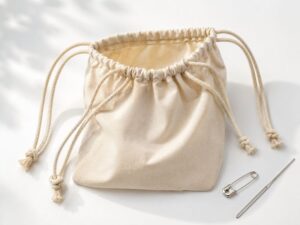
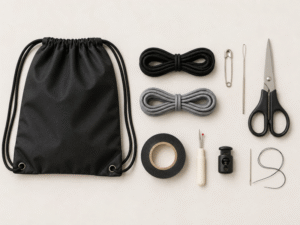
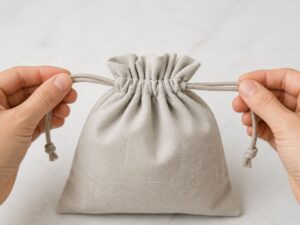
Make A Sample First?
If you have your own artwork, logo design files, or just an idea, please provide details about your project requirements, including preferred fabric, color, and customization options, we’re excited to assist you in bringing your custom bag designs to life through our sample production process.