 Skip to content

Best Types of Beach Bags: Waterproof, Mesh Totes, Resort Totes & Cooler Beach Bags — A B2B Guide to Materials, Features, Pricing, Custom Manufacturing, and Factory Sourcing
Beach bags look simple until you try to build a product line around them. On the surface, they are just oversized carry bags for towels, sunscreen, swimwear, snacks, and vacation extras. In actual retail and sourcing work, they split into very different product types, price bands, and expectations. A mesh beach tote solves sand and drying problems. A waterproof or water-resistant beach bag helps protect clothes, electronics, and car interiors from moisture. A resort tote is often less about rugged function and more about premium style, giftability, and retail display. A cooler beach bag moves into food-and-drink carry, which changes construction, insulation, and cleaning requirements. That means who treats all beach bags as one category will usually overbuy the wrong product, underbuild the right one, or mix materials and price logic in ways that hurt sell-through.
The best types of beach bags depend on where and how they will be used. Mesh beach totes are best for airflow and sand release. Waterproof or water-resistant beach bags are better for protecting contents from splashes and damp items. Resort totes fit boutique, hotel, and fashion-oriented channels. Cooler beach bags are best when food and drinks matter. For B2B , the strongest choice is usually the bag type that matches the target customer, price band, and selling channel, not the one with the most features. Recent guides and retail roundups consistently separate beach bags into these function-driven segments rather than treating them as one generic tote category.
This matters even more for brands, wholesalers, and private label because beach bags are often purchased with very specific use cases in mind. A family shopping for a full beach-day bag may want large capacity and easy cleaning. A resort gift shop may want a bag that looks elevated enough to justify a higher price. A travel retailer may prefer packable, lighter-weight options that fit into luggage easily. And a promotional may want a bag large enough for logo visibility while still controlling cost. Current public buying guides keep emphasizing different winners for budget, waterproof, family-size, packable, and style-led beach totes, which is a useful reminder that there is no single “best beach bag” for every market.
For Google SEO, this category is also more valuable than it first appears. It contains strong consumer-intent searches like best beach bags, waterproof beach tote, mesh beach bag, and cooler beach bag, but it also opens the door to higher-intent B2B searches such as custom beach bag manufacturer, private label resort tote, MOQ for custom cooler tote, and beach bag sample development. That makes it a strong category for independent sites that want to attract both category discovery traffic and real sourcing inquiries. A page built only around style recommendations will miss that opportunity. A page built only around factory claims will also feel thin. The stronger structure is to connect real user problems with real product engineering and sourcing logic.
This article is written with that exact goal. It does not treat beach bags as a casual summer accessory alone. It treats them as a category family with different material systems, carrying needs, retail roles, and manufacturing paths. If you are a brand owner, importer, retailer, wholesaler, or procurement team member trying to decide what kind of beach bag to develop or source next, this guide is meant to help you sort the category into practical decisions instead of vague trend language.
What Is a Beach Bag, and Which Type of Beach Bag Is Best for Different Markets?
A beach bag is not just a large tote. A real beach bag is built around sand, moisture, bulk carry, and easy-access use. The best type depends on the market: mesh works well for sand release and drying, waterproof or water-resistant totes work better for moisture protection, resort totes fit premium lifestyle channels, and cooler beach bags fit food-and-drink-heavy use cases. Current beach bag roundups consistently separate these formats by use rather than treating them as interchangeable.
A normal tote can survive a beach day. That does not make it a strong beach bag. The difference is less about the product name and more about the product behavior. A true beach bag is expected to handle oversized towels, wet swimwear, sandy toys, sunscreen leakage risk, and long carry periods between parking, pool, hotel, and shoreline. That changes what “good design” means. A city tote may be judged on shape and minimalism. A beach bag gets judged on access, cleanability, capacity, comfort, and whether it makes the user’s day easier instead of messier.
That is why the category keeps splitting into subtypes. Public guides and test-based product roundups routinely name different winners for different use cases, such as waterproof carry, budget carry, family-size storage, and packable travel utility. That pattern matters for B2B because it shows the market is no longer looking for one generic beach tote. The market is looking for a bag that fits a specific day pattern. A family needs bulk capacity. A solo traveler may prioritize packability. A resort gift shop may want something that looks aspirational. A beach picnic user may care more about insulation and easy wipe-down performance.
For retailers, this means merchandising should start with use case, not only silhouette. A shopper buying a mesh beach bag often wants air flow, quick drying, and less trapped sand. A shopper buying a waterproof beach bag is usually trying to protect belongings from splashes or isolate damp contents after the beach. A resort tote may care more about style, branding, and display appeal. A cooler beach bag often sees the bag less as fashion and more as a practical food-and-drink carrier. These are not cosmetic differences. They affect materials, closures, handles, pockets, branding choices, and price tolerance.
There is also a line-planning lesson here. who try to make one beach bag serve every scenario often create weak products. A bag built like a fashion tote may underperform as a sand-handling family carryall. A mesh bag that is perfect for towels and toys may frustrate users who want to protect books, cosmetics, or electronics. A cooler tote that performs thermally may feel too heavy or rigid for resort retail. The category sounds simple, but the wrong product-market match shows up fast in customer reviews and reorder performance.
A cleaner way to think about the market is this:
| Beach Bag Type | Strongest Market Fit | Main Customer Problem Solved |
|---|---|---|
| Mesh Tote | Family beach use, pool use, toy-heavy carry | Sand release and fast drying |
| Waterproof / Water-Resistant Tote | Travel, pool, mixed wet/dry carry | Moisture protection |
| Resort Tote | Boutique, hotel, premium retail | Style and gifting |
| Cooler Beach Bag | Picnic, group outings, drinks/food carry | Temperature retention |
This approach also improves SEO structure. Instead of writing one vague page about beach bags, a brand or factory can build content around use-case intent. That aligns better with how searchers actually shop and how actually source.
For private label programs, the best question is not “What is the best beach bag?” The better question is “What is the best beach bag for this customer, this channel, and this price band?” That shift tends to create stronger design briefs, better samples, and more stable reorders.
Are Waterproof Beach Bags Better Than Mesh Beach Totes for Retail and Private Label Sales?
Neither is universally better. Waterproof or water-resistant beach bags are better when protecting contents from moisture matters most. Mesh beach totes are better when sand release, airflow, and faster drying matter more. Current buying guides and bag-selection articles consistently present these two formats as solving different beach problems rather than competing on the same metric.
This comparison is one of the most commercially useful in the whole category because it sits at the center of real customer behavior. Shoppers do not usually type “waterproof vs mesh beach bag” because they love technical bag language. They type it because they are trying to solve a tradeoff. Do they want a bag that lets sand escape and wet items breathe, or one that shields contents from splashes and damp surfaces? From a product-development angle, this is not a small question. It changes the entire bag logic.
Mesh beach totes win when the day is likely to produce sand buildup, wet towels, and quick pack-and-go movement. Multiple beach bag guides highlight that mesh helps sand fall out more easily, dries faster, and feels lighter for general beach hauling. That is a strong retail story because it is easy to understand and easy to demonstrate. A mesh bag tells the customer, “This bag is made for messy beach conditions.” It also gives retailers a clear usage angle for families, pool users, and anyone carrying damp gear.
But mesh has its limits. The same openness that helps sand release also exposes smaller items more directly. Books, electronics, cosmetics, or loose accessories may feel less protected. Some consumers also read mesh as more casual and less premium. That matters if the product is being sold in a higher-end travel, boutique, or resort setting. A resort gift shop may not want its hero tote to look too utilitarian, even if the functional logic is strong.
Waterproof or water-resistant beach bags solve a different problem. Current guides repeatedly include “waterproof” or “water-resistant” bags as distinct product winners, which shows the demand is real. These bags appeal to shoppers who care about keeping dry clothes, phones, or car interiors protected from damp items and splashes. Waterproof-style bags also tend to feel more reassuring for travel because they create a clearer separation between wet and dry belongings. On the B2B side, this can be a stronger product for travel retail, poolside retail, and mixed-use carry where users go from beach to hotel room to car in one trip.
Material choice drives that difference. Public bag-making and waterproofing guides point repeatedly to PVC, TPU, vinyl, and coated fabrics as common solutions for waterproof carry or waterproof fabric systems, while mesh-based beach bag guides emphasize drainage and breathability instead. TPU is often described as lighter than PVC, while coated fabrics and vinyl-backed structures are commonly used where moisture blocking matters. For a private label , this means waterproof positioning is not just a marketing phrase. It requires a real construction decision.
A useful B2B comparison looks like this:
| Format | Strong Selling Point | Weak Point | Best Channel Fit |
|---|---|---|---|
| Mesh Tote | Sand release, airflow, quick dry | Less protection for small valuables | Family, pool, casual beach retail |
| Waterproof / Water-Resistant Tote | Protects contents, cleaner wet/dry management | May trap moisture if poorly vented; can cost more | Travel, premium utility, mixed-use retail |
The biggest mistake is turning this into a winner-takes-all debate. In many product lines, the smartest answer is not to choose one forever. It is to know which one should lead in which channel. A mass retailer may do well with a practical mesh family tote. A travel brand may prefer a coated or water-resistant zip tote. A resort boutique may use water-resistant fabric but keep the form and branding more elevated. A factory that understands these distinctions can help the avoid overbuilding the wrong product.
If your team is deciding between mesh beach totes and water-resistant or waterproof beach bags for a private label line, it usually helps to start from the user’s day pattern first: What are they carrying, what are they trying to protect, and what kind of retail story needs to be told? That usually leads to a better sample brief and a stronger finished product. info@jundongfactory.com
What Are the Best Types of Beach Bags for Travel, Pool Days, Resorts, and Family Beach Use?
The best beach bag changes by use case. Packable or water-resistant totes work well for travel, mesh or easy-clean totes work well for pool and sand-heavy use, resort totes work well for boutique and hotel retail, and large-capacity open-top or structured totes often fit family beach use best. Public product roundups repeatedly separate “best overall,” “family-size,” “packable,” and “style-led” options, which reflects real demand differences.
Travel users rarely want the same beach bag as a local family driving ten minutes to the shore. That sounds obvious, but many buying teams still build one beach bag as if all leisure customers behave the same way. They do not. Travel customers think about luggage space, airport movement, packability, and how the bag transitions between hotel, beach, and day-trip use. Family beach users often think about capacity first. Pool users care about wet item handling and fast cleanup. Resort customers are often buying in a more aspirational, gift-driven mood.
Travel-focused beach bags usually benefit from one of two directions. The first is a packable tote that folds or stores easily in luggage. The second is a water-resistant travel-ready tote that can separate damp use from the rest of the trip. Current travel-oriented guides regularly call out packability, ease of storage, and versatile carry as key beach-bag differentiators. That is a direct message for B2B : the travel beach bag should solve more than beach carry alone. It should also fit the logistics of travel.
Pool-day bags often reward easier-clean construction and moisture tolerance over deep structure. Unlike a full beach trip, poolside carrying may include fewer sandy items but more wet fabrics, sunscreen, flip-flops, and casual change items. A bag that wipes down easily, dries quickly, and does not trap damp odor too aggressively tends to perform better here. Mesh can work well. So can coated lightweight shells with simple interiors. The main point is that the bag should feel low-friction.
Family beach bags are their own category. Public guides repeatedly point out that larger totes work better for families and longer trips because they need to handle towels, toys, snacks, sunscreen, extra clothes, and sometimes wet items all at once. That suggests a bigger-capacity beach tote should be treated less like a fashion accessory and more like a structured carry tool. The handle system, opening width, and weight distribution start to matter a lot more here. A bag that looks fine in studio photos can become frustrating fast if it collapses badly or feels uncomfortable at full load.
Resort retail works differently. The customer is often buying in a vacation mindset, which means the bag may be part souvenir, part practical accessory, part fashion purchase. Here the product can justify more attention to visual language, branding, and display appeal. A resort tote does not always need the same rugged function cues as a family sand-hauler. It needs enough utility to feel real, but it also needs to feel elevated enough to fit a hotel or boutique environment.
This is why one “best beach bag” page often underperforms commercially. The stronger page or collection strategy is to show how different beach bags serve different day patterns. That supports both consumer understanding and B2B sourcing clarity. It also helps build stronger internal product architecture for brands planning multiple SKUs.
A useful channel map looks like this:
| Use Case | Best Bag Direction | What Matters Most |
|---|---|---|
| Travel | Packable or water-resistant tote | Foldability, versatility, lighter weight |
| Pool | Easy-clean mesh or coated tote | Moisture handling, quick cleanup |
| Family Beach Use | Larger-capacity structured tote | Volume, handle comfort, organization |
| Resort Retail | Elevated tote with stronger aesthetics | Style, gifting, premium impression |
The line-planning lesson is simple: do not ask one beach bag to satisfy all four. Ask each product to serve one use case clearly, then decide whether the line should widen based on channel needs.
Why Do Choose Resort Totes, and Who Should Sell Them?
choose resort totes because they combine beach or vacation utility with stronger style, gifting appeal, and retail presentation. They are especially well suited to hotel shops, boutique retail, premium private label brands, and travel-oriented lifestyle collections where a standard utilitarian beach bag may feel too basic. Current public roundups and retail guides consistently separate stylish totes from purely functional beach carry options, which supports this distinction.
A resort tote is not just a beach bag with a nicer name. It usually carries a different retail job. A conventional beach tote is often purchased for utility first: carry towels, contain sand, handle wet items, survive the day. A resort tote is more likely to be purchased in a mood closer to fashion, self-treat, gifting, or vacation indulgence. The customer may still use it for poolside and beach carry, but the purchase decision is less purely practical.
That difference matters because it changes how the product should be built and merchandised. A resort tote often benefits from stronger visual cohesion, better trim choices, and a cleaner brand story. It may not need insulation or heavy drainage logic. It may need shape, lining, softer premium cues, or more elevated logo execution. In other words, the resort tote often lives closer to vacation lifestyle retail than to hard-function beach gear.
Public style and shopping guides support this split by regularly highlighting bags that are chosen not only for utility but for appearance, versatility, and fashion fit. When beach bag roundups separate highly functional waterproof or family bags from more stylish tote options, they are effectively showing the same segmentation B2B need to understand. The resort tote customer does not want the exact same product as the parent who needs an oversized sand-and-snack haul bag.
So who should sell resort totes? First, hotel and resort gift shops. These benefit from products that look presentable in display settings and feel worthy of vacation-spending behavior. Second, boutique and lifestyle retailers that want a warmer-weather accessory with broader styling appeal. Third, premium private label brands building travel, summer, or capsule resort collections. Fourth, some corporate gifting and event programs, especially those tied to travel, hospitality, or destination branding, where a utilitarian mesh tote would feel off-position.
Resort totes also work well for branding because they usually offer room for tasteful customization without losing the product’s appeal. can use woven labels, embroidered marks, patch details, lining prints, or calmer logo treatments that feel more integrated than loud promotional printing. This is useful for private label programs trying to land between function and perceived value.
That said, the term “resort tote” can be overused. Some rename a standard beach tote and expect the product to magically sell for more. That rarely works for long. If the bag still feels rough, overly basic, or too promo-like, the market sees through it. The resort positioning has to be supported by product decisions. Material handfeel, handle comfort, surface finish, branding method, and overall visual restraint matter much more here.
A quick comparison helps:
| Product Type | Main Purchase Driver | Strongest Retail Context |
|---|---|---|
| Functional Beach Tote | Utility, volume, cleanup | Mass retail, family, casual travel |
| Resort Tote | Style, gifting, premium vacation mood | Hotel shops, boutiques, private label |
The real opportunity for is that resort totes do not need to abandon utility. They only need to rebalance it. Enough function to be believable. Enough style to feel special. That balance is what makes them commercially useful in higher-value channels.
If your team is planning a custom resort tote or a more premium private label beach bag line, it often helps to define the retail mood first, then build the function level around it rather than the other way around. info@jundongfactory.com
Which Materials Work Best for Waterproof Beach Bags, Mesh Totes, Resort Totes, and Cooler Beach Bags?
Different beach bag types need different material systems. Waterproof or water-resistant bags often rely on coated fabrics, PVC, TPU, vinyl, or treated shells. Mesh totes depend on breathable, sand-releasing mesh structures. Resort totes often need materials chosen for feel and appearance, while cooler beach bags need insulation layers and lining systems that support temperature retention and easier cleaning. Public manufacturing and buying guides consistently describe these material paths differently because the product jobs are different.
Materials are where many beach bag programs quietly succeed or fail. often start with category words like “waterproof,” “mesh,” or “resort,” but the product only becomes real when the material system supports that promise. A mesh tote that traps sand because the mesh is too closed or poorly arranged misses the point. A waterproof beach bag made from a shell that sounds technical but still leaks at construction points also misses the point. A resort tote built from a material with the wrong sheen or handfeel can feel cheaper than intended. A cooler beach bag without the right insulation and lining logic becomes little more than a thick tote with a misleading label.
For waterproof or water-resistant beach bags, public bag-making and waterproofing guides repeatedly mention PVC, TPU, vinyl, and coated fabric systems as common approaches. TPU is often described as lighter than PVC, while vinyl and coated canvas systems are widely used where water blocking matters. In B2B sourcing, the practical question is not only which material is waterproof on paper, but which combination of shell, coating, seam method, and closure makes the product believable for the target channel. A splash-resistant resort tote does not need the same build level as a more technical waterproof carry bag.
For mesh beach totes, the point is not waterproofing. It is air movement, sand release, and dry-down speed. Public beach bag guides and mesh-bag explainers repeatedly highlight that mesh lets sand fall through more easily and allows wet items to ventilate faster. That is the core reason choose it. The bag becomes easier to shake out, easier to air, and easier to repack after beach use. For families and pool users, that is a very strong product story.
For resort totes, the material decision often starts with appearance and handfeel, not only technical performance. The bag may still need some moisture tolerance, but it also has to look retail-ready in a higher-value environment. That often means material choices with cleaner surface behavior, better visual structure, and branding compatibility. The should ask: does this material look too sporty, too promo-like, or appropriately elevated? That question matters more in resort retail than in family-beach utility channels.
For cooler beach bags, the shell is only part of the story. Insulated bag guidance and cooler bag discussions commonly point to performance variability based on insulation quality, ambient temperature, and packing method. USDA guidance on insulated lunch bags underscores the broader principle that insulated carriers help maintain safer temperatures for perishable food over short periods, while consumer-oriented cooler-bag content often places cold-retention performance in a broad range depending on insulation, ice packs, and usage. For product developers, the key lesson is that cooler beach bags are system products: shell material, foam or insulation layer, lining, zipper or opening design, and cleaning logic all matter together.
A simple materials map helps:
| Beach Bag Type | Material Priorities | Why They Matter |
|---|---|---|
| Waterproof / Water-Resistant | Coated shell, PVC, TPU, vinyl, treated fabric | Moisture blocking and easy wipe-down |
| Mesh Tote | Open mesh structure with durable trim | Sand release, airflow, faster dry-down |
| Resort Tote | Strong handfeel, surface finish, branding-friendly shell | Premium appearance and display appeal |
| Cooler Beach Bag | Insulated wall structure, easy-clean lining, stable shell | Temperature retention and cleanup |
The biggest mistake is choosing material by keyword instead of by product promise. “Waterproof” should mean something in the finished bag. “Mesh” should improve the user’s cleanup and drying experience. “Resort” should feel elevated. “Cooler” should offer real thermal usefulness. When the material system actually supports the claim, the product story becomes easier to sell and easier to justify at the target price.
What Features Make a Beach Bag Easier to Sell and Easier to Use?
The most sellable beach bags usually combine easy access, comfortable carry, practical organization, moisture-aware design, and cleanup-friendly construction. Public buying guides repeatedly highlight features like zip closures, internal organization, bottle pockets, family-size capacity, packability, and washable or easy-clean materials as major differentiators because they directly affect how the bag performs during a real beach or pool day.
A beach bag becomes easier to sell when the customer can immediately understand why it fits their day better than a normal tote. That sounds obvious, but it is where many products fail. A lot of beach bags are developed as oversized totes with summer colors and very little function logic. They may photograph well, yet still underperform because the feature set does not reduce friction for the user. The strongest beach bags are not necessarily the most technical. They are usually the clearest. They give the customer an easy answer to a practical question: Will this make my beach, pool, or resort day simpler?
Current buying guides make that pattern easy to see. Editors repeatedly separate out bags based on family size, packability, waterproofing, organization, and style, rather than treating every beach tote as equivalent. That means the market has already moved beyond “big bag with handles” thinking. The beach bag is now comparing details: whether the top stays open too easily, whether the bag can isolate wet items, whether bottle pockets are actually useful, whether the base collapses badly when loaded, and whether the bag can be cleaned without too much effort.
For B2B , this matters because features influence not only user satisfaction but also merchandising language, conversion rate, review quality, and return risk. A zip closure helps some customers feel safer carrying phones, wallets, and sunscreen during travel or crowded pool settings. A structured base can help larger totes hold shape under towels and toys. Wet/dry separation can be a strong selling point for mixed-use travel or hotel-to-beach transitions. Bottle pockets and easy-clean linings sound small, but they often turn a generic bag into a category-specific product.
A useful way to evaluate beach bag features is to split them into three layers:
| Feature Layer | What It Includes | Why It Matters |
|---|---|---|
| Access & Carry | Opening width, zipper, handle drop, shoulder comfort | Determines whether the bag feels easy or annoying in daily use |
| Organization | Pockets, bottle sleeves, wet/dry zones, key clips | Helps the bag solve real carry problems |
| Cleanup & Durability | Easy-clean shell, mesh drainage, moisture tolerance, stronger base | Affects long-term usability and reviews |
Access and carry come first because they shape the first physical experience. A beach bag can have great capacity and still feel frustrating if the opening is too floppy, too narrow, or too exposed. Handle drop matters too. Long handles can feel easier over the shoulder, but if they are too long, the bag may become awkward when heavily loaded. Short handles may look neater in retail display but can reduce comfort when the bag is actually full. For larger family beach totes, this tradeoff becomes especially visible. A bag that is marketed around capacity must also be built around loaded carry comfort, or the promise becomes incomplete.
Organization is where many teams either overbuild or underbuild. Too little organization and the product feels underdesigned. Too much, and the bag becomes visually busy, heavier, and more expensive without increasing usefulness. The best beach bags usually reflect the user’s carry pattern. A family tote may need broad internal volume, bottle sleeves, and maybe one zip pocket for valuables. A travel-oriented beach bag may benefit from a wet/dry division or a more secure top closure. A resort tote might need much lighter organization because the shopper is buying partly for style. The correct feature set depends on the product’s job.
Cleanup and durability are especially important in beach categories because the environment is hard on bags. Sand, salt, sunscreen residue, drinks, and damp textiles create wear in ways a city tote never sees. That is why public roundups repeatedly reward bags that are easy to shake out, rinse, wipe, or air dry. An easy-clean shell or mesh body can become a real commercial advantage because it directly supports repeat use.
There is also a useful distinction between features that look good in listings and features that perform well in real use. should not assume they are the same. For example, external pockets photograph nicely, but if they are shallow or badly placed, they may not help much. A zipper can sound reassuring, but if the opening becomes too stiff or too narrow, it may frustrate the user. A foldable beach bag sounds attractive for travel, but if the bag loses all shape when opened, it may feel less premium in person. That is why feature decisions should be tested through samples and on-body use, not only through trend language.
For brands and factories, the commercial lesson is simple: add features that make the user’s day easier, and explain them in clear language. The most powerful beach bag features are often the ones that remove small daily annoyances. That is exactly the kind of detail customers remember — and exactly the kind of detail that helps a product line earn stronger reviews and steadier reorders.
How Do Cooler Beach Bags Work, and Are They Worth Adding to a Product Line?
Cooler beach bags work by combining a carry bag shell with an insulated wall structure and easy-clean inner lining that helps slow temperature change for drinks, snacks, and picnic items. They are often worth adding when the target customer includes families, group outings, picnic users, beach day planners, and travel customers who bring food and beverages. Food-safety guidance and consumer cooler-bag content both reinforce that insulated bags can help hold colder temperatures for limited periods, but performance varies based on insulation, ice packs, ambient heat, and opening frequency.
A cooler beach bag is one of the most commercially interesting subtypes in the category because it changes the customer’s reason to buy. A normal beach tote helps carry beach-day essentials. A cooler tote adds a stronger food-and-drink use case, which can increase perceived usefulness and sometimes justify a higher price. That does not mean every brand should add one. It means the subtype deserves serious attention if the target user’s day includes snacks, cold drinks, picnic setups, kids’ lunches, or longer outdoor stays.
The basic construction logic is different from an ordinary tote. Public guidance on insulated lunch bags and soft coolers makes the principle clear: cold retention depends on a barrier system, not just on thicker fabric. The outer shell provides structure and handling, the middle layer provides insulation, and the inner lining supports wipe-down cleaning and moisture management. USDA consumer guidance on insulated lunch bags emphasizes pairing insulation with cold sources and keeping perishable foods in safe temperature ranges, which is a useful reminder that cooler bags are assistive systems, not magic containers. Consumer cooler-bag comparisons say the same thing in practical terms: performance changes significantly depending on how full the bag is, whether ice packs are used, outside temperature, and how often the bag gets opened.
That is important for product developers because “cooler” is easy to overpromise. A soft insulated beach bag should usually be marketed around short-duration cooling support and convenient cold carry, not as if it replaces a hard cooler in all conditions. The safest product-positioning logic is to describe what the bag is genuinely strong at: carrying beach-day drinks, fruit, sandwiches, and small perishables for a few hours with the right ice support. That is a believable promise and a commercially useful one.
This subtype makes sense when the target shopper’s behavior supports it. Families with children, group beach users, picnic-style outings, boating-adjacent leisure, and car-to-shore customers often see obvious value in a softer cooler tote. A resort gift shop might not lead with insulated carry unless the local customer pattern supports it. A travel brand with a practical outdoor focus might find it highly useful. The key is whether cold carry is a real purchase driver in that channel.
A useful assessment looks like this:
| / Channel | Cooler Bag Relevance | Why |
|---|---|---|
| Family Beach Retail | High | Food, drinks, kids, long beach stays |
| Picnic / Outdoor Casual | High | Mixed-use leisure carry |
| Travel Retail | Medium to High | Day trips and car travel support |
| Boutique Resort Retail | Medium | Depends on local use pattern and merchandising style |
| Style-Led Fashion Retail | Low to Medium | Only works if design and function align convincingly |
The structure also changes sourcing questions. need to think about insulation thickness, lining cleanup, zipper sealing behavior, and whether the bag should still retain enough flexibility to feel beach-appropriate. A cooler beach bag that becomes too boxy may feel cumbersome. One that is too soft may lose thermal usefulness. The right balance depends on the size target and customer expectation.
From a merchandising standpoint, cooler beach bags can strengthen a line because they diversify the category without leaving it. A brand that already offers a mesh tote or resort tote can add a cooler beach bag as a more functional extension rather than as a completely unrelated product family. This is often good for SEO too, because “cooler beach bag” and related queries have distinct problem-solving intent.
If your customer set includes family beach use, group outings, travel day trips, or picnic-style leisure, cooler beach bags are often worth testing — but only if the product’s insulation promise, cleanability, and capacity are defined honestly. info@jundongfactory.com
How Do Custom Beach Bag Manufacturing and Private Label Development Work?
Custom beach bag development usually moves through briefing, reference review, material alignment, pattern development, sample creation, revision, pre-production approval, bulk production, QC, and shipment. The smoother this process runs, the more likely the bag will actually match the target market instead of becoming a generic tote with a seasonal label. Sourcing guides and custom-bag development content consistently show that clear specifications, material choice, and sample control shape the outcome more than the bag size itself.
Beach bags are easy to underestimate in development because they look simple. often assume a tote-sized product should move quickly from idea to production. Sometimes it does. But the product becomes much harder once the brand wants it to solve a specific use case: release sand, isolate wet items, support resort retail, pack flat for travel, or keep drinks cooler for longer. At that point, the bag is no longer a simple tote. It becomes a purpose-built carry solution.
The process begins with the brief, and this is where many projects either become smooth or become wasteful. A vague brief like “custom beach bag with logo” does not tell the factory enough. The supplier still needs to know the target channel, intended customer, bag type, preferred material direction, quantity level, and whether the product is more fashion-led, family-oriented, travel-ready, or event/gift oriented. That commercial context shapes nearly every later decision.
A stronger brief often includes:
| Brief Element | Why It Matters |
|---|---|
| Target channel | Helps define style, feature level, and packaging |
| Use case | Shapes body size, pocket logic, closure type, and materials |
| Reference images or sample | Clarifies silhouette and construction direction |
| Material preference | Narrows price range and product feel |
| Branding method | Impacts cost, appearance, and production path |
| MOQ expectation | Helps the factory recommend realistic solutions |
Once the brief is understood, the factory usually moves into material and construction discussion. This is where a good supplier adds value. For example, the may want a “waterproof beach bag,” but the factory may need to clarify whether the bag must resist splashes, isolate wet towels, or act more like a technical waterproof carry. Those are different construction targets. Or the may ask for a resort tote with premium visual feel, but the first material choice may look too sporty or too promotional. This kind of clarification helps avoid expensive mistakes in the first sample.
Then comes sample development. This stage should answer real questions, not just produce a pretty mockup. Does the opening feel wide enough? Does the mesh behave the way the expected? Does the coated shell look too shiny? Do the straps sit comfortably when the bag is loaded? Does the cooler version feel too rigid? Does the resort version feel too casual? Those are the questions samples are for.
Many beach bag programs also benefit from testing the real logo method during sampling rather than adding it later. A woven label, embroidery, patch, print, deboss, or custom hangtag can change the perceived market position of the bag more than expect. On larger tote bodies, branding scale becomes even more important because there is so much visible surface area.
After revision and approval, the project should move into a tighter pre-production lock: material references, trim list, size tolerances, logo position, and packaging details should all be confirmed. This is especially important if the hopes to reorder successfully later. A beach bag may look simple, but handle drop, shell feel, and print size can drift if the first project is not documented well.
The core lesson is that strong private label beach bag development is not about adding endless features. It is about aligning the bag’s structure and finish with the reason the customer will buy it. A mesh beach tote should act like a good mesh beach tote. A resort tote should feel premium enough for its retail context. A cooler beach bag should support real chilled carry. Once that logic is clear, the development process becomes far easier to manage.
What Is the Typical MOQ for Custom Beach Bags, and How Do Low-MOQ Orders Really Work?
MOQ depends on development level, material complexity, size, trim customization, packaging, and color splitting. A stock-style beach tote with simple branding can often start at a lower MOQ than a fully custom cooler bag, resort tote, or heavily modified waterproof carry style. Custom sourcing guidance across bag categories consistently points to the same principle: “low MOQ” is easiest when the build stays closer to standard components and simpler production logic.
MOQ causes confusion because often ask for one number when they really need a structure. A factory does not have one magic MOQ for “beach bags.” The workable quantity changes depending on whether the order uses an existing shape, a standard handle system, a simple printed logo, a more advanced insulated build, or premium custom packaging. A mesh tote with woven label is not the same production problem as a fully insulated cooler beach bag with branded lining and retail pack-out.
The easiest way to understand MOQ is to divide projects into three broad levels:
| Project Type | MOQ Flexibility | What Makes It Easier or Harder |
|---|---|---|
| Stock style + logo | Higher flexibility | Existing pattern, standard trim, simple branding |
| Modified stock style | Medium flexibility | Some custom pockets, material changes, or branding upgrades |
| Fully custom beach bag | Lower flexibility | New pattern, special materials, unique trim, retail packaging |
Low MOQ usually becomes more realistic when the bag uses familiar production elements: standard handles, common shell materials, fewer colorways, and branding methods that fit normal workflows. MOQ tends to rise when asks for custom hardware, many color splits, upgraded pack-out, more complicated insulation systems, or highly controlled materials that have their own sourcing minimums.
This is especially relevant for cooler bags and resort totes. A cooler bag may require thicker wall structure, specific lining, or more complicated assembly steps. A resort tote may need better-finished materials and more refined branding, which can also change the economic logic. That does not mean small orders are impossible. It means the should not compare all beach bags as if they behave the same in production.
One of the healthiest ways for smaller brands to manage MOQ is to simplify only the parts that do not damage the product idea. For example, keep the shell and silhouette strong, but start with a standard zipper pull instead of a custom molded one. Use one or two core colors instead of five. Choose packaging that is clean but not overbuilt. These choices often keep the product commercially strong while making lower quantities much more realistic.
A stage-based view helps:
| Stage | MOQ Strategy |
|---|---|
| First test | Keep structure and SKU count simpler |
| Early growth | Add selective custom details that strengthen identity |
| Established program | Use higher MOQ to improve cost and reorder efficiency |
There is also a useful mindset shift here: the lowest MOQ is not always the lowest-risk decision. A very small run of the wrong product can still lose money if the bag lacks market fit. A slightly larger run of a better-defined product may have lower total commercial risk. should balance MOQ with confidence in the style, the channel, and the reorder potential.
For serious product planning, it is usually smarter to ask the factory:
What is the minimum MOQ?
and also
What MOQ gives the strongest cost and most stable execution?
Those two answers are often different, and the second one is usually more useful.
How Much Does a Custom Beach Bag Cost, and What Factors Change the Price?
Custom beach bag pricing is shaped mainly by material system, bag size, construction complexity, handle structure, branding method, quantity, insulation needs, and packaging. Public market guides and product comparisons show a wide range of beach bag types precisely because these variables change the perceived value and build level significantly.
Price questions sound simple, but beach bags sit across a very wide spread of product logic. A low-cost promotional beach tote, a large family mesh bag, a premium resort tote, and an insulated cooler beach bag do not belong in the same pricing conversation unless the breaks down what is actually driving cost.
The largest price drivers usually include:
| Cost Driver | Why It Changes Price |
|---|---|
| Shell material | Mesh, coated shells, resort-grade fabrics, and clear or insulated systems behave differently |
| Bag size | Larger totes require more material, more support, and sometimes stronger handles |
| Construction | Pockets, structured bases, linings, and wet/dry systems increase labor |
| Insulation | Cooler bags need more layers and more controlled assembly |
| Branding method | Print, embroidery, patch, woven label, custom zipper pull, and packaging all change cost |
| Quantity | Higher volume usually improves unit economics |
| Packaging | Retail inserts, tags, barcodes, and presentation packs add landed cost |
Public shopping guides make it clear that beach bags already occupy multiple consumer price tiers — from simpler value totes to more premium travel or style-led options. That matters for B2B because the factory cost should be interpreted relative to the retail or wholesale position the product is aiming for, not as a standalone number.
Material is often the first big lever. A standard mesh tote may be priced very differently from a coated water-resistant tote, and both may be priced very differently from a resort tote chosen for premium visual handfeel. Cooler beach bags usually move higher because insulation and lining add both material and labor logic. who ask for a broad “beach bag quote” without specifying the exact format often get numbers that are too rough to use well.
Branding also changes the equation. A simple printed logo on a stock-style tote is a very different project from a private label resort bag with custom woven labels, branded lining, hangtags, and a more refined packaging setup. One of the easiest ways for to understand price is to request tiered versions rather than one isolated quote:
| Price Tier | Typical Build Logic |
|---|---|
| Entry / promo | Standard tote, simpler shell, printed logo |
| Mid retail | Better material, stronger organization, cleaner finish |
| Premium / private label | Refined shell, stronger branding, upgraded packaging |
| Cooler / technical utility | Insulation layers, wipeable lining, more complex build |
This approach makes internal decision-making easier too. Sales, brand, and sourcing teams can compare what the customer will likely perceive versus what the product will actually cost.
The key lesson is that beach bag pricing should be read as a system, not a headline number. who define the type clearly, request quantity breaks, and ask how material or branding changes affect the quote usually get much more useful commercial information.
If you are planning a custom beach tote, resort tote, or cooler beach bag and need a clearer cost comparison across build levels, it helps to quote more than one version at the start instead of forcing the factory to guess which level you really need. info@jundongfactory.com
When Should Ask for a Sample, and What Should They Check Before Bulk Production?
should ask for samples whenever there is meaningful uncertainty around size, carry comfort, material feel, moisture performance, insulation, organization, or branding quality. The sample review should test the bag not only visually, but in realistic use: loaded carry, handle comfort, opening behavior, cleanup, and function-specific performance. Sampling guidance across bag sourcing consistently shows that real sample evaluation reduces bulk errors and reorder problems.
A beach bag sample should do more than confirm color. It should answer whether the bag actually behaves like the product being promised. That is especially important in this category because “beach bag” can mean so many different things. A family tote must carry comfortably when loaded. A mesh bag must release sand and dry reasonably well. A resort tote must feel right in hand and on display. A cooler bag must be checked for its insulation build, lining cleanup, and overall carrying practicality.
There are usually three useful sample types:
| Sample Type | Main Purpose |
|---|---|
| Stock sample | Review general workmanship or a known base style |
| Custom sample | Test the ’s actual design, material, and branding direction |
| Pre-production sample (PPS) | Lock the final standard before mass production |
The sample should be reviewed in context. Put towels inside. Add bottles. Simulate the weight. Check whether the handles cut into the hand or shoulder. Test whether the mouth of the bag stays usable when full. If it is a cooler bag, test lining access and wipe-down ease. If it is a mesh bag, check whether the mesh feels too open, too weak, or too rough. If it is a resort tote, evaluate whether the handfeel and finish are strong enough for the intended retail environment.
A simple review framework helps:
| Review Area | What to Check |
|---|---|
| Capacity | Does the bag actually fit the intended use load? |
| Carry comfort | Are the handles comfortable at realistic weight? |
| Material feel | Does it look and feel right for the target price? |
| Function performance | Wet/dry logic, mesh behavior, insulation, organization |
| Branding | Logo size, placement, and finish quality |
| Visual balance | Does the bag look right when empty and when loaded? |
Many bulk problems start because the sample was approved too casually. “Looks good” is not enough. The stronger approval question is: does this bag perform like the product we want customers to buy? That is the standard that protects quality, positioning, and reorders.
Which Manufacturer or Factory Is Best for Custom Beach Bags, and How Should Compare Suppliers?
The best factory is the one that can understand the intended beach-bag subtype, sample it accurately, recommend workable materials, manage the right MOQ, and keep quality stable across production and reorders. Sourcing guidance on custom bags repeatedly points to the same pattern: a factory that asks better early questions often becomes a safer long-term partner than one that only sends a fast rough quote.
Factory selection is especially important in beach bags because the category sounds easier than it really is. Many suppliers can produce a tote. Fewer can produce the right mesh tote, the right waterproof beach bag, the right resort tote, or the right insulated cooler tote for the intended market. That distinction matters a lot.
A useful supplier comparison framework looks like this:
| Supplier Checkpoint | Why It Matters |
|---|---|
| Subtype understanding | Can they tell the difference between mesh, waterproof, resort, and cooler logic? |
| Sampling accuracy | Can they turn references into usable products? |
| Material guidance | Can they match build level to target price and market? |
| MOQ realism | Do they understand what is workable, not just what sounds attractive? |
| QC discipline | Can they protect consistency in larger runs? |
| Reorder stability | Will the product stay the same later? |
| Communication quality | Do they ask the right questions and explain tradeoffs clearly? |
One of the best signals is how the factory behaves before sampling. Do they ask about channel, user, and use case? Do they challenge unclear waterproof claims? Do they distinguish between a resort tote and a family haul bag? Do they explain insulation tradeoffs on cooler bags? Those questions show whether the factory is thinking about the product commercially, not just mechanically.
It also helps to compare suppliers by fit, not only by ability. A factory strong in basic promotional totes may not be the best fit for a premium resort collection. A factory comfortable with coated utility carry may be a stronger fit for waterproof beach bags. A supplier experienced in lining, insulation, and food-carry style construction may be much better at cooler beach bags. Matching supplier strength to product subtype often creates better outcomes than choosing the cheapest generalist.
The strongest supplier relationships also improve the project itself. They help simplify where it makes sense, add value where the customer will notice it, and protect the product standard for reorders. That matters more over time than whether the first quote was marginally lower.
How Can Brands, Retailers, and Importers Build a Profitable Beach Bag Line With the Right Factory?
A profitable beach bag line usually starts with clear channel logic, a focused product ladder, selective customization, and a factory that can hold the spec over time. The strongest lines are rarely the widest at the beginning. They are the clearest. Public beach bag shopping and recommendation content already shows the market segmenting strongly by use — family, waterproof, stylish, packable, insulated — which is exactly the pattern B2B can use to build smarter collections.
The easiest mistake is to build a beach bag line by category name alone. “Let’s launch beach bags” is not enough. A better starting point is: Which kind of beach day are we serving? That question helps narrow the product ladder.
A useful beach bag line may look like this:
| Line Position | Commercial Role |
|---|---|
| Core mesh family tote | High-utility volume driver |
| Water-resistant travel tote | Mid-tier functional extension |
| Resort tote | Higher-margin style and gifting option |
| Cooler beach bag | Practical extension for food-and-drink-heavy users |
That structure works because each product has a clear reason to exist. It also supports better SEO, merchandising, and pricing discipline. The brand can explain each product with a stronger use-case story instead of forcing every SKU to claim everything.
Profit usually improves when the places value in the parts customers actually notice. On one line, that may mean handle comfort and wipe-clean shell performance. On another, it may mean better resort-style branding and packaging. On a cooler bag, it may mean lining cleanup and practical insulation. often hurt margin by spending in the wrong places — adding decorative features instead of improving the few details that actually affect sell-through and reviews.
The right factory helps prevent that. It supports the in building a line that is commercially coherent instead of visually random. It keeps repeatable elements standardized and applies customization where it matters most. It also protects reorder health, which is where many profitable accessory lines either become easier or become messy.
A beach bag line becomes more durable when:
- each SKU has a clear customer use case
- the materials genuinely support the product promise
- the sample process answers real function questions
- MOQ and build level match the brand stage
- the factory can hold details consistently on reorders
That is why beach bags are more than a seasonal add-on. For the right , they are a flexible category family that can support travel, resort, family, and utility retail with relatively manageable development complexity — if the line is built with clear logic.
If your brand or buying team is building a custom beach bag collection and wants to compare materials, MOQ, samples, and private label options across waterproof totes, mesh bags, resort totes, or cooler beach bags, you can contact Jundong at info@jundongfactory.com for development discussion and quotation.
FAQ 1: How Can Choose the Right Beach Bag Material for Their Target Market?
Choosing the right material for a beach bag is critical because material directly affects durability, feel, water resistance, sand release, weight, and brand perception. B2B , retailers, and private label brands must evaluate materials not only for function but also for market positioning. The wrong material can hurt resale potential, increase returns, and make the product feel cheap or unsuitable for the intended use.
Dive Deeper: The selection process begins with understanding the primary use-case: family beach trips, travel, resort retail, or picnic-style outings. Each scenario emphasizes different material properties:
- Mesh Totes: Lightweight, breathable, ideal for sand release and quick-drying towels. Suitable for family and poolside markets where utility is prioritized.
- Waterproof/Water-Resistant Fabrics (PVC, TPU, coated canvas): Protects contents from moisture and splashes. Often more appealing for travel retail and high-value private label lines.
- Resort Totes: Focused on appearance, hand-feel, and brand presentation. Soft, premium fabrics, polished finishes, or subtle coatings often enhance the perceived value.
- Cooler Beach Bags: Require multi-layer insulated walls and easy-clean linings for temperature retention. Material quality affects both thermal performance and cleaning ease.
| Bag Type | Recommended Material | Primary Advantage | Considerations |
|---|---|---|---|
| Mesh Tote | Polyester / Nylon mesh | Quick dry, sand release | Less moisture protection |
| Waterproof Tote | PVC / TPU / Coated canvas | Water resistance | Can feel heavier, needs seam reinforcement |
| Resort Tote | Canvas, Soft PU, premium fabrics | Appearance & touch | Must balance durability and premium feel |
| Cooler Tote | Outer Shell + Insulation + Lining | Thermal retention | Must maintain flexibility & easy cleaning |
Material choice should also consider weight, cost, durability, and cleaning requirements. B2B often request samples before finalizing materials to verify functionality and appearance. A factory experienced in multiple material systems can advise which materials work best for each type, ensuring the final product matches both market expectations and price positioning.
For procurement inquiries, suppliers like Jundong Factory provide detailed material recommendations, sample testing, and custom options tailored to market segments. Interested can contact info@jundongfactory.com for material consultation and sample requests.
FAQ 2: What Is the Typical MOQ for Custom Beach Bags and How Can Small Brands Manage It?
Minimum Order Quantity (MOQ) is often the key barrier for small brands or startups entering the beach bag market. The MOQ varies depending on bag type, material complexity, customization level, and production process. Understanding the factors influencing MOQ is essential to make cost-effective decisions and prevent overstocking or product misalignment.
Dive Deeper: MOQ depends on three main elements:
- Bag Complexity: Mesh totes usually allow smaller orders because they use simple sewing and common materials. Waterproof totes, resort totes, and insulated cooler bags involve more complex materials, multiple layers, and specialized trims, increasing production minimums.
- Customization Level: Adding private label logos, embroidery, or specialized lining can significantly increase MOQ because suppliers need to allocate tooling, stamps, or embroidery templates.
- Factory Production Process: Factories with automated production lines can often lower MOQs for standard tote designs, but fully custom designs require higher batch sizes to optimize labor and materials usage.
| Bag Type | Typical MOQ Range | Notes |
|---|---|---|
| Stock Mesh Tote + Logo | 100–300 pcs | Lower MOQ, fewer setup requirements |
| Waterproof Tote Custom | 300–500 pcs | Coating, seam sealing, and closures affect MOQ |
| Resort Tote | 200–400 pcs | Premium fabric & finishing increases batch size |
| Cooler Tote | 500–1000 pcs | Multi-layer insulation adds complexity |
Strategies for small brands:
- Choose stock base styles with minor modifications (color, logo) to lower MOQ.
- Request tiered options (e.g., MOQ for 1 color vs 3 colors) to see how quantities affect unit cost.
- Work with experienced factories that provide flexible MOQs and clear production timelines.
Impact on profitability: Correct MOQ planning ensures lower inventory risk, manageable cash flow, and higher margins for reorders. Brands that miscalculate MOQ often face unsellable stock or high unit costs. seeking custom low-MOQ beach bags can consult experienced suppliers like Jundong Factory for options and pricing guidance at info@jundongfactory.com.
FAQ 3: How Should Evaluate a Factory for Producing Custom Beach Bags?
Evaluating a factory is more than checking price. The right factory ensures material expertise, quality control, accurate sampling, flexible MOQ, and stable reorder capability. For B2B and private label brands, factory selection directly influences product quality, market success, and brand reputation.
Dive Deeper: Key considerations for factory evaluation:
- Material Expertise: Does the factory understand mesh, waterproof, resort, and cooler bag materials? Are they capable of recommending alternatives when material supply is limited?
- Sampling Capability: Can the factory create accurate prototypes reflecting real-world use? Are multiple revisions handled efficiently?
- Quality Control: Are there documented QC checkpoints from material inspection, in-process sewing, final inspection, and packing?
- MOQ & Production Flexibility: Can they handle smaller or mid-size runs for startups while scaling for larger bulk orders?
- Experience with Branding & Packaging: Can they handle embroidery, woven labels, debossing, or custom hangtags as per private label requirements?
- Reorder Consistency: Will the factory maintain specifications over multiple production cycles, minimizing variation?
| Evaluation Area | Key Question | Impact on Product |
|---|---|---|
| Material Expertise | Can they advise on waterproofing, mesh density, insulation? | Influences durability, user satisfaction |
| Sampling | Do they produce realistic prototypes? | Reduces production errors, improves approval process |
| QC & Consistency | Are checks documented? | Affects returns, reviews, and reorder stability |
| Branding & Packaging | Can they produce complex customizations? | Impacts perceived product value |
| MOQ & Scalability | Can they manage low to high volume? | Balances cost efficiency and startup feasibility |
Selecting the right factory not only ensures product quality and delivery reliability but also positions the brand for smooth reorders, competitive pricing, and long-term growth. considering custom beach bags can contact Jundong Factory at info@jundongfactory.com to discuss capability, MOQ, and sample development.
FAQ 4: What Features Make a Beach Bag More Appealing to Customers and Easier to Sell?
The most appealing beach bags combine comfort, easy access, organization, durability, moisture management, and cleanability. Features such as zip closures, wet/dry compartments, bottle holders, structured bases, lightweight designs, and easy-clean linings directly impact user experience and commercial success. B2B , private label brands, and retailers should select features aligned with their target customer’s day-to-day needs, not just trends.
Dive Deeper: Features are often underestimated by first-time who focus only on size or aesthetics. A large tote with poor access or flimsy handles can feel frustrating even if it photographs well. Well-considered features improve usability, enhance perceived value, and reduce returns.
Key Feature Categories:
| Feature Type | What to Check | Commercial Impact |
|---|---|---|
| Carry & Comfort | Handle drop, shoulder straps, weight distribution | Improves user satisfaction, reduces complaints |
| Organization | Pockets, bottle holders, wet/dry zones, internal dividers | Helps users find items easily, increases perceived utility |
| Durability & Cleanability | Reinforced base, washable or wipeable materials | Reduces product failures, increases longevity |
| Safety & Security | Zip closures, secure fastening points | Protects valuables, boosts confidence in the purchase |
Example: A family-focused mesh tote may benefit from a large internal compartment, a small zippered pocket for keys, and reinforced handles. A resort tote may prioritize smooth, polished handles, minimal but elegant pockets, and premium lining to enhance giftability. Cooler beach bags require insulated compartments, water-resistant lining, and sturdy closures to prevent leakage.
By aligning features to use cases, can position the product effectively for their channel — whether family beach, travel, resort, or gift market. Thoughtful features also enhance the private label value, helping the brand differentiate from generic beach totes in e-commerce and retail.
For detailed feature guidance and customized beach bag development, B2B can contact info@jundongfactory.com to discuss functional requirements, sample creation, and material selection.
FAQ 5: How Do Cooler Beach Bags Work, and When Should Add Them to Their Product Line?
Cooler beach bags integrate a structured outer shell, insulating layer, and easy-clean lining to maintain temperature for drinks and snacks. They are most relevant for families, group outings, picnic users, and travelers who carry food and beverages. B2B should consider cooler bags if these use cases align with their target channels, as they justify higher perceived value and pricing.
Dive Deeper: Cooler beach bags are technically more complex than regular beach totes because they combine multiple material layers and functionality systems.
- Outer shell: Provides structure, durability, and style. Must be water-resistant for damp environments.
- Insulation layer: Foam or thermal padding slows temperature change, keeps drinks cold, and ensures short-term food safety.
- Inner lining: Easy to wipe, moisture-resistant, and able to withstand spills.
| Cooler Bag Component | Purpose | Considerations |
|---|---|---|
| Outer shell | Shape and durability | Material weight, color, style |
| Insulation | Temperature retention | Thickness, foam type, duration of cooling |
| Lining | Hygiene and cleanup | Ease of cleaning, resistance to moisture and odors |
| Closure | Zippers or Velcro | Prevent leaks, ease of use |
Adding a cooler bag is strategic. They are ideal for channels where functional utility is a buying trigger, such as family-oriented retailers, vacation resorts, and outdoor lifestyle brands. Conversely, for boutique fashion-only retailers, a cooler tote may be less relevant unless combined with style-led materials.
Proper design ensures that cooler bags remain functional without being cumbersome, balancing thermal performance with portability. Poorly designed insulated totes can be heavy, rigid, or difficult to carry — decreasing customer satisfaction and increasing returns.
B2B seeking cooler beach bags with private label customization or small MOQ options can work with experienced manufacturers like Jundong Factory. The factory can advise on insulation methods, lining choice, and customization options for each channel. Contact info@jundongfactory.com for detailed consultation.
FAQ 6: How Does the Custom Beach Bag Manufacturing Process Work, and What Should Expect?
Custom beach bag manufacturing follows a structured path: concept → reference review → material selection → pattern development → sample creation → revisions → pre-production approval → bulk production → QC → shipment. B2B should expect multiple iterations, especially when handling specialized materials (mesh, waterproof coatings, insulated layers) or private label branding. Proper planning reduces errors, shortens timelines, and ensures repeatable quality.
Dive Deeper: The process begins with a clear brief. A vague requirement such as “custom beach bag with logo” is insufficient. A comprehensive brief includes: intended market, bag subtype (mesh, waterproof, resort, cooler), material preferences, colorways, logo method, packaging, and anticipated quantity.
Once the factory understands the brief, material sourcing and pattern development follow. The chosen materials must meet functional and aesthetic requirements for the target market. Pattern development ensures that sizing, internal organization, and handle placements are optimized for usability and appearance.
Sample development is critical. Multiple rounds may be necessary to verify functionality, material feel, handle comfort, wet/dry separation, insulation, and branding application. A poorly reviewed sample increases risk for bulk production issues, including misaligned seams, poor closure performance, or inconsistent insulation.
Before mass production, should conduct a pre-production sample (PPS) review. This locks all details: materials, trims, logos, stitching tolerances, color matching, and packaging instructions.
| Stage | Actions | Factory Responsibility |
|---|---|---|
| Brief | Define market, type, material, logo, quantity | Assess feasibility, recommend adjustments |
| Material Selection | Approve or suggest alternatives | Source and verify materials |
| Pattern Development | Approve design | Ensure proper fit, handles, compartments |
| Sample Creation | Test performance | Produce sample according to brief |
| Revision | Provide feedback | Implement changes |
| Pre-Production Sample | Final approval | Lock design for bulk |
| Bulk Production | Monitor | Execute with QC checkpoints |
| Quality Control | Inspect | Verify compliance before shipping |
| Shipment | Confirm logistics | Deliver on schedule |
An experienced manufacturer such as Jundong Factory can guide through each step efficiently, ensuring private label, small MOQ, and functional customization align with market expectations. Interested B2B can reach out to info@jundongfactory.com to discuss full-service production, sample creation, and cost-efficient batch planning.
FAQ 7: How Can Ensure Consistent Quality Across Bulk Beach Bag Orders?
Ensuring consistent quality across bulk orders requires rigorous quality control (QC) processes, clear specifications, and reliable factory communication. In beach bag manufacturing, subtle differences in material thickness, handle strength, stitching, lining, and closures can impact durability, performance, and customer satisfaction. B2B must integrate inspection checkpoints and standardized specifications before committing to mass production.
Dive Deeper: Maintaining quality starts with a detailed spec sheet. The spec sheet should include:
- Material type, thickness, and supplier reference
- Bag dimensions, handle length, strap width
- Compartment layout and features (wet/dry zones, bottle holders)
- Logo or branding method and placement
- Closure types and quality standards
- Packaging and foldability requirements
QC checkpoints should be established at multiple stages:
- Incoming materials: Verify mesh, coated fabrics, insulation, and hardware meet specifications.
- In-process inspection: Monitor stitching, seam alignment, handle attachment, and pocket construction.
- Pre-shipment inspection: Test finished products for load-bearing capacity, closure function, insulation performance, and visual appearance.
| QC Stage | Key Checks | Recommended Tools |
|---|---|---|
| Incoming Material | Fabric thickness, coating integrity, mesh density | Micrometer, moisture test, visual inspection |
| In-Process | Stitching alignment, handle strength, pocket placement | Pull test, dimensional check, sample evaluation |
| Pre-Shipment | Load test, zipper function, wet/dry zone performance | Standardized use simulation, QC checklist |
B2B should also consider factory certifications and past project references, particularly for private label or custom beach bag projects. Consistent factory documentation, sample archives, and feedback mechanisms help maintain quality across reorders. Factories like Jundong Factory provide structured QC processes, ensuring each batch aligns with initial sample approval and specification, minimizing returns and customer complaints. Contact info@jundongfactory.com for guidance on establishing QC checkpoints for custom or private label beach bags.
FAQ 8: How Do Branding and Packaging Choices Affect Private Label Beach Bag Sales?
Branding and packaging significantly influence perceived product value, shelf appeal, and repeat purchases. Private label beach bags gain differentiation through logo placement, woven labels, embroidery, printed graphics, custom hangtags, and retail-ready packaging. Poorly executed branding or packaging can make a functional beach bag appear cheap or generic, reducing conversion and brand perception.
Dive Deeper: Branding choices should align with target customer expectations. For resort totes, subtle woven labels or embossed logos often signal premium quality, whereas bright printed logos may suit promotional giveaways or travel retailers. Packaging choices, including folded polybags, printed boxes, hangtags, and secondary inserts, can reinforce the brand story and support premium pricing.
| Branding Element | Function | Recommended Use |
|---|---|---|
| Woven Label | Premium, tactile branding | Resort, private label |
| Embroidery | Durable visual branding | Mid to high-end lines |
| Printed Logo | Quick, cost-effective | Entry-level or promotional |
| Hangtag | Provides product info & brand story | All lines, especially gifting |
| Packaging | Protection and retail display | Boutique or online retail channels |
Packaging also affects logistics and cost. Bulk shipments require efficient, stackable packaging, but it must protect the bag’s structure and visual appeal. Smart packaging can reduce damage rates, simplify warehouse handling, and enhance unboxing experience for consumers.
Factories experienced in private label development, like Jundong Factory, often offer end-to-end solutions including custom logo integration, packaging design, and sample review, allowing to evaluate both product quality and presentation before committing to bulk production. Contact info@jundongfactory.com for consultation on private label branding and packaging strategies.
FAQ 9: How Can Estimate the Cost of Custom Beach Bags Accurately?
Custom beach bag pricing is influenced by material choice, bag size, insulation, complexity of features, branding, packaging, and order quantity. B2B must calculate unit costs considering direct production costs, labor, packaging, and shipping, while factoring in MOQ and potential volume discounts. Accurate cost estimation helps align product pricing with target margins and market positioning.
Dive Deeper: Key factors affecting price:
- Materials: Mesh, PVC, TPU, coated canvas, or insulated layers impact unit cost significantly. Premium resort fabrics increase price but improve perceived value.
- Bag Size & Structure: Larger or structured bags require more material and labor, increasing cost.
- Construction Complexity: Multiple compartments, wet/dry zones, reinforced handles, and zippers require more sewing time and quality control, increasing labor cost.
- Branding: Embroidery, woven labels, custom prints, or embossed logos vary in cost and can impact MOQ.
- Packaging: Retail-ready boxes, hangtags, polybags, and inserts add material and handling cost.
- Order Quantity: Larger orders reduce per-unit cost through economies of scale; small MOQ orders may increase unit price.
| Cost Factor | Impact on Price | Notes |
|---|---|---|
| Material | High | Insulation, waterproofing, mesh density affect cost |
| Size & Structure | Medium | Larger totes = more material & labor |
| Feature Complexity | Medium-High | Pockets, handles, closures, wet/dry zones |
| Branding | Medium | Embroidery/woven labels higher than printed logos |
| Packaging | Low-Medium | Premium packaging adds cost, but increases perceived value |
| Quantity | Variable | Larger orders reduce unit cost, small batches increase |
For accurate pricing, should request tiered quotes, evaluate trade-offs between material quality and cost, and confirm MOQ flexibility with the factory. An experienced supplier like Jundong Factory can provide detailed quotations with breakdowns by material, feature, and order volume, allowing to optimize cost and value while planning private label or custom beach bag lines. Contact info@jundongfactory.com for detailed cost estimation support.
FAQ 10: When Should Request Samples and What Should They Check Before Mass Production?
should request samples whenever uncertainty exists in material, size, functionality, branding, or assembly quality. A sample allows for real-world testing, ensuring the final production matches expectations. In beach bag development, samples are critical for evaluating comfort, opening width, load capacity, wet/dry separation, insulation, and logo placement. Skipping thorough sample review often leads to costly errors in bulk production.
Dive Deeper: Sample review is not only about appearance but also performance. For mesh totes, check sand release and tensile strength. For waterproof totes, inspect seam integrity and water resistance. Resort totes should be evaluated for hand-feel and aesthetic finish, while cooler bags require testing insulation efficiency and lining durability.
Sample Types and Purpose:
| Sample Type | Purpose | When to Use |
|---|---|---|
| Stock Sample | Review general workmanship or base design | Initial reference and visual approval |
| Custom Sample | Test -specific material, layout, and branding | Before committing to new product development |
| Pre-Production Sample (PPS) | Lock all details including final materials, trims, and packaging | Pre-mass production approval |
Checks to Include:
- Bag dimensions and capacity
- Handle comfort under load
- Closure and zipper functionality
- Insulation efficiency for cooler bags
- Material consistency and color accuracy
- Logo and branding alignment
Proper sample review ensures bulk production matches expectations, reduces defective units, and protects brand reputation. Factories like Jundong Factory provide detailed guidance and multiple sample iterations for private label beach bags. can reach out at info@jundongfactory.com to arrange samples that reflect final production quality.
FAQ 11: How Can Select the Right Manufacturer for Custom Beach Bags?
Selecting the right manufacturer is critical to ensure quality, consistent production, timely delivery, and scalability. should evaluate factories based on experience with beach bag subtypes (mesh, waterproof, resort, cooler), sample accuracy, material expertise, MOQ flexibility, QC procedures, and branding capabilities. Choosing the wrong supplier can lead to delays, poor product performance, and customer dissatisfaction.
Dive Deeper:
Key factors for manufacturer evaluation:
- Material Expertise: Ensure the factory understands the specific requirements of mesh, coated, insulated, or premium resort fabrics. They should suggest alternatives if material is unavailable.
- Sample Accuracy: The supplier must replicate design specifications faithfully, including pocket placement, stitching, handle strength, and insulation layers.
- Quality Control (QC): Documented checkpoints for materials, in-process sewing, and final inspection ensure consistent quality.
- MOQ & Flexibility: Evaluate whether the factory can accommodate small runs for test orders and scale production efficiently for large batches.
- Branding & Packaging Capabilities: Ability to handle embroidery, woven labels, printed logos, and retail-ready packaging without compromising quality.
- Reorder Consistency: Reliable suppliers maintain specifications across repeated production runs, ensuring customer satisfaction and brand trust.
| Evaluation Area | Key Question | Commercial Impact |
|---|---|---|
| Material Expertise | Do they understand waterproofing, mesh density, and insulation? | Affects functionality and user satisfaction |
| Sampling | Are prototypes realistic and functional? | Reduces errors in bulk production |
| QC & Consistency | Are checks in place and enforced? | Minimizes returns and defects |
| Branding & Packaging | Can they produce custom logos and retail packaging? | Influences perceived value and differentiation |
| MOQ & Scalability | Can they handle both low and high-volume orders? | Balances cost efficiency and startup feasibility |
An experienced factory like Jundong Factory helps B2B navigate these factors, providing both technical guidance and sample support. Contact info@jundongfactory.com to discuss factory capabilities, MOQ options, and production timelines.
FAQ 12: How Can Brands Build a Profitable and Sustainable Beach Bag Product Line?
Building a profitable beach bag line requires clear product segmentation, understanding customer use-cases, strategic feature inclusion, optimized materials, and reliable factory partnerships. Profitable product lines avoid one-size-fits-all solutions, instead offering differentiated products aligned with target market, channel, and price point. Proper planning ensures strong margins, high sell-through, and repeatable quality.
Dive Deeper:
- Segment Products by Use-Case: Families, travelers, resort shoppers, and picnic users each require different bag types. Assign each product type to its primary target to optimize design and features.
- Feature Differentiation: Include functional features such as wet/dry compartments, bottle pockets, structured bases, packability, or insulation according to the intended use-case. Avoid over-engineering features that do not add value to the target customer.
- Material Optimization: Match materials to purpose: mesh for sand release, coated fabrics for water resistance, premium fabrics for resort totes, insulated linings for cooler bags. Material selection influences perceived quality and unit cost.
- Factory Selection: Partner with factories experienced in subtypes, capable of handling customization, maintaining QC, and delivering consistent reorders. Reliable factories reduce risk and enable scalable growth.
- Pricing & Cost Management: Understand the impact of features, material, branding, and packaging on unit cost. Use tiered pricing strategies for entry-level, mid-range, and premium products.
- Reorder Strategy: Ensure repeatable quality and clear specifications so that subsequent batches meet expectations, protecting brand reputation and reducing operational risk.
| Line Position | Example Product | Purpose |
|---|---|---|
| Core Family Tote | Mesh or large utility tote | High-volume, everyday usage |
| Travel Tote | Water-resistant, packable | Mid-range functional option |
| Resort Tote | Premium fabric and branding | Style-led, boutique or hotel channel |
| Cooler Tote | Insulated, practical | Outdoor or food/drink use-case |
By strategically segmenting the product line, selecting materials carefully, and partnering with a capable factory, B2B and brands can develop a sustainable, profitable, and high-quality beach bag collection. Experienced manufacturers like Jundong Factory offer full support from concept to bulk production, ensuring private label lines meet market expectations. Contact info@jundongfactory.com for guidance on line planning, sample creation, and MOQ management.
FAQ 13. What packaging options work best for retail, wholesale, and promotional beach bags?
The best packaging depends on where the beach bag will be sold, how it will be shipped, and how much brand value the wants the packaging itself to carry. Retail beach bags usually need more presentable packaging and clearer product storytelling. Wholesale programs often prioritize efficiency and damage prevention. Promotional projects usually focus on speed, cost control, and logo visibility. The right packaging protects the bag, supports the product position, and avoids unnecessary cost. Public retail and buying guides show that presentation influences perceived value, especially for resort and travel-led totes.
Packaging is one of the most overlooked parts of beach bag development. Many spend weeks discussing materials, handle drop, pocket layout, and logo method, then leave packaging until the end. That often creates avoidable trouble. A beach bag may be well made, but if it arrives flattened badly, wrinkled, scratched, or visually messy, the retail impression drops immediately. On the other side, overly complicated packaging can quietly eat into margin without adding enough real value.
The first packaging question should always be: What is this packaging supposed to do?
There are usually three main jobs:
- Protect the product during storage and shipping
- Support the customer’s first impression
- Help the product move through the ’s sales channel efficiently
For retail beach bags, especially resort totes and stronger private label lines, packaging often needs to do more than basic protection. The bag may need a hangtag, size or material information, brand story, barcode sticker, branded polybag, insert card, or even a shaped presentation fold. This matters more when the product sits in boutiques, hotel shops, airport-style travel retail, or ecommerce environments where presentation affects perceived value.
For wholesale programs, the priority is usually different. The often wants packaging that is clean, stackable, practical, and efficient for warehousing and onward distribution. Individual presentation still matters, but not every wholesale customer needs premium pack-out. In these cases, over-packaging can slow handling and add unnecessary landed cost.
For promotional beach bags, packaging is often even more cost-sensitive. The bag may be distributed at events, bundled with campaigns, or shipped in larger logo programs. Here, the packaging should protect the product and support easy logistics, but it usually does not need to feel premium unless the event itself has a more upscale positioning.
A practical packaging comparison looks like this:
| Sales Channel | Best Packaging Focus | Typical Packaging Direction |
|---|---|---|
| Retail / Boutique / Resort | Presentation + protection | Branded polybag, hangtag, insert, barcode |
| Wholesale / Distribution | Efficiency + storage protection | Clean individual packing, outer carton clarity |
| Promotional / Event | Cost control + handling speed | Simple protective packing, logo-friendly bulk prep |
Beach bags also create some specific packaging issues that should watch. Larger totes may crease if folded poorly. Mesh bags can snag if packed against rough trim. Coated or waterproof shells may stick or mark if packed inappropriately in heat. Cooler beach bags can be bulkier and less forgiving in carton planning because of insulation thickness. These are not dramatic technical problems, but they do affect the product’s arrival condition and visual readiness for sale.
Another overlooked area is packaging communication. Hangtags and inserts are often where the customer first learns what makes the bag special. If the bag is made for sand release, moisture handling, travel convenience, or cooler use, the packaging can help communicate that quickly. This is useful not only in retail, but also for SEO-connected commerce because the same benefit language can be carried across packaging, product pages, and digital listings.
A smart usually balances three things:
- Does the packaging protect the product properly?
- Does it match the product’s price and brand level?
- Does it avoid wasting money on details the channel does not need?
That balance matters a lot more than simply making the packaging “look nicer.” Good packaging should support sell-through, not just decoration.
If your team is planning a custom beach bag line and wants help choosing packaging that fits retail, wholesale, or promotional distribution, it is worth discussing pack-out at the same time as material and MOQ, not after the sample is already approved. info@jundongfactory.com
FAQ 14. How can small brands use low-MOQ beach bag production without making the product feel too generic?
Small brands can use low-MOQ production successfully by keeping the product structure commercially clear while customizing the details that customers actually notice. The smartest low-MOQ strategy is rarely “customize everything.” It is usually standardize what can stay standard, then add selective private label details that strengthen brand identity without breaking cost or production efficiency. Custom sourcing guidance consistently suggests that low MOQ works best when complexity is managed carefully.
Low MOQ is attractive because it lowers financial pressure. It lets a new brand test a category, check customer response, and avoid sitting on too much inventory. The problem is that many low-MOQ projects become too generic because strip away almost every distinctive detail in order to keep the order easy. That may reduce risk on paper, but it can also create a product with very little reason to be chosen.
The better way to think about low MOQ is selective identity. The brand does not need to reinvent every component to create a product that feels like its own. In fact, that is often the wrong move for early-stage lines. The stronger approach is to choose one or two details that carry the brand clearly, while letting the more expensive or less visible parts stay closer to standard production logic.
For example, a small brand can often keep:
- a proven bag body shape
- a standard zipper supplier
- standard handle webbing size
- basic internal construction
and still create differentiation through:
- a strong color choice
- a woven label
- a print or embroidery style
- a branded hangtag
- a curated lining
- more refined packaging language
This is often enough to move the product out of “generic stock bag” territory without forcing the factory into an inefficient custom build.
A practical low-MOQ strategy map looks like this:
| Keep Standard | Customize Selectively | Why This Works |
|---|---|---|
| Base shape | Brand label / patch | Keeps tooling simple while adding identity |
| Standard trim | Color strategy | Reduces complexity but improves recognition |
| Common construction | Hangtag / insert | Supports brand story without major production burden |
| Existing handle setup | Logo method | Gives visible differentiation at manageable cost |
This matters especially in beach bag categories because many products are already visually familiar. A mesh tote, a water-resistant travel tote, and a resort tote all have strong category conventions. A small brand usually does not need to fight those conventions completely. It only needs to interpret them in a way that feels consistent with the brand.
There is also a commercial advantage here. Selective customization often makes reorders easier. If the product proves itself, the brand can later decide whether to add more custom layers. Starting too complicated too early can make first orders expensive and reorders harder to stabilize.
Another useful tip for small brands is to make the product story stronger, not only the physical customization. A bag that is clearly positioned for weekend coastal travel, family beach use, or resort gifting often feels more “owned” by the brand than a bag with random extra trim. Product clarity is part of differentiation too.
Low MOQ should be seen as a test platform, not a compromise trap. The goal is to build a first product that is simple enough to produce well and distinctive enough to be remembered. Brands that get that balance right usually have a much better chance of turning a first beach bag project into a repeatable category rather than a one-off experiment.
FAQ 15. What makes a beach bag easier to reorder successfully over time?
A beach bag becomes easier to reorder when the first project is built with clear specifications, stable material choices, controlled trim sourcing, disciplined sample approval, and strong factory documentation. Reorder success is not created at the moment of the second order. It is created during the first one. who lock the right details early usually get smoother replenishment, fewer surprises, and stronger long-term margins. Sourcing guidance across custom bag development keeps pointing to the same pattern: stable reorders depend on stable standards.
Many focus so strongly on getting the first order made that they forget to build a repeatable system behind it. That is understandable. First launches feel urgent. But in business terms, the real value of a beach bag line often appears during the reorder phase. A successful reorder reduces development pressure, lowers internal friction, and makes inventory planning easier. A poor reorder does the opposite.
Beach bags can drift more easily than people expect. A handle drop may change slightly. A mesh density may look close but feel different. A coated shell may match in color but not in sheen. A printed logo may come back slightly oversized. A cooler bag lining may be substituted with something that feels similar but performs differently. None of these changes sounds major in isolation. Together, they can shift the product enough to affect customer trust and visual consistency.
That is why reorder success depends on what gets locked after the first sample and first bulk run. should not rely only on memory or old emails. They should keep clear records of:
- approved final sample
- measurement spec sheet and tolerances
- material reference
- trim list
- logo artwork and exact positioning
- packaging standard
- carton and barcode instructions if relevant
This kind of reorder control table is useful:
| Reorder Control Point | Why It Protects the Product |
|---|---|
| Final approved sample | Gives the factory a physical standard to follow |
| Spec sheet | Prevents dimension and fit drift |
| Material standard | Protects shell feel, mesh behavior, or coating appearance |
| Trim list | Keeps zippers, handles, pulls, and buckles stable |
| Branding reference | Avoids logo scale and placement variation |
| Packaging record | Keeps retail presentation and handling consistent |
Reorder stability also improves when the original product was designed intelligently. A bag overloaded with too many unusual trims, too many material sources, or too much decorative complexity is harder to repeat cleanly. This does not mean the product must be plain. It means the product should have a clear hierarchy: which details are critical, and which can remain standardized?
Factories play a big role here too. A supplier that documents well, stores approved references properly, and communicates clearly about any material or trim changes is much easier to build with over time. should actually test this during the first project by asking how reorders are handled, what is archived, and how substitutions are communicated.
There is also a margin reason to care. The first order often carries more development cost and more uncertainty. Reorders are where the line becomes easier, faster, and more profitable — but only if the product comes back as expected. That is why brands serious about building a beach bag category should think about reorder discipline from day one, not only after the first style sells.
If your goal is to build not just one custom tote, but a repeatable beach bag program across mesh bags, waterproof totes, resort styles, or cooler beach bags, it helps to work with a factory that treats reorder control as part of the product system. info@jundongfactory.com
Let's work together
With over 10 years of OEM/ODM bag industry experience, I would be happy to share with you the valuable knowledge related to leather products from the perspective of a leading supplier in China.

Factory catalogue
Latest blogs

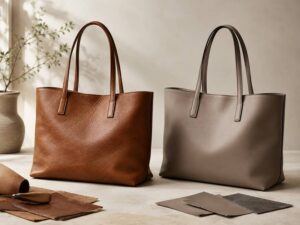
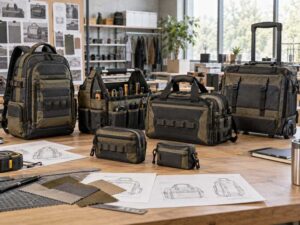
Make A Sample First?
If you have your own artwork, logo design files, or just an idea, please provide details about your project requirements, including preferred fabric, color, and customization options, we’re excited to assist you in bringing your custom bag designs to life through our sample production process.