 Skip to content
What Is an Outdoor Cooking Kit Bag and Why Do Campers Need One?
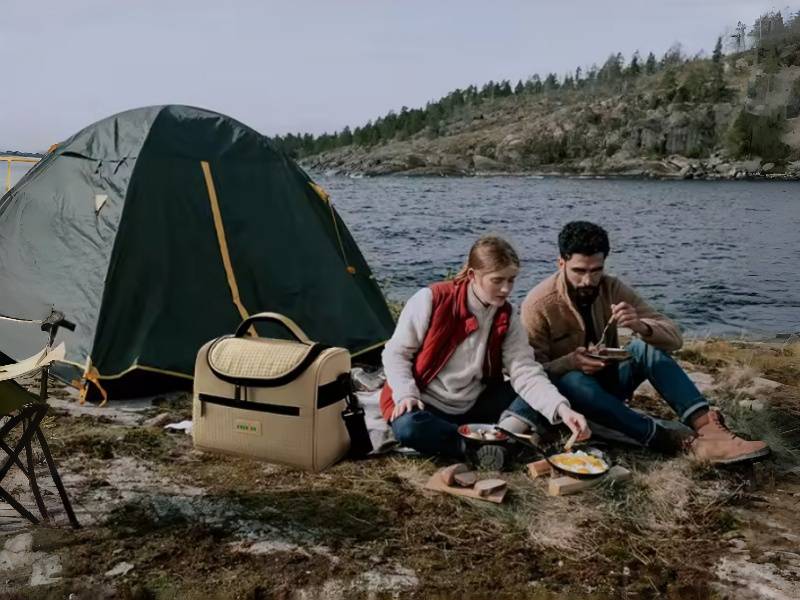
Outdoor cooking has changed a lot in recent years. It’s no longer just about throwing a pan and a stove into a backpack and hoping for the best. Campers, overlanders, RV travelers, and outdoor brands now focus on efficiency, cleanliness, and safety when preparing meals outside. This shift is exactly why the outdoor cooking kit bag has become an essential piece of gear rather than an optional accessory.
An outdoor cooking kit bag is designed to store, protect, and organize cooking tools, utensils, stoves, spices, fuel, and accessories in one dedicated system. Without it, gear gets greasy, damaged, or lost. With it, meal preparation becomes faster, cleaner, and far less stressful—especially in unpredictable outdoor environments.
An outdoor cooking kit bag is a purpose-built storage solution for camping and outdoor meal preparation. It keeps cookware, utensils, stoves, and accessories organized, protected, and easy to access. Campers need it because it improves efficiency, reduces mess, enhances safety, and helps maintain hygiene while cooking outdoors. A well-designed cooking kit bag supports different outdoor activities and adapts to real-world use conditions.
As outdoor lifestyles grow more popular worldwide, demand for durable, well-designed cooking kit bags continues to rise—especially for brands looking to offer reliable, customizable gear.
What Is an Outdoor Cooking Kit Bag and What Is It Used For?
An outdoor cooking kit bag is a dedicated organizer designed to carry and protect cooking tools, stoves, fuel, utensils, and accessories during outdoor activities. It helps keep gear clean, organized, and easy to access while preparing meals outdoors.
At its core, an outdoor cooking kit bag solves a very practical problem: outdoor environments are messy and unpredictable. Dirt, moisture, grease, and uneven surfaces all work against traditional storage methods like plastic boxes or random pouches.
A proper cooking kit bag is structured around how people actually cook outdoors. It typically holds items such as portable stoves, gas canisters, cookware, cutlery, cutting boards, spices, dishcloths, and cleaning tools. Instead of mixing these items with clothing or electronics, the bag isolates cooking gear in one controlled space.
From a usability perspective, the biggest advantage is workflow. When everything has a fixed place, setting up a cooking area takes minutes instead of rummaging through multiple bags. This matters even more in poor weather, low light, or tight campsites.
For brands and retailers, outdoor cooking kit bags also represent a high-value accessory category. They complement tents, stoves, and cookware while offering strong customization potential. The bag itself becomes part of the cooking experience, not just packaging.
Which Types of Outdoor Cooking Kit Bags Are Available on the Market?
There are different types of outdoor cooking kit bags designed for camping, hiking, BBQ, overlanding, and emergency use. Each type varies in size, structure, and material based on activity and cooking style.
Outdoor cooking is not a single activity, and cooking kit bags reflect that diversity. Activity-specific design is one of the biggest trends in this category.
For hiking and backpacking, cooking kit bags are compact and lightweight. They focus on minimal gear, collapsible cookware, and weight reduction. These bags often prioritize portability over capacity.
For car camping and overlanding, larger and more structured bags dominate. These designs support heavier stoves, multiple pots, spice organizers, and even dedicated compartments for fuel and cleaning supplies. Durability matters more than weight here.
BBQ and picnic-focused bags often include utensil rolls, grease-resistant linings, and easy-clean materials. They are designed for social cooking rather than survival-style meals.
There are also emergency and survival cooking kits, where the bag must support fire-starting tools, compact cookware, and long-term storage. In these cases, rugged construction and material performance are critical.
From a B2B perspective, offering multiple formats allows brands to cover different user segments without changing core manufacturing processes—only layout and material combinations.
How Does an Outdoor Cooking Kit Bag Improve Organization and Safety?
Outdoor cooking kit bags improve meal preparation by organizing tools logically, reducing setup time, preventing spills, and improving safety through protective and heat-resistant materials.
Meal preparation outdoors is often chaotic because space is limited and conditions change quickly. A well-designed cooking kit bag brings structure to chaos.
Organization is the first benefit. Compartmentalized layouts separate clean and dirty items, sharp tools from soft gear, and fuel from food-related items. This reduces cross-contamination and makes cleanup easier.
Safety is the second major improvement. Cooking gear often includes sharp knives, heavy cookware, and fuel canisters. Padded dividers and reinforced walls prevent items from shifting during transport. Some bags also include heat-resistant or fire-retardant layers, adding an extra margin of safety.
Efficiency is the third benefit. When tools are organized logically, cooking becomes faster. This matters not only for convenience but also for safety—less time handling fuel and hot equipment means fewer accidents.
For brands, these functional improvements translate into strong user satisfaction. Customers quickly notice whether a bag makes cooking easier or harder, and that experience directly impacts repeat purchases and reviews.
What Materials Are Best for Outdoor Cooking Kit Bags?
The best materials for outdoor cooking kit bags are durable, water-resistant, grease-resistant, and easy to clean. Common choices include polyester, nylon, canvas, and specialized fire-resistant fabrics.
Material choice defines how a cooking kit bag performs in real outdoor conditions. Grease, moisture, heat, and abrasion are constant challenges.
Polyester and nylon are widely used because they balance durability, weight, and cost. Coated versions improve water resistance and make cleaning easier. Canvas offers a rugged look and strong abrasion resistance but requires treatment for moisture protection.
For higher-end or specialized products, fire-resistant or heat-resistant fabrics are increasingly popular, especially near stove compartments. These materials reduce risk and increase perceived value.
Lining materials matter just as much. Wipe-clean linings save time during cleanup and improve hygiene. Reinforced bottoms protect against rough ground and heavy loads.
Below is a simplified material comparison:
| Material | Durability | Cleaning Ease | Typical Use |
|---|---|---|---|
| Polyester | Medium–High | Easy | General camping |
| Nylon | High | Easy | Overlanding |
| Canvas | High | Medium | Outdoor lifestyle |
| Fire-resistant Fabric | Very High | Medium | Safety-focused kits |
Factories like Jundong help brands choose materials that match both use case and target price point, rather than defaulting to a single option.
How Do I Choose the Right Outdoor Cooking Kit Bag for My Needs?
Choosing the right outdoor cooking kit bag depends on activity type, capacity, weight, material durability, and internal organization. High-quality features improve long-term usability and safety.
Buyers often ask, “Which features should you look for in a high-quality cooking kit bag?” The answer depends on how and where the bag will be used.
Capacity is the first consideration. Solo campers need compact solutions, while families or groups need larger systems. Weight and portability follow closely—especially for hiking scenarios.
Structure and layout matter next. A bag that opens fully, with visible compartments, saves time. Reinforced handles and shoulder straps improve carrying comfort.
Durability features such as double stitching, reinforced corners, and heavy-duty zippers separate premium products from disposable ones. Over time, these details justify a higher price.
From a brand standpoint, the right feature mix defines market positioning. Budget-friendly products focus on essentials, while premium lines emphasize materials, safety, and organization.
Do Outdoor Cooking Kit Bags Support Customization for Brands?
Yes. Outdoor cooking kit bags support extensive customization, including size, compartment layout, materials, logo branding, and packaging, making them ideal for OEM and private label development.
Customization is where outdoor cooking kit bags truly shine. Brands can tailor internal layouts based on how users pack and organize gear. This answers a common question: “How do you pack and organize your outdoor cooking kit bag effectively?” The answer often depends on thoughtful design, not user effort.
OEM factories support custom compartments, removable dividers, utensil rolls, and modular systems. Branding options include screen printing, embroidery, woven labels, rubber patches, and custom zipper pulls.
Packaging also plays a role. Retail-ready packaging increases perceived value, while bulk packaging supports B2B and promotional use.
With over 20 years of experience, Jundong helps brands turn usage logic into physical design—bridging real outdoor needs with scalable manufacturing.
Start Your Custom Outdoor Cooking Kit Bag Project with Jundong
If you are developing custom outdoor cooking kit bags for camping, overlanding, BBQ, or emergency use, Jundong is ready to support you. We offer free design support, low MOQ customization, fast sampling, and reliable production timelines.
From material selection to layout optimization and branding, our team works with you to create products that perform in real outdoor conditions.
Contact Jundong today to request a quote or start your custom outdoor cooking kit bag development.
Let's work together
With over 10 years of OEM/ODM bag industry experience, I would be happy to share with you the valuable knowledge related to leather products from the perspective of a leading supplier in China.



Make A Sample First?
If you have your own artwork, logo design files, or just an idea, please provide details about your project requirements, including preferred fabric, color, and customization options, we’re excited to assist you in bringing your custom bag designs to life through our sample production process.