 Skip to content
How to Clean a Backpack Properly: What to Do, Which Method to Use & How to Extend Its Life
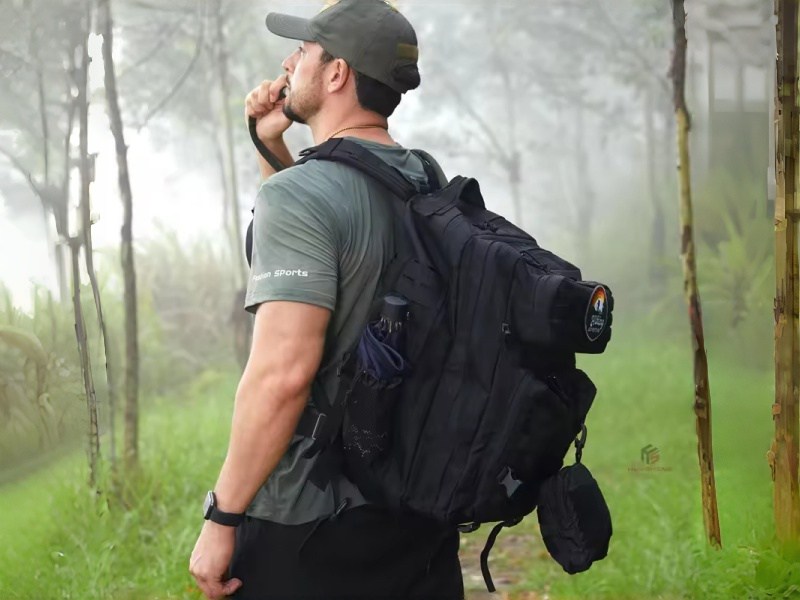
How to Clean a Backpack Properly: What to Do, Which Method to Use & How to Extend Its Life
Have you ever opened your backpack—your trusted carry-all for daily commutes, travel, or adventures—and noticed a faint odor, crumbs in hidden pockets, or film on the lining? It’s easy to neglect cleaning a backpack until something goes wrong: zippers stick, fabric smells, or straps show wear. But just as you wouldn’t ignore the care of your shoes or jacket, your backpack deserves thoughtful maintenance too. After all, for businesses like ours at Jundong, where we custom-manufacture bags—from tote bags to travel backpacks—the quality and longevity of a bag reflect directly on both brand reputation and user satisfaction.
To clean a backpack properly: check the care label and empty pockets, choose the method based on material (hand-wash for leather or coated fabrics; machine or hand for nylon/canvas), use mild detergents and soft tools, rinse thoroughly, and air-dry in a well-ventilated area.
If you follow this structured approach, you’ll not only restore your bag’s cleanliness and appearance but also prolong its life—making every custom piece better value, whether it’s one you use yourself or one you brand for clients.
What Should You Check Before Cleaning a Backpack?
Short answer: Before you pick up a brush or detergent, inspect the care label, empty all compartments, and identify the bag’s material so you can choose the right cleaning method and avoid damage.
When it comes to cleaning a backpack, the first step is always diagnosis. If you treat every bag the same you risk harming it or shortening its lifespan. Let’s unpack the checklist:
Read the Care Label
Many backpacks include a label that tells you whether the bag is machine-washable, hand-wash only, or spot-clean only. For example, manufacturers of technical packs note that machine-washing may damage the PU-coating or hydro-repellent finish.
If the label is missing or unclear, you must assume the most sensitive scenario.
Empty and Inspect All Compartments
Remove everything: you’d be surprised how many crumbs, small items, or even spilled liquids hide in the bottom of a bag. These can act like abrasives or stain sources during cleaning. Vacuuming pockets or turning them inside-out helps.
Check straps and hardware: detachable hip-belts, frames, or metal supports (common in travel/outdoor backpacks) should be removed or loosened prior to cleaning. For example, one guide says: “Remove any metal frames and detachable straps and hip belts.”
Identify the Material Type
This is critical. Is it canvas, nylon, leather, clear PVC, coated technical fabric, or a combination? Materials respond differently: leather doesn’t like soaking; coated synthetics often cannot go in a machine without risk of delamination. For example, one manufacturer warns: “Never machine-wash your backpack or put it in the dryer, as this will damage the PU coating.”
By treating this step with care, you ensure whichever bag you’re cleaning—whether a backpack your factory produced for a client or a promotional piece for your brand—receives the correct care, avoiding damage and reinforcing your commitment to quality.
How Do You Choose the Right Cleaning Method for Your Backpack?
Short answer: Choose between hand-washing, machine washing (if safe), or spot cleaning by assessing the bag’s material, construction, and label instructions—then select the proper cleaning agents and tools.
Choosing the cleaning method is where many users get it wrong—either by being too rough, over-washing, or using inappropriate agents. For a factory like Jundong supplying custom bags, this is key to post-sale support and customer satisfaction. Let’s examine the factors.
Hand-Wash vs Machine-Wash — Which One Works Best?
As guidelines suggest, machine washing may work for simple nylon or canvas backpacks—but only if the label allows and zippers/straps are secured.
By contrast, bags with leather trim, metallic embellishments, or special coatings should be hand-washed. One widely cited caution: “You should never wash a backpack in the washing machine… The abrasion places stress on the material.”
From a manufacturing standpoint, when you design a bag intended for machine-washing (for OEM/ODM clients), you communicate this feature clearly. While customizing for clients, you can highlight “machine-washable” vs “hand-wash recommended” specs.
Which Cleaning Agents and Tools Are Safe for Backpacks?
Choosing the right detergent, brushes, sponges, and perhaps a soft toothbrush for hard-to-reach areas is essential. Harsh bleach or fabric softeners can degrade coatings or fabric. According to one article, use “warm water and a touch of either dish soap or laundry detergent.”
Here’s a quick tool & agent table:
| Tool/Agent | Suitable for | Avoid if… |
|---|---|---|
| Mild, non-bleach detergent | Nylon/canvas/technical synthetics | Leather or coated fabrics with DWR finish |
| Soft sponge / cloth | All fabrics | Bristly brushes on delicate fabrics |
| Soft-bristled toothbrush | Zippers, seams, mesh pockets | Direct on coated finishes or leather |
| Mesh laundry bag & cold cycle | Simple nylon/canvas bags in machine | Bags with metal frames or plastic parts |
Using the right agents protects the bag’s integrity—and helps you demonstrate to clients that your custom bags are easy to care for, adding perceived value.
Pre-Treatment for Heavy Dirt or Stains
For bags that have accumulated grime (e.g., travel bags, cooler bags, outdoor gear), pre-treating stains is essential. Soak or apply treatment before full wash—especially for straps, mesh back panels, or spaces that collect sweat and oil. One expert recommends rubbing in a small amount of detergent and entering a soaking stage.
From a B2B perspective, offering clients a care-sheet saying: “To maintain your custom bag’s look and function, pre-treat stains and wash no more than twice per year unless heavily soiled”—this builds trust and brand positioning.
How to Actually Clean the Backpack – Step-by-Step
Short answer: Follow a structured process—prep the bag, choose the right wash method, rinse thoroughly, air-dry properly—to ensure deep cleaning while preserving structure and function.
Let’s walk through the full cleaning process, step-by-step, using both general guidelines and critical insight into what can go wrong.
Step 1: Preparation
Empty all pockets, remove detachable parts, and shake out debris. This begins the cleaning process with minimal risk of damaging anything inside.
Vacuum out crumbs or small items lodged in seams.
Ensure zippers are moved, straps loosened, and metal frames (if any) handled appropriately.
Step 2: Choosing Your Method & Washing
Hand-Wash Approach:
Fill a basin or bathtub with lukewarm water (around 30 °C/86 °F), add mild detergent, submerge if safe, and gently scrub inside/outside with a sponge, using toothbrush for tight areas. Whirlpool+1
Machine-Wash Approach (if allowed):
Place the bag inside a mesh laundry bag or pillowcase, choose a gentle cycle with cold water, use mild, non-bleach detergent, and avoid other items.
Critical thinking: While machine washing sounds convenient, many bags are built with internal frames, coated fabrics, or special finishes—washing machines may accelerate wear or delamination. If you’re manufacturing custom bags, you might offer two versions: “machine-washable” for simple fabrics, and “hand-wash recommended / spot clean only” for luxury or technical bags.
Step 3: Rinsing and Drying
Once washed, rinse thoroughly until the water runs clear—detergent residues can degrade fabric coatings or irritate skin. Use a clean towel to press out excess water (don’t wring or twist). Then air dry: open all compartments and hang in a shaded, well-ventilated area—not in direct sunlight and definitely not in a dryer. One trusted source: “Never put a backpack or bookbag in the dryer.”
Critical thought: Drying is often overlooked, but improper drying can lead to mildew, color transfer, or shape distortion. Especially for custom premium bags your factory produces, you want the bag to retain its shape and finish—so storage advice post-cleaning is just as important as the wash itself.
Step 4: Final Check & Maintenance
Once dry, check zippers, straps, hardware, and fabric. Are any parts weakened? Does the bag hold shape? For coated or waterproof fabrics, test by dropping a few water beads onto the surface—if they don’t bead up, you might need to re-apply a waterproofing spray.
Translating for your clients: If you’re supplying backpacks (or cooler bags, travel bags, leather goods) as custom/private-label items, include a care card that outlines this quick checklist. This enhances perceived value, supports longevity, and encourages repeat business.
Which Special Considerations Apply for Different Materials and Bag Types?
Short answer: Yes—different backpack types and materials need tailored cleaning attention. Leather, clear PVC, coated synthetics/hiking packs all require special care to maintain materials, finishes and functionality.
When you’re manufacturing custom bags—from clear bags (for events) to tactical backpacks—the cleaning instructions are part of the product promise. Let’s dive into major categories.
Leather Backpacks
Leather demands the gentlest treatment. Avoid soaking. Use a damp cloth and mild soap just on stained areas, then apply a leather conditioner. Avoid machine wash and excessive agitation which can crack or stiffen leather. Many leather-trim bags benefit from a dedicated leather-care routine.
From a factory perspective: If offering leather goods or backpacks with leather accents, include “hand-wash only” in specs and highlight that care in your client presentation—this adds perceived luxury.
Clear or Transparent Backpacks (PVC/TPU)
Clear bags are popular for security events, stadiums, or fashion statements. They attract dust, fingerprint marks, and scratches. Clean with mild soap and a microfiber cloth. Avoid strong abrasives. Air dry out of direct sunlight (UV rays can yellow PVC).
Your factory offering could highlight “easy-wipe transparent panel” service and include care instructions for longevity.
Fabric Backpacks with Coatings / Technical Packs
Many travel, cooler or hiking bags feature water-repellent coatings (DWR), welded seams, or internal frames. These require careful cleaning: avoid strong detergents that strip coatings, avoid machine drying, and afterwards test for bead-up water performance. One guide states: “A chemical reaction of sweat, detergent residues and UV radiation … promotes faster degradation of the materials.”
For your clients, you can provide specification sheets: e.g., “1000D nylon with DWR finish — hand-wash only / avoid bleach / re-apply waterproof spray every 12 months”.
Travel Bags, Cooler Bags, Lifestyle Bags
These often include insulation, vinyl linings, zippers exposed to moisture/ice. Prioritize rinsing and drying, ensuring liners are clean and odor-free. If the bag sits damp after use (e.g. wet cooler), odor and mildew can set in. You may include: “Use diluted vinegar or baking-soda soak for odor removal before regular wash.” One forum recommends vinegar for odors.
As a supplier to overseas SMB buyers or high-end brands, your consultancy value can include “aftercare instructions included with OEM/ODM bags” to minimize returns and increase customer satisfaction.
How Can You Maintain and Prolong the Life of Your Backpack and Keep It Clean Longer?
Short answer: Regular spot-cleaning, proper storage, periodic deep cleans, and reapplying protective finishes will help your backpack look better and last longer—making every custom-branded bag a stronger investment.
Long-term maintenance is often overlooked but is crucial—especially when clothes, bags, and branding rely on performance and presentation. Here are key strategies you can implement and advise your clients on.
Routine Maintenance and Spot Cleaning
Encourage users to shake out debris weekly, wipe straps after heavy use, and handle spills immediately. Early intervention prevents stains from setting. According to one source: “Dirt or pollen? Just a damp cloth will suffice.”
From a manufacturing viewpoint: You might suggest inserting a “care tag” inside the bag—“Shake out weekly / wipe strap after gym use”—adding brand value.
Storage Tips for Longevity
When the bag is not in use, keep it dry, open, and uncompressed. Avoid storing in damp basements or closed spaces. UV exposure, heat, and pressure distort shape and degrade finishes. One guide warns: “Avoid placing it in direct sunlight or near a heat source.”
For your clients, you could supply a branded dust bag or breathable pouch with premium backpacks, adding perceived value and helping storage best-practice.
Reapplying Fabric Protectants or Waterproof Coatings
For coated fabrics or technical bags: After cleaning, check water-beading behavior. If no beads form, apply a suitable DWR spray. This extends repellency and bag lifespan.
By positioning your factory as offering “post-wash protective re-treatment advice” you provide a full lifecycle service access that brands appreciate.
When to Repair or Replace
Even the best bag isn’t immortal. Look for frayed seams, worn base panels, asymmetry, broken frames, or non-functional zippers. Rather than ignoring these signs, address them early—repair is cheaper than replace.
From your B2B factory stance: Consider offering clients a “repair kit” or “lifetime servicing programme” as part of your OEM/ODM value proposition. It reinforces brand trust and encourages loyalty.
Thank you for reading this in-depth guide. Whether you’re using a bag personally or have one branded by Jundong, proper cleaning and maintenance mean your bag will look better, function longer, and reflect the premium quality behind every custom order we produce.
If you’re ready to inquire about custom backpacks, cooler bags, vacation-travel bags, clear event bags or any other style we manufacture, we at Jundong would love to help. We offer free design, low MOQ, fast sampling, and full customization (fabric, hardware, branding, OEM/ODM). Reach out today—let’s turn your idea into a high-quality bag your clients will love.
Let's work together
With over 10 years of OEM/ODM bag industry experience, I would be happy to share with you the valuable knowledge related to leather products from the perspective of a leading supplier in China.

Factory catalogue
Latest blogs


Make A Sample First?
If you have your own artwork, logo design files, or just an idea, please provide details about your project requirements, including preferred fabric, color, and customization options, we’re excited to assist you in bringing your custom bag designs to life through our sample production process.