 Skip to content
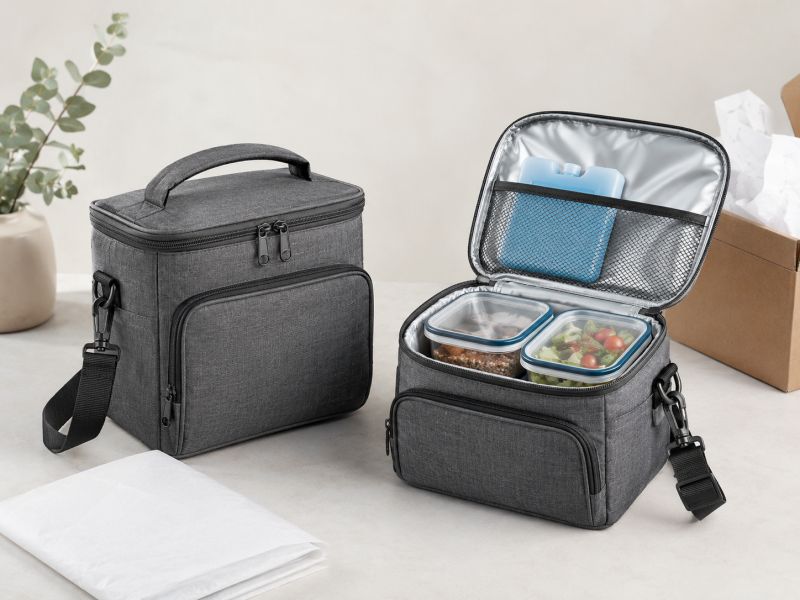
A lunch bag is ready for e-commerce when it can survive both daily use and delivery handling. It should look close to the product photos, hold real food containers, stay reasonably shaped after packing, use easy-clean lining, open smoothly, carry weight comfortably, and include clear private label packaging. The best-performing styles are planned for both end users and warehouse requirements.
Many lunch bags are made to look attractive in photos, but e-commerce success depends on what happens after the parcel arrives. The shopper touches the fabric, opens the zipper, smells the lining, checks the stitching, places a lunch box inside, and decides quickly whether the product feels worth the price.
That means product development should not start with decoration alone. It should start with the use case. Is the lunch bag for school? Office meals? Meal prep containers? Kids’ snacks? Fitness programs? Retail bundles? Subscription boxes? Each use case changes the right size, material, lining, insulation, handle, zipper, and packing method.
For online sales, a lunch bag also needs consistency. If the first production run sells well, the next order should not feel like a different product. Material thickness, color tone, logo size, seam placement, lining type, carton quantity, and folding method all need records. These records may sound boring, but they are often what protect a product line from review drops later.
Is It Built For Daily Use, Not Just Product Photos?
A lunch bag should pass a simple real-life test: fill it, carry it, open it, clean it, and repack it. If the bag only looks good when empty, it may create problems once users place containers, bottles, ice packs, and snacks inside.
Daily-use details include handle comfort, zipper path, opening size, lining flexibility, corner shape, and whether the bag sits upright on a table. A lunch bag used by office workers may need a cleaner shape and quieter branding. A meal prep bag may need more structure. A kids’ lunch bag may need lighter weight and easier opening.
Which Details Affect Reviews After Delivery?
Reviews often come from details that seemed minor during sourcing. Common triggers include smell, collapsed shape, thin lining, zipper snagging, weak stitching, inaccurate size, poor insulation expectation, and damaged packaging.
For private label projects, the review risk is higher because shoppers connect the full experience to the brand name. A weak handle is not “a factory issue” in the shopper’s mind. It becomes a brand issue.
How Does E-Commerce Differ From Promotional Orders?
Promotional lunch bags often focus on logo exposure and event cost. E-commerce lunch bags must support repeated use, product ratings, returns control, warehouse handling, and future restocking.
The difference is not only quality level. It is planning depth. A promotional lunch bag may be acceptable with simple packing. An online retail item may need barcode labels, SKU separation, insert cards, stronger carton rules, and more careful folding to protect shape.
Why Do Private Label Lunch Bags Get Bad Reviews?
Private label lunch bags usually get bad reviews because the real product experience does not match expectations. Problems often come from thin lining, weak insulation, collapsing structure, rough zippers, uncomfortable handles, poor stitching, odor, inaccurate capacity, or damaged arrival shape. These issues can be reduced when structure, materials, packing, and sample approval are checked before bulk production.
A poor review rarely says, “The product development process was incomplete.” It says, “This bag is flimsy,” “The zipper broke,” “It doesn’t hold my containers,” or “It arrived crushed.” Behind each complaint is a controllable product detail.
For e-commerce, the first impression begins before the lunch bag is used. If the package is messy, the bag is folded too tightly, or the shape looks worse than expected, the shopper starts with doubt. Once doubt starts, every small flaw feels bigger.
This is why a lunch bag project should be reviewed from complaint backwards. Instead of asking only “What style do we want?”, ask “What could cause a bad review?” Then build controls around those risks.
Is The Lining Leakproof And Easy To Clean?
The lining is one of the most important review drivers. Shoppers care about spills, sauce marks, smell, and cleaning effort. PEVA lining is popular because it is flexible, lightweight, and easy to wipe. Aluminum foil lining can give a brighter insulated look, but it may crease more easily depending on thickness and construction.
“Leakproof” should be treated carefully. Many lunch bags can use leak-resistant lining and improved seam handling, but the whole bag structure must be reviewed before making strong claims. If a brand wants better spill control, the lining material, seam method, corner construction, zipper opening, and intended use must be checked together.
How To Prevent Lunch Bags From Collapsing?
A lunch bag collapses when the outer fabric, insulation, lining, shape, seam structure, and packing method do not support each other. Thin material alone is not always the problem. Sometimes the pattern is too soft, the side panels lack support, or the bag is folded too aggressively during packing.
To improve structure, brands can consider thicker foam, firmer outer fabric, reinforced side panels, piping, binding, bottom support, or a more stable box shape. But structure adds cost, volume, and sometimes shipping space. The smart choice is not always the stiffest bag; it is the structure that matches the product promise.
Are Zippers, Handles, And Seams Strong Enough?
Zippers, handles, and seams are the parts users touch most. A beautiful lunch bag can still fail quickly if the zipper path is tight, the puller feels cheap, the handle stitching is weak, or the seam allowance is not stable.
During sample review, the bag should be tested with real weight. Open and close the zipper repeatedly. Lift the bag with containers inside. Check whether the stitching pulls at stress. These tests are simple, but they often reveal problems before a full order is placed.
Which Materials Improve User Experience?

The right material improves touch, durability, cleaning, insulation, structure, and brand positioning. Polyester and Oxford fabrics are common for durable lunch bags, while PEVA and aluminum foil linings are common inner choices. Foam thickness affects shape, capacity, and insulation feel. Material choices should match product price, use case, packing method, and sales channel.
Material decisions are not only technical. They also shape how shoppers judge value. A lunch bag made for a wellness brand may need a clean, soft, premium look. A school lunch bag may need lighter weight and easy cleaning. A meal prep bag may need stronger structure, larger capacity, and better compartment planning.
When comparing materials, look beyond the material name. Ask about thickness, hand feel, coating, color stability, odor, folding recovery, stitching performance, and logo compatibility. Two bags can both use polyester, but feel completely different in the hand.
What Outer Fabric Works Best For Lunch Bags?
Polyester is widely used because it balances cost, durability, print options, and color availability. Oxford fabric is useful when a stronger texture is needed. Canvas can create a more natural retail look, but it may absorb stains more easily unless treated. RPET can be reviewed for projects that want recycled-material positioning, but documentation and project requirements should be confirmed early.
The best outer fabric depends on the final use. A kids’ lunch bag may need lightness and fun color. A corporate lunch bag may need a cleaner shape and logo effect. A meal prep bag may need stronger panels and better load support.
How To Source Leakproof PEVA Linings?
When sourcing PEVA lining, do not only ask for “PEVA.” Ask for thickness, softness, odor control, color, flexibility, heat resistance in normal use, seam compatibility, and cleaning performance. A lining that looks fine in a small swatch may behave differently after stitching, folding, and packing.
For better spill resistance, review the lining together with seam placement, corner construction, binding, and internal shape. If the project involves food-contact statements or specific testing needs, requirements should be reviewed based on destination and product claim. Clear claims protect both the brand and the factory.
PEVA Vs Aluminum Foil Lining: Which Is Better?
PEVA lining is flexible, easy to wipe, and common in lunch bags. Aluminum foil lining gives a bright insulated appearance and is often used in cooler-style products. The better choice depends on the product position, target price, expected cleaning, foldability, and visual style.
Here is a practical comparison:
| Detail | PEVA Lining | Aluminum Foil Lining |
|---|---|---|
| Cleaning Feel | Smooth and wipeable | Wipeable, but creases may show |
| Visual Style | Soft and simple | Bright insulated look |
| Flexibility | Usually better | Depends on thickness and backing |
| Common Use | Lunch bags, kids bags, daily bags | Cooler bags, thermal bags, promo coolers |
| Review Risk | Poor seams may affect spill control | Creasing may affect perceived quality |
| Best For | Daily-use private label lunch bags | Products needing a clear thermal look |
How Does Insulation Thickness Affect Cost And Capacity?
Insulation foam affects more than temperature control. It affects shape, hand feel, inner capacity, sewing difficulty, folding size, carton volume, and cost. Thicker foam may feel more structured, but it can reduce inside space and increase shipping volume.
For e-commerce, product descriptions must match real use. If a lunch bag is sold for meal prep containers, the sample should be tested with actual container sizes. A bag that looks large outside but loses space because of thick foam may lead to disappointed reviews.
How Should A Lunch Bag Be Designed For Repeat Orders?

A lunch bag supports repeat orders when the approved sample becomes a clear production standard. Material type, lining, foam thickness, color, logo position, sewing details, zipper, handle length, packing method, barcode placement, and carton rules should be recorded. Repeat success depends on records, not memory.
The first order proves whether the product can sell. The second order proves whether the factory can keep it stable. Many brands focus heavily on the first sample, then forget to record the exact details that made it work.
Repeat orders fail when small details drift. The fabric feels thinner. The color is slightly off. The logo moves a little. The bag folds differently. The carton count changes. None of these changes may look dramatic in isolation, but together they can affect reviews and brand trust.
What Details Should Be Locked After Sample Approval?
After approval, lock the outer fabric, lining, foam thickness, color reference, logo size, logo location, zipper type, puller, handle length, stitch style, inside layout, packing method, barcode position, carton quantity, and carton mark rules.
A signed sample is useful, but a sample alone is not enough. Production notes, photos, measurements, and packing records make the standard easier to repeat.
How Can A Factory Control Sample-To-Bulk Consistency?
Consistency comes from a clear handover from sample room to production. The team needs approved material records, pattern files, logo artwork, color references, sewing notes, packing instructions, and QC checkpoints.
Jundong supports custom bag projects from design and material review to sampling, bulk production, quality control, packaging, labeling, and delivery. With 600+ employees, an 18,000㎡ production area, and 80 QC inspectors, the team is built for projects where sample-to-bulk control matters.
Why Do Material, Color, And Packing Records Matter?
Records reduce arguments and protect future orders. If a brand returns six months later for the same lunch bag, the factory should not guess the lining, foam, or folding method.
For multi-SKU lunch bag programs, records are even more important. Each color may need separate barcode labels, carton marks, inner packing, and quantity splits. Accurate records help reduce warehouse errors and keep future orders easier to manage.
What Private Label Details Should E-Commerce Brands Confirm?
Private label lunch bags need more than a logo. Brands should confirm logo method, woven label, care label, hangtag, insert card, barcode, SKU label, polybag, color name, carton mark, and packing rule. These details affect brand value, warehouse scanning, retail readiness, and the product’s repeat order standard.
Private label is where many lunch bag projects become more serious. A basic logo can create visibility, but a full private label setup creates trust. The shopper feels the product belongs to a real brand, not a generic item with decoration added at the last minute.
For e-commerce, private label details also help operations. A clear barcode, SKU label, and carton mark can reduce sorting mistakes. Correct color naming and packing rules help warehouse teams handle multiple variations. This matters when a brand sells the same lunch bag in black, navy, pink, and grey with different pack quantities.
Is A Logo Enough For Private Label?
A logo is only the start. A stronger private label setup may include a woven label, printed care label, hangtag, insert card, barcode label, branded polybag, or gift-style packaging.
The right setup depends on the sales channel and price level. A low-cost event item may need only a printed logo and simple packing. A retail-ready lunch bag may need a full label and packaging system.
Which Labels, Hangtags, And Inserts Build Brand Value?
Woven labels work well for a soft branded feel. Hangtags help explain product features, care notes, or brand story. Insert cards can be useful for DTC brands that want a more personal unboxing experience.
Keep it practical. Too many inserts can add cost and packing time without improving the product. The best private label details are the ones that support trust, not clutter.
How Should Barcode And SKU Labels Be Planned?
Barcode and SKU labels should be planned before bulk production, not fixed after goods are packed. Confirm label size, placement, scanning direction, SKU code, color name, carton mark, and whether labels go on the polybag, hangtag, outer carton, or all three.
For Amazon FBA, retail warehouses, and multi-SKU programs, label accuracy is not a small detail. A good product can still create operational trouble if the label system is unclear.
How Does Packaging Affect Reviews And Returns?

Packaging affects reviews because it controls how the lunch bag arrives. Poor folding can damage shape, weak polybags can look cheap, unclear labels can slow warehouse handling, and mixed SKUs can cause fulfillment errors. Good packaging protects the product, supports scanning, improves first impression, and reduces repacking work.
Packaging is often treated as the final step. For e-commerce lunch bags, it should be discussed early. The packing method can affect cost, carton size, shipping volume, product shape, and warehouse receiving.
A lunch bag with firm structure may need looser folding or shaped packing. A soft foldable style may be packed tighter. A retail-ready style may need a hangtag and barcode. A DTC brand may care more about unboxing. A large multi-color order may need strict SKU separation.
Does Folding Damage The Bag Shape?
Folding can save space, but it can also create creases, crushed corners, or a collapsed look after delivery. The risk depends on fabric, foam thickness, lining, shape, and how long the goods remain packed.
If product appearance matters strongly, test the packing method during sample review. Pack the sample, leave it folded, then open it later and check recovery. This small test can prevent a large number of disappointing unboxing experiences.
Can You Add Custom Eco-Friendly Packaging?
Yes, custom eco-friendly packaging can be reviewed for private label lunch bag projects. Options may include recycled paper hangtags, kraft inserts, reduced-plastic packing, paper sleeves, or other project-based solutions.
The right choice depends on product protection, moisture risk, barcode needs, warehouse rules, and cost. Eco-style packaging should still protect the lunch bag properly. A greener look is not helpful if the product arrives dusty, crushed, or hard to scan.
Which Packing Details Help Amazon FBA And Retail Warehouses?
Helpful packing details include scannable barcode labels, clear SKU codes, color names, single-unit polybags, carton marks, carton quantity, carton size, carton weight, and PO references when needed.
For warehouse receiving, clarity wins. The outer carton should tell handlers what is inside without opening every box. For mixed colors or multiple SKUs, each SKU should be separated clearly.
How Can Multi-SKU Packing Reduce Fulfillment Errors?
Multi-SKU packing should separate colors, sizes, and styles clearly. A simple rule is: one SKU, one clear label, one confirmed quantity. Mixed cartons can be used when needed, but the packing list and carton mark must be very clear.
For large e-commerce programs, SKU mistakes can cause returns even when the product quality is fine. A shopper who ordered navy but receives black will not care that the sewing was excellent. Packing accuracy protects the whole project.