 Skip to content
One-Stop Bag Manufacturing Partner
If you’re sourcing custom bags for retail, brand programs, promotions, or project-based procurement, the real risk isn’t “finding a supplier.” It’s keeping design, sampling, materials, production, QC, packaging, and shipment aligned when the work is split across multiple parties. That’s where delays, inconsistent quality, and costly miscommunication usually start.
We operate as a one-stop manufacturing partner, so your team can run a tighter workflow: clear specifications, controlled materials, repeatable workmanship, and predictable lead times—from first sample to bulk delivery.
What “One-Stop” Really Covers
Not a slogan—an operational system that reduces handoffs and risk.
“One-stop” should mean more than “we offer many services.” For procurement teams, it should mean fewer handoffs, fewer unknowns, and fewer rework loops. A true one-stop partner connects upstream decisions—structure, materials, and branding—to downstream execution—QC, packaging, and export preparation—under one set of controlled standards.
When that chain stays connected, sample approval moves faster, bulk production becomes repeatable, and reorders remain consistent—protecting both your timeline and your brand results.
Bag Categories We Manufacture
For buyers, product range isn’t about showing “more SKUs.” It’s about confirming whether a factory can execute across different structures, materials, and use cases—without losing quality consistency from sample to bulk and from first order to reorders.
Below are the core categories we support in OEM/ODM programs, covering everyday, travel, functional, and protective applications. This makes it easier for procurement teams to build and manage multi-SKU assortments with aligned standards, stable materials, and repeatable workmanship.
Custom Crossbody Bags
Custom Heavy-Duty Tool Bags
Custom Polyester Bags
Custom Anti-Static Bags
Custom Duffel Bags
Custom Outdoor Gear Bags
Custom Gym Sports Bag
Custom Waterproof Bags
Custom Nylon Travel Bag
Custom Toiletry Bags
Custom Leather Pouch
Custom TPU Bags
Custom Transparent Bags
Custom PVC Clear Bags
Custom Organizer Bags
Custom Molded EVA Cases
Custom Reflective Bag
Custom Denim Bag
Custom Laundry Bag
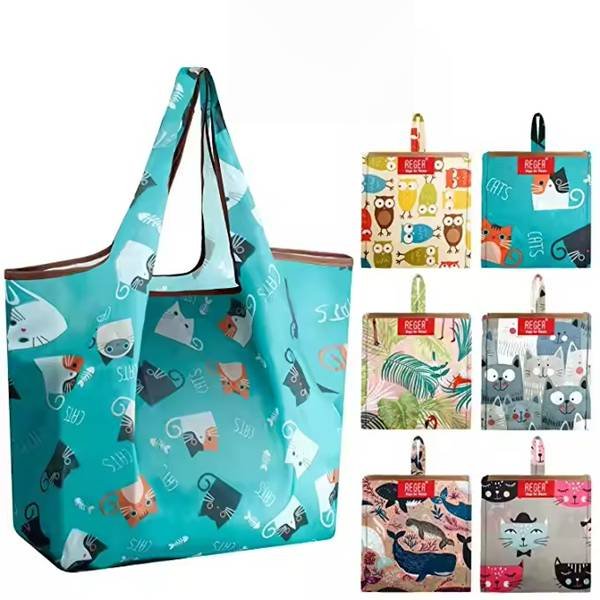
Custom Shopping Bag
Custom Corporate Gift Bag
Custom School Bag
Custom Printed Bag
Custom Two-Tone Bag
Custom Pattern Bag
Custom Striped Bag
Custom Polka Dot Bag
Custom Reflective Strip Bag
Custom Pouch for Jewelry
Custom Bag for Wine
Custom Bag for Electronics
Custom Bag for Headphones
Custom Bag for Watches
Custom Bag for Perfume
Custom Bag for Candles
Custom Bag for Sunglasses
Custom Bag for Mobile Accessories
Custom Waterproof Dry Bags
Custom Shape Bag
Custom Reflective Safety Bag
Custom Pattern Bag
Custom Matte Finish Bag
Custom Foldable Bag
Custom Elastic Bag
Custom Luxury Velvet Pouch
Custom Promotional Event Bag
Shopping Bags
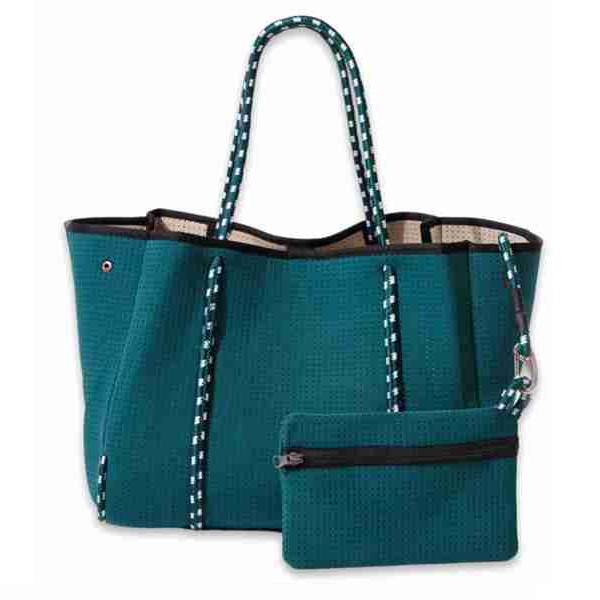
Tote Bags
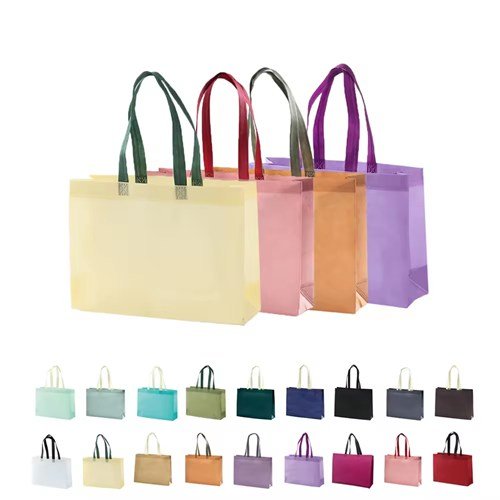
Promotional Bags
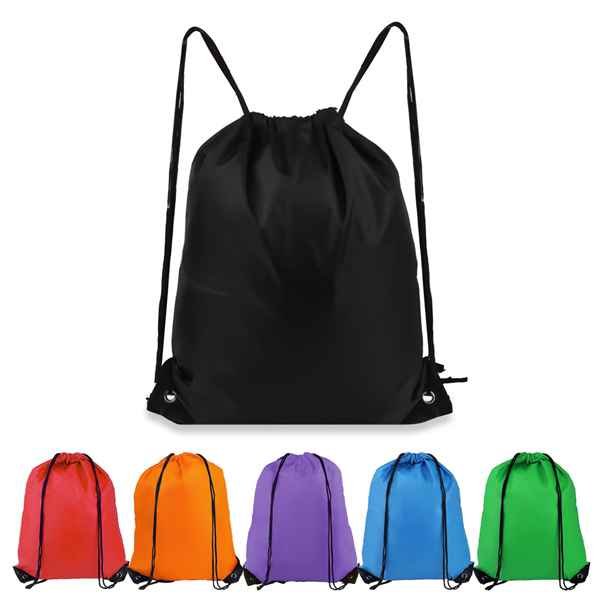
Drawstring Bags
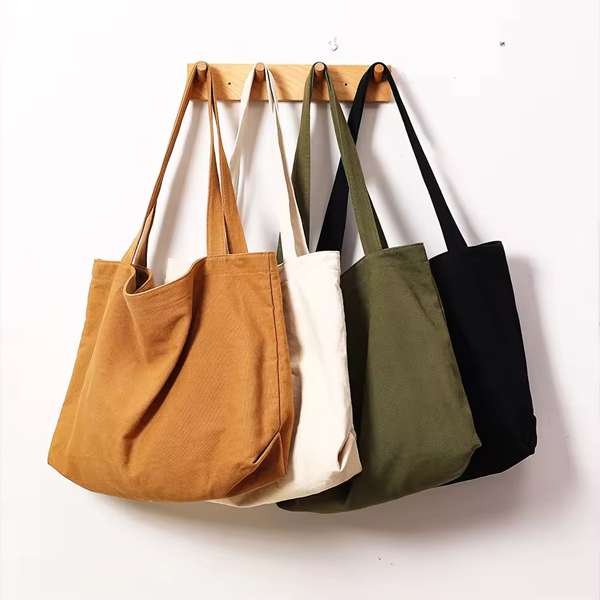
Canvas Bags

Cotton Bags
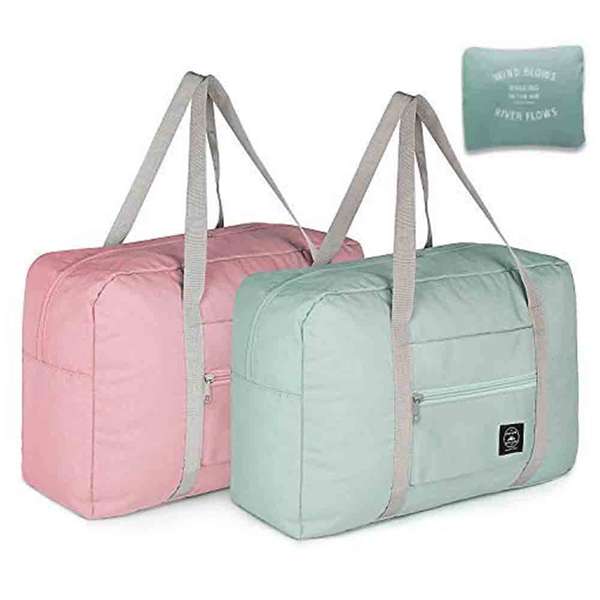
Foldable Bags
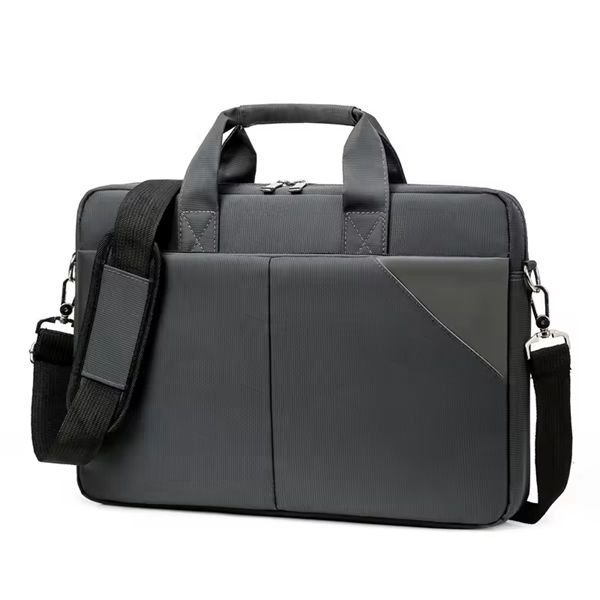
Laptop Bags
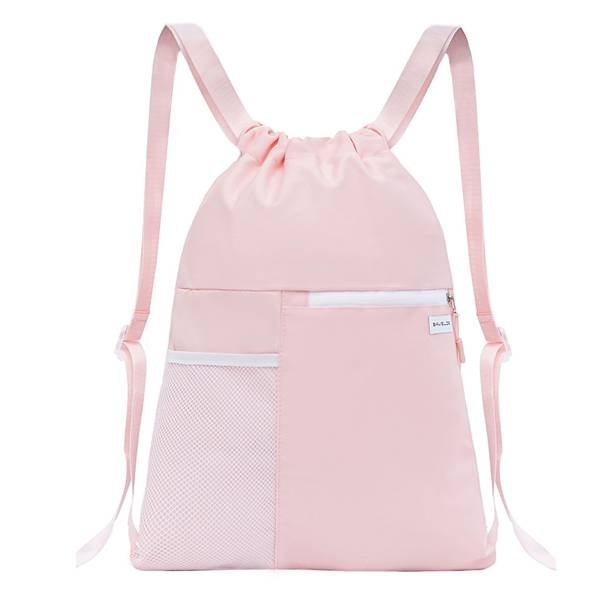
Backpacks
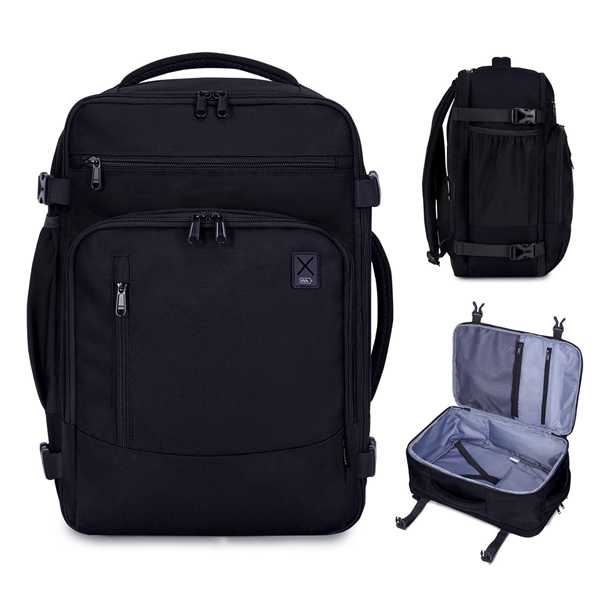
Travel Daypacks

Sling Bags
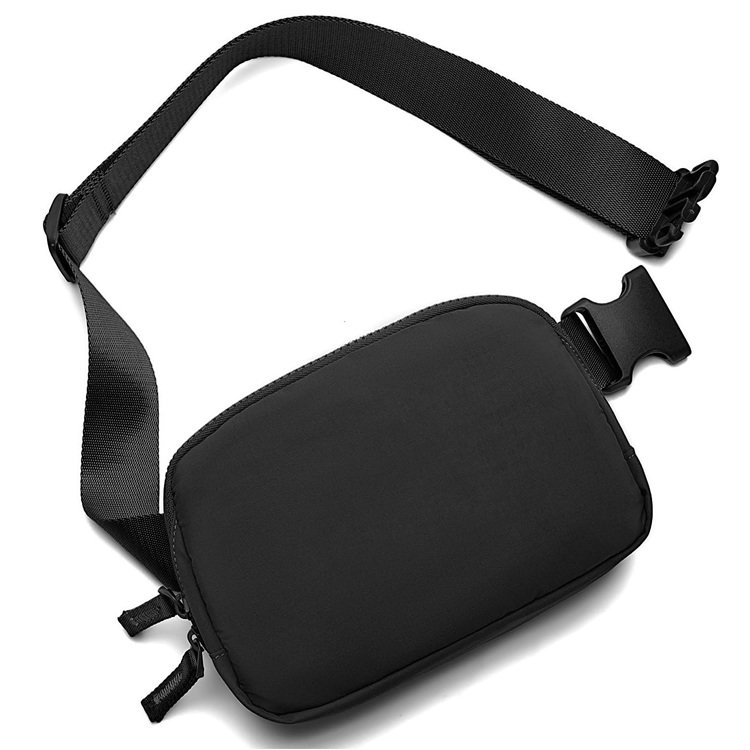
Belt Bags
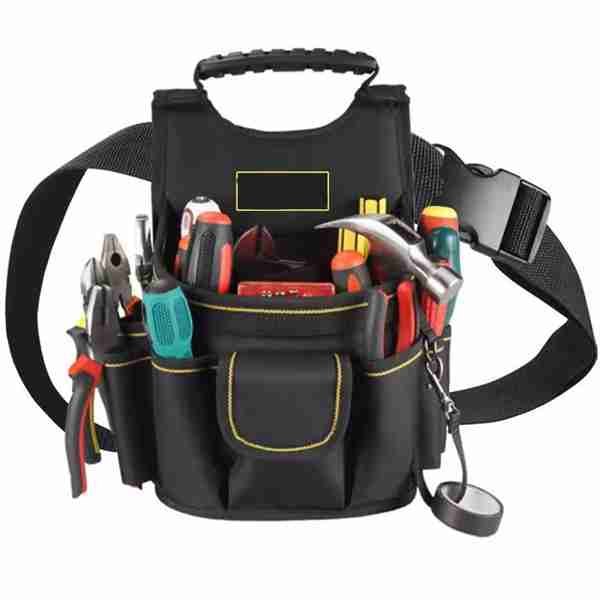
Electrician Tool Bags
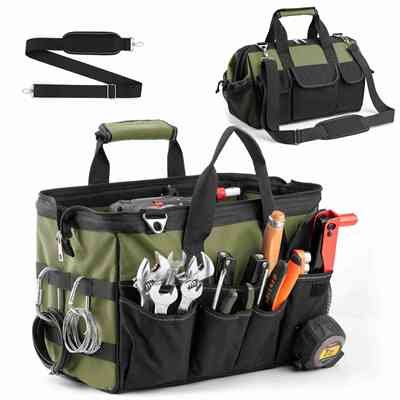
Industrial Utility Bags
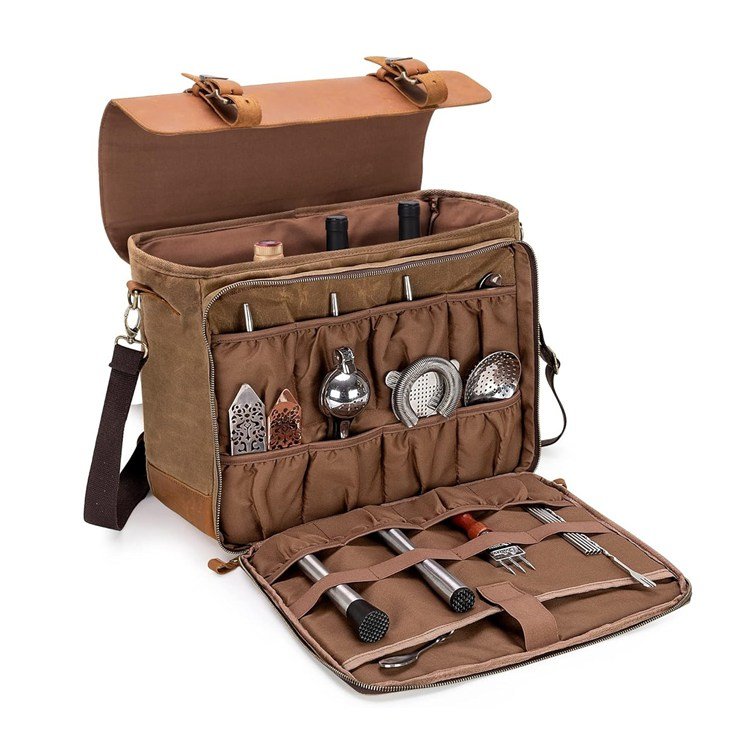
Tool Bags
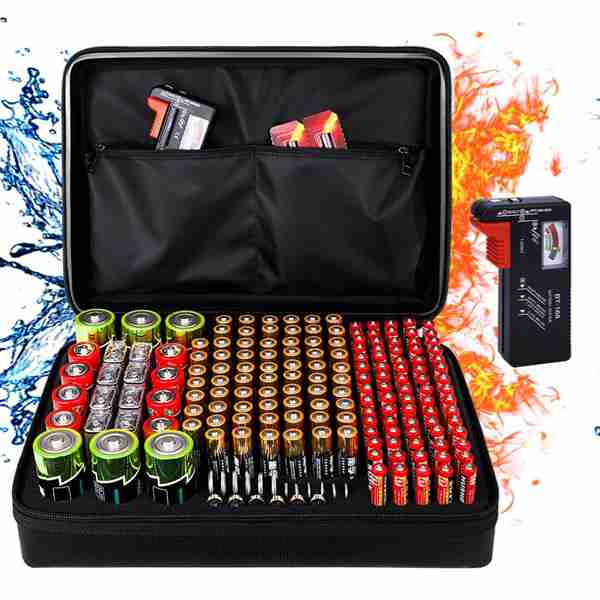
Lithium Battery Safety Bags
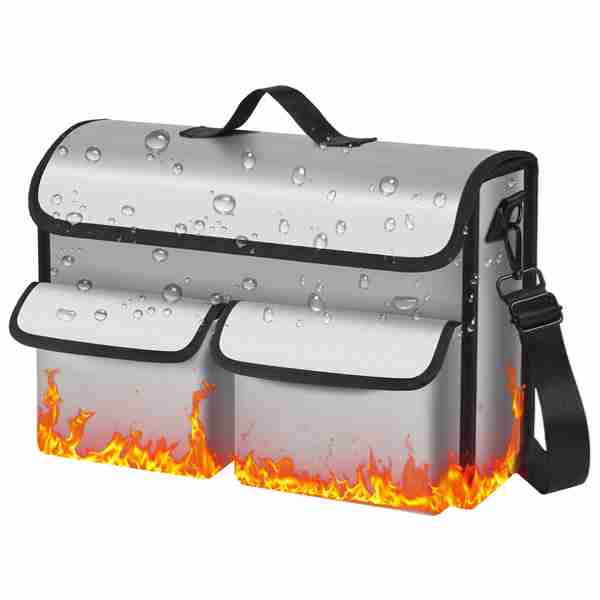
Fireproof Bags
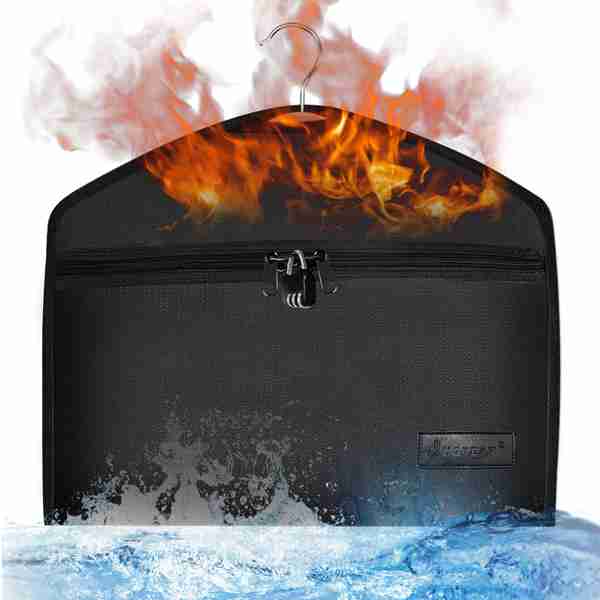
Document Fireproof Bags
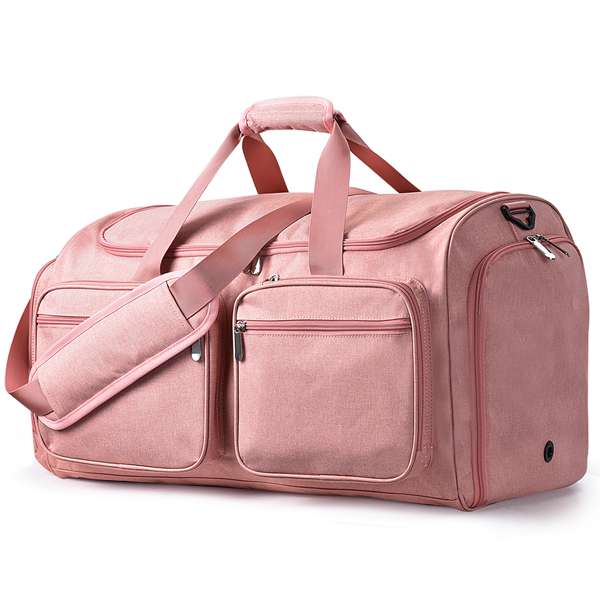
Travel Bags
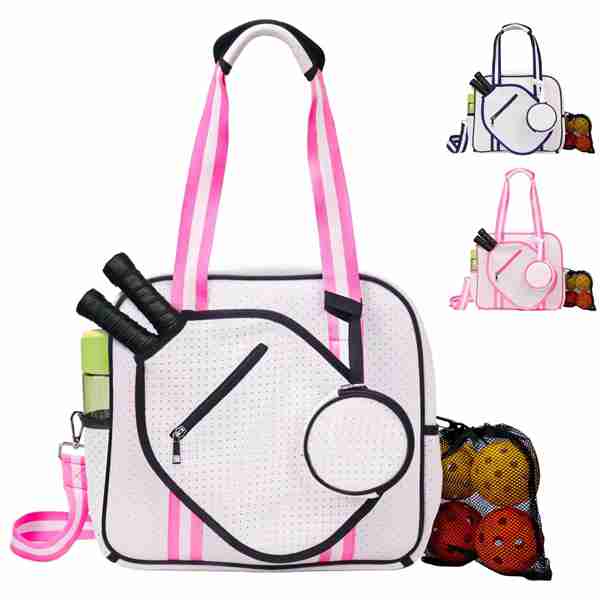
Sports Bags
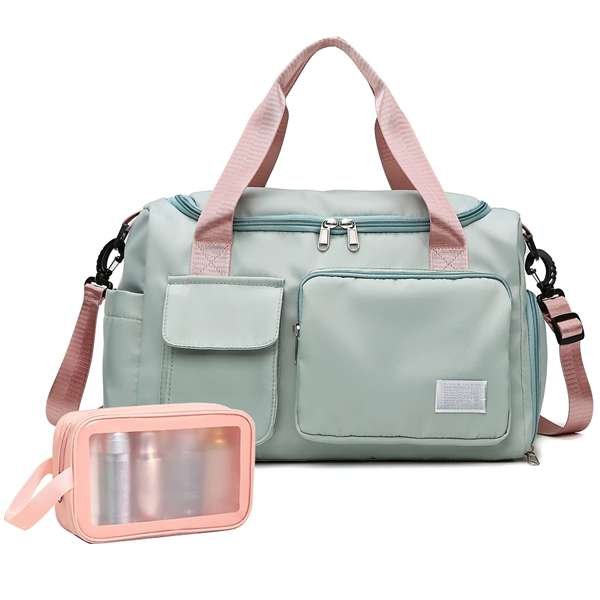
Weekender Bags
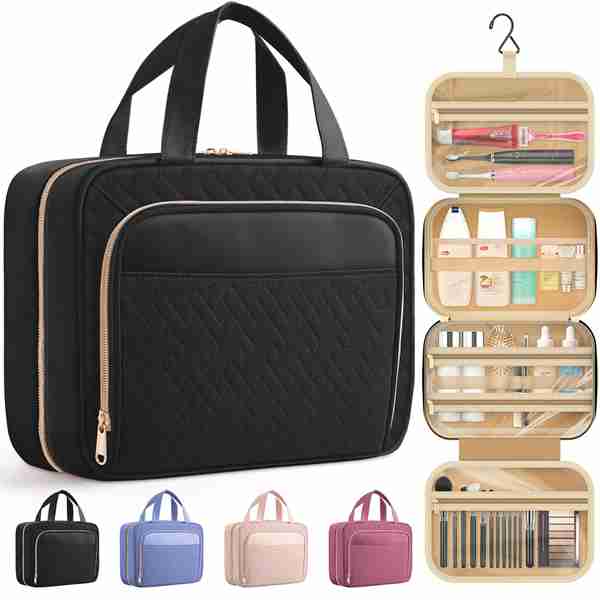
Cosmetic Bags
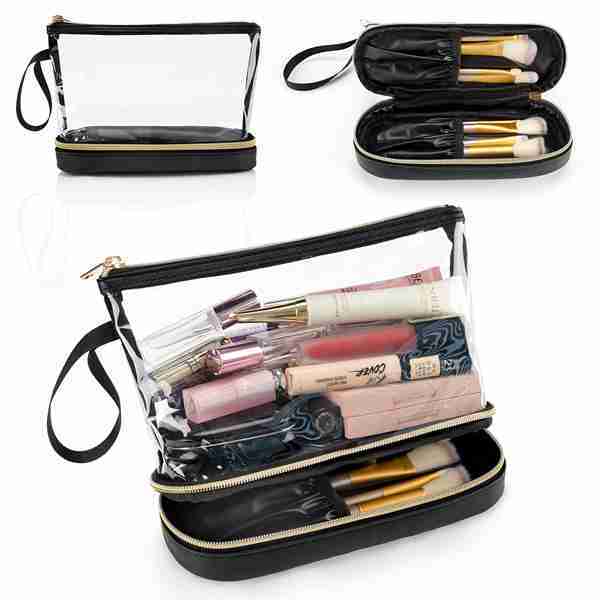
Makeup Pouches
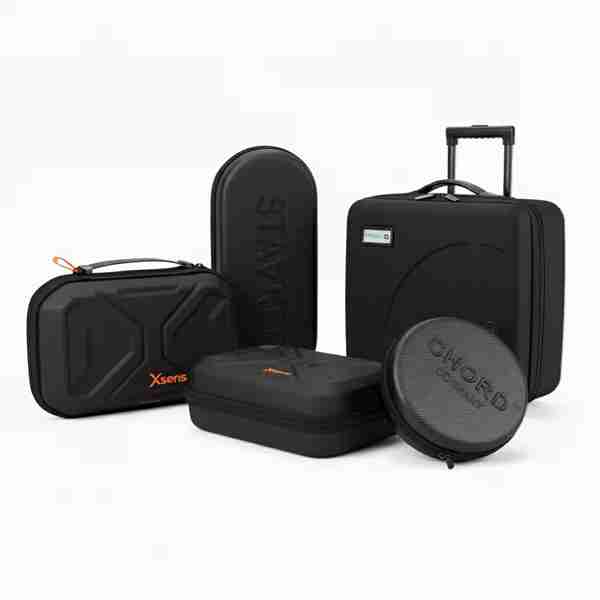
EVA Hard Cases

Woven Bucket Bag
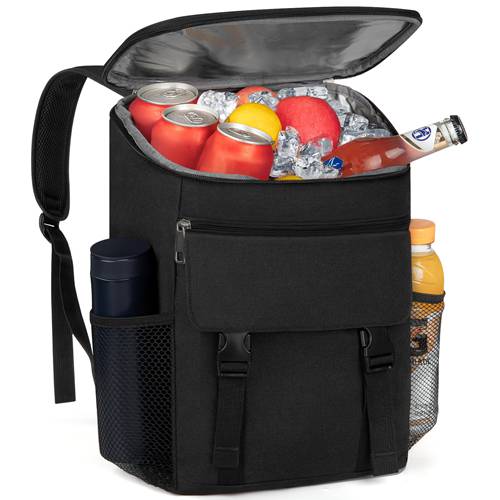
Insulated Cooler Bags

Pet Carrier Bags
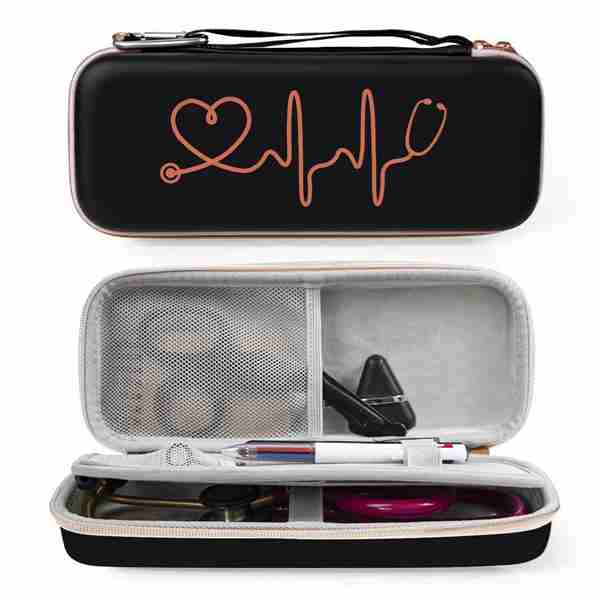
Medical Supply Bags
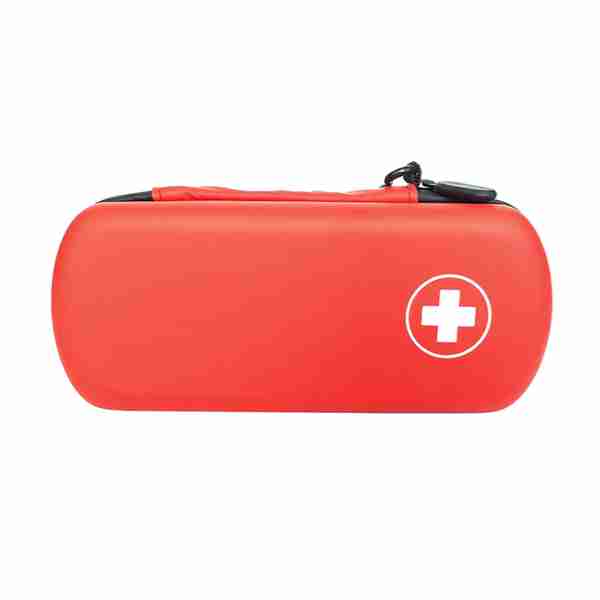
First Aid Bags
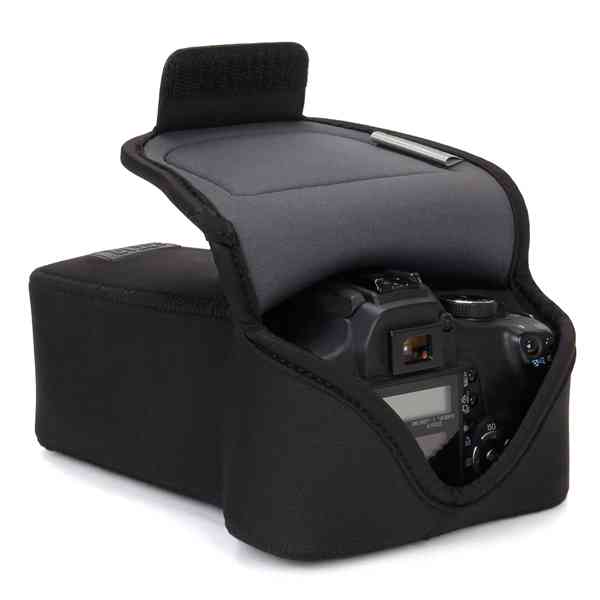
Camera Bags
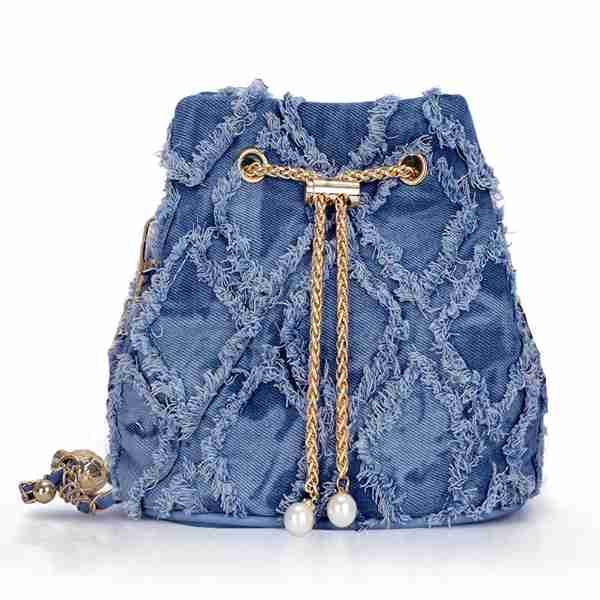
Denim Bucket Bag
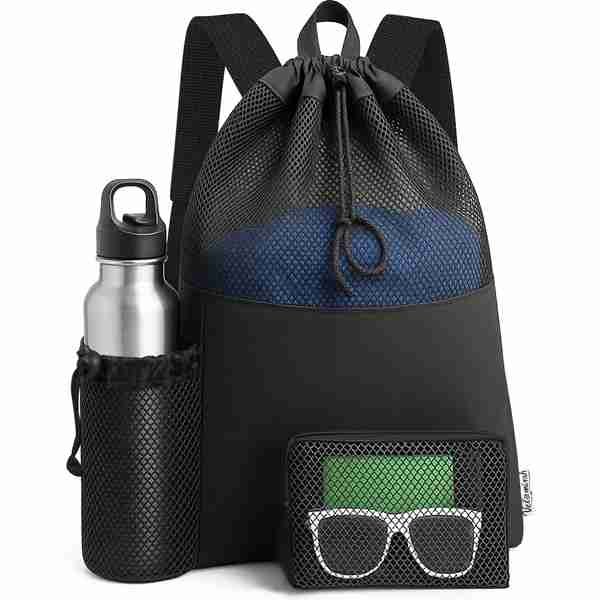
Gym Sports Bags
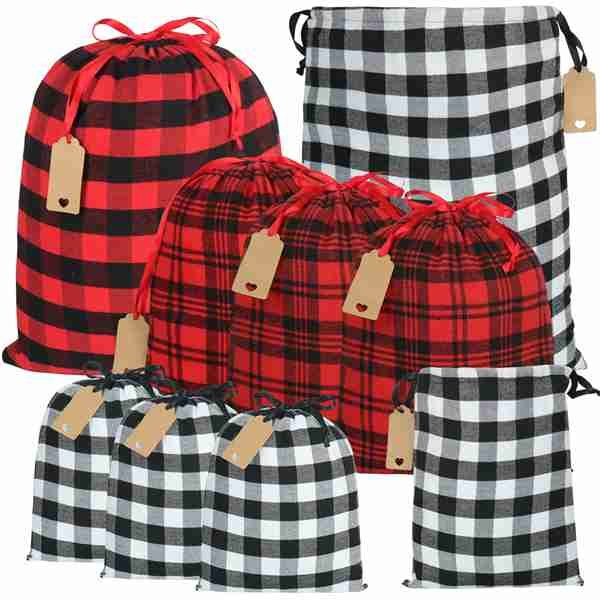
Gift Pouches Bags

Makeup Cosmetic bag
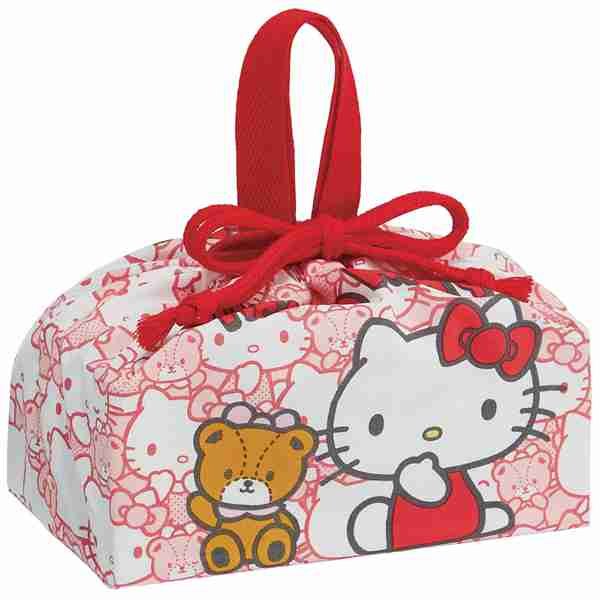
Tissue box Bag
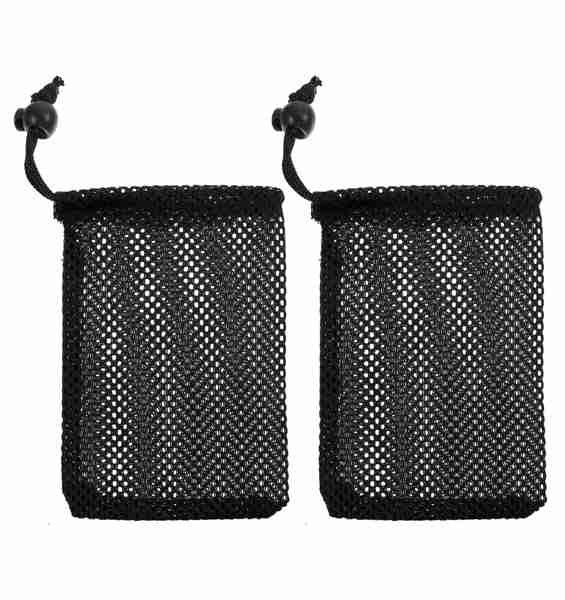
Small Mesh Pouches
Materials & Components That Match Your Market
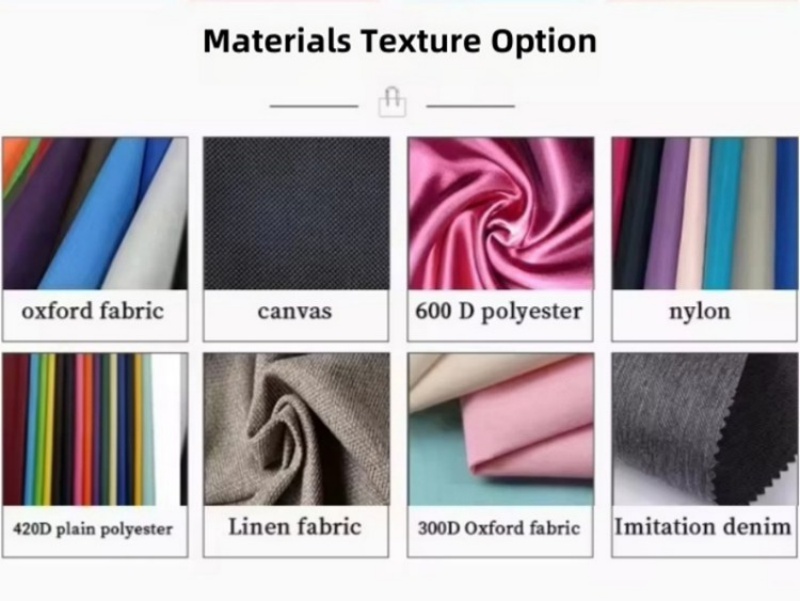
A true one-stop partner helps buyers make the right trade-offs early: which fabric matches your use case, what lining and padding will support the intended structure, and which zipper/hardware specifications meet your durability target.
Material decisions affect more than look and feel. They directly influence wear resistance, shape retention, and reorder consistency—especially when you scale from sample to bulk.
We support development using a wide range of soft goods materials, including woven fabrics, leather (genuine/synthetic), PU, PVC, neoprene, and other application-specific options. We also align components—zippers, hardware, webbing, and reinforcements—to your required performance level, so the final product holds up in real-world use and stays consistent across repeat runs.
Design Support & Structure Engineering
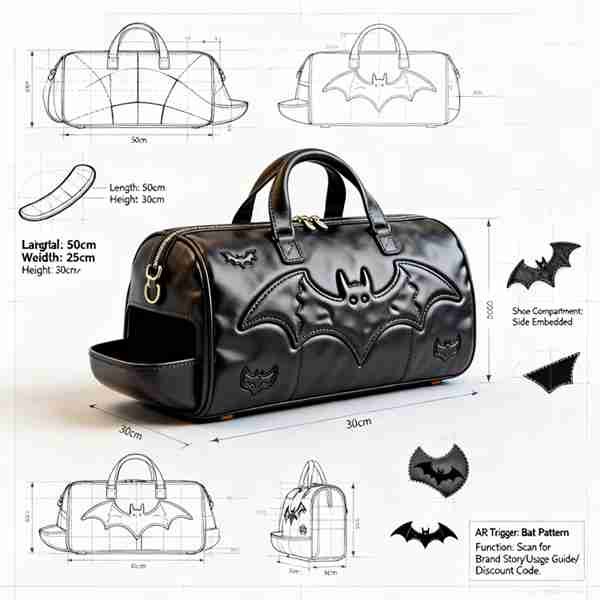
Many buyers focus on shape and style first, then try to fix failures later—deformation, zipper stress, and structured handle breakage. A true one-stop partner brings structure engineering into the early stage, so performance is designed in—not patched on.
That means defining load paths, specifying reinforcement points, building clear compartment logic, and planning stitch routes and seam allowances around real-world use. It also includes selecting the right panel construction, edge binding, and stress-area bartacks to prevent weak points from appearing in bulk production.
With a professional sample room and a disciplined development workflow, we translate concepts into manufacturable structures with controlled specs and repeatable workmanship—reducing rework, improving sample approval speed, and keeping outcomes consistent from sample to bulk and reorders.
Sampling That Moves Fast—Without Cutting Corners
Turn ideas into physical prototypes with controlled revisions.
Sampling is where timelines are won or lost. Buyers need speed, but never at the cost of accuracy. A true one-stop partner treats sampling as a controlled iteration, not a one-off showcase—so decisions made in the sample room transfer cleanly into bulk production.
Our sampling workflow focuses on four controls: spec confirmation, structure validation, logo feasibility testing, and locking materials/components/tolerances before bulk. We review pattern measurements, reinforcement details, stitch density, and assembly sequence, then confirm branding files, placement reference points, and method limits early—before they become expensive corrections.
By managing sampling this way, you reduce endless sample loops, avoid last-minute changes, and keep launch timelines and purchasing schedules stable. The result is faster approvals, fewer handoffs, and a smoother path from sample to bulk and reorders—with consistent workmanship and predictable lead times.

Production Planning for Multi-SKU Orders
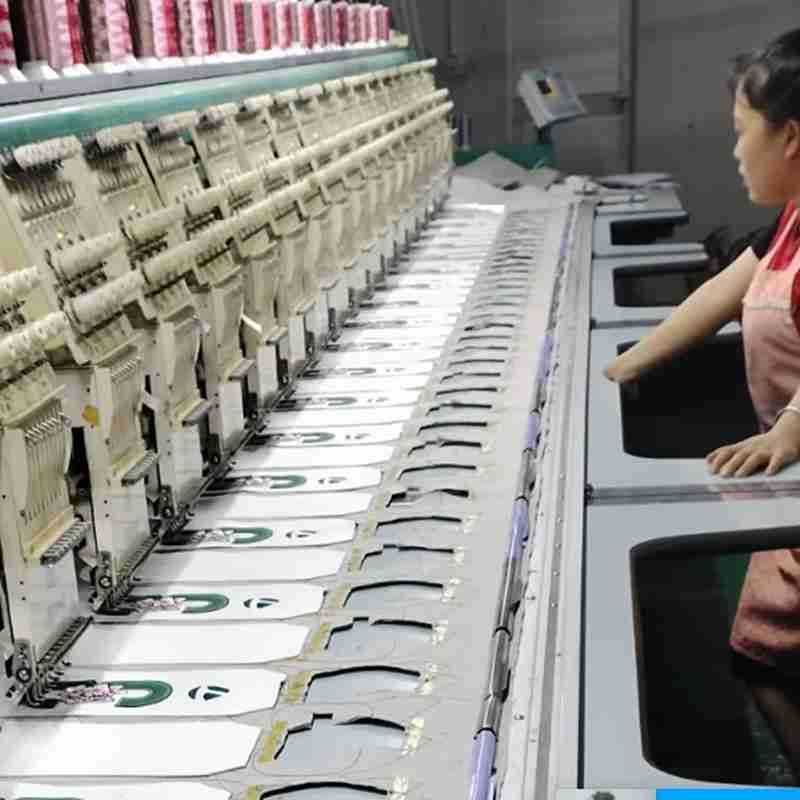
One-stop only works when production stays stable under real operating conditions: multiple SKUs, multiple colorways, mixed packing, compliance labeling, and time-sensitive shipments. The difference isn’t “how many machines a factory has,” but whether it can hold standards when complexity increases.
With flexible scheduling and structured order management, we help buyers prevent the most common pain points—last-minute delays, inconsistent workmanship across production lines, and unclear milestone control. We plan around material readiness, component lead times, and process changeovers, then track progress against defined checkpoints so risks are surfaced early—not at the shipping deadline.
This discipline matters most for brands running seasonal drops, retailers managing replenishment cycles, and programs with strict warehouse or campaign windows. When production is controlled, sample approvals convert into repeatable bulk execution, shipments stay predictable, and reorders remain consistent across runs—even as SKU count and packing requirements scale.
Quality Control You Can Rely On
Buyers don’t need a factory that claims “high quality.” They need a manufacturer that can clearly explain how quality is controlled—from the first material roll to final packing.
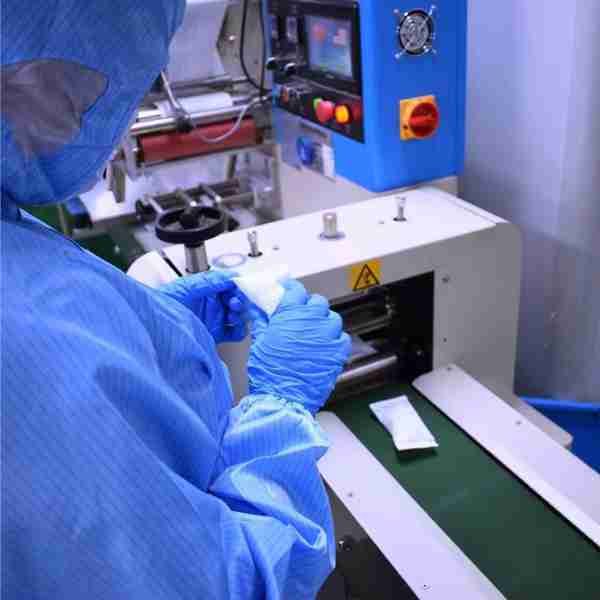
We run a structured QC system with dedicated quality staff (80 quality inspectors, per our company profile), covering incoming inspection, in-process verification, and final inspection. The process is supported by professional testing equipment, standardized checklists, and clear inspection steps for structure, stitching, logo application, function, and packing readiness.
This approach reduces hidden defects, improves accountability across production lines, and helps keep reorders stable—so bulk deliveries match the approved sample and stay consistent across repeat runs.
Branding & Logo Execution That Holds Up
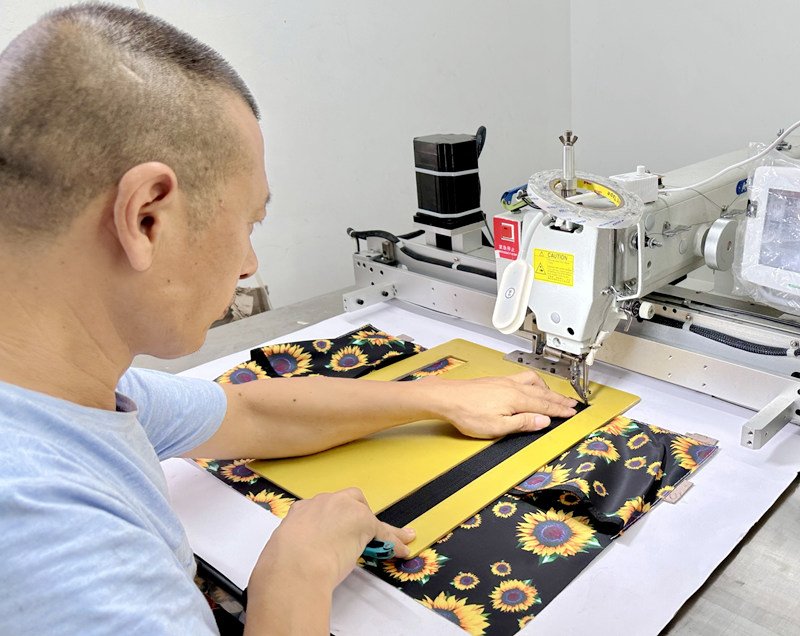
Branding is where many factories look strong on a sample and fail in bulk. A true one-stop partner guides buyers through logo method selection based on material compatibility, durability targets, placement control, and production repeatability—not just appearance.
The objective is a logo that stays clean and consistent after shipping, handling, and real-world use—without cracking, peeling, fading, or shifting position across SKUs and repeat runs. We also lock artwork files, placement reference points, and tolerance ranges early, so what gets approved is exactly what gets produced.
Packaging & Labeling for Retail, E-commerce, and Export
Packaging directly affects customer experience, warehouse operations, and international shipment safety. A true one-stop partner helps you choose packaging that matches your sales channel—retail presentation, e-commerce protection, or export carton compliance—so products arrive clean, consistent, and ready for receiving.
Per our company profile, we support a full range of packaging options, including individual polybags, hangtags, barcode/shipping labels, and custom packaging solutions. Packaging standards can be locked at the sample stage, then verified during production and final inspection to reduce damage, deformation, and labeling errors. The result is fewer downstream issues, smoother inbound processing, and more predictable delivery outcomes for repeat programs.

Export-Ready Documentation & Shipping Support

For international buyers, “finished production” is not the finish line. Documentation and export preparation can still delay a shipment—even when the bags are perfect, and inspections pass.
A true one-stop partner helps buyers coordinate labeling requirements, packing lists, and export references (including HS code support where needed), while aligning packing readiness with confirmed shipping timelines and pickup windows. We also help reduce last-minute friction by confirming carton marks, document formats, and channel-specific labeling early in the process.
In addition, we have strategic cooperation with selected shipping partners, which helps buyers access practical freight options—by sea, air, or express—based on destination, budget, and required delivery date. This keeps launches predictable and reduces avoidable clearance or warehouse receiving issues.
Project Management for Controlled Specs & Timelines
Most delays come from unclear inputs, late changes, and missing decision records—not from sewing speed. A true one-stop partner helps buyers run projects with disciplined checkpoints: what gets confirmed before sampling, what is locked before bulk, and how changes are managed through version control across teams and files.
We align specs, materials, branding, packing standards, and inspection criteria into one current working set, then track progress against defined milestones. When changes occur, they are classified by risk, documented with revision numbers, and validated before they touch bulk production—preventing mixed standards and avoidable rework.
With an experienced export-facing sales and development team, the outcome is a cleaner procurement workflow: fewer misunderstandings, fewer revision loops, faster approvals, and more predictable timelines—especially for multi-SKU programs, seasonal launches, and replenishment cycles.
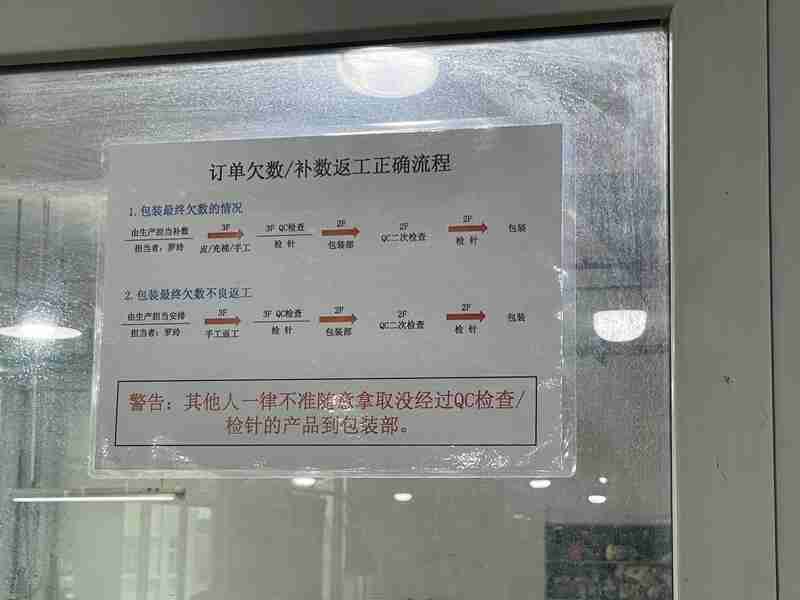
Typical Timeline: Sampling, PP Sample, Bulk Production

For brands and retailers, the real test isn’t the first order—it’s the second and third. Successful reorders depend on stable materials, consistent workmanship, controlled colors / branding, and predictable lead times—even as SKUs expand and demand shifts.
A true one-stop partner supports reorders by standardizing key decisions: locked spec sheets, approved material/component references, defined tolerance ranges, and clear packing and labeling requirements. We apply the same QC logic across batches—incoming checks, in-process verification, and final inspection—so results stay consistent from run to run.
This structure reduces quality drift, minimizes rework and disputes, and protects brand consistency when you scale. It also prevents the common disruption that happens when projects move between suppliers and standards get reinterpreted.
Simplify Sourcing: Start with a Practical Review
If you want fewer back-and-forth messages and a faster path to an approved sample, start with a short project review. Share your bag type, use case, quantity, branding direction, and target market—plus any target price range, reference images, or compliance needs if available.
We’ll reply with a practical execution route: recommended materials, key structure considerations, the best-fit logo approach, critical QC checkpoints, a channel-matched packaging plan, and a realistic timeline from sampling to bulk delivery.
If you prefer email, reach us at info@jundongfactory.com.

Who We Work With
Not every factory fits every buyer type. Some buyers prioritize low MOQ, others require strict repeatability, and some need documentation for institutional procurement. This module clarifies who benefits most from working with a Guangdong OEM/ODM bag manufacturer like us—brands, private label operators, wholesalers, e-commerce sellers, and project buyers—based on what we’re built for: integrated development, stable production, and quality control designed to support long-term supply.


















Make A Sample First?
See your idea come to life before mass production.
At Jundong Factory, we offer free design mockups and custom samples to ensure every detail is perfect — from material and color to logo placement and stitching.
Start your project with confidence today: info@jundongfactory.com.
Effective Production Process
From Design to Delivery — Every Step Done with Precision
An effective production process is the foundation of reliable delivery, consistent quality, and smooth cooperation. For custom bag manufacturing, success does not depend on a single step, but on how sampling, order confirmation, mass production, quality inspection, packaging, and shipment are connected as one controlled workflow.
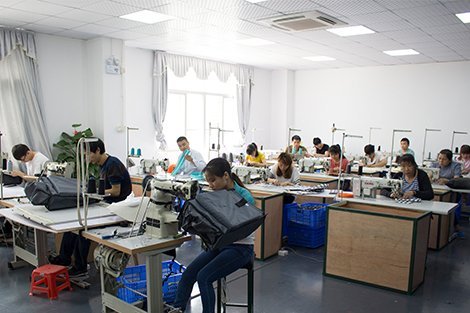
Our production process starts with sample development and pre-production alignment. At this stage, materials, structure, logo methods, and workmanship standards are confirmed to ensure the approved sample can be accurately repeated in bulk. Once an order is placed, production planning and material preparation are coordinated to match order quantity, SKU complexity, and delivery timelines. Clear handover between teams helps reduce errors and delays.
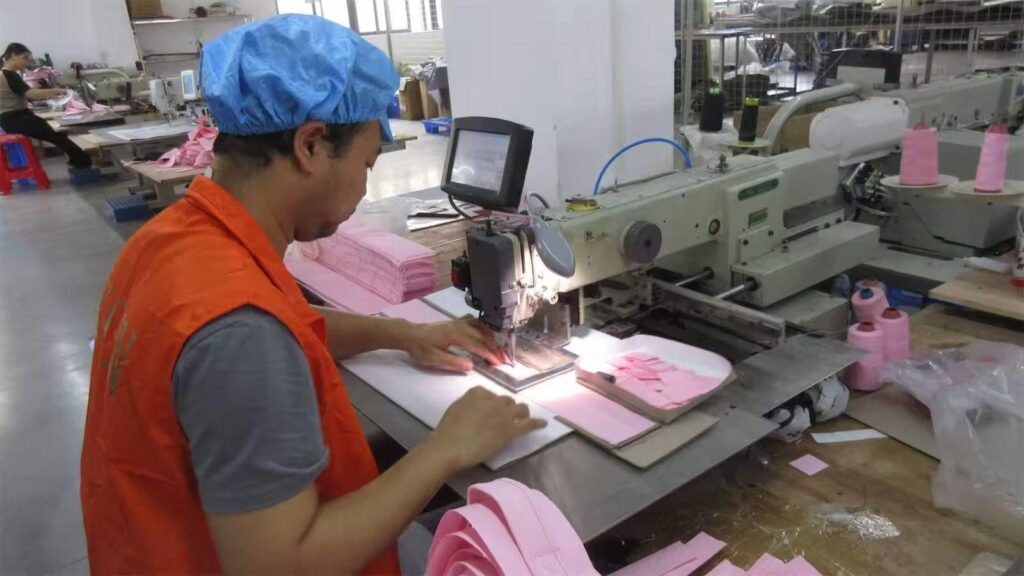
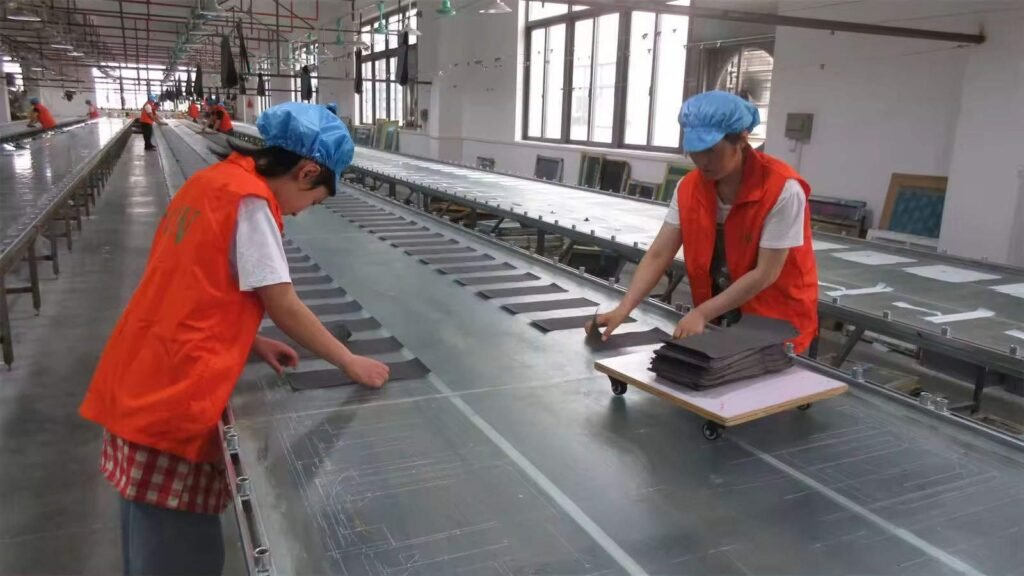
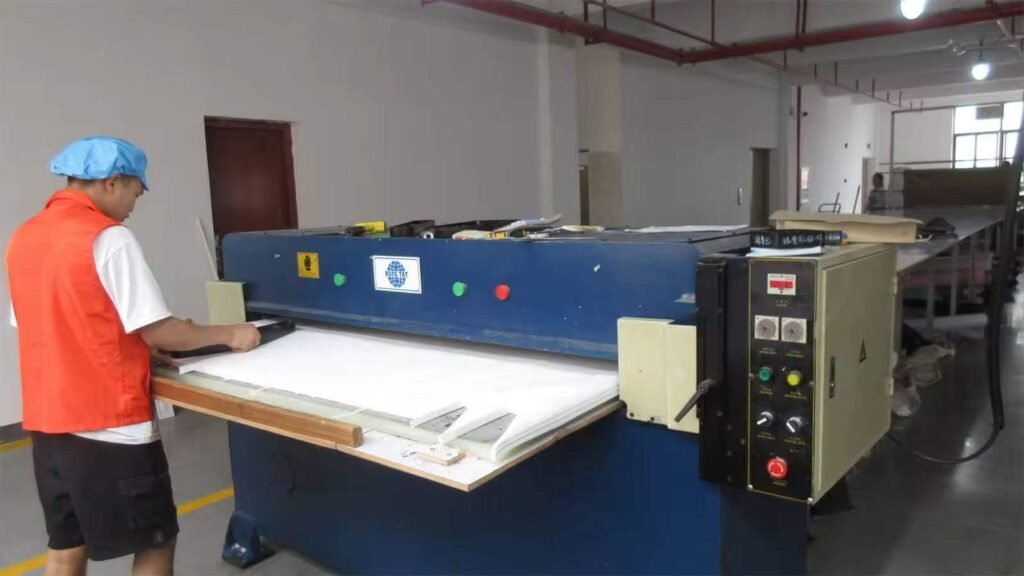
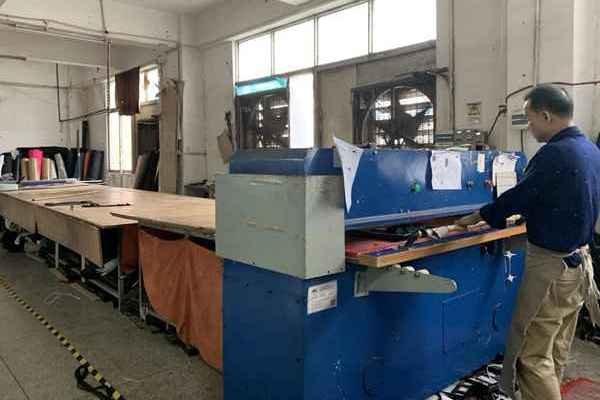
During mass production, in-process quality checks are applied at key stages such as cutting, stitching, assembly, and finishing. This allows potential issues to be identified early rather than discovered at the final stage. After production, finished goods undergo final inspection to verify appearance, function, and packing requirements before packaging begins.
Packaging and shipment preparation follow confirmed export and labeling standards, ensuring products are protected during transportation and ready for customs clearance. This structured process helps buyers track progress, control risk, and move from sampling to repeat orders with confidence.
Ready to start your custom project? Contact us today at 📩 info@jundongfactory.com

1-Business Contact
2-Sample Creation

3-Material Preparing
4-Material Cutting
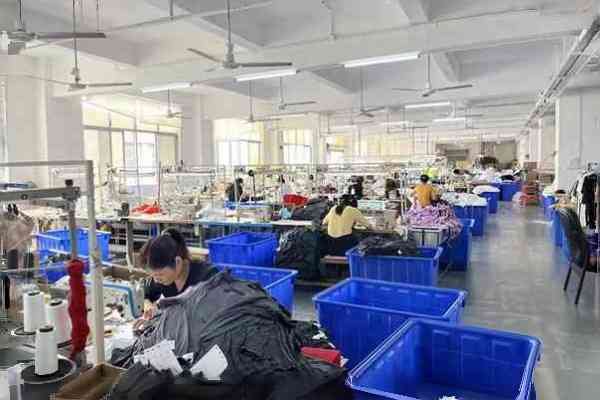
5-Bulk Production
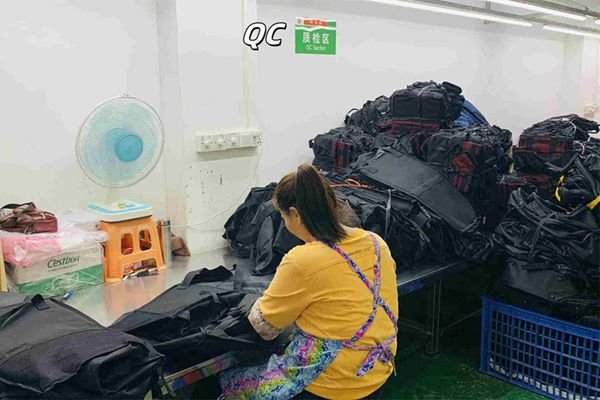
6-Quality Inspection

7-Product Packaging

8-Cargo Warehousing
One-Stop Bag Manufacturing Partner FAQs
How can buyers tell if a bag manufacturer is truly reliable, not just responsive?
Fast replies and friendly communication are easy to perform—but reliability is proven through systems, not speed. Many sourcing problems begin with suppliers who respond quickly but lack internal structure, leading to inconsistency once sampling or bulk production starts.
A reliable bag manufacturer demonstrates process transparency. When asked about structure, materials, or QC, they can explain how decisions are made, not just say “this is standard.” For example, they should describe how the bag structure is designed based on load distribution, how materials are selected according to usage and durability, and how quality is controlled at multiple production stages, not only at final inspection.
Another key signal is consistency across phases. Reliable factories can reproduce the same results from sample to bulk and from first order to reorders. This requires documented specifications, stable material sourcing, and internal communication between design, production, and QC teams. Factories that rely on individual experience rather than standardized processes often struggle when volume or SKU count increases.
Finally, reliability includes risk awareness. A dependable manufacturer openly discusses limitations, potential risks, and trade-offs instead of promising everything. For buyers, a supplier who explains constraints clearly is often safer than one who always says “no problem.” True reliability shows up when complexity increases—not when everything is simple.
What questions should buyers ask to evaluate a bag manufacturer before sampling?
Before sampling, buyers should focus on questions that reveal a manufacturer’s thinking process, not just their capabilities list. Sampling too early—without evaluating systems—often leads to repeated revisions and unclear responsibility later.
Key questions include how the manufacturer approaches structural engineering, such as reinforcement points and stress areas; how they select materials and components based on real usage rather than appearance; and how their quality control system works across incoming materials, in-process checks, and final inspection. Buyers should also ask how sample specifications are converted into bulk production standards, and how changes are managed once sampling is approved.
Equally important is understanding production planning. Asking how the factory handles multi-SKU orders, capacity allocation, and timeline control reveals whether they operate with planning discipline or ad-hoc scheduling. Clear answers indicate experience with export-oriented projects and repeat orders.
The goal of these questions is not to “test” the supplier, but to establish a professional baseline. Manufacturers who can answer with structure, examples, and boundaries are far more likely to support a smooth project from development through bulk delivery.
Why is structure engineering more important than appearance when choosing a manufacturer?
Appearance is easy to modify; structure is not. Most long-term quality failures—such as deformation, broken handles, zipper stress, or discomfort during carrying—originate from structural decisions made early in development.
Structure engineering determines how weight is distributed, how stress is absorbed, and how the bag performs after repeated use. A reliable manufacturer designs compartments, padding, reinforcements, stitching paths, and closures as a functional system, not as isolated visual elements. This system-based approach is what keeps bags stable under real-world conditions like heavy loads, frequent opening, and transport friction.
Factories that lack engineering discipline often copy existing styles without understanding why they work. While samples may look acceptable, bulk production exposes weaknesses when materials, operators, and volumes change. Buyers should prioritize manufacturers who can explain why a structure works, how it has been validated, and where its limits are.
In procurement, choosing structure over appearance is choosing durability, consistency, and brand protection—especially for products intended for repeat sales or demanding applications.
How does material and component control affect long-term bag quality?
Materials and components are not interchangeable. Zippers, hardware, webbing, lining, and padding all behave differently under load, friction, moisture, and temperature changes. Long-term bag quality depends on selecting components that match the intended use—and controlling them consistently across batches.
A reliable manufacturer manages materials as a controlled system. This includes defining specifications, approving samples, and maintaining stable sourcing. Without control, buyers often face issues such as zipper failure, coating peeling, uneven color, or inconsistent hand feel between reorders.
Component control also affects production efficiency. When materials vary, operators adjust subconsciously, leading to inconsistent stitching tension or alignment. Controlled inputs reduce variability and improve repeatability. Buyers should ask whether the factory documents material specs and how substitutions are handled if supply changes.
In long-term programs, material control is one of the strongest predictors of stable quality. It protects not only the product, but also timelines, cost forecasts, and brand consistency.
Why do many bag projects fail after sampling, not before?
Many bag projects appear successful at the sampling stage but fail during bulk production because sampling and mass production are fundamentally different environments. Samples are usually made by senior technicians, with more time per unit and closer supervision. Bulk production introduces multiple operators, higher speed, tighter cost control, and material batch variation—all of which expose weaknesses in planning and documentation.
The most common root cause is the lack of sample-to-bulk translation. When a sample is approved visually but not backed by clear specifications—such as material grades, stitch density, reinforcement details, logo placement tolerances, and packing standards—the production team has room for interpretation. This leads to inconsistency, even when everyone is trying to “follow the sample.”
Another major issue is missing process validation. Reliable manufacturers treat sampling as a validation step, not a showcase. They use samples to test structure durability, component compatibility, and assembly feasibility, then lock these findings into production standards. Without this step, problems surface only after hundreds of units are completed.
For buyers, the solution is to evaluate how a factory connects sampling to bulk: Do they document specs? Do they run pre-production checks? Do they use the approved sample as a controlled reference, not just a visual guide? Projects succeed when sampling decisions are converted into repeatable execution rules, not when samples simply “look good.”
How does production planning affect delivery reliability?
Delivery reliability is rarely a capacity issue—it is a planning discipline issue. Many delays occur not because a factory lacks machines or workers, but because orders are scheduled without clear priorities, material readiness, or milestone control.
Effective production planning starts with understanding order complexity: number of SKUs, colorways, materials, logo methods, and packing variations. A reliable manufacturer allocates capacity based on these variables, not just total quantity. This prevents bottlenecks where one missing component or a late decision blocks an entire shipment.
Another key factor is buffer management. Realistic timelines include buffers for material inspection, process setup, and quality checks. Factories that promise overly aggressive lead times often compensate by cutting verification steps, which increases risk. Transparent planning allows buyers to align internal launches, marketing, and logistics with realistic dates.
Buyers should ask how production plans are built and adjusted. When a manufacturer can explain scheduling logic, contingency handling, and progress tracking, delivery becomes predictable. Reliability is not about being fast—it’s about being consistently on time.
What role does quality control play beyond final inspection?
Final inspection alone cannot guarantee quality. By the time defects are discovered at the end, correction is expensive and often incomplete. Effective quality control works as a prevention system, not just a screening step.
A robust QC system includes incoming inspection to verify materials and components, in-process checks at critical steps such as stitching, reinforcement, and logo application, and final inspection to confirm appearance, function, and packing readiness. Each stage reduces the chance that defects move downstream.
Process-level QC also stabilizes reorders. When inspection criteria are consistent, production teams adjust proactively instead of reacting to complaints. Buyers benefit from fewer disputes, clearer accountability, and more predictable outcomes. Factories with dedicated QC teams and documented checkpoints demonstrate maturity and reduce long-term sourcing risk.
Why should buyers evaluate packaging capability as part of manufacturing reliability?
Packaging is often treated as an afterthought, yet it directly affects product protection, logistics efficiency, and customer satisfaction. A well-made bag can still fail in the market if packaging leads to damage, deformation, or labeling errors during transport and storage.
Reliable manufacturers treat packaging as part of the production system. They align packaging choices with sales channels—retail display, e-commerce shipping, or export container loading—and integrate packing checks into quality inspection. This ensures that the product leaving the factory arrives in the same condition at the destination.
Packaging capability also reflects operational maturity. Factories that plan packaging early reduce last-minute changes and receiving disputes. For buyers, evaluating packaging readiness helps prevent hidden costs such as returns, rework, or delayed warehouse intake. In long-term cooperation, packaging consistency is as important as product consistency.
How can buyers reduce logo and branding failures when moving from sample to bulk?
Logo and branding failures rarely happen because a factory “cannot do the technique.” They happen because branding is treated as decoration rather than a controlled manufacturing parameter. In sampling, logos are often evaluated visually, while bulk production introduces variation in operators, speed, material batches, and environmental conditions. Without control, inconsistency is inevitable.
The first step is selecting the right logo method for the material and use case, not just for appearance. Certain prints perform poorly on textured or coated fabrics, while some embroidery styles distort on padded or curved panels. A reliable manufacturer explains why a method is suitable and where its limits are. This prevents methods that look good in samples but fail under friction, folding, or load.
Next is placement control. Buyers should define logo placement using reference points, not subjective terms like “centered.” Measurable definitions—distance from seams, edges, or panels—combined with tolerance ranges help production teams execute consistently across SKUs and reorders.
Finally, branding must be integrated into production control. This includes pre-production confirmation of artwork files, scaling, and templates, as well as in-process checks during bulk runs. When branding is treated with the same discipline as materials and structure, sample-to-bulk failures drop dramatically, and brand consistency is protected long term.
How important is export and compliance support when choosing a bag manufacturer?
Export and compliance support is often underestimated until a shipment is delayed. Many projects fail not because the bags are defective, but because labels, documents, or packing do not meet destination requirements. These issues typically surface late, when timelines are tight, and correction costs are high.
A reliable bag manufacturer understands export-oriented production basics. This includes preparing correct carton markings, packing lists, and coordinating labeling requirements for different markets. While manufacturers are not customs brokers, experienced factories know how to prepare shipments so buyers and logistics partners can proceed smoothly.
Export readiness also reflects operational maturity. Factories that have handled international orders understand that responsibility extends beyond sewing. They align production completion with document readiness and shipping windows, reducing last-minute surprises. For buyers, this support lowers risk, especially when working across multiple destinations or time-sensitive launches.
What is the best way to manage specification changes without causing delays or quality drift?
Specification changes are unavoidable in OEM/ODM projects. Problems arise not from change itself, but from uncontrolled change. The best approach is to manage changes with structure, so speed and consistency are preserved.
Effective change management starts with classification. Cosmetic changes (color, label text) carry lower risk than functional changes (pocket layout, zipper type), while structural changes (reinforcement, padding, panel construction) carry the highest risk. Each category should trigger different approval steps and timeline impact.
Next is version control. Every change must be documented with a revision number, updated spec, and effective scope (sample vs bulk). This prevents common errors such as outdated files or mixed standards. In one-stop cooperation, all teams—design, production, QC—must work from the same current version.
Finally, protect execution. Before bulk production, conduct a pre-production confirmation to lock materials, structure, branding, packing, and inspection criteria. During production, use in-process checkpoints to verify changes are implemented correctly. Well-managed change reduces rework, avoids disputes, and stabilizes reorders.
Reference table for buyers
| Change Type | Examples | Risk Level | Recommended Control |
|---|---|---|---|
| Cosmetic | Color, label text | Low–Medium | Update spec + PP confirmation |
| Functional | Pocket layout, zipper | Medium | Feasibility check + partial re-sample |
| Structural | Reinforcement, padding | High | Re-sample + lock QC criteria |
Why do large buyers prioritize process transparency over low pricing?
Low pricing is attractive, but experienced buyers know that hidden costs often exceed visible savings. Delays, rework, quality disputes, and internal coordination consume time and resources that rarely appear on a quotation.
Process transparency allows buyers to understand how orders move from concept to shipment. When timelines, responsibilities, and checkpoints are visible, buyers can plan launches, coordinate logistics, and manage internal stakeholders more effectively. Transparent processes also make it easier to identify issues early, when corrections are cheaper.
Manufacturers who operate transparently tend to be more predictable. They document standards, communicate deviations, and align expectations realistically. For large buyers managing multiple SKUs or long-term programs, predictability reduces operational friction and protects brand reputation. In this context, transparency delivers more value than the lowest unit price.
Everything You Need To Know About One-Stop Bag Manufacturing Partner
Buyers don’t need vague claims about being “one-stop.” They need clear answers that reduce risk, rework, and uncertainty before committing to an order. The FAQs below focus on the real questions that determine whether a one-stop bag manufacturer can actually deliver: how specs are aligned from design to bulk, how sampling decisions translate into repeatable production, how materials, structure, branding, and QC are controlled across SKUs, and how packaging and export preparation impact final delivery.
If you’re evaluating suppliers or comparing manufacturing partners, use this section as a practical checklist. It’s designed to help procurement teams assess execution capability—not promises—so projects move forward with fewer surprises, clearer timelines, and more consistent results from first sample through reorders.
