Skip to content
Custom Bag Manufacturer | OEM & ODM Bag Supplier in Guangdong
JunDong Factory is a custom bag manufacturer in Guangdong providing OEM & ODM services for backpacks, tool bags, travel bags, promotional bags, and more. Low MOQ, fast sampling, and full quality control for global buyers.
What Kind of Bags We Can Manufacture
Choose any bag style for customization — from promotional, outdoor, travel, safety, industrial, or specialty bags — and we will support you throughout the design and manufacturing process.
Choosing a custom bag manufacturer starts with understanding product capability, not promises.
A professional manufacturer should be able to support multiple bag categories, each with different materials, structures, functional requirements, and quality standards.
Below is an overview of the most commonly requested custom bag types we manufacture for B2B buyers, covering retail, industrial, promotional, and functional applications.
All categories can be produced under OEM, ODM, or low MOQ models, depending on project requirements.
As a factory-based custom bag manufacturer, we support a wide range of bag categories frequently requested by global B2B buyers.
These products are commonly used for retail brands, industrial tools, safety protection, travel, outdoor activities, promotional campaigns, and specialized storage.
We manufacture custom bags across multiple categories, including but not limited to:
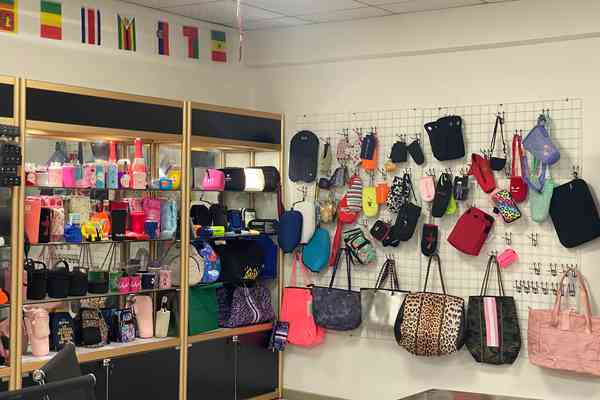
Backpacks, Tool Bags, Fireproof Bags, EVA Hard Cases, Travel Bags, Tote Bags, Cosmetic Bags, Promotional Bags, Sports Bags, Medical Bags, Industrial Utility Bags, Pet Bags.
Each category requires different materials, structures, and QC standards, which is why category experience matters.
Each bag category involves different production processes, such as fabric cutting, EVA molding, reinforcement stitching, functional assembly, and quality inspection.
Our experience across these categories allows us to recommend manufacturing-feasible designs and ensure stable production from sampling to bulk orders.

Explore Custom Bag Categories
Ask If We Can Manufacture Your Bag

Discuss Your Custom Bag Project
Custom Crossbody Bags
Custom Heavy-Duty Tool Bags
Custom Polyester Bags
Custom Anti-Static Bags
Custom Duffel Bags
Custom Outdoor Gear Bags
Custom Gym Sports Bag
Custom Waterproof Bags
Custom Nylon Travel Bag
Custom Toiletry Bags
Custom Leather Pouch
Custom TPU Bags
Custom Transparent Bags
Custom PVC Clear Bags
Custom Organizer Bags
Custom Molded EVA Cases
Custom Reflective Bag
Custom Denim Bag
Custom Laundry Bag
Custom Shopping Bag
Custom Corporate Gift Bag
Custom School Bag
Custom Printed Bag
Custom Two-Tone Bag
Custom Pattern Bag
Custom Striped Bag
Custom Polka Dot Bag
Custom Reflective Strip Bag
Custom Pouch for Jewelry
Custom Bag for Wine
Custom Bag for Electronics
Custom Bag for Headphones
Custom Bag for Watches
Custom Bag for Perfume
Custom Bag for Candles
Custom Bag for Sunglasses
Custom Bag for Mobile Accessories
Custom Waterproof Dry Bags
Custom Shape Bag
Custom Reflective Safety Bag
Custom Pattern Bag
Custom Matte Finish Bag
Custom Foldable Bag
Custom Elastic Bag
Custom Luxury Velvet Pouch
Custom Promotional Event Bag
Shopping Bags
Tote Bags
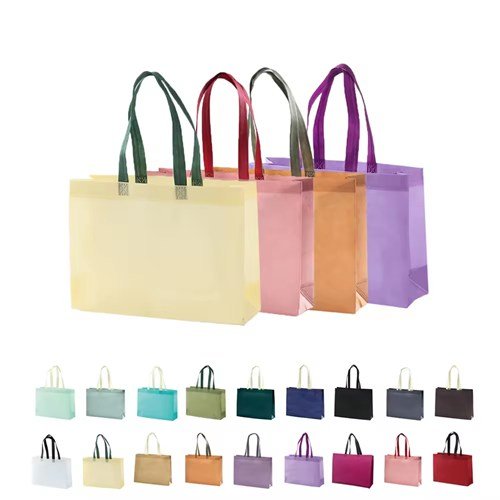
Promotional Bags
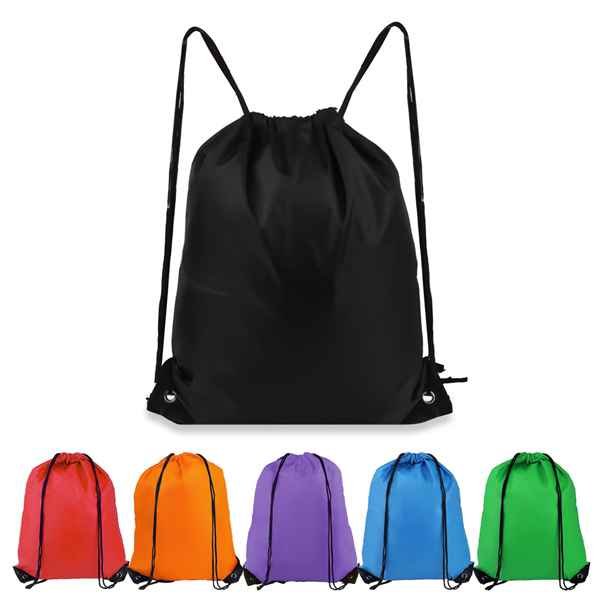
Drawstring Bags
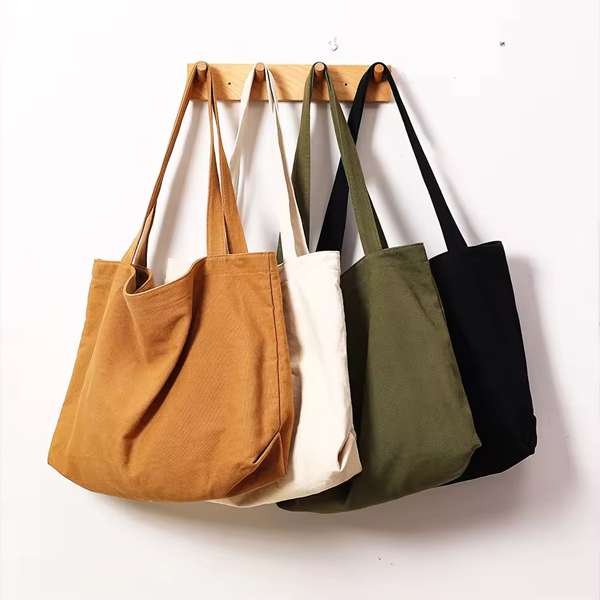
Canvas Bags

Cotton Bags
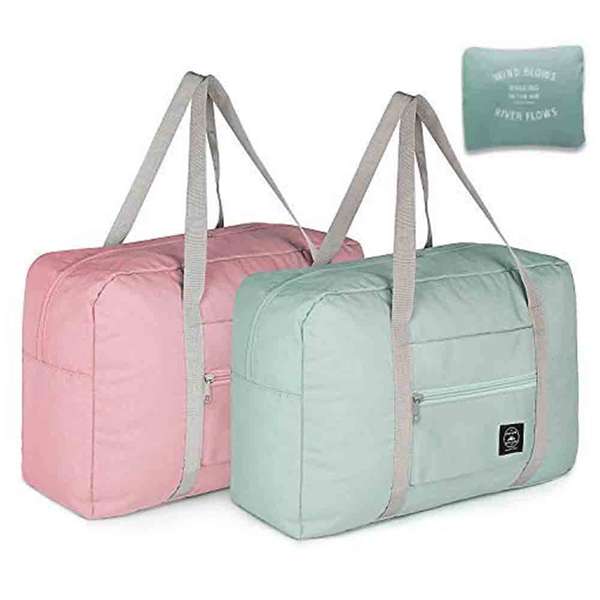
Foldable Bags
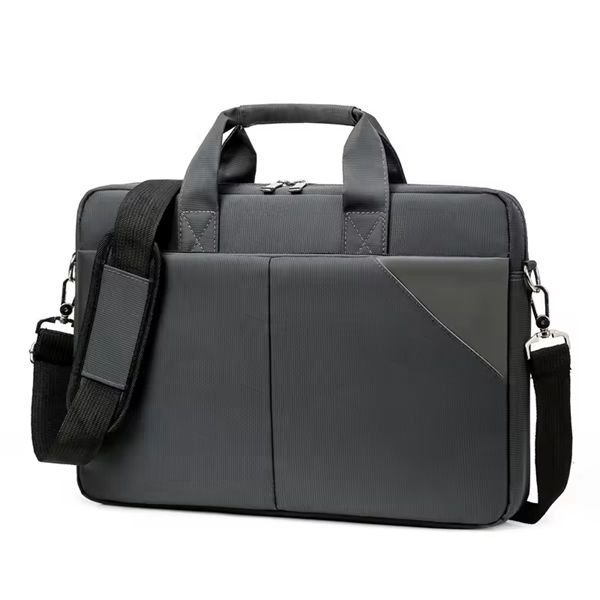
Laptop Bags
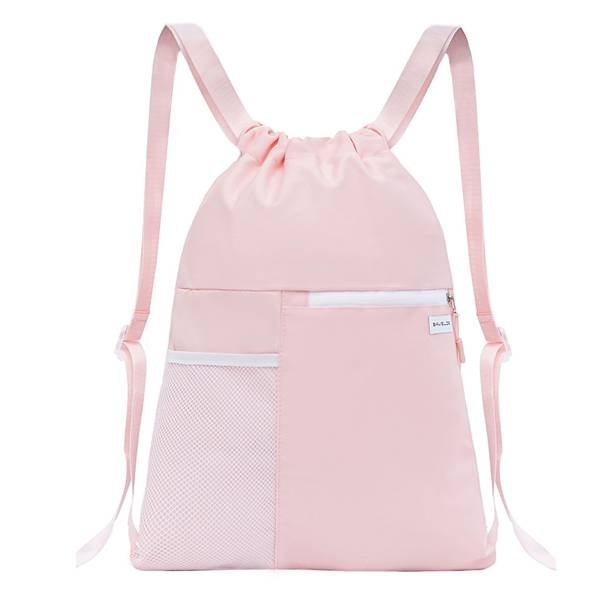
Backpacks
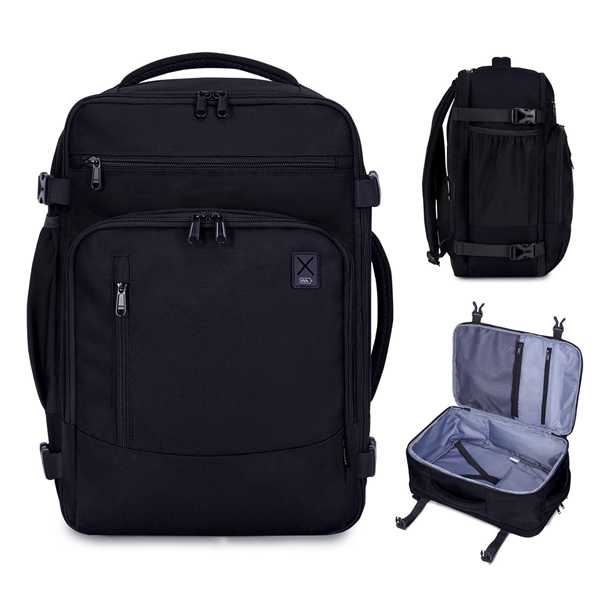
Travel Daypacks

Sling Bags
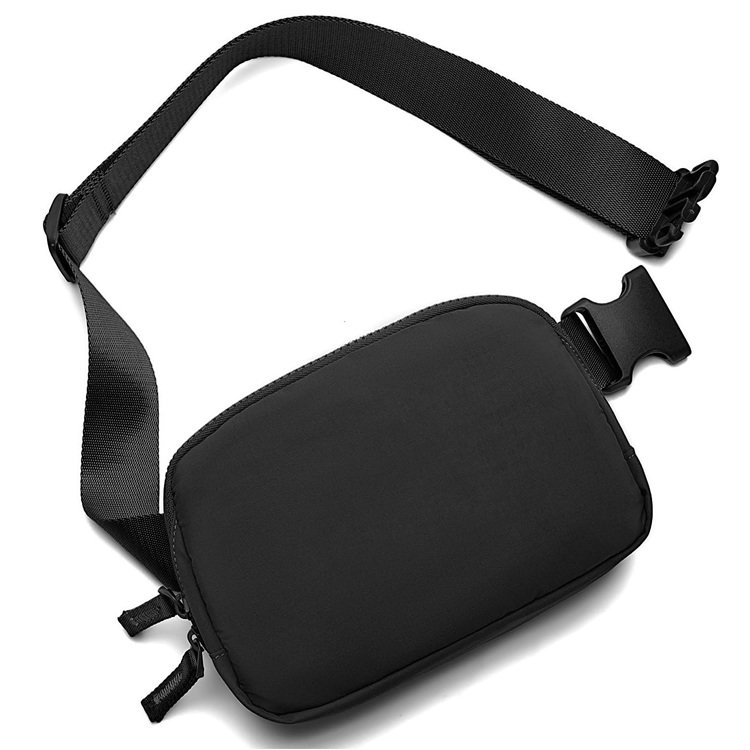
Belt Bags
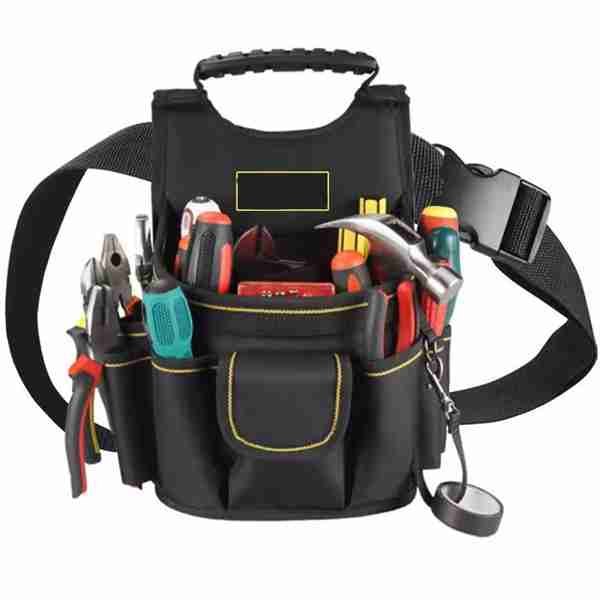
Electrician Tool Bags
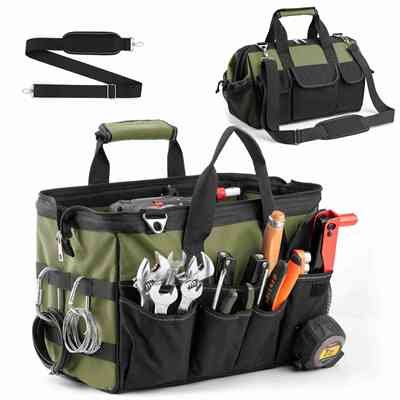
Industrial Utility Bags
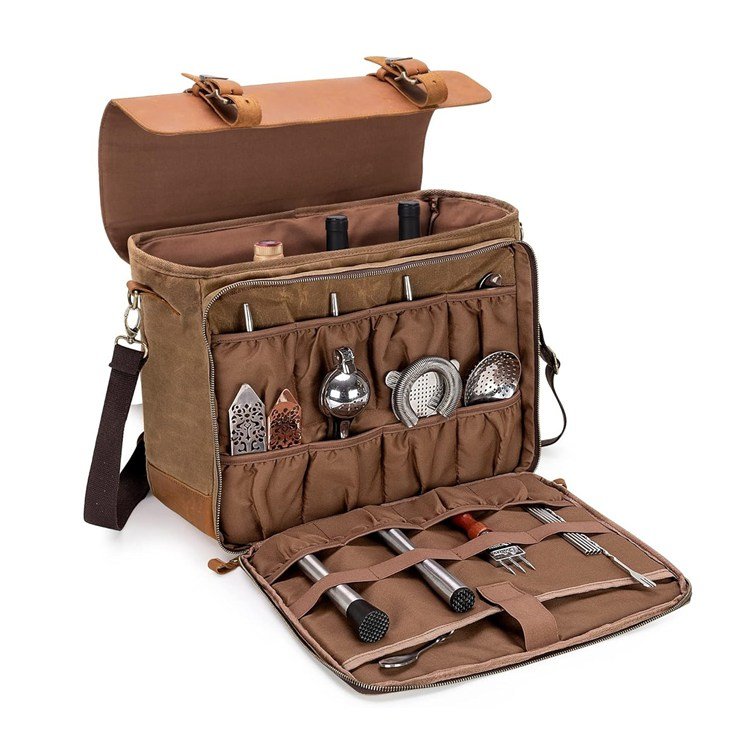
Tool Bags
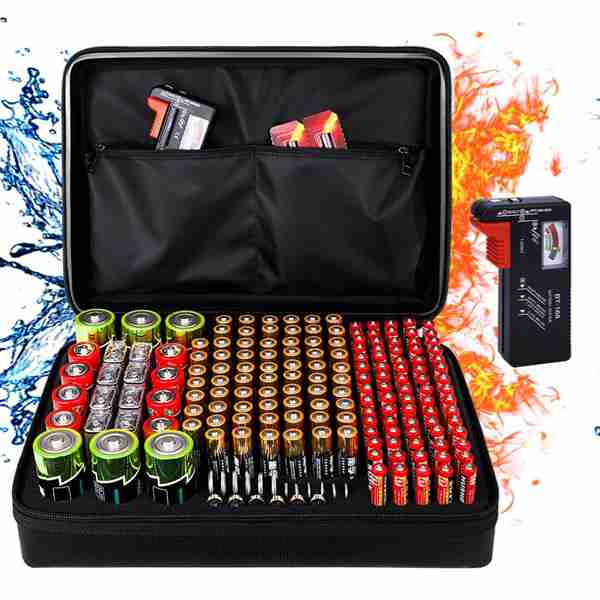
Lithium Battery Safety Bags
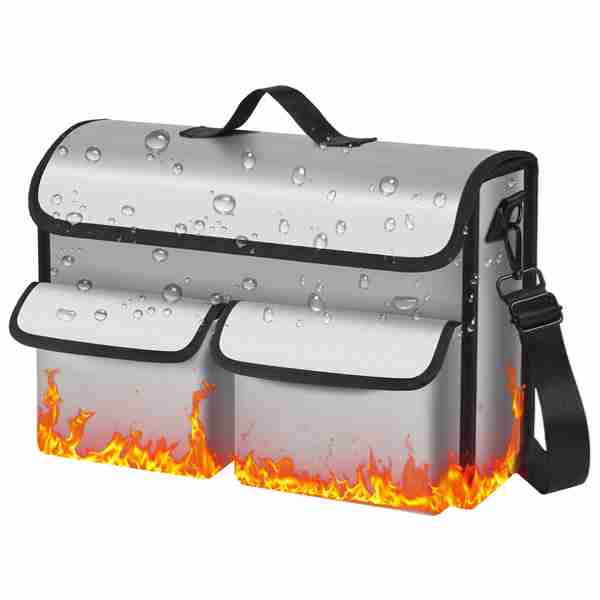
Fireproof Bags
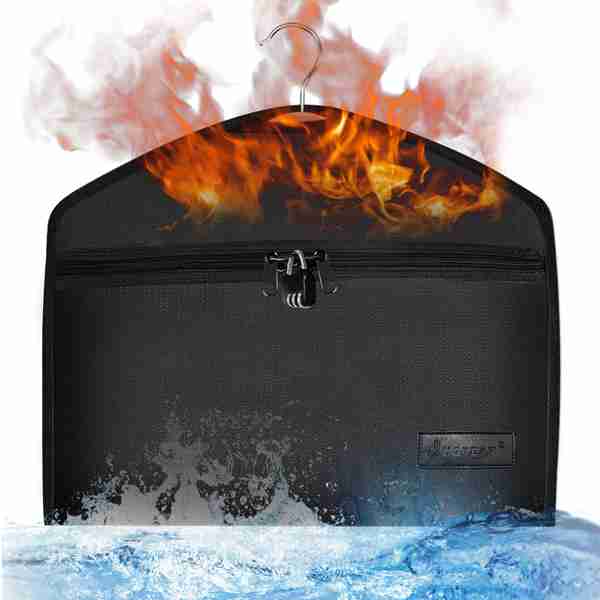
Document Fireproof Bags
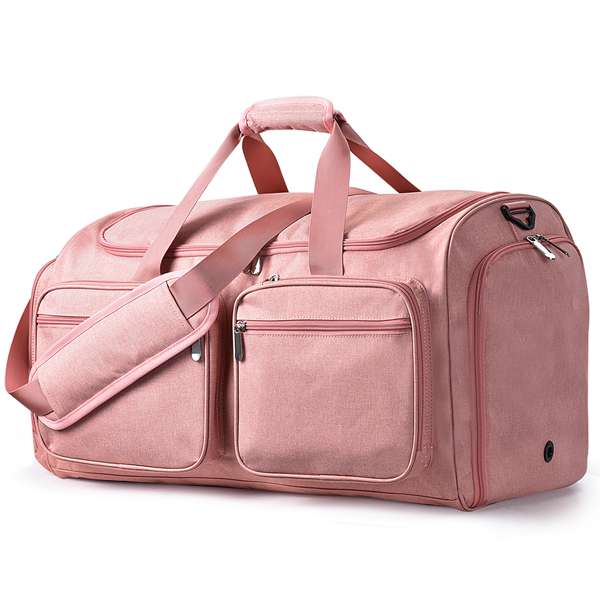
Travel Bags
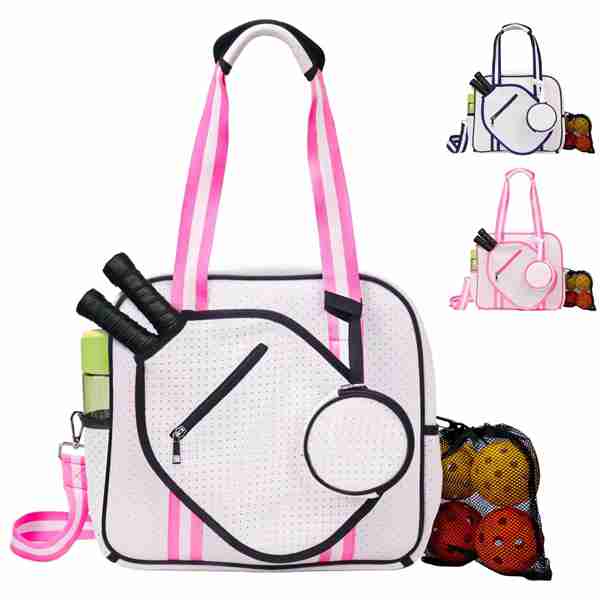
Sports Bags
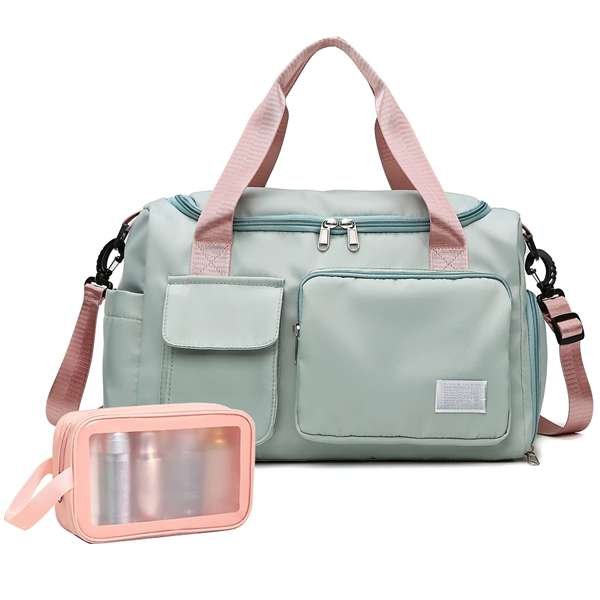
Weekender Bags
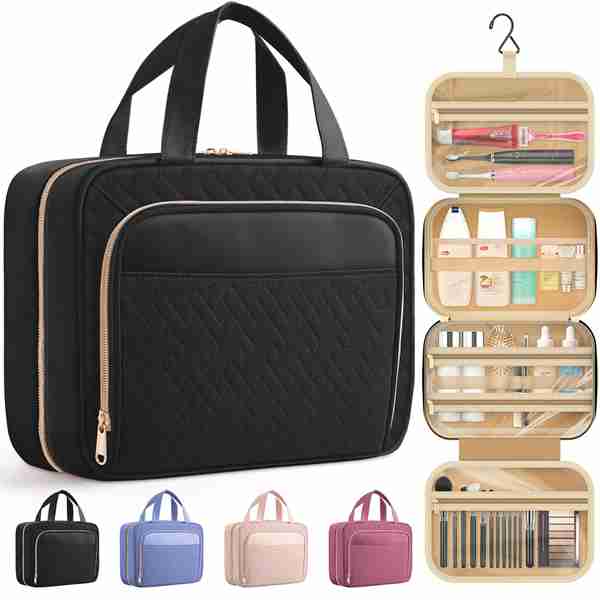
Cosmetic Bags
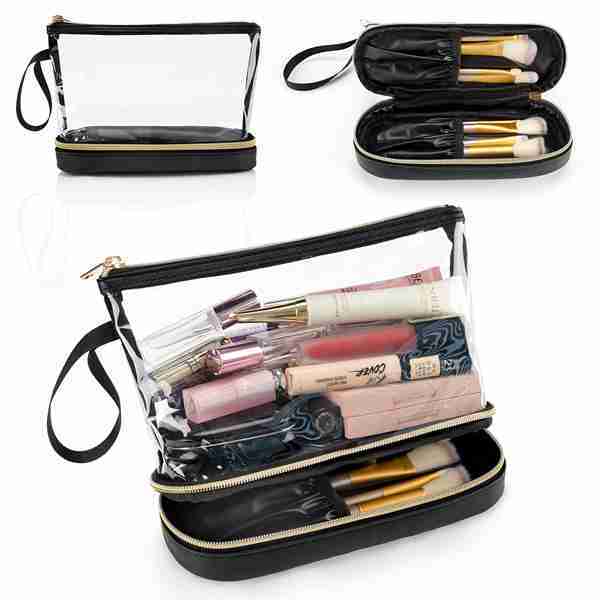
Makeup Pouches
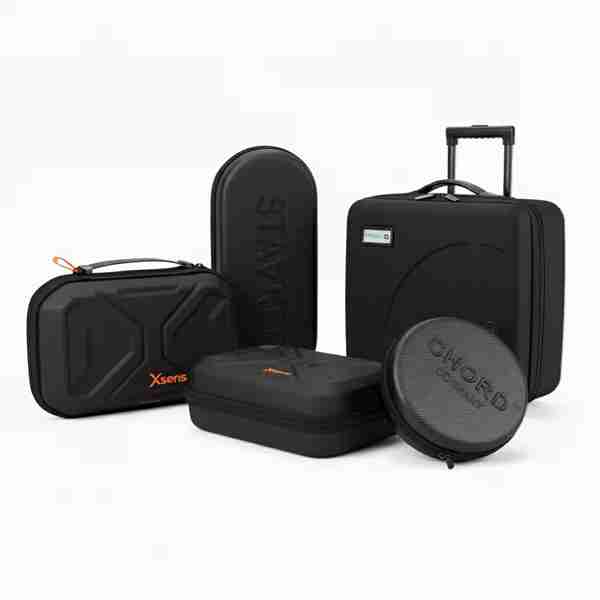
EVA Hard Cases
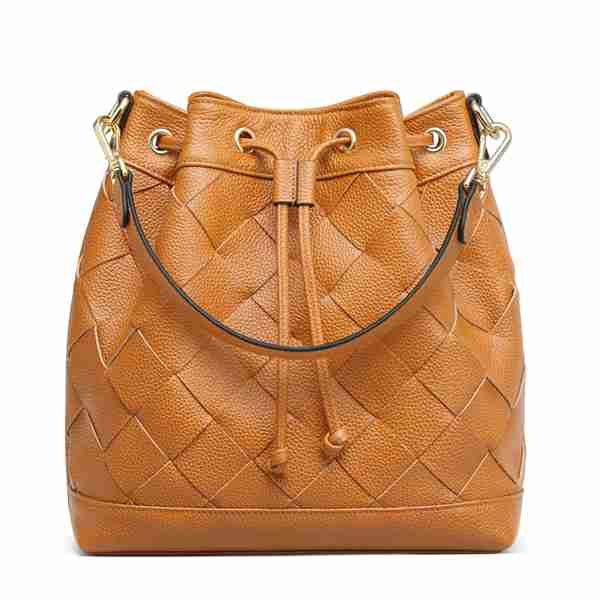
Woven Bucket Bag
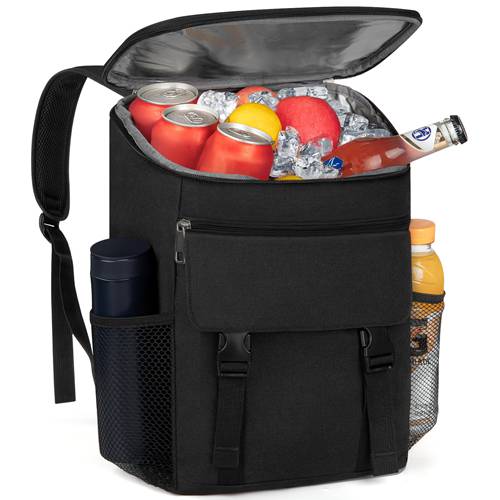
Insulated Cooler Bags
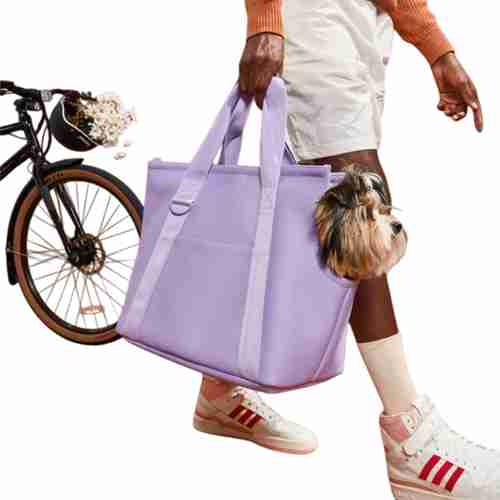
Pet Carrier Bags
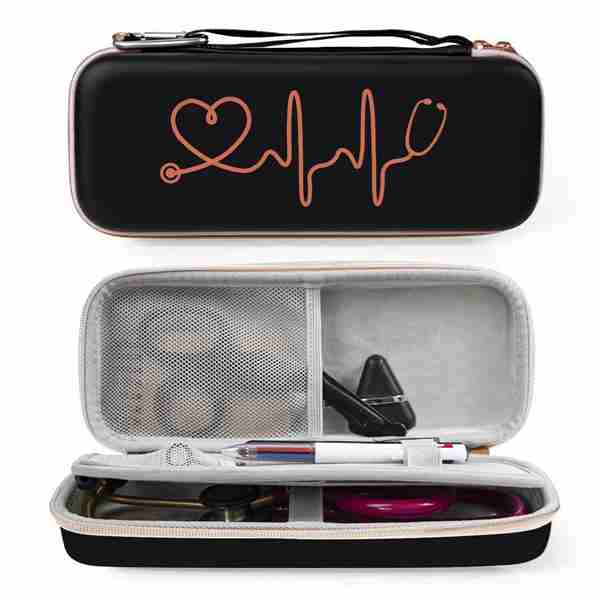
Medical Supply Bags
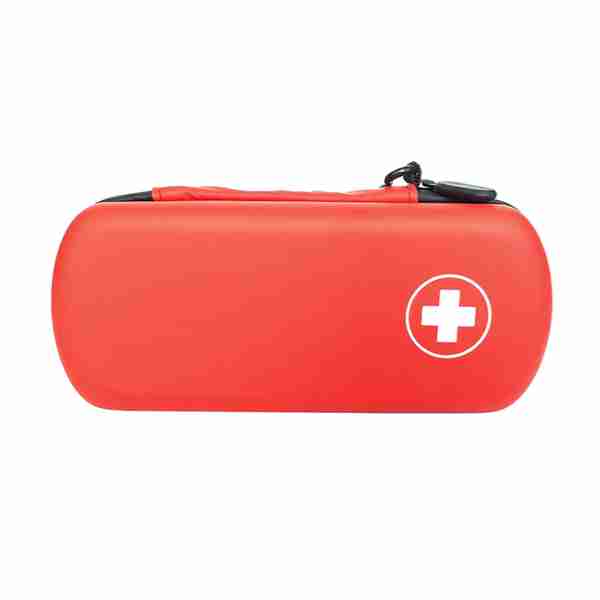
First Aid Bags
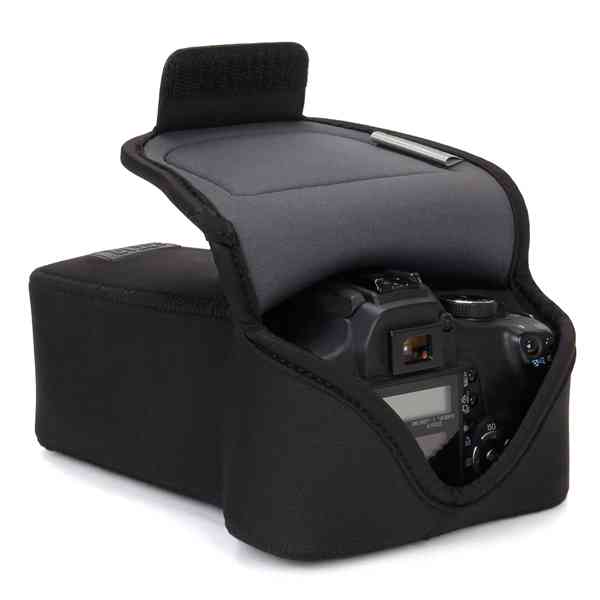
Camera Bags
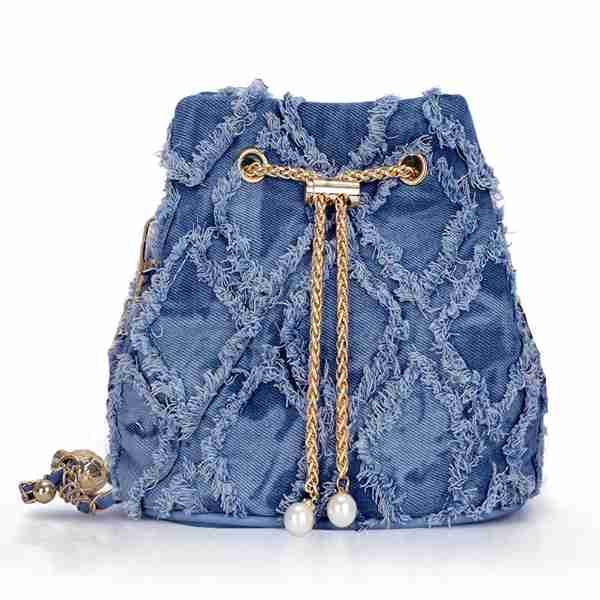
Denim Bucket Bag
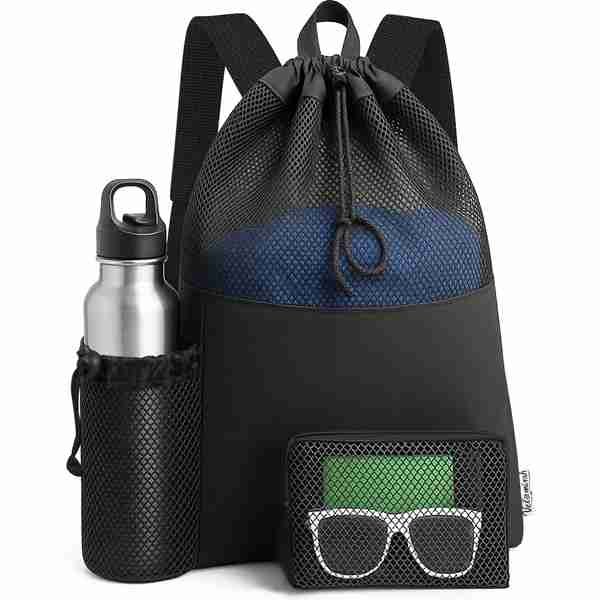
Gym Sports Bags
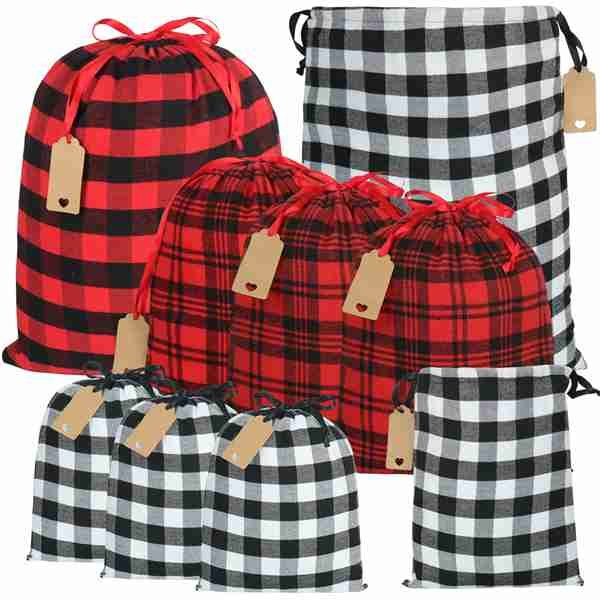
Gift Pouches Bags
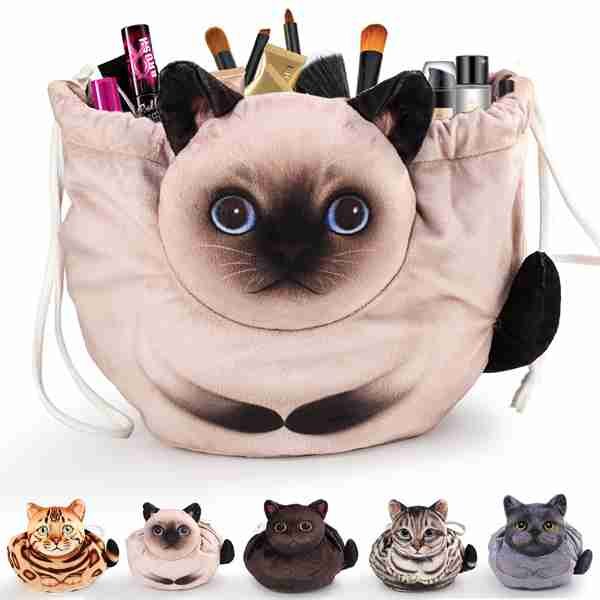
Makeup Cosmetic bag
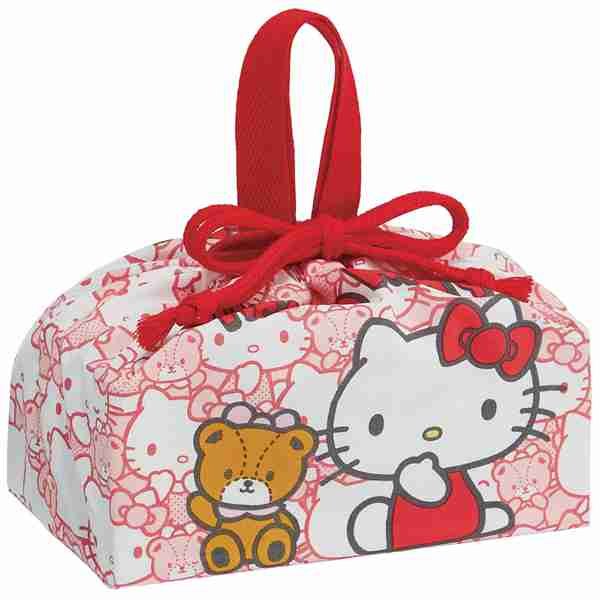
Tissue box Bag
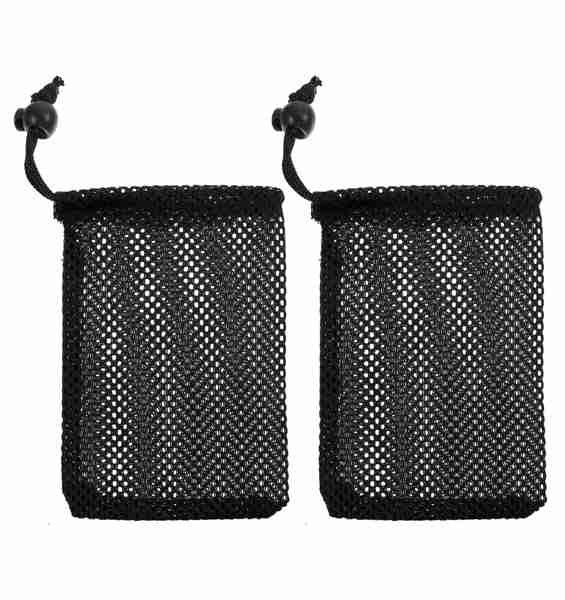
Small Mesh Pouches
Who We Are as a Manufacturer
Factory-Based Custom Bag Manufacturer in Guangdong, China
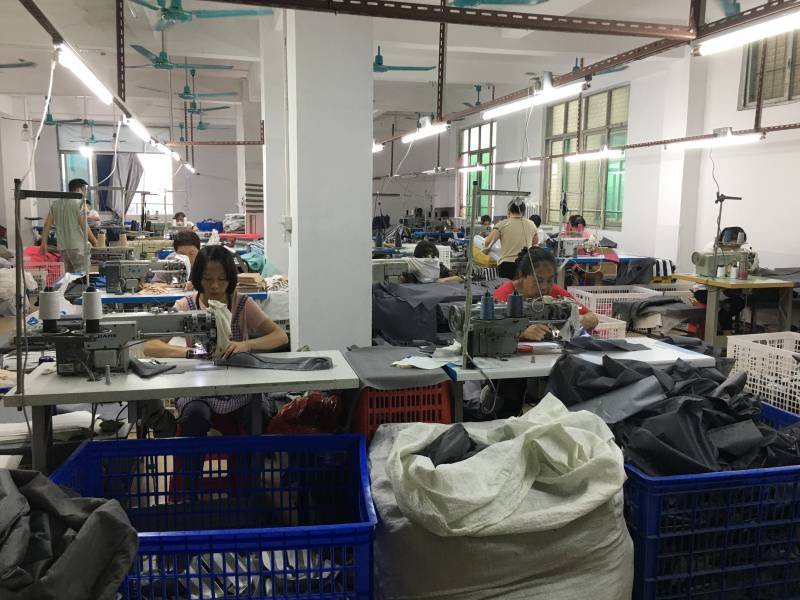
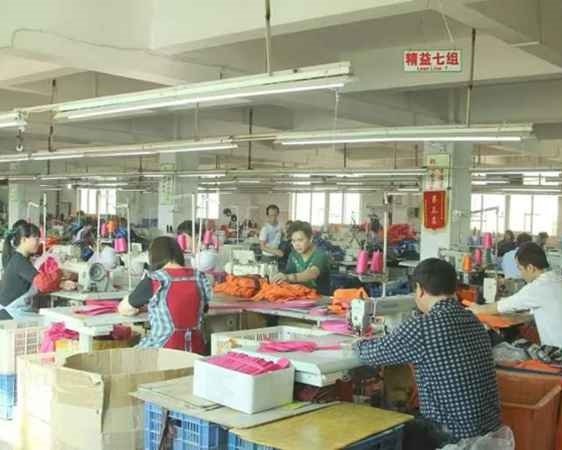
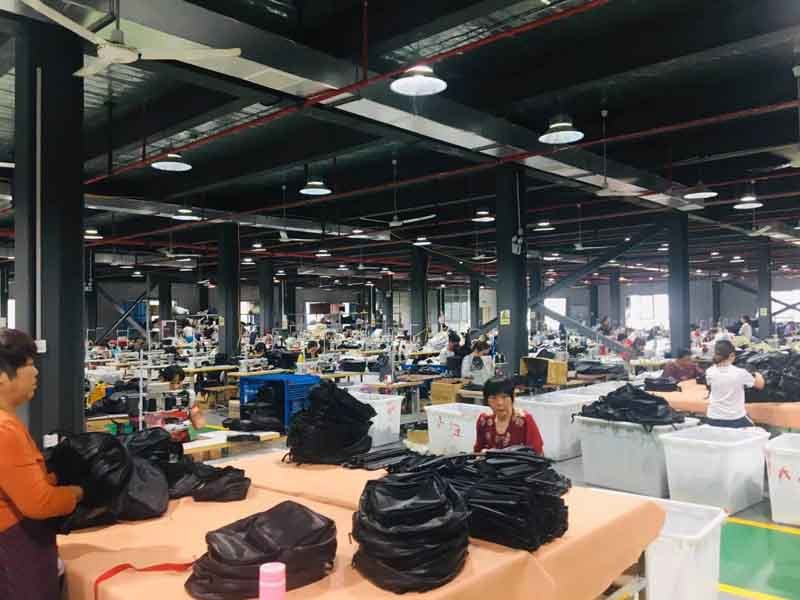
We are a factory-based custom bag manufacturer with in-house product development, sampling, and scalable mass production.
Our manufacturing system includes:
✔ 600+ Skilled Production Workers
✔ 18,000+ sqm Factory Area
✔ Dedicated Production Lines by Bag Category
✔ 80+ Full-Time Quality Inspectors
✔ In-House Testing & Inspection Equipment
✔ Professional testing and inspection equipment
✔ Consistent Quality, Cost & Lead Time Control
This structure allows us to control cost, quality, lead time, and scalability internally.
Direct OEM/ODM Factory
20+ years manufacturing custom makeup bags.

Low MOQ (e.g., 100–300 pcs)
Perfect for small business & new product launch.

Free Design Match
From artwork to structure development.
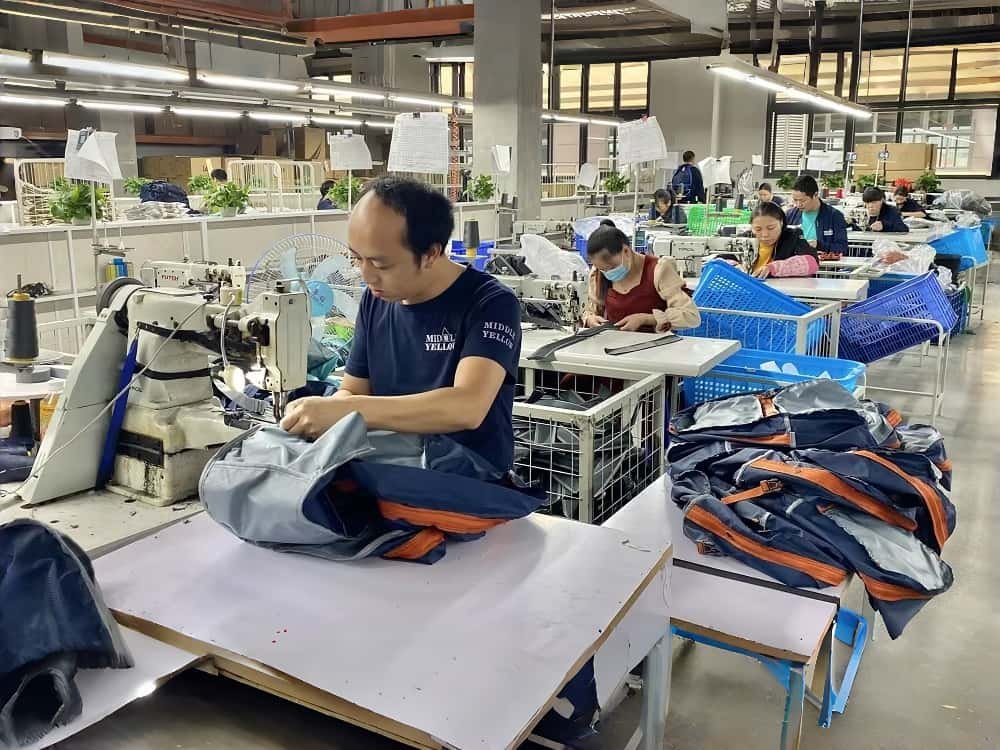
Fast Sampling 5–7 Days
High-efficiency and fast proofing saves your decision-making time.
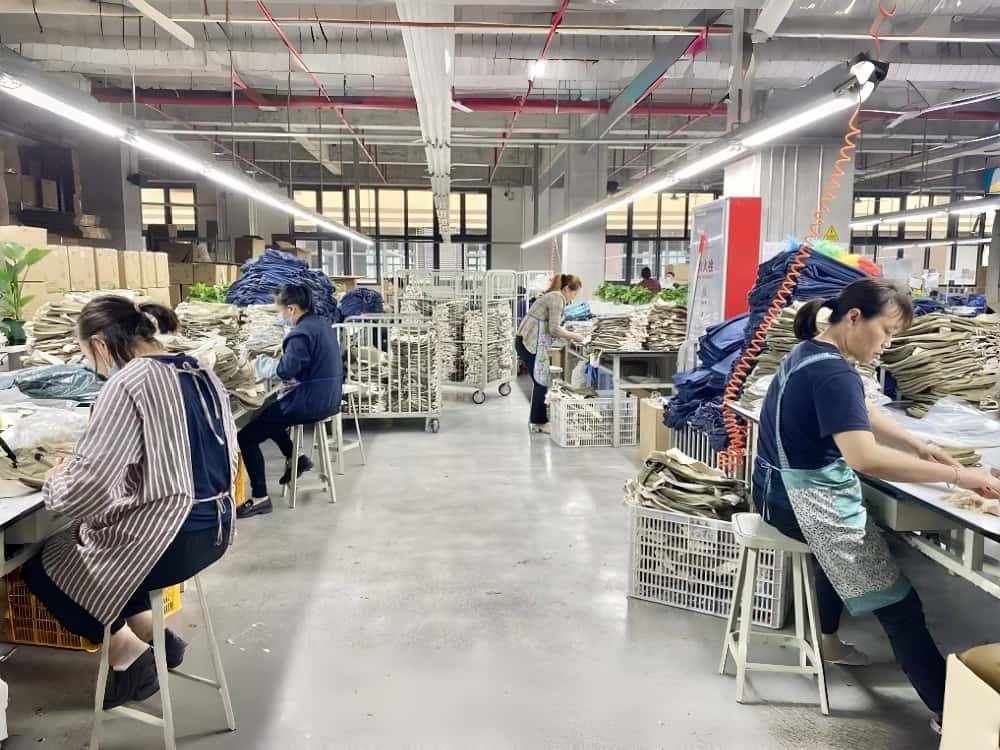
Premium Quality Check
3-step QC with professional testing ensure product quality.

Worldwide Shipping
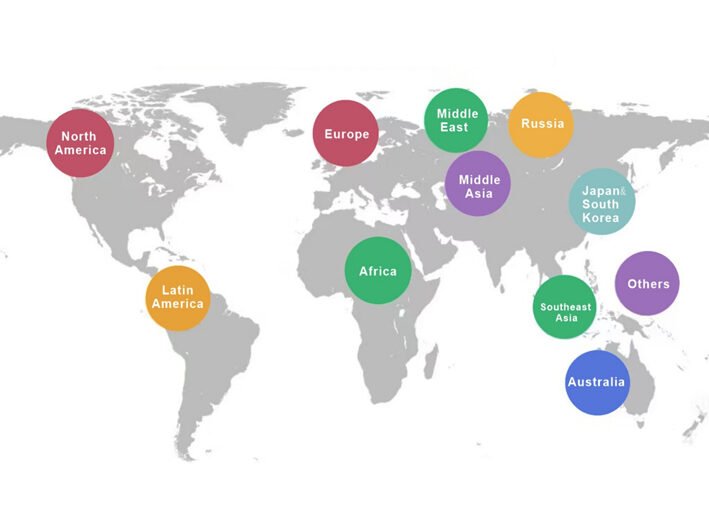
To USA, Europe, Australia & More, Ships to 100+ Countrie.
What Custom Bag Manufacturing Really Involves
Custom Bag Manufacturing Is a Production System
Custom bag manufacturing is not just choosing materials and adding logos.
It is a production system that includes:
Product use-case definition
Structural engineering
Material performance matching
Sampling validation
Cost breakdown and optimization
Repeatable mass production
Manufacturers without development systems often rely on trial-and-error, increasing buyer risk.

Customization Scope & Decision Logic
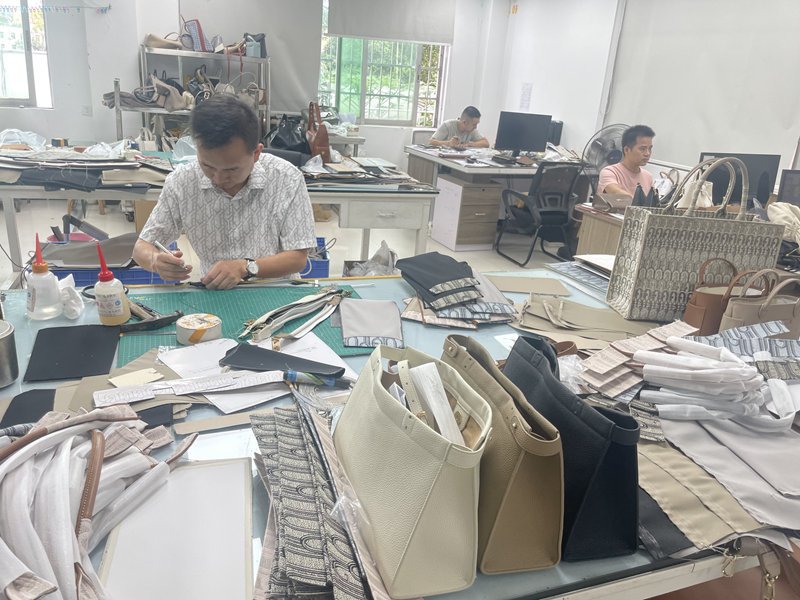
What Can Truly Be Customized — and What Should Not Be
Customization in bag manufacturing is not unlimited.A professional custom bag manufacturer must clearly distinguish between:
• What can be customized safely
• What should be standardized for quality
• What may affect cost, lead time, or scalability
We evaluate customization across size, materials, logo methods, structure, and functionality, andexplain the manufacturing impact of each decision before production begins. This preventshidden risks and ensures consistent results from samples to mass production.
Structure Engineering & Functional Design
Structure Engineering Defines Product Quality
Bag structure determines performance and durability user experience, load distribution, and long-term durability. We engineer internal compartments, reinforcement zones, closures, padding, and stitching based on real functional use—not just appearance. Poor structural planning often causes deformation, zipper failure, edge fraying, or early wear. That’s why we evaluate stress points, opening angles, and carry cycles, then match materials and construction methods accordingly. The result is a bag that feels stable in hand and stays consistent from sample to bulk production.

Quality Control System

How Quality Is Controlled Across Batches, Not Just One Order
Quality Control Built for Repeatability
Quality control in bag manufacturing is not about catching defects at the end—it is about preventing variation during production.
Our quality control system includes:
- Incoming material inspection to verify specifications
- In-process quality checkpoints at critical operations
- Final inspection based on agreed quality standards
- Documentation of defect patterns for continuous improvement
With 80+ dedicated quality inspectors, quality is controlled across every batch, ensuring consistency from sample approval to long-term supply.
Production Line Structure & Capacity Management
Production Lines Designed for Custom Bags
Custom bag manufacturing requires process stability, not mixed production chaos.
We organize production lines based on bag categories, materials, and construction complexity.
This allows us to:
- Maintain stable workmanship standards
- Reduce changeover errors
- Improve lead time predictability
- Support scaling without disrupting quality
Capacity is planned based on actual machine hours, labor availability, and historical output, not assumptions.
Low MOQ Manufacturing Strategy
Low MOQ as Controlled Manufacturing, Not Compromise
Low MOQ production introduces higher per-unit costs and operational complexity.
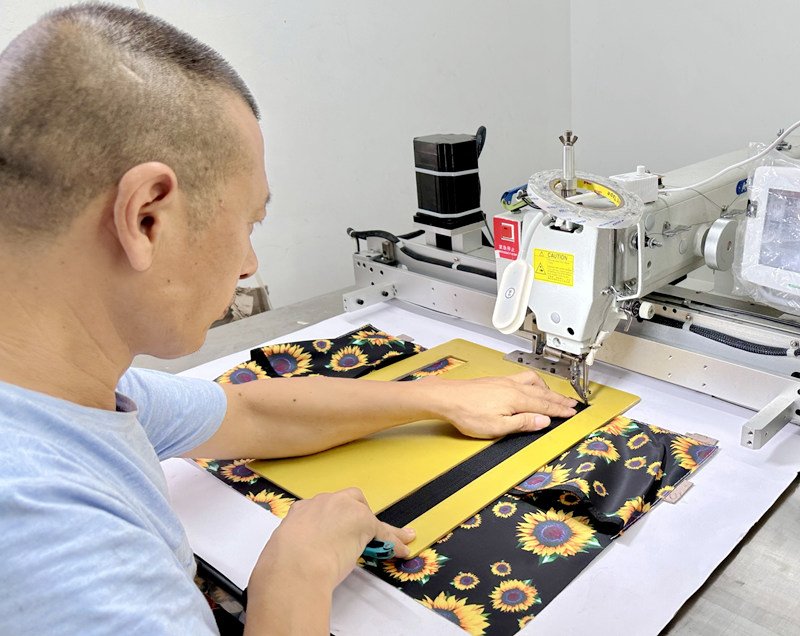
A professional manufacturer supports low MOQ by adjusting production planning, not by lowering standards.
Our low MOQ strategy focuses on:
- Shared material sourcing where feasible
- Optimized cutting and assembly plans
- Consistent QC standards regardless of order size
- Clear cost transparency for buyers
This allows buyers to validate products while keeping manufacturing risk under control.
Lead Time Planning & Schedule Control
Lead Time Determined by Production Reality
Lead time is affected by material availability, structure complexity, sampling iterations, and line capacity.
We calculate lead time based on actual production data, not generic timelines.
Before order confirmation, buyers receive:
- Sampling timelines
- Material preparation schedules
- Production slot planning
- Final inspection and shipment estimates
This approach minimizes delays and avoids unrealistic expectations.

Scaling from Trial Orders to Mass Production

Scaling Without Redesign or Supplier Change
Trial orders should not require product redesign to scale.
We develop products with future volume expansion in mind, including:
- Material continuity
- Structure repeatability
- Process standardization
- Cost efficiency at scale
This allows buyers to move from testing to mass production smoothly.
Export Compliance & Global Market Experience
Export-Oriented Manufacturing Capability
Serving global B2B buyers requires understanding of:
- Market-specific compliance requirements
- Labeling and packaging standards
- Carton optimization and palletization
- Coordination with international logistics partners
Export experience reduces risks related to customs delays, rejection, or rework.
Material Expertise & Performance Matching
Material Selection Based on Use, Not Appearance
Material choice directly affects durability, safety, compliance, and product lifespan.
We work with fabrics, leather, PU, PVC, neoprene, EVA, and composite materials, and match them based on:
- Load and stress points
- Abrasion and tear resistance
- Environmental exposure
- Compliance and market regulations
- Cost targets and MOQ feasibility
Incorrect material selection is one of the most common causes of product returns and failures. Our role is to prevent that before production.


Logo & Branding Execution
Logo Methods Evaluated for Durability and Consistency
Logo branding is not only a design choice—it is a manufacturing decision.
We support printing, embroidery, woven labels, patches, and hardware logos, but always evaluate:
- Material compatibility
- Wear resistance
- Color consistency
- Batch repeatability
We help buyers choose branding solutions that remain consistent from samples to mass production, even under low MOQ conditions.


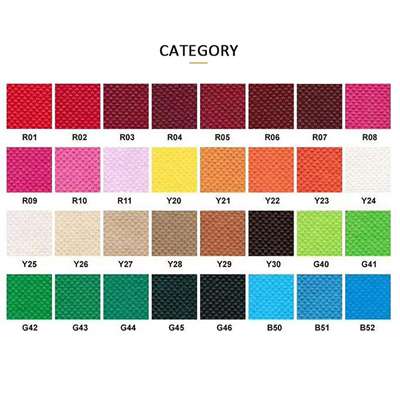
Free Pantone Color Matching Service
Bring Your Brand Colors to Life — Exactly as You Imagine
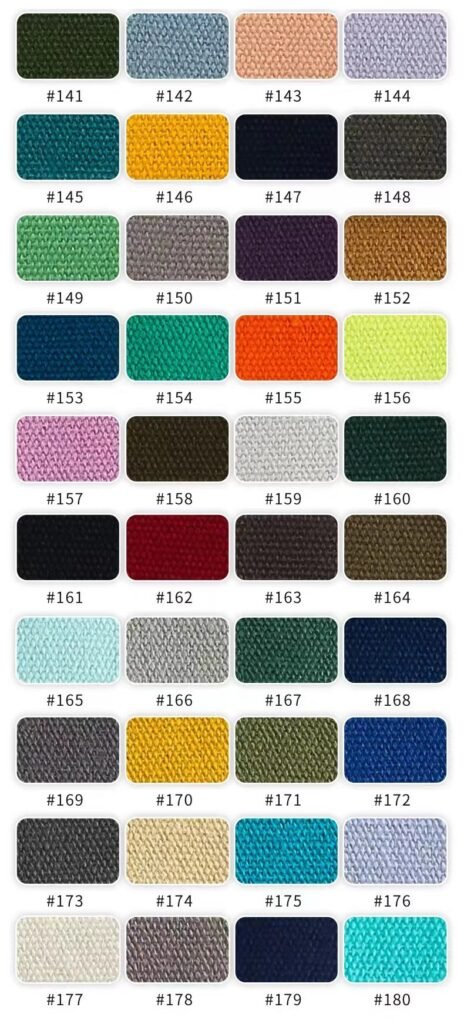
Color is the first thing customers notice — it defines your brand’s story and sets your products apart. At Jundong Factory, we make color accuracy simple with our free Pantone color matching service. Whether you prefer soft neutrals, vivid neons, elegant pastels, or deep corporate tones, our expert team can match any shade precisely from the Pantone Matching System (PMS) across materials like canvas, nylon, polyester, RPET, or leather.
We provide digital color mockups and real fabric swatches during the design phase, so you can confirm the exact tone before mass production begins. This ensures that every batch of your custom drawstring bags, lifestyle bags, or travel bags maintains a consistent and professional appearance. No extra setup fees — just flawless color results every time.
With over 20 years of OEM & ODM manufacturing experience, Jundong Factory understands that color consistency means brand consistency. Whether you’re launching a new collection or expanding an existing line, we help you build a strong and recognizable identity through perfect color alignment.
Your brand deserves precision, and we deliver it — every shade, every time, perfectly matched.
Start your color-custom project now: 📩 info@jundongfactory.com
Color Matching Process (OEM/ODM tone)
Send Pantone code or reference
Provide Pantone C/U code or a physical swatch/packaging. Tell us your material (PU, nylon, canvas, polyester, TPU, velvet) and finish (matte, glossy, grain).Material & finish confirmation
Our team reviews texture, coating, and printing method (screen, heat transfer, emboss, metal logo) to keep the color close on the chosen substrate.Lab dip / color swatch
We produce a lab dip for PU/fabric or a printed strike-off for logo areas. Turnaround: 2–4 days.Light box check
We compare color under D65 / TL84 light to control metamerism and keep ΔE within your target (typical ΔE ≤ 2.0 for most projects).Accessory alignment
Zippers, pullers, binding, thread, inner lining, and rubber patches are matched to the same Pantone range.Pre-production sample (PPS)
You receive PPS with Pantone note on the tag for final sign-off.Mass production & QC
Color is monitored by spectro check and retained sample. Low MOQ available for new SKUs; fast sampling for seasonal drops.
Product Details Of Custom Bags
Product details are where a custom bag becomes a sellable product, not just a sample. Many suppliers can follow a picture. Far fewer can control the small details that decide user experience, durability, and sample-to-bulk consistency. This section helps buyers evaluate those details in a clear, manufacturing-focused way—so your team can approve the right build standard before mass production starts.
For OEM/ODM projects, “product details” include every functional and structural decision customers will notice after real use: compartment layout, pocket sizing, opening angle, zipper track stability, and closure reliability. It also includes the hidden parts that protect performance: reinforcement at stress points, webbing anchoring, edge binding, lining selection, and padding density. When these details are not planned correctly, problems often appear later—deformation after shipping, zipper failure under load, frayed seams, or premature wear at corners and handles.
At Jundong, we design details based on how the bag will be used and sold. A promotional tote needs clean branding surfaces and cost-efficient structure. A tool or tactical bag needs load-bearing reinforcement and organized access. A travel or laptop bag needs stable shape retention, comfort padding, and secure compartments. We engineer these details with real-world stress scenarios in mind, then translate them into repeatable production standards—materials, stitch density, seam allowances, and inspection checkpoints—so the approved sample can be produced consistently in bulk.
Use the following product detail modules to confirm what matters for your market: the functional build, the finishing quality, and the branding readiness. If you have a reference sample or a draft tech pack, we can recommend the most suitable detail options for your target price and performance requirements, and help you avoid costly revisions later.
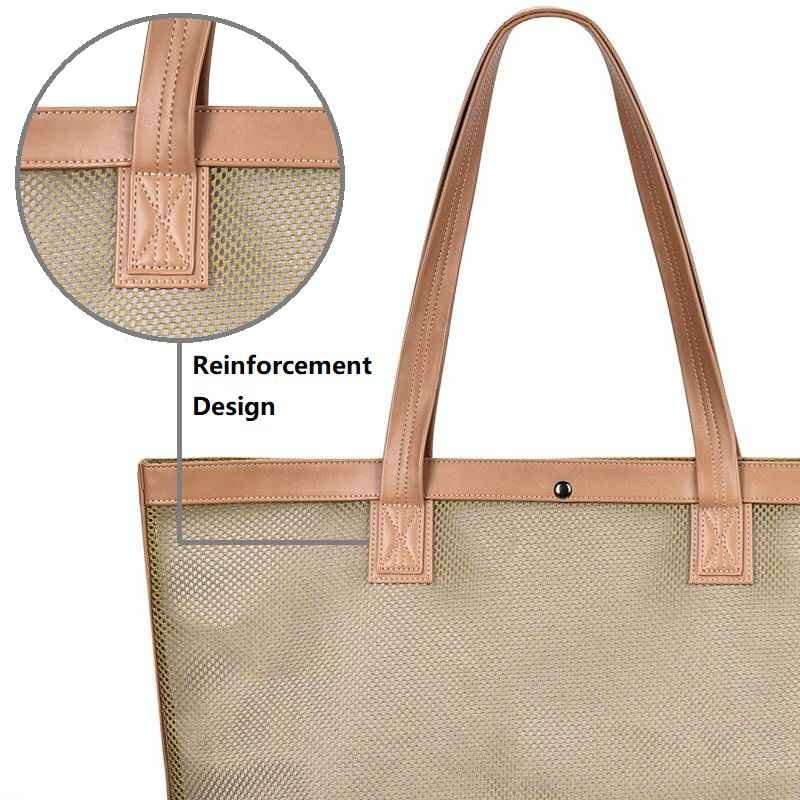
Load Distribution & Stress Point Reinforcement
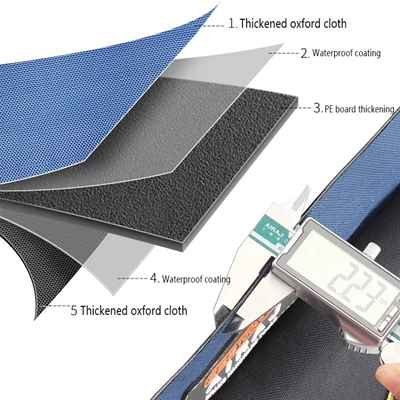
Material Thickness & Performance Matching

Padding Density & Protection Performance
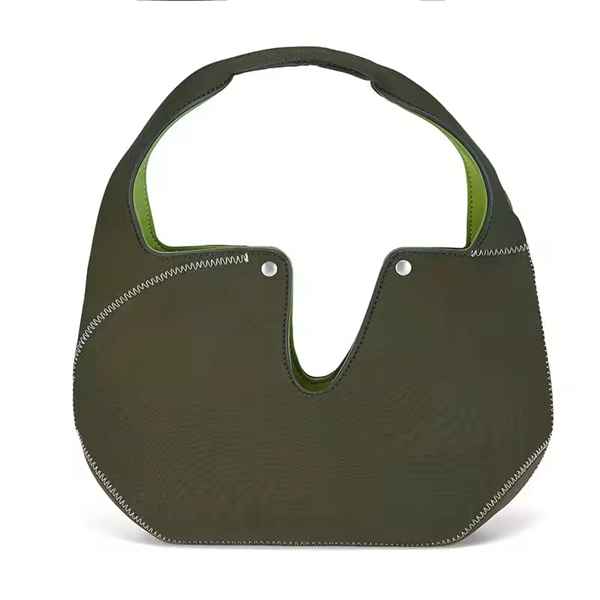
Shape Retention & Anti-Deformation Design
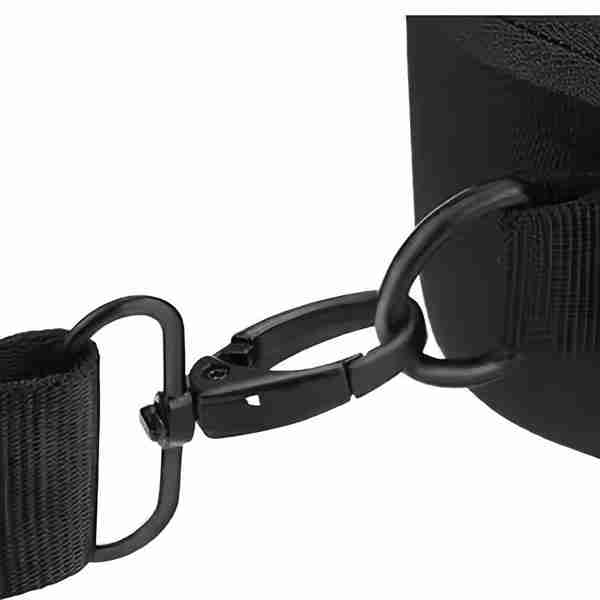
Hardware Strength & Corrosion Resistance
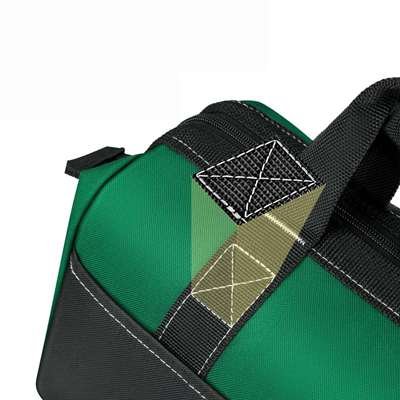
Stitch Density (SPI) & Thread Strength
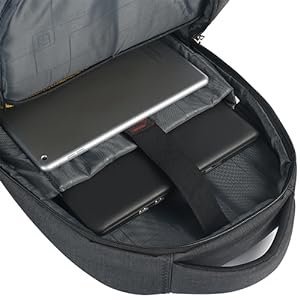
Internal Compartment Layout
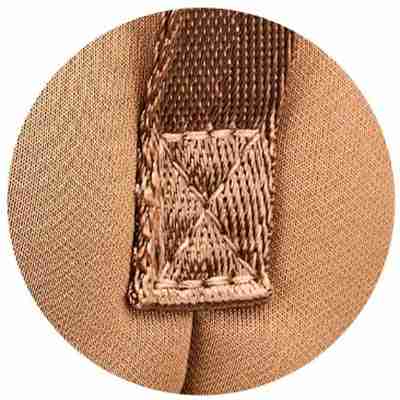
Reinforced Handles & Strap Anchoring
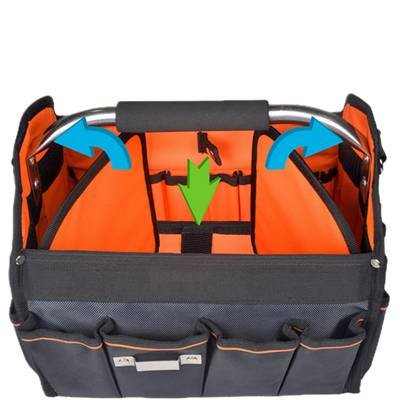
Opening Angle & Access Convenience
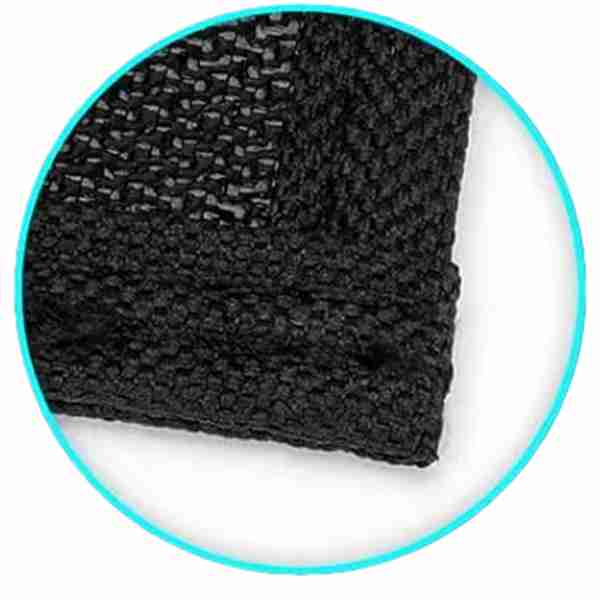
Edge Binding & Corner Reinforcement
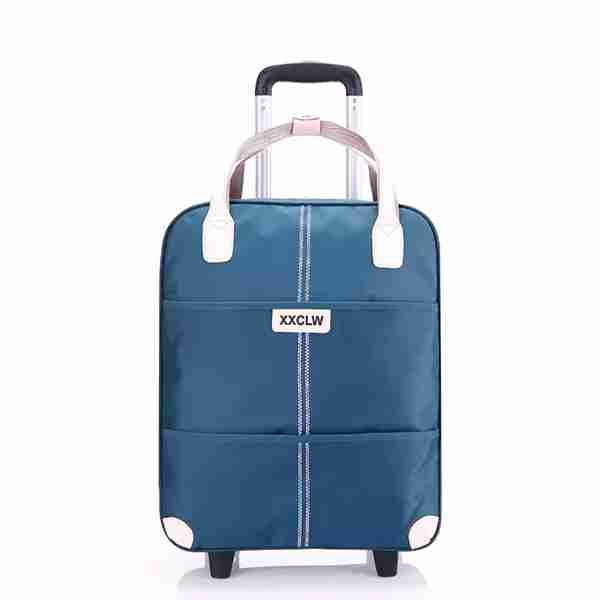
Logo Placement Accuracy & Durability
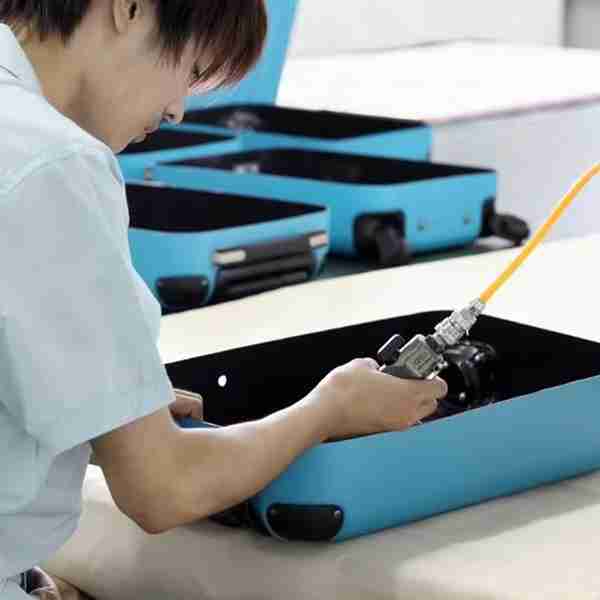
Sample-to-Bulk Consistency Control
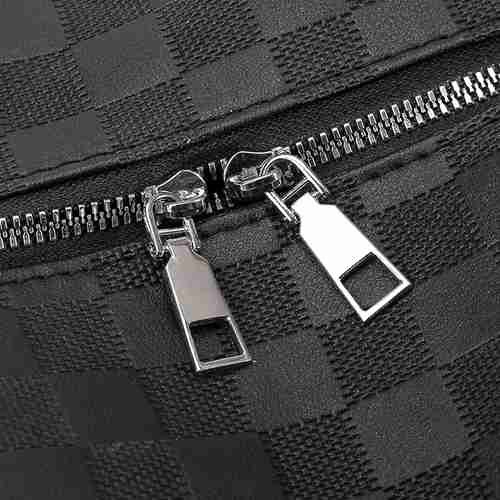
Zipper Grade, Smoothness & Track Reinforcement
Color Consistency Across Materials & Batches
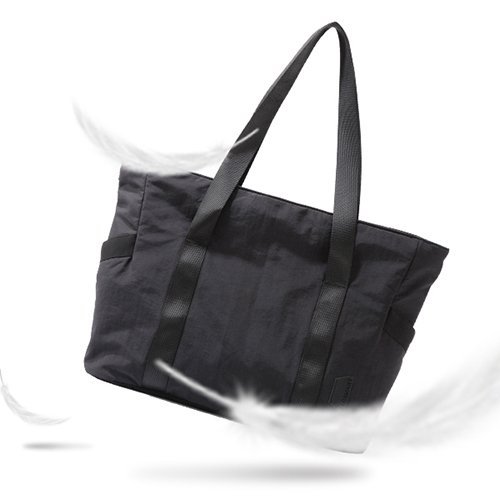
Weight Control Without Losing Strength
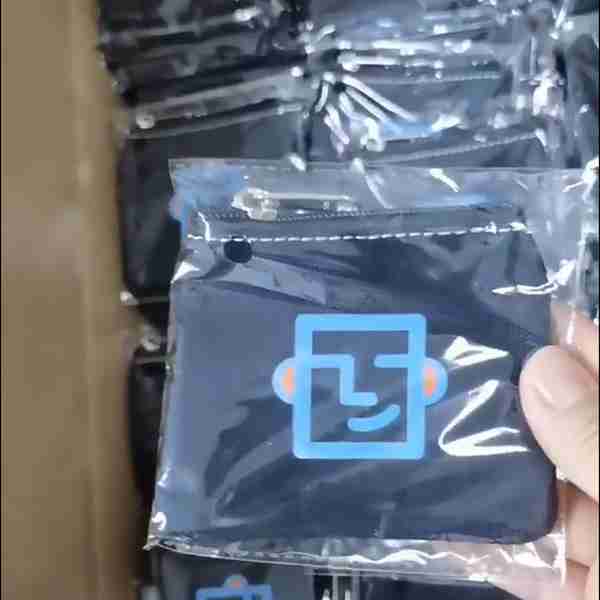
Final Appearance After Long-Distance Shipping
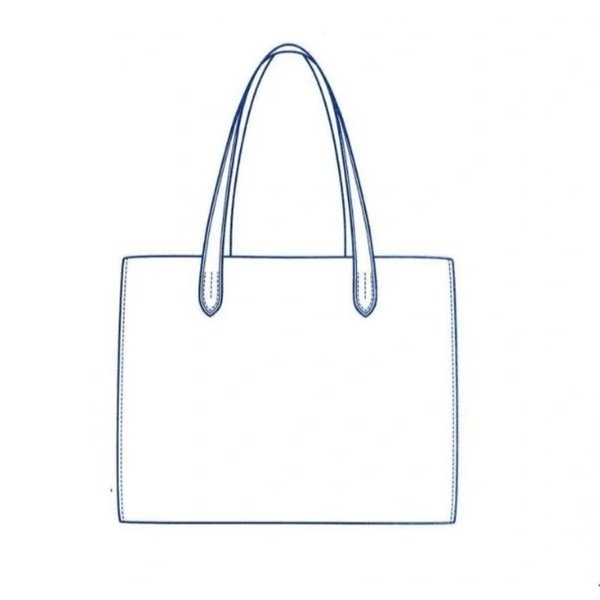
Product Design Renderings
Design It, See It, Perfect It.
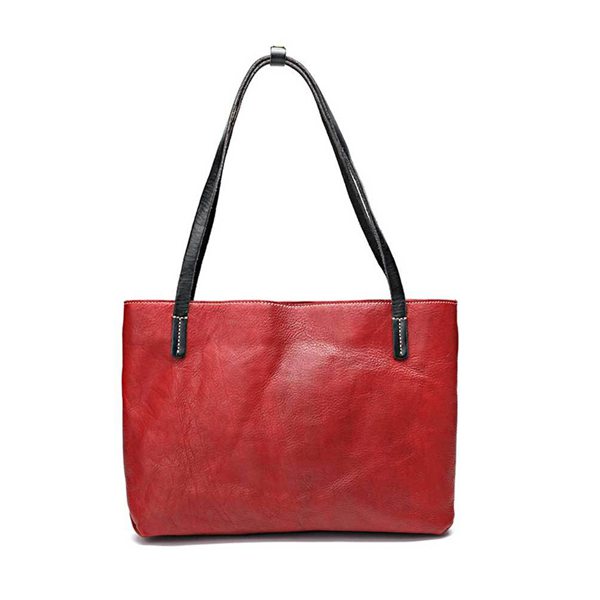
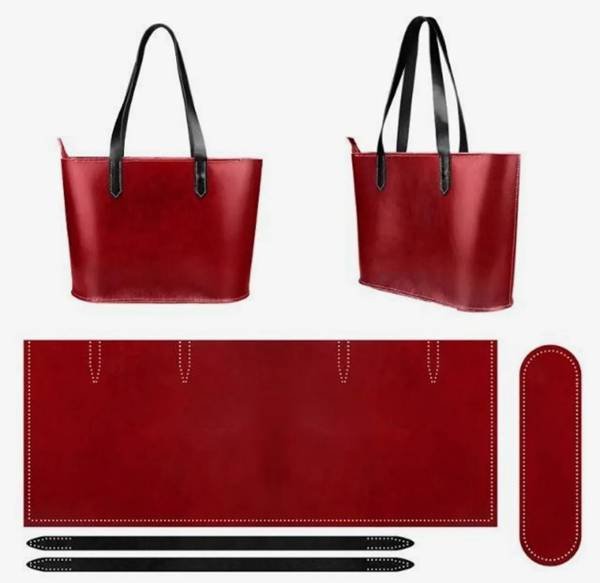
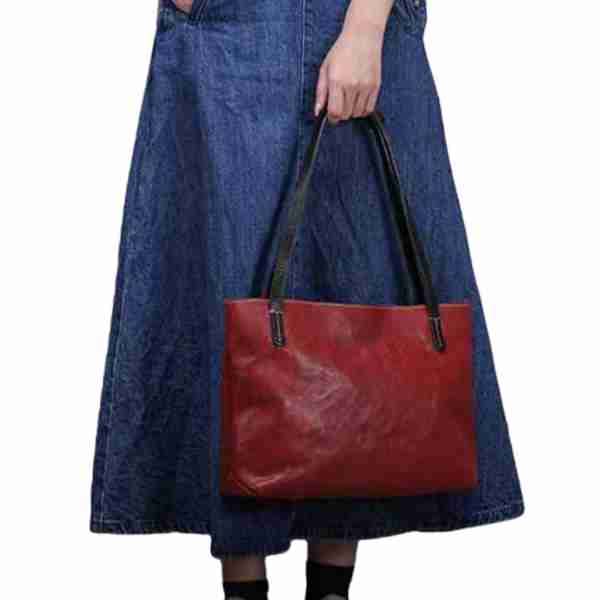
Product design renderings play a critical role in transforming an idea into a manufacturable bag. Before physical sampling begins, renderings help align structure, proportions, materials, and functional details in a clear visual format. They allow buyers to review pocket layouts, panel construction, logo placement, and overall appearance without the time and cost of multiple physical revisions.
For OEM and ODM projects, renderings are especially useful when concepts are still evolving. They help identify potential issues early, such as structural feasibility, component positioning, or cost-impacting details, and make it easier to communicate adjustments across teams. A well-prepared rendering also becomes a reference point during sampling and production, supporting sample-to-bulk consistency.
In this section, we showcase how design renderings are used as part of our development workflow—to clarify expectations, reduce misunderstandings, and support smoother transitions from concept approval to prototype and mass production.
Make A Sample First?
See your idea come to life before mass production.
At Jundong Factory, we offer free design mockups and custom samples to ensure every detail is perfect — from material and color to logo placement and stitching.
Start your project with confidence today: info@jundongfactory.com.
Video Of Product And Production
Videos help buyers see what photos and text cannot fully explain. Through product and production videos, we show how bags are constructed, assembled, and finished—from material handling and stitching to reinforcement, quality checks, and final packing. This visual process helps buyers evaluate workmanship standards, production consistency, and real factory capability before placing an order. It also reduces misunderstandings during development and gives procurement teams stronger confidence when approving samples and moving into bulk production.
Cooperating Brands Trusted
Trusted by Global Brands, Chosen for Quality and Reliability
Long-term cooperation with established brands is built on one thing: reliability over time, not one successful order. Brands that continue to work with the same manufacturing partner usually do so because the factory can deliver consistent quality, stable lead times, and clear communication across different product cycles, not just during sampling.
The brands displayed here represent different markets, product categories, and business models. Some focus on retail-ready bags with strict appearance standards. Others require functional bags designed for heavy use, safety, or professional applications. In every case, the common requirement is the same: products must match approved samples, specifications must be respected, and production must remain stable as order volumes grow.
Working with these brands has also strengthened our internal standards. Brand cooperation often involves tighter tolerances, clearer documentation, and higher expectations for materials, workmanship, and quality control. These requirements push our manufacturing processes to remain disciplined and repeatable—benefiting not only large brands, but also growing buyers who expect the same level of control.
For new buyers, cooperating brand references provide a practical signal. They show that the factory understands real-world production pressure, audit expectations, and long-term supply chain collaboration. Whether your project is a first custom order or part of an ongoing product line, our experience working with trusted brands helps reduce risk and build confidence before scaling into bulk production.
Join the global brands that trust Jundong Factory to bring their ideas to life.
Let’s start your cooperation today: 📩info@jundongfactory.com















International Certification
Globally Certified Factory Ensuring Quality, Safety, and Sustainability
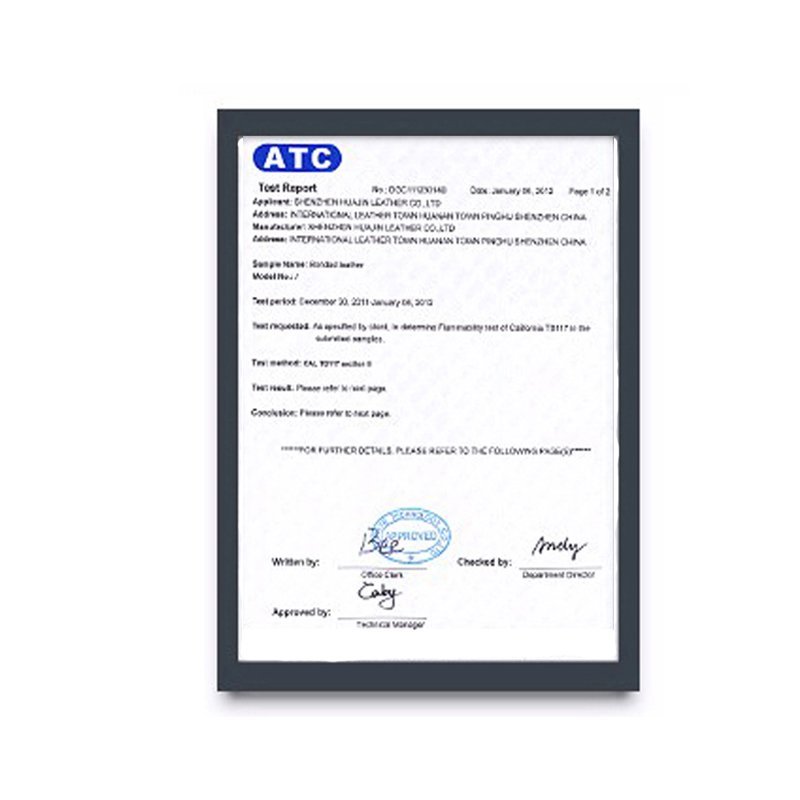
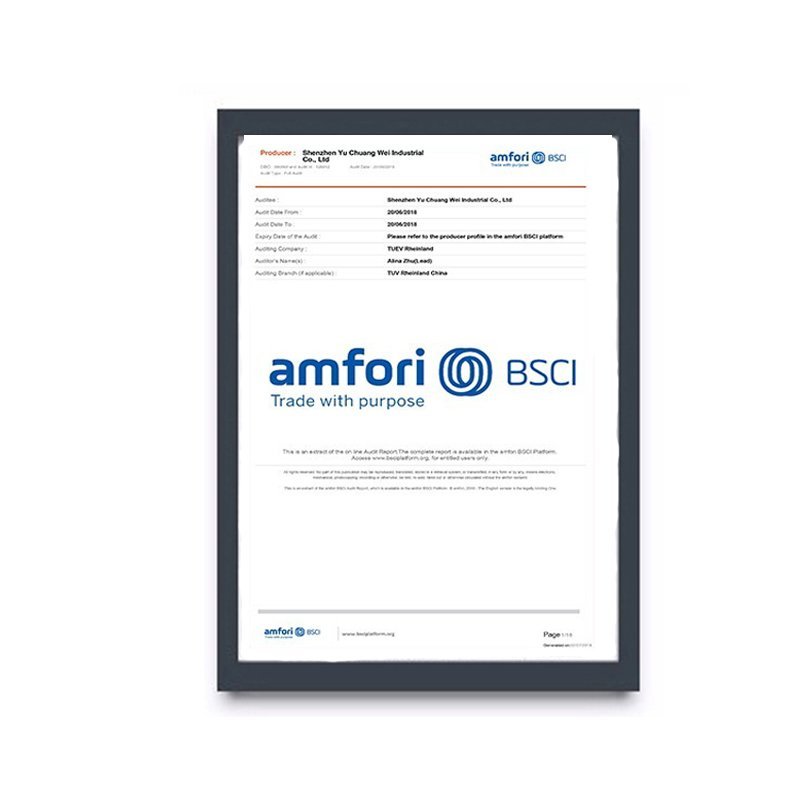
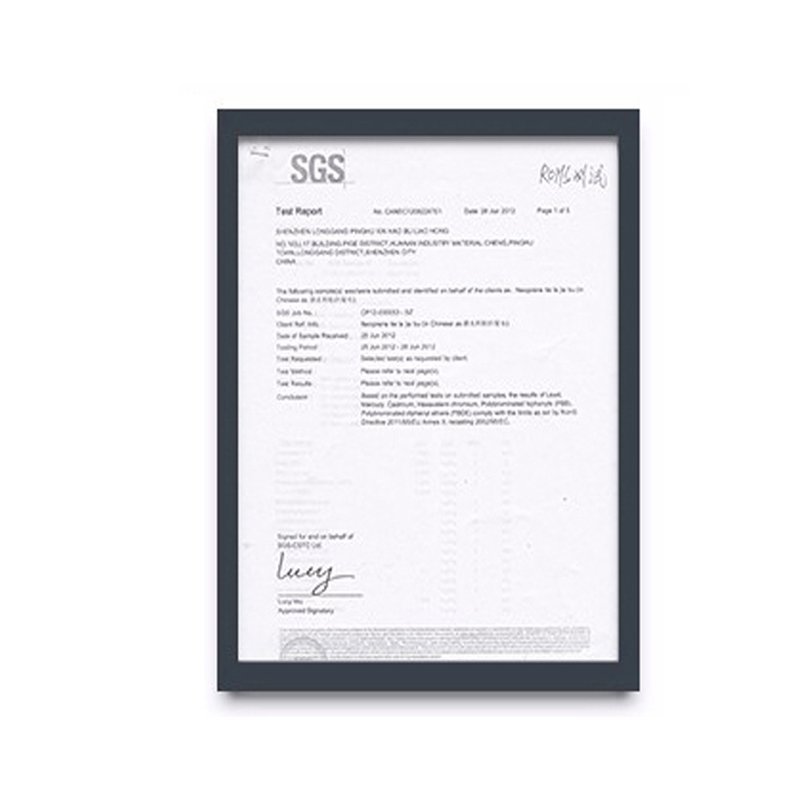
At Jundong Factory, every product is made to meet international quality and safety standards. Our factory holds recognized global certifications such as BSCI, ISO9001, SGS, and Sedex, proving our commitment to responsible production, fair labor, and consistent quality management. These certifications reflect our dedication to delivering high-standard drawstring bags, lifestyle bags, travel bags, and promotional packaging trusted by global brands.
All materials, printing inks, and accessories we use are environmentally friendly and compliant with REACH and RoHS standards. Each production step — from material sourcing to final inspection — follows strict quality procedures to ensure reliability, safety, and durability.
International certifications are not just documents—they reflect whether a manufacturing partner can meet global compliance standards, process discipline, and consistent quality control across different markets. For B2B buyers, certifications often play a critical role in supplier selection, internal approval, and long-term cooperation, especially when products are sold through retail chains, e-commerce platforms, or institutional channels.
The certifications displayed here represent our alignment with internationally recognized requirements covering factory management systems, product safety, material compliance, and social responsibility. These standards require more than passing an audit once. They demand ongoing process control, documented procedures, regular inspections, and continuous improvement within daily production operations.
From a buyer’s perspective, certified manufacturing helps reduce risk. It supports smoother customs clearance, easier onboarding with retail partners, and stronger confidence during third-party inspections or brand audits. For growing brands and project-based buyers, certifications also provide reassurance that production capacity, labor practices, and quality systems are built to scale—not improvised for a single order.
For us, maintaining international certifications is part of long-term manufacturing discipline. It reinforces standardized workflows, traceable materials, controlled production environments, and accountable quality checks. These systems benefit all customers, whether you are placing a trial order, developing a private-label program, or managing recurring bulk production. Certifications do not replace real production capability, but they provide a reliable framework that supports stable, compliant, and repeatable manufacturing for global markets.
Contact us to verify certificates or start your certified project today:📩 info@jundongfactory.com


Effective Production Process
From Design to Delivery — Every Step Done with Precision
An effective production process is the foundation of reliable delivery, consistent quality, and smooth cooperation. For custom bag manufacturing, success does not depend on a single step, but on how sampling, order confirmation, mass production, quality inspection, packaging, and shipment are connected as one controlled workflow.
Our production process starts with sample development and pre-production alignment. At this stage, materials, structure, logo methods, and workmanship standards are confirmed to ensure the approved sample can be accurately repeated in bulk. Once an order is placed, production planning and material preparation are coordinated to match order quantity, SKU complexity, and delivery timelines. Clear handover between teams helps reduce errors and delays.
During mass production, in-process quality checks are applied at key stages such as cutting, stitching, assembly, and finishing. This allows potential issues to be identified early rather than discovered at the final stage. After production, finished goods undergo final inspection to verify appearance, function, and packing requirements before packaging begins.
Packaging and shipment preparation follow confirmed export and labeling standards, ensuring products are protected during transportation and ready for customs clearance. This structured process helps buyers track progress, control risk, and move from sampling to repeat orders with confidence.
Ready to start your custom project? Contact us today at 📩 info@jundongfactory.com
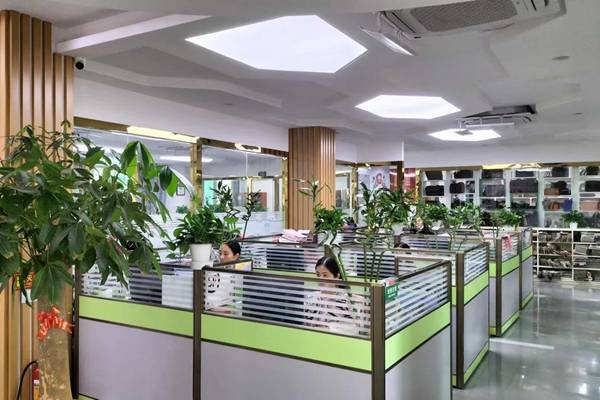
1-Business Contact
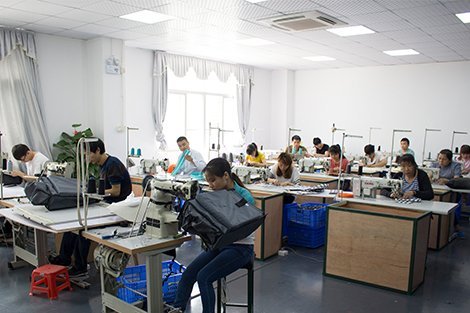
2-Sample Creation

3-Material Preparing
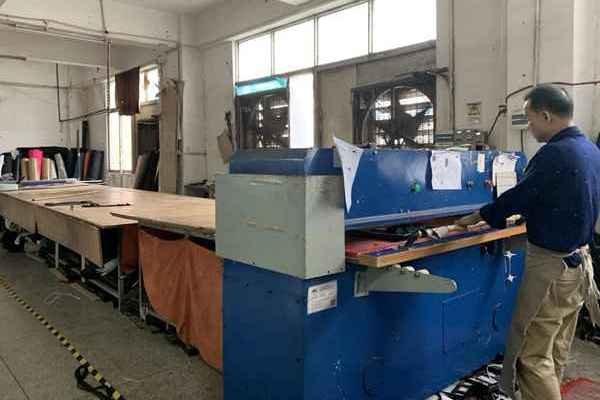
4-Material Cutting
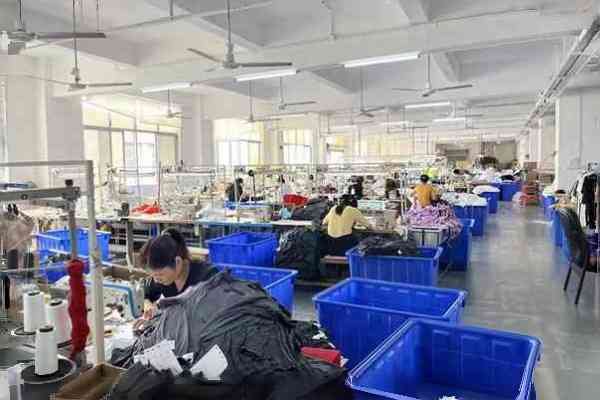
5-Bulk Production
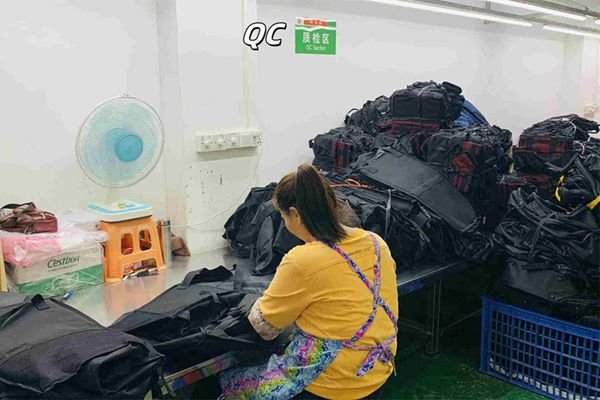
6-Quality Inspection

7-Product Packaging

8-Cargo Warehousing
Frequently Asked Questions
What is the difference between a custom bag manufacturer and a trading company?
A custom bag manufacturer operates its own production facility, including cutting, sewing, assembly, and quality inspection. This allows the manufacturer to directly control materials, workmanship, production schedules, and quality standards.
In contrast, a trading company usually coordinates orders between buyers and third-party factories. This often results in limited transparency, slower problem resolution, and inconsistent production quality, especially for complex or customized products.
Working directly with a factory-based manufacturer enables buyers to discuss manufacturing feasibility, structural design, material performance, and cost structure at the source, significantly reducing production risk and improving long-term supply reliability.
What bags can be customized?
We support the customization of a wide range of bags for different industries, use cases, and market segments. As a factory-based OEM & ODM bag manufacturer, we produce both soft bags and structured bags with flexible design options and scalable production capacity.
Common customizable bag categories include backpacks, tote bags, travel bags, duffel bags, tool bags, cosmetic bags, waist bags, beach bags, cooler bags, fireproof bags, tactical bags, EVA cases, laptop bags, shopping bags, drawstring bags, packaging pouches, and promotional bags. In addition to standard styles, we also support custom shapes and function-driven designs based on your product concept or target application.
Our bags are widely used for retail brands, promotional campaigns, outdoor and travel markets, industrial tools, safety storage, electronics protection, medical accessories, and private-label packaging. Buyers can choose from existing structures for faster development, or request fully customized designs for brand-specific projects.
Whether you are sourcing low-MOQ custom bags for testing a new product, or planning large-scale bulk production for established brands, we provide engineering support to ensure design feasibility, material suitability, and stable mass production.
What types of bags can you manufacture?
A professional custom bag manufacturer is typically capable of producing multiple bag categories, such as backpacks, tool bags, fireproof bags, EVA hard cases, travel bags, tote bags, cosmetic bags, promotional bags, and industrial utility bags.
Each bag category involves different structural designs, material combinations, and quality control standards. For example, tool bags require higher load-bearing strength, while EVA cases focus on impact resistance and molding precision.
This is why category-specific manufacturing experience is critical when selecting a custom bag supplier.
What customization options are available?
We offer comprehensive customization options covering design, materials, structure, branding, and packaging, allowing buyers to tailor each bag to their exact requirements.
Customization starts with bag structure and size, including compartments, pockets, padding, closures, handles, straps, zippers, and internal organization. Material options include nylon, polyester, canvas, cotton, leather, PU, PVC, mesh, RPET fabrics, laminated materials, waterproof or fire-resistant fabrics, depending on application needs.
For branding, we support multiple logo and labeling methods, such as embroidery, screen printing, heat transfer printing, rubber or PVC patches, woven labels, metal plates, embossed or debossed logos, and custom zipper pulls. Logo placement, size, and color matching can be adjusted to align with brand guidelines.
Color customization is available using Pantone color matching, and we also provide assistance with material thickness, fabric weight, and functional coatings. Packaging options include custom polybags, printed boxes, hang tags, barcode labels, instruction cards, and retail-ready packaging.
Our team supports both OEM and ODM projects, offering design optimization, sample development, and technical guidance to ensure the final product meets cost, performance, and branding expectations.
What is the MOQ?
Our Minimum Order Quantity (MOQ) depends on the bag type, materials, structure complexity, and branding requirements. For most custom bag projects, our standard MOQ ranges from 100 to 300 pieces per design, which allows buyers to place small batch orders for testing, pilot programs, or new product launches.
We do support low-quantity production. However, it’s important to understand that the manufacturing process remains the same regardless of order size. Even for small orders, all essential steps—material sourcing, pattern making, cutting, sewing, logo application, quality inspection, and packaging—must be completed in full. These fixed production steps mean that small batch orders naturally carry a higher unit cost.
In addition, raw material pricing improves with higher volume. Large orders allow bulk purchasing of fabrics, accessories, and trims at lower costs. At the same time, higher order quantities help workers become more familiar with a specific product, which increases production efficiency, reduces handling time, and improves consistency. As a result, larger quantities always achieve better unit pricing.
For buyers with limited initial demand, we are happy to recommend cost-effective materials, proven structures, or existing patterns to help control costs. For long-term projects, scaling order volume is the most effective way to optimize pricing and overall production efficiency.
Small Order vs Bulk Order – MOQ & Pricing Comparison
| Aspect | Small Order (Low MOQ) | Bulk Order (Higher Quantity) |
|---|---|---|
| Typical Quantity Range | 100–300 pcs per design | 500–3,000+ pcs per design |
| Production Process | Full production process required (no steps reduced) | Full production process required |
| Pattern Making & Setup | Required | Required |
| Material Purchasing | Small-lot sourcing, higher unit material cost | Bulk material purchasing with better pricing |
| Production Efficiency | Lower efficiency due to limited repetition | Higher efficiency as workers become familiar with the product |
| Labor Cost per Unit | Higher | Lower |
| Unit Price | Higher unit cost | More competitive unit pricing |
| Quality Consistency | Stable, but limited optimization | More consistent due to repeated production cycles |
| Best Use Case | Product testing, market validation, pilot runs | Brand scaling, retail programs, long-term supply |
| Cost Optimization Potential | Limited | High |
| Recommended for | New brands, startups, trial orders | Established brands, repeat orders, large distributors |
Even for small batch orders, the same manufacturing workflow applies—including material sourcing, cutting, sewing, logo application, quality inspection, and packaging. These fixed steps mean that small orders naturally have higher unit costs.
As order quantity increases, material costs decrease through bulk purchasing, and production efficiency improves as workers repeat the same process. This is why larger order volumes always achieve better pricing and higher cost efficiency.
What is the lead time?
Lead time depends on the design complexity, customization level, order quantity, and material availability, but we aim to keep timelines efficient and predictable for B2B buyers.
For custom samples, lead time is typically 5–7 working days after design confirmation and material approval. This stage includes pattern development, logo application, and functional testing if required.
For bulk production, standard lead time usually ranges from 15 to 30 working days after sample approval and deposit confirmation. Simple designs or repeat orders may be completed faster, while complex projects involving new materials, special structures, or large quantities may require additional time.
We operate with in-house production lines, dedicated QC teams, and stable material sourcing, which helps minimize delays and maintain consistent delivery schedules. Buyers can also choose different shipping methods—air, sea, or express courier—based on urgency and budget.
Before order confirmation, we provide a clear production schedule, outlining sampling, manufacturing, inspection, and shipping timelines, allowing buyers to plan launches, promotions, or inventory cycles with confidence.
What customization options are available for custom bags?
Customization in bag manufacturing usually includes size and capacity adjustment, material selection, logo application, internal structure design, and functional features.
However, professional manufacturers do not treat customization as unlimited. Each customization request is evaluated based on manufacturing feasibility, cost impact, lead time implications, and scalability.
Clear communication at this stage helps prevent hidden risks and ensures that approved designs can be reproduced consistently from samples to bulk production.
Can you support low MOQ custom bag orders?
Yes. Low MOQ custom bag production is commonly used for market testing, product validation, and pilot projects.
Supporting low MOQ requires flexible production planning, such as optimized material sourcing, adjusted line scheduling, and careful cost management—rather than lowering quality standards.
Low MOQ orders follow the same quality inspection procedures as bulk orders, ensuring product performance and reliability remain consistent.
How is quality controlled during custom bag production?
Quality control in custom bag manufacturing is a multi-stage process, not a single inspection step.
It typically includes:
- Incoming material inspection to verify specifications
- In-process checks at critical operations such as cutting, stitching, and reinforcement
- Final inspection before shipment based on agreed quality standards
With dedicated QC personnel and standardized inspection procedures, quality consistency is maintained across batches and over long-term supply, not just for one order.
How long does custom bag production usually take?
Production lead time depends on design complexity, materials, sampling iterations, and production capacity.
A professional manufacturer provides a clear lead time breakdown before order confirmation, covering sampling, material preparation, production, inspection, and shipment.
Accurate lead time planning allows buyers to coordinate sourcing with sales schedules and logistics planning, reducing operational risk.
What information should I prepare before requesting a quote?
To receive an accurate quotation, buyers should prepare information such as bag type, intended use, target quantity, customization details, and target market.
Providing clear information helps manufacturers evaluate feasibility and recommend suitable materials, structures, and cost-efficient solutions.
Can I scale production after a successful trial order?
Yes. Trial orders are often designed as the first stage of mass production.
Professional manufacturers develop products with material continuity, structural repeatability, and process standardization, allowing buyers to scale volumes without redesign or changing suppliers.
This approach significantly reduces risk during business growth.
How do you ensure logo and branding quality consistency?
Logo quality depends on material compatibility, application method, and production control.
We evaluate branding options—such as printing, embroidery, woven labels, patches, and hardware logos—based on durability, color stability, and batch repeatability.
This ensures branding remains consistent from approved samples to bulk orders.
What materials are commonly used for custom bags?
Custom bags are commonly produced using fabric, leather, PU, PVC, neoprene, EVA, and composite materials.
Material selection is based on usage environment, durability requirements, regulatory compliance, and cost targets, rather than appearance alone.
Do you support international shipping and export requirements?
Yes. Manufacturers with export experience understand labeling requirements, packaging standards, carton optimization, and logistics coordination.
This experience helps reduce risks related to customs clearance delays, incorrect documentation, or packaging issues for international B2B buyers.
How do I know if a manufacturer is suitable for long-term cooperation?
Long-term cooperation depends on development capability, quality systems, production scalability, and transparent communication.
A reliable custom bag manufacturer can clearly explain feasibility, risks, and next steps, helping buyers make informed decisions rather than relying on vague assurances.
How do you evaluate whether a custom bag design is truly manufacturable?
Evaluating manufacturability is one of the most critical steps in custom bag manufacturing.
A design that looks good on paper or in a sample is not always suitable for stable, repeatable mass production.
We assess manufacturability from multiple perspectives, including:
- Material behavior during cutting, sewing, and assembly
- Structural complexity and tolerance control
- Labor intensity and production efficiency
- Consistency risks across different production batches
- Cost sensitivity when scaling volumes
If a design introduces high variability or unstable processes, we will recommend adjustments before production, rather than proceeding and risking quality issues later. This upfront evaluation significantly reduces long-term manufacturing risk.
How do you ensure consistency between approved samples and bulk production?
Sample-to-bulk consistency does not happen automatically—it requires process control and documentation.
To ensure consistency, we:
- Lock approved materials, specifications, and construction details
- Standardize stitching methods, reinforcement points, and assembly sequences
- Use samples as production reference units, not visual samples only
- Apply the same QC criteria to bulk production as used during sample approval
- Monitor early bulk production closely to detect deviations
This systematic approach ensures that what buyers approve at the sample stage is what they receive in bulk orders.
How do you handle cost optimization without sacrificing quality?
Cost optimization in custom bag manufacturing is not about reducing material quality.
It is achieved through engineering decisions and process efficiency, such as:
- Optimizing material utilization during cutting
- Simplifying structures without affecting function
- Selecting alternative materials with equivalent performance
- Improving assembly flow to reduce labor waste
We always explain where costs come from and which adjustments affect price, quality, or lead time. This transparency allows buyers to make informed decisions rather than trade quality for short-term savings.
Everything You Need to Know Before Customizing Your Bags
Frequently Asked Questions About Custom Bag Manufacturing
Before moving forward with a custom bag project, buyers usually want clear answers to practical questions: how sampling works, what details must be confirmed before placing an order, how quality is controlled, and what the overall production timeline looks like. This FAQ section is created to address those concerns in a straightforward, manufacturing-focused way.
Custom bag development involves more than choosing a style and adding a logo. Decisions made during the early stages—such as material selection, structure design, logo methods, and quantity planning—directly affect cost, durability, and sample-to-bulk consistency. Understanding these points in advance helps avoid delays, unnecessary revisions, and miscommunication during production.
In the following FAQs, we cover the topics buyers ask most often, including sample lead time, minimum order quantity, material options, quality inspection standards, packaging choices, and delivery coordination. These answers are based on how we actually manage sampling, production, quality control, and shipment in daily operations. Reviewing this section will help you prepare your inquiry more effectively and move your custom bag project forward with greater confidence.