Skip to content
How to Choose a Reliable Bag Manufacturer
How to Choose a Reliable Bag Manufacturer
A practical sourcing guide to evaluating manufacturing capability, quality systems, and long-term reliability—before you commit to samples or bulk orders.
Choosing a reliable bag manufacturer is not about finding the lowest quote or the fastest reply. It is about identifying whether a supplier can deliver consistent results over time, across different order sizes, materials, and product variations. Many sourcing problems—quality drift, missed deadlines, repeated revisions, unclear responsibility—can be traced back to gaps in supplier evaluation at the very beginning.
A reliable manufacturer should demonstrate control over the entire production lifecycle: from engineering feasibility and material selection, to sample-to-bulk consistency, quality inspection systems, and export readiness. This requires more than attractive photos or confident promises. It requires documented processes, experienced teams, and the ability to explain why certain decisions are made.
This page is designed as a practical decision guide for buyers sourcing custom bags, OEM or ODM. Instead of generic advice, it breaks the selection process into verifiable checkpoints that can be reviewed before sampling or order placement. By understanding these criteria early, buyers can reduce risk, shorten development cycles, and build more stable long-term supply relationships.

Get The Checklist
Share Your Bag Type
Ask For A Feasibility Review
Custom Crossbody Bags
Custom Heavy-Duty Tool Bags
Custom Polyester Bags
Custom Anti-Static Bags
Custom Duffel Bags
Custom Outdoor Gear Bags
Custom Gym Sports Bag
Custom Waterproof Bags
Custom Nylon Travel Bag
Custom Toiletry Bags
Custom Leather Pouch
Custom TPU Bags
Custom Transparent Bags
Custom PVC Clear Bags
Custom Organizer Bags
Custom Molded EVA Cases
Custom Reflective Bag
Custom Denim Bag
Custom Laundry Bag
Custom Shopping Bag
Custom Corporate Gift Bag
Custom School Bag
Custom Printed Bag
Custom Two-Tone Bag
Custom Pattern Bag
Custom Striped Bag
Custom Polka Dot Bag
Custom Reflective Strip Bag
Custom Pouch for Jewelry
Custom Bag for Wine
Custom Bag for Electronics
Custom Bag for Headphones
Custom Bag for Watches
Custom Bag for Perfume
Custom Bag for Candles
Custom Bag for Sunglasses
Custom Bag for Mobile Accessories
Custom Waterproof Dry Bags
Custom Shape Bag
Custom Reflective Safety Bag
Custom Pattern Bag
Custom Matte Finish Bag
Custom Foldable Bag
Custom Elastic Bag
Custom Luxury Velvet Pouch
Custom Promotional Event Bag
What Types of Bags Can a Reliable Manufacturer Actually Produce?
When evaluating a bag manufacturer, product range is not about quantity—it is about capability coverage. A factory that can produce only one or two simple styles may perform well under limited conditions, but often struggles when projects require different materials, structures, branding methods, or order complexity.
A reliable bag manufacturer is usually characterized by breadth with control. This means the ability to work across multiple bag categories while maintaining consistent standards in structure engineering, material selection, logo execution, and quality control. From a procurement perspective, product range becomes a practical way to verify whether a supplier’s systems are mature enough to handle variation without losing stability.
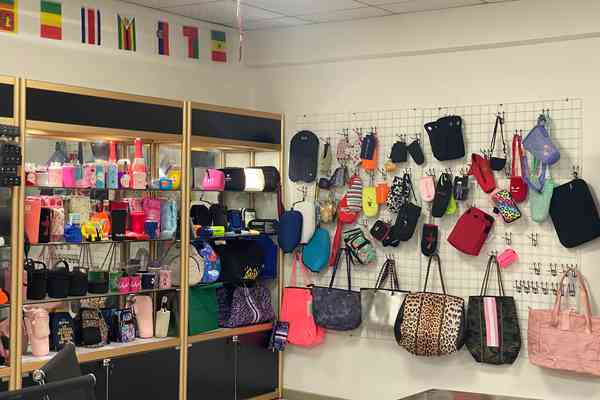
Below is a categorized overview of bag types we regularly manufacture as part of OEM and ODM projects. These categories reflect not just styles, but functional use cases, material diversity, and production complexity—all of which are relevant when assessing long-term manufacturing reliability rather than one-off production capability.
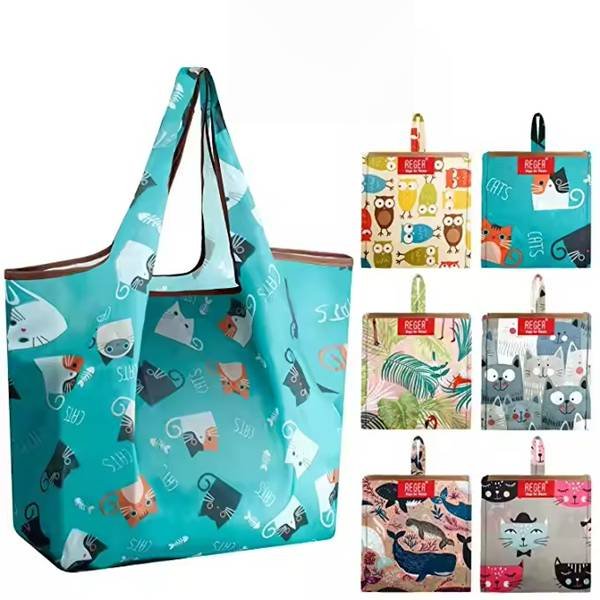
Shopping Bags
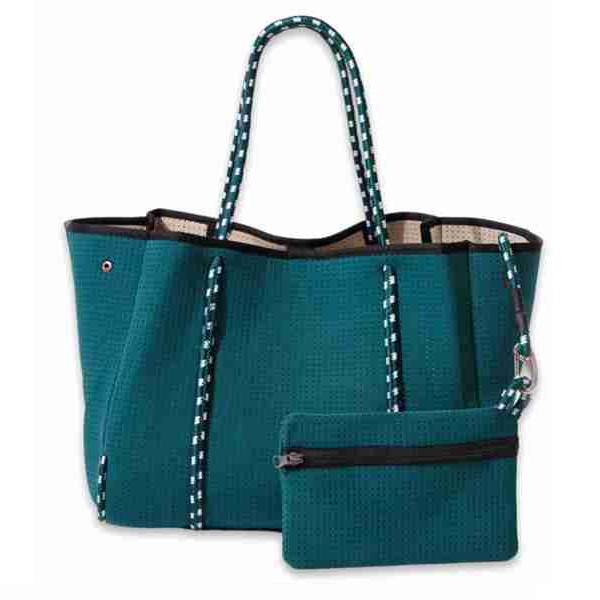
Tote Bags
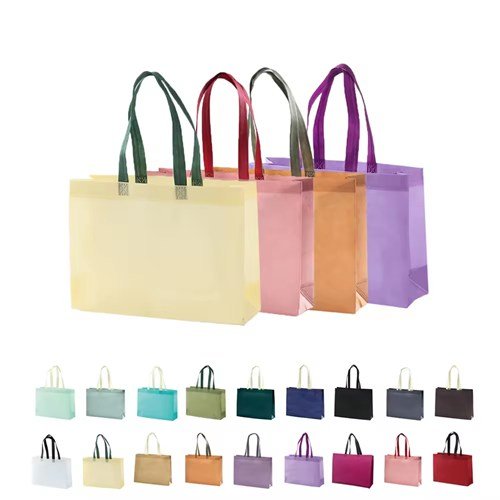
Promotional Bags
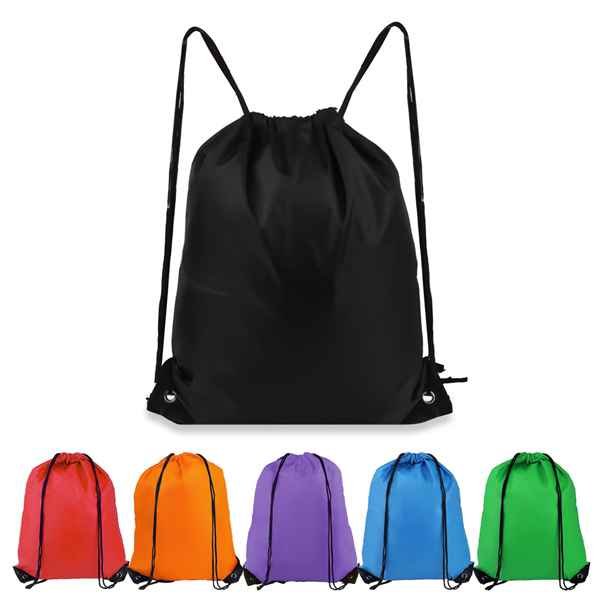
Drawstring Bags
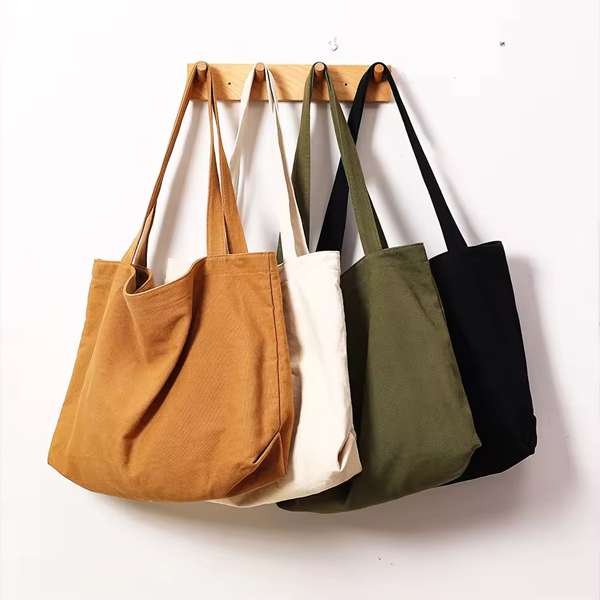
Canvas Bags

Cotton Bags
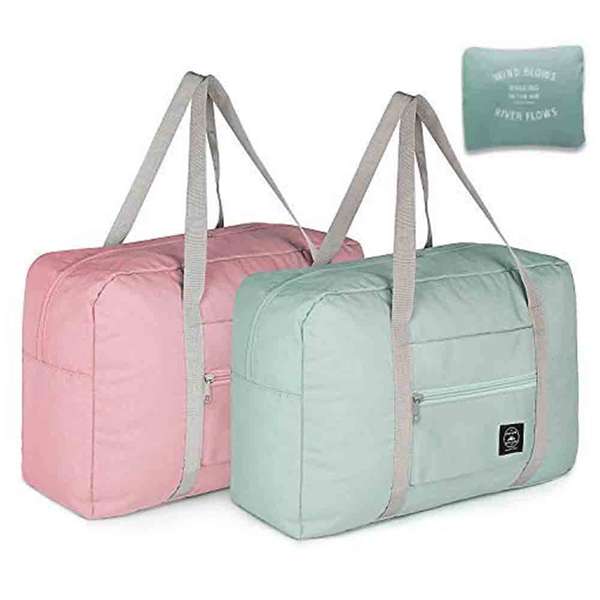
Foldable Bags
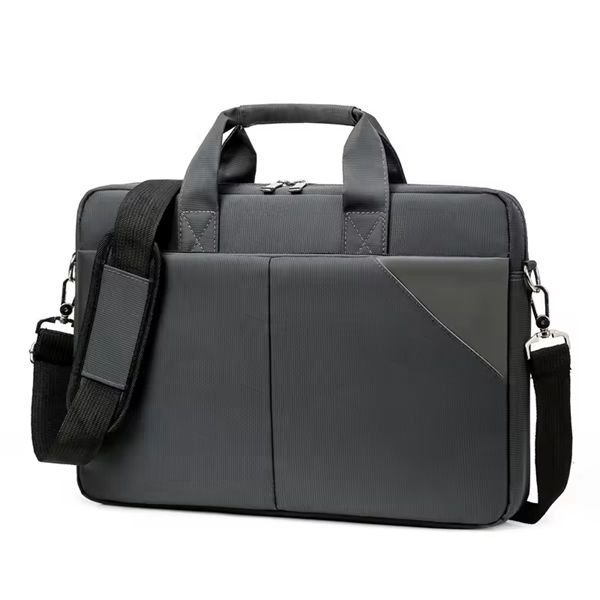
Laptop Bags
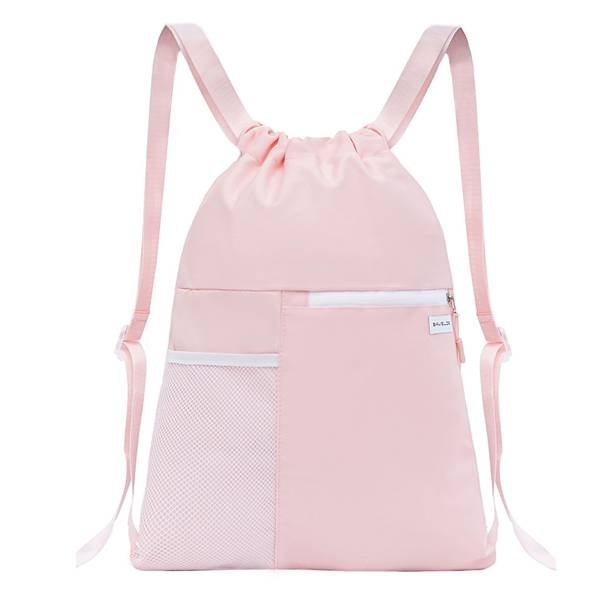
Backpacks
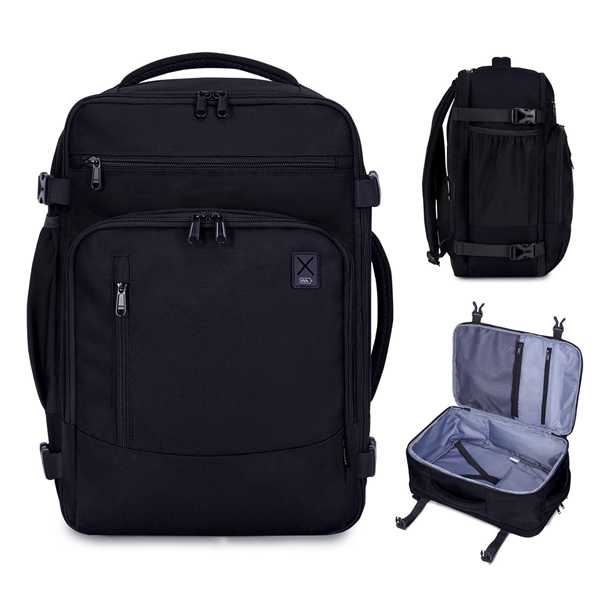
Travel Daypacks

Sling Bags
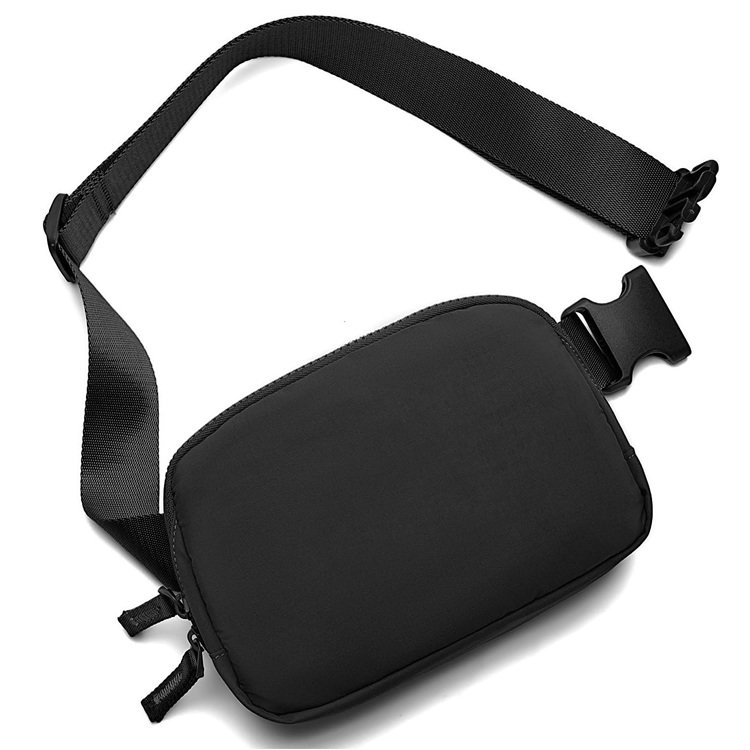
Belt Bags
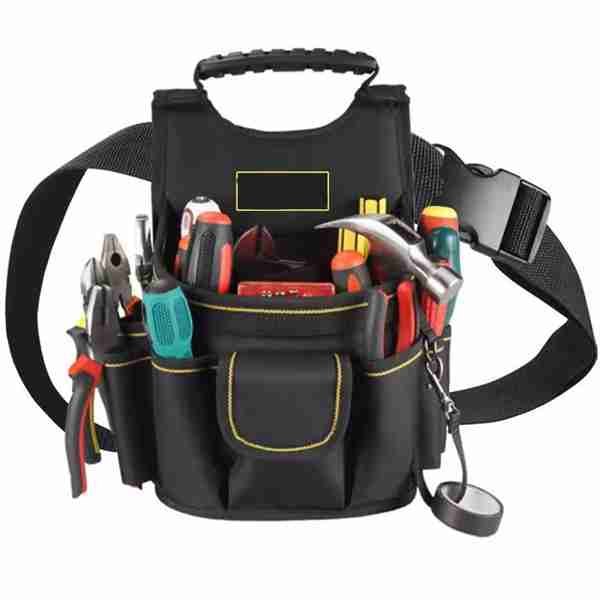
Electrician Tool Bags
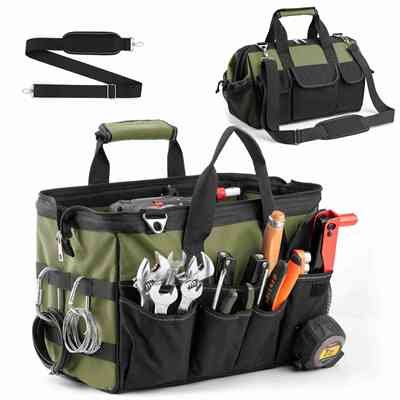
Industrial Utility Bags
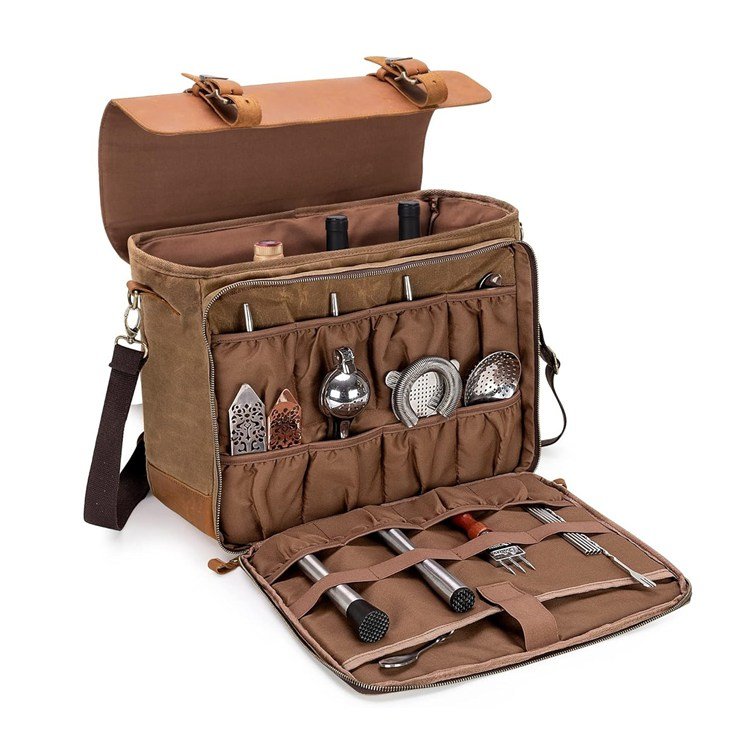
Tool Bags
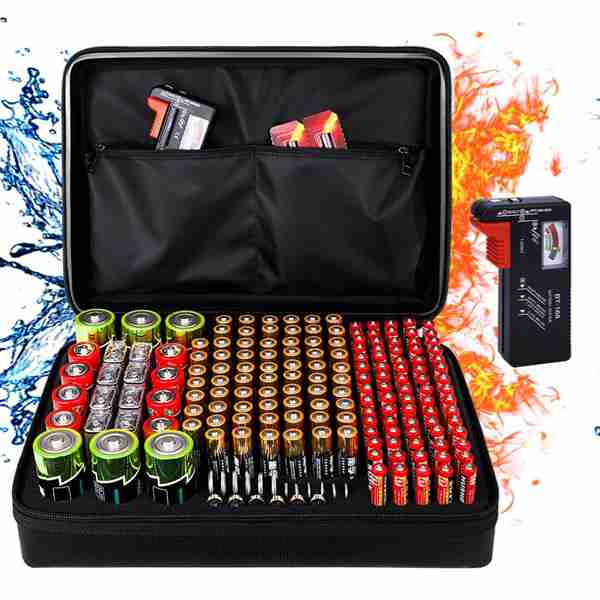
Lithium Battery Safety Bags
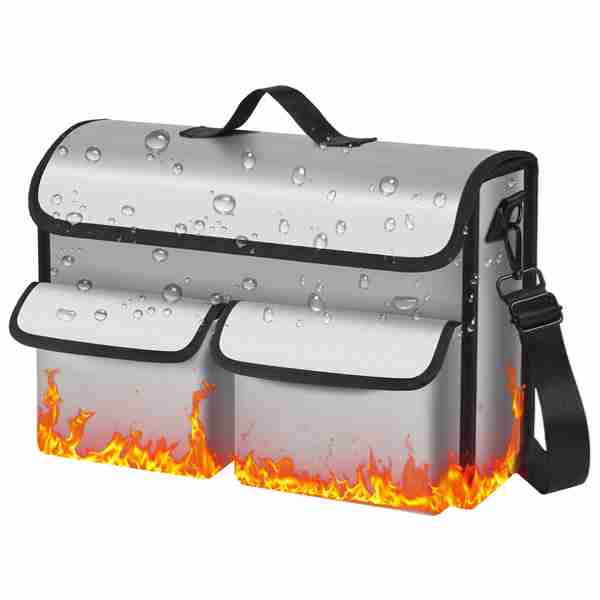
Fireproof Bags
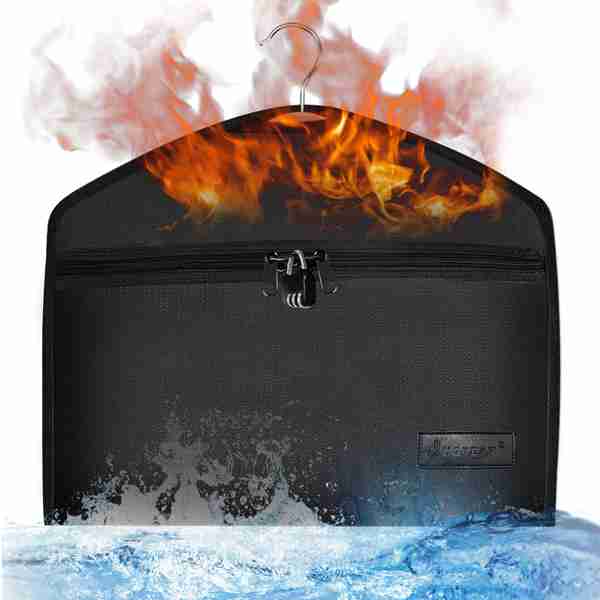
Document Fireproof Bags
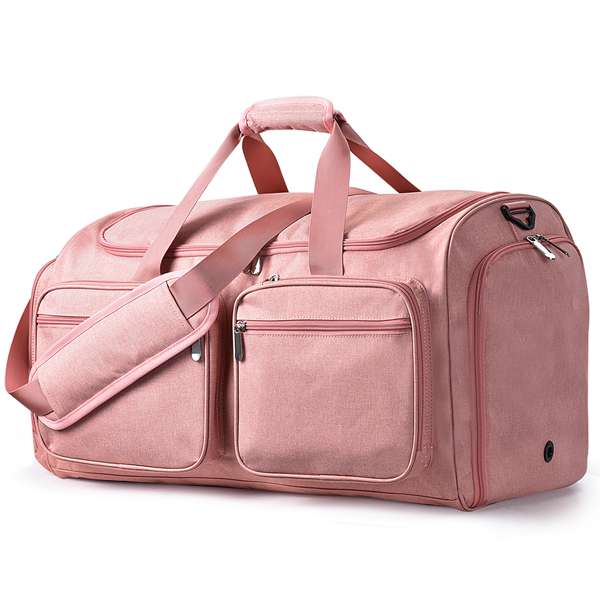
Travel Bags
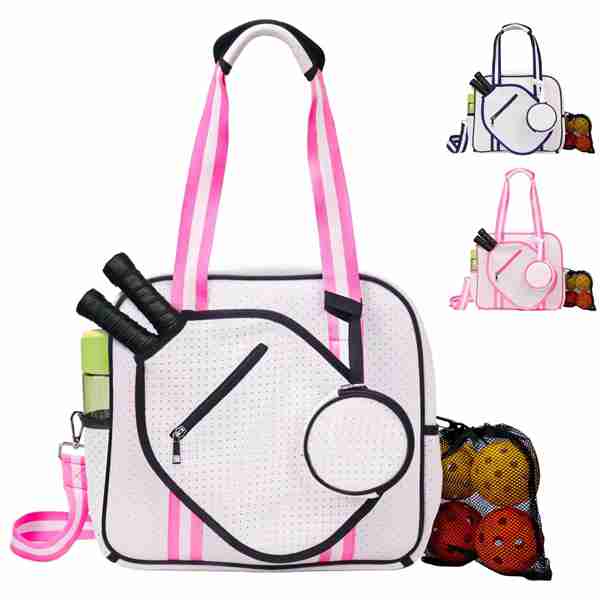
Sports Bags
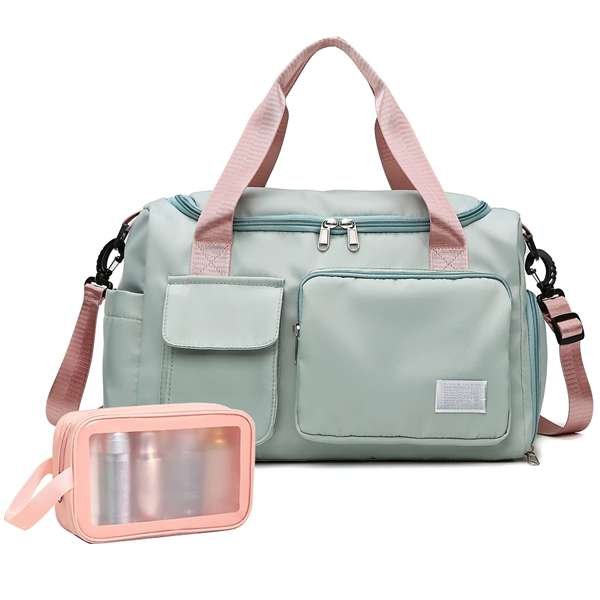
Weekender Bags
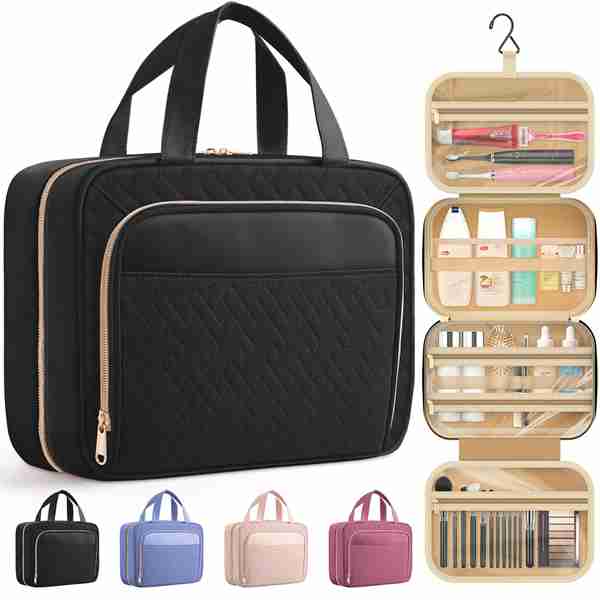
Cosmetic Bags
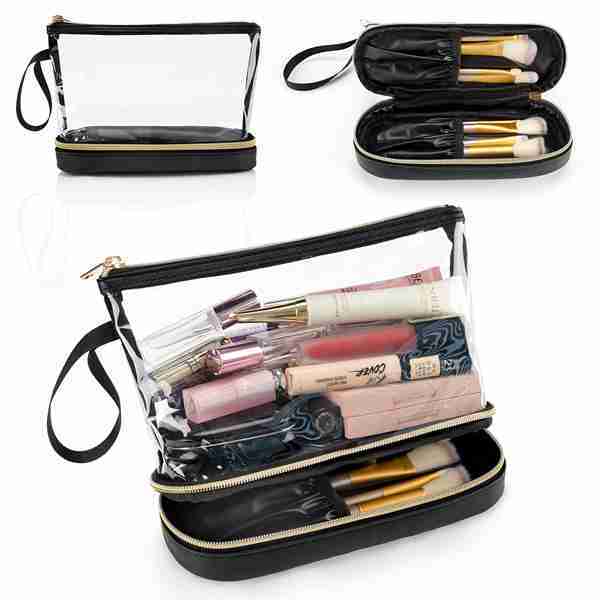
Makeup Pouches
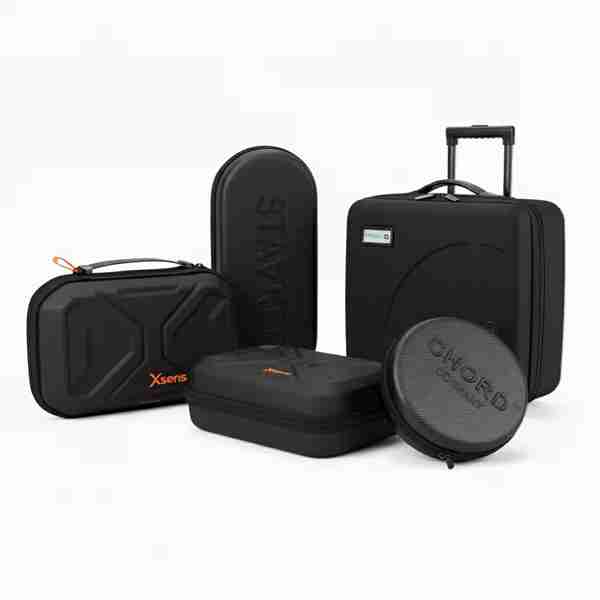
EVA Hard Cases
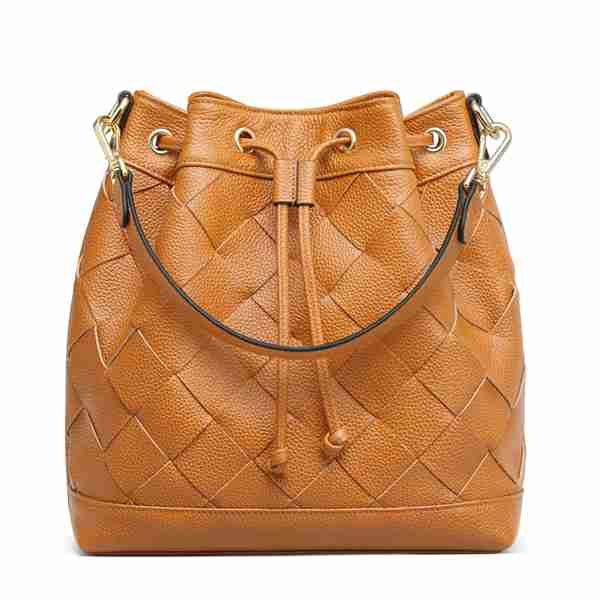
Woven Bucket Bag
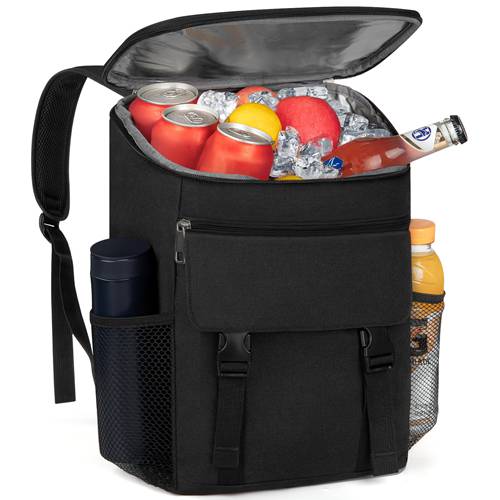
Insulated Cooler Bags

Pet Carrier Bags
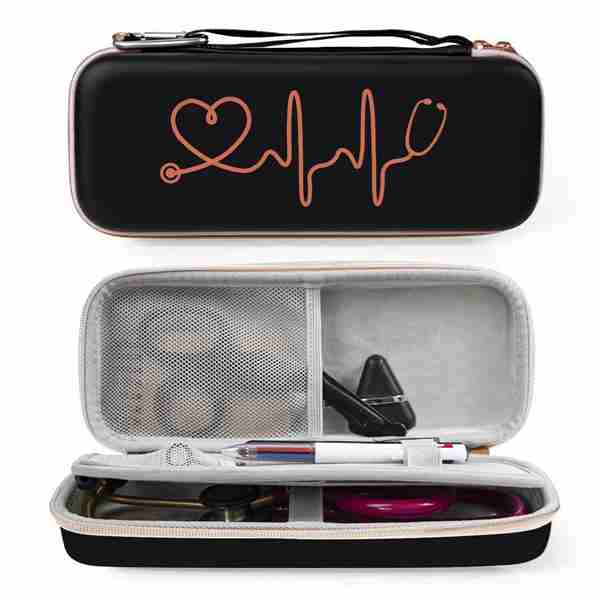
Medical Supply Bags
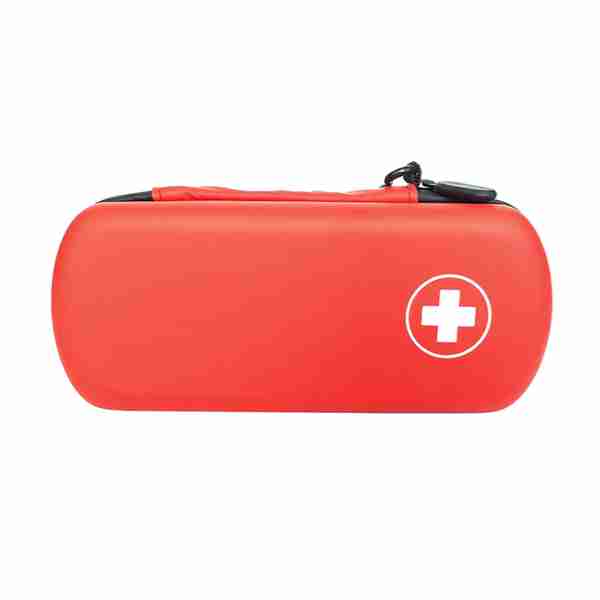
First Aid Bags
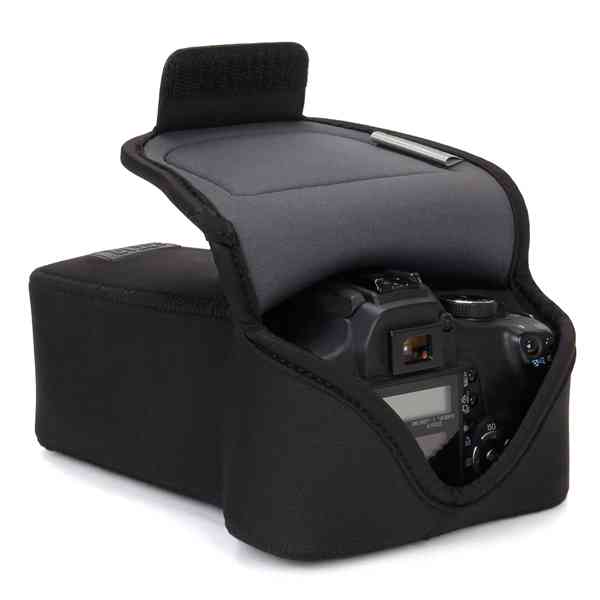
Camera Bags
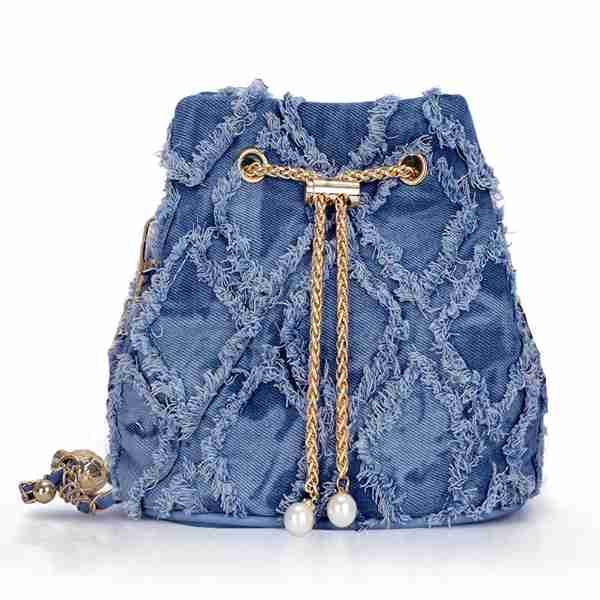
Denim Bucket Bag
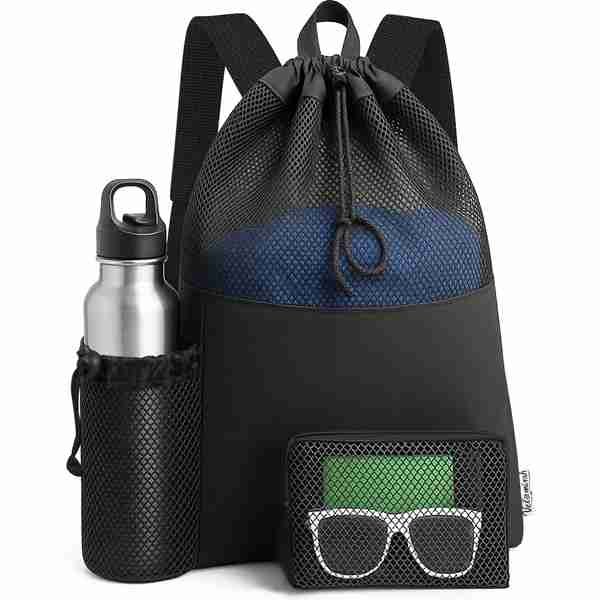
Gym Sports Bags
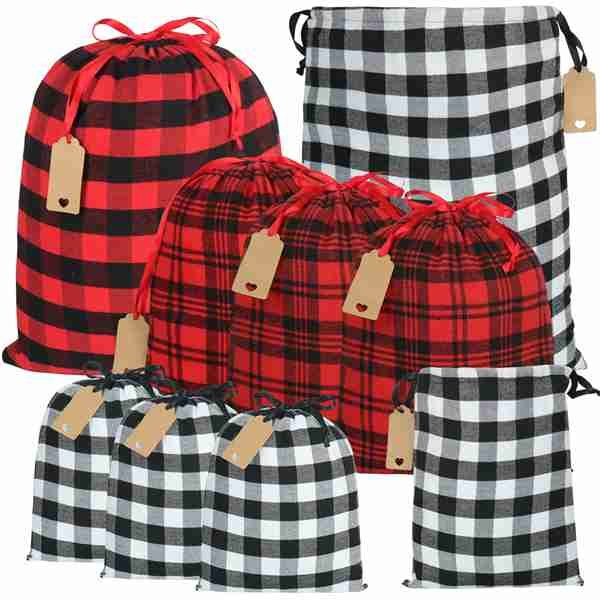
Gift Pouches Bags
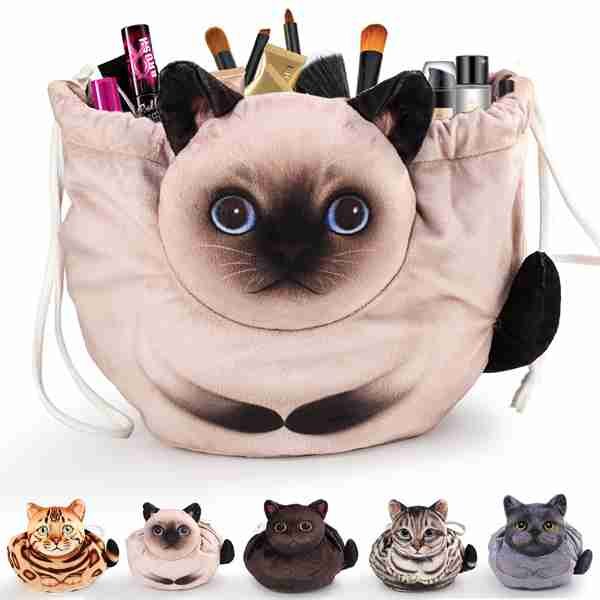
Makeup Cosmetic bag
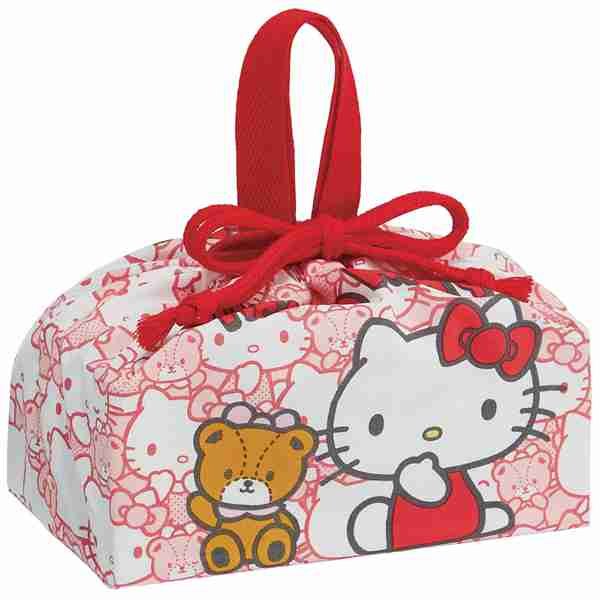
Tissue box Bag
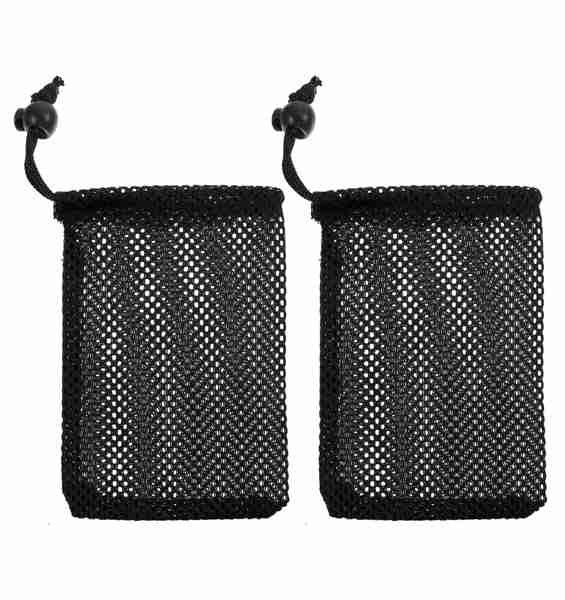
Small Mesh Pouches
What “Reliable” Really Means in Bag Manufacturing
In bag manufacturing, “reliable” does not mean saying yes to every request. In fact, suppliers that never challenge specifications often create bigger problems later. Reliability is defined by a manufacturer’s ability to set clear boundaries, explain trade-offs, and deliver outcomes that match approved standards—especially when moving from sample to bulk production.
A reliable bag manufacturer understands that custom bags involve complex variables: materials behave differently under load, logo methods perform differently on various fabrics, and multi-SKU orders require disciplined planning. Reliability means the factory can explain these variables, document decisions, and apply the same logic consistently across orders.
From a buyer’s perspective, reliability shows up in predictable ways: consistent workmanship across batches, clear communication when risks appear, and the ability to scale production without quality degradation. These traits are not accidental—they come from structured processes, experienced engineering input, and a quality system that works throughout production, not only at the final stage.
Reliable = 5 verifiable signals
- Engineering ability (structure, stress points, functional layout)
- Material & component control (zippers, hardware, lining, padding) Jundong Factory Introduction
- QC system (incoming → in-process → final, with reports) Jundong Factory Introduction
- Production planning (multi-SKU scheduling + capacity planning) Jundong Factory Introduction
- Export & compliance readiness (labels, documents, HS code support) Jundong Factory Introduction
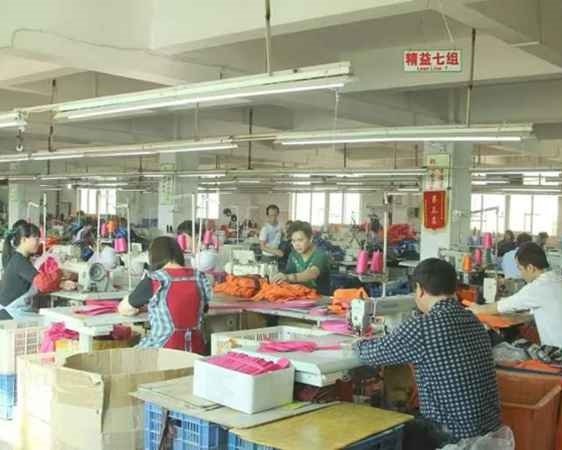
Direct OEM/ODM Factory
20+ years manufacturing custom makeup bags.

Low MOQ (e.g., 100–300 pcs)
Perfect for small business & new product launch.

Free Design Match
From artwork to structure development.
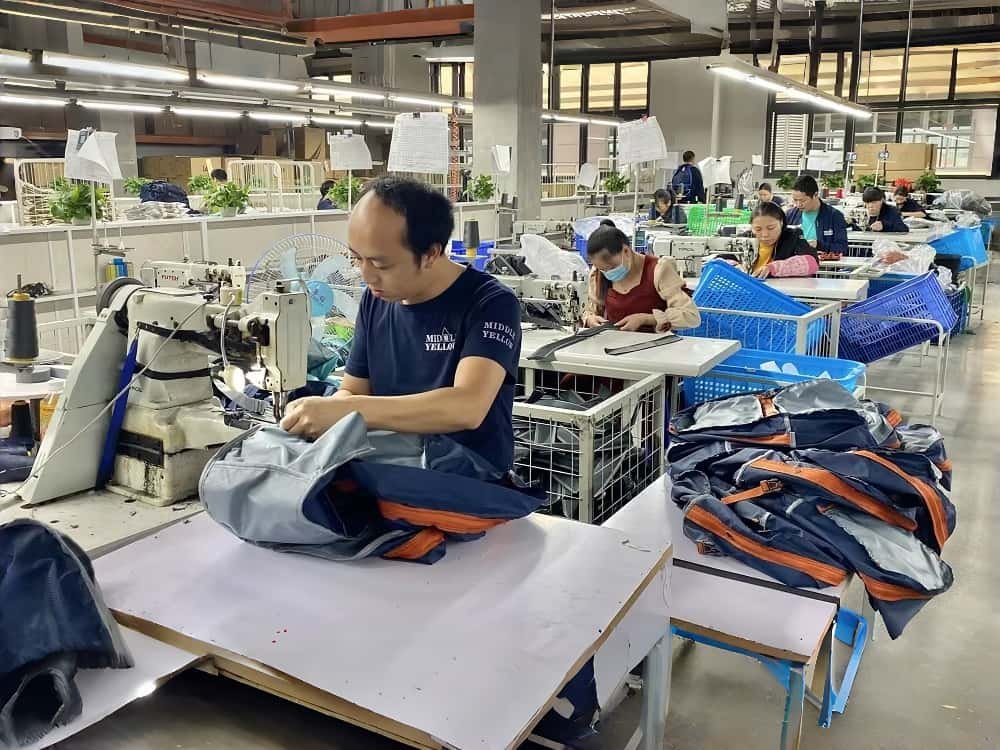
Fast Sampling 3–5 Days
High-efficiency and fast proofing saves your decision-making time.
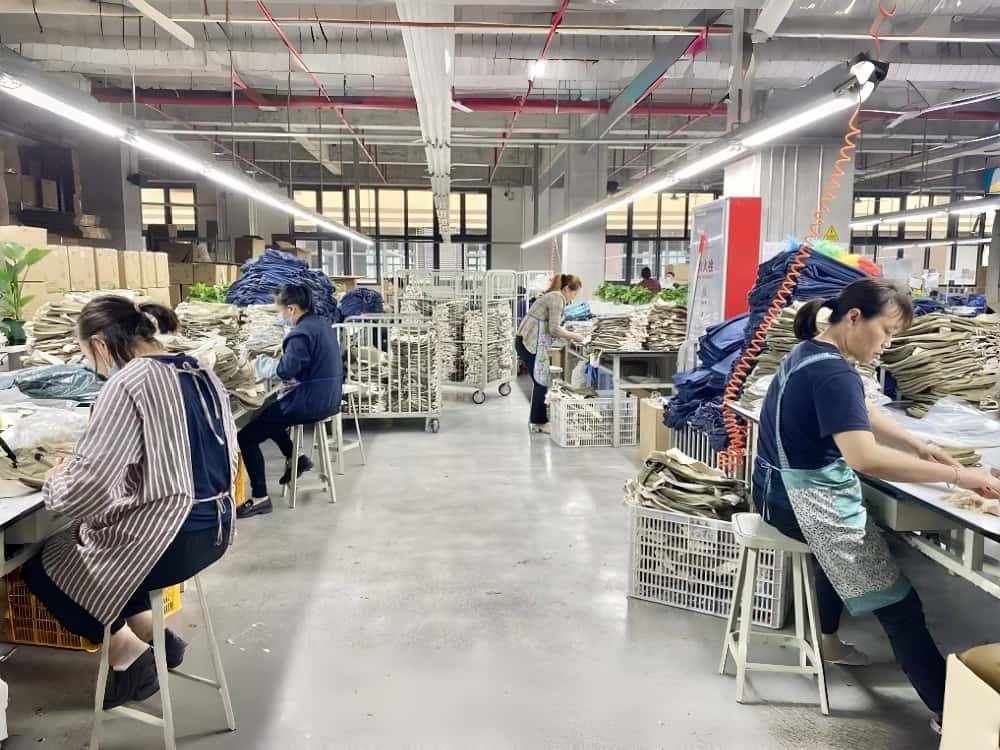
Premium Quality Check
3-step QC with professional testing ensure product quality.

Worldwide Shipping
To USA, Europe, Australia & More, Ships to 100+ Countrie.
10-Minute Supplier Screening Before You Commit
Before investing time in samples, calls, and negotiations, buyers should be able to eliminate high-risk suppliers quickly. A short, structured screening process can often reveal more than long conversations. The goal is not to interrogate, but to see whether a supplier can provide clear, specific answers about how they work.
Reliable manufacturers usually respond with explanations, options, and limitations. Unreliable ones rely on vague confirmations. By asking focused questions about materials, logo methods, color control, quality inspection, and export support, buyers can identify whether a factory operates with standards—or improvises from order to order.
This screening approach is especially useful for buyers managing multiple suppliers or working under tight timelines. It helps create an objective baseline for comparison and prevents costly mistakes that only appear after sampling or during bulk production. A supplier that passes this early filter is far more likely to support a smooth development and delivery process.
| Checkpoint | What to Ask | What “Reliable” Looks Like |
|---|---|---|
| Materials | Can you recommend zipper/hardware/lining options by use? | Clear options + reasons Jundong Factory Introduction |
| Branding | Which logo methods fit my fabric and durability needs? | Method list + limits Jundong Factory Introduction |
| Color | Can you support Pantone + finish options? | Matching approach Jundong Factory Introduction |
| QC | Do you run incoming / in-process / final inspection? | System + reports Jundong Factory Introduction |
| Export | Can you help with labels, documents, HS code? | Process-ready Jundong Factory Introduction |

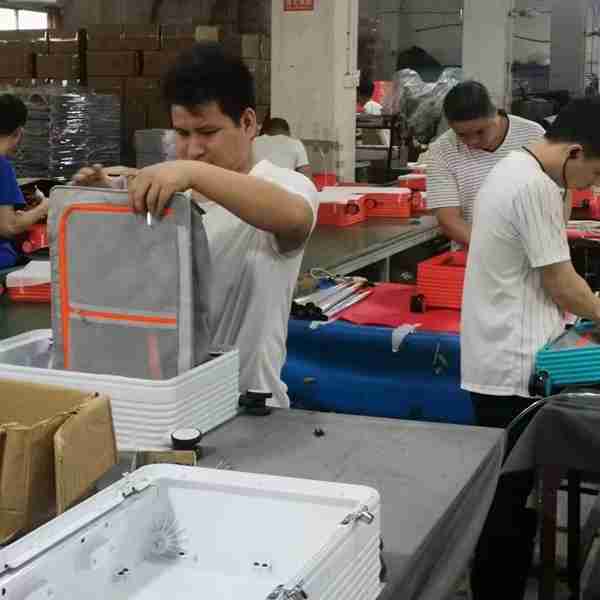
Structure Engineering
The Hidden Line Between Good and Bad Bags
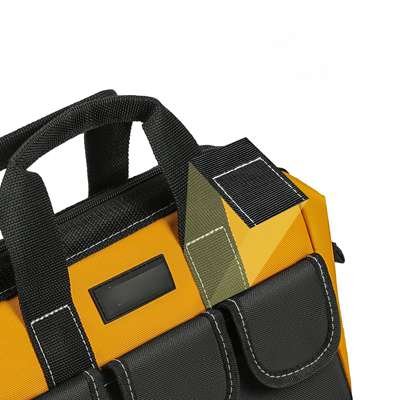
Bag quality is rarely defined by appearance alone. Most performance issues—deformation, zipper failure, handle breakage, premature wear—are rooted in structural decisions made during development. This is why evaluating a manufacturer’s structure engineering capability is essential.
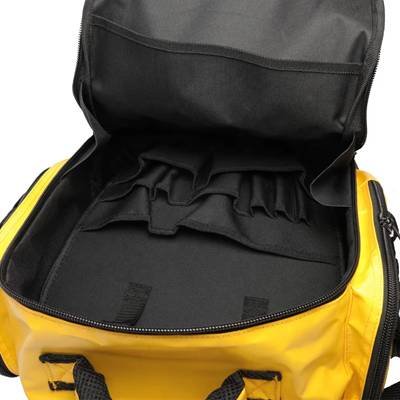
Reliable bag manufacturers design structure based on real use scenarios. They analyze load paths, stress concentration points, opening behavior, and carry cycles. Internal compartments, reinforcements, padding, closures, and stitching are planned as a system, not as independent elements. This approach ensures the bag maintains shape, function, and comfort after repeated use and transportation.
When suppliers lack structural planning, problems are often invisible at the sample stage but emerge quickly in bulk orders or end-user feedback. Buyers should ask how structure decisions are made, documented, and verified. The answers reveal whether a factory treats bags as engineered products—or simply assembles materials.
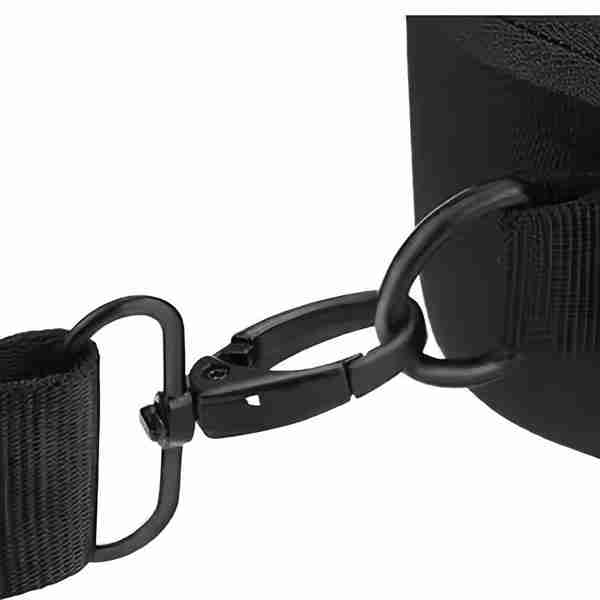
- Verify stress points: handle anchors, strap joints, zipper ends, corners.
- Ask for build standards: stitch density approach, reinforcement method, padding selection.
- A reliable factory treats structure as engineering, not decoration.
Materials & Components Control
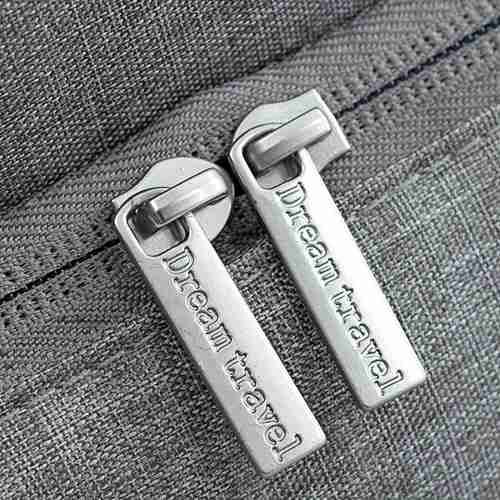
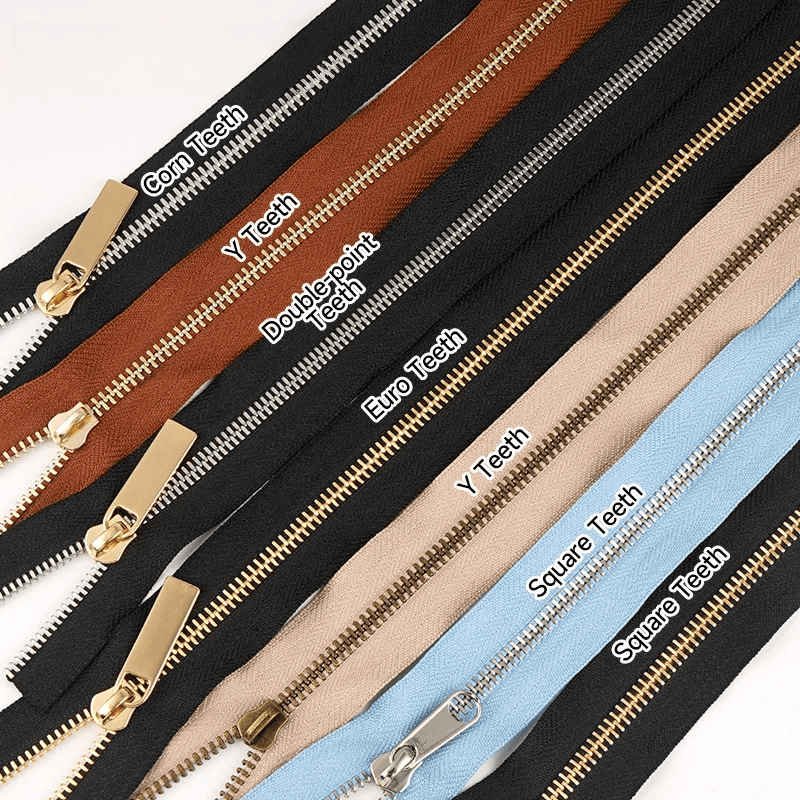
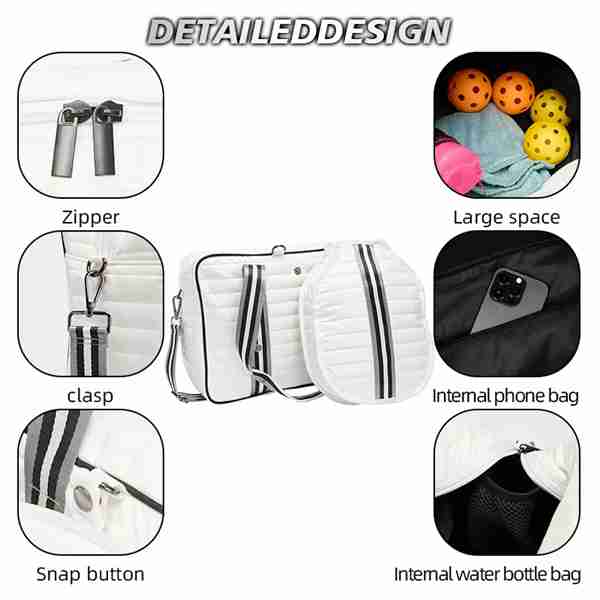
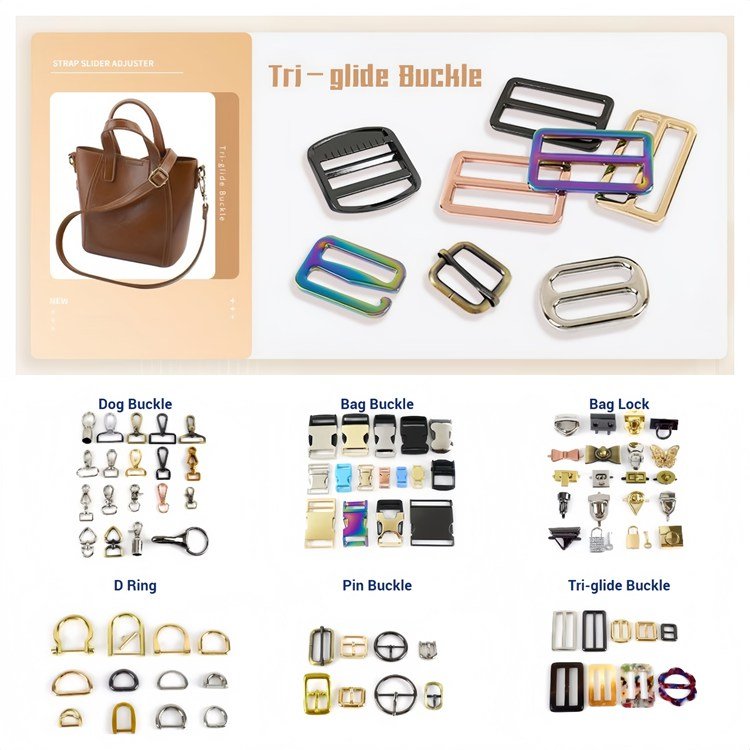
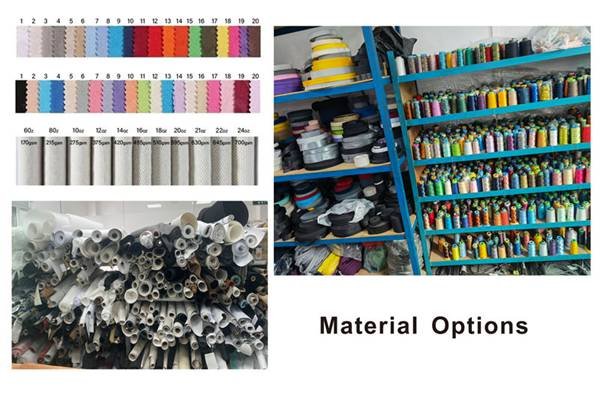
In custom bag manufacturing, fabric is only part of the equation. Zippers, hardware, webbing, lining, padding, and reinforcement materials often determine whether a bag lasts months or years. Reliable manufacturers understand this and manage materials and components as an integrated system.
Material control starts with matching performance requirements to cost targets. A supplier should be able to explain why a specific zipper grade, hardware finish, or padding density is chosen—and how it performs under load, friction, and repeated use. This is especially important for tool bags, tactical bags, travel bags, and any product expected to carry weight.
When material decisions are inconsistent or undocumented, durability problems often appear after shipping or during customer use. Buyers should look for manufacturers who can recommend alternatives, explain trade-offs, and maintain consistency across batches. This level of control is a strong indicator of long-term reliability.
- Zipper grade options and reinforcement methods
- Hardware plating and corrosion resistance direction
- Lining + padding selection based on use and target price Jundong Factory Introduction
Logo & Branding Methods
Choose What Stays Clean After Use
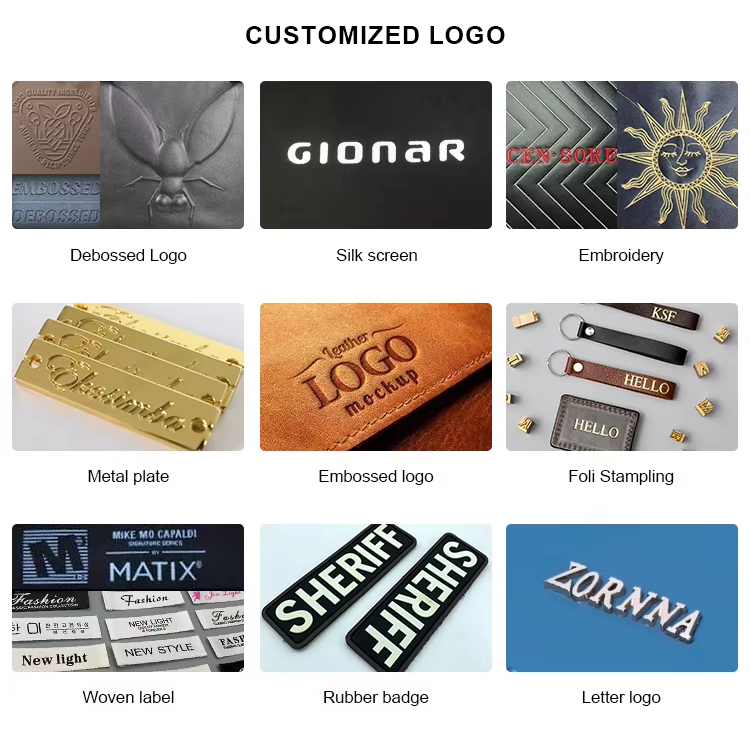
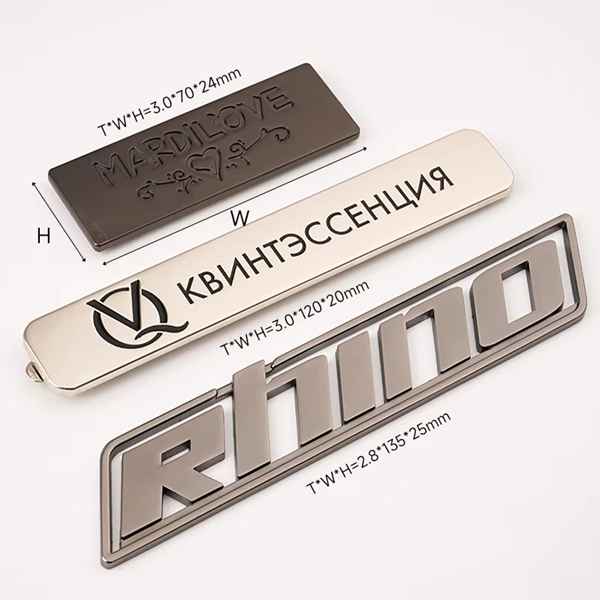
Supported methods:
Screen Print, Heat Transfer, Embossed, Debossed, Woven Label, Rubber/PVC Patch, Metal Plate.
For most private label and OEM projects, logo execution is where “average suppliers” get exposed. A logo can look perfect on a new sample but fail under real-world conditions: rubbing during shipping, daily handling, moisture, heat, or repeated folding. That is why selecting the right logo method is not a design preference—it is a manufacturing decision that affects brand perception, return rate, and sample-to-bulk consistency.
A reliable bag manufacturer should be able to recommend logo methods based on fabric type, bag function, expected wear, and your target price point. Buyers should ask not only “what logo methods do you offer,” but also “which method is best for my material and usage scenario, and why.” The answer should include practical limitations: where heat transfer may crack on textured surfaces, how screen print behaves on coated materials, when embossed/debossed is feasible, and what placement tolerances can be controlled during bulk production.
Logo reliability also depends on standardization. A supplier should confirm logo size, placement reference points, and process parameters so the bulk order matches the approved sample across multiple SKUs and repeated reorders. When a factory can explain these details clearly and show prior execution examples, it’s a strong signal that they can support professional branding—not just “put a logo on.”
Color Consistency & Pantone
Color Consistency: Pantone Matching and Finish Control for Reorders
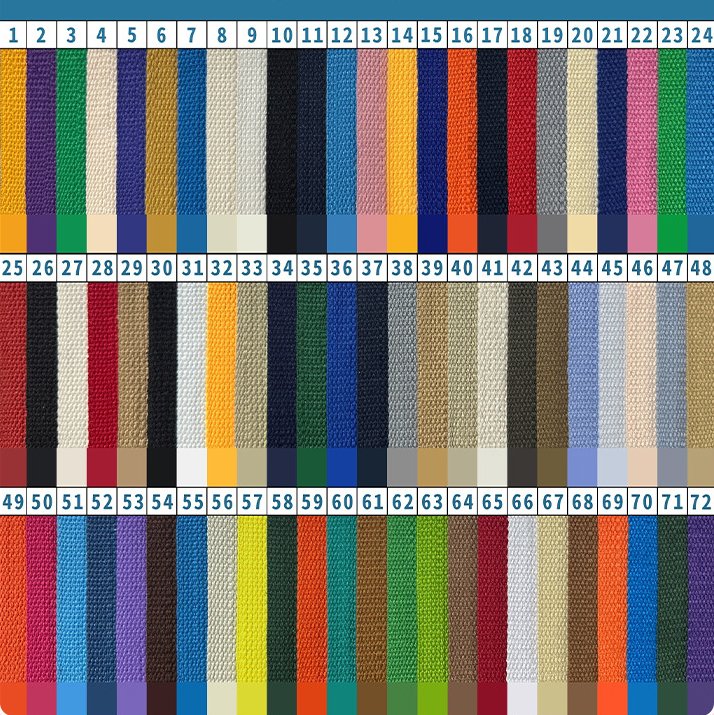
Color inconsistency is one of the most common reasons buyers lose confidence after the first order—especially for brands running a product line across multiple SKUs, seasonal drops, or repeat restocks. Even small differences in tone, gloss, or texture can make products look “off-brand,” cause product page mismatches, and create warehouse receiving disputes. That’s why color control should be evaluated as a system, not as a promise.
Reliable bag manufacturers treat color as a controlled specification. Buyers should confirm whether the supplier can support Pantone color matching, how approvals are handled (swatches, lab dips, or signed references), and how the factory manages finish options such as matte vs gloss or surface texture direction across different materials. This matters even more when your product uses multiple components—outer fabric, lining, webbing, binding, rubber patches, and labels—because each material accepts color differently.
A professional supplier will also discuss repeatability: what steps ensure the same color outcome across different batches, and what tolerance approach is used when materials change or when components come from different suppliers. If the manufacturer can explain this clearly, it signals they can support long-term programs where brand consistency matters as much as price.
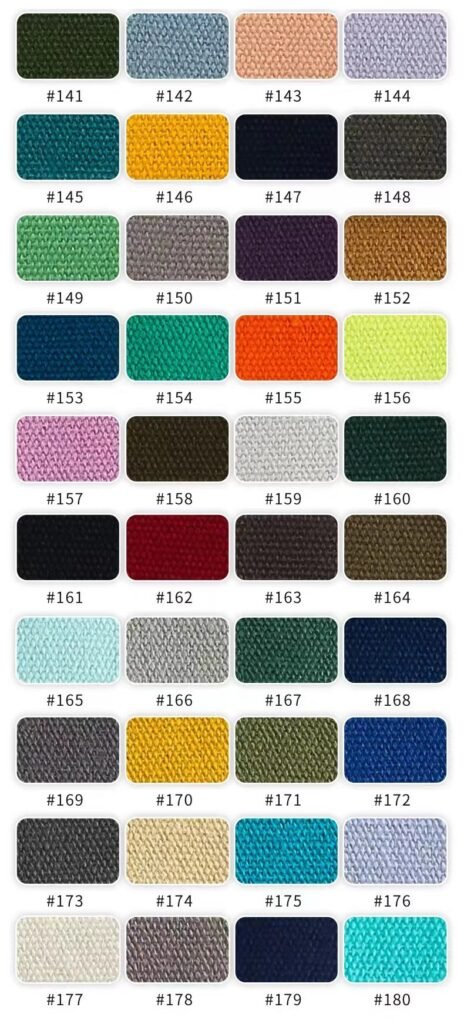
Color Matching Process (OEM/ODM tone)
Send Pantone code or reference
Provide Pantone C/U code or a physical swatch/packaging. Tell us your material (PU, nylon, canvas, polyester, TPU, velvet) and finish (matte, glossy, grain).Material & finish confirmation
Our team reviews texture, coating, and printing method (screen, heat transfer, emboss, metal logo) to keep the color close on the chosen substrate.Lab dip / color swatch
We produce a lab dip for PU/fabric or a printed strike-off for logo areas. Turnaround: 2–4 days.Light box check
We compare color under D65 / TL84 light to control metamerism and keep ΔE within your target (typical ΔE ≤ 2.0 for most projects).Accessory alignment
Zippers, pullers, binding, thread, inner lining, and rubber patches are matched to the same Pantone range.Pre-production sample (PPS)
You receive PPS with Pantone note on the tag for final sign-off.Mass production & QC
Color is monitored by spectro check and retained sample. Low MOQ available for new SKUs; fast sampling for seasonal drops.
Production Planning & Capacity
Can They Handle Multi-SKU Without Chaos?
Production Planning: Multi-SKU Scheduling Without Delays:
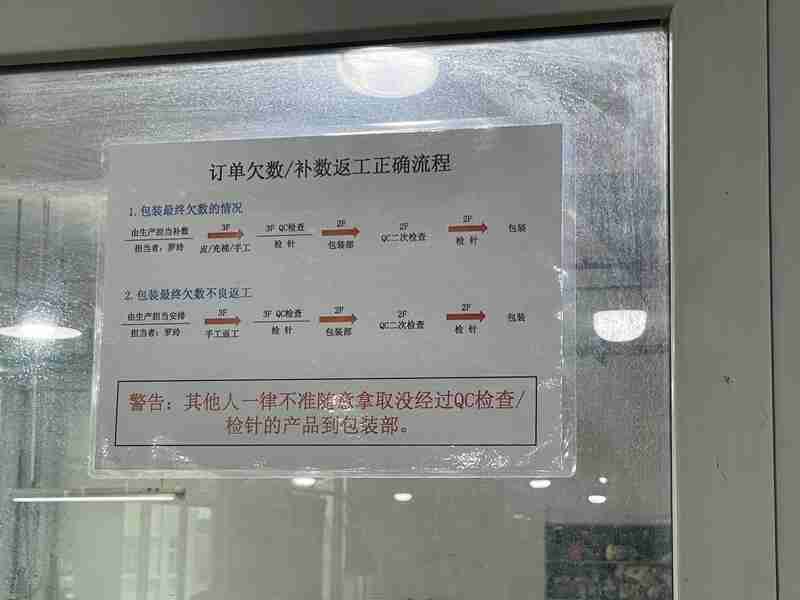
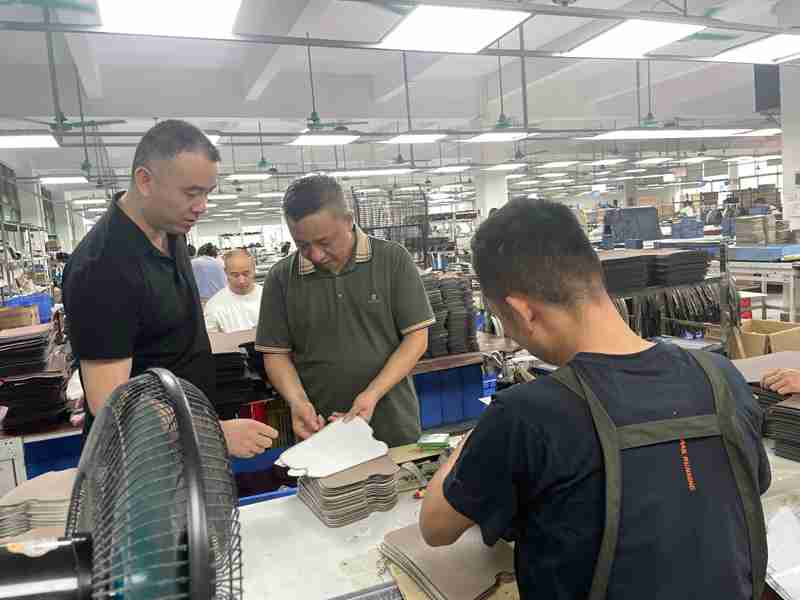
Many suppliers perform well when the order is simple: one SKU, one color, standard packing. The real test of reliability starts when your project becomes realistic—multiple SKUs, multiple colors, mixed packing, different logo methods, or partial shipments. Without disciplined production planning, small changes turn into delays, and delays turn into lost sales windows.
Buyers should evaluate whether the manufacturer can manage flexible scheduling, multi-product order management, and capacity planning. This includes how they handle material arrival timing, cutting and sewing line allocation, branding process coordination, and inspection windows. A reliable manufacturer can explain how orders move through production in a structured way and how bottlenecks are prevented, especially during peak seasons.
Planning is also tied to transparency. A trustworthy supplier provides clear milestone alignment: what is confirmed at pre-production, what gets checked during in-process QC, and when packaging and shipment preparation begin. For buyers, this reduces uncertainty and helps coordinate launch timelines, warehouse receiving, and marketing schedules. If a manufacturer can demonstrate control here, it’s a strong indicator that they can support scaling programs—not only trial orders.
Quality Control System
Ask for Evidence, Not Promises
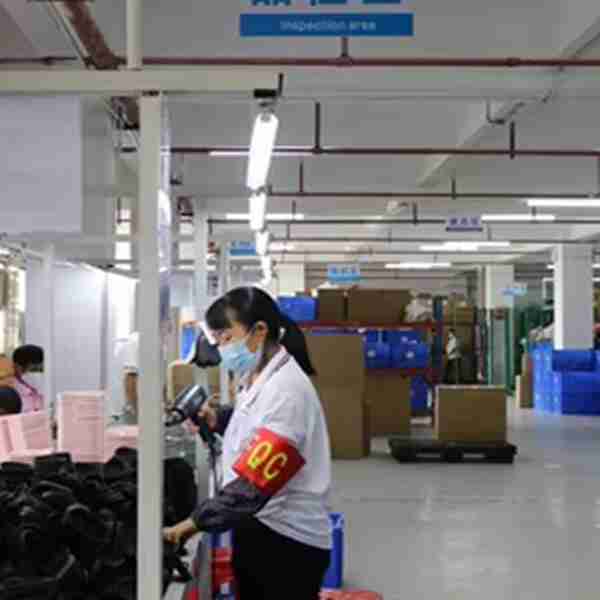
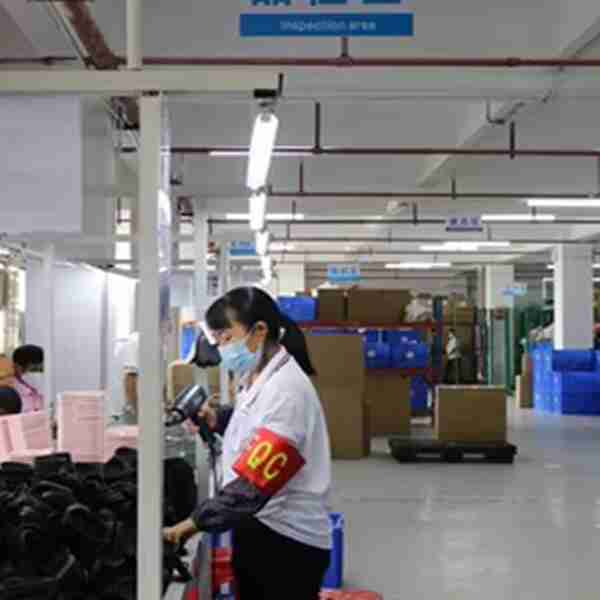
Quality control is where reliable manufacturers separate themselves from “assembly-only suppliers.” If QC happens only at the end, the buyer will pay for mistakes through rework, delays, and inconsistent bulk shipments. Professional bag manufacturing requires a QC system that runs across the entire workflow—starting with incoming materials and continuing through production and final inspection.
Buyers should verify whether the factory performs incoming inspection for materials and components, in-process checks at key steps (cutting, stitching, assembly, finishing), and final inspection with functional evaluation. For durability-focused products, a reliable supplier should also apply stress and load testing, zipper and hardware checks, and workmanship standards such as stitch consistency and reinforcement accuracy. Just as important, they should be able to provide inspection reporting that procurement teams can use internally.
A strong QC system protects more than one shipment—it protects your brand’s long-term reputation. It reduces complaint rates, stabilizes reorders, and builds confidence that the product you approved as a sample will remain the product you receive in bulk. When a manufacturer can explain QC checkpoints, inspection criteria, and corrective action processes, it signals maturity and repeatability—two traits buyers should never compromise on.
Look for:
- Incoming material inspection
- In-process QC
- Final inspection
- Functional / durability / load testing
- Inspection report preparation

Packaging Readiness
Protecting Products Beyond the Factory
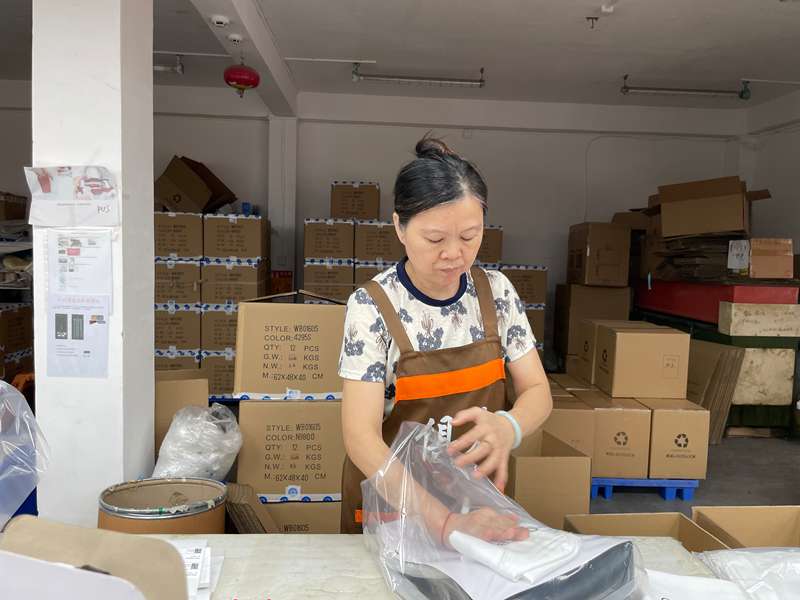
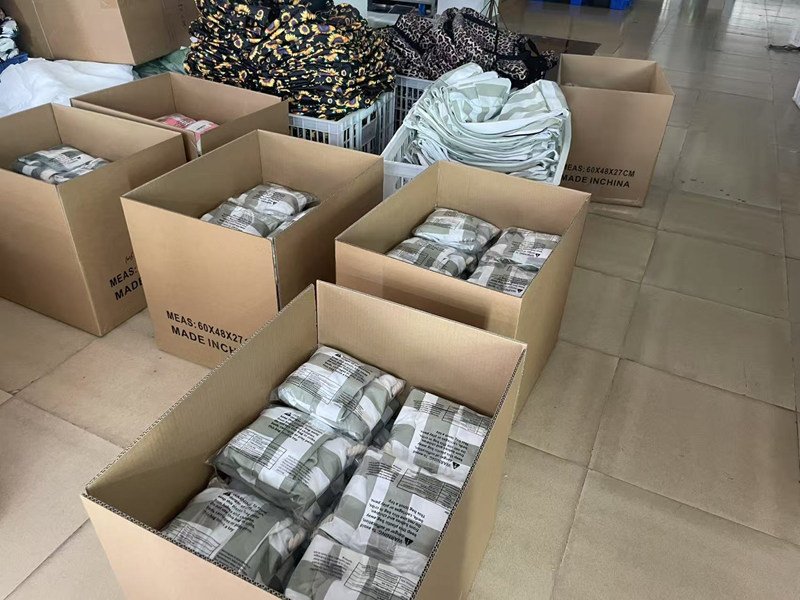
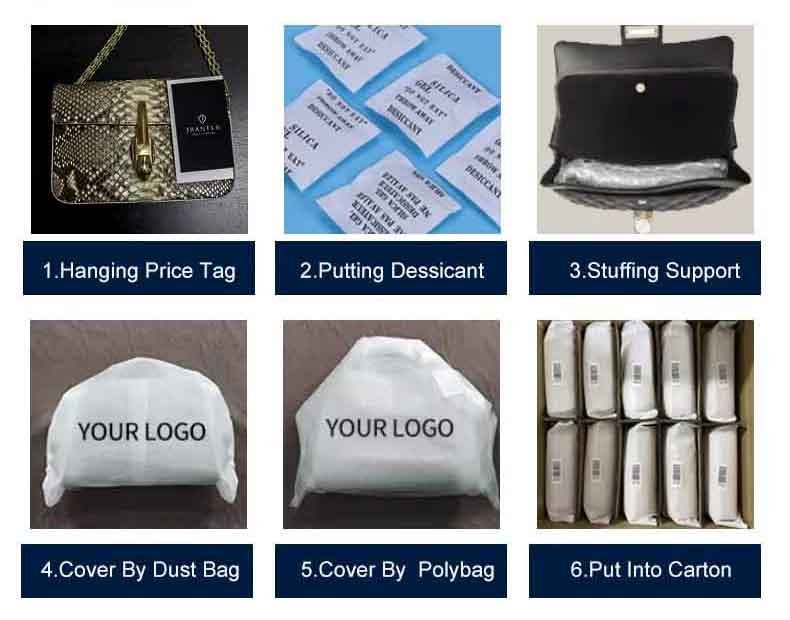
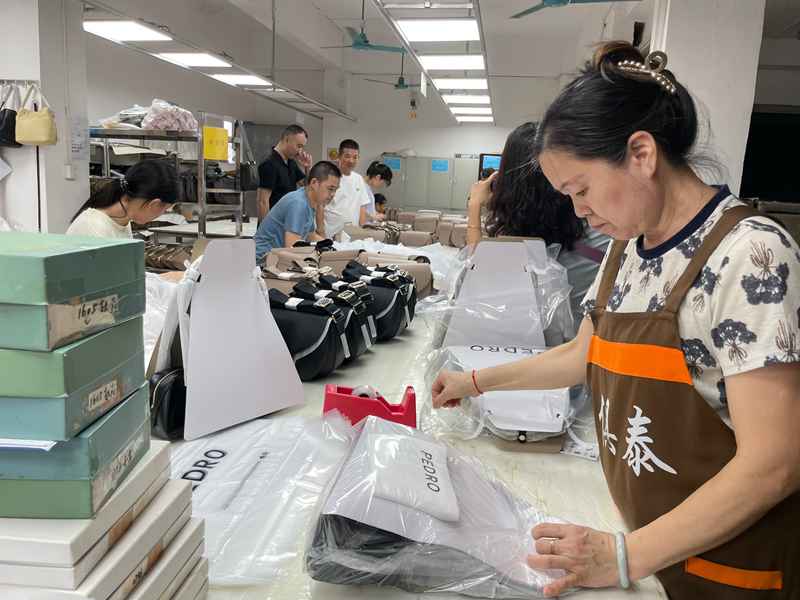
Packaging is often underestimated during supplier evaluation, yet it directly affects product protection, warehouse handling, platform compliance, and customer perception. A bag that is well-manufactured can still generate complaints if packaging fails during transit or does not meet market expectations. For this reason, packaging capability should be reviewed as part of the manufacturing system—not as an afterthought.
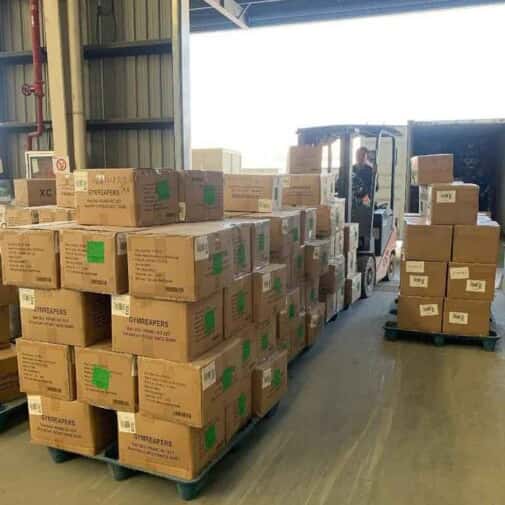
Reliable bag manufacturers understand that different sales channels require different packaging strategies. Retail distribution may require visual consistency and labeling accuracy, while e-commerce prioritizes protection, dimensional control, and drop resistance. Export shipments add another layer, where outer carton strength, packing method, and labeling must comply with shipping and customs requirements. A professional supplier can explain these differences and recommend appropriate options.
Buyers should also assess whether the manufacturer can integrate packaging into the production workflow: confirming packaging specs before bulk production, coordinating packing with final inspection, and preparing goods in a way that supports smooth warehouse receiving. When packaging decisions are standardized early, it reduces damage claims, rework, and delays—making the entire supply chain more predictable.
Compliance & Export Support
Reducing Hidden Supply Chain Risk
Compliance is one of the most overlooked risk areas in bag sourcing, especially for buyers focused primarily on price or appearance. Missing labels, incorrect documentation, or unclear HS code classification can delay shipments, increase customs costs, or even block goods from entering the destination market. These risks often surface late—when correction is expensive and time-sensitive.
A reliable bag manufacturer should have experience supporting export-oriented projects. This includes understanding basic labeling requirements, packaging compliance, and documentation preparation for different markets. While manufacturers are not customs brokers, professional factories know how to prepare goods correctly and coordinate with buyers or forwarders to avoid preventable issues.
From a buyer’s perspective, compliance readiness signals maturity. It shows the supplier is accustomed to international trade workflows and understands that manufacturing responsibility does not end at the factory gate. When a manufacturer can explain how they support labeling, documentation, and HS code reference, it reduces uncertainty and helps buyers manage platform audits, customs clearance, and downstream logistics with greater confidence.
- Export packing compliance
- Product labeling compliance
- Documentation preparation + HS code assistance
Supplier Red Flags
Supplier Red Flags: Warning Signs Buyers Should Not Ignore
Most supplier problems do not appear suddenly. They show early warning signs—often during communication, sampling, or specification discussion. Buyers who recognize these red flags early can avoid costly mistakes later. Ignoring them usually results in rework, disputes, or supplier replacement after time and money have already been spent.
Common red flags include vague answers to technical questions, lack of clarity around QC processes, unwillingness to explain limitations, or overconfidence without evidence. These behaviors often indicate weak internal standards or limited experience handling structured OEM/ODM projects. While no supplier is perfect, reliable manufacturers are transparent about risks and willing to explain how they manage them.
This section highlights typical warning patterns buyers encounter when sourcing bags. It is not meant to eliminate suppliers quickly, but to encourage verification. When a factory responds to concerns with documentation, examples, or process explanations, it demonstrates accountability. When concerns are avoided or dismissed, buyers should slow down and reassess before proceeding further.
| Red Flag | What It Usually Means | What to Do |
|---|---|---|
| “Everything is OK” with no detail | No standards | Ask for QC steps + reports |
| No clear logo limitations | High rework risk | Request method list + tests |
| Can’t explain packing options | Shipment damage risk | Confirm polybag/box/labels |
| No export doc support | Clearance delay risk | Check documents + HS code |
Supplier Scoring Matrix
Turning Judgment into Data
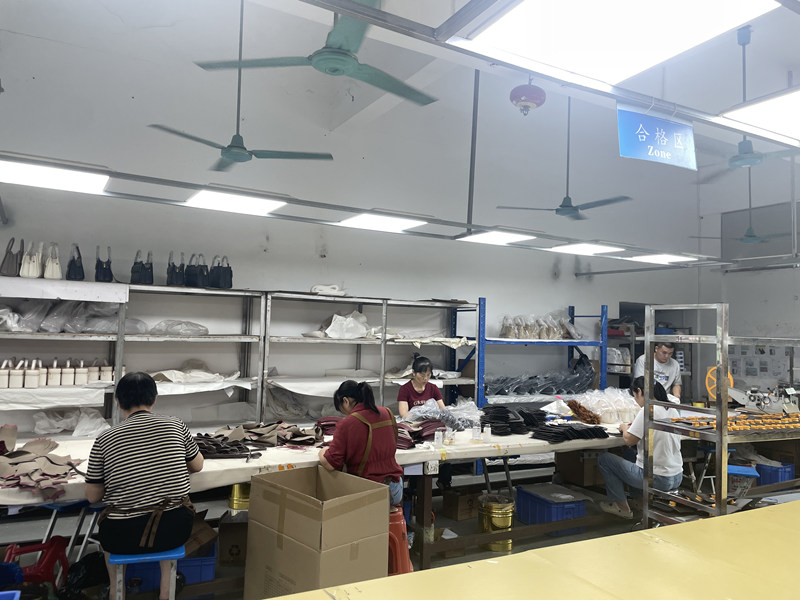
Supplier selection often relies on experience and intuition, but internal decision-making becomes far easier when evaluation criteria are structured and measurable. A scoring matrix allows buyers to compare suppliers objectively across critical dimensions such as engineering capability, material control, quality systems, production planning, and compliance readiness.
Using a weighted scoring approach helps procurement teams avoid overemphasizing price or surface-level impressions. It also creates a shared language between sourcing, product development, and management teams. When each category is scored based on evidence—documents, explanations, samples, or site observations—the final decision becomes easier to justify internally.
This method is particularly valuable for companies managing multiple suppliers or planning long-term product programs. It supports repeatable decision-making and reduces reliance on personal preference. Manufacturers who perform well across these dimensions are more likely to support consistent quality, scalable production, and stable cooperation over time.
Supplier Scoring Matrix (100-Point System)
| Category | Weight | What to Score |
|---|---|---|
| Engineering & structure | 20 | Stress point design, compartment logic |
| Materials & components | 20 | Zipper/hardware/lining control |
| QC system | 25 | Incoming + in-process + final + reports |
| Production planning | 15 | Multi-SKU scheduling |
| Compliance & export | 20 | Labels, documents, HS code |
Final CTA / Contact Trigger
Want a Fast Supplier Evaluation? Send These 6 Inputs
Clear input leads to clear output. Many delays in sourcing start not from the factory, but from incomplete or vague project information. When buyers provide structured inputs early, manufacturers can evaluate feasibility more accurately and respond with realistic recommendations instead of generic quotations.
Before contacting a bag manufacturer, buyers should clarify basic parameters: bag type, usage scenario, target market, estimated quantity, branding requirements, and price expectations. Even simple reference photos or a rough tech pack can significantly improve communication quality. This allows the supplier to assess material options, structure complexity, logo feasibility, and production timeline more effectively.
Providing this information upfront does not lock buyers into decisions—it creates a more productive starting point. Reliable manufacturers value this clarity because it allows them to propose solutions that balance performance, cost, and manufacturability. When both sides begin with aligned expectations, the project is more likely to progress smoothly from discussion to sampling and into bulk production.
Send:
- Bag type + target market
- Usage scenario (load / outdoor / travel / tool)
- Quantity + SKU count
- Target price range
- Logo file or branding direction
- Reference photos or a simple tech pack
If you need a checklist template, email info@jundongfactory.com (useful for internal sourcing review).
Product Details Of Custom Bags
Product details are where a custom bag becomes a sellable product, not just a sample. Many suppliers can follow a picture. Far fewer can control the small details that decide user experience, durability, and sample-to-bulk consistency. This section helps buyers evaluate those details in a clear, manufacturing-focused way—so your team can approve the right build standard before mass production starts.
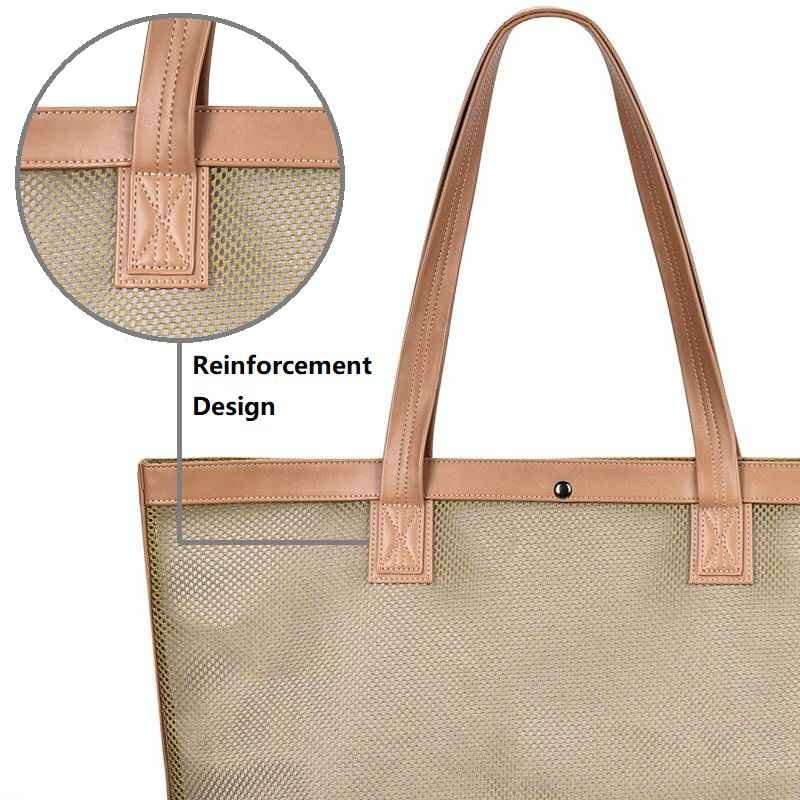
For OEM/ODM projects, “product details” include every functional and structural decision customers will notice after real use: compartment layout, pocket sizing, opening angle, zipper track stability, and closure reliability. It also includes the hidden parts that protect performance: reinforcement at stress points, webbing anchoring, edge binding, lining selection, and padding density. When these details are not planned correctly, problems often appear later—deformation after shipping, zipper failure under load, frayed seams, or premature wear at corners and handles.
At Jundong, we design details based on how the bag will be used and sold. A promotional tote needs clean branding surfaces and cost-efficient structure. A tool or tactical bag needs load-bearing reinforcement and organized access. A travel or laptop bag needs stable shape retention, comfort padding, and secure compartments. We engineer these details with real-world stress scenarios in mind, then translate them into repeatable production standards—materials, stitch density, seam allowances, and inspection checkpoints—so the approved sample can be produced consistently in bulk.
Use the following product detail modules to confirm what matters for your market: the functional build, the finishing quality, and the branding readiness. If you have a reference sample or a draft tech pack, we can recommend the most suitable detail options for your target price and performance requirements, and help you avoid costly revisions later.
Load Distribution & Stress Point Reinforcement
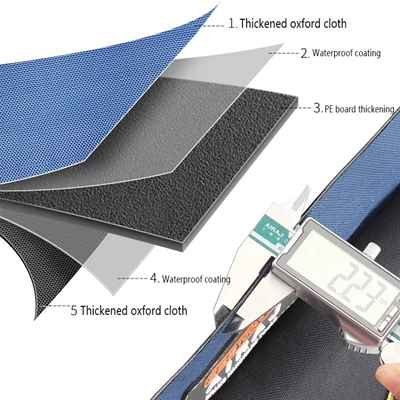
Material Thickness & Performance Matching

Padding Density & Protection Performance
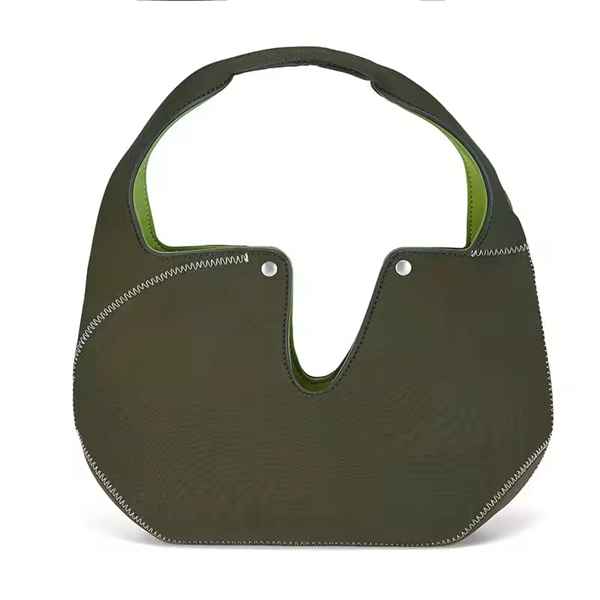
Shape Retention & Anti-Deformation Design
Hardware Strength & Corrosion Resistance
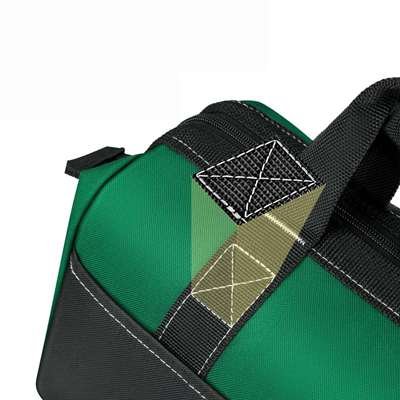
Stitch Density (SPI) & Thread Strength
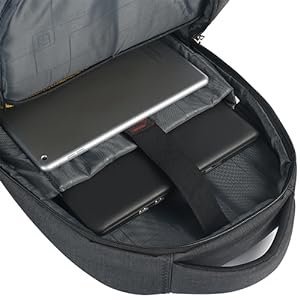
Internal Compartment Layout
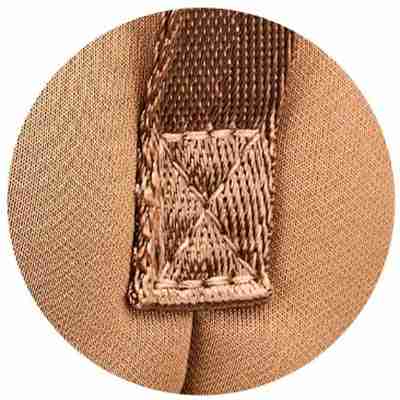
Reinforced Handles & Strap Anchoring
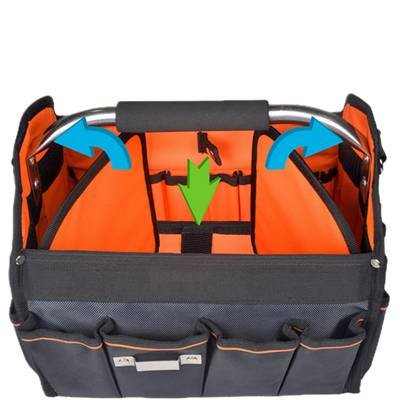
Opening Angle & Access Convenience
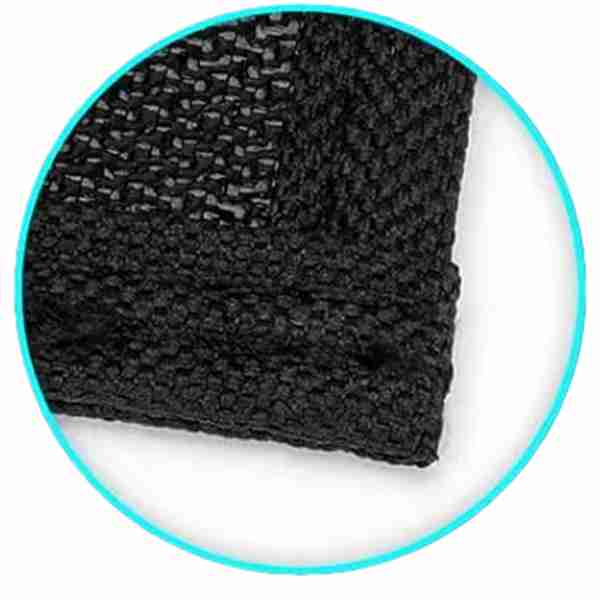
Edge Binding & Corner Reinforcement
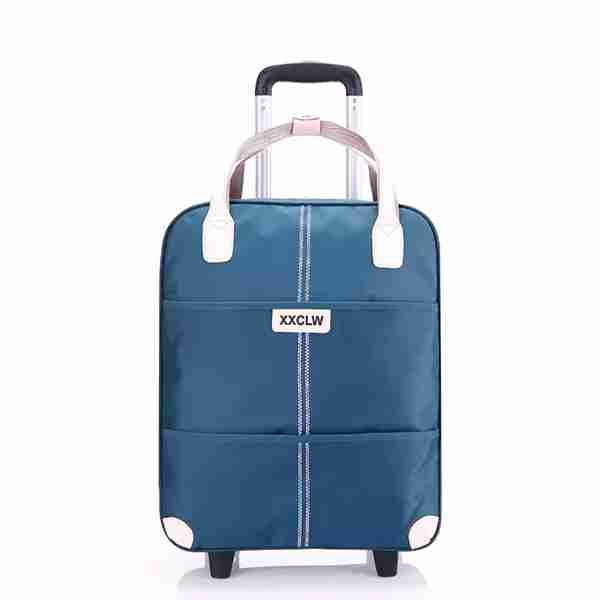
Logo Placement Accuracy & Durability

Sample-to-Bulk Consistency Control

Zipper Grade, Smoothness & Track Reinforcement
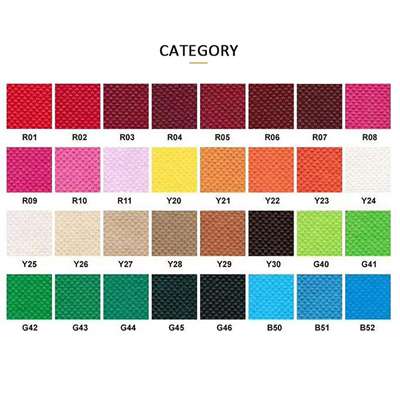
Color Consistency Across Materials & Batches
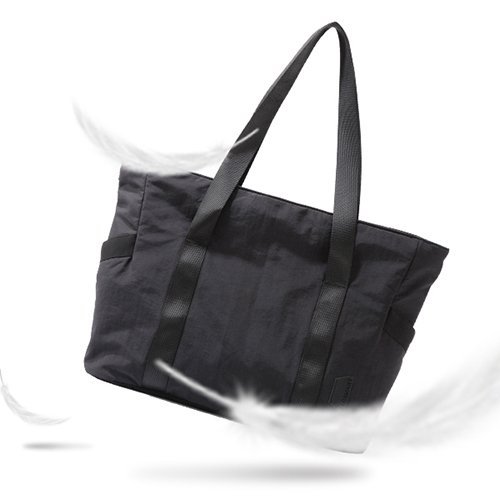
Weight Control Without Losing Strength

Final Appearance After Long-Distance Shipping
Product Design Renderings
Design It, See It, Perfect It.
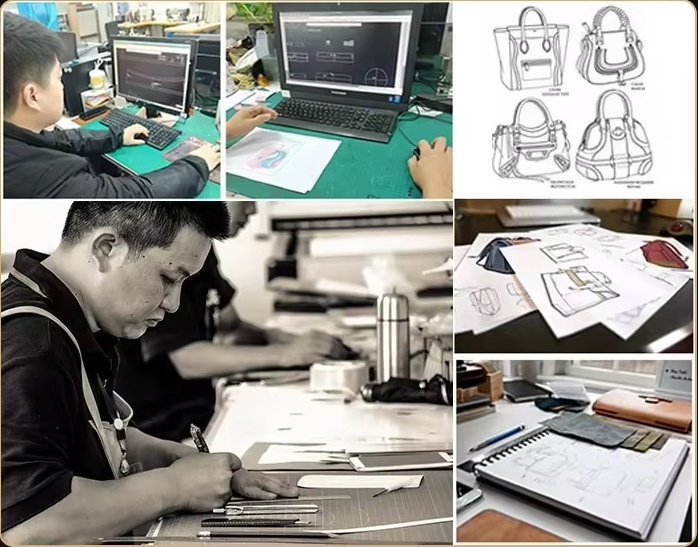
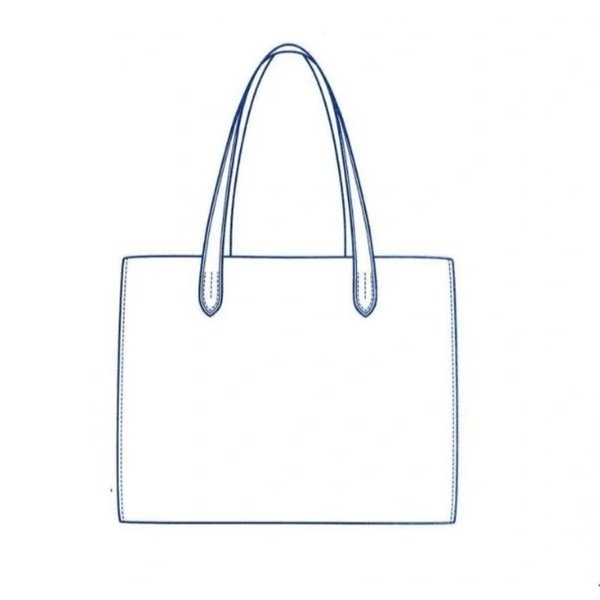
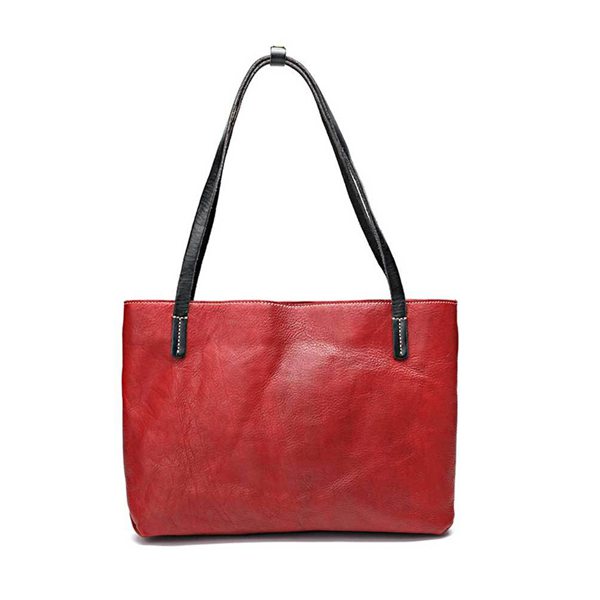
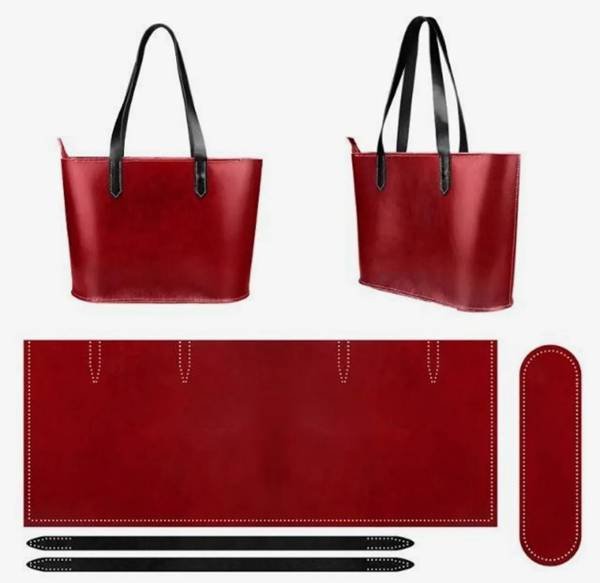
Product design renderings play a critical role in transforming an idea into a manufacturable bag. Before physical sampling begins, renderings help align structure, proportions, materials, and functional details in a clear visual format. They allow buyers to review pocket layouts, panel construction, logo placement, and overall appearance without the time and cost of multiple physical revisions.
For OEM and ODM projects, renderings are especially useful when concepts are still evolving. They help identify potential issues early, such as structural feasibility, component positioning, or cost-impacting details, and make it easier to communicate adjustments across teams. A well-prepared rendering also becomes a reference point during sampling and production, supporting sample-to-bulk consistency.
In this section, we showcase how design renderings are used as part of our development workflow—to clarify expectations, reduce misunderstandings, and support smoother transitions from concept approval to prototype and mass production.
Make A Sample First?
See your idea come to life before mass production.
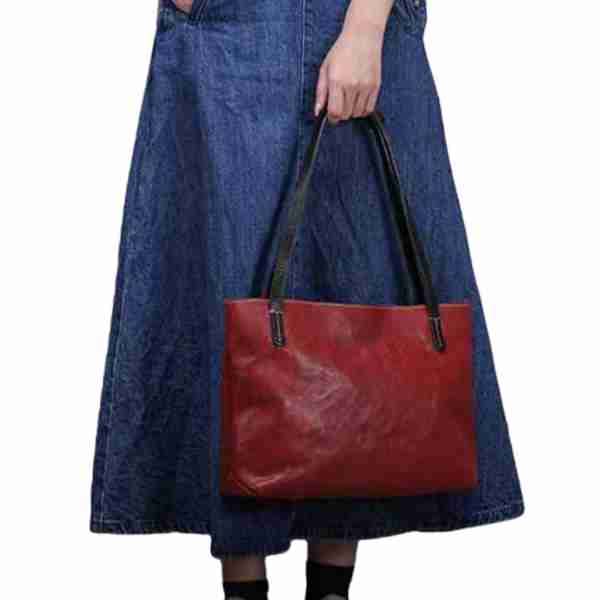
At Jundong Factory, we offer free design mockups and custom samples to ensure every detail is perfect — from material and color to logo placement and stitching.
Start your project with confidence today: info@jundongfactory.com.
Video Of Product And Production
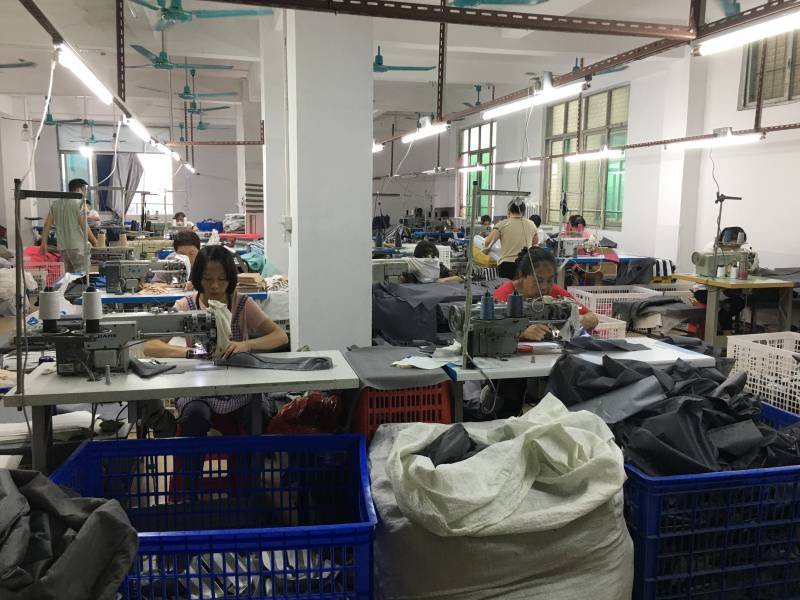
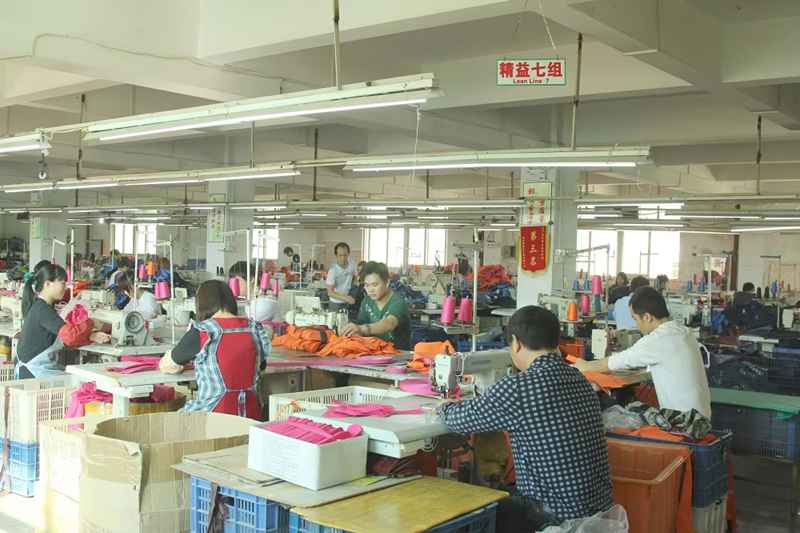
Videos help buyers see what photos and text cannot fully explain. Through product and production videos, we show how bags are constructed, assembled, and finished—from material handling and stitching to reinforcement, quality checks, and final packing. This visual process helps buyers evaluate workmanship standards, production consistency, and real factory capability before placing an order. It also reduces misunderstandings during development and gives procurement teams stronger confidence when approving samples and moving into bulk production.
Cooperating Brands Trusted
Trusted by Global Brands, Chosen for Quality and Reliability
Long-term cooperation with established brands is built on one thing: reliability over time, not one successful order. Brands that continue to work with the same manufacturing partner usually do so because the factory can deliver consistent quality, stable lead times, and clear communication across different product cycles, not just during sampling.
The brands displayed here represent different markets, product categories, and business models. Some focus on retail-ready bags with strict appearance standards. Others require functional bags designed for heavy use, safety, or professional applications. In every case, the common requirement is the same: products must match approved samples, specifications must be respected, and production must remain stable as order volumes grow.
Working with these brands has also strengthened our internal standards. Brand cooperation often involves tighter tolerances, clearer documentation, and higher expectations for materials, workmanship, and quality control. These requirements push our manufacturing processes to remain disciplined and repeatable—benefiting not only large brands, but also growing buyers who expect the same level of control.
For new buyers, cooperating brand references provide a practical signal. They show that the factory understands real-world production pressure, audit expectations, and long-term supply chain collaboration. Whether your project is a first custom order or part of an ongoing product line, our experience working with trusted brands helps reduce risk and build confidence before scaling into bulk production.
Join the global brands that trust Jundong Factory to bring their ideas to life.
Let’s start your cooperation today: 📩info@jundongfactory.com


















International Certification
Globally Certified Factory Ensuring Quality, Safety, and Sustainability
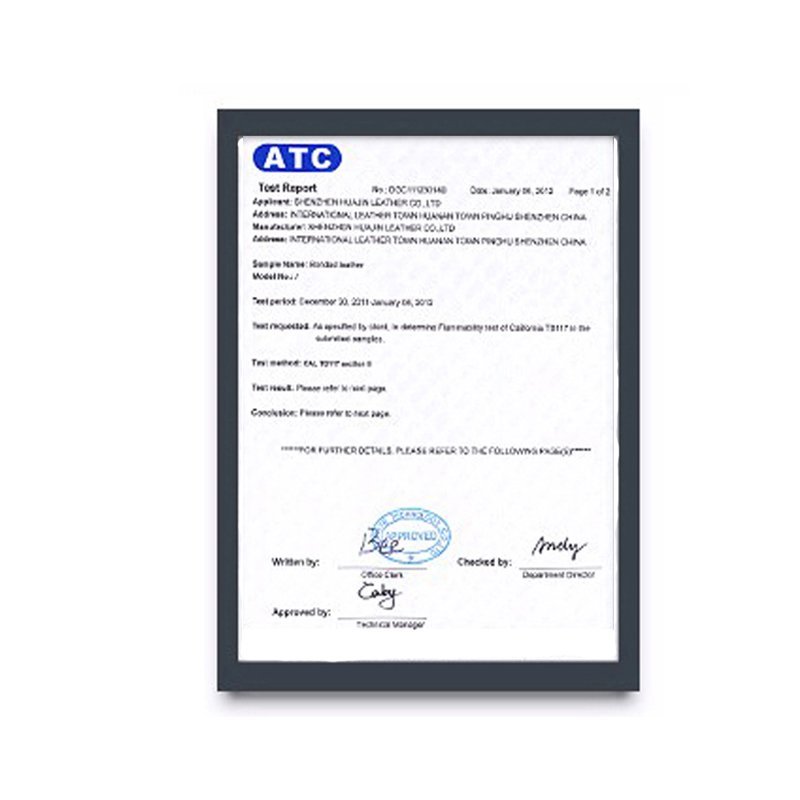
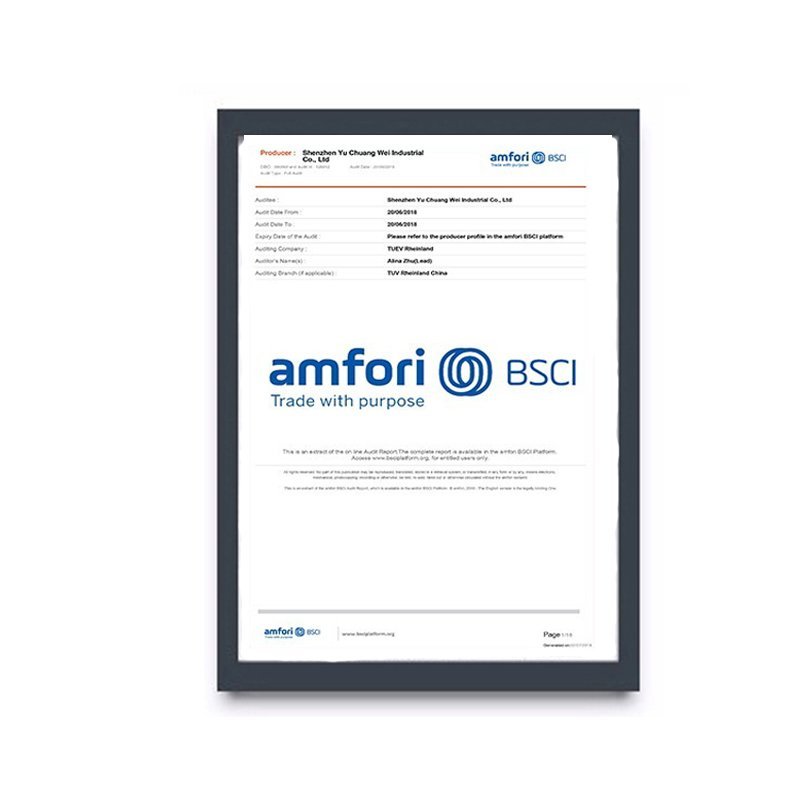
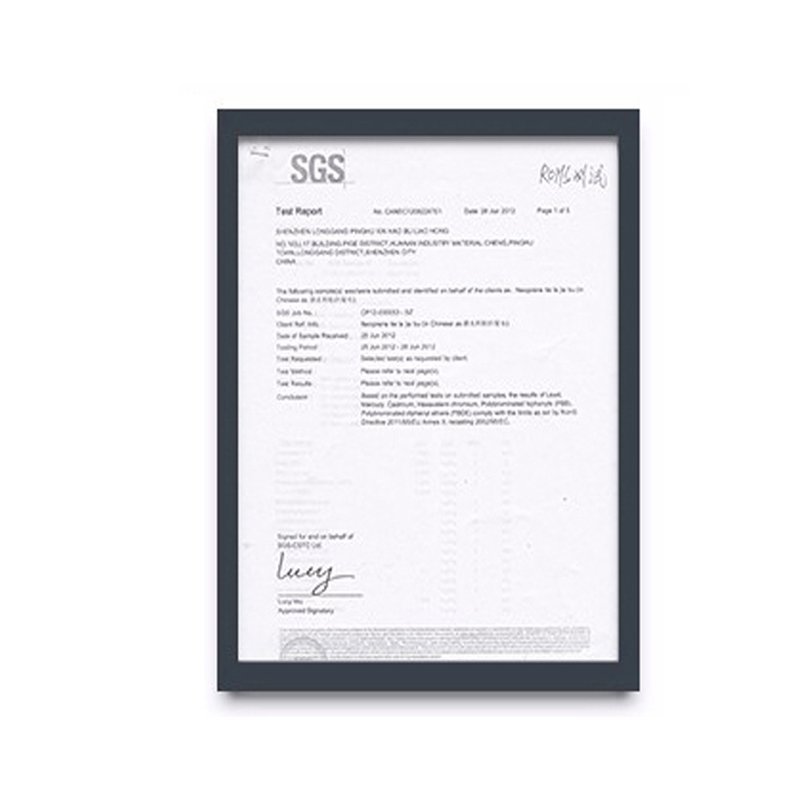
At Jundong Factory, every product is made to meet international quality and safety standards. Our factory holds recognized global certifications such as BSCI, ISO9001, SGS, and Sedex, proving our commitment to responsible production, fair labor, and consistent quality management. These certifications reflect our dedication to delivering high-standard drawstring bags, lifestyle bags, travel bags, and promotional packaging trusted by global brands.
All materials, printing inks, and accessories we use are environmentally friendly and compliant with REACH and RoHS standards. Each production step — from material sourcing to final inspection — follows strict quality procedures to ensure reliability, safety, and durability.
International certifications are not just documents—they reflect whether a manufacturing partner can meet global compliance standards, process discipline, and consistent quality control across different markets. For B2B buyers, certifications often play a critical role in supplier selection, internal approval, and long-term cooperation, especially when products are sold through retail chains, e-commerce platforms, or institutional channels.
The certifications displayed here represent our alignment with internationally recognized requirements covering factory management systems, product safety, material compliance, and social responsibility. These standards require more than passing an audit once. They demand ongoing process control, documented procedures, regular inspections, and continuous improvement within daily production operations.
From a buyer’s perspective, certified manufacturing helps reduce risk. It supports smoother customs clearance, easier onboarding with retail partners, and stronger confidence during third-party inspections or brand audits. For growing brands and project-based buyers, certifications also provide reassurance that production capacity, labor practices, and quality systems are built to scale—not improvised for a single order.
For us, maintaining international certifications is part of long-term manufacturing discipline. It reinforces standardized workflows, traceable materials, controlled production environments, and accountable quality checks. These systems benefit all customers, whether you are placing a trial order, developing a private-label program, or managing recurring bulk production. Certifications do not replace real production capability, but they provide a reliable framework that supports stable, compliant, and repeatable manufacturing for global markets.
Contact us to verify certificates or start your certified project today:📩 info@jundongfactory.com


Effective Production Process
From Design to Delivery — Every Step Done with Precision
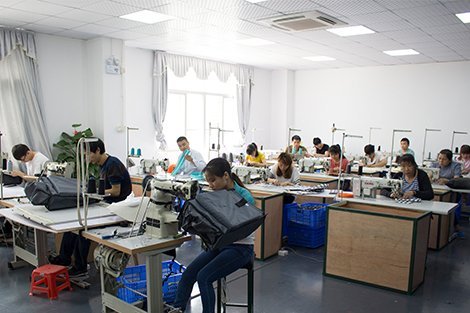
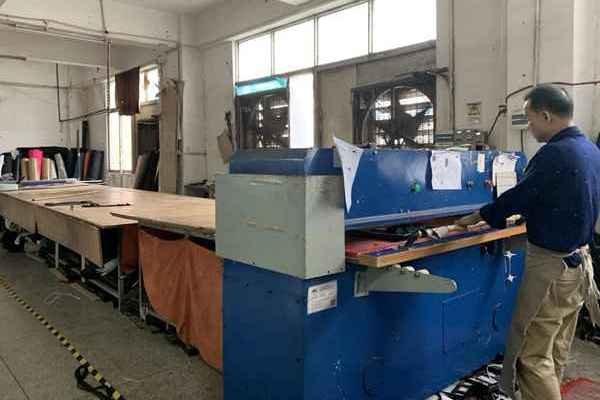
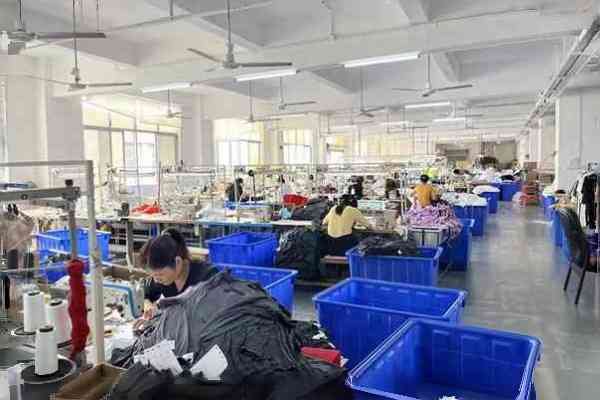
An effective production process is the foundation of reliable delivery, consistent quality, and smooth cooperation. For custom bag manufacturing, success does not depend on a single step, but on how sampling, order confirmation, mass production, quality inspection, packaging, and shipment are connected as one controlled workflow.
Our production process starts with sample development and pre-production alignment. At this stage, materials, structure, logo methods, and workmanship standards are confirmed to ensure the approved sample can be accurately repeated in bulk. Once an order is placed, production planning and material preparation are coordinated to match order quantity, SKU complexity, and delivery timelines. Clear handover between teams helps reduce errors and delays.
During mass production, in-process quality checks are applied at key stages such as cutting, stitching, assembly, and finishing. This allows potential issues to be identified early rather than discovered at the final stage. After production, finished goods undergo final inspection to verify appearance, function, and packing requirements before packaging begins.
Packaging and shipment preparation follow confirmed export and labeling standards, ensuring products are protected during transportation and ready for customs clearance. This structured process helps buyers track progress, control risk, and move from sampling to repeat orders with confidence.
Ready to start your custom project? Contact us today at 📩 info@jundongfactory.com

1-Business Contact
2-Sample Creation

3-Material Preparing
4-Material Cutting
5-Bulk Production
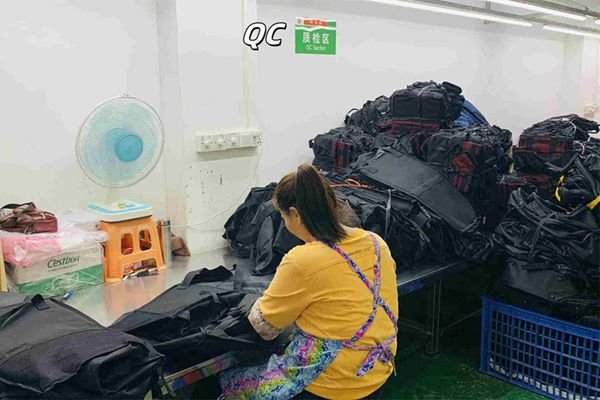
6-Quality Inspection

7-Product Packaging

8-Cargo Warehousing
Frequently Asked Questions
How can buyers tell if a bag manufacturer is truly reliable, not just responsive?
A fast response time does not equal reliability. Many sourcing problems arise from suppliers who communicate quickly but lack structured processes behind the scenes. To assess real reliability, buyers should focus on whether a manufacturer can explain how decisions are made, not just what can be done.
A reliable bag manufacturer demonstrates clarity in several areas: engineering logic, material selection rationale, quality control checkpoints, and production planning methods. When asked about structure, they should describe stress points, reinforcement logic, and functional considerations. When asked about materials, they should explain why certain zippers, hardware, or linings are recommended for specific use cases. Vague answers such as “this is standard” or “no problem” without explanation are warning signs.
Another key indicator is consistency. Reliable manufacturers are able to deliver the same result across samples, bulk orders, and reorders. This requires documented processes, internal standards, and experienced teams—not improvisation. Buyers should also evaluate whether the supplier is transparent about limitations and risks. A factory that explains trade-offs openly is usually more dependable than one that promises everything.
Ultimately, reliability is proven through repeatability, process transparency, and accountability, not speed alone.
What questions should buyers ask to evaluate a bag manufacturer before sampling?
Before sampling, buyers should ask questions that reveal how the manufacturer thinks, not just what they offer. The goal is to understand whether the factory operates with systems or improvises per order.
Key questions include:
- How do you design bag structure for durability and load distribution?
- How do you choose materials and components based on usage and price?
- What QC steps are applied before, during, and after production?
- How do you manage multi-SKU or repeat orders?
- How do you handle export labeling and documentation?
Reliable manufacturers will answer with explanations, examples, and boundaries. For instance, instead of listing logo methods, they explain which methods fit certain fabrics and why others are risky. Instead of promising fast lead times, they explain how scheduling works and what factors affect timelines.
Asking these questions early helps buyers avoid suppliers who rely on surface-level capability. It also establishes a professional tone for cooperation and reduces misunderstandings during development.
Why is structure engineering more important than appearance when choosing a manufacturer?
Appearance can be adjusted easily. Structure cannot. Most long-term quality issues—such as deformation, broken handles, zipper failure, or discomfort during carrying—are rooted in structural decisions made early in development.
Structure engineering determines how weight is distributed, how stress is absorbed, and how the bag behaves after repeated use. Reliable manufacturers design internal compartments, reinforcements, padding, and stitching as a system based on functional scenarios, not visual preference alone.
Factories that lack engineering thinking often rely on copying existing styles without understanding why they work. This leads to products that look acceptable in samples but fail in bulk or real use. Buyers should prioritize manufacturers who can explain why a structure works and how it is validated.
How does material and component control affect long-term bag quality?
In bag manufacturing, materials are not interchangeable. Zippers, hardware, webbing, lining, and padding all behave differently under load, friction, and environmental exposure. Long-term quality depends on selecting and controlling these components properly.
Reliable manufacturers manage materials as a system. They match component performance to usage scenarios and cost targets, and they maintain consistency across batches. This prevents issues such as uneven wear, corrosion, or premature failure.
Buyers should assess whether a factory can recommend alternatives, explain trade-offs, and document material standards. This level of control is critical for durability-focused products and repeat orders.
What role does quality control play beyond final inspection?
Final inspection alone cannot guarantee quality. By the time issues are discovered at the end, correction is costly and often incomplete. Reliable manufacturers implement QC throughout the production process.
This includes incoming material inspection, in-process checks at critical steps, and final inspection with functional testing. Such a system prevents errors from accumulating and ensures consistency from sample to bulk.
Buyers should look for factories that can explain their QC flow and provide inspection documentation. This reflects maturity and reduces long-term risk.
How does production planning affect delivery reliability?
Delivery delays often result from poor planning rather than lack of capacity. Reliable manufacturers use structured production planning to manage materials, labor, and scheduling—especially for multi-SKU orders.
They can explain how timelines are built, how changes are handled, and how bottlenecks are avoided. This transparency helps buyers plan launches and inventory with confidence.
How important is export and compliance support when choosing a bag manufacturer?
Export and compliance support is often underestimated during supplier selection, yet it plays a critical role in ensuring smooth delivery and market access. Many bag sourcing issues do not originate from manufacturing defects, but from incorrect labeling, missing documentation, or improper packaging for international shipment. These issues typically surface late—when timelines are tight and correction costs are high.
A reliable bag manufacturer understands the basics of export-oriented production. This includes awareness of labeling requirements, packing compliance, and common documentation used in international trade. While manufacturers are not responsible for customs clearance itself, experienced factories know how to prepare goods correctly so buyers and freight partners can proceed without unnecessary delays.
From a buyer’s standpoint, export readiness indicates operational maturity. It suggests the supplier has handled international orders before and understands that responsibility does not end once production is finished. When a manufacturer can clearly explain how they support labeling, documentation preparation, and HS code reference, buyers gain confidence that downstream logistics risks are reduced.
Why should buyers evaluate packaging capability as part of manufacturing reliability?
Packaging is not just about presentation—it affects product protection, logistics efficiency, and customer experience. A well-made bag can still result in complaints or returns if packaging fails during transportation or does not meet channel requirements. That is why packaging capability should be considered part of manufacturing reliability, not a secondary service.
Reliable manufacturers understand that packaging requirements differ by sales channel. Retail distribution focuses on visual consistency and labeling accuracy, while e-commerce prioritizes protection, dimensional control, and durability during transit. Export shipments add further requirements related to carton strength, packing methods, and labeling compliance.
Buyers should assess whether packaging specifications are confirmed before bulk production and whether packing is integrated into quality inspection and shipment preparation. When packaging decisions are standardized early, damage rates drop, warehouse handling improves, and overall supply chain predictability increases.
What are common red flags when evaluating a bag manufacturer?
Most supplier issues give warning signs early, often during communication or specification review. Recognizing these red flags helps buyers avoid costly mistakes later in the project.
Common red flags include vague answers to technical questions, unwillingness to explain limitations, lack of clarity around QC processes, and overconfidence without supporting evidence. These behaviors often indicate weak internal standards or limited experience with structured OEM/ODM projects.
Reliable manufacturers, by contrast, are transparent about constraints and willing to discuss risks. They respond to questions with explanations, examples, or process descriptions. Buyers should not expect perfection, but they should expect accountability. When concerns are avoided or dismissed, it is usually wise to slow down and reassess before proceeding.
How can buyers objectively compare multiple bag manufacturers?
Comparing suppliers purely on price or lead time often leads to suboptimal decisions. Objective comparison requires structured criteria that reflect long-term performance, not just short-term convenience.
A supplier scoring matrix allows buyers to evaluate manufacturers across dimensions such as structure engineering, material control, QC systems, production planning, and compliance readiness. By assigning weights to each category, buyers can balance cost considerations with risk management.
This approach is especially useful for teams managing multiple suppliers or seeking internal approval. It transforms subjective impressions into documented evaluation, making decisions easier to justify and repeat. Manufacturers who score well across categories are more likely to support stable quality and scalable cooperation.
Why do many bag projects fail after sampling, not before?
Sampling often creates a false sense of security. Samples are produced under controlled conditions with high attention, while bulk production introduces complexity: multiple operators, higher volumes, tighter timelines, and cost constraints. If processes are not standardized, the gap between sample and bulk becomes visible.
Failures after sampling usually stem from missing documentation, unclear standards, or lack of in-process QC. Reliable manufacturers focus on sample-to-bulk translation, ensuring that approved samples are backed by clear specifications, process parameters, and inspection criteria.
Buyers should ask how a factory ensures that what is approved in sampling is what will be delivered in production. The answer reveals whether the supplier is prepared for scale—or only for prototypes.
What information should buyers prepare before contacting a bag manufacturer?
Clear input leads to efficient sourcing. When buyers provide structured information early, manufacturers can assess feasibility accurately and respond with practical recommendations instead of generic quotations.
At minimum, buyers should prepare: bag type, usage scenario, target market, estimated quantity, branding requirements, and target price range. Reference images or a simple tech pack further improve communication. This clarity allows the manufacturer to evaluate structure complexity, material options, logo feasibility, and production timeline.
Providing this information upfront does not lock buyers into decisions—it creates alignment. Reliable manufacturers value this clarity because it enables balanced solutions that consider performance, cost, and manufacturability. Projects that start with aligned expectations are far more likely to move smoothly from inquiry to sampling and bulk production.
How should large brands evaluate a manufacturer’s ability to support long-term programs, not just single orders?
For large brands and enterprise buyers, the key question is not whether a manufacturer can complete one order, but whether they can support a product program over time. Long-term cooperation introduces challenges that do not appear in single orders, such as consistency across reorders, material continuity, process stability, and organizational coordination.
A manufacturer suitable for long-term programs should demonstrate system-level thinking. This includes documented specifications, repeatable production standards, stable material sourcing, and internal communication between design, production, and quality teams. Buyers should ask how samples are translated into standardized production references and how changes are tracked across versions.
Another critical factor is scalability with control. A reliable partner can handle volume increases, SKU expansion, or seasonal fluctuations without sacrificing quality or delivery stability. This requires planning discipline, not just additional labor or machines. When a factory can explain how it maintains consistency as programs evolve, it signals readiness for brand-level cooperation rather than transactional manufacturing.
How do experienced buyers assess risk management capability in a bag manufacturer?
Experienced procurement teams understand that risk is unavoidable—but unmanaged risk is unacceptable. Evaluating a manufacturer’s risk management capability involves understanding how they anticipate, communicate, and mitigate issues before they escalate.
Reliable manufacturers proactively identify potential risks related to materials, structure, capacity, or scheduling. More importantly, they communicate these risks early and propose alternatives. Buyers should observe whether a supplier raises concerns during development or only reacts when problems occur.
Risk management also includes contingency planning. This may involve material substitution strategies, flexible scheduling buffers, or additional QC checkpoints for higher-risk products. When a manufacturer can explain how risks are identified, documented, and handled, it demonstrates operational maturity. For large buyers, this capability is often more valuable than marginal cost savings.
Why do large buyers prioritize process transparency over low pricing?
Low pricing can be attractive, but for large buyers, hidden costs often outweigh initial savings. Delays, rework, quality disputes, and internal coordination costs quickly erode any apparent price advantage. This is why experienced procurement teams prioritize process transparency when selecting manufacturing partners.
Process transparency means the manufacturer can clearly explain how orders move through development, production, inspection, and shipment. It also means buyers have visibility into key decision points and know where accountability lies. This transparency allows buyers to manage internal timelines, communicate accurately with stakeholders, and intervene early if adjustments are needed.
Manufacturers who operate transparently tend to be more predictable. They document processes, share realistic timelines, and communicate deviations openly. For large buyers managing complex supply chains, predictability reduces internal friction and enables smoother cross-functional collaboration. In many cases, this operational reliability delivers greater long-term value than the lowest unit cost.
How can buyers determine if a manufacturer is suitable for strategic partnership, not just sourcing?
Strategic partnerships go beyond purchase orders. They involve shared planning, mutual accountability, and alignment on long-term goals. To determine suitability, buyers should evaluate whether the manufacturer demonstrates interest in understanding the broader business context, not just the immediate order.
A suitable strategic partner asks questions about target markets, end users, and product lifecycle. They provide input on manufacturability, cost optimization, and risk reduction, rather than waiting for instructions. Over time, they build institutional knowledge that improves efficiency and reduces errors.
Buyers should also consider cultural and communication alignment. Strategic partners communicate clearly, escalate issues responsibly, and support continuous improvement. When a manufacturer behaves as an extension of the buyer’s supply chain rather than a disconnected vendor, it indicates readiness for deeper, long-term cooperation.
Everything You Need to Know Before Customizing Your Bags
Frequently Asked Questions About Custom Bag Manufacturing
Before moving forward with a custom bag project, buyers usually want clear answers to practical questions: how sampling works, what details must be confirmed before placing an order, how quality is controlled, and what the overall production timeline looks like. This FAQ section is created to address those concerns in a straightforward, manufacturing-focused way.
Custom bag development involves more than choosing a style and adding a logo. Decisions made during the early stages—such as material selection, structure design, logo methods, and quantity planning—directly affect cost, durability, and sample-to-bulk consistency. Understanding these points in advance helps avoid delays, unnecessary revisions, and miscommunication during production.
In the following FAQs, we cover the topics buyers ask most often, including sample lead time, minimum order quantity, material options, quality inspection standards, packaging choices, and delivery coordination. These answers are based on how we actually manage sampling, production, quality control, and shipment in daily operations. Reviewing this section will help you prepare your inquiry more effectively and move your custom bag project forward with greater confidence.