 Skip to content
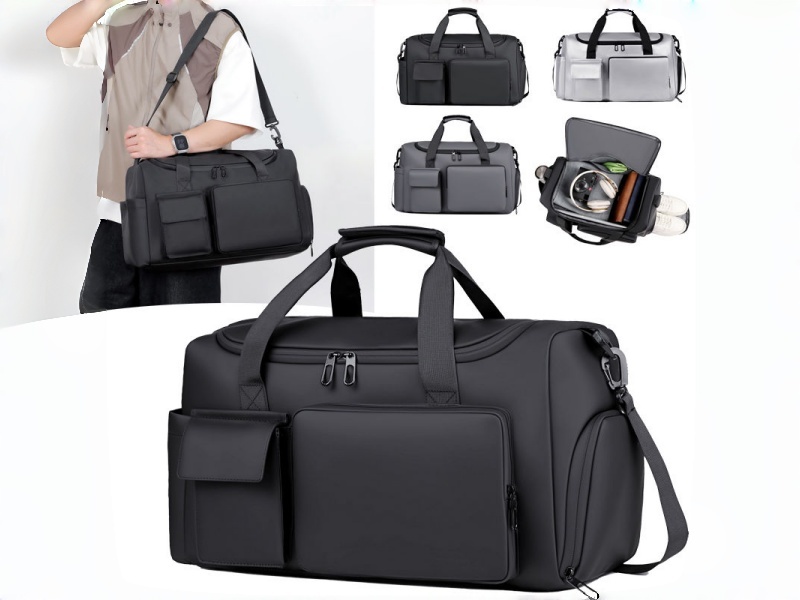
What to Pack in a Carry-On Bag for a Flight? Which Items Matter Most, and How Do You Pack for Security and Comfort?
Most people don’t “forget” the big things. They forget the small things that turn a normal flight into a long, annoying one. The phone charger that’s somehow always in the wrong bag. The lip balm that leaks and ruins your boarding pass. The one medication you don’t take every day—until you really need it at 30,000 feet.
A carry-on isn’t just luggage. It’s your plan A when your checked bag is delayed, your flight is rerouted, or you’re stuck on the tarmac. And it’s also your plan B when airport rules change lane-to-lane: sometimes you’ll remove laptops, sometimes you won’t; sometimes your toiletry bag slides through, sometimes it gets inspected. The best packing strategy is simple: keep essentials with you, pack in zones, and pack like you’ll need to access items fast.
Pack your carry-on with essentials you can’t afford to lose: passport/ID, wallet, medications, chargers, valuables, and one backup outfit. Follow TSA’s 3-1-1 rule for liquids (3.4 oz/100 ml containers in one quart-size bag, one per traveler), and keep larger medically necessary liquids separate to declare at screening. Carry power banks and spare lithium batteries in your cabin bag, not checked luggage, and keep sharp items out of carry-on.
What should you pack in a carry-on bag for a flight as a “non-negotiables” checklist?
Your “non-negotiables” are items that protect your health, identity, money, and time: documents, medications, valuables, phone + charger, and a backup plan (one spare outfit and basic hygiene). If it would be a disaster to lose it, it belongs in your carry-on—not checked luggage. For most travelers, this also includes travel-size toiletries that follow TSA’s liquids rules and a few comfort items that make delays easier.
What are the must-pack categories for any flight?
Think in categories, not random items:
- Identity + trip access: passport/ID, boarding pass, visas (if applicable)
- Health: prescription meds, essential OTC meds, contacts/glasses
- Money + security: cards, cash, keys, insurance info
- Tech: phone, charger, power bank, earbuds
- Hygiene: travel toiletries, wipes, toothbrush, deodorant
- Comfort: light layer, snack, empty water bottle
- Backup: one spare outfit or at least underwear + tee
What should always stay with you (not in checked luggage)?
If it’s expensive, fragile, or time-critical, keep it close:
- Medications and medical items (especially liquid meds you may need to declare)
- Devices, camera gear, jewelry, essential work items
- Lithium battery spares and power banks (carry-on only)
What “small forgotten items” cause the biggest travel pain?
The classics:
- Charging cable + wall plug (people bring one but not the other)
- Earbuds / earplugs
- Pen (for forms)
- Lip balm + hand cream (in TSA-compliant sizes)
- A tiny snack kit (nuts/protein bar)
The easiest way to build a carry-on list that actually works is to start with your worst-case scenario: your checked bag doesn’t arrive today. What would you need to function for 24 hours? That mental exercise instantly tells you what belongs in carry-on.
For example, a “backup outfit” sounds like overkill—until you spill coffee on yourself during a connection, or your flight lands and you go straight into a meeting. A spare top and underwear take almost no space, but they buy you confidence. The same goes for basic hygiene: toothbrush, wipes, deodorant, and a travel-size face wash. You won’t feel amazing after a red-eye, but you’ll feel human.
The other overlooked piece is “time protection.” A carry-on should reduce the time you spend digging through your bag at security, boarding, and in your seat. That’s why it’s worth pre-building a small pouch system (more on that later). If you can pull out one pouch for security and one pouch for in-flight needs, you cut the friction of travel.
Also, don’t pack your carry-on like a suitcase. Pack it like a toolbox:
- A few items you need fast (top/front pockets)
- The main load (center)
- A couple “break glass” backups (spare outfit, emergency snack)
Finally, remember that rules and screening experiences vary by airport and lane. TSA PreCheck travelers often keep laptops and 3-1-1 liquids in their bags, but standard lanes may still ask you to remove electronics depending on equipment and your packing should be flexible enough for both. If you can get to your liquids bag and your laptop without unpacking your whole life, you’re doing it right.
Which documents, money items, and valuables should be in your carry-on, and how should you organize them?
Keep documents and valuables in your carry-on using a simple rule: one “quick-access” pocket for ID/boarding pass, and one secure place for wallet/backup cards. Organization matters because you’ll show documents multiple times, and digging increases loss risk. If you carry medications or baby liquids that need special screening, keep them easy to pull out so you can declare them without holding up the line.
Which documents should be kept in an easy-access pocket?
- Passport/ID
- Boarding pass
- Any required visa paperwork
- Hotel address / confirmation (digital or printed)
- Emergency contact note (simple but useful)
How do you store cards, cash, and IDs to reduce loss risk?
Use a split strategy:
- Primary wallet (what you use)
- Backup card + small cash (stored elsewhere in the bag)
How do you organize valuables so you’re not digging at security?
Make it boring:
- One small zip pouch for valuables
- One quick-access pocket for ID/phone
- Nothing loose in the bottom
How do you organize your carry-on bag efficiently for the whole trip?
Use zones. Here’s a clean, repeatable setup:
| Zone | What goes here | Why it helps |
|---|---|---|
| Quick-Access | ID, boarding pass, phone, earbuds | You grab these 10+ times |
| Security Pouch | Liquids bag, meds to declare, laptop/tablet | Reduces line stress |
| Core Zone | Clothes, packing cube, shoes (if any) | Stable and easy to pack |
| In-Flight Pouch | Charger, lip balm, wipes, snack | No digging under the seat |
| Fragile Zone | Glasses, camera, small gifts | Prevents crush damage |
People lose things at airports for one main reason: they’re doing too many steps at once. Shoes off, laptop out, liquids out, pockets emptied, boarding pass in hand, phone buzzing, bag moving forward. Your organization should reduce the number of “floating items” you handle.
That’s why the two-pouch system is so effective:
- Security pouch: everything you might need to remove, declare, or show
- In-flight pouch: everything you’ll want while seated
If you only do one improvement this year, do that.
Now, about valuables: you don’t need a complicated anti-theft setup to be smart. Simple habits beat fancy features:
- Keep valuables zipped
- Avoid open-top totes for airports unless you use an internal zip pouch
- Don’t scatter tiny items across ten pockets (you’ll forget one)
If you travel with important documents, one additional move helps: take a photo of your passport/ID and store it securely. That’s not a replacement for the real thing, but it can speed up recovery steps if you ever need it.
For business travelers, organization isn’t only about security—it’s about arriving ready. That means separating “work access” from “travel access.” Put your laptop/charger and meeting essentials in a consistent place so you can pull them out without exploding your bag. TSA has specific guidance on laptops, and PreCheck lanes often allow keeping them in the bag, but you should still pack so you can remove them quickly if asked.
For families, the same logic applies: reduce the chaos. Keep kid essentials (wipes, snacks, a small toy) in one pouch you can reach without standing up. And if you’re carrying baby formula or toddler drinks beyond 3.4 oz/100 ml, keep them separate for screening, because they are allowed in larger quantities but may require additional screening steps.
Organization is not about looking neat. It’s about being fast, calm, and less likely to misplace something when you’re juggling a million little tasks.
What toiletries can you bring in a carry-on, and how does the TSA 3-1-1 liquids rule work?
Most toiletries are allowed in carry-on if they follow TSA’s 3-1-1 liquids rule: containers 3.4 oz/100 ml or less, all inside one quart-size bag, one bag per passenger. Toothpaste, lotion, gel deodorant, liquid makeup, and sunscreen count as liquids/gels. TSA allows medically necessary liquids in reasonable quantities beyond 3.4 oz if you declare them. Baby formula, breast milk, and toddler drinks can exceed 3.4 oz and are screened separately.
How do liquids and gels need to be packed in your carry-on?
TSA’s core rule is straightforward: small containers, one clear quart bag, one per traveler.
Which toiletries count as liquids/gels that people forget?
Common “gotchas”:
- Toothpaste
- Lotion and sunscreen
- Liquid foundation / mascara
- Hair gel or pomade
- Cream blush / skincare creams
What exceptions apply (medical, baby, duty-free)?
- Liquid medications can exceed 3.4 oz in reasonable quantities, but you must declare them.
- Baby formula/breast milk/toddler drinks can exceed 3.4 oz and don’t need to fit in the quart bag, but plan for separate screening.
How do you choose travel containers to reduce leaks and mess?
- Use leak-resistant bottles
- Double-bag items that can explode (contact solution, oils)
- Put liquids bag near the top for easy removal
Toiletries are where carry-ons go wrong because travelers underestimate how many everyday items are “liquids” under TSA screening. If it spreads, smears, sprays, or pours, treat it like a liquid/gel unless you’re sure otherwise.
Start with the 3-1-1 reality:
- 3.4 oz / 100 ml max per container
- One quart-size bag
- One bag per passenger
That means your strategy isn’t “bring everything.” Your strategy is “bring the few things that keep you comfortable and presentable.”
A practical toiletry kit for most flights:
- Toothpaste + toothbrush
- Deodorant (solid is easiest)
- Face wipes or a small cleanser
- Travel-size moisturizer
- Lip balm
- Hand sanitizer (TSA rules apply—keep it compliant)
- Any essential makeup (mini sizes)
Now, the exceptions matter—especially for families and travelers with medical needs. TSA states that medically necessary liquids can be carried in reasonable quantities beyond 3.4 oz, but you need to declare them to officers at the checkpoint. This applies to things like liquid medications, gels, and aerosols needed for your trip. The key is to keep them accessible and separate, so you’re not holding up the line while rummaging.
For parents, TSA also allows formula, breast milk, toddler drinks, and baby food in quantities greater than 3.4 oz/100 ml, and these items don’t need to fit inside the quart-size bag.That’s huge—but it can still trigger extra screening, so give yourself time and keep those items easy to present.
Leak prevention is the other half of toiletry success. Air pressure changes can cause bottles to expand and ooze. A few habits help:
- Don’t fill bottles to the top
- Put liquids in a clear bag even if you’re not required to remove it in your lane
- Store the liquids bag upright if possible, or at least away from your paper documents
If you’re designing or sourcing travel bags for customers, toiletries are also a layout issue. Travelers love a pocket, but they hate a pocket that turns into a sticky mess. A simple waterproof-lined pocket or removable toiletry pouch can be a real value-add—especially for buyers building travel collections.
Bottom line: pack toiletries with the goal of smooth screening and no leaks, not the goal of recreating your bathroom.
Which electronics and batteries should be packed in carry-on, and what rules apply to power banks?
Pack electronics in carry-on to prevent damage and because spare lithium batteries and power banks are not allowed in checked baggage. The FAA states spare (uninstalled) lithium batteries, including power banks, must be carried in the cabin and terminals should be protected from short circuit. TSA’s guidance on power banks aligns with this. Keep your laptop/tablet accessible in case you’re asked to remove it, and never travel with damaged or recalled lithium batteries.
Which electronics should be easy to remove at screening?
- Laptop and tablet (standard lanes may request removal; PreCheck often does not)
- Camera and large electronics
- Cables/chargers in one pouch
Which lithium batteries must stay in carry-on?
- Spare lithium-ion batteries
- Power banks / portable chargers
How do you pack power banks and spare batteries safely?
- Keep them in carry-on
- Protect terminals (no loose batteries rolling around)
What should you do if your device bag is heavy?
- Put dense items (power bank, adapters) closer to the center of the bag
- Use a padded sleeve that doesn’t add bulky structure
Electronics are now “carry-on core” for almost everyone—not only business travelers. Phones, earbuds, tablets, cameras, e-readers, trackers, chargers: they’re part of how you travel.
The most important rule is also the easiest to remember: treat power banks as spare lithium batteries, and keep them with you. TSA explicitly notes that spare lithium batteries—including power banks and phone charging cases—are prohibited in checked luggage.The FAA goes further in plain language: spare (uninstalled) lithium batteries, including power banks, must be in carry-on, and if a carry-on is gate-checked, you must remove those batteries and keep them in the cabin.That guidance exists because a battery overheating in the cargo hold is harder to detect and respond to.
You also want to avoid traveling with damaged, defective, or recalled lithium batteries or devices. The FAA warns these should not be carried in either carry-on or checked baggage due to safety concerns. In real life, that means: if your power bank is swollen, cracked, or acting weird—retire it.
Now, about checkpoint flow: laptop handling varies. TSA’s laptop page notes that TSA PreCheck travelers do not need to remove laptops and 3-1-1 liquids in PreCheck lanes. But outside PreCheck, you may still be asked to remove a laptop/tablet depending on lane equipment and officer instructions. So don’t pack your laptop under three layers of clothes. Put it in a sleeve near the back panel of your bag so it’s easy to pull out.
Cable clutter is another pain point. A cheap fix is a “tech pouch”:
- One charger brick
- One multi-cable or the exact cables you need
- One power bank
- One adapter (if international)
- Earbuds
That pouch becomes your “grab-and-go” in-flight kit too.
If you’re building a carry-on bag product line, travelers tend to value these features:
- A padded laptop sleeve that doesn’t steal too much capacity
- A structured-but-not-rigid back panel (comfort without bulk)
- A quick-access pocket that’s deep enough for a phone and passport but not so big it becomes a junk drawer
Tech packing isn’t about bringing more gadgets. It’s about carrying what keeps you connected, comfortable, and productive—without breaking rules that can force you to throw items away or repack at the gate.
What is not allowed in a carry-on bag, and which items should you move to checked luggage?
In general, keep sharp objects and many tools out of carry-on. TSA’s “What Can I Bring?” guidance lists rules by item category, including sharp objects, which are commonly prohibited in carry-on and safer in checked baggage when properly wrapped. If you’re unsure about an item, checking TSA’s item list is the fastest way to avoid confiscation. Also remember: spare lithium batteries and power banks are not allowed in checked baggage.
What common items trigger security issues?
- Full-size liquids (over 3.4 oz/100 ml) in carry-on
- Sharp objects (knives and many blades)
- Multi-tools with blades
- Certain aerosols or “mystery” gels that look suspicious
What should you check when you’re unsure?
Use TSA’s What Can I Bring? database by searching the exact item.What items are better checked even if technically allowed?
- Anything you can’t risk losing to screening discretion
- Oversized toiletries you don’t want to toss
- Sharp tools you don’t need mid-trip
When travelers get stopped at security, it’s rarely because they’re doing something dramatic. It’s usually because of one of three things:
- Liquids that violate 3-1-1
- A sharp object they forgot
- A “weird” item that requires manual inspection
Sharp objects are the biggest “oops.” TSA’s guidance for sharp objects makes it clear that many sharp items are not allowed in carry-on, and items placed in checked bags should be sheathed or securely wrapped to protect baggage handlers and inspectors. Think: pocket knives, box cutters, certain scissors, tools with blades. Nail clippers and small personal care items are often fine, but always verify the specific item because rules can vary by details.
The fastest way to avoid guessing is simple: TSA’s What Can I Bring? database is designed exactly for this. If you’re writing content for a travel audience, linking readers to that tool is genuinely helpful because it updates and covers edge cases better than generic blogs.
Another common issue is “food-like” gels and spreads. Peanut butter, soft cheeses, creamy dips—these can behave like gels and trigger extra screening. If you want to avoid drama, keep messy foods minimal and choose solid snacks.
Then there’s the battery confusion. People hear “lithium batteries are dangerous” and assume they should go in checked luggage. It’s the opposite for spares: TSA and FAA guidance consistently points out that spare lithium batteries and power banks belong in carry-on, not checked bags. That’s not only a rule—it’s a safety practice, because cabin crew can respond faster if something overheats.
So what should you move to checked luggage (when you have checked luggage)?
- Full-size liquids and aerosols you don’t want to downsize
- Tools and sharp items you don’t need during travel
- Anything bulky that will make your carry-on difficult to lift or store
And what should you keep in carry-on even if it’s annoying?
- Meds (especially critical ones)
- Batteries/power banks
- Devices you can’t replace quickly
- Documents and money
Security rules feel strict, but they’re predictable if you pack with them in mind. A carry-on that’s rule-friendly is also usually more comfortable and easier to use.
How do you pack a carry-on bag efficiently to pass security faster and stay comfortable on the plane?
Pack efficiently by using a zone method: keep your liquids bag and laptop/tablet accessible, put in-flight essentials in one pouch, and keep bulky items in the center so the bag stays balanced. For TSA, liquids must follow 3-1-1 unless medically necessary and declared. PreCheck often allows laptops and liquids to remain in the bag, but you should still pack so you can remove them quickly if asked. Use trip-type packing rules to avoid overpacking.
How do you organize your carry-on bag efficiently (zone method)?
Use consistent zones (same layout every trip). It lowers stress.
How do you pack for “security flow” to reduce delays?
- Liquids bag near the top
- Laptop in an easy-to-reach sleeve
- Meds/baby liquids separated for easy declaration/screening
What comfort items are worth the space for most flights?
- Light layer (planes get cold)
- Eye mask + earplugs
- Snack + empty bottle
- Wipes + hand cream (TSA-compliant)
What are tips for packing specific trip types (business, long haul, family)?
Here’s a simple matrix:
| Trip type | What matters most | What to pack in carry-on |
|---|---|---|
| Business | Fast access, wrinkle control | Laptop kit, document folder, spare shirt, mini grooming |
| Long haul | Sleep + comfort | Neck support, eye mask, layers, hydration, tiny skincare |
| Family | Kid needs in reach | Snacks, wipes, spare clothes, kid entertainment, baby liquids (declared) |
How do you avoid overpacking while staying prepared?
- “One spare outfit” rule
- Choose compressible layers
- Keep shoes minimal
- Pack multipurpose items
Efficient packing is less about folding technique and more about behavior. What do you actually do on travel day?
You do four things repeatedly:
- Show documents
- Go through security
- Board and stow your bag
- Grab a few items while seated
So your bag should be designed around those moments.
1) Pack for security flow (even if you have PreCheck).
TSA’s 3-1-1 liquids rule is a constant baseline for standard screening.TSA PreCheck often allows you to keep laptops and liquids in your bag in PreCheck lanes, but you can’t guarantee which lane you’ll end up in every time. Sometimes PreCheck is closed. Sometimes you’re rerouted. Sometimes equipment changes what needs to come out. The smart move is to place your liquids bag and laptop where you can access them without unpacking.
2) Make your carry-on “seat-friendly.”
Once you’re seated, you don’t want to do a full repack under the seat. That’s why the in-flight pouch is gold. Put your charger, power bank, earbuds, lip balm, wipes, and snack in one pouch. When you sit down, you pull out one pouch and you’re done.
3) Keep your bag slim, not just light.
Overstuffed bags are annoying for you and suspicious at the gate. Slim bags slide under seats easier and keep your foot space. The zone method helps here because it limits “random bulge pockets.”
4) Match packing strategy to trip type.
Business travel is usually about being presentable fast. Your carry-on should include a spare shirt, a compact grooming kit, and a reliable tech pouch. Long-haul travel is about sleep and comfort: layers, hydration, and items that reduce sensory stress (eye mask, earplugs). Family travel is about access: you want kid items on top, and if you’re traveling with baby liquids like formula or breast milk, keep them separate for screening since they can exceed 3.4 oz/100 ml and are handled as special items.
5) Use “decision rules” to stop overpacking.
Overpacking happens when every item feels “just in case.” Give yourself rules:
- One spare outfit, not three
- One pair of shoes in carry-on (unless you have a specific need)
- One toiletry kit, travel-sized, no duplicates
- If you didn’t use it on your last two trips, it probably doesn’t belong
6) Think like a product designer.
If you’re a brand or buyer sourcing carry-on bags, these packing behaviors translate into real specs:
- A true quick-access pocket that fits passport + phone
- A laptop sleeve that doesn’t force the bag to be thicker than necessary
- A main compartment that packs flat (fits a packing cube cleanly)
- A pocket strategy that prevents bulging (flat pockets > balloon pockets)
When a carry-on is packed for real travel behavior, it feels effortless. That’s the goal your customers will come back for.
Ready to develop custom carry-on bags for your brand? Talk to Jundong.
If you’re building a travel line—carry-on backpacks, personal item bags, laptop carry-ons, flight-ready totes, under-seat duffels, tech organizer bags—Jundong can support OEM/ODM and private label production with flexible materials, fast sampling, and low-MOQ options.
Share these details for a faster quote:
- Target bag type + target airline size
- Material (nylon/polyester/canvas/PU/leather options)
- Pocket layout needs (laptop sleeve, wet pocket, quick-access)
- Logo method (patch, embroidery, printing, metal plate)
- Estimated order quantity and target delivery window
Let's work together
With over 10 years of OEM/ODM bag industry experience, I would be happy to share with you the valuable knowledge related to leather products from the perspective of a leading supplier in China.

Factory catalogue
Latest blogs
Make A Sample First?
If you have your own artwork, logo design files, or just an idea, please provide details about your project requirements, including preferred fabric, color, and customization options, we’re excited to assist you in bringing your custom bag designs to life through our sample production process.