 Skip to content
What Makes a Sustainable Fashion Material Bag Truly Eco-Friendly?
Sustainable fashion is no longer a niche trend—it has become a global movement reshaping how brands design, produce, and market their products. Bags made from sustainable materials are now at the center of this shift, driven by consumer demand, environmental concerns, and new government regulations. Whether used for tote bags, backpacks, lifestyle bags, or travel bags, eco-friendly materials are redefining how brands position themselves in a more conscious marketplace. But with so many “green claims” circulating online, buyers often ask: What actually makes a sustainable fashion material bag eco-friendly—and how does it perform compared to conventional bags?
To answer this, we must evaluate sustainability beyond the buzzwords. Real sustainability involves material origin, production methods, durability, recyclability, and the long-term environmental impact of both raw materials and finished bags. Brands that choose the right eco-conscious materials not only reduce their carbon footprint but also gain consumer trust and differentiate themselves in an increasingly competitive industry.
A sustainable fashion material bag is eco-friendly when it uses responsibly sourced materials, reduces environmental impact, minimizes waste, and provides long-lasting durability. Materials like recycled polyester, organic cotton, jute, hemp, and upcycled fabrics make bags more sustainable than conventional options. True sustainability combines material selection, ethical manufacturing, and long-term usability.
Sustainability is not just about feeling good—it’s about making informed decisions that benefit both the planet and the brand. And with OEM/ODM factories like Jundong(Guangdong) supporting low-MOQ eco-friendly production, sustainable bags are accessible for brands of all sizes.
What Materials Are Commonly Used in Sustainable Fashion Bags?
Common sustainable materials used in bags include recycled polyester (rPET), organic cotton, jute, hemp, canvas, biodegradable fibers, and upcycled textiles. These materials reduce environmental impact by minimizing waste, lowering carbon emissions, and avoiding harmful chemicals during production.
Sustainable bag materials vary widely, each offering unique environmental benefits and performance characteristics. Brands often choose based on durability, visual texture, cost, and suitability for specific bag styles.
📌 Table 1: Most Common Sustainable Bag Materials & Their Eco Benefits
| Material | Eco Benefit | Typical Use Cases | Durability Level |
|---|---|---|---|
| Recycled Polyester (rPET) | Made from recycled plastic bottles; reduces landfill waste | Backpacks, travel bags, cooler bags | ⭐⭐⭐⭐ |
| Organic Cotton | No pesticides, low water use | Tote bags, lifestyle bags | ⭐⭐⭐ |
| Jute | Fully biodegradable; fast-growing crop | Grocery bags, shopping totes | ⭐⭐⭐ |
| Hemp | Strongest natural fiber; low resource consumption | Tote bags, messenger bags | ⭐⭐⭐⭐ |
| Recycled Canvas | Made from textile waste; sustainable & durable | Tote bags, tool bags | ⭐⭐⭐⭐ |
| Upcycled Materials | Repurposed fabric from factories | Limited-edition fashion bags | ⭐⭐⭐ |
| Biodegradable Fibers (PLA, Tencel) | Compostable; low environmental footprint | Luxury eco bags | ⭐⭐⭐ |
These materials not only reduce environmental impact but also provide unique textures and performance profiles suitable for modern fashion and retail needs.
Why Is Sustainable Bag Material Important for Eco-Conscious Consumers and Brands?
Sustainable bag materials matter because they reduce environmental impact, support ethical production, and meet growing consumer demand for eco-friendly products. Brands using sustainable materials gain stronger trust, better market positioning, and long-term competitive advantages.
Sustainable materials are no longer just an optional upgrade—they are now part of a brand’s long-term strategy. Consumers today pay attention to how a product is made and whether the materials reflect responsible production. Meanwhile, brands face increasing pressure from regulations, retailers, and their own customer base to shift toward environmentally conscious solutions.
Why Do Consumers and Brands Opt for Sustainable Fashion Bags?
This subtopic fits perfectly here because it highlights the motivations behind the industry shift.
📌 Table 2: Top Reasons Consumers Prefer Sustainable Bags
| Consumer Motivation | Explanation | Impact on Brand |
|---|---|---|
| Environmental Awareness | Customers want products that minimize harm | Builds trust & loyalty |
| Health & Safety Concerns | Prefer fewer chemicals and toxins | Strengthens responsible branding |
| Lifestyle Trends | Eco-conscious fashion is associated with modern lifestyles | Better product positioning |
| Longevity & Quality | Sustainable fabrics often last longer | Reduced returns & higher satisfaction |
| Brand Ethics | Customers support companies aligned with their values | Enhances brand reputation |
Meanwhile, brands choose sustainable materials because:
- Retailers increasingly require eco-certifications
- Luxury and premium brands want long-lasting, reusable packaging
- Sustainability marketing boosts brand visibility
- Sustainable materials often reduce waste and energy consumption
- Gen Z and Millennials strongly prefer eco-friendly products
In short, sustainability is becoming a market requirement, not a niche.
How Can Manufacturers Ensure Sustainability Throughout the Bag Production Process?
Manufacturers ensure sustainability by sourcing certified eco-friendly materials, reducing waste, optimizing energy use, applying ethical labor standards, using recyclable packaging, and verifying environmental compliance through third-party certifications.
Sustainable bag production begins long before materials reach the sewing line. A truly sustainable supply chain involves:
1. Responsible Material Sourcing
Factories must evaluate suppliers for certifications such as:
- GRS (Global Recycled Standard)
- OEKO-TEX
- Organic Content Standard
This ensures raw materials meet environmental and safety criteria.
2. Manufacturing Efficiency & Waste Reduction
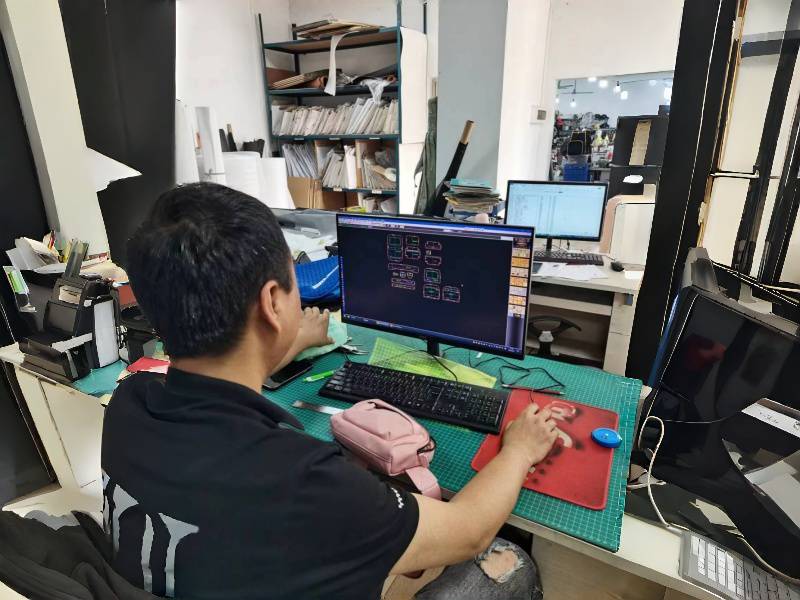
Factories like Jundong(Guangdong) optimize pattern cutting to reduce offcuts and repurpose scrap materials into small accessories or internal pocket reinforcements.
3. Water & Chemical Management
Using low-impact dyes and reducing water consumption are essential in processes involving cotton or canvas.
4. Ethical Labor Practices
Sustainability is not just environmental—it includes the treatment of workers. Ethical labor boosts brand reputation and meets retailer audit requirements.
5. Recyclable or Minimal Packaging
Switching from plastic packaging to biodegradable bags or paper-based packaging completes the sustainability cycle.
📌 Table 3: Sustainable Manufacturing Score Factors
| Factor | Score Influence | Jundong Implementation |
|---|---|---|
| Material Source | 30% | Certified suppliers, recycled materials |
| Energy Efficiency | 20% | Optimized production lines |
| Waste Management | 20% | Offcut recycling programs |
| Chemical Reduction | 15% | Low-impact dyes |
| Ethical Labor | 15% | Strict factory standards |
Which Bag Styles and Uses Are Best Suited for Sustainable Materials?
Sustainable materials are ideal for tote bags, lifestyle bags, shopping bags, backpacks, travel bags, and promotional gift bags. Natural fibers and recycled fabrics provide durability, good structure, and a stylish eco-conscious appearance.
Not every material fits every bag type. Understanding fabric behavior helps brands choose the correct eco-friendly option.
✔ Best Styles for Sustainable Materials
| Bag Style | Recommended Eco Material | Reason |
|---|---|---|
| Tote Bags | Organic cotton, recycled canvas | Strong, washable, visually natural |
| Lifestyle Bags | Hemp, recycled PU | Stylish and durable |
| Backpacks | rPET, recycled nylon | Strong enough for weight-bearing |
| Shopping Bags | Jute, organic cotton | Affordable & biodegradable |
| Travel Bags | rPET, upcycled leather | Higher durability |
| Makeup Bags | Recycled PU, biodegradable fibers | Water-resistant & structured |
| Gift Bags | Upcycled textiles | Unique patterns & low waste |
Why these combinations work:
- Natural fibers provide a rustic, eco-friendly look appealing to modern buyers.
- Recycled synthetics offer stronger abrasion resistance for backpacks and travel bags.
- Upcycled materials add uniqueness, perfect for limited editions or brand collabs.
Eco-friendly does not mean “simple”—in fact, many luxury brands now use recycled or plant-based leather for high-end styles.
Do Sustainable Material Bags Impact Cost, Durability and Quality Compared to Conventional Bags?
Sustainable bags can match or exceed the durability of conventional bags depending on the material. Recycled polyester and hemp offer excellent strength, while organic cotton and jute are better suited for lighter bags. Costs may be slightly higher due to eco-certified sourcing, but brands benefit from improved customer perception, longer lifespan, and stronger marketing value.
Understanding how sustainable materials perform compared to traditional materials (like virgin polyester, PVC, PU, nylon) is critical for buyers choosing eco-friendly alternatives.
Many assume sustainable materials are weaker or less durable. In reality, several eco fabrics outperform conventional ones.
How Do Sustainable Bags Compare to Conventional Bags in Terms of Durability & Quality?
📌 Table 4: Sustainable vs Conventional Bag Materials — Performance Comparison
| Feature | Recycled Polyester (rPET) | Organic Cotton | Hemp | Conventional Polyester | PVC / PU |
|---|---|---|---|---|---|
| Durability | ⭐⭐⭐⭐ | ⭐⭐⭐ | ⭐⭐⭐⭐ | ⭐⭐⭐⭐ | ⭐⭐⭐⭐ |
| Tear Resistance | High | Medium | Very High | High | High |
| Water Resistance | Medium–High | Low | Medium | High | Very High |
| Weight | Light | Medium | Medium | Light | Medium–Heavy |
| Eco Impact | Very Low | Low | Very Low | Medium–High | Very High |
| Lifecycle (Years) | 3–6 | 2–4 | 4–7 | 3–6 | 3–6 |
| Cost Level | $$ | $ | $$ | $ | $$ |
| Consumer Appeal | High | High | High | Medium | Low |
Key Insights
✔ Hemp is one of the strongest fibers in the world
Its long fibers resist tearing and abrasion, making it perfect for lifestyle bags and structured totes.
✔ Recycled polyester provides excellent durability comparable to virgin polyester
rPET bags maintain shape, resist abrasion, and are ideal for backpacks、travel bags and cooler bags.
✔ Organic cotton is not as durable as synthetics
But it wins in eco-perception, softness, and biodegradability—perfect for tote bags和日常轻便购物袋。
✔ PVC / PU are durable but environmentally harmful
More brands are shifting toward recycled PU or plant-based leather alternatives such as pineapple fiber or corn-based PU.
✔ Consumers accept slightly higher price points for sustainability
Studies show eco-friendly bags can increase retail price by 15–40% due to brand value uplift.
How Can OEM/ODM Custom Bag Factories Like Jundong Support Sustainable Fashion Bag Production?
OEM/ODM factories like Jundong support sustainable bag production through material sourcing, design optimization, eco-friendly production processes, low-MOQ customization, and fast sampling. They help brands choose suitable sustainable fabrics and ensure durability, cost efficiency, and consistent quality.
Sustainable bag development requires expertise—especially when mixing natural fibers and recycled synthetics. A professional OEM/ODM manufacturer like Jundong(Guangdong) can guide brands through material selection, cost calculation, durability testing, and structural design.
Here is how Jundong adds value throughout the production chain:
📌 Table 5: Jundong’s OEM/ODM Advantages for Sustainable Projects
| Area of Support | What Jundong Provides | Buyer Benefit |
|---|---|---|
| Material Library | rPET, hemp, jute, organic cotton, recycled canvas, eco-PU | Faster decision-making |
| Low MOQ | 100–300 pcs depending on fabric | Ideal for new brands & small retailers |
| Free Design & Structure Development | CAD drawings, proportioning, fabric matching | Reduces development cost |
| Fast Sampling (3–7 days) | Accurate prototypes for testing | Shortens launch timeline |
| Strict Quality Control | Material inspection, strength tests, stitching checks | Ensures reliable durability |
| Eco Packaging Options | Paper-based, biodegradable bags | Fully sustainable product chain |
| Global Shipping Support | DDP, FOB, CIF | Simplifies logistics |
Final Conclusion
Sustainable fashion bags are reshaping the global market. Whether using recycled polyester, hemp, jute, or organic cotton, these materials offer durability, style, and environmental benefits that today’s consumers actively seek. By understanding material performance, production challenges, and OEM/ODM opportunities, brands can confidently launch eco-friendly bag collections that stand out.
If your brand is exploring sustainable materials—or preparing to launch an eco-friendly bag line—Jundong(Guangdong) is ready to help.
Tell us your target material, style, quantity, and brand requirements.
We’ll provide professional suggestions, fast sampling, and low-MOQ production to help your brand grow sustainably.
Let's work together
With over 10 years of OEM/ODM bag industry experience, I would be happy to share with you the valuable knowledge related to leather products from the perspective of a leading supplier in China.

Factory catalogue
Latest blogs

Make A Sample First?
If you have your own artwork, logo design files, or just an idea, please provide details about your project requirements, including preferred fabric, color, and customization options, we’re excited to assist you in bringing your custom bag designs to life through our sample production process.