 Skip to content

A quilted makeup bag appears simple when viewed as a finished product, but creating one that feels premium, functions well, and remains consistent across a large collection requires careful decisions at every stage. The visible stitching pattern is only one part of the design. Behind that attractive surface are choices about fabric weight, padding thickness, lining performance, zipper strength, sewing accuracy, shape retention, and packaging requirements.
Many cosmetic collections use quilted bags because the structure creates a softer appearance and a more valuable touch experience. However, not every quilted pouch delivers the same quality. A bag with uneven quilting, insufficient padding, poor internal finishing, or unstable dimensions can quickly lose its premium feeling.
A well-developed quilted makeup bag combines the right outer fabric, quilting structure, inner support layer, lining, zipper system, and finishing details. The development process usually includes material selection, pattern creation, quilting, cutting, sewing, inspection, and packaging preparation. Each step influences the final appearance, durability, production consistency, and overall cost.
The difference between an average cosmetic pouch and a refined beauty accessory often comes down to details that are invisible at first glance. The spacing between quilting lines, the softness of the padding, the way the zipper curve is constructed, and the cleanliness of the inside finishing all shape the experience when someone opens and uses the product.
A beauty collection may only need one small pouch, but the product represents the entire feeling of the brand. This is why many successful cosmetic accessories begin with a deeper understanding of how a quilted makeup bag is actually developed.
How Is a Quilted Makeup Bag Made?
A quilted makeup bag is created through a combination of material selection, layered construction, quilting techniques, precision cutting, sewing, and finishing processes. The final product depends on how well each component works together — from the outer fabric and padding layer to the zipper, lining, compartments, and decorative details.
A premium quilted makeup bag is not simply a fabric pouch with stitched lines. It is a structured accessory designed to provide a soft touch, organized storage, reliable daily performance, and a consistent appearance across repeated production. The quilting process itself usually combines multiple layers, including an outer fabric, a padding or batting layer, and a backing layer that are stitched together to create the raised texture and three-dimensional surface.
For a professional cosmetic collection, the development process normally follows these stages:
| Stage | Main Purpose |
|---|---|
| Material selection | Choose outer fabric, padding, lining, zipper, and accessories |
| Quilting development | Create the surface pattern and desired thickness |
| Pattern creation | Convert design ideas into accurate cutting pieces |
| Cutting process | Prepare consistent panels and components |
| Sewing assembly | Build the final structure |
| Quality checking | Confirm appearance, function, and durability |
| Packaging preparation | Protect the product for retail or storage |
The most important consideration is not only how the bag looks when it is new. A well-developed quilted makeup bag should continue to maintain its shape, softness, and appearance after repeated opening, closing, packing, and daily use.
A beautiful design can lose its value if the quilting becomes uneven, the padding shifts, the zipper does not operate smoothly, or the inside finishing looks unfinished. This is why professional development focuses on every layer of the product instead of only the outside appearance.
What Materials Do You Need?
The materials selected for a quilted makeup bag determine its appearance, touch, durability, weight, and cost.
A complete quilted cosmetic pouch usually contains several layers:
| Component | Function |
|---|---|
| Outer fabric | Creates the visual appearance and surface feeling |
| Padding layer | Adds softness, volume, and protection |
| Backing layer | Supports quilting stability |
| Inner lining | Improves usability and internal appearance |
| Zipper system | Controls opening, closing, and durability |
| Accessories | Adds decoration and brand identity |
Common outer materials include:
| Material | Advantages | Suitable For |
|---|---|---|
| Nylon | Lightweight, smooth, durable | Travel cosmetic bags, everyday use |
| Polyester | Flexible, cost-effective, easy to customize | Large collections, promotional programs |
| Cotton | Natural texture and comfortable touch | Lifestyle and eco-oriented products |
| RPET Polyester | Recycled material option | Sustainability-focused collections |
| Velvet | Soft and premium appearance | Luxury beauty accessories |
| PU Leather | Smooth surface and fashion feeling | Premium cosmetic pouches |
Material choice should always match the intended use.
For example:
A travel makeup bag may need lightweight nylon with a durable zipper because it is carried frequently.
A luxury skincare gift set may require velvet or soft-touch materials because the first impression comes from texture and appearance.
A daily cosmetic pouch may benefit from easy-clean lining because users often store products that contain liquids or powders.
The outer fabric is only one part of the decision. The combination of fabric, padding, and lining determines whether the final product feels soft and premium or flat and ordinary.
How Do You Choose the Right Padding Layer?
The padding layer creates the signature softness of a quilted makeup bag.
It also affects:
- Shape retention
- Product protection
- Weight
- Thickness
- Shipping volume
The most common padding choices include polyester batting, cotton batting, and foam layers.
| Padding Type | Characteristics | Common Usage |
|---|---|---|
| Polyester batting | Soft, lightweight, flexible | Fashion cosmetic pouches |
| Cotton batting | Natural texture and soft feeling | Lifestyle collections |
| Foam padding | Stronger structure and protection | Travel organizers |
| Laminated foam | Balance between softness and shape | Premium cosmetic cases |
The correct thickness depends on the product purpose.
A small pouch designed for lipstick, brushes, and compact items usually does not require heavy padding.
A larger cosmetic organizer carrying skincare bottles or glass containers may require stronger internal support.
Many product teams choose medium padding because it provides a balance between:
- Premium hand feeling
- Lightweight construction
- Stable shape
- Reasonable cost
Too little padding may make the bag look flat.
Too much padding may create unnecessary weight, increase material consumption, and make sewing more difficult.
The goal is not maximum thickness. The goal is the right balance between appearance, function, and production stability.
How Do You Create the Quilted Surface?
The quilting process creates the recognizable texture of the makeup bag.
A quilted structure normally joins several layers together through stitching, creating a raised three-dimensional surface. The stitching pattern is both decorative and functional because it helps keep the inner padding evenly distributed.
Common quilting patterns include:
| Quilting Style | Appearance | Product Feeling |
|---|---|---|
| Diamond quilting | Classic, elegant | Luxury and fashion-oriented |
| Channel quilting | Clean, modern | Minimal and contemporary |
| Square quilting | Balanced and structured | Practical and organized |
| Custom pattern quilting | Unique appearance | Collection-specific design |
The quilting pattern affects more than visual style.
It also influences:
- Surface softness
- Fabric behavior
- Sewing difficulty
- Final product cost
- Overall structure
For example, a large diamond pattern may create a softer luxury appearance, while smaller quilting lines may provide a more structured feeling.
When developing a custom design, it is important to test the actual combination of:
- Fabric thickness
- Padding thickness
- Stitch spacing
- Thread selection
A pattern that looks attractive on a digital design may appear different once stitched onto real fabric.
How Do You Develop the Bag Pattern?
Pattern development converts an idea into a product that can be produced consistently.
A quilted makeup bag usually contains multiple parts:
- Front panel
- Back panel
- Side panels
- Bottom section
- Inner lining
- Zipper area
- Internal pockets
- Reinforcement pieces
The pattern must consider the thickness created by multiple layers.
For example:
A quilted outer fabric is thicker than normal fabric.
A padded panel requires additional sewing space.
A curved zipper design needs accurate measurements to avoid wrinkles.
Important pattern factors include:
| Pattern Element | Influence |
|---|---|
| Seam allowance | Sewing accuracy |
| Panel size | Final dimensions |
| Corner shape | Storage capacity |
| Zipper position | Opening experience |
| Lining size | Internal appearance |
A common mistake is designing only based on appearance.
A product may look attractive in a drawing but become difficult to assemble if the structure is not considered early.
A strong pattern creates a balance between design intention and practical production.
How Do You Cut the Fabric Panels?
After the pattern is confirmed, fabric panels are prepared according to the approved dimensions.
Precision during cutting affects:
- Shape accuracy
- Sewing alignment
- Final appearance
- Size consistency
For quilted makeup bags, cutting requires extra attention because multiple layers must match correctly.
Small differences can create visible issues:
| Problem | Possible Result |
|---|---|
| Uneven panel size | Distorted bag shape |
| Incorrect zipper panel size | Wrinkled zipper area |
| Inconsistent corners | Uneven standing structure |
| Misaligned layers | Poor surface appearance |
For collections with several sizes, accurate cutting becomes even more important.
A mini pouch, medium cosmetic bag, and large travel organizer may share the same design language, but each size needs properly adjusted proportions.
How Do You Install the Zipper?
The zipper is one of the most frequently used parts of a makeup bag.
A product may have beautiful quilting and premium materials, but poor zipper performance can immediately reduce the user experience.
Important zipper factors include:
| Factor | Importance |
|---|---|
| Slider quality | Smooth opening and closing |
| Tape strength | Long-term durability |
| Puller design | Appearance and usability |
| Stitch reinforcement | Prevents zipper separation |
| Placement accuracy | Creates a clean finish |
Different applications require different zipper solutions.
A small everyday pouch may focus on smooth operation.
A travel cosmetic bag may require stronger zipper construction because it is opened and closed more frequently.
A premium collection may include customized zipper pulls, metal details, or engraved hardware.
Custom hardware can also become part of the visual identity of the product:
- Metal logo pulls
- Custom zipper heads
- Decorative plates
- Special-shaped accessories
These details should be considered during early development because they affect sampling, approval, and production preparation.
How Do You Build the Internal Structure?
The inside structure determines how practical the makeup bag feels during daily use.
A simple pouch may only need one open compartment.
A more advanced design may include:
- Brush holders
- Elastic loops
- Mesh pockets
- Separate compartments
- Small accessory pockets
The right structure depends on what the product needs to store.
| Product Use | Recommended Internal Design |
|---|---|
| Everyday cosmetics | Simple compartment with easy access |
| Travel beauty kit | Multiple sections and secure storage |
| Professional makeup use | Brush organization and larger capacity |
| Gift set packaging | Clean appearance and premium finishing |
Internal organization can significantly increase perceived value because it improves the user experience.
A well-designed interior makes the product feel more like a complete beauty accessory rather than a basic pouch.
How Do You Finish the Lining?
The lining is often the first area users notice after opening the bag.
A high-quality lining should provide:
- Clean appearance
- Easy maintenance
- Good durability
- Smooth interaction with stored products
Common lining choices include:
| Lining Material | Main Advantage |
|---|---|
| Polyester | Versatile and economical |
| Nylon | Smooth and durable |
| PEVA | Easy cleaning and moisture resistance |
| Satin | Premium touch |
| Recycled materials | Sustainability positioning |
For cosmetic products, easy cleaning is especially important because makeup residue can accumulate over time.
A travel-oriented design may benefit from wipe-clean lining.
A luxury collection may prioritize a softer and more elegant interior feeling.
The lining should match the overall product positioning and work together with the outer quilted structure.
How Long Does the Production Process Take?
The time required depends on:
- Product complexity
- Material selection
- Quilting design
- Logo details
- Packaging requirements
- Quantity
A simple quilted pouch requires fewer development steps than a structured cosmetic organizer with multiple compartments and customized accessories.
A general timeline:
| Stage | Estimated Time |
|---|---|
| Design review | Depends on project information |
| Sample development | Around 5–7 days for many custom bag projects |
| Sample adjustment | Depends on feedback and revisions |
| Bulk production | Usually around 20–30 days depending on requirements |
Jundong’s standard custom bag projects usually follow this development rhythm, with sampling commonly taking 5–7 days and bulk production usually around 20–30 days depending on project details.
The most valuable part of the process is not simply reducing time. It is making sure the approved sample accurately represents the final production result.
A carefully developed quilted makeup bag saves time later by reducing unexpected changes, quality issues, and inconsistent results.
Which Quilted Makeup Bag Construction Is Best?

The best quilted makeup bag construction depends on how the product will be used, what experience it should create, and which details are most important for the final collection. A soft luxury pouch, a travel cosmetic organizer, and a daily beauty bag may all use quilting, but their structures should be developed differently.
A successful quilted makeup bag is not created by selecting one “best” material or one popular quilting style. The final performance comes from how different elements work together:
- Outer fabric
- Quilting pattern
- Padding thickness
- Inner lining
- Zipper system
- Internal organization
- Hardware details
For example, a premium beauty collection may need a soft velvet exterior, elegant diamond quilting, and customized metal details to create a luxurious feeling. A travel-focused cosmetic bag may need lightweight nylon, stronger padding, and an easy-clean lining to handle frequent use.
The right construction should balance:
| Design Goal | Important Factors |
|---|---|
| Premium appearance | Fabric texture, quilting style, hardware |
| Daily usability | Weight, opening experience, cleaning |
| Travel performance | Structure, durability, internal storage |
| Cost control | Material selection, production complexity |
| Long-term consistency | Stable pattern, reliable components |
The most suitable design is the one that matches the product purpose rather than simply following appearance trends.
Diamond vs Channel Quilting: Which Is Better?
Diamond quilting and channel quilting are two of the most common structures used for quilted makeup bags. Both can create a premium appearance, but they communicate different design styles.
Diamond quilting creates a classic and decorative surface. The crossed stitching lines create more visual depth and are often associated with fashion accessories and luxury-inspired collections.
Channel quilting uses parallel lines to create a cleaner and more modern appearance. It is often selected for minimalist designs where the focus is on simplicity and elegance.
| Feature | Diamond Quilting | Channel Quilting |
|---|---|---|
| Visual style | Classic, decorative | Modern, clean |
| Surface texture | Strong dimensional effect | Smooth linear appearance |
| Suitable style | Luxury, fashion, gift collections | Minimal, contemporary collections |
| Design flexibility | Works well with custom patterns | Works well with modern branding |
Diamond quilting is often suitable for products where appearance is the main attraction.
For example, a cosmetic pouch included in a holiday beauty gift set may benefit from a rich quilted surface because customers immediately notice the texture.
Channel quilting can work better for everyday products because the cleaner appearance matches practical and modern lifestyles.
However, the quilting pattern should also consider production performance.
A very small quilting pattern creates more stitching lines and may require more preparation. A larger pattern may create a softer appearance with fewer stitch intersections.
The final decision should consider:
- Product size
- Fabric thickness
- Padding type
- Desired visual effect
- Production stability
Batting vs Foam: Which Should You Use?
The padding layer determines how a quilted makeup bag feels in the hand and how well it maintains its shape.
Many designs fail because the padding decision is made only by looking at thickness. In reality, the padding material affects softness, weight, structure, and overall product performance.
The most common options include batting and foam.
| Padding Type | Main Characteristics | Suitable Products |
|---|---|---|
| Polyester batting | Soft, lightweight, flexible | Everyday cosmetic pouches |
| Cotton batting | Natural touch and softer feeling | Lifestyle collections |
| Foam padding | Strong structure and protection | Travel organizers |
| Laminated foam | Balance between softness and shape | Premium cosmetic cases |
Batting creates the traditional quilted feeling. It gives the product a softer hand feel and works well for fashion-oriented cosmetic bags.
Foam provides stronger support. It helps larger bags maintain their shape and protects products stored inside.
The choice depends on the intended use.
A small makeup pouch designed for lipstick, powder, and skincare samples usually does not need heavy support.
A larger beauty organizer carrying bottles, brushes, and accessories may require a stronger internal structure.
Padding thickness also changes the final appearance:
| Padding Thickness | Result |
|---|---|
| Thin padding | Lightweight and flexible |
| Medium padding | Balanced softness and structure |
| Thick padding | More volume and premium feeling |
More padding does not always create a better product.
Excessive thickness may:
- Increase product weight
- Reduce packing efficiency
- Increase material usage
- Make sewing more difficult
The ideal structure provides enough protection while keeping the product comfortable to carry.
Cotton vs Nylon vs RPET: Which Fabric Works Best?
Fabric selection influences the entire product experience, from first touch to long-term use.
Cotton, nylon, and RPET polyester are three popular choices, but each creates a different product direction.
| Fabric | Advantages | Considerations |
|---|---|---|
| Cotton | Natural appearance and soft touch | Requires attention to shrinkage and surface protection |
| Nylon | Lightweight, durable, smooth | More technical appearance |
| RPET Polyester | Recycled material option | Requires material verification |
Cotton is often selected when the product needs a natural and lifestyle feeling.
It works well with:
- Handmade-inspired collections
- Natural beauty concepts
- Soft visual styles
Nylon is commonly chosen for products requiring durability and lightweight performance.
It works well for:
- Travel cosmetic bags
- Everyday makeup pouches
- Products used frequently
RPET polyester can support collections where recycled materials are an important part of the product story.
However, fabric choice should not be separated from other components.
The same fabric can create different results depending on:
- Padding thickness
- Quilting density
- Lining selection
- Logo technique
- Hardware style
For example, embroidery may create a different effect on cotton compared with nylon. A printed pattern may require a smoother surface than a textured fabric.
Are GOTS-Certified Cotton or Certified Polyester Options Available?
Material certification has become increasingly important for collections that focus on responsible sourcing and environmental communication.
Organic cotton and recycled polyester are common directions, but the suitability depends on the project requirements.
| Material Option | Main Consideration |
|---|---|
| Organic cotton | Certification documents and fabric availability |
| Recycled polyester | Recycled content verification |
| Standard polyester | Cost efficiency and versatility |
| Recycled nylon | Material source and performance |
When selecting certified materials, important details include:
- Certification scope
- Material composition
- Available colors
- Minimum order requirements
- Production timing
Certified materials may require additional planning because availability can vary depending on fabric type, color, and quantity.
For a collection with multiple colors, it is important to confirm whether the same certified material can maintain consistent appearance across the entire series.
What Type of Lining Is Easy to Clean?
The lining plays an important role because makeup bags are exposed to products that may spill or leave residue.
Foundation, lipstick, skincare creams, and powders can quickly affect the inside appearance if the wrong lining is selected.
Common lining options include:
| Lining Material | Benefits |
|---|---|
| Nylon | Smooth, durable, easy to maintain |
| Polyester | Flexible and widely used |
| PEVA | Easy cleaning and moisture resistance |
| Satin | Premium soft feeling |
| Recycled lining | Supports sustainability goals |
For travel products, easy-clean lining is often a priority.
For luxury collections, the feeling when opening the bag may be more important.
A good lining should also match the outer construction.
A premium quilted exterior combined with a low-quality interior can reduce the overall perception of the product.
Important internal details include:
- Clean seam finishing
- Pocket placement
- Brush organization
- Elastic holders
- Color coordination
Which Zipper Type Works Best?
The zipper is one of the most frequently used components on a makeup bag.
A product may have excellent fabric and beautiful quilting, but a poor zipper experience can immediately affect how the product feels.
Important zipper factors include:
| Factor | Influence |
|---|---|
| Slider quality | Smooth opening |
| Zipper size | Strength and appearance |
| Puller design | Visual identity |
| Stitch reinforcement | Durability |
| Placement accuracy | Clean appearance |
Different product purposes require different zipper choices.
| Product Type | Zipper Focus |
|---|---|
| Small cosmetic pouch | Smooth and lightweight |
| Travel organizer | Strong and reliable |
| Premium collection | Customized appearance |
| Professional beauty bag | Frequent-use durability |
Customized zipper pulls can add extra value:
- Metal logo pulls
- Engraved components
- Special shapes
- Silicone accessories
These details can transform a simple pouch into a recognizable branded accessory.
How Does Quilting Pitch Affect Structure?
Quilting pitch refers to the distance between stitching lines.
It affects both appearance and physical performance.
A tighter quilting pitch usually creates:
- More visible texture
- Stronger surface definition
- More structured appearance
A wider quilting pitch usually creates:
- Softer visual effect
- Larger pattern appearance
- More relaxed feeling
| Quilting Pitch | Product Effect |
|---|---|
| Small spacing | Detailed and structured |
| Medium spacing | Balanced appearance |
| Large spacing | Soft and premium |
The correct quilting pitch depends on:
- Fabric thickness
- Padding material
- Product size
- Desired style
A small cosmetic pouch and a large organizer may require different quilting spacing because larger surfaces naturally show more movement during use.
Testing the quilting pattern on actual materials is important because digital designs cannot fully show how fabric behaves after stitching.
How Does Padding Thickness Change the Bag?
Padding thickness changes more than softness.
It affects:
- Product weight
- Shape retention
- Storage capacity
- Shipping size
- User experience
A medium padding layer is often selected because it creates a premium feeling without making the product too heavy.
For travel collections, stronger structure may be preferred.
For lightweight daily-use pouches, flexibility may be more important.
The best design usually comes from balancing:
| Requirement | Consideration |
|---|---|
| Soft feeling | Padding type and thickness |
| Stable shape | Support layer and quilting density |
| Lightweight use | Material selection |
| Premium appearance | Surface texture and finishing |
A quilted makeup bag should feel comfortable while maintaining enough structure to protect stored products.
Can You Customize Fabric Patterns and Hardware Logos?

Customization allows a makeup bag to become part of a complete collection rather than a standard accessory.
Common customization options include:
| Area | Options |
|---|---|
| Fabric surface | Printed patterns, textures, special finishes |
| Quilting | Custom geometry and brand-inspired patterns |
| Hardware | Metal logo plates, zipper pulls, engraved parts |
| Labels | Woven labels, printed labels |
| Packaging | Gift boxes, hangtags, retail packaging |
Custom fabric patterns are especially useful when a collection needs a unique visual identity.
Hardware details are often used for premium positioning because small metal elements can create a stronger sense of value.
However, every customization choice affects development.
Important considerations include:
- Production preparation
- Component availability
- Approval timing
- Final cost
The strongest quilted makeup bags are not created by adding the most details. They are created by selecting the right combination of materials, structure, and finishing details that support the product purpose.
How Does a Factory Develop a Custom Quilted Makeup Bag?
Developing a custom quilted makeup bag is a process of transforming an idea into a finished product that can be produced consistently. A design image, sketch, or reference sample only shows the appearance. To create a reliable product, many hidden details must be decided, including material combinations, quilting structure, pattern accuracy, sewing methods, logo placement, packaging requirements, and quality standards.
A professional development process normally moves through several stages:
| Development Stage | Main Focus |
|---|---|
| Design review | Understand appearance, function, and usage requirements |
| Material selection | Confirm fabric, padding, lining, zipper, and accessories |
| Pattern development | Create accurate dimensions and construction details |
| Sample creation | Produce a physical version for evaluation |
| Revision process | Improve structure, appearance, and usability |
| Final approval | Confirm specifications before larger production |
A well-developed quilted makeup bag is not created by simply copying a picture. The goal is to understand why each design element exists and how it will perform in real use.
For example, a luxury beauty pouch may require soft velvet, delicate quilting, and customized hardware. A travel cosmetic organizer may require stronger nylon, thicker support layers, and easy-clean lining. Both products are quilted makeup bags, but their development paths are different.
The most reliable results come from connecting design ideas with practical production decisions from the beginning.
What Should You Send Before Development Starts?
A clear project brief helps transform an idea into an accurate product.
Useful information includes:
| Information | Why It Matters |
|---|---|
| Reference images | Shows desired appearance and style direction |
| Product dimensions | Defines capacity and overall structure |
| Material preference | Helps evaluate suitable fabric options |
| Color references | Controls fabric and accessory matching |
| Logo artwork | Determines suitable branding methods |
| Packaging requirements | Supports retail or gift presentation |
| Quantity plan | Helps evaluate production approach |
| Delivery schedule | Supports production planning |
For a quilted makeup bag, additional details are especially valuable:
- Desired softness level
- Quilting pattern preference
- Number of compartments
- Brush holder requirements
- Waterproof or easy-clean needs
- Zipper style
- Hardware preference
A simple image may show a beautiful quilted surface, but it usually does not explain:
- What fabric was used
- How thick the padding is
- Whether the lining is waterproof
- How the zipper area is reinforced
- How the shape is maintained
These details need to be reviewed before creating a sample.
For example, two bags may look identical from the outside, but one uses 2mm foam padding while another uses lightweight batting. Their appearance may be similar in photos, but their touch, weight, and durability will feel completely different.
How Is Artwork Turned Into a Bag Pattern?
A design concept must be converted into technical structure before production begins.
Pattern development determines:
- Panel shape
- Sewing method
- Material usage
- Final dimensions
- Internal space
- Assembly sequence
A quilted makeup bag usually contains several parts:
| Component | Function |
|---|---|
| Front panel | Creates the main visual area |
| Back panel | Supports overall structure |
| Side gussets | Increase storage capacity |
| Bottom panel | Creates depth |
| Zipper panels | Control opening shape |
| Inner lining | Improves internal appearance |
| Pocket sections | Organize cosmetics |
The pattern process requires careful consideration because quilted products have additional thickness.
A normal fabric pouch and a padded quilted pouch do not follow exactly the same measurements.
The development team needs to consider:
- Fabric thickness after quilting
- Padding compression
- Seam allowance
- Corner construction
- Zipper installation space
- Lining fitting
For example, if the outer quilted layer becomes thicker than expected, the inside space may become smaller. If the zipper curve is not adjusted correctly, the opening may become uneven.
A good pattern does not only create a beautiful sample. It creates a structure that can remain stable when repeated many times.
How Is a Custom Quilting Pattern Developed?
The quilting pattern is one of the most visible elements of the product.
It influences:
- Brand appearance
- Surface texture
- Product feeling
- Production complexity
Common quilting styles include:
| Style | Visual Effect |
|---|---|
| Diamond quilting | Classic and elegant |
| Channel quilting | Modern and minimal |
| Square quilting | Balanced and structured |
| Custom geometry | Unique collection identity |
A custom quilting pattern usually requires testing because different fabrics respond differently.
The same diamond pattern may appear different on:
- Nylon
- Cotton
- Velvet
- Polyester
- Recycled fabrics
Important factors include:
| Factor | Influence |
|---|---|
| Stitch distance | Changes surface appearance |
| Pattern size | Changes visual proportion |
| Thread tension | Affects flatness |
| Padding thickness | Changes volume |
For example, a small diamond pattern with thick padding may create a more structured appearance, while a larger pattern with softer padding may create a relaxed luxury feeling.
The final quilting design should consider both appearance and daily use.
A pattern that looks attractive but creates excessive thickness or difficult assembly may not be suitable for long-term production.
What Happens During the Sample Process?
A physical sample allows the design to be evaluated beyond images and drawings.
During sample review, important details include:
| Area | What to Check |
|---|---|
| Size | Does it match the intended capacity? |
| Shape | Does it maintain the desired appearance? |
| Quilting | Is the pattern even and consistent? |
| Padding | Does it provide the right softness? |
| Zipper | Is opening smooth and stable? |
| Lining | Are seams clean and practical? |
| Logo | Is the position and size correct? |
A sample is not only a visual reference. It helps confirm whether the design works as a complete product.
Common sample adjustments include:
- Changing padding thickness
- Adjusting zipper position
- Improving corner shape
- Revising pocket size
- Changing material combinations
- Refining logo placement
Many successful collections require at least one adjustment before final approval because small changes can significantly improve the user experience.
Do You Get a Factory-Direct Sample Before Mass Production?
A physical sample before larger production is an important step for custom quilted makeup bags.
The approved sample helps establish:
- Material selection
- Color reference
- Size specification
- Construction method
- Logo position
- Packaging details
For custom bag projects, sampling is usually used to confirm materials, dimensions, structure, logo application, and packaging before production begins.
For brands developing beauty accessories, this stage reduces uncertainty because many important details cannot be fully judged through drawings alone.
A sample allows evaluation of questions such as:
- Does the bag feel premium enough?
- Is the padding too soft or too firm?
- Does the zipper open comfortably?
- Is the interior practical?
- Does the logo create the expected visual effect?
The goal is not only to create one attractive sample. The goal is to establish a product standard that can guide future production.
How Long Does a Custom Sample Take?
The sample timeline depends on the complexity of the design.
Main factors include:
| Factor | Effect on Timing |
|---|---|
| Material availability | Affects preparation speed |
| Custom hardware | May require additional development |
| Quilting pattern | Influences sample preparation |
| Internal structure | More components require more work |
| Packaging details | Adds approval steps |
For many custom bag projects, sampling usually takes around 5–7 days, while simpler designs may be completed faster.
A more complex quilted makeup bag may require additional time if it includes:
- Custom metal hardware
- Multiple compartments
- Special lining
- Complex quilting
- Unique shapes
The focus should not only be making a sample quickly. The more important goal is ensuring that the sample accurately represents the intended final product.
When Should You Revise the Sample?
Sample revision is a normal part of product development.
A revision may be needed when:
- The shape is different from the original idea
- The padding feels incorrect
- The zipper opening is uncomfortable
- The internal space needs adjustment
- The logo position needs improvement
- The packaging presentation requires changes
A practical review usually focuses on three areas:
| Review Area | Main Consideration |
|---|---|
| Appearance | Does it match the design direction? |
| Function | Is it comfortable and practical to use? |
| Production | Can the design remain stable during repeated production? |
Small improvements during sampling can prevent larger problems later.
For example, adjusting a zipper curve during the sample stage is much easier than correcting hundreds of finished pieces after production.
What Must Be Approved Before Bulk Production?
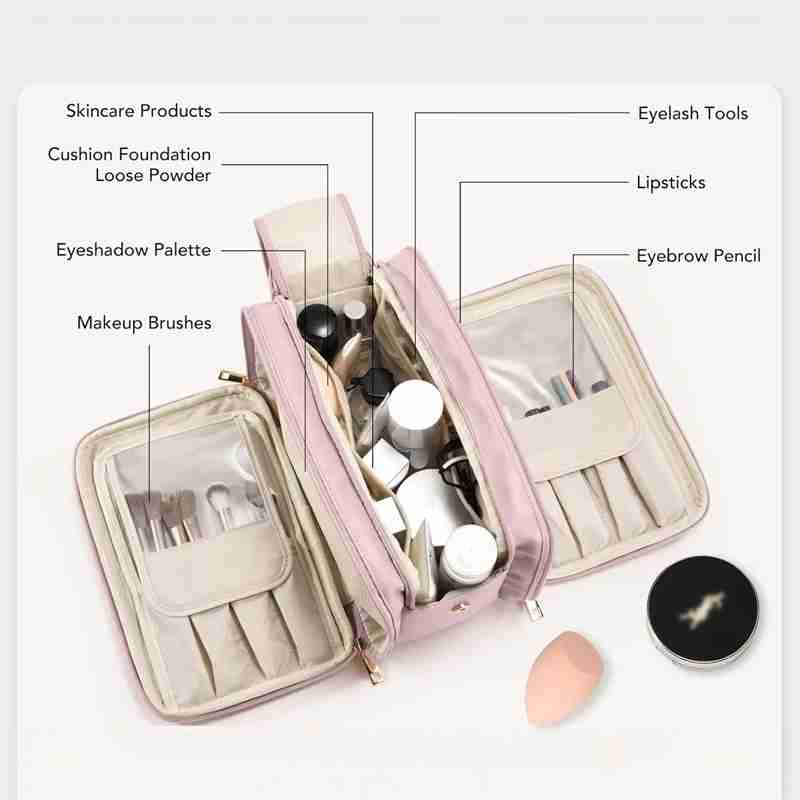
Before larger production begins, the product details should be clearly confirmed.
Important approval items include:
| Item | Confirmation |
|---|---|
| Fabric | Type, color, texture |
| Padding | Thickness and softness |
| Quilting | Pattern and stitch appearance |
| Dimensions | Final measurements |
| Logo | Position and application method |
| Hardware | Color, style, and function |
| Packaging | Labels, tags, and packing method |
A complete approval process helps maintain consistency.
For custom quilted makeup bags, the approved sample becomes the reference for:
- Material checking
- Sewing control
- Logo placement
- Final appearance
- Packaging inspection
A well-prepared development process connects creative ideas with practical production requirements. This is what allows a quilted makeup bag to move from an attractive concept into a reliable product ready for retail collections, gift programs, travel sets, and beauty accessories.
What Affects Price and Bulk Quality?
The price and quality of a custom quilted makeup bag are determined by many connected factors rather than one single material or design choice. A product with the same size and appearance can have a very different cost depending on fabric selection, padding structure, quilting method, hardware, internal organization, packaging, and production quantity.
For example, two quilted cosmetic pouches may both use polyester fabric, but one may include:
- Custom quilting patterns
- Premium zipper pulls
- Multiple internal compartments
- Special lining
- Custom packaging
while another uses a simpler structure.
The visual difference may appear small, but the development process, material usage, and production requirements can create a significant cost difference.
For a professional beauty collection, cost should always be considered together with:
| Factor | Influence |
|---|---|
| Product appearance | Determines perceived value |
| Material selection | Affects touch, durability, and cost |
| Structure complexity | Changes production difficulty |
| Quantity | Influences unit cost |
| Quality requirements | Affects inspection and control processes |
| Packaging needs | Impacts final delivered cost |
A well-planned product does not simply focus on achieving the lowest unit price. It focuses on creating the right balance between appearance, performance, consistency, and long-term product value.
What Is the MOQ for Custom Quilted Cosmetic Bags?
The minimum quantity for custom quilted cosmetic bags depends on the design complexity, material selection, customization requirements, and production process.
For many custom bag projects, a common starting quantity is around 500 pieces per design, while more complex products with special materials, customized components, or advanced packaging may require higher quantities.
Important factors that influence quantity requirements include:
| Factor | Why It Affects Quantity |
|---|---|
| Fabric type | Special fabrics may require minimum material orders |
| Custom color | Dyeing or special color matching may need higher quantities |
| Hardware | Custom metal parts may require tooling or minimum orders |
| Packaging | Special boxes or retail packaging increase preparation requirements |
| Quilting pattern | Unique quilting designs may require additional setup |
For example, a standard polyester quilted makeup pouch with an existing zipper and simple logo may have a different quantity requirement compared with a luxury velvet pouch using custom metal hardware and special packaging.
Quantity planning should also consider future collection needs.
A slightly higher initial quantity may sometimes create better cost efficiency, while a smaller quantity may be useful for testing a new product concept.
What Affects Custom Quilted Makeup Bag Price?
The final price of a quilted makeup bag is usually influenced by several product details working together.
The main cost factors include:
| Cost Factor | Price Influence |
|---|---|
| Outer fabric | Different materials have different costs and performance |
| Fabric thickness | Heavier materials require more material usage |
| Padding | Changes softness, volume, and structure |
| Quilting design | Complex patterns require more processing |
| Size | Larger products consume more materials |
| Compartments | Additional parts increase sewing steps |
| Zipper | Quality and customization affect cost |
| Hardware | Metal accessories may require additional development |
| Logo method | Different branding methods have different costs |
| Packaging | Retail presentation affects final cost |
Material selection is often one of the biggest influences.
For example:
A polyester quilted pouch may focus on cost efficiency and flexible customization.
A velvet quilted pouch with custom hardware and premium lining creates a higher-end appearance but requires more careful handling.
A recycled fabric collection may involve additional material documentation and special sourcing requirements.
The goal is not simply choosing expensive materials. The goal is selecting materials that support the product position and user experience.
How Do Wholesale Price Breaks Work for Bulk Orders?
Quantity has a direct relationship with unit cost because many development and preparation expenses are distributed across the total production volume.
A larger order quantity may reduce the average cost per piece because:
- Material purchasing becomes more efficient
- Production preparation is spread across more units
- Packaging processes become more streamlined
- Labor efficiency improves
A common pricing structure may look like:
| Quantity | Cost Effect |
|---|---|
| 500 pcs | Suitable for custom development with standard requirements |
| 1,000 pcs | Better cost efficiency through increased volume |
| 3,000 pcs+ | More opportunities for improved unit economics |
| Large repeat programs | Better planning and supply stability |
However, quantity alone does not determine the final price.
A 3,000-piece order with complex custom hardware may not always cost less than a 5,000-piece order with a simpler structure.
Other elements must also be considered:
- Material availability
- Production schedule
- Packaging requirements
- Testing requirements
- Shipping method
How Do Materials Affect Unit Cost?
Materials influence both the appearance and the production cost of a quilted makeup bag.
The same product design can have different price levels depending on the selected materials.
| Material | Cost Consideration |
|---|---|
| Polyester | Flexible and cost-effective |
| Nylon | Higher performance and durability |
| Cotton | Natural appearance with different sourcing considerations |
| RPET Polyester | Recycled material requirements |
| Velvet | Premium texture and appearance |
| PU Leather | Fashion-oriented surface and finishing |
Padding and lining also contribute to cost.
For example:
A lightweight pouch may use a thin padding layer and simple polyester lining.
A premium travel cosmetic bag may require:
- Thicker padding
- Stronger lining
- Reinforced seams
- Additional compartments
These improvements increase material usage and production steps but also improve the user experience.
The best material choice depends on the purpose of the product, expected usage, and desired positioning.
How Do Logo and Hardware Affect Price?
Logo details can significantly influence the final appearance of a quilted makeup bag.
Common logo methods include:
| Logo Method | Characteristics |
|---|---|
| Embroidery | Creates a textured premium effect |
| Printing | Suitable for detailed artwork |
| Heat transfer | Works well for certain fabric surfaces |
| Woven label | Provides a clean textile appearance |
| Metal logo plate | Creates a premium accessory feeling |
| Custom zipper pull | Adds functional branding |
Hardware customization usually requires additional preparation.
Examples include:
- Custom metal zipper pulls
- Engraved plates
- Special-shaped accessories
- Customized buckles
These details can enhance product recognition, but they also affect:
- Development time
- Tooling requirements
- Material cost
- Approval process
For a luxury beauty collection, customized hardware may create strong value.
For a larger promotional program, a simpler logo solution may provide a better balance between appearance and cost.
How Does Packaging Affect Cost?
Packaging is often overlooked during early product planning, but it directly affects the final delivered product.
Different sales channels require different packaging approaches.
| Packaging Type | Suitable Use |
|---|---|
| Polybag | Basic protection |
| Hangtag | Retail information display |
| Color box | Gift presentation |
| Gift packaging | Premium beauty collections |
| Barcode labels | Retail and warehouse management |
A makeup bag sold as part of a luxury beauty set may require more refined packaging than a promotional pouch.
Packaging decisions should consider:
- Product protection
- Display requirements
- Storage space
- Shipping efficiency
- Label requirements
For larger collections, packaging consistency is also important because multiple products may need to share the same visual identity.
How Long Does High-Volume Production Take?
Production time depends on:
- Product complexity
- Material preparation
- Quantity
- Custom components
- Packaging requirements
- Quality standards
For many custom bag projects, bulk production usually takes around 20–30 days after final approval, depending on product details and production planning.
A more complex quilted makeup bag may require additional preparation because it may include:
- Custom quilting patterns
- Special fabrics
- Multiple compartments
- Custom hardware
- Retail packaging
A practical production schedule usually includes:
| Stage | Main Activity |
|---|---|
| Material preparation | Confirm fabrics and components |
| Cutting | Prepare accurate parts |
| Sewing | Assemble product structure |
| Finishing | Complete details and accessories |
| Inspection | Check appearance and function |
| Packaging | Prepare final shipment |
Planning early is especially important for seasonal beauty collections because delays in materials or packaging can affect launch schedules.
How Do You Prevent Sample-to-Bulk Differences?
One of the biggest concerns with custom products is whether the final production will maintain the approved sample quality.
Consistency depends on controlling several details:
| Control Area | Important Check |
|---|---|
| Fabric | Color, texture, thickness |
| Quilting | Stitch pattern and spacing |
| Padding | Thickness and placement |
| Sewing | Alignment and finishing |
| Logo | Position and appearance |
| Packaging | Correct labels and packing method |
The approved sample should become the reference for production.
Before larger production begins, important details should be confirmed:
- Final measurements
- Material specifications
- Color references
- Logo placement
- Packaging requirements
Clear specifications reduce misunderstanding and help maintain consistent results.
What QC Checks Matter for Quilted Bags?
Quality checks for quilted makeup bags should focus on both appearance and function.
Important inspection areas include:
| Inspection Area | What to Check |
|---|---|
| Fabric | Color, defects, surface condition |
| Quilting | Pattern consistency and stitching quality |
| Shape | Symmetry and structure |
| Zipper | Smooth operation |
| Sewing | Thread quality and seam strength |
| Logo | Correct position and appearance |
| Packaging | Labels and packing accuracy |
Quilted products require special attention because small construction differences can become visible on the surface.
For example:
- Uneven stitching may affect the quilted appearance.
- Incorrect padding placement may create uneven volume.
- Poor zipper installation may distort the opening area.
Jundong supports custom bag projects with multiple inspection stages, including material checking, production inspection, and final quality review. The team includes 80 QC inspectors supporting quality control across different production stages.
How Are Multi-SKU Orders Controlled?
Many beauty collections include several related products:
- Small cosmetic pouch
- Medium makeup bag
- Travel organizer
- Brush holder
- Gift set accessories
Managing multiple designs requires consistency across:
- Colors
- Materials
- Logo placement
- Packaging style
- Product specifications
A clear product specification system helps maintain consistency across different styles.
Important information includes:
- Material details
- Size measurements
- Color references
- Component information
- Packaging instructions
For collections with multiple SKUs, the goal is creating a unified product family while allowing each item to maintain its own function and appearance.
A well-planned quilted makeup bag program combines thoughtful design, realistic cost control, stable quality, and practical production planning. When these elements are managed together, the final product can deliver both strong visual appeal and reliable everyday performance.
How Do You Choose a Quilted Makeup Bag Manufacturer?

Choosing the right factory for a quilted makeup bag project is not only about comparing prices. A reliable partner needs to understand product design, material selection, construction details, quality expectations, and delivery requirements.
A quilted cosmetic bag may look like a simple accessory, but premium collections often involve many technical decisions:
- Which fabric creates the right appearance?
- How thick should the padding be?
- Which quilting pattern matches the design style?
- How can the sample be reproduced consistently?
- Can the production process support different colors and sizes?
- How can quality remain stable across a large quantity?
The right factory should be able to support the complete development process, from the first design idea to final production.
When evaluating potential partners, important factors include:
| Evaluation Area | What to Review |
|---|---|
| Product experience | Previous quilted bag development capability |
| Material knowledge | Understanding of fabrics, padding, and lining |
| Development ability | Sample creation and revision process |
| Production capability | Ability to handle required quantities |
| Quality control | Inspection process and consistency |
| Communication | Clear project follow-up and technical discussion |
| Packaging support | Ability to meet retail and delivery requirements |
A strong choice is not always the largest factory or the lowest-priced option. The better choice is the one that understands the product goals and can turn creative ideas into stable, repeatable results.
Which Factory Capabilities Matter Most?
The first step is understanding whether the factory has the right capabilities for quilted makeup bags.
Not every bag factory has the same experience. Some focus mainly on simple pouches, while others regularly develop structured cosmetic accessories with multiple materials and finishing details.
Important capabilities include:
| Capability | Why It Matters |
|---|---|
| Pattern development | Converts ideas into production-ready structures |
| Quilting experience | Controls stitching quality and surface appearance |
| Material selection | Helps choose suitable fabrics and layers |
| Sample development | Allows design improvement before production |
| Sewing ability | Ensures clean structure and finishing |
| Quality control | Maintains consistency across production |
For quilted products, experience with layered construction is especially important.
The factory should understand how different combinations behave:
- Thin polyester + light padding
- Nylon + foam support
- Velvet + soft batting
- RPET fabric + recycled lining
Each combination creates different results.
A factory experienced with quilted products can usually identify potential problems earlier, such as:
- Fabric becoming uneven after stitching
- Padding shifting during sewing
- Corners losing shape
- Zippers creating waves
- Lining becoming loose inside
This type of knowledge reduces unnecessary adjustments during development.
What Makes a Good Quilting Factory?
A good quilting factory understands that quilting is both a visual process and a structural process.
The stitching pattern affects:
- Surface appearance
- Softness
- Shape retention
- Production consistency
Important quilting abilities include:
| Area | What to Check |
|---|---|
| Pattern accuracy | Whether stitching follows the intended design |
| Stitch consistency | Whether spacing remains even |
| Fabric handling | Whether different materials can be quilted properly |
| Padding control | Whether thickness remains stable |
| Sample accuracy | Whether approved details can be repeated |
A professional quilting process should consider:
- Stitch distance
- Thread tension
- Fabric thickness
- Padding density
- Product size
For example, a large travel cosmetic organizer requires different quilting control compared with a small lipstick pouch.
A small pouch can tolerate a softer structure, while a larger bag usually needs stronger support to maintain shape.
The best results come from matching quilting techniques with product purpose.
OEM vs ODM: Which Model Fits Your Project?
Different development approaches suit different situations.
OEM and ODM models provide different levels of involvement.
| Model | Suitable Situation |
|---|---|
| OEM | Existing design with specific customization requirements |
| ODM | Need support with product improvement or design direction |
OEM projects usually begin with:
- Artwork
- Product specifications
- Material requirements
- Logo details
The focus is turning an existing concept into a finished product.
ODM projects may involve:
- Structure suggestions
- Material recommendations
- Function improvements
- Design optimization
For example, a beauty brand may have a reference image of a quilted makeup bag but need help deciding:
- Whether nylon or velvet is more suitable
- Whether foam or batting creates better performance
- Whether a flat pouch or boxed corner structure works better
The right development model depends on how much product support is needed before final approval.
What Should You Ask Before Sampling?
Before creating a sample, it is important to discuss the details that influence the final product.
Useful topics include:
| Topic | Details to Confirm |
|---|---|
| Fabric | Material type, thickness, color |
| Padding | Softness, thickness, structure |
| Quilting | Pattern, spacing, stitching style |
| Zipper | Size, color, puller design |
| Logo | Placement and application method |
| Interior | Pockets, compartments, lining |
| Packaging | Tags, labels, boxes |
A detailed discussion before sampling helps avoid unnecessary changes later.
Important practical questions include:
- Can the desired quilting pattern be produced consistently?
- Will the selected fabric maintain its appearance after quilting?
- Does the padding thickness match the intended feeling?
- Can the internal structure support daily use?
- Are custom hardware details realistic for the planned quantity?
A good development conversation should focus on solving these details rather than only discussing price.
How Do You Compare Factory Samples?
A sample should be evaluated carefully because appearance alone does not show everything.
A professional sample review should include:
| Inspection Area | What to Check |
|---|---|
| Exterior | Fabric quality, quilting appearance, shape |
| Touch | Softness and overall feeling |
| Structure | Whether the bag maintains its form |
| Zipper | Smooth operation and alignment |
| Interior | Clean finishing and practicality |
| Logo | Position, size, and appearance |
For quilted makeup bags, pay special attention to:
Quilting consistency
Check whether:
- Stitch lines are evenly spaced
- Corners align correctly
- Surface tension is balanced
Shape retention
Place the bag on a flat surface and check:
- Whether it stands correctly
- Whether the sides collapse
- Whether the bottom maintains shape
Internal finishing
Open the bag and review:
- Seam quality
- Pocket placement
- Lining attachment
- Overall cleanliness
A good sample should represent not only appearance but also long-term usability.
How Do You Compare Quotes Beyond Price?
Price is important, but a lower quotation does not always represent better value.
A complete evaluation should consider:
| Factor | Consideration |
|---|---|
| Material quality | Are the selected materials suitable? |
| Construction | Is the structure durable enough? |
| Included details | Are packaging and accessories included? |
| Production timeline | Can delivery requirements be met? |
| Quality control | Are inspection steps included? |
Two quotations may appear different because the product details are different.
For example:
Quotation A:
- Standard polyester
- Simple zipper
- Basic lining
- No custom hardware
Quotation B:
- Premium nylon
- Custom zipper pull
- Reinforced structure
- Retail packaging
The unit prices may not be directly comparable because the product specifications are different.
A clearer comparison should review:
- Material specification
- Size
- Structure
- Logo method
- Accessories
- Packaging
- Quantity
What Production Evidence Should You Check?
Before starting a long-term project, it is useful to understand the factory’s actual capabilities.
Important information includes:
| Area | Evidence to Review |
|---|---|
| Experience | Product history and development examples |
| Production scale | Facility size and team structure |
| Quality system | Inspection methods and control procedures |
| Development ability | Sample room and technical support |
| Delivery ability | Production planning experience |
For example, Jundong is a Guangdong-based custom bag factory with 20+ years of OEM/ODM experience, supporting custom projects from materials and sampling through production, quality control, packaging, and delivery. The factory has 600+ employees, an 18,000㎡ production area, and 80 QC inspectors.
These types of details help evaluate whether a factory can support more than a single sample and whether it has the structure required for continued product development.
How Do You Verify REACH or CPSIA Requirements?
Compliance requirements depend on product type, destination, materials, and intended use.
For cosmetic bags, important considerations may include:
- Material safety
- Chemical restrictions
- Label requirements
- Packaging requirements
REACH requirements are commonly considered for products entering European markets, while CPSIA requirements are mainly associated with certain consumer products in the United States.
The important step is confirming requirements before production.
A proper review should include:
| Area | Confirmation |
|---|---|
| Materials | Are material documents available? |
| Testing | Are required tests identified? |
| Labels | Are labeling requirements clear? |
| Packaging | Does packaging meet destination needs? |
Compliance should be planned during development rather than handled after production is complete.
The correct testing and documentation depend on the specific product and destination requirements.
Can the Factory Ship to Amazon FBA or 3PL Warehouses?
For products sold through online channels, packaging and delivery preparation are important parts of development.
A quilted makeup bag project may require:
- Individual polybags
- Barcode labels
- SKU labels
- Carton marks
- Packing quantity control
- Warehouse delivery requirements
Different sales channels may require different packaging methods.
| Channel | Common Requirements |
|---|---|
| Retail stores | Hangtags, display packaging |
| Online stores | Barcode and protective packaging |
| Gift programs | Premium presentation |
| Warehouse delivery | Carton labels and packing accuracy |
A factory familiar with these requirements can help reduce preparation issues before delivery.
For custom bag projects, Jundong supports packaging requirements such as polybags, hangtags, barcodes, SKU labels, FBA labels, color boxes, gift boxes, and carton marks according to project needs.
What Should You Send for a Custom Quote?
A more complete product brief helps create a more accurate evaluation.
Useful information includes:
| Information | Purpose |
|---|---|
| Product image or sketch | Understand appearance |
| Size | Estimate materials and structure |
| Fabric preference | Review suitable options |
| Logo artwork | Confirm branding method |
| Quantity | Evaluate production planning |
| Packaging details | Calculate final requirements |
| Destination | Consider delivery method |
For quilted makeup bags, it is especially helpful to include:
- Preferred quilting style
- Padding preference
- Interior requirements
- Hardware details
- Expected launch timing
A clear product brief allows the development process to move faster and reduces unnecessary adjustments.
Jundong reviews custom bag projects based on details such as size, material preference, logo artwork, quantity, packaging needs, delivery timeline, and destination.
For quilted makeup bags, the right factory is the one that can understand both the creative vision and the practical details behind the product. When material selection, structure, sampling, quality control, and delivery planning are handled together, a simple cosmetic pouch can become a refined accessory ready for a complete beauty collection.