 Skip to content
What Is a Climbing Gear Storage Bag and How Do You Choose the Right One?
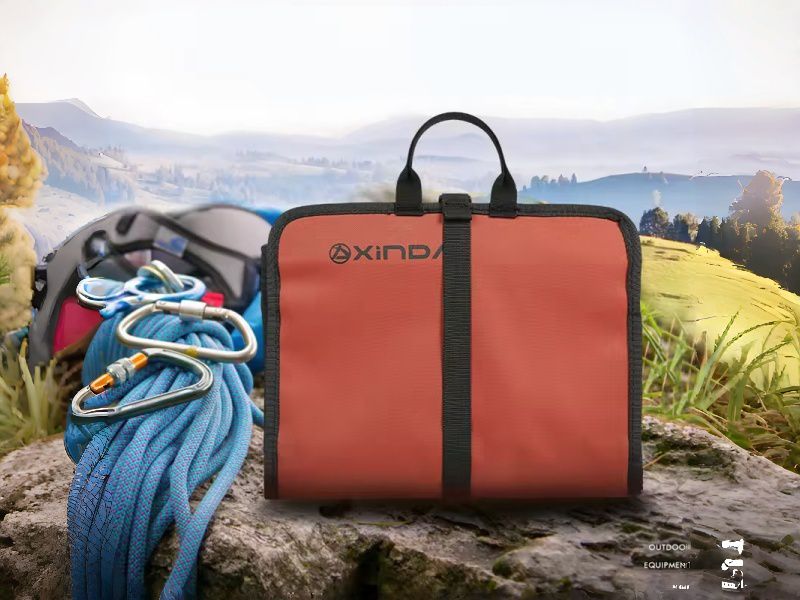
Climbing gear is expensive, technical, and often safety-critical. Ropes, harnesses, carabiners, cams, helmets, and protection devices are not just accessories; they are tools climbers trust with their lives. Yet many climbers still transport and store this equipment in generic backpacks or duffel bags that were never designed for sharp metal hardware, dirty ropes, or repeated outdoor abuse. This mismatch is exactly why the climbing gear storage bag has become an essential piece of equipment for both recreational and professional climbers.
A climbing gear storage bag is not simply about carrying equipment from point A to point B. It is about protecting gear integrity, extending lifespan, and improving efficiency at the crag, gym, or base camp. Poor storage leads to rope abrasion, tangled hardware, moisture damage, and unnecessary setup time. Over months and years, this wear adds cost and increases safety risks.
A climbing gear storage bag is a purpose-built bag designed to organize, protect, and transport climbing equipment such as ropes, harnesses, and hardware. Choosing the right bag depends on climbing style, gear load, materials, and organization features. Proper storage improves gear protection, speeds up setup, reduces wear, and supports safer, more efficient climbing. Custom or specialized storage solutions offer additional benefits for professionals and brands.
For brands and buyers, understanding these requirements is key to developing storage bags climbers rely on repeatedly.
What Is a Climbing Gear Storage Bag and Why Do Climbers Need One?
A climbing gear storage bag is a specialized bag designed to hold and protect ropes, harnesses, helmets, and metal hardware. Climbers need it to keep gear organized, reduce damage, and improve safety and efficiency during transport and use.
Unlike everyday backpacks, climbing gear storage bags are designed around the realities of climbing equipment. Ropes are heavy and pick up dirt easily. Carabiners and cams are sharp and can damage fabric. Helmets are bulky and awkwardly shaped. Mixing all of these in a normal bag causes problems fast.
One of the biggest reasons climbers need a dedicated storage bag is gear protection. Ropes degrade faster when dragged through dirt or crushed under metal hardware. Harnesses and slings wear prematurely when rubbed against sharp edges. A proper storage bag separates soft goods from hard goods, preserving strength and safety margins.
Another reason is efficiency. At the crag, time matters. Climbers want to open a bag and see their rack clearly, not dig through a tangled mess. Organized storage speeds up setup and pack-down, especially for multi-pitch routes or guided groups.
There is also a psychological aspect. A clean, organized system reduces stress and mistakes. Many experienced climbers say their storage bag becomes part of their climbing routine, just like tying in or checking knots.
For brands, this explains why climbers are willing to pay for well-designed storage bags. They are not optional accessories; they are part of the safety ecosystem.
Which Types of Climbing Gear Storage Bags Are Available?
Climbing gear storage bags come in different types, including rope bags, gear duffels, backpacks, and modular storage systems, each suited to specific climbing styles and environments.
There is no single “best” climbing gear storage bag. The right type depends on how and where a climber climbs.
Indoor gym climbers often use compact backpacks or tote-style bags. These focus on convenience and quick access rather than weather resistance. They typically hold shoes, chalk, harness, and a small rack.
Sport and trad climbers prefer rope bags or gear duffels. Rope bags often include integrated tarps that keep ropes clean and untangled. Gear duffels offer wide openings so climbers can see all hardware at once.
Alpine and multi-pitch climbers need more robust solutions. Their bags must handle heavier loads, rough terrain, and changing weather. Backpack-style storage with reinforced panels and load-bearing straps is common here.
Professional guides and instructors often choose modular systems. Separate bags for ropes, hardware, and safety gear allow better control when working with groups.
Understanding these categories helps brands design products that match real climbing behavior instead of forcing one design to fit all scenarios.
How Should Climbing Gear Be Organized and Stored?
Climbing gear should be stored by separating soft goods from hard goods, using compartments or dividers, and keeping ropes clean and dry to reduce wear and improve efficiency.
A frequent question is: Are there key features that improve gear protection and organization? The answer lies in thoughtful internal design.
Ropes should be stored on a dedicated tarp or in a rope-specific compartment. This prevents dirt contamination and makes flaking easier. Many climbers value rope bags with color-coded tie-in points to identify rope ends quickly.
Hardware such as carabiners, cams, and nuts should be grouped by type and size. Internal pockets, gear loops, or zippered sections prevent metal-on-metal abrasion and speed up racking.
Helmets and harnesses benefit from structured sections that prevent crushing. Shoes and chalk bags should be isolated to control odor and dust.
Below is a simplified organization guide:
| Gear Type | Recommended Storage Feature |
|---|---|
| Rope | Integrated tarp or rope compartment |
| Hardware | Reinforced pockets or loops |
| Helmet | Structured padded section |
| Harness | Separate soft-goods compartment |
Good organization reduces setup time, prevents damage, and helps climbers spot missing gear before leaving the ground.
What Materials and Features Make a Climbing Gear Storage Bag Most Effective?
Effective climbing gear storage bags use abrasion-resistant fabrics, reinforced bases, strong zippers, and water-repellent materials to protect gear in harsh environments.
Climbing environments are unforgiving. Bags are dragged across rock, exposed to dust, moisture, and sharp edges. Material choice directly affects durability.
Most high-performance climbing gear bags use heavy-duty polyester or nylon, often with reinforced bottoms. Some incorporate PVC or TPU coatings for water resistance and easier cleaning.
Construction details matter as much as fabric. Double stitching, bartacked stress points, and reinforced handles prevent failures under heavy loads. Zippers should be oversized and smooth, as they are frequent failure points.
Padding protects both gear and climbers. Padded panels shield ropes and helmets, while also making carrying more comfortable.
From a manufacturing perspective, these features increase cost slightly but significantly reduce returns and complaints. Brands that cut corners here often pay later in warranty issues.
Do Climbers Need Different Bags for Travel and On-Site Use?
Yes. Travel gear bags prioritize durability and transport protection, while on-site climbing bags focus on quick access and organization.
Another common question is: How do you choose the right climbing gear storage bag for your needs? One key factor is whether the bag is used mainly for travel or for daily climbing sessions.
Travel bags need tougher materials, lockable zippers, and sometimes airline-friendly dimensions. They protect gear during flights, vehicle transport, or long approaches.
On-site bags focus on accessibility. Wide openings, visible compartments, and rope tarps matter more than compactness. Many climbers use one bag to travel and another at the crag.
Some brands solve this with hybrid or modular designs—a large travel duffel that contains a smaller rope or crag bag inside.
Choosing the right setup depends on climbing frequency, travel habits, and gear volume.
Are Custom Climbing Gear Storage Bags Worth It for Brands and Climbers?
Yes. Custom climbing gear storage bags offer better fit, improved workflow, and stronger brand identity, especially for professional users and outdoor brands.
This leads to a final question: Do climbers benefit from custom or specialized gear storage solutions? For many, the answer is yes.
Custom designs allow brands to tailor compartment layouts to specific gear systems. Guides may need different setups than gym climbers. Teams may require color coding or branding.
OEM and ODM factories can customize materials, reinforcement zones, logos, and packaging. Low MOQ options allow brands to test designs without large upfront risk.
For climbers, custom bags often feel “made for the job.” For brands, they create differentiation in a crowded outdoor market.
Develop Custom Climbing Gear Storage Bags with Jundong
If you are developing custom climbing gear storage bags for outdoor brands, guides, or retail programs, Jundong is ready to support you. With over 20 years of experience in bag manufacturing, we offer free design support, low MOQ customization, fast sampling, and stable production timelines.
From material selection to internal layout and branding, our team helps you create storage bags climbers trust in real conditions.
Contact Jundong today to request a quote or start your custom climbing gear storage bag project.
Let's work together
With over 10 years of OEM/ODM bag industry experience, I would be happy to share with you the valuable knowledge related to leather products from the perspective of a leading supplier in China.

Factory catalogue
Latest blogs


Make A Sample First?
If you have your own artwork, logo design files, or just an idea, please provide details about your project requirements, including preferred fabric, color, and customization options, we’re excited to assist you in bringing your custom bag designs to life through our sample production process.