 Skip to content
What Are the Best Belt Bags? Top Features, Materials & OEM/ODM Guide
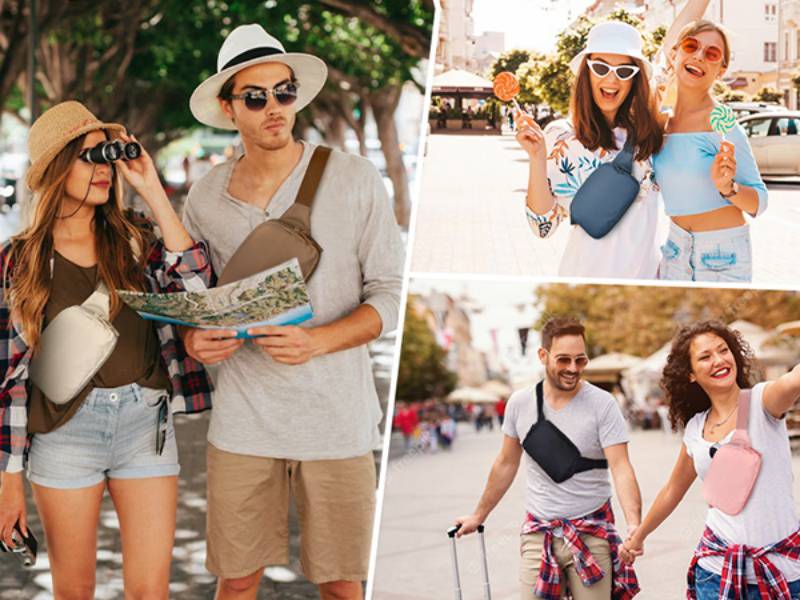
Imagine your customers walking down a busy city street, hands free, carrying their essentials in style — that’s the power of the belt bag. What once was a niche accessory now crosses boundaries: from urban streetwear to outdoor gear to luxury fashion. If you’re sourcing or manufacturing for a brand, knowing exactly what makes a belt bag “best” is critical.
The best belt bags combine ergonomic straps, premium materials, smart hardware, and brand-ready customization to meet use-case and consumer expectations.
In this article you’ll discover the core features, the materials and manufacturing techniques, how trends and user demographics shape demand, the customisation path for private-label brands, and how an OEM/ODM partner like Jundong can help you turn a concept into a standout product. Let’s dive in — and by the end, you’ll have a clear roadmap to produce belt bags that win in today’s market.
What defines a “best” belt bag and which features matter most?
A “best” belt bag excels in comfort, durability, functionality and brand positioning. Key features include an adjustable comfortable strap, reliable buckle/hardware, well-planned compartments, and material quality that matches the intended use. Choosing these elements correctly increases product appeal and reduces returns.
When you’re evaluating or designing a belt bag for brand use, it’s helpful to unpack what “best” means from several angles — and how these features connect to your manufacturing or sourcing decisions.
Ergonomics and fit:
One of the first things your end-user will notice is how the bag sits and how comfortable it is. For a waist-worn belt bag, strap width might be 30-40 mm; for sling-style across body, perhaps 40-50 mm with padding or soft webbing. The strap length must be adjustable to cover varied body sizes (for example 70-120 cm). A poor strap design leads to discomfort, strap digging in or slipping. As a manufacturer you’ll want clients to provide size ranges and strap specs.
Also consider how the bag body rests on the hip or torso: materials should flex appropriately, edges should be smooth, and the weight distribution even. In a “best” belt bag, the hardware (buckles, sliders) supports quick adjustment and secure fit.
Materials and durability:
The best belt bags use materials suited to their use-case. For a lifestyle streetwear bag, perhaps coated canvas or leather with minimal hardware. For an outdoor utility belt bag, maybe 500d nylon, YKK zippers, moulded buckles and reinforced stitching. Materials matter not just for durability but for brand perception. For example, a luxury brand will expect full-grain leather, custom moulded hardware and clean finishing. For a budget brand, perhaps a high-performance nylon works.
From your manufacturing side, you’ll present clients a comparison of materials vs cost vs durability. For example: “Leather strap + metal buckle adds USD 2 of cost per unit, increases lifespan by ~30%.” Having this level of detail helps brand buyers make smart decisions.
Functionality and compartment layout:
A good belt bag isn’t just a pouch: compartments, access points, and organisation matter. Does it include a front slip pocket for phone? A back zip pocket for valuables? Internal key ring? Water-resistant lining? The best models anticipate user behaviour. For example, a travel belt bag might include RFID-blocking pocket. These features raise cost and complexity, but also raise value.
When discussing with brand buyers, you should show how layout impacts usability and cost. Example: simple single compartment vs dual compartment with zip divider may add 0.3 kg of material, 2 additional cutting pieces, and +5 stitches per unit.
Hardware and finishing:
Buckles, sliders, zippers and strap ends are small components but big impact. Metal buckle vs plastic: cost, durability, brand premium value differ. Custom-moulded buckle with brand insignia adds both cost and differentiation. The best belt bags get these finishing touches right. You’ll instruct brand buyers: “Choose hardware finish that matches your brand identity. If you pick a low-cost plastic buckle, that’s fine – but expect shorter lifespan and lower perceived value.”
Also strap end stacks, bar-tacked anchors, clean edge-paint, custom backing – these finishing touches contribute to “best” status.
Brand positioning and customization potential:
What makes one belt bag stand out among dozens is how well it aligns with brand identity or user niche. A minimalist urban brand may favour tonal webbing straps, muted colours and subtle branding; an outdoor gear brand may favour bright accent straps, chest-strap options, extra compartments. Understanding this helps you as a manufacturer tailor options.
Also, the ability to customise (strap webbing print, removable patches, multiple colour-ways) can turn a standard belt bag into a branded product that commands higher margin.
Market appeal and risk reduction:
Because belts bags are trending (see market data below), choosing features that match demand reduces risk of unsold stock. The best belt bags balance innovation with proven functionality. Too gimmicky and you risk rejection; too generic and you compete on price only. As manufacturer you’ll guide brand buyers: “Here are core features we recommend and here are optional upgrades. Pick the mix that suits your price point and target consumer.”
Summary table for feature-comparison:
| Feature Category | Premium Benchmark | Budget Level |
|---|---|---|
| Strap Width & Hardware | 40 mm padded strap + custom metal buckle | 30 mm plain webbing + plastic buckle |
| Materials | Full-grain leather or heavy duty nylon | 600d coated polyester |
| Compartments | Main + zip divider + RFID pocket | One main compartment only |
| Finishing | Bar-tacks, edge paint, custom straps | Standard stitching, off-the-shelf parts |
| Branding | Laser-etched metal plate, custom strap print | Printed label + stock hardware |
By presenting this to brand buyers you help them understand how to pick the best belt bag for their market and price level. For your manufacturing business, it shows you know what “best” means and can deliver accordingly.
Which materials and construction techniques make belt bags stand out?
Top belt bags combine premium materials (leather, coated canvas, recycled nylon) with quality construction techniques like reinforced stitching, bar-tacks, and high-end hardware. These choices increase durability, user satisfaction and brand value. A well-executed belt bag uses material and construction aligned with brand positioning and consumer expectations.
From the manufacturing lens, materials and construction dictate cost, durability, production time and perceived quality. If you’re sourcing or manufacturing belt bags, here’s how you evaluate and apply the key elements.
Material choices and trade-offs:
Leather: Full-grain leather offers premium feel and brand value. But it is heavier, costlier and requires more careful finishing (edge binding, consistent dye, slowing of production).
Coated canvas / canvas-leather combos: Popular in lifestyle collections. Offers lighter weight and cost savings, but still needs good finishing if you want premium look.
Synthetic high-performance fabrics (nylon, ripstop, Cordura): Ideal for outdoor or utilitarian belt bags. Durable, lightweight, many colour options. But may appear less “luxury” unless hardware and finishing are elevated.
Recycled / sustainable fabrics: For brand buyers wanting eco-credentials this matters. The current market shows strong interest in recycled materials, and belt bag segments are no exception. For example, many consumers now value sustainability alongside utility.
As a manufacturer you’ll present fabric options with weight (g/m²), abrasion resistance, water repellency rating, cost per metre, MOQ per colour. This gives the buyer clarity.
Construction techniques that enhance value:
Bar-tack reinforcements: Especially at strap anchor points, critical for belt bags as the strap often takes the load.
Reinforced stitching: Using heavier thread, tighter stitch spacing (e.g., 8 stitches per cm) helps durability.
Edge finishing: On leather or thick materials, edge paint or binding improves longevity and aesthetics.
Hardware upgrades: Metal buckles vs plastic; custom moulded sliders; engraved brand plates. These elevate the product but add cost and production complexity.
Custom webbing or straps: Printed or woven with brand name/logo, distinguishing the bag.
From a production standpoint, you might lay out: standard hardware adds USD X; custom buckle adds USD Y; printed strap webbing adds USD Z. Providing transparency helps brand buyers decide.
Construction vs cost vs market segment:
If the target is a mass-market belt bag, you may choose 600d polyester body, standard plastic buckle, simple webbing. But if the target is premium lifestyle or travel gear, you move into heavy duty fabrics, metal hardware, custom webbing, perhaps weather-proofing. These differences flow into cost, lead-time and profit margins. You’ll advise buyers: “If you want premium look, expect +20% cost and +5 days lead-time vs standard.”
It’s also worth noting manufacturing complexity: heavy materials may slow down sewing machines or require specialised hardware; custom webbing may involve extra setup. When you offer low MOQ and quick sampling (as Jundong does) you mitigate this risk.
Material and construction alignment with brand and user-case:
When a brand targets tech-savvy commuters, you might integrate weather-resistant fabrics, RFID-blocking lining, hidden zip pocket. When you target streetwear, you might choose bold strap webbing, matte black hardware, minimalist interior. Construction must match: a tech commuter bag still needs the strap durability and buckle security; a streetwear bag still needs good finishing and comfortable fit. Heavy material doesn’t always mean “better” if the user only carries phone + wallet; in fact it may reduce comfort.
Quality assurance implications:
With higher quality materials and tougher construction, the QA thresholds increase: you’ll test strap anchor strength (e.g., 10 kg pull test), buckle life-cycles (e.g., 3000 uses), abrasion resistance of fabric (e.g., 2000 cycles), colourfastness to UV exposure. As manufacturing partner you’ll embed these into your sample plans and buyer expectations.
In conclusion, materials and construction techniques are central to what makes a belt bag stand out. For brand-buyers working with you, the manufacturer, being transparent about materials/craft vs cost/lead-time is key. That places you not just as a supplier, but as a trusted partner in delivering a “best” belt bag.
How do wear styles, user demographics and trends influence what makes a great belt bag?
The best belt bags reflect how and where people carry them: around the waist, across the chest, hip-satchel, or even as a crossbody. Trends show Gen Z and streetwear markets driving demand, while travel/outdoor segments require functional features. Understanding wear styles and demographics helps manufacturers and brands align design, materials and branding for market success.
For a manufacturing partner like Jundong, and brand-buyers selecting belt bags to customise, understanding how people wear and purchase these bags is critical: the wear style, target consumer segment, and trend cycle all shape design decisions and production planning.
Wear styles refining product design:
Once a belt bag is no longer only a waist pouch, usability demands change.
Waist/hip style: Traditional; strap loops around waist and buckle sits at side or front. Here compact size is key, strap width moderate.
Crossbody/front-chest style: Grown in popularity—especially in streetwear and urban travel. Strap length must extend longer; bag sits at torso. Quick access to contents matters.
Sling/over-shoulder variant: Essentially a belt bag worn but long strapped across body; bigger body size is possible.
Each wear style demands distinct strap adjustability, buckle strength, body size and ergonomics. For example, a front-chest bag may need padded back panel or breathable lining since it rests against torso. As manufacturer you’ll discuss adjustable strap ranges, rapid-release buckles or D-ring integration accordingly.
User demographics and market segmentation:
Who buys belt bags today?
Streetwear / fashion-forward consumers (Gen Z, millennials): They see the belt bag as a fashion accessory, often minimal, maybe unisex, sometimes bold colour, maybe designer-collab. For example, the trend is reported to be back in full force for 2025.
Travel/outdoor/adventure users: They demand hands-free, durability, compartments, weather-proofing. They value function over fashion.
Everyday commuters / urban lifestyle users: They need security (hidden pocket), moderate size, strong strap, stylish enough for office or casual.
Segmenting your product strategy means deciding: is this belt bag a fashion piece or a utility piece? That in turn impacts material, hardware, price point, packaging. As manufacturer you might propose two lines: one fashion-first (premium materials), one utility (durable nylon, functional hardware) each with adjusted cost and MOQ.
Trend direction and innovation:
Market data shows belt bag segment is growing. According to one report: global belt bag market size hit USD 5.24 billion in 2024, projected to reach USD 8.92 billion by 2033 at CAGR 6.1% from 2025–2033.
Also, fashion publications note belt bags are trending and present again as “It” accessories in 2025.
From a manufacturing/business perspective, this means:
- When trends align, you should be nimble to sample and deliver quickly. Fast-moving streetwear clients may require short lead-times.
- Sustainability and customization are rising demands: recycled fabric belt bags, eco-hardware, custom strap prints. One market report flags sustainability as a key driver.
- Expansion in emerging regions (Asia-Pacific, Latin America) offers growth. Brand buyers looking to enter new markets may ask for region-specific colourways or cost levels.
How these factors influence what makes a “great” belt bag:
When you combine wear-style, demographic and trend insight with manufacturing choices, you refine your product spec. For example:
A streetwear crossbody belt bag for Gen Z: adjustable long strap, bold webbing, quirky colour-ways, moderate price point, minimal compartments.
An outdoor hip-belt bag for travel: durable fabric, weatherproof coating, quick-release buckle, secure zippers, functional layout.
Knowing who the bag is for and how it’s worn means you avoid “one size fits all”. As manufacturer you’ll show brand buyers these scenarios and lead them to pick the right features and price point.
Critical perspective:
Trends move fast. What’s hot now may appear mainstream in 12 months. Therefore manufacturing partners must plan for flexibility and low MOQ runs. Also, differentiating your belt bag is harder when many copy the same style; brand value matters. As a manufacturer you’ll encourage brand buyers to include custom elements (strap prints, limited colour-ways, premium finishing) to set their product apart. You’ll also help them understand true costs of custom vs stock features and help them align with target price and margin.
By understanding wear-style, user segment and trend dynamics, you guide brand buyers to make informed specs, and you as manufacturer deliver a product matched to real demand, not just a generic bag.
How can brands and manufacturers choose or customise a belt bag for their market or private-label line?
Yes — belt bags offer strong custom manufacturing opportunities for private-label buyers, provided they select a manufacturing partner with low MOQ, free design support, strap and hardware options, and clear packaging options. Buyers should evaluate sample capability, brand-alignment features, turnaround time and cost transparency.
From the vantage of brand buyers or private-label entrepreneurs, belt bags represent one of the more flexible and opportunity-rich accessories to customise. Here’s how you select and execute.
Evaluation of manufacturing partner credentials:
When you’re ready to partner with a factory, you’ll ask:
What minimum order quantity (MOQ) is required? Can they handle 500–1000 pcs?
Do they provide free design assistance or prototyping support?
What is their lead-time from sample to bulk production?
Do they provide customised strap webbing, custom hardware, logo printing/patches?
What quality standards and warranty do they offer?
For example, Jundong offers: low MOQ customization, free design, fast sampling, 100% quality guarantee. That is compelling for brand-buyers looking to launch quickly.
Customisation options and feature-tier planning:
Customising a belt bag doesn’t mean reinventing the wheel. Typical areas for brand differentiation: strap length/width/webbing print, hardware finish and style, material choice, colourways, logo placement, packaging.
You might offer tiered packages:
Basic custom: stock body bag, custom colour-ways, standard strap.
Mid custom: stock body bag + custom strap webbing + minor hardware upgrade.
High custom: bespoke pattern, premium leather or fabric, custom moulded buckle, custom webbing, limited edition packaging.
You’ll guide your buyer through cost/lead-time implications of each tier: custom strap webbing may add USD 0.50–1.00 per unit, metal buckle may add USD 1.50 per unit, extra colourway adds 5 days lead-time. Transparency here builds brand-buyer trust.
Packaging and branding readiness:
A belt bag for a brand rarely ships in a plain polybag. Packaging matters. Options include branded box, dust bag, swing tag, care card, barcode/QR code, retail-ready hamper packing. As manufacturer you’ll offer packaging modules and quote. This ensures the product is ready for retail or premium gifting.
Also you’ll ensure branding consistent: matching strap webbing print with bag body branding, custom hang tag design, colour-way identification. These finishing touches help a private-label brand look credible.
Quality and supply chain assurances:
Brand-buyers will ask: “What is your defect rate? How do you handle returns?” Ensure your manufacturing partner provides QC reports, sample testing results, load-test on straps, cycle-test on hardware. For example, you might document: “Strap anchor passed 15 kg pull test across 5 samples”. These assurances support the brand’s claim of “quality product”.
Lead-time, cost, and risk management:
Custom manufacturing always brings trade-offs. A quick launch means accepting fewer colour-ways or basic hardware. A premium launch may delay lead-time. Brand-buyers should align with market timing (trend drop, festival season, travel season). Your manufacturing partner should provide clear timelines: sample in 10 days, bulk production in 25 days after approval, shipping 5 days.
Also have clarity on cost: example pricing sheet could show:
| Tier | Unit Cost Estimate | MOQ | Lead-Time |
|---|---|---|---|
| Basic Custom | USD 7.50 | 1000 pcs | 30 days |
| Mid Custom | USD 9.50 | 1000 pcs | 35 days |
| High Custom | USD 12.00 | 500 pcs | 45 days |
(These are estimates; actual cost depends on spec.)
By showing this, you help the brand-buyer pick the right launch path and manage risk.
Standing out in a crowded market:
Because belt bags are trending and many brands are entering the category, differentiation is key. Custom prints, limited runs, mixed materials (e.g., leather + nylon), fashion-outdoor hybrid design, or collaboration drops are ways to stand out. A manufacturing partner who supports small custom runs, special colour-ways or custom hardware gives you this advantage.
In short, belt bags offer substantial opportunity for private-label or branded releases — as long as you work with a manufacturing partner who offers flexibility, clarity and quality. You position your brand for strong debut and sustainable line growth.
What are the best offerings for OEM/ODM belt bags — and how can you partner with a factory?
A strong OEM/ODM factory for belt bags offers full customisation (materials, straps, hardware, logos), low MOQ, fast sampling, clear quality assurance and brand-ready packaging. For brand-buyers, the right partner can make the difference between a generic product and a standout collection.
When you’re selecting your manufacturing partner — the entity that will turn your belt bag concept into production — you want more than the ability to sew a bag. You want a partner that understands bag engineering, brand supply chains, and can scale. Here’s how to assess and partner with a factory like Jundong.
Key credentials to look for:
Experience & product breadth: A factory with 20+ years of bag R&D and manufacturing, producing a wide range of bag types (belt bags, backpacks, travel bags) signals that they know the mechanics of strap anchor points, wear stress, and quality finishing.
Customization capabilities: Can they provide custom strap webbing, moulded hardware, logo plates, custom packaging, low MOQ runs, rapid sampling?
Quality assurance systems: Do they have documented QC procedures? Load tests for straps, buckle cycling, material durability tests? A 100% quality guarantee is a strong promise.
Supply chain transparency & lead-time reliability: Are they able to meet packaging and shipping requirements (FOB, CIF), offer free design support, rapid sampling, and support multiple colour-ways?
When brand-buyers see these credentials, they trust the risk is lower and cost is clearer.
How OEM/ODM services enhance customisation & differentiation:
With the right factory you can choose:
Strap webbing printed with brand name or logo.
Multiple strap styles (waist/hip, crossbody, sling) so you appeal to different wearing styles.
Material options (leather for premium, nylon for utility, mixed materials for hybrid style).
Hardware upgrades (metal buckles, custom sliders) and accent colours.
Packaging solutions (retail boxes, hang tags, dust bags).
When you combine these—you move from a standard belt bag to a branded lifestyle product.
Why a factory like Jundong is a strong partner for your belt bag line:
They support free design and rapid sampling—so you can test colour-ways and strap layouts without large upfront cost.
They allow low MOQ customisation—helpful for smaller brands or test launches.
They guarantee 100% quality—reducing your risk of returns or brand damage.
They cover a wide variety of bag types—so their manufacturing experience transfers and you benefit from their knowledge of best practices.
When you partner with this kind of manufacturer, you’re not just ordering bags—you’re building a product line with support and expertise behind it.
Steps to launch your custom belt bag line with the right factory:
- Clarify your target market: style (streetwear, outdoor, travel), user demographic, price point.
- Prepare your spec: size, strap type, wear style, material choice, hardware, logo placement, packaging.
- Request sampling: get material swatches, strap samples, sample bag for fit and wear.
- Align cost/lead-time: confirm MOQ, unit cost, production time, packaging time, shipping time.
- Approve pre-production sample: check all details (material, hardware, strap adjustment, wear comfort).
- Start production: monitor QC, receive batch inspection report, confirm packaging, ship.
- Launch your brand-ready product: unbox-ready, brand messaging aligned with quality and positioning.
In today’s market, when belt bags are growing (forecasted CAGR ~6–8% globally) and trends are shifting fast, choosing the right manufacturing partner is key.
With the right factory you’re equipped to deliver a belt bag that doesn’t just exist—but stands out.
Ready to Produce Your Custom Belt Bag with Jundong?
If you’re a brand manager, entrepreneur or sourcing lead ready to bring a belt bag line to market, we’d love to partner with you. At Jundong, we bring:
20 + years of bag R&D and manufacturing expertise across a wide range of styles.
Customisation services: materials, straps, hardware, colours, branding.
Low MOQ, free design support and fast sampling.
100% quality guarantee and brand-ready packaging solutions.
📩 Send us your design brief (bag size, strap type, material, logo, colourways) and we’ll provide a quote, timeline and sample plan. Let’s work together to produce the best belt bag for your market.
FAQ
What materials make the best belt bags for travel or everyday use?
It depends on the target user. For everyday style: coated canvas or leather works well. For travel/outdoor: durable nylon or Cordura with reinforced straps and hardware. Trend data shows that material innovation is a key driver in the belt bag market.
How do you choose the right strap type for comfort and durability?
Consider wear style (waist vs cross-body), strap width, adjustability range, anchor method (bar-tack vs rivet), and material (webbing vs leather). A wider strap improves comfort under load; strong anchor points prolong life.
Can I make a custom belt bag with my brand logo?
Yes — with the right OEM/ODM partner you can customise strap webbing, buckle colour, body material, logo plate or patch and packaging. Discuss your specs, MOQ, cost and timeline.
What’s a realistic MOQ and lead-time for custom belt bag production?
With a factory like Jundong you might start with MOQ of 500-1000 pcs (depending on hardware/materials) and lead-time of ~30-40 days after sample approval. Custom hardware/materials may extend time.
How do you test a belt bag’s durability and market appeal?
Durability tests: strap pull tests (e.g., 10 kg), buckle cycle tests (e.g., 3000 opens/closes), abrasion tests on material. Market appeal: check wear style, colour trends, influencer/street style adoption (belt bags are trending in 2025).
Let's work together
With over 10 years of OEM/ODM bag industry experience, I would be happy to share with you the valuable knowledge related to leather products from the perspective of a leading supplier in China.

Factory catalogue
Latest blogs

Make A Sample First?
If you have your own artwork, logo design files, or just an idea, please provide details about your project requirements, including preferred fabric, color, and customization options, we’re excited to assist you in bringing your custom bag designs to life through our sample production process.