 Skip to content
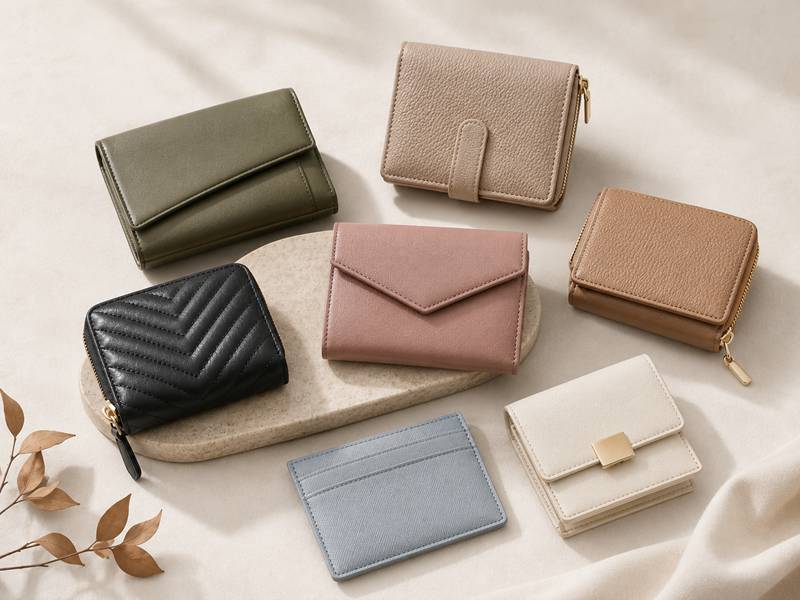
A wallet is small enough to fit in one hand, yet it can expose every weakness in a product collection. Uneven card slots, rough edge paint, a zipper that catches at the corner, or a logo pressed too deeply can make an otherwise attractive item feel unfinished. Unlike a large bag, there is very little surface area to hide poor alignment or inconsistent workmanship.
Private label wallets are products developed and produced for sale under a fashion label’s own identity. A successful program aligns wallet type, material, card capacity, stitching, edge treatment, logo, hardware, lining, color, and packaging with the collection’s intended use and price level. The process normally includes specification review, sampling, full-load testing, approval, controlled production, and final packing.
The strongest projects do not begin by asking, “Which wallet looks fashionable?” They begin by deciding what role the wallet plays beside existing handbags, belts, travel accessories, or gift items. One fashion label once approved a slim wallet from front-view drawings alone. The first physical sample looked excellent until eight cards were inserted; the spine opened, the card panel twisted, and the snap no longer reached. That small failure explains why private label wallet development needs more than a logo and a color reference.
What Are Private Label Wallets?
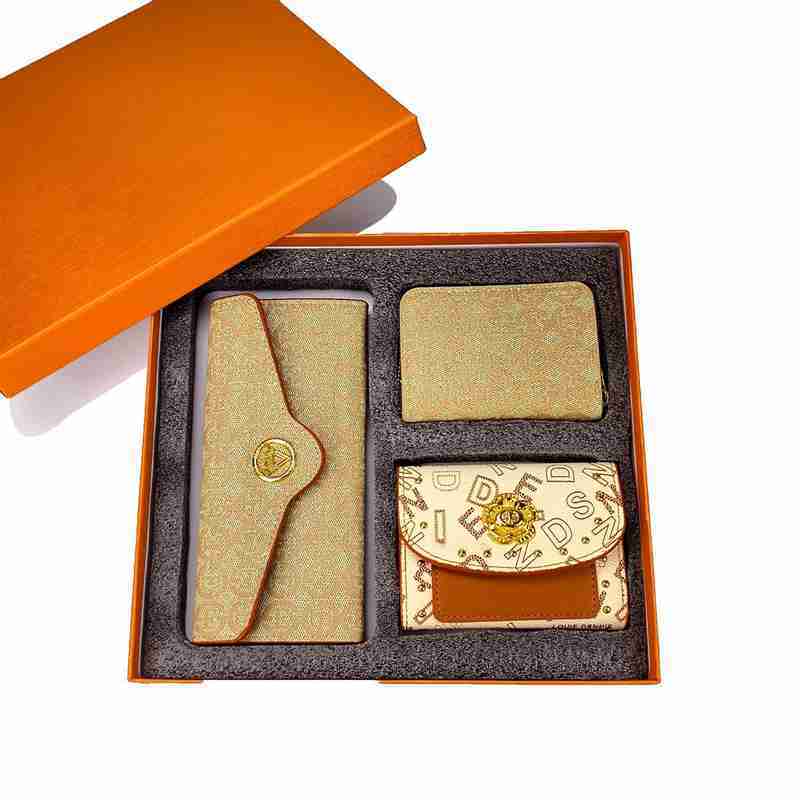
Private label wallets are developed for sale under a fashion label’s own identity, with controlled decisions covering style, dimensions, materials, internal layout, colors, stitching, edge treatment, hardware, logo, labels, and packing. They may use an adjusted existing structure or an original pattern. A convincing result should feel connected to the wider accessories collection and remain comfortable, balanced, and functional after cards, notes, coins, or documents are inserted.
A wallet may be small, but it exposes product quality at close distance. Card openings sit only millimetres apart. Stitching follows short visible edges. A logo is often viewed from less than an arm’s length. The fold must remain flexible even when several layers meet at the centre.
This makes a wallet very different from a simple promotional item. Placing a logo on a ready-made shape may create a branded giveaway, but it does not automatically create a coherent fashion accessory.
A well-developed style usually connects several visual and functional details:
- Exterior grain or textile texture
- Color palette
- Interior contrast
- Stitch color
- Edge color
- Metal finish
- Logo scale
- Lining
- Pocket geometry
- Retail presentation
Wallet and leather-goods programs commonly include card holders, bifolds, travel wallets, passport holders, coin purses, PU wallets, leather wallets, and coordinated gift sets. Suitable materials may include genuine leather, PU, synthetic leather, canvas, nylon, lining fabrics, and metal components. Important custom details include card-slot structure, stitching, edges, embossed marks, metal emblems, lining, color, and gift presentation.
A useful distinction is the amount of control applied to the product.
| Development Level | What Usually Changes | Degree of Distinction |
|---|---|---|
| Logo adaptation | Logo, label, basic packing | Low |
| Collection adaptation | Color, lining, hardware finish, edge color | Moderate |
| Structural adaptation | Size, card count, pocket depth, closure | Moderate to high |
| Original development | New pattern, dimensions, internal construction | High |
| Coordinated family | Several wallet types sharing common details | High |
A private label program does not need to start with the most complex option. A proven bifold can become distinctive through a revised proportion, signature color, contrast interior, refined logo, and coordinated carton.
The important issue is that every chosen detail has a reason. More pockets, more metal, and more decoration do not automatically create greater value.
What Does Private Label Mean?
Private label means the finished wallet is prepared for sale under the commissioning fashion label’s identity rather than the name of the production source. The level of customization may be light, moderate, or extensive.
A light program may involve:
- Selecting a proven wallet structure
- Choosing an available material
- Confirming one or two colors
- Applying a debossed logo
- Adding an internal label
- Preparing a barcode and carton
A deeper program may involve:
- Original external dimensions
- Newly arranged card openings
- Signature pocket curves
- Custom-colored edge paint
- Exclusive metal fittings
- Printed lining
- Custom zipper pullers
- Fitted gift presentation
- Matching card holders or coin purses
The strongest results usually control both appearance and use.
For example, a wallet may repeat the same pale-gold metal finish used across a handbag collection. However, the metal piece should be reduced to suit the smaller scale. A 45 mm emblem that looks balanced on a tote may dominate a 105 mm card holder.
The same principle applies to materials. A thick handbag exterior may feel substantial on a large panel but become too rigid when used across six overlapping card slots. A lighter matched version may be needed for the interior.
Private label development therefore involves translation, not simple duplication. Details from larger accessories need to be resized and adjusted for a smaller, more tightly constructed product.
The following information should normally be settled early:
| Product Detail | Why It Matters |
|---|---|
| Wallet type | Defines general structure and use |
| Closed dimensions | Controls carrying comfort |
| Card count | Influences layer buildup |
| Cash or coin storage | Changes thickness and closure |
| Exterior material | Sets appearance and hand feel |
| Interior material | Controls flexibility and pocket access |
| Logo method | Must suit the surface |
| Hardware | Affects weight and visual balance |
| Edge finish | Strongly influences perceived quality |
| Packing | Connects the wallet to its retail position |
For wallet and leather-goods development, product type, size, material, card-slot layout, logo method, hardware, edge finishing, quantity, gift-box needs, and intended cost should be clearly defined.
Private Label vs White Label
White label normally starts with a finished or nearly finished wallet that receives limited changes. Private label allows deeper control over dimensions, materials, pocket arrangement, visual details, and retail presentation.
| Detail | White Label | Private Label |
|---|---|---|
| Base pattern | Usually unchanged | Existing, adapted, or original |
| Dimensions | Limited choices | Can be adjusted |
| Pocket structure | Usually fixed | Can be redesigned |
| Exterior material | Selected available options | Wider specification |
| Interior material | Limited | Coordinated with the collection |
| Hardware | Standard | Standard or custom |
| Logo | Added to an existing form | Planned as part of the design |
| Packing | Basic branded options | Fully coordinated |
| Development period | Shorter | Longer |
| Product distinction | Lower | Higher |
White label can be useful when speed matters and the existing structure already performs well. It may suit:
- Seasonal promotions
- Corporate gifts
- Fast collection extensions
- Early category tests
- Simple card-holder programs
Private label is more suitable when the wallet needs to:
- Match an existing handbag line
- Repeat a signature material
- Use a specific lining
- Include original pocket geometry
- Carry distinctive hardware
- Support future colors and related pieces
- Occupy a defined price position
An adapted structure often provides a balanced route between the two.
A proven bifold may keep its working fold and note compartment while receiving:
- A new outer proportion
- Different card-slot angles
- A contrasting interior
- A smaller logo position
- Signature edge paint
- A revised closing strap
- Coordinated packing
This reduces technical uncertainty while creating a product that feels more deliberate than a basic logo application.
The choice should reflect the purpose of the collection.
A short seasonal release may not justify completely new patterns and exclusive fittings. A long-term leather-goods line may benefit from original structures and repeatable signature details.
Which Wallet Types Fit Fashion Collections?
The right wallet type depends on what it must carry, how it will be used, and how it relates to the rest of the accessories line.
| Wallet Type | Practical Capacity | Main Strength | Common Risk |
|---|---|---|---|
| Slim card holder | 3–6 cards | Compact and accessible | Openings may be too tight |
| Double-sided card holder | 6–10 cards | Higher capacity in a small shape | Centre becomes thick |
| Bifold | 4–10 cards plus notes | Familiar everyday use | Heavy layer buildup at fold |
| Trifold | 6–12 cards plus notes | Greater storage | Excessive closed thickness |
| Long wallet | 8–16 cards, notes, receipts | Strong visual presence | Panels may bend |
| Zip-around wallet | Cards, notes, coins | Secure containment | Zipper pressure when full |
| Coin purse | Coins, keys, small items | Easy companion piece | Lining and closure wear |
| Passport wallet | Passport, cards, documents | Suitable for travel collections | Tight document clearance |
A standard payment or identification card measures approximately 85.60 × 53.98 mm and is about 0.76 mm thick. Eight cards alone create roughly 6 mm of rigid thickness before pocket materials, lining, folded edges, and reinforcement are included.
This is why capacity should be tested rather than estimated from empty card openings.
A wallet described as holding eight cards should be filled with eight real cards. After loading:
- Each card should remain removable
- Openings should stay straight
- The wallet should close naturally
- Stitching should not pull
- The exterior should not twist
- The snap or zipper should remain easy to operate
A fashion collection does not need every wallet type.
A focused first group may include:
- A four-slot card holder
- An eight-slot bifold
- A zip-around wallet
- A small coin purse
A travel-led group may include:
- A passport holder
- A travel document wallet
- A luggage tag
- A compact card holder
The selected forms should serve clearly different purposes. Two card holders with nearly identical capacity may compete with each other without adding meaningful choice.
A better collection often uses distinct roles:
| Role in Collection | Suitable Form |
|---|---|
| Accessible entry item | Slim card holder |
| Main everyday item | Bifold |
| Higher-value piece | Long or zip-around wallet |
| Add-on accessory | Coin purse |
| Travel extension | Passport wallet |
| Gift presentation | Coordinated wallet set |
Who Uses Private Label Wallets?
Private label wallets appear across handbag collections, leather-goods lines, department-store assortments, boutiques, lifestyle collections, travel programs, online shops, and corporate gifts.
Each setting places different demands on the product.
| Collection Setting | Suitable Direction | Main Priorities |
|---|---|---|
| Handbag line | Matching wallet and card holder | Material, color, hardware consistency |
| Fashion accessories | Seasonal styles and colors | Distinction and release timing |
| Department store | Clear SKU separation | Labels, barcodes, repeatability |
| Travel collection | Passport and document wallets | Capacity, closure, lining durability |
| Corporate gift | Neutral bifold or card-holder set | Broad use and presentation |
| Online collection | Compact styles with clear functions | Photography and return reduction |
| Premium leather goods | Refined card holders and bifolds | Grade, stitching, edges |
The intended carrying habit also affects the structure.
Someone who uses mostly payment cards may prefer:
- Four to six slots
- One centre pocket
- Low thickness
- No coin section
Someone who carries cash and receipts may need:
- A bifold or long wallet
- A full note compartment
- More internal organization
A frequent traveler may need:
- Passport storage
- A secure zipper
- Multiple currencies
- Ticket or document sections
A wallet becomes less convincing when too many different carrying habits are forced into one structure.
A slim card holder should not be expected to hold ten cards, folded notes, coins, keys, and a tracker. A family travel organizer should not be judged by the same thickness target as a pocket bifold.
One primary use should guide the design. Secondary functions should be added only when they do not weaken the main purpose.
What Makes a Wallet Feel Truly Private Label?
A wallet feels distinctive when several details work together rather than one large logo doing all the work.
Recognition can come from:
- A signature grain
- A specific pocket curve
- Contrast card-slot edges
- A repeated stitch color
- Custom lining
- A recognizable zipper puller
- A consistent metal finish
- A controlled logo scale
- Coordinated packing
The effect should remain visible at the wallet’s smaller size.
A successful handbag detail may need adjustment:
| Handbag Detail | Wallet Adaptation |
|---|---|
| Large front emblem | Smaller plate or debossed mark |
| Thick lining | Lighter matched lining |
| Wide zipper puller | Reduced puller |
| Large decorative stitch | Finer stitch scale |
| Heavy edge profile | Thinner controlled edge |
| Large hanging charm | Small internal or zipper detail |
The identity should also continue inside the product. A carefully planned interior can carry as much character as the exterior.
Examples include:
- One contrast card pocket
- A printed note compartment
- A hidden foil mark
- A distinctive central divider
- A small woven series label
- A repeated edge color
Woven labels are suitable for wallets and leather goods when a softer apparel-style identity is desired. They can be positioned on the lining, edge, body, or packing, but very small text, gradients, and highly complex artwork may lose clarity.
A logo should never compensate for weak proportions or poor construction. Straight card openings, a controlled fold, clean edges, and balanced hardware contribute more to perceived value than an oversized mark.
How Did Private Label Wallets Evolve?
Wallets began as holders for coins, notes, and identification papers. As payment cards became widely used, interiors changed to include standardized card slots, bill sections, ID windows, and zippered coin storage.
Fashion labels later used wallets to extend recognizable features from handbags into smaller accessories. The same grain, monogram, edge color, metal finish, or lining could appear across several product sizes.
Changes in carrying habits have continued to reshape the category:
- Lower cash use has increased interest in slim card holders.
- Contactless payment has made easy card access more important.
- Compact handbags have encouraged smaller proportions.
- International travel has supported passport and document wallets.
- Mobile payment has reduced the need for some traditional sections.
- Gift programs have expanded coordinated wallet sets.
- Tracking devices have introduced new pocket requests.
The direction is not simply toward adding more features.
Many current wallets perform better because unnecessary layers have been removed.
A six-slot bifold that closes naturally can feel more refined than a twelve-slot version that remains partly open. A separate coin purse may work better than a thick coin section built into a slim wallet.
The most useful traditional features remain relevant:
- Secure card retention
- Comfortable note storage
- Durable folds
- Clean coin containment
- Reliable closures
- Easy access
Newer details should earn their space.
A tracker pocket can be useful, but it should not create a hard bump against cards. RFID-related material may support a certain product direction, but it should not make the wallet stiff. A phone compartment may add use to a large travel wallet but feel unnecessary in a compact bifold.
The enduring principle is simple: keep the features people use regularly, remove those that create unnecessary bulk, and test the final structure fully loaded rather than judging it only while empty.
Which Materials and Styles Work Best?
The strongest wallet material is the one that supports the intended shape, carrying load, folding frequency, finish, and price position. Genuine leather suits refined card holders and bifolds, while PU and microfiber provide stronger color consistency for coordinated collections. Nylon and canvas work well for casual or travel styles. Material thickness, internal layering, lining, hardware, edge treatment, and full-load behavior should be reviewed together.
A material swatch can look excellent on a table yet perform poorly after it becomes six overlapping card pockets, a folded spine, or a narrow zipper corner. A thick leather may create a rich outer panel but make the interior rigid. Soft PU may feel pleasant but need reinforcement to hold the shape of a long wallet. Lightweight nylon may reduce carrying weight but require careful lining and seam construction.
Material selection should begin with five practical details:
- Wallet type
- Card and cash capacity
- Expected loaded thickness
- Closure and edge method
- Intended visual position
| Wallet Format | Suitable Material Direction | Main Reason |
|---|---|---|
| Slim card holder | Leather, PU, microfiber | Clean structure with limited folding |
| Classic bifold | Leather, microfiber, refined PU | Good balance of feel and flexibility |
| Trifold | Thin leather, microfiber, flexible PU | Multiple folds require controlled thickness |
| Long wallet | Structured PU, microfiber, leather | Large panels need shape retention |
| Zip-around wallet | PU, microfiber, leather, nylon | Material must work with zipper curves |
| Coin purse | Leather, PU, nylon, canvas | Small shape allows varied materials |
| Passport wallet | Leather, PU, microfiber, nylon | Depends on travel or fashion direction |
The same material does not need to be used at the same thickness throughout the wallet. A substantial exterior can be paired with thinner internal pieces, lighter lining, and selective reinforcement. This keeps the outer appearance while reducing stiffness around card slots and folds.
Leather vs PU vs Microfiber
Genuine leather, PU, and microfiber can all produce well-finished wallets, but they behave differently during cutting, folding, edge treatment, logo application, and repeated use.
Genuine leather offers natural grain, tactile depth, and visible character. It suits premium card holders, bifolds, passport covers, and gift sets. Its performance depends on leather type, grade, thickness, surface finish, grain consistency, shade control, and usable cutting area.
Natural variation is part of the material. A leather collection should therefore define acceptable differences rather than expecting every piece to look identical.
Leather review should cover:
- Surface character
- Usable thickness
- Grain size
- Shade tolerance
- Softness
- Folding response
- Edge-paint adhesion
- Stitch-hole appearance
- Embossing clarity
- Cutting yield
Large exterior panels require cleaner sections than small internal pockets. Marks, grain variation, and irregular hide shapes can reduce usable area. Internal components may need thinning so the wallet can fold correctly.
PU offers stronger color and texture consistency. It works well for seasonal collections, coordinated handbag-and-wallet groups, gift sets, and styles requiring controlled cost.
The term PU does not describe one fixed quality. Different options vary in:
- Surface coating
- Backing fabric
- Thickness
- Softness
- Grain depth
- Abrasion behavior
- Odor
- Fold durability
- Surface adhesion
- Heat response
A soft PU may feel smooth but lose shape without reinforcement. A stiff option may create sharp panels but perform poorly around a bifold spine. Testing should include repeated folding and edge inspection, especially when the product will be opened many times each day.
Microfiber leather often provides a denser structure and more refined hand feel than many standard PU options. It can offer consistent cutting, clean edge treatment, and stable color across several wallet styles.
| Detail | Genuine Leather | PU | Microfiber |
|---|---|---|---|
| Natural character | Strong | Low | Low |
| Color consistency | Moderate | High | High |
| Texture control | Moderate | High | High |
| Internal pocket use | Often needs thinning | Broad options | Usually suitable |
| Edge painting | Commonly suitable | Depends on surface and backing | Often controllable |
| Logo pressing | Usually clear | Needs heat and pressure testing | Often stable |
| Cost direction | Higher | Low to medium | Medium to high |
| Repeat color control | Needs careful matching | Usually easier | Usually easier |
The exterior and interior should be considered separately. A wallet may use 1.2–1.5 mm leather on the outside while internal pocket pieces are reduced to approximately 0.6–0.9 mm, depending on the construction. These are development references rather than fixed rules.
Using thick outer material for every internal part can create:
- Tight card openings
- A raised fold
- Uneven panel thickness
- Poor snap alignment
- Zipper pressure
- Difficulty closing the wallet
A well-balanced wallet often feels substantial from the outside and surprisingly light inside.
Which Wallet Type Fits Each Collection?
Wallet shape should reflect the character of the wider accessories line and the way the product will be carried. A minimalist collection may favor clean card holders and slim bifolds. A fashion-led line may use long wallets, contrast edges, signature zipper pullers, and seasonal colors. A travel collection benefits from secure closures and document storage.
| Collection Direction | Suitable Wallet Styles | Material Direction | Useful Details |
|---|---|---|---|
| Minimal | Card holder, slim bifold | Smooth leather, microfiber, fine PU | Fewer layers, small logo |
| Classic | Bifold, trifold, coin purse | Leather or refined PU | Fine stitching, traditional layout |
| Fashion-led | Long wallet, zip-around | PU, microfiber, mixed materials | Contrast edges, visible hardware |
| Travel | Passport wallet, document organizer | Nylon, PU, microfiber, leather | Secure zipper, paper storage |
| Gift | Card-holder set, bifold set | PU, microfiber, leather | Neutral colors, fitted carton |
| Casual | Canvas or nylon wallet | Canvas, nylon, leather trim | Woven labels, contrast stitching |
| Premium leather | Card holder, bifold, passport cover | Genuine leather | Painted edges, restrained fittings |
A coordinated collection does not require identical construction across every item. A handbag may use a large front emblem, while the matching card holder may use a smaller metal plate or a debossed mark. The identity remains recognizable without overwhelming the smaller product.
Scale should be adjusted in several areas:
| Large Accessory Detail | Wallet Adaptation |
|---|---|
| Large metal emblem | Smaller plate or pressed logo |
| Thick decorative lining | Lighter matched lining |
| Wide zipper puller | Reduced puller with lower weight |
| Heavy edge profile | Finer edge thickness |
| Large stitch length | Shorter, controlled stitches |
| Hanging charm | Small zipper or internal detail |
A focused collection often performs better than a large group of similar styles. Three or four clearly differentiated products can cover more useful carrying situations.
A practical group might include:
- Four-slot card holder
- Eight-slot bifold
- Zip-around wallet
- Coin purse
Each item has a distinct role. The card holder serves compact use, the bifold handles everyday carrying, the zip style offers higher storage, and the coin purse adds a smaller companion item.
Avoid creating several products with almost identical capacity. Two card holders that both carry six cards may compete with each other without adding meaningful choice.
The wallet type should also support the intended visual position.
A premium leather bifold usually benefits from:
- Controlled grain
- Thin internal pieces
- Even painted edges
- Fine thread
- Subtle logo
- Light hardware
A fashion-led zip wallet may support:
- Strong color
- Contrast interior
- Custom puller
- Visible edge color
- Printed lining
- More expressive packing
Style and material should tell the same story.
How Many Card Slots Are Practical?
Card capacity should be set according to the wallet form and its acceptable loaded thickness. Three to six card positions usually work well for slim holders. Bifolds commonly use four to ten. Long and zip-around styles may hold eight to sixteen when the card layers are distributed carefully.
A standard payment card measures about 85.60 × 53.98 mm and has a nominal thickness of approximately 0.76 mm. Eight cards therefore add around 6 mm of rigid thickness before pocket materials, lining, folded edges, and reinforcement are included.
| Wallet Type | Practical Card Capacity | Loaded Structure Risk |
|---|---|---|
| Front-pocket card holder | 3–5 | Cards become difficult to remove |
| Double-sided card holder | 6–10 | Centre grows too thick |
| Slim bifold | 4–8 | Fold may remain open |
| Full bifold | 6–10 | Heavy layering near spine |
| Trifold | 6–12 | Excess closed depth |
| Long wallet | 8–16 | Panels become stiff |
| Zip-around wallet | 8–16 | Cards press against zipper |
| Passport wallet | 4–10 | Cards compete with document thickness |
Every card position adds more than one piece of material. It may require cutting, edge preparation, backing, placement, sewing, and individual checking.
Twelve slots are not simply twice the work of six. The additional layers can also affect:
- Fold flexibility
- Surface flatness
- Stitch alignment
- Snap reach
- Zipper movement
- Finished weight
Card exposure should normally allow enough of the card to remain visible for identification while keeping it secure. Approximately 12–20 mm of visible height is often a useful starting reference, depending on pocket angle and material.
The slot should also provide working clearance after sewing. A card-sized drawing cannot be used as the finished pocket size because stitching and folded edges reduce the usable area.
Each pocket should be tested with a real plastic card. Paper templates do not reproduce card rigidity or thickness.
A proper full-load check should confirm that:
- Every card can be removed independently
- Slot openings remain straight
- Cards do not slide out when the wallet is inverted
- The fold closes without excessive pressure
- The snap still reaches
- The zipper travels freely
- The exterior remains balanced
- Stitching does not pull around loaded sections
One card per position is the safest stated capacity unless double storage has been deliberately planned. Placing two cards in one pocket can stretch the opening and make adjacent positions tighter.
A smaller number of well-spaced slots can feel more refined than a high-capacity layout that becomes bulky after use.
Which Linings and Hardware Work Best?
Lining should support the interior without adding unnecessary bulk. Hardware should suit the scale and strength of the wallet. Both elements influence feel, durability, color coordination, and finished weight.
Common lining options include:
- Polyester woven lining
- Twill lining
- Microfiber-like lining
- Printed lining
- Velvet-like lining
- Thin PU or matched synthetic material
Polyester lining offers controlled thickness, broad color selection, and easy coordination across several products. A microfiber-like lining can add a softer touch. Printed lining can carry a monogram or seasonal pattern, but repeat placement and print clarity should be checked on small parts.
Lining color affects use as well as appearance. Light interiors make cards and coins easier to see but show dirt and adhesive marks more clearly. Dark interiors hide marks yet may reduce visibility.
The lining should remain flat around:
- Card pockets
- Coin sections
- Zipper tape
- Fold lines
- Hardware backing
- Note compartments
Loose lining can catch in the zipper or gather behind card openings. Excess adhesive may create hard areas or visible marks, especially on pale colors.
Hardware may include:
- Snaps
- Zippers
- Pullers
- Magnets
- D-rings
- Wrist-strap clips
- Rivets
- Metal emblems
| Component | Main Details to Review |
|---|---|
| Snap | Closing force, alignment, reinforcement |
| Zipper | Gauge, tape width, corner movement |
| Puller | Size, weight, surface contact |
| Magnet | Holding force, panel thickness |
| D-ring | Load direction, plating, attachment |
| Wrist-strap clip | Rotation, strength, weight |
| Metal emblem | Plating, backing, scratch resistance |
| Rivet | Pressure, alignment, internal finish |
Hardware should not overpower the wallet. A heavy metal plate can distort soft PU or create an internal lump. A long puller may strike the outer panel repeatedly. A strong magnet can place excessive force on a thin closing flap.
Metal finish should be matched through physical references. Pale gold, polished gold, antique brass, brushed silver, black nickel, and gunmetal produce very different effects even when described under similar color names.
The wallet should also be checked for metal-to-surface contact during packing. A zipper puller or emblem can mark leather or PU if it rubs against another part during transport.
Jundong’s material records include genuine leather, PU, synthetic leather, microfiber leather, nylon, canvas, polyester lining, velvet lining, zippers, pullers, rivets, and metal plates among the relevant options for wallet and leather-goods development.
Are Sustainable Materials Suitable?
Recycled and alternative materials can be suitable when they also meet the physical requirements of the wallet. Environmental positioning should not replace checks for folding, abrasion, color stability, stitching, edge treatment, odor, and future availability.
Recycled nylon or polyester can work well for travel wallets, zip organizers, and casual card holders. Alternative leather-like materials may suit fashion collections, but the backing, surface bond, thickness, and fold response need physical testing.
Useful checks include:
- Repeated folding
- Surface cracking
- Layer separation
- Stitch-hole stability
- Abrasion
- Color transfer
- Edge-paint adhesion
- Odor
- Moisture response
- Cleaning behavior
- Repeat-order availability
- Supporting material records
A material that works well on a flat card holder may not perform equally well on a trifold. Multiple folds create greater stress. A large long-wallet panel may also need more structure than a compact holder.
The environmental claim should match the actual material and available documentation. Phrases printed on labels or cartons should be supported by records linked to the selected batch.
A useful approval table may include:
| Test Area | What to Observe |
|---|---|
| Fold test | Whitening, cracking, separation |
| Abrasion | Surface wear and color loss |
| Stitching | Hole enlargement or tearing |
| Edge finish | Peeling, poor adhesion, roughness |
| Heat pressing | Surface change around logo |
| Odor | Acceptability after packing |
| Moisture | Staining or deformation |
| Replenishment | Ability to match color and texture later |
Material selection should serve three goals at once:
- Reliable everyday use
- Clear collection identity
- Stable continuation for future releases
A responsible material is not only one with an environmental story. It must also create a wallet that remains useful, presentable, and repeatable after regular handling.
How Are Custom Wallets Designed?
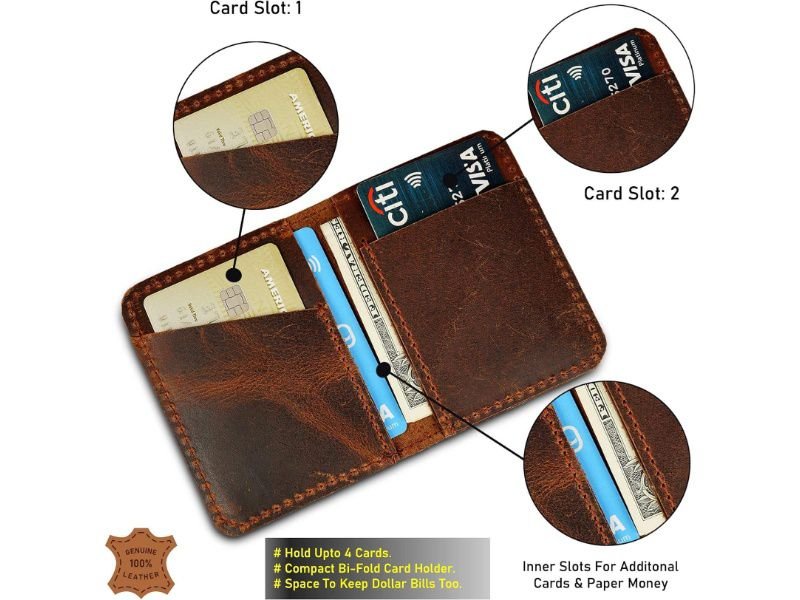
A custom wallet should be designed from the contents outward. Card quantity, cash format, coin storage, closure, material thickness, lining, logo, hardware, and packaging must work as one system. The finished style should stay balanced when loaded, allow smooth card removal, close without strain, and repeat the collection’s visual identity at a scale suited to a compact accessory.
An attractive front panel cannot compensate for an uncomfortable interior. Most wallet problems begin when the outside shape is settled before the card stack, folded material layers, zipper allowance, and hardware backing are calculated.
A structured design review should establish:
- Primary use
- Intended card count
- Cash and coin storage
- Closed and open dimensions
- Acceptable loaded thickness
- Exterior and interior materials
- Closure type
- Logo method
- Edge treatment
- Packaging format
Product type, dimensions, materials, card layout, logo, hardware, edge finishing, packing, quantity, and intended cost are closely connected and should be defined before sampling.
| Design Area | Detail to Confirm | Common Failure |
|---|---|---|
| Capacity | Cards, notes, coins, receipts, passport | Product becomes thicker than expected |
| Dimensions | Closed size, open size, pocket depth | Contents fit poorly |
| Material | Exterior, interior, lining, reinforcement | Fold becomes stiff or shape becomes weak |
| Closure | Zipper, snap, magnet, open fold | Difficult closing at full load |
| Logo | Method, size, position | Poor clarity or structural interference |
| Hardware | Size, weight, plating, backing | Distortion or surface pressure |
| Edge finish | Painted, turned, bound, raw cut | Uneven or cracked edges |
| Packaging | Bag, sleeve, carton, pouch, box | Pressure marks or excessive volume |
What Should a Wallet Tech Pack Include?
A wallet tech pack should translate the visual idea into measurable production instructions. It needs enough information for pattern creation, sample construction, inspection, and future repeat orders.
Useful drawings include:
- Front view
- Back view
- Open interior view
- Side profile
- Folded view
- Pocket detail
- Closure detail
- Hardware attachment detail
- Packaging layout
Each view should carry exact measurements. Dimensions should be connected to clear start and end positions rather than placed beside the drawing without reference.
A complete file normally records:
| Specification Group | Information to Include |
|---|---|
| Finished dimensions | Width, height, open width, gusset, loaded depth |
| Card layout | Quantity, direction, opening width, exposure |
| Cash storage | Note-pocket height, width, divider arrangement |
| Coin storage | Zipper length, pocket depth, lining |
| Materials | Exterior, interior, backing, lining, reinforcement |
| Closure | Zipper, snap, magnet, elastic, open fold |
| Hardware | Material, dimensions, plating, attachment |
| Logo | Artwork, width, height, color, position, method |
| Stitching | Thread color, stitch length, edge distance |
| Edge treatment | Paint color, turned edge, binding, coating sequence |
| Labels | Main label, care label, barcode, SKU position |
| Packing | Protective bag, carton, pouch, insert, gift box |
Material codes should identify each component separately. A single statement such as “black leather wallet” is not enough because the exterior, card pockets, backing, lining, edge coating, zipper tape, and hardware may all require different specifications.
Card-slot drawings should show:
- Vertical or horizontal direction
- Individual opening width
- Depth behind the visible opening
- Amount of card exposure
- Number of overlapping layers
- Stitching position
- Backing construction
Closure drawings should show the position both empty and loaded. A snap placed correctly on an empty sample can become difficult to reach after eight cards and folded notes are inserted.
Color specifications should cover more than the exterior. A coordinated wallet may involve:
- Exterior color
- Interior color
- Lining color
- Thread color
- Edge-paint color
- Zipper-tape color
- Metal finish
- Logo foil color
- Packaging color
A visual color code is helpful, but physical approval remains important because leather, PU, fabric, thread, edge paint, and metal reflect light differently.
A useful tech pack also records acceptable tolerances for critical measurements. Card openings, overall width, snap position, logo placement, and zipper length require tighter control than hidden lining areas.
| Measurement Area | Why Tight Control Matters |
|---|---|
| Card opening | A small variation changes card access |
| Fold line | Controls closing behavior |
| Snap position | Affects closing pressure |
| Zipper curve | Influences slider movement |
| Logo position | Highly visible on a small surface |
| Outer dimensions | Affects packaging and set coordination |
The file should be updated after every approved revision. The final version should match the sealed sample rather than the original drawing.
How Are Size and Layout Planned?
Wallet size should be calculated from real contents, material layers, and construction allowances. A standard payment card is about 85.6 × 54 mm and approximately 0.76 mm thick. Eight cards add roughly 6 mm of rigid thickness before any pocket material is counted.
A pocket must be wider than the card itself because usable space is reduced by:
- Seam allowance
- Folded edges
- Edge paint
- Material thickness
- Lining
- Stitch position
For many card-pocket constructions, 2–5 mm of total working clearance beyond the card width can be a useful starting reference. The exact allowance depends on material flexibility and edge construction.
Card exposure influences both appearance and handling. Approximately 12–20 mm of visible height often allows identification and removal while keeping the card secure.
| Card Detail | Development Reference | Main Check |
|---|---|---|
| Card dimensions | About 85.6 × 54 mm | Confirm real card fit |
| Card thickness | About 0.76 mm | Calculate total loaded depth |
| Visible exposure | About 12–20 mm | Balance access and retention |
| Total side clearance | Often 2–5 mm | Check after stitching |
| Card loading | One card per slot | Avoid permanent stretching |
These figures are development references rather than fixed specifications. Thick leather, soft PU, painted edges, and folded construction require different clearances.
The layout should distribute thickness rather than stack every component in one area. A common mistake is placing six layered card slots on one side and a coin pocket directly behind them. This creates a hard, raised panel and may cause the wallet to twist.
A balanced bifold may use:
- Three or four card slots on the left
- Three or four card slots on the right
- One note compartment across the back
- One hidden pocket behind each card panel
- No thick coin section near the spine
A zip-around style may place:
- Card panels on both sides
- A central coin compartment
- Notes behind the card sections
- The zipper path outside the loaded card stack
Thickness mapping helps identify areas where too many materials overlap.
| Area | Possible Layer Count | Main Risk |
|---|---|---|
| Outer panel | 2–3 | Usually manageable |
| Card-slot overlap | 5–10 | Stiffness and raised edges |
| Centre fold | 4–8 | Wallet remains partly open |
| Coin-pocket edge | 4–7 | Hard internal ridge |
| Zipper corner | Several folded layers | Slider resistance |
| Hardware backing | 4–7 | Visible lump |
Layer buildup can be reduced through:
- Thinner internal material
- Selective leather thinning
- Lighter lining
- Staggered slot seams
- Reduced backing
- Smaller reinforcement pieces
- Moving hardware away from the fold
- Using fabric dividers instead of thick PU layers
Closed size should be tested in the intended carrying location. A wallet designed for a small handbag should not be judged only on a tabletop. Place the loaded sample inside the relevant pocket or bag compartment.
Useful loaded-thickness references include:
| Wallet Type | Loaded Thickness Direction |
|---|---|
| Slim card holder | About 6–12 mm |
| Compact bifold | About 12–20 mm |
| Full bifold | About 16–24 mm |
| Trifold | About 20–32 mm |
| Long wallet | About 18–30 mm |
| Zip-around wallet | About 22–38 mm |
The exact result depends on card count, coin storage, material, lining, reinforcement, and closure.
The interior should also follow access frequency:
- Main cards near the opening
- Backup cards in deeper sections
- Notes in a full-width compartment
- Coins in a closed pocket
- Receipts in a separate section
- Tracking devices away from the fold
- Keys away from card surfaces
Every compartment should have a defined use. An unused pocket still adds material, labor, thickness, and inspection work.
Which Logo Method Works Best?
The logo method should match the surface, artwork, visual strength, and size of the wallet. A treatment that works well on a handbag may need to be reduced or simplified for a card holder.
Common methods include:
| Logo Method | Suitable Surface | Visual Effect | Main Concern |
|---|---|---|---|
| Debossing | Leather, PU, microfiber | Quiet and refined | Fine lines may disappear |
| Embossing | Leather and selected PU | Raised tactile mark | Material recovery |
| Foil stamping | Leather, PU, packaging paper | Metallic contrast | Adhesion on textured surfaces |
| Metal emblem | Reinforced leather-like panel | Strong visibility | Weight and backing |
| Woven label | Fabric or lining | Soft fashion detail | Small text clarity |
| Screen print | Nylon and canvas | Clear solid color | Abrasion and adhesion |
| Leather patch | Canvas and mixed materials | Casual refined character | Patch thickness |
Debossing works well for restrained wallet collections because it adds almost no weight. The result depends on:
- Material texture
- Tool depth
- Temperature
- Pressure
- Dwell time
- Artwork line width
- Surface recovery
Deep-grain surfaces reduce fine logo clarity. Small letters may close up under pressure. Artwork should therefore be tested at the finished size.
Foil stamping adds contrast, but the foil must adhere to the surface coating. Smooth PU may produce a clean metallic mark, while deep-grain material can create a broken appearance. Heat and pressure must be controlled so the surface is not damaged.
Metal emblems require more structural planning. Review:
- Plate size
- Plate thickness
- Weight
- Plating tone
- Edge smoothness
- Attachment method
- Internal backing
- Scratch resistance
A large emblem can pull soft PU out of shape or leave pressure marks inside. On a compact wallet, a smaller plate often looks more refined and produces fewer structural problems.
Logo position should be reviewed after full loading. An empty front panel lies flat; a filled wallet develops curvature. A centered mark may appear visually low or off-centre after the surface rounds.
Common positions include:
- Front lower centre
- Front corner
- Closing strap
- Internal card panel
- Note compartment
- Lining label
- Zipper puller
- Packaging
The logo should remain clear of:
- Fold lines
- Stitching
- Snap backing
- Zipper curves
- Heavy reinforcement
- Card-pocket openings
A successful logo feels integrated into the product rather than added after the structure is complete.
How Are Edges and Stitching Finished?
Edge treatment and stitching contribute heavily to perceived quality because both are seen repeatedly across small components.
Common edge methods include:
- Painted edges
- Turned edges
- Folded textile edges
- Binding
- Selected raw-cut synthetic edges
Painted edges are common on leather, microfiber, and refined PU. A clean edge may require several stages:
- Accurate cutting
- Edge trimming
- Sanding
- Base coating
- Drying
- Additional coating
- Further sanding
- Final coating
- Cleaning and inspection
The number of coats depends on material, color, and desired profile. A full, rounded edge may require more work than a thin, flat finish.
Contrast edge colors make variation more visible. Pale paint may reveal dirt and sanding marks; bright colors highlight uneven coverage. Dark matching edges are often easier to control visually.
Card openings deserve particular attention because every painted edge must remain straight and similar in thickness. A wallet with twelve slots has many more visible edge lines than a four-slot holder.
Turned edges suit many PU and textile constructions. The material is folded inward before sewing. This can produce a clean appearance, but corner thickness must be managed carefully.
Several folded layers meeting in one corner may create:
- Bulging
- Uneven stitching
- Poor folding
- Zipper resistance
- Visible pressure marks
Stitching should match the scale of the wallet.
| Stitching Detail | What to Confirm |
|---|---|
| Stitch length | Refined appearance without perforating the material |
| Edge distance | Consistent visual balance and strength |
| Thread thickness | Suitable for compact components |
| Thread tension | No puckering or loose loops |
| Corner turning | Smooth and evenly spaced |
| Backstitch | Controlled without heavy buildup |
| Card-slot alignment | Straight across every layer |
Shorter stitches often create a finer appearance, but excessively short spacing can weaken delicate PU or thin leather by creating a line of closely spaced holes.
Thread color can be used in three ways:
- Matching thread for a clean, quiet finish
- Tonal thread for subtle contrast
- Strong contrast for a more expressive style
Contrast stitching exposes every variation, so stitch length, edge distance, corner turns, and thread tension need closer control.
Before full sampling, a small material test can confirm:
- Thread appearance
- Stitch-hole behavior
- Edge-paint adhesion
- Fold response
- Debossing clarity
- Foil adhesion
- Hardware pressure
The final sample should also be left loaded overnight. This reveals whether stitches pull around card pockets and whether painted edges crack at the fold.
Wallet sampling should pay close attention to card slots, sewing, embossing, edge finishing, and packing.
How Should Packaging Match the Brand?
Packaging should protect the surface, support the intended price level, and remain practical for storage and transport. It should not create more problems than it solves.
Common formats include:
| Packaging Format | Presentation Level | Main Use |
|---|---|---|
| Protective bag | Basic | Surface protection |
| Paper sleeve | Light branding | Card holders |
| Folding carton | Moderate | Retail collections |
| Soft pouch | Refined | Leather and premium pieces |
| Drawer box | High | Gift programs |
| Rigid box | High | Premium presentation |
| Fitted insert | High | Sets and coordinated products |
Packaging should be developed using the actual sample rather than dimensions alone.
A box insert that fits the stated measurements may still:
- Press against painted edges
- Mark soft PU
- Bend a long-wallet panel
- Hold the product too loosely
- Allow hardware to rub the surface
- Make removal difficult
A fitted insert needs enough finger space for easy removal. The wallet should not have to be pulled by its zipper or closing strap.
For premium pieces, a soft pouch can protect the surface and reinforce the unboxing experience. The pouch material should remain lightweight and should not transfer color or leave fibers on the wallet.
Labels may include:
- Product name
- Style code
- Color
- Material composition
- Barcode
- SKU
- Care instructions
- Country-of-origin information
- Packing reference
The exact label content depends on the destination and sales channel, so it should be confirmed before the packaging artwork is approved.
Multi-color collections need a clear identification system. Using one box design with color-specific barcode labels is often easier to manage than printing a different box for every color.
Packaging volume also matters. A rigid box can occupy several times the space of a folding carton. That affects storage, carton size, and transport volume.
| Packaging Decision | Product Effect | Delivery Effect |
|---|---|---|
| Protective bag | Basic surface protection | Low volume |
| Folding carton | Better shape protection | Moderate volume |
| Soft pouch | Surface protection and premium feel | Low to moderate volume |
| Rigid box | Strong gift presentation | High volume |
| Fitted insert | Stable display | Adds material and setup |
For coordinated sets, every item should fit without direct metal-to-surface contact. A card holder placed beside a wallet can be marked by the wallet’s zipper puller unless the insert separates them.
Packing should be reviewed early, especially when the wallet will enter retail, e-commerce, gift, or multi-SKU programs. The product file should confirm carton, label, barcode, insert, and outer-mark requirements before the final sample is sealed.
A well-designed custom wallet looks simple because the difficult work remains hidden: layers are balanced, pockets fit correctly, the fold moves naturally, hardware feels proportionate, and packaging protects every visible surface.
How Does the Sample Process Work?
The sample process turns a wallet concept into a physical reference that can be filled, folded, opened, packed, and measured. It normally covers specification confirmation, material preparation, pattern work, logo application, assembly, full-load testing, revision, and approval. A sample is ready only when card fit, fold behavior, closure, edges, hardware, lining, and packing perform correctly together—not simply when the front view looks attractive.
Wallet sampling deserves careful attention because very small dimensional changes can affect daily use. A card opening that is 2 mm too narrow may become uncomfortable after stitching. A snap positioned on an empty bifold may no longer reach after eight cards and notes are inserted. A metal emblem may look balanced from the front yet create pressure against the interior.
The physical piece should resolve these issues before the full quantity begins.
| Sample Stage | Main Work | Decision Before Moving Forward |
|---|---|---|
| Requirement confirmation | Size, capacity, materials, logo, hardware, packing | Is the proposed wallet clearly defined? |
| Pattern preparation | Outer panels, card sections, lining, reinforcement | Can the structure be assembled at the intended thickness? |
| First sample | Cutting, logo work, stitching, hardware, edges | Does the first physical version match the concept? |
| Full-load review | Cards, notes, coins, receipts, passport, closure | Does the wallet work when filled? |
| Revision | Measured changes to fit, shape, color, finish, or packing | Are the requested corrections clear? |
| Final approval | Physical reference and written specifications | Can the approved result be repeated? |
| Pre-production confirmation | Materials, artwork, dimensions, packing records | Is the main run ready to begin? |
Jundong’s sampling rules require the main style, dimensions, materials, colors, logo, quantity, packaging direction, target cost, timing, delivery information, and sample terms to be confirmed before work begins.
What Should Be Confirmed Before Sampling?
A sample becomes more useful when it begins with a clear specification. A front-view photograph may explain the visual direction, but it does not show card depth, note storage, internal thickness, lining, or closure pressure.
Useful starting information includes:
- Front, back, side, and open reference views
- Closed and open dimensions
- Number of card positions
- Card direction and visible exposure
- Note-compartment requirements
- Coin or receipt storage
- Exterior and interior materials
- Material thickness or physical reference
- Lining type and color
- Closure type
- Zipper, snap, magnet, or hardware finish
- Logo artwork, size, position, and technique
- Edge treatment
- Stitch color
- Individual packing
- Intended quantity
- Required completion period
- Delivery destination
- Intended cost position
A sample quotation should also state what it covers. At minimum, it should explain:
| Quotation Detail | Why It Matters |
|---|---|
| Sample fee | Shows the cost of development and construction |
| Estimated sample period | Helps protect the launch schedule |
| Reference volume price | Shows whether the design fits the intended cost |
| MOQ | Clarifies the likely production quantity |
| Sample-fee policy | Explains when the fee may be refunded or deducted |
| Logo cost | Identifies plates, molds, printing, or metal work |
| Packing effect | Shows whether boxes, inserts, or labels change cost |
| Revision effect | Explains whether a remake or material change adds time |
| Production period | Helps plan the release after approval |
Incomplete details often create avoidable sample rounds. For example, deciding on a metal emblem after the first piece is finished may require a new front panel, reinforcement, packing insert, and cost review.
Material references should be specific. “Soft black leather” does not define grain, thickness, shine, hand feel, edge response, or acceptable shade variation. A physical swatch, approved existing product, or detailed material note provides clearer direction.
How Is the First Sample Made?
The first sample begins with pattern development. The wallet is separated into individual parts such as outer panels, card pockets, note sections, lining, reinforcement, zipper panels, coin sections, and hardware backing.
A simple card holder may use fewer than ten cut parts. A long zip-around wallet may require more than twenty.
A common working sequence is:
- Review dimensions and intended contents.
- Prepare the outer and internal patterns.
- Confirm available materials and colors.
- Cut exterior, lining, backing, and reinforcement.
- Thin selected leather edges where required.
- Apply the logo to the correct panel.
- Prepare card pockets and internal sections.
- Assemble the main body.
- Install the zipper, snap, magnet, or other fittings.
- Complete stitching and edge finishing.
- Check dimensions and surface appearance.
- Fill the wallet with its intended contents.
- Confirm packing fit.
The first version may reveal issues that were not visible in the drawing:
- The card openings are too tight.
- The wallet stays partly open.
- The zipper resists at one corner.
- The coin section creates a hard lump.
- The logo appears too large after folding.
- The front panel curves around the metal fitting.
- Edge paint cracks at the spine.
- The box insert presses against the surface.
These findings are useful because they show where the structure needs correction before the main run.
The first sample should not be treated as decoration for photography. It is a working prototype. It needs to be opened, filled, handled, and placed inside the relevant handbag, pocket, carton, or gift set.
How Long Does Sampling Take?
Regular sampling usually takes about 5–7 days after the main specifications and materials are confirmed. Selected simple styles may take 2–3 days. Complex wallets may need longer when special materials, custom metal parts, repeated painted-edge work, printed lining, several logo techniques, or structural revisions are involved.
The full timing may include several separate periods:
| Time Block | Work Involved |
|---|---|
| Specification confirmation | Size, layout, material, logo, hardware, packing |
| Material preparation | Stock selection or material sourcing |
| Pattern development | Outer and internal component planning |
| Construction | Cutting, stitching, assembly, closure installation |
| Finishing | Edge paint, cleaning, hardware, final shaping |
| Internal review | Dimensions, capacity, appearance, packing |
| Revision | Required corrections or remake |
| Courier delivery | Physical transport after completion |
Physical delivery time is separate from sample-making time. It depends on destination, courier service, clearance conditions, and shipment method.
The following details may extend the schedule:
- A new metal mold
- Custom zipper puller
- Special foil color
- New embossing plate
- Custom woven label
- Special exterior color
- Printed lining
- Several layers of edge paint
- A shaped presentation insert
- More than one revised version
For a fixed release date, planning should work backward from the required arrival. Sample preparation, courier delivery, evaluation, possible revision, full production, packing, inspection, and transport each need their own allowance.
What Should Be Tested Before Approval?
A wallet should be tested in the condition in which it will actually be carried. Every listed card position should contain a real plastic card. Notes, coins, receipts, identity documents, or passports should also be inserted when they form part of the design.
Paper shapes are not enough. They do not reproduce the stiffness, thickness, laminated surfaces, and edge pressure of real contents.
A useful review sequence is:
- Measure the empty product.
- Fill every card position.
- Add the intended notes, coins, and papers.
- Close the wallet without forcing it.
- Open and close it 50–100 times.
- Remove each card independently.
- Leave the wallet loaded overnight.
- Inspect whether the outer panels bow or twist.
- Check stitches around every loaded section.
- Examine the fold, zipper corners, and painted edges.
- Place the wallet inside its packing.
- Inspect it again after removal.
| Inspection Area | Suitable Result |
|---|---|
| Card fit | Secure but not difficult to remove |
| Card exposure | Easy to identify without weak retention |
| Fold | Closes naturally at stated capacity |
| Snap | Reaches and closes without pulling the panel |
| Zipper | Moves smoothly around every corner |
| Coin pocket | Does not press sharply against card sections |
| Exterior | No severe bowing, twisting, or pressure marks |
| Stitching | Straight and free from visible tension |
| Edge finish | Even, bonded, and flexible |
| Logo | Clear and correctly positioned |
| Hardware | Stable without distorting the surface |
| Lining | Flat and clear of zipper teeth |
| Packing | Protects the wallet without crushing it |
Wallet-specific sample checks should pay particular attention to card positions, material, sewing, painted edges, embossed marks, metal emblems, and gift presentation.
Card Openings
Each opening should be tested with a real card. A correctly sized pocket should retain the card during ordinary handling while allowing removal without excessive force.
Check whether:
- One card can be removed without pulling out the next.
- Openings remain straight after loading.
- Stitching does not pull inward.
- Interior layers do not bunch behind the card.
- Cards remain secure when the wallet is tilted.
Fold and Closure
The centre fold should remain flexible after all pockets are filled. A snap should close at full stated capacity, not only when empty.
For zip-around styles, check:
- Corner radius
- Zipper-tape alignment
- Lining clearance
- Slider movement
- Pressure near thick card panels
- Zipper-end reinforcement
Edge Finish
Painted edges should be inspected after repeated opening and closing. Look for cracking, whitening, peeling, uneven thickness, or rough transitions at corners.
Turned edges should remain flat without bulky folds or exposed adhesive.
Logo and Hardware
The logo should be viewed under natural lighting and at normal handling distance. Fine lines, small text, foil adhesion, embossing depth, and position should be checked on the actual surface.
Metal elements should not:
- Pull the outer panel out of shape
- Create a visible lump inside
- Scratch nearby surfaces
- Contact cards directly
- Rub against the wallet during packing
How Should Revision Feedback Be Recorded?
Revision comments should be measurable. General feedback such as “make it more premium” or “the card pocket feels wrong” does not give enough direction for accurate correction.
A useful revision record can include:
| Area | Current Condition | Required Change | Measurement |
|---|---|---|---|
| Card opening | Too tight | Increase usable width | +2 mm |
| Card exposure | Too low | Raise visible card area | +3 mm |
| Fold | Remains partly open | Reduce centre buildup | As marked |
| Snap strap | Too short when filled | Extend strap | +5 mm |
| Logo | Too close to edge | Move inward | 7 mm |
| Zipper corner | Slider resists | Increase curve radius | As marked |
| Edge color | Too bright | Match approved swatch | Physical reference |
| Box insert | Marks side edge | Increase cavity | +2 mm each side |
Helpful feedback materials include:
- Clear sample photographs
- Images with arrows and notes
- Measured dimensions
- Color comparisons
- Material comments
- Logo-position measurements
- Packing observations
- Information on whether the cost remains acceptable
After receiving the physical sample, photos or marked-up images can be used to clarify changes. Feedback may lead to a minor adjustment, complete remake, material replacement, structural change, logo correction, or new packing sample.
Before a revision begins, it is useful to check whether the requested change affects:
- Pattern size
- Material consumption
- Logo location
- Hardware position
- Zipper length
- Packing dimensions
- Sample fee
- Volume price
- Schedule
Moving one snap can require a new front panel. Increasing the wallet width may change the zipper, lining, box insert, and carton dimensions. Small visible changes can have several hidden effects.
Version numbering helps prevent confusion:
- Version 1: first physical sample
- Version 2: revised card fit and fold
- Version 3: final material, logo, and packing
- Approved version: sealed reference for production
How Is the Sample Checked and Shipped?
Before shipment, the sample should be checked for dimensions, appearance, logo, zipper, stitching, lining, hardware, edge finish, and packing.
Photos or videos may be shared before the physical piece leaves. This can catch obvious issues and confirm that the sample is ready for courier delivery.
Shipping information should include:
- Receiver name
- Company name
- Phone number
- Full delivery address
- Postal code
- Country or region
- Courier preference
- Freight-payment method
- Any known import requirements
Tracking information should be supplied after dispatch so delivery can be followed. Sample transport time varies by destination and courier service; it should not be added automatically to the stated sample-making period.
A pre-shipment photo review is useful, but it does not replace holding and loading the physical piece. Hand feel, fold resistance, card tension, surface quality, and packing pressure need physical evaluation.
What Happens Before Full Production?
Approval should include both the physical sample and a written production specification. A sample alone may not record every material code, measurement, plating finish, thread color, packing instruction, or tolerance.
The final production file should include:
- Approved sample version
- Finished dimensions
- Critical tolerances
- Exterior material code
- Interior material code
- Lining
- Reinforcement
- Card arrangement
- Note and coin sections
- Closure details
- Zipper and hardware finish
- Logo artwork and size
- Stitching requirements
- Edge treatment
- Labels and barcode
- Individual packing
- Carton quantity
- Outer-carton marks
A first completed piece from the main run should be compared with the sealed reference before the full quantity continues. This is especially important for:
- Card-opening width
- Fold behavior
- Logo position
- Hardware placement
- Edge color
- Zipper movement
- Packing fit
Regular full production usually takes about 20–30 days after the design and sample are approved, while transport is calculated separately. The sample fee may be refunded or deducted when the full order reaches 2,000 pieces.
How Is Quality Controlled During Production?
Sample approval does not remove the need for production inspection. The full quantity introduces material variation, repeated cutting, several operators, large batches of hardware, and many packing steps.
A useful control sequence includes:
| Stage | Main Checks |
|---|---|
| Incoming materials | Color, texture, thickness, lining, zipper, hardware |
| First completed piece | Dimensions, pocket layout, closure, logo, edges |
| In-process work | Card alignment, stitch position, backing, zipper installation |
| Finished pieces | Appearance, capacity, folding, hardware, function |
| Packing | Labels, barcodes, cartons, color assortments, quantities |
Wallet-specific checks include:
- Card-opening size
- Card exposure
- Note-compartment depth
- Coin-pocket zipper
- Centre-fold flexibility
- Main zipper movement
- Snap position
- Painted-edge uniformity
- Stitch distance
- Surface cleanliness
- Lining fit
- Hardware plating
- Logo clarity
- Gift-box fit
Random finished pieces should be filled with real cards. Visual checking alone cannot confirm whether a pocket works correctly.
A strong sample process creates more than a beautiful prototype. It produces a controlled physical reference, exact revision record, approved materials, measurable dimensions, and clear packing instructions that can be followed throughout the full quantity.
What Affects Price, MOQ, and Factory Choice?

The price of a private label wallet depends on far more than its outer dimensions. Material grade, internal layer count, card-slot quantity, closure, lining, hardware, logo method, edge treatment, packaging, color split, and order volume all affect the final calculation. MOQ reflects the amount of preparation needed to source materials, set patterns, prepare logos, organize sewing, inspect finished pieces, and pack each SKU correctly.
A compact wallet can require more work than a larger pouch. Twelve aligned card openings, painted edges, a coin zipper, and a metal emblem create many separate cutting, positioning, finishing, and inspection steps. A simple pouch may use larger panels but fewer operations.
Price comparisons are useful only when the specifications are aligned.
| Cost Area | Simpler Direction | More Detailed Direction |
|---|---|---|
| Exterior | Standard PU or nylon | Leather, microfiber, mixed materials |
| Card storage | 3–4 slots | 8–16 layered slots |
| Closure | Open fold | Full zipper, snap strap, magnet |
| Logo | Small debossed mark | Metal emblem, foil, custom puller |
| Edge finish | Turned edge | Several painted-edge stages |
| Interior | Plain lining | Printed lining, coin section, hidden pockets |
| Packaging | Protective bag | Printed carton, pouch, insert, rigid box |
| Color plan | One or two colors | Several low-volume colorways |
| Inspection | Standard product checks | Extra testing or outside inspection |
Jundong’s standard MOQ is usually 500 pieces per design. Selected simple styles may be reviewed at 200–300 pieces when the material, structure, logo, packing, and production schedule allow it. Sample fees are separate from MOQ and may be refunded or deducted when the full order reaches 2,000 pieces.
What Determines Wallet Price?
Wallet price combines materials, preparation, labor, finishing, packing, inspection, and order setup. Outer dimensions matter, but internal construction often has a greater effect.
Two wallets can share the same closed size while requiring very different amounts of work.
A simple bifold may contain:
- Four card slots
- One note compartment
- Turned edges
- One debossed mark
- Standard protective packing
A more detailed version may contain:
- Ten card slots
- Two hidden sections
- One coin zipper
- Full lining
- Painted card-slot edges
- A metal emblem
- A printed gift carton
The second version needs more cut parts, more alignment work, more finishing, and more checks.
The main price factors include:
- Finished width, height, and depth
- Exterior material and usable thickness
- Interior material
- Lining and reinforcement
- Card-slot quantity
- Note and coin sections
- Zipper length and grade
- Hardware type and finish
- Logo technique
- Edge treatment
- Number of colors
- Quantity per style
- Packaging
- Required completion period
- Testing or inspection needs
The table below uses an illustrative workload index. A simple four-slot PU bifold is set at 100. It is not a quotation, but it shows how added details may change production effort.
| Design Change | Illustrative Workload Index |
|---|---|
| PU bifold with 4 card slots | 100 |
| Add 4 card slots | 108–118 |
| Add a coin zipper | 112–125 |
| Add a full outer zipper | 118–135 |
| Change to microfiber | 110–130 |
| Change to genuine leather | 135–220+ |
| Add painted card-slot edges | 120–160 |
| Add a custom metal emblem | 112–145 |
| Add rigid gift packing | 115–150 |
The exact effect depends on material grade, dimensions, quantity, workmanship, and packing.
A quotation should clearly state what is included:
- Exterior and interior materials
- Card layout
- Closure
- Logo method
- Hardware
- Edge finish
- Individual packing
- Quantity
- Color split
- Production period
- Trade terms
Without these details, a lower figure may simply represent a different product.
How Do Materials Change Cost?
Material affects direct cost, cutting yield, sewing speed, reinforcement, edge finishing, and the likelihood of rework.
Genuine leather normally costs more because hides vary in shape, grain, shade, and usable area. A large clean outer panel requires better cutting space than a small card pocket. Natural marks and irregular hide edges reduce yield.
Leather cost is influenced by:
- Leather type
- Grade
- Thickness
- Surface treatment
- Grain consistency
- Shade tolerance
- Usable cutting area
- Folding behavior
- Edge-paint response
- Need for thinning
PU provides greater control over color, grain, and thickness, but its performance varies widely.
Important PU details include:
- Surface film
- Backing fabric
- Total thickness
- Softness
- Fold durability
- Abrasion response
- Odor
- Adhesion between layers
- Heat response
- Logo-pressing performance
A low-cost PU may need additional backing to hold shape. It may also whiten at the fold or separate after repeated bending. These problems can create rework, returns, or a shorter usable life.
Microfiber often offers a denser hand feel and more stable cutting than many standard PU options. Nylon and canvas suit casual and travel-led styles, although lining, binding, reinforcement, and zipper quality still affect cost.
| Material | Cost Direction | Main Strength | Detail to Verify |
|---|---|---|---|
| Standard PU | Low to medium | Broad color choice | Surface and fold behavior |
| Higher-grade PU | Medium | Better hand feel and stability | Material minimum |
| Microfiber | Medium to high | Dense and consistent | Thickness and edge response |
| Genuine leather | High | Natural character | Grade and cutting yield |
| Nylon | Low to medium | Lightweight | Lining and seam quality |
| Canvas | Low to medium | Natural casual look | Fraying and staining |
| Mixed materials | Medium to high | Visual distinction | Compatibility and color matching |
The same thickness should not automatically be used throughout the wallet. A substantial exterior can be paired with thinner internal pieces.
For example, an outer leather may use a more structured thickness, while card pockets are thinned to reduce buildup. This improves:
- Card access
- Fold flexibility
- Snap alignment
- Zipper movement
- Finished weight
The most expensive material is not always the best choice. The correct material is the one that performs well in the intended structure and supports the collection’s price position.
How Does Structure Change Cost?
Structure determines how many parts must be cut, prepared, positioned, sewn, finished, and checked.
A simple card holder may use relatively few components. A long zip-around wallet can include more than twenty once the following are counted:
- Outer panels
- Card pockets
- Hidden sections
- Note compartments
- Coin pocket
- Lining
- Zipper panels
- Gussets
- Reinforcement
- Hardware backing
- Wrist strap
Each added component can introduce another cutting and alignment step.
| Structural Detail | Why It Adds Cost |
|---|---|
| Additional card slots | More cutting, edge work, positioning, and sewing |
| Stepped pockets | Precise spacing across several layers |
| Full zipper | Zipper panels, curves, lining clearance |
| Coin compartment | Extra zipper and internal assembly |
| Hidden pocket | More lining and positioning |
| Removable insert | Separate component and separate finishing |
| Gusset | Additional panels and controlled joining |
| Wrist strap | Strap, hardware, and reinforced anchor |
| Shaped flap | New pattern and alignment work |
Card count deserves special attention.
Eight payment cards add about 6 mm of rigid thickness before pocket materials are included. Twelve slots may sound useful in a product description, but they can cause:
- A stiff fold
- Raised card panels
- Uneven outer shape
- Excess snap pressure
- Zipper resistance
- Additional labor
A six-slot bifold that closes naturally may feel more refined than a ten-slot version that remains partly open.
Structure can often be simplified without reducing real value:
- Remove rarely used card positions
- Separate coins into a matching purse
- Replace several hidden pockets with one usable section
- Use one central note compartment
- Remove decorative layers that add no function
Essential functions should remain protected:
- Correct card-pocket width
- Smooth folding
- Strong zipper ends
- Reliable snap reinforcement
- Flat lining
- Secure hardware
- Accurate dimensions
How Do Logos and Hardware Affect Cost?
Logo cost depends on technique, artwork, size, placement, number of colors, tooling, and the surface receiving the mark.
| Logo Method | Setup Level | Ongoing Cost | Suitable Surface |
|---|---|---|---|
| Debossing | Low to medium | Low | Leather, PU, microfiber |
| Embossing | Low to medium | Low | Leather and selected PU |
| Foil stamping | Medium | Low to medium | Leather, PU, paper |
| Screen print | Medium | Depends on colors | Nylon and canvas |
| Woven label | Medium | Low after setup | Fabric and lining |
| Metal emblem | Medium to high | Medium | Reinforced panels |
| Rubber patch | Medium to high | Medium | Casual textile styles |
| Custom zipper puller | High | Medium | Zippered wallets |
Debossing is usually efficient because it adds little weight and no separate attachment part. It still requires a plate, correct heat, pressure, and artwork suited to the surface texture.
Foil stamping needs another level of control. Deep grain may create broken foil coverage. Two foil colors usually require two operations.
Metal emblems may need:
- Mold or tooling
- Base metal
- Plating
- Surface finish
- Protective film
- Backing
- Reinforcement
- Installation
- Scratch inspection
A metal part should be sized for the wallet. Heavy fittings can distort soft PU, mark the lining, or make a small card holder feel unbalanced.
Custom zipper pullers may strengthen collection identity, but they also add tooling, plating, and component minimums. A standard puller can be a sensible choice for an early release.
Logo placement can also change cost. A debossed mark on a flat front panel is easier to control than hardware placed close to a card opening, fold, or zipper curve.
How Do Packaging and SKU Count Affect Cost?
Packaging affects presentation, protection, storage space, carton volume, and transport cost.
Common options include:
- Protective bag
- Tissue paper
- Paper sleeve
- Folding carton
- Soft pouch
- Drawer box
- Rigid box
- Fitted insert
- Hangtag
- Barcode
- SKU label
- Outer-carton mark
| Packing Type | Cost Direction | Volume Effect | Suitable Use |
|---|---|---|---|
| Protective bag | Low | Low | Basic protection |
| Paper sleeve | Low to medium | Low | Card holders |
| Folding carton | Medium | Moderate | Retail collections |
| Soft pouch | Medium | Moderate | Leather goods |
| Drawer box | Medium to high | High | Gift programs |
| Rigid box | High | High | Premium presentation |
| Fitted insert | Medium | Moderate | Sets and multi-piece products |
A rigid box can occupy several times the volume of a folding carton. The wallet may be small, but the packed carton can become much larger, affecting storage and delivery cost.
Printed packaging can also have a separate minimum. Five wallet colors do not automatically make five printed carton designs economical.
A practical approach may use:
- One shared carton design
- One box size
- Color-specific barcode labels
- One insert
- One care card
SKU count affects more than packaging.
An order of 500 pieces in one color is simpler than:
- Five colors × 100 pieces
- Five logos × 100 pieces
- Two materials × 250 pieces
- Several box artworks in small quantities
Each variation can require separate:
- Material preparation
- Thread matching
- Edge-paint matching
- Cutting records
- Artwork
- Barcodes
- Packing lists
- Carton labels
- Inspection records
| Order Plan | Relative Complexity |
|---|---|
| 500 pieces, 1 color, 1 logo | Low |
| 500 pieces, 2 colors | Low to moderate |
| 500 pieces, 5 colors | Moderate to high |
| 500 pieces, 5 logos | High |
| Mixed materials and packing | Very high |
A first release often benefits from one core neutral and one seasonal color rather than a large color spread.
Shared components improve efficiency:
- One lining color
- One hardware finish
- One zipper grade
- One internal layout
- One carton size
- One logo method
Why Does MOQ Change?
MOQ changes because a complete production flow must be prepared even for a small wallet.
The work can include:
- Material sourcing
- Pattern preparation
- Logo setup
- Cutting
- Pocket preparation
- Sewing
- Edge finishing
- Hardware installation
- Functional checking
- Packing
- Inspection
These steps remain necessary at lower quantities. When fewer pieces share the preparation cost, the unit price rises.
Jundong’s standard MOQ is usually 500 pieces per design. Selected simple styles may be reviewed at 200–300 pieces, while very low-unit-cost basic products may require a higher volume because material purchasing, logo setup, sewing, packing, and inspection still need a complete production flow.
MOQ may increase when the wallet uses:
- Custom-colored material
- Special lining
- Custom zipper tape
- Exclusive metal fittings
- Several logo colors
- Printed gift boxes
- Many low-volume colorways
- Special testing
MOQ may be more flexible when the project uses:
- Available material colors
- A straightforward structure
- Standard fittings
- One logo technique
- One or two colors
- Simple packing
Higher quantity often makes the unit price easier to optimize because material purchasing, setup, sewing, packing, quality checks, and order handling are spread across more units. However, price cannot decrease without limit; material, labor, structure, and packaging create a base cost.
What Is the Difference Between MOQ and Sample Fee?
MOQ applies to the main production quantity. The sample fee covers development work before full production.
Sample work may include:
- Material preparation
- Pattern creation
- Logo setup
- Cutting
- Sewing
- Edge finishing
- Hardware installation
- Functional review
- Revision
One prototype still requires skilled work and setup. It should not be treated as a miniature volume order.
Jundong’s sample fee may be refunded or deducted when the full order reaches 2,000 pieces. The fee can be affected by product complexity, material, logo technique, mold requirements, packaging samples, revision quantity, and courier cost.
Sample fee and MOQ serve different purposes:
| Item | Purpose |
|---|---|
| Sample fee | Confirms material, size, structure, logo, and packing |
| MOQ | Sets the practical minimum for full production |
A physical sample can prevent much larger costs by identifying:
- Tight card openings
- Poor fold behavior
- Incorrect logo scale
- Weak zipper movement
- Excessive thickness
- Unsuitable packing
Factory vs Trading Company
A factory carries out pattern work, cutting, assembly, finishing, inspection, and packing directly. A trading company coordinates production through one or more external facilities.
Either structure can work well when responsibilities are clear.
A factory relationship may offer:
- Direct technical communication
- Faster feedback on patterns and construction
- Clearer access to material records
- Easier first-piece checking
- Better repeat-order control
A trading company may offer:
- Coordination across several product categories
- Access to different production specialties
- Consolidation of several items
- Additional sourcing support
- Broader component options
The correct choice depends on the collection.
A wallet-and-handbag program may benefit from direct production control when both products need matching materials, lining, hardware, and colors. A wider accessories collection involving belts, scarves, wallets, and jewelry may benefit from a capable coordination company.
The most important issue is transparency.
Confirm:
- Where patterns are made
- Where cutting and sewing occur
- Who controls material codes
- Who approves the first piece
- Who performs in-process checks
- How changes reach the production floor
- How repeat-order records are stored
- Who has authority to correct problems
How Do You Evaluate a Wallet Factory?
A reliable wallet factory should understand small leather-goods construction, not only present attractive photographs.
Wallets require:
- Accurate cutting
- Consistent card openings
- Balanced internal layers
- Smooth folds
- Controlled zipper curves
- Clean edges
- Fine stitching
- Correct logo placement
- Careful packing
Useful checks include:
- Are real cards used during sample review?
- Is loaded thickness considered?
- Can several edge methods be shown?
- Is logo suitability checked on the actual material?
- Is hardware weight reviewed?
- Is the first production piece compared with the approved sample?
- Are materials inspected before cutting?
- Are card-slot dimensions checked during sewing?
- Are labels, barcodes, and carton marks reviewed?
- Are records kept for later releases?
Physical samples should be examined for:
| Area | What to Inspect |
|---|---|
| Card openings | Width, straightness, retention |
| Fold | Flexibility after loading |
| Zipper | Smooth movement around corners |
| Stitching | Length, tension, edge distance |
| Edge paint | Smoothness, bonding, color |
| Surface | Marks, adhesive, distortion |
| Lining | Flatness and clean fit |
| Hardware | Plating, backing, stability |
| Logo | Clarity, scale, position |
| Packing | Fit and surface protection |
Capacity is useful when a collection contains several styles or repeat releases, but scale alone does not guarantee consistent results.
Jundong’s operation includes more than 600 employees, approximately 18,000 square metres of production space, and 80 quality inspectors. Its multi-stage checks cover incoming materials, logo work, sewing, function, finished appearance, labels, and packing.
These facts help establish capacity, but the approved sample, written specifications, and first-piece confirmation remain the strongest controls for an individual wallet style.
How Can Cost Be Controlled Without Weakening Quality?
Cost control should remove low-value complexity rather than reduce essential function.
| Adjustment | Likely Benefit | Possible Trade-Off |
|---|---|---|
| Reduce 12 card slots to 6–8 | Lower labor and better folding | Lower stated capacity |
| Use standard zipper puller | Avoids custom tooling | Less exclusive hardware |
| Replace metal emblem with debossing | Lower weight and attachment work | Quieter logo |
| Use one lining color | Easier material control | Less color variation |
| Remove unused coin section | Less bulk and fewer parts | No coin storage |
| Use folding carton instead of rigid box | Lower packing and freight cost | Reduced gift impact |
| Share packing across colors | Fewer print setups | Color relies on labels |
| Increase quantity per color | Better efficiency | Greater inventory commitment |
| Use available material color | Lower setup | Less exclusive color |
Do not reduce:
- Card-pocket clearance
- Closure reliability
- Zipper grade
- Snap reinforcement
- Fold allowance
- Stitching at stress areas
- Lining fit
- Hardware attachment
- Final inspection
A cleaner wallet with fewer well-executed details often feels more valuable than a crowded design filled with weak features.
What Is Needed for an Accurate Quote?
A useful cost review requires:
- Reference images or drawings
- Closed and open dimensions
- Card-slot quantity
- Note and coin requirements
- Exterior material
- Interior material and lining
- Closure
- Logo artwork and method
- Hardware finish
- Edge treatment
- Quantity per style
- Quantity per color
- Packaging
- Barcode or label needs
- Destination
- Required completion period
- Intended cost position
The quotation should state:
- Included materials
- Included structure
- Logo technique
- Hardware
- Edge finish
- Packing
- MOQ
- Sample terms
- Production period
- Trade terms
- Validity
- Any excluded costs
One reference photograph is enough to begin a discussion, but not enough for a fixed final figure. Price, MOQ, and factory choice become much clearer when every visible and hidden detail is defined before comparison.