 Skip to content
What Materials Are Tote Bags Made Of?
Tote bags have evolved far beyond their humble beginnings as simple carryalls. Today, they’re a statement of brand identity, sustainability, and craftsmanship. For retailers, fashion brands, and corporate buyers, choosing the right material for tote bags isn’t just about cost or appearance—it defines quality, performance, and long-term consumer trust.
From organic cotton and canvas to modern synthetic blends, the variety of tote bag materials is broader than ever. Some brands are switching to sustainable fabrics to align with eco-conscious values, while others prioritize coated or waterproof materials for better functionality. The global tote bag market, expected to reach over $6 billion by 2028, is driven by this growing need for both durability and design flexibility.
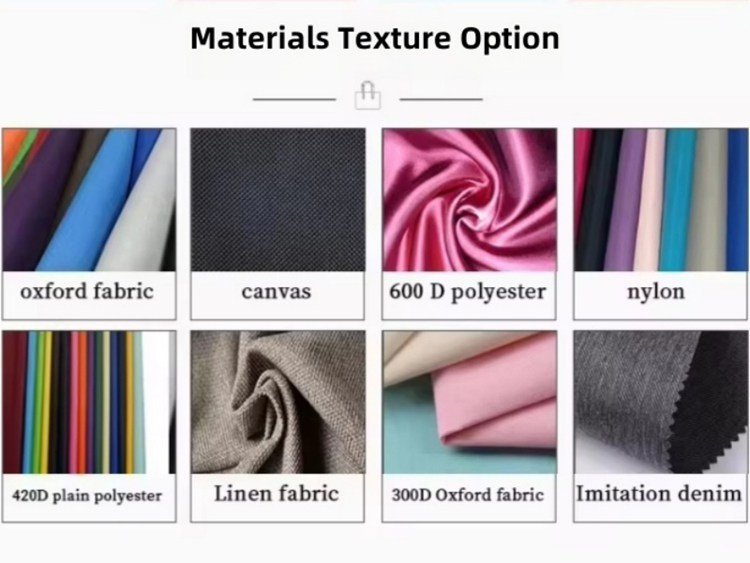
Tote bags are made from a wide range of materials including cotton, canvas, polyester, nylon, jute, and recycled fabrics. Each material offers unique benefits—cotton for eco-friendliness, canvas for durability, polyester for waterproofing, and jute for sustainability. The right choice depends on your product’s purpose, target market, and branding needs.
What Are the Most Common Materials Used in Tote Bags?
The most common tote bag materials are cotton, canvas, polyester, nylon, jute, and non-woven fabric. Each option serves different business needs—from eco-focused retail to promotional giveaways or premium fashion lines.
For businesses sourcing tote bags, understanding material options is critical to balancing cost, quality, and brand image. Below is an overview of the most widely used materials and their advantages:
| Material | Key Strengths | Ideal For |
|---|---|---|
| Cotton | Soft, biodegradable, easy to print | Eco-friendly brands, retail stores |
| Canvas | Durable, washable, premium feel | Fashion & lifestyle brands |
| Polyester/Nylon | Lightweight, waterproof, strong | Outdoor or promotional use |
| Jute | 100% natural, rustic texture | Sustainable or handmade product lines |
| Non-woven PP | Low-cost, recyclable | Promotional & bulk orders |
Cotton & Canvas: These natural fibers dominate the tote market, favored for sustainability and breathability. Canvas, especially heavy-duty 12oz to 16oz varieties, provides structure and supports screen printing or embroidery.
Polyester & Nylon: Synthetic options are ideal for buyers seeking water-resistant or coated finishes, especially in humid climates or outdoor-focused brands. They’re easy to clean and maintain, making them suitable for corporate giveaways or sports retailers.
Jute & RPET: As the demand for sustainability grows, jute and recycled PET (RPET) fabrics are gaining momentum. These eco-friendly materials provide a natural or textured look while allowing buyers to meet ESG and green-label requirements in global markets.
Are Waterproof and Coated Fabrics Becoming More Popular for Tote Bags?
Yes. Waterproof and coated fabrics like laminated cotton, PVC-coated canvas, and TPU-treated polyester are increasingly popular. They offer enhanced protection and extend tote bag lifespan—ideal for outdoor, travel, and promotional use.
Over the last three years, there’s been a 40% increase in waterproof tote bag inquiries on global B2B platforms. This shift reflects new lifestyle habits and the influence of multi-purpose bag designs.
1. Functional Coatings: Laminated or PVC-coated surfaces provide resistance to moisture, dirt, and stains. Brands in travel and beachwear categories increasingly use TPU-coated polyester, which combines flexibility with environmental compliance.
2. Market Adaptation: European buyers, for instance, prefer matte-coated finishes for a more refined aesthetic, while U.S. promotional suppliers often choose glossy PVC for cost efficiency.
3. Customization Opportunities: Coated materials also expand branding potential—heat transfer, sublimation, and silkscreen printing all perform well on smooth synthetic surfaces.
4. Balance Between Durability and Sustainability: While coated fabrics extend bag lifespan, some buyers now look for biodegradable coatings or water-based PU alternatives to reduce plastic waste. Factories like Jundong offer both traditional and eco-coating options to match buyer priorities.
How Do Eco-Friendly Materials Change the Tote Bag Market?
Eco-friendly materials—such as organic cotton, recycled polyester (RPET), and jute—are reshaping the tote bag market by aligning products with sustainable brand values and regulatory standards.
Global consumer data shows that 73% of Gen Z shoppers prefer eco-conscious brands. For B2B buyers, this directly impacts sourcing strategy.
1. Organic Cotton & Recycled Yarn: These materials cut carbon emissions by 30–50% compared to conventional textiles. Jundong sources GOTS-certified cotton and RPET fabrics to ensure both quality and traceability.
2. Supply Chain Advantage: Using eco-materials can open doors to major retailers—many now require environmental compliance. Jundong’s long-term buyers in Europe and North America report higher acceptance rates for green-certified tote lines.
3. Aesthetic & Storytelling Value: Eco-friendly fabrics not only appeal to ethics but also enhance storytelling in brand marketing—helping private-label buyers communicate authenticity.
4. Cost Perspective: Although initial prices for organic or recycled materials are higher, the long-term ROI comes from premium pricing potential and improved brand reputation.
Which Tote Bag Materials Are Best for Printing and Customization?
Canvas and cotton are the best materials for printing and customization. Their textured yet absorbent surfaces allow sharp, vibrant logos through screen printing, embroidery, or digital heat transfer.
For private-label and OEM clients, print clarity and logo durability are as important as the bag’s structure.
1. Canvas: Its tight weave makes it the top choice for high-resolution silkscreen and digital printing.
2. Cotton: Ideal for eco-inks and organic branding.
3. Polyester: Performs best with sublimation and transfer prints—vivid and long-lasting.
4. Jute: Though limited for detailed designs, it provides an authentic, handmade aesthetic for rustic brands.
| Material | Print Techniques | Branding Appeal |
|---|---|---|
| Canvas | Silkscreen, embroidery | Premium, long-lasting |
| Cotton | Eco printing, transfer | Natural, soft branding |
| Polyester | Sublimation, heat press | Vibrant colors |
| Jute | Simple logo stamping | Rustic, eco appeal |
With Jundong’s in-house printing and embroidery department, buyers can request custom logo placement, multicolor printing, and woven label branding. This enables a seamless OEM process from sampling to mass production.
How Can Businesses Choose the Right Tote Bag Material for Their Brand?
Businesses should select tote bag materials based on target customers, brand identity, and product use. Cotton and canvas suit lifestyle or retail brands, while polyester and RPET fit outdoor or promotional products.
Choosing the right tote material is a strategic branding decision.
For Fashion Retailers: Canvas and organic cotton reflect craftsmanship and premium value.
For Corporate Promotions: Non-woven PP or polyester keeps budgets low without sacrificing logo visibility.
For Sustainable Brands: Jute and RPET reinforce eco values and appeal to eco-conscious buyers.
Buyers should also assess:
Print compatibility
Durability vs. cost
Regional preferences (e.g., Europe favors natural materials, while North America values versatility)
Supply chain reliability
Jundong provides a full consultation service to help clients match the right material with their market positioning—offering free samples, low MOQ, and fast lead times for global orders.
Partner With Jundong for Custom Tote Bag Manufacturing
With over 20 years of expertise, Jundong supports brands and distributors worldwide in sourcing or developing custom tote bags tailored to their market. Whether you need eco-friendly materials, waterproof coatings, or private-label branding, our R&D and production teams will help you create high-quality, market-ready designs.
Let's work together
With over 10 years of OEM/ODM bag industry experience, I would be happy to share with you the valuable knowledge related to leather products from the perspective of a leading supplier in China.



Make A Sample First?
If you have your own artwork, logo design files, or just an idea, please provide details about your project requirements, including preferred fabric, color, and customization options, we’re excited to assist you in bringing your custom bag designs to life through our sample production process.