 Skip to content
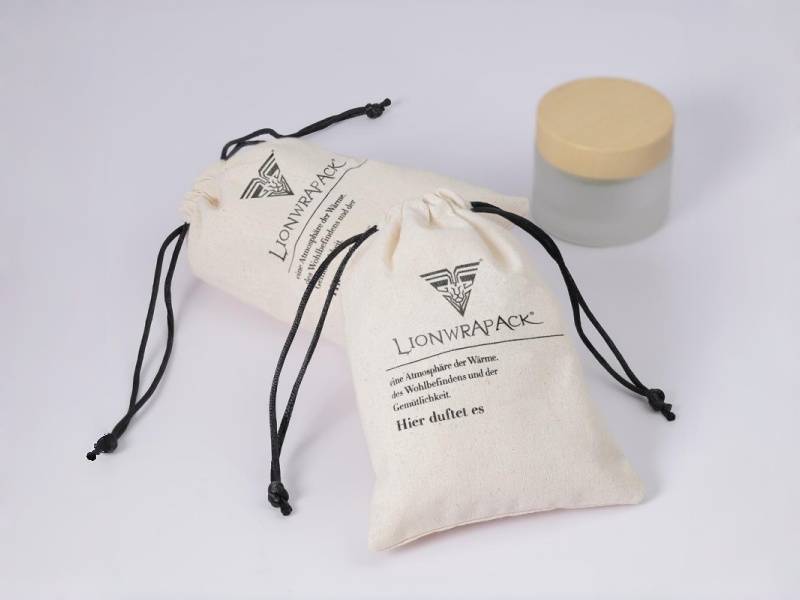
At first glance, a drawstring bag seems like one of the simplest products in soft goods. Two panels, a cord, a quick stitch—and it’s done. But once you start comparing different drawstring bags side by side, something becomes clear very quickly: they behave completely differently depending on the material.
Some feel thin and disposable. Some feel structured and durable. Some hold print perfectly, while others distort logos after a few uses. And yet, they may all look similar in photos.
This gap between appearance and performance is where most confusion begins.
Right in the center of this topic, there is a practical takeaway worth understanding early:
Drawstring bags are commonly made from polyester, cotton, canvas, nylon, mesh, and non-woven polypropylene, but the “best” material depends entirely on the intended use. Lightweight fabrics work well for promotions and short-term use, while heavier or structured materials are better suited for retail, sports, travel, and repeated daily use. The choice of material directly affects durability, printing quality, comfort, and overall product value.
Once you see drawstring bags through this lens, the decision is no longer “which material is popular.” It becomes:
- Which material supports the product’s purpose?
- Which fabric behaves correctly under load and daily use?
- Which one works best with the logo method?
- Which option balances cost and perception?
That shift—from surface comparison to functional selection—is what separates a quick choice from a well-developed product.
What Materials Are Drawstring Bags Commonly Made Of, and Why Do Polyester, Cotton, Canvas, Nylon, Mesh, and Non-Woven Styles Dominate the Industry?
Drawstring bags are most commonly made from polyester, cotton, canvas, nylon, mesh, and non-woven polypropylene because these materials offer a balance of cost, durability, weight, and ease of production, making them suitable for a wide of uses from promotions to retail and daily carry.
These materials didn’t become standard by accident. Each one solves a different set of problems, and over time they’ve become the “default toolkit” for drawstring bag development.
Let’s break down why these six dominate.
1. Polyester (Most widely used)
Polyester is often the first choice because it is lightweight, durable, and cost-efficient. It also handles printing well, especially for large promotional graphics. It resists stretching and holds shape better than cotton in many cases.
2. Cotton (Natural and soft)
Cotton offers a softer feel and a more natural look. It is commonly used for lifestyle, eco-focused, or casual designs. However, it lacks structure and can wrinkle or deform more easily.
3. Canvas (Structured and durable)
Canvas is essentially a heavier version of cotton. It provides more body, better durability, and a more premium feel. It is often used in retail or higher-quality product lines.
4. Nylon (Lightweight and strong)
Nylon combines strength with low weight. It is commonly used in sports or travel drawstring bags where flexibility and resistance to wear matter.
5. Mesh (Breathable)
Mesh is used when airflow is required—such as for gym clothes, shoes, or wet items. It sacrifices structure for ventilation.
6. Non-Woven Polypropylene (Low-cost option)
This material is widely used for events and promotions. It is inexpensive and easy to produce in large quantities, but not designed for long-term use.
Why These Materials Stay Dominant
| Material | Cost Level | Durability | Structure | Common Use |
|---|---|---|---|---|
| Polyester | Low–Medium | Medium–High | Medium | Promotions, sports |
| Cotton | Medium | Medium | Low | Lifestyle, eco |
| Canvas | Medium–High | High | High | Retail, premium |
| Nylon | Medium | High | Medium | Travel, outdoor |
| Mesh | Low–Medium | Medium | Low | Gym, sports |
| Non-Woven | Low | Low–Medium | Low | Events, giveaways |
Each material represents a trade-off. No single option is “best” in all scenarios. The key is understanding what problem you are solving.
Which Drawstring Bag Material Is Best: Polyester vs Cotton vs Canvas vs Nylon vs Mesh vs Non-Woven Polypropylene?

The best drawstring bag material depends on the intended use: polyester is best for cost and printing, canvas for durability and structure, cotton for softness and eco appeal, nylon for lightweight strength, mesh for breathability, and non-woven for low-cost bulk distribution.
Material comparison becomes meaningful only when tied to real use scenarios.
Instead of asking “Which is best?”, it’s more useful to ask:
- Best for what purpose?
- Best for which user expectation?
Real-World Decision Logic
| Scenario | Best Material | Reason |
|---|---|---|
| Event giveaway | Non-woven / Polyester | Low cost, large volume |
| Gym or sports | Polyester / Mesh | Lightweight, breathable |
| Retail product | Canvas / Nylon | Better structure and feel |
| Travel use | Nylon / Polyester | Durability + flexibility |
| Eco-style branding | Cotton / Canvas | Natural appearance |
Hidden Trade-Offs Most People Miss
- Polyester vs Cotton Polyester holds shape and color better, while cotton feels softer but loses structure over time.
- Canvas vs Nylon Canvas looks stronger and more premium, but nylon performs better in weight-sensitive applications.
- Mesh vs Solid Fabric Mesh improves airflow but reduces protection and structure.
Why “Best Material” Is Often Misunderstood
Many people assume the highest-cost material is the best choice. In reality, a higher-cost material that does not match the use case often performs worse.
For example:
- A thick canvas bag used for a one-day event may feel excessive
- A non-woven bag used for daily gym use may fail too quickly
The best choice is always context-driven.
If you’re comparing materials for a custom drawstring bag project, it helps to review usage, logo method, and expected quantity together before deciding. You can share your use scenario and reference images with info@jundongfactory.com for a more accurate material recommendation.
How Do Fabric Weight, Thickness, and Construction Affect Strength, Shape, Comfort, and Daily Use?
Fabric weight, thickness, and construction directly affect how a drawstring bag performs. Heavier fabrics provide better durability and structure, while lighter materials improve comfort and portability but may sacrifice strength and long-term stability.
Material type alone does not define performance. Two polyester bags can behave very differently depending on fabric weight (often measured in GSM or denier).
Understanding Fabric Weight
- Lightweight (70–150 GSM) Soft, flexible, low cost Suitable for short-term use
- Medium weight (150–300 GSM) Balanced durability and comfort Most versatile category
- Heavyweight (300+ GSM) Strong, structured, more premium feel Suitable for retail or long-term use
Thickness vs Comfort
There is always a balance:
- Thicker fabric → stronger but heavier
- Thinner fabric → lighter but less durable
This trade-off matters especially for drawstring bags because they are often worn directly on the back.
Construction Matters Too
Fabric weave and structure influence:
- Tear resistance
- Surface smoothness (important for printing)
- Flexibility under load
A tightly woven polyester behaves very differently from a loosely structured cotton, even at similar weight.
Why This Matters for Real Use
A drawstring bag is often overloaded beyond its original intention. This is where material weight and structure determine whether the bag:
- Holds shape or collapses
- Feels comfortable or cuts into shoulders
- Lasts for weeks or months
If your project requires a balance between durability and user comfort, selecting the right weight is just as important as choosing the material itself.
What Material Works Best for Printing, Embroidery, Heat Transfer, and Custom Logo Projects?

The best material for custom logos depends on the printing method: polyester works well for heat transfer and sublimation, cotton and canvas are ideal for screen printing and embroidery, while non-woven fabrics support simple prints but may not deliver high-end visual quality.
When it comes to drawstring bags, material and logo method cannot be separated. Many design issues appear not because the artwork is wrong, but because the material is not suitable for the chosen printing technique.
Material vs Logo Method Compatibility
| Logo Method | Best Material | Why It Works |
|---|---|---|
| Screen Printing | Cotton, Canvas | Absorbs ink well, clean finish |
| Heat Transfer | Polyester | Smooth surface, strong adhesion |
| Sublimation | Polyester (light color) | Dye bonds directly with fabric |
| Embroidery | Canvas, Thick Cotton | Holds stitch structure |
| Simple Print (low cost) | Non-woven | Suitable for bulk production |
Why Polyester Dominates Promotional Bags
Polyester is widely used for custom drawstring bags because it supports high-resolution printing with consistent results. Sublimation printing, in particular, allows full-color designs that do not crack or peel over time.
However, polyester has its limits. It may not provide the same “natural” feel as cotton or canvas, which matters in lifestyle or premium product lines.
When Cotton or Canvas Performs Better
Cotton and canvas are often preferred when:
- The design uses minimalist logos
- The goal is a natural or eco-friendly look
- The pouch is part of a retail or gift product
Embroidery also performs better on thicker materials because the stitches need support.
Common Mistakes in Logo Planning
- Choosing a complex print for a rough-texture fabric
- Using dark fabric for sublimation (which limits color visibility)
- Expecting non-woven bags to deliver premium print clarity
These issues often appear only after the first sample.
If your project involves custom branding, it helps to evaluate fabric + logo method together, rather than separately. Sharing your artwork and material preference early can reduce revisions and improve final results. You can send your design files or ideas to info@jundongfactory.com for practical suggestions.
Are Drawstring Bags Waterproof, Water-Resistant, or Washable, and Which Materials Perform Better Outdoors?
Most drawstring bags are water-resistant rather than fully waterproof, with polyester and nylon offering better protection against moisture, while cotton and canvas absorb water more easily unless treated or coated.
This is one of the most misunderstood aspects of drawstring bags.
Many people assume that all synthetic materials are waterproof. In reality, most are only water-resistant, meaning they can handle light exposure but not heavy rain or prolonged moisture.
Material Performance in Outdoor Conditions
| Material | Water Resistance | Outdoor Suitability |
|---|---|---|
| Polyester | Medium–High | Good |
| Nylon | High | Very good |
| Cotton | Low | Limited |
| Canvas | Low–Medium | Moderate |
| Non-woven | Low–Medium | Limited |
| Mesh | Very low | Not suitable for rain |
What “Waterproof” Really Means
True waterproof performance requires:
- Coated fabric (PU or PVC coating)
- Sealed seams
- Controlled construction
Most drawstring bags do not include all these features, which is why they are better described as water-resistant.
Washability Considerations
- Polyester and nylon are generally easy to clean and quick to dry
- Cotton and canvas can shrink or wrinkle if not handled carefully
- Non-woven materials are not designed for repeated washing
Outdoor Use: What Actually Matters
For outdoor or sports use, material should handle:
- Moisture
- Friction
- Repeated opening and closing
Nylon often performs best in these scenarios because it combines strength with flexibility.
If your drawstring bag is intended for outdoor, gym, or travel use, selecting the right material and coating early can prevent performance issues later. For projects that require improved water resistance or durability, it’s useful to evaluate fabric options before sampling. You can discuss your use case with info@jundongfactory.com.
How Do Material Choice, Sample Process, and Order Quantity Affect Price, Lead Time, and Product Consistency?

Material selection, sampling complexity, and order quantity directly influence cost, production time, and consistency. Lightweight materials reduce cost and lead time, while structured fabrics and custom features increase both development time and unit price.
Price is not determined by material alone. It is shaped by three combined factors:
- Material type and weight
- Construction complexity
- Order quantity
Material vs Cost Relationship
| Material | Relative Cost | Notes |
|---|---|---|
| Non-woven | Low | Best for large volume |
| Polyester | Low–Medium | Balanced cost and performance |
| Cotton | Medium | Higher cost than polyester |
| Canvas | Medium–High | More durable, higher cost |
| Nylon | Medium | Depends on thickness and coating |
Sampling Impact
Sampling is where decisions become visible.
More complex features such as:
- Zippers
- Reinforced corners
- Multi-layer fabrics
- Custom printing
…all increase sample time and cost.
Order Quantity Matters
- Small quantity → higher unit cost
- Larger quantity → more efficient production
This is why many projects start with a small batch test, then move to a larger order once the design is confirmed.
Consistency Is Often Overlooked
A low-cost option may look attractive at first, but if the material behaves inconsistently, it can create issues in repeat orders.
Consistency depends on:
- Stable material sourcing
- Controlled production process
- Clear specifications
If you are comparing options for a custom drawstring bag, it helps to review material, quantity, and logo method together rather than evaluating price alone. Sharing your target quantity and product expectations early can help align cost and timeline. You can contact info@jundongfactory.com for a more accurate estimate.
Who Uses Different Types of Drawstring Bags, and What Material Fits Gyms, Events, Brands, Schools, and Gift Programs Best?
Different users choose drawstring bag materials based on purpose: polyester and non-woven are common for events, nylon and mesh for sports and gyms, canvas and cotton for brands and retail, while structured materials are preferred for long-term use and premium positioning.
Drawstring bags are used across many industries, and each use case brings different expectations.
Use Case vs Material Matching
| User Type | Preferred Material | Reason |
|---|---|---|
| Event organizers | Non-woven, Polyester | Low cost, bulk distribution |
| Gym users | Polyester, Mesh, Nylon | Lightweight, breathable |
| Schools | Polyester, Canvas | Durability + cost balance |
| Brands | Canvas, Cotton | Better appearance |
| Travel users | Nylon, Polyester | Strength and flexibility |
| Gift programs | Canvas, Cotton | Premium perception |
Why Material Signals Value
Material is not just functional—it communicates positioning.
- Thin non-woven → temporary use
- Polyester → practical and versatile
- Canvas → more premium and durable
Matching Material to Audience
A mismatch between material and audience creates confusion.
For example:
- A luxury brand using non-woven bags may feel inconsistent
- A large event using heavy canvas may increase cost unnecessarily
The goal is alignment between product expectation and material choice.
How Should You Choose a Drawstring Bag Factory, and What Should You Confirm Before Starting a Custom Sample?
Choosing the right drawstring bag factory depends on its ability to match material selection, logo execution, sample accuracy, and repeat consistency. Before starting a custom sample, you should confirm fabric type, weight, logo method, size, and expected quantity to avoid delays and costly revisions.
A drawstring bag may look simple, but once it involves custom materials, branding, and repeat orders, the outcome depends heavily on execution control.
A reliable factory is not defined by how many styles it shows, but by how clearly it can handle:
- Material matching (not just offering options)
- Logo placement and method accuracy
- Sample-to-bulk consistency
- Production stability over time
What You Should Confirm Before Sampling
| Key Item | Why It Matters |
|---|---|
| Fabric type & weight | Determines structure and durability |
| Bag size & proportion | Affects usability and cost |
| Logo method | Impacts appearance and production steps |
| Closure & cords | Influences functionality |
| Quantity expectation | Affects price and production planning |
Why Early Clarity Saves Time
Many delays happen because decisions are made one step at a time.
A better approach is to lock core variables early.
For example:
- Changing fabric later may affect printing method
- Adjusting size may require new cutting patterns
- Switching logo technique may change material compatibility
What Makes a Development Process Smooth
A well-structured process typically includes:
- Clear sample stage
- Feedback and revision
- Final confirmation before bulk
This reduces surprises and improves overall product stability.
If you are preparing to develop custom drawstring bags, sharing your reference images, target quantity, and expected use case early can significantly improve accuracy. You can send your requirements to info@jundongfactory.com for a structured review.
What Mistakes Do People Make When Choosing Drawstring Bag Materials?

The most common mistakes include choosing materials based on appearance only, ignoring fabric weight, mismatching material with printing methods, and underestimating how the bag will be used in real life.
Material mistakes rarely appear immediately. They show up after use.
Common Material Selection Errors
| Mistake | Result |
|---|---|
| Choosing fabric too thin | Bag feels weak, short lifespan |
| Ignoring weight (GSM) | Structure does not hold |
| Wrong printing match | Logo cracks, fades, or distorts |
| Over-specifying material | Cost increases without added value |
| Under-specifying material | Product feels cheap or inconsistent |
The “Looks Good vs Works Well” Problem
Many drawstring bags look similar in photos.
But once used:
- Thin fabric stretches
- Poor stitching opens
- Logos fade or peel
This gap often comes from early material decisions.
Better Decision Logic
Instead of asking:
“What material looks best?”
Ask:
- What does the bag need to carry?
- How often will it be used?
- What impression should it create?
This approach leads to more reliable results.
FAQ: What People Still Want to Know About Drawstring Bag Materials
1. What is the most commonly used material for drawstring bags?
Polyester is the most commonly used material because it balances cost, durability, lightweight feel, and printing compatibility, making it suitable for both promotional and daily-use drawstring bags.
Polyester is widely adopted because it performs consistently across many use cases. It is strong enough for repeated use, light enough for comfortable carrying, and smooth enough for various printing methods such as heat transfer and sublimation. Compared with natural fabrics, it resists stretching and deformation better over time.
Another key advantage is its adaptability. Polyester can be produced in different thickness levels, allowing the same base material to be used for both low-cost promotional items and more durable everyday bags. This flexibility makes it one of the most practical options when balancing cost and performance.
2. Which material is best for durable drawstring bags?
Canvas and nylon are generally the best choices for durability because they offer stronger structure, better resistance to wear, and improved long-term performance compared to lighter materials.
Canvas provides thickness and rigidity, which helps the bag maintain shape and handle heavier loads. Nylon, on the other hand, offers strength with flexibility, making it more suitable for travel or sports use where weight matters.
Durability also depends on construction. Reinforced corners, stronger cords, and proper stitching all contribute to longevity. Material alone cannot guarantee durability without proper design.
3. Are non-woven drawstring bags good quality?
Non-woven drawstring bags are suitable for short-term use and large-volume distribution but are not designed for long-term durability or heavy daily use.
These bags are popular for events, exhibitions, and giveaways because they are cost-effective and quick to produce. However, their structure is weaker than woven fabrics, and they may lose shape or tear under repeated stress.
They serve a specific purpose well—mass distribution—but should not be expected to perform like canvas or nylon bags.
4. Which material is best for printing logos on drawstring bags?
Polyester is often the best material for vibrant and detailed printing, while cotton and canvas are better suited for simple designs and embroidery.
Polyester allows for high-resolution prints and full-color designs, especially with sublimation. Cotton and canvas absorb ink differently, resulting in a more natural, matte finish.
The choice depends on design complexity. Detailed graphics benefit from polyester, while minimal logos often look better on natural fabrics.
5. Are drawstring bags waterproof?
Most drawstring bags are water-resistant rather than fully waterproof, with nylon and coated polyester offering better protection against moisture.
Water resistance means the bag can handle light rain or splashes but not heavy exposure. Fully waterproof performance requires additional coatings and construction techniques.
For outdoor use, nylon or coated polyester is usually the safer choice.
6. What is the cheapest material for drawstring bags?
Non-woven polypropylene is typically the lowest-cost option, followed by lightweight polyester, making them ideal for large-volume promotional use.
Cost depends on thickness, printing, and quantity. While non-woven is the cheapest, it may not meet expectations for durability or appearance in all projects.
Balancing cost with purpose is key.
7. How does material affect drawstring bag comfort?
Material affects comfort through weight, flexibility, and how the bag sits on the back, with lighter and smoother fabrics generally providing better comfort for extended use.
Thicker materials may feel more durable but can increase weight. Rough textures may also affect how the bag feels against clothing or skin.
Cord type also plays a role. Soft, thicker cords improve comfort regardless of fabric choice.
8. Which material is best for gym or sports drawstring bags?
Polyester, mesh, and nylon are commonly used for gym bags because they are lightweight, breathable, and resistant to wear.
Mesh allows airflow, which is useful for wet or sweaty items. Polyester and nylon offer durability and flexibility, making them practical for everyday use.
9. Can drawstring bags be eco-friendly?
Yes, drawstring bags can be eco-friendly when made from cotton, recycled polyester, or reusable materials that reduce single-use waste.
Eco-friendly choices often focus on reusability rather than just material origin. A durable bag used multiple times can be more sustainable than a biodegradable bag used once.
10. How do you choose the right material for a custom drawstring bag project?
The right material should match the intended use, required durability, budget, and branding needs, rather than focusing on a single factor like cost or appearance.
A balanced decision considers:
- Use scenario
- Material performance
- Logo method
- Quantity and budget
Aligning these factors early leads to a more successful product outcome.
If you are planning a custom drawstring bag, reviewing these factors together before sampling can save time and reduce revisions. You can share your project details with info@jundongfactory.com for tailored suggestions.
Material Choice Is the Foundation of Every Drawstring Bag
A drawstring bag may appear simple, but its performance, durability, and visual impact are all rooted in one decision—material selection.
Choosing the right fabric is not about following trends.
It is about matching the material to the purpose.
When material, structure, and use case align, the result is a bag that not only looks right but also performs well over time.