 Skip to content
Why Brands Choose Our Bag Factory
Most brands don’t lose money because a factory is “a bit expensive.” They lose money because the project looks fine in sampling—and fails quietly in bulk. Stitch density drifts. Materials vary by batch. Dimensions shift just enough to break packaging fit, labeling, or platform requirements.
Lead times slip, communication slows, and suddenly your “simple bag” becomes a supply-chain fire drill. Jundong is built to reduce that uncertainty. Instead of pushing decisions downstream, we bring structure, material logic, and production consistency into the front of the project—so the bag that gets approved is the bag that ships at scale.
A strong “Why choose us” page should translate into measurable outcomes: sample-to-bulk consistency, stable lead time, quality traceability, and clear communication across time zones.
How We Keep Bulk Orders Stable
One of the most common sourcing frustrations is this: the sample looks perfect, but the bulk order arrives with “small” issues that become expensive fast. Stitch tension varies. Zippers ripple. The shape collapses. Hardware color shifts. A strap anchor fails under real load.
These problems are rarely random. They usually come from uncontrolled variables—material batch differences, thickness tolerance, component substitutions, sewing routes, reinforcement logic, and packaging deformation during shipping.
This section helps you see the difference between a supplier that can produce a nice sample and a manufacturing partner that builds for bulk repeatability. By locking specifications, confirming critical components, and standardizing production steps, the final shipment stays aligned with the approved sample—so quality consistency improves, reorders stay stable, and complaint risk drops.
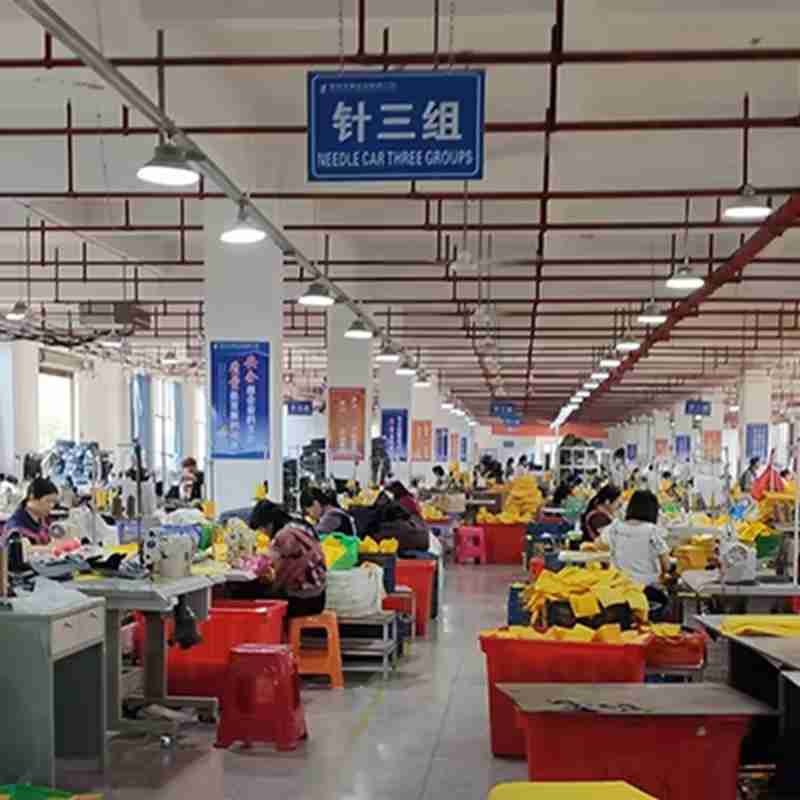


Manufacturing Foundation: Scale and Specialized Teams
When a brand selects a factory, the real decision is delivery capability. Many suppliers can “take orders,” but once a project involves multi-SKU programs, revisions, multiple shipping windows, and strict quality expectations, the gap becomes clear. Without a product development team, work turns into simple copying. Without an in-house sampling room, iteration slows and decisions drag out. Without a disciplined QC system, bulk consistency becomes a gamble.
Jundong Factory is built on a complete manufacturing foundation: export-facing teams, product development support, structured sampling, and a scalable production base. The goal is straightforward—your project runs on a repeatable system, not on luck or individual heroics.
| Capability | You Concern | What We Control |
|---|---|---|
| Sampling & Development | Can we iterate fast? | Structure changes, technique alternatives, sample reviews |
| Production Scale | Can you hold lead time in peak season? | Capacity planning, batch scheduling, and SKU management |
| QC System | How do you keep bulk consistent? | Incoming/inline/final checkpoints with clear criteria |


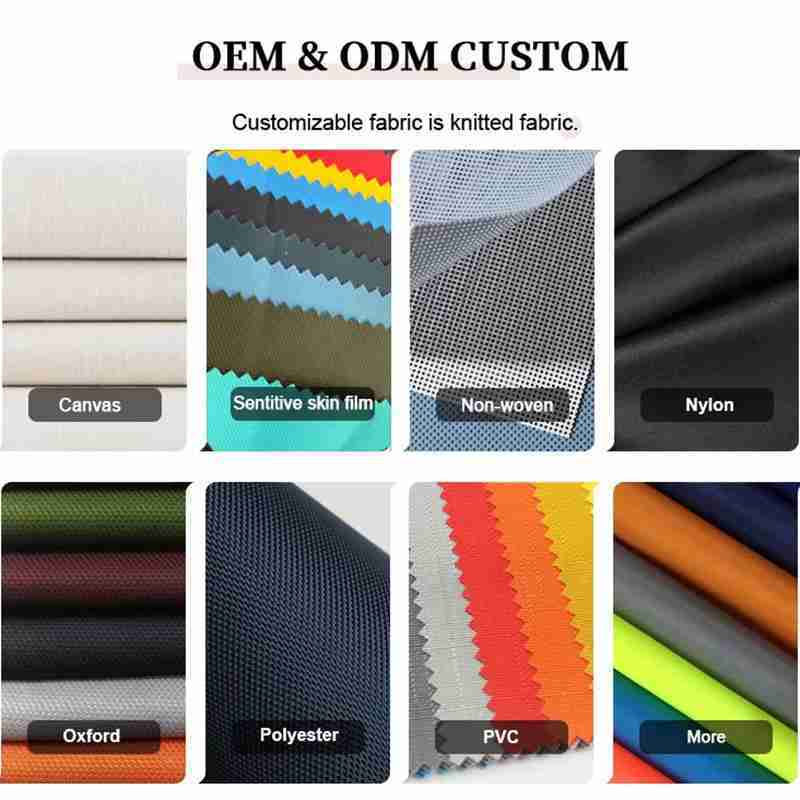
Wide Material Options, Controlled and Practical
Many factories claim they can make “anything,” but the real question is different: can the right material be chosen—and kept stable in bulk production? A wrong material decision is expensive to fix later. The hand-feel misses the target. Abrasion resistance fails. Color consistency shifts between batches. Odor shows up. Cracking happens in cold weather. Or the structure simply can’t handle real-world use.
Our approach turns material selection into a clear decision process. Based on your use case, price target, expected service life, compliance needs, and shipping conditions, we narrow options to the most workable 2–4 solutions and explain the trade-offs upfront. That’s how projects move faster, specifications stay clearer, and production runs with fewer surprises.

Design to Repeatable Production: Pattern to Prototype

Custom bags often fail at the “translation” stage. Inspiration and reference photos may be clear, but progress slows when the details must become production-ready: what tolerances are acceptable, how to reinforce stress zones, how to build compartment logic without reducing sewing efficiency, and which small decisions can trigger bulk inconsistency.
A manufacturing partner should not simply “copy a photo.” The job is to convert your concept into a working specification that can be confirmed, measured, and repeated across batches. Our development approach does exactly that—so each knowing step, from pattern to prototype, removes uncertainty and shortens the path to stable bulk production, instead of creating more revision cycles.
Sampling & PP: Secure Pre-Production Standards
The biggest risk is not whether a factory can make a sample—it’s whether the sample truly locks the bulk standard. Some suppliers produce samples with their most skilled workers, but bulk production shifts across teams, material batches, and build sequences, and the result drifts.
A controlled approval path matters: material confirmation, color confirmation, logo execution confirmation, structured revision notes, and a pre-production (PP) sample that functions as the final reference standard.
Jundong Factory supports multi-round sampling and PP samples, so the bulk order is based on a locked template rather than assumptions—helping keep quality consistency stable across production and reorders.
Quality System: Stabilize Process, Not Products

No one expects “zero defects.” What matters is process control: consistent standards, predictable output, traceability, and stable performance across repeat orders. Many suppliers treat QC as final sorting, so issues are found too late—when rework is costly and lead time slips. Jundong Factory runs a dedicated quality structure with professional testing equipment and 80 inspectors, covering incoming materials, in-process checks, and final inspection. We lock standards through material sample confirmation, color/Pantone alignment, logo sample approval, multi-round sampling with change notes, and a PP sample as the final reference unit—reducing batch variation for global programs.
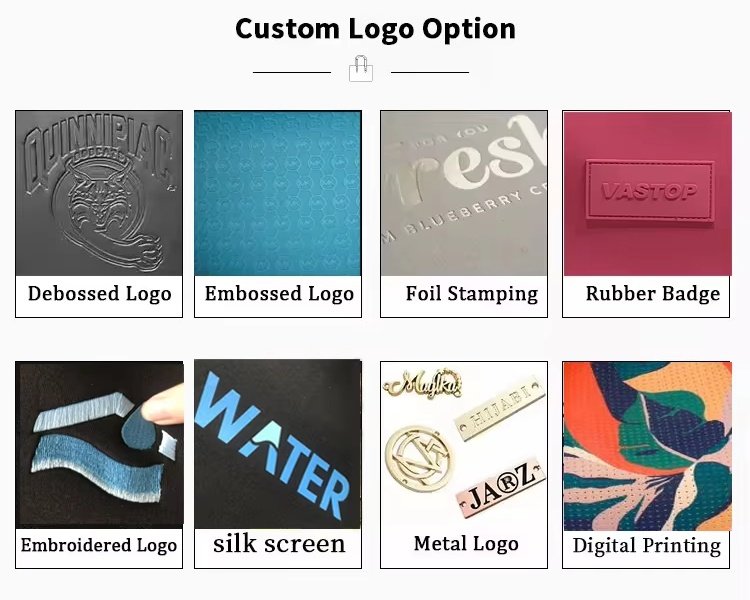
Stable Branding: Logo Methods and Color Control
Branding often fails in the “small details” customers notice first: rough logo edges, off placement, wrong proportions, unstable color matching, transfer film peeling, patch lifting, crooked labels, or packaging marks that don’t match channel rules. Customization is not one step—it requires cross-process coordination across materials, technique selection, durability expectations, and real use conditions. Jundong Factory supports multiple logo methods and branding services, including placement guidance, proportion optimization, and execution such as screen printing, heat transfer, woven labels, rubber/PVC patches, and metal plates. The goal is simple: branding that looks right—and stays right.
Small Orders, Pricing Changes with MOQ
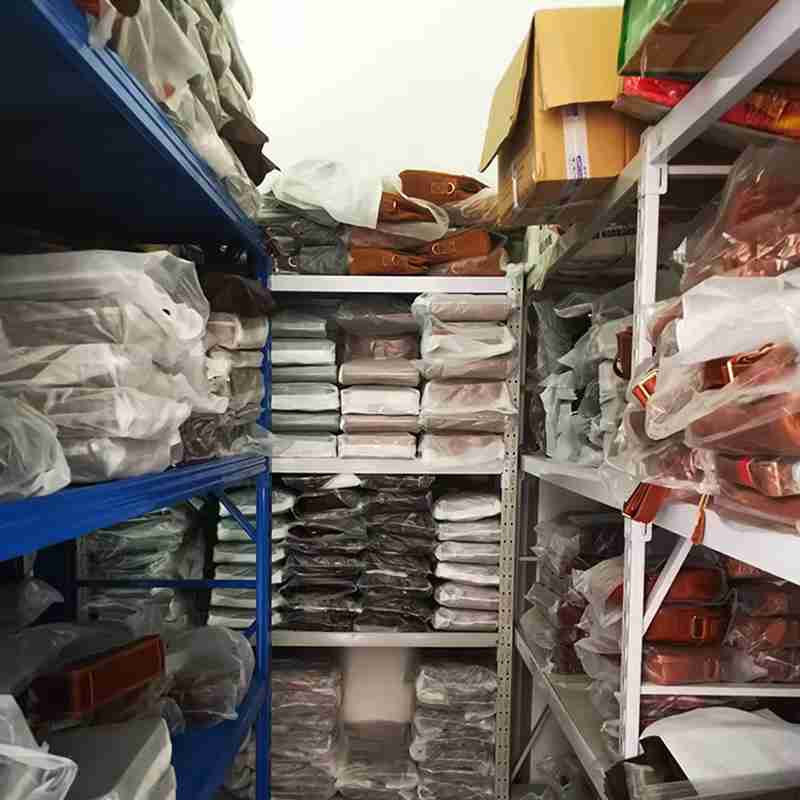
We support both small-batch production and mass production, so you can validate the market first and scale with confidence. However, the core workflow stays the same: material confirmation, color confirmation, logo approval, workmanship standards, confirmation checklists, QC checkpoints, and packaging rules. These fixed steps do not disappear at low volume. When quantities are smaller, the setup and control cost is spread across fewer units, so the unit price is typically higher. With larger volumes, you gain better raw material leverage, steadier line planning, higher operator familiarity, and improved throughput, resulting in more favorable pricing.
Lead Time Planning: Controlled Milestones Deliver
Lead time is not just a date—it reflects supply-chain credibility. Missed launch windows, delayed promotions, and late channel deliveries can hurt cash flow and internal confidence. Many suppliers promise “fast” at quoting, then timelines slip once projects include multiple SKUs, custom logos, special materials, packaging rules, and multiple sample rounds. Jundong Factory supports rapid sampling, multi-round revisions, and PP samples, helping stabilize schedules by locking standards before bulk production. Instead of vague estimates, we recommend a milestone plan that shows what impacts timing and how to prevent delays—so delivery stays predictable.

Use Cases Define Structure and Materials

Two bags can look similar online yet perform very differently in real use. Medical bags require fast access and disciplined compartment logic. Emergency kit bags need visibility, modular organization, and dependable durability. Tool and industrial carry bags demand load-bearing reinforcement and high abrasion resistance. Logistics and delivery applications often require easy-clean liners, waterproof coatings, and early label/barcode planning. What matters is not only sewing ability, but the ability to translate each scenario into structure, materials, and workmanship standards. Jundong Factory segments projects by industry and use case to keep specifications practical and repeatable.
Simple Cooperation Process: RFQ to Shipment
To keep projects clear and controllable, we follow a step-by-step workflow: what you provide, what we deliver, and what gets confirmed. RFQ/Feasibility: share use case, quantity, reference images, budget range; we provide material direction, structure risks, MOQ or cost drivers, and lead-time milestones. Design & Development: confirm appearance and feature priorities; we deliver pattern direction, reinforcement plan, and logo technique options. Sampling: provide round-by-round feedback; we confirm material/color/logo samples and keep change notes. PP Sample: lock the final standard with tolerances and packaging. Bulk: follow checklists with in-process QC. Packing/Shipment: handle labels, barcodes, carton marks, and split deliveries.

Visible Proof, Controlled Quality, Verifiable
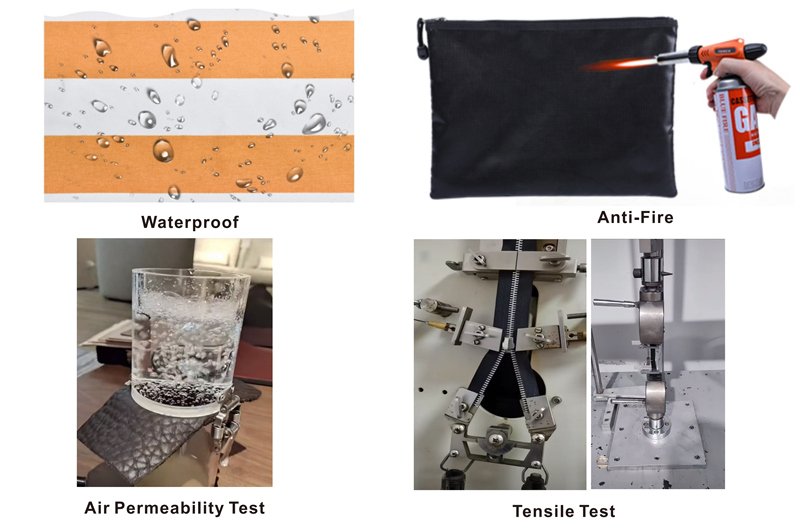
Trust comes from proof, not confident wording. A reliable factory shows control: sample-to-bulk repeatability, measurable specifications, defined QC checkpoints, clear traceability, structured communication, and transparent cost logic. Jundong Factory builds trust through evidence—what we provide, what standards we control, and what can be verified during production. We can share spec confirmation checklists, sample change notes, PP sample lock summaries, QC checkpoint lists (incoming/inline/final), and packing + barcode/carton mark rules. You can also verify inline inspection records, final checks on function + tolerance, and packaging controls to prevent deformation in shipping.
Decision FAQs: Clear Answers That Reduce Risk
Before reaching out, procurement teams run a practical risk checklist: what inputs are needed for an RFQ, where projects usually fail, how to keep sample-to-bulk consistency, whether a trial order is possible, and whether mixed styles or multi-SKU programs can be managed. They also evaluate lead time reliability and whether the workflow is clear for first-time importers. Well-written FAQs answer these “decision questions” directly, using specific standards and deliverables—not sales language—so expectations stay clear and projects move forward with fewer surprises.
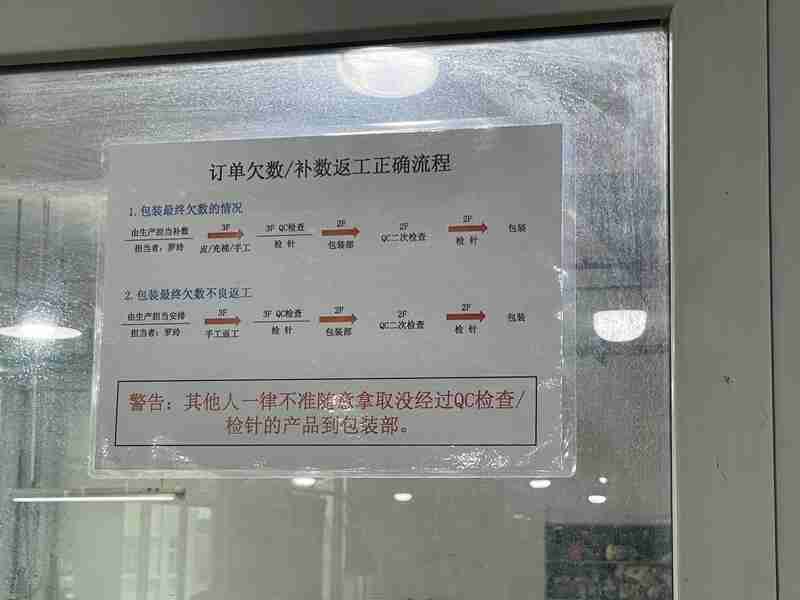
Export-Ready, Program-Friendly, Scale-Safe Operations

For global sourcing, the value of a China factory is not only cost—it’s the ability to operate as a repeatable supply-chain partner. That requires structured communication, a transparent cost structure, controlled adjustments with clear notes, and reliable multi-SKU / mixed order management. It also depends on proactive production updates, on-time delivery, and stable quality consistency when scaling from trial runs to larger programs. Jundong Factory is built for export-oriented cooperation, supporting program-style projects with clear milestones, documentation, and scale-safe production control—so growth does not create quality drift or timeline surprises.
Feasibility Review: Low Friction, High Clarity
Hesitation rarely comes from lack of demand. It comes from expected communication cost and unclear next steps. A strong closing CTA should not push “order now.” It should offer a low-friction, decision-friendly action: start with a feasibility review. The goal is to reduce uncertainty early—whether materials and structure are manufacturable, which details create bulk risk, how MOQ and cost drivers work, whether lead-time milestones are realistic, and which logo method fits your substrate and wear zones. With decision-grade clarity, moving into sampling and long-term cooperation becomes easier and faster.

Make A Sample First?
See your idea come to life before mass production.
At Jundong Factory, we offer free design mockups and custom samples to ensure every detail is perfect — from material and color to logo placement and stitching.
Start your project with confidence today: info@jundongfactory.com.
Why Brands Choose Our Bag Factory FAQ
What information do you need to quote accurately for a custom bag?
To quote a custom bag accurately (and avoid price changes later), we ask for a clear “RFQ package” rather than a single photo. The best RFQs include: (1) bag type and use case (travel, tool, medical, promotional, retail), (2) target dimensions and capacity (or what must fit inside), (3) quantity and whether you need multi-SKU / multi-color, (4) preferred materials (polyester/nylon/canvas, PU/PVC, neoprene, leather) or performance goals like water resistance, abrasion resistance, stiffness, wipe-clean lining, (5) logo method preference (print, woven label, patch, metal plate) plus your vector file if available, (6) accessory preferences: zipper type, hardware finish, webbing, buckles, padding/EVA, (7) packaging requirements: barcode labels, hangtags, polybag, carton marks, (8) target market and any channel rules (Amazon, retail, distributor, tender program).
If you don’t have all details, we can still start with a feasibility review using reference photos. But the more your RFQ defines performance + consistency requirements, the faster we can recommend the right material route, reinforcement plan, and MOQ strategy.
Can you support small trial orders? How does MOQ affect unit cost?
es—small trial orders are possible, but the pricing logic is different from bulk. In custom manufacturing, many steps do not disappear when quantity is low: pattern work, sampling, material/color/logo approvals, line setup, QC checkpoints, and packaging verification. These fixed project costs get allocated over fewer units, which usually makes the unit price higher on small runs.
Bulk orders typically reduce cost because materials can be purchased more efficiently, production lines run longer without switching, and operators build familiarity—improving throughput and consistency. A practical approach is to start with a trial order to lock specs and workmanship standards, then scale for cost optimization once the market is validated.
Mini reference table:
| Item | Trial Order | Bulk Order |
|---|---|---|
| Best for | new SKU testing | stable selling programs |
| Unit cost | higher | lower |
| Risk control | lock standards | optimize efficiency |
If you share your target quantity range and delivery goal, we can propose a tiered plan that balances MOQ, cost, and timeline.
How do you ensure sample-to-bulk consistency for custom bags?
“Good sample, drifting bulk” happens when the sample is treated like a showcase piece instead of a repeatable production template. We control consistency by locking three things before mass production: specification, process, and inspection criteria.
First, we confirm the measurable spec: dimensions with tolerance, material batch rules, components (zippers/hardware/webbing), logo placement/proportion, and packaging requirements. Second, we lock the build process: reinforcement points (strap anchors, handles, D-rings, bottom corners), stitch routing, binding method, and sequence (cutting → sewing → assembly → logo operations → packing). Third, we set inspection checkpoints for incoming materials, inline workmanship, and final function checks.
If a project is complex, we recommend a PP sample (pre-production sample) as the final reference standard. That “approved unit” reduces interpretation gaps across production teams and batches. The outcome procurement teams want is not perfection by luck—it’s a controlled method that makes repeat orders and SKU extensions safer.
What lead time should we expect for sampling and mass production?
Lead time depends less on “days” and more on project variables. For sampling, complexity drivers include: number of compartments, structured panels, special materials (EVA/foam), custom hardware, and logo method approvals (especially detailed artwork). For mass production, lead time is affected by component sourcing cycles, multi-color/multi-SKU scheduling, and packaging/label requirements (barcodes, carton marks).
A realistic way to plan is to break the schedule into milestones: (1) feasibility + RFQ alignment, (2) sample round(s) with change notes, (3) approvals for material/color/logo, (4) PP sample if required, (5) bulk production with inline QC checkpoints, (6) packing + shipment preparation.
If you share your target delivery window and launch constraints, we can suggest a timeline that includes a buffer for revisions—so you don’t “win” a fast quote and lose the launch date later.
Which logo method is best for durability and premium appearance?
There is no single “best” logo method—selection depends on material, wear zone, and brand positioning. For high-abrasion areas (bottom panels, side rub zones), the priority is adhesion and edge stability. For fold zones, thickness and lifting risk matter. For premium retail, visual sharpness and tactile feel may matter more.
Common choices: screen printing (cost-efficient for solid graphics; needs adhesion strategy on coated fabrics), heat transfer (great detail/gradients; edge bonding depends on fabric texture and coatings), woven labels (clean, consistent for long-running lines; placement and stitching alignment are critical), PVC/rubber patches (3D presence; manage lifting risk and thickness for packing), metal plates (premium; requires scratch protection and secure fixation).
We recommend approving a logo sample on the actual material, confirming placement/proportion, then defining acceptance criteria (edge quality, color, durability expectation). This prevents “looks good in photos” but fails in real use.
Can you help optimize structure and reinforcement for heavy-duty or professional use?
Yes. For heavy-duty bags (tool carry, field work, emergency kits), structure decisions determine warranty risk more than appearance. We typically review: (1) expected load and load distribution, (2) load path from handle/strap to body panels, (3) stress zones (strap anchors, handles, D-rings, bottom corners), (4) abrasion zones and edge wear, (5) zipper opening width and stitch routing, and (6) the internal divider plan (so compartments don’t weaken seams).
Reinforcement actions may include: backing patches, binding, bartacks, box stitching, webbing anchors, thicker edge tapes, bottom protection layers, and component upgrades (zippers/hardware). The goal is not “over-build everything,” but to place strength where real failure happens.
If you share your target use case and the items carried, we can propose 2–3 structure options with cost impact. This is especially useful for procurement teams balancing performance, weight, and budget.
How do you handle material batch consistency and substitution requests?
Material consistency is a common hidden risk. We manage it by clarifying approved material specifications and substitution rules early. For example, we confirm fabric parameters (GSM/denier, coating type, texture), lining thickness, foam/EVA density range, webbing weight, zipper series, and hardware finish. Once approved, we avoid silent substitutions.
When substitutions are requested (cost-down, availability, seasonal changes), we treat them as a controlled change: we propose alternatives, explain trade-offs (hand-feel, stiffness, water resistance, abrasion, odor, cold-weather behavior), and—if needed—validate via a sample panel or revised prototype. This prevents unexpected drift in bulk production.
Procurement teams benefit when a factory can provide a short materials decision record that links the chosen option to performance requirements. If you have a target market (EU/US) or special usage conditions, mention it early so the material plan matches real-world needs.
What QC checkpoints do you recommend for custom bag orders?
For custom bags, QC works best as a 3-stage system: incoming, inline, and final—each with clear acceptance criteria.
Incoming QC checks fabrics, lining, webbing, zippers, hardware: color variation, coating feel, thickness/GSM, plating quality, zipper smoothness. Catching issues here prevents batch-wide drift.
Inline QC focuses on workmanship stability: stitch density/tension, seam alignment, binding flatness, reinforcement placement, bartack strength, and correct component installation. This is where most “bulk drift” can be corrected at low cost.
Final QC verifies function and consistency: dimension tolerances, zipper/buckle operation, strap anchor load checks, cleanliness/thread trimming, logo placement, packaging/label/barcode correctness.
If you want a simple internal checklist, start with the three highest-risk zones: strap anchors, main zipper opening, and bottom corners. Those are where real-world failures often appear. We can align on an inspection plan that matches your channel standards and risk tolerance.
Can you support packaging, labels, and barcode requirements for Amazon/retail/warehouse receiving?
Yes. Packaging and labeling are often underestimated, but they directly affect receiving, fulfillment speed, and return rates. We recommend confirming early: (1) unit packaging (polybag, dust bag, insert cards), (2) barcode label format/placement, (3) hangtag content and attachment points, (4) carton marks, carton size limits, and stacking requirements, (5) deformation prevention method (stuffing, fold rules, inner support), and (6) mixed-SKU carton logic.
For structured bags, we pay extra attention to shape protection during packing and shipping, because deformation creates “quality complaints” even when sewing is correct. For soft bags, abrasion and scuff protection may matter more.
If your channel has strict compliance documents, share them early; we can align packaging and label execution to reduce last-minute rework. This is one of the easiest ways to improve the buyer experience without changing the bag design.
Do you accept mixed orders and multi-SKU production? How do you manage complexity?
Yes, we support mixed orders and multi-SKU programs. Complexity management starts with a clean SKU list: size, color, logo method, packaging rule, and target quantity per SKU. Then we set a production priority (which SKUs must ship first), and we plan batching to reduce line switching (for example, grouping by similar materials or logo operations).
The biggest risk in multi-SKU projects is not sewing—it’s mismatch: wrong label, wrong color, wrong accessory, wrong carton mix. That’s why we recommend a “SKU-to-packaging mapping” and checkpoint verification at packing stage.
If you’re scaling from 1–2 SKUs to a full line, we can also propose a “safe scaling” path: lock one standard design, then expand colorways and variants with controlled changes. This keeps the program stable while you grow.
How do you handle defects, rework, and after-sales quality claims?
A practical defect-handling process should be defined before shipping. We recommend aligning on: (1) what is a critical defect vs minor cosmetic issue, (2) sampling method for inspection (AQL or a mutually agreed plan), (3) photo/video evidence requirements, (4) rework vs replacement decision rules, and (5) timelines for claim reporting after receipt.
In many cases, early detection is key—so we suggest buyers keep packaging and record the issue by SKU/batch. For repeated programs, we also recommend adding “top risk points” to the QC checklist (strap anchors, main zipper, bottom corners, logo edges).
The goal is not to argue about responsibility after the fact. The goal is to build a repeatable improvement loop: confirm the root cause, update workmanship instructions, tighten a checkpoint, and prevent recurrence on the next batch.
EVA structured bags: what specs matter most for protection and repeatability?
For EVA structured bags (molded or semi-molded cases), the “look” is easy—protection performance is what separates a serious supplier. The key specs to confirm early are: (1) EVA density and thickness (affects shock absorption and shape retention), (2) outer fabric/lamination (PU, fabric, film) and its bonding stability, (3) case structure type (fully molded shell vs structured panels), (4) zipper track quality and corner turning (smoothness and durability), (5) interior fit system: custom foam insert, elastic straps, mesh pockets, or partitions—designed to prevent movement during transit, (6) tolerance rules for inner cavity dimensions (to avoid “sample fits, bulk doesn’t”), and (7) surface requirements (anti-scratch, easy-clean, logo method suitability).
For procurement, we recommend defining a simple performance target: drop/vibration environment, expected load, and whether the case must keep shape in storage. If you provide the product dimensions or a CAD outline, we can propose 2–3 structure routes (cost vs protection) and validate the fit with a controlled prototype.
Everything You Need to Know Before Customizing Your Bags
Why brands choose our bag factory is simple: projects succeed when production is controlled, not just promised. Sourcing decisions are rarely based on appearance alone. What matters is clear answers on MOQ vs. bulk pricing, lead time, capacity and structure feasibility, material stability, logo and labeling requirements, SKU coding, packing logic, and reorder consistency.
We focus on the points that protect program outcomes: what you need to provide to start sampling, how to prevent sample-to-bulk deviation, how to manage multi-SKU or mixed orders, and which QC checkpoints keep quality stable over time. Clear standards and documentation also support practical search intent, such as “bag factory OEM/ODM,” “low MOQ bag manufacturer,” “bulk bag supplier,” “custom logo bag factory,” and “on-time delivery manufacturer.”
For a quick evaluation, share your bag type, use case, quantity range, reference images, and packing requirements by email. Our team will review your inputs and return structure recommendations, material direction, and a realistic development route. Contact: info@jundongfactory.com.
