 Skip to content
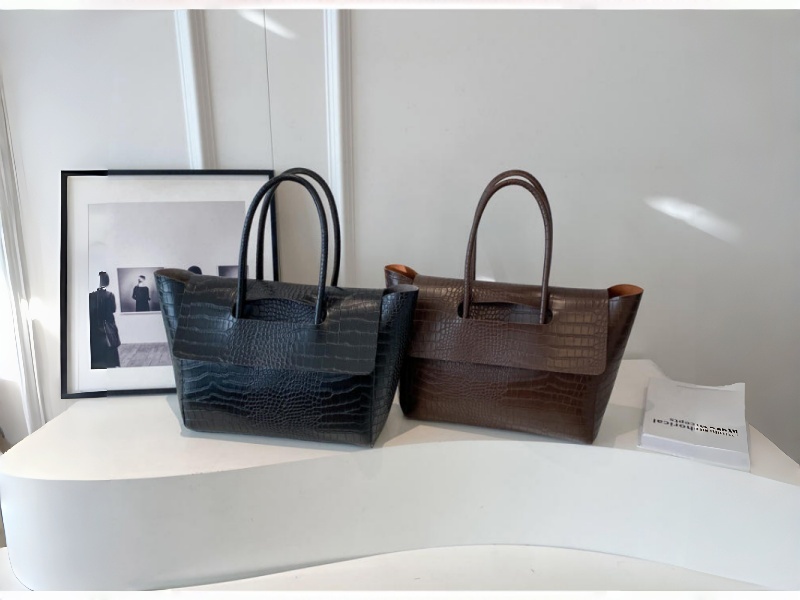
The handbag industry is not just about fashion anymore — it’s about function, identity, and customization. Whether you’re a startup brand or a global retailer, understanding the types of hand bags is the first step to creating products that people actually want to carry.
There are over 20 main types of handbags, including tote bags, backpacks, crossbody bags, satchels, and travel bags. Each serves different purposes — from daily fashion to utility and branding — and can be customized in fabric, color, logo, and structure for private label or OEM production.
And here’s where it gets interesting — behind every bestselling bag is a story of design, usability, and material innovation. Let’s break down the world of handbags the way manufacturers like Jundong Factory see it: practical, profitable, and built for global buyers who want custom solutions.
What is a Hand Bag and How Do Manufacturers Define Its Types?

A handbag is any medium-sized bag designed for personal items, carried by hand or shoulder. Manufacturers classify handbags by use (daily, travel, business), structure (soft or rigid), and material (leather, fabric, EVA, etc.), helping buyers select the ideal type for customization or resale.
How Many Types of Bags Are There?
Globally, there are 20–25 recognized handbag categories, depending on use, shape, and structure. Here’s a quick reference from factory production data:
| Category | Common Use | Custom Options |
|---|---|---|
| Tote Bag | Daily/Shopping | Canvas, PU, Cotton |
| Satchel | Office/Work | Leather, Faux Leather |
| Crossbody | Casual | Nylon, Oxford |
| Shoulder Bag | Everyday | PU, Cotton |
| Backpack | Travel/School | Nylon, Polyester |
| Beach Bag | Leisure | Straw, Canvas, Mesh |
| Drawstring Bag | Promo/Sports | Polyester, RPET |
| Makeup Bag | Cosmetics | PU, PVC, TPU |
| Travel Bag | Short Trips | Canvas, Leather |
| Cooler Bag | Food Storage | EVA, Oxford |
| Belt Bag | Outdoor | Nylon, Waterproof Fabric |
| Fireproof Bag | Safety | Silicone-Coated Fiberglass |
| Tactical Bag | Military/Outdoor | 600D Polyester |
| Clear Bag | Security/Event | TPU, PVC |
| Wallet | Everyday | Leather, PU |
| EVA Bag | Electronics | EVA Foam |
| Luggage | Travel | ABS, PC, Fabric |
How Materials and Construction Define Each Type
Manufacturers like Jundong use fabric structure, density, and lining to decide how a bag performs. A nylon backpack might require 600D fabric for durability, while a cotton tote bag may emphasize eco-friendliness. Handles, zippers, and inner pockets define the final product’s function.
For example, a PU makeup bag costs around $1.8–2.5/unit for 500 pcs, while a nylon tactical bag averages $6–8/unit for 100 pcs MOQ. Material choice affects both cost and branding appeal.
Which Handbag Styles Are Most Popular for Everyday Use, Travel, and Lifestyle?

Tote bags, backpacks, and crossbody styles dominate everyday use, while travel, makeup, and beach bags lead lifestyle markets. Each design caters to specific buyers — from urban professionals to tourists — making them strong categories for private-label customization.
Everyday Essentials: Tote, Shoulder, Satchel, and Crossbody Bags
These are the workhorses of modern life.
- Tote Bags – Large, open-top, perfect for shopping or work.
- Shoulder Bags – Compact with a single strap, ideal for daily commuting.
- Satchels – Structured with top handles, popular among professionals.
- Crossbody Bags – Hands-free convenience for active lifestyles.
All these types are trending in markets like the U.S., UK, and Europe. Buyers often prefer custom logo placement (embossed, printed, or metal plate) and fabric variations such as RPET canvas for sustainability.
Functional Picks: Backpacks, Travel Bags, and Beach Bags
For practical use, backpacks and travel bags dominate. Business buyers often customize these for corporate giveaways or retail branding. Beach bags, on the other hand, sell well in summer markets — lightweight canvas with rope handles and vibrant colors.
Niche Lifestyle Bags: Drawstring, Cooler, and Clear Bags
Drawstring bags are low-cost, perfect for promotional events. Cooler bags have seen a spike in wholesale demand for outdoor retailers. Clear bags continue to trend due to event regulations (stadium or airport safety).
According to 2025 retail data, clear PVC bags have increased in global searches by 38% year-over-year, showing steady market growth.
How Do Specialist Bag Types Differ from Standard Ones and When Are They Needed?

Specialist bags like tactical, fireproof, EVA, or clear bags serve functional or regulatory needs, such as safety or waterproofing. They’re built from technical fabrics, making them high-value categories for OEM/ODM manufacturing.
Tactical & Fireproof Bags in Industrial and Outdoor Markets
Tactical bags are engineered with MOLLE systems, multi-pockets, and heavy-duty zippers. Fireproof bags, made of silicone fiberglass, protect valuables from high temperatures (up to 2000°F). They target professionals, campers, and industrial clients.
Transparent Clear Bags for Security and Event Use
Airports, stadiums, and schools increasingly require transparent storage. PVC and TPU clear bags meet safety standards while allowing fashion customization — colored seams, printed logos, or glitter-infused materials.
EVA and Waterproof Bags for Modern Functionality
EVA bags combine lightweight portability and impact resistance. Perfect for electronics, travel kits, or cosmetic lines.
Example: a Custom EVA zipper pouch (20x10x8cm) starts from $1.20 for 500 pcs MOQ, with brand printing available.
OEM factories like Jundong often help brands design EVA molds and provide free samples for approval — a key advantage for small buyers.
Which Handbag Types Are Best Suited for OEM/ODM Customisation and Private Label?

Tote, lifestyle, travel, and makeup bags are best for OEM/ODM due to their design flexibility and high global demand. They allow factories to combine branding, material selection, and fast sampling for small and large buyers alike.
Factors to Consider for Custom Production
- MOQ: 100–500 pcs typical.
- Sample Lead Time: 3–7 days.
- Production Lead Time: 25–35 days.
- Logo Options: Embossing, embroidery, UV, silk screen.
- Design Fee: Free with confirmed bulk order.
Categories with Highest Customization Demand
| Category | MOQ | Average Unit Price (USD) | Sample Time |
|---|---|---|---|
| Tote Bags | 100 | 1.8–3.0 | 3 days |
| Makeup Bags | 200 | 1.2–2.5 | 4 days |
| Travel Bags | 100 | 4.0–7.0 | 5 days |
| Lifestyle Bags | 200 | 3.5–6.0 | 5 days |
| Leather Goods | 100 | 6.0–10.0 | 7 days |
How Private Label Works for Top Fashion and Retail Brands
Private label clients typically send their logo and color palette, and the factory handles the rest — sampling, packaging, labeling, and mass production.
Jundong supports both small startups (low MOQ, quick sampling) and premium brands (exclusive material sourcing).
Clients often appreciate photo and video inspection before shipment — proof of quality and transparency.
Do Material, Fabrication and Finishing Choices Influence Handbag Type and Buyer Appeal?
Yes. Materials and finishes define a handbag’s quality, price, and target market. Leather gives luxury appeal; canvas and EVA offer casual or sporty looks. Logo techniques like embroidery or metal plates enhance perceived brand value.
Material-Based Differentiation and Buyer Perception
- Canvas: Affordable, eco-friendly, easy to print.
- Leather/PU: Premium texture, ideal for gifts or retail.
- Nylon/Polyester: Durable and water-resistant.
- EVA/PVC: Lightweight and shockproof.
Each material attracts a different buyer profile — fashion boutiques love PU, corporate buyers prefer nylon, while eco brands demand recycled canvas.
Custom Logo Applications and Finishing Styles
| Logo Process | Best For | Features |
|---|---|---|
| Embroidery | Fabric Bags | Textured, durable |
| Foil Stamping | PU/Leather | Elegant metallic shine |
| UV Printing | EVA/Clear Bags | Vibrant color |
| Woven Label | Canvas | Retro, handmade feel |
| Metal Plate | Premium Bags | High-end look |
Case Study: Matching Material to Function and Price Segment
- A Canvas Tote at $2.20 attracts eco-conscious shoppers.
- A PU Travel Bag priced $5–6 suits fashion retailers.
- An EVA Cooler Bag at $3.80 targets outdoor wholesalers.
This diversity allows buyers to create multi-segment product lines while sourcing from a single manufacturer.
Is the Handbag Market Changing and How Can a Manufacturer Keep Up with New Types and Trends?
Yes. Current handbag trends include minimalist crossbody bags, sustainable materials, and clear designs. Manufacturers like Jundong adapt by offering flexible customization, eco fabrics, and fast prototyping to meet evolving buyer needs.
What Kind of Bags Are Trending Right Now?
The biggest trends for 2025 are:
- Mini crossbody bags — compact yet stylish.
- Eco-friendly materials — recycled cotton, RPET polyester.
- Clear PVC designs — security-friendly yet fashionable.
- Multi-functional styles — travel + tech compartments.
Data shows “sustainable tote bag” search volume up 52% YoY, showing how eco-awareness drives purchasing.
What Is the Top 10 Bag Brand in the World?
| Rank | Brand | Known For |
|---|---|---|
| 1 | Louis Vuitton | Luxury leather craftsmanship |
| 2 | Gucci | Iconic monogram style |
| 3 | Chanel | Classic quilted flap |
| 4 | Prada | Nylon revival trend |
| 5 | Coach | Accessible luxury |
| 6 | Michael Kors | Modern minimalist look |
| 7 | Kate Spade | Playful colors |
| 8 | Tory Burch | Feminine everyday style |
| 9 | Longchamp | Foldable tote |
| 10 | Tumi | Functional travel bags |
These brands influence shape, material, and color trends globally. OEM factories often receive requests to reproduce similar silhouettes under private-label brands.
How a Factory Like Jundong Adapts to Trend Changes
Jundong has over 20 years of experience producing for international clients. The factory’s edge:
- Fast design response — new models within days.
- Free sample support — test before bulk.
- Sustainable sourcing — RPET, organic cotton, vegan leather.
- Low MOQ — ideal for new brands testing markets.
This agility allows them to align with fashion shifts while maintaining competitive factory pricing.
FAQ Section
1. What’s the difference between a tote bag and a shopper bag?
A tote is typically sturdier with thicker handles and reinforced bottoms, while a shopper is lightweight and foldable for convenience.
2. Which bag types are easiest to customise for private label?
Tote, makeup, and lifestyle bags. Their flat surfaces allow easy logo placement and low tooling cost.
3. How soon can a custom handbag sample be ready?
Usually 3–7 working days. Jundong offers free samples after design confirmation.
4. Are fire-proof bags more expensive?
Yes — due to special materials. Expect $5–9 per unit vs. $2–4 for standard fabric bags.
5. What’s the typical MOQ?
100 pcs for most models; some can go as low as 50 pcs for trial orders.
6. Which materials last the longest?
Nylon and leather top the list, with durability over 5 years under normal use.
7. Can I request custom packaging and tags?
Yes. Jundong provides woven labels, swing tags, and custom boxes.
8. Do you ship globally?
Worldwide shipping available via air, sea, or courier.
9. Can you design from scratch?
Yes — upload a sketch or photo, and their design team will create a 3D rendering.
10. How do I contact Jundong Factory?
Final Call to Action
If you’re planning to launch your own bag line or expand your catalog, understanding handbag types is the foundation — but choosing the right manufacturing partner makes all the difference.
At Jundong Factory, every bag starts with your idea — and ends as a product built to impress.
✅ 100% quality guarantee
✅ Free design & sampling
✅ Low MOQ for small businesses
✅ Fast lead time and global delivery