 Skip to content
When disaster strikes, every second counts. Whether it’s a wildfire, hurricane, earthquake, or sudden evacuation, the difference between calm and chaos often comes down to preparation. That’s where a go bag—also known as a bug-out bag or emergency survival kit—comes in.
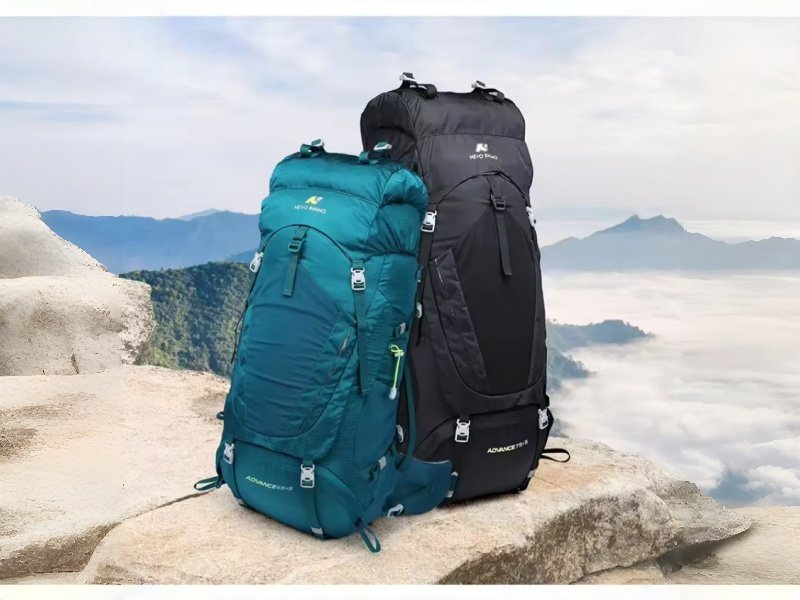
A go bag is a pre-packed emergency kit that contains the essential items you’ll need to survive for at least 72 hours if you must leave home suddenly. It typically includes water, food, first aid, clothing, and important documents, all packed in a durable and portable bag like a backpack or duffle.
A go bag should include essential survival items such as water, non-perishable food, first aid supplies, lighting, power sources, clothing, documents, and basic tools. It’s designed to support you for 72 hours during emergencies or evacuations. The ideal go bag is lightweight, waterproof, and easy to carry, allowing fast evacuation without sacrificing safety or comfort.
Imagine this: you wake up to an emergency alert on your phone—wildfire spreading nearby, or a power outage that could last for days. You have 10 minutes to leave. Will you scramble through drawers or simply grab your bag and go? That moment defines readiness. Let’s unpack how to prepare the right way.
What Is a “Go Bag” and Why Do You Need One?
A go bag is an emergency survival kit designed to sustain you for up to 72 hours during disasters or evacuations. It ensures you have critical supplies like water, food, first aid, and documents ready to go at any moment. The main purpose of a go bag is to help you stay safe, mobile, and independent when access to power, water, or stores is disrupted.
The Logic Behind Preparedness
Many people underestimate how quickly normal life can change. Hurricanes, floods, wildfires, and even urban power failures can leave families stranded without supplies. Governments like FEMA in the U.S. recommend that every household maintain a 72-hour emergency kit.
There are typically three types of go bags:
| Type | Purpose | Typical Duration | Example |
|---|---|---|---|
| 24-Hour Get-Home Bag | For short evacuations or workplace commutes | 1 day | Small backpack |
| 72-Hour Go Bag | Standard emergency survival setup | 3 days | Tactical or hiking backpack |
| Vehicle Bug-Out Bag | Kept in car for travel emergencies | Variable | Duffle or trunk case |
A well-prepared go bag gives you independence. You don’t need to rely on emergency shelters or panic-buying. Instead, you control your response, protecting your family, pets, and valuables with calm efficiency. That’s not paranoia—it’s responsibility.
Which Bag Type Is Best for a Go Bag?

The best go bag is durable, lightweight, water-resistant, and comfortable to carry. Tactical backpacks, waterproof duffles, and roll-top bags are popular choices. Choose materials like nylon, polyester, or TPU for durability and moisture resistance, and look for features such as multiple compartments, padded straps, MOLLE webbing, and reinforced zippers.
Material and Design Considerations
When choosing your go bag, the material matters just as much as what you pack inside it.
Nylon (600D or 900D Oxford): High strength, water-resistant, and tear-resistant. Common for tactical and military bags.
Polyester: Lightweight, cheaper, but slightly less durable than nylon.
TPU/ PVC-Coated Fabric: Waterproof, ideal for flood-prone regions.
Canvas or Cotton: Classic look, breathable, but not fully water-resistant.
From Jundong’s experience producing over 20 bag types, tactical nylon and TPU-coated fabrics are the most preferred for OEM emergency kits due to their durability and weatherproofing.
Bag Style Comparison
| Bag Style | Pros | Ideal Use |
|---|---|---|
| Backpack | Hands-free, balanced weight | Most versatile for all users |
| Duffle Bag | High capacity | Vehicle or trunk storage |
| Roll-Top Bag | Waterproof closure | Flood-prone or marine environments |
| Tactical MOLLE Bag | Modular customization | Military, outdoor, professional use |
A good go bag should fit comfortably on your back even when fully packed (around 10–15% of your body weight). Wide straps, ventilation panels, and adjustable belts can make long carries much easier.
What Should You Pack — The Core Categories?

Pack your go bag with essentials from seven categories: water, food, first aid, lighting, clothing, documents, tools, and hygiene. Prioritize lightweight, compact, and multipurpose items that can sustain you for 72 hours. Store them in waterproof pouches and label each category for quick access.
What Essentials Should You Always Include?
Here’s a quick checklist of the non-negotiable items every go bag should have:
| Category | Example Items |
|---|---|
| Water | 2–3 liters per person, purification tablets, collapsible bottle |
| Food | Energy bars, canned goods, protein snacks, MREs |
| First Aid | Bandages, disinfectant, painkillers, medical tape |
| Lighting & Power | Flashlight, extra batteries, power bank |
| Documents | ID copies, insurance, contact list, USB backup |
| Clothing | 1 full change, thermal layer, poncho, gloves |
| Tools | Multi-tool, knife, whistle, duct tape, lighter |
| Hygiene | Soap, toothbrush, wet wipes, tissue, sanitizer |
How to Organize and Pack for Efficiency
Packing smartly is as important as packing completely. Here’s how professionals and survival experts recommend organizing:
- Use Inner Pouches – Divide by category: first aid, hygiene, tools, clothing.
- Layer by Access – Heavy items near your spine, daily-use items at the top.
- Label Bags Clearly – “Water,” “Docs,” or “Food” for quick recognition.
- Leave Space for Add-ons – Flashlights, gloves, and extra batteries should be reachable.
- Keep Waterproof Bags Ready – Use sealed plastic or TPU pouches for papers and electronics.
At Jundong, our OEM clients often request multi-pocket tactical layouts, removable pouches, and color-coded compartments for efficiency—especially for government or NGO emergency contracts.
How to Customize Your Go Bag for Specific Needs?

Tailor your go bag based on personal, family, or regional needs. Consider children, elderly family members, pets, and medical conditions. Adjust supplies depending on your climate—cold, hot, or humid—and keep a balance between weight and practicality. Customizing ensures that every item has purpose and value.
Real-Life Adaptations
Family customization: Include baby formula, diapers, or comfort items for kids. For elderly relatives, pack extra medication or mobility aids.
Pet owners: Keep food pouches, leashes, and a small blanket for comfort.
Climate customization:
Hot climates: Add electrolyte packs, extra water, sunblock.
Cold climates: Include gloves, beanies, hand warmers, and thermal foil blankets.
Rainy regions: Waterproof ponchos, TPU bags, and sealed containers are key.
Balancing Weight vs Usefulness:
Many people overpack, making the bag too heavy to carry. The recommended limit is 10–15% of your body weight. Choose multi-purpose tools (like Swiss knives), compact survival blankets, and dehydrated food packs instead of bulky alternatives.
Custom Go Bags for Professional or Brand Use
Factories like Jundong design OEM and ODM go bags for brands, NGOs, and disaster-prep suppliers.
Clients can customize:
- Bag material (nylon, TPU, polyester, canvas)
- Printing (logo, reflective patch, warning symbols)
- Compartments & layout design
- Sample prototype within 7 days
- Low MOQ orders with full logo branding
Customization ensures your go bags meet your audience’s exact needs—whether for outdoor retail, survival gear, or promotional kits.
Do You Need to Maintain & Rotate the Items?
Yes. You should review and update your go bag every 6–12 months. Food, batteries, water, and medicine expire or degrade over time. Rotate items regularly, replace outdated documents, and adjust contents seasonally. Running practice drills helps ensure your bag remains ready and efficient for emergencies.
How Often Should You Review or Update Your Go Bag?
Every six months is a practical cycle—mark it on your calendar. Check all expiration dates, and perform a quick repack test to see if anything’s missing or damaged. If you live in a region with strong seasonal changes, refresh before winter and summer.
Checking Expiry and Functionality
| Item | Replacement Frequency |
|---|---|
| Bottled Water | Every 6 months |
| Canned Food | Every 12–18 months |
| Batteries | Every 6 months |
| Medications | Based on expiry |
| Power Banks | Charge monthly |
| Flashlight/Radio | Test quarterly |
Running Practice Drills
Take 10 minutes once a year to simulate a real evacuation. Time how long it takes to grab your go bag and get to your car or safe spot. If you find something missing or hard to access, reorganize.
Maintenance isn’t just a chore—it’s peace of mind.
Are There Common Mistakes or Oversights to Avoid?
The most common mistakes include overpacking, neglecting waterproofing, forgetting cash or IDs, and not testing power sources. Avoid filling your bag with items you never use. Prioritize practical, lightweight, and reliable gear. Always test your bag’s weight, comfort, and durability before emergencies happen.
Lessons from Real Scenarios
Mistake 1: Overpacking.
A 25kg backpack might look impressive, but you won’t carry it long. Weight kills efficiency.
Mistake 2: Forgetting small but vital items.
Cash, photocopies of IDs, USB drives, and chargers are often left behind but can save you huge trouble.
Mistake 3: Ignoring weatherproofing.
Without sealed zippers or waterproof coating, a rainstorm could destroy all your supplies. Jundong’s TPU-coated tactical bags are tested for IPX5+ water resistance—a feature many overlook.
Mistake 4: Skipping power redundancy.
Include power banks and solar chargers. Many people forget that phone networks may still work even when power grids fail.
Avoid these and your go bag will not just be packed—it’ll be ready.
Which Go Bag Products Can Work — And How Your Customized Bags Add Value
High-quality go bags feature durable fabrics, modular storage, and ergonomic designs for fast access. Brands and retailers can customize tactical, waterproof, or urban-style go bags through OEM/ODM partnerships. At Jundong, we provide free design, low MOQ, and fast sample services for customized emergency kits and branded survival bags.
Popular Go-Bag Styles in the Market
| Product Type | Common Use | Ideal Buyer |
|---|---|---|
| Tactical Backpack | Survival, rescue, hiking | Outdoor brands, military |
| Waterproof Roll-Top | Marine, flood-prone regions | NGOs, disaster relief |
| Compact Urban Bag | Commuters, everyday carry | Lifestyle brands |
| Modular Duffel Bag | Vehicle or team emergency storage | Corporate safety kits |
How OEM/ODM Manufacturers Add Professional Support
Jundong’s 20+ years of factory experience ensures that every bag—whether tactical or lifestyle—is designed for real function.
Clients can expect:
- Professional Material Guidance: Choose nylon, polyester, or TPU coatings.
- Private Label Services: Add logos, reflective details, or brand patches.
- Low MOQ & Fast Sampling: Samples ready in 7–10 days.
- Quality Assurance: Each bag is inspected for stitching strength, zipper durability, and water resistance.
Jundong supports both small importers and large brands by helping them create their own go bag product lines with competitive pricing and custom branding.
Final Thoughts — Ready to Build Your Own Go Bag Line?
Emergencies don’t send invitations. Preparation is your insurance.
Whether you’re an outdoor retailer, promotional brand, or safety supplier, now is the perfect time to develop your own line of custom go bags.
At Jundong, we combine:
- 20+ years of manufacturing experience
- A full range of fabrics and materials
- Custom logo and design support
- Free sampling and low MOQ options
👉 Contact Jundong today to design your personalized go bag collection.
Build safety, reliability, and trust—one customized bag at a time.
✅ FAQ Section
Q1: How heavy should my go bag be?
Ideally, no more than 10–15% of your body weight—enough for mobility and endurance.
Q2: Can I customize a go bag with my company logo?
Absolutely. Jundong offers OEM/ODM customization with printing, embroidery, and patch branding.
Q3: How long does Jundong take to produce custom go bags?
Sample production within 7–10 days; bulk orders typically 25–30 days depending on quantity.
Q4: What fabrics are most popular for OEM emergency kits?
Nylon Oxford, TPU-coated waterproof fabric, and polyester are the top three materials for durability.