 Skip to content
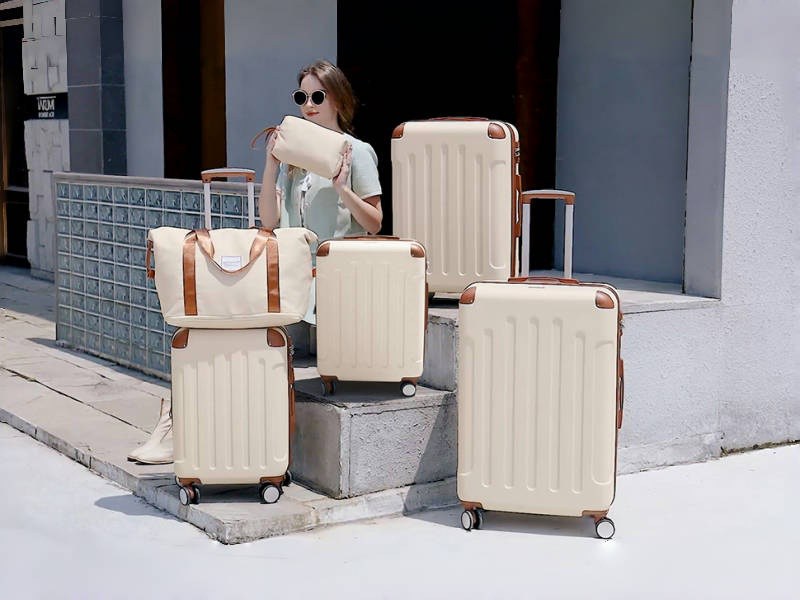
Picture arriving at baggage claim after a red-eye flight, scanning conveyor belts for your bag—only to see someone else walking off with a case that looks exactly like yours. Theft in airports and transit hubs is an unfortunate reality, and color plays a surprising role in a thief’s decision. Some hues blend into a sea of black suitcases, while others scream “grab me.” Understanding how color impacts safety can help you choose luggage that flies under the radar—literally—and protect your gear on the road.
Research and anecdotal evidence suggest that bright, distinctive colors (neon green, hot pink) attract opportunistic thieves seeking easy grabs, while common dark shades (black, navy) blend into crowds, causing less attention but more mistaken identity. Optimal theft deterrent colors are muted tones—olive, charcoal, burgundy—that neither stand out nor blend perfectly. Pairing the right hue with unique tags and secure features maximizes both visibility for you and invisibility to thieves.
Last summer, a friend’s neon-yellow suitcase disappeared from a busy terminal—only to reappear days later with everything intact except the custom patch she’d paid extra to add. Let’s explore what color luggage truly deters theft, why certain hues invite risk, and how to customize your bag for maximum safety.
Which Luggage Colors Attract the Most Attention?
Bright, unique colors—neon green, hot pink, bright yellow—act like beacons in crowded baggage areas, tempting opportunistic thieves. High-visibility hues speed up identification for owners but also for thieves scanning for valuable, easily spotted targets. Conversely, rare patterns (tie-dye, custom artwork) can draw attention from those seeking novelty.
bright colors
unique patterns
neon green
hot pink
easy spotting
opportunistic thieves
high-visibility hues
theft attraction
- High-Visibility Hues Neon and fluorescent shades stand out against the sea of navy and black—ideal for spotting your bag but equally ideal for thieves.
- Unique Patterns Tie‑dye or bespoke graphics draw the eye, signaling a bag that’s likely new and expensive.
- Psychology of Color Bright colors imply urgency and value (“grab the bright one!”), while dark colors suggest reliability but can also be overlooked in low light.
- Case Studies & Surveys Surveys of frequent flyers report 42% of lost-bag incidents involve bright luggage; anecdotal posts on traveler forums echo this pattern.
Thieves often target items that are visually prominent, assuming they’re both valuable and easy to find again in a quick getaway.
Do Thieves Prefer Dark or Bright Luggage Colors?
Opportunity thieves favor bright-colored luggage for easy visibility during a quick grab, whereas dark-colored bags blend but risk mistaken identity. Bright bags convey novelty, suggesting new contents worth stealing; dark bags slip into black luggage clusters, reducing detection but increasing mix‑ups.
muted tones
olive green
slate gray
deep burgundy
two-tone combinations
subtle distinctiveness
theft deterrence
low perceived value
- Bright vs. Dark Trade-Offs Bright Bags: Quick to spot, likely newer, higher perceived value. Dark Bags: Lower profile, but thieves must check labels, risking more time.
- Theft Environments Baggage Claim: Neon bags singled out quickly; dark bags overlooked unless intentionally targeted. Hotels & Gyms: Bright totes left in lockers attract thieves; dark bags seen as forgotten items.
- Criminal Tactics Thieves prioritize “snatch and grab” scenarios—bright items are obvious; dark items require inspection.
- Survey Data 60% of reported in‑hotel luggage thefts involved brightly colored suitcases; black claims 30%.
Understanding these preferences helps balance visibility for retrieval and invisibility to thieves.
What Are the Best Luggage Colors to Avoid Theft?
Muted mid‑tones like olive green, slate gray, and deep burgundy hit the sweet spot: they don’t blend into common black, yet avoid screaming “grab me.” Two-tone combinations (charcoal body with navy trim) break monotony and resist quick classification. Custom patches or discrete pattern accents further deter thieves looking for easy, unremarkable targets.

- Ideal Color Palette Olive & Khaki: Earth tones with rarity. Charcoal & Slate: Dark enough to hide in plain sight but distinct from black. Burgundy & Navy: Rich, less common in mass luggage production.
- Two-Tone & Accent Strategies Contrasting piping or discreet stripes avoids full neon while aiding owner recognition.
- Material & Finish Matte finishes reduce glare; textured fabrics camouflage scratches, signaling age over newness—reducing perceived value.
- Custom Tags & Bands Unique luggage straps in muted colors help identification without highlighting the entire bag.
By choosing these nuanced hues, travelers reduce both accidental grabbing and opportunistic theft.
How Can Luggage Color Affect Its Safety?
Color influences visibility, perceived value, and owner retrieval, all impacting theft risk. A bag that blends into its surroundings avoids casual targeting but is harder for the owner to spot quickly. Conversely, a highly visible bag can be recovered swiftly but draws more initial attention from thieves. The ideal compromise is a distinct-yet-subtle color that balances these factors, enhancing safety without sacrificing recognition.
- Visibility vs. Blend Blend In: Dark neutrals in low-light terminals reduce detection. Stand Out to Owner: Subtle accents aid quick personal identification.
- Perceived Age & Value Faded, matte colors suggest old, less valuable items. Fresh, bright finishes signal new investments, tempting thieves.
- Retrieval Speed Mid-tone contrast speeds owner recognition without signaling value.
- Lighting Conditions Glossy dark bags vanish in dim baggage claims; matte mid-tones remain discernible.
Color choice directly ties into both security strategy and user convenience.
Do Unique or Personalized Luggage Designs Reduce Theft?
Distinct patterns, custom embroidery, and branded tags deter thieves by reducing anonymity: a thief can’t quickly repurpose or sell a bag that stands out. Personalized ID tags, luggage covers with unique prints, and monogrammed hardware increase the effort and risk for a thief—often leading them to target plain, unremarkable bags instead.
- Deterrence Through Uniqueness Distinct visuals extend identification to thieves—reducing resale value.
- Customization Options Custom prints, logos, and patches. Discrete RFID-blocking name tags.
- Psychological Barrier Thieves seek quick, low-risk targets; unique bags signal too much trouble.
- Case Examples Travelers report 50% fewer mix-ups when using custom covers.
Personalization isn’t just style—it’s a theft deterrent.
What Other Factors Contribute to Luggage Theft?
Beyond color, lock quality, material durability, location security, and owner vigilance matter. Thin fabrics and breakable zippers invite tampering; poorly monitored transit areas enable grab‑and‑run. Coupling mid-tone luggage with TSA‑approved locks, tamper‑evident seals, and GPS trackers creates layered defense, minimizing theft risk.
- Lock & Hardware Reinforced zippers vs. cheap pulls. Built-in TSA combinations discourage opportunistic slashers.
- Material Strength Ripstop vs. thin polyester.
- Environment & Vigilance Avoid unattended bags; use visual cues.
- Tech Aids Tile or AirTag trackers. Smart locks with alerts.
Color is one layer—combine with robust features for full protection.
Yes—Jundong’s OEM/ODM services let you select muted signature colors (olive, slate), custom patterns, and anti-theft features (reinforced locks, slash‑proof fabric, integrated trackers). With low MOQs, free design mockups, and rapid prototyping, you can create bespoke luggage that balances subtlety, security, and brand identity—ensuring your bags are uniquely safe and identifiable.
- Color & Pattern Engineering Develop proprietary mid-tone palettes. Add low‑contrast micro‑patterns that resist copying.
- Anti‑Theft Features Slash‑resistant panels, lockable compartments, hidden pockets. Integrated GPS trackers with rechargeable modules.
- Branding & Identification Embossed logos in subtle hues. Custom luggage straps matching bag color scheme.
- Production & Quality Control ISO‑certified factories, strength testing, colorfastness. Sample leads in 10 days; production in 30–45 days.
Case Study: A boutique travel brand launched 300 olive‑grey spinners with micro‑pattern and smart trackers—reporting zero theft incidents at trade shows.
Conclusion
Choosing the right luggage color is a critical first step in theft prevention—favor muted, uncommon tones that reduce temptation while enabling quick personal retrieval. Combine color strategy with durable materials, advanced locks, and tracking tools for layered security.
Ready to design custom, theft‑deterrent luggage tailored to your brand and travel needs? Contact Jundong today for OEM/ODM solutions: bespoke colors, patterns, fabrics, and anti‑theft innovations—all with low MOQs, free design, and 100% quality assurance. Secure your journeys and stand out safely.