Skip to content
Weekend Travel Bag Customization
Develop custom weekender bags with brand-led materials, travel-ready structures, private label details, sampling, controlled production, packaging and global delivery support.
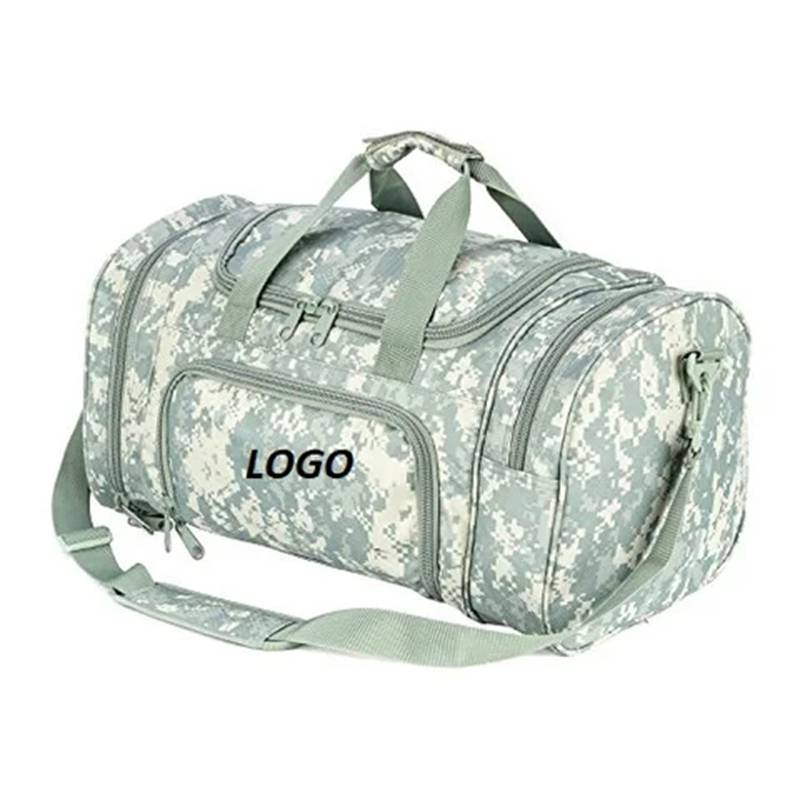
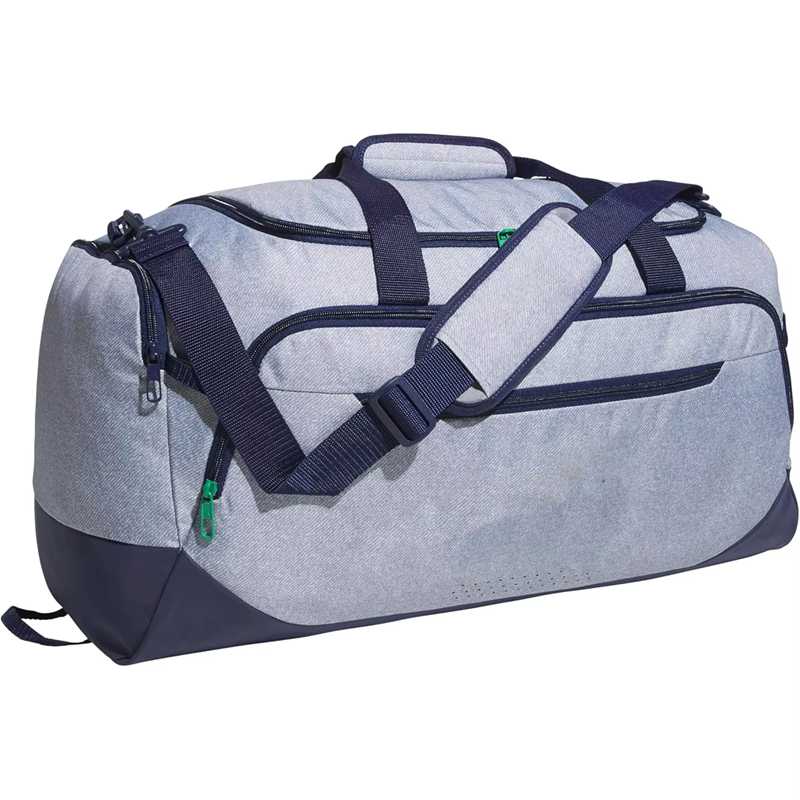
- Develop custom weekender bags for travel, lifestyle, retail and private label programs, with capacity, compartments, carrying structure and packaging reviewed before sampling.
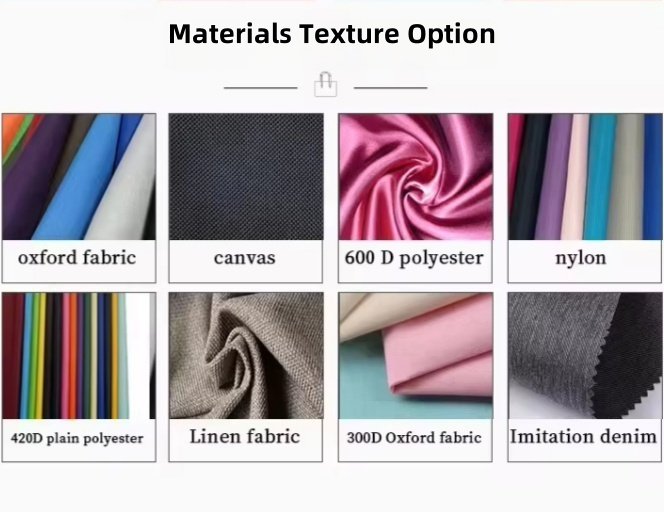
- Select polyester, nylon, Oxford, canvas, PU, leather or RPET according to appearance, durability, use and target cost.
- 20+ years OEM/ODM experience, 600+ employees, 18,000㎡ production area and 80 QC inspectors support sample-to-bulk control.
- Standard MOQ usually starts at 500 pcs per design; material, structure, branding, packing and schedule are reviewed before quotation for launch planning and repeat production.

Why Do Weekend Travel Bag Projects Go Wrong?
Weekend bag projects often fail through weak planning, not one obvious defect. Early decisions on function, construction, approved standards and sales preparation matter.

Brand Position Mismatch
A weekender designed for premium retail should not begin as a generic duffel with a different logo. Material hand feel, silhouette, hardware finish, lining, color control and trim details shape perceived value. Those decisions also influence cost, sampling difficulty and repeat-order consistency.
- Confirm target retail position and visual direction.
- Define main materials and secondary trims.
- Lock color references and logo treatment before bulk production.
Weak Load Structure
Weekend travel bags carry clothing, footwear, electronics and personal items, so durability depends on the whole load path rather than fabric alone. Handle roots, shoulder-strap connections, side seams, base panels, zipper openings and webbing attachments need suitable construction and reinforcement. A visually clean sample can still fail in use if stress areas are not reviewed early.
- Map expected contents and carrying method.
- Review reinforcement at high-stress areas.
- Match zippers, webbing and hardware to intended use.
Sample Approval Gaps
Sample approval should define the production standard, not simply confirm that the bag looks attractive. Dimensions, compartment proportions, fabric, lining, logo position, stitching, hardware, zipper operation and packing method need clear approval records. Without those references, interpretation can shift when larger quantities move through cutting, sewing, assembly and packing.
- Record approved measurements and materials.
- Confirm logo size, position and color.
- Keep sample comments and packing rules aligned before bulk production.
Channel Preparation Gaps
A finished weekender may still be unready for retail or e-commerce if labels and packing rules are decided too late. Private label travel bags can require hangtags, barcodes, SKU labels, individual packing, carton marks or channel-specific information. These details affect artwork, sourcing, packing time and final inspection, so they should enter the project before production planning is locked.
- Define required labels and packaging early.
- Separate SKU and color identification clearly.
- Confirm carton marks and shipment preparation rules.
Which Structures Matter In A Custom Weekender Bag?
Main Compartment
The main compartment sets the working capacity of a weekend travel bag. A wide opening makes clothing easier to pack, while internal pockets can separate small essentials without reducing the usable central space. Capacity should be developed around the intended trip length, product silhouette and carrying method rather than copied from an existing duffel.
- Confirm intended packing scenario.
- Balance opening size with zipper strength.
- Plan internal pockets without over-dividing the main space.
Shoe Compartment
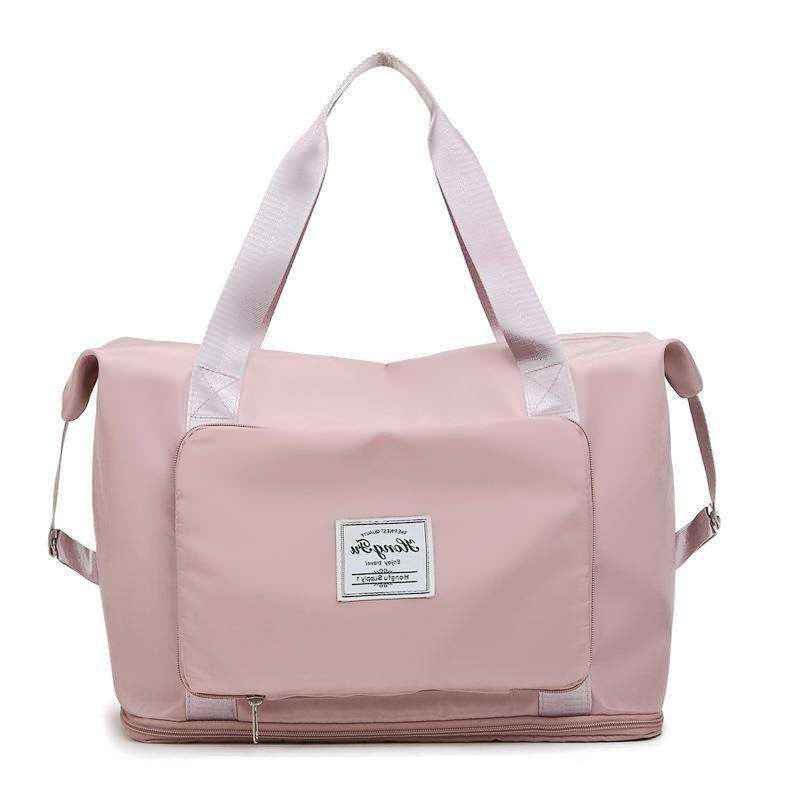
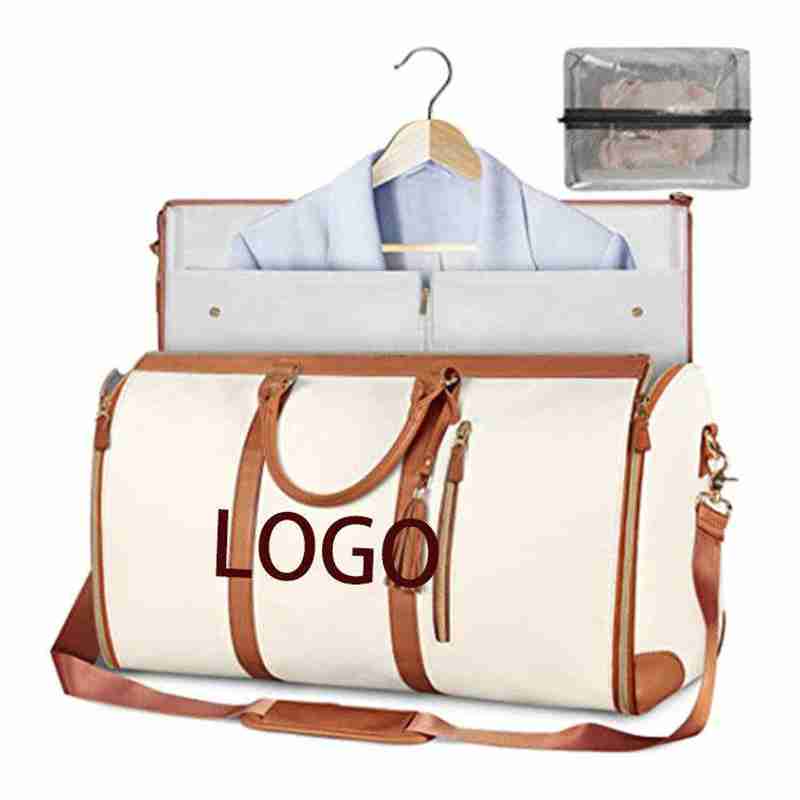
A separate shoe compartment can add real value when footwear needs isolation from clothing, but it also consumes internal volume and changes the side or base construction. The entry direction, lining material, ventilation needs and cleaning expectations should be considered during pattern development. Poor placement can distort the bag when loaded or make the main compartment harder to use.
- Confirm whether shoe separation is essential.
- Review compartment depth against overall capacity.
- Select an easy-clean lining where appropriate.
Carry System
Handles and shoulder straps carry repeated load, making their connection points more important than decorative stitching. Handle length, webbing width, reinforcement layers, shoulder-pad construction and hardware selection should match the expected carrying style. For larger weekend bags, comfortable hand carry and shoulder carry need to work together without creating excessive bulk around the top panel.
- Set hand-carry and shoulder-carry priorities.
- Reinforce handle and strap attachment zones.
- Review buckles, hooks and adjusters before sampling.
Trolley Sleeve
A trolley sleeve is useful for travel collections designed to pair with rolling luggage, but its width, height and attachment method need to match the bag body. An oversized sleeve can sag, while a narrow or poorly positioned sleeve may not sit securely on a suitcase handle. Cabin compatibility should be checked against the intended airline or route because one universal carry-on size cannot be assumed.
- Confirm intended luggage pairing.
- Review sleeve position on a loaded bag.
- Check finished dimensions against target travel requirements.
Wet And Dry Pocket
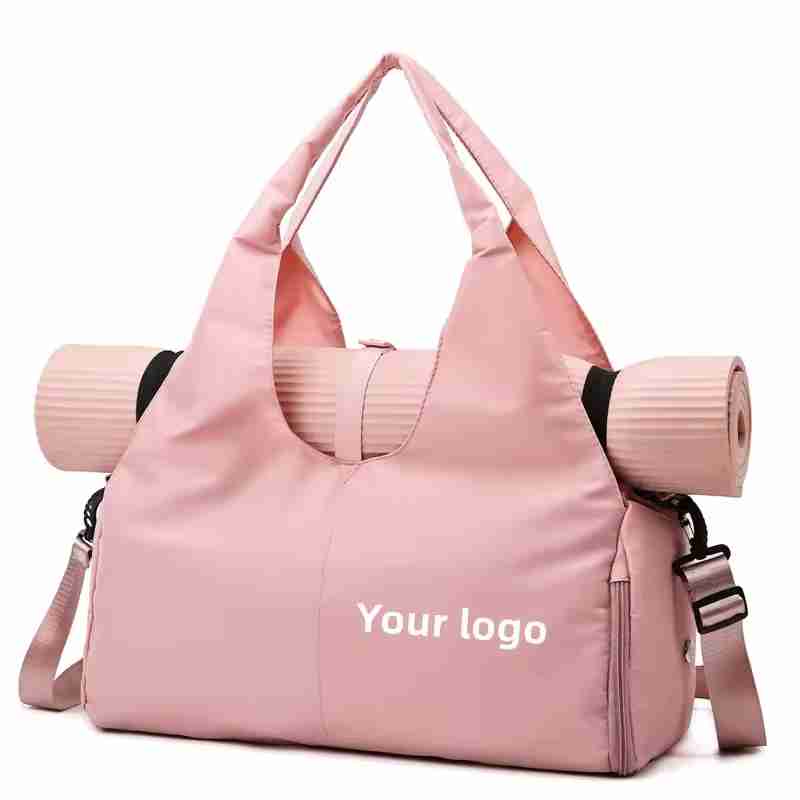
Wet and dry separation can support gym-to-weekend, resort or short-trip use when damp garments or toiletries need isolation. The feature should not be added automatically because lining choice, seam construction, pocket placement and cleaning requirements affect cost and usable capacity. A wet pocket also should not be described as fully waterproof unless the selected materials and construction have been verified for that performance.
- Define the items the pocket should hold.
- Choose lining and closure for intended use.
- Set realistic water-resistance expectations before approval.
Quick Access Pockets
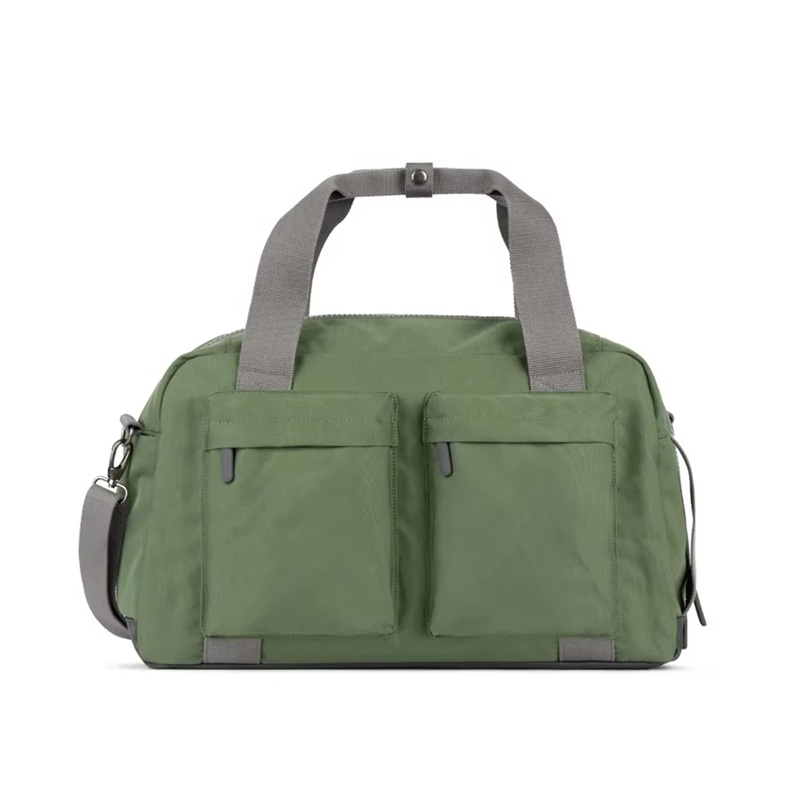
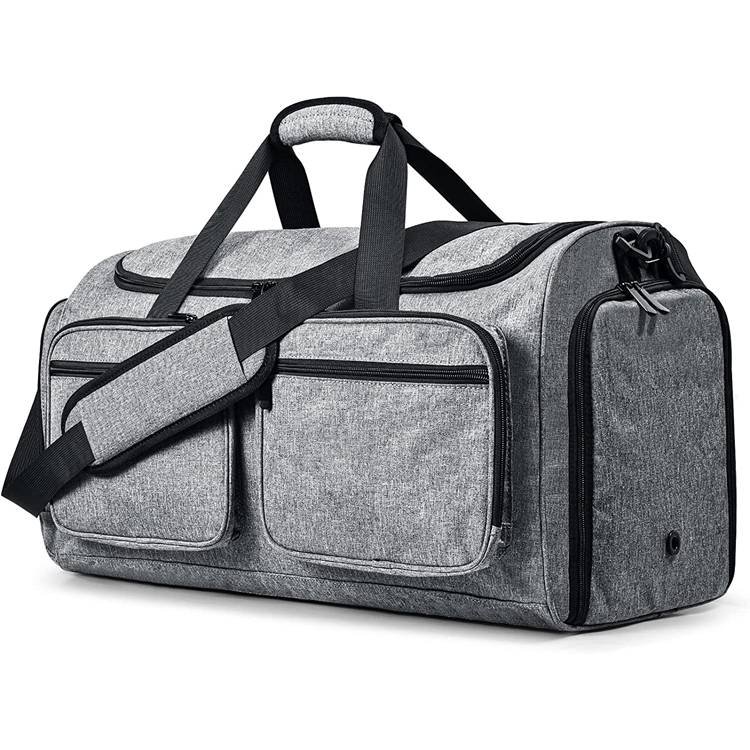
Quick-access pockets should make travel easier without weakening the bag body or creating unnecessary layers. Exterior zipper pockets can hold passports, tickets, chargers or small essentials, while internal security pockets help organize valuables. Pocket depth, opening direction and zipper placement should be tested on the sample because a convenient empty pocket may become difficult to reach once the weekender is fully packed.
- Prioritize the items requiring fast access.
- Check pocket reach on a loaded sample.
- Avoid pocket layouts that interfere with handles or seams.
How Is A Weekend Bag Developed Before Sampling?
Strong weekender development starts before sewing. Capacity, load paths, compartments, patterns and approved specifications need to work together before materials are cut for a representative sample.
Start With Use, Capacity And Product Positioning

A useful development brief goes beyond a reference photo. It should explain what the finished weekender is expected to carry, how long the typical trip lasts, how the bag will be transported and where the product will be sold. A fashion-led overnight bag, a rugged travel duffel and a retail weekender set may share a similar silhouette but require very different internal construction.
A project can begin from a tech pack, drawing, reference image, physical sample or existing style that needs redevelopment. Before pattern work begins, several decisions should be made together:
- Capacity: Estimate clothing, footwear, laptop, toiletries and travel accessories rather than choosing dimensions only from appearance.
- Carrying method: Decide whether hand carry, shoulder carry or suitcase pairing is most important.
- Organization: Identify which compartments solve a real use need and which would only add weight or cost.
- Brand position: Match the intended retail level with material feel, hardware finish, lining and visual details.
- Sales channel: Consider packaging, barcode, hangtag or SKU requirements before construction is frozen.
These decisions reduce late structural changes. Adding a shoe compartment, trolley sleeve or laptop section after the basic pattern is completed can change internal volume, seam locations, reinforcement, lining consumption and overall cost. A more reliable process defines the functional brief first, then moves into pattern engineering.
Pattern making translates a visual idea into cut components that can actually be sewn repeatedly. For a weekend travel bag, the pattern needs to account for more than outer dimensions. Zipper curves, seam allowances, lining construction, reinforcement layers, pocket depth, handle attachment and the relationship between loaded volume and finished shape all influence how the bag performs.
Important engineering checks include:
- Main body geometry: The front, back, side and base panels need to form the intended silhouette after filling.
- Zipper opening: Opening length and curve should allow useful access without creating excessive stress at corners.
- Handle roots: Reinforcement size and stitching location should spread load into the body rather than concentrate stress at one seam.
- Shoulder strap anchors: Attachment points need to align with expected load and carrying balance.
- Compartment integration: Shoe sections, wet pockets, laptop sleeves and organizer pockets must fit without making the main compartment impractical.
- Lining construction: Internal seams, binding and pocket attachment should remain neat and accessible during assembly.
Complex structures may require adjustment after the first pattern or sample. A pattern is therefore not simply a drawing; it controls material consumption, sewing sequence, finished measurements and repeatability during bulk production.
Jundong’s development workflow can include requirement review, structural evaluation, pattern making and sample revision before a design becomes production-ready. The aim is to resolve foreseeable construction issues while changes are still relatively easy to make.
Convert The Design Into Production-Ready Patterns

Build An Approval Standard Before Bulk Production

A sample should become a measurable reference rather than a visual approval only. Before a weekend bag moves toward production, the approved version should make the important specifications clear enough for cutting, sewing, logo application, inspection and packing teams to follow consistently.
Key approval items normally include:
- Finished dimensions and tolerance references
- Outer fabric, lining, reinforcement and trim selections
- Main compartment and pocket proportions
- Handle length and attachment position
- Shoulder strap construction and hardware
- Zipper type, size and opening direction
- Logo size, color, method and placement
- Approved color references
- Packaging, label and carton requirements
- Functional observations from sample review
The sample should also be evaluated in a loaded condition. A weekender can look balanced when empty but behave differently once clothing, shoes or electronics are added. Handle angle, base shape, zipper access, shoulder balance and pocket reach can all change under normal use.
Comments from the first review should therefore be specific: change the pocket depth by a defined amount, move the handle attachment, adjust the zipper opening, revise reinforcement or change a material. Clear revision records are more useful than comments such as “make it stronger” or “make it more premium.”
Once the structure, materials and visible details are approved, the reference becomes the basis for production control and later QC checks.
How Should Brands Choose Weekend Travel Bag Materials?
The right fabric should support the desired look, carrying performance, construction method and target cost. Material decisions are best made before patterns and samples are finalized.
| Material | Suitable Weekend Bag Direction | What It Can Support | What Should Be Confirmed Before Sampling |
|---|---|---|---|
| Polyester | Retail travel collections, corporate travel programs, mainstream weekender bags | Flexible fabric choices, broad color options, lining compatibility and efficient production for structured or lightweight designs | Fabric density, surface texture, coating, color reference, backing material and intended load should be confirmed. Water resistance depends on fabric treatment, seams and overall construction rather than the fiber name alone. |
| Nylon | Premium travel gear, lightweight weekender bags, outdoor-inspired collections | Clean technical appearance, lightweight construction and good compatibility with webbing, reinforced handles and functional compartments | Denier, weave, coating, hand feel, color consistency and abrasion expectations should be reviewed. Different nylon specifications can produce very different appearance, weight and cost. |
| Oxford Fabric | Functional weekend bags, travel duffels, hotel or corporate programs | Stable body construction, durable-looking surfaces and good compatibility with zippers, webbing, foam padding and multiple compartments | Fabric specification, backing, coating, stiffness, surface finish and intended loading should be checked together. Heavy fabric alone does not guarantee stronger handles, seams or shoulder-strap connections. |
| Canvas | Lifestyle travel brands, heritage-inspired collections, casual premium weekender bags | Natural texture, strong visual identity and good compatibility with embroidery, woven labels, leather details and structured trims | Fabric weight, shrinkage risk, dye color, surface texture, lining, reinforcement and logo method should be confirmed. Canvas can create a premium casual look, but weight and shape retention need to match the intended design. |
| PU / Leather Details | Premium lifestyle collections, fashion travel programs, elevated private label lines | Handles, trims, base panels, patches, zipper pullers and decorative panels can add contrast, structure and a more refined finish | Thickness, hand feel, surface finish, edge treatment, stitching method, color matching and care expectations need review. PU and genuine leather should not be treated as interchangeable materials because appearance, cost and performance differ. |
| RPET | Travel collections with specified recycled-material positioning | Can be developed into polyester-based outer fabrics, linings or selected components while supporting a recycled-material story when documentation is required | Fabric construction, hand feel, color, coating, performance requirements and supporting material documentation should be checked before claims are made. Recycled content does not automatically determine durability or environmental performance. |
| PVC-Coated Fabric | Selected functional travel styles, easy-clean panels, weather-focused designs | Can provide a coated surface for selected panels or products requiring easier cleaning and added surface protection | Coating thickness, flexibility, odor, folding behavior, stitching response and required water resistance should be reviewed. Coated fabric should not automatically be described as a fully waterproof finished bag. |
Which Branding Methods Suit Private Label Weekender Bags?
Branding should be selected with the bag material and product position. The same artwork can look very different when embroidered, printed, patched or mounted on metal.


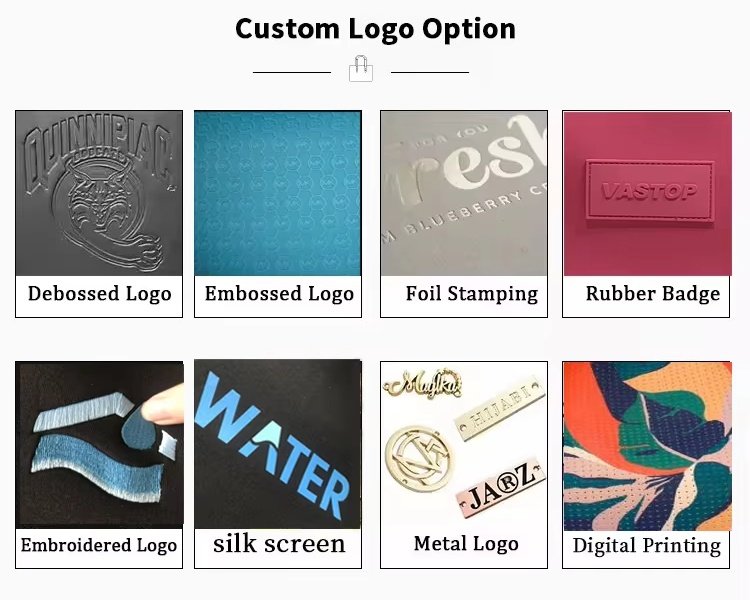
Embroidery And Woven Labels
Embroidery works especially well on canvas, polyester, Oxford and selected travel-bag fabrics when a textured, durable brand mark is preferred. Stitch density, artwork detail and backing should be checked so the fabric does not distort around the logo. Woven labels are useful for understated private label identity on exterior seams, internal linings or accessory areas.
- Best for clean logos and textile-led collections.
- Confirm artwork size and thread colors.
- Check placement against pockets, seams and reinforcement layers.
Print And Heat Transfer
Screen printing can suit simple solid-color artwork on selected canvas, polyester and related surfaces, while heat transfer is more suitable for multi-color artwork, gradients or fine graphic details on compatible fabrics. Material texture, temperature resistance, coating and logo size affect the result, so artwork and fabric should be reviewed together rather than selecting the process from appearance alone.
- Use vector artwork where possible.
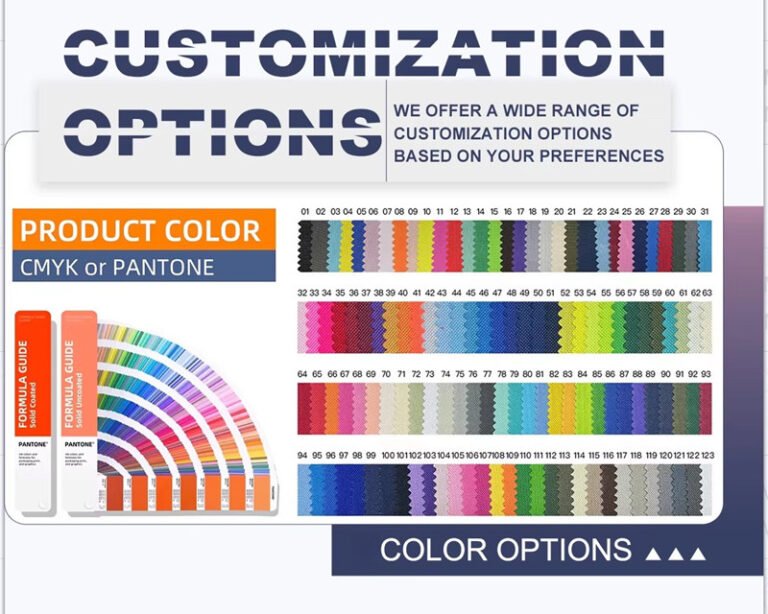
- Confirm Pantone or approved color references.
- Test coated, textured or heat-sensitive fabrics before production.
Leather And Rubber Patches
Leather-style patches can add a heritage or premium lifestyle character to canvas and selected travel collections. Rubber, PVC or silicone patches create a more dimensional identity for outdoor-inspired or technical products. Patch thickness, edge shape, color count, attachment method and underlying fabric all affect the finished look. Molded patches may also require dedicated tooling.
- Match patch style to the overall product language.
- Confirm sewing, heat-press or attachment method.
- Review thickness before approval to avoid a bulky appearance.
Metal And Private Label Details
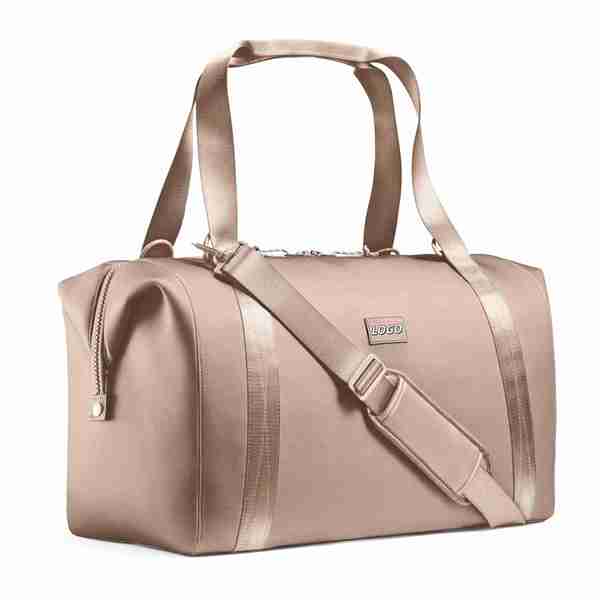
A metal plate can create a refined focal detail on selected premium weekender designs, but weight, finish, edge treatment and attachment should suit the bag structure. Brand identity can also continue through custom zipper pullers, lining labels, hangtags, packaging, barcodes and carton identification. Consistent branding across these details often looks more considered than placing a large logo on every surface.
- Confirm metal finish and attachment position.
- Keep internal labels and hangtags consistent with approved artwork.
- Prepare barcode, SKU and packaging information before bulk packing.
How Is Bulk Weekender Bag Production Kept Under Control?
Production Standard Lock
Before bulk work begins, quantity, colors, dimensions, material specifications, branding details, approved sample version, packing requirements and delivery schedule need to be aligned. Production teams work more reliably when the reference sample is supported by written specifications rather than relying on memory or visual interpretation.
For multi-color or multi-SKU travel collections, style numbers, color codes and packing rules should be separated clearly from the start.
Material Preparation
Outer fabrics, lining, zippers, webbing, hardware, reinforcement and other trims are prepared against the confirmed order. Material batches can differ in shade, coating, thickness or hand feel, so incoming components should be checked before they flow into cutting and sewing.
Special colors or customized accessories need earlier planning because sourcing time can influence the overall schedule.
Cutting And Branding
Panels are cut according to the confirmed pattern while fabric direction, visible defects and color separation are managed. Branding may then involve embroidery, printing, woven labels, leather patches, molded patches or metal details depending on the approved design.
Placement guides and approved artwork help prevent small deviations from becoming repeated across an entire production run.
Sewing And Assembly
Main panels, pockets, lining, zipper systems, handles, shoulder straps, shoe compartments and reinforcement pieces are sewn and assembled in a controlled sequence. Travel bags require particular attention at handle roots, shoulder-strap anchors, bottom seams, zipper corners and other areas exposed to repeated load.
Consistent construction matters more than fast assembly when a collection is expected to support repeat orders.
In-Process Inspection
Inspection during production helps catch deviations before hundreds of finished pieces carry the same problem. Checks can cover dimensions, stitching, material use, logo placement, pocket position, reinforcement and zipper function. When an issue is identified early, correction is usually more manageable than discovering it after packing.
Production control and finished inspection work together; one does not replace the other.
Finished Order Handover
Completed bags move through finished inspection before packing preparation. Quantities, styles, colors and SKU information should remain separated, while approved labels and packing instructions are matched to the correct products. Carton marking, packing lists and shipment information are then prepared according to the confirmed order.
Regular bulk production usually takes around 20–30 days, depending on materials, structure, quantity, branding, packing and production schedule.
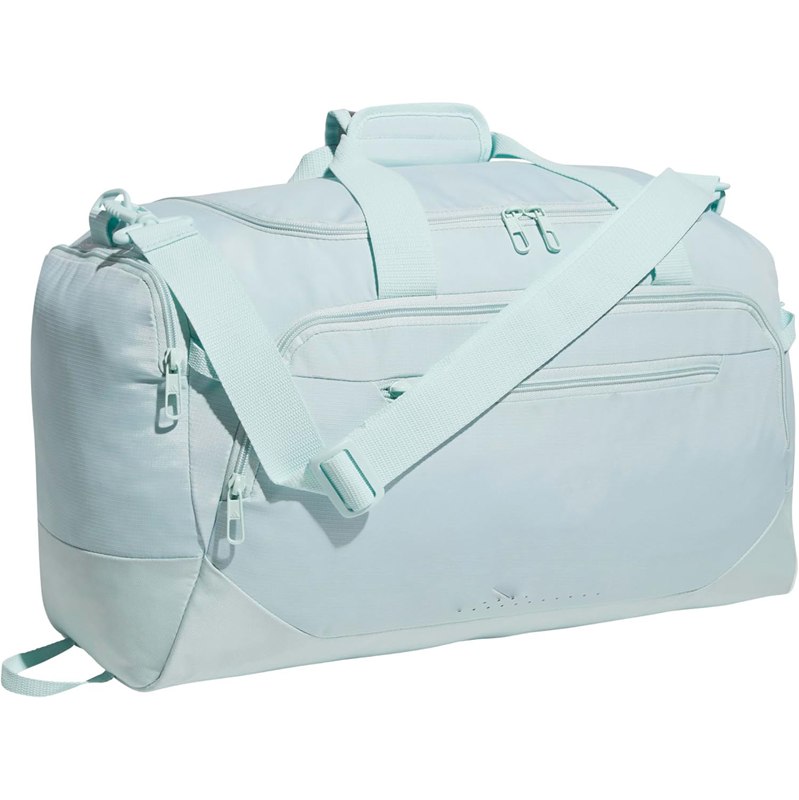
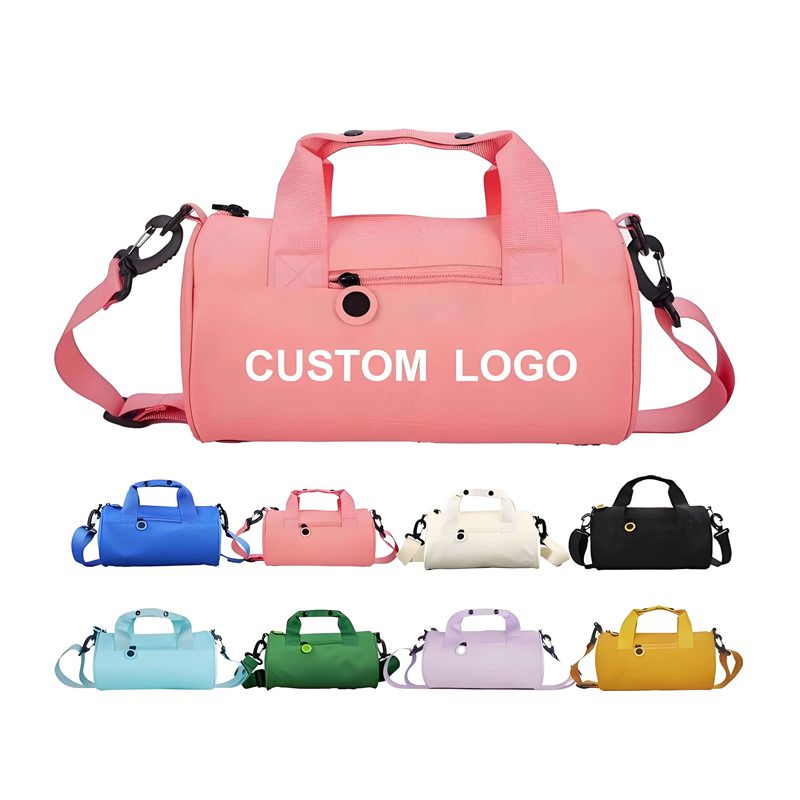
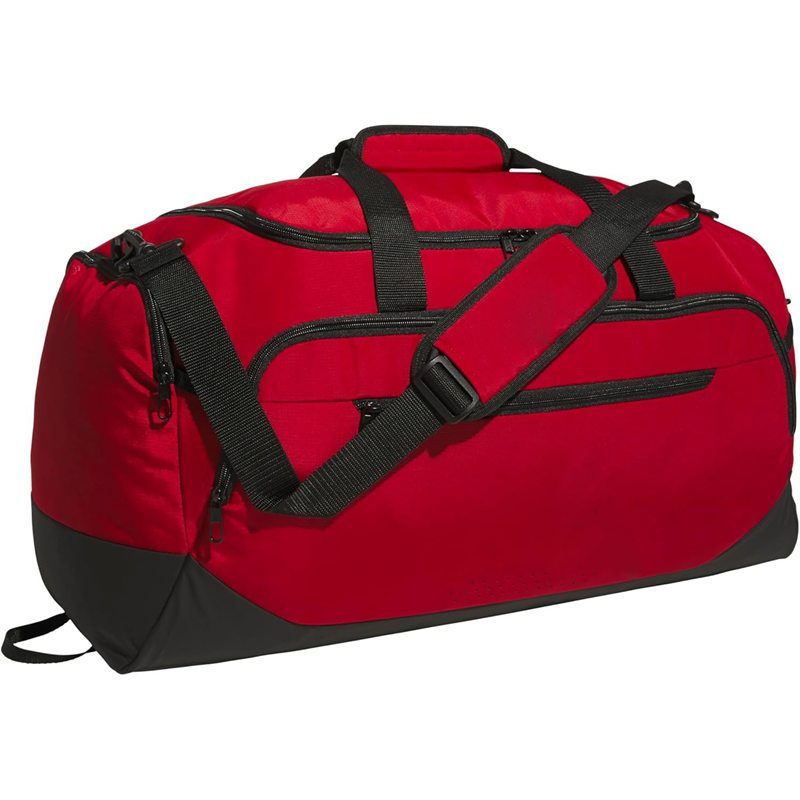
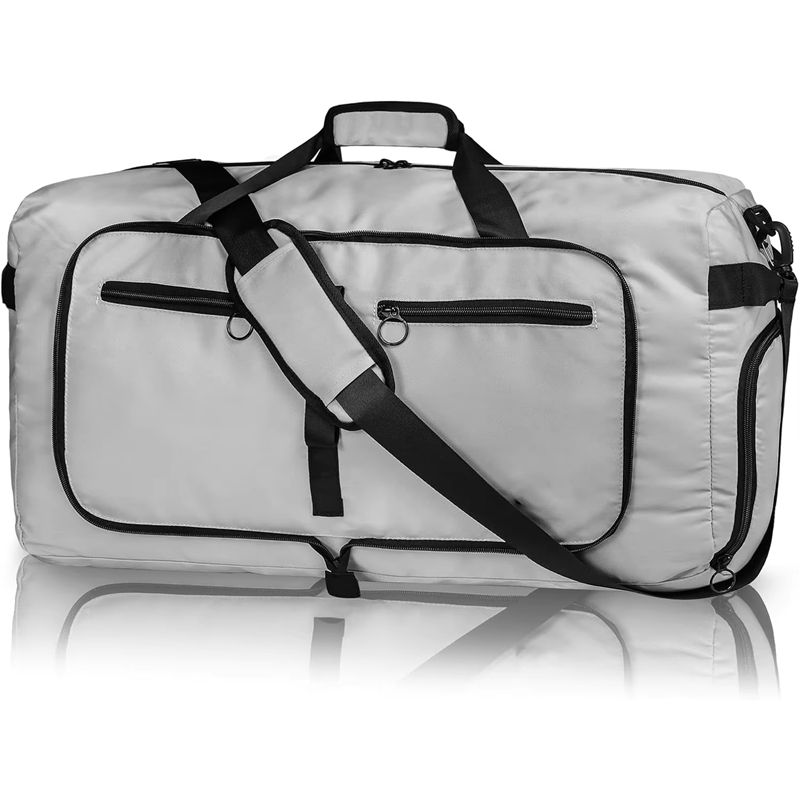
How Does A Custom Weekender Move Through Sample Approval?
Sampling turns drawings and specifications into a physical reference for fit, structure, branding, function and eventual bulk execution before larger quantities are committed.
Project Details Review

A useful sample begins with enough information to make meaningful decisions. Reference photos or design files should be supported by intended dimensions, material direction, branding artwork, approximate quantity, packaging needs and expected use. For a weekend travel bag, the review also considers capacity, carrying method, shoe storage, trolley compatibility, lining, zipper configuration and other functional details.
- Check whether the proposed construction can be produced consistently.
- Identify special materials, hardware or branding that need additional preparation.
- Flag details likely to change cost, sample timing or bulk feasibility before cutting begins.
Material And Trim Selection

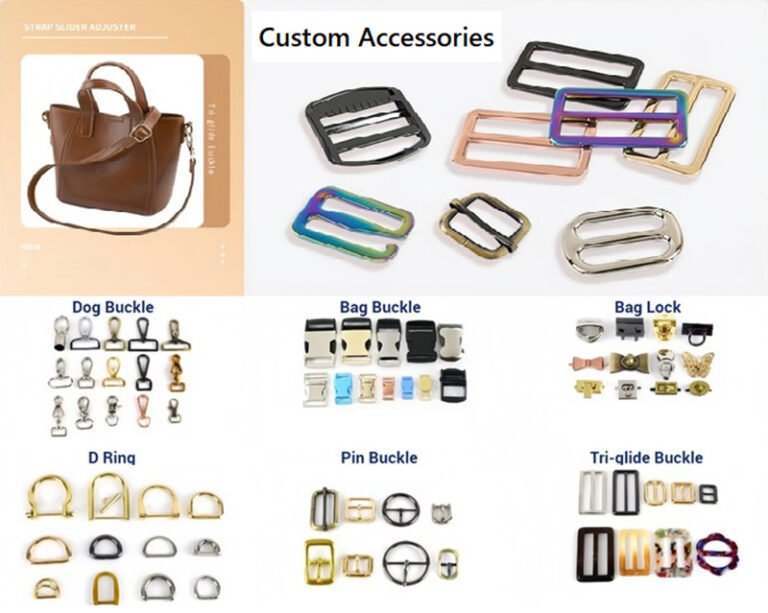
Material selection is verified before a representative sample is built. Outer fabric alone is not enough; lining, webbing, zippers, buckles, D-rings, padding, reinforcement and decorative trims all affect finished weight, appearance and durability. Color references and surface finishes should also be aligned at the same stage, especially when several materials appear on one weekender.
- Compare fabric hand feel and structure with the intended product level.
- Match zippers, webbing and hardware to the expected load.
- Confirm color relationships between body fabric, lining, trims and branding elements.
Pattern And Prototype Build

Patterns convert approved dimensions and structural ideas into pieces that can be cut, sewn and assembled. Weekend bags need careful treatment around zipper curves, side panels, base construction, handle roots and internal compartments because small pattern changes can affect capacity and finished shape. The prototype then shows whether those decisions work together as expected.
- Check proportions against the intended silhouette.
- Review compartment depth and usable main-space volume.
- Examine handle, shoulder-strap and reinforcement positions before moving forward.
Function And Appearance Check

A sample should be inspected both empty and loaded. Clothing, shoes, toiletries or electronics can change the bag’s balance, base shape, zipper access and carrying comfort. Brand details are reviewed at the same time, including logo size, placement, color, embroidery shape, patch thickness or metal hardware positioning where applicable.
- Load the sample according to its intended travel use.
- Operate zippers, straps, buckles and pockets repeatedly.
- Compare measurements, materials and visible details against the development brief.
Revision With Clear Records

Custom travel bags often need refinement after the first physical sample. Revisions may involve dimensions, material, color, zipper length, pocket placement, shoulder-strap length, handle reinforcement, lining, branding or packaging. Feedback works best when changes are measurable rather than subjective. “Move pocket 20 mm upward” is easier to execute consistently than “make the pocket look better.”
- Mark changes directly on photos, drawings or measurements.
- Record material and structural substitutions clearly.
- Recheck any revision that changes cost, capacity or production feasibility.
Approved Production Reference

Approval creates a production reference, not merely permission to proceed. Product dimensions, material specifications, approved colors, structure, zippers, hardware, logo execution, lining and packing details should be converted into clear production information. For larger, complex, private label or multi-SKU programs, a pre-production sample may also be used to align the final version.
Sampling usually takes 5–7 days for regular styles. Complex structures, special fabrics, custom hardware, dedicated branding processes or multiple revisions may require additional time.
- Preserve the final approved sample version.
- Convert approval details into production and QC references.
- Record later changes so the production standard remains traceable.

How Is Custom Weekend Travel Bag Quality Inspected?
Quality checks begin with incoming materials and continue through cutting, branding, sewing, function, finished goods, packing and shipment preparation—not only at the end.
| Inspection Stage | Weekend Bag Checks | Risk Being Controlled |
|---|---|---|
| Incoming Materials | Fabric color, thickness, texture, coating, hand feel, lining, zipper specification, webbing width, hardware finish and accessory quantities are checked against confirmed requirements. | Prevents incorrect or visibly inconsistent materials from entering production. Material names alone are not enough because different batches can vary in shade, finish and construction. |
| Cut Components | Panel dimensions, cutting direction, fabric grain, visible defects, color separation, scratches, coating condition and left-right symmetry are reviewed before sewing. | Reduces dimensional deviation, uneven bag shape and repeated surface defects after assembly. Multi-color and multi-SKU programs need clear sorting at this stage. |
| Branding Details | Logo position, size, proportion, color, clarity and attachment are compared with approved references. Embroidery also requires stitch and thread-color review; patches require thickness and attachment checks; metal plates require surface and fixing checks. | Protects brand presentation and reduces repeated logo errors across the production quantity. Each branding method needs inspection suited to its own process. |
| Sewing Quality | Stitch spacing, skipped stitches, broken threads, seam allowance, binding, symmetry, pocket position, zipper stitching, lining finish and visible thread ends are examined. | Controls both appearance and structural reliability. For travel bags, handles, shoulder straps, base seams and other stress areas receive additional attention. |
| Load And Structure | Handle roots, shoulder-strap anchors, webbing, base construction, reinforcement areas and selected hardware are reviewed according to the intended use. | Helps reduce failures that may only appear once clothing, shoes, electronics or other travel contents place load on the finished bag. |
| Functional Operation | Main zippers, pocket zippers, buckles, strap adjusters, handles, compartments, trolley sleeves and opening access are operated and checked. | Confirms the product can be used as intended, rather than passing inspection only because its appearance looks correct. |
| Finished Appearance | Overall shape, dimensions, cleanliness, material appearance, compartment arrangement, logo, lining, hardware and functional details are compared with the approved production reference. | Reduces sample-to-bulk variation before goods move into packing. Visible defects can be separated before they become delivery issues. |
| Packing And Labels | Hangtags, barcodes, SKU labels, individual packing, color identification, carton quantity and carton marks are checked against order rules. | Prevents correct bags from reaching the wrong SKU, warehouse location or sales channel because of labeling or packing mistakes. |
| Pre-Shipment Review | Outer cartons, packed quantities, carton marks, packing list, destination information and shipment-related documents are checked before dispatch. | Reduces quantity, identification and delivery errors at the final handover stage. Inspection cannot remove every possible risk, but it makes discrepancies easier to identify before shipment. |
Jundong has 80 QC inspectors supporting multi-stage inspection across custom bag orders. Inspection criteria can also incorporate approved brand standards, specification documents and project-specific AQL requirements when applicable.
How Should Weekend Bags Be Prepared For Sales Channels?
A finished bag still needs the right labels, packing format and shipment identification before it can move efficiently into retail, e-commerce or private label programs.
Retail Packaging Must Work Beyond The Shelf

Retail-ready packaging has several jobs at once. It protects the weekender during handling, identifies the correct SKU, supports barcode scanning and presents the product consistently with the brand. For travel collections sold through chain stores, department stores, airport retail or specialty shops, packaging decisions should therefore enter the project before bulk packing begins.
Common elements may include hangtags, woven labels, care labels, barcode stickers, product sleeves, branded polybags, retail pouches, insert cards, color boxes or gift boxes. Not every weekender needs every element. A premium canvas travel bag may benefit from a hangtag, care label and branded protective pouch, while a large nylon duffel may require a more compact packing solution to control carton size and handling.
Important details should be locked before final packing:
- SKU Identification: Style number, color and size must correspond with the correct label and outer carton information.
- Barcode Data: Barcode files or confirmed data should come from the brand or retail system rather than being guessed during production.
- Hangtag Position: Attachment location should avoid damaging coated surfaces and should remain consistent across the order.
- Packaging Size: Oversized packing can raise freight and storage volume; excessive compression may distort structured bags.
- Carton Rules: Quantity per carton, carton marks and color or style separation need clear instructions.
- Brand Presentation: Labels, inserts and outer presentation should follow the approved visual standards rather than being treated as last-minute accessories.
For seasonal travel collections, launch dates matter as much as appearance. Custom hangtags, printed boxes and specialized packing materials require preparation time, so artwork and packing specifications should be confirmed alongside the product rather than after sewing is complete.
Online sales create a different packing challenge. A bag may move through a fulfillment center, warehouse, parcel network and final-mile delivery before reaching the end user. SKU identification, shipping protection and packing volume therefore matter alongside presentation.
Weekend travel bags for online channels can be prepared with individual polybags, barcode labels, SKU labels, warning labels, product labels, carton labels, insert cards or set packing where required. Multi-color collections should remain clearly separated so the correct product reaches the correct inventory code.
Several decisions have a direct operational impact:
- Platform Files: FBA labels or other platform-specific files should be supplied or confirmed from the relevant account before packing.
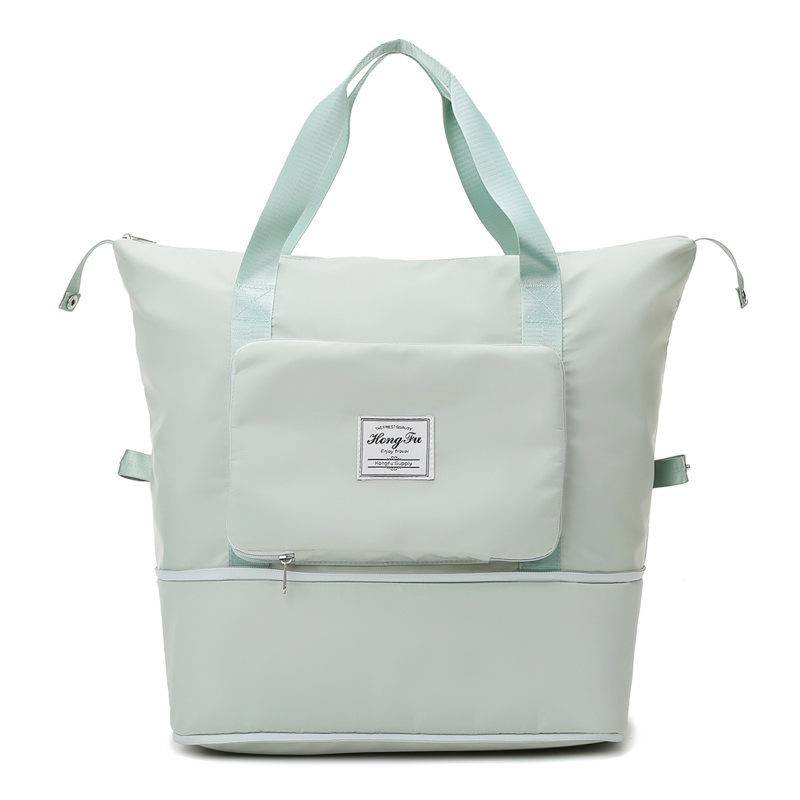
- Compact Packing: Foldable or soft weekender designs may reduce carton volume, but the folding method must not create permanent creases or damage structured areas.
- Multi-SKU Sorting: Color, size and style codes should remain traceable from finished inspection through carton packing.
- Outer Carton Labels: Warehouse and destination information should correspond with the confirmed shipping instructions.
- Transit Protection: Metal details, PU trims, structured corners or premium surfaces may need additional protection against rubbing or compression.
- Unboxing Presentation: Branded inserts, protective pouches or tissue presentation can be added when they fit the product position and budget.
Platform rules vary between accounts and regions. Jundong can follow provided labeling and packing instructions, but platform receiving approval should not be treated as automatic. The safest approach is to review label files, carton rules and fulfillment requirements before bulk packing begins.
E-Commerce Packing Must Support Identification And Fulfillment

Which Programs Fit Custom Weekend Travel Bags Best?
Weekender bags work across travel, lifestyle, hospitality and branded programs when capacity, materials, carrying structure and presentation are developed around the intended use.
Travel Gear Collections
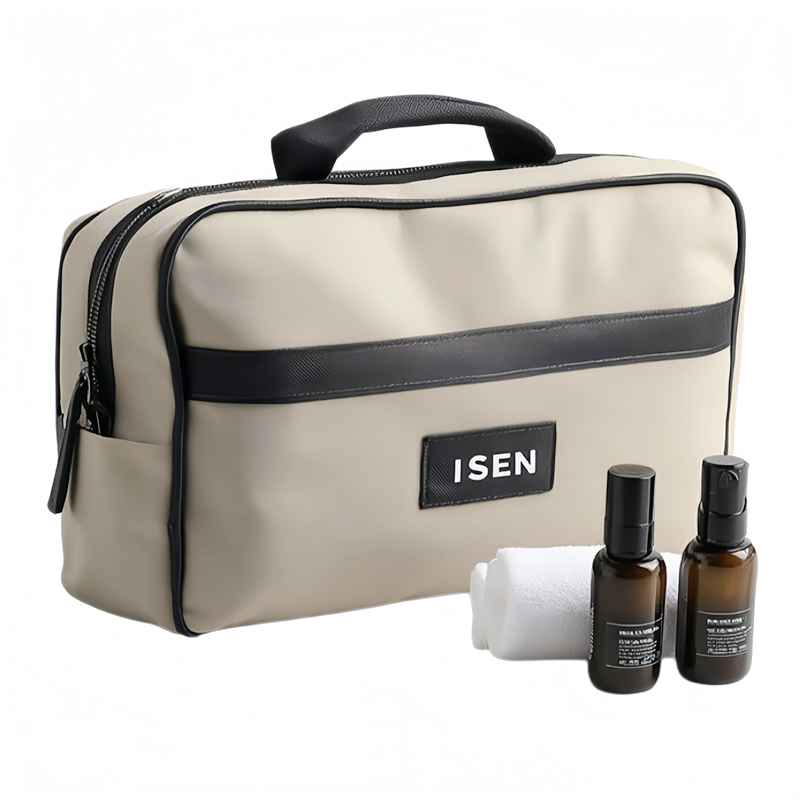
Travel gear brands can position a weekender as the core short-trip bag within a broader collection. Coordinated toiletry bags, packing cubes, shoe bags or travel organizers can extend the same material and branding language across several products.
Capacity, zipper access, carrying comfort and repeat-order consistency usually matter more than adding excessive decorative features.
Lifestyle Brand Lines
Lifestyle and fashion-oriented collections often use weekender bags as products that sit between apparel, accessories and travel gear. Canvas, nylon, PU or leather details can create distinctly different product positions.
Silhouette, hand feel, hardware finish, lining and branding need to work together so the finished bag looks intentional rather than like a standard duffel with a logo added.
Hotel And Hospitality
Hotels, resorts and hospitality groups may use weekend bags for premium guest programs, branded merchandise, membership gifts or travel sets. Presentation and brand consistency often carry as much weight as storage capacity.
Projects may incorporate custom labels, travel accessories, gift-ready packing or coordinated colors based on the hospitality identity and distribution method.
Airline And Tourism Programs
Airline, tourism and travel programs may need lightweight travel bags, business travel gifts or coordinated accessory sets. Portability, compact packing, visible branding and scheduled delivery become important when products are prepared for campaigns or large distribution programs.
Carry-on dimensions should be reviewed against the intended airline or route requirements rather than assuming one universal cabin size.
Retail And DTC Collections
Retailers, private label programs and direct-to-consumer brands can develop Weekender Bags as seasonal or permanent SKUs. Packaging, barcode data, product photography consistency, color identification and repeat production become important once the design moves beyond development into ongoing sales.
Multi-color collections need especially clear SKU and carton rules to support warehouse and store operations.
Corporate Travel Programs
Corporate programs can use custom weekend bags for employee travel, executive gifts, conferences, incentive programs or branded travel kits. The product usually needs a balance between brand visibility and everyday usefulness.
Material level, logo method, packing format, quantity and delivery date should be evaluated together so the final program feels considered rather than promotional-only.
Why Can Jundong Support Long-Term Weekender Programs?
Repeat travel collections require more than one successful shipment. Product records, development continuity, production capacity and inspection discipline help preserve standards across future orders.

Development Continuity
A repeatable weekender line begins with development information that can be used again. Approved patterns, material details, colors, logo artwork, zipper specifications, packaging rules and revision records provide a clearer basis when the same style returns or expands into additional colors and related travel products.
Jundong has more than 20 years of OEM/ODM bag experience together with product development, design and sample-room support.
- Approved details can remain reference points for repeat production.
- Existing constructions can be reviewed when extending a collection.
- Changes in materials, colors or trims can be compared against earlier approved versions.
Production Scale
Long-term programs may involve seasonal orders, several colors, multiple SKUs or different delivery windows. A larger factory structure helps coordinate development, production, inspection and packing activities without treating every reorder as an entirely new project.
Jundong operates with 600+ employees across an approximately 18,000㎡ production area.
- Supports bulk custom bag production and multi-style coordination.
- Provides room for product development, sampling, sewing, inspection and packing functions.
- Production timing still needs review according to quantity, material availability and construction complexity.
Quality Continuity
Repeat-order consistency depends on keeping standards visible throughout production. Earlier approval records, material references, logo specifications and packing requirements become especially important when a style returns months later.
Jundong has 80 QC inspectors supporting multi-stage inspection across custom bag orders.
- Approved samples and specifications can guide later inspection.
- Material, logo, sewing, function and packaging remain separate control areas.
- Any material or specification change should be reviewed rather than assumed to match an earlier order automatically.
Multi-SKU Coordination
Travel collections often grow beyond one weekender. Matching toiletry bags, packing cubes, shoe bags, travel organizers or seasonal color extensions can create more SKU combinations and packaging requirements.
Clear style codes, color references, barcode files, packing rules and carton information help prevent mixing during later production and shipment.
- Separate styles and colorways with clear identification.
- Match packaging and labels to the correct SKU.
- Retain relevant approval and change records for future reorders.
- Review production and delivery plans before each repeat program rather than assuming identical conditions.
Create Your Custom Weekend Travel Bag?
A well-designed custom weekend travel bag should offer more than attractive branding. It should match the travel habits of users, the items they need to carry, the required storage capacity, and the way the bag will be used for short trips, business travel, or lifestyle collections. By confirming materials, compartments, handles, zippers, and functional details from the beginning, the entire project becomes easier to design, sample, produce, inspect, and deliver.
Client Testimonials
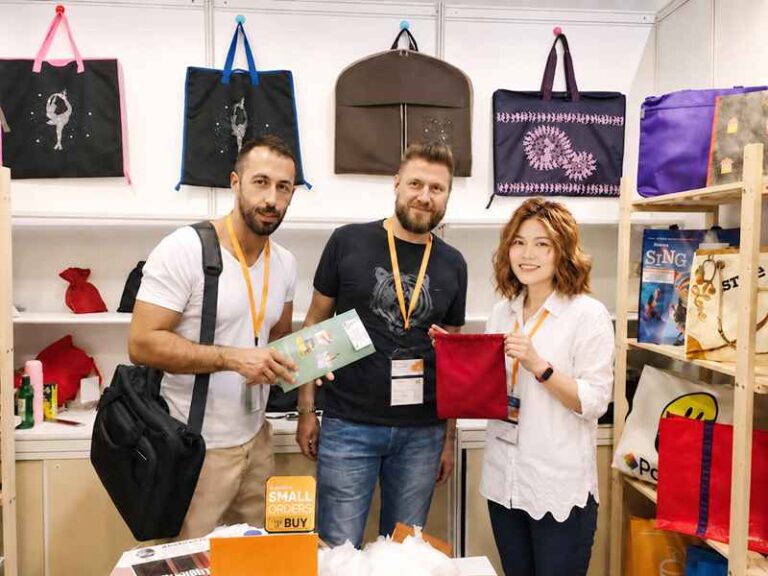
800+ brand Clients Trust Jundong


FAQs About Custom Weekend Travel Bags
Planning a custom weekender involves structure, materials, MOQ, sampling, branding, production and packing. These answers cover the decisions most often needed before moving forward.

Can you develop a weekender from my design or reference?
Absolutely. A custom weekend travel bag can begin with a tech pack, drawing, reference photo, physical sample or an existing style that needs redevelopment. Jundong reviews dimensions, capacity, materials, compartments, handles, shoulder straps, zippers, branding and packing requirements before sampling. Clear references help the development team judge construction feasibility more accurately. If technical specifications are incomplete, send the information already available together with the intended use, quantity and desired product position.
What is the MOQ for custom weekend travel bags?
Jundong’s standard MOQ is usually 500 pcs per design for custom bag production. Quantity is reviewed together with material sourcing, construction, branding, packaging and production setup rather than treated as an isolated number. Selected simple styles may sometimes be evaluated at 200–300 pcs, but this is not the standard offer or an automatic commitment. Multi-color or multi-SKU programs should also be reviewed by style, color, material and packing requirement before quantities are finalized.
How long does a custom weekender sample take?
Regular custom bag samples usually take about 5–7 days after the key specifications and materials are ready. Simple constructions can sometimes move faster, while complex compartments, special fabrics, custom hardware, molded patches, metal branding, special packaging or several revision rounds can extend development time. The sample stage should confirm more than appearance: dimensions, capacity, fabric, lining, zipper operation, carrying structure, logo execution, packing and production feasibility all need to work together before the design is approved.
Can the sample fee be credited to bulk production?
Certainly. Sample fees can be refunded or deducted when the bulk order reaches 2,000 pcs under Jundong’s standard policy. The initial sample cost may vary because a structured weekender can require pattern development, material preparation, logo setup, special hardware, packaging samples or revisions. Sampling is therefore part of product verification rather than the purchase of one finished bag. The exact sample scope and cost are reviewed after the design, material, branding and packaging requirements are understood.
Can size and internal compartments be fully customized?
Yes. Size, capacity and internal organization can be developed around the intended travel use rather than copied from a stock duffel. Common options include a large main compartment, laptop sleeve, shoe section, wet pocket, internal organizer, quick-access pocket and trolley sleeve. Adding compartments changes usable capacity, material consumption, seam positions and sometimes cost, so the layout should be evaluated as one structure. A loaded sample is useful for confirming whether storage and carrying balance remain comfortable.
Which materials work best for branded weekender bags?
The best material depends on the desired appearance, weight, durability, structure and price position. Polyester and Oxford suit many functional travel styles; nylon can support lightweight, technical designs; canvas creates a more natural lifestyle look; PU or leather details can elevate handles, trims and branding; RPET can be considered when recycled-material positioning is required. Fabric name alone is not enough—thickness, coating, hand feel, color, backing, lining and expected load should also be reviewed before approval.
Which logo methods suit private label weekender bags?
Definitely. Weekend bags can use embroidery, screen printing, heat transfer, woven labels, leather patches, rubber or PVC patches, metal plates and other suitable branding methods. The choice should follow the fabric surface, artwork detail, logo size, placement, quantity and intended visual effect. Embroidery works well on many canvas, polyester and Oxford styles, while detailed graphics may suit heat transfer on compatible fabrics. Brand marks should be sampled for color, clarity, placement, attachment and material compatibility before bulk production.
How do you control sample-to-bulk consistency?
Approved samples are converted into production references rather than being used as visual examples alone. Important details can include dimensions, pattern version, material list, approved colors, logo artwork, hardware, zippers, structural notes, packing rules and QC checkpoints. During production, material, cutting, logo execution, sewing, function, finished appearance and packaging are checked at different stages. Jundong has 80 QC inspectors supporting multi-stage inspection, helping reduce avoidable variation without making unrealistic claims that every production run can be absolutely identical.
Can you prepare weekender bags for retail or e-commerce?
Of course. Packaging can be prepared around retail display, SKU identification, warehouse handling and online fulfillment requirements. Options may include hangtags, care labels, woven labels, barcode stickers, individual polybags, product sleeves, insert cards, color boxes, gift boxes, SKU labels and carton marks. Platform-specific files such as FBA labels should be supplied or confirmed by the relevant account. Packing rules are best finalized before bulk packing so each style, color and carton remains traceable.
What is the usual bulk production lead time?
Regular bulk bag production usually takes around 20–30 days after order details, materials and the production standard are confirmed. Actual timing can change with quantity, construction complexity, special fabric sourcing, branding processes, customized hardware, packing requirements and production scheduling. A launch date should therefore be reviewed before sampling rather than after production begins. Earlier confirmation of colors, materials, labels and packaging reduces avoidable delays, while the transportation period should be planned separately according to destination and chosen shipping arrangement.
Send Your Weekend Travel Bag Project For Review
A useful quotation starts with enough information to understand how the weekender needs to look, perform, pack and reach its destination. Send a tech pack, drawing, product photo, reference sample or early concept—complete technical documents are helpful, but they are not required to begin the review.
For a more accurate evaluation, include as many of the following details as available:
- Reference: Design file, photo, physical sample or similar travel bag
- Size: Finished dimensions, capacity or intended trip length
- Materials: Fabric preference, hand feel, color or performance requirement
- Structure: Compartments, shoe section, trolley sleeve, handles, straps or special pockets
- Branding: Logo artwork, size, color, location and preferred process
- Quantity: Target units per design, color or SKU
- Packing: Hangtags, barcodes, individual packing, retail packing or carton rules
- Schedule: Required launch or delivery deadline
- Destination: Country, city, warehouse or destination port
- Other Requirements: Testing, inspection standard, NDA or project documentation when applicable
Jundong will review the available details and identify the key information still needed before quotation or sampling. Project files can also be sent naturally to info@jundongfactory.com.