Skip to content
Waterproof Fabric Bag Manufacturer
Looking for a reliable waterproof fabric bag manufacturer for custom tote bags, backpacks, travel bags, cooler bags, dry bags, and utility pouches? Jundong supports brands, wholesalers, importers, and promotional projects with waterproof fabric sourcing, custom bag development, logo printing, structure adjustment, sample making, and bulk production. From everyday water-resistant carry bags to more protective outdoor, travel, and retail bag styles, we help create practical waterproof fabric bags that match your product use, brand direction, and market needs.
Waterproof Means More Than Fabric
A waterproof fabric bag does not become reliable just because the outer material has a coated surface. Real protection depends on a full waterproof system, including fabric choice, seam construction, closure design, edge handling, and overall bag structure. A bag may resist light rain or splashes, but still fail if water enters through stitch holes, overlap areas, zipper openings, or weak top closures.
This is why waterproof bag development should never focus on material alone. A practical bag must still perform well after folding, carrying, packing, and repeated wet exposure. For products such as dry bags, waterproof backpacks, travel bags, utility pouches, beach bags, cooler bags, and outdoor carry bags, the weak points often matter as much as the waterproof fabric itself.
A stronger waterproof bag discussion should start with one clear question: What kind of water exposure should the bag handle? Light rain, gym moisture, beach splash, boat spray, wet gear storage, and short water contact all require different construction levels.
What should be checked early:
- Water exposure level
- Seam method
- Closure type
- Structure under repeated use
- Carrying purpose
- Material and hardware compatibility
A good waterproof bag is not only made from waterproof fabric. It is built so that the full bag system works together to reduce water entry in real use.
Waterproof Is Not Water-Resistant
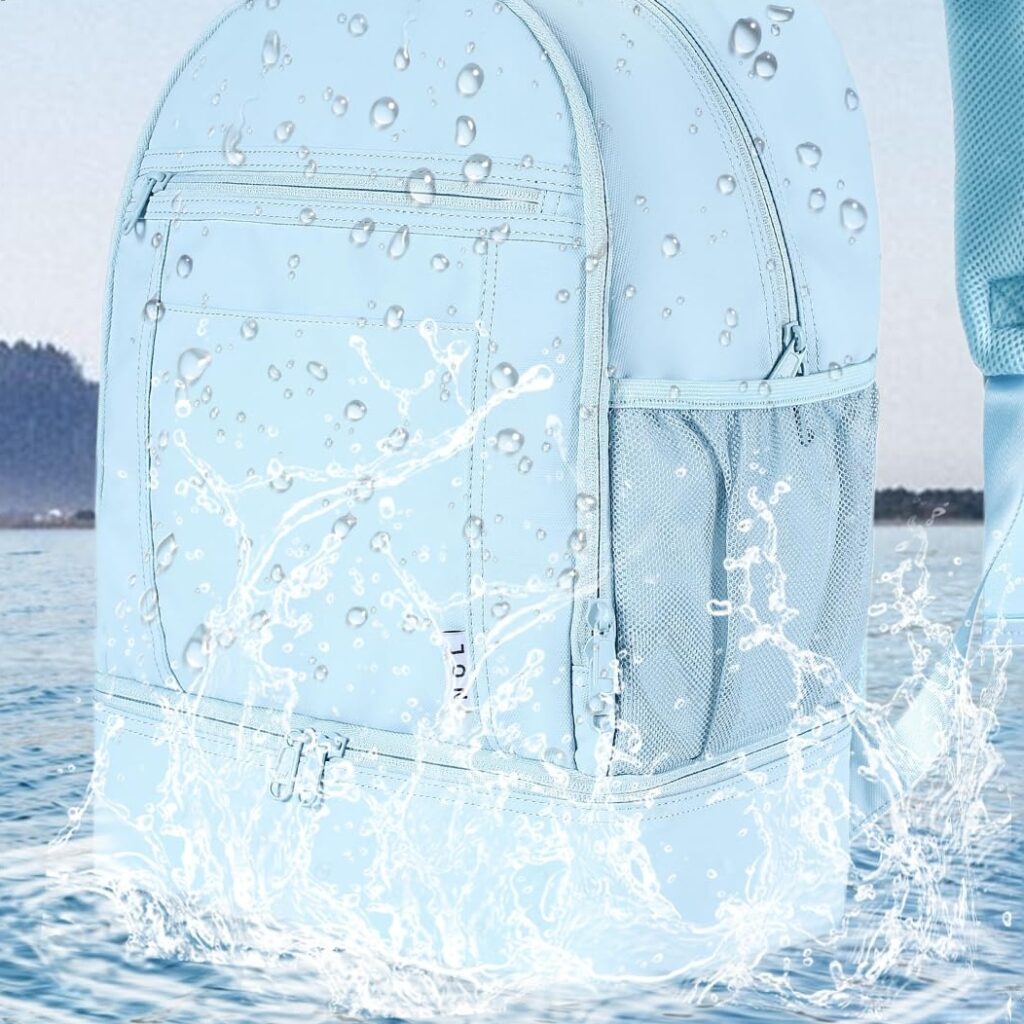
Waterproof and water-resistant should not be treated as the same claim. A water-resistant fabric bag can work well in light rain, daily commute, splash exposure, damp storage, and short wet contact. A truly waterproof bag is built to block water entry more aggressively through the combined effect of material barrier, seam construction, and closure design.
This difference matters because product claims directly affect expectations of use, complaint risk, return risk, and market positioning. A coated fabric alone may make a strong, water-resistant bag, but that does not automatically make it suitable for heavier, wet conditions.


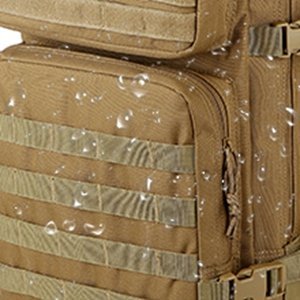

A practical comparison looks like this:
- Water-resistant — suitable for light rain, city use, short splash exposure
- Waterproof — more suitable for camping, boating, splash, wet gear storage, travel protection
- Heavy-duty waterproof — built for stronger outdoor, marine, or repeated high-exposure conditions
The right wording should match the real bag construction. For example, a bag made with coated Oxford fabric or coated nylon may be a very good water-resistant option. A bag built with welded seams, roll-top closure, PVC tarpaulin, or TPU laminated material may support a stronger waterproof position.
Clearer product language usually leads to better product fit, fewer misunderstandings, and more realistic use expectations.
Choose Waterproof Fabric by Purpose
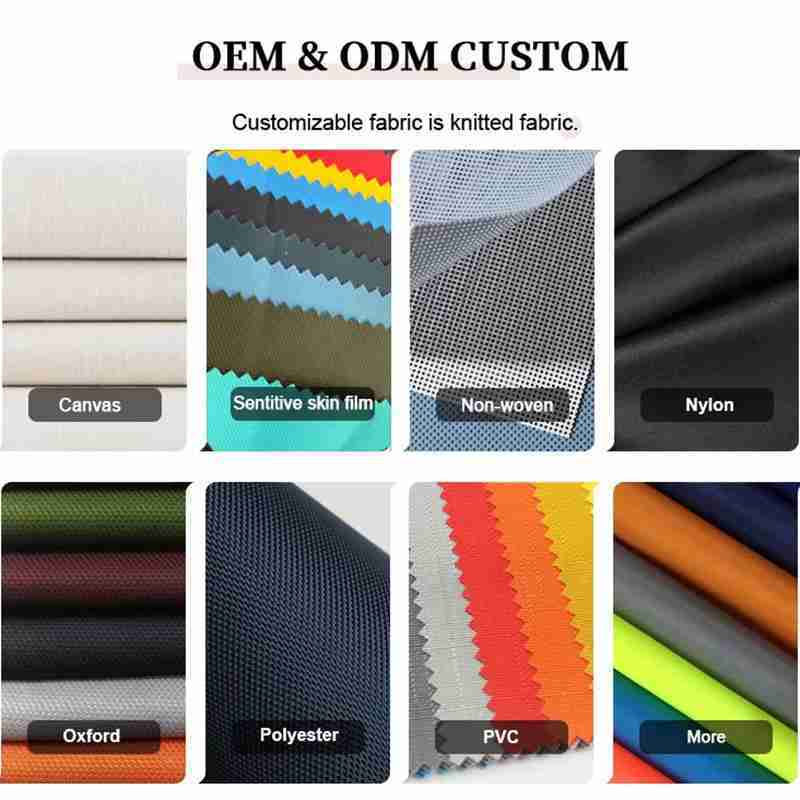
The best waterproof fabric is not the one with the most technical name. It is the one that matches the bag’s water exposure level, flexibility, surface feel, logo method, and price direction. Different waterproof materials solve different product needs.
A practical comparison looks like this:
- PVC tarpaulin — stronger barrier feel, rugged surface, easier to clean
Better for marine bags, beach bags, utility bags, wet gear storage, and heavy-use outdoor carry - TPU laminated fabric — softer hand feel, better flexibility, cleaner technical look
Better for premium dry bags, cycling bags, outdoor gear, and technical travel products - Coated nylon or coated polyester — lighter weight, easier daily carry, more flexible structure
Better for rain bags, travel organizers, splash-resistant backpacks, and lighter outdoor bags - Laminated synthetic blends — more balanced feel between function and usability
Better for multi-use sport bags, travel bags, and mixed-use carry lines
The right fabric choice should start with one question: What kind of wet exposure will the bag actually face? Rain, beach splash, mud, wet clothing, boat spray, and short water contact do not all need the same construction level.

Seams and Welding Decide Performance
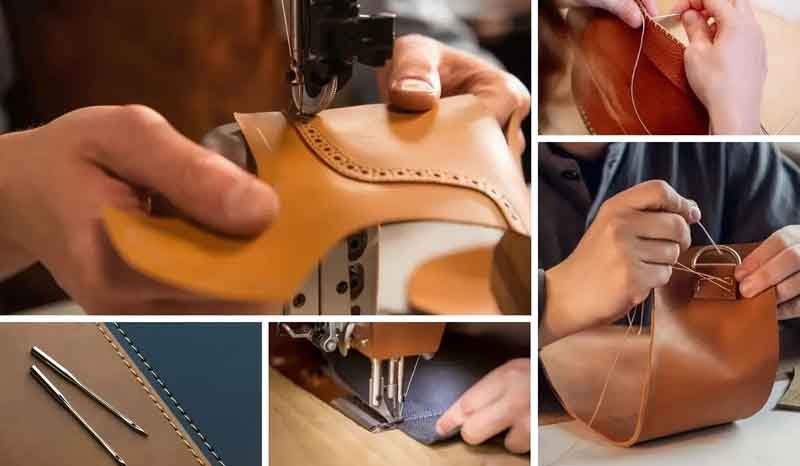
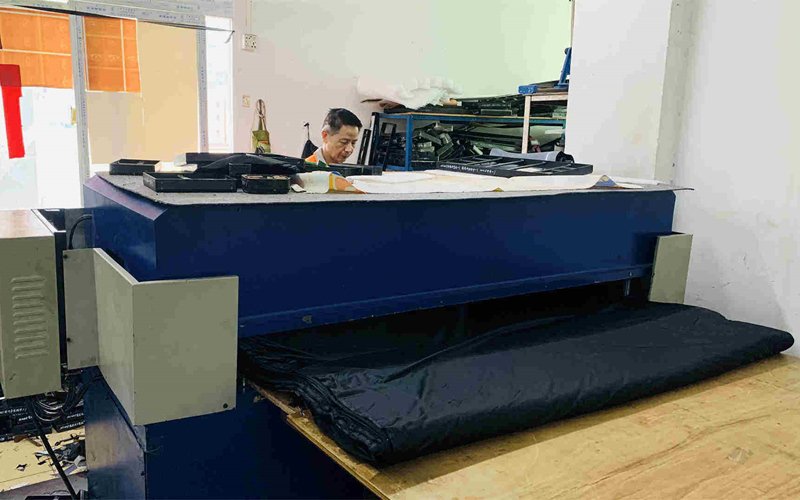
A waterproof bag often fails at the seam before it fails at the fabric. That is why reliable waterproof bag development depends not only on material choice, but also on panel joining method, seam structure, overlap design, and weak-point treatment. A coated surface can help resist water, but poor seam handling can still create entry paths during rain exposure, beach use, boat spray, cycling, travel, or wet gear storage.
A practical seam comparison looks like this:
- Traditional stitched seam — flexible and familiar, often suitable for lighter-use bags, but stitch holes can allow water entry
- Sealed stitched seam — offers better protection than stitching alone, but sealing quality must remain stable
- Welded seam — supports stronger waterproof performance and cleaner barrier continuity, especially for dry bags and high-exposure use
- Reinforced overlap construction — helps protect stress points, though it can add bulk if overused
This matters because the same coated nylon, coated polyester, PVC tarpaulin, or TPU laminated fabric can perform very differently depending on how the seams are built. A good waterproof fabric bag is rarely defined by fabric alone. It works because the seam method, closure system, and material compatibility all support the same protection level.
Choosing the Right Closure System
The closure system often decides whether a waterproof bag feels dependable or inconvenient. Even with the right fabric and strong seam construction, water protection can drop quickly if the opening is not matched to the real use setting. The closure should support both the protection level and the access pattern.
A practical comparison looks like this:
- Roll-top — better for dry bags, marine use, beach carry, boating, kayaking, and outdoor gear protection
Main trade-off: slower access, less convenient for frequent opening - Waterproof zipper — better for travel bags, utility bags, technical backpacks, and cleaner-access carry styles
Main trade-off: higher cost and stronger dependence on zipper quality - Flap cover — better for light weather protection, casual outdoor carry, and everyday water-resistant bags
Main trade-off: not ideal for heavier splash or wet exposure - Drawcord with cover — better for sport bags, gym bags, and flexible top-opening carry
Main trade-off: not a full waterproof closure by itself
The right closure should follow the bag’s real job. If strong wet protection matters most, a roll-top system usually gives more confidence. If quick opening matters more, a zipper-based solution may be more suitable.


Best-Selling Waterproof Bag Types
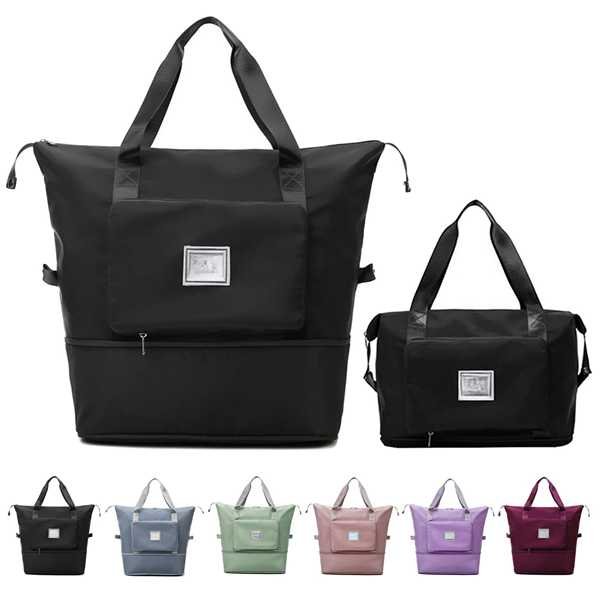
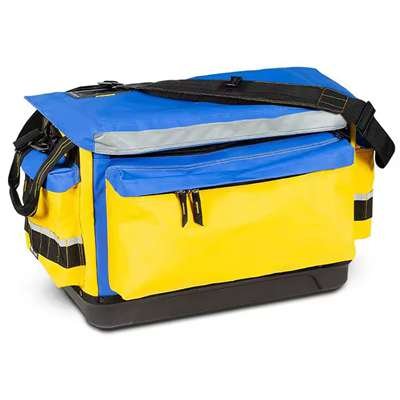


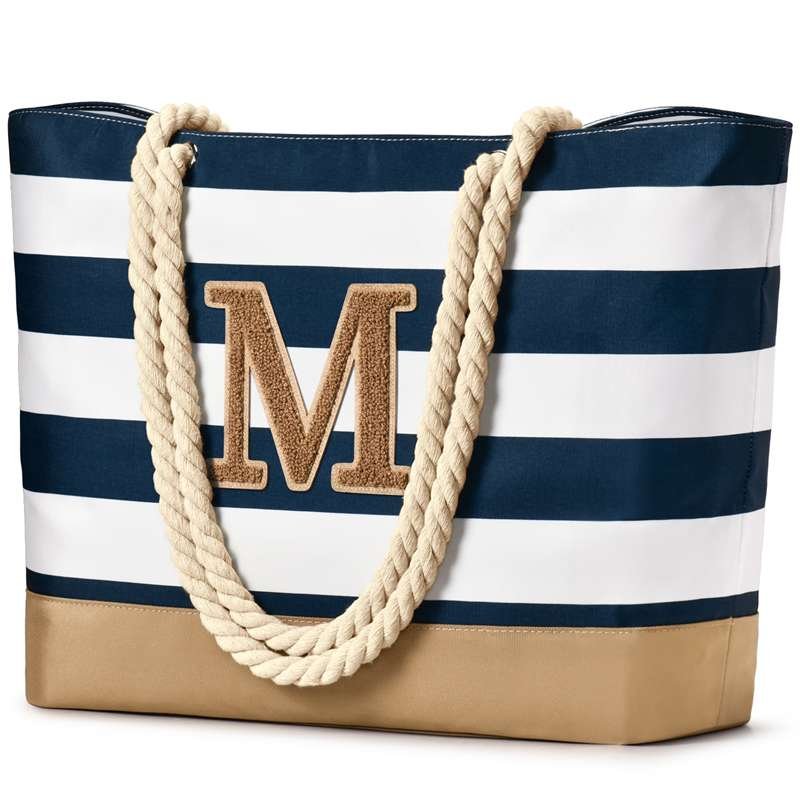
Waterproof fabric bags are not limited to one product type. The same waterproof material logic can support many categories, including dry bags, waterproof duffels, backpacks, wet/dry gym bags, beach totes, marine carry bags, bike pouches, utility organizers, and travel gear bags. Many projects do not begin with one fixed shape. They begin with one real problem: how to protect gear from rain, splash, sand, wet clothing, or daily moisture exposure.
The most active waterproof bag types often include:
- Dry bags — clear waterproof purpose, strong outdoor and marine use
- Waterproof duffels — larger storage for travel, sport, and wet gear
- Waterproof backpacks — hands-free carry for cycling, commuting, and outdoor use
- Wet or dry gym bags — help separate clothing, shoes, towels, and accessories
- Beach and marine totes — easy-clean surface, splash handling, sand-friendly use
- Bike or utility pouches — compact weather protection for smaller items
Balancing Protection, Weight, and Comfort
A stronger waterproof bag claim often pushes the product toward heavier materials, firmer structure, welded seams, and more protective closure systems. That can improve water protection, but it can also reduce carry comfort, foldability, softness, and everyday convenience. This is why waterproof bag development is usually a balance, not a race toward the most extreme construction.
A practical comparison looks like this:
- Stronger waterproof barrier — often means thicker coated fabric, laminated material, welded seams, or roll-top closure
Trade-off: more weight and less flexibility - Better flexibility — often means softer laminate or lighter coated fabric
Trade-off: lower protection in harsher wet conditions - Lower carry weight — often means simpler structure and lighter material system
Trade-off: less confidence for marine, outdoor, or heavy splash use - Better daily comfort — often means softer panel feel, easier carry, and more ergonomic shape
Trade-off: less rugged technical feel

What Daily Users Notice Most
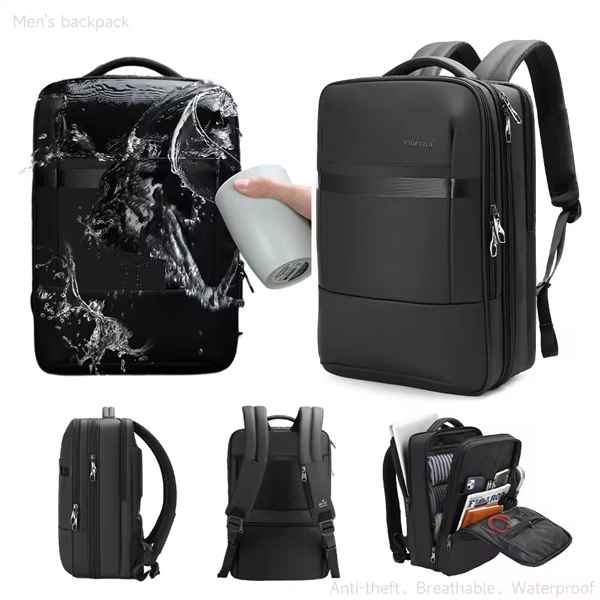
For many waterproof fabric bag projects, the features users value most are not always the ones highlighted first. They are the ones noticed after repeated use, such as easy-clean surfaces, lower water absorption, wet and dry separation, and reduced odor build-up. These details are especially important for gym bags, beach bags, travel bags, cycling bags, wet gear storage, and daily carry use.
A practical breakdown looks like this:
- Easy-clean outer surface — helps remove dirt, sand, salt, and splash residue more quickly
- Wet or dry separation — keeps clothing, electronics, and accessories organized and protected
- Lower absorption materials — reduces heavy, damp feeling after use
- Cleaner interior layout — improves packing efficiency and repeat use comfort
- Better odor control potential — useful for wet towels, gym wear, or beach items
These features matter because users often remember how the bag performs after use, not just how it is described. A bag that resists water but becomes messy, damp, or difficult to clean may still create a poor experience.
A well-developed waterproof bag should balance protection, cleaning ease, internal organization, and comfort after repeated wet use.
Best Logos for Waterproof Fabrics
Branding on waterproof fabrics needs more care than branding on ordinary woven materials. Coated and laminated surfaces can respond differently to heat, ink adhesion, flexing, surface tension, and repeated wet exposure. That means logo selection is not only about appearance. It is also about surface compatibility, durability, and long-term stability.
A practical comparison looks like this:
- Screen print — works well for bold graphics on suitable coated surfaces
Watch point: adhesion and edge clarity depend on surface behavior - Heat transfer — useful for cleaner detail and sharper graphic definition
Watch point: must match heat tolerance and coating response - Woven label — good for quieter branding without stressing the main surface
Watch point: less visible from a distance - Rubber or PVC patch — suits technical, sporty, and outdoor bag styles
Watch point: adds thickness and needs careful placement - Minimal logo placement — creates a cleaner, premium look on highly technical bags
Watch point: small mistakes become more noticeable
The best waterproof bag branding should look secure, deliberate, and well-matched to the fabric surface. A logo may look attractive on a fresh sample, but it also needs to stay clean, stable, and appropriate after repeated folding, carrying, and wet use.


What to Confirm Before Bulk

A waterproof fabric bag sample should never be approved by appearance alone. In this category, small differences in material stiffness, seam quality, welding accuracy, closure behavior, panel alignment, and logo compatibility can change real performance much more than they would on a regular carry bag.
Before bulk approval, the sample should confirm:
- Fabric system — exact coated or laminated material, thickness, surface feel
- Construction method — stitched, sealed, welded, or mixed structure
- Closure system — roll-top fold logic, zipper movement, buckle reliability
- Logo method — adhesion, placement, edge finish, flex response
- Shape and carry logic — filled form, strap position, comfort, foldability
- Leak-risk areas — seam overlaps, corners, top opening, reinforcement transitions
This matters because waterproof bags can look acceptable when empty, but show weakness later during folding, wet exposure, repeated opening, carrying, and packed use. A sample should be checked as a real product, not only as a display piece.
MOQ and Cost Logic Matter
Waterproof fabric bag pricing depends on more than size and outer material. In many functional bag projects, cost is also shaped by material compatibility, seam or welding method, closure hardware, logo application, and order structure. A waterproof bag built for light rain does not need the same construction as one built for marine splash, wet gear storage, or stronger outdoor exposure.
Main cost factors usually include:
- Material system — PVC tarpaulin, TPU laminated fabric, coated nylon, and coated polyester differ in price, flexibility, and barrier level
- Construction method — stitched, sealed, welded, or reinforced overlap structures require different setup and labor
- Closure system — roll-top, waterproof zipper, buckle system, flap cover, and protected openings vary widely in cost
- Logo method — print, transfer, patch, or label options do not perform the same on coated surfaces
- Order mix — mixed sizes, colors, or bag styles increases coordination and setup complexity
This is why MOQ in waterproof bag projects should be judged together with structure, finish, and development scope, not as an isolated number.

Real Waterproof Quality Checks Matter

A waterproof bag claim means very little if inspection only checks the finished product from a distance. Useful quality control should focus on the points where waterproof performance most often weakens, such as seam continuity, corner overlap, closure consistency, surface condition, logo adhesion, and bag behavior after folding or loading.
A practical review should include:
- Seam and weld continuity — helps reduce hidden water-entry paths
- Corner and overlap areas — common stress points during use and packing
- Closure reliability — roll-top folds, zippers, buckles, and straps should perform consistently
- Surface integrity — coating flaws, laminate marks, or weak areas can reduce protection
- Logo compatibility — poor adhesion, cracking, or edge lifting can affect both appearance and durability
- Fold and load behavior — waterproof bags often change once packed, carried, or compressed
This matters because a waterproof fabric bag may pass a quick visual review and still perform poorly after repeated handling, wet exposure, or travel use. A stronger inspection process checks how the bag works in real conditions, not only how it looks when empty.
The most useful quality checks are the ones that protect seams, closure function, coated surfaces, and real-use consistency together.
Better Waterproof Logic, Fewer Failures
The smoothest waterproof fabric bag projects usually start with one thing: clear wet-use conditions. Before choosing material, closure, or logo method, it helps to define what kind of exposure the bag really needs to handle, such as light rain, beach splash, wet gym gear, cycling use, travel storage, boat moisture, or stronger outdoor conditions.
Once that is clear, the rest becomes easier to judge:
- Water-resistant or fully waterproof
- Roll-top, zipper, flap, or other closure direction
- PVC tarpaulin, TPU laminated fabric, or coated nylon
- How much structure is useful without reducing comfort
A practical starting path often looks like this:
- Step 1 — define wet-use scenario and protection level
- Step 2 — confirm material system and seam or construction method
- Step 3 — choose closure logic, shape, and carry style
- Step 4 — review logo compatibility, MOQ path, and sample target
This order matters because many waterproof bag projects go wrong when the team starts from shape first, then tries to add a stronger waterproof claim later.
A better waterproof bag project does not need the most complicated setup. It needs the right early decisions around water exposure, weak-point control, carry comfort, and real use.


Make A Sample First?
See your idea come to life before mass production.
At Jundong Factory, we offer free design mockups and custom samples to ensure every detail is perfect — from material and color to logo placement and stitching.
Start your project with confidence today: info@jundongfactory.com.
FAQs About Custom Waterproof Fabric Bags
How do roll-top closures, waterproof zippers, welded seams, and coated materials affect the final price?
The final price of a waterproof fabric bag is shaped by more than bag size. In many projects, the larger cost movement comes from the technical system behind the bag, including coated or laminated material, seam construction, closure type, hardware level, and the waterproof standard the product is expected to reach.
A lighter splash-resistant bag with coated fabric and regular stitched construction usually sits in a very different cost zone from a welded dry bag built with PVC tarpaulin or TPU laminate, plus roll-top closure, stronger buckles, and more controlled waterproof construction. Waterproof zippers can also raise cost because the zipper itself, installation method, and performance requirements are all more demanding.
Main cost drivers include:
- Coated or laminated material — barrier level, flexibility, and surface quality vary widely
- Welded or sealed structure — requires more process control and setup
- Waterproof zipper or roll-top system — changes both parts’ cost and construction logic
- Hardware quality — buckles, straps, and adjusters affect both feel and reliability
- Protection level — stronger waterproof positioning often increases process and QC demand
The better cost discussion is not “which option is cheapest,” but which waterproof elements truly support the intended use without adding unnecessary complexity.
What should we prepare before asking for a waterproof fabric bag sample or quotation?
You do not need a perfect technical file to start a custom waterproof fabric bag project, but the first brief should be clear enough to guide material direction, structure choice, and sample planning. Waterproof projects often slow down when the opening request is too general. Saying “we need a waterproof bag” still leaves too many unanswered questions about wet-use level, opening style, seam method, carry purpose, and expected protection level.
A practical starting brief usually includes:
- Reference photos or similar product direction
- Use scenario — rain, splash, beach, marine, gym, cycling, travel, or wet gear storage
- Target protection level — water-resistant, waterproof, or stronger-duty waterproof
- Preferred shape — dry bag, backpack, duffel, tote, pouch, or organizer
- Material idea — coated nylon, TPU laminate, PVC tarpaulin, or open for suggestion
- Closure preference — roll-top, zipper, flap, or hybrid opening
- Approximate size and quantity
- Logo method or branding request
It also helps to separate requirements into:
- Must-have
- Preferred
- Optional
A clearer first brief usually leads to a more useful quotation, a more accurate sample direction, and fewer avoidable revision rounds later.
What should we check most carefully in waterproof bag QC before shipment?
For a waterproof fabric bag, the most useful QC checks are not only visual. Inspection should focus on the weak points where waterproof performance usually drops first, such as seam continuity, corner overlap, closure consistency, surface condition, logo adhesion, and bag behavior after folding or loading. A bag can look clean in a carton and still perform poorly later if these areas are not checked carefully.
A practical QC checklist should include:
- Seam and weld continuity — helps reduce hidden leakage paths
- Corners and overlap areas — common stress and seepage points
- Closure reliability — roll-top folds, waterproof zippers, buckles, and straps should behave consistently
- Surface integrity — coating flaws, laminate defects, or edge damage can weaken protection
- Logo compatibility — poor adhesion, cracking, or lifting affects both appearance and durability
- Fold and load behavior — the bag should still work after packing, carrying, and compression
This matters because waterproof bags are often judged too quickly when empty. Real problems usually appear after repeated folding, wet exposure, travel handling, and daily use. A stronger QC routine checks whether the bag still performs like the approved sample in realistic conditions, not only whether it looks acceptable before shipment.
What is the real difference between waterproof and water-resistant fabric bags?
The clearest difference is this: a water-resistant bag helps handle light rain, brief splash exposure, and general damp conditions, while a waterproof bag is built to reduce water entry much more aggressively through the full bag system. That system usually includes barrier material, seam treatment, closure method, and weak-point control.
A water-resistant fabric bag may be a very good choice for city carry, daily commute, travel organization, gym use, and short outdoor exposure. It often uses coated material and a more familiar sewn structure. A waterproof fabric bag is usually more suitable for outdoor gear protection, marine splash, beach use, wet storage, and stronger exposure conditions where seams and opening design matter more.
A practical comparison looks like this:
| Protection claim | Typical fit | Main limit |
|---|---|---|
| Water-resistant | light rain, splash, daily carry | not built for stronger wet exposure |
| Waterproof | outdoor, marine splash, wet gear storage | depends on seam and closure quality |
| Heavy-duty waterproof | harsher marine or outdoor use | often heavier, stiffer, or higher in cost |
The best claim is not the strongest wording. It is the one that matches the real use condition, bag structure, and expected protection level.
Which material is usually better for waterproof fabric bags: PVC tarpaulin, TPU laminate, or coated nylon?
The better material is the one that matches the bag’s wet-use level, flexibility target, carry comfort, and product positioning. There is no single material that is best for every waterproof bag project. Different waterproof fabrics solve different problems.
PVC tarpaulin is often chosen when the bag needs a stronger barrier feel, rugged look, and easy-clean surface. It fits dry bags, marine gear bags, beach carry, and wet storage. TPU laminated fabric is usually preferred when the bag needs more flexibility, cleaner folding behavior, and a more premium technical look. It works well for cycling bags, sport bags, and higher-end outdoor use. Coated nylon or coated polyester often makes more sense when lower weight, softer carry, and more everyday usability matter more than full dry-bag-level protection.
A useful material comparison looks like this:
| Material | Stronger advantage | Better for |
|---|---|---|
| PVC tarpaulin | rugged barrier feel, easy-clean surface | marine, beach, wet gear |
| TPU laminate | flexibility, cleaner technical feel | cycling, sport, premium outdoor |
| Coated nylon/polyester | lighter carry, easier daily use | travel, splash-resistant bags, light outdoor use |
The smarter question is not “which sounds more advanced,” but which material supports the right protection level without overbuilding the bag.
Are welded seams always better than stitched seams for waterproof fabric bags?
Welded seams are usually stronger for full waterproof logic, but they are not automatically the best choice for every waterproof fabric bag. The right seam should follow the protection level, material system, and real use condition, not just the most technical-sounding process.
A conventional stitched seam is more familiar and flexible, but stitch holes can become water-entry paths. A sealed stitched seam offers better protection than stitching alone, but sealing consistency must stay stable. A welded seam usually creates a more continuous waterproof barrier on compatible materials such as PVC tarpaulin and TPU laminates.
A practical seam comparison looks like this:
| Seam type | Usually better for | Main caution |
|---|---|---|
| Stitched seam | lighter-use splash-resistant bags | needle holes raise water-entry risk |
| Sealed stitched seam | moderate protection with familiar construction | Sealing consistency matters |
| Welded seam | stronger waterproof barrier logic | depends on material compatibility and setup |
If the project is a light travel organizer, commute pouch, or splash-resistant carry bag, a heavy welded system may add cost and stiffness without enough return. If the bag is built for boating, beach exposure, outdoor storage, or stronger wet gear protection, welded seam logic becomes much more relevant. The better seam is the one that supports the real job of the bag.
Is a roll-top closure always the best choice for waterproof bags?
A roll-top closure is one of the most trusted solutions for stronger waterproof positioning, but it is not automatically the best choice for every waterproof bag. Closure design should balance protection level, opening speed, carry convenience, and use pattern.
Roll-top systems work well because they reduce direct exposure at the opening and support a stronger waterproof barrier when combined with the right material and seam structure. That is why they appear so often in dry bags, boating bags, paddle-use bags, outdoor storage bags, and marine carry bags. But they also create trade-offs. Roll-top bags are usually slower to access and less convenient for frequent opening.
A practical closure comparison looks like this:
| Closure type | Better for | Main trade-off |
|---|---|---|
| Roll-top | stronger wet protection, dry bag logic | slower access |
| Waterproof zipper | easier entry, cleaner travel, or utility use | Higher cost, zipper quality matters |
| Flap or covered opening | moderate weather protection | less suitable for stronger exposure |
If the bag must handle wet gear protection, boat splash, or stronger outdoor use, a roll-top may be the better route. If the product is more about daily travel, cycling, commute, or cleaner-access carry, a zipper-led solution may be more practical. The better opening is the one that matches how people really use the bag.
How can we keep the sample and bulk production of a waterproof fabric bag consistent?
The safest way to protect sample-to-bulk consistency is to approve more than appearance. A waterproof fabric bag should lock the material system, seam method, closure behavior, logo compatibility, and leak-risk zones before bulk starts.
In this category, a bag can look visually similar to the approved sample and still behave differently in real use. Changes in coated surface feel, weld strength, seal continuity, zipper quality, roll-top behavior, corner overlap, or logo adhesion can affect performance after folding, carrying, packing, and repeated wet exposure.
A practical control checklist should include:
| Lock item | Why it matters |
|---|---|
| Exact material specification | keeps flexibility, barrier feel, and surface behavior stable |
| Seam or weld method | protects waterproof logic |
| Closure behavior | keeps roll-top, zipper, buckle, or flap performance consistent |
| Logo method and placement | avoids cracking or adhesion differences |
| Leak-risk zones | corners, overlaps, top opening, and transitions need tighter control |
A good sample should not only look right. It should become the working reference for how the bag is expected to open, carry, seal, and perform once the order moves into bulk. That is what makes repeat production safer.
What is the usual MOQ for custom waterproof fabric bags?
The usual MOQ for a custom waterproof fabric bag depends much more on the construction logic than on the word “waterproof” alone. MOQ often changes with material type, seam method, closure system, hardware setup, color variation, and structure complexity.
A simple splash-resistant organizer made from coated fabric with a familiar sewn structure is usually easier to arrange in a lower quantity than a fully welded dry bag made with PVC tarpaulin or TPU laminate, plus roll-top closure and technical hardware. Mixed sizes, multiple colors, or different bag styles in the same order can also make the project heavier to coordinate.
A practical MOQ view looks like this:
| Project type | MOQ pressure |
|---|---|
| Simple coated-fabric carry bag | usually more flexible |
| Welded dry bag structure | more controlled by process setup |
| Mixed colors / mixed sizes | Higher coordination pressure |
| Approved repeat style | easier to manage after the first run |
That is why MOQ should be judged together with structure, finish, and development scope, not as a standalone number. In many waterproof bag programs, the best route is to validate one function level, one material direction, and one structure first, then widen the line after the construction is proven.
Which waterproof bag structure is better for outdoor, marine, beach, travel, or gym use?
The better waterproof bag structure is the one that matches the real wet-use pattern, not the one that sounds the most rugged. Different use scenes need different balances between protection, flexibility, weight, cleaning ease, and access speed.
For outdoor use, people often want a balance between weather protection, weight, and packability. For marine use, stronger barrier materials, welded seams, and secure closures matter more. For beach use, easy-clean surfaces, wet/dry separation, and sand-friendly design often matter as much as the waterproof claim. For travel, a lighter splash-resistant organizer or waterproof duffel may be more practical than a full rugged dry bag. For gym use, wet/dry separation, odor control potential, and easy-clean interiors are often noticed first.
A practical guide looks like this:
| Use scenario | Structure often worth considering |
|---|---|
| Outdoor | roll-top bags, waterproof backpacks, flexible dry-bag logic |
| Marine | welded dry bags, stronger barrier materials, secure closures |
| Beach | easy-clean totes, wet/dry separation bags, splash-protective carry |
| Travel | coated-fabric organizers, lighter waterproof duffels, zipper-led access |
| Gym | wet/dry bags, easy-clean interiors, moderate weather protection |
The smartest structure choice starts with one question: what happens after the bag gets wet, and how will the user handle it next?
How do roll-top closures, waterproof zippers, welded seams, and coated materials affect the final price?
The final price of a waterproof fabric bag is shaped by more than bag size. In many projects, the larger cost movement comes from the technical system behind the bag, including coated or laminated material, seam construction, closure type, hardware level, and the waterproof standard the product is expected to reach.
A simple coated-fabric splash-resistant bag with regular sewn construction usually sits in a very different cost zone from a welded dry bag built with PVC tarpaulin, TPU laminate, roll-top closure, and stronger hardware. Waterproof zippers can also raise cost because the zipper itself, installation method, and performance demands are more complex.
Main cost drivers include:
- Coated or laminated material
- Welded or sealed structure
- Roll-top or waterproof zipper system
- Hardware quality
- Protection level
- Color or structure variation
A practical comparison looks like this:
| Cost factor | Why it changes price |
|---|---|
| Material system | different barrier levels, flexibility, and surface behavior |
| Construction method | Welding and sealing need more setup and control |
| Closure system | zipper and roll-top logic change both parts cost and labor |
| Order complexity | Mixed colors, sizes, or structures increase coordination |
The best cost discussion is usually not about the cheapest setup. It is about which waterproof elements are truly needed for the intended use.
What should we prepare before asking for a waterproof fabric bag sample or quotation?
You do not need a perfect tech pack to begin a custom waterproof fabric bag project, but the first brief should be clear enough to guide material direction, structure logic, sample planning, and quotation scope. Waterproof projects often lose time when the first request is too broad. Saying “we need a waterproof bag” still leaves key questions unanswered.
A practical first brief usually includes:
- Reference photo or product direction
- Use scenario — rain, splash, beach, marine, cycling, gym, travel, or wet gear storage
- Target protection level — water-resistant, waterproof, or stronger-duty waterproof
- Preferred bag type — backpack, dry bag, duffel, tote, pouch, or organizer
- Material idea — PVC tarpaulin, TPU laminate, coated nylon, or open for suggestion
- Closure preference — roll-top, zipper, flap, or hybrid
- Approximate size and quantity
- Logo method or branding request
It also helps to separate points into:
- Must-have
- Preferred
- Optional
A stronger first brief usually leads to a clearer sample path, more useful quotation feedback, and fewer avoidable revisions later.
Everything You Need to Know Before Customizing Your Bags
A waterproof fabric bag may look simple at first, but the real decision usually depends on material type, seam method, closure system, carry use, and protection level. A bag for light rain, beach splash, wet gym gear, cycling, travel, or short outdoor use should not be built the same way as a welded dry bag for stronger marine or gear-protection conditions.
That is why the most useful questions are rarely about shape alone. They are usually about where water can enter, how the bag opens, how seams are treated, how the material behaves after repeated folding, and whether the product claim matches real use.
The FAQs focus on the points that usually need to be clarified before development moves forward: waterproof vs water-resistant, TPU vs PVC tarpaulin, roll-top vs zipper, welded vs stitched construction, MOQ, cost logic, and real-use fit.