Skip to content

Create custom travel waist bags designed around real movement scenarios, functional storage needs, brand identity and reliable production standards.
A successful travel waist bag is not simply a smaller bag with a strap. It is a compact travel product that needs to balance accessibility, security, comfort, durability and visual identity.
Jundong helps brands develop customized travel waist bags through:
- Product structure evaluation based on travel usage scenarios
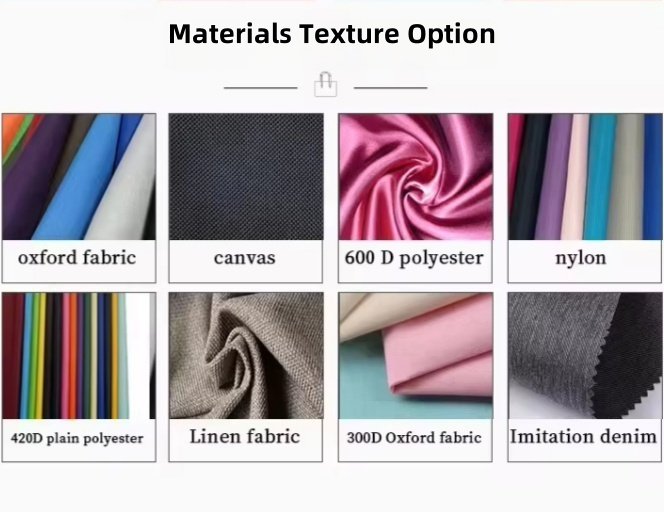
- Material selection including nylon, polyester, canvas, RPET and functional fabrics
- Customized compartments, hidden pockets, strap systems and hardware details
- Prototype development, sample approval and bulk production control
- Retail-ready packaging and long-term collection support
With 20+ years of OEM/ODM bag development experience, an 18,000㎡ production area, 600+ employees and 80 QC inspectors, Jundong supports brands from early product concepts to finished travel collections.
Standard MOQ usually starts from 500 pcs per design, while project requirements such as materials, structure complexity, branding methods and packaging are reviewed before production planning.
Why Are Travel Waist Bags Different From Standard Waist Packs?
A standard waist pack mainly focuses on carrying small personal items. A travel waist bag requires deeper product planning because it supports longer wearing time, movement between locations and protection of important belongings.
For brands developing travel collections, the difference is not only appearance. The structure needs to match how people move, what they carry and how they access items during travel.

Travel Storage Logic
Travel users usually carry several essential items together:
- Passport
- Smartphone
- Wallet
- Keys
- Earphones
- Charging accessories
- Travel documents
A well-designed travel waist bag needs organized storage without becoming oversized.
The challenge is balancing:
- Easy access
- Space efficiency
- Weight distribution
- Clean appearance
Too many compartments can increase thickness and cost, while too little organization reduces usability. Professional development focuses on the right balance for the intended travel scenario.
Security-Oriented Design
Travel products often carry personal items with higher importance than everyday accessories.
Brands may consider:
- Hidden rear compartments
- Concealed zipper positions
- Secure pocket placement
- RFID protection areas
- Anti-theft inspired structures
However, security features should be developed according to actual use.
A successful design protects important items while keeping the bag comfortable, lightweight and easy to operate.
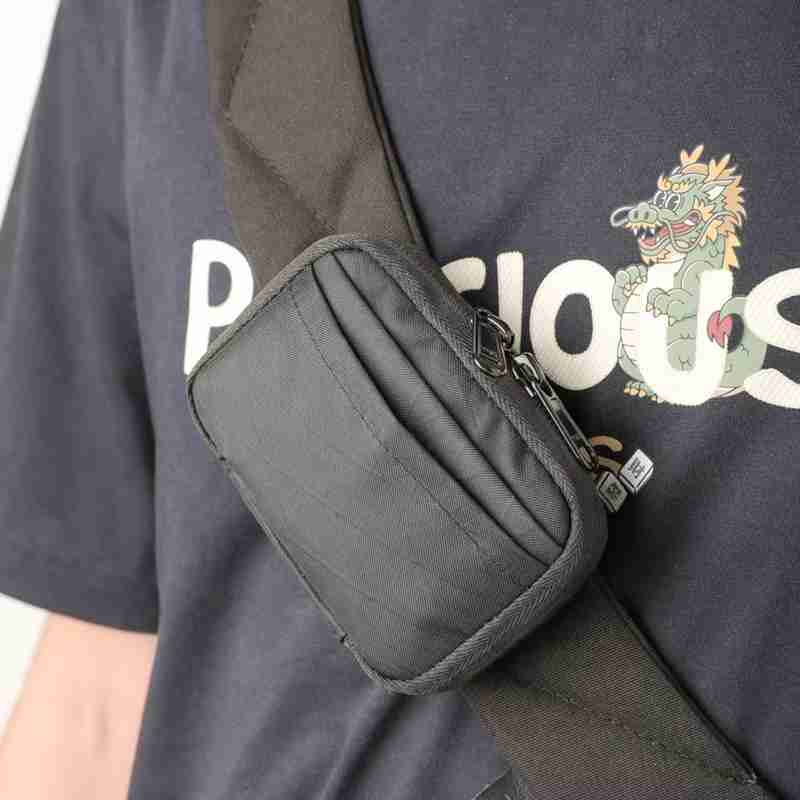
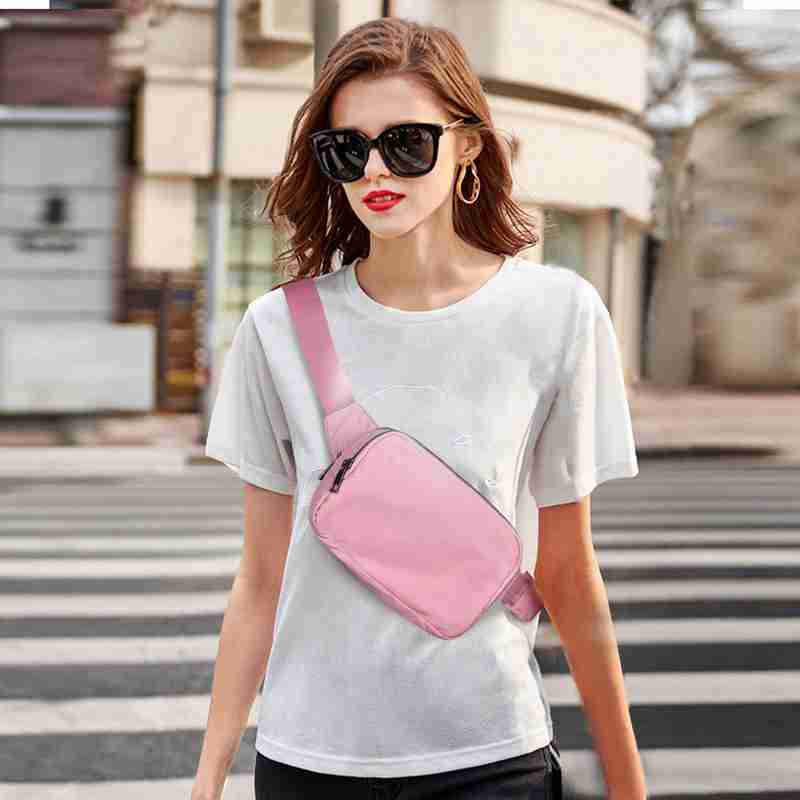
Flexible Carrying Experience
Modern travelers do not always wear waist bags in one way.
Many travel collections require:
- Waist carrying
- Crossbody wearing
- Shoulder carrying
- Chest-style carrying
The strap system affects comfort, appearance and product versatility.
Important development factors include:
- Strap width
- Adjustment range
- Buckle selection
- Attachment position
- Weight balance
A carefully developed strap system allows one design to adapt to different travel habits.
Travel Product Durability
Compact travel bags still experience repeated stress.
Important areas include:
- Zipper openings
- Strap attachment points
- Buckle connections
- Seam areas
- Fabric reinforcement
A durable travel waist bag is created through cooperation between material selection, structure design and sewing details.
The goal is not simply making the bag stronger, but creating the right construction for its intended usage.
What Structures Matter When Developing Travel Waist Bags?
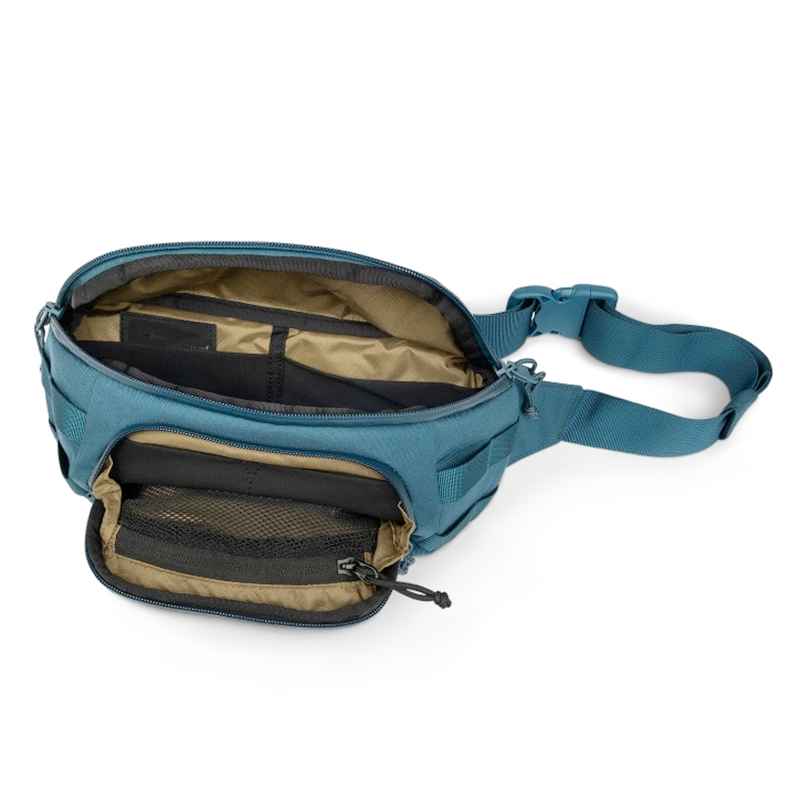
Main Storage Compartment
The main compartment defines the core capacity of the travel waist bag.
Development considerations include:
- Smartphone size
- Passport dimensions
- Wallet space
- Travel accessories
- Internal organization
The challenge is creating enough capacity while maintaining a compact profile.
A well-balanced main compartment helps the bag remain comfortable during walking, sightseeing and daily travel.
Hidden Passport Pocket
Security-focused travel products often require a dedicated area for important documents.
A hidden passport pocket may be developed through:
- Rear panel placement
- Inner concealed sections
- Protected zipper locations
The design should consider both security and accessibility.
A pocket that is difficult to reach may reduce user experience, while a visible pocket may not provide enough protection.
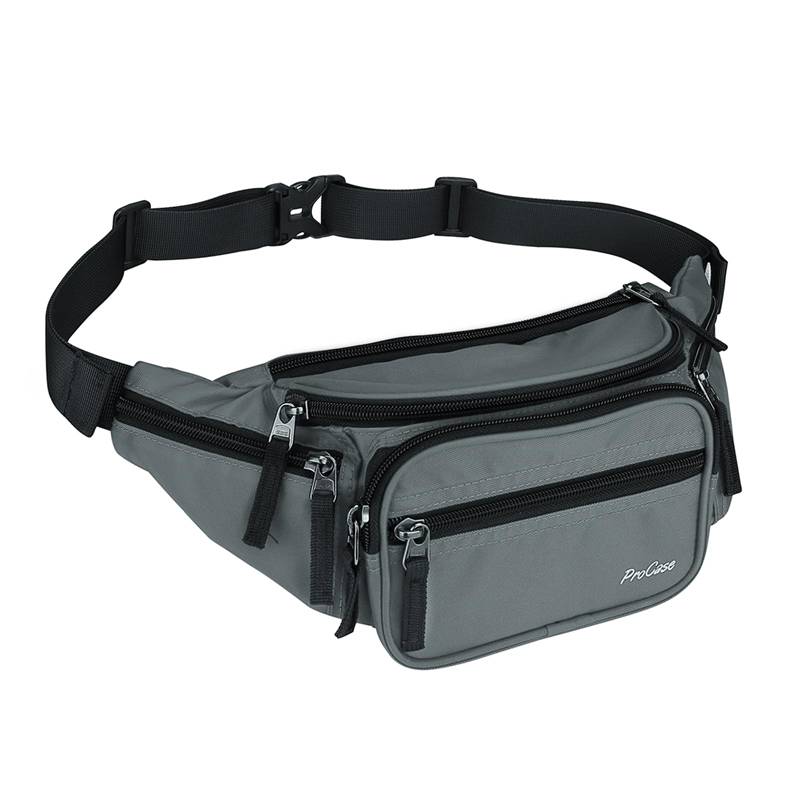
Quick Access Front Pocket
Travel users frequently need immediate access to smaller items.
Front pockets can support:
- Tickets
- Cards
- Earphones
- Small electronics
Important development details include:
- Opening direction
- Pocket depth
- Zipper length
- Position relationship with the main body
The goal is fast access without disturbing the overall shape.
Internal Organization System
A compact travel bag needs efficient internal management.
Possible structures include:
- Mesh pockets
- Elastic holders
- Key hooks
- Small organizers
Internal organization should improve usability without creating unnecessary layers that increase weight or reduce available space.
Adjustable Strap Structure
The strap system determines how the bag interacts with the body.
Customization may include:
- Strap length
- Webbing width
- Buckle type
- Attachment position
- Padding design
A suitable strap structure allows different wearing styles while maintaining stability during movement.
Multi-Purpose Travel Design
Many modern brands develop waist bags that work across different situations.
One design may support:
- Airport travel
- Outdoor activities
- City commuting
- Daily lifestyle use
Multi-purpose structures help brands create products with wider usage value while maintaining a clear product identity.
How Should Brands Select Materials For Travel Waist Bags?
Material selection directly affects how a travel waist bag looks, feels, performs, and fits into a brand collection.
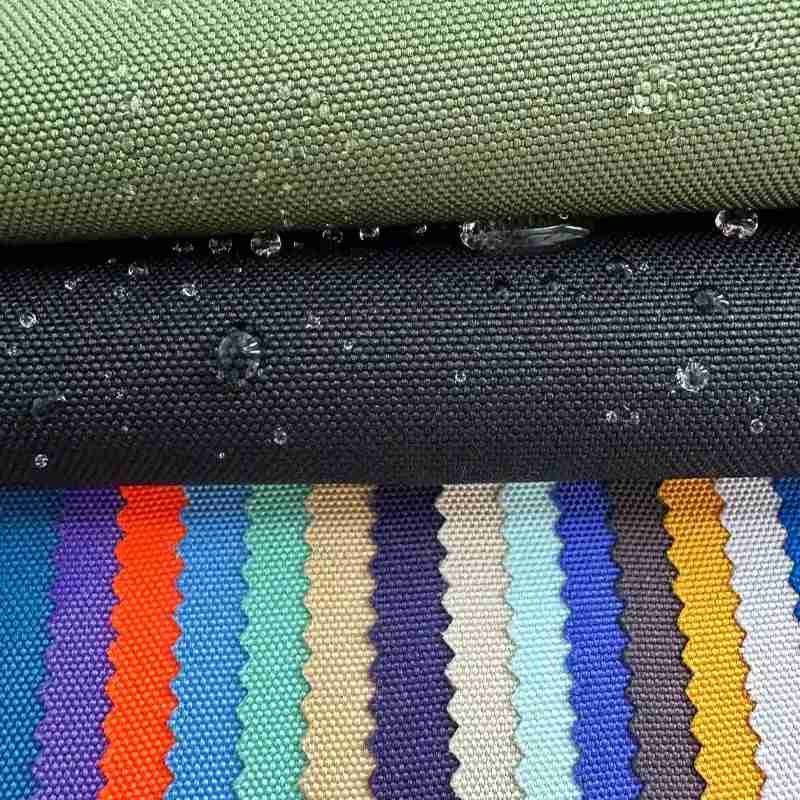


A travel product designed for airports, outdoor activities, city movement, or everyday commuting requires different material considerations. The right fabric choice should balance:
- Weight
- Durability
- Appearance
- Water resistance
- Cost position
- Brand image
Choosing a material only because it looks attractive can create problems later. Fabric performance, reinforcement requirements, zipper selection and overall construction should be evaluated together before final approval.
| Material | Suitable Applications | Key Advantages | Design Considerations |
|---|---|---|---|
| Nylon | Travel, outdoor and functional collections | Lightweight, durable, suitable for technical designs | Fabric thickness, coating and surface texture affect final performance |
| Polyester | Retail and lifestyle collections | Flexible colors, stable performance and versatile applications | Suitable lining, reinforcement and finishing details should be reviewed |
| RPET | Sustainable travel collections | Supports recycled material positioning | Certification requirements and material consistency should be confirmed |
| Canvas | Lifestyle and premium casual collections | Natural texture and stronger visual character | Weight, softness and color absorption influence the final appearance |
| PU / Leather Details | Premium travel collections | Enhances handles, patches and brand details | Surface quality and attachment methods require sample confirmation |
| Waterproof Fabrics | Outdoor and protection-focused products | Provides additional surface protection | Water-resistant performance depends on fabric, coating and construction |
For travel waist bag collections, the material should match the product story.
Examples:
A lightweight airport travel collection may prioritize nylon or polyester.
A lifestyle travel collection may prefer canvas with premium trims.
An outdoor-focused product may require stronger fabrics, reinforced seams and protective finishes.
The best result comes from combining the right material with the right structure, not selecting fabric separately from product design.
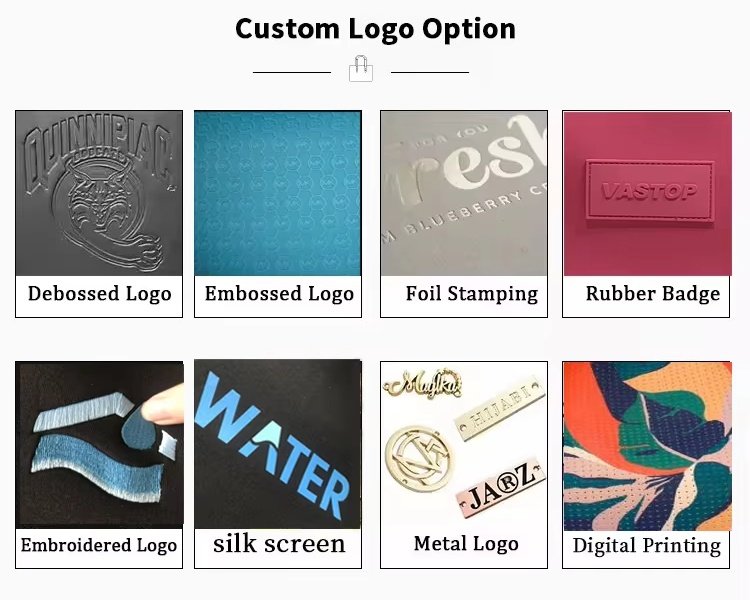
Which Branding Methods Create Stronger Travel Waist Bag Identity?
For branded travel collections, logo placement is only one part of product identity.
A professional branding solution considers:
- Material compatibility
- Visual position
- Durability
- Product style
- Target price level
The best branding method should enhance the product instead of making it look like a standard bag with an added logo.

Embroidery Details
Embroidery creates a textured and premium appearance.
Suitable applications:
- Canvas waist bags
- Lifestyle collections
- Outdoor-inspired designs
Important considerations:
- Stitch density
- Thread color accuracy
- Fabric thickness
- Placement position
The embroidery area should match the fabric structure to maintain a clean appearance.
Woven Labels And Fabric Branding
Woven labels provide a flexible branding option for travel products.
Common applications:
- Side labels
- Interior branding
- Small logo areas
Advantages include:
- Clear details
- Lightweight application
- Suitable for various fabrics
Placement should be planned during product development to avoid interfering with seams or functional areas.
Rubber And PVC Patches
Rubber or PVC patches create a more dimensional visual effect.
Suitable for:
- Outdoor collections
- Streetwear styles
- Functional travel products
Design factors include:
- Thickness
- Shape
- Attachment method
- Color matching
The patch structure should complement the overall product design.
Metal And Premium Details
Metal logos, zipper pulls and custom hardware can create stronger brand recognition.
Applications include:
- Metal badges
- Custom zipper pulls
- Buckle details
Premium hardware requires attention to:
- Surface finish
- Color consistency
- Attachment strength
Small details often influence how customers perceive overall product quality.
How Is A Custom Travel Waist Bag Developed To Sample?
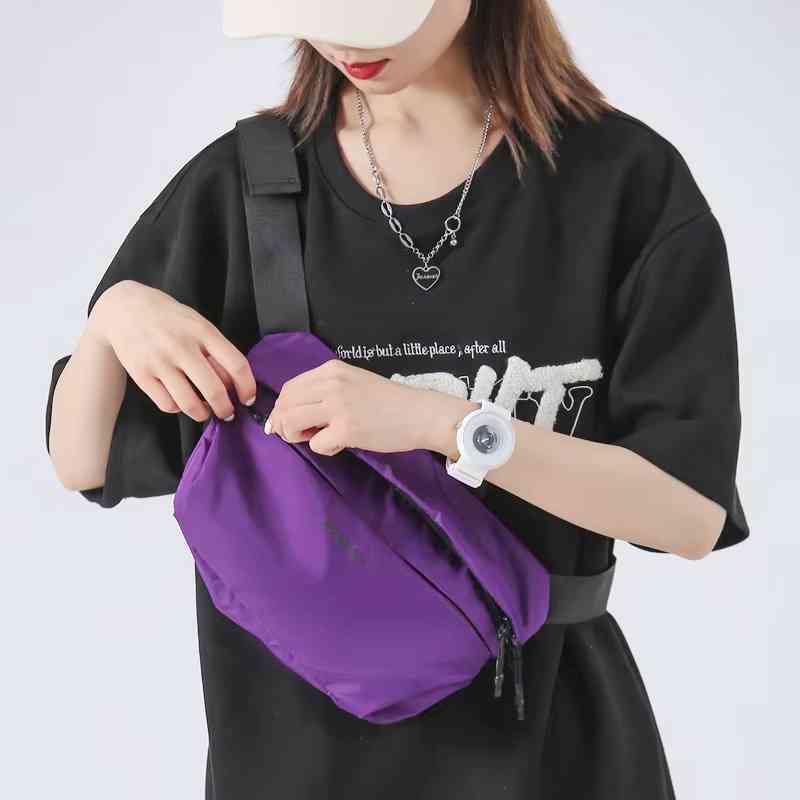
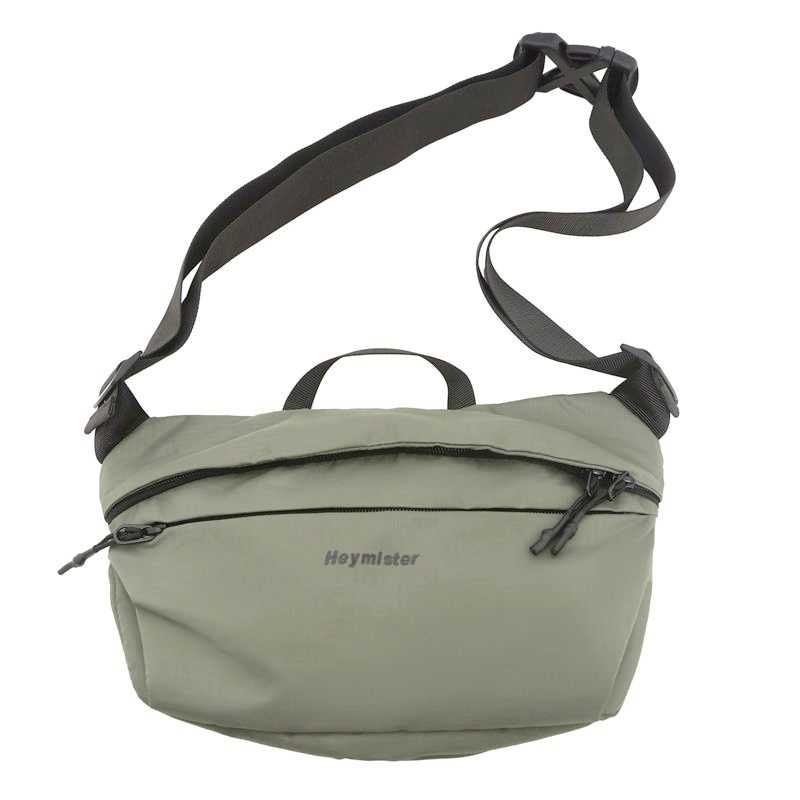
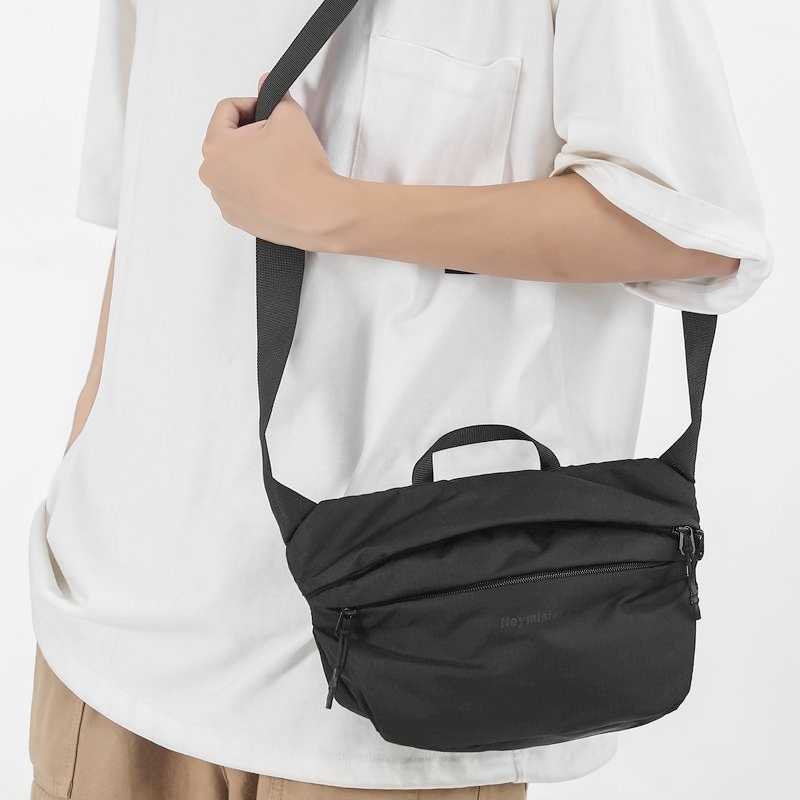
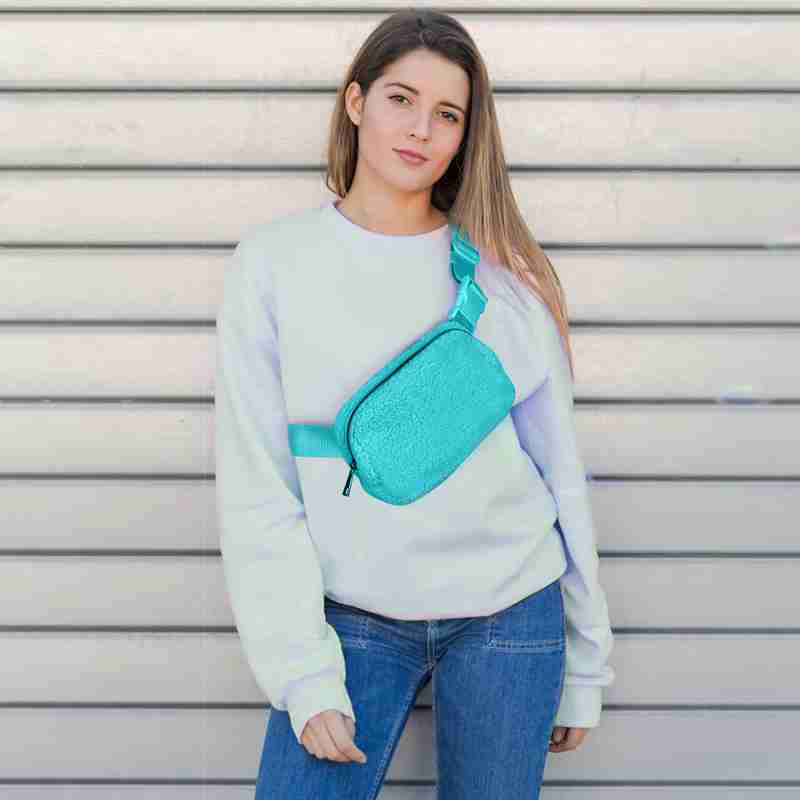
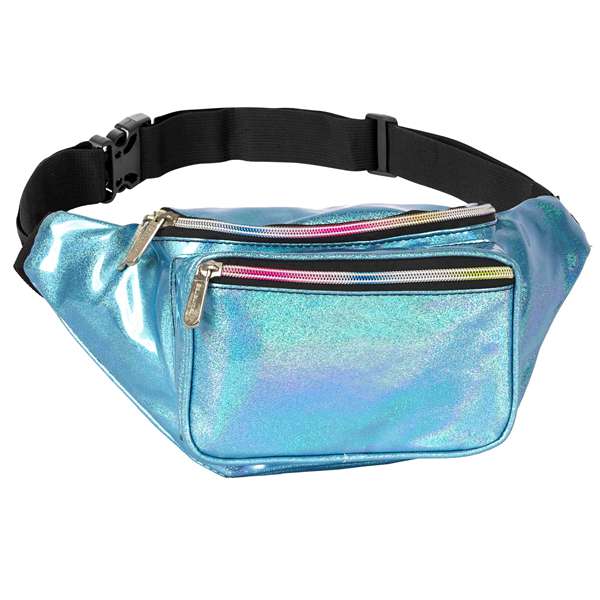
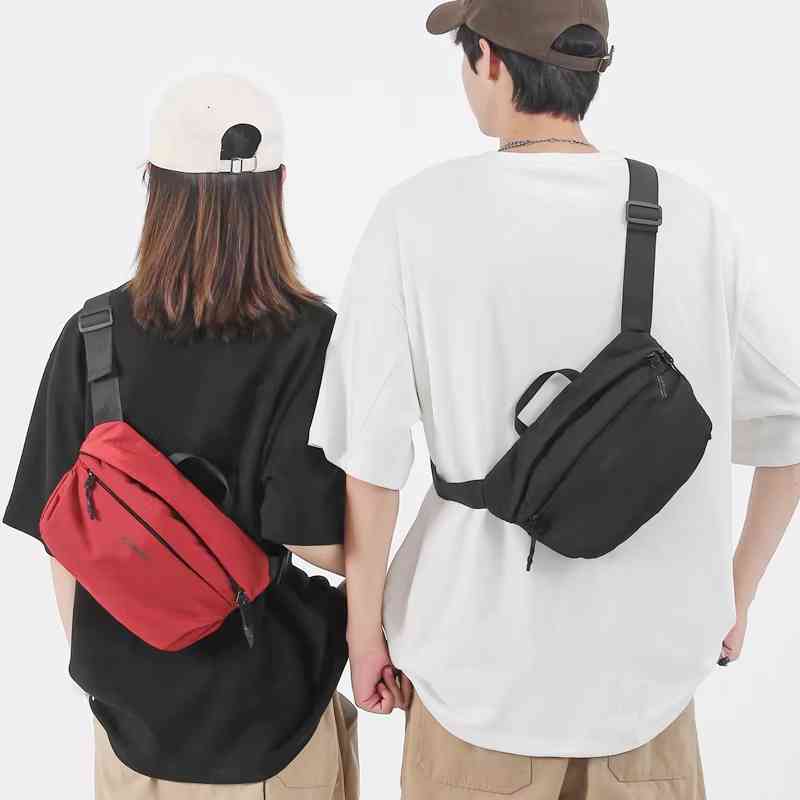
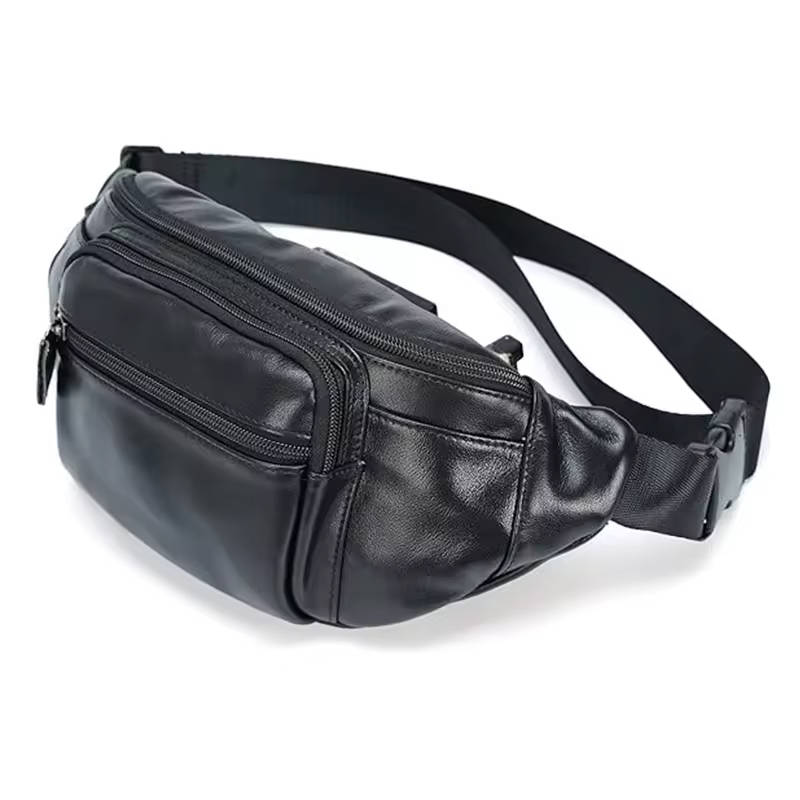
A successful travel waist bag starts with product planning, not simply creating a shape and adding branding. Before sampling, brands need to confirm how the product will be used, what items it should carry, how it should be worn, and what visual identity it needs to communicate. Jundong supports the development process through several key stages.
Understand Usage And Product Position

Every travel waist bag begins with the intended application.
Important considerations include:
- Travel duration
- Carrying habits
- Target environment
- Required capacity
- Brand positioning
A compact airport accessory and an outdoor adventure waist bag may look similar, but their structures, materials and reinforcement requirements can be completely different.
Develop Structure And Construction

After the product direction is clear, the structure needs to become production-ready.
Development considerations include:
- Overall dimensions
- Pocket arrangement
- Strap attachment
- Zipper placement
- Reinforcement areas
- Sewing construction
The goal is creating a design that looks attractive while remaining realistic for bulk production.
Build Prototype Samples

The first sample verifies more than appearance.
Sample evaluation should review:
- Size accuracy
- Storage function
- Carrying comfort
- Material performance
- Logo placement
- Hardware details
A good sample reduces uncertainty before bulk production begins.
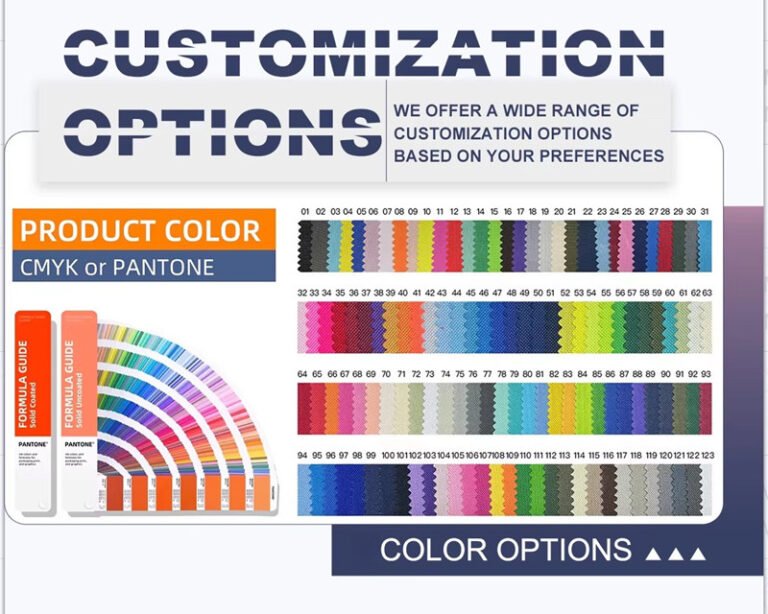
Refine And Confirm Production Standards

Before bulk production, approved details should be clearly defined.
Important references may include:
- Final dimensions
- Material selection
- Color standards
- Logo artwork
- Packaging requirements
- Quality checkpoints
Clear approval standards help maintain consistency when production moves from sample stage to larger quantities.




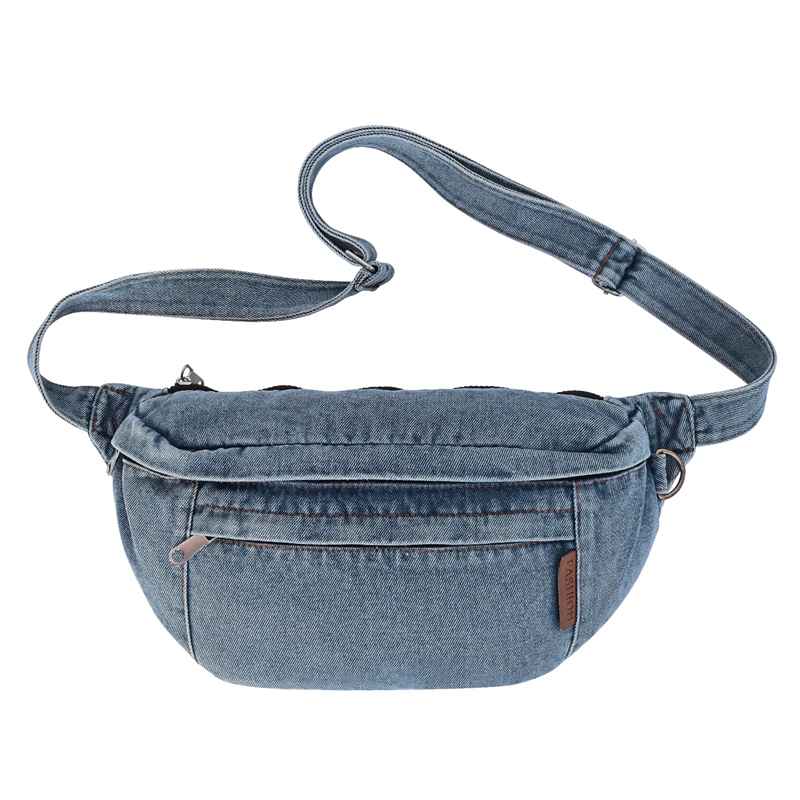
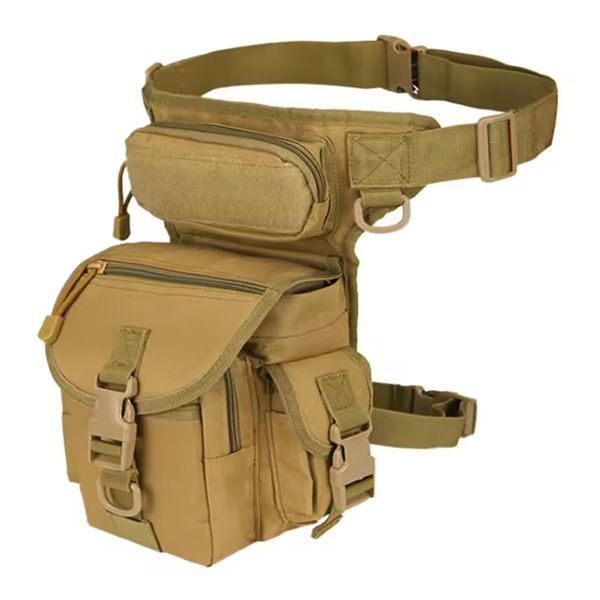
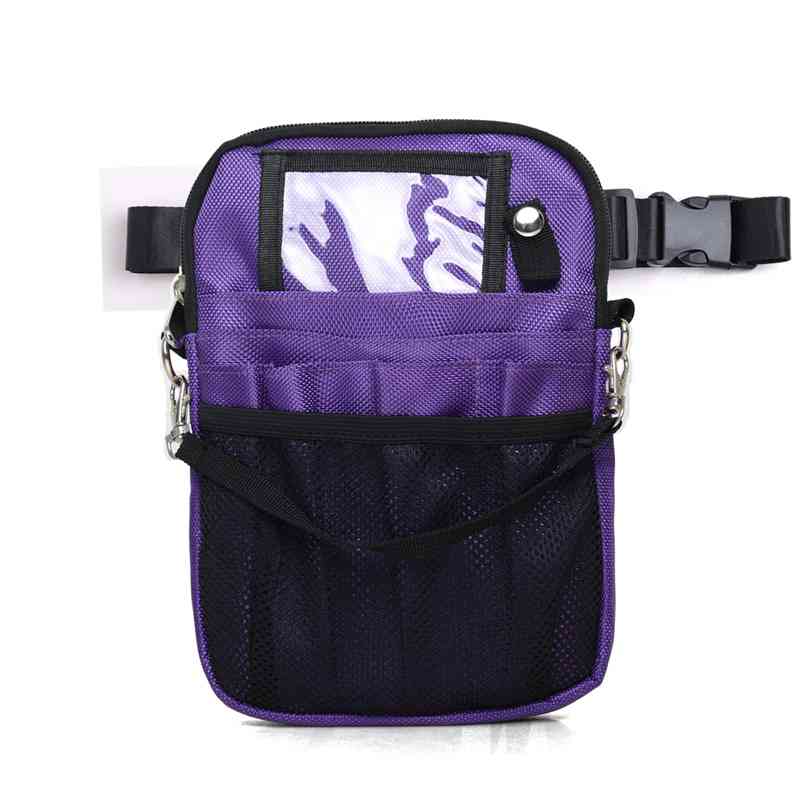
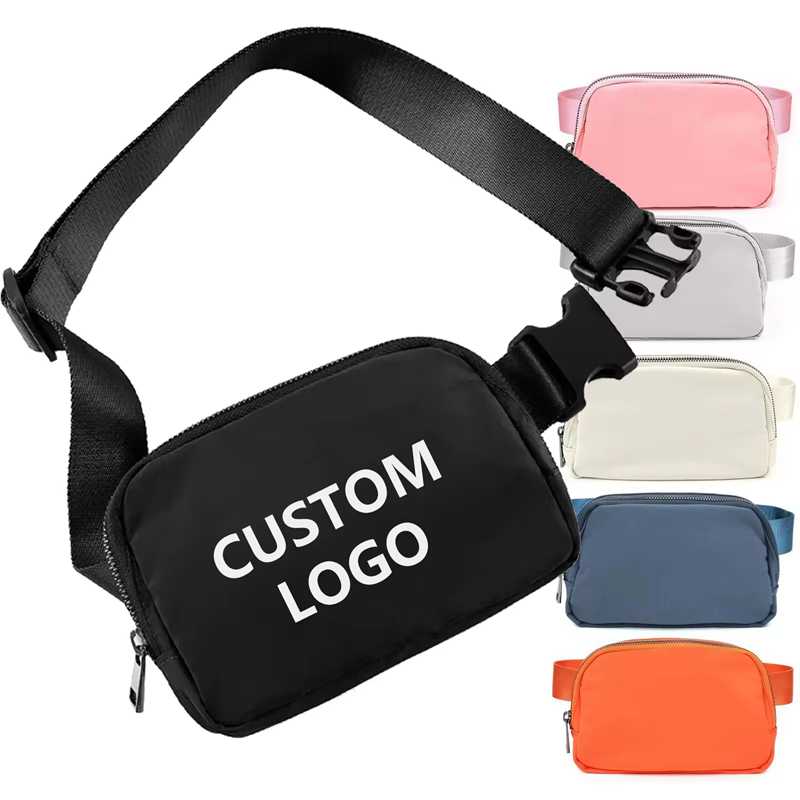
What Production Details Matter For Bulk Travel Waist Bags?
Material Preparation
Before cutting begins, materials should be checked for:
- Color consistency
- Fabric condition
- Thickness
- Surface appearance
- Component matching
Correct material preparation reduces differences between approved samples and bulk production.
Precision Cutting
Travel waist bags often contain multiple panels and curved structures.
Cutting accuracy affects:
- Overall shape
- Pocket alignment
- Sewing consistency
- Final appearance
Accurate cutting creates the foundation for stable assembly.
Sewing Construction
Sewing quality directly influences durability.
Important areas include:
- Strap attachment points
- Zipper areas
- Stress corners
- Seam alignment
- Reinforced sections
Proper sewing construction helps the product withstand repeated daily use.
Functional Component Assembly
Small components have a major influence on user experience.
Attention areas include:
- Zipper smoothness
- Buckle connection
- Strap adjustment
- Hardware attachment
Each component needs to work together as one complete system.
Branding Application
Brand details require accuracy during production.
Control areas include:
- Logo position
- Color matching
- Attachment strength
- Surface cleanliness
Consistent branding helps maintain the intended product image.
Final Packing Preparation
Before shipment, finished products require organized preparation.
Important details include:
- Individual packing
- Labels
- SKU identification
- Carton information
- Quantity checking
Clear packing management supports smoother retail and distribution operations.
How Does A Travel Waist Bag Move From Concept To Sample?
A successful travel waist bag project depends on turning an idea into a product that can be evaluated, adjusted and reproduced.
Before bulk production begins, brands need confidence that the design, materials, functions, and visual details work together.
A structured development process helps reduce uncertainty between the original concept and the final production version.
Project Requirement Review

Every development starts by understanding the product purpose.
Important details include:
- Travel usage
- Target carrying items
- Size expectations
- Material preference
- Branding requirements
- Quantity planning
Clear requirements help define the right product direction before structural development begins.
Structure And Pattern Development

A travel waist bag must be converted from an idea into a workable construction.
Development focuses on:
- Overall dimensions
- Pocket positions
- Seam structure
- Strap attachment
- Reinforcement areas
- Internal organization
The goal is creating a design that performs well while remaining suitable for repeat production.
Material And Component Confirmation

Materials influence appearance, comfort and durability.
Before sampling, key components should be reviewed:
- Main fabric
- Lining
- Zippers
- Buckles
- Webbing
- Branding elements
Matching each component with the product purpose helps avoid unnecessary changes later.
Prototype Sample Development

The first sample is used to verify whether the concept works in physical form.
Evaluation includes:
- Size accuracy
- Storage function
- Wearing comfort
- Material performance
- Logo appearance
- Hardware matching
The sample stage provides an opportunity to improve details before bulk production.
Sample Review And Adjustment

A professional review should examine both appearance and function.
Possible adjustments include:
- Pocket position changes
- Strap adjustment
- Material replacement
- Logo refinement
- Structural improvement
Each revision should move the product closer to the approved production standard.
Production Reference Confirmation

Before bulk production, the approved sample becomes the reference standard.
Important information may include:
- Final dimensions
- Material details
- Color references
- Logo specifications
- Packaging requirements
- Inspection focus
A clear production reference helps maintain consistency during larger quantities.
How Is Travel Waist Bag Quality Controlled?
Quality control for travel waist bags should focus on areas that affect real-world use, not just final appearance. A complete inspection system evaluates materials, construction, functionality, branding details, and packing accuracy throughout production. Jundong supports multi-stage quality control with 80 QC inspectors covering different production stages.
| Inspection Area | What Is Checked | Why It Matters |
|---|---|---|
| Material Quality | Fabric condition, color, thickness and surface consistency | Ensures the product matches approved material standards |
| Cutting Accuracy | Panel size, shape and alignment | Helps maintain stable product dimensions |
| Sewing Quality | Stitching, reinforcement and seam condition | Supports durability during repeated use |
| Zipper Function | Opening smoothness and attachment strength | Prevents common daily-use problems |
| Strap System | Connection points, adjustment and load performance | Ensures comfortable and secure carrying |
| Branding Details | Logo position, color and attachment quality | Maintains brand presentation |
| Final Appearance | Shape, cleanliness and finishing details | Confirms overall product condition |
| Packing Accuracy | Labels, quantity and carton information | Supports organized delivery and inventory handling |
Quality control is most effective when inspection standards are connected with approved product requirements.
For travel waist bag projects, important references may include:
- Approved sample
- Material specifications
- Color standards
- Logo requirements
- Packaging instructions
This creates clearer expectations from development through final delivery.
How Should Travel Waist Bags Be Prepared For Retail?
A well-developed travel waist bag needs more than product quality. Before entering retail stores, online platforms or distribution channels, packaging and identification details need to support inventory management, customer experience and efficient delivery.
For travel accessories collections, packaging is part of the product system.
The right preparation helps ensure that each style, color and quantity can be correctly identified throughout storage, transportation and sales.

Retail Packaging Considerations
Retail projects often require packaging that protects the product while presenting the brand consistently.
Common options include:
- Hangtags
- Woven labels
- Care labels
- Barcode stickers
- Brand cards
- Protective polybags
- Gift packaging
Important details include:
SKU Identification
Each style and color should have clear identification information to reduce confusion during storage and distribution.
Brand Presentation
Packaging elements should match the product positioning, whether the collection is technical outdoor, lifestyle travel, or premium accessory-focused.
Product Protection
Compact travel bags still require protection from dust, scratches, compression, and transportation handling.
E-commerce Fulfillment
Online channels require additional attention to product identification and shipment handling.
Important considerations include:
- Individual packaging
- Barcode requirements
- Carton information
- Quantity verification
- SKU separation
- Shipping labels
For multi-color travel waist bag collections, clear product identification helps reduce inventory mistakes and improves warehouse efficiency.
Packaging requirements should be reviewed before bulk packing begins, especially when products are prepared for specific platforms or distribution systems.
Brand Collection Support
Travel waist bags are often developed as part of a wider collection, especially for coordinated travel, outdoor, lifestyle, or hospitality programs where several complementary bag styles are designed and launched together.
Related products may include:
- Sling bags
- Crossbody bags
- Travel organizers
- Backpacks
- Toiletry bags
Consistent materials, colors, branding methods, trims, hardware and packaging styles help create a stronger product family while making the overall collection look more coordinated, professional, recognizable and suitable for unified retail presentation.
Which Brands Are Suitable For Custom Travel Waist Bags?
Travel Brands
Travel brands often develop waist bags as part of a complete travel accessory collection.
Typical requirements include:
- Lightweight construction
- Organized storage
- Comfortable carrying
- Matching travel products
The waist bag may become part of a wider product family including backpacks, organizers and travel pouches.
Outdoor Brands
Outdoor-focused products usually require stronger performance considerations.
Development may include:
- Durable fabrics
- Reinforced structures
- Weather-resistant materials
- Functional carrying systems
The product needs to support movement while maintaining comfort during outdoor activities.
Lifestyle Brands
Lifestyle collections focus on combining function with visual identity.
Important elements include:
- Material appearance
- Color selection
- Branding details
- Product silhouette
Canvas, nylon and premium trims can create different lifestyle positions.
Fashion And Streetwear Collections
Fashion-oriented waist bags often emphasize:
- Unique shapes
- Special materials
- Hardware details
- Brand recognition
The challenge is balancing fashion expression with daily usability.
Retail Private Label Programs
Retail collections require attention to:
- Stable quality
- SKU management
- Packaging requirements
- Color consistency
A well-prepared product supports smoother inventory and sales operations.
Corporate Travel Programs
Corporate projects may use travel waist bags for:
- Employee gifts
- Events
- Travel kits
- Brand programs
These projects often require customized branding, packaging and delivery coordination.
Why Can Jundong Support Long-Term Travel Waist Bag Programs?
A successful travel waist bag collection requires more than producing one shipment. Brands developing long-term product lines need consistent development capability, production coordination and quality management.
Jundong supports travel waist bag programs through a combination of product experience, production resources and structured quality control.

20+ Years Bag Development Experience
Travel waist bags combine product function, carrying comfort, materials and branding details.
Experience helps evaluate:
- Suitable structures
- Material combinations
- Production feasibility
- Detail improvements
Long-term development becomes easier when product decisions are based on previous development knowledge rather than trial and error.
18,000㎡ Production Area
A larger production environment supports different stages of custom bag projects.
Key functions include:
- Product development
- Sample preparation
- Material handling
- Sewing production
- Quality inspection
- Packing preparation
This allows projects to move through different stages with clearer coordination.
600+ Employees Supporting Production
Travel collections may include:
- Multiple colors
- Different materials
- Several product styles
- Seasonal launches
A larger team structure provides support for coordinating different project requirements while maintaining production organization.
80 QC Inspectors For Multi-Stage Control
Quality management requires attention throughout production, not only after completion.
Inspection focus includes:
- Materials
- Sewing
- Functions
- Branding details
- Finished appearance
- Packing accuracy
Multi-stage inspection helps identify issues earlier and supports more stable product delivery.
Make A Travel Waist Bag Sample First?
A useful custom travel waist bag should be tested for more than appearance. The sample should confirm carrying capacity, pocket layout, zipper access, strap length, buckle strength, body fit, material feel, logo position, and comfort during walking or travel. Reviewing these details before bulk production helps prevent fit, function, and workmanship issues while making final approval much easier.
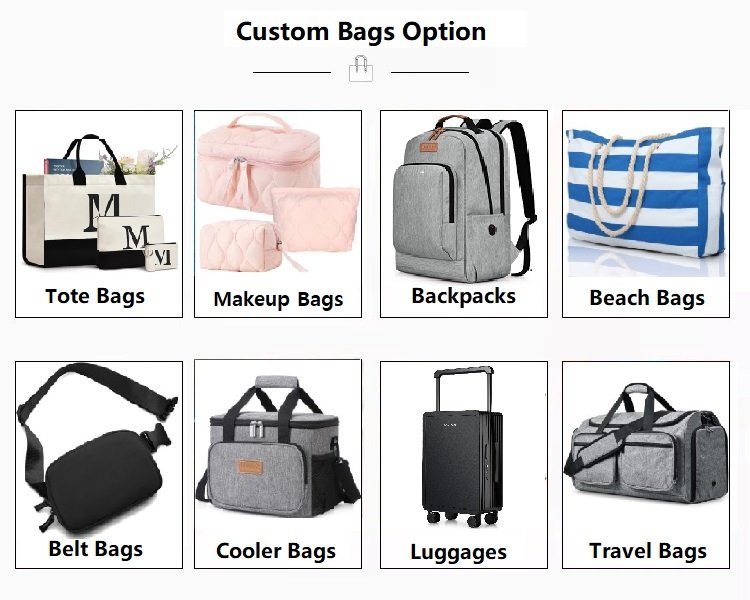
Client Testimonials
800+ brand Clients Trust Jundong


FAQs About Travel Waist Bag Customization
Developing a custom travel waist bag requires decisions about structure, materials, branding, production quantity and delivery planning.
The following questions cover the key considerations brands usually review before starting a custom travel waist bag project.

What is the MOQ for custom travel waist bags?
The standard MOQ for custom travel waist bags is usually 500 pcs per design.
Quantity planning depends on several factors, including structure complexity, material selection, branding methods, packaging requirements and production preparation.
For example, a simple nylon waist bag with standard components may require different preparation compared with a multi-pocket travel design using custom hardware and special materials.
Jundong reviews each project based on the complete product requirement instead of evaluating quantity alone.
For repeat programs or larger collections, different colors, materials and related travel products can also be planned together to improve product consistency.
Can travel waist bag size and pocket layouts be customized?
Certainly, travel waist bag dimensions and pocket structures can be developed according to the intended usage scenario.
A travel-focused design may require different storage planning compared with a casual everyday waist bag.
Customization may include:
- Main compartment size
- Passport pocket
- Phone compartment
- Hidden back pocket
- Internal organizer
- Front quick-access pocket
- Strap position
During development, the goal is not simply adding more compartments. Each pocket should have a clear purpose while maintaining comfortable carrying and a balanced appearance.
A well-planned structure helps users organize essential items without making the product bulky.
Which materials are suitable for custom travel waist bags?
Absolutely, materials can be selected according to product positioning, usage environment and brand requirements.
Common choices include:
- Nylon for lightweight travel and outdoor collections
- Polyester for versatile retail programs
- RPET for recycled-material positioning
- Canvas for lifestyle collections
- PU or leather details for premium appearance
- Waterproof fabrics for additional protection
Material selection affects more than appearance.
It also influences:
- Product weight
- Hand feel
- Durability
- Cost position
- Branding compatibility
The best material choice combines performance requirements with the intended product image.
How long does a custom travel waist bag sample take?
Generally, custom bag samples can be developed in about 5–7 days after key specifications and materials are confirmed.
The actual timing depends on:
- Structure complexity
- Material availability
- Logo process
- Hardware requirements
- Revision needs
A sample should confirm more than appearance.
Important checks include:
- Size accuracy
- Pocket function
- Strap comfort
- Material performance
- Branding position
- Production feasibility
A properly reviewed sample creates a stronger reference before bulk production begins.
Can travel waist bags include RFID or hidden security features?
Definitely, security-focused features can be incorporated when they match the product purpose.
Travel products often require additional protection for important belongings.
Possible options include:
- Hidden rear pockets
- Concealed zipper areas
- RFID compartments
- Protected passport sections
However, every added feature affects structure, cost and user experience.
A professional design evaluates whether the feature provides real value instead of adding unnecessary complexity.
The best security design protects important items while keeping the product lightweight and comfortable.
Can waterproof travel waist bags be customized?
Sure, waterproof or water-resistant travel waist bags can be developed through suitable materials and construction methods.
Possible solutions include:
- Water-resistant fabrics
- Coated materials
- Waterproof zippers
- Protective structures
The final performance depends on the complete product system rather than one material alone.
Important factors include:
- Fabric coating
- Seam construction
- Zipper selection
- Usage environment
For outdoor or travel collections, the protection level should match the expected conditions instead of adding unnecessary cost.
What logo methods can be used for private label travel waist bags?
Of course, different branding methods can be selected according to fabric, product style and brand image.
Common options include:
- Embroidery
- Woven labels
- Screen printing
- Heat transfer
- Rubber patches
- PVC patches
- Metal logos
- Custom zipper pulls
The right branding method depends on:
- Surface material
- Logo complexity
- Position
- Durability requirements
- Visual effect
Brand details should enhance the product rather than appear as an additional decoration.
How is quality controlled for bulk travel waist bags?
Absolutely, quality control should cover the entire production process rather than only checking finished products.
Important inspection areas include:
- Material condition
- Cutting accuracy
- Sewing quality
- Zipper function
- Strap attachment
- Logo position
- Final appearance
- Packing accuracy
Jundong supports multi-stage inspection with 80 QC inspectors.
Approved samples, material standards and production requirements provide clearer references during bulk production.
This approach helps reduce avoidable differences between approved samples and finished orders.
Can you support retail and e-commerce packaging?
Certainly, travel waist bags can be prepared with packaging requirements for retail and online sales channels.
Options may include:
- Hangtags
- Barcode labels
- Individual polybags
- Product cards
- Carton marks
- SKU identification
Packaging should be planned together with the product rather than added after production.
Clear packaging information helps support inventory handling, warehouse management and product distribution.
What information is needed for a travel waist bag quotation?
Definitely, accurate project information helps create a more reliable evaluation before sampling or production planning.
Useful information includes:
- Product drawings or reference images
- Size requirements
- Material preference
- Pocket structure
- Logo details
- Quantity
- Packaging requirements
- Delivery destination
- Expected timeline
If the design is still developing, early discussion is also possible.
Project files can be sent to:
Providing clear information at the beginning helps reduce unnecessary revisions and creates a smoother development process.
Send Your Travel Waist Bag Project For Review
Every travel waist bag project starts with understanding the product goal.
Whether you already have technical drawings or only an early concept, providing the available information helps evaluate structure, materials, branding options and production requirements more accurately.
To review your project, please share:
- Product drawings, sketches or reference images
- Desired size and carrying method
- Preferred materials or performance requirements
- Pocket and storage expectations
- Logo method and branding details
- Estimated quantity
- Packaging requirements
- Target delivery schedule
- Destination information
A complete project review may include product structure suggestions, material recommendations, sample planning, and production considerations.
For project files or initial discussions, you can contact: