Skip to content

Travel Cosmetic Bag Customization
OEM, ODM, and private label development for beauty, travel, retail, gifting, and hospitality programs requiring controlled bulk production.
Key Message:
- Develop flat pouches, boxy organizers, hanging toiletry bags, clear travel cases, vanity bags, brush holders, and coordinated beauty gift sets.
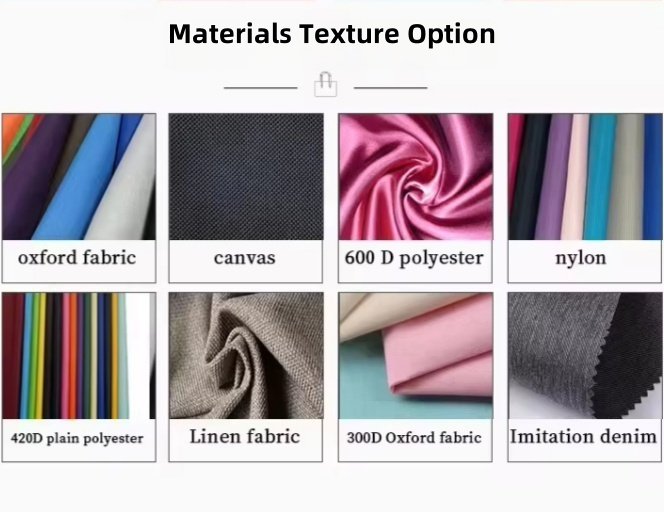
- Select PU, PVC, TPU, polyester, nylon, canvas, velvet, satin, mesh, RPET options, and easy-clean linings for intended use.
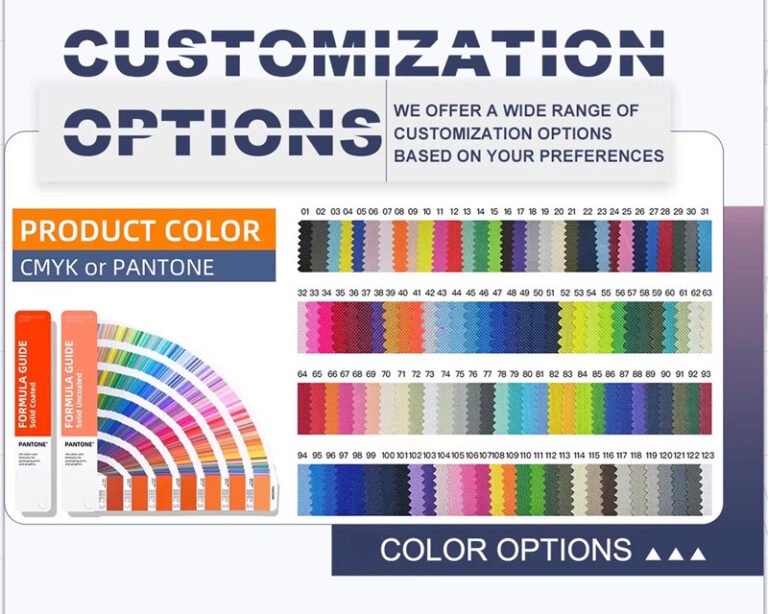
- Confirm dimensions, compartments, Pantone colors, logo applications, zipper details, hangtags, barcodes, unit packing, and carton requirements before approval.
- Work with a Guangdong factory backed by 20+ years of OEM/ODM experience, 600+ employees, an 18,000㎡ site, and 80 QC inspectors.

Why Jundong Supports Demanding Cosmetic Bag Programs
Program reliability depends on experienced development, sufficient production depth, traceable quality checks, and enough coordination capacity to keep complex specifications under control.

More Than 20 Years Of OEM And ODM Experience
Jundong has more than 20 years of experience developing and producing custom bags through OEM and ODM programs. Long-term involvement in material selection, pattern adjustment, structural development, decoration, sampling, bulk execution, and quality review helps teams identify costly design conflicts early. The result is clearer communication when a travel cosmetic bag involves several materials, compartments, trims, or finishing methods.
More Than 600 Employees Supporting Scalable Programs
A workforce of more than 600 employees provides the operational depth required for established product lines, seasonal launches, and repeat orders. Scale becomes valuable when several colors, packaging versions, or delivery batches must move under one specification system. Capacity is reviewed against construction complexity, material readiness, approval status, and required completion date before the production schedule is confirmed.
An 18,000 m² Production Site
Jundong operates an 18,000 m² production site for custom bag programs. The available space supports coordinated material handling, production flow, in-process control, finished-product review, and packing activities. For complex travel cosmetic bags, organized movement between processes helps protect components from mixing, keeps approved specifications visible, and provides clearer control over multi-style or multi-color orders.
A Team Of 80 Quality Control Inspectors
A team of 80 quality control inspectors supports incoming material checks, inline inspection, and final product review. Evaluation can cover color, dimensions, stitching, zipper function, logo execution, cleanliness, packing, and other agreed requirements. Instead of promising zero defects, inspection criteria, acceptable tolerances, reference samples, and AQL requirements are aligned before bulk completion so quality decisions remain measurable and traceable.
What Does Travel Cosmetic Bag Customization Actually Include?
Travel cosmetic bag customization covers the outer shape, capacity, materials, lining, organization, branding, packaging, and production standards required for a launch-ready branded product.
Build Around Products, Travel Habits, And Retail Positioning
Successful custom travel cosmetic bags begin with the items they must carry, not with a fashionable outline alone. A skincare travel set may require upright space for 30–100 ml bottles, elastic loops for tubes, and a coated lining that can be wiped after leaks. A makeup-focused format may need protected brush storage, shallow palette pockets, and a wide opening that keeps contents visible. A hotel amenity pouch may favor a compact flat profile, while a retail vanity case may need structure, a carry handle, and stronger shelf presence.
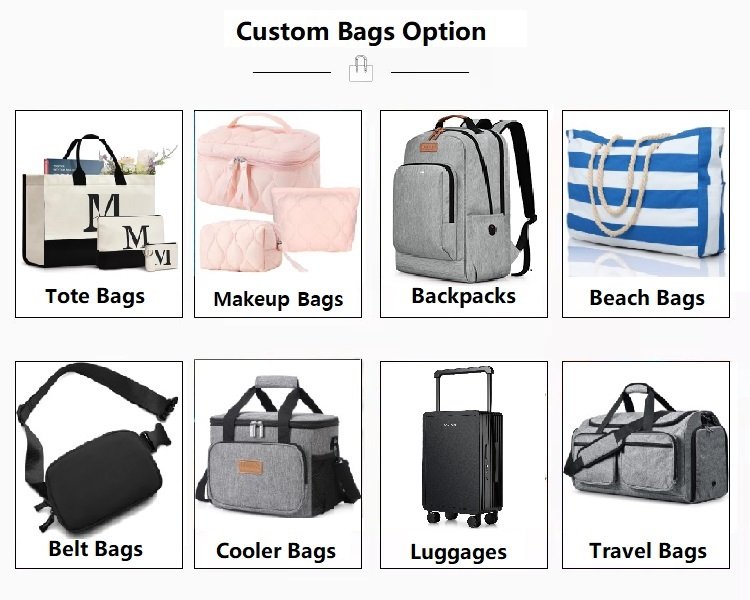
Jundong reviews the expected contents, approximate bottle diameters and heights, trip duration, opening style, storage position, and finished packing size before proposing dimensions. Common formats include flat zipper pouches, boxy cases, hanging toiletry organizers, transparent travel pouches, multi-layer organizers, brush bags, men’s dopp kits, and coordinated gift-set bags.
Usage also shapes material and construction choices. Clear PVC or TPU improves visibility; coated polyester supports lightweight everyday travel; PU creates a more polished retail finish; mesh increases ventilation; padding protects palettes and glass containers. Airport screening rules differ by country and apply mainly to carried liquids and containers, so a transparent pouch should be described as travel-friendly only after the required size and use conditions are reviewed. Product use, sales channel, brand position, packing plan, and target cost should therefore be confirmed together.
Translate Brand Ideas Into Controlled Product Specifications
A branded cosmetic bag becomes production-ready when visual ideas are converted into measurable specifications. Development records should define finished width, height, and depth; acceptable measuring method; outer material; lining; reinforcement; pocket positions; zipper type; puller finish; thread color; edge treatment; logo size; Pantone reference; individual packing; and carton rules. Soft-sewn products can show reasonable dimensional variation, so critical dimensions and acceptable tolerances need agreement during sampling instead of relying on an image alone.
Jundong can begin with a tech pack, physical sample, sketch, reference photograph, existing product, or written concept. The development team reviews whether the proposed material can hold the intended shape, whether a logo process suits the surface, whether bottles fit without distorting the zipper, and whether internal dividers remain usable after the bag is filled. When a design contains unnecessary layers, costly hardware, or difficult seam intersections, alternative construction may be discussed without changing the intended appearance.
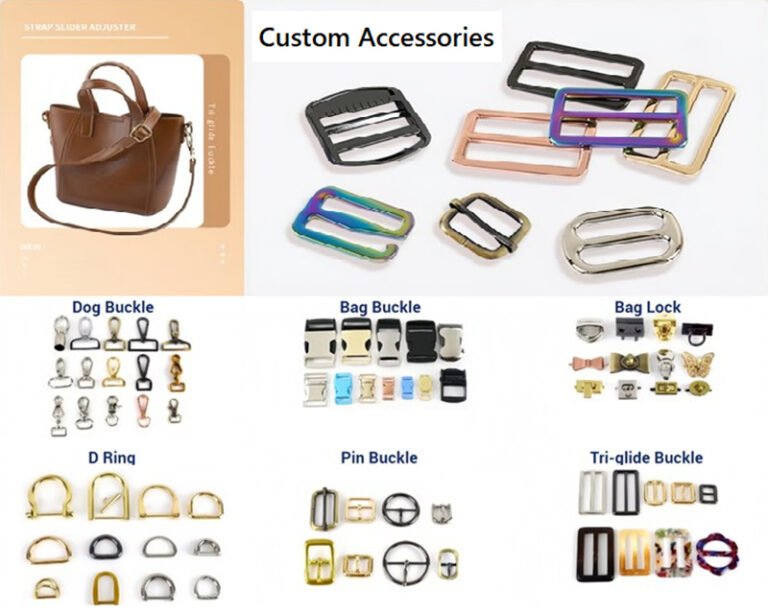
Customization can cover exclusive dimensions, panel shapes, all-over prints, branded linings, woven labels, engraved pullers, metal plates, brush covers, removable dividers, hangtags, barcode labels, gift boxes, and multi-SKU packing. Each option affects cost, minimum material quantities, sample time, production sequence, and inspection focus. Clear specifications allow creative decisions to become repeatable production instructions rather than one attractive prototype.
Move From Approved Sample To Repeatable Bulk Production
Physical sampling verifies decisions. Digital drawings cannot fully prove hand feel, color under real light, zipper movement, compartment access, standing shape, brush clearance, lining cleanability, logo appearance, and finished packing. Material swatches or logo trials may be prepared before a complete sample when color, transparency, embroidery, embossing, or printed detail carries higher risk. Feedback should identify measurable changes—such as reducing depth by 10 mm, moving a pocket 15 mm, widening a zipper opening, or adjusting a logo position—rather than relying only on general comments.
Once the final sample is approved, confirmed details need to become production references. Material specifications, color references, pattern pieces, measurements, trim details, logo artwork, packaging files, and inspection items should follow the approved version. Incoming materials, logo application, sewing, assembly, dimensions, function, finished appearance, packing, SKU separation, and carton marks can then be checked at the relevant stages.
Bulk consistency does not come from the sample alone. It comes from controlled records, clear production instructions, first-output review, in-process correction, finished-goods inspection, and packing verification. Jundong’s development, production, and quality teams coordinate those stages so a branded travel cosmetic bag can move from concept to repeat orders with fewer avoidable changes. Final tolerances, testing requirements, and acceptance standards should be agreed upon according to material, structure, intended use, and order specifications.
What Do Established Brands Expect From A Production Partner?
Established brands need more than an attractive prototype. They need controlled specifications, reliable performance, repeatable workmanship, and delivery planning aligned with launch dates.

Design Accuracy From Approved References
Color, dimensions, silhouette, handle proportions, pocket placement, and logo position must be translated into measurable specifications before sampling. Material names alone are not enough: surface texture, thickness, hand feel, backing, lining shade, zipper tape, and metal finish all influence finished appearance. Approval records give design, costing, production, and inspection teams one controlled reference.
- Pantone colors and material swatches
- Dimension tolerances and pattern versions
- Hardware finishes and logo positions
- Sealed samples and signed specifications
Function Proven Through Real Use
A travel cosmetic bag must perform when filled, opened repeatedly, packed inside luggage, carried by its handle, and exposed to minor spills. Compartments should match actual bottle, jar, palette, and brush dimensions. Easy-clean linings improve maintenance, but stitched seams and standard zippers should never be described as leakproof unless the complete construction has been designed and tested accordingly.
- Capacity and packing evaluation
- Zipper opening and closing checks
- Handle and hanging-load assessment
- Lining wipe and spill-resistance review
Consistency From Sample To Bulk Production
A well-made sample has limited value if its details cannot be repeated during bulk production. The approved sample, bill of materials, pattern data, logo artwork, color references, construction instructions, and packaging requirements must remain synchronized. Inline checks should identify variation before large quantities are completed, while final inspection confirms appearance, measurements, function, workmanship, quantity, and packing against agreed criteria.
- Controlled bill of materials
- Sealed pre-production reference
- Inline workmanship checkpoints
- Final inspection against agreed standards
Delivery Planning Around Launch Commitments
Reliable timing begins before materials are ordered. Artwork approval, material availability, sampling rounds, testing needs, packaging development, production capacity, inspection, and shipment booking all affect the schedule. A realistic timeline should show dependencies and decision deadlines instead of relying on one estimated completion date. Early identification of custom hardware or specially dyed materials helps protect retail launches from avoidable delays.
- Approval deadlines clearly recorded
- Long-lead components identified early
- Packaging synchronized with bag completion
- Inspection and shipment windows reserved
Which Brands Need Custom Travel Cosmetic Bag Programs?
Beauty and Skincare Brands
Beauty and skincare collections often need travel cosmetic bags that look polished beside bottles, jars, tubes, and treatment tools. Important details include clean color matching, smooth zipper movement, wipe-clean lining, organized interiors, accurate logo placement, and gift-ready presentation. Coordinated sizes can support skincare sets, makeup launches, seasonal kits, and travel editions without making every SKU look identical.
Travel and Luggage Brands
Travel and luggage collections need cosmetic organizers that belong to a wider product family. Materials, zipper finishes, lining colors, pullers, labels, and packaging may coordinate with carry-ons, packing cubes, weekend bags, shoe bags, or toiletry kits. Capacity, hanging options, transparent sections, lightweight construction, and resistance to repeated packing matter more than decorative styling alone.
Private Label Retailers
Private label retailers require products prepared for shelves, online listings, warehouses, and repeat orders. Beyond the bag itself, development may include exclusive colors, barcode labels, hangtags, care labels, branded packing, SKU separation, carton marks, and replenishment records. Consistent dimensions and brand details help different stores or distribution centers receive the same approved product standard.
Beauty GWP Programs
Gift-with-purchase and beauty set programs need an attractive bag that supports the perceived value of the products inside. Size must match the planned bottles or samples, while material, logo method, packing sequence, and launch date must fit the campaign budget. Large-volume programs also require clear color allocation, set assembly rules, carton quantities, and delivery milestones.
Hotels & Airlines
Hotels, airlines, resorts, cruise programs, and travel service groups may use cosmetic or toiletry bags for amenity sets, premium cabins, guest gifts, retail shops, or seasonal experiences. Compact packing, lightweight materials, discreet branding, multi-destination sorting, and controlled presentation are often important. Any size, labeling, flammability, chemical, or destination-specific requirement should be reviewed before sampling.
Importers And Distributors
Importers and distributors usually manage several colors, formats, price levels, or destinations rather than one isolated style. Clear specifications, master samples, production schedules, packing lists, carton marks, and repeat-order records help reduce receiving errors. A coordinated factory can also develop related pouches, toiletry bags, vanity cases, and gift-set bags under one material and branding direction.
Which Travel Cosmetic Bag Styles Can Be Customized?
Choose a custom travel cosmetic bag structure by travel routine, product dimensions, protection level, retail channel, and cleaning needs—not by appearance alone.
Layered Cosmetic Organizers

Multi-layer organizers separate full-size bottles, small cosmetics, brushes, tools, and personal-care items within one travel format. Clamshell openings, detachable pouches, adjustable dividers, elastic holders, and transparent pockets can be configured around the intended contents. Because the style uses more components, pattern alignment, zipper direction, divider fit, seam bulk, and packing sequence require careful control during development.
Structured Vanity Cases
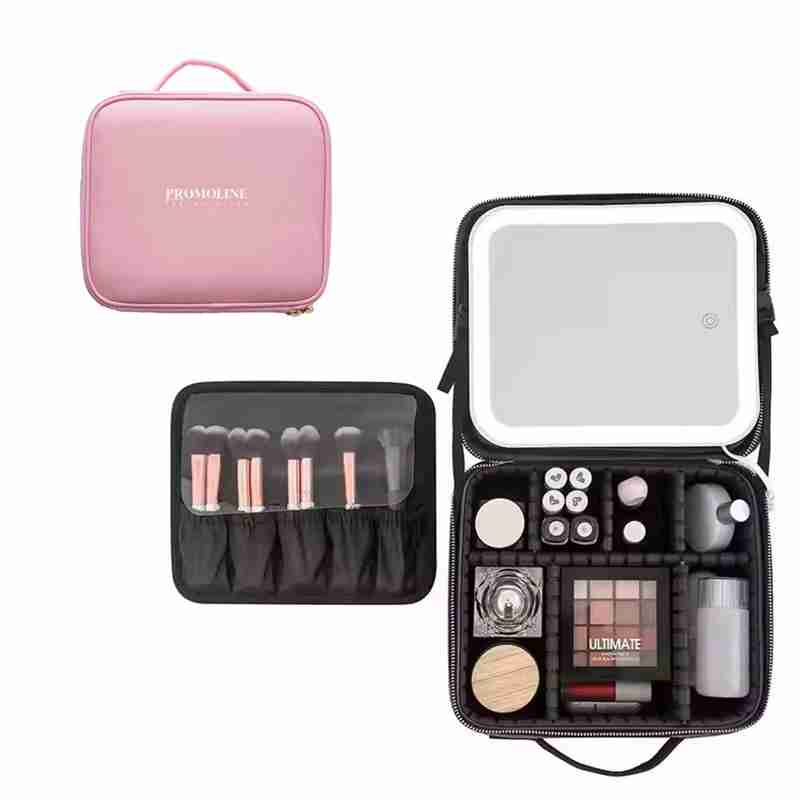
Structured vanity cases create a more protective and premium presentation for cosmetics, fragrance, skincare, and beauty devices. EVA panels, foam reinforcement, piping, molded sections, and dual zippers can help maintain the silhouette. Development should consider lid stability, mirror or pocket placement, handle load, hardware weight, internal protection, and the total packed dimensions required for retail cartons.
Boxy Makeup Bags

A boxy makeup bag provides a wide opening, stable base, and clear access to bottles, palettes, brushes, and daily cosmetics. Internal mesh pockets, elastic loops, brush sleeves, and removable dividers can organize different product sizes. PU, nylon, polyester, canvas, and quilted fabrics suit the format, while piping and reinforced panels help preserve its shape during travel.
Men’s Dopp Kits

Men’s Dopp kits combine a compact rectangular structure with easy access to shaving, grooming, and personal-care products. Common options include PU, canvas, polyester, nylon, and water-resistant coated fabrics, paired with strong zipper openings and reinforced carry handles. Internal pockets, wet-item sections, understated logo treatments, dark linings, and easy-clean surfaces can be adjusted for travel, gifting, or retail collections.
Hanging Toiletry Bags

Hanging toiletry bags are designed for hotels, bathrooms, changing rooms, and compact travel spaces where counter area is limited. Layouts can include multiple zipper sections, transparent pockets, mesh storage, wet-item separation, and a concealed hook. Hook attachment, top-handle reinforcement, loaded balance, pocket access, and folded thickness should all be evaluated before approving the structure.
Clear Travel Cosmetic Pouches

Clear PVC or TPU panels allow contents to remain visible, making the format suitable for travel sets, skincare kits, beauty tools, and organized packing. Transparent panels can be joined with fabric binding, zipper closures, or heat-sealed constructions according to the required finish. Any TSA-related statement must be checked against current size and usage rules before appearing on product packaging.
Makeup Brush Travel Bags
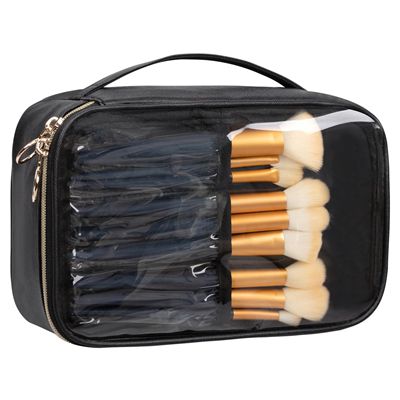
A makeup brush travel bag protects brush heads while keeping different lengths and shapes organized. Options include elastic slots, individual sleeves, fold-over guards, removable inserts, zipper enclosures, and wipe-clean linings. Slot width and spacing should be developed around actual brush samples, since overly tight holders damage handles while loose construction allows movement and contact between brush fibers.
Beauty Gift Set Bags

Beauty gift set bags combine product presentation with reusable storage, making them suitable for seasonal launches, promotional gift programs, skincare sets, and fragrance collections. Dimensions should be built around the complete product set rather than estimated capacity. Decoration, lining, inserts, color coordination, packaging fit, and unpacking presentation can then be balanced against target cost and required production quantity.
Flat Zipper Cosmetic Pouches

Flat zipper pouches offer a slim format for essential makeup, skincare samples, amenity kits, and beauty gift programs. Polyester, nylon, canvas, cotton, PU, or recycled fabric can be combined with a lining and light padding. A bottom or side gusset adds capacity without changing the clean profile, while printed, woven, embossed, or metal branding supports different retail positions.
Which Bag Format Fits Your Products and Sales Channel?
The right format depends on what goes inside, where it will be sold, how often it travels, and the protection expected after repeated use.
| Bag Format | Best-Fit Contents | Suitable Sales Scenarios | Critical Decision Before Sampling |
|---|---|---|---|
| Flat Zipper Pouch | Travel-size skincare, makeup essentials, samples and compact beauty sets | Gift-with-purchase programs, amenity kits, e-commerce sets and entry-price collections | Confirm gusset depth, filled appearance and whether light fabrics reveal bottle outlines |
| Boxy Makeup Bag | Bottles, jars, palettes, brushes and daily cosmetics | Beauty retail, lifestyle collections, subscription sets and branded travel accessories | Test opening angle, base stability, internal visibility and access when fully packed |
| Hanging Toiletry Bag | Full-size toiletries, grooming products and multi-item travel sets | Travel collections, luggage programs, hotels, airlines and outdoor assortments | Assess hook strength, loaded balance, folded thickness and pocket access while hanging |
| Clear Travel Pouch | Visible skincare sets, liquids, beauty tools and organized travel items | Travel retail, personal-care kits, beauty promotions and transparent collections | Select PVC or TPU by clarity, flexibility, odor, scratch performance and required compliance |
| Structured Vanity Case | Premium cosmetics, fragrance, skincare bottles and beauty devices | Prestige gift sets, salon collections, premium retail and presentation-led programs | Review reinforcement, handle load, hardware weight, internal protection and retail carton size |
| Multi-Layer Organizer | Mixed-size bottles, palettes, brushes, tools and personal-care items | Professional beauty collections, long-trip organizers and high-capacity travel programs | Control divider fit, zipper direction, seam thickness, component count and assembly complexity |
| Makeup Brush Bag | Brush sets, beauty tools, applicators and pencils | Cosmetics collections, professional kits, brush launches and beauty education programs | Develop slot dimensions around real tools and protect brush fibers from contact or compression |
| Men’s Dopp Kit | Shaving products, grooming tools, deodorant and daily toiletries | Men’s lifestyle collections, hospitality sets, corporate gifts and travel accessories | Confirm bottle fit, wet-item separation, lining visibility, zipper access and handle reinforcement |
Which Materials Work Best For Travel Cosmetic Bags?
Material selection should balance appearance, structure, cleaning, decoration, travel conditions, compliance, and target cost. One fabric rarely delivers every desired advantage.
Polyester
Polyester is a versatile choice for custom cosmetic pouches, boxy makeup bags, hanging organizers, and beauty gift bags. It supports printing, embroidery, quilting, and coated finishes while keeping color control and cost manageable. Specifications such as 210D, 300D, or 600D are only a starting reference; weave density, backing, coating, and finished hand feel should be approved from an actual swatch.
Nylon
Nylon provides a smooth surface, low weight, and good flexibility for foldable pouches, premium organizers, and lightweight toiletry bags. Common constructions include 210D and 420D, although denier alone does not determine strength. Yarn quality, weave, coating, abrasion performance, colorfastness, and seam behavior should be reviewed together. Nylon may require a higher material budget than comparable polyester options.
PU
PU creates a leather-like appearance for structured makeup bags, vanity cases, gift sets, and elevated travel accessories. Surface grain, gloss level, thickness, backing fabric, edge finishing, and softness strongly affect the final result. Material approval should also consider hydrolysis resistance, color transfer, peeling risk, odor, cleaning method, and performance under the expected storage and transport conditions.
PVC
PVC is frequently selected for clear cosmetic bags because it provides strong visibility, easy surface cleaning, and several transparency or color effects. Thickness influences softness, structure, sewing behavior, and edge stress. Development should evaluate odor, cold flexibility, scratch marks, print adhesion, material migration, and applicable chemical requirements. A transparent pouch should never be described as TSA approved without confirming current rules.

TPU
TPU offers clear, translucent, frosted, or colored effects with a softer hand and strong flexibility. It suits modern skincare pouches, travel sets, welded constructions, and designs requiring a more refined transparent surface. Material grade, thickness, haze, scratch resistance, yellowing behavior, seam method, and logo compatibility need confirmation. TPU usually carries a higher cost and different processing requirements than standard PVC.
Canvas And Cotton
Canvas and cotton create a natural, tactile appearance for lifestyle cosmetic bags, wellness collections, hotel amenities, and reusable gift packaging. Fabric weight influences shape, seam bulk, printing, and finished cost. Uncoated options absorb moisture more readily, while treatments may alter color or hand feel. Shrinkage, colorfastness, surface marks, washing instructions, and reinforcement needs should be reviewed before approval.
RPET Fabric
RPET fabric supports travel cosmetic bag programs requiring recycled polyester content without abandoning familiar woven constructions. Appearance, strength, coating, and print performance still depend on the selected fabric specification. Recycled-content claims should be supported by relevant documentation for the actual order. When certification-backed communication is required, valid scope certificates and transaction records should be checked before claims appear on labels or packaging.
EVA And Neoprene
EVA and neoprene serve different protection needs. EVA panels add semi-rigid shape and impact resistance to vanity cases and protective organizers, while neoprene provides flexible cushioning for bottles, tools, and compact pouches. Density, thickness, lamination, compression recovery, odor, edge finishing, and heat sensitivity affect performance. Material choice should follow the required protection level rather than exterior appearance alone.
Which Custom Development Route Fits Your Project?
OEM Development From A Complete Specification
A complete technical pack offers the most controlled route when dimensions, materials, construction, colors, artwork, tolerances, and packaging are already defined. Jundong reviews whether the requested elements work together before creating the first sample. Material availability, seam thickness, logo limitations, hardware compatibility, and packing dimensions should be resolved before bulk costing is finalized. Reference products should only be used when the commissioning label holds the relevant design rights.
- Best for established designs, repeat programs, and updated collections
- Provide drawings, measurements, artwork, color references, and test criteria
- Confirm permitted substitutions, tolerances, and packaging requirements
- Keep one approved specification version throughout the order
ODM Development From A Product Brief
An ODM travel cosmetic bag can begin with sketches, inspiration images, intended contents, target dimensions, preferred materials, retail position, and required features. Development then turns those inputs into a workable structure, material combination, compartment layout, logo method, and sample specification. Clear priorities are essential because maximum capacity, low weight, strong protection, complex organization, and tight cost limits cannot always be achieved in one construction.
- Best for new concepts without a completed technical pack
- Provide actual bottles, tools, product dimensions, or packing diagrams
- Rank essential features separately from optional additions
- Approve structure and function before finalizing decorative details
Private Label Adaptation for Faster Collection Expansion
Private label development starts from a proven bag construction and adapts materials, colors, dimensions, branding, trims, internal features, and packaging for a specific collection. Fewer structural unknowns can reduce unnecessary sample revisions, although every customized element still requires approval. The route works well when speed, consistent presentation, and controlled development cost matter more than creating a completely new bag architecture.
- Best for seasonal launches, coordinated collections, and repeatable programs
- Customize exterior material, lining, hardware, logo, and packaging
- Retain proven construction where it supports the intended use
- Confirm the complete branded sample before bulk production
How Should Linings and Spill Control Be Designed?
A well-chosen lining protects products, simplifies cleaning, stabilizes compartments, and supports long-term appearance. Spill control depends on the complete construction, not fabric alone.
Select The Lining By Use And Cleaning Method

Polyester taffeta, woven polyester with PU coating, TPU-laminated fabric, and other easy-clean options serve different needs. A smooth lining releases powder and light residue more easily, while a coated surface offers better resistance to minor liquid exposure. Pale colors improve interior visibility but reveal stains sooner; darker tones conceal marks yet can make small tools harder to locate. Hand feel, noise, opacity, cleanability, and compatibility with the outer material should be approved together.
Control Seams, Needle Holes, and Exposed Edges
A coated lining cannot make a stitched cosmetic bag waterproof on its own. Needle holes, zipper gaps, seam intersections, and binding joints remain possible paths for liquid. Standard constructions can be designed for easy cleaning and limited spill containment, but leakproof claims require a purpose-built structure, compatible materials, sealed or welded seams, and completed-bag testing. Clear performance wording protects the brand from overstating what the finished travel cosmetic bag can safely do.

Separate Liquids From Brushes And Dry Products

Wet and dry separation works best when the interior follows the actual packing routine. Bottles and tubes can sit inside a coated zipper compartment, removable pouch, or isolated section, while brushes and powder products remain in ventilated or fabric-lined areas. Divider height, zipper direction, bottle orientation, and cleaning access all affect performance. A separation panel that stops below the top edge may organize contents without containing a spill between adjoining sections.
Validate Stains, Odor, and Long-Term Appearance
Foundation, lipstick, oil, alcohol-based formulas, shampoo, and fragrance can react differently with lining surfaces and printed finishes. Material trials should use representative contents whenever formulas are available. Review staining, color transfer, swelling, surface tack, odor retention, wiping marks, and delamination after contact. Care instructions must match the confirmed construction; a wipe-clean interior should not automatically be described as machine washable when stiffeners, coatings, mirrors, hooks, or metal components are present.

Which Details Improve Travel Cosmetic Bag Durability?
Controlled Seams and Stitching
Consistent seam allowance keeps panels aligned and protects finished dimensions. Stitch density must suit the material: overly dense stitching can perforate coated fabrics or transparent panels, while wide spacing may weaken the seam and expose the filling. Thread type, needle size, tension, backstitching, curved-panel matching, and topstitch distance should follow the approved construction. Inline review helps detect skipped stitches, puckering, open seams, and uneven edges before later processes hide them.
Reinforcement at Real Load Areas
Reinforcement belongs where force enters the bag, including handle bases, hanging-hook attachments, zipper ends, divider anchors, and heavily loaded pocket corners. Depending on the construction, options may include backing fabric, reinforcement tape, bartacks, box stitching, or additional seam layers. Adding reinforcement everywhere can create stiffness and unnecessary bulk, so placement should follow the intended load path and remain hidden without distorting the exterior surface.
Zippers Engineered For The Opening Shape
Zipper selection affects access, appearance, and long-term performance. Coil size, tape width, slider type, puller weight, end stops, curve radius, and topstitching must suit the bag structure. Tight corners may increase operating resistance, while a heavy puller can stress a lightweight zipper. The finished sample should be tested when empty and fully packed, checking smooth movement, teeth alignment, corner travel, tape exposure, and whether internal fabric enters the slider path.
Piping, Binding, and Structural Support
Piping defines edges and helps structured makeup bags retain a clean silhouette. Binding protects raw seams inside soft pouches, while EVA panels, foam, and reinforcement boards provide different levels of support. Excessive thickness around corners can cause uneven stitching or zipper resistance; insufficient support allows the body to collapse. Material thickness, seam bulk, corner radius, and required flexibility need to be balanced before the paper pattern and sample are approved.
Secure Handles and Hanging Hooks
A handle or hanging hook must transfer load into reinforced body panels rather than relying on surface stitching alone. Attachment width, hidden backing, stitch formation, fold direction, and symmetry all affect strength and appearance. Hanging toiletry bags also require a balanced hook position so the open bag remains stable when loaded. Testing should use the planned contents and include repeated lifting or hanging, not only a brief pull on an empty sample.
Stable Pockets, Dividers, and Elastic Holders
Internal components experience repeated pulling whenever products are inserted or removed. Pocket corners, elastic ends, divider bases, mesh edges, and removable attachment points need secure finishing. Elastic must grip the intended bottle or tool without stretching the lining out of shape. Dividers should remain upright under load, while bound edges must not create sharp or bulky contact areas. A packed-sample review reveals movement and strain that remain invisible when the bag is empty.
How Are Size, Capacity, and Internal Layout Developed?
Reliable dimensions come from actual contents, usable capacity, closure clearance, and access needs. External measurements alone cannot confirm whether a design will work.
Start With The Contents, Not A Generic Bag Size

A reliable travel cosmetic bag begins with a complete content list. Record the width, height, depth, diameter, cap shape, pump height, and orientation of every bottle, tube, jar, palette, brush, or device. Retail cartons and protective sleeves must also be included when they will remain on the products during travel. A nominal volume such as 30 ml does not reveal the outside dimensions of its container, so capacity cannot be calculated from volume labels alone.
The first layout should show how every item sits inside the bag. Allowance is then added for lining, padding, dividers, seam construction, zipper movement, finger access, and normal variation between components. Tall caps need clearance beneath the zipper; rigid jars require enough side space to avoid pressing against one another; brushes need length without bending their fibers.
For example, four 30 ml tubes measuring 30 mm in diameter and 60 mm in length require 120 mm when positioned side by side. A starting development size around 130 × 35 × 70 mm can be sampled, filled, and adjusted for seam loss and closure access. The measurement is not approved until real tubes fit comfortably and the zipper closes without forcing the side panels outward.
Using actual contents at the first sample stage prevents oversized bags, unstable packing, misleading capacity claims, and expensive structural corrections after materials or packaging have already been ordered.
Theoretical volume and usable capacity are not equal. A soft pouch may expand around irregular bottles but lose its intended silhouette. A structured vanity case preserves its shape yet requires clearance around rigid panels, foam, piping, and internal dividers. External width, height, and depth therefore need to be evaluated together with construction thickness and the way contents distribute their weight.
Gusset depth has a major effect on stability. Too little depth restricts bottle placement and creates pressure against the zipper. Excessive depth may cause contents to collapse into one area, make the bag difficult to pack inside luggage, or increase shipping-carton volume without adding meaningful use. The base should support the planned contents without leaning, twisting, or rounding excessively when fully loaded.
Capacity is best confirmed through a filled sample. Pack every intended item, close all pockets, operate the zipper, lift the handle, place the bag upright, and fit it inside the planned retail or shipping packaging. Check whether bottles remain vertical, corners deform, the top panel rises, or internal dividers move under pressure. A capacity reserve should come from observed use rather than applying one fixed percentage to every design.
The approved dimensions should state whether measurements are taken externally or internally and whether the bag is empty or filled. Consistent measuring positions are essential because piping, rounded corners, padding, and soft side panels can produce different results even when the paper pattern has not changed.
Convert Stated Capacity Into A Stable Travel Structure

Build Compartments Around Access, Protection And Repacking

More pockets do not automatically create better organization. Every divider, elastic loop, brush sleeve, mesh pocket, and zipper section should support a defined item or action. The layout needs to consider how contents are packed before travel, accessed in a small bathroom, cleaned after a spill, and returned to the bag without removing everything else.
Frequently used products belong near the main opening. Bottles that may leak can be positioned upright inside a coated section. Brushes benefit from individual slots and a protective cover, while palettes and mirrors need flat areas with suitable padding. Transparent pockets improve visibility; mesh reduces weight and allows ventilation; opaque pockets hide personal items but make small contents harder to find. Removable dividers add flexibility, although attachment points must remain secure when the bag is filled.
Pocket openings should remain accessible after surrounding compartments are loaded. A zipper placed too close to a sidewall may lose its opening width, while an elastic pocket can become unusable when the adjacent bottle occupies all available depth. Divider height also affects visibility and containment. Full-height sections separate contents more clearly but may restrict hand access; lower dividers simplify access without isolating spills.
The final layout is approved through packing and unpacking trials using the intended contents. Review access sequence, hand clearance, zipper direction, weight distribution, cleaning reach, and whether loose tools move when the closed bag is turned or carried. Good organization feels natural because every component has a clear role.
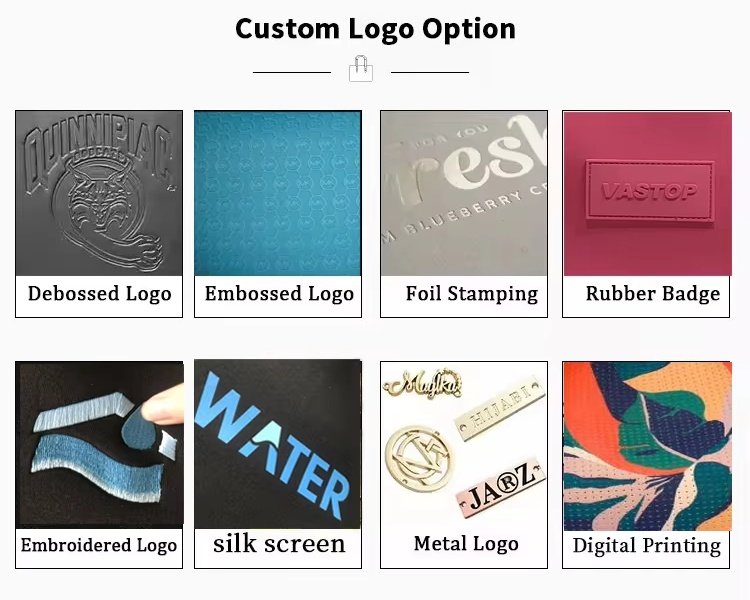
Which Logo Methods Suit Travel Cosmetic Bags?
Screen Printing
Screen printing works well for clear graphics, solid colors, and repeat logos on polyester, nylon, canvas, selected PU surfaces, PVC, and TPU. Ink type must match the base material, especially on coated or flexible surfaces where poor adhesion may cause cracking or peeling. Color count, artwork size, print position, curing conditions, and nearby seams all affect cost and finished accuracy.
Heat Transfer Printing
Heat transfer supports gradients, photographic detail, small lettering, and multicolor artwork without separating every color into an individual screen. It is often suitable for polyester and selected woven fabrics, but heat and pressure can alter coatings, PU surfaces, PVC, or TPU. A material trial should confirm adhesion, color clarity, edge definition, surface marks, and resistance to repeated flexing before approval.
Embroidery
Embroidery gives custom makeup bags a textured, durable, and premium appearance. It performs best on woven fabrics, canvas, and panels with enough stability to support thread tension. Very small text, thin lines, or dense fills may lose clarity or distort lightweight materials. Stitch count, backing, thread color, border shape, needle penetration, and logo placement should be evaluated on the actual panel.
Woven and Printed Labels
Woven labels reproduce fine lettering and compact graphics without placing heavy decoration directly on the bag surface. Printed labels support more colors and detailed artwork, while woven versions offer a textured textile finish. Labels can be folded into seams or stitched onto exterior and interior panels. Edge softness, label size, fold allowance, stitch position, colorfastness, and skin contact should be confirmed.
Embossed Logos
Embossing or debossing creates a restrained logo by raising or pressing the design into PU, leather, or compatible patches. The result depends on material thickness, backing, grain, temperature response, pressure, and artwork depth. Fine lines may disappear on heavily textured surfaces, while excessive pressure can leave unwanted panel marks. A tooling sample is needed before confirming logo clarity and placement.
Custom Metal Hardware
Metal badges and branded zipper pullers add a distinctive hardware element to structured cosmetic bags and premium travel sets. Finish options may include polished, matte, plated, painted, or enamel details according to the design. Weight, edge smoothness, attachment security, plating consistency, logo depth, corrosion requirements, and contact with delicate fabrics should be reviewed before custom molds or bulk components are ordered.
How Are Design Risks Resolved Before Sampling?
Early design review resolves conflicts between use, appearance, materials, cost, packaging, and repeatability before they become repeated sample revisions or delivery risks.
Define The Use Case Before Developing The Structure

A strong travel cosmetic bag brief explains more than a preferred appearance. Development needs to know what the bag will hold, where it will be used, how often it will travel, how it will be displayed, and which features influence the retail position. Statements such as “premium,” “large capacity,” or “travel-friendly” are not measurable until they are translated into materials, dimensions, protection, organization, and performance expectations.
Begin with the actual bottles, tubes, palettes, brushes, tools, and retail cartons. Record dimensions, weight, orientation, breakable areas, possible leakage, and frequency of access. Clarify whether the bag needs to stand upright, hang from a hook, fit inside luggage, pass through a narrow opening, or present products as a gift set. A structured vanity case and a collapsible cosmetic pouch may hold similar contents but create very different packing, shipping, and use experiences.
Conflicting requirements should be ranked before pattern work begins. A slim body may not support upright bottles. A very light bag cannot provide the same protection as a reinforced case. Numerous compartments increase organization but also add seams, weight, assembly time, and cost. Clear priorities allow essential performance to remain protected while less important features can be adjusted.
The final brief should distinguish required functions from optional preferences. Such separation prevents appearance-led decisions from weakening capacity, cleanability, access, or travel performance.
Materials, construction, and decoration cannot be approved as unrelated choices. A soft fabric may accept embroidery but fail to hold a structured silhouette. Thick PU can create a premium surface yet build excessive seam bulk around tight corners. Transparent TPU offers a refined visual effect, although heat, needle holes, scratches, and printed-logo adhesion require specific evaluation. Every selected element changes how another component performs.
Logo placement must account for seam allowance, pocket openings, piping, folds, and the way the bag expands when filled. A centered graphic on a flat panel may appear lower or distorted after the gusset opens. Dense embroidery can pull lightweight fabric out of shape, while a heavy metal badge may cause a soft panel to sag. Heat-transfer artwork can also leave pressure marks on sensitive coatings.
Construction choices create further dependencies. A wide-opening zipper needs a suitable curve radius and enough support around the top panel. EVA reinforcement improves protection but reduces foldability and increases packed dimensions. A coated lining supports easier cleaning, yet standard stitched seams remain possible paths for liquid. Hardware finish must coordinate with zipper components and survive the intended travel conditions.
Compatibility review should identify the risk, expected effect, and preferred correction before sampling. Options may include changing the material grade, moving the logo, reducing embroidery density, increasing the corner radius, adding hidden reinforcement, or replacing decorative hardware. Early decisions protect the intended appearance without sacrificing function or creating avoidable sample rounds.
Check Material, Structure And Branding Compatibility Together

Freeze Measurable Specifications Before The First Prototype

A first prototype is most valuable when it tests defined decisions rather than unresolved ideas. Before sample construction begins, the working specification should identify outer dimensions, intended contents, material codes, lining, reinforcement, compartment sizes, zipper direction, hardware, logo artwork, color references, stitching, labels, and packaging assumptions. Each item needs a clear status: approved, pending confirmation, or proposed for evaluation.
Drawings should show front, back, side, top, bottom, and open interior views where relevant. Measurements need fixed reference positions so rounded corners, soft panels, piping, and gussets are interpreted consistently. Artwork files should state physical size, placement distance, color, and decoration method. Terms such as “centered,” “soft,” or “large pocket” need numerical or physical references to prevent different interpretations.
Unresolved choices should not be hidden. If two materials, zipper sizes, or divider layouts remain under consideration, the sample request can define controlled options for comparison. Combining several unrecorded alternatives in one prototype makes later feedback difficult because the effect of each decision cannot be isolated.
The specification version and sample date should be recorded. Any change affecting material, pattern, decoration, function, packaging, cost, or timing must be added to the revision record. Once the preferred prototype is approved, the final specification and sealed sample become connected references for costing, pre-production preparation, and inspection. Measurable approval reduces dependence on memory, photographs, and subjective descriptions.
How Are Color and Finish Kept Consistent?
Set A Separate Standard For Every Material
The same Pantone reference can appear different on polyester, nylon, PU, lining fabric, zipper tape, thread, rubber, and plated metal. Surface grain, gloss, yarn structure, transparency, and lighting change how color is perceived. Each important component therefore needs an approved swatch, lab dip, strike-off, or physical sample. Pantone codes guide development but should not replace approval of the actual material.
Approve All Components As One Visual System
An exterior fabric may match the selected color, while the zipper tape, puller, stitching, lining, piping, and printed logo create an uneven finished impression. A coordinated component board allows the complete combination to be reviewed under consistent lighting before bulk materials are released. Gloss levels, metal plating, transparent-panel tint, thread contrast, and logo color should support the intended brand presentation rather than being approved separately.
Control Acceptable Variation During Bulk Production
Textile dye lots, coated surfaces, printed colors, and plated hardware can carry normal batch variation. Approved references, documented tolerances, incoming material checks, and comparisons during production help prevent mixed shades within one delivery. Exact visual identity across unrelated materials may be technically unrealistic, so acceptance criteria should define whether the goal is an exact material match, a close visual match, or an intentionally coordinated contrast.
How Does Cosmetic Bag Sampling Work?
Sampling converts approved requirements into a testable product. Standard designs usually require 5–7 days; complex structures may require 7–15 days after confirmation.
Confirm Use, Contents, and Approval Targets
Development begins with the intended contents, use environment, target dimensions, material direction, branding, internal layout, packaging needs, and destination requirements. Actual bottles, tubes, brushes, or accurate measurements give the pattern team a stronger starting reference. Before work begins, approval priorities should be clear: capacity, appearance, protection, cleaning, organization, target cost, or a defined balance between several requirements.
Confirm Materials and Components
Exterior fabric, lining, reinforcement, zipper, hardware, mesh, elastic, labels, thread, and logo methods must work as one construction. Available materials are compared against the desired color, hand feel, thickness, performance, and finish. When exact bulk materials are not yet available, any temporary substitute should be identified in writing so its differences are not accidentally treated as part of the approved design.
Develop The Pattern And Internal Structure
Pattern development converts dimensions and contents into individual panels, gussets, openings, pockets, dividers, and reinforcement pieces. Seam allowance, material thickness, zipper curves, piping, folding direction, and internal clearances all affect the finished size. A paper pattern may look correct while the assembled bag remains too tight, unstable, or difficult to open, so structural judgment must accompany numerical measurements.
Build And Evaluate The Prototype
The prototype is assembled using the confirmed construction sequence and selected decoration method. Review should cover dimensions, silhouette, standing stability, zipper movement, pocket access, handle or hook position, logo appearance, lining fit, and workmanship. The bag should also be filled with its intended contents because an empty sample cannot reveal pressure against the zipper, divider movement, bottle clearance, or weight imbalance.

Record Revisions And Approve The Sample
Useful feedback is measurable and specific. “Move the logo 8 mm upward” or “increase the divider height by 15 mm” gives a controlled instruction; “make it look better” does not. Each revision should be added to the specification, drawing, bill of materials, and sample record where relevant. Once appearance, function, materials, and packing are accepted, the signed or sealed sample becomes the physical reference for bulk preparation.
How Does an Approved Sample Become Repeatable?
Repeatable bulk production requires a locked reference set, verified materials, controlled first outputs, and process checks that prevent small differences from spreading across the order.
Lock the approved product before materials are released

An approved sample alone cannot communicate every requirement needed for bulk production. The physical reference must be connected to a controlled specification set containing pattern versions, dimensions and tolerances, bill of materials, color references, artwork, logo position, stitch details, reinforcement, hardware, labels, packing, and required checks. If the sample and documents contain different information, the conflict must be resolved before bulk materials are released.
The sealed sample should be identified with the style number, approval date, revision number, and any approved exceptions. Temporary components used during sampling must be clearly replaced with confirmed bulk specifications. Comments such as “use softer lining in production” are too vague unless the final material code, swatch, thickness, color, and finish are recorded.
A pre-production review aligns development, material, pattern, production, packing, and inspection requirements. The review identifies high-risk details such as transparent-panel scratches, PU surface marks, curved zippers, dense embroidery, multiple dividers, matched stripes, custom hardware, or light-colored materials requiring stronger cleanliness control. Checkpoints can then be placed before difficult work becomes hidden inside later processes.
Material quantities, color allocation, delivery batches, packaging versions, and approved substitutes also need confirmation. Changes introduced after material release can affect cost, timing, appearance, and compliance. A locked reference set protects the approved design by giving every stage the same measurable instructions rather than relying on memory or sample photographs.
Bulk materials should be checked before cutting begins. Exterior fabric, lining, zipper tape, mesh, elastic, thread, binding, reinforcement, labels, and hardware are compared with approved references for color, texture, thickness, finish, dimensions, function, and visible defects. Materials from different dye or plating lots should be identified so noticeably different shades are not mixed within one delivery.
Decoration is verified on production material rather than relying only on the development swatch. The first screen print, heat transfer, embroidery, label, embossed patch, or metal component is compared with the approved artwork for size, color, position, edge quality, depth, and adhesion. An accepted first output becomes the reference for the remaining quantity.
Initial cut panels and first assembled pieces provide another control opportunity. Panel direction, pattern alignment, seam allowance, zipper curves, pocket position, reinforcement, and finished measurements can be reviewed before full-volume assembly. If the first units show twisting, puckering, misalignment, restricted access, or shape loss, correction remains possible without affecting the entire order.
Approval of first outputs does not replace later inspection. Materials may behave differently after prolonged handling, machine adjustments, or operator changes. The purpose is to confirm that the approved design can be reproduced with bulk materials and actual production conditions before a minor discrepancy becomes a repeated defect.
Verify Materials and First Outputs Before Full Production

Control Variation While the Order Remains in Progress

Repeatability is protected by checking work while correction is still possible. Cutting quantities, material direction, color lots, logo placement, seam alignment, pocket positions, zipper installation, reinforcement, and finished dimensions can be reviewed at planned intervals. High-risk details require earlier or more frequent attention than simple, well-established operations.
When a repeated problem appears, separating affected pieces is only the first action. The cause also needs to be identified. Possible sources include a shifted pattern marker, incorrect machine tension, mixed components, an unapproved material lot, unclear work instructions, or a process sequence that makes alignment difficult. Correction should address the source before work continues, followed by verification of the first corrected pieces.
Finished units then move through trimming, cleaning, shaping, function checks, and packing according to the approved presentation. Light-colored surfaces, transparent panels, mirrors, metal badges, and coated materials require careful handling because scratches, adhesive marks, oil, dust, or compression can damage appearance after sewing is complete. Packaging must protect the bag without distorting its shape or trapping unwanted moisture.
Production records connect material batches, inspection findings, corrections, and packing quantities. The goal is controlled consistency within agreed tolerances, not an unrealistic claim that every sewn product will be microscopically identical. Early visibility and documented correction provide a stronger basis for reliable delivery than depending only on inspection after all units are packed.
How Is Travel Cosmetic Bag Quality Inspected?
Quality control follows approved specifications from incoming materials through inline checks and final inspection. Each stage addresses different risks before shipment.
| Inspection Stage | Main Checks | Risk Controlled | Approval Reference |
|---|---|---|---|
| Pre-Production Alignment | Style number, specification version, sealed sample, bill of materials, artwork, tolerances, packing and inspection requirements | Work beginning from outdated or conflicting instructions | Approved specification set and sealed sample |
| Incoming Material Control — IQC | Material type, color, texture, thickness, coating, width, zipper function, hardware finish, labels and visible defects | Incorrect, damaged, mixed-lot or unapproved components entering production | Approved swatches, component samples and purchase specifications |
| Cutting And Decoration | Pattern version, panel direction, cutting accuracy, logo size, position, color, adhesion, embroidery quality and label placement | Misaligned panels or repeated branding errors across the full quantity | Pattern data, artwork file and approved first output |
| Sewing And Assembly | Seam allowance, stitch quality, panel alignment, zipper installation, pocket positions, binding, piping, reinforcement and cleanliness | Structural weakness, distorted shape, uneven workmanship or restricted access | Sealed sample and construction requirements |
| Functional Verification | Zipper operation, handle or hook attachment, standing balance, compartment access, filled capacity and agreed load or spill-related checks | Failure during normal packing, carrying, hanging or opening | Project-specific function criteria and representative contents |
| Appearance And Measurement | Finished dimensions, silhouette, color consistency, logo execution, surface marks, loose threads, stains and symmetry | Visually inconsistent products or sizes outside agreed tolerances | Measurement sheet, approved sample and color references |
| Packing And Carton Review | Folding method, shape protection, labels, barcodes, inserts, individual packing, assortment, carton quantity and shipping marks | Transit deformation, labeling errors, mixed variants or incorrect quantities | Approved packaging file and packing specification |
| Final Inspection And AQL | Randomly selected finished units checked for critical, major and minor defects under the agreed inspection plan | Unacceptable order-level quality reaching shipment | Agreed AQL level, defect classification and shipment criteria |
Final AQL is a statistical sampling inspection, not a 100% check of every unit. Inspection level, defect definitions, tolerances, and acceptance criteria should be agreed before shipment. Higher-risk functions may require separate testing or 100% checks according to the approved quality plan. No inspection system can support an honest zero-defect promise, but defined standards and documented corrective action make quality decisions measurable and traceable.
How Are Sustainability and Compliance Requirements Verified?
Define Requirements by Destination and Use
Compliance planning begins with the countries where the travel cosmetic bags will be distributed and how they will be used. Adult beauty accessories, children’s products, hotel amenity bags, retail gift sets, and professional makeup organizers may require different material, labeling, testing, and documentation controls. Requirements should be identified before bulk materials are selected because late testing can reveal restrictions that require material replacement.
- Destination countries and distribution channels
- Intended age group and use environment
- Material, labeling, and packaging requirements
- Brand-specific testing or audit protocols
Verify Materials and Restricted Substances
Exterior fabric, lining, coating, printing ink, adhesive, zipper, metal, PVC, TPU, PU, and decoration may carry separate chemical considerations. REACH, California Proposition 65, RoHS, or other restricted-substance requirements should be applied only where relevant to the destination and product specification. Existing reports need to match the actual material, color, component, and valid scope rather than serving as a generic assurance for unrelated orders.
- Confirm test methods and validity dates
- Review coatings, inks, adhesives, and metal finishes
- Arrange additional testing when existing evidence is insufficient
Check Certificate Validity and Scope
Documents relating to ISO 9001, ISO 14001, BSCI, SA8000, OEKO-TEX, or RoHS support a sourcing decision only when the certificate holder, facility, material or product scope, issuing body, and validity period remain applicable. Jundong can provide relevant current documents for review where available. Required certificates should be listed before order confirmation so any scope gap can be identified early.
- Verify company and facility names
- Check issuing body and validity period
- Review product, material, and process coverage
- Confirm whether the document meets the program requirement
Support Environmental Claims With Evidence
RPET and other recycled materials can support responsible product programs, but material names alone do not prove recycled content or traceability. Claims printed on labels, packaging, or promotional materials should match documentation for the actual order. When certified recycled-content communication is required, the relevant scope certificates, transaction records, material composition, and claim wording need review before artwork is released.
- Confirm recycled-content percentage and material source
- Review available chain-of-custody documents
- Keep claim wording within documented evidence
- Link approved records to the relevant order and color
How Are Packaging and Delivery Requirements Prepared?
Packaging must protect bag shape, present the collection correctly, meet channel requirements, and keep quantities traceable from final inspection through destination receipt.

Retail-Ready Product Presentation
Retail packaging may include hangtags, care labels, barcode stickers, paper sleeves, belly bands, window boxes, color boxes, or branded tissue. Dimensions and artwork should be developed around the finished bag rather than an early drawing. Label position, barcode readability, opening sequence, display orientation, and removal without surface damage all influence the final presentation.
Beauty Set and Gift Packaging
When a cosmetic bag is paired with skincare, fragrance, makeup, or beauty tools, the complete set requires fit verification. Product weight, bottle orientation, insert depth, movement during transport, and unpacking order affect both appearance and protection. If filling occurs at another location, bag dimensions, open access, packing sequence, and supplied packaging files still need coordinated confirmation.
E-Commerce And Fulfillment Preparation
Direct-shipping programs require clear SKU separation, scannable labels, consistent individual packing, carton accuracy, and protection against repeated handling. Packaging should avoid unnecessary volume while preventing crushed corners, scratched transparent panels, or deformed structured bags. Fulfillment labels, carton content data, country-of-origin marks, inserts, and assortment instructions should be confirmed before final packing begins.
Shape And Surface Protection
Soft pouches may need tissue or a light insert to preserve presentation, while structured vanity cases require support around corners, lids, handles, and hardware. PU surfaces should be protected from color transfer and pressure marks; PVC and TPU panels need scratch protection without trapping unwanted moisture. Folding methods must follow the approved bag structure rather than forcing every style into the smallest possible package.
Master Carton And Transit Planning
Master carton dimensions, unit count, gross weight, internal arrangement, shipping marks, and closure method influence handling and freight use. A packing trial helps confirm whether bags shift, collapse, rub, or place excessive pressure on lower layers. Carton planning should balance protection with space efficiency and account for retail boxes, inserts, accessories, or hardware that increase the packed volume.
Split Deliveries And Destination Handover
Orders divided between warehouses, stores, fulfillment centers, or countries require a clear allocation before packing. Each destination may need different carton marks, labels, documents, pallet rules, delivery appointments, or transport arrangements. Production completion, inspection, booking, loading, customs documentation, and transit time should appear as separate schedule stages so launch planning is based on visible dependencies.
How Do MOQ, Cost And Lead Time Work?
Reliable planning requires quantity, specifications, approval timing, packaging, testing, and shipping terms to be defined together. A unit price alone cannot reveal total project risk.
| Decision Item | Jundong Planning Reference | What Can Change It | Information Needed |
|---|---|---|---|
| Standard MOQ | Generally 500 pieces per design for custom bags. Low-priced basic constructions, special material runs, molded EVA, custom hardware, or complex packaging may require 1,000 pieces or more. | Material minimums, color quantity, decoration, tooling, component availability and production efficiency | Quantity per design, color allocation and repeat-order plan |
| Sample Time | Standard travel cosmetic bags usually require 5–7 days after key specifications and materials are confirmed. Complex structures may require 7–15 days. | New patterns, multiple compartments, custom hardware, molded parts, material sourcing, testing and revision rounds | Drawings, dimensions, actual contents, artwork and material direction |
| Sample Cost | Quoted according to pattern work, materials, logo setup, tooling and sample quantity. For bulk orders of 2,000 pieces or more, the agreed sample fee is generally deducted or refunded according to the quotation terms. | Custom molds, metal tooling, special printing plates, rare materials, multiple versions and shipping cost | Required sample quantity, decoration, delivery address and approval purpose |
| Bulk Lead Time | Standard orders generally require 20–30 days after the sample, materials, artwork, deposit and packing requirements are approved. Complex programs may require 25–45 days. | Material lead time, number of colors, workmanship, testing, packaging, order volume, seasonal capacity and approval delays | Required delivery date, final quantity, destination and launch milestones |
| Unit Cost | Calculated from the complete construction rather than appearance alone. Material consumption, panel count, lining, pockets, reinforcement, zipper, hardware, logo, labor, quality plan and packaging all contribute. | Dimensions, material grade, component count, decoration method, order quantity, testing and trade terms | Specification, target quantity, packaging, testing needs and quotation terms |
| Tooling And Setup | Screen printing, embroidery, embossing, metal badges, custom zipper pullers, molded EVA and special packaging may require setup or tooling charges. Reusable tooling should be identified in the quotation. | Artwork complexity, mold size, number of colors, material and required finish | Vector artwork, physical dimensions, color references and expected repeat use |
| Freight And Transit | Air transport commonly requires about 7–12 days, while sea transport commonly requires about 40–45 days. Transit estimates vary by destination, route, customs, booking availability and season. | Carton volume, weight, destination, shipping method, customs clearance and local delivery | Carton estimate, destination address, required arrival date and preferred trade term |
| Payment Arrangement | Samples are commonly paid by PayPal or card. Bulk orders are normally paid by T/T, while L/C may be considered for qualified larger orders under agreed conditions. | Order value, payment history, banking requirements and commercial terms | Company details, order value, payment method and required documents |
MOQ, price, and lead time should be reviewed as connected decisions. Reducing quantity can increase material cost and tooling impact per unit. Adding compartments, custom hardware, testing, or retail packaging can extend both development and bulk schedules. A dependable quotation therefore requires more than a reference image: dimensions, materials, internal construction, logo, quantity, packaging, destination, and target date should be provided together.
What Do Travel Cosmetic Bag Project Cases Demonstrate?
Anonymized project cases show how contents, quantity, materials, decoration, packaging, and delivery plans change the most important development and quality-control decisions.

500-Piece Frosted TPU Skincare Travel Pouch
500 pieces | 130 × 35 × 70 mm | Four 30 ml tubes | Two-color printed logo
Four tubes, each measuring approximately 30 mm in diameter and 60 mm in length, required a slim pouch without excessive empty space. Development focused on internal clearance, zipper access, frosted TPU thickness, edge construction, and print adhesion. A filled prototype confirmed whether all four tubes could sit evenly without forcing the zipper or distorting the transparent panels. The sample schedule was approximately 10 days because material behavior and the two-color logo needed evaluation before bulk approval.
Capacity was verified with actual tubes rather than relying only on the stated 30 ml volume.
1,500-Piece Hanging Toiletry Bag Program
1,500 pieces | Two colors | Coated polyester | Multiple pockets | Concealed hanging hook
The travel program required full-size toiletries, wet-item separation, mesh storage, and stable hanging performance in compact hotel bathrooms. Development reviewed hook position, loaded balance, pocket access, folded thickness, zipper direction, and top-panel reinforcement. The 1,500-piece quantity was divided between two colors while maintaining the same lining, hardware, logo, and packaging specifications. Inline checks concentrated on hook attachment, divider height, zipper curves, and symmetry because small alignment errors become more visible when the bag hangs open.
The bag was assessed while fully loaded and hanging, not only when empty on a table.


3,000-Piece PU Vanity Gift Set Bag
3,000 pieces | Three colors | PU exterior | Easy-clean lining | Branded retail packaging
A beauty gift program needed a structured vanity bag for skincare bottles and promotional products. Key concerns included PU creasing, panel support, double-zipper movement, hardware color, embossed branding, interior protection, and carton fit. Three colors were planned at 1,000 pieces each, with one approved component board controlling PU, zipper tape, thread, lining, and metal finish. The final packing trial checked whether the retail box protected the handle and structured corners without creating excessive shipping volume.
Product design and retail packaging were developed together to prevent late dimensional conflicts.
Make a sample first ?
A well-designed travel cosmetic bag should match more than a logo. It must suit the cosmetics and toiletries it carries, the travel scenarios it serves, and the retail or promotional program it supports. Confirming the size, compartments, materials, closures, branding, packaging, and testing requirements before production makes quotation, sampling, quality control, delivery, and future reorders more efficient.
Client Testimonials
800+ brand Clients Trust Jundong


Travel Cosmetic Bag Frequently Asked Questions
Clear answers about MOQ, sampling, materials, timing, quality, customization, and packaging help established brands compare options and plan a more reliable custom bag program.

What Is The MOQ For Custom Travel Cosmetic Bags?
The standard MOQ is generally 500 pieces per design for custom travel cosmetic bags. Material minimums, color allocation, decoration, custom hardware, molded EVA, or retail packaging can raise the required quantity to 1,000 pieces or more. MOQ should be confirmed against the complete specification, not only the bag silhouette. Combining several colors does not always reduce material minimums because each color may require separate fabric, zipper, lining, and logo preparation.
How Long Does A Custom Sample Take?
Certainly—standard travel cosmetic bag samples usually require 5–7 days after the main specifications, materials, colors, and artwork are confirmed. Complex organizers with new patterns, multiple compartments, molded sections, custom hardware, or special decoration may require 7–15 days. The schedule begins after sufficient development information is available. Unconfirmed materials, repeated artwork changes, or delayed feedback can extend the sample process even when sewing itself is straightforward.
How Long Does Bulk Production Usually Take?
Standard bulk production generally requires 20–30 days after the sample, materials, artwork, deposit, and packaging are approved. Complex projects may require 25–45 days because special materials, numerous components, testing, custom hardware, or detailed packaging add preparation and assembly time. A launch date should include approval, production, inspection, booking, and transit as separate stages. Late sample changes can move the production start even when the required arrival date remains unchanged.
Can You Develop From A Sketch Or Reference Sample?
Absolutely. Jundong supports OEM and ODM development from sketches, technical packs, reference photographs, physical samples, or an early product concept. Dimensions, intended contents, materials, internal features, logo, packaging, and target quantity are reviewed before pattern development. A physical reference may guide size and function, but protected branding or design features should only be used when the commissioning company holds the relevant rights. Development records are converted into measurable specifications before bulk preparation.
Which Materials Are Available For Travel Cosmetic Bags?
Of course. Material options include polyester, nylon, canvas, cotton, RPET, mesh, PU, PVC, TPU, EVA, neoprene, and compatible lining fabrics. Selection should follow the required appearance, structure, cleaning method, decoration, protection, compliance, and cost. A material name alone is not a complete specification: thickness, weave, coating, backing, transparency, grain, hand feel, and color all influence the finished bag. Actual swatches should be approved before bulk material is released.
Can A Cosmetic Bag Be Waterproof Or Leakproof?
The honest answer is that water-resistant and leakproof are different performance levels. Coated fabrics and easy-clean linings can resist minor splashes, but ordinary needle holes, stitched seams, and standard zippers may still allow liquid to escape. A leakproof claim requires compatible materials, a purpose-built closure, sealed or welded seams, and completed-bag testing. Required performance should be defined before sampling so the structure and cost reflect the real protection level.
Can Compartments Be Built Around Our Products?
Definitely. Internal compartments can be developed around actual bottles, tubes, palettes, brushes, beauty tools, or gift-set components. For example, four 30 ml tubes measuring approximately 30 mm in diameter and 60 mm long can guide a starting bag size near 130 × 35 × 70 mm. Final dimensions still require a filled prototype because seams, lining, zipper clearance, and finger access reduce usable space. Sending actual contents produces a more reliable layout than capacity descriptions alone.
Which Logo And Packaging Options Are Available?
Sure. Logo options include screen printing, heat transfer, digital printing, embroidery, woven labels, printed labels, embossing, debossing, rubber patches, metal badges, and custom zipper pullers. Packaging can include hangtags, barcode labels, paper sleeves, branded tissue, polybags, color boxes, gift-set inserts, and master cartons. The preferred combination should be tested on the selected material because heat, texture, coating, transparency, and seam position can change logo clarity and adhesion.
How Are Quality And Compliance Requirements Controlled?
Quality is controlled through incoming material inspection, inline checks, functional verification, and final inspection against approved specifications. Measurements, stitching, zipper function, logo execution, cleanliness, packing, and agreed performance criteria can be included. Final AQL is a statistical sampling method rather than a 100% check of every unit. Compliance documents and testing should match the destination, intended use, actual materials, colors, and current certificate scope instead of relying on unrelated reports.
What Information Is Needed For An Accurate Quotation?
An accurate quotation requires the design or reference image, finished dimensions, intended contents, material preference, lining, compartments, reinforcement, zipper, hardware, logo, quantity per color, packaging, testing needs, destination, and target date. If some details remain open, identify the non-negotiable requirements and desired product position. Jundong can then recommend workable options. A photograph without dimensions or construction details can support an initial discussion, but it cannot support a dependable final price.
Start Your Travel Cosmetic Bag Customization Project
What To Send
Ready to develop a custom travel cosmetic bag for a beauty, travel, hospitality, retail, or private-label program? Send Jundong the information already available, even if the concept has not yet been converted into a complete technical pack. Our team can review the intended contents, dimensions, structure, materials, decoration, packaging, compliance needs, quantity, and delivery target before recommending the next development step.
Clear input helps identify material limitations, cost drivers, tooling, testing, and schedule risks early. It also allows the first sample to focus on measurable decisions instead of unresolved assumptions. For an accurate review, please include:
- Product drawings, reference photos, or an existing sample
- Dimensions or actual contents to be packed
- Preferred materials, colors, and logo artwork
- Quantity required for each design and color
- Packaging, testing, and destination requirements
- Target sample date and required delivery date
Files may include PDF, EPS, PSD, JPG, PNG, CAD drawings, specification sheets, or short product videos. Send the project through the form below or email info@jundongfactory.com. Confidential files are used only for project evaluation and development communication.