Skip to content

Tool Backpack Solutions
Custom OEM/ODM tool backpacks engineered around real tool loads, access needs, reinforced structures, branded details, sampling, and controlled bulk production.
- Tool-list-led development for pocket depth, access, reinforcement, bottom support, shoulder straps, hardware, and carrying comfort.
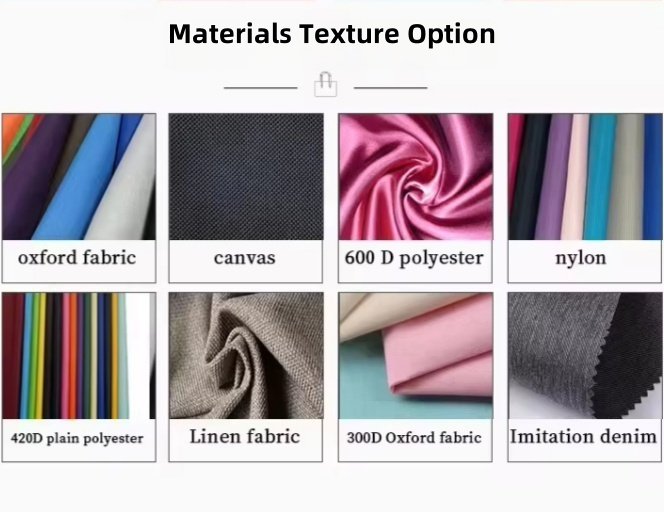
- Materials reviewed from 600D/900D/1000D/1680D Oxford, nylon, polyester, canvas, coated fabrics, EVA, PE board, foam, and heavy-duty webbing.
- Sampling verifies structure, fit, logo, hardware, and pack-out before bulk production.
- 20+ years of OEM/ODM experience, 600+ employees, and 80 QC inspectors support organized development, production, inspection, and long-term program continuity.
- Project review can also cover private-label details, packaging, labels, delivery deadlines, and destination requirements.

Built For Professional Tool And Equipment Programs
Jundong supports established tool brands, industrial equipment groups, and private-label programs requiring custom tool backpacks with controlled development, production, quality review, and repeat-order consistency.

Tool & Hardware Brands
Tool and hardware brands often need more than a standard backpack with a logo. Product teams may require distinct pocket systems, reinforced load paths, molded or supported bottoms, durable zippers, strong webbing, branded patches, and repeatable specifications across multiple SKUs. Jundong can develop each style around the intended tool set, field use, target appearance, packaging plan, and approved sample at scale.
Industrial Equipment Networks
Industrial equipment companies and service networks may issue backpacks to technicians, maintenance crews, installers, or field engineers carrying meters, hand tools, cables, fasteners, documents, and electronic equipment. Layout must reflect actual contents and access frequency. Jundong can review compartment sizes, shoulder support, handle reinforcement, bottom stability, hardware, abrasion zones, identification labels, and packing requirements before sample development for bulk programs.
Private Label Programs
Importers, distributors, retail groups, and private-label programs often need a tool backpack line that can be branded, packed, replenished, and expanded over time. Development may involve several colors, internal layouts, hangtags, barcodes, carton marks, and coordinated product families. Jundong can organize design records, approved materials, logo files, packing rules, and QC checkpoints to support stable bulk runs and repeat orders.
What Makes A Professional Tool Backpack Perform Reliably
Tool Organization
Useful organization starts with actual tool dimensions rather than adding as many pockets as possible. Screwdrivers, pliers, meters, drills, cables, fasteners, documents, and electronic devices need different depths, widths, closures, and fixing methods. A custom tool backpack can combine vertical slots, elastic retainers, zip pockets, mesh compartments, padded areas, and open storage according to equipment size and use frequency.
Load Support
Heavy tools create stress through shoulder-strap roots, carry handles, side seams, pocket edges, webbing connections, and the bottom panel. Reliable load support depends on the complete structure rather than fabric denier alone. Webbing width, reinforcement patches, stitching method, bottom support, hardware connection, and load distribution should be reviewed together before an OEM tool backpack moves from concept into sampling.
Fast Tool Access
A well-organized backpack should reduce unnecessary searching during installation, repair, inspection, or maintenance work. Frequently used tools benefit from visible slots and accessible exterior or upper sections, while larger or less-used items can sit deeper inside. Opening width, zipper path, pocket angle, retention method, and tool sequence all influence working speed, especially where technicians repeatedly open and close the pack throughout a shift.
Bottom Stability
The lower structure carries concentrated weight and often contacts workshop floors, concrete, vehicles, rooftops, or outdoor surfaces. Depending on the intended use, development may include PE board, EVA reinforcement, additional fabric layers, anti-wear sections, strengthened seams, or a structure designed to stand more steadily when loaded. Bottom construction also affects shape, packing volume, carton efficiency, and overall production cost.
Carrying Comfort
A tool backpack may feel balanced when empty yet become uncomfortable once tools are loaded. Shoulder strap width, foam padding, back padding, strap attachment position, pack height, compartment placement, and weight distribution all influence carrying performance. Projects for electricians, field engineers, contractors, and maintenance crews should consider walking distance, lifting frequency, working environment, and the typical mix of heavy and lightweight equipment.
Daily Durability
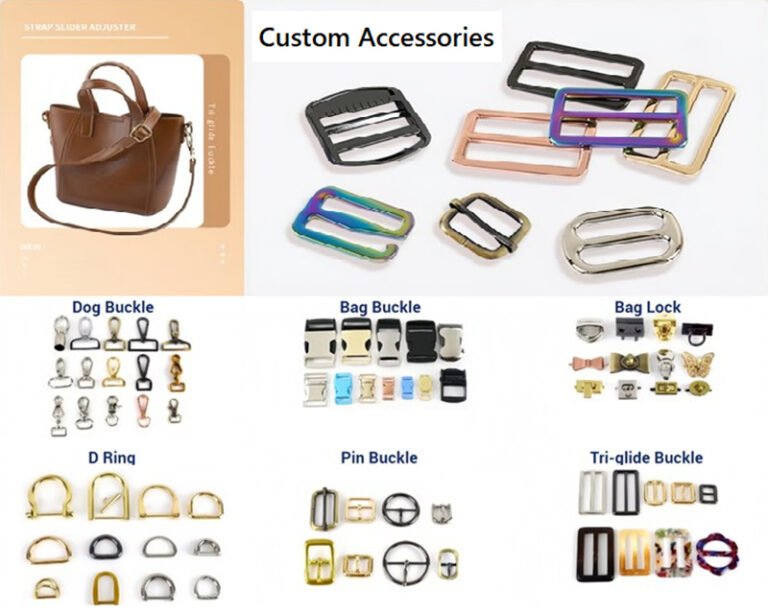
Professional use repeatedly stresses zippers, pocket openings, binding, webbing, handles, buckles, D-rings, stitching, and abrasion zones. Material selection should therefore match the expected environment and use cycle. Common directions include 600D/900D/1000D/1680D Oxford, polyester, nylon, canvas, coated fabric, heavy-duty webbing, foam, EVA, and metal hardware, with final specifications confirmed through development and sample review.
Tool Backpack Configurations For Professional Work Environments
Different trades carry different tools. Pocket geometry, access, load balance, protection, and carrying structure should follow the actual work environment and equipment list.
Electrician Tool Backpacks

Electricians often carry pliers, cutters, screwdrivers, testers, meters, tape, connectors, and small components that need fast visual access. An electrician’s tool backpack can use vertical tool slots, elastic retainers, zip compartments, meter protection, reinforced shoulder connections, and a stable base. The layout should prevent small items from disappearing beneath heavier tools while keeping frequently used pieces within easy reach.
Technician & Test Gear

Technicians carrying test equipment often need a different structure from a conventional hand-tool pack. Multimeters, diagnostic devices, cables, adapters, tablets, documents, and precision accessories benefit from padded sections, controlled pocket depth, elastic fixing, and separation from heavier metal tools. A technician tool backpack can be designed around equipment dimensions so sensitive instruments stay organized while frequently used items remain accessible.
HVAC Service Backpacks

HVAC and field-service teams may carry gauges, meters, drivers, wrenches, probes, cables, documentation, and replacement parts between vehicles, rooftops, equipment rooms, and service calls. A service backpack can combine deep pockets with protected instrument areas, quick-access exterior storage, reinforced handles, abrasion-resistant contact zones, and balanced shoulder support. Tool dimensions and route frequency should guide the internal layout.
Laptop and Tool Systems

Some field roles require one pack for both tools and digital equipment. A laptop-and-tool configuration can separate a padded computer compartment from metal tools, testers, chargers, cables, documents, and small parts. Protection at the laptop base, zipper route, back padding, shoulder support, and overall weight distribution need coordinated development so electronic equipment stays protected without reducing tool access efficiency.
Industrial Maintenance Packs

Industrial maintenance crews may carry mixed hand tools, replacement parts, fasteners, meters, safety accessories, and service documents across plants or facilities. Internal organization must handle varied shapes and weights without creating loose movement or overloaded pocket edges. Reinforced stitching, strong webbing, stable bottom construction, reliable hardware, and clear storage zones help create an industrial tool backpack suited to repeated professional use.
Contractor Jobsite Backpacks

Construction and contracting work places repeated stress on fabric, pocket edges, zippers, handles, shoulder straps, and the bottom panel. A jobsite tool backpack should prioritize durable materials, reinforced load paths, wide openings, stable standing structure, visible organization, and efficient access with work gloves. Design decisions should reflect the actual tool weight, work surface, carrying distance, and frequency of daily opening.
Materials, Load Paths And Reinforcement For Tool Backpacks
Material strength matters, but professional durability depends on how fabric, webbing, stitching, hardware, pocket construction, straps, and bottom support work together.
| Construction Area | Common Material Or Structure Direction | What Needs To Be Reviewed | Why It Matters In Daily Use |
|---|---|---|---|
| Main Body Fabric | 600D/900D/1000D/1680D Oxford, polyester, nylon, canvas, PVC-coated fabric | Denier, surface, coating, stiffness, abrasion exposure, color, target appearance | The outer shell faces repeated contact with tools, vehicles, floors, equipment rooms, and work surfaces. A higher denier alone does not define the complete durability level. |
| Shoulder Strap Roots | Heavy-duty webbing, reinforcement layers, foam padding, strengthened stitching | Strap width, attachment area, sewing route, internal reinforcement, intended loaded weight | Concentrated weight transfers through shoulder connections during walking, lifting, and repeated carrying. Weak connection design can limit the performance of otherwise strong fabric. |
| Carry Handle | Webbing, padded grip, reinforcement patch, supporting layers | Handle width, grip comfort, connection length, stitching, relationship with main body structure | A fully loaded backpack is often lifted by the top handle for short movements. Handle strength depends on how the load transfers into the pack rather than the visible grip alone. |
| Tool Pockets | Oxford, nylon, polyester, binding, elastic, mesh, reinforcement fabric | Tool dimensions, pocket depth, edge stress, fixing method, access frequency | Heavy or sharp tools can repeatedly stress pocket openings and seams. Pocket geometry should match actual equipment instead of relying on decorative compartment counts. |
| Bottom Structure | PE board, EVA, additional fabric layers, anti-wear reinforcement, strengthened seams | Target load, standing requirement, floor contact, folding method, packing volume | The bottom carries concentrated weight and receives frequent abrasion. More rigid structures can improve stability but may increase packing volume and affect carton efficiency. |
| Zipper System | Zipper specification selected according to opening and use | Zipper route, opening width, puller operation, repeated access, surrounding reinforcement | A tool backpack may be opened many times during a working day. Zipper selection must work with opening geometry, panel tension, and loaded shape. |
| Webbing & Hardware | Heavy-duty webbing, D-rings, buckles, hooks, metal hardware | Width, material, finish, connection method, working environment, corrosion requirement | External attachment and load-transfer components require specifications suited to the intended work setting. Hardware selection should follow function instead of appearance alone. |
| Protective Padding | Foam padding, EVA, internal lining or separation panels | Thickness, protected equipment, position, compression, overall volume | Meters, tablets, test devices, batteries, and other sensitive equipment may need separation from heavy metal tools. Padding should be placed where protection is actually required. |
A material name does not provide enough information to judge finished performance. Two tool backpacks using similar 1680D fabric can behave differently when pocket construction, webbing routes, shoulder connections, bottom support, hardware, and sewing specifications are different.
For projects with a defined load requirement, provide the intended equipment, approximate loaded weight, use frequency, and required test method. Structural and material decisions can then be reviewed against the real application instead of relying on an unsupported load claim.
Design The Backpack Around The Actual Tool List
A strong tool backpack starts with what professionals really carry. Dimensions, weight, access frequency, protection needs, and working conditions shape the final structure.
Start With Tools, Not With A Generic Backpack Shape

Tool backpack development becomes more accurate when the equipment list is reviewed before pocket layouts are finalized.
Tool dimensions:
Long screwdrivers, pliers, wrenches, meters, drills, batteries, cables, fittings, tablets, and documents require different storage geometry. Pocket depth should allow secure retention without making tools difficult to remove. Width should reflect the real tool body rather than a generic pocket template.
Use frequency:
Items needed several times each hour should sit in visible, reachable positions. Less frequently used equipment can move deeper into the main compartment. Quick-access zones can be placed near the upper opening or exterior sections when the working process requires repeated tool changes.
Weight distribution:
Several heavy tools concentrated on one side can distort the loaded backpack and increase stress on seams or shoulder connections. Interior placement should distribute weight through the main body, reinforced panels, bottom structure, and carrying system.
Fixing method:
Small hand tools may use individual slots or elastic retention. Cables and accessories may need zip or mesh compartments. Sensitive meters or electronic equipment can require padding and separation from sharp metal tools.
A reference image alone cannot show these functional requirements. Providing the main tool list, approximate dimensions, intended load, preferred organization, and use environment gives the development team clearer information before pattern work and sampling begin.
Once storage requirements are clear, the internal system must connect with the backpack shell, opening, straps, bottom, hardware, sewing construction, and eventual bulk production.
Opening and access:
A wide opening can improve visibility and tool retrieval, but zipper length, panel stiffness, reinforcement, and opening stability must work together. A large opening should not weaken the structure or make the loaded pack difficult to control.
Stress connections:
Shoulder-strap roots, carry handles, side seams, pocket edges, bottom corners, webbing ends, and hardware attachment areas deserve extra review because concentrated loads pass through these locations. Reinforcement can involve additional webbing, supporting layers, patches, stronger stitching arrangements, or suitable hardware depending on the design.
Standing and bottom support:
Some professional applications benefit from a firmer base for easier access while the backpack is placed on a floor. PE board, EVA, additional fabric layers, or other supporting structures can be evaluated according to load, appearance, folding requirements, packing volume, and target cost.
From sample to bulk:
The approved sample establishes more than appearance. Pocket dimensions, tool fit, zipper function, webbing location, hardware, stitching, reinforcement, logo placement, and packing details become production references. Clear specifications reduce the risk of a visually similar bulk order performing differently from the approved development sample.
Send a tool list, reference drawing, desired dimensions, organization idea, material preference, logo artwork, quantity, and expected use for a structured development review.
Convert The Tool Layout Into A Production-Ready Structure

OEM/ODM Tool Backpacks Built For Brand Programs
A professional tool backpack program extends beyond shape and color. Identity, hardware, labeling, packaging, and repeat-order records must work together from development onward.

Brand Identity Details
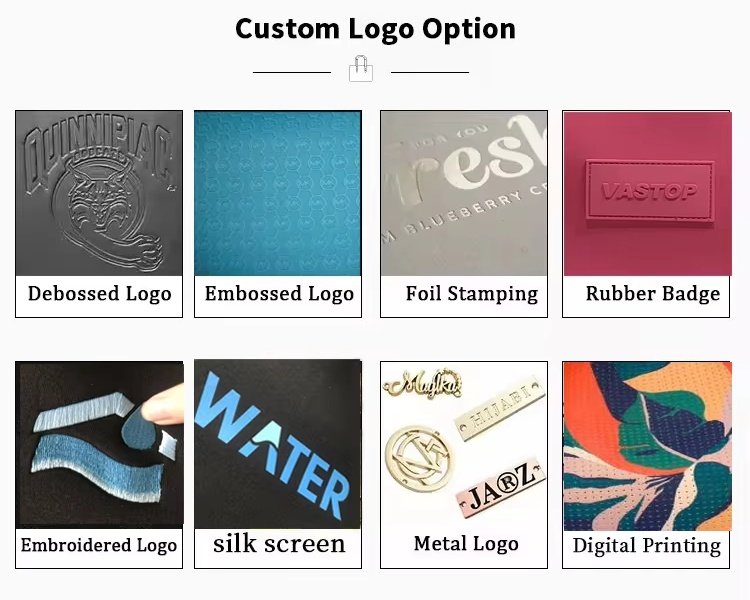
Logo execution should match the fabric, working environment, visual standard, and expected wear. Depending on the design, options may include embroidery, woven labels, rubber patches, screen printing, or other suitable techniques reviewed before sampling. Logo size, position, color reference, attachment method, and surrounding seams should be confirmed together so the identity remains clear without interfering with pockets, reinforcement, zippers, or high-abrasion areas.
Functional Components
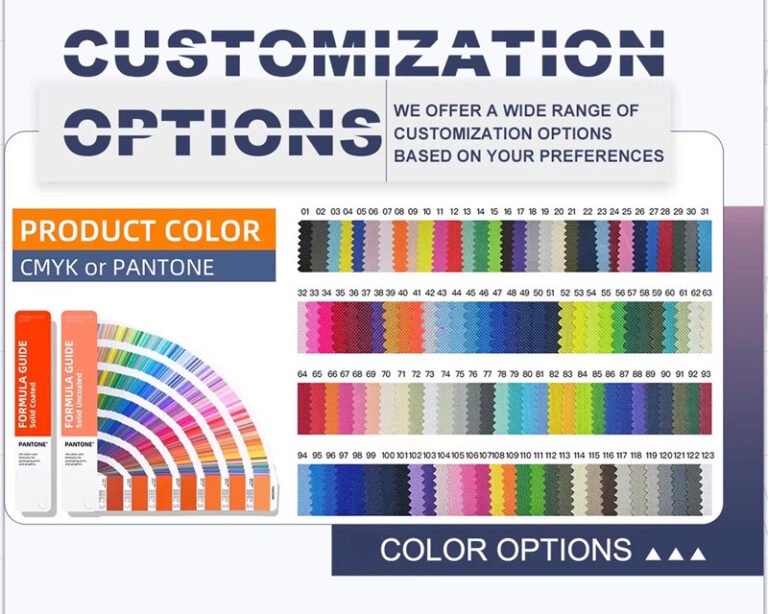
Zippers, pullers, D-rings, buckles, webbing, reflective details, handles, and attachment components shape both function and product character. Selection should consider opening frequency, tool weight, working conditions, hand operation, finish, and connection strength. Custom hardware colors or special components may affect sourcing, MOQ, development time, and cost, so important specifications are best settled before the final sample is approved.
Retail & Distribution Packing
A finished tool backpack may require more than a polybag before reaching a distribution center, retail shelf, e-commerce warehouse, or service network. Jundong can support project-specific OPP bags, hangtags, barcodes, SKU labels, FBA labels, color boxes, gift boxes, carton marks, and packing instructions. Packing files should be checked against SKU, quantity, destination, carton configuration, and channel requirements before bulk packing begins.
Repeat-Order Consistency
Long-term programs benefit from clear records rather than relying on visual memory. Approved logo artwork, color references, material swatches, final samples, hangtag files, care labels, SKU records, carton-mark formats, packing rules, and revision notes can be retained as project references. Before a repeat run, specifications should still be reviewed for material availability, updated artwork, packaging changes, and any revised product details.
Sampling Turns Tool Backpack Ideas Into Production Standards
Sampling is where dimensions, tool fit, structural decisions, branding, hardware, and packing become a physical product that can be checked before bulk production.
Verify Function Before Committing To Bulk Production

A tool backpack sample should be evaluated as working equipment, not only as a visual prototype.
Development can begin from a reference image, sketch, existing pack, specification sheet, or technical drawing. More useful input includes the intended tool list, bag dimensions, pocket arrangement, target load, preferred material, bottom structure, logo artwork, quantity, and packing method.
Size and tool fit:
Finished dimensions should support the intended capacity without making the pack unnecessarily large. Individual slots and compartments can be checked against screwdriver length, plier width, meter dimensions, cables, batteries, documents, or other equipment.
Access and organization:
A physical sample reveals whether pocket depth, opening width, zipper direction, elastic retention, internal visibility, and quick-access areas work as expected. A layout that looks logical in a drawing can feel very different after real tools are inserted.
Carrying structure:
Shoulder straps, back padding, handle location, bottom support, and weight distribution should be reviewed with the intended contents in mind. If a specific load performance is required, the target weight and test method should be defined rather than relying on an unsupported general claim.
Materials and components:
Fabric hand feel, stiffness, lining, foam, webbing, zipper operation, hardware finish, binding, reinforcement, and logo appearance become easier to judge on a physical sample.
Sampling usually takes 5–7 days after key specifications and materials are confirmed. Some simple constructions may be completed in 2–3 days, while more complex structures, special materials, custom components, or revisions can require additional time.
Approval should mean more than “the sample looks good.” The confirmed version becomes the reference for how the product should be produced and inspected.
Before moving forward, important details can be recorded around:
- Product dimensions and shape
- Main fabric and lining
- Color references
- Pocket dimensions and layout
- Bottom construction
- Shoulder straps and handles
- Zippers, webbing, buckles, and hardware
- Reinforced sewing locations
- Logo artwork, size, position, and method
- Labels, barcodes, and SKU information
- Packing method and carton marks
- Revision comments and final approved version
For professional tool backpacks, several details deserve particular attention during approval. Pocket openings must suit the actual equipment. Reinforcement should appear in the intended stress areas. Zippers should move correctly with the pack loaded. The base should provide the expected stability. Shoulder and handle connections should match the intended carrying method. Branding should not interfere with functional construction.
A pre-production sample can also be used for larger, private-label, retail, or multi-SKU programs when final materials, colors, accessories, logos, labels, and packing need another alignment before production begins.
Clear approval records create a stronger bridge between development and the production floor. They do not promise absolute zero variation, but they provide measurable references for material preparation, sewing, function checks, packing, and later inspection.
Turn The Approved Sample Into Clear Bulk Instructions

Tool Backpack QC From Approved Sample To Shipment
Jundong has 80 QC inspectors supporting multi-stage checks. Tool backpack inspection follows approved specifications, with extra attention to load connections, organization, hardware, function, and packing.
| QC Stage | What Is Reviewed | Tool Backpack Focus | Risk Reduced |
|---|---|---|---|
| Incoming Materials | Fabric color, thickness, texture, coating, lining, zipper, webbing, hardware, labels, packing materials | Confirm heavy-duty fabric specification, webbing width, zipper selection, hardware finish, bottom and reinforcement materials before cutting | Wrong material, color, accessory, or specification entering production |
| Cutting & Component Preparation | Pattern dimensions, panel size, pocket pieces, lining, reinforcement components | Pocket dimensions, reinforcement pieces, shoulder connection panels, bottom sections, opening geometry | Incorrect panels affecting capacity, tool fit, shape, or later assembly |
| Logo & Identity | Position, dimensions, color, clarity, attachment, surrounding construction | Ensure patches, embroidery, labels, or printed marks do not interfere with pockets, webbing, zippers, or stress areas | Misplaced branding, unclear logo, interference with function |
| Sewing Process | Stitching, binding, seam alignment, reinforcement, loose threads, component placement | Shoulder roots, handles, pocket edges, side seams, webbing ends, bottom corners, high-stress sewing locations | Weak connections, inconsistent pocket positions, poor finishing |
| Size & Layout | Overall dimensions, pocket size, compartment placement, strap length, opening width | Compare key dimensions with the approved sample and intended tool arrangement | Bulk units that look similar but no longer fit the intended equipment |
| Zipper & Hardware Function | Zipper movement, pullers, buckles, D-rings, hooks, attachment components | Check operation around wide openings, loaded areas, tool compartments, and external attachment positions | Difficult access, loose components, incorrect hardware installation |
| Structure & Function | Shoulder straps, handles, bottom support, compartments, elastic fixing, loaded shape | Review reinforced areas, pocket access, base stability, carrying structure, and functional organization | Structural differences that reduce professional usability |
| Finished Appearance | Shape, surface, stitching finish, color consistency, branding, visible defects | Compare finished units against the approved appearance and key workmanship standards | Visual inconsistency across a branded production run |
| Packing & Labels | OPP bag, hangtag, barcode, SKU label, packing quantity, carton marks | Match the correct style, SKU, label, quantity, and packing instruction before cartons are closed | Warehouse, retail, distribution, or receiving errors |
| Shipment Preparation | Carton condition, carton marks, packing records, required inspection documents | Check finished packing against the confirmed order and delivery instructions | Avoidable dispatch errors discovered too late |
QC works best when the approved sample, specification details, special inspection requirements, packing files, and order documents are clear before production begins. For projects requiring a specific AQL level, third-party inspection, load test, material test, or other compliance review, the required standard should be provided early so the inspection plan can be aligned with the intended destination and use.
Quality control reduces avoidable variation and execution errors; it should not be presented as an absolute promise that every physical product will remain identical forever. Clear references, defined tolerances, process checks, and documented packing rules create a more reliable basis for professional tool backpack programs.
Why Global Tool Brands Shortlist Jundong For Development
Professional tool backpack programs require more than sewing capacity. Product development, sampling, organized production, documentation, packing control, and long-term continuity all influence sourcing decisions.

20+ Years Experience
More than 20 years of OEM/ODM bag experience brings exposure to different materials, constructions, logo methods, packaging formats, revisions, and production risks. For a custom tool backpack program, experience matters when a drawing must become a workable sample, when structural details need adjustment, and when approved specifications must remain understandable from development through repeat production.
600+ Person Team
A 600+ employee organization provides working capacity across development, sampling, production, inspection, packing, and export coordination. Scale becomes especially relevant when a program contains several colors, multiple SKUs, coordinated launch quantities, or future replenishment. Actual production planning still depends on construction, materials, quantity, and deadline, rather than assuming every project follows the same capacity model.
18,000㎡ Production Area
An 18,000㎡ facility supports material handling, cutting, sewing, assembly, inspection, packing, finished-goods organization, carton sorting, and shipment preparation. For bulk custom tool backpacks, physical space helps separate different stages and order details. Large floor area is not treated as unlimited output; confirmed capacity is reviewed against the actual specification, quantity, packing method, and production schedule.
Development & Sample Room
A dedicated development team, design support, and professional sample room allow concepts to be checked before entering production. Reference bags, sketches, drawings, tool lists, material ideas, logo files, and packing requirements can be converted into physical samples for review. Complex pocket layouts, reinforced areas, hardware positions, opening structures, and carrying systems can therefore be evaluated before committing materials to a bulk run.
Multi-Team Project Control
Foreign trade, development, sampling, production, inspection, and packing teams support different stages of the same program. Clear handover matters because a tool backpack may contain dozens of individual details across pockets, webbing, hardware, labels, logo placement, and packing instructions. Confirmed files, approved samples, revision records, and production information help keep important requirements visible as the project moves forward.
Repeat Program Support
Successful product lines often continue beyond one purchase order. Material references, approved artwork, sample records, SKU information, packing instructions, carton-mark formats, and revision notes can support later replenishment or product-family expansion. Each repeat run should still confirm current materials, colors, accessories, artwork, quantities, and delivery requirements, helping established programs remain controlled rather than relying on memory from earlier production.
MOQ, Cost And Delivery Planning For Tool Backpack Programs
Commercial planning becomes clearer when quantity, construction, branding, packaging, testing, and deadlines are reviewed together before a custom tool backpack quotation is finalized.
| Commercial Item | Jundong Standard Or Review Logic | What Can Change The Result | Planning Value |
|---|---|---|---|
| Standard MOQ | Usually 500 pcs per design | Fabric purchasing, custom color, pocket complexity, logo setup, hardware, packaging, and production efficiency | Suitable for established custom programs rather than one-piece or retail-style purchasing |
| Selected Simple Styles | 200–300 pcs may be reviewed case by case | Simpler construction, available materials, basic accessories, logo method, color quantity, and production conditions | An exception reviewed by feasibility, not a general low-MOQ promise |
| Sample Fee Policy | Sample fees can be refunded or deducted when bulk quantity reaches 2,000 pcs | Sample complexity, special materials, logo setup, molds, components, and revision scope | Connects development cost with larger confirmed production programs |
| Bulk Production | Usually 20–30 days after final details are confirmed | Construction complexity, material availability, quantity, logo process, packaging, QC requirements, production schedule, and later changes | Provides a realistic production window for launch and replenishment planning |
| Unit Cost | Reviewed from confirmed project specifications | Material type and denier, size, pocket quantity, reinforcement, padding, zipper, hardware, logo process, packing, quantity, testing, and delivery terms | Explains why two visually similar tool backpacks may carry different costs |
| Structure Cost | More compartments and reinforced construction add cutting, sewing, assembly, and inspection work | Pocket quantity, wide opening, bottom support, padded straps, reinforcement layers, hardware connections, and assembly time | Helps decide which features create real working value and which can be simplified |
| Custom Components | Reviewed before final quotation and sample approval | Special buckles, metal hardware, branded pullers, custom colors, patches, molds, or uncommon materials | Early confirmation reduces later setup-cost and lead-time surprises |
| Packaging | Quoted according to the selected channel and specification | OPP bags, hangtags, barcodes, SKU labels, FBA labels, color boxes, gift boxes, carton marks, multi-SKU sorting | Packing is treated as part of delivery execution rather than an afterthought |
| Testing & Inspection | Confirmed according to product, destination, and required standard | Material tests, load requirements, AQL level, third-party inspection, labeling rules, or specific compliance documents | Requirements identified early can be included in development and production planning |
| Delivery Planning | Reviewed from production completion through required destination timing | Destination, freight method, carton volume, packing configuration, shipping terms, peak periods, and approval delays | Launch dates should be planned backward from required arrival rather than production completion alone |
For a more accurate tool backpack quotation, useful starting information includes the reference design, dimensions, intended tools, material preference, pocket layout, logo artwork, target quantity, packing method, required delivery date, and destination.
A target price can also be shared when available. Cost discussions are most useful when they lead to informed choices around material, structure, logo method, pocket quantity, hardware, and packaging rather than simply reducing specifications without understanding the effect on the finished product.
Make a Tool Backpack Sample First?
A professional tool backpack should be tested with real tools before bulk production. The sample helps confirm compartment layout, tool access, load distribution, back support, shoulder strap comfort, base reinforcement, zipper strength, and overall carrying stability. It also allows pocket sizes, webbing, handles, protective panels, hardware, and logo placement to be adjusted before the final specification is approved.
Client Testimonials
800+ brand Clients Trust Jundong


FAQs About Tool Backpack Projects
Key commercial and development questions are easier to resolve before sampling, especially when structure, tools, branding, quantities, packing, and deadlines are already defined.

What is the MOQ for custom tool backpacks?
The standard MOQ is usually 500 pcs per design. Selected simple constructions may be reviewed at 200–300 pcs case by case, depending on materials, logo method, components, color requirements, packaging, and production feasibility. The main focus is stable custom production rather than very small quantity or stock purchasing.
What information should we send before requesting a quotation?
Useful information includes a reference image or drawing, bag dimensions, intended tools, preferred material, pocket layout, bottom structure, logo artwork, target quantity, packing method, required delivery date, and destination. A tool list with approximate dimensions is especially valuable when internal organization or load distribution needs to be developed.
Can you develop a tool backpack from our concept?
Yes. Development can begin from a reference bag, sketch, drawing, sample, design file, or product idea. Clear tool dimensions and usage requirements help determine pocket sizes, access, reinforcement, materials, hardware, and carrying structure. Feasibility, cost direction, and sampling requirements should be reviewed before production details are finalized.
Which fabrics are commonly used for tool backpacks?
Common directions include 600D, 900D, 1000D, and 1680D Oxford, polyester, nylon, canvas, and PVC-coated fabrics. EVA, PE board, foam padding, heavy-duty webbing, and metal hardware can support specific structural areas. Final selection should consider abrasion exposure, desired stiffness, tool weight, appearance, cost, and actual working environment.
Can a specific load capacity be guaranteed?
A load figure should not be stated without defined conditions. Performance depends on the complete construction, including fabric, shoulder connections, handles, webbing, stitching, reinforcement, hardware, bottom structure, loaded contents, and test method. If a specific requirement exists, share the intended load and testing standard so the structure can be reviewed accordingly.
Can pocket layouts be customized around our tools?
Yes. Pocket depth, width, quantity, position, elastic retention, mesh sections, zip compartments, padded areas, and quick-access zones can be developed around the equipment being carried. Tool size, shape, weight, and frequency of use are more useful design references than simply requesting a high pocket count.
Which logo and private-label options are available?
Depending on fabric and design, branding can be reviewed through embroidery, woven labels, rubber patches, screen printing, and other suitable methods. Logo position, dimensions, color reference, attachment, and surrounding construction should be confirmed during sampling. Hangtags, care labels, barcodes, SKU labels, branded packing, and carton marks can also be supported.
How is bulk consistency controlled after sample approval?
The approved sample is converted into production and inspection references covering dimensions, materials, colors, structure, pockets, logo, zippers, hardware, webbing, packing, labels, and revision details. Checks then continue through incoming materials, production, finished goods, packing, and shipment preparation. Clear specifications reduce avoidable sample-to-bulk variation.
Can you support AQL or third-party inspection requirements?
Project-specific inspection requirements can be reviewed before bulk production. If an AQL level, third-party inspection, material test, load test, compliance document, or special checklist is required, provide the standard early. Testing and compliance arrangements depend on product type, destination, intended use, and the supplied requirements.
How should we plan delivery for a new launch?
Start from the required arrival date and work backward through freight, packing, bulk production, material preparation, and final approval. Bulk production usually takes 20–30 days after specifications are confirmed, but structure complexity, materials, quantity, branding, packaging, QC requirements, production schedule, and later revisions can change the final timeline.
Start Your Custom Tool Backpack Project With Jundong
A strong tool backpack project begins with clear use conditions, not a generic request for price. Share the working environment, equipment carried, expected organization, branding, quantity, and delivery plan so the development direction can be reviewed before sampling. A reference image, sketch, existing sample, or tech pack is enough to begin; complete engineering files are not required at the first step. Jundong can then review structure, material, pocket layout, reinforcement, logo method, packing, MOQ, sample requirements, production feasibility, and timing around the information provided.
Useful details include:
- Tool list and approximate dimensions
- Bag size or target capacity
- Preferred 600D/1000D/1680D Oxford or other material direction
- Pocket layout and quick-access needs
- Bottom reinforcement and carrying requirements
- Zipper, webbing, buckle, D-ring, or hardware preferences
- Logo artwork and private-label details
- Estimated order quantity and SKU plan
- Packing, barcode, label, and carton-mark requirements
- Required arrival date and destination
Project details can also be sent to info@jundongfactory.com for review.