 Skip to content
Custom Tactical Bags Built For Bulk Projects
A tactical bag order is not only about adding a logo to an existing style. The right bag needs to match real carrying tasks, product positioning, packing needs, and repeat-order plans.
Jundong supports custom tactical backpacks, sling bags, waist bags, MOLLE pouches, tool bags, medical bags, emergency bags, and outdoor gear bags for brands, importers, distributors, retail programs, field teams, and project-based orders.
From the first concept to sample approval and bulk production, our team helps turn your bag idea into a practical product that can be produced, checked, packed, and delivered with clear standards.
- Standard MOQ is usually 500 pcs per design
- Some simple styles may apply for 200–300 pcs
- In-house sample room for quick sample adjustment
- Bulk production usually takes 20–30 days after sample approval
- Sample time is usually 5–7 days, and some simple styles may reach 2–3 days
- Suitable for trial runs, growing product lines, seasonal projects, and long-term reorder plans
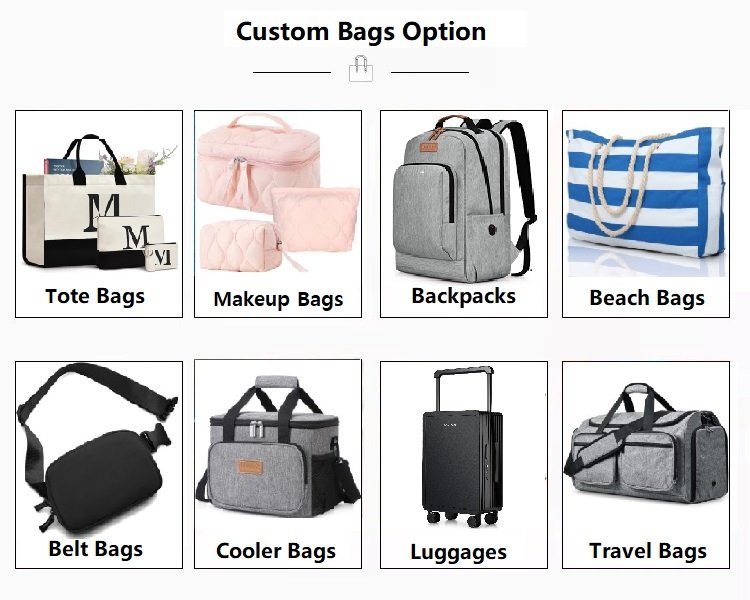
- Custom development for tactical backpacks, MOLLE bags, utility bags, tool bags, and emergency bags
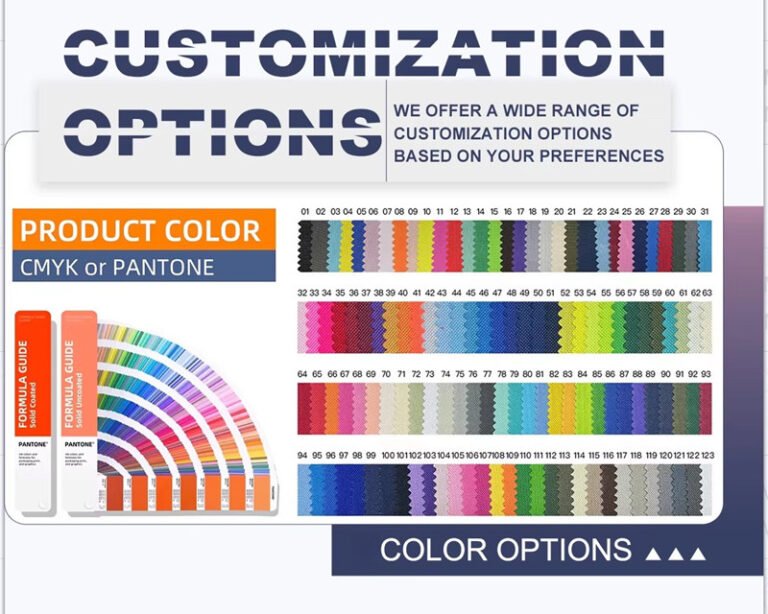
- Support for logo, patch, label, color, fabric, structure, lining, webbing, buckle, zipper, and packing changes

Tactical Bag Types We Can Produce
Different projects need different tactical bag structures. A daily EDC sling bag does not need the same load system as a large tactical backpack. A medical bag needs fast access and clear internal sorting. A tool bag needs reinforced pockets and stronger stress areas.
Jundong helps project teams choose the right bag type before sampling, so the final product can match the user, price level, packing method, and sales channel.

Tactical Backpack
Built for outdoor gear, EDC tools, patrol equipment, training use, survival kits, and custom tactical storage programs.

Tactical Sling Bag
Ideal for light carry, travel, cycling, urban outdoor use, quick-access gear, and compact tactical daily carry.

Tactical Waist Bag
Designed for compact gear, event staff, short-distance travel, outdoor work, patrol support, and hands-free tactical carry.

Tactical Duffel Bag
Suitable for equipment transport, gym gear, field training, team kits, uniforms, and high-capacity tactical storage.

MOLLE Pouch
MOLLE pouches expand tactical bags with modular accessories, add-on packs, survival tools, and organized kit storage.

Tactical Tool Bag
Made for technicians, fieldwork, repair kits, hardware tools, reinforced pockets, and organized professional equipment carrying.

Tactical Medical Bag
Supports first aid kits, rescue teams, emergency supplies, outdoor response programs, and clear medical compartment planning.

Hydration Pack
Hydration packs serve hiking, cycling, endurance training, outdoor events, water bladder storage, and lightweight tactical movement.

Utility Pouch
Utility pouches organize small tools, cables, survival items, EDC accessories, flashlights, and daily tactical carry gear.

Range-Style Gear Bag
Range-style gear bags keep training accessories, field equipment, protective gear, and organized tactical compartments ready for use.
Different tactical bag projects need different custom directions. Outdoor bags often focus on comfort, abrasion-resistant fabric, waterproof coating, and strong brand identity, while tactical gear lines require MOLLE layout, modular attachment, reinforced stitching, load balance, and durable hardware. Tool bags and medical kits may need clearer pocket planning, quick opening, color coding, zipper strength, bottom reinforcement, and reliable packing.
MOLLE And Functional Structure Customization
A tactical bag becomes useful when every strap, pocket, panel, and opening has a clear job. A strong outside shape is not enough. The inner structure, access direction, pocket size, webbing position, and stress areas all affect how the bag performs in real use.
Jundong supports structure changes for tactical, outdoor, tool, rescue, and worksite bag projects. You can adjust the layout based on carrying load, user movement, gear size, field access, and packing requirements.
| Area | Custom Options |
|---|---|
| Front Panel | MOLLE webbing, laser-cut panel, patch area, front pocket |
| Main Compartment | Laptop sleeve, hydration pocket, tool divider, elastic loops |
| Side Area | Bottle pocket, compression strap, quick-access pouch |
| Shoulder System | Padded strap, chest strap, waist belt, breathable mesh |
| Opening Style | Clamshell opening, top opening, side access, double zipper |
| Reinforcement | Bar-tack stitching, bottom padding, handle reinforcement |
| Inside Sorting | Mesh pocket, zipper pocket, elastic holder, removable divider |
| Branding Area | Rubber patch, woven label, embroidery, hook-and-loop patch |

A better tactical bag structure should start from real use, not just appearance. EDC bags need fast access and compact storage, while tactical backpacks focus on weight balance, MOLLE placement, shoulder comfort, and zipper strength. Rescue, medical, and tool bags require clear inner sorting, visible labels, quick opening, and pocket layouts based on actual equipment size.
Material Choices For Different Tactical Use Levels
The best material is not always the thickest one. A good tactical bag material plan should match the product use, target price, expected load, color needs, surface feel, and order quantity.
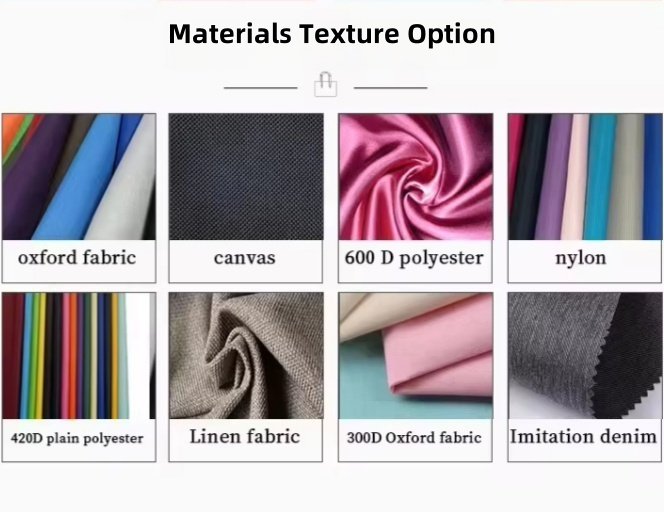
Jundong works with fabric, leather, PU, PVC, neoprene, and other soft materials for custom bag development. For tactical and utility bag projects, we can help compare strength, hand feel, coating, weight, structure, and cost before sampling.
| Material Direction | Best Fit For |
|---|---|
| 600D Polyester | Cost-controlled tactical bags, event gear, light outdoor use |
| 900D Polyester | Stronger outdoor bags, tool bags, training bags |
| 1000D Nylon | Heavy-duty tactical style, premium utility bags, high-wear areas |
| Ripstop Fabric | Lightweight outdoor carry, hiking, travel, survival kits |
| Oxford Fabric | General tactical backpacks, waist bags, pouches |
| PVC-Coated Fabric | Better shape, stronger surface, improved water resistance |
| PU-Coated Fabric | Softer finish, clean surface, flexible bag structure |
| Neoprene | Protective sleeves, bottle holders, soft protection parts |
| Mesh And Lining | Inner sorting, ventilation, comfort, and product finish |

Material selection should match the project goal, use environment, and target price level. Trial orders may use 600D polyester with key reinforcement, while outdoor and worksite bags often need stronger polyester, nylon fabric, reinforced webbing, and durable zippers. Premium tactical lines can add heavier nylon, structured padding, custom patches, refined hardware, and stronger brand details. For medical, emergency, and rescue kits, easy-clean surfaces, color coding, labels, and inner sorting are often more important than extra fabric thickness.
Logo, Patch, Label, And Private Label Options
A tactical bag often carries more than gear. It also carries a brand identity. The logo position, patch material, label size, color match, and packing details can change how the final product feels in retail, online sales, team use, or field programs.
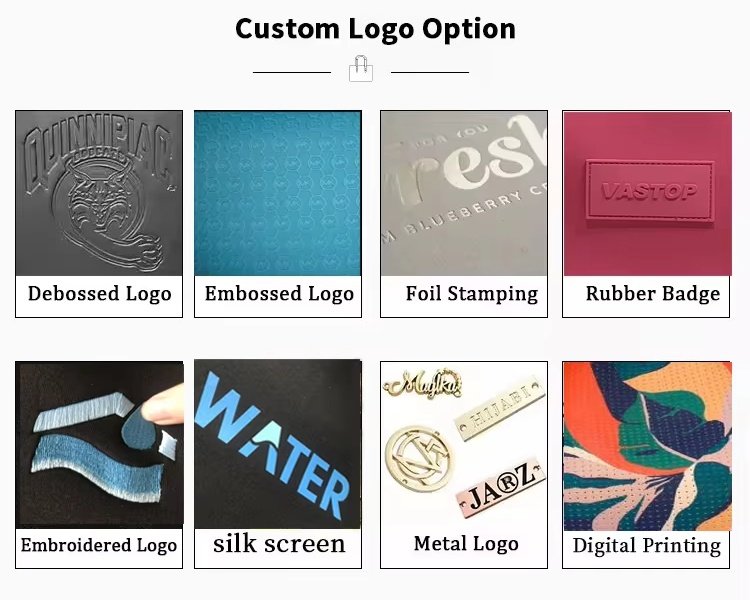
Jundong helps turn your brand elements into production-ready details. You can adjust the logo method, patch placement, woven label, hangtag, barcode label, SKU sticker, color card, and packing method before bulk production starts.
Logo Method

Choose embroidery, screen print, heat transfer, rubber patch, or woven label to match your tactical bag style and budget.
Placement

Logos and labels can be placed on front panels, side panels, shoulder straps, inner labels, or zipper pulls.
Patch Style

Hook-and-loop, PVC, leather, and fabric patches help create removable branding, rugged identity, and premium tactical product details.
Label Details

Woven labels, care labels, size labels, origin labels, and warning labels help complete retail-ready product information.
Packing

Individual polybags, printed bags, color boxes, set packing, and carton marks help organize shipments and retail deliveries.
Retail Details

Hangtags, barcode stickers, SKU labels, and instruction cards support store display, stock control, and private label programs.
Better brand execution should be confirmed before bulk production, not after goods are finished. Tactical backpacks need proper logo space on patch areas and MOLLE panels, while sling bags and waist bags should keep the logo visible when worn. For medical, emergency, and retail programs, clear labels, color blocks, hangtags, barcode stickers, SKU labels, carton marks, approved packing samples, and locked artwork details help reduce sorting errors and production risk.
From Idea To Sample: A Clear Development Path
A strong sample starts with clear decisions. Before cutting fabric, it helps to confirm the bag type, use case, size, material level, pocket layout, logo method, quantity, and packing style.
Jundong has a product development team, design support, and an in-house sample room. This helps your team move from a rough idea, reference photo, sketch, or existing sample to a workable prototype with fewer missed details.
| Step | What To Confirm |
|---|---|
| 1. Project Brief | Bag type, use case, target quantity, sales channel |
| 2. Size And Capacity | Overall size, gear size, and compartment needs |
| 3. Material Plan | Main fabric, lining, webbing, zipper, buckle, coating |
| 4. Structure Review | MOLLE layout, pocket logic, opening style, stress areas |
| 5. Brand Details | Logo method, patch size, label position, and color match |
| 6. Sample Making | Pattern, cutting, sewing, first sample review |
| 7. Sample Revision | Fit, function, material, logo, and structure adjustment |
| 8. Approval | Approved sample, packing reference, bulk preparation |

A strong sample starts with clear decisions. Before cutting fabric, it helps to confirm the bag type, use case, size, material level, pocket layout, logo method, quantity, and packing style.
Jundong has a product development team, design support, and an in-house sample room. This helps your team move from a rough idea, reference photo, sketch, or existing sample to a workable prototype with fewer missed details.
Bulk Order Control From Sample To Shipment
For tactical bag orders, the biggest risk is often not the first sample. The bigger test is whether the approved details can stay stable during bulk production.
Jundong uses multiple checks across materials, production, finished goods, and packing. With 80 quality inspectors and supporting inspection equipment, each order can be reviewed at the stages where mistakes are most likely to happen.

Material Arrival
Fabric shade, coating, thickness, webbing, zipper, buckle

Cutting
Test zipper opening, closing, and corner tension. A smooth zipper improves daily use and reduces problems around curved corners or thick insulated seams.

Sewing
Check insulation thickness and structure balance. The right insulation layer supports cooling performance while keeping the lunch cooler bag practical to carry.

Logo Check
Review standing shape and product fit. A stable lunch cooler bag should hold food containers neatly without collapsing or losing structure.

In-Process Review
Review the lining surface, attachment, and easy-clean feel. Smooth PEVA or foil lining helps handle spills, moisture, and daily food use.

Finished Goods
Check logo size, position, color, and fold impact. Clear logo placement keeps brand presentation clean after packing, folding, and daily use.

Packing
Confirm folded size, polybag fit, and carton quantity. Good packing control helps reduce shipping issues, storage waste, and retail handling problems.

Shipment Prep
Review handle comfort and loaded carry feel. Strong webbing, padded handles, or shoulder straps help support meals, drinks, and ice packs.
Tactical bag risks should be controlled before bulk production, especially MOLLE spacing, handle strength, shoulder straps, bottom panels, bar-tack areas, zipper smoothness, corner shape, and pocket layout. Too many pockets, mixed colors, sizes, and SKUs can increase labor and inspection risk. An approved sample becomes the standard for material, size, stitching, logo, inner structure, packing method, carton marks, and repeat order consistency.
MOQ, Sampling, Lead Time, And Bulk Pricing Factors
Tactical bag cost is shaped by structure, fabric, hardware, labor, logo method, packing, and quantity. A simple logo change on an existing style is very different from a fully new MOLLE backpack with custom fabric, heavy padding, many pockets, and special packing.
Jundong helps review MOQ, sample time, production timing, and cost direction before the order moves forward, so your team can choose a plan that fits both product use and budget.
| Item | Usual Reference |
|---|---|
| Standard MOQ | Usually 500 pcs per design |
| Flexible MOQ | Some simple styles may apply for 200–300 pcs |
| Sample Time | Usually 5–7 days after details are confirmed |
| Faster Sample Cases | Some simple styles may reach 2–3 days |
| Bulk Production | Usually 20–30 days after sample approval |
| MOQ Review | Based on fabric, color, structure, logo, and packing |

Tactical bag price depends on fabric type, fabric weight, MOLLE area, pocket layout, reinforcement, hardware level, logo method, packing request, and order quantity. To control cost, upgrade only high-wear areas, keep useful MOLLE panels, reduce unnecessary pockets, confirm packing rules early, and use one approved sample to lock the bulk production standard. Test orders can start with existing structures, while growing or established tactical lines may need semi-custom or fully custom solutions.
Built For Brands, Importers, Distributors, And Project Orders
Different tactical bag projects have different priorities. A private label outdoor brand may care about material feel, MOLLE layout, and brand details. A distributor may care more about stable supply, multi-style orders, and carton sorting. A safety or emergency program may need clear labels, durable structure, and reliable packing.
Jundong supports tactical bag projects for product lines, retail programs, team use, outdoor gear, tool kits, safety kits, emergency supply programs, and private label collections.

| Project Type | What Usually Matters Most |
|---|---|
| Outdoor Gear Brands | Durable fabric, functional structure, strong brand identity |
| Tactical Gear Lines | MOLLE layout, modular pouches, reinforced sewing |
| Importers And Distributors | Stable supply, mixed styles, repeat-order consistency |
| Private Label Operators | Logo, label, SKU, packing, cost control |
| Retail And Online Sellers | Product appearance, barcode labels, and packing size |
| Tool And Worksite Projects | Pocket strength, bottom support, and hardware durability |
| Emergency And Medical Kits | Fast opening, inner sorting, label clarity |
| Team And Event Programs | Delivery timing, logo visibility, and simple distribution |
Jundong can support new tactical backpack series, MOLLE pouch lines, outdoor EDC collections, sling bags, tool bags, first aid kits, utility pouches, team gear bags, private label programs, and mixed-style orders. Whether you start with one color and simple logo placement or build a long-term product line, we can help manage fabric, patch style, zipper pull, label, packing rule, carton mark, approved sample, and reorder records through one coordinated custom process.
Why Work With Jundong For Tactical Bag Orders
A tactical bag partner should do more than quote a price. Your team needs clear communication, material advice, sample support, structure review, quality checks, packing control, and reliable follow-up from the first discussion to repeat orders.
Jundong is based in Guangdong, China, with export service experience for overseas brands, wholesalers, and project-based orders. The factory system includes an export sales team, product development team, design support, sample room, professional equipment, 600+ workers, around 18,000 square meters of factory space, and 80 quality inspectors.
| Jundong Capability | How It Helps Your Order |
|---|---|
| Export Sales Team | Clear communication for specs, samples, timing, and shipment |
| Product Development Team | Better structure, size, function, and material advice |
| Design Support | Faster adjustment for style, logo, color, and visual details |
| In-House Sample Room | Quicker sample making and practical revisions |
| 600+ Workers | Better support for repeat orders and larger programs |
| 18,000㎡ Factory Space | More stable handling for multi-style and bulk projects |
| 80 Quality Inspectors | More checkpoints for material, sewing, logo, finished goods, and packing |
| Multi-Material Experience | Fabric, PU, PVC, leather, neoprene, and other soft material options |

Tactical bag projects often require decisions on fabric weight, pocket layout, MOLLE position, logo method, packing rules, and delivery plans at the same time. A reliable process helps review structure, use scenario, material options, sample revisions, production checks, shipment details, and repeat order records without making the project complicated. Jundong can support simple logo adjustments, semi-custom structure changes, custom material selection, patch development, and long-term product line management.
Send Your Tactical Bag Project For A Practical Quote
A useful quote starts with clear project details. The more your team shares at the beginning, the faster Jundong can check feasibility, material direction, MOQ, sample timing, packing needs, and bulk production plan.
You do not need a complete technical file to start. A reference photo, rough sketch, existing sample, or simple product list can be enough for the first review.

| Detail | Example |
|---|---|
| Bag Type | Tactical backpack, sling bag, waist bag, MOLLE pouch, tool bag |
| Target Use | Outdoor retail, field team, emergency kit, worksite, training |
| Size Or Capacity | Overall size, gear size, laptop size, tool size, and liter capacity |
| Material Preference | 600D polyester, 900D polyester, nylon, ripstop, coated fabric |
| Structure Needs | MOLLE, compartments, side pockets, hydration pocket, patch area |
| Logo Method | Embroidery, rubber patch, woven label, print, hook-and-loop patch |
| Quantity Plan | 200 pcs, 500 pcs, 1,000 pcs, mixed styles, repeat order plan |
| Packing Request | Individual bag, hangtag, barcode, SKU label, carton marks |
| Timing | Sample deadline, bulk delivery timing, launch schedule |
To start a custom tactical bag project, you can send Jundong your bag type, target quantity, main use, size request, material idea, logo method, packing needs, reference photo, sample timing, and bulk delivery plan. Clear project details help our team review structure, MOQ, sample time, cost direction, and production feasibility faster. Please send your tactical bag inquiry, logo file, and quantity plan to info@jundongfactory.com.
Tactical Bag Manufacturer for Bulk Custom Orders
A reliable custom tactical bag should match more than a product idea. It should fit the user scenario, gear capacity, MOLLE layout, pocket structure, fabric strength, logo method, packing rule, and delivery plan. When these details are clear from the beginning, your project becomes easier to quote, sample, produce, inspect, and repeat for future bulk orders.
Client Testimonials
800+ brand Clients Trust Jundong


Start Your Tactical Bag Project? Contact Us!
Your custom tactical bag project may be simple, or it may need several layers of detail. A tactical backpack may need stronger shoulder straps, MOLLE panels, reinforced stitching, and balanced storage. A sling bag or waist bag may need compact structure, visible logo placement, and easy-access pockets. A medical or emergency bag may need fast opening, color-coded compartments, label positions, and reliable packing. A retail or private label program may need hangtags, barcode labels, SKU stickers, carton marks, and mixed-style sorting.
The best result usually starts with a clear project brief. You do not need to finalize every detail before contacting us. If you already have a reference photo, product size, material idea, logo file, patch style, packing request, or previous sample, that will help. If not, you can start with the basics: what the bag will carry, how many pieces you need, where it will be used, what brand details should be added, and when the goods need to arrive.
Jundong can help turn these early details into a workable specification for a custom tactical bag. The review can include bag type, fabric weight, MOLLE layout, pocket structure, zipper type, buckle level, reinforcement method, logo option, label details, packing rule, sample timing, bulk lead time, QC checkpoints, carton marks, and shipment preparation.
For faster review, send your bag type, quantity, use scenario, reference image, logo file, material preference, packing needs, and delivery timeline to info@jundongfactory.com. If your project is still open-ended, share the goal first: an outdoor gear line, an EDC collection, a security project, a rescue kit, a tool bag, a team training program, retail sales, or a private-label tactical bag series. A practical recommendation can start from there.
The right custom tactical bag is not always the most complicated option. It is the option that fits the gear, supports real use, presents the brand clearly, controls avoidable risk, and can be produced at a realistic cost and timeline.
Custom Tactical Bags Made Easier
At Jundong factory, we make complexity simple! Follow these three steps to get started immediately:
1. Tell Us Your Needs
Provide us with detailed information about your requirements, supply design drawings or tech packs, reference images, and share your ideas.
2. Get Solutions and a Quote
We will customize the best solution based on your needs and drawings, and provide a specific quote within 24 hours.
3. Confirm for Mass Production
Once we receive your confirmation and deposit, we will commence mass production and take care of the subsequent shipping arrangements.
FAQs, You ask, we answer
Choosing custom tactical bags becomes easier when key details are clear from the beginning. The right solution may change depending on bag type, use scenario, fabric strength, MOLLE layout, pocket structure, reinforcement needs, logo method, packing rules, and order quantity.
These FAQs cover practical details often reviewed before sampling and bulk production, including tactical backpack structure, MOLLE spacing, fabric selection, zipper strength, patch placement, pocket layout, logo options, barcode labels, carton marks, MOQ, sample time, lead time, packing rules, and bulk quality control.


Certainly, Jundong can develop many tactical and utility bag styles for bulk orders, including tactical backpacks, sling bags, waist bags, duffel bags, MOLLE pouches, tool bags, medical bags, EDC bags, hydration packs, and emergency kit bags.
The best starting choice depends on the end use. A tactical backpack is usually better for heavier carrying, outdoor gear, patrol use, training kits, or survival sets. A sling bag works well for light carry, travel, cycling, city outdoor use, and quick-access gear. A waist bag is suitable for compact tools, small accessories, event staff, and short-distance movement. A MOLLE pouch can work as an add-on item for a larger gear system, helping a brand build a full accessory line instead of only one bag style.
For tool and worksite projects, the bag structure should focus on pocket strength, bottom support, handle reinforcement, and hardware durability. For emergency and medical kits, fast opening, clear inner sorting, color blocks, label placement, and easy packing are usually more valuable than a complicated outside shape.
A practical order plan often starts with one main bag and a few matching accessories. For example, a brand may begin with a tactical backpack, then add a MOLLE pouch, waist bag, or tool pouch in the same fabric and color direction. This helps create a more complete product family while keeping material and logo standards consistent.
Jundong can also support different project stages. For simple styles, some orders may apply for 200–300 pcs. The standard MOQ is usually 500 pcs per design. If the structure is complex, uses special fabric, or needs custom color dyeing, the MOQ may need to be reviewed based on real material and production conditions.
A good way to start is to send the intended use, target size, reference image, quantity plan, and logo method. The team can then help check which tactical bag type fits your project better before sample making begins.
Absolutely, MOLLE systems can be added to tactical backpacks, sling bags, waist bags, duffel bags, utility pouches, tool bags, and outdoor gear bags. The key is not only adding webbing. The layout must match the product size, carrying direction, accessory position, and real use.
For a tactical backpack, MOLLE webbing is often placed on the front panel, side panels, or lower pocket area. This allows users to attach pouches, patches, tools, or small gear. For sling bags, the webbing area should be controlled carefully because the bag is smaller and worn across the body. If the webbing is too large or placed poorly, it may look heavy, affect comfort, or reduce the clean shape of the product.
There are several ways to build a MOLLE-style design. Traditional stitched webbing is common and practical. Laser-cut panels create a cleaner look and can reduce bulk, but the material choice and cutting quality must be suitable. Hook-and-loop patch areas can be added for name patches, brand patches, team patches, or identification labels. Some projects also combine MOLLE with front pockets, compression straps, elastic loops, or side attachment areas.
Before confirming the MOLLE layout, it is better to check three details. First, what accessories will be attached? Second, how much weight will the area carry? Third, will the user still move comfortably when the bag is loaded? These details affect webbing width, stitch reinforcement, panel position, and fabric selection.
MOLLE spacing should be treated as a functional detail, not decoration. Poor spacing can make accessories hard to attach. Weak stitching can cause stress failure. A good production plan should review webbing alignment, stitch density, bar-tack reinforcement, and fabric support before bulk work begins.
If your project already has an accessory system, send the pouch size, attachment method, and reference photo. This helps the team review the MOLLE position more accurately during sample development.
Sure, the standard MOQ for Jundong custom bag projects is usually 500 pcs per design. For some simple tactical bag styles, 200–300 pcs may be reviewed based on fabric availability, structure difficulty, logo method, and packing needs.
MOQ is not only a number. It is connected to material purchasing, cutting efficiency, sewing setup, logo preparation, packing work, and production scheduling. A simple tactical pouch using available fabric and a standard logo method can usually be more flexible than a large tactical backpack with custom color fabric, many pockets, thick padding, multiple zippers, MOLLE panels, and retail packaging.
For first orders, it is often better to reduce unnecessary complexity instead of forcing a very low quantity on a difficult design. For example, a brand can start with one fabric color, one main logo method, one packing style, and a practical structure. This makes sampling faster, costs easier to control, and bulk production more stable.
For growing product lines, MOQ can also be planned across styles. If several tactical bags use the same fabric, same webbing, same patch style, or same packing method, material planning may become easier. A tactical backpack, sling bag, and MOLLE pouch can sometimes be developed as one family, with shared branding details and consistent product identity.
When reviewing MOQ, Jundong usually needs to understand the bag type, size, material, color, structure, logo method, quantity target, and packing request. A physical sample, photo, or drawing can make the review more accurate.
If the project is for retail launch, platform testing, distributor trial, event use, or a new private label line, starting with a simpler version may help reduce early risk. After sales performance is clearer, the next order can upgrade fabric, add more colors, expand MOLLE accessories, or improve packing.
The best MOQ plan is the one that supports your first order without creating production instability.
Definitely. Tactical bag projects often need structural changes, not just logo placement. You can adjust the size, capacity, pocket layout, opening method, MOLLE position, shoulder system, lining, padding, reinforcement, zipper direction, handle design, and internal sorting.
This is especially useful when the bag needs to carry specific gear. A tool bag may need taller pockets, stronger bottom support, and reinforced handles. A medical kit bag may need fast opening, inner dividers, elastic loops, clear labels, and color-coded sections. An outdoor tactical backpack may need a hydration pocket, breathable back panel, compression straps, and balanced shoulder support. An EDC sling bag may need a compact shape, a quick-access pocket, a hidden pocket, and a comfortable crossbody strap.
The best structure starts from the item list. If your team knows what the user needs to carry, the bag can be designed with better pocket size, compartment depth, access direction, and stress-area reinforcement. Without this step, a bag may look strong but fail in daily use because pockets are too small, zippers are hard to reach, straps are uncomfortable, or the weight is poorly balanced.
Jundong can help review the structure based on reference samples, photos, sketches, or a tech pack. The development team can check whether the shape is practical, whether the sewing process is stable, whether the material thickness matches the design, and whether the structure is suitable for bulk production.
For a new tactical bag series, a semi-custom direction can be a smart start. This means keeping a proven basic shape while adjusting material, pocket layout, MOLLE panel, patch area, logo, and packing. It reduces development risk while still creating a product with a clear brand difference.
For a mature brand line, a fully custom structure may be more suitable, especially when the product needs a unique load system, special compartments, premium hardware, or a complete accessory set.
Exactly, fabric selection should be based on use level, not only fabric thickness. A good tactical backpack fabric should balance durability, weight, sewing stability, surface feel, water resistance, color needs, and cost.
For cost-controlled tactical backpacks, 600D polyester is often a practical choice. It works well for light outdoor use, promotional tactical-style bags, event gear, and entry-level retail products. If the design includes proper reinforcement in stress areas, 600D can still perform well for many regular projects.
For stronger outdoor bags, 900D polyester or thicker Oxford fabric can provide a more solid hand feel and better wear resistance. This direction is suitable for camping bags, training bags, field service bags, and products that need a stronger structure without moving into a premium cost level.
For heavy-duty tactical styles, nylon fabric or higher-strength fabric options may be more suitable. These are often used for premium tactical backpacks, MOLLE gear, equipment bags, and high-wear areas. However, heavier fabric also affects cost, sewing difficulty, bag weight, and sample time. A heavier fabric is not automatically better if the end user needs a lightweight carry experience.
Ripstop fabric is useful when the project needs lightweight strength. Coated fabric can improve shape and water resistance. Mesh and lining choices also matter because the inside of the bag affects user comfort, sorting, and finished quality.
The smartest approach is often mixed material planning. For example, a bag can use stronger fabric on the bottom panel, handle area, shoulder strap connection, and high-friction zones, while keeping other areas lighter. This gives better durability without pushing the entire product into unnecessary cost.
Before sampling, it helps to define the project level: daily carry, outdoor use, tool use, emergency kit, premium tactical line, or retail launch. Once the use level is clear, Jundong can suggest fabric, lining, webbing, zipper, buckle, padding, and coating options that fit the design.
Of course, Jundong can support private label tactical bag projects with logo, patch, label, hangtag, barcode, SKU sticker, packing method, and carton mark details prepared before bulk production.
A private label tactical bag needs more than a visible logo. The full product should feel consistent from the outside material to the inside label, from the front patch to the packing sticker, from the sample to the reorder. This is especially true for tactical backpacks, MOLLE pouches, EDC sling bags, outdoor gear bags, medical kit bags, and tool bags, because these products are often judged by both function and brand trust.
You can choose different brand detail methods based on the product level. Embroidery works well for a clean and durable logo on fabric areas. Rubber or PVC patches give tactical bags a stronger outdoor look. Woven labels are useful for inside branding, side labels, or product series details. Hook-and-loop patches are popular for name tags, team marks, removable logo areas, and tactical-style product lines. Heat transfer or screen printing can be considered for flatter surfaces or cost-sensitive projects.
Packing also matters. If your tactical bags will enter retail shelves, online warehouses, Amazon FBA, distributor stockrooms, or team distribution programs, the packing details should be confirmed early. Hangtags, barcode labels, SKU stickers, individual polybags, carton marks, and mixed-style sorting can all affect receiving speed and reduce warehouse confusion.
For growing brands, it is smart to create a shared brand standard across several tactical bag types. For example, one fabric color, one rubber patch style, one zipper pull style, and one hangtag system can be used across a tactical backpack, sling bag, waist bag, and MOLLE pouch. This helps the product line look more connected and easier to manage.
Before production, Jundong can help check whether the logo size fits the real bag surface, whether the patch is too heavy for the chosen position, whether barcode labels are readable after packing, and whether carton marks match your receiving rules.
Sure, sample development usually takes 5–7 days after the main details are confirmed. Some simple tactical bag styles may reach 2–3 days if the fabric, structure, logo method, and reference sample are already clear. Bulk production usually takes 20–30 days after the approved sample is confirmed.
The exact timing depends on the design. A simple MOLLE pouch with available fabric and a basic woven label is usually faster than a large tactical backpack with custom color fabric, multiple compartments, padded shoulder straps, reinforced bottom, rubber patch, custom zipper pulls, and retail packing.
A faster project usually has clear information at the beginning. The most useful details include bag type, size, target quantity, material preference, logo file, pocket layout, reference photo, packing style, and delivery timing. If these details arrive together, the sample room can work with fewer pauses and fewer repeated confirmations.
Sampling time can also be affected by material availability. Standard fabrics, regular webbing, common zippers, and existing hardware are usually easier to arrange. Custom-dyed fabric, special buckles, molded rubber patches, or unusual color matching may need extra time before the sample can be made.
Bulk production begins more smoothly when the approved sample is clear. That means the final sample should lock the material, size, MOLLE layout, pocket position, logo method, label content, and packing method. If major changes happen after approval, production timing may need to be adjusted.
For launch-driven projects, it is better to plan backward from the delivery date. Leave time for sample review, sample adjustment, material preparation, production, inspection, packing, and shipment. Tactical bags often have more parts than simple promotional bags, so early planning helps avoid pressure later.
A practical suggestion: send reference materials and target timing at the same time. The team can then check whether the schedule fits the design before sample work starts.
Definitely, tactical bag quality control should focus on the areas where real use creates stress: fabric strength, MOLLE spacing, handle reinforcement, shoulder strap connection, zipper smoothness, pocket position, logo accuracy, and packing details.
Jundong has 80 quality inspectors and supporting inspection equipment. For custom bag projects, checks can cover incoming materials, cutting, sewing, in-process review, finished goods, and packing. This matters because a tactical bag may look fine at first glance but still fail if the webbing is misaligned, the bar-tack stitching is weak, the zipper catches at corners, or the shoulder strap is not reinforced properly.
Quality control starts before sewing. Fabric shade, coating, thickness, webbing width, zipper quality, buckle strength, and lining material should be checked when materials arrive. During production, the team reviews pattern size, part matching, MOLLE position, pocket placement, seam strength, and stress-area stitching. For finished goods, checks include shape, measurement, loose threads, logo position, zipper running, handle strength, and overall appearance.
Packing inspection is also part of quality control. For retail and warehouse orders, a good bag can still create problems if barcode labels, SKU stickers, hangtags, polybags, carton marks, or mixed-style sorting are wrong. Clear packing rules help reduce receiving problems after goods arrive.
For repeat orders, keeping records is very useful. Approved samples, fabric references, color standards, logo details, label files, and carton marks should stay consistent. This helps the second and third orders stay closer to the first approved version.
The most practical quality mindset is simple: inspect the product where failure is most likely. For tactical bags, that usually means load points, moving parts, attachment areas, and packing accuracy.
Certainly, the price of a custom tactical bag is affected by material, size, structure, labor, hardware, logo method, packing, and order quantity. Two bags may look similar in photos but have very different costs if one has stronger fabric, more pockets, thicker padding, better zippers, larger MOLLE panels, and retail-ready packing.
Material is often the first price factor. 600D polyester is usually more cost-friendly for regular tactical-style bags. 900D polyester or stronger Oxford fabric can improve structure and wear resistance. Nylon, ripstop, coated fabric, or special materials may raise performance, but also affect price and sample planning.
Structure is the second major factor. A simple tactical pouch has fewer parts and shorter sewing time. A backpack with MOLLE webbing, laptop sleeve, hydration pocket, side pockets, padded shoulder straps, compression straps, reinforced bottom, and several zipper compartments needs more cutting, sewing, checking, and packing work.
Hardware and trims also change the cost. Zippers, sliders, pullers, buckles, hooks, webbing, elastic loops, mesh, lining, foam padding, and reinforcement materials all add to the final product cost. Choosing every part at the highest level may not be necessary. A balanced plan can place better parts where the user feels them most.
Logo and brand details matter too. Embroidery, rubber patch, woven label, hook-and-loop patch, screen print, heat transfer, custom hangtag, barcode label, and SKU sticker each have different cost logic. For small trial orders, a simpler logo method may be more practical. For mature product lines, a custom rubber patch or refined woven label may support stronger brand value.
Packing can also affect cost. Individual polybags, retail hangtags, barcode labels, color boxes, set packing, mixed-SKU sorting, and carton marks require extra preparation. These details are worth planning early because they affect both cost and warehouse efficiency.
The smartest pricing discussion starts with the target use and target quantity. Once those are clear, Jundong can suggest where to invest and where to simplify.
Absolutely. Many tactical bag projects start with a reference photo, a rough sketch, an existing sample, or even a simple product idea. You do not need a complete technical file to begin the first review.
A reference photo can help identify the basic bag type, shape, pocket style, MOLLE area, shoulder system, opening method, and logo position. From there, Jundong can help review what can be produced directly, what needs adjustment, and what may affect cost or sample time.
If you only have a rough idea, it is better to describe the use case clearly. For example, will the bag be used for outdoor retail, training kits, emergency supplies, tool storage, EDC carry, or team distribution? What items need to fit inside? How much weight will the bag carry? Does it need MOLLE webbing, fast access, inner dividers, hydration storage, or custom patch areas?
The clearer the real use, the better the structure can be planned. A bag for tools should not be developed the same way as an outdoor sling bag. A medical kit bag should not follow the same pocket logic as a retail tactical backpack. A pouch for accessories may need stronger attachment details than a normal small bag.
For early development, Jundong can help compare material options, review structure feasibility, suggest logo methods, estimate MOQ direction, and prepare a sample plan. If the first idea is too complex for the target quantity or budget, the team can suggest a simpler starting version.
A strong first sample usually comes from practical decisions, not perfect drawings. Reference photo, use case, plus quantity plan is often enough to start a serious discussion.