 Skip to content
Tactical Backpacks for Outdoor Gear and Field Operations
Custom tactical backpacks built for outdoor brands, security teams, rescue crews, worksite operators, and field-ready gear programs.
- Custom tactical backpack development for outdoor, patrol, rescue, training, and field operation programs
- Material support for polyester, nylon, Oxford fabric, PU coating, PVC coating, neoprene, mesh, webbing, and reinforced panels
- In-house sample room for structure testing, logo approval, and pre-production sample confirmation
- 600+ staff, 18,000㎡ square feet facility, and 80 QC inspectors for stable project execution
- Standard MOQ usually starts from 500 pcs; selected simple styles may support 200–300 pcs after review
- Sampling usually takes 5–7 days; simple styles may be ready in 2–3 days
- Bulk production usually takes 20–30 days after sample and order details are confirmed
- Export-ready packing support for labels, barcodes, carton marks, SKU sorting, and multi-style shipment plans

Tactical Backpacks Built for Real Field Use
A field backpack cannot be judged by appearance alone. For outdoor gear, patrol work, rescue support, and site operations, the backpack needs to carry weight, organize tools, allow fast access, and stay comfortable during long hours of movement.
Jundong develops custom tactical backpacks for projects where structure matters. MOLLE panels, front utility pockets, side compression straps, hydration compartments, padded shoulder systems, reinforced handles, and multi-pocket interiors can be adjusted around the actual gear being carried.
This helps your team create backpacks for:
- Outdoor equipment brands
- Camping and survival gear programs
- Patrol and security teams
- Rescue and emergency response crews
- Worksite and maintenance operations
- Private label tactical gear collections
- Distributor and retail product lines
Each project starts from the use case. A hiking tactical backpack may need lighter fabric, breathable padding, and a hydration pocket. A patrol backpack may need quick-access front storage, radio space, and dark professional colors. A rescue backpack may need high-visibility panels, reflective trim, wide openings, and medical storage loops.
Jundong’s team supports structure review, material matching, sample development, logo application, packing details, and repeat order control. With 600+ staff, an 18,000㎡ production base, and 80 quality inspectors, your backpack program can move from concept to stable production with fewer avoidable mistakes.


Choose the Right Structure for Your Gear Program
Different field programs need different backpack structures. A tactical backpack for outdoor retail is not the same as a backpack for patrol, rescue, training, or worksite maintenance. The wrong structure may look acceptable in photos, but it can fail when users carry tools, medical items, radios, water, documents, or heavy outdoor gear.

Outdoor Gear
Built for comfort, expansion, MOLLE panels, hydration pockets, breathable back panels, and compression straps for outdoor backpack projects.

Patrol Use
Designed for fast access, neat carry, front utility pockets, radio space, ID areas, and reinforced shoulder straps.

Rescue Support
Supports clear sorting, wide opening, removable dividers, reflective trim, color-coded storage, and quick-response emergency gear organization.

Worksite Operations
Made for load support, tool storage, reinforced bases, tool loops, padded compartments, strong handles, and fieldwork use.
A 25L tactical backpack may suit light patrol, day hiking, or compact gear kits. A 35L style works better for outdoor retail, training packs, and duty gear. A 45L or larger backpack is more suitable for rescue kits, camping equipment, emergency supplies, or longer field tasks.
Jundong can adjust capacity, compartment depth, zipper direction, strap width, webbing layout, padding thickness, inner lining, and attachment points based on the actual product plan. This avoids one common problem: a backpack that looks tactical but does not fit the job.
MOLLE, Pockets, and Quick-Access Layouts
The MOLLE system is more than decoration. On a tactical backpack, it decides whether extra pouches, tool holders, bottle carriers, medical pouches, and field accessories can be attached securely. Webbing spacing, stitch density, panel position, and usable attachment area all need careful planning.
Pocket layout is just as critical. A well-designed tactical backpack helps users separate frequently used items from backup gear. It also keeps small items from sinking to the bottom of the main compartment.
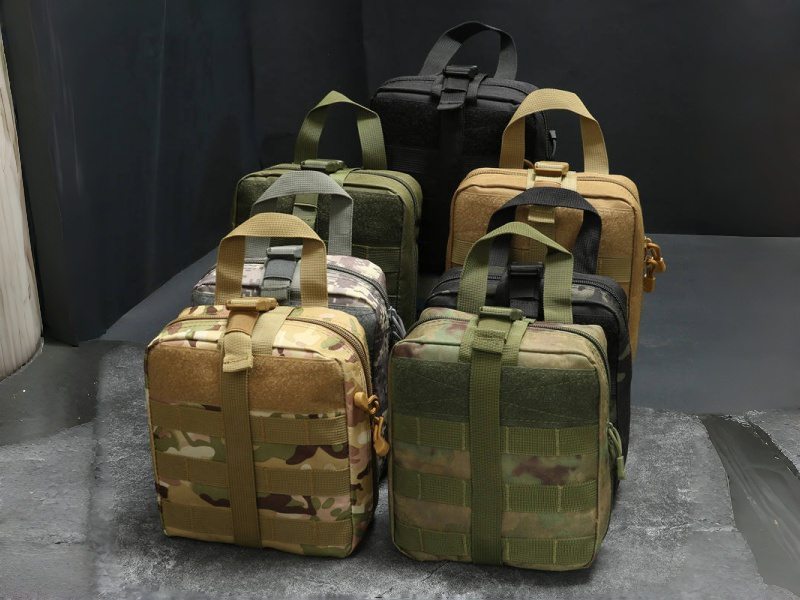
Common layout options include:
- MOLLE front panel for add-on pouches
- Side MOLLE webbing for bottle or radio pouches
- Quick-access top pocket for keys, gloves, or small tools
- Front admin pocket for notebook, pen, card, and flashlight
- Hydration bladder compartment with hose outlet
- Elastic loops for medical or repair tools
- Inner mesh pockets for visible sorting
- Hook-and-loop panel for patches or removable inserts
- Padded sleeve for tablet, laptop, or field documents
- Wide-opening main compartment for fast packing
For patrol and security teams, fast access can reduce wasted movement. For rescue crews, clear compartment logic can help locate medical items faster. For outdoor brands, a smart MOLLE and pocket system can become a strong retail selling feature.
During development, Jundong can review gear size, access order, pocket depth, zipper direction, and attachment method before sampling. A good layout is not about adding more pockets. It is about placing the right pocket in the right position.
Heavy-Duty Materials for Outdoor and Worksite Conditions
Tactical backpacks face different stress than daily backpacks. They may be dragged in vehicles, placed on rough ground, carried in rain, loaded with tools, exposed to dust, or used repeatedly in outdoor training. Material choice affects product life, appearance, weight, cost, and comfort.
A strong backpack is not made by fabric alone. Zippers, buckles, lining, thread, binding tape, foam, back padding, and bottom reinforcement all affect real performance. For example, a heavy-duty zipper may matter more than a thicker fabric if the user opens the bag many times per day. A reinforced bottom may matter more for worksite use than a decorative outer panel.
| Material Option | Suitable Use | Key Benefit |
|---|---|---|
| High-Density Polyester | Outdoor retail, patrol, general gear | Durable, stable, cost-friendly |
| Nylon Fabric | Higher-strength tactical packs | Stronger tear resistance and lighter feel |
| Oxford Fabric | Outdoor and worksite backpacks | Practical durability for frequent use |
| PU-Coated Fabric | Rain and dust exposure | Better water-resistant surface |
| PVC-Coated Fabric | Heavy-duty or wipe-clean use | Stronger surface protection |
| Neoprene Panels | Protection or comfort zones | Flexible cushioning and soft touch |
| Mesh Padding | Shoulder and back panel | Breathability for long wear |
| Reinforced Webbing | MOLLE and straps | Better pull strength and load support |

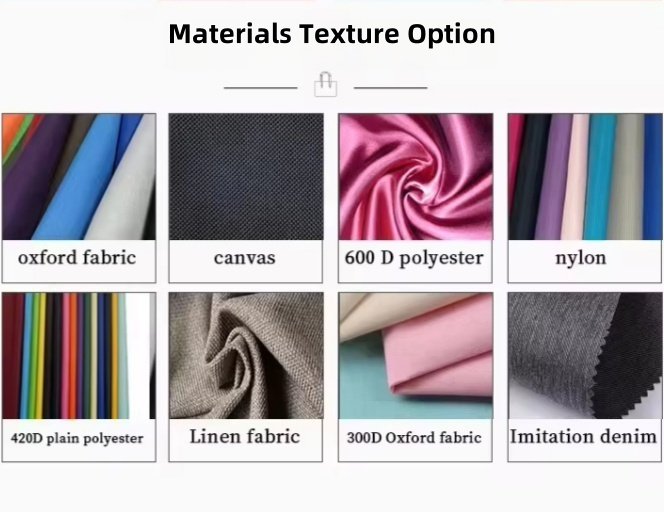
Jundong supports material and component matching, including fabric, PU, PVC, neoprene, leather trims, zippers, hardware, buckles, webbing, lining, and padding. This helps balance price, durability, comfort, and project positioning before the sample is made.
Comfort, Load Support, and Long-Wear Performance
A tactical backpack may look strong, but users will judge it by how it feels after hours of carrying. For outdoor gear, patrol duty, rescue tasks, and site operations, comfort is not a soft feature. It affects movement, fatigue, safety, and product reputation.
Reinforced Carry Handle

A reinforced handle supports lifting, loading, vehicle transfer, and daily handling when the backpack carries heavy gear.
Breathable Back Panel

A breathable mesh back panel improves airflow, reduces heat buildup, and keeps tactical backpacks more comfortable during active use.
Adjustable Chest Support

Adjustable chest straps and waist support help stabilize heavier loads, improve balance, and reduce shoulder fatigue.
Shoulder Strap Comfort

Padded shoulder straps with suitable width help reduce pressure during outdoor carry, patrol use, and long field operations.
Compression Strap Control

Compression straps help stabilize contents, reduce shaking, and keep outdoor gear, tools, or emergency supplies closer to the body.
Balanced Pocket Layout

Balanced pocket placement helps distribute weight evenly and prevents one side of the tactical backpack from becoming overloaded.
Bottom Reinforcement

Bottom reinforcement improves load support for heavy tools, field equipment, rescue supplies, and long-term tactical backpack use.
Padded Back Protection

A padded back structure protects the user from hard tools, sharp equipment edges, and uneven gear inside the bag.
For field use, load balance matters as much as capacity. A large backpack with poor structure can feel heavier than a smaller backpack with better support. Pocket placement also affects comfort. If heavy items sit too far from the back, the backpack may pull backward and cause fatigue.
Outdoor brands may want a lighter and more breathable structure. Patrol teams may need compact comfort and fast access. Rescue crews may need a larger opening and more internal stability. Worksite users may need stronger handles, reinforced bases, and tool-friendly compartments.
Jundong can adjust strap width, padding thickness, back panel shape, handle reinforcement, side compression, and compartment distribution during sample development. The approved sample can then be used as the control standard before bulk production.
Custom Options for Brands, Teams, and Field Projects
A tactical backpack often carries more than equipment. It also carries the identity of a brand, team, department, or field program. The right custom details make the backpack easier to recognize, easier to manage, and easier to sell.

Jundong supports practical custom options for different project needs:
| Custom Area | Available Options | Best For |
|---|---|---|
| Logo | Embroidery, woven label, rubber patch, PVC patch, heat transfer, metal plate | Outdoor brands, private label lines, patrol teams |
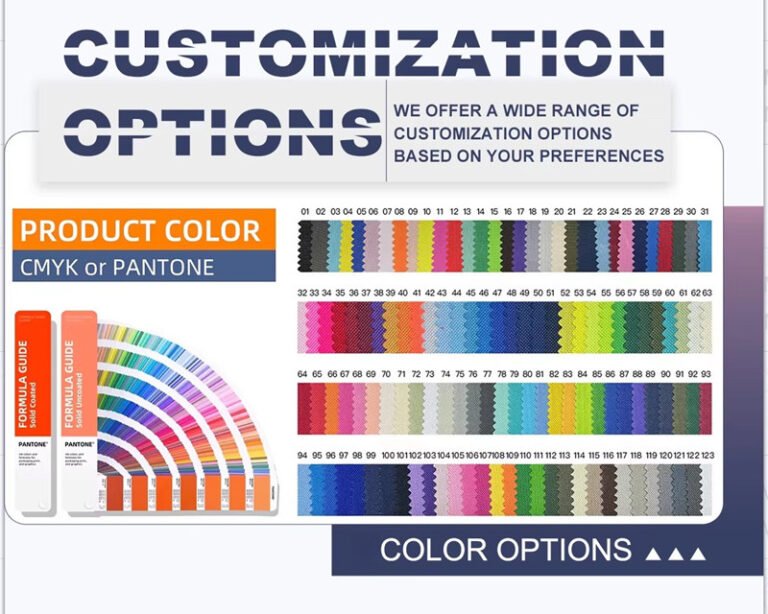
| Color | Black, coyote, army green, grey, orange, red, custom Pantone colors | Tactical retail, rescue, security, outdoor gear |
| Structure | MOLLE panel, hydration pocket, laptop sleeve, tool loops, inner dividers | Field work, patrol, rescue, training |
| Materials | Polyester, nylon, Oxford fabric, PU coating, PVC coating, neoprene, mesh | Different use levels and price positions |
| Packing | Polybag, hangtag, barcode label, carton mark, set packing, SKU sorting | Retail, distribution, project delivery |
For a retail-ready tactical backpack, logo position, color balance, hangtag, barcode, and packaging presentation may matter as much as the bag itself. For team use, ID labels, numbered tags, reflective strips, and clear department marking can make daily management easier. For rescue and field operations, labels and color-coded zones help users identify gear faster.
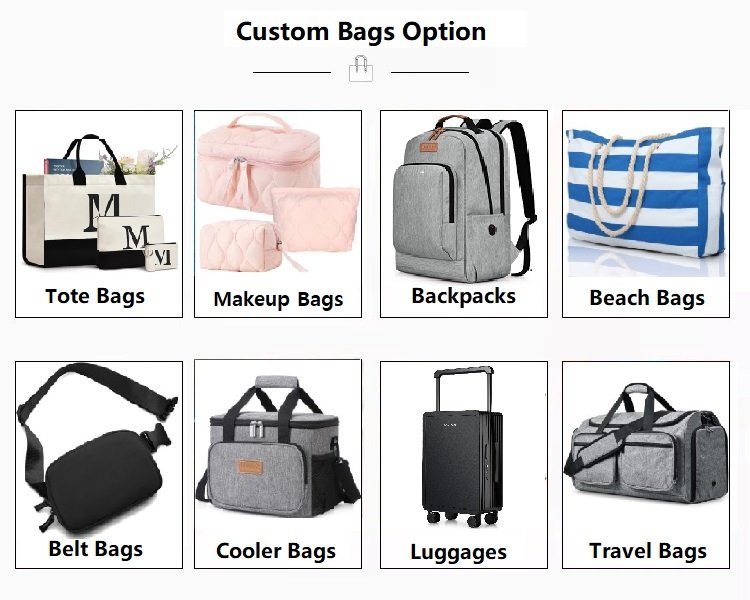
Custom work starts with clear details. Helpful information includes size, capacity, material preference, logo file, color reference, target load, pocket plan, packing method, and expected quantity. If the project is still early, Jundong can help review which details are worth customizing first and which ones can stay standard to control cost.
Sample Review and Quality Checks Before Bulk Orders
A tactical backpack sample is not just a visual check. It is the stage where structure, comfort, materials, pocket logic, logo placement, and packing details are tested before larger production begins.

Project Review
Confirm use scenario, backpack size, gear capacity, logo method, pocket plan, material direction, and target order quantity.

Material Selection
Match fabric, lining, webbing, zipper, buckle, mesh, padding, patch, and label options for the tactical backpack.

Structure Planning
Prepare backpack shape, compartment layout, strap position, MOLLE spacing, reinforced areas, and practical load-carrying details.

Sample Making
Standard tactical backpack sampling usually takes 5–7 days after details are confirmed; simple styles may move faster.

Sample Adjustment
Review comfort, capacity, pocket depth, zipper direction, logo position, stitching quality, and packing plan before production.

Pre-Production Confirmation
The approved sample becomes the bulk reference for size, material, color, workmanship, logo, structure, and packaging.
For tactical backpacks, one small detail can change the user experience. A zipper opening may feel too narrow. A shoulder strap may need more padding. A MOLLE panel may need better spacing. A front pocket may need more depth. These details are easier and less costly to correct during the sample stage than after bulk production.
Quality Checks for Field-Ready Backpacks
Field-ready tactical backpacks need quality checks that go beyond surface appearance. A good-looking backpack can still fail if the zipper jams, the stitching breaks, the MOLLE webbing loosens, or the shoulder strap cannot handle repeated loads.
Jundong uses inspection steps across materials, production, finished products, and packing. For tactical backpack projects, common checks include:
- Fabric color, coating, thickness, and surface condition
- Webbing width, strength, spacing, and attachment stability
- Zipper smoothness and repeated opening performance
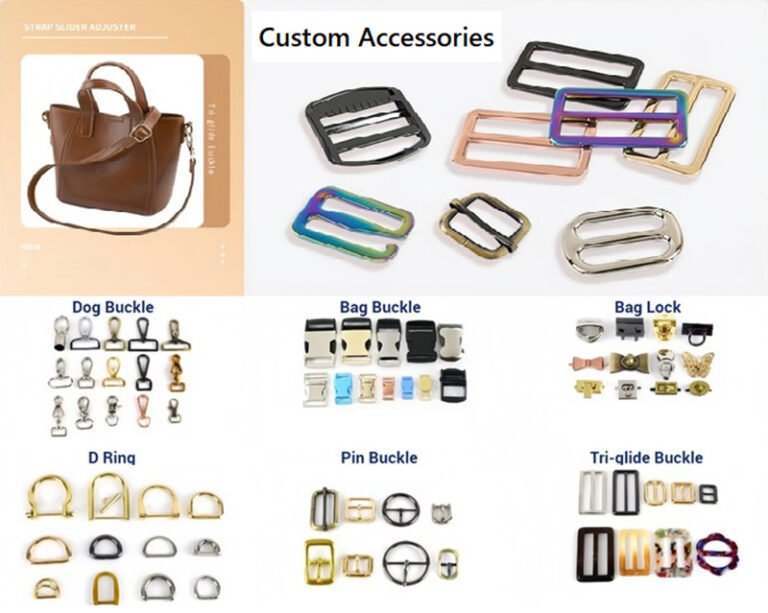
- Buckle, D-ring, hook, and slider attachment
- Shoulder strap stitching and padding stability
- Reinforced handle strength
- MOLLE panel spacing and stitch consistency
- Inner pocket size and divider position
- Bottom reinforcement and edge binding
- Logo position, color, size, and finish
- Carton mark, barcode, label, and packing accuracy
Jundong has 80 quality inspectors, with checks covering incoming materials, production stages, and finished goods. For complex tactical backpacks, inspection details can be aligned with the approved sample and project specification sheet.
Quality control is especially valuable for repeat programs. Once a tactical backpack is accepted by users, later batches need to match the same size, comfort, color, structure, logo placement, and packing format. Clear inspection records help reduce drift from one batch to the next.

Packing, Labeling, and Export Details
For tactical backpack projects, packing is not the last small step. It affects warehouse receiving, retail display, team distribution, shipment safety, and repeat order management.
Jundong supports export-ready packing details such as:
- Individual polybag packing
- Hangtags and product cards
- Barcode labels and SKU stickers
- Size, color, and model labels
- Inner carton and master carton planning
- Carton marks for destination sorting
- Warning labels or instruction cards when needed
- Multi-style order sorting
- Set packing for emergency kits or field gear programs
- Packing list support for shipment checking
Retail projects often need clean hangtags, barcode placement, and SKU labels. Team or institutional projects may need department labels, unit numbers, color sorting, or grouped packing. Rescue and emergency kit backpacks may need inner packing logic so that supplies can be loaded, checked, and distributed quickly.
Packing also helps reduce mistakes during repeat orders. If carton marks, SKU names, product codes, and inner packing details are recorded clearly from the first batch, later replenishment becomes easier to manage.
For projects requiring special packing, the details can be confirmed during sample development. This allows the backpack, logo, label, hangtag, bag, carton, and shipping plan to work together from the beginning.

From First Order to Long-Term Reorders
A tactical backpack project should not end after the first shipment. For outdoor brands, security teams, rescue programs, and field gear distributors, long-term value comes from stable repeat orders, controlled updates, and clear product records.
Jundong supports project continuity through approved samples, material references, color records, logo files, measurement standards, packing details, and inspection notes. These records help keep future orders closer to the first approved batch.
A repeat-ready tactical backpack program usually includes:
- Approved sample kept as reference
- Material name and color record
- Webbing, zipper, buckle, and patch details
- Size and measurement tolerance
- MOLLE layout and pocket structure
- Logo size, position, and method
- Packing and carton mark details
- Inspection focus for future batches
- Notes for improved versions or new SKU extensions
This is useful when a brand wants to add new colors, develop a larger capacity version, launch a matching sling bag, or add MOLLE pouches to the same product line. It is also useful for team and institutional projects where the same backpack may need annual replenishment.
Standard MOQ is usually 500 pcs per design. Some simpler styles may support 200–300 pcs after review. Bulk production usually takes 20–30 days after sample approval and order confirmation. With clear records from the first order, each repeat can move with less back-and-forth and fewer surprises.


Make a sample first ?
A useful custom tactical backpack should match more than a logo. It should fit outdoor gear, field tools, patrol equipment, rescue supplies, MOLLE accessories, hydration needs, pocket layout, carrying comfort, and bulk packing requirements. When size, fabric, reinforcement, zipper, strap system, logo placement, and carton details are clear from the beginning, the project becomes easier to quote, sample, produce, inspect, and deliver.
Client Testimonials
800+ brand Clients Trust Jundong


Start Your Tactical Backpack Project? Contact Us!
Your custom tactical backpack project may be simple, or it may need several layers of detail. An outdoor gear backpack may need breathable back padding, a hydration pocket, compression straps, and abrasion-resistant fabric. A field operation backpack may need reinforced handles, strong shoulder straps, MOLLE panels, tool storage, and stable load support. A patrol or rescue backpack may need quick-access pockets, clear inner sorting, reflective trim, removable dividers, and reliable packing for fast deployment.
The best result usually starts with a clear project brief. You do not need to finalize every detail before contacting us. If you already have a reference photo, target size, gear list, material idea, logo file, patch style, or previous sample, that will help. If not, you can start with the basics: what the backpack will carry, how many pieces you need, where it will be used, what brand details should be added, and when the goods need to arrive.
Jundong can help turn these early details into a workable specification for a custom tactical backpack. The review can include backpack size, fabric weight, MOLLE layout, pocket structure, shoulder system, zipper type, buckle level, bottom reinforcement, logo placement, label options, packing method, sample timing, bulk lead time, QC checkpoints, carton marks, and shipment preparation.
For faster review, send your bag type, quantity, use scenario, reference image, logo file, material preference, packing needs, and delivery timeline to info@jundongfactory.com. If your project is still open-ended, share the goal first: an outdoor EDC gear line, field operation use, a patrol team, a rescue kit, worksite tool storage, an EDC collection, retail sales, or a private label tactical backpack series. A practical recommendation can start from there.
The right custom tactical backpack is not always the most complicated option. It is the option that fits the gear, supports real field use, balances comfort and load, presents the brand clearly, and can be produced at a realistic cost and timeline.
Custom Tactical Backpacks Made Easier
At Jundong factory, we make complexity simple! Follow these three steps to get started immediately:
1. Tell Us Your Needs
Provide us with detailed information about your requirements, supply design drawings or tech packs, reference images, and share your ideas.
2. Get Solutions and a Quote
We will customize the best solution based on your needs and drawings, and provide a specific quote within 24 hours.
3. Confirm for Mass Production
Once we receive your confirmation and deposit, we will commence mass production and take care of the subsequent shipping arrangements.
FAQs, You ask, we answer
Choosing custom tactical backpacks becomes easier when key details are clear from the beginning. The right solution may change depending on outdoor gear type, field operation use, backpack capacity, fabric strength, MOLLE layout, pocket structure, shoulder comfort, reinforcement needs, logo method, packing rules, and order quantity.
These FAQs cover the practical details often reviewed before sampling and bulk production, including tactical backpack size, MOLLE spacing, hydration pocket design, breathable back panel, shoulder strap structure, zipper strength, fabric selection, bottom reinforcement, logo placement, patch options, barcode labels, carton marks, MOQ, sample time, lead time, packing rules, and bulk quality control.


Certainly, the best tactical backpack for outdoor gear and field operations is the one designed around the actual items carried, the wearing time, and the working environment. A backpack for day hiking is not the same as a backpack for patrol duty, rescue support, training camps, or maintenance work. The structure needs to follow the job.
For outdoor gear programs, common priorities include a lightweight but durable body, MOLLE webbing, a hydration compartment, breathable mesh padding, side compression straps, and enough room for clothing, tools, water, first aid items, and camping accessories. A 25L to 35L backpack is often suitable for day trips, outdoor retail lines, and compact gear sets. Larger 40L+ designs are more suitable for longer trips, emergency supplies, or heavy-duty field kits.
For field operations, the backpack needs stronger organization. Patrol teams may need quick-access front pockets, radio storage, document sleeves, ID areas, and dark professional colors. Rescue crews may prefer wide openings, removable dividers, reflective trim, high-visibility colors, and elastic loops for medical tools. Worksite users may need tool loops, reinforced handles, padded compartments, and stronger bottom panels.
A practical choice usually comes from four checks:
| Check Item | What to Confirm |
|---|---|
| Capacity | 25L, 35L, 45L, or custom size |
| Carrying Load | Light gear, field tools, medical supplies, or emergency kits |
| Access Speed | Front pocket, side access, clamshell opening, or wide-mouth opening |
| Wearing Comfort | Shoulder padding, back panel, chest strap, waist support |
The strongest design is not always the largest one. A smaller backpack with better layout can perform better than a larger backpack with poor pocket logic. Before development, it is helpful to list the gear that must fit inside, the expected wearing time, and the use environment. That gives the structure a clear direction from the start.
Absolutely. MOLLE webbing, external pockets, internal dividers, quick-access areas, hydration compartments, laptop sleeves, tool loops, and removable inserts can all be customized. This is one of the biggest differences between a project-ready tactical backpack and a standard backpack with a rugged look.
MOLLE webbing needs accurate spacing, stable stitching, and a usable attachment area. If the webbing is only added for appearance, external pouches may not sit firmly. For outdoor gear brands, MOLLE can help users attach bottle pouches, first aid pouches, tool pouches, flashlight holders, or small organizer bags. For patrol and field teams, the MOLLE layout can support radios, gloves, admin pouches, utility pouches, and other duty gear.
Pocket planning should follow the order of use. Items that are often needed should be placed near the front, top, or side. Backup items can stay in deeper compartments. Small items need mesh pockets, elastic loops, zipper pockets, or hook-and-loop panels so they do not disappear at the bottom of the bag. Rescue backpacks may need color-coded sections. Maintenance backpacks may need vertical tool slots. Outdoor packs may need a hydration sleeve and hose outlet.
Custom layout options include:
- Front MOLLE panel
- Side MOLLE webbing
- Quick-access top pocket
- Front admin organizer
- Hydration bladder compartment
- Elastic tool loops
- Removable dividers
- Mesh visibility pockets
- Padded tablet or document sleeve
- Wide-opening main compartment
- Hook-and-loop patch area
A useful backpack is not created by adding as many pockets as possible. Too many pockets can increase cost, weight, and confusion. The better approach is to decide what the user reaches for first, what needs protection, what must stay fixed, and what can share space. Jundong can review gear photos or a packing list before sampling, then plan pocket depth, zipper direction, MOLLE placement, and internal layout more accurately.
Sure, material choice should match the backpack’s load level, use environment, price position, and brand style. Heavy-duty tactical backpacks often use high-density polyester, nylon, Oxford fabric, PU-coated fabric, PVC-coated fabric, reinforced webbing, mesh padding, and stronger lining materials. Some designs may also include neoprene panels, synthetic leather trims, reflective fabric, or rubber patches.
For outdoor gear backpacks, nylon and high-density polyester are common choices because they can balance strength, weight, and cost. Oxford fabric is practical for frequent use and general outdoor conditions. PU-coated fabric can improve water-resistant performance while keeping the backpack flexible. PVC-coated fabric offers stronger surface protection and can be useful for worksite, emergency, or wipe-clean applications.
For field operations, material choice should not stop at the outer fabric. Many failures come from weaker components: a low-grade zipper, thin webbing, weak thread, a soft buckle, poor edge binding, or insufficient bottom reinforcement. A tactical backpack carrying tools or emergency supplies needs stronger stress areas, especially shoulder straps, top handle, side compression points, bottom corners, and MOLLE stitching.
A simple material comparison:
| Part | Practical Choice | Why It Matters |
|---|---|---|
| Outer Fabric | Nylon, polyester, Oxford fabric | Durability, weight, appearance |
| Coating | PU or PVC coating | Water resistance and surface protection |
| Webbing | Reinforced polyester webbing | MOLLE stability and strap strength |
| Back Panel | Mesh padding | Breathability and comfort |
| Bottom | Reinforced fabric or extra layer | Better wear resistance |
| Zipper | Heavy-duty zipper | Frequent opening and closing |
A thicker fabric does not automatically mean a better backpack. A balanced combination of fabric, lining, webbing, zipper, buckle, padding, and stitching creates better long-term performance. During development, Jundong can help compare material options based on use level, target cost, and product positioning.
Definitely, the usual MOQ for custom tactical backpacks is often 500 pcs per design, especially when the project includes custom fabric, MOLLE layout, special color, logo patch, private label details, or export packing requirements. This quantity helps spread the cost of material sourcing, pattern work, logo setup, cutting, production arrangement, inspection, and packing.
For selected simple backpack styles, 200–300 pcs may be possible after project review. This can work for pilot launches, first cooperation, small team programs, event kits, limited field trials, or private label testing. However, lower quantities usually lead to a higher unit cost because the preparation work is still similar. Even for 200 pcs, the project still needs material confirmation, sample making, cutting, stitching, logo work, checking, and packing.
Tactical backpacks are more complex than simple drawstring bags or basic tote bags. A backpack with MOLLE webbing, padded shoulder straps, side compression straps, a hydration pocket, inner dividers, reinforced bottom, multiple zipper pockets, and custom patches takes more labor and more inspection time. That is why MOQ and unit cost should be discussed together with the structural complexity.
A practical way to plan quantity:
| Project Stage | Suggested Quantity Logic |
|---|---|
| Sample Review | 1–2 samples to confirm structure |
| Field Trial | 200–300 pcs may work for selected simple designs |
| Retail or Team Launch | 500 pcs gives better cost control |
| Long-Term Program | 500 pcs+ per style helps maintain stable production and pricing |
If the product is still being tested, it is better to start with a clear sample first, then decide whether the first batch should focus on cost, speed, or full custom features. Jundong can review your backpack design and suggest a practical MOQ based on material, structure, logo, color, and packing needs.
Of course. For most custom tactical backpack projects, sampling usually takes 5–7 days after the main details are confirmed. These details include size, capacity, fabric, lining, MOLLE layout, pocket plan, logo method, color, zipper direction, shoulder strap structure, and packing requirement. If the style is simple and suitable materials are available, some samples may be ready in 2–3 days.
More complex backpacks need more development time. A MOLLE tactical backpack with hydration storage, padded back panel, reinforced base, side compression straps, multiple zipper pockets, custom rubber patch, and inner dividers requires careful pattern work. A rescue backpack with wide opening, color-coded compartments, reflective trim, removable panels, and wipe-clean lining also needs more review before the sample is ready.
Bulk production usually takes around 20–30 days after sample approval, material confirmation, and final order details are completed. Actual timing may change based on quantity, material availability, logo method, packing style, and seasonal workload. Special materials, custom-dyed fabric, molded patches, printed cartons, or unusual hardware may add preparation time.
A faster timeline usually depends on clear project information. The most useful details include:
- Backpack type and reference photos
- Size or target capacity
- Expected carrying load
- Material preference
- MOLLE and pocket layout
- Logo file and logo method
- Color reference or Pantone number
- Quantity
- Packing details
- Delivery destination
- Target launch date
For urgent projects, Jundong can review which features must be custom and which details can use available materials or standard components. This often helps shorten development while keeping the backpack’s main function intact.
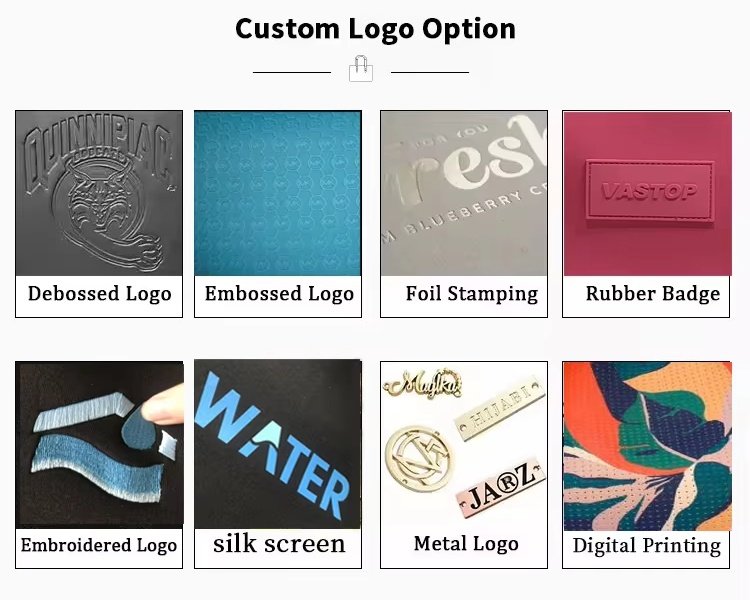
Absolutely. Tactical backpacks can be customized with embroidery, screen printing, heat transfer, rubber patches, woven labels, hook-and-loop patches, PVC patches, leather patches, and fabric patches. The best method depends on the backpack material, logo size, order quantity, and brand style. For outdoor gear and field operation backpacks, patch placement should not block MOLLE panels, zipper access, or pocket function. The logo position should also stay visible when the backpack is worn, not only when it is photographed flat. Private packing can include individual polybags, hangtags, barcode stickers, SKU labels, instruction cards, color boxes, carton marks, and mixed-style sorting. Before bulk production, it is better to confirm logo size, patch weight, label content, barcode readability, and one approved packing sample.
Consistency starts when the approved sample becomes the production reference, not just a finished sample. Jundong can check the final sample against material, fabric weight, color, size, MOLLE spacing, pocket layout, shoulder strap structure, zipper type, buckle level, stitching style, logo position, label details, and packing method. During production, key checks can be arranged at material arrival, cutting, sewing, in-process review, logo inspection, finished goods review, packing, and shipment preparation. For tactical backpacks, special attention should go to stress areas such as handles, shoulder straps, bar-tack positions, bottom panels, and load-bearing seams. Keeping clear records for the approved sample, fabric reference, color card, label artwork, carton marks, and packing rules helps repeat orders stay much closer to the original standard.
For a more accurate tactical backpack quotation, it helps to provide the bag type, target quantity, use scenario, preferred size, capacity needs, material idea, logo method, patch style, pocket layout, MOLLE requirement, strap design, packing request, and expected delivery time. A reference photo, physical sample, or simple sketch can make the review much faster. If the backpack needs to carry tools, outdoor gear, rescue supplies, a hydration bladder, patrol equipment, or EDC items, sharing the gear list is very useful because it affects structure, pocket depth, reinforcement, and load balance. Logo files, label needs, barcode rules, SKU sorting, carton marks, and retail packing details also affect cost and timing. Clear early information helps reduce repeated revisions and gives a more practical cost direction.
Certainly. A tactical backpack can be developed as part of a wider product line with MOLLE pouches, utility pouches, waist bags, sling bags, tool bags, medical bags, hydration packs, and gear accessories. For a stronger product family, the items can share the same fabric, color tone, webbing, buckle style, zipper puller, patch design, label system, and packing rule. This makes the line look more organized while still allowing each item to serve a different use scenario. For example, a backpack may carry main gear, while MOLLE pouches hold small tools, first aid items, cables, or survival accessories. Before development, it is helpful to decide which parts should stay consistent and which parts can change by size, function, or sales channel.
Long-term repeat orders stay more stable when the approved production details are recorded from the beginning. Jundong can help keep references for fabric type, fabric weight, color card, material lot, webbing, zipper, buckle, patch style, label artwork, logo position, sample photos, packing method, barcode rules, SKU labels, carton marks, and shipment notes. For color stability, it is better to compare new material lots with the approved reference before cutting. For structure stability, pattern files, MOLLE spacing, pocket layout, reinforcement positions, and strap measurements should remain controlled. For packing stability, carton quantity, polybag method, hangtag position, barcode placement, and mixed-style sorting rules should be confirmed again before every bulk shipment. These records make repeat orders easier to manage.