Skip to content
Soft Luggage Material and Structure Guide
Technical guidance for softside luggage fabrics, internal supports, trolley systems, wheels, expansion, sampling, testing, and repeatable bulk production.
- Compare polyester, Oxford, nylon, ballistic nylon, canvas, coatings, linings, boards, EVA, foam, webbing, zippers, and hardware by product position.
- Review how body panels, trolley backplates, wheel housings, base supports, handles, expansion gussets, and internal dividers share weight and maintain shape.
- Develop carry-on, checked, two-wheel, spinner, rolling duffel, and semi-structured luggage around target size, packed weight, retail channel, and transport needs.
- Protect approved details through material records, structural samples, defined tests, first-piece checks, inline inspection, SKU control, packaging, and repeat-order documentation.

Understand Every System Inside Soft Luggage
A softside suitcase combines flexible textile panels with semi-rigid supports, moving components, load-bearing connections, storage features, and packing details that must function as one product.

Outer Fabric Shell
The outer shell includes front, back, side, top, and bottom textile panels, plus external pockets and protective overlays. Fabric type, weave, coating, backing, cutting direction, seam construction, and color consistency influence abrasion, appearance, weight, water resistance, sewing control, and how firmly the finished suitcase holds its outline.
Lining and Dividers
Lining covers internal supports, seams, trolley components, and accessory connections while protecting packed clothing from rough construction areas. Dividers, mesh pockets, zipper sections, compression straps, and garment panels organize the interior. Lining strength, seam placement, access for repairs, and attachment around moving parts should be confirmed before final assembly.
Internal Support System
Soft luggage commonly relies on boards, EVA, foam, support strips, reinforced panels, or combined semi-rigid layers to maintain shape. Support placement affects rigidity, empty weight, internal capacity, folding, nested packing, and recovery after pressure. More support does not automatically improve performance; thickness and coverage must follow the intended size and load.
Trolley Back Structure
The trolley system includes tubes, locking mechanisms, handles, mounting plates, covers, fasteners, and a reinforced back area. Tube spacing and mounting depth affect internal capacity, back-panel shape, handle stability, and packing layout. The upper and lower attachments must transfer pulling force into the suitcase structure without creating concentrated deformation.
Base and Wheel Housing
The lower structure connects the textile body with the trolley base, wheel housings, corner protection, bottom board, feet, and reinforcement pieces. It receives concentrated loads when the suitcase stands, rolls, drops, or changes direction. Weak connections can cause leaning, loose wheels, worn corners, distorted panels, or visible pressure marks inside the case.
Wheel System
Soft luggage may use two fixed wheels, four spinner positions, single spinner wheels, or double spinner wheels. Wheel diameter, tread material, bearing movement, housing shape, mounting method, ground clearance, noise, and replaceability affect mobility. Wheel selection must match suitcase size, packed load, trolley geometry, base design, and intended travel conditions.
Zipper and Expansion
The main zipper controls opening access and carries tension around corners when the suitcase is full. Expansion gussets add capacity through an additional zipper and flexible fabric section, but they also change body depth and balance. Zipper size, tape, sliders, lock compatibility, seam allowance, gusset width, and extended stability require coordinated review.
Handles and Load Zones
Top and side handles transfer lifting force into webbing, reinforcement panels, boards, seams, and the suitcase body. Handle position influences balance when a 20, 24, or 28-inch case is lifted from a floor, vehicle, conveyor, or storage rack. Stitching, attachment plates, comfort, clearance, and surrounding panel strength must be evaluated together.
Who Uses a Soft Luggage Structure Guide?
Luggage Brand Teams
Travel product teams need material and structure choices that support a clear collection position. A lightweight carry-on, durable checked spinner, expandable business case, and rolling duffel cannot share one construction without review. Fabric appearance, target weight, front pockets, trolley space, wheel type, support level, size proportions, branding, and long-term series consistency must work together.
Retail and Private Label
Retail and private label programs commonly plan 20, 24, and 28-inch sizes, coordinated colors, shared trims, barcode systems, hangtags, nested packing, and carton rules. Material and structure decisions affect shelf presentation, selling price, packed volume, freight cost, product weight, and return risk. Approved specifications must remain clear when several sizes and colorways enter production together.
Importers and Distributors
Regional distribution programs need soft luggage that can be reordered without changing hidden components between production runs. Main fabric, lining, board thickness, trolley model, wheel housing, zipper, handle construction, expansion width, labels, and carton quantities should remain traceable. Clear records reduce disputes when similar-looking luggage performs differently because internal structures or accessories have changed.
Product and Quality Teams
Development and quality teams require more than material names or appearance photographs. They need measurable dimensions, component references, structural drawings, sample weights, loaded-condition checks, test methods, acceptance criteria, inspection stages, and revision records. A complete technical file helps connect product intent with sampling, costing, production, final inspection, packaging, and later replenishment orders.
Choose Soft Luggage Structures for Different Travel Programs
Travel frequency, size, load, access, handling, and retail position determine whether a carry-on, spinner, upright, rolling duffel, or semi-structured case fits the program.
Two-Wheel Upright

A two-wheel upright uses fixed rear wheels and travels at a pulling angle rather than rolling beside the traveler. Larger wheel diameter may support uneven surfaces, while the rear wheel housing and lower corners need strong protection. Trolley geometry, front feet, base balance, and body depth determine whether the suitcase stands securely when parked and rolls without dragging fabric near the ground.
Checked Spinner Luggage

Checked spinner luggage usually carries more weight and receives stronger impacts during baggage handling. Larger panels need enough support to maintain shape without creating unnecessary empty weight. Wheel housings, bottom support, top and side handles, trolley attachments, expansion, and zipper tension deserve greater attention. A 24-inch and 28-inch family should share visual language while using size-specific reinforcement.
Softside Carry-On

A softside carry-on needs careful control of total external dimensions because wheels, handles, front pockets, and trolley parts may affect airline size limits. Development should balance low empty weight, useful front access, internal trolley space, laptop or document storage, expansion, and standing stability. Compact construction must still protect handle anchors, wheel corners, zipper turns, and the lower back panel.
Expandable Soft Luggage

Expandable soft luggage adds capacity through an extra zipper and fabric gusset. The added depth changes the center of gravity, zipper load, side-panel shape, and carton size. Development should define expansion width, limiter construction, seam reinforcement, internal compression, and stability after loading. Expansion should increase usable space without creating severe leaning, twisted panels, or excessive pressure around the main opening.
Rolling Duffel Case

A rolling duffel combines a flexible storage body with a wheeled base and trolley system. Large open volume suits sports equipment, longer trips, uniforms, or bulky items, but the body can shift when partially loaded. Bottom chassis, end panels, compression straps, wheel protection, trolley backing, lifting handles, and internal tie-downs help control movement and protect the shape during pulling and handling.
Semi-Structured Luggage

Semi-structured luggage uses textile surfaces with EVA, foam, board, formed panels, or selected rigid components to create a cleaner outline and added protection. The structure can support premium styling without becoming a full hard-shell case. Material thickness, panel recovery, seam intersections, trolley installation, wheel-base connection, empty weight, internal space, and nested packing should be reviewed as one design.
Compare Soft Luggage Fabrics Before Product Development
Fabric selection should connect fiber, weave, coating, weight, appearance, structure, care, pricing, and expected travel conditions rather than rely on one material name.
| Fabric Direction | Typical Product Position | Weight and Structure | Surface and Appearance | Suitable Development Uses | Main Advantages | Details Requiring Review |
|---|---|---|---|---|---|---|
| Polyester Oxford | Entry to mid-level retail luggage, coordinated luggage sets, promotional travel collections, and cost-controlled private label programs | Available in several yarn sizes and fabric weights. Structure depends strongly on backing, coating, panel support, and sewing construction. | Clear woven texture with broad color availability. Surface can appear technical, commercial, matte, or slightly glossy according to coating and yarn. | Carry-ons, checked luggage, front-pocket cases, rolling duffels, and programs requiring coordinated colors across several sizes | Cost control, broad availability, easier color planning, and flexible use across different luggage formats | Fiber specification, denier, fabric weight, weave density, backing, coating, abrasion, color consistency, and bulk-lot variation |
| High-Density Polyester | Mid-level and performance-focused soft luggage requiring a denser appearance without moving to premium nylon | May create a firmer hand and cleaner panel shape. Finished weight still depends on fabric construction, coating, and internal support. | Tighter texture and more substantial appearance than basic polyester options, subject to actual specification | Business luggage, checked spinners, structured carry-ons, and retailer collections requiring a stronger visual position | Balanced appearance, cost, structure, and material availability | A dense appearance does not prove tear strength. Yarn quality, weave, backing, and seam behavior still need confirmation |
| Standard Nylon | Mid to premium travel collections where surface feel, tear behavior, and refined appearance receive greater attention | Often selected where strength and weight need a different balance from polyester. Structure varies widely by yarn and weave. | Smooth or technical surface with a refined hand. Color response and sheen depend on yarn, finishing, and coating. | Business carry-ons, frequent-travel collections, lightweight luggage, and premium softside designs | Refined appearance, flexible construction options, and strong positioning for travel-focused collections | Fiber quality, coating, color consistency, abrasion, snagging, UV exposure, cost, and long-term material availability |
| Ballistic Nylon | Premium durable luggage, professional travel collections, crew-style products, and high-wear soft cases | Usually heavier and denser than standard fabric options. Thick intersections may affect seams, piping, pocket construction, and empty weight. | Distinctive basket-like texture with a substantial and technical appearance | Premium checked luggage, business travel cases, heavy-duty carry-ons, and high-wear front or corner panels | Strong durability positioning, dense visual texture, and premium perceived value | Increased weight, higher cost, bulky seam intersections, needle selection, binding, color availability, and compatibility with curved panels |
| Canvas | Heritage, workwear, lifestyle, fashion-travel, and selected premium collections | Often heavier than light synthetic fabrics and may require controlled backing or internal support to maintain luggage shape. | Natural woven appearance with a warm, tactile character. Surface may develop marks or changes during use. | Rolling duffels, heritage luggage, selected carry-ons, travel trunks, and collections using leather or metal trim accents | Distinctive appearance, strong material character, and compatibility with heritage styling | Moisture, staining, cleaning, abrasion, shrinkage, color transfer, edge finishing, product weight, and batch consistency |
| Coated Fabric | Wipe-clean luggage areas, lower panels, rolling duffels, damp-contact zones, and selected technical designs | Coating can add body and surface protection but may increase stiffness, odor, fold marks, and sewing difficulty. | Smooth, technical, matte, gloss, or rubberized appearance according to coating type and thickness | Bottom panels, corner overlays, external pockets, sports luggage, and luggage designed for easier surface cleaning | Easy-clean direction, additional surface protection, and clear technical appearance | Coating adhesion, flexibility, odor, folding marks, needle holes, seam construction, temperature response, and aging behavior |
| Recycled Polyester | Sustainability-focused collections requiring recycled-content material and supporting documentation | Weight and structure vary according to yarn, weave, coating, and backing, just as with conventional polyester. | Can be developed in commercial, technical, or refined textures depending on the selected construction | Retail luggage collections, travel accessories, private label programs, and coordinated soft goods using recycled material direction | Supports recycled-material programs and coordinated sustainability communication when documentation is available | Recycled-content evidence, chain-of-custody documents, color consistency, minimum material quantity, coating, performance, and document validity for the specific order |
Material names should never stand alone in a specification. “Polyester,” “nylon,” or “Oxford” does not define yarn size, fabric weight, weave density, coating, backing, abrasion behavior, tear resistance, colorfastness, seam response, or finished product weight. Final selection should be based on an approved material sample and the complete suitcase construction.
Fabric Performance Depends on More Than Denier
Denier describes yarn size, while finished luggage performance also depends on fiber, weave, density, fabric weight, coating, backing, sewing, and production consistency.
Read Yarn, Weave, Density, and Fabric Weight Together

Denier measures the linear density of yarn. It does not directly describe finished fabric strength, abrasion life, tear resistance, coating quality, or suitcase durability. A 1680D label may indicate thicker yarn than a 600D label within a comparable fiber system, yet the final result still depends on yarn construction, weave pattern, warp and weft density, fabric weight, finishing, and how the fabric is used in the suitcase.
Fiber type: Polyester and nylon yarns behave differently during weaving, coating, sewing, folding, abrasion, and long-term use. Even fabrics with the same denier may show different hand feel, surface sheen, tear behavior, and finished weight.
Yarn construction: Filament quality, twisting, texturing, and consistency influence the appearance and behavior of the woven surface. Uneven yarn can create visible streaks, thickness variation, weak areas, or inconsistent dye results.
Weave structure: Oxford, basket, plain, twill, and other structures distribute yarn differently. A dense basket texture may create a substantial appearance, while a finer weave may support lighter weight and cleaner folding. “Oxford” describes a construction direction rather than a complete material specification.
Warp and weft density: More yarns within a given area may create a tighter surface, but density also affects flexibility, coating penetration, sewing, and product weight. Density should be considered together with yarn size and fabric weight.
Fabric weight: Grams per square meter provides another useful comparison, but heavier fabric is not automatically better. A heavier face fabric may increase suitcase weight while the true weak area remains at a wheel corner, handle connection, zipper seam, or unsupported panel.
A useful specification therefore records fiber, denier, weave, density, fabric weight, coating, backing, width, color, and approved use location. Material selection should follow the product position and complete structure rather than one large number printed beside the fabric name.
The reverse side of a soft luggage fabric often controls as much of the finished behavior as the visible face. Coatings and backing layers can influence body, water repellency, fraying, seam control, opacity, odor, folding, aging, and how the fabric connects with foam, board, lining, piping, and reinforcement.
PU coating direction: A polyurethane coating may support flexibility, fabric body, water repellency, and reduced yarn movement. Actual performance depends on coating formulation, thickness, adhesion, curing, and storage. A thin coating may offer limited body, while an overly stiff coating can create fold marks or sewing difficulties.
PVC-coated direction: PVC-coated or laminated surfaces can support easy cleaning, greater surface protection, or a stronger body in selected panels. Such materials may also add weight, stiffness, odor, and visible needle holes. Bottom panels and outer overlays need seam planning because the coated face and stitched edge do not perform in the same way.
Backing consistency: The backing should be checked for even coverage, pinholes, bubbles, peeling, powdering, sticky areas, shade influence, and thickness variation. Uneven backing can create visible panel differences after cutting and assembly.
Flexibility and fold recovery: Soft luggage panels bend during sewing, nesting, packing, shipment, and use. A fabric that looks firm while flat may whiten, crack, hold a permanent crease, or recover slowly after folding. The sample review should include the same folding and packing method planned for the order.
Sewing response: Thick coatings and dense fabrics affect needle choice, stitch formation, seam bulk, turning corners, piping, zipper installation, and the appearance of folded edges. Needle holes may remain visible, especially on coated or tightly woven surfaces.
Odor and surface care: Material odor, wipe cleaning, stain response, and contact with clothing deserve review when coated fabrics or laminations are used. No universal “waterproof” or “odor-free” claim should be made without an agreed material specification, complete seam structure, and defined test method.
The correct coating is therefore the one that supports the intended product, not simply the thickest backing or the strongest marketing description.
Review Coating, Backing, Flexibility, and Sewing Behavior

Approve Materials With Records, Samples, and Defined Tests

Material approval should create a reference that can be used by development, purchasing, cutting, sewing, quality inspection, and repeat-order teams. A digital color image or a material name written in a quotation is not enough for a soft luggage collection.
Approved swatch: Keep a physical sample showing the face, backing, color, texture, hand feel, coating, and edge behavior. The swatch should carry a material code, approval date, intended product, and use location.
Specification record: Record fiber content, denier, weave, fabric weight, usable width, coating or lamination direction, thickness where relevant, color reference, finish, and required document scope. Recycled material claims need valid supporting records linked to the material and order.
Visual inspection: Review shade, surface defects, weaving lines, creases, coating marks, contamination, width, backing uniformity, and roll-to-roll differences before large-scale cutting.
Defined performance checks: Depending on the project, material review may include abrasion, tear, tensile strength, seam slippage, coating adhesion, hydrostatic or water-repellency checks, colorfastness, rubbing, aging, odor, or restricted-substance testing. Methods, sample preparation, conditions, and acceptance criteria should come from the agreed product standard rather than an unreferenced pass statement.
Sample-to-bulk connection: Whenever possible, the final approval sample should use the intended bulk material or an identified equivalent. If the material changes after sampling, the effect on appearance, weight, sewing, panel shape, color, price, lead time, and testing should be reviewed before production.
Bulk-lot control: Incoming rolls should be linked to material codes and checked against the approved swatch. Shade groups may need separation before cutting. Different lots should not be mixed invisibly within one suitcase or coordinated set when the difference affects appearance.
A complete approval record helps protect the soft luggage collection across several sizes, colors, production runs, and replenishment orders. The goal is not to create paperwork for its own sake, but to prevent a familiar material name from hiding a different bulk result.
How Soft Luggage Holds Its Shape
PE and PP Boards
PE or PP boards may support the back, sides, base, front panel, trolley area, or selected high-pressure zones. Board thickness, shape, flexibility, edge treatment, and attachment influence standing stability, internal capacity, empty weight, folding, nesting, and recovery after pressure. A board should strengthen the intended area without creating visible edges or hard corners inside the case.
- Match board shape to the approved pattern
- Keep edges away from zipper and seam lines
- Review pressure marks after full loading
- Confirm replacement only through approved records
EVA and Foam Layers
EVA and foam can add cushioning, body, surface smoothness, and controlled recovery around textile panels. Softer foam may improve touch and appearance, while firmer EVA can help panels remain cleaner and more structured. Excess thickness reduces usable space, increases packed volume, and may create bulky seam intersections. Density and placement should follow the intended panel rather than one uniform specification across the entire suitcase.
- Compare firmness on real suitcase panels
- Check recovery after folding and nesting
- Protect clothing from hard component edges
- Avoid unnecessary layers that increase weight
Honeycomb Support Panels
Honeycomb panels may be reviewed where a larger support area needs relatively low weight. Their performance depends on core material, surface layers, thickness, cutting direction, edge protection, moisture exposure, and connection with the textile body. They are not suitable for every panel or every suitcase size. Unsupported edges or poor attachment can lead to crushing, bending, noise, or visible panel distortion.
- Use only where the structure supports the panel
- Protect cut edges from wear and moisture
- Review compression under packed conditions
- Confirm availability before sample approval
Product and QualitPerimeter Support Stripsy Teams
Support strips can help define the sidewall, corners, top opening, and overall suitcase outline without covering an entire panel. Strip material, width, flexibility, joint location, and sewing sequence affect shape retention and recovery. If a strip is too rigid, the case may become difficult to nest or pack. If it is too flexible, larger sizes may lose their intended outline after loading.
- Position joints away from high-impact corners
- Check shape in empty and loaded conditions
- Review bending during carton packing
- Confirm special strip systems separately
Lining and Dividers
Lining and dividers finish the interior, cover support parts, separate clothing, organize accessories, and protect packed items from screws, board edges, trolley tubes, seams, and hardware. Their attachment can also influence panel shape. A divider that pulls too tightly may distort the case, while a loose lining can catch in zippers or appear poorly finished after nesting and shipment.
- Secure lining around moving components
- Leave controlled access for approved repairs
- Match divider weight to the suitcase structure
- Check wrinkles after packing and unpacking
Reinforcement Webbing Paths
Webbing does more than create handles. Internal webbing can transfer lifting and pulling force from top handles, side handles, trolley anchors, and base areas into wider sections of the suitcase. Effective load paths normally extend beyond the visible attachment. Webbing width, weave, thickness, folding, stitch rows, and connection with boards or panels should match the approved suitcase size and expected packed weight.
- Extend load paths beyond decorative stitch areas
- Keep left and right attachments symmetrical
- Prevent webbing edges from rubbing the lining
- Inspect hidden sections before closing panels
Trolley, Wheel, and Base Systems Work Together
Rolling performance depends on the geometry and connection of the trolley, back panel, wheel housings, base support, handles, and loaded suitcase rather than one accessory alone.
Coordinate Trolley Geometry With the Back Panel

A trolley system includes the grip, release button, telescopic tubes, locking positions, upper mounting, lower mounting, covers, fasteners, and the reinforced area around the back panel. Tube material, wall construction, spacing, extension stages, movement clearance, and handle height should be selected according to suitcase size, internal layout, expected load, and product position.
Tube spacing influences both stability and usable packing space. A wider arrangement may support a broader grip and stable pulling direction, but it can occupy more internal width. A narrower arrangement may preserve interior space while creating a more concentrated load path through the back panel. Carry-on luggage, checked luggage, and rolling duffels may therefore require different trolley layouts even when the exterior styling is coordinated.
The upper attachment controls movement near the top of the suitcase, while the lower mounting transfers pulling and pushing force into the base area. Both connections should remain aligned. If the back panel is too flexible, the trolley may feel loose even when the tubes and locking mechanism are acceptable. If the panel is excessively rigid, empty weight and internal volume may be affected.
Internal covers should prevent clothing from rubbing against tubes, screws, and mounting parts. Their shape should not create unusable cavities or interfere with packing straps and dividers. Fasteners need controlled length and positioning so they remain secure without becoming visible through the lining.
Sample review should record:
- extension and retraction movement
- lock engagement at each intended stage
- left-right tube alignment
- handle movement under the agreed load
- back-panel deformation during pulling
- internal space occupied by the assembly
- clearance between trolley parts and lining
Soft luggage may use two fixed rear wheels, four single spinner wheels, or four double spinner assemblies. Each arrangement changes the way the suitcase moves, stands, turns, absorbs impact, and transfers force into the base. Wheel choice should therefore begin with intended size, packed weight, travel conditions, product position, and required movement rather than appearance alone.
Two-wheel uprights normally roll at a pulling angle. Larger fixed wheels can offer useful clearance on uneven surfaces, but the rear housings and lower textile corners need strong protection. Front feet must hold the suitcase upright when parked. The relationship between wheel diameter, body depth, trolley angle, and ground clearance determines whether fabric or piping approaches the floor during use.
Spinner luggage moves in several directions and places concentrated force at four lower corners. Single spinners may support a compact appearance and controlled weight. Double spinners can distribute contact across two wheel elements and create a fuller visual position, while also adding components, weight, housing size, and cost. Neither format is automatically superior without a defined use condition and review method.
Important wheel details include:
- tread material and surface hardness
- wheel diameter and usable ground clearance
- bearing or axle movement
- housing shape and corner coverage
- mounting screws, plates, and reinforcement
- noise and vibration on agreed surfaces
- rotation and directional stability
- access for replacement where required
Match Wheel Housings With Rolling Conditions

Build a Stable Base and Connection System

The base connects the textile body, internal board, trolley lower mounting, wheel housings, corner protection, feet, reinforcement pieces, and lower seams. It carries concentrated pressure when the suitcase stands, rolls, changes direction, drops, or is lifted while packed. Weakness in the base often appears as leaning, loose wheels, distorted lower panels, damaged corners, board movement, or pressure marks inside the lining.
A stable base does not always require the heaviest available component. The correct structure depends on case dimensions, wheel arrangement, trolley geometry, fabric, board coverage, expected load, packing method, and target empty weight. A carry-on may need compact reinforcement that protects capacity. A 28-inch checked spinner usually requires broader pressure distribution across the bottom and wheel corners.
Base development should review the following:
- bottom board material, shape, and thickness
- connection between board and textile panels
- lower trolley mounting and load transfer
- wheel-housing reinforcement plates
- corner overlays, piping, and seam positions
- feet or standing supports
- internal covers over screws and fittings
- drainage, cleaning, or moisture exposure where relevant
- behavior during nesting and carton packing
Mounting points should avoid sitting too close to weak seam intersections. Reinforcement needs sufficient coverage around fasteners rather than a small decorative patch. Board edges should not press visibly through the outer fabric or create sharp contact against the lining.
Control Load Paths Across Critical Luggage Details
Top Handle Load
The top handle receives direct lifting force when luggage moves from floors, vehicles, conveyors, racks, and storage areas. Force should pass through the handle base, webbing or attachment plate, reinforcement panel, board, and surrounding seams. A strong-looking handle cannot compensate for a weak connection beneath the fabric.
- Match construction to suitcase size and packed load
- Keep left and right attachments aligned
- Review hand clearance and grip comfort
- Inspect hidden reinforcement before panel closure
Side Handle Load
Side handles carry the suitcase in a different orientation and may place stronger twisting force across the side panels. The structure must support a loaded case without pulling the panel sharply inward or distorting the expansion section. Larger checked luggage often requires a different side-handle construction from a compact carry-on.
- Extend reinforcement beyond the visible handle base
- Keep attachment away from weak zipper intersections
- Check lifting balance with the planned contents
- Review side-panel recovery after repeated handling
Trolley Anchor Stress
Trolley force enters the suitcase through upper and lower mounting areas. Pulling, pushing, turning, and lifting by the trolley can create movement in the tubes, back panel, base, fasteners, and surrounding lining. Trolley anchors should distribute force through approved structural parts rather than rely on a thin textile panel.
- Confirm upper and lower mounting alignment
- Check fastener length and movement
- Observe back-panel flex under the agreed load
- Prevent internal covers from rubbing or tearing
Wheel Corner Impact
Wheel corners receive concentrated impact when luggage changes direction, crosses uneven surfaces, drops onto a lower corner, or is handled through baggage systems. The wheel housing, reinforcement plate, base, textile corner, piping, board, and seam intersection need compatible geometry. A strong wheel attached to a weak corner can still loosen or deform the suitcase.
- Spread fastener pressure beyond one small area
- Protect fabric from wheel and ground contact
- Check corner shape after loaded movement
- Compare all wheel positions for alignment
Main Zipper Tension
The main zipper carries opening tension when the suitcase is packed, compressed, expanded, lifted, or pressed inside a carton. Zipper size alone does not control performance. Tape, slider, puller, seam allowance, corner radius, panel support, stitching, and packed pressure all influence movement and closure.
- Operate the zipper under the agreed packed condition
- Check corner movement and slider alignment
- Keep lining and loose straps away from the teeth
- Reinforce zipper ends and high-tension transitions
Expansion Gusset Stability
An expansion gusset increases depth through an additional zipper and flexible panel, changing capacity, balance, sidewall shape, and pressure around the main opening. A wide expansion section may provide more space while making a tall suitcase easier to lean or distort. The expanded condition should be treated as a separate structural state.
- Define the usable expansion width
- Review limiter straps or internal compression
- Check standing stability after loading
- Confirm packing dimensions in closed and expanded forms
Build a Clear Soft Luggage Development Specification
A complete specification connects travel use, size, materials, internal support, mobility, branding, packing, testing, quantity, and delivery into one approved product direction.
Size, Capacity, and Weight

Size planning begins with the complete exterior, not only the textile body. Wheels, trolley grip, top handle, side handle, feet, front pockets, and expanded depth may affect airline, retailer, warehouse, and packaging requirements. A coordinated 20, 24, and 28-inch collection also needs controlled proportions rather than simple enlargement of one pattern.
Record:
- external height, width, and depth
- whether wheels and handles are included
- closed and expanded dimensions
- intended internal capacity
- target empty weight
- expected packed condition
- front-pocket depth and access
- nesting and carton requirements
Internal capacity should be reviewed after trolley tubes, back covers, boards, dividers, and compression parts are installed. A large exterior does not always create equally useful packing space. Weight targets must also reflect fabric, support, wheels, trolley, handles, zippers, locks, and packing rather than the textile shell alone.
Materials and Internal Support

Material specifications need enough detail to distinguish approved construction from a similar-looking alternative. Main fabric names such as polyester, nylon, Oxford, or ballistic nylon should be connected with fiber, denier, weave, fabric weight, coating, backing, color, finish, and approved use area.
The material file should cover:
- main fabric and contrast panels
- lining and mesh
- PE or PP boards
- EVA and foam
- support strips or selected formed panels
- webbing, binding, and elastic
- zipper chain, tape, slider, and puller
- thread, piping, reinforcement, and hardware
Support materials require location records. A board used in the back panel cannot be replaced automatically with the same thickness in the sidewall or base. Edge shape, attachment, recovery, folding, and pressure marks should be checked on the assembled suitcase. Recycled-material or restricted-substance requirements must be linked with valid project documents.
Trolley, Wheels, and Base

The mobility specification should identify the complete assembly rather than list “aluminum trolley” or “spinner wheels.” Dimensions, component codes, attachment methods, movement, finish, and structural connections influence internal capacity, rolling behavior, standing stability, noise, repair access, and long-term repeat orders.
Record:
- trolley type, tube spacing, and extension stages
- grip design and lock positions
- upper and lower mounting
- wheel format, diameter, and housing
- single or double spinner arrangement
- base board and lower chassis
- wheel-corner reinforcement
- feet, locks, handles, and fasteners
- approved movement and load checks
A 20-inch carry-on and 28-inch checked case may share visual components while requiring different mounting, reinforcement, or wheel geometry. Any custom grip, molded base, proprietary component, or exclusive wheel housing needs separate feasibility, tooling, ownership, MOQ, and timing confirmation before the final sample.
Brand, Packing, and Delivery

Brand presentation extends beyond an external logo. Material colors, zipper finishes, hardware, lining, woven labels, care labels, hangtags, barcodes, carton marks, instruction cards, and packed appearance should form one controlled system across every size and color.
Confirm:
- vector logo artwork and Pantone references
- logo method, size, and placement
- model names and SKU structure
- label text and barcode information
- individual packing and protective parts
- nesting order for luggage sets
- carton quantity, dimensions, and weight
- destination marks and warehouse separation
- testing, inspection, and document requirements
- order quantity and required delivery schedule
Different destinations or retail channels may need separate label and packing files even when the luggage construction remains unchanged. Packaging must protect wheels, trolley grips, handles, coated panels, logos, and structured corners without creating permanent folds. Final files should remain linked to the approved sample and production version.
Balance Soft Luggage Weight, Rigidity, Capacity, and Cost
Every material or structural upgrade changes more than one result. Product teams need to compare usable capacity, empty weight, durability, appearance, packing volume, and price together.
| Development Direction | Typical Material and Structure | Mobility and Support | Main Product Value | Main Trade-Off | Decisions to Confirm |
|---|---|---|---|---|---|
| Lightweight Carry-On | Lightweight polyester or nylon, controlled coating, localized board support, limited foam, compact front pocket, and reduced trim weight | Compact trolley assembly, lightweight spinner system, targeted wheel-corner reinforcement, and a structure designed around cabin dimensions | Lower empty weight, easier lifting, useful mobility, and more allowance for packed belongings within airline weight rules | Reduced panel rigidity, less protection against crushing, limited front-pocket depth, and tighter internal space around trolley tubes | External dimensions including wheels and handles, target empty weight, airline channel, laptop storage, expansion need, trolley space, and loaded standing stability |
| Balanced Retail Spinner | Mid- to high-density polyester Oxford, moderate support boards, reinforced base, coordinated lining, front pockets, and controlled expansion | Standard four-wheel system, double-tube trolley, reinforced top and side handles, and size-specific support for 20, 24, and 28-inch models | Balanced appearance, structure, cost, capacity, retail presentation, and repeatability across a coordinated luggage family | Less material distinction than premium nylon and higher complexity than a basic lightweight case | Shared materials, size-specific reinforcement, color planning, wheel format, expansion width, nested packing, barcode rules, and carton weight |
| Premium Business Softside | Nylon or ballistic nylon direction, refined lining, stronger edge control, organized front access, protected document or device sections, and higher-grade trims | Stable trolley geometry, controlled wheel movement, reinforced handle paths, cleaner panel support, and carefully finished internal covers | Professional appearance, durable material position, organized access, stronger brand value, and suitability for frequent business travel | Higher material cost, greater seam thickness, possible weight increase, and more demanding color and construction control | Fabric specification, surface finish, hardware quality, wheel noise, trolley movement, logo method, device protection, repair access, and long-term component availability |
| High-Capacity Checked Case | Durable polyester, nylon, or mixed-panel construction with broader support, stronger base reinforcement, protected wheel corners, expansion, and compression features | Size-specific trolley and wheel housings, larger support coverage, reinforced top and side lifting areas, and controlled standing geometry | High usable volume, stronger handling support, improved shape retention, and better preparation for heavier travel loads | Increased empty weight, carton volume, freight cost, lifting pressure, zipper tension, and risk of leaning when expanded | 24 or 28-inch dimensions, packed-load assumptions, handle use, base structure, expansion stability, wheel housing, drop orientation, and carton quantity |
| Rolling Duffel Program | Flexible textile body, reinforced end panels, compression straps, large opening, protected lower section, and optional divided storage | Two-wheel or selected spinner base, trolley back support, end handles, lower chassis, and internal tie-downs | Large flexible capacity for sports, uniforms, equipment, or extended travel, with easier storage than a fully structured suitcase | Contents may shift, partially filled shapes may collapse, and long bodies can twist during dragging or lifting | Intended contents, body length, base coverage, wheel clearance, trolley angle, lifting positions, compression method, and partially loaded behavior |
No single construction offers the lowest weight, greatest capacity, strongest rigidity, highest durability, and lowest cost at the same time. Strong development begins by ranking the non-negotiable results.
A brand focused on cabin travel may protect external dimensions and empty weight before adding thicker panels. A premium business collection may accept additional material cost to improve hand feel, organization, and component quality. A large checked case may require more support around the base, wheels, handles, and zipper even when the visual design remains similar to the carry-on.
Cost reduction works best when it removes unnecessary variation rather than weakening structural areas. Shared fabrics, coordinated colors, common zipper finishes, approved wheel families, aligned labels, and efficient nested packing can support better order control without sacrificing the main product position.
Develop Soft Luggage Samples Before Bulk Commitment
Soft luggage sampling must verify shape, dimensions, weight, mobility, loaded behavior, branding, packing, and repeatability—not only color and external appearance.
Turn Commercial Goals Into Measurable Development Requirements

Sample development begins by translating the intended product position into measurable requirements. A request for a “premium lightweight spinner” remains incomplete until the team defines size, target weight, material direction, trolley layout, wheel format, front access, expansion, internal organization, branding, packing, destination, and expected use.
Useful starting materials include a reference product, technical drawing, existing sample, mood board, component preference, or coordinated collection plan. Every reference needs interpretation. A photograph may show exterior styling but not board thickness, trolley mounting, wheel housing, lining construction, internal capacity, or packed stability.
The first development file should identify:
- carry-on, checked, upright, spinner, rolling duffel, or semi-structured format
- target 20, 24, or 28-inch size
- complete external dimensions
- target empty weight and expected packed condition
- main fabric, lining, coating, support, and trim direction
- trolley, wheel, base, handle, zipper, and expansion requirements
- front pockets, internal dividers, compression, and access needs
- logo, labels, barcodes, unit packing, and carton plan
- destination, retail channel, testing, and required delivery timing
Conflicts should be identified before pattern work. A deeper front pocket reduces main-compartment space and may affect standing balance. Wider trolley tubes can improve handling while occupying more internal width. Thicker support may create a cleaner outline but add weight and reduce nesting efficiency. A wider expansion gusset adds capacity while increasing zipper tension and leaning risk.
Material and component availability also affects development. Custom colors, proprietary wheel housings, molded bases, exclusive grips, special locks, or uncommon coatings may require additional preparation, tooling, or minimum quantities. Such requirements need confirmation before a sample schedule is fixed.
The resulting brief becomes the working reference for pattern making, material preparation, component selection, costing, sample review, and later approval.
The first version should establish whether the suitcase works as a complete structure. Decorative refinement can continue later; V1 needs to reveal problems in dimensions, panel behavior, trolley space, wheel position, base support, handle balance, zipper movement, expansion, and internal organization.
V1 review should use the intended luggage size and an agreed packed condition. Empty samples can hide leaning, panel distortion, weak handle paths, poor wheel alignment, zipper tension, and limited internal capacity.
Evaluate:
- complete dimensions including wheels and handles
- empty weight and loaded balance
- standing stability in closed and expanded forms
- trolley extension, locking, alignment, and movement
- wheel rotation, direction, clearance, and housing stability
- top and side handle lifting positions
- base shape and wheel-corner pressure
- main zipper movement around loaded corners
- expansion width and body recovery
- internal capacity after trolley covers and dividers
- lining tension, compression straps, and front-pocket access
- nesting, folding, and initial packing behavior
A V1 correction record can include marked photographs, revised dimensions, updated patterns, component codes, material changes, weight differences, and approval responsibility. Changes affecting cost or timing should be reviewed before V2 begins.
V2 should resolve recorded structural concerns and bring the product closer to the intended finish. Logo size, zipper finish, hardware, lining, labels, color matching, internal organization, and packing can then be reviewed on a structure already proven to function.
A presentation sample built with temporary components should never be mistaken for the final production reference. Any temporary fabric, wheel, trolley, board, zipper, or packing method must remain clearly identified until replaced or formally approved.
Build the First Structural Prototype Around Loaded Use

Seal the Final Sample and Approval Standard

Final approval should create one clear standard for production, inspection, packing, shipment, and later repeat orders. A signed photograph or short message cannot control a soft luggage collection containing hidden boards, trolley components, wheel housings, several sizes, multiple colors, and channel-specific labels.
The final approval set should include:
- one sealed physical sample for every required structure
- dated measurement sheet with approved tolerances
- final empty weight record
- main fabric, lining, coating, board, EVA, and foam references
- trolley, wheel, base, handle, zipper, lock, and hardware codes
- pattern version and construction details
- reinforcement and load-path descriptions
- approved logo artwork, color, size, and position
- label, barcode, hangtag, packing, and carton files
- agreed test methods and acceptance criteria
- SKU and color-version records
- dated change history
Before sealing, the final sample should be reviewed in empty, normally packed, and expanded conditions where expansion is included. Trolley movement, wheel alignment, standing stability, handles, zipper corners, internal covers, dividers, and bottom shape need confirmation on the actual structure.
The approved sample should also use planned bulk materials and components whenever possible. If a temporary part remains, the equivalent bulk component must be documented and verified before production. Silent substitutions are especially risky in wheel systems, board thickness, trolley assemblies, coatings, and zipper components because the external appearance may remain similar while performance changes.
For a 20, 24, and 28-inch collection, one approved size cannot automatically control the other two. Shared colors, trims, and styling can remain consistent, but each size requires its own dimensions, weight, support, trolley, wheel mounting, handle balance, and packing confirmation.
Final approval is complete only when the physical sample, technical record, test plan, price, packaging, and production version describe the same product.
Validate Soft Luggage With Defined Test Methods
A soft luggage test becomes useful only when the load, sample condition, movement, duration, acceptance criteria, and inspected structure are recorded clearly.
| Test Area | What the Test Should Reveal | Conditions to Define Before Testing | Failure Signs to Record |
|---|---|---|---|
| Fabric Abrasion | How the selected outer fabric responds to repeated rubbing at front panels, corners, pockets, piping, and lower contact areas | Fabric code, face or backing side, abrasive surface, applied pressure, movement, cycle count, specimen preparation, and acceptance limit | Yarn breakage, fuzzing, coating loss, color change, exposed backing, surface polishing, holes, or unacceptable appearance change |
| Tear and Seam Strength | Whether fabric, stitches, seam allowance, binding, and reinforcement remain connected when force reaches a sewn area | Fabric direction, seam construction, stitch density, thread, sample width, pulling direction, load method, and pass criteria | Fabric tearing beside the seam, stitch breakage, seam opening, yarn slippage, binding release, or reinforcement separation |
| Trolley Cycling | Whether the grip, release button, telescopic tubes, locks, mountings, and back support continue operating after repeated extension and retraction | Suitcase size, packed load, extension stages, travel distance, movement speed, cycle count, mounting condition, and acceptable play | Lock failure, sticking tubes, excessive movement, loose screws, grip damage, uneven extension, back-panel deformation, or internal cover wear |
| Wheel Running | How the wheel tread, axle, bearing, housing, mounting, base, and suitcase direction behave during loaded rolling | Suitcase size, packed load, wheel type, test surface, speed, distance or cycles, turning method, and allowable wear or noise | Flat spots, tread wear, axle movement, housing looseness, unstable tracking, increased noise, vibration, fabric contact, or wheel misalignment |
| Handle Lifting | Whether top and side handles transfer lifting force into webbing, plates, boards, panels, and seams without local damage | Packed load, lifting direction, hold time, repetition, handle used, suitcase orientation, and acceptance criteria | Loose stitches, panel distortion, webbing movement, cracked handle parts, sharp pressure marks, uneven attachment, or seam separation |
| Drop or Tumble Review | How lower corners, wheels, base, trolley mountings, handles, zippers, and panels respond to handling impact | Suitcase size, packed load, impact method, drop height or tumble setting, orientation sequence, repetition, and allowable damage | Cracked housings, loose wheels, bent trolley parts, opened seams, broken zippers, shifted boards, dented corners, or loss of standing stability |
| Zipper Cycling | Whether the chain, tape, sliders, pullers, end stops, seams, and corners remain functional after repeated use | Closed or loaded condition, opening path, cycle count, movement speed, slider type, corner shape, and acceptance criteria | Jammed sliders, separated elements, tape damage, puller failure, seam distortion, end-stop movement, or incomplete closure |
| Loaded Stability | Whether the suitcase stands, rolls, turns, and rests without excessive leaning or collapse under the intended packed condition | Product size, weight distribution, closed or expanded state, floor angle, handle position, front-pocket load, and stability limit | Uncontrolled leaning, tipping, twisted panels, uneven wheels, collapsed sidewalls, base deformation, or difficulty parking the case |
| Expansion Performance | How the expansion gusset, additional zipper, side panels, internal compression, and center of gravity behave after capacity increases | Expansion width, packed load, weight distribution, zipper condition, standing method, rolling review, and closed-versus-expanded comparison | Excessive leaning, zipper stress, uneven gusset width, panel twisting, open seams, reduced rolling control, or inability to close after use |
| Packing and Carton Review | Whether nesting, folding, protective materials, carton quantity, compression, and transport handling preserve product shape and finish | Packing method, nesting order, protection parts, carton dimensions, carton weight, stacking condition, duration, and inspection timing | Permanent folds, compressed panels, scratched hardware, wheel pressure marks, damaged grips, deformed corners, mixed accessories, or carton failure |
A valid report should identify the product model, size, material and component versions, sample condition, load, equipment or method, date, result, observed damage, acceptance decision, and supporting photographs. “Passed testing” without those details gives a procurement team little basis for comparison.
Test severity should reflect how the luggage will be positioned and used. A lightweight cabin spinner, an expandable 28-inch checked case, a two-wheel upright, and a rolling duffel place different stresses on fabrics, handles, trolley mountings, wheels, and lower structures. One result should not be extended automatically to every size or construction.
Brand standards, retailer protocols, independent laboratory methods, or project-specific criteria may all be used when confirmed before sampling. Third-party testing can be arranged when required, with method, sample quantity, cost, timing, document scope, and acceptance criteria agreed upon for the project.
Quality Control for Custom Soft Luggage Orders
Soft luggage inspection should cover visible workmanship and hidden structures from incoming materials through cutting, assembly, loaded-function checks, SKU packing, and shipment release.

| QC Stage | Main Inspection Details | Records or References | Risk Reduced |
|---|---|---|---|
| Outer Fabric and Lining | Verify material code, fiber direction where specified, color, texture, usable width, coating, backing, surface defects, creases, contamination, shade groups, and approved panel location | Approved swatches, material specifications, roll numbers, incoming inspection record, and shade grouping | Incorrect fabric, color variation, uneven coating, visible defects, mixed lots, or unapproved material replacement |
| Boards, EVA, and Foam | Check material type, thickness, dimensions, density or firmness where specified, cut edges, shape, quantity, and assigned location | Approved samples, component drawings, material codes, thickness records, and cutting templates | Reduced rigidity, excessive weight, pressure marks, poor recovery, lost capacity, or hidden structural variation |
| Trolley Components | Inspect tube dimensions, finish, grip, release button, locking positions, alignment, upper and lower mountings, fasteners, covers, and movement | Approved component, code, sample record, assembly drawing, and functional check | Sticking tubes, unstable handles, incorrect extension, loose mountings, back-panel deformation, or unavailable repeat-order components |
| Wheels and Housings | Check wheel type, diameter, rotation, direction, tread, noise, bearing or axle movement, housing finish, mounting holes, fasteners, and left-right consistency | Approved wheel assembly, component code, dimension record, and movement reference | Misaligned wheels, unstable rolling, vibration, noise, loose housings, ground contact, or mixed wheel versions |
| Cutting Accuracy | Confirm front, back, side, top, bottom, pocket, gusset, lining, board, reinforcement, and binding parts against approved patterns | Dated pattern version, cutting template, measurement sheet, and first-cut record | Incorrect dimensions, uneven panels, distorted shape, poor zipper fit, reduced capacity, or assembly delay |
| Hidden Reinforcement | Inspect handle webbing, trolley mountings, wheel plates, corner patches, zipper-end support, expansion limits, base layers, and board placement before closure | Approved construction sample, marked drawings, process photographs, and inspection record | Weak load paths, detached handles, loose wheels, shifted boards, opened seams, or failures hidden beneath the lining |
| Sewing and Zippers | Check stitch density, seam allowance, alignment, double stitching, binding, piping, thread tension, zipper installation, corner movement, end stops, and loose threads | Approved sample, construction specification, sewing reference, and inline findings | Open seams, skipped stitches, twisted panels, jammed zippers, uneven piping, fraying, or inconsistent appearance |
| Assembly and Shape | Review panel alignment, base connection, wheel positions, trolley fit, handles, feet, locks, expansion, lining tension, dividers, and empty standing form | Sealed sample, assembly sequence, measurement sheet, and first-unit approval | Leaning, twisted bodies, uneven wheels, distorted panels, loose parts, poor interior finish, or incorrect expansion |
| Dimensions and Empty Weight | Measure approved control dimensions including wheels and handles, closed and expanded depth, and finished empty weight | Approved tolerance sheet, calibrated measuring tools, weight record, and SKU specification | Airline-size nonconformity, retailer rejection, series inconsistency, excess weight, packing errors, or capacity variation |
| Loaded Function | Check trolley movement, wheel running, turning, standing, top and side lifting, zipper closure, expansion, front-pocket access, internal compression, and balance under the agreed load | Approved load plan, functional checklist, sample photographs, and test criteria | Poor mobility, tipping, handle strain, zipper tension, unstable expansion, inaccessible pockets, or structural deformation |
| Appearance and Branding | Inspect cleanliness, panel symmetry, wrinkles, marks, scratches, logo size, placement, color, embroidery, patches, prints, hardware finish, and trim consistency | Approved logo sample, Pantone reference, placement sheet, sealed sample, and appearance standard | Incorrect branding, visible damage, color deviation, misplaced logos, weak attachment, or inconsistent collection presentation |
| Labels and SKU Identity | Verify model, size, color, barcode, hangtag, care label, origin information, instructions, price-label area, and destination-specific data | Approved artwork, SKU list, barcode file, packing instruction, and first packed unit | Mixed models, wrong barcodes, missing labels, unreadable information, warehouse delay, or retail receiving errors |
| Unit Packing and Nesting | Check folding, protective parts, accessories, removable straps, wheel and handle protection, nesting order, polybag or sleeve, and package identification | Approved packing sample, nesting diagram, accessory list, and packing file | Permanent folds, scratched components, missing parts, incorrect nesting, mixed accessories, or damaged structured panels |
| Cartons and Shipping Marks | Verify carton dimensions, quantity, gross and net weight where required, PO number, style, SKU, color, destination, handling marks, and carton condition | Approved carton file, packing list, shipping-mark artwork, scale record, and carton count | Incorrect quantities, overweight cartons, wrong destination, receiving problems, damaged goods, or document mismatch |
| Final Random Inspection | Review agreed appearance, measurements, function, labels, packing, carton condition, quantities, and identified critical requirements before release | Approved sample, order specification, agreed sampling plan, inspection report, and corrective-action status | Unresolved defects, inconsistent lots, incorrect packing, missing records, or shipment release without confirmed corrections |
Inspection should begin before packing. Waiting until the final random check leaves limited options when a problem involves boards, trolley mountings, wheel housings, handle reinforcement, zipper installation, or SKU labels. Early findings can be isolated and corrected before they affect a larger quantity.
Jundong has 80 QC inspectors across its factory operations. Their role supports checks from materials and logo details through sewing, finished products, labels, and packing. Inspection staffing, checkpoints, reporting depth, and any third-party involvement are arranged according to luggage complexity, order quantity, destination, packaging, and agreed project requirements. The number of inspectors does not replace approved specifications, defined test methods, or timely corrective action.
A release decision should confirm that identified issues have been corrected or formally resolved. Photographs, measurements, functional records, SKU counts, carton information, and approval status should remain linked to the relevant order and product version.
Protect Approved Soft Luggage Details During Production
Sealed Approval Sample
The sealed sample should represent the approved appearance, dimensions, empty weight, panel structure, trolley movement, wheel alignment, handle balance, zipper operation, expansion, lining, labels, and packing. It needs a model number, size, color, version, and approval date. Production teams and inspectors should compare uncertain details with the physical reference rather than rely on memory or unrelated photographs.
Coded Material References
Main fabric, lining, mesh, boards, EVA, foam, webbing, binding, thread, zippers, locks, trolley assemblies, wheels, handles, feet, and hardware need identifiable references. A similar appearance does not prove equal construction. Material codes, approved swatches, component photographs, measurements, finishes, and approved usage positions help prevent quiet substitutions between sampling, initial production, and later replenishment.
Patterns and BOM Records
Final patterns should carry size and revision information for each 20, 24, or 28-inch model. The bill of materials should connect every component with its specification, quantity, color, location, and approved code. Pattern or component changes after approval require review because small differences may alter exterior dimensions, capacity, empty weight, panel shape, trolley clearance, wheel position, expansion width, and carton volume.
Pre-Production Alignment
Before bulk cutting and assembly, the approved sample, measurements, material references, patterns, construction, component codes, logo, labels, testing, inspection focus, and packing should be reviewed together. Special attention belongs on hidden structures: board coverage, trolley mountings, wheel reinforcement, handle load paths, zipper ends, expansion limits, and internal covers. Unresolved details should be closed before larger quantities move forward.
First Bulk Unit
The first complete production unit should be compared with the sealed sample before normal output increases. Check external dimensions, empty weight, standing shape, trolley movement, wheel alignment, handle balance, zipper corners, expansion, internal capacity, lining, logo, labels, and unit packing. Any difference should be corrected early, with the accepted result recorded for later production and inspection.
Inline Deviation Control
Inline inspection should focus on operations that become difficult or expensive to repair after lining, assembly, or packing. Findings need a clear affected quantity, issue location, component or process involved, correction method, responsible stage, and follow-up result. Unapproved changes in boards, trolley parts, wheel housings, zipper components, coatings, or packing should be stopped before they spread across several sizes or SKUs.
Plan Soft Luggage Collections, Packing, and Order Conditions
Coordinated luggage programs need size-specific structures, controlled shared components, accurate SKU packing, and realistic commercial timing rather than one specification copied across every model.

Size Family Planning
A 20, 24, and 28-inch soft luggage collection should look related without treating each size as a scaled copy. Larger cases experience greater panel movement, handle pressure, wheel-corner stress, zipper tension, and expansion instability. The carry-on may prioritize external dimensions and empty weight, while checked sizes require broader base support and stronger lifting areas.
Confirm for each size:
- complete external dimensions, including wheels and handles
- closed and expanded depth
- target empty weight
- trolley and wheel configuration
- support-board coverage
- handle and base reinforcement
- internal capacity and organization
- nesting and carton position
Shared styling can remain consistent, but measurements, support, packed-load review, and final approval should remain size-specific.
Shared Component Platform
A controlled component platform can improve collection consistency, cost planning, replenishment, and visual identity. Suitable shared items may include the main fabric family, trim colors, lining, zipper finish, pullers, logo artwork, care labels, barcode format, and selected wheel or trolley families.
Shared does not mean identical in every size. A 28-inch case may need different wheel-housing reinforcement, board coverage, handle attachment, or trolley mounting from a 20-inch carry-on.
Record:
- common materials and finishes
- size-specific component codes
- approved substitutions
- color and lot references
- shared Logo scale rules
- long-term availability
- replacement or repair needs
- ownership of custom parts
Component planning should reduce unnecessary variation while preserving the structure required by each suitcase.
Nesting and Retail Packing
Nested packing can reduce carton volume by placing a smaller case inside a larger one, but the method must protect trolley grips, wheels, coated panels, handles, logos, zippers, and structured corners. Pressure from an inner case can leave permanent marks when boards, foam, or wheel housings contact the outer suitcase incorrectly.
Packing files should define:
- 20/24/28-inch nesting order
- wheel, handle, and trolley protection
- straps and removable accessory placement
- tissue, sleeves, polybags, or other agreed protection
- barcode and hangtag position
- SKU identification
- carton quantity and dimensions
- gross weight and destination marks
- mixed-carton restrictions
- warehouse or regional separation
The first complete packed set should be approved before normal packing begins. A well-made suitcase can still arrive poorly presented when nesting and carton pressure are not controlled.
MOQ and Production Timing
Jundong’s standard MOQ is usually 500 pieces per design. MOQ for a multi-size collection should be reviewed by design, size, color, material, logo, component sourcing, packing, and production setup. Selected simple styles may be evaluated at 200–300 pieces case by case, while some basic low-unit-value products may require 1,000 pieces or more.
Sampling usually takes 5–7 days after essential details and suitable materials are confirmed. Custom trolley grips, wheel housings, molded bases, special coatings, several sample revisions, or multi-size development may require additional time.
Bulk production commonly takes 20–30 days after:
- final sample approval
- deposit confirmation
- material and component approval
- final SKU quantities
- label and packing files
- agreed inspection requirements
More complex collections or large programs may need a longer schedule. Shipping transit should be planned separately. Sample fees may be refunded or deducted when the bulk order reaches 2,000 pieces, according to the confirmed quotation terms.
What Brands Should Verify Before Factory Approval
Factory approval should examine technical understanding, physical evidence, development records, production control, testing, packing accuracy, and the ability to repeat approved luggage across future orders.
Verify Soft Luggage Engineering, Not Only Finished Appearance

A polished suitcase photograph cannot reveal board coverage, trolley attachment, wheel reinforcement, zipper stress, handle load paths, lining access, or the component versions hidden inside the product. Factory evaluation should therefore move beyond showroom samples and company presentations.
Ask to review:
- unfinished soft luggage structures
- cutaway samples showing boards and reinforcement
- trolley upper and lower mountings
- wheel housings and base connections
- handle webbing or attachment plates
- fabric, lining, EVA, foam, and board references
- dated patterns and component lists
- sample revision records
- loaded mobility checks
- packing and SKU instructions
Technical discussions should produce clear explanations. When a deeper front pocket reduces capacity, the effect should be identified. When a wider expansion section increases leaning risk, the proposed control should be shown. When a heavier fabric creates thick seam intersections, the sewing and weight impact should be addressed.
Testing evidence should state the model, size, packed condition, method, load, movement, result, and observed changes. A video of an unloaded wheel spinning by hand does not demonstrate rolling performance. A trolley moving once without load does not establish cycling durability. A certificate bearing a company name does not automatically prove that every luggage style or material meets every destination requirement.
Strong approval evidence connects:
- the original development brief;
- V1 and V2 changes;
- the final sealed sample;
- the material and component version;
- the test method;
- the production file;
- the inspection record;
- the final packing result.
Jundong is a Guangdong custom bag factory with more than 20 years of OEM and ODM experience. The operation includes more than 600 employees, approximately 18,000 square meters of factory space, and 80 QC inspectors. These figures matter only when they support the decisions required for a soft luggage program.
Development support: Experience across luggage and soft bag construction helps connect fabric, lining, boards, EVA, foam, zippers, webbing, hardware, Logo, packaging, and shipment requirements. Earlier technical review can identify conflicts before materials and custom components are committed.
Production coordination: A workforce of more than 600 people supports pattern work, sampling, cutting, sewing, assembly, Logo processes, inspection, packing, and export coordination. Actual capacity and schedule still need review according to collection size, component complexity, current production planning, and delivery requirements.
Factory organization: An 18,000㎡ facility provides space for material control, cutting, sewing, assembly, finished inspection, SKU separation, nesting, packing, and carton handling. Multi-size luggage programs benefit from clearly separated parts, labels, approved samples, finished goods, and cartons.
Multi-stage inspection: Jundong’s 80 QC inspectors support checks across material, Logo, sewing, finished product, labels, and packing. The number is not a zero-defect promise, and all inspectors are not assigned to one order. Inspection resources are arranged according to product complexity, quantity, destination, packing, and agreed checkpoints.
Factory scale should lead to clearer control rather than more general claims. A qualified project file should identify who approves materials, who controls patterns, who releases the first production unit, how test results are recorded, how SKU differences are separated, and how corrections are closed before shipment.
Connect Factory Scale With Daily Order Control

Representative 1,500-Piece Three-Size Collection Plan

A representative 1,500-piece soft luggage program can be organized as 500 units each in 20, 24, and 28-inch sizes. The collection shares a high-density polyester Oxford direction, coordinated lining, zipper finish, Logo artwork, color references, barcode format, and visual design, while each size receives its own support, trolley, wheel, handle, and packing review.
20-inch carry-on — 500 units: Development prioritizes complete cabin dimensions, controlled empty weight, front-pocket access, trolley space, wheel clearance, and useful internal volume. Expansion is limited according to the intended channel and external-size requirements.
24-inch checked spinner — 500 units: The mid-size case receives broader base reinforcement, size-specific board coverage, top and side handle review, expansion stability, and loaded wheel tracking. Internal organization remains visually consistent with the carry-on.
28-inch checked spinner — 500 units: The largest size requires greater attention to panel movement, lower-corner pressure, handle load paths, trolley mounting, zipper tension, expansion leaning, nesting, and carton weight.
A realistic sample route includes:
- V1 structural samples for all three sizes
- loaded checks for standing, rolling, trolley, handles, zippers, and expansion
- measured corrections by size
- V2 review using planned material and component versions
- final sealed samples and technical records
- one first production unit per size
- inline checks on hidden reinforcement and assembly
- barcode, SKU, nesting, and carton verification
Where packing rules permit, the 20-inch case can nest inside the 24-inch case, and the 24-inch case inside the 28-inch case. Wheels, trolley grips, handles, logos, and structured panels require protective separation.
The finished program remains one coordinated collection visually, but production control treats it as three related structures. Such separation prevents a carry-on specification from being applied incorrectly to larger checked luggage.
Choose the Right Material and Structure
A well-designed soft luggage case depends on more than its outer fabric. Fabric weight, abrasion resistance, lining, reinforcement panels, zipper construction, wheel mounting, trolley support, stitching, and internal organization all affect durability and travel performance. Selecting the right combination helps balance weight, strength, appearance, packing capacity, and cost before sampling and bulk production begin.
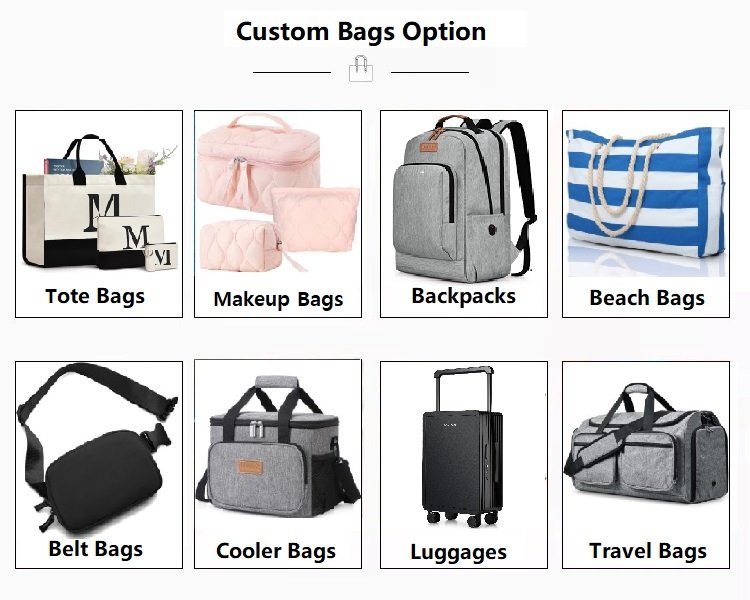
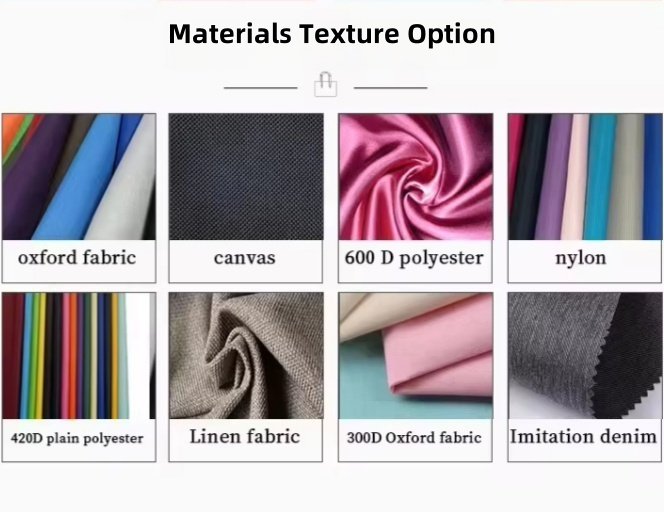
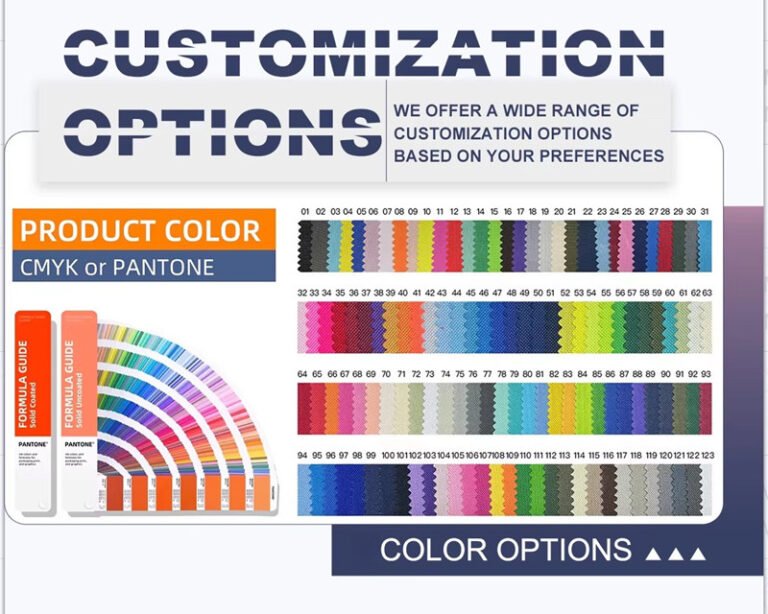
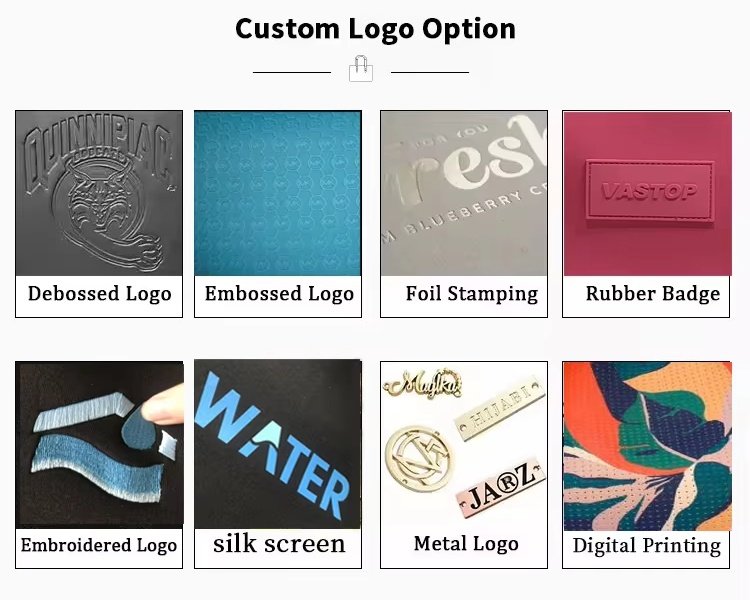
Client Testimonials
800+ brand Clients Trust Jundong



FAQs About Soft Luggage Structure
These ten common procurement questions explain material selection, internal support, mobility, expansion, sampling, order control, MOQ, timing, and quotation requirements before development begins.

Which material is best for soft luggage?
The best soft luggage material is the one that matches product position, target weight, expected wear, appearance, cost, and structure. Polyester Oxford supports broad color planning and controlled cost; nylon can offer a refined hand and strong travel positioning; ballistic nylon suits heavier, premium durability programs. Fiber name alone is not enough. Confirm denier, weave, fabric weight, coating, backing, abrasion, tear behavior, seam response, and the approved panel location before final selection.
Does higher denier always mean stronger luggage fabric?
No—higher denier does not automatically mean stronger or longer-lasting luggage. Denier describes yarn size, while actual performance also depends on fiber quality, yarn construction, weave density, fabric weight, coating, backing, and sewing. A well-specified 900D or 1000D fabric may perform better for a selected case than a poorly constructed 1680D alternative. Compare physical swatches, test data, finished weight, seam thickness, and the complete suitcase structure rather than choosing the largest number.
What keeps soft luggage from losing its shape?
Soft luggage holds its shape through boards, EVA, foam, support strips, webbing, lining, base parts, trolley mountings, and controlled seams. The correct combination depends on case size and intended load. Too little support can cause leaning or collapse; too much can add weight, reduce capacity, create hard edges, and complicate nesting. Review empty shape, loaded shape, recovery after pressure, packing method, and every support material’s exact location.
How do trolley systems affect internal luggage capacity?
Trolley systems reduce some internal packing space because tubes, mountings, covers, and reinforcement occupy part of the rear compartment. Tube spacing, mounting depth, grip width, and extension stages influence both handling and usable volume. A wider system may improve pulling stability while taking more width; a compact system may preserve space but concentrate force. Capacity should be measured after the trolley cover, lining, dividers, and compression parts are installed—not from the textile shell alone.
Are double spinner wheels better than single spinner wheels?
Not always—double spinner wheels are not automatically better than single spinner wheels. Double wheels can distribute contact, create a fuller premium appearance, and support stable movement on suitable surfaces, but they add components, housing size, weight, and cost. Single spinners may suit lightweight or compact luggage. Compare wheel diameter, tread, bearing movement, housing reinforcement, ground clearance, noise, turning, loaded tracking, repair access, and the approved test method before choosing either format.
How does expansion affect soft luggage stability?
Expansion adds usable capacity but also changes depth, center of gravity, zipper tension, sidewall shape, packed dimensions, and rolling balance. A wider gusset is not automatically more useful if the loaded case leans, twists, or becomes difficult to close. Define expansion width, limiter or compression method, front-pocket load, closed and expanded dimensions, carton impact, and stability criteria. The expanded case should be reviewed as a separate structural condition, especially for 24-inch and 28-inch checked luggage.
What should a soft luggage sample verify?
Absolutely—a useful soft luggage sample should verify far more than color and appearance. Check full external dimensions, empty weight, internal capacity, fabric, board placement, trolley movement, wheel alignment, handle balance, zipper corners, expansion, standing stability, lining, branding, labels, and packing. Review the sample empty, normally loaded, and expanded where applicable. Record corrections with measurements, component codes, photographs, cost impact, and version dates before sealing the final approval sample.
How is sample-to-bulk consistency controlled?
Certainly, consistency is controlled through a sealed sample, coded materials, dated patterns, a complete bill of materials, component records, and first-unit approval. Inline checks should focus on hidden or difficult-to-repair areas such as boards, trolley mountings, wheel plates, handle webbing, zipper ends, and expansion limits. Any change to fabric, coating, board thickness, wheels, trolley parts, labels, or packing should be approved before it spreads across sizes or SKUs.
What MOQ and lead time apply to custom soft luggage?
Jundong’s standard MOQ is usually 500 pieces per design. Selected simple styles may be reviewed at 200–300 pieces case by case, while some basic low-unit-value products may require 1,000 pieces or more. Sampling usually takes 5–7 days after key details and materials are confirmed; complex trolley, wheel, molded, or multi-size programs may take longer. Bulk production commonly takes 20–30 days after sample approval, deposit, material confirmation, and complete order files, with transit planned separately.
What details are needed for an accurate quotation?
Of course—a reference photo can start the review, but an accurate quotation needs complete product and order details. Provide the product type, 20/24/28-inch plan, dimensions, target empty weight, material direction, support structure, trolley and wheel requirements, expansion, handles, zippers, Logo artwork, quantity, colors, SKU plan, packing, testing, destination, and required timing. Clear information allows structure, MOQ, sample work, unit cost, production schedule, carton volume, and delivery arrangements to be reviewed with fewer later changes.
Send Your Soft Luggage Project for Review
A complete technical file is not required for the first review. A reference photograph, existing suitcase, drawing, material direction, or collection idea can provide a useful starting position. Clearer project information allows Jundong to assess external dimensions, empty weight, fabric construction, internal support, trolley space, wheel format, base reinforcement, expansion, sampling, packing, MOQ, timing, and cost with fewer assumptions.
Please include the available details:
- carry-on, checked spinner, two-wheel upright, rolling duffel, or semi-structured format
- planned 20, 24, or 28-inch sizes
- complete external dimensions and target empty weight
- fabric, lining, coating, board, EVA, and foam direction
- trolley, wheel, base, handle, zipper, lock, and expansion requirements
- Logo artwork, Pantone colors, labels, barcodes, and SKU plan
- estimated quantity per size, color, and design
- unit packing, nesting, cartons, destination, and required delivery date
- testing, inspection, retailer, or regional document requirements
Drawings, photographs, specifications, and packing files may also be sent to info@jundongfactory.com. The project team will review the supplied information and identify any missing structural or commercial details before quotation or sampling begins.