 Skip to content
Sample-to-Mass Production Bag Factory
Looking for a bag factory that can take your project from sample to bulk production with better control? We support brands, importers, wholesalers, and private label programs with sample development, sample revision, PP sample follow-up, and stable mass production. Our team helps with material selection, construction review, logo application, packaging setup, quality control, and repeat-order consistency for tote bags, backpacks, cosmetic bags, travel bags, cooler bags, tool bags, and other custom bags.
What Sample-to-Bulk Really Means
A real sample-to-mass production bag factory should do more than make one workable sample. It should be able to turn that approved sample into stable bulk production with controlled materials, repeatable sewing methods, and clear inspection points. For many bag projects, this is where cost loss happens. The sample looks right, but bulk output drifts in color, size, seam quality, logo position, or overall shape.
(1) What should be locked before bulk
A stronger sample-to-bulk process usually includes:
confirmed tech details such as dimensions, tolerance, stitch type, reinforcement zones, and logo position
material confirmation with swatches, codes, and batch notes
a PP sample based on the real bulk material route
a QC plan covering incoming, in-process, and final checks
a change-control rule showing what can still change after approval
(2) Where projects usually break
The most common failure areas are:
unlocked materials causing color or hand-feel changes
unclear tolerances causing fit or size problems
process drift causing stitching or shape inconsistency
uncontrolled changes after approval
(3) Common project types that need stronger control
This matters especially for:
trial orders moving into larger runs
retail bag programs with stricter delivery timing
promotional bags needing stable logo and color
functional bags with inserts, reinforced stitching, or load-bearing zones
multi-SKU bag orders where consistency is harder to maintain
(4) What to request before production starts
A stronger factory should be able to provide:
confirmed BOM
logo spec
measurement and tolerance table
PP sample plan
QC checkpoints
packaging spec
production update schedule


Step-by-Step Sample-to-Bulk Control
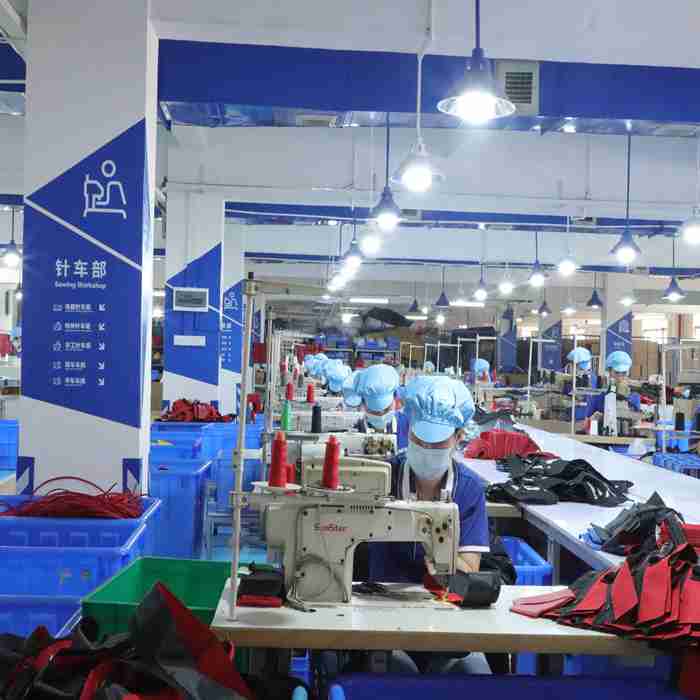
A real sample-to-mass production bag factory should have a clear process that connects sampling, technical control, QC, and bulk planning. The goal is not only to make a good sample. The goal is to keep that approved sample aligned with real production.
(1) A practical sample-to-bulk workflow
A stronger workflow usually includes these stages:
- RFQ review: confirm use case, quantity, material direction, key risk areas, and any special structure needs
- spec lock: confirm dimensions, tolerance, structure details, stitching type, reinforcement zones, and logo position
- prototype sample: check structure and overall look
- revision control: record every change, including impact on cost and lead time
- PP sample: build the pre-production sample with the real material route and intended bulk methods
- pilot run: review repeatability on a small run before scaling
- mass production: run incoming, in-process, and final QC
- packing and shipment: confirm pack spec, barcode, carton marks, and final release checks
(2) What should be approved at each stage
To reduce “sample right, bulk different” problems, buyers should confirm:
- prototype: overall look and structure logic
- PP sample: locked BOM, logo method, and stitching standard
- pilot run: repeatability and visible defect trend
- mass production: stability, progress, and inspection results
(3) CTQ checkpoints that matter most
The most useful critical-to-quality points often include:
- logo placement tolerance
- stitch density and seam allowance
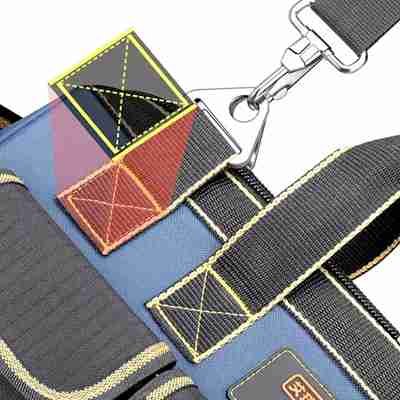
- reinforcement at handles, straps, and load-bearing corners
- material batch control, including color and hand-feel consistency

Spec Locking for Fewer Surprises
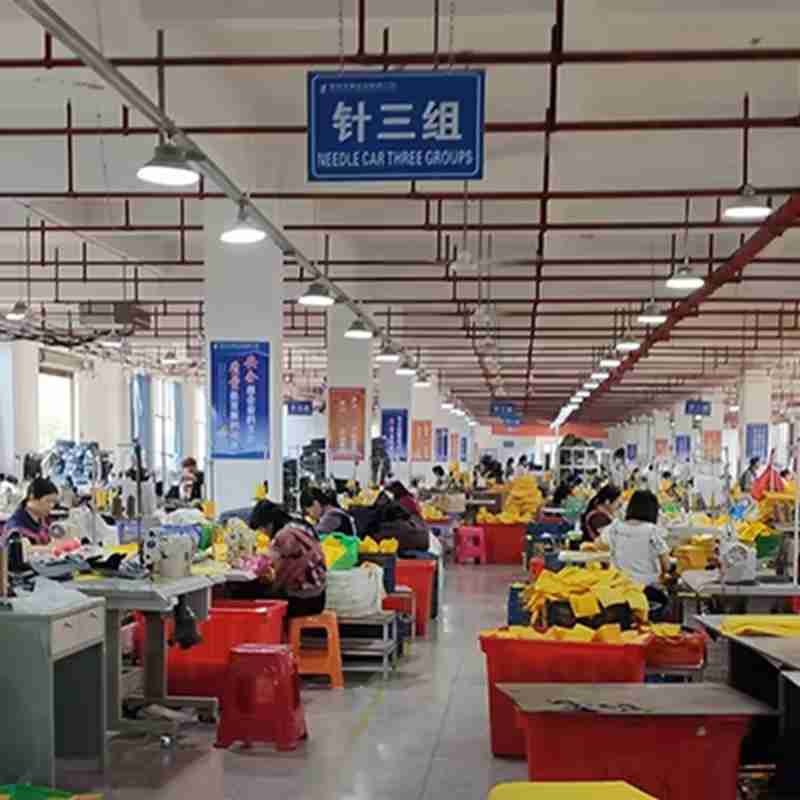
A stable sample-to-mass production process usually starts with clear spec locking. Before the PP sample stage, three documents are especially important because they help reduce hidden changes, repeated revisions, and bulk inconsistency.
(1) Tech pack
A useful production spec should lock the core bag structure, including:
- flat size and finished size
- pocket, panel, and zipper layout
- stitching standard, seam allowance, and reinforcement zones
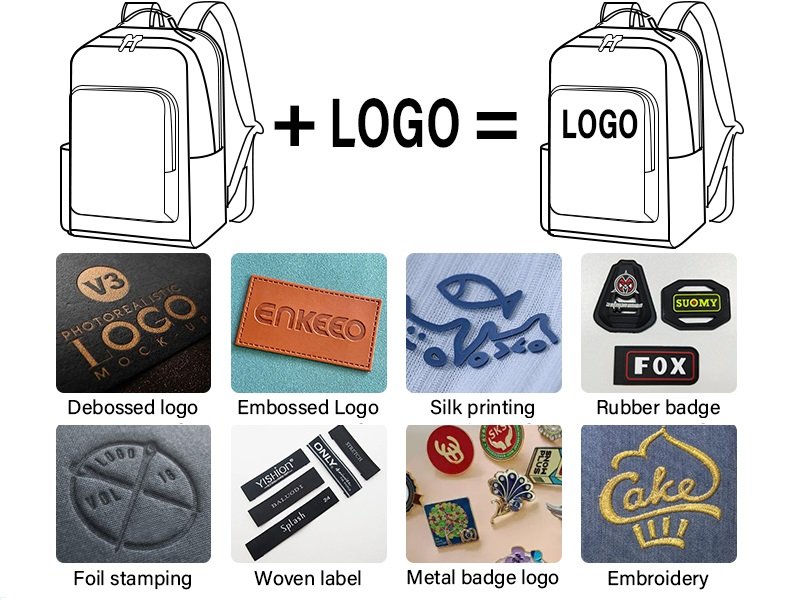
- logo method and placement reference
- key control points such as strap anchors, load-bearing seams, EVA edges, or waterproof areas
(2) BOM
A clear bill of materials should record the real material route, such as:
- main fabric, leather, PU, PVC, or neoprene type and code
- lining, foam, padding, or EVA details
- zipper, slider, buckle, ring, and hardware finish
- webbing, binding, and thread specification
- packaging items such as polybag, hangtag, or carton spec
(3) Tolerance table
A practical tolerance table should define both the measurement method and the acceptance limit. Common points include:
- overall bag width and height
- pocket opening size
- strap length
- zipper length
- logo position
- barcode or safety-mark placement when required
(4) What to include in your spec lock request
A cleaner RFQ usually covers:
- product use case and target market
- quantity by SKU and total order plan
- material references and required properties
- logo files and preferred method
- color reference and batch-matching rule
- function priorities such as load-bearing, insulation, EVA insert, or multi-compartment layout
- packaging direction for retail or shipment use


PP Sample as Bulk Reference
A PP sample should be treated as the real bulk reference, not simply the last sample before production. For a true sample-to-mass production bag factory, the PP sample should reflect the same material route, structure, stitching method, and packaging direction that will be used in the final order. If this stage is weak, the risk of sample-to-bulk drift becomes much higher.
(1) What a valid PP sample should include
A stronger PP sample usually needs:
- the final BOM, including main fabric, lining, foam or padding, and hardware model
- the intended bulk process, such as stitching standard, reinforcement method, binding, and edge finishing
- checked measurements and tolerances for size, logo position, pocket openings, and strap length
- packaging direction that matches retail or shipment needs
- a locked change-control rule so later changes cannot happen without record and approval
(2) What should be reviewed during PP approval
A practical PP review often checks:
- logo method, color, and placement
- pocket layout and zipper performance
- handle stability and reinforcement zones
- stitch density, seam allowance, and symmetry
- key CTQ points such as strap anchors, load-bearing seams, and waterproof areas when applicable
A useful PP sign-off pack should include:
- BOM
- tolerance table
- QC checkpoints
- PP photos
(3) Common PP problems to avoid
Typical problems often include:
- PP built with “similar” materials instead of the approved material code
- PP made by a senior sample maker, but bulk line setup is different
- no signed tolerance sheet
- logo placement without fixed reference points
(4) A safer PP workflow
For more complex projects, such as multi-compartment bags, EVA insert bags, reinforced stitching bags, or load-bearing bags, a pilot run after PP approval is often a safer step. This makes bulk planning more predictable and helps reduce avoidable variation later.
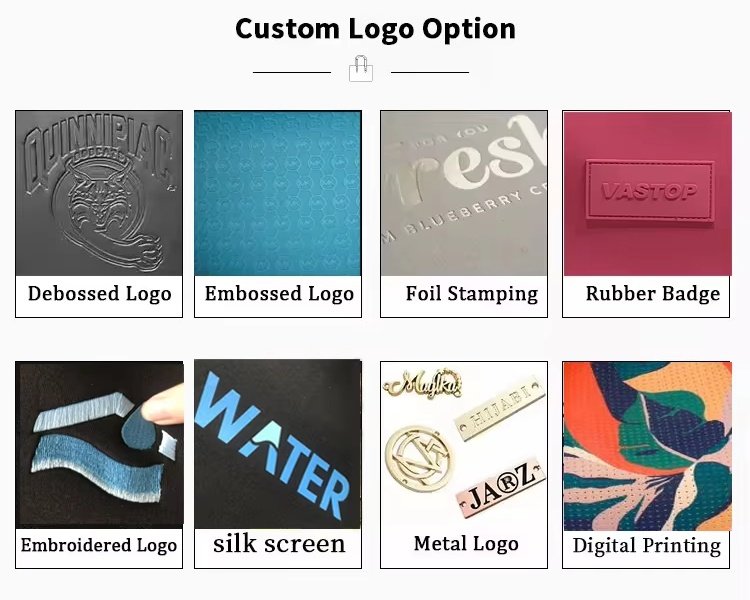
Prove Repeatability Before Scaling
A pilot run helps confirm whether an approved sample can be repeated steadily before full production begins. This step is especially useful for bag projects with new structures, multiple materials, tighter tolerances, reinforced stitching, EVA support, or multi-SKU layouts. When these factors are involved, going directly from sample approval into bulk can increase the risk of defects, variation, and packing mistakes.
When a pilot run is worth adding
A pilot run is often a better choice when the bag includes:
- a new pattern, pocket layout, or strap system
- mixed materials such as PU, coated fabric, foam, or binding
- tighter control points like logo placement, load-bearing anchors, or waterproof seams
- structured parts such as EVA inserts or shape-retention panels
- multiple SKUs with different labels, colors, or carton plans
How many units are practical
Pilot quantity should follow project complexity, not guesswork:
- simple tote or pouch: 10–20 pcs
- backpack or multi-compartment bag: 30–50 pcs
- load-bearing or functional bag: 50–100 pcs
- multi-SKU styles: 10–30 pcs per SKU
The purpose is not volume. It is to test whether the bag can stay stable across repeated production.
What should be checked
A useful pilot review usually covers:
- defect-rate trend
- CTQ pass rate for size, logo, and reinforcement zones
- consistency across different operators or stations
- packing accuracy, label correctness, and carton flow
- whether the bag still matches the approved sample in look and function
First Article after pilot
After adjustments, one unit should be fixed as the First Article. This becomes the line reference for production and should match the tech pack, BOM, and tolerance table.
A safer scale-up path is usually:
PP sample → pilot run → First Article → mass production
This approach gives better visibility before larger quantities begin and makes bulk output easier to control.

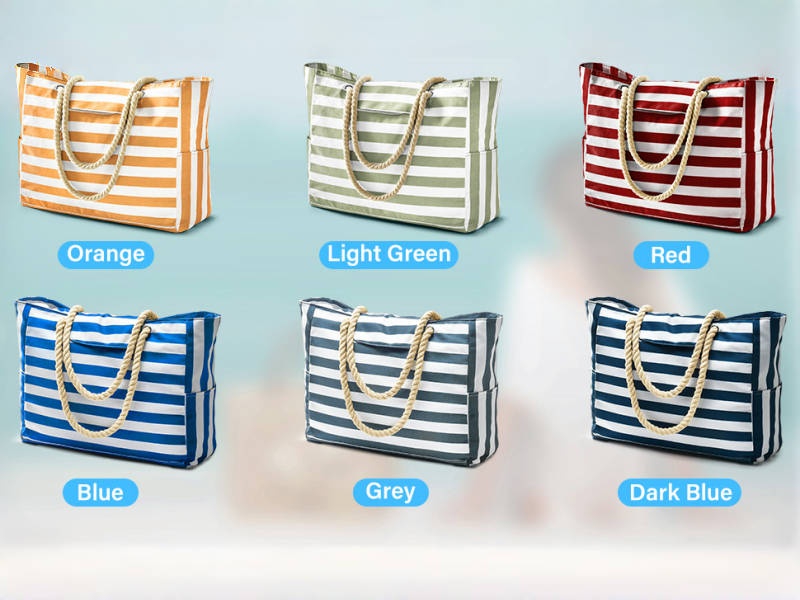
In-Line QC for Bulk Consistency
For bag projects, bulk quality stays stable only when inspection is built into the full production flow. A strong QC system should not rely on a single final check. It should control materials, key sewing steps, logo placement, reinforcement zones, measurements, and packing accuracy throughout production.
(1) Three QC layers are expected for customers
A practical QC system usually includes:
- incoming checks: confirm fabric code, color lot, zipper model, webbing width, foam or padding thickness, and other BOM details before they enter production
- in-line checks: review cutting accuracy, logo placement, reinforcement stitching, zipper installation, binding, and assembly at defined checkpoints
- final checks: confirm appearance, measurements, function, packing accuracy, and carton condition before shipment
(2) Use clear defect grading
To reduce disputes, defects should be grouped by impact:
- critical: safety, legal, or serious brand risk, such as a wrong warning label or a broken zipper
- major: likely to cause complaints, such as weak strap anchors, wrong pocket layout, or logo outside tolerance
- minor: low-impact appearance issues, such as small thread tails or light wrinkles
(3) Track QC at the process level
A useful process-based QC plan often checks:
- cutting size against pattern
- logo placement by measurement
- reinforcement such as box-X or bar-tack quality
- zipper alignment and smooth running
- final size and function before packing
(4) What buyers should look for in updates
A stronger production update usually includes:
- output versus plan
- top defects found and corrective action
- any material batch change request
- photos from key checkpoints such as logo stage, reinforcement, and final packing
(5) Why this matters
Bulk consistency comes from system control, not from promises. When QC is structured, the approved sample becomes a real production reference, and the full order becomes easier to manage with fewer last-minute surprises.
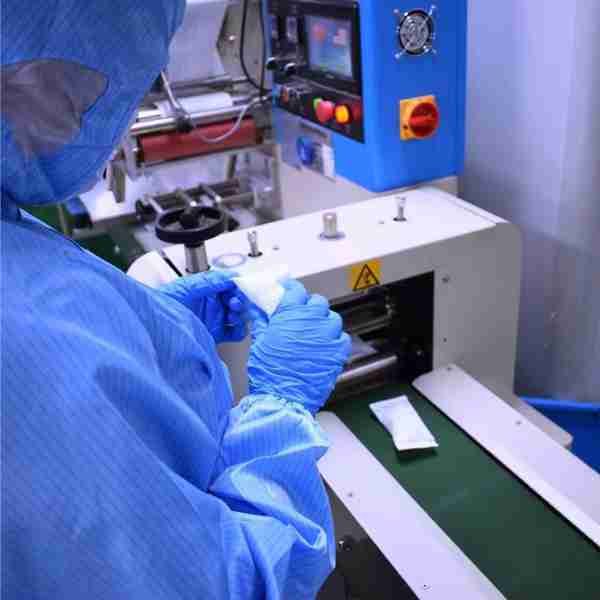

Prevent Cost and Lead-Time Surprises
For bag projects, change control is a key part of any real sample-to-mass production process. When changes are not managed clearly, bulk orders often run into the same problems: specification drift, cost disputes, and delayed delivery. A small change made informally during production can quickly affect materials, stitching, logo placement, packaging, and lead time.
(1) Why change control matters
Without clear change control, common issues include:
- slight adjustments that create bulk inconsistency
- material substitutions that change cost
- rework that pushes delivery later
- unclear responsibility when results differ from approval
A stronger process keeps every change visible before it spreads through production.
(2) Three levels of order changes
A practical way to manage changes is to group them by impact:
- cosmetic changes: thread color, small label text, minor appearance edits
- functional changes: pocket layout, zipper model, strap length, closure details
- structural or process changes: pattern update, material swap, reinforcement change, packaging route shift
Cosmetic changes may only need documentation. Functional and structural changes usually need formal re-approval, and some may require a new PP sample or pilot run.
(3) Use a written change rule
A safer rule is simple: after PP approval, no change should move forward unless it is recorded in writing and approved by both sides. This helps protect:
- cost control
- lead-time visibility
- sample-to-bulk alignment
- clearer responsibility during production
(4) What a change request should include
A useful change request usually records:
- project or SKU
- request date
- what changes
- reason for the change
- which parts are affected
- cost impact
- lead-time impact
- whether a new PP sample or pilot is needed
- approval from both sides
(5) Good change control saves time
Clear change control does not slow a project down. It usually reduces:
- avoidable arguments
- extra rework
- hidden cost increases
- confusing production updates
When changes are grouped clearly and reviewed in one round, production stays easier to manage and, bulk output stays more predictable.
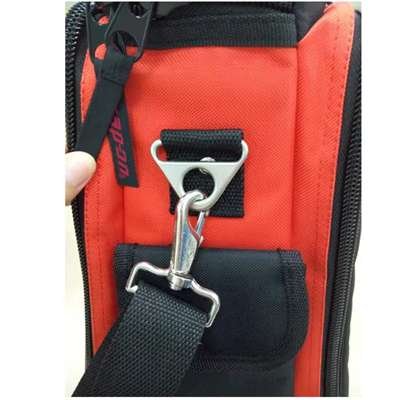
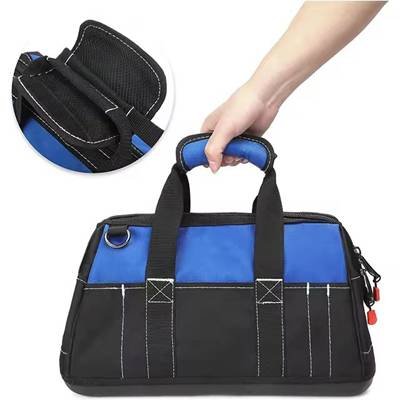
Manage Multi-SKU Orders at Scale
For bag projects, sample-to-mass production becomes much harder once more variants are added. Different colors, sizes, logo placements, accessory kits, or packaging types can quickly create confusion if the order is not controlled by SKU. A stronger factory system should be able to keep each version separate and repeatable from production to shipment.
(1) Start with a clear SKU structure
A practical rule is simple:
One SKU means one spec set.
Each SKU should connect to its own:
BOM
tolerance table
logo spec
packaging spec
A clean naming format also helps, such as:
Brand – Model – Color – Size – Version
This makes order handling clearer during production, QC, and shipment.
(2) Lock color and accessory differences early
Variation should be visible before production begins. A more stable setup usually includes:
Pantone or physical swatch reference for each color
One approved color lot per SKU, where possible.
clear kit list if the difference is in zipper pull, hangtag, insert, or label
(3) Use process controls during production
A stronger multi-SKU system usually includes:
physical bin separation by SKU
bundle cards or work-in-process ID
first-piece checks for each SKU
in-line QC by color, logo, or label version
carton checklist and final tally before shipment
These controls help prevent wrong assembly, wrong label use, or mixed carton contents.
(4) Keep packing rules simple
The safest packing rule is:
One carton means one SKU
If mixed cartons cannot be avoided, a stronger fallback is:
inner polybag separation
clear SKU labels
carton map
pack-out photos for each SKU
(5) Why this matters
Multi-SKU orders do not fail because variation exists. They fail when variation is not organized clearly. Better SKU control helps protect:
production accuracy
packing accuracy
shipment clarity
reorder stability
smoother order adjustments later


Lead Time You Can Control
For bag projects, lead time should be managed as a chain of linked milestones, not as a rough promise. A stable delivery plan usually depends on how well the factory controls material timing, approval timing, line scheduling, QC checkpoints, packing progress, and shipment release. When one step slips, the next step usually shifts with it.
(1) What really affects lead time
The main timing factors often include:
- material readiness, such as fabric, zipper, hardware, webbing, or color lot confirmation
- approval timing, including PP sample, pilot run, or first article sign-off
- line planning, especially for mixed orders or multi-SKU production
- QC gates, including rework and re-inspection time
- shipping method, such as air, sea, express, and pickup scheduling
(2) Milestones partners should request
A stronger production plan usually confirms these dates in writing:
- material confirmation
- material arrival
- cutting start
- sewing or line start
- mid-production QC gate
- final QC and pack-out start
- shipment release
- pickup or ETD window
(3) Useful questions before deposit
Before production starts, it helps to ask:
- Which materials have the longest lead time
- when changes will be frozen
- how updates will be shared
- whether rework time is included in the schedule
- how multi-SKU sequencing will be controlled
(4) Early warning signs to watch
A stronger factory should flag risk early when:
- material arrival slips several days
- PP approval is delayed
- defect rate rises during mid-production checks
- packaging items such as hangtags, inserts, or cartons are not ready
(5) Why this matters
Lead time becomes easier to control when production updates follow visible checkpoints instead of vague status messages. Clear milestone control helps reduce delay, improves coordination, and makes bulk delivery more predictable.


What Drives Sample-to-Bulk Pricing
For custom bag projects, price changes between sample stage and the bulk stage are common, but they should not feel unpredictable. A clearer quote usually comes from understanding which parts of the project are one-time development costs and which parts are repeat production costs. When these cost drivers are visible early, it becomes much easier to control changes and avoid mid-project surprises.
(1) The main cost groups
A bag quote is usually built from several core parts:
- materials: fabric, lining, foam, padding, webbing, binding, thread
- hardware: zipper, slider, buckle, ring, puller
- operations: cutting, sewing, reinforcement, binding, assembly
- logo and decoration: embroidery, print, patch, label
- packaging: polybag, hangtag, insert, carton, barcode label
- development and control: pattern work, sample revisions, QC load, yield loss
(2) Why are the sample cost and the bulk cost different
A sample often includes more one-time work, such as:
- new pattern development
- manual adjustment
- slower handling
- higher material waste during trial stages
Bulk production usually lowers unit cost because:
- materials are purchased in larger lots
- sewing flow is more stable
- rework can be reduced
- labor is spread across more pieces
(3) What usually changes the price later
The most common price-change triggers include:
- material swap after approval
- added sewing steps or reinforcement
- tighter tolerances and more QC work
- custom hardware or special trims
- upgraded packaging
- more SKUs with different labels or pack-out rules
(4) How to keep pricing more stable
A stronger way to reduce price drift is to:
- lock the tech pack, BOM, and tolerance table early
- record all changes in writing
- confirm packaging before bulk
- use pilot runs for higher-risk designs
- simplify SKU variation where possible
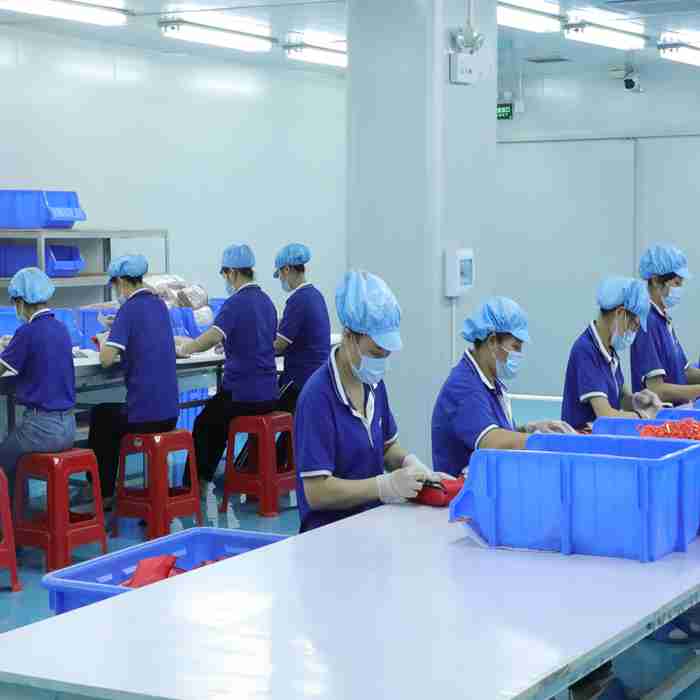

Make A Sample First?
See your idea come to life before mass production.
At Jundong Factory, we offer free design mockups and custom samples to ensure every detail is perfect — from material and color to logo placement and stitching.
Start your project with confidence today: info@jundongfactory.com.
Sample-to-Mass Production FAQs
What documents should I get from a bag factory before paying a deposit for mass production?
Before paying a deposit, you should lock the product definition, approval standard, and production control documents in writing.
For a sample-to-mass production bag project, the most useful files are the ones that remove guesswork before bulk starts. The first is the tech pack, which should show finished dimensions, structure layout, pocket details, logo position, stitching method, reinforcement zones, and key workmanship notes. The second is the BOM, covering main fabric, lining, foam or padding, zipper model, webbing, hardware finish, thread, and packaging components. The third is a tolerance table so size, logo position, and strap length can be judged by measurement instead of opinion.
You should also ask for a CTQ checklist, a PP sample approval package, a production milestone plan, and a clear change-control rule. If the order includes multiple variants, request a SKU control sheet and carton rule before deposit as well.
These documents help reduce re-quotes, bulk drift, late disputes, and delivery surprises. A serious bag factory should be able to provide them clearly before bulk begins.
How do I avoid “sample looks good, but bulk quality drops” when the order scales up?
Bulk quality usually drops when the approved sample is not turned into a repeatable production standard.
A development sample may be made by a senior sample maker with extra care, but bulk production runs through a line with more operators, a faster pace, and more material handling. That is why a good-looking sample alone is not enough for a custom bag manufacturer project.
To reduce this risk, start with a PP sample built with the final BOM and intended bulk methods. Then use a pilot run when the bag is more complex, such as a backpack, multi-compartment bag, EVA case, reinforced stitching bag, or waterproof bag. After pilot adjustments, seal the first article as the real line reference. During production, ask for in-line QC on CTQ areas such as logo placement, reinforcement zones, key dimensions, zipper function, and pocket layout.
For mixed orders, add SKU control so labeling, color, and pack-out do not drift. Also, request production updates that show output, defect trend, corrective action, and checkpoint photos.
A strong bag factory not only makes a nice sample. It proves that the same bag can be repeated in bulk with stable quality.
What’s a reasonable tolerance for dimensions and logo placement in custom bags?
Reasonable tolerance should match the bag type, structure, material, and the real function of the product.
For many custom bags, a practical starting reference is ±5 mm for key dimensions and ±3 mm for logo placement, but these numbers should not be applied blindly. A soft tote bag, structured backpack, padded cosmetic bag, insulated cooler bag, and EVA case will not all behave the same way in production. Fabric thickness, foam compression, seam buildup, and reinforcement details can all change how stable the final size appears.
The smartest approach is to apply a tighter tolerance only where it protects function or branding. That often includes logo position, strap length, pocket opening, zipper length, and finished width or height when those affect display, fit, or packing. For less critical areas, tolerance can be slightly wider to reduce rework and lead-time pressure.
Just as important as the number is the measurement method. The factory should define whether the bag is measured flat or filled, which edges are reference points, and how the logo position is checked. When tolerance and method are locked together, disputes become much easier to avoid.
How can I verify a factory truly has “sample-to-mass production” capability, not just good samples?
A true sample-to-mass production bag factory should be able to repeat results, not just create one attractive sample.
The fastest way to judge this is to look at the system behind the sample. Ask whether the factory can provide a clear tech pack, BOM, tolerance table, PP sample package, QC checkpoint plan, and production update format. If the team only shows sample photos but cannot explain how the same result will be controlled in bulk, the risk remains high.
A capable factory should also know when to recommend a pilot run and first article approval, especially for multi-compartment bags, load-bearing bags, waterproof bags, EVA insert bags, promotional bags, backpacks, and multi-SKU orders. It should be comfortable discussing CTQ points, material batch control, logo tolerance, reinforcement zones, and pack-out rules.
For mixed orders, ask how they prevent wrong labels, wrong zipper pulls, wrong hangtags, or mixed cartons. Good answers usually include bin separation, WIP cards, SKU sheets, in-line checks, and packing photos.
A factory with real repeat-production strength usually talks about risk control, not only about sewing. Good samples are useful, but process discipline is what protects your bulk order.
For multi-SKU mixed orders, how should inspection and packing be managed to avoid mix-ups?
Multi-SKU orders need SKU-based control from production to packing, not just a general QC check at the end.
In many mixed orders, what looks like a quality problem is actually an order-control problem. A bag may have the correct workmanship, but still ship with the wrong logo file, zipper pull, color tag, hangtag, insert, or carton mark. That is why every SKU should be managed as its own controlled version.
A safer system starts with one SKU linked to one spec set, including BOM, tolerance, logo file, label format, and pack-out rule. During production, materials should be separated by SKU using bins, signs, or WIP cards. In-line QC should confirm the first few units of each SKU, then continue with hourly checks for logo placement, key dimensions, and trim accuracy.
For packing, the best practice is one carton = one SKU whenever possible. If mixed cartons cannot be avoided, use inner bags with clear SKU labels and a carton map. Before shipment, the factory should reconcile finished quantity, carton marks, and shipping list by SKU.
This kind of control is especially important for retail bag orders, private label bags, branded promotional bags, and multi-color collections, where small mix-ups become expensive.
What payment terms and inspection checkpoints are safest for bulk bag orders?
The safest payment structure is the one tied to verified production milestones, not vague promises.
For many bulk bag orders, it is safer to connect payment to measurable checkpoints. A common structure is deposit after the PP approval package is signed, then a later payment tied to production progress or pilot approval, with the balance linked to pre-shipment inspection and pack-out confirmation. This works better than paying against a product definition that is still changing.
Inspection checkpoints should also match the project risk. A simpler tote bag or pouch may only need PP approval and final inspection. A more complex backpack, multi-compartment bag, reinforced stitching bag, EVA case, cooler bag, or waterproof bag may need PP, pilot run, first article, in-line QC, and final inspection before shipment release.
It is also wise to define defect grading, rework responsibility, re-inspection timing, and shipment release rules before production starts. That keeps decisions clearer if something goes wrong.
A safer bulk order is not created by one final inspection alone. It comes from linking money, milestones, approval, and inspection together in a way both sides can follow.
How long does it usually take to go from sample approval to mass production for custom bags?
The timeline from sample approval to mass production depends on how quickly materials, approvals, QC gates, and packing decisions are locked.
For custom bags, lead time is not a single block. It is a chain. The main stages often include spec lock, PP sample build, PP approval, pilot or first article when needed, material arrival, cutting, sewing, in-line QC, final inspection, pack-out, and shipment release. If any one of these moves is late, the whole order can shift.
The biggest drivers usually include material readiness, line allocation, order quantity, project complexity, and approval speed. A simple tote bag or cosmetic bag usually moves faster than a backpack, multi-compartment bag, EVA insert case, waterproof bag, or multi-SKU private label order.
Buyers can help shorten the cycle by sending complete files early, locking swatches and codes before PP, setting a fast approval rhythm, and avoiding verbal changes after approval. For mixed orders, it also helps to finalize SKU naming and pack-out rules before production begins.
A stronger factory should provide a milestone plan instead of only one promised date. Clear checkpoints make delivery timing easier to follow and much easier to manage.
What information should I include in an RFQ to get an accurate quote and avoid re-quoting later?
A strong RFQ should define product, structure, materials, logo, packaging, and approval expectations clearly enough to reduce assumptions.
Many re-quotes happen because the original inquiry only shows a reference photo but does not define what the bag actually needs. For a more accurate quote, include the bag type, intended use, target quantity, size, and whether the order is a trial run, first launch, or repeat program. Then describe the structure: compartments, pocket layout, zipper or closure type, reinforcement needs, and any special function such as waterproofing, insulation, EVA insert, or load-bearing support.
Material details are also important. Include fabric direction, lining, foam or padding, webbing, zipper model, hardware tone, and preferred color reference when possible. For branding, send the logo file, preferred method, approximate size, and position reference.
Do not forget packaging. Mention whether the bag is for retail display, e-commerce shipment, gifting, or export carton packing. If PP sample, pilot run, QC checkpoints, or barcode rules are expected, include those as well.
A better RFQ helps the factory price the real project, not a rough guess based on incomplete information.
When should a PP sample be approved, and what should be checked before giving sign-off?
A PP sample should only be approved when it reflects the real bulk route, not just the visual look of the bag.
For a sample-to-mass production bag project, the PP sample is the closest preview of what bulk production should follow. That means it should be made with the intended main material, lining, hardware, stitching method, reinforcement detail, logo method, and packaging direction. If the PP sample still uses “similar material” or temporary trims, approval becomes much less reliable.
Before sign-off, it helps to check:
- overall size and key measurements
- logo position and logo method
- stitching density and seam cleanliness
- zipper model and running performance
- handle, strap, and reinforcement zones
- lining, foam, EVA, or insert details if used
- polybag, hangtag, barcode, or carton spec when relevant
For backpacks, tote bags, cosmetic bags, travel bags, cooler bags, tool bags, and private label bag collections, a weak PP review often leads to sample-to-bulk drift later. A stronger PP approval process reduces confusion, protects lead time, and gives the factory a clearer standard before line setup begins.
When is a pilot run necessary for custom bag production?
A pilot run is most useful when the bag has enough complexity that one PP sample alone is not enough to prove bulk repeatability.
Not every bag project needs a pilot run. For a simpler tote bag, pouch, or basic cosmetic bag, PP approval plus clear QC checkpoints may already be enough. But once the project includes a multi-compartment structure, reinforced stitching, EVA insert, coated material, waterproof seams, tighter logo tolerance, or multiple SKUs, a pilot run becomes much more valuable.
A pilot run helps check:
- whether the line can repeat the same structure across multiple pieces
- whether stitching and reinforcement stay stable across operators
- whether logo placement remains consistent
- whether the packing team can follow the right SKU and label rules
- whether defect trends are random or repeatable
This is especially helpful for backpacks, tool bags, cooler bags, travel bags, functional bags, and mixed-order programs.
The goal of a pilot run is not just to make a few extra bags. It is to prove that the approved version can survive real production conditions before larger quantities begin. That often saves both time and correction costs later.
How do production updates help keep a bag order under control?
Good production updates help turn a large bag order into a trackable process instead of a guessing game.
For many custom orders, delays and disputes happen because the buyer only hears “production is going fine” until a problem appears too late. A stronger sample-to-mass production bag factory should provide updates linked to real milestones and visible checkpoints.
Useful update content often includes:
- output versus plan
- material arrival status
- cutting and sewing progress
- top defects found during in-line QC
- corrective action already taken
- photos from the logo stage, reinforcement stage, and final packing
- packing progress and shipment readiness
This matters even more for multi-SKU bag production, private label bags, promotional bags, retail programs, and orders with fixed delivery windows.
Production updates are not only for reassurance. They help buyers react earlier if material slips, packaging items are missing, defect rate rises, or PP-related issues reappear in bulk. When updates are structured, communication becomes cleaner, approval becomes faster, and last-minute surprises become easier to avoid. For complex bag projects, visible production rhythm is often one of the clearest signs of stronger factory control.
How can I reduce cost without damaging sample-to-bulk consistency?
The safest way to reduce cost is to simplify controlled areas without changing the parts that protect repeatability.
In a custom bag manufacturer project, cost reduction should not happen blindly. Some changes are relatively safe, while others can quickly damage bulk stability. For example, changing a decorative trim, simplifying packaging, or reducing unnecessary accessory variation may be manageable. But changing the main fabric, reinforcement method, zipper model, foam thickness, or logo method too late can create new risks in both quality and lead time.
Safer cost-control directions often include:
- using a proven bag structure instead of building from zero
- reducing the number of SKUs or colorways
- simplifying pack-out or retail add-ons
- choosing standard hardware where possible
- controlling decoration complexity
Higher-risk cost cuts often include:
- late material substitution
- removing reinforcement at stress points
- tightening timeline while adding revisions
- changing packaging after production planning has started
For backpacks, tote bags, travel bags, tool bags, and private label bag collections, the best cost balance usually comes from locking the real CTQ areas early, then simplifying around them. That helps reduce price pressure without making the bulk result less stable.
Everything You Need to Know Before Customizing Your Bags
For many bag projects, the biggest risk is not whether the first sample looks good. The bigger risk is whether that approved sample can be repeated in bulk with stable materials, dimensions, stitching, logo placement, packaging, and delivery timing. This FAQ section focuses on the questions that matter most when moving from sample development to mass production.
The key issues usually include: what should be locked before PP approval, how to prevent sample-to-bulk drift, when a pilot run is worth adding, how to control multi-SKU variation, which QC checkpoints protect consistency, how lead time is managed through milestones, and what documents help avoid cost or shipment surprises.
These questions are especially useful for teams working on custom tote bags, backpacks, travel bags, cosmetic bags, tool bags, cooler bags, promotional bags, and private label bag collections.
Clear FAQ content also helps cover practical searches, such as sample to mass production bag factory, PP sample approval, bulk consistency control, pilot run for bags, multi-SKU bag production, and a custom bag factory with in-house QC.
