Skip to content
Reusable Grocery Bags Built For Real Shopping Use
Reusable grocery bag manufacturer for custom retail, supermarket, private label, grocery delivery, farmer, and bulk shopping bag programs. Compare non-woven, PP-woven, RPET, cotton, canvas, foldable, and mesh products, and insulated grocery bags with logos, packing, MOQ, sampling, and repeat-order support.
A reusable grocery bag manufacturer helps retailers, supermarkets, brands, importers, distributors, and private label produce shopping bags designed for repeated grocery use. Common reusable grocery bag types include non-woven bags, PP woven shopping bags, RPET-style grocery bags, cotton grocery totes, canvas shopping bags, foldable bags, mesh produce bags, laminated grocery bags, and insulated grocery bags. The best choice depends on grocery load, reuse frequency, material strength, handle comfort, bottom gusset, logo method, packing requirements, order quantity, and delivery plan. For bulk orders, confirm sample details, load structure, logo position, barcode labels, carton marks, and repeat-order standards before production.
Reusable Grocery Bags for Stores
A reusable grocery bag has to do more than look eco-friendly. It needs to work at checkout, fit real shopping items, feel comfortable in hand, hold its shape in a cart, fold neatly after use, and still show the brand clearly after repeated trips.
For supermarkets, retail chains, grocery delivery programs, farmers’ s, organic food brands, and private label shopping lines, the best reusable grocery bag starts with real shopping behavior. May carry bottles, cans, produce, frozen food, snacks, boxed goods, personal care items, or daily household products. The bag needs enough space, strong handles, stable seams, and a structure that does not feel weak when loaded.
A bag that reuse becomes more than packaging. It becomes a repeated brand touchpoint. A well-planned grocery bag can support brand exposure, customer convenience, retail presentation, and long-term reorder programs.
| Real Use Scene | Bag Detail To Review | Benefit |
|---|---|---|
| supermarket checkout | Wide opening, stable bottom, strong handles | Faster loading and better customer experience |
| Grocery delivery | Reinforced seams, clear packing, easy sorting | Fewer handling issues during delivery |
| Farmers | Foldable shape, natural material, reusable feel | Better match for fresh produce and local brands |
| Retail chain program | SKU labels, barcode, carton marks, repeat standard | Easier receiving, storage, and replenishment |
| Organic food store | Cotton, canvas, RPET-style or natural-look material | Stronger brand alignment |
| Frozen or fresh food | Insulated material, zipper, lining, reinforced handle | Better daily use for temperature-sensitive items |
| Produce shopping | Mesh or lightweight breathable fabric | Better ventilation and lower bag weight |

Choose Your Grocery Bag Type
Different reusable grocery bag types serve different retail and shopping programs. A low-cost supermarket giveaway bag, a private label canvas grocery tote, a foldable shopping bag, a mesh produce bag, and an insulated grocery bag should not follow the same product setup.
The right choice depends on where the bag will be used, what it will carry, how often it should be reused, how visible the logo needs to be, and how the order will be packed and distributed.
For bulk programs, one bag type may not be enough. A retailer may need a non-woven shopping bag for checkout, a mesh produce bag for fresh food, and an insulated bag for frozen items. A private label brand may need cotton, canvas, or RPET-style bags across different price levels.
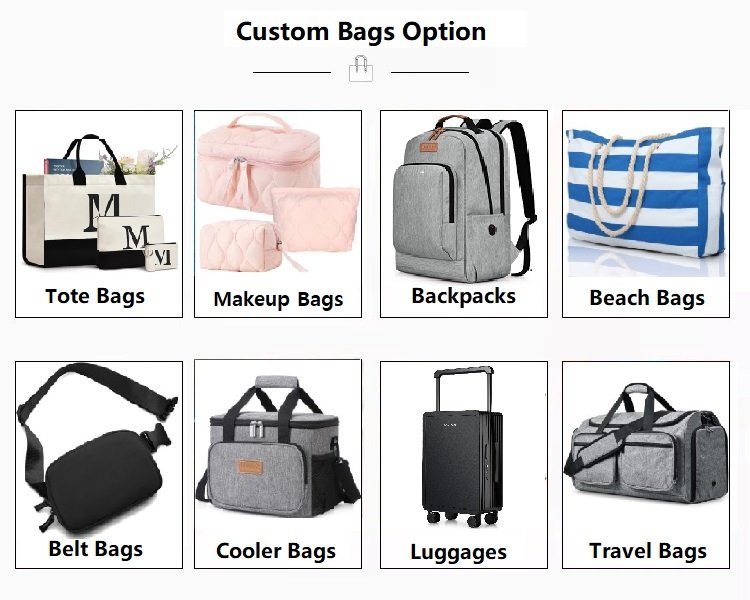
Jundong supports multiple bag categories and custom soft goods development, including shopping bags, tote bags, drawstring bags, cooler bags, travel bags, pouches, and retail packaging bags. This allows building a single grocery bag item or a matched reusable bag series for stores, campaigns, and repeat supply.

| Bag Type | Good Fit For | What They Usually Care About |
|---|---|---|
| Non-Woven Grocery Bags | supermarkets, promotions, budget shopping programs | Cost control, light weight, logo visibility |
| PP Woven Shopping Bags | Retail chains, heavier grocery use, club stores | Strength, load support, long reuse life |
| RPET-Style Grocery Bags | Eco campaigns, brand programs, retail promotions | Recycled look, sustainability message, custom logo |
| Cotton Grocery Totes | Organic stores, lifestyle brands, farmers | Natural touch, reusable value, softer brand feel |
| Canvas Grocery Bags | Premium retail, private label, long-term programs | Stronger structure and higher perceived value |
| Foldable Shopping Bags | Travel, convenience stores, loyalty programs | Compact storage and daily carry convenience |
| Mesh Produce Bags | Farmers’ markets fresh produce, grocery sets | Breathability, lightweight use, produce sorting |
| Laminated Grocery Bags | Retail shopping, supermarket campaigns, high-visibility logo bags | Cleaner surface, stronger shape, print presence |
| Insulated Grocery Bags | Frozen food, meal kits, picnics, grocery delivery | Temperature support, lining, zipper, stronger handle |
Cost, Strength & Brand Fit
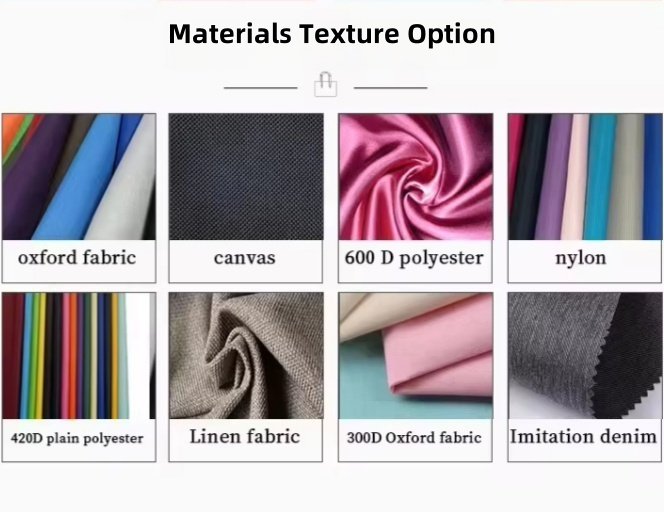
Material choice decides how a reusable grocery bag feels, carries, prints, folds, and performs after repeated use. A good material is not only about price. It should match the grocery load, retail position, logo method, packing style, and expected reuse frequency.
For supermarket programs, non-woven PP and PP woven materials are often practical. For eco campaigns and brand programs, RPET-style fabrics, cotton, and canvas can create a stronger story. For fresh produce, mesh can be useful. For frozen food, delivery, meal kits, and picnic programs, insulated materials are often the better direction.
A material that works for one channel may not work for another. A budget supermarket bag may need low weight and fast production. A retail chain bag may need stronger fabric and a more stable size. A farmer’s bag may need a natural texture and breathable structure. A private label bag may need more refined logo, hangtag, and barcode support.
| Material | Better For | Main Advantage | Watch Carefully |
|---|---|---|---|
| Non-Woven PP | Budget grocery bags, supermarket campaigns, giveaways | Cost-friendly, lightweight, easy to print | Handle strength and fabric thickness |
| PP Woven | Strong shopping bags, retail chain use | Better load support and long reuse | Edge binding and folding volume |
| RPET-Style Fabric | Eco programs, brand campaigns, retail promotions | Recycled look and sustainability message | Color and material reference |
| Cotton | Organic stores, farmers s, lifestyle brands | Natural handfeel and soft brand image | Shrinkage, weight, and packing volume |
| Canvas | Premium grocery totes, private label bags | Stronger structure and higher value feel | Higher fabric cost and thicker folding |
| Mesh | Produce bags, breathable storage, sets | Lightweight and ventilated | Logo method and product visibility |
| Laminated Fabric | Retail grocery totes, high-print visibility | Cleaner surface and better shape | Folding marks and material feel |
| Insulated Material | Frozen food, meal prep, grocery delivery | Temperature support and daily function | Lining, zipper, handle, and bulk |

Handles, Gussets & Stitching
A reusable grocery bag often fails at the stress first: handles, side seams, bottom corners, edge binding, or the area where the bag carries weight. That is why structure matters as much as material.
Grocery bags may carry bottles, canned food, fresh produce, frozen goods, boxed items, meal kits, or household products. A thin bag with weak handles may look fine when empty, but it can feel unreliable after real shopping items are loaded.
For supermarket and retail programs, handling comfort affects whether to reuse the bag. A handle that is too narrow may cut into the hand. A handle that is too short may not fit for shoulder carry. A gusset that is too small may limit capacity. A bottom that is too soft may collapse when items are loaded.
A practical grocery bag review should include:
- Load the bag with common shopping items.
- Lift it by the handles several times.
- Check the handle connection and seam stress.
- Review whether the bottom holds shape.
- Fold and pack the bag as planned.
- Check whether the logo remains visible after use.

| Structure Detail | What To Review | Benefit |
|---|---|---|
| Handle Length | Hand carry, shoulder carry, cart use | Better comfort and practical use |
| Handle Width | Grip comfort under load | Less pressure on the hand |
| Handle Stitching | Cross-stitch, box stitch, reinforced sewing | Better strength at the connection |
| Side Gusset | Bag volume and grocery loading space | Holds wider products more easily |
| Bottom Gusset | Stability and standing shape | Better for boxes, produce, and grocery sets |
| Edge Binding | Seam protection and visual finish | Cleaner edges and longer use |
| Bottom Insert | Shape support and item balance | Helps the bag stand and hold groceries better |
| Zipper / Closure | Insulated or delivery-related grocery bags | Keeps items more secure |
| Reinforced Seams | Repeated use and heavier loading | Reduces tearing risk |
Custom Logo & Label Options
A reusable grocery bag can become a moving brand surface when the logo, bag color, material, label, hangtag, barcode, and packing style are planned together. For supermarkets, retail chains, farmers, organic food, and private label programs, branding should look clear and repeatable across every order.
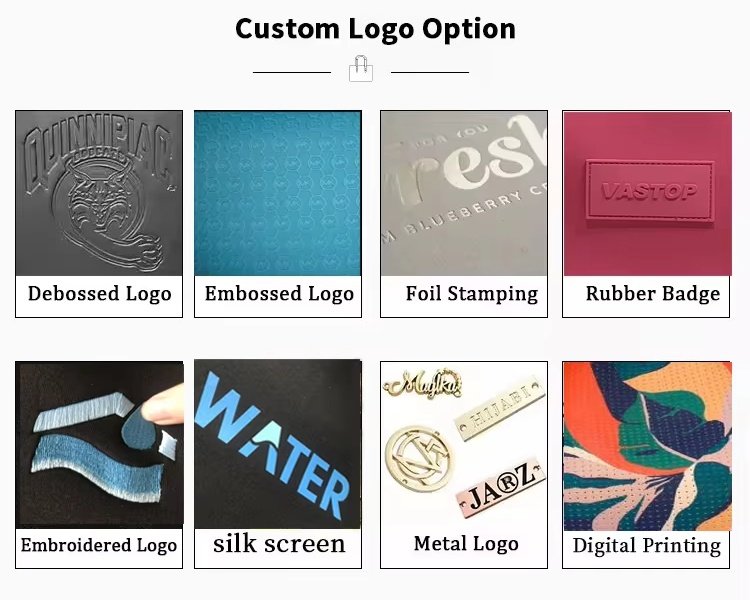
Different materials need different logo methods. A simple non-woven grocery bag may work well with screen printing. A laminated shopping bag may support a cleaner, large-area print. A cotton or canvas grocery tote may look better with woven labels, embroidery, or a soft printed logo. An insulated grocery bag may need a patch, label, or print method that works with the outer material.
For retail programs, logo placement should be reviewed in real use. The logo needs to look clear when the bag is flat, loaded, folded, packed, and carried. A design that looks attractive on a screen may not work on textured fabric or folded surfaces.
| Branding Option | Better For | What To Check |
|---|---|---|
| Screen Printing | Non-woven, cotton, canvas, simple retail bags | Logo size, color contrast, print area |
| Heat Transfer | Polyester, selected smooth fabrics, detailed logos | Artwork clarity and material suitability |
| Full-Color Printing | High-visibility grocery campaigns | Surface quality and color control |
| Woven Label | Cotton, canvas, private label programs | Label size, placement, edge finish |
| Rubber / PVC Patch | Youth, sports, outdoor, premium reusable bags | Patch thickness and stitching method |
| Hangtag | Retail display and brand storytelling | Tag size, barcode, string, product message |
| Barcode Label | Retail, warehouse, distributor programs | Scan clarity and label placement |
| Private Label Packing | Chain stores, DTC, importers, distributors | SKU, carton marks, and repeat-order records |

Grocery Bags for Retail & Delivery
Reusable grocery bags are used in many retail environments, but each channel has a different priority. A supermarket checkout bag needs fast loading and strong handles. A retail chain bag needs clean branding and SKU control. A grocery delivery bag needs handling strength and packing clarity. A farmer’s bag needs a natural look and flexible daily use.
The right reusable grocery bag should match the shopping path, not just the product photo.
For supermarkets and retail, the bag often needs to work beyond one purchase. May bring it back, store it in a car, fold it into another bag, or use it for travel and home storage. That is why handle comfort, bottom shape, folding size, and material finish can influence long-term brand exposure.
Delivery and multi-store programs need another level of planning. Bags may need SKU labels, store allocation, color grouping, barcode labels, carton marks, mixed packing, or regional shipment plans. When these details are reviewed early, the order is easier to receive, sort, and distribute.

| Channel / Program | Better Bag Direction | Main Focus |
|---|---|---|
| supermarket Checkout | Non-woven bags, PP woven bags, laminated grocery bags | Cost, strength, fast loading, high-volume supply |
| Retail Chain Program | PP woven, RPET-style, cotton, canvas bags | Branding, barcode, SKU control, repeat consistency |
| Grocery Delivery | Strong non-woven, PP-woven, insulated bags | Seams, handles, packing clarity, delivery handling |
| Farmers | Cotton, canvas, mesh produce bags | Natural feel, breathability, foldability |
| Organic Food Stores | Cotton, canvas, RPET-style grocery bags | Brand image, reusable value, material story |
| Frozen Food / Meal Kits | Insulated grocery bags, cooler bags | Lining, zipper, temperature support, handle strength |
| Membership Stores | Large PP woven bags, reinforced shopping bags | Capacity, gusset, bottom support, load stability |
| Brand Campaigns | Custom logo grocery totes, foldable shopping bags | Logo visibility, handout efficiency, reuse value |
MOQ, Sampling & Lead Time
Bulk reusable grocery bag projects need clear planning before production. Bag type, material, handle structure, gusset size, logo method, quantity, packing, and delivery date all affect cost and lead time.
Jundong’s usual MOQ is 500 pcs per design. For some simple styles, 200–300 pcs may be reviewed based on material, structure, logo method, packing needs, and production schedule. Samples usually take 5–7 days, and some simple styles may be faster. Bulk production is usually around 20–30 days, depending on order quantity, material readiness, logo process, and packing requirements.
A useful bulk plan does not only chase the lowest price. It protects the shopping experience, store distribution, logo quality, and reorder stability. For grocery bags, this matters because weak handles, unstable bottoms, unclear labels, or late shipments can affect both the retailer and the end user.
For faster review, prepare bag size, material preference, logo file, quantity by SKU, packing requirements, delivery, and target date. If the project involves retail chains, supermarkets, importers, or distributors, include barcode, carton mark, and allocation requirements early.
| Planning Item | What To Confirm | Why It Matters |
|---|---|---|
| Bag Type | Non-woven, PP woven, RPET-style, cotton, canvas, insulated, mesh | Defines material, structure, and production setup |
| Size And Gusset | Width, height, side gusset, bottom gusset | Affects capacity, cost, and packing volume |
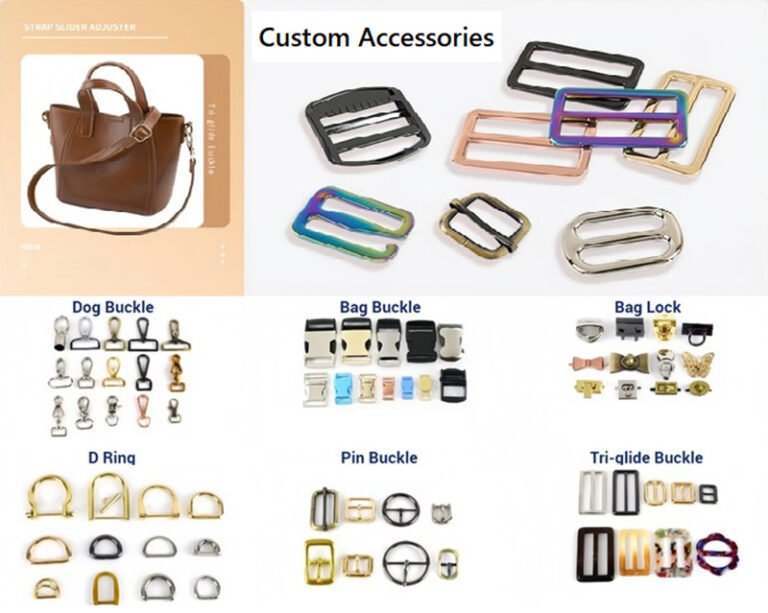
| Handle | Length, width, material, stitching method | Affects comfort and load performance |
| Material | Fabric type, weight, color, surface finish | Affects strength, logo result, and brand feel |
| Logo Method | Screen print, heat transfer, woven label, patch, hangtag | Affects setup time and visual result |
| Quantity | Per design, color, size, or SKU | Affects MOQ, unit cost, and production plan |
| Packing | Bulk pack, individual pack, barcode, carton marks | Affects retail delivery and warehouse receiving |
| Timeline | Sample approval and bulk delivery date | Helps reduce rush changes and shipment risk |

Retail Packing & Carton Marks
Reusable grocery bag orders often need more than bulk packing. Retail, supermarkets, importers, distributors, and multi-store programs may need unit packing, barcode labels, SKU labels, hangtags, store allocation, carton marks, mixed SKU packing, or export-ready cartons.
Good packing helps receive, scan, sort, store, distribute, and reorder more easily. Poor packing can slow down warehouse receiving, create SKU confusion, or make store distribution harder, even when the bags themselves are correct.
Packing decisions should be made before bulk production. A late request for barcode labels, carton marks, unit packing, or store allocation can change labor time, carton size, packing materials, and cost.

| Packing Detail | Better For | Benefit |
|---|---|---|
| Bulk Packing | Large supermarket programs, cost-focused campaigns | Efficient packing and lower handling cost |
| Individual Polybag | Retail bags, private label bags, cleaner storage | Better protection and easier unit handling |
| Hangtag / Brand Card | Retail display, private label, brand programs | Better presentation and product message |
| Barcode Label | Retail, e-commerce, warehouse receiving | Easier scanning and inventory control |
| SKU Label | Multi-size, multi-color, multi-style orders | Faster sorting and fewer packing errors |
| Carton Marks | Importers, distributors, chain stores | Easier shipment identification and receiving |
| Store Allocation Packing | Multi-store retail programs | Faster distribution by store or region |
| Mixed SKU Packing | Assortment programs and distributor orders | Supports planned SKU combinations |
| Export Carton Planning | Overseas and bulk shipments | Cleaner documentation and shipping flow |
Sample-to-Reorder Quality Control
Reusable grocery bags are often used for long-term retail, supermarket, and private label programs. One good sample is not enough. Need bulk orders and repeat orders to stay close to the approved standard.
Consistency matters across fabric color, material weight, handle length, gusset width, stitching method, logo placement, label position, packing style, carton marks, and SKU sorting. If any of these change without control, the next shipment may look or perform differently.
Jundong has more than 600 employees, an 18,000㎡ factory, professional production support, and 80 quality inspectors. Quality checks can cover incoming materials, in-process production, and final product inspection, helping custom reusable grocery bag orders stay more stable from first sample to bulk production and repeat orders.
For retail and supermarket programs, reorder stability can reduce repeated communication, shorten review time, and help maintain a consistent bag program across stores, regions, and seasons.
| Control Point | What To Lock | Benefit |
|---|---|---|
| Approved Sample | Final bag size, material, structure, logo, packing | Creates a clear production reference |
| Material Reference | Fabric type, weight, color, surface finish | Reduces material and handfeel differences |
| Handle Spec | Length, width, sewing method, reinforcement | Keeps carrying comfort and load performance stable |
| Gusset And Bottom | Side width, bottom shape, insert if needed | Controls capacity and shopping stability |
| Logo Placement | Size, position, color, process | Keeps brand presentation consistent |
| Stitching Standard | Seam type, stress, edge binding | Reduces weak and uneven finish |
| Packing Standard | Polybag, labels, carton quantity, carton marks | Keeps warehouse receiving and distribution clear |
| Reorder File | Photos, material cards, specs, inspection notes | Supports smoother repeat production |

Factory Support Beyond Catalogs
Catalog platforms can be convenient for simple logo orders. Factory support becomes more valuable when the project needs material selection, custom size, stronger handles, gusset development, private label details, barcode packing, multi-SKU production, export packing, or repeat-order control.
A reusable grocery bag is often part of a wider retail or shopping program. If the only need is a quick imprint on an existing style, a catalog may be enough. If the needs are store-ready delivery, brand-specific materials, load structure, custom packing, and long-term supply, a factory path gives more control.
Jundong is based in Guangdong and supports customers with export communication, product development, design support, pattern making, sampling, material sourcing, logo customization, production, QC, packaging, and logistics coordination. This gives retail, supermarkets, importers, distributors, and private label brands a clearer path from idea to sample, from sample to bulk, and from first order to repeat supply.

| Project Need | Catalog Platform May Fit | Factory Support Is Better When |
|---|---|---|
| Simple logo order | Existing style is enough | No major changes are needed |
| Custom material | Limited standard options | Fabric, weight, finish, and brand feel need review |
| Stronger structure | Basic product specs | Handles, gusset, bottoms, and seams need adjustment |
| Private label | Basic branding options | Labels, hangtags, barcodes, retail cards, and packing need planning |
| Multi-SKU production | May be harder | Size, color, logo, and store allocation need separation |
| Export packing | Often basic | Carton marks, labels, mixed packing, and shipment details matter |
| Long-term reorder | Depends on stock | Material references and approved specs need to be kept |
| OEM / ODM project | Usually limited | Structure, function, material, and packaging need development |
Our Production Capabilities

Location: Guangzhou, near major ports
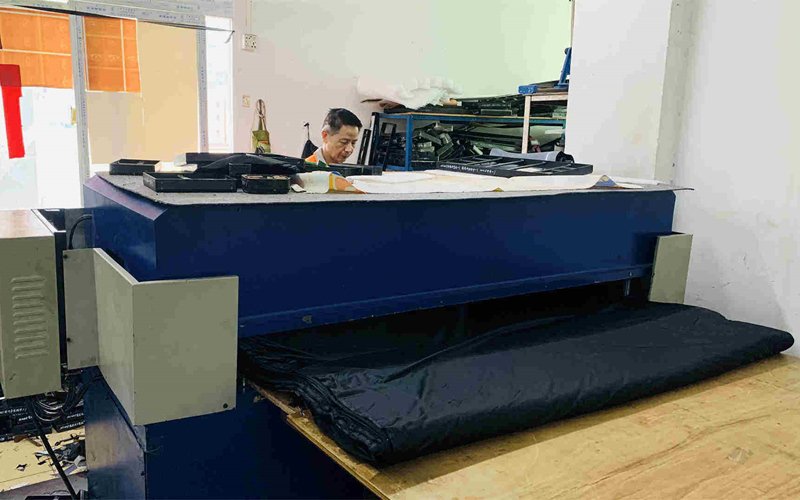
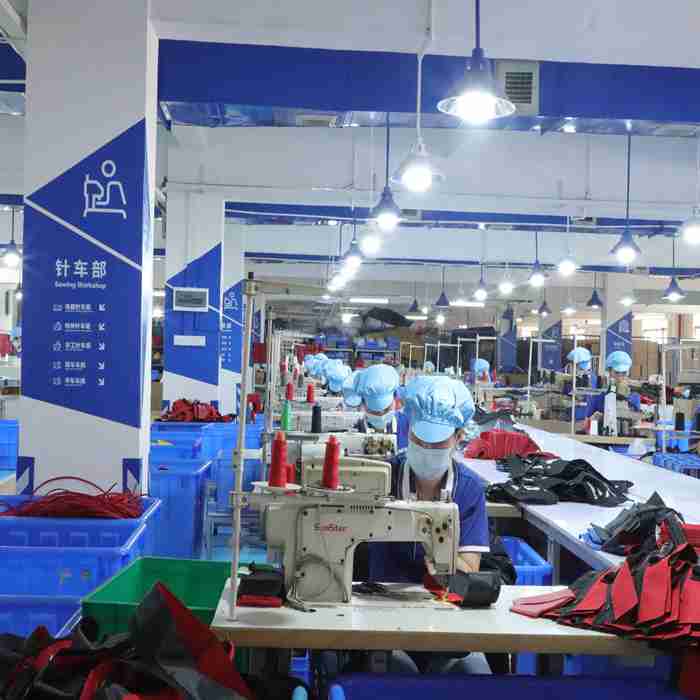
Cutting, sewing, printing, and assembly lines in-house
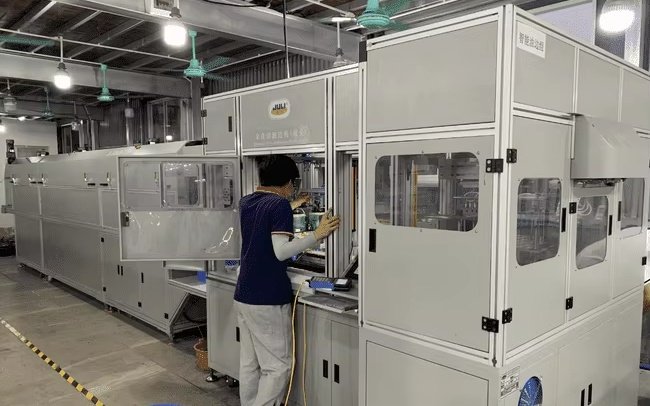
In-house material testing and R&D room
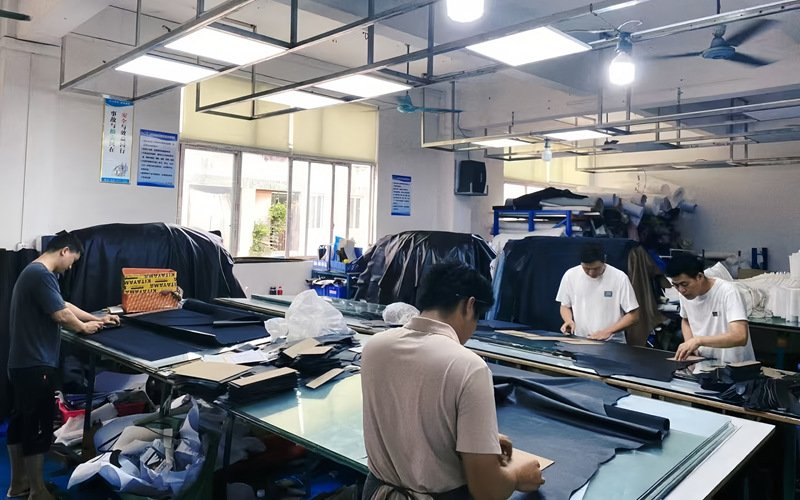
Sample development center
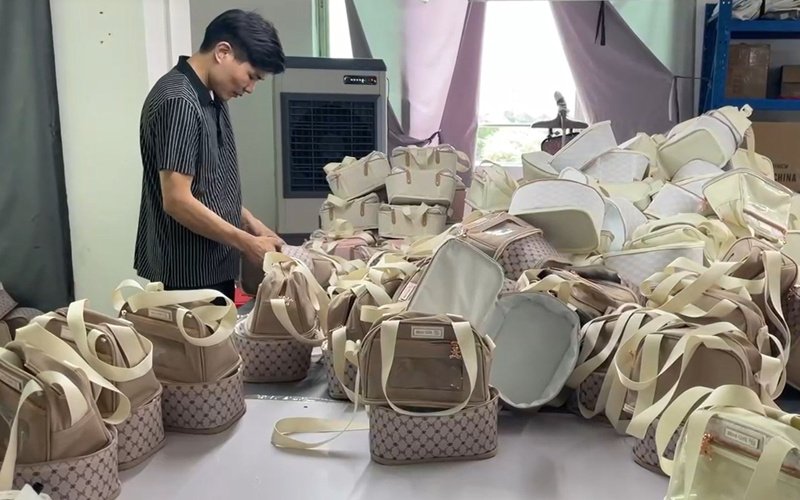
Dedicated QC team for inline & final inspection
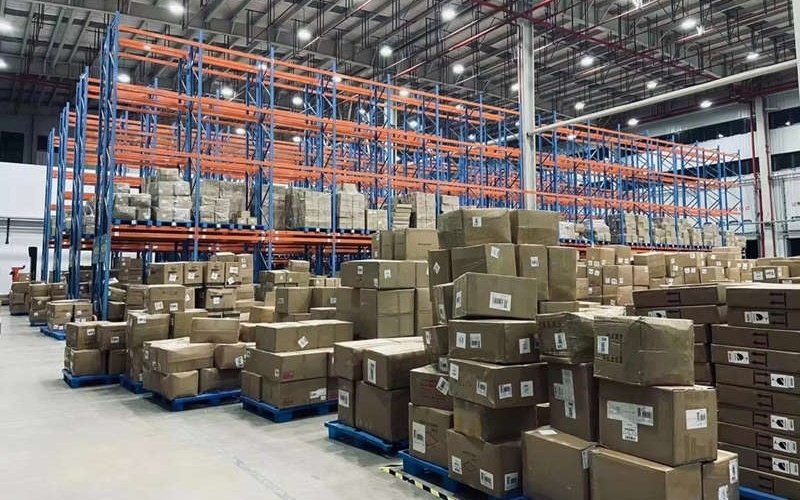
Custom packaging & labeling
Client Testimonials
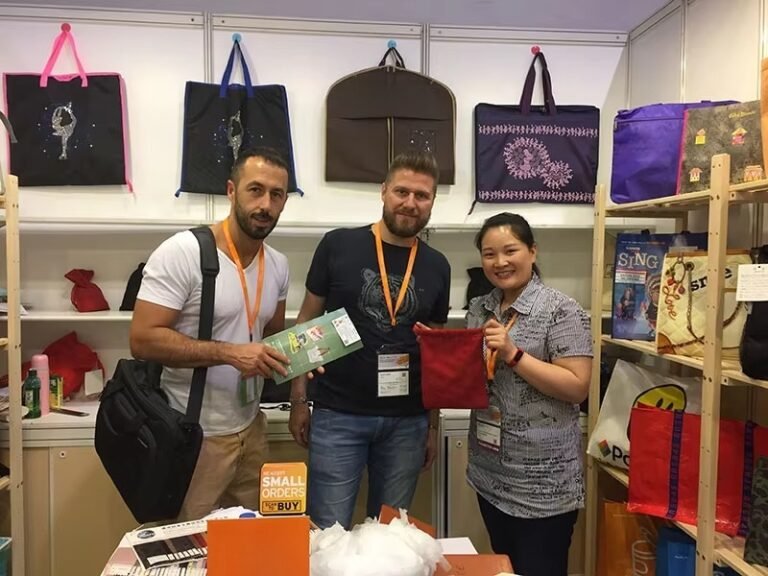
800+ brand Clients Trust Jundong



Make A Sample First?
See your idea come to life before mass production.
At Jundong Factory, we offer free design mockups and custom samples to ensure every detail is perfect — from material and color to logo placement and stitching.
Start your project with confidence today: info@jundongfactory.com.
structured Reusable Grocery Bags FAQ
What is a reusable grocery bag?
Certainly. A reusable grocery bag is a shopping bag designed for repeated grocery, retail, supermarket, farmer’s market, and daily carrying use. It is usually made with stronger materials, better handles, wider capacity, and more durable stitching than a single-use shopping bag.
The value of a reusable grocery bag is not only environmental messaging. The bag needs to work in real shopping situations. May carry bottles, cans, produce, frozen food, boxed groceries, personal care products, meal kits, or household items. If the handle is too narrow, the bag may feel uncomfortable. If the bottom is too soft, groceries may not sit well. If the stitching is weak, the bag may fail during repeated use.
Common reusable grocery bag types include non-woven grocery bags, PP woven shopping bags, RPET-style grocery bags, cotton grocery totes, canvas grocery bags, foldable shopping bags, mesh produce bags, laminated shopping bags, and insulated grocery bags.
| Bag Type | Better For | Main Value |
|---|---|---|
| Non-woven grocery bag | supermarket promotions | Cost-friendly and lightweight |
| PP woven shopping bag | Heavier grocery use | Stronger structure and longer reuse |
| Cotton grocery tote | Organic stores and lifestyle brands | Natural handfeel and soft brand image |
| Canvas grocery bag | Premium retail programs | Stronger shape and higher perceived value |
| Mesh produce bag | Fresh produce and farmers s | Breathable and lightweight |
| Insulated grocery bag | Frozen food and delivery | Temperature support and practical use |
A good reusable grocery bag should feel useful enough to keep. That is where brand value grows. A bag that travels from store to home, then back to the store again, gives the logo more exposure than a one-time giveaway.
Which material is best for reusable grocery bags?
Sure. The best material for reusable grocery bags depends on budget, grocery load, reuse frequency, logo method, packing volume, and brand image. Non-woven PP is practical for cost-focused supermarket programs. PP woven works better for heavier shopping use. Cotton and canvas suit natural or premium retail programs. RPET-style fabric supports eco-positioned campaigns. Mesh works well for produce bags, while insulated materials fit frozen food, grocery delivery, and meal kit programs.
There is no single “best” material for every project. A supermarket checkout bag may need lightweight efficiency. A retail chain program may need a stronger structure and barcode packing. A farmer’s brand may prefer cotton, canvas, or mesh. A frozen food program may need insulation, a zipper, lining, and stronger handles.
| Material | Best Fit | Key |
|---|---|---|
| Non-woven PP | Budget grocery bags, giveaways | Cost control and light weight |
| PP woven | Strong shopping bags, retail chains | Load support and durability |
| RPET-style fabric | Eco campaigns, brand programs | Recycled look and sustainability message |
| Cotton | Organic stores, farmers s | Natural touch and reusable value |
| Canvas | Premium grocery totes | Stronger structure and better retail feel |
| Mesh | Produce bags | Breathable and lightweight |
| Laminated fabric | High-visibility shopping bags | Cleaner print surface and stronger shape |
| Insulated material | Frozen food and delivery | Temperature support and practical function |
A smart material decision should also consider the logo. Screen printing may work well on non-woven and cotton. Laminated fabric can support a strong visual impact. Canvas may look better with woven labels, embroidery, or soft branding. Insulated bags may need a logo method that works with the outer material.
What makes a reusable grocery bag strong enough for real shopping use?
Absolutely. A strong reusable grocery bag depends on material strength, handle design, gusset structure, stitching method, seam reinforcement, and load-point control. The bag’s body matters, but the handles and seams often decide whether the bag feels reliable during real grocery use.
A reusable grocery bag may carry bottles, cans, fresh produce, boxed food, frozen items, and household products. These items create pressure on the handles, side seams, bottom gusset, and corners. A bag can look strong when empty, but perform poorly when loaded.
Key strength details include:
| Detail | What To Check | Why It Matters |
|---|---|---|
| Handle width | Narrow or wide handle | Wider handles usually feel better under load |
| Handle length | Hand carry or shoulder carry | Affects comfort and practical use |
| Handle stitching | Box stitch, cross stitch, reinforced sewing | Protects the connection |
| Side gusset | Bag volume and expansion | Helps hold wider grocery items |
| Bottom gusset | Stability and shape | Helps the bag carry boxes and produce better |
| Edge binding | Seam protection | Improves finish and durability |
| Bottom insert | Shape support | Helps the bag stand and balance contents |
| Fabric weight | Thin or heavier material | Affects strength, feel, and cost |
For supermarket and retail programs, the bag should be tested with realistic contents before bulk production. Fill it with common grocery items, lift it several times, check the handle connection, review the side seams, and see if the bottom holds shape.
A strong bag does not always mean the thickest material. It means the material, handle, gusset, stitching, and intended load are balanced. That balance helps control cost while keeping the shopping experience reliable.
Can reusable grocery bags be customized with a logo and private label details?
Definitely, reusable grocery bags can be customized with printed logos, woven labels, hangtags, barcode labels, SKU labels, care labels, retail cards, private label packaging, and carton marks. For retail and supermarket programs, these details are often just as important as the bag itself.
A logo grocery bag can act as mobile advertising when it’s reused. But the logo method should match the bag material. A simple non-woven grocery bag may use screen printing. A laminated shopping bag may support larger print areas. A cotton or canvas grocery tote may look better with woven labels, embroidery, or softer branding. An insulated grocery bag may need a patch, label, or print method suitable for the outer layer.
| Branding Detail | Better For | What To Check |
|---|---|---|
| Screen print | Non-woven, cotton, simple retail bags | Logo size and color contrast |
| Heat transfer | Polyester and selected smooth fabrics | Artwork detail and fabric suitability |
| Woven label | Cotton, canvas, private label bags | Label size and position |
| Hangtag | Retail display and brand story | Barcode, product message, attachment method |
| Barcode label | Retail and warehouse receiving | Scan clarity and placement |
| SKU label | Multi-size or multi-color orders | Sorting and packing accuracy |
| Private label packing | Retail chains, DTC, importers | Unit pack, carton marks, reorder standard |
For private label programs, consistency matters. The same logo position, tag style, barcode format, carton mark, and packing method should be repeatable across bulk orders and later reorders.
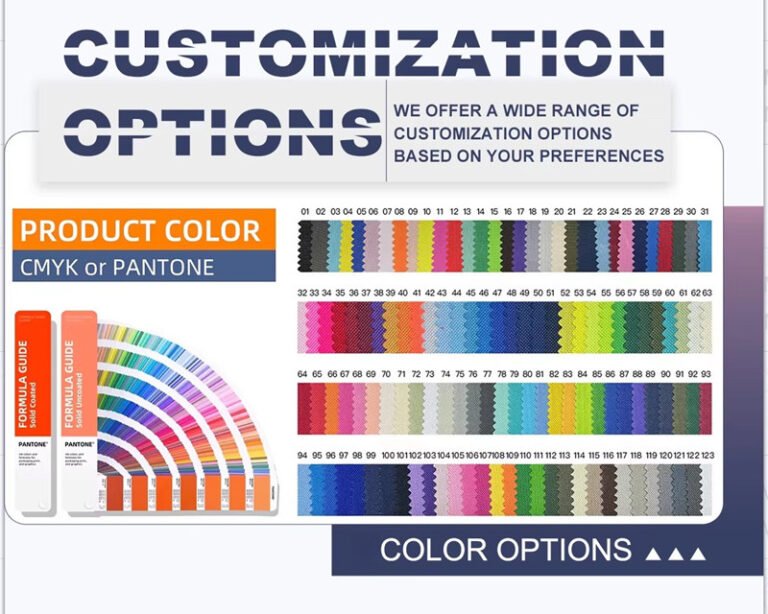
Jundong supports logo placement review, logo proportion adjustment, screen printing, heat transfer, embossed and debossed logos, woven labels, rubber/PVC patches, metal plate logos, Pantone color matching, custom labels, and hangtags.
What is the MOQ for custom reusable grocery bags?
Of course. Jundong’s usual MOQ is 500 pcs per design. For some simple reusable grocery bag styles, 200–300 pcs may be reviewed based on material, structure, logo method, packing needs, and production schedule. Smaller quantities usually have a higher unit cost because material sourcing, logo setup, cutting, sewing, inspection, and packing still require the basic production process.
MOQ should be viewed as a cost-planning tool, not only a purchasing barrier. A simple non-woven grocery bag with one-color logo printing may be easier to arrange in a lower quantity. A PP woven shopping bag, canvas grocery tote, insulated grocery bag, or private label retail bag usually needs more preparation because it may involve stronger material, gusset structure, handle reinforcement, lining, zipper, labels, barcode, and carton planning.
| Order Type | MOQ Direction | Cost Logic |
|---|---|---|
| Simple non-woven grocery bag | 200–300 pcs may be reviewed | Basic structure and simple logo setup |
| Standard reusable grocery bag | Usually 500 pcs per design | Better balance of cost and production efficiency |
| Multi-color or multi-SKU order | Reviewed by SKU | More versions need separate setup |
| Retail-ready private label bag | Often better at 500+ pcs | Labels, packing, QC, and carton marks need stable planning |
| Repeat order | Easier to manage | Approved specs and materials already exist |
For supermarkets, retail brands, importers, and distributors, 500 pcs per design is often a practical starting point for real use, store testing, local campaigns, or small retail programs. If the project is still in concept development, starting with a sample first is usually safer than forcing a very small production run.
How long does sampling and bulk production take for reusable grocery bags?
Certainly. For most custom reusable grocery bags, sampling usually takes 5–7 days, and some simple styles may be faster. Bulk production is usually around 20–30 days, depending on bag type, material readiness, logo process, order quantity, packing requirements, and production schedule.
A simple non-woven grocery bag with one-color screen printing usually moves faster than a PP woven shopping bag with reinforced handles, a laminated finish, barcode labels, and store allocation packing. A cotton or canvas grocery tote may need more time for fabric confirmation and logo testing. An insulated grocery bag may need extra review for lining, zipper, handle strength, and bulkier packing.
| Project Type | Sampling Focus | Bulk Production Notes |
|---|---|---|
| Non-woven grocery bag | Size, logo, handle stitching | Usually faster for simple supermarket programs |
| PP woven shopping bag | Load structure, edge binding, print area | Needs more structure and material review |
| Cotton or canvas grocery tote | Shrinkage, logo, handle comfort | Fabric and logo testing are useful |
| Foldable shopping bag | Folding method, pouch size, stitching | Pattern accuracy matters |
| Mesh produce bag | Closure, breathability, label position | Lightweight but needs clean sewing |
| Insulated grocery bag | Lining, zipper, handle, insulation layer | More components affect timing |
| Private label retail bag | Logo, hangtag, barcode, packing | Approval details should be ready early |
The most common delay is not always sewing. It often comes from late artwork, unclear color references, changing materials, unfinished barcode files, or packing requirements confirmed after production starts.
For supermarket launches, retail chain programs, grocery delivery projects, farmers’ campaigns, or seasonal promotions, it is safer to confirm the sample early. A clear approved sample gives production a stable reference and helps protect the delivery date.
Can reusable grocery bags include barcode labels, hangtags, SKU labels, and carton marks?
Absolutely. Reusable grocery bags can include barcode labels, hangtags, SKU labels, care labels, brand cards, individual polybags, carton marks, mixed SKU packing, store allocation packing, and export-ready cartons. These details are very useful for retail chains, supermarkets, importers, distributors, e-commerce sellers, and private label programs.
A reusable grocery bag order does not end when the bag is finished. It still needs to be received, scanned, stored, sorted, distributed, replenished, and sometimes reordered. If packing details are unclear, the may face warehouse confusion, wrong SKU sorting, slow store delivery, or barcode scanning problems.
| Packing Detail | Best Used For | Benefit |
|---|---|---|
| Barcode Label | Retail, e-commerce, warehouse receiving | Easier scanning and inventory control |
| SKU Label | Multi-color, multi-size, multi-style orders | Faster sorting and fewer packing errors |
| Hangtag | Retail display, private label, brand programs | Better shelf and product presentation |
| Care Label | Cotton, canvas, washable-style bags | Clear product handling information |
| Individual Polybag | Retail-ready or cleaner storage needs | Better unit protection |
| Carton Marks | Importers, distributors, chain stores | Easier shipment identification |
| Store Allocation Packing | Multi-store retail programs | Faster distribution by store or region |
| Mixed SKU Packing | Assortment and distributor orders | Supports planned product combinations |
These details should be confirmed before bulk production. A late request for barcode labels, carton marks, or store allocation can change labor time, carton size, packing materials, and cost.
How can we keep reusable grocery bags consistent in repeat orders?
Definitely. Repeat-order consistency comes from approved samples, locked materials, stable color references, clear handle specs, fixed gusset size, confirmed logo placement, written packing standards, carton marks, and QC records. For retail and supermarket programs, these details protect the brand and make future orders easier.
Reusable grocery bags often stay in a customer’s product line for more than one season. A retailer may reorder the same grocery tote for different stores. A supermarket may repeat the same shopping bag during campaigns. A private label may need the same size, handle, logo, barcode, and carton packing across several shipments.
| Repeat-Order Item | What To Keep |
|---|---|
| Approved Sample | Physical sample and clear photos |
| Material Reference | Fabric type, weight, color, finish |
| Handle Spec | Length, width, material, stitching method |
| Gusset And Bottom | Side width, bottom shape, insert if used |
| Logo File | Size, position, color, production method |
| Label And Barcode | Format, placement, SKU information |
| Packing Standard | Polybag, hangtag, carton quantity, carton marks |
| QC Notes | Measurement, stitching, logo, packing checks |
| Order Record | Quantity, color, SKU, destination details |
Without these references, repeat orders can drift. A handle may become shorter, a color may shift, a gusset may change, or packing may no longer match the warehouse plan.
What information is needed for an accurate reusable grocery bag quote?
Sure. An accurate reusable grocery bag quote needs bag type, size, material, handle style, gusset structure, logo method, quantity, packing requirement, delivery, and timeline. A bag photo is helpful, but it is usually not enough for a reliable quotation.
Two grocery bags can look similar online but have very different production costs. A simple non-woven shopping bag is different from a PP woven bag with a laminated surface, reinforced handles, bottom insert, full-color print, hangtag, barcode label, and store allocation packing. A cotton grocery tote is also different from an insulated grocery bag with a lining, a zipper, and a thicker handle.
For a clearer quote, prepare:
| Quote Detail | Example |
|---|---|
| Bag Type | Non-woven, PP woven, cotton, canvas, mesh, insulated, foldable |
| Size | Width, height, side gusset, bottom gusset |
| Material | Fabric type, weight, color, surface finish |
| Handle | Length, width, material, stitching method |
| Logo Method | Screen print, heat transfer, woven label, patch, hangtag |
| Logo File | AI, PDF, SVG, EPS, or high-resolution artwork |
| Quantity | Per design, color, size, or SKU |
| Packing | Bulk, individual polybag, barcode, hangtag, carton marks |
| Use Scene | supermarket, retail chain, delivery, farmers , private label |
| Delivery | USA, EU, UK, Canada, Australia, Japan, Korea, Middle East, etc. |
| Timeline | Sample deadline and bulk delivery date |
A good quote checks whether the material, handling structure, logo method, packing plan, MOQ, and timeline fit the project. For direct review, you can send files and requirements to info@jundongfactory.com.
Why choose a factory for reusable grocery bags instead of a catalog platform?
Of course. A catalog platform can be useful for simple logo orders, but a factory is often better for reusable grocery bag programs that need custom materials, stronger handles, gusset development, private label branding, barcode packing, multi-SKU production, export packing, and repeat-order consistency.
Reusable grocery bags often serve real retail or supermarket programs. They may need to carry heavy grocery items, match a store brand, fit a checkout system, support barcode labels, ship by store allocation, or repeat across seasons. These requirements usually need more control than a standard catalog selection.
| Need | Catalog Platform May Fit | Factory Support Is Better When |
|---|---|---|
| Simple logo bag | Existing style is enough | No major change is needed |
| Custom material | Limited options may work | Fabric, weight, finish, and brand feel need review |
| Stronger handles | Basic specs may be enough | Handle width, stitching, and load need adjustment |
| Gusset or bottom design | Standard shape may work | Capacity and standing shape need development |
| Private label | Basic logo options | Labels, hangtags, barcodes, and packing need planning |
| Multi-SKU order | May be difficult | Size, color, logo, and store allocation need separation |
| Export packing | Usually basic | Carton marks, labels, and shipment details matter |
| Repeat supply | Depends on available stock | Approved specs and references need to be kept |
Jundong supports custom from Guangdong, with product development, design support, pattern making, sampling, material sourcing, logo customization, production, QC, packaging, and logistics coordination. For supermarkets, retailers, importers, distributors, and private label, factory support makes the path from idea to sample, from sample to bulk, and from first order to repeat supply much clearer.
Everything You Need to Know Before Customizing Your Bags
Reusable grocery bags may look simple, but a reliable bulk program needs the right material, handle strength, gusset structure, logo method, packing plan, MOQ, sampling, and quality control. These help supermarkets, retailers, importers, distributors, private label brands, grocery delivery teams, and promotional teams make clearer decisions before starting a custom reusable grocery bag order.