Skip to content
etail Packaging Bag factory for Custom Logo, Private Label, and Bulk Orders
Custom retail packaging bags for fashion, beauty, jewelry, footwear, gifts, grocery, e-commerce, subscription boxes, events, and private label programs. Jundong supports soft retail packaging bags, reusable shopping bags, drawstring pouches, tote bags, garment bags, product bags, custom logo, labels, hangtags, barcode stickers, SKU packing, QC, and export coordination from Guangdong, China.
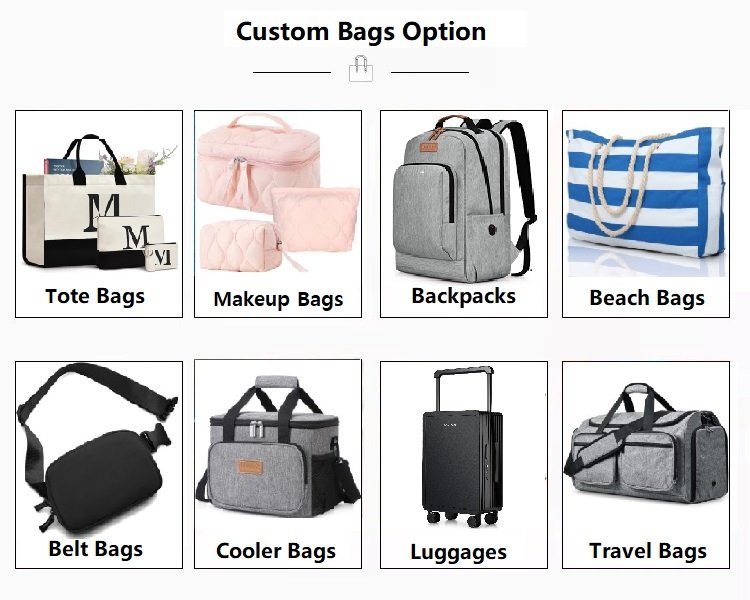
Retail Bags, Drawstring Pouches, Tote Bags, Garment Bags, Gift Bags, and Reusable Bags
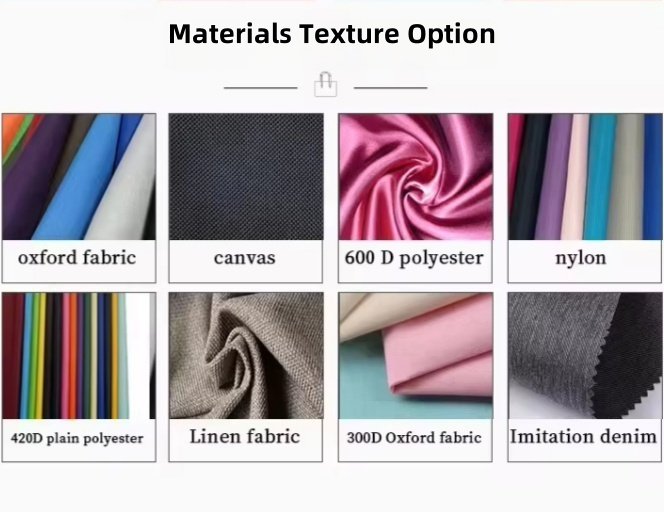
Cotton, Canvas, Polyester, Nylon, Non-Woven, PU, PVC, Neoprene, and Plush Options
Custom Logo, Woven Label, Hangtag, Care Label, Barcode, and SKU Support
MOQ: usually 500 pcs, simple styles: 200–300 pcs Can Be Reviewed
Sampling Usually 5–7 Days, Bulk Production Usually 20–30 Days
QC for Material, Logo, Stitching, Labeling, packing, and Carton Marks
Retail Packaging Bags for Store Use
A retail packaging bag should do more than carry a product. It should protect the item, present the brand, support store handling, help SKU management, and make repeat orders easier to control.
For retail brands, importers, private label, e-commerce sellers, distributors, and gift companies, the right bag becomes part of the product experience.
A retail packaging bag is often the first thing that touches after the product is handed over, shipped, displayed, or gifted. That means the bag needs to work in several places at once.
It should match the product size.
It should hold the product neatly.
It should show the logo clearly.
It should support labels, barcodes, or hangtags when needed.
It should be packed in a way that helps warehouse receiving and store handling.
A jewelry pouch, cosmetic drawstring bag, apparel dust bag, reusable retail tote, shoe packaging bag, and e-commerce pouch all belong to retail packaging, but they need very different structures.
| Retail Need | Bag Detail to Review |
|---|---|
| Product protection | Size, fabric, lining, closure |
| Brand presentation | Logo, color, label, finish |
| Store handling | Hangtag, barcode, SKU label |
| E-commerce packing | Individual pack, product label |
| Warehouse receiving | Carton mark, quantity, SKU sorting |
| Gift experience | Texture, opening feel, presentation |
| Repeat orders | Approved sample and production record |

Choose the Right Retail Bag
Retail products need different packaging bags because they have different sizes, surfaces, weights, display needs, and expectations.
A better bag choice starts with the product, not with a catalog style.
A small jewelry item may need a soft pouch that feels clean and giftable. A skincare set may need a drawstring pouch or retail gift bag with a clear logo area. Apparel may need a garment dust bag, cotton pouch, or reusable tote. Shoes may need a dust bag that fits the pair without squeezing. Grocery or store programs may need reusable shopping bags. E-commerce brands may need soft packaging pouches, product bags, or reusable insert bags.

The best bag type depends on how the product is sold, carried, stored, scanned, and received.
| Retail Product | Better Bag Direction | What to Confirm |
|---|---|---|
| Jewelry | Small fabric pouch | Softness, seam, logo size |
| Cosmetics | Drawstring pouch or gift bag | Product fit, logo clarity |
| Apparel | Garment bag, cotton bag, tote | Folded size, material, label |
| Shoes | Dust bag or non-woven bag | Pair size, seam strength |
| Gifts | Fabric pouch or retail gift bag | Opening feel, hangtag |
| Grocery | Reusable shopping bag | Handle, load, barcode |
| E-commerce | Product pouch or reusable insert | Individual packing, SKU |
| Events | Printed retail bag or tote | Cost, logo, fast packing |
| Subscription boxes | Product grouping pouch | Size sets, label control |
Packaging Bags by Industry
Retail packaging works better when it follows the scene. A bag for a boutique fashion brand should not feel the same as a reusable grocery bag, a jewelry pouch, or an e-commerce product insert.
Each industry has its own handling, display, and experience needs.
Fashion and apparel packaging often needs garment bags, cotton pouches, canvas bags, or branded shopping bags. The bag should protect the item from dust, support folding, and feel aligned with the product value.
Beauty and cosmetic packaging often need smaller pouches, drawstring bags, gift bags, or product grouping bags. Logo position, surface cleanliness, and color feel are often more important than heavy load.
Jewelry packaging needs small, neat, protective pouches. Soft fabric, clean seams, compact size, and subtle branding are usually better than large graphics.
Grocery and retail store programs need reusable bags, non-woven bags, foldable shopping bags, or tote bags. Load, handling comfort, and easy packing matter more.
E-commerce and DTC brands often need individual packing, product labels, SKU stickers, barcode support, and carton sorting. The bag should help with both unboxing and fulfillment.
| Industry | Packaging Focus |
|---|---|
| Fashion | Garment protection, brand feel, folding |
| Beauty | Clean surface, color, logo clarity |
| Jewelry | Soft pouch, small size, gift feel |
| Footwear | Dust protection, pair fit, seam strength |
| Gifts | Opening experience, hangtag, presentation |
| Grocery | Reusable value, handle strength |
| E-commerce | SKU, barcode, individual packing |
| Subscription boxes | Product grouping, size sets, label control |
| Events | Fast distribution, logo visibility |
For multi-channel brands, the same product may need different bag versions for retail stores, online orders, wholesale accounts, and seasonal gift sets.

Custom Branding and Label Support
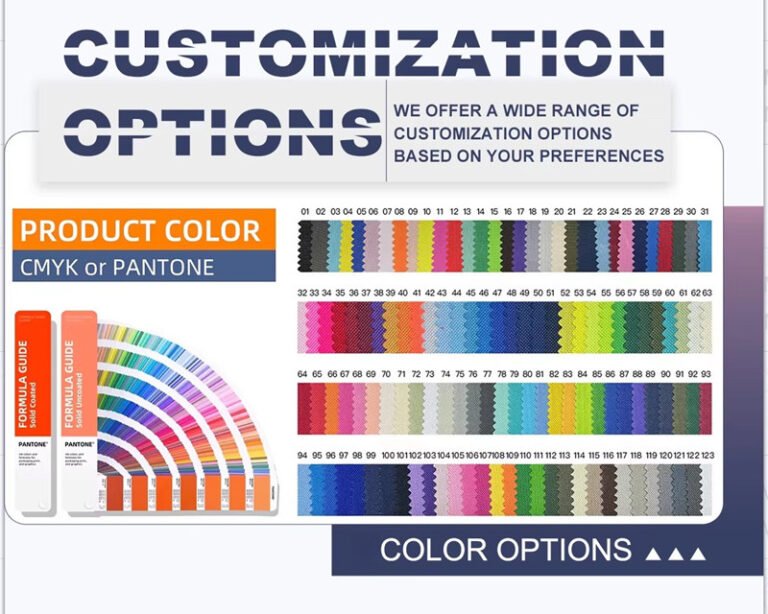
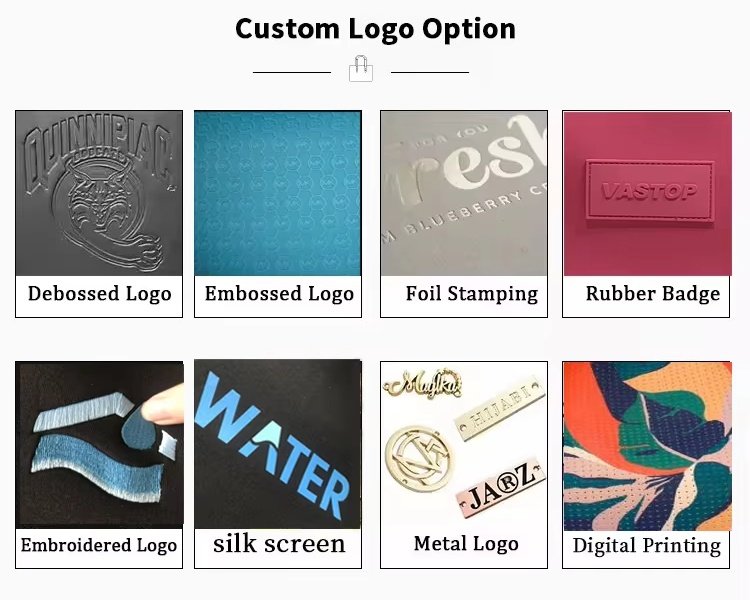
Retail packaging often needs more than a printed logo. Labels, hangtags, barcode stickers, SKU labels, care labels, size stickers, and individual packing can make the bag easier to sell, scan, store, and reorder.
For private label and retail-ready programs, these details should be planned before bulk production.
Logo is the visible brand mark, but retail packaging usually needs a full set of supporting details.
A woven label can make a fabric pouch or tote feel more like a private label product.
A hangtag can carry brand story, product message, price information, or a barcode.
A barcode sticker helps retail stores and warehouses scan the item.
A SKU label helps separate size, color, material, or product versions.

A care label can support handling information when the bag itself is sold or reused.
| Branding / Label Detail | Retail Use |
|---|---|
| Screen print | Logo and simple artwork |
| Heat transfer | Multi-color or detailed graphics |
| Embroidery | Premium fabric packaging |
| Woven label | Private label identity |
| Care label | Product and handling information |
| Hangtag | Retail display and barcode |
| Barcode sticker | Store scanning and inventory |
| SKU label | Size, color, style sorting |
| Size sticker | Apparel and product grouping |
| Individual packing | Clean handling and fulfillment |
Cost Factors in Bag Details
Retail packaging bag cost is shaped by more than size and quantity. Material, structure, logo method, label details, packing rules, carton quantity, and SKU handling can all change the final price.
A clear cost plan helps choose the right packaging without paying for details that do not improve the product experience.
A simple fabric pouch and a private-label retail bag may look similar at first, but their cost logic can be very different. The difference often comes from material weight, lining, zipper, drawstring, handle style, label placement, logo process, and packing work.
For example, a cotton drawstring pouch with one-color screen printing is usually easier to control than a lined canvas retail pouch with embroidery, woven label, hangtag, barcode sticker, individual polybag, and mixed SKU carton packing.
| Cost Factor | How It Affects the Project |
|---|---|
| Material type | Cotton, canvas, nylon, polyester, non-woven, PU, PVC |
| Material weight | Affects handfeel, strength, and unit cost |
| Bag size | Larger size increases fabric use |
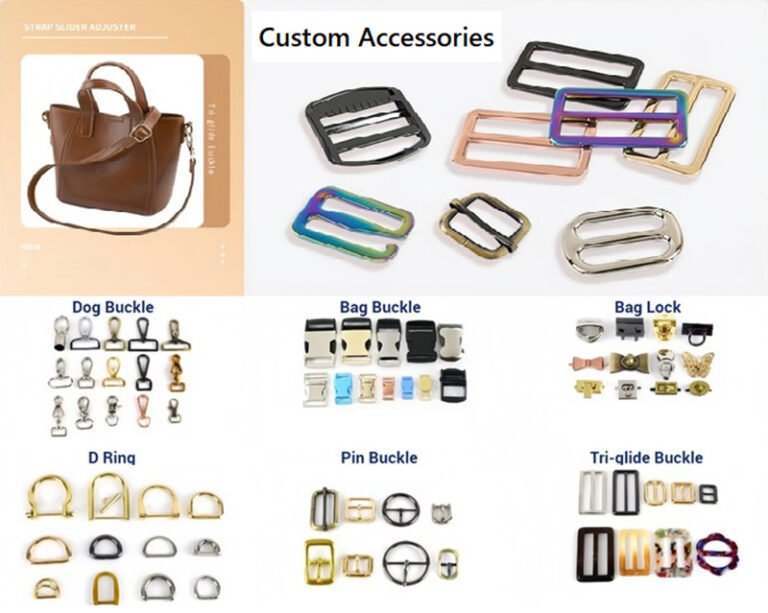
| Structure | Lining, zipper, gusset, handle, drawstring |
| Logo method | Screen print, heat transfer, embroidery, label |
| Label details | Woven label, care label, barcode, SKU sticker |
| Packing method | Bulk pack, individual pack, retail pack |
| Carton quantity | Affects freight, warehouse, and receiving |
| Multi-SKU rules | Increases sorting and checking work |
| Delivery schedule | Urgent timing may affect material and production planning |

ampling, MOQ, QC, and Timing
Retail packaging bag projects move faster when MOQ, sampling, approved sample details, QC o, packing rules, and delivery dates are clear before bulk production.
For launches, store programs, e-commerce drops, gift sets, and seasonal retail orders, timing and sample approval are part of the decision.
For most custom retail packaging bag projects, the standard MOQ is usually 500 pcs per design. For some simple styles, 200–300 pcs may be reviewed based on material, structure, logo method, and production schedule.
Sampling usually takes 5–7 days. Some simple samples can be completed in 2–3 days when the material, size, artwork, and structure are ready. Bulk production usually takes 20–30 days after approval, depending on quantity, structure, logo method, packaging details, and SKU complexity.

| Stage | What to Confirm |
|---|---|
| MOQ review | Quantity by design, color, size, or SKU |
| Sample development | Material, structure, size, logo, label |
| Sample approval | Product fit, brand look, packing method |
| Bulk production | Quantity, production file, QC standard |
| QC inspection | Material, size, logo, stitching, labels |
| Packing check | Individual pack, carton count, SKU sorting |
| Carton mark | Destination, barcode, item code, quantity |
| Delivery schedule | Store launch, event date, warehouse receiving |
Retail packaging bag QC should cover more than appearance. It should check material quality, size, logo position, print clarity, label placement, barcode matching, stitching, handle or drawstring function, packing count, carton marks, and shipment preparation.
Multi-SKU and Repeat Order Control
Retail packaging orders often include several sizes, colors, logos, labels, barcodes, destinations, and packing rules. Clear records help each version stay organized from sample approval to repeat production.
For retail , good packaging control means fewer receiving problems, fewer label mistakes, and easier reorders.
A retail brand may need different packaging bags for several product lines. A beauty may need pouches for gift sets, samples, and travel kits. A footwear brand may need different dust bag sizes. A distributor may need different carton marks for different warehouses. An e-commerce seller may need barcode stickers, SKU labels, and individual packing for product variations.
| Retail Order Detail | Record to Keep |
|---|---|
| Multiple sizes | Pattern file, size tolerance, carton count |
| Multiple colors | Fabric reference, color code, quantity |
| Multiple logos | Artwork file, placement, print method |
| Private label | Woven label, care label, hangtag position |
| Barcode / SKU | Barcode file, SKU sticker, scanning need |
| Individual packing | Polybag size, fold method, label position |
| Multi-destination shipment | Carton mark, destination code, packing list |
| Repeat order | Approved sample, photos, material card, QC notes |
Without clear records, small changes can appear in repeat orders. A label may move. A logo may shift. A fabric shade may vary. A carton mark may be unclear. These issues may look small at the production level, but they can create real problems for stores, warehouses, and online fulfillment teams.

Retail Packaging Factory Support
Online packaging platforms can be useful for simple blank bags or fast-printed orders. A factory is better when there is a need for product-fit sizing, custom materials, logo control, private label details, barcode packing, QC, export support, and stable repeat orders.
For retail packaging, the value is not only the bag. It is the control behind the bag.
A retail packaging bag project may look simple at the beginning. But once product fit, logo position, material, label, barcode, SKU sorting, individual packing, carton marks, and shipping rules are involved, the project becomes more than a catalog order.
A factory can help review these details before production begins. This helps avoid common problems such as bags that do not fit the product, labels placed in the wrong area, barcodes that are hard to scan, weak seams, unclear carton marks, mixed SKU confusion, and repeat orders that do not match the approved sample.

| Need | Online Packaging Platform | Retail Packaging Bag factory |
|---|---|---|
| Simple blank bag | Convenient | Also possible for simple styles |
| Product-fit size | Limited | Size and structure can be reviewed |
| Custom material | Often limited | Material options can be compared |
| Logo control | Basic proof | Logo method and placement review |
| Private label | Limited support | Labels, hangtags, barcodes, and SKU support |
| Multi-SKU order | Harder to control | File, packing, carton mark control |
| Export project | Less flexible | Packing, documents, logistics support |
| Repeat order | May depend on stock | Approved sample records can be followed |
For brands, retailers, importers, e-commerce sellers, distributors, and private label factories, cooperation gives more control from concept to sample, from sample to bulk production, and from first order to repeat order.
Our Production Capabilities

Location: Guangzhou, near major ports
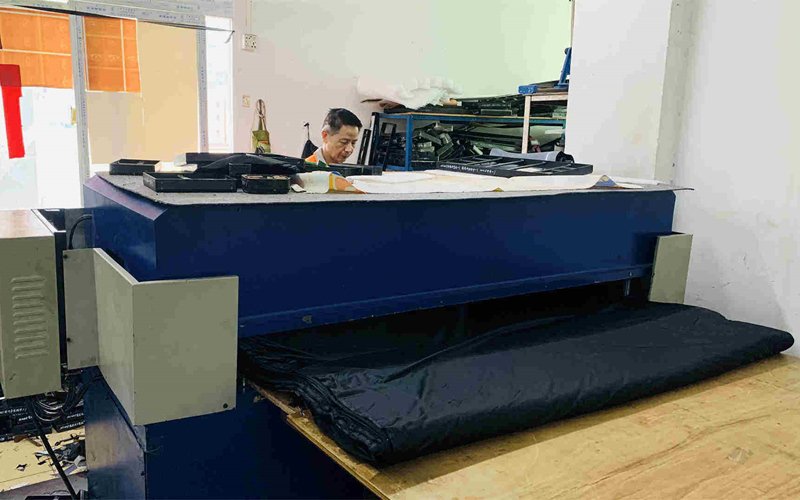
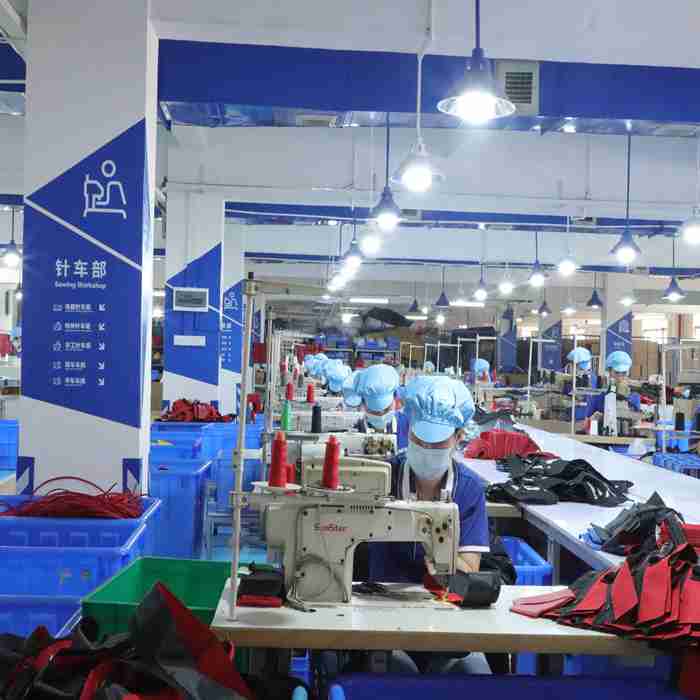
Cutting, sewing, printing, and assembly lines in-house
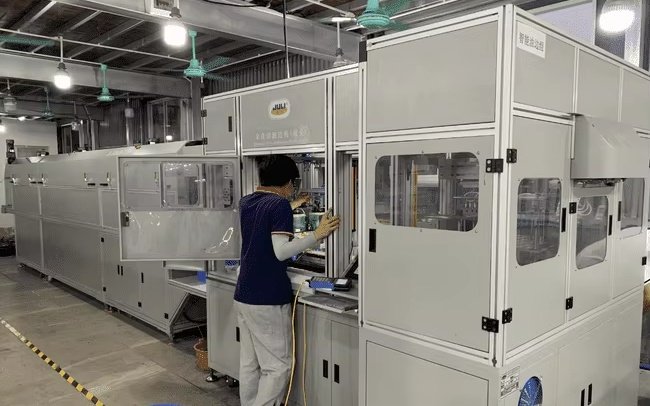
In-house material testing and R&D room
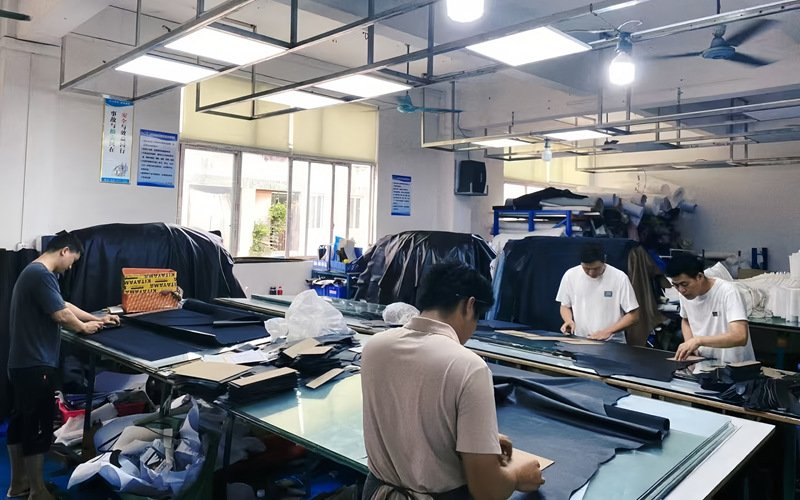
Sample development center
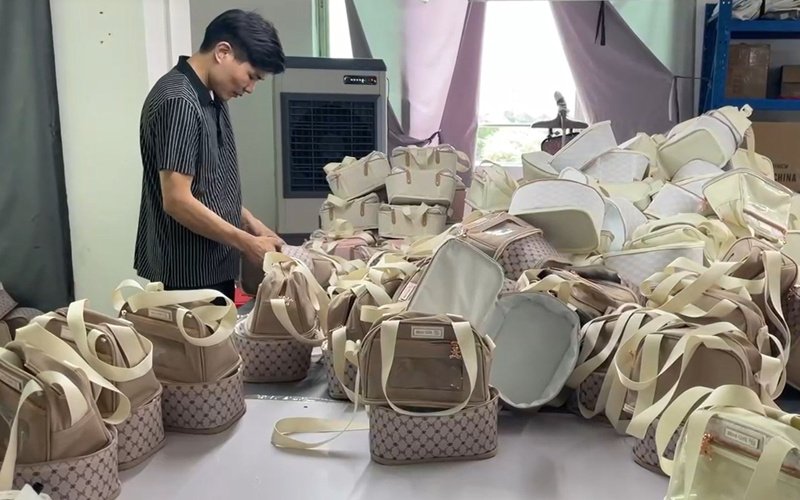
Dedicated QC team for inline & final inspection
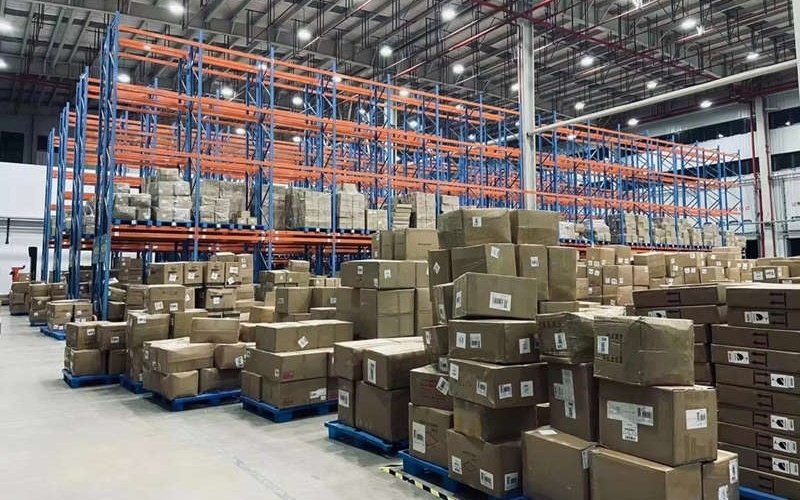
Custom packaging & labeling
Client Testimonials
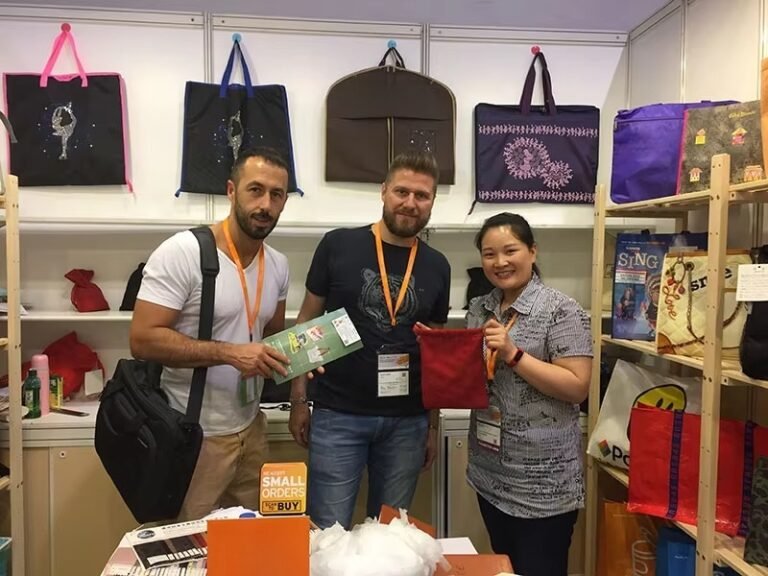
800+ brand Clients Trust Jundong





Make A Sample First?
See your idea come to life before mass production.
At Jundong Factory, we offer free design mockups and custom samples to ensure every detail is perfect — from material and color to logo placement and stitching.
Start your project with confidence today: info@jundongfactory.com.
structured Retail Packaging BagFAQ
What is a retail packaging bag?
A retail packaging bag is a branded bag used to protect, present, carry, label, scan, store, and sell products in retail, e-commerce, gift, private label, or distribution channels.
Certainly, a retail packaging bag is more than a simple carrier. For many brands, it is part of the product experience. It may be the first thing a shopper touches in store, the first item seen during unboxing, or the packaging that keeps a product clean before it reaches the consumer.
Retail packaging bags can include fabric pouches, cotton drawstring bags, canvas bags, tote bags, garment bags, shoe dust bags, reusable shopping bags, soft product bags, non-woven bags, gift bags, and other custom retail bags. The right type depends on the product category, sales channel, brand style, product size, packing method, and budget.
A good retail packaging bag usually needs to support several jobs at the same time:
| Retail Function | What the Bag Helps With |
|---|---|
| Product protection | Keeps product cleaner and easier to handle |
| Brand display | Shows logo, color, label, and style |
| Store handling | Supports hangtag, barcode, and SKU label |
| E-commerce packing | Helps individual packing and product grouping |
| Warehouse receiving | Uses carton marks and clear quantity control |
| Gift experience | Adds texture, opening feel, and presentation |
| Repeat order control | Keeps future batches closer to the approved sample |
A retail packaging bag works best when it is designed around the real product, not only around a standard bag size. Product size, weight, surface sensitivity, logo position, label needs, and packing rules should all be reviewed before sampling.
Which retail packaging bag is best for my product?
The best retail packaging bag depends on product size, weight, surface sensitivity, sales channel, brand position, logo needs, label requirements, and how the product should be received by the final .
Sure, there is no single bag type that works for every product. A jewelry pouch, cosmetic drawstring bag, apparel dust bag, reusable retail tote, shoe bag, gift pouch, and e-commerce product bag all solve different problems.
For jewelry, a small fabric pouch often works well because it feels soft, compact, and giftable. For cosmetics and skincare, drawstring pouches, gift bags, or product grouping bags can help present sets, samples, travel kits, or promotional bundles. For apparel, a garment dust bag, cotton pouch, canvas bag, or reusable shopping bag may be more suitable. For shoes, a dust bag should fit the pair without squeezing and should have enough seam strength. For e-commerce orders, individual packing, SKU labels, barcode stickers, and carton sorting may matter more than a premium surface.
| Product Type | Better Bag Direction | Main Focus |
|---|---|---|
| Jewelry | Small fabric pouch | Softness, neat finish, logo size |
| Beauty / Skincare | Drawstring pouch or gift bag | Clean surface, color, product fit |
| Apparel | Garment bag, cotton bag, tote | Folded size, fabric, label |
| Shoes | Shoe dust bag | Pair fit, seam strength |
| Gifts | Fabric pouch or retail gift bag | Opening feel, hangtag, presentation |
| Grocery / Retail | Reusable shopping bag | Handle, load, barcode |
| E-commerce | Product pouch or soft packaging bag | Individual packing, SKU control |
| Subscription boxes | Product grouping pouch | Size set, label, packing logic |
Definitely, the safest way to choose is to start with the product. Send the product size, product photo, target use, logo artwork, label needs, and packing method. From there, the bag type becomes easier to match.
Can retail packaging bags be customized with logo and labels?
Retail packaging bags can be customized with logo printing, woven labels, care labels, hangtags, barcode stickers, SKU labels, size stickers, individual packing, and carton marks for retail-ready handling.
Absolutely. Logo customization is only one part of retail packaging. A strong retail packaging project often needs several branding and handling details working together.
A logo helps the recognize the brand. A woven label can make a fabric pouch, tote, or garment bag feel more like a private label product. A care label can add material or handling information. A hangtag can carry brand story, price information, barcode, campaign message, or product details. A barcode sticker helps stores and warehouses scan the product. A SKU label helps separate size, color, material, or product version. Individual packing keeps each item cleaner during storage and shipping.
| Custom Detail | Retail Value |
|---|---|
| Screen print | Clean logo and simple artwork |
| Heat transfer | Multi-color or detailed graphics |
| Embroidery | Higher-value fabric packaging |
| Woven label | Private label identity |
| Care label | Product and handling information |
| Hangtag | Brand message, barcode, display |
| Barcode sticker | Scanning and inventory |
| SKU label | Size, color, style sorting |
| Size sticker | Apparel and product grouping |
| Individual packing | Clean fulfillment and storage |
For better results, logo and label placement should be reviewed before sampling. A barcode placed in the wrong position, a label too close to the seam, or a logo hidden by a fold can create problems after production.
Can you support barcode stickers, SKU labels, and hangtags?
Barcode stickers, SKU labels, hangtags, size stickers, care labels, individual polybags, carton marks, and destination codes can be supported for retail packaging bag projects.
Of course. For retail , these details are not small extras. They help the product move through stores, warehouses, e-commerce fulfillment, distributor systems, and delivery with fewer mistakes.
A barcode sticker helps with scanning and inventory control. A SKU label helps identify color, size, product version, material, or style. A hangtag can add product information, price details, brand story, or campaign message. A care label can support material and handling instructions. A carton mark helps the receiving team know what is inside the box without opening every carton.
| Retail Detail | Why It Helps |
|---|---|
| Barcode sticker | Supports store and warehouse scanning |
| SKU label | Helps sort color, size, version, style |
| Hangtag | Adds product and brand information |
| Size sticker | Useful for apparel and product grouping |
| Care label | Supports handling and material information |
| Individual polybag | Keeps items clean and separated |
| Carton mark | Helps receiving and inventory checks |
| Destination code | Supports multi-warehouse delivery |
| Mixed packing rule | Helps distributor and multi-SKU orders |
For multi-SKU retail packaging, these details should be confirmed before bulk production. A missing SKU label or unclear carton mark may not look like a product quality issue, but it can slow down warehouse receiving and create extra work for the .
Jundong supports product labeling, hangtags and labels, individual OPP packing, custom packaging bags, export packing support, documentation preparation, mixed shipment support, partial shipment support, and logistics coordination.
What materials are best for retail packaging bags?
The best material for retail packaging bags depends on the product, brand style, weight, protection need, logo method, packing rule, sales channel, and target budget.
Definitely, material choice should not be based on appearance alone. A soft jewelry pouch, cosmetic drawstring bag, garment dust bag, reusable shopping bag, and e-commerce product pouch each needs a different material direction.
Cotton and muslin bags are useful for natural-looking product packaging, jewelry, soap, candles, gifts, and handmade products. Canvas gives more body and works well for reusable retail bags, apparel packaging, and premium gift programs. Polyester and nylon are good for lightweight reusable bags, promotional retail bags, travel pouches, and compact packaging. Non-woven and laminated non-woven materials are often used for grocery, events, and value retail programs. PU, PVC, neoprene, velvet-style fabric, and plush can support special retail packaging designs or higher-impact product presentation.
| Material | Better For | Note |
|---|---|---|
| Cotton / Muslin | Jewelry, gifts, natural packaging | Soft, simple, printable |
| Canvas | Apparel, reusable retail bags | Stronger, more structured |
| Polyester | Promotional bags, lightweight pouches | Cost-friendly, foldable |
| Nylon | Reusable and travel bags | Smooth, compact, durable |
| Non-woven | Grocery and event programs | Budget-friendly |
| Laminated non-woven | Retail display bags | Better print surface |
| PU / PVC | Specialty packaging | Surface and logo method need review |
| Neoprene | Protective soft bags | Thickness affects structure |
| Plush / velvet-style fabric | Gift and premium packaging | Texture and shape control matter |
A practical material decision balances look, strength, cost, print effect, packing volume, and reorder stability. The best material is the one that fits the product and sales channel without creating unnecessary production or packing problems.
What is the MOQ for custom retail packaging bags?
The standard MOQ for most custom retail packaging bags is usually 500 pcs per design, while selected simple styles may be reviewed at 200–300 pcs, depending on material, structure, logo method, packing details, and production schedule.
Certainly, MOQ is one of the first, but it should not be viewed as a number only. MOQ affects material purchasing, cutting, printing setup, label preparation, sewing, inspection, packing, carton marks, and unit cost.
A simple cotton drawstring pouch with one-color logo printing is usually easier to review at a lower quantity than a lined canvas retail bag with embroidery, woven label, hangtag, barcode sticker, individual polybag, and multi-SKU carton packing.
For many retail packaging projects, 500 pcs per design is a practical starting point because it gives a better balance between setup cost, material use, production flow, and QC. Larger quantities usually help reduce unit cost because logo setup, material preparation, and packing labor can be spread across more pieces.
| Quantity Level | Better For | Cost Note |
|---|---|---|
| 200–300 pcs | Selected simple trial orders | Possible when material and structure are simple |
| 500 pcs | Standard custom retail packaging bags | Better balance of cost and setup |
| 1,000+ pcs | Retail launches and gift programs | Better unit cost potential |
| 5,000+ pcs | Chain retail, distributors, large campaigns | Needs clear SKU and packing plan |
For a faster MOQ review, can send the product size, target bag type, material idea, logo artwork, label needs, quantity by SKU, packing method, and target delivery date.
How long does sampling and bulk production take?
Sampling for custom retail packaging bags usually takes 5–7 days, while selected simple samples may take 2–3 days when material, size, structure, and artwork are already clear. Bulk production usually takes 20–30 days after sample approval.
Sure, timing depends on the bag type and project details. A simple fabric pouch with screen printing can move faster than a retail-ready bag with lining, zipper, woven label, hangtag, barcode sticker, individual packing, and multi-SKU carton sorting.
Sampling matters because retail packaging must be checked in real use. should review product fit, opening feel, logo position, fabric handfeel, label placement, stitching, folding, individual packing, barcode position, and carton logic before bulk production starts.
| Stage | Typical Timing | What Affects It |
|---|---|---|
| Simple sample | 2–3 days possible | Ready material, simple structure, ready artwork |
| Regular sample | 5–7 days | Bag type, material, logo, label, packing |
| Bulk production | 20–30 days | Quantity, SKU count, logo method, packing |
| Urgent project review | Case by case | Material stock, launch date, production schedule |
For fixed-date projects, target arrival time should be shared early. Retail launches, pop-up stores, gift campaigns, seasonal sales, exhibitions, and e-commerce drops all need production planning that works backward from the delivery date.
A practical tip: approve the product fit, logo, labels, barcode, packing method, and carton rules at sample stage. These are the details that become expensive to change after production starts.
How do you control QC for retail packaging bags?
Retail packaging bag QC should cover material quality, size, logo position, print clarity, stitching, handle or drawstring function, label placement, barcode matching, packing count, SKU sorting, carton marks, and shipment readiness.
Absolutely. For retail projects, quality control is not only about whether the bag looks good. It is also about whether the bag works correctly inside the ’s sales and logistics system.
A bag may look beautiful but still create problems if the barcode is wrong, the SKU sticker does not match the product, the carton mark is unclear, the logo is shifted, or mixed colors are packed together incorrectly. These issues can slow down store receiving, warehouse scanning, and e-commerce fulfillment.
| QC Area | What Gets Checked |
|---|---|
| Material | Color, texture, thickness, surface cleanliness |
| Size | Finished size, tolerance, product fit |
| Logo | Position, clarity, color, alignment |
| Stitching | Seam strength, loose threads, edge finish |
| Handle / drawstring | Pull feel, strength, length |
| Labels | Woven label, care label, hangtag position |
| Barcode / SKU | File match, placement, scan need |
| Packing | Individual pack, folding, quantity |
| Carton marks | SKU, destination, item code, quantity |
| Shipment readiness | Packing list, carton logic, delivery details |
For repeat orders, QC should also compare current production with approved sample records. This helps keep material, logo, label, packing, and carton rules consistent from one batch to the next.
Good QC protects more than product quality. It protects the ’s retail workflow.
Can you handle multi-SKU and private label orders?
Multi-SKU and private label retail packaging bag orders can be handled with clear records for product versions, sizes, colors, logos, woven labels, care labels, hangtags, barcode files, SKU stickers, packing rules, and carton marks.
Of course. Many retail packaging projects are not one-style orders. A fashion brand may need several garment bag sizes. A beauty brand may need pouches for samples, travel kits, and gift sets. A jewelry seller may need multiple pouch sizes and logo versions. An e-commerce seller may need different SKU labels and individual packing for product variations. A distributor may need different carton marks for different warehouses.
Without clear records, small mistakes can happen easily. A label may be applied to the wrong color. A barcode may go on the wrong pouch. A carton may mix two similar SKUs. A repeat order may use a slightly different material or logo position. These mistakes are common when production records are not clear.
| Order Detail | What Should Be Controlled |
|---|---|
| Multi-size | Size file, pattern, tolerance, carton count |
| Multi-color | Color reference, quantity, label match |
| Multi-logo | Artwork file, logo position, print method |
| Private label | Woven label, care label, hangtag details |
| Barcode / SKU | File match, sticker position, scanning rule |
| Individual packing | Bagging method, label direction, quantity |
| Multi-destination | Carton mark, packing list, destination code |
| Repeat order | Approved sample, material card, QC record |
Private label packaging is strongest when product, branding, packing, and logistics rules are confirmed together. This reduces confusion during production and after delivery.
Why choose a factory instead of an online packaging platform?
A retail packaging bag factory is a better choice when need product-fit sizing, custom materials, logo control, private label details, barcode packing, QC, export support, multi-SKU handling, and repeat-order stability.
Definitely, online packaging platforms are convenient for simple blank bags, standard printed bags, or quick small projects. If the only needs a common size, basic logo, and simple delivery, they can work well.
But retail packaging often needs deeper control. Product dimensions must match the bag. Logo placement must avoid seams, folds, drawstrings, or handles. Labels and barcodes must match the SKU. Individual packing must follow warehouse or store requirements. Carton marks must support receiving. Repeat orders should stay close to the approved sample.
| Need | Online Packaging Platform | Retail Packaging Bag factory |
|---|---|---|
| Standard blank bags | Convenient | Also possible for simple styles |
| Product-fit sizing | Limited | Size and structure can be reviewed |
| Custom materials | Limited choices | Materials can be matched to use |
| Logo control | Basic proof | Logo method and placement review |
| Private label | Limited support | Labels, hangtags, barcode, SKU support |
| Multi-SKU order | Harder to control | File, packing, carton mark control |
| Export project | Less flexible | Packing, documents, logistics support |
| Repeat order | May depend on stock | Approved records can be followed |
A platform helps place an order. A factory helps build a retail packaging program.
For brands, retailers, importers, distributors, e-commerce sellers, and private label , factory cooperation gives more control before sampling, during production, before shipment, and during repeat orders.
Everything You Need to Know Before Customizing Your Bags
Retail packaging bags are not only used to carry products. They help brands present goods, protect items, organize SKUs, support barcode scanning, improve store handling, simplify e-commerce packing, and keep repeat orders more consistent.
These FAQs are most often asked by fashion brands, beauty brands, jewelry sellers, footwear brands, gift companies, supermarkets, e-commerce sellers, importers, distributors, and private labels who need custom retail packaging bags for bulk orders, logo branding, product packaging, retail-ready finishing, and long-term reorder programs.