 Skip to content
Reliable Bag Manufacturer in China
A reliable bag manufacturer in China is measured by consistent bulk quality, stable lead times, and specs that don’t drift after sampling. From Guangdong, Jundong supports brands and importers with strong QC, clear production checkpoints, and practical communication—so you can ship on time and reduce claim risk across repeat orders.
Reliable China Bag Factory Signals
A reliable bag manufacturer in China should help you control three things that matter most in procurement: consistency, predictability, and risk. Instead of “we have good quality,” you need proof points you can check quickly.
Below are 6 proof signals we recommend you use when evaluating factories (including us). These signals work for backpacks, tote bags, tool bags, EVA cases, cooler bags, and more.
The 6 Proof Signals
| Proof Signal | What You Should Ask For | What It Protects |
|---|---|---|
| (1) Capacity reality | team size, workshop scale, stable staffing | missed lead times |
| (2) QC structure | in-line and final checkpoints, QC team staffing | defects and claims |
| (3) Spec discipline | written spec baseline and “no silent substitution” rule | bulk not matching sample |
| (4) Sampling control | clear sample stages and revision log | endless sample loops |
| (5) Evidence readiness | key photos or records for materials, hardware, stress zones | disputes with no proof |
| (6)Communication speed | Response SLA, structured RFQ intake | slow decisions, confusion |
How Jundong supports these proof signals (real capability, not theory):
- We operate from Guangdong with a production base and teams built for export programs.
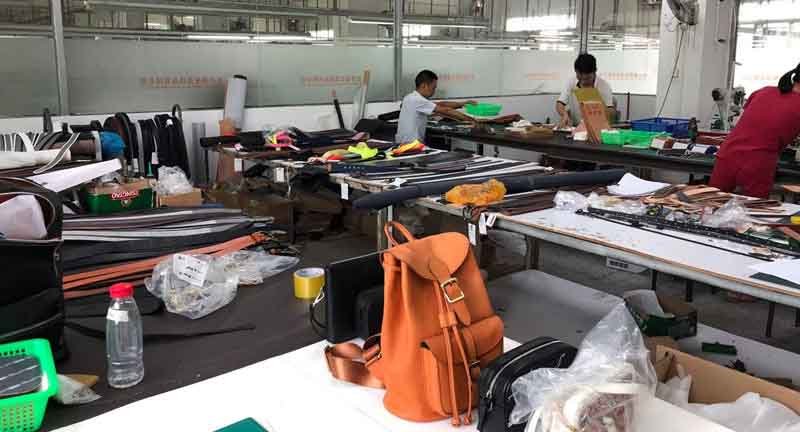
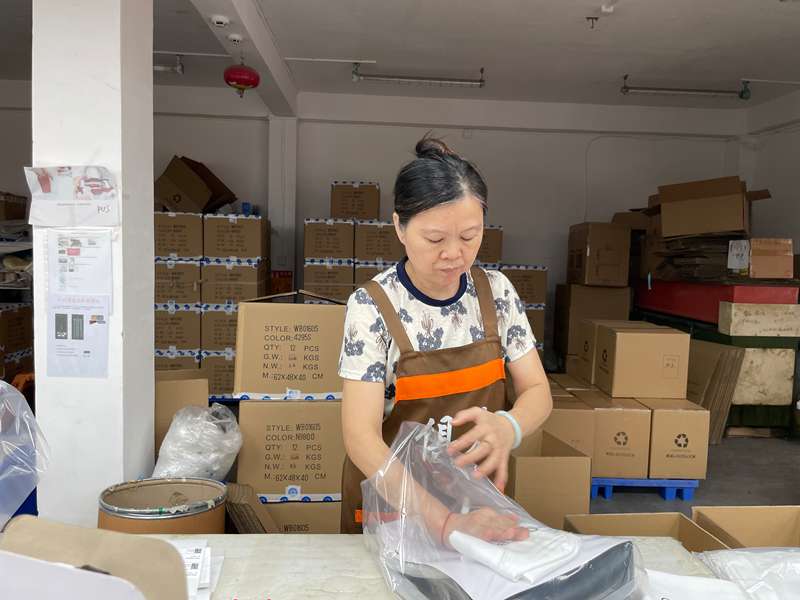
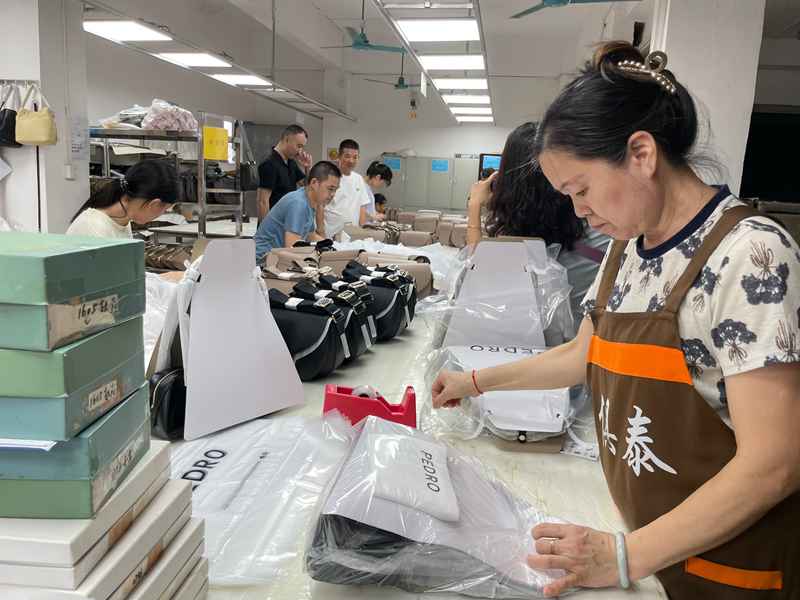
- Our operation scale is designed for repeat orders, with 600+ staff, 18,000㎡ factory space, and a dedicated QC structure including 80 inspectors supporting quality control discipline.
- We work with a wide material range (fabric, leather, PU or PVC, neoprene, plush, etc.), so your spec can be defined clearly rather than “whatever is available.”
Checklist:
- Request a factory proof sheet (capacity, QC, and key product range).
- Ask for a reliability plan: checkpoints from incoming materials → in-line QC → final QC → packing.
- Confirm how they prevent the 3 most common failures: zipper failures, stress-zone tearing, and carton damage.
- Require a “single source of truth”: approved sample photos and baseline spec list.
Decision tip: If a supplier avoids specifics (QC checkpoints, staffing, packaging rules, or reinforcement points), reliability is not yet demonstrated—no matter how low the quote looks.


China Bag Supplier Reliability Checklist
When look for a reliable bag manufacturer in China, the safest way to compare factories is to score execution ability, not just price or sample appearance. A dependable supplier should perform well in four core areas: process clarity, specification control, QC execution, and delivery predictability. One practical method is to use a simple internal scorecard with 0–2 points per item, giving a total score out of 20.
Key areas to review include RFQ clarity, written spec baseline, sampling control, material inspection, hardware specification, stress-zone reinforcement, QC checkpoints, evidence readiness, packaging discipline, and lead-time predictability. For example, a strong supplier should provide clear quote assumptions, written specs, staged sample management, incoming material checks, defined zipper and hardware standards, in-line and final inspection, packing verification, and realistic production timelines with risk notes. A weaker often gives only vague answers, generic promises, or no usable proof.
A fast rule is simple: score based on written response and evidence, not verbal reassurance. Factories scoring 16–20 are usually strong candidates for OEM bag manufacturing, private label bag production, and repeat-order programs. A score of 12–15 may still be workable, but you should verify risk areas such as packaging standards, hardware control, and QC evidence. Scores below that usually suggest a higher risk for claims, delays, and quote drift.
Useful questions include:
What is your QC flow from incoming inspection to packing check?
Can you provide a written spec baseline and a no-substitution rule?
How do you reinforce stress zones like handle anchors, zipper ends, and bottom corners?
What packaging standard is included, such as polybag, carton grade, and units per carton?
What evidence can you share for materials, hardware, and reinforcement methods?
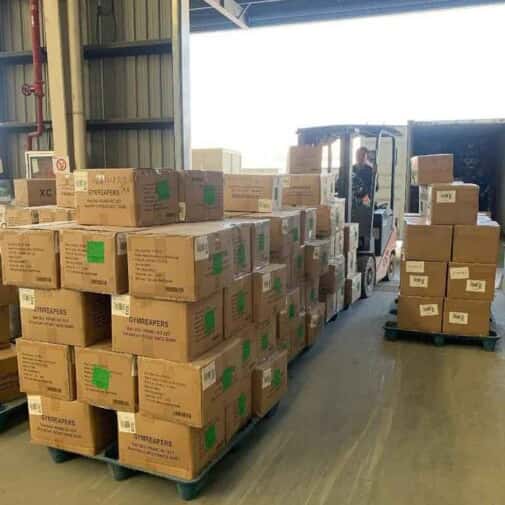


China Bag Sourcing Decision Gates
A reliable manufacturing partner runs a repeatable system. We recommend that you evaluate suppliers based on whether they can follow these 5 decision gates. You can use the same framework with any China bag manufacturer to reduce delays and quality disputes.
Gate 1 — RFQ Lock (Quote you can audit)
Goal: prevent “apples-to-oranges” quotes.
inputs to lock:
target size and usage scenario
quantity (per color) and target timeline
material baseline (GSM or coating), zipper spec (#), key hardware material
packaging assumption (carton grade, units, or carton)
Output you should receive: line-item quote, assumptions, and exclusions
Gate 2 — Spec Baseline (Single Source of Truth)
Goal: prevent spec drift after sampling.
Lock the must-not-change list:
outer fabric GSM or coating
zipper size and slider function
stress-zone reinforcement points (handle anchors, zipper ends, base corners)
logo method and placement
carton grade and labels
Output: written baseline attached to the sample approval sheet
Gate 3 — Sample Approval (Build matches the baseline)
Goal: approve a sample that represents the bulk reality.
Checks:
zipper function, stitching density on load seams
reinforcement photos at stress zones
measurements or tolerances (critical only)
Output: approved sample photo set, measurement record, and revision ID (V1/V2)
Gate 4 — Pre-Production Proof (Stop silent substitutions)
Goal: verify materials or hardware before bulk cutting.
Minimum proof:
fabric or hardware close-ups
reinforcement method reference
packaging materials confirmation
Output: light or standard evidence pack (as needed)
Gate 5 — Bulk Release and Packing Verification
Goal: ship without rework or claims.
Confirm:
in-line QC and final QC summary
carton grade label and units, carton
shipping marks or labels placement
Output: final inspection summary and packing verification photos


QC Verification: Staffing & Evidence
A dependable China bag manufacturer should operate QC as a system, not a final inspection event. For repeat orders, the most important thing is consistency: the same specs, the same reinforcement points, the same packing rules—every time.
A. What “verifiable QC” includes
A QC system has four layers:
- Incoming material check — verify fabric grade/coating, lining, foam thickness, zipper & hardware specs
- In-line checkpoints — catch stitching drift, logo placement drift, reinforcement misses
- Final inspection — function, measurements, appearance, workmanship
- Packing verification — carton grade, units/carton, labels/shipping marks
B. Jundong capability signal
From our factory introduction, Jundong operates at scale with 600+ staff, 18,000㎡, and a dedicated QC structure including 80 inspectors supporting quality control execution.
This matters because reliability requires staffing and process discipline—not just a good sample.
C. QC Checkpoint Table
| Stage | Key Checks | Outcome |
|---|---|---|
| Incoming | fabric spec, zipper/hardware spec | prevents silent substitution |
| Pre-production | BOM alignment vs. the approved sample | prevents sample-bulk mismatch |
| In-line | stress zones + stitch density + logo placement | prevents weak seams & drift |
| Final | measurements + function + finish | reduces defect rate |
| Packing | carton grade + units/carton + labels | prevents shipping damage |
D. Evidence options
Not every order needs a full report. You can choose proof level by risk:
- Light proof: key material + hardware photos + approved sample references
- Standard proof: plus in-line reinforcement photos + packing verification
- Full proof: plus measurement records + full inspection summary + optional video
Minimum proof we recommend for most orders:
- zipper close-up (size/slider function)
- stress-zone reinforcement photos (handle anchor, zipper end, base corner)
- carton grade label + units/carton confirmation


China Bag Lead-Time Control Plan
To keep lead time stable, you need a workflow that prevents decision bottlenecks and rework. Below is a reliability plan that breaks the timeline into control points you can manage.
A. The 4 main delay drivers (and how to prevent them)
| Delay Driver | What It Looks Like | Prevention Move |
|---|---|---|
| Spec not locked | Repeated revisions, re-quoting | Lock baseline spec and tier early |
| Material not confirmed | waiting for fabric and hardware | pre-production proof and backup options |
| Change creep | “small changes” add weeks | Change the impact sheet before action |
| Packing & labeling errors | re-carton, re-label, DC rejection | lock packaging rules and pre-pack check |
B. Lead-Time Control Plan
Step 1 — RFQ gate (Day 0–2)
finalize size, qty, target market
confirm must-not-change items (fabric GSM or coating, zipper system, stress zones)
Outcome: Quote is stable and comparable.
Step 2 — Sampling gate (Day 3–15, depends on complexity)
Use a sample revision log (V1/V2)
approve “baseline tier” sample, not a half-finished version
Outcome: Bulk can follow the approved build.
Step 3 — Pre-production gate (before bulk cutting)
confirm materials or hardware via photos or records
confirm packaging rules (carton grade, units or carton, labels)
Outcome: prevents silent substitutions and packing rework.
Step 4 — Production gate (in-line checkpoints)
Verify stress zones and logo placement early.
fix issues early to avoid end-stage rework
Outcome: stable quality and fewer delays.
Step 5 — Packing gate (final 48–72 hours)
packing verification: carton grade label and shipping marks
Final inspection summary ready.
Outcome: shipment releases without last-minute changes.
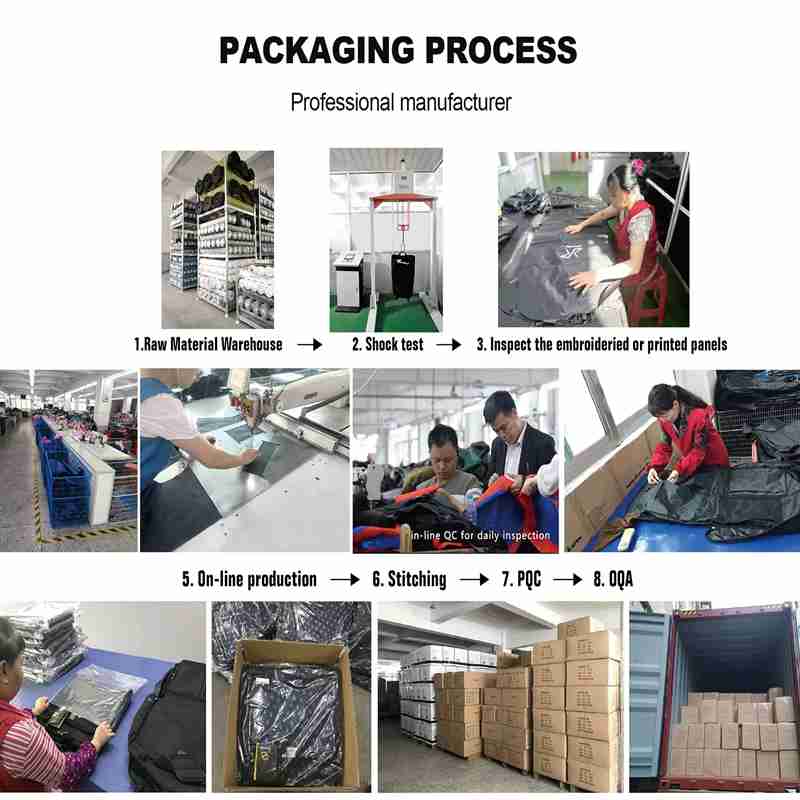
China Bag Material Supply Stability
A reliable bag manufacturer in China must control the supply side, not only the sewing line. When materials drift, everything drifts: color, hand-feel, durability, cost, and lead time. Below is a practical framework that you can use to evaluate whether a factory can keep materials stable across repeat orders.
A. The 5 material stability risks face
| Risk | What It Looks Like | Impact |
|---|---|---|
| Fabric availability | “This fabric is out of stock.” | delays, re-quote |
| Coating variation | water resistance changes | claims, returns |
| Color batch drift | shade inconsistent | rework, rejects |
| Hardware substitution | zipper or buckle swapped | failures, complaints |
| Mixed-material mismatch | webbing or binding differs | inconsistent look |
B. What “stable material control” should include
(1) Executable material specs
Reliability starts with specs that cannot be reinterpreted:
- outer fabric: denier, weave, GSM, and coating type
- lining: material and GSM
- foam or interlining: thickness, density when relevant
(2) Approved material references
A reliable factory uses:
- approved sample photos
- physical swatch or color reference
- confirmed zipper or hardware reference set
(3) Material-group logic (for multi-SKU programs)
Instead of treating every SKU as unique, group by material family:
- Group A: same outer fabric family
- Group B: coated waterproof family
- Group C: special materials (PU, PVC, neoprene)
(4) Backup options (pre-approved alternates)
To prevent “emergency substitutions,” define alternates early:
- alternative fabric of the same performance tier
- alternative zipper with the same spec
- alternative webbing or binding option

Bag Durability: Stress-Zone Rules
A bag fails where stress concentrates. These zones are predictable across most bag types: backpacks, tool bags, duffels, laptop bags, cooler bags, and EVA cases with soft covers. Reliability improves when you define stress-zone engineering early instead of leaving it to “standard sewing.”
A. The 6 most common stress zones
- Handle anchors (strap roots, top handles)
- Zipper ends (open or closed tension, pulling force)
- Base corners (ground contact, abrasion)
- Shoulder strap joints (dynamic load)
- Side gusset seams (overstuffing pressure)
- Bottom panel seams (weight and drag)
B. Stress-Zone Reinforcement Rules
Below are reliability rules can request without over-engineering:
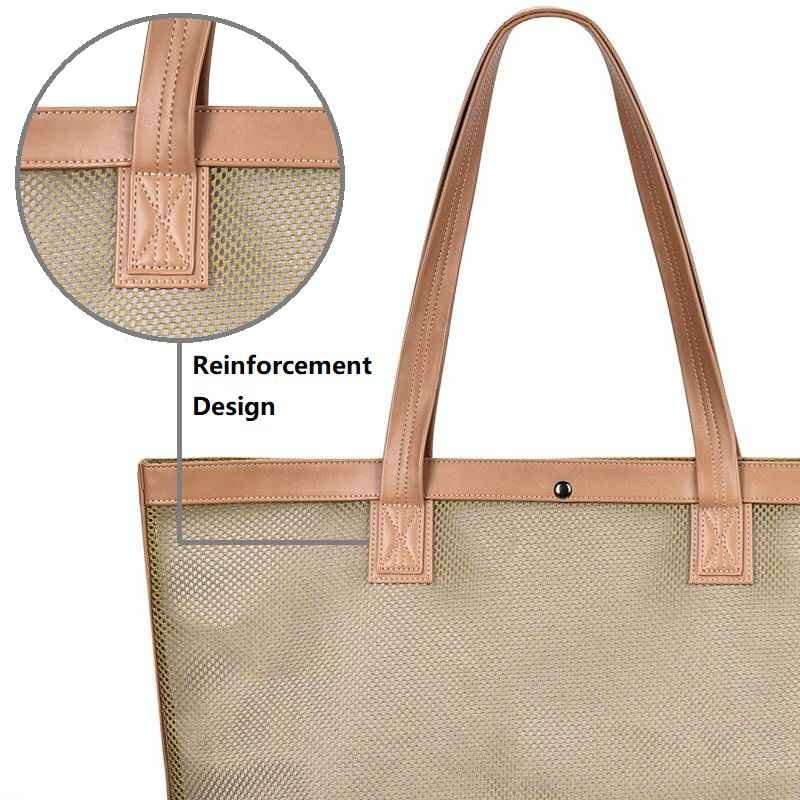
- Rule 1: Double-layer reinforcement at handle anchors and strap roots
- Rule 2: Bar-tacks (or equivalent) at key load points, with consistent placement
- Rule 3: Zipper-end protection using reinforcement tape or patch and clean seam finish
- Rule 4: Base corner wear protection (extra layer, binding, or abrasion panel)
- Rule 5: Stitch density range (SPI) locked on load seams to prevent weak seams
- Rule 6: Edge finishing consistency (binding width or fold type) to prevent fraying
C. “Durability Spec” Template
You can add this directly to your RFQ:
- Stress zones must be reinforced at: handle anchors, zipper ends, base corners
- Reinforcement method: double layer and bar-tack at load points
- Load seams stitch density: maintain a defined range (avoid sparse stitching)
- Zipper system: size and slider function locked
- Base corners: add abrasion protection layer (when heavy-duty use)


China Bag Factory Communication System
When they say “we need a reliable factory,” they often mean: we need fewer misunderstandings and faster approvals. The best way to achieve this is to standardize how information flows between your team and the factory.
A. The 4 communication failure modes (and the fix)
| Failure Mode | What It Looks Like | Fix (Practical) |
|---|---|---|
| Vague RFQ | “like this picture” only | structured RFQ fields and spec baseline |
| Untracked revisions | sample changes without record | revision log (V1/V2/V3) and change sheet |
| Assumptions not written | packaging or terms unclear | written assumptions and PO attachments |
| Slow decision loops | days of waiting for clarifications | decision checklist and response SLA |
B. The “Reliable RFQ” input structure
To reduce back-and-forth, send RFQs with these fields:
- product type and use case
- target size (L×W×H) and key features
- quantity and MOQ per color
- target market and compliance needs
- must-not-change list (fabric GSM or coating, zipper system, stress zones, packaging rules)
- logo method preference (label, patch, embroidery)
- Target Incoterm (FOB and optional DDP)
C. Decision checkpoints should insist on
Checkpoint 1 — Quote approval
- confirm assumptions and exclusions
Checkpoint 2 — Sample approval
- approve sample with baseline spec attached
Checkpoint 3 — Pre-production confirmation
- material or hardware confirmation and packaging rules confirmed
Checkpoint 4 — Packing release
- carton grade and labels confirmed before shipment
China Bag Manufacturing Categories & Uses
A reliable China bag manufacturer should be clear about what they can produce consistently—across multiple SKUs, repeat orders, and tight timelines. Our base in Guangdong and our production or QC structure are designed to support value stable quality, and predictable delivery.
We work with a wide range of materials—fabric constructions and synthetics such as PU or PVC, plus neoprene and other specialty materials—so specs can be defined and repeated (instead of “we’ll see what we can find”). Reliability is not just about having options; it’s about controlling those options with a baseline spec, QC checkpoints, and packing verification (Modules 3–5).
A. Product Range and Reliability Fit Map
| Product Category | Best-Fit Use Cases | Controls You Should Require |
|---|---|---|
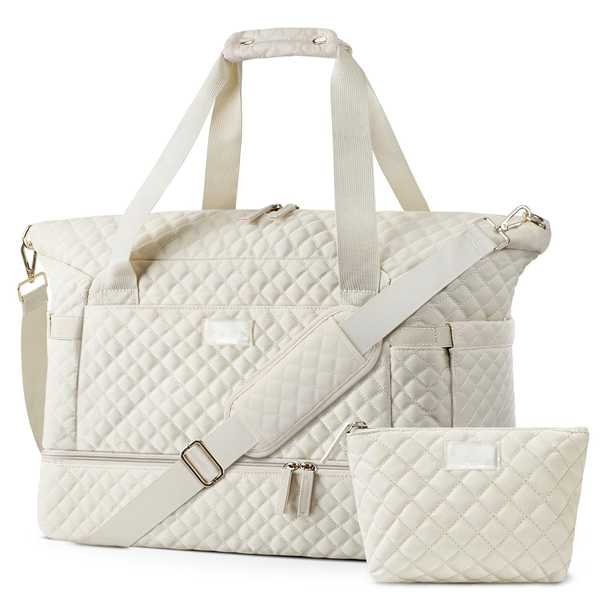
| Backpacks | daily carry, school, travel, outdoor | stress-zone reinforcement, strap architecture, zipper system lock |
| Tote / Shopper Bags | retail, promotions, brand merch | seam strength + handle anchoring, packaging standard |
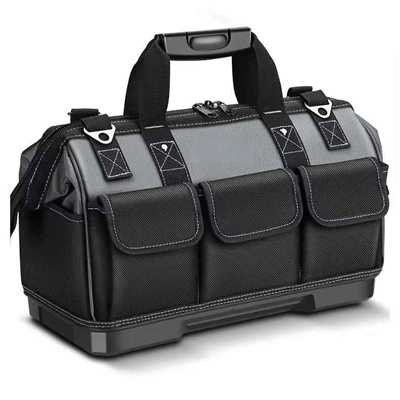
| Tool / Utility Bags | heavy load, jobsite | abrasion panels, base corner protection, and hardware strength |
| Cooler Bags | food delivery, beach, outdoor | insulation spec + seam sealing approach, leakage risk control |
| Travel / Duffel Bags | sports, weekend trips | handle anchors, bottom seam durability, zipper endurance |
| EVA / Structured Cases | electronics, medical kits, equipment | insert fit tolerance, zipper track alignment, packing protection |
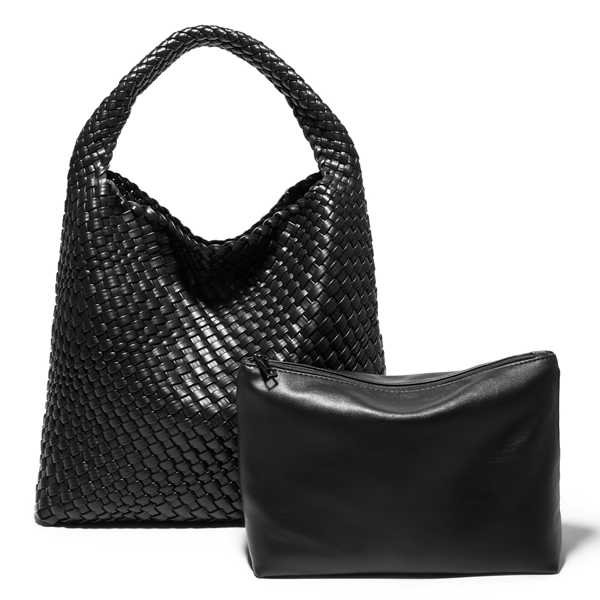
| Special Material Bags | PU/PVC, neoprene builds | coating/batch control, odor/color stability, compliance scope clarity |

B. How you can choose the “right reliability level.”
Use a simple decision structure:
- Load and usage frequency: daily or heavy use → strengthen stress zones (Module 7)
- Channel: retail or DC → stricter packaging rules and evidence for carton grade (Module 5)
- Material risk: coated, PU, PVC → tighter material or batch control and pre-production confirmation
C. Keyword-focused checklist
- Do you need water resistance or just splash resistance? (coating spec matters)
- Is your risk mainly returns/claims or late delivery? (choose QC & proof level)
- Are you running multi-SKU mixed orders? (standardize zipper or hardware where possible)


China Bag Stable Pricing System
Stable pricing is a system: spec baseline and assumptions, change rules, and proof. When any one part is missing, the quote becomes a moving target.
A. What “quote reliability” includes
- Comparable quote structure
- line items for materials, hardware, labor, packaging, QC
- clear separation of unit cost vs one-time costs
- Spec baseline locked before sampling
- fabric GSM or coating
- zipper system (size and slider function)
- stress-zone reinforcement points
- packaging standard (carton grade and units, carton)
- Change-control rule
- Any change must have a written impact sheet (cost and lead time) before action
- Evidence readiness
- minimum proof: material or hardware close-ups, stress-zone photos, and carton grade label
B. “Reliable quote” vs “risky quote” comparison
| Quote Behavior | Reliable Supplier | Risky Supplier |
|---|---|---|
| Material spec | GSM or coating listed | “600D OK” |
| Hardware spec | size and slider function | “YKK-style” |
| Reinforcement | points named and method | “standard sewing” |
| Packaging | carton grade and units/carton | “normal carton” |
| Changes | impact sheet before work | price changes after work |
| Proof | evidence options offered | refuses proof |
C. Checklist to keep pricing stable
- Provide a structured RFQ (Module 8)
- Lock “must-not-change” items before the sample starts
- Use Good, Better, Best tiers for optional upgrades (prevents random add-ons)
- Confirm Incoterm and destination early (FOB and optional DDP estimate)
- Reduce micro color runs (small runs per color increase cost and instability)

China Bag Manufacturer Evidence Checklist
Evidence is not about mistrust. It’s about reducing disputes and protecting your landed cost. For most bag programs, don’t need a full audit report—but they do need proof around the highest-risk points: materials, zipper or hardware, stress-zone reinforcement, and packaging.
A. Evidence Menu
| Proof Area | Minimum Proof (most orders) | Enhanced Proof (retail or strict) |
|---|---|---|
| Materials | fabric close-up and roll label (as available) | material check record and batch notes |
| Hardware | zipper close-up (size, slider) and key buckles | hardware checklist and functional test photo |
| Stress Zones | photos: handle anchor, zipper end, base corner | added in-line photos and stitch density reference |
| Packaging | carton grade label and units, carton | packing checklist and label placement photos |
| Measurements | critical dimensions only | measurement record with tolerances |
B. When to request proof
Moment 1 — After incoming material check
Request:
- fabric or hardware confirmation photos
- baseline spec confirmation note (quick summary)
Moment 2 — Early in-line stage (first production run)
Request:
- stress-zone reinforcement photos
- logo placement confirmation photo
Moment 3 — Before final packing or shipment release
Request:
- carton grade label and units, carton
- packaging or label placement confirmation
This timing prevents late surprises. If problems appear, you fix them early—before rework becomes expensive.
C. Copy or Paste Proof Request
“Please share the minimum evidence set for this order:
fabric close-up and roll label (if available)
zipper close-up showing size or slider function
stress-zone reinforcement photos (handle anchor, zipper end, base corner)
carton grade label and units, carton confirmation
Make A Sample First?
See your idea come to life before mass production.
At Jundong Factory, we offer free design mockups and custom samples to ensure every detail is perfect — from material and color to logo placement and stitching.
Start your project with confidence today: info@jundongfactory.com.
China Bag Manufacturer FAQs
How can I verify a China bag manufacturer is truly “reliable” before placing a bulk order?
A truly reliable bag manufacturer in China can prove reliability with documents and checkpoints and repeatable rules—not just a nice sample. You verify it by checking (1) spec discipline, (2) QC checkpoints, (3) lead-time control gates, and (4) a basic evidence pack that connects your quote to real production inputs.
(1) Ask for a “single source of truth” baseline
A reliable factory should provide a written baseline that locks: outer fabric GSM or coating, zipper size, slider function, stress-zone reinforcement points (handle anchors, zipper ends, base corners), packaging rules (carton grade and units, carton), and the Incoterm used for pricing. If the factory won’t write this down, reliability can’t be enforced.
(2) Validate the QC system (not only final inspection)
You want proof of incoming checks, in-line checks, and final checks, and packing verification. Reliable suppliers can explain who checks what and when, and what gets recorded.
(3) Confirm lead-time control gates
Reliable factories don’t just “promise 30–45 days.” They define decision gates: RFQ lock → sample approval → pre-production confirmation → in-line checkpoints → packing release. This prevents delays caused by late spec changes or packaging confusion.
(4) Request a minimum evidence pack (fast, not bureaucratic)
Minimum proof set:
- fabric close-up and roll label (as available)
- zipper close-up (size and slider)
- stress-zone reinforcement photos
- carton grade label and units, carton confirmation
What should I lock in the RFQ to prevent sample-to-bulk mismatch with a China bag factory?
To prevent sample-to-bulk mismatch, lock the few specs that factories might otherwise “interpret”: fabric GSM or coating, zipper system, stress-zone reinforcements, logo method or placement, and packaging rules. If these are locked before sampling, most disputes and re-quotes disappear. You often send images and ask for a price. The factory builds a sample, then small assumptions start changing: fabric grade, zipper quality, reinforcement coverage, carton strength. These changes cause quality drift and price drift.
The “Must-Not-Change” RFQ list
Materials
- outer fabric: denier or weave and gsm and coating type
- lining: material and GSM
- foam or interlining (if used): thickness or density
Hardware
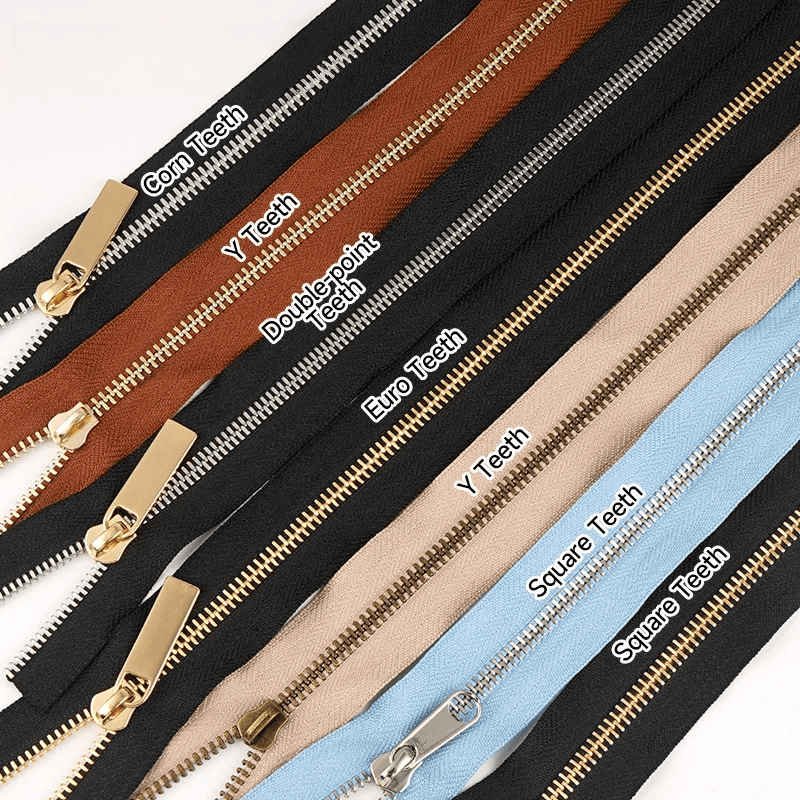
- zipper: size (#5/#8/#10), teeth type, slider function
- buckles and D-rings: material (POM or metal) and size
Durability
- stress zones reinforced at: handle anchors, zipper ends, base corners
- reinforcement method: double layer and bar-tack (or equivalent)
Branding
- logo method: woven label, patch, embroidery
- logo placement: marked on reference image
Packaging
- polybag spec, carton grade, and units or carton
- label or shipping marks rules (if DC or retail)
Terms
- Incoterm (FOB port or optional DDP destination) and timeline target
We have low MOQ and many SKUs—how can a China bag factory stay reliable without constant re-quotes?
For most bag orders, “enough QC” means incoming material checks, in-line critical checks, and final inspection and packing verification. This reduces total landed cost by preventing defects, returns, and rework—costs that rarely appear in the original quote but show up in real operations.
QC is often treated as an optional extra. In reality, the cheapest quote can become the most expensive shipment if defects force rework or cause claims.
Recommended QC levels
Level A — Standard QC (typical wholesale orders)
- incoming material confirmation
- in-line spot checks on seams and logo placement
- final random inspection
- packing verification (carton grade and units or carton)
Level B — Enhanced QC (new design or retail risk)
- added stress-zone checks (handle anchors, zipper ends, base corners)
- photo evidence set
- stricter packing checks for DC or retail labels
Mini table: QC choice vs real cost risk
| QC choice | Upfront cost | What it prevents |
|---|---|---|
| incoming checks | low | material/hardware mismatch |
| in-line stress checks | low–mid | tearing, seam failures |
| packing verification | low | shipping damage, relabeling |
| evidence photos | low | disputes with no proof |
Checklist to set QC correctly
- Identify your risk: daily heavy use? retail returns? tight deadlines?
- Mark critical defects (zipper failure, strap tear, wrong label)
- Decide proof level (minimum vs enhanced)
- Put QC scope and proof timing into the PO attachment
When QC is defined early, it becomes part of a reliable system—not a last-minute debate.
How can I compare FOB vs DDP quotes fairly when sourcing a bag manufacturer in China?
To compare FOB vs DDP fairly, you must first align product specs and packaging assumptions, then separate logistics variables (destination, duty or tax assumptions, delivery scope). Without this, a DDP quote can look cheaper or more expensive for reasons unrelated to manufacturing quality.
FOB (Free On Board) and DDP (Delivered Duty Paid) shift who pays and who controls shipping. Many disputes happen because DDP is treated like one number, but the scope is not defined.
A. The fair comparison method
Step 1 — Lock manufacturing “same product” rules
Make both suppliers confirm the same:
fabric GSM or coating, zipper size or slider, stress-zone reinforcement, carton grade, and units, carton
If these differ, you are not comparing the same bag.
Step 2 — Define DDP scope in writing
Ask what is included:
freight, export docs, customs clearance, duties or taxes, local delivery
Ask what is excluded:
remote area fee, storage or demurrage, appointment or warehouse fees, relabeling
Step 3 — Compare landed cost per unit (simple table)
| Item | FOB | DDP |
|---|---|---|
| Ex-factory unit price | ||
| Export packing/carton | ||
| Freight | buyer | included? |
| Duties/taxes | buyer | included? assumptions? |
| Local delivery | buyer | included? |
| Risk note |
B. Tips to avoid common traps
- Use FOB as baseline, request DDP as an optional estimate using the same destination.
- If your destination is a retail DC, confirm labeling rules and carton requirements—DDP doesn’t solve DC rejection.
- Ask for the DDP quote to list tax or duty assumptions; otherwise, it’s not transparent.
Red flag: “DDP all included” with no written assumptions. Reliable suppliers make the DDP scope explicit.
How do I prevent “silent substitutions” (fabric, zipper, reinforcement) after the sample is approved?
You prevent silent substitutions by locking a written no-substitution clause into the PO and verifying it with a minimum evidence pack at incoming and pre-packing stages. The highest-risk items to lock are fabric GSM or coating, zipper system, and stress-zone reinforcement.
Silent substitutions happen when specs are not measurable or when approvals are scattered across chats. A reliable supplier will accept a clear clause because it protects both sides.
A. The 3 items most worth locking
- Outer fabric GSM or coating (performance and cost driver)
- Zipper system (size, teeth type, and slider function)
- Stress-zone reinforcement (handle anchors, zipper ends, base corners)
B. Copy or paste the PO clause
- “No substitution of fabric GSM or coating, zipper system, or stress-zone reinforcement without written approval.”
- “Any change requires an impact sheet (cost and lead time, and risk notes) before execution.”
- “Factory will provide minimum proof: fabric or hardware close-ups, stress-zone photos, carton grade label and units, carton.”
C. Simple verification
| Moment | Proof to Request | What it prevents |
|---|---|---|
| after the incoming check | fabric + zipper close-ups | wrong materials/hardware |
| before packing | stress-zone + carton proof | weak build & damage |
Tip: Don’t try to police everything. Lock only the top-risk items, then verify with a small proof set. This is how you keep the relationship efficient while protecting reliability.
We have low MOQ and many SKUs—how can a China bag factory stay reliable without constant re-quotes?
Reliability for low MOQ or multi-SKU programs comes from pricing and producing by material groups and standardized components, with a clear “core vs optional” feature menu. This prevents constant re-quotes because most SKUs share the same cost logic and build standard.
When every SKU is treated as a new project, lead time and quality both become unstable. Reliable suppliers create a scalable structure.
A. Build a scalable reliability structure
(1) Group by material family
- Group A: same outer fabric family (same gsm/coating tier)
- Group B: coated waterproof family
- Group C: PU/PVC or special materials
(2) Standardize common components
- one zipper system across SKUs (where possible)
- one hardware set (material + sizes)
- one packaging standard (carton grade + labels)
(3) Use a “core vs optional” feature menu
Core: base silhouette, standard pocket set, standard logo method
Optional: extra organizers, special patches, retail inserts, upgraded hardware
B. Mini table: why this prevents chaos
| Problem | Unreliable approach | Reliable approach |
|---|---|---|
| too many SKUs | Re-quote each SKU | quote by material group |
| many colorways | micro runs per color | lock MOQ per color + group colors |
| feature creep | random add-ons | option menu with prices |
Tip: Ask for a 2-layer quote: base price (core build) and option prices (add-ons). This makes internal approvals faster and keeps production stable.
What exactly should I write into the PO to “lock reliability” with a China bag manufacturer?
To ensure lock reliability, your PO must include attachments that act as a single source of truth: (1) baseline spec list, (2) approved sample reference, (3) packaging rules, and (4) a change-control rule. Without these attachments, the PO can be interpreted in multiple ways, leading to bulk mismatch and disputes.
Many clients think a PO line like “make as a sample” is enough. It isn’t. A reliable supplier can follow rules, but you must make the rules written and measurable.
A. The “PO Attachment Pack”
Attachment 1 — Baseline Spec List (must-not-change)
Lock these items clearly:
- outer fabric: GSM and coating
- zipper system: size and slider function
- stress zones: handle anchors, zipper ends, base corners (reinforcement method)
- logo method and placement
- carton grade and units, carton
- Incoterm and destination, port
Attachment 2 — Approved Sample Reference
- photo set (front, back, inside, and stress zones close-ups)
- critical measurements (only the few that matter)
- sample version ID (V1/V2)
Attachment 3 — Packaging Rules
- polybag spec and warning text (if needed)
- carton grade and max carton weight and units, carton
- labels and shipping marks placement rules
Attachment 4 — Change-Control Rule
- no changes without written approval
- any change requires an impact sheet (cost and lead time)
B. Mini table: what each attachment prevents
| Attachment | Prevents |
|---|---|
| baseline spec | silent substitutions & spec drift |
| sample reference | “looks different” disputes |
| packaging rules | damage, DC rejection, relabeling |
| change control | surprise add-ons and delays |
C. A simple PO clause that can be copied
- “Production must follow the attached baseline spec list and approved sample reference.”
- “No substitution of fabric GSM or coating, zipper system, or stress-zone reinforcements without written approval.”
- “Packaging must follow attached carton and labeling rules.”
If you attach these, reliability becomes enforceable—so your bulk order stays consistent, and your approvals move faster.
Why do lead times fail with China bag suppliers, and what can I do to keep delivery reliable?
Lead times fail mainly due to late decisions (spec not locked, packaging unclear), material uncertainty, and change creep during sampling or production. You keep delivery reliable by using a simple 5-gate timeline: RFQ lock → sample approval → pre-production confirmation → in-line checkpoints → packing release.
Delays usually appear when factories wait for approvals or have to redo work. Reliability means preventing rework with early confirmation.
A. The 5-gate delivery method
Gate 1 — RFQ lock
lock must-not-change items: fabric gsm or coating, zipper system, stress zones, carton rules
Outcome: quote + plan is stable.
Gate 2 — Sample approval
approve a sample that matches the baseline tier
Outcome: bulk can follow without guesswork.
Gate 3 — Pre-production confirmation
Confirm materials, hardware, and packaging rules before bulk cutting
Outcome: no waiting on missing materials or packing changes.
Gate 4 — In-line checkpoints
Verify stress zones and logo placement early
Outcome: issues fixed early, not at the end.
Gate 5 — Packing release
Confirm carton grade and labels before shipment
Outcome: avoids DC rejection and re-cartoning.
B. Mini table: biggest delay drivers and fixes
| Delay driver | fix |
|---|---|
| spec unclear | lock baseline + attach to PO |
| too many revisions | version log + impact sheet |
| Materials not ready | pre-production proof + alternates |
| packing errors | packing checklist + label confirmation |
Tip: Ask the factory to share decision deadlines: what must be approved by what date. Reliable delivery is a joint schedule, not a factory promise.
Which cost cuts usually break reliability, and which optimizations are “safe” for you?
Reliability breaks when cost cuts target the failure points—fabric GSM or coating, zipper system, and stress-zone reinforcement. Safe optimizations reduce waste and complexity (panel count, standardized components, smart packaging) while keeping durability-critical specs locked. Often ask, “Where can I save costs without causing claims?” The key is to separate structural durability from cosmetic complexity. If a supplier proposes savings without naming what changes and why, the plan is risky.
A. High-risk cost cuts (commonly cause claims)
- lowering outer fabric GSM or changing coating without approval
- switching zipper or hardware to “equivalent” with no spec lock
- reducing reinforcement at handle anchors, zipper ends, base corners
- decreasing stitch density on load seams
- using weak cartons to save cents (then paying for damage and rework)
B. Safe optimizations (often low risk when controlled)
- reduce panel count in non-stress zones (same silhouette, fewer seams)
- standardize zipper or hardware across SKUs (same spec, better efficiency)
- remove low-value micro pockets that add labor minutes
- rationalize colorways to avoid tiny runs per color
- optimize packaging: right carton size, correct units or carton, clear labeling rules
What’s different between a first-time order and repeat orders when working with a China bag manufacturer?
First-time orders succeed when you focus on baseline lock, proof, and revision control. Repeat orders become reliable when you standardize material groups, common components, QC proof timing, and packaging rules—so every reorder runs on the same system instead of restarting from zero. expect repeat orders to be “automatic,” but reliability still needs structure. The good news: repeat orders can become faster, cheaper, and more consistent when you lock in the right standards.
A. First-time order (what to prioritize)
- Confirm must-not-change baseline (fabric gsm or coating, zipper system, stress zones, packaging rules)
- use a sample revision log (V1/V2) and approve one baseline tier
- Request minimum evidence at two moments: after the incoming check, before packing
- Attach baseline and sample reference and change rule to the PO
B. Repeat orders (what to standardize)
- group SKUs by material family (same fabric tier means stable price or quality)
- standardize zipper or hardware specs across the line
- standardize packaging: carton grade and units, carton and labels
- reuse the same proof checklist and QC checkpoints
C. Mini table: first order vs repeat order
| Topic | First Order | Repeat Orders |
|---|---|---|
| main goal | prevent surprises | scale consistency |
| spec method | lock baseline | Reuse baseline by material group |
| QC approach | minimum proof + key checkpoints | same proof timing every run |
| pricing | clear line items | stable reordering with options |
Tip: Treat your first order as building a “production standard.” Once that standard is written and proven, reorder reliability becomes a real advantage—fewer approvals, fewer emails, faster delivery.
How should payment terms be structured to support reliable delivery (not just protect cash flow)?
Payment terms support reliability when each milestone is tied to verifiable deliverables—baseline specs, sample approval, pre-production confirmation, and packing verification. This reduces disputes and keeps production moving because both sides know what must be completed before the next step.
accept simple terms (e.g., 30/70) without defining what “ready” means. That creates two risks: you pays without proof, or the factory waits for unclear approvals—both can delay delivery.
A. A reliability-friendly payment milestone model
Milestone 1 — Deposit (project start)
Should be received:
- written baseline spec list (must-not-change items)
- confirmed RFQ assumptions (Incoterm, packaging rules)
Milestone 2 — Pre-production confirmation (before bulk cutting)should receive:
- material or hardware confirmation (photos or notes)
- packaging confirmation (carton grade + units/carton + labels)
Milestone 3 — Balance (before shipment release / after inspection)
Should be received:
- final QC summary (or third-party report if used)
- packing verification photos (carton grade label, and label placement)
B. Mini table: Payment linked to deliverables
| Payment stage | What you’re paying for | Deliverable you should require |
|---|---|---|
| Deposit | start work & plan | baseline spec + quote assumptions |
| Pre-prod | start bulk | material/hardware + packing confirmation |
| Balance | shipment release | QC summary + packing proof |
C. tips (keep it fair and fast)
- Put the deliverables as PO attachments; avoid scattered confirmations in chat.
- Define “approval” clearly (sample photos + measurements + version ID).
- If you use third-party inspection, schedule it early so shipment timing stays realistic.
Red flag: A supplier asks for full payment early while refusing baseline specs or proof. That’s the opposite of reliable sourcing.
How do you control color consistency (Pantone matching, dye lots) to avoid rejects and delays?
Color consistency is controlled by locking the color reference standard (Pantone + physical swatch), approving a pre-production lab dip/strike-off, and managing components by material group (outer fabric, lining, webbing, binding). Clear tolerance rules prevent late-stage rework and disputes.
Color issues are common because photos lie—lighting changes everything—and different materials absorb dye differently. A reliable supplier treats color as an approval process, not a “best effort.”
A. The color control workflow
- Provide color reference: Pantone and physical swatch (best)
- Approve lab dip or strike-off for the outer fabric
- Approve color match for webbing, binding, and lining by material group
- Confirm the lighting standard used for checks (D65 daylight is common)
B. Mini table: Why color disputes happen
| Cause | Result | Prevention |
|---|---|---|
| different dye lots | shade drift | pre-production approval |
| mixed materials | webbing differs | approved by the material group |
| photo-only approval | misunderstandings | physical swatch baseline |
| late color change | re-dye/re-order | Lock color early |
C. Tips to keep costs stable
- Limit micro runs per color; small lots increase variance and cost.
- If color is brand-critical, ask for a simple “color control pack”: swatch reference + pre-production approval record + final batch confirmation.
Everything You Need to Know Before Customizing Your Bags
Reliable bag manufacturer decisions are rarely based on price or sample appearance alone. For procurement teams, a reliable evaluation depends on clear answers around MOQ versus bulk pricing, lead time control, material and hardware consistency, sampling discipline, QC checkpoints, packaging accuracy, shipment readiness, and repeat-order stability. This FAQ section is designed to address operational questions up front, helping you assess supplier fit faster while reducing unnecessary internal back-and-forth.
We recommend structuring FAQs around real triggers: what information is required to start RFQ and sampling, how the factory controls sample-to-bulk consistency, how materials, zippers, and hardware are specified and checked, how stress zones and reinforcement methods are handled, how packaging and carton standards are confirmed, and which QC checkpoints protect long-term durability and delivery reliability. When written clearly, these FAQs also support long-tail search intent, such as “reliable bag manufacturer in China,” “OEM bag factory China,” “private label bag supplier,” or “China bag manufacturer with quality control.”
For a quick evaluation, you can share your bag category, target dimensions, quantity, customization level, target market, packaging requirements, and expected timeline by email. Our team will review your inputs and provide a practical development and production path to support your bag project from sampling to repeat orders.
