 Skip to content
Reinforced Stitching Bag Manufacturer
Need a bag factory that takes stitching strength seriously? We help brands, importers, wholesalers, and private label programs develop custom bags with reinforced stitching for better durability, load support, and long-term use. Our team supports tote bags, tool bags, travel bags, backpacks, cooler bags, work bags, utility bags, and other sewn products that require stronger seam construction, stress-point reinforcement, bar-tack support, webbing attachment control, and stable bulk quality. From sample development to bulk production, we focus on stitching performance that helps reduce seam failure, improve carrying strength, and support more reliable bag production for demanding applications.
Reinforced Stitching for Durable Bags
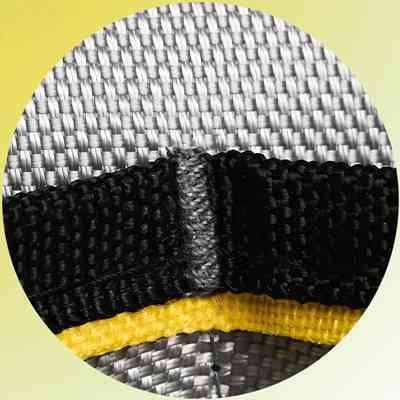
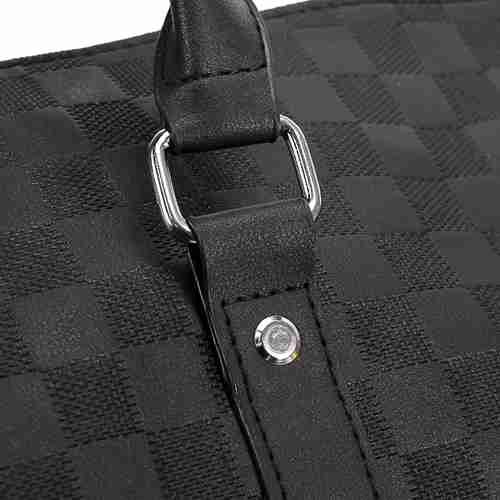
For many bag projects, reinforced stitching is one of the main details that affects long-term performance. A bag may look good at first, but if the stitching is weak at stress areas, the product can fail much earlier in real use. This matters even more for tote bags, travel bags, work bags, tool bags, backpacks, cooler bags, and utility bags that carry heavier loads or face repeated daily use.
(1) Where reinforced stitching matters most
The highest-stress areas usually include:
- handles and shoulder straps
- zipper openings and top edges
- corners and bottom panels
- webbing attachment points
- main load-bearing seams
These areas receive repeated pulling, lifting, and weight pressure. Stronger stitching helps reduce seam breakage, loose thread problems, and handle failure.
(2) Why stronger stitching matters
A better stitching structure helps improve:
- load-bearing strength
- bag shape stability
- seam durability during repeated use
- resistance to fraying or seam opening
- overall product confidence at hand-feel stage
For bags used in work, travel, tools, retail, or branded programs, this is often one of the clearest signs of a better-built product.
(3) More than appearance
Reinforced stitching is not only a visual upgrade. It also helps the bag stay functional under weight and daily wear. This is especially useful for projects that need:
- stronger carry performance
- better repeat-order consistency
- lower risk of seam complaints
- more stable bulk quality across larger orders
(4) Why does this matter for custom bag development
For custom bag projects, reinforced stitching should be planned alongside the fabric choice, webbing strength, handle structure, zipper construction, and intended load. When these details are aligned early, the bag is usually easier to develop, test, and produce in bulk.
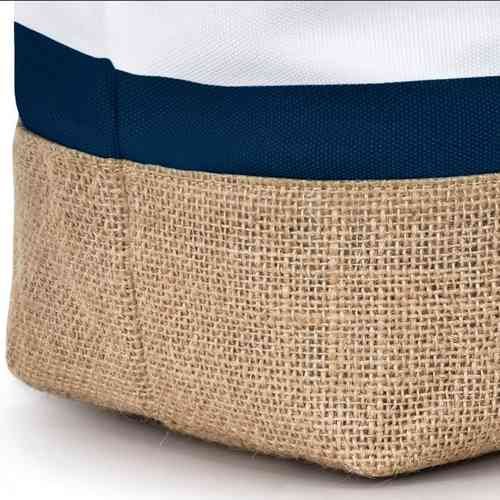
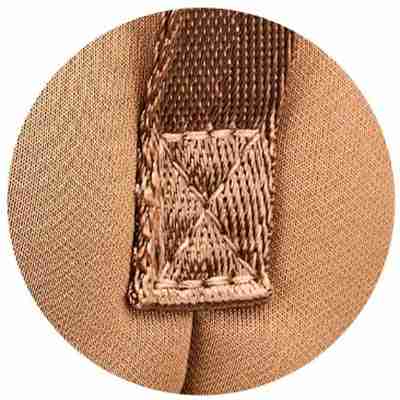
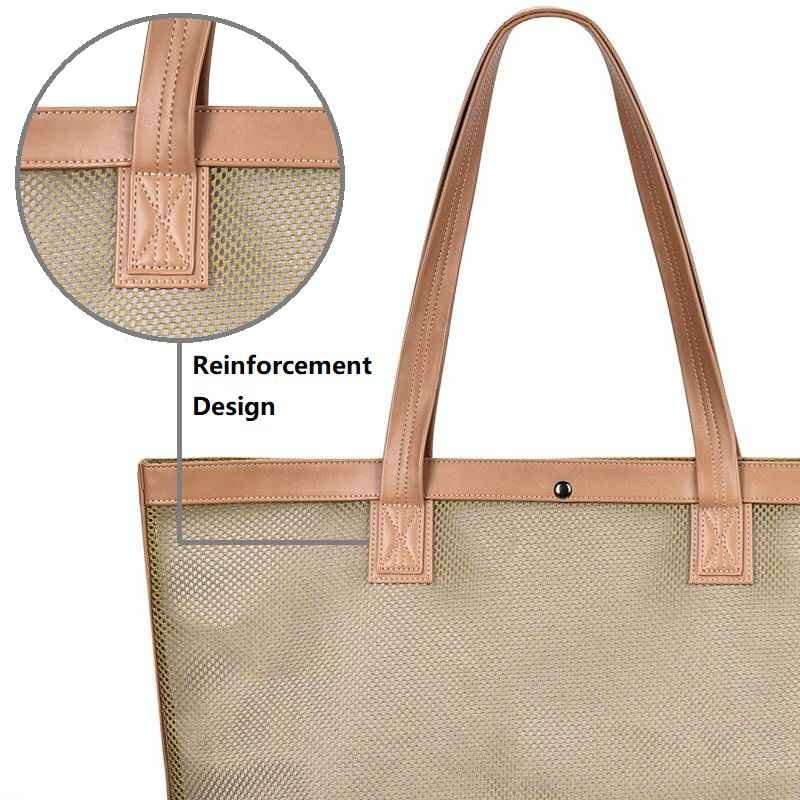
Benefits of Reinforced Stitching
For many bag styles, reinforced stitching is one of the clearest signs of a more dependable product. It does more than improve seam appearance. It helps the bag stay stronger under weight, repeated handling, and daily use. This is especially important for backpacks, tote bags, travel bags, laptop bags, sports bags, tool bags, and utility bags, where the stitching must support real load pressure.
(1) Better durability in daily use
Reinforced stitching helps protect the areas most likely to fail first, including:
- handles and shoulder straps
- corners and bottom panels
- zipper edges and top openings
- webbing attachments
- main stress seams
These areas are exposed to pulling, lifting, dragging, and repeated opening. Stronger seam construction helps reduce ripping, seam opening, and loose-thread problems over time.
(2) Stronger bag function
A bag with better stitching usually performs better in real use. It can help improve:
- load-bearing support
- shape retention under weight
- stability with thicker fabrics
- better performance in work and travel use
- longer usable life across repeated handling
This is one reason reinforced stitching is often preferred for bags designed for heavier or more demanding use.
(3) Better visual confidence
Reinforced stitching can also improve how the bag feels and looks in the hand. Cleaner, stronger stitch lines often give the product a more solid and better-finished impression. In some designs, visible reinforcement also adds a more technical or rugged appearance.
(4) Better long-term value
While stronger stitching may add some cost early on, it often helps reduce later problems such as:
- seam complaints
- repair issues
- early product failure
- unstable repeat-order quality
For custom bag projects, reinforced stitching often supports a better balance between durability, function, appearance, and long-term product stability.
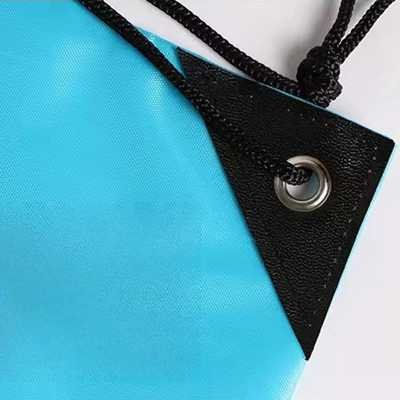
From Design to Reinforced Stitching
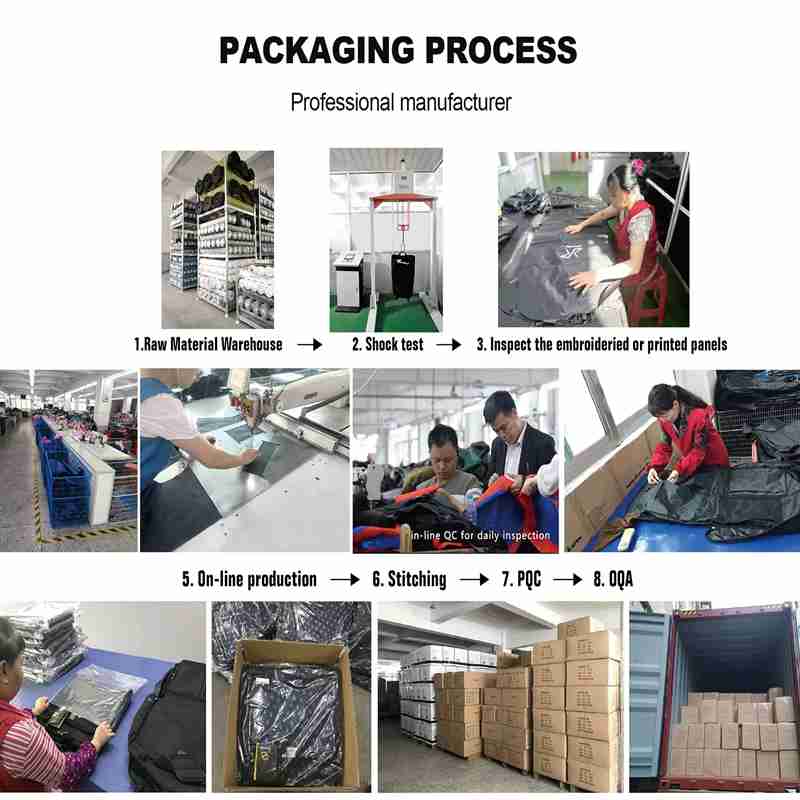
For bags with reinforced stitching, long-term performance depends on more than the sewing stage alone. The full result comes from how the project is planned from material selection, cutting accuracy, seam construction, inspection, and final packing. If one stage is weak, even strong stitching can lose its value later.
(1) Material planning comes first
A stronger stitching result usually starts with the right material combination, including:
- outer fabric that matches the intended load
- thread strength suited to the fabric thickness
- webbing, zipper, buckle, and hardware that fit the stress level
- reinforcement layers where needed at handles, straps, or corners
These choices affect whether the stitching can stay stable under repeated use.
(2) Accurate cutting and edge preparation matter
Before sewing begins, the fabric and support parts should be prepared carefully. Better control at this stage usually includes:
- accurate cutting for clean panel alignment
- stable edge preparation in stress zones
- reinforcement placement before seam assembly
- reduced distortion in heavier or softer materials
This helps create cleaner stitching and more dependable seam performance later.
(3) Sewing method shapes the bag’s strength
During assembly, reinforced stitching is usually applied where the bag receives the most pulling or weight pressure, such as:
- handles and straps
- zipper openings
- bottom corners
- webbing attachments
- main structural seams
Useful reinforcement methods may include:
- double stitching
- bar-tack support
- backstitch locking
- multi-pass stitching in stress areas
(4) Inspection protects consistency
After sewing, a stronger check process often reviews:
- seam strength
- stitch accuracy
- loose-thread control
- hardware attachment
- opening and closure function
- stress-point stability
(5) Finishing and packing also matter
The final result also depends on:
- clean thread trimming
- neat finishing
- shape protection during packing
- correct folding and carton handling
For reinforced stitching bag projects, dependable quality usually comes from the full process working together, not from one sewing step alone.

Testing Reinforced Stitching Quality
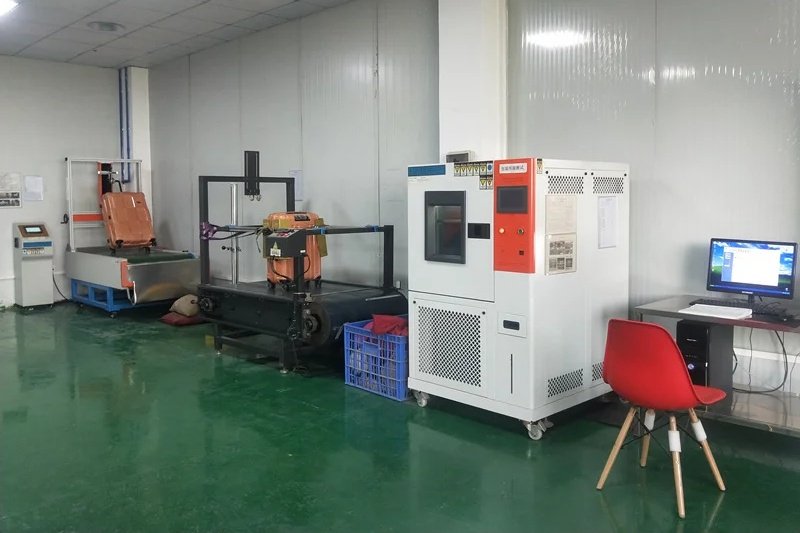
For bags with reinforced stitching, quality checks should go beyond clean seam appearance. What really matters is whether the stitching can hold under weight, repeated pulling, zipper stress, and daily handling. A bag may look well-sewn, but if the seam, webbing, or handle attachment is weak, the product can still fail too early in real use.
(1) Check materials before sewing
A stronger process usually starts with material review before production:
- fabric strength and surface stability
- thread suitability for load-bearing seams
- webbing thickness and consistency
- zipper, buckle, and hardware quality
- reinforcement layers used at handles, corners, or bottom panels
If the material base is weak, seam quality becomes harder to protect later.
(2) Test stitching at stress areas
The most important checks usually focus on:
- handle and shoulder strap attachment
- zipper ends and opening edges
- bottom corners and side seams
- webbing connection points
- main structural seams
Useful testing methods often include pull checks, seam-strength checks, and stress review at repeated-use zones.
(3) Add in-line inspections during production
Waiting until the end is often too late. A stronger control process usually includes:
- stitch accuracy checks during sewing
- reinforcement position checks
- loose-thread review
- seam alignment review
- early detection of skipped stitches or weak locking
This helps reduce bigger problems before the full order is completed.
(4) Final checks before packing
Before shipment, a more complete review should also cover:
- bag function under filled condition
- handle stability under load
- zipper movement and opening performance
- seam appearance and thread trimming
- correct folding and protective packing
For reinforced stitching bag projects, the best results usually come from material checks, seam testing, in-line control, and final inspection working together.
What Makes Reinforced Bags Reliable
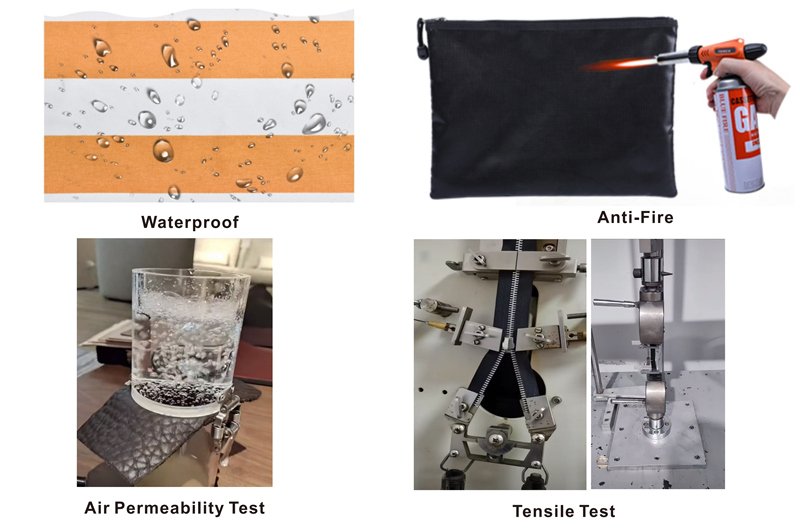
For bags with reinforced stitching, durability usually depends on several construction details working together. Strong seam lines alone are not enough. A more dependable bag also needs the right fabric, thread, reinforcement method, stress-point support, and finishing quality. These details matter for backpacks, laptop bags, tote bags, travel bags, tool bags, camera bags, and utility bags that face repeated loading and daily handling.
(1) Strong base materials
Reinforced stitching works better when paired with materials that can support real use, such as:
- high-denier nylon
- canvas
- polyester
- heavier webbing and support layers
- stronger sewing thread suited to the fabric weight
If the base material is too weak, stronger stitching alone cannot fully protect the bag.
(2) Reinforced stress areas
The most important zones usually include:
- handles and shoulder straps
- zipper openings and closure points
- corners and bottom edges
- webbing attachments
- main structural seams
These areas receive the most pulling, weight pressure, and repeated movement. Stronger reinforcement helps reduce seam opening, tearing, and fraying.
(3) Multi-line seam construction
A more durable bag often uses:
- double stitching for a stronger seam hold
- triple stitching in heavier-use zones
- bar-tack support at stress points
- backstitch locking where seam security matters
This helps the bag hold shape and stay more stable under load.
(4) Extra support where needed
Some bag styles also need added support, such as:
- padded handles and straps
- reinforced bottom panels
- padded lining in laptop or camera bags
- extra layers behind high-stress attachment zones
These features improve both carrying comfort and long-term seam performance.
(5) Clean visual finish
Reinforced stitching can also improve product appearance. Clean, even stitch lines often give the bag a more solid, better-finished look, while visible reinforcement can add a stronger technical or rugged style.

Custom Reinforced Bags for Durability
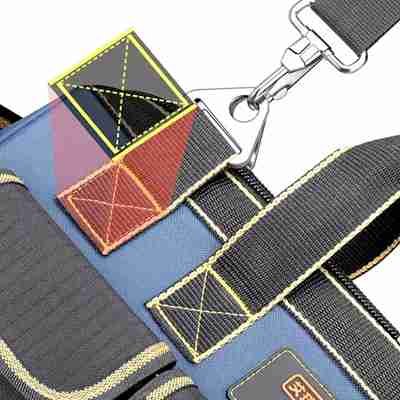
For custom reinforced stitching bags, durability is shaped by more than one sewing method alone. A stronger result usually comes from matching the right fabric, thread, stitching pattern, stress-point support, and functional details to the intended use. This matters for backpacks, tote bags, travel bags, laptop bags, tactical bags, sports bags, camera bags, and utility bags that need stronger load support and longer service life.
(1) Choose the right base materials
Different bag uses need different material directions, such as:
- canvas for durable casual and outdoor bags
- nylon or polyester for lighter weight, water resistance, and travel use
- leather or synthetic leather for a more premium look with stronger structure
- recycled or alternative materials for projects with greener positioning
The outer fabric should match the bag’s weight level, use frequency, and carrying pressure.
(2) Match the thread to the stress level
Thread selection affects seam performance directly. Common options include:
- nylon thread for abrasion resistance and heavier use
- polyester thread for moisture and light weather exposure
- heavy-duty thread for stronger load-bearing zones
(3) Select the right reinforcement method
Different bag areas may need different reinforcement levels:
- single stitching for lower-stress zones
- double stitching for stronger daily-use seams
- triple stitching for high-stress zones
- bar-tack reinforcement for handles, straps, and webbing points
(4) Add function-based reinforcement
Some projects also need:
- padded laptop sleeves
- waterproof materials or seam protection
- extra pockets and compartments
- reinforced corners, zippers, and handles
(5) Finish with branding and color control
A stronger custom bag program can also include:
- logo embroidery, print, or patches
- custom color matching
- branded panel placement
- practical trim and hardware coordination
When these details are planned together early, reinforced stitching bags are easier to develop, easier to test, and more stable in bulk production.
Why Brands Choose Jundong
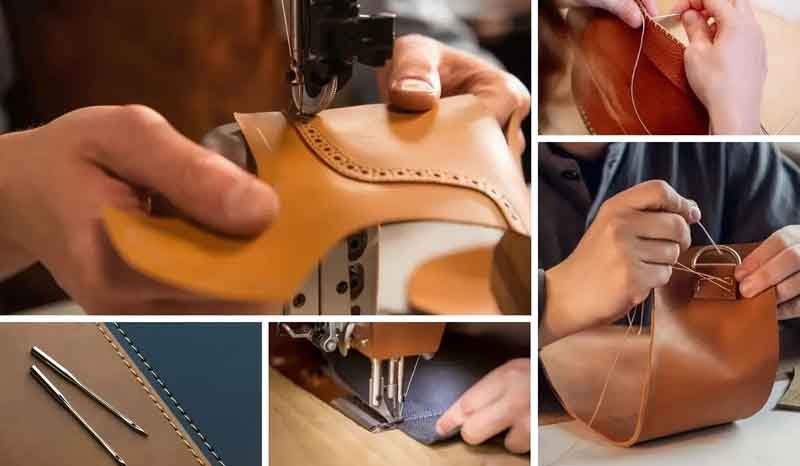
For reinforced stitching bag projects, the real value is not simply whether a factory can sew thicker seams. What matters more is whether strong stitching can stay stable, repeatable, and dependable across bulk quantities. This requires more than sewing skill alone. It depends on clear technical control, stronger pattern support, organized inspection, and a team that understands where bags fail in real use.
(1) Stronger control where bags fail most
Reinforced stitching usually matters most at:
- handle anchors
- shoulder strap joints
- zipper ends
- bottom corners
- main load-bearing seams
These are the zones that receive the most pulling, lifting, and repeated weight pressure. Better control in these areas helps reduce seam opening, loose thread problems, and early bag failure.
(2) Why Jundong is a practical fit
Jundong is a stronger fit for durable bag programs that need:
- clearer technical specifications
- a more organized pattern room
- in-house inspection support
- sample-to-bulk stability
- regular production follow-up
- support for mixed orders and multi-SKU projects
(3) Better support for custom bag development
For tote bags, backpacks, travel bags, tool bags, work bags, laptop bags, cooler bags, and utility bags, stitching strength connects directly to:
- material choice
- webbing and handle structure
- seam construction method
- QC checkpoints
- order scaling control
A factory that can connect these details early usually helps reduce rework and keeps the project easier to manage.
(4) Why customers make contact
Many projects start with one bag style, then expand into more sizes, more colors, or stronger versions later. Jundong is well-suited for teams that want a bag partner able to support:
- early sample development
- structure refinement
- bulk consistency
- multi-style growth
- long-term repeat orders
For reinforced stitching bags, that kind of control is often what makes the project safer and more dependable.

Best Uses for Reinforced Bags
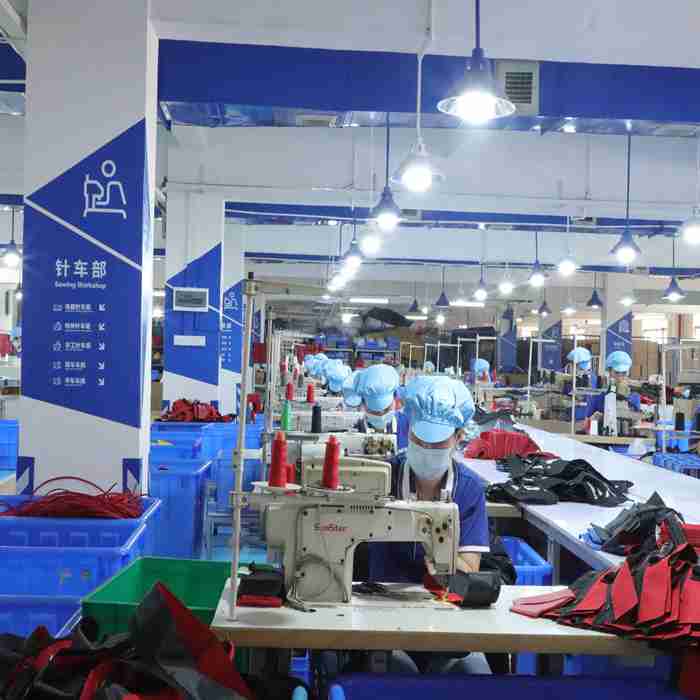
Not every bag needs reinforced stitching, but for products exposed to heavier loads, repeated handling, or rougher daily use, this feature can make a clear difference. Reinforced stitching is most useful when the bag must protect shape, reduce seam failure, and stay dependable over time. This is especially relevant for travel bags, tactical bags, outdoor bags, tool bags, utility bags, work bags, promotional bags, and premium structured bags.
(1) Travel and luggage use
Reinforced stitching works well for:
- duffel bags
- travel backpacks
- luggage bags
- carry-on organizer bags
These bags face repeated lifting, dragging, packing pressure, and transport handling. Stronger stitching helps protect handles, zipper areas, corners, and base panels.
(2) Outdoor and tactical use
This feature is also valuable for:
- hiking bags
- camping backpacks
- tactical gear bags
- field-use carry bags
These products often face heavier contents, abrasion, moisture, and rough environments. Reinforced stitching helps keep the bag more stable under demanding use.
(3) Work and tool use
For tool bags, utility bags, service bags, and maintenance carry bags, stronger stitching helps support:
- heavier contents
- repeated opening and closing
- stronger handle stress
- long-term seam stability
This makes reinforced construction especially useful for daily work routines.
(4) Premium and branded bag programs
Reinforced stitching is also useful for:
- premium briefcases
- structured retail bags
- corporate bags
- promotional bags with longer use value
In these products, stronger stitching supports both durability and a more solid finished feel.
(5) Who usually needs this feature
Common target groups include:
- travel gear programs
- outdoor and tactical product lines
- work and utility bag projects
- branded giveaway programs
- premium retail collections
Where daily stress is higher, reinforced stitching usually becomes a practical upgrade rather than an optional detail.


Client Feedback on Reinforced Bags
Real project feedback often shows how reinforced stitching performs in daily use. Below are examples from different industries where durability and seam strength matter most.
(1) Tactical backpack program
Use: tactical backpacks for heavy-duty environments
Feedback:
Strong reinforcement at handles, straps, and load points helped the bags perform well under pressure. Even with repeated use in demanding conditions, the seams stayed stable and did not open or weaken.
Results:
- better performance under heavy load
- fewer seam-related issues
- consistent field use feedback
(2) Premium fashion bags
Use: structured bags with higher appearance standards
Feedback:
Clean, reinforced seams improved both strength and overall finish. The bags kept their shape after extended use, while stitching lines remained neat and stable.
Results:
- stronger structure retention
- improved product feel and presentation
- better long-term use experience
(3) Outdoor hiking backpacks
Use: hiking and outdoor carry bags.
Feedback:
Reinforced stitching helped the bags handle long-distance use, gear weight, and repeated packing. Seams held well at stress areas such as straps, base panels, and zipper ends.
Results:
- reliable use in outdoor conditions
- reduced seam wear over time
- stable performance across larger quantities
(4) Promotional and corporate bags
Use: branded bags for events and gifting
Feedback:
Stronger stitching improved durability, especially when bags were filled with promotional items. This helped reduce complaints and supported repeat orders.
Results:
- better durability for daily use
- improved brand perception
- higher reorder rate
(5) Utility and work bags
Use: tool bags and service carry bags
Feedback:
Reinforced seams at handles, corners, and attachment points allowed the bags to carry tools and equipment without early wear. Performance stayed stable in daily work environments.
Results:
- longer product life
- stronger load support
- dependable performance in regular use
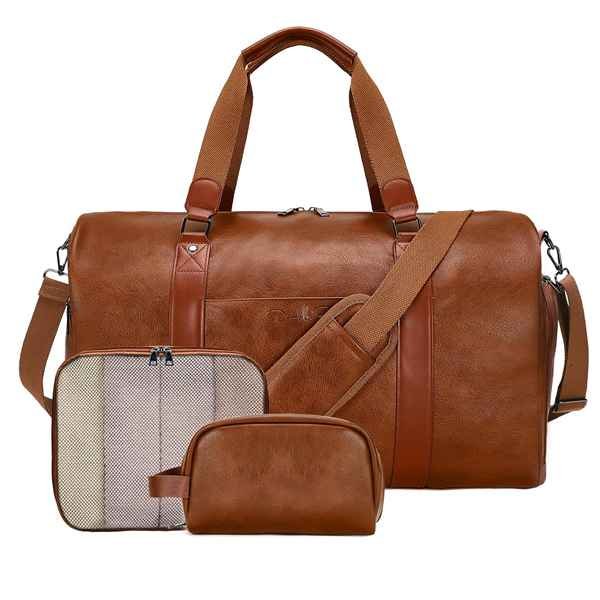

Precision Behind Reinforced Stitching
For reinforced stitching bags, consistent quality depends on how well each step is controlled. Strong seams come from a combination of accurate cutting, stable sewing performance, pattern control, and structured inspection, rather than one single process.
(1) Accurate cutting for better seam alignment
Production usually starts with controlled cutting methods that help keep panel shapes consistent:
- clean and accurate panel dimensions
- reduced fabric distortion
- better alignment during sewing
- more stable results across batches
(2) Industrial sewing for multi-layer strength
Reinforced stitching often involves thicker thread and multiple material layers. A stable sewing setup helps achieve:
- consistent stitch spacing
- stronger seam locking
- smooth handling of heavy fabrics
- reliable reinforcement at stress areas
Different stitch methods—such as double stitching, triple stitching, and bar-tack reinforcement—are applied depending on load requirements.
(3) Thread control and stitching stability
Thread performance affects seam durability directly. Better control during sewing helps reduce:
- thread breakage
- uneven stitch tension
- loose or skipped stitches
- inconsistency across units
(4) Pattern development and repeatability
Pattern control plays a key role in reinforced stitching placement. A well-prepared pattern helps:
- keep reinforcement areas consistent
- simplify assembly steps
- improve material usage
- reduce variation between samples and bulk
(5) Inspection throughout production
Stronger control usually includes checks at different stages:
- seam alignment and stitch quality
- reinforcement position
- thread finishing and trimming
- stress-point stability
(6) Packing and traceability
Final handling also affects product condition:
- proper folding to protect the shape
- clear labeling and carton marking
- batch tracking for consistency
For reinforced stitching bag projects, consistent results usually come from precision at each step, not from one machine alone.

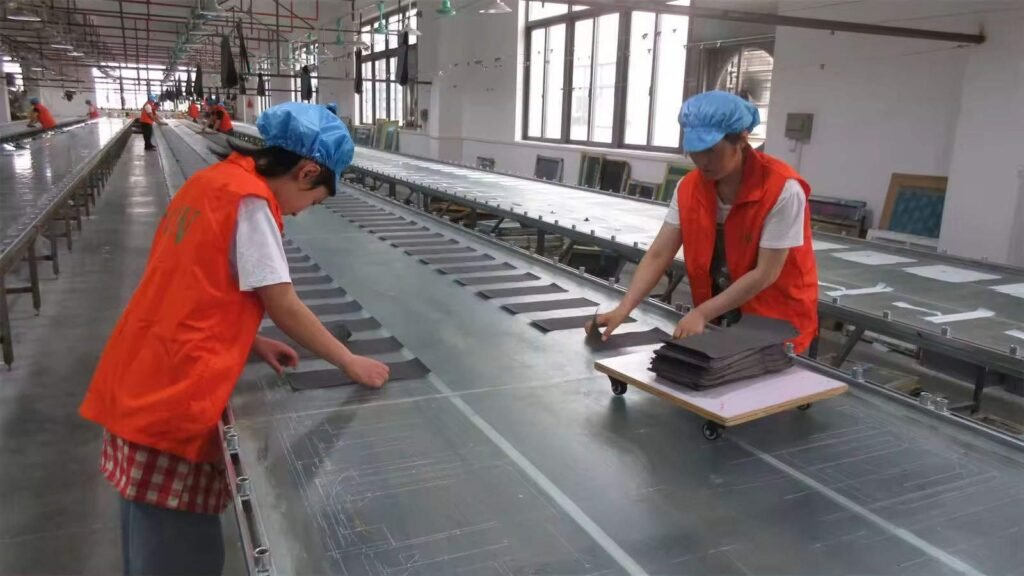
Lead Times for Reinforced Bags
For reinforced stitching bags, lead time depends on more than sewing speed. A stable schedule usually comes from how well the project is prepared across material planning, sample approval, production setup, inspection, and shipment coordination. Bags with stronger seam construction often need closer control because stress-point stitching, webbing attachment, and load-related details must stay stable across the full order.
(1) What affects lead time most
The main timing factors usually include:
- material sourcing, especially for custom fabrics, special thread, webbing, or hardware
- order quantity, since larger runs often need more line planning
- design complexity, including extra compartments, logo methods, or multiple reinforced zones
- inspection time, especially when stitching strength and seam consistency need closer review
If these points are not aligned early, the schedule can slip before sewing even begins.
(2) Typical timing differences
A more standard reinforced stitching bag with stock materials and a simpler structure usually moves faster. A more custom project often takes longer because it may need added pattern work, sample adjustment, special material sourcing, and more production checkpoints. This is why simpler first orders usually move more smoothly than highly customized mixed-SKU programs.
(3) How to reduce delays
A stronger way to protect timing usually includes:
- locking materials early
- confirming stress-point stitching details before bulk
- keeping sample comments in one clear revision list
- reducing unnecessary design changes after approval
- aligning packing and shipment planning before production finishes
(4) Why communication matters
For reinforced stitching bag projects, lead time becomes easier to manage when the factory provides:
- clear schedule checkpoints
- faster update flow
- early warning on sourcing risk
- more visible production progress
When material planning, seam requirements, inspection timing, and shipment preparation are connected early, reinforced stitching bag orders are easier to scale without losing control.
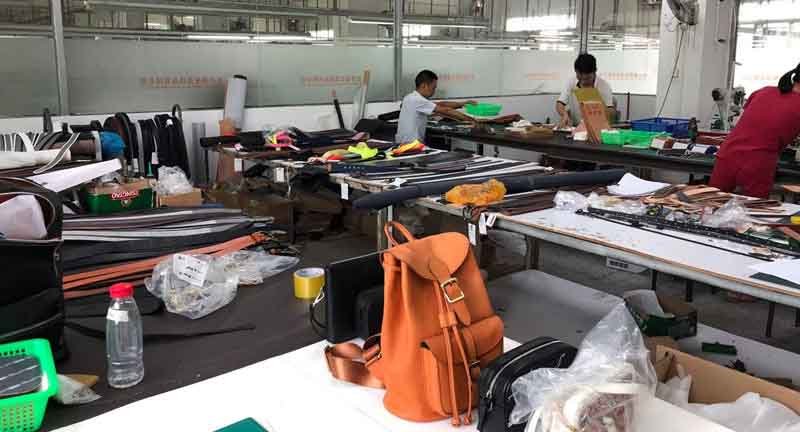

What Affects Reinforced Bag Pricing
For reinforced stitching bags, price is usually shaped by more than fabric alone. The final cost often depends on material choice, seam complexity, labor time, order quantity, added features, inspection load, and packing requirements. A bag with stronger stitch construction may look simple, but price can rise quickly when more stress-point reinforcement, custom hardware, or special testing is involved.
(1) Material choice changes cost first
The main material-related factors often include:
- outer fabric such as nylon, canvas, polyester, or leather
- thread type and strength
- webbing, zipper, buckle, and hardware level
- added reinforcement layers at stress zones
Higher-grade materials usually improve performance, but also raise the cost.
(2) Labor and seam complexity matter
Reinforced stitching often needs more careful sewing than basic bag construction. Cost usually increases with:
- double or triple stitching
- bar-tack reinforcement
- multi-layer seam assembly
- extra stress-point support
- more complicated panel structure
More sewing steps usually mean more labor time.
(3) Order quantity affects unit cost
Larger orders usually help reduce the unit price because setup time, cutting preparation, and production planning can be spread across more pieces. Smaller runs often carry a higher unit cost, especially when custom materials or complex reinforcement are involved.
(4) Added features can raise cost
Price can also increase with:
- logo embroidery, print, or patches
- extra pockets or compartments
- internal padding
- custom packaging
- stronger inspection requirements
(5) Inspection, packing, and shipping also count
For reinforced bags, extra inspection and seam testing may add cost, especially when load-bearing performance matters. Packing style and shipment method also affect the total landed cost.
A clearer quote usually comes from reviewing materials, seam structure, quantity, customization, inspection, and packing together, not one item at a time.
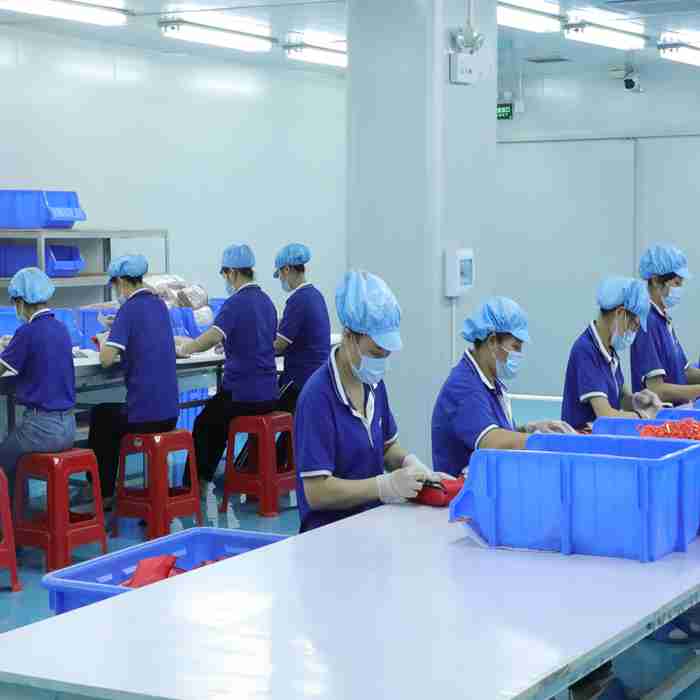

Sustainable Reinforced Stitching Bags
For reinforced stitching bags, a more sustainable direction usually comes from combining durability, material choice, lower-waste production, and cleaner packaging. A stronger bag that lasts longer can already help reduce replacement frequency. When that durability is paired with better material and process choices, the result is more practical for brands that want stronger performance with lower environmental impact.
(1) Choose more responsible materials
- Common material directions may include:
- recycled polyester for durability and water resistance
- recycled nylon for strong performance with lower material waste
- organic cotton for a softer, natural option
vegan leather or recycled leather alternatives for structured premium bags
(2) Reduce waste during production
- Lower-waste production often depends on:
- more accurate cutting
- better pattern efficiency
- reduced fabric scrap
- cleaner print and dye choices
Better cutting control and more efficient layout planning can help reduce leftover material without weakening the bag’s seam structure or product quality.
(3) Use cleaner print, dye, and packaging options
A more practical low-impact bag program may also include:
- water-based inks
- lower-impact dye methods
- recycled cardboard packaging
- compostable or simpler inner packing
- reduced overpacking during shipment
This helps lower waste across both product and packing stages.
(4) Durability still matters most
A more sustainable bag should still be dependable in real use. Reinforced stitching remains important because a bag that fails too early creates more waste, more returns, and more replacement costs. For tote bags, backpacks, travel bags, utility bags, and work bags, the most practical approach is often a balance of:
- stronger seam construction
- longer product life
- better material decisions
- cleaner packaging direction
When these parts are planned together, reinforced stitching bags become easier to position as both durable and more environmentally responsible.

Make A Sample First?
See your idea come to life before mass production.
At Jundong Factory, we offer free design mockups and custom samples to ensure every detail is perfect — from material and color to logo placement and stitching.
Start your project with confidence today: info@jundongfactory.com.
Decision FAQ for Reinforced Stitching Bag
What are reinforced stitching bags, and why are they more durable?
Reinforced stitching bags are bags built with stronger seam construction at the areas most likely to fail first, such as handles, strap anchors, zipper ends, bottom corners, and load-bearing seams. The goal is not just to make the bag look stronger. The goal is to keep it stable under repeated lifting, daily carrying, and heavier contents.
This matters for backpacks, tote bags, travel bags, laptop bags, tool bags, utility bags, and work bags that face real stress in use. When these zones are reinforced correctly, the bag is less likely to develop seam opening, handle loosening, or early wear at critical points.
A reinforced bag usually performs better because the stitching is planned around how force moves through the product. That may include double stitching, triple stitching, bar-tack reinforcement, stronger thread, and added support layers behind the seam.
For brands and sourcing teams, reinforced stitching is often one of the clearest ways to improve durability, load support, and long-term product reliability without completely changing the bag’s appearance.
What affects the price of reinforced stitching bags most?
The price of a reinforced stitching bag is usually shaped by more than the outer fabric alone. The biggest cost drivers often include material grade, thread type, reinforcement method, labor time, order quantity, hardware level, added compartments, and inspection load.
A bag may look simple, but the cost can rise quickly when it includes double or triple stitching, bar-tack support, thicker webbing, stronger zippers, more stress-point reinforcement, or custom packaging. Labor time is especially important because reinforced stitching often needs more careful sewing than standard bag construction.
Price also changes with the intended use. A lightweight giveaway tote is very different from a load-bearing tool bag, travel duffel, outdoor backpack, or laptop bag designed for repeated daily use.
A clearer way to compare costs is to review the project in layers:
- outer material
- thread and seam structure
- reinforcement zones
- hardware and webbing
- packing and inspection requirements
When these details are discussed together, the quote becomes more realistic and easier to compare across different factory options.
Can reinforced stitching be used on all types of bags?
Yes, reinforced stitching can be used on almost all bag categories, but it should be applied according to the real stress level of the product. Not every bag needs the same reinforcement logic. A simple cosmetic pouch and a heavy-use travel backpack clearly do not need the same seam structure.
Reinforced stitching is most useful for bags that face:
- repeated daily carrying
- heavier contents
- strong pulling at handles or straps
- frequent opening and closing
- higher durability expectations
That is why it is commonly used in backpacks, tote bags, duffel bags, laptop bags, tool bags, cooler bags, utility bags, tactical bags, and travel bags.
For lighter-use products, reinforcement may only be needed at a few key points, such as the handle roots or zipper ends. For more demanding projects, it may also extend to bottom seams, webbing anchors, side joins, and main structural panels.
The best approach is not to ask whether a bag “can” use reinforced stitching. A better question is: which zones need reinforcement based on weight, frequency of use, and carrying style?
How does reinforced stitching improve bag functionality?
Reinforced stitching improves bag function by helping the product hold its shape and performance under real use, not just in sample photos. A bag becomes more functional when its handles hold under weight, its zipper areas stay stable, and its main seams do not open after repeated use.
This is especially important in travel bags, work bags, backpacks, tool bags, laptop bags, and utility bags, where users expect the bag to carry a real load, not just look good on display.
Better stitching can improve function in several ways:
- stronger handle support
- better load-bearing performance
- more stable zipper areas
- lower risk of seam failure
- longer useful life under daily handling
In many cases, function problems begin at the seam level. A bag may have the right size, material, and compartments, but if the stitching at stress zones is weak, the product will not perform well for long.
That is why reinforced stitching is often linked not only to durability but also to practical usability, bag stability, and better performance in work, commute, travel, and outdoor settings.
How do I know whether a bag really needs reinforced stitching?
A bag usually needs reinforced stitching when it is expected to handle weight, frequent use, or repeated pulling at specific stress areas. The decision should be based on the real use case, not just the product category or outer appearance.
A bag is more likely to need reinforcement when:
- it carries laptops, tools, bottles, or heavy daily items
- It is used every day or on repeated trips
- it has long handles, shoulder straps, or webbing anchors
- It includes wide zipper openings or gusseted structures
- It is positioned as a premium or heavy-use product
This applies to many backpacks, tote bags, travel bags, work bags, service bags, and structured retail bags.
By contrast, standard stitching may be enough when the bag is for light promotional use, light packaging, or low-load short-term use.
A useful sourcing question is not just, “Can you make this bag?” A more practical question is: Which parts of this bag need reinforcement, and why?
A factory that can explain that clearly usually has a better understanding of load path, seam risk, and long-term bag performance.
Which parts of a bag should usually be reinforced first?
The first areas that usually need reinforced stitching are the places where load and repeated movement are concentrated. These are often the points that fail earliest in real use, even when the rest of the bag still looks fine.
The most common priority zones include:
- handle attachment points
- shoulder strap anchors
- zipper end areas
- bottom corners and base seams
- webbing connections
- main side seams in load-bearing designs
For backpacks, duffel bags, tote bags, work bags, laptop bags, and tool bags, these zones often carry the highest stress.
The reason to reinforce these areas first is simple: a bag does not usually fail everywhere at once. It usually fails where the force is repeated most often. A weak zipper end or handle root can shorten the useful life of the whole product.
Good reinforcement is selective, not random. It is more effective to strengthen the true stress zones with the right seam allowance, stitch type, thread strength, and reinforcement pattern than to add unnecessary stitching across the whole bag without a clear purpose.
Does reinforced stitching always mean thicker thread and more stitch rows?
No. Reinforced stitching does not always mean using the thickest thread or adding the maximum number of stitch rows. Real reinforcement depends on matching the thread type, stitch density, seam structure, fabric stability, and stress direction correctly.
In some cases, too much stitching can actually create problems. For example:
- Very dense stitching may make the material pucker
- too many stitch holes can weaken lighter fabric
- A thick thread on soft material may distort the seam
- unnecessary reinforcement can make the bag heavier or stiffer
That is why stronger stitching is not only a visual decision. It is a technical decision.
A better reinforcement system usually considers:
- the weight the bag will carry
- the type of fabric and backing used
- whether the seam is visible or hidden
- whether the zone is static or repeatedly pulled
- the bag’s target feel and appearance
For premium, fashion, or lifestyle bags, the goal is often to keep the bag strong without making it look too industrial. For work or outdoor bags, function may take priority. The right balance always depends on the product’s intended use.
How can reinforced stitching reduce complaints and after-sales costs?
Reinforced stitching helps reduce complaints because many bag problems start at the seam level, not at the design level. A bag may look fine when new, but if the handles loosen, zipper corners split, or bottom seams open too early, the product quickly turns into a service problem.
These failures often lead to:
- customer complaints
- returns or replacements
- lower reorder confidence
- extra shipping and repair cost
- weaker brand trust
This is especially important for travel bags, promotional bags, laptop bags, utility bags, and corporate gift programs, where a damaged bag affects both product value and brand image.
The commercial benefit of reinforced stitching is that it helps protect the areas most likely to fail:
- handle roots
- strap anchors
- zipper ends
- base joins
- stress seams
A slightly higher production cost at the start can often help avoid much higher hidden costs later. For many sourcing teams, reinforced stitching is not only a quality upgrade. It is also a practical way to reduce return risk, complaint risk, and long-term product instability in larger orders.
Will reinforced stitching make the bag look bulky or feel too stiff?
Not necessarily. Reinforced stitching does not have to make a bag look heavy or feel overly hard. When reinforcement is planned carefully, it can improve durability while still keeping the bag’s intended appearance and hand feel.
The key is to use zone-based reinforcement instead of overbuilding the entire product. In many bag styles, only the true stress points need stronger seam construction, while visible outer seams can remain clean and balanced.
A more refined result often comes from:
- hidden reinforcement inside seam allowances
- correct stitch density
- thread matched to fabric weight
- reinforcement placed only where needed
- cleaner support at anchors and corners instead of heavy visible stitching everywhere
This matters a lot for premium totes, lifestyle backpacks, commuter bags, structured fashion bags, and retail collections where appearance and hand feel are just as important as durability.
The real question is not whether reinforcement will affect the look. The better question is: How can reinforcement be added without damaging the product’s intended style and comfort?
A factory that answers that well usually has stronger control over both technical construction and visual finish.
How can I verify during sampling that reinforced stitching is done correctly?
Sampling is the best time to check whether reinforced stitching is really working as intended. A good sample should not only look stronger. It should also behave more reliably under pulling, carrying, opening, and repeated handling.
A useful sample review usually includes both visual and practical checks.
Visual checks
Look closely at: the
- whether the correct stress zones are reinforced
- stitch spacing and stitch consistency
- thread tension and seam neatness
- whether the thread suits the fabric
whether the reinforcement looks stable, not overbuilt
Functional checks
Test the sample by:
- lightly pulling at handle roots and strap anchors
- loading the bag with a realistic weight
- opening and closing the zipper repeatedly
- lifting, setting down, and carrying the bag several times
Watch for seam shifting, distortion, loosening, or weak support at high-stress areas.
For reinforced backpacks, tote bags, laptop bags, tool bags, and travel bags, this stage is where many structural problems first become visible. A strong sample review helps confirm whether the stitching logic is actually suitable for bulk production, repeat use, and long-term bag performance.
Everything You Need to Know Before Customizing Your Bags
Reinforced stitching bag selection is rarely based on appearance alone. What matters more is whether the bag can deliver stable seam strength, load-bearing support, stress-point reinforcement, material compatibility, production consistency, and repeat-order reliability. For teams developing tote bags, backpacks, tool bags, travel bags, work bags, utility bags, and private label bag programs, a useful evaluation depends on clear information around MOQ, bulk pricing, lead time, thread and fabric choice, reinforcement method, webbing attachment, seam construction, packing standards, and quality control checkpoints.
This FAQ section focuses on practical sourcing concerns, such as what details are needed before sampling, how to reduce sample-to-bulk drift in seam strength and reinforcement placement, how to match stitching structure to real load use, and which inspection points help protect durability across bulk orders. Clear FAQ content also helps cover searches like reinforced stitching bag factory, load-bearing bag manufacturer, OEM heavy-duty bag, and private label durable bags.
