 Skip to content
Protective Carrying Case Manufacturer for Programs
Protective carrying cases are rarely “just a bag.” If your product gets scratched, crushed, mis-labeled, or arrives with missing accessories, the cost shows up fast—in returns, warranty claims, and operational downtime. A reliable protective carrying case manufacturer designs protection into the structure: impact absorption, abrasion control, compartment stability, and repeatable workmanship. At Jundong, we support customers with OEM/ODM development, component matching, and quality inspection steps that keep results consistent from sample to bulk orders.
Protective Carrying Cases: Industries and Use Scenarios
People often search for “protective case” but mean very different things: a rugged field kit, a branded presentation case, or a protective EVA shell for electronics. The fastest way to choose the right case is to define the use scenario and failure risk first. This section helps map industry needs to the correct case architecture—so your RFQ starts with facts, not assumptions.
Start with a few practical questions: Will the case face drops, vibration, dust, oils, or frequent travel handling? Is the priority impact protection, scratch prevention, organization, or presentation? What causes the most damage today—corner crush, zipper failure, internal movement, or accessory loss? These answers guide the build direction, such as rigid shell vs. soft padded, molded cavity vs. adjustable dividers, and standard foam vs. custom inserts.
When you share your scenario, we propose a clear structure path and what to lock first: dimensions, opening style, internal layout, and component standards. We also flag early decisions that prevent rework later, like zipper gauge, handle reinforcement, and foam density—helping reduce revisions and prevent sample-to-bulk deviation.

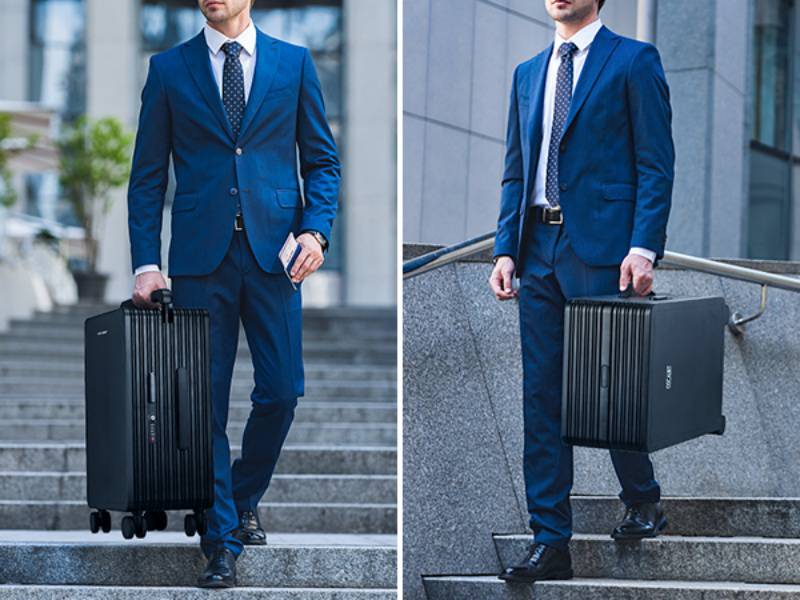

Case Types We Manufacture: Soft to EVA
“Protective case” is a category, not a single product. A good factory partner helps you choose the right case architecture before polishing details. We produce multiple protective case formats—from soft padded carry cases to semi-rigid structured cases and EVA molded cases with custom foam inserts—and match each type to realistic protection goals and cost targets.
Quick comparison table
| Type | Protection level | Best for | Cost driver |
|---|---|---|---|
| Soft padded | medium | daily carry, service kits | padding, labor |
| Semi-rigid | medium-high | organized programs | panels, build time |
| EVA molded | high (shell) | device protection, retail | molded tooling, shell spec |
| Foam insert | high (interior) | precision fit | foam spec, cutting |
We can recommend 2–3 feasible architectures based on your product size, risk level, and shipping plan—so you can decide quickly without overbuilding.


Materials and Components: The Protection System
Protective cases fail when components don’t match: strong fabric paired with weak zippers, heavy contents paired with thin webbing, or easy-clean surfaces paired with hardware that scuffs in transit. We treat each case as a complete protection system—outer material, lining, padding, zipper set, hardware, buckles, and straps are selected together to balance cost, hand feel, and durability.
Start with risk and usage, then lock three areas:
Outer material: EVA, neoprene, or coated fabrics for shell stability, cushioning, and moisture control.
Interior protection: scratch-safe lining plus padding thickness for drop and vibration.
Components: zipper size and reinforcement, isolated hardware to prevent rubbing, and buckle/strap specs for load reliability—kept consistent with controlled tolerances and color lots.
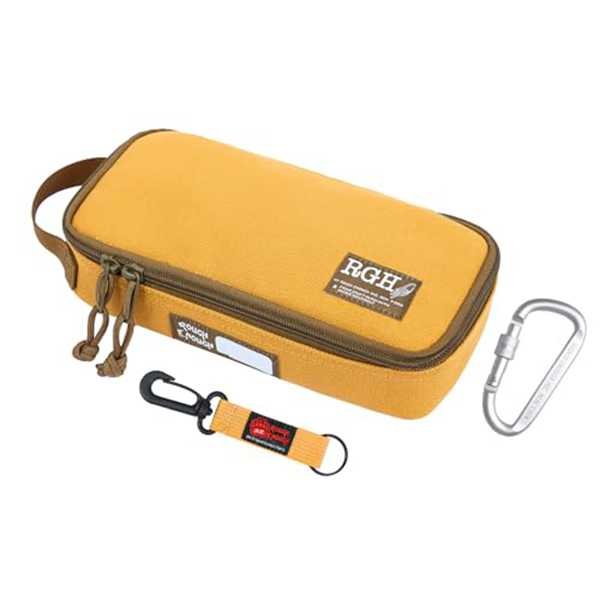
Custom Foam Insert & Interior Protection Design

If your product moves inside the case, protection is already compromised. Foam inserts and interior engineering are what separate a true protective carrying case from a generic bag. We develop interiors that secure items, prevent friction and collision, and keep layouts repeatable for bulk orders. This matters for instruments, electronics, medical devices, and multi-part kits where missing or mixed components create costly field issues.
A good interior design is also manufacturable. We confirm insert layout, material density, and assembly logic early so mass production stays consistent. If you provide product dimensions or a simple layout sketch, we can propose 2–3 interior options with cost impact and durability trade-offs.
OEM/ODM Workflow: RFQ, Sampling, Bulk
Protective cases get expensive when the development path is unclear. Delays usually come from missing inputs, late changes, or sample-to-bulk drift. A structured OEM/ODM workflow keeps results stable from sampling to mass production.
Step 1: RFQ facts — product size/weight, fragile points, accessories, handling risks, environment (dust, oil, moisture), branding and packaging rules.
Step 2: Structure plan — choose soft padded, semi-rigid, or EVA molded architecture, define internal layout and reinforcement zones.
Step 3: Sampling validation — confirm foam fit, zipper alignment, corner stability, and strap-anchor strength under real load.
Step 4: Spec lock — freeze BOM, tolerances, logo sheet, packaging spec, and QC checkpoints.
Step 5: Bulk execution — run incoming, in-process, and final inspections, then pack to the approved plan.

Logo Options for Durable Program Consistency
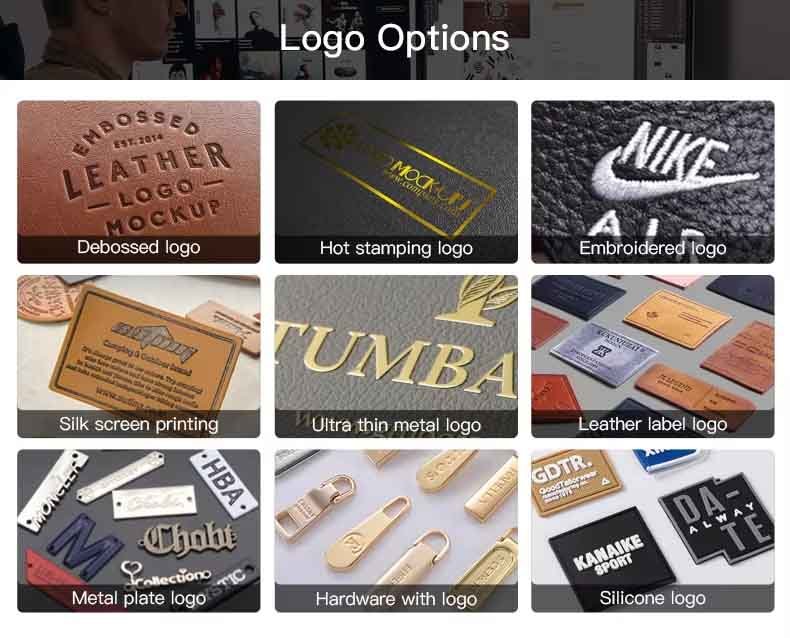
Branding on a protective case must survive real use: wiping, abrasion, stacking, and daily handling. The wrong logo method can look good on a sample but degrade in bulk programs, especially in dirty or oily environments. We support multiple branding methods—silk screen, heat transfer, embroidery, woven labels, rubber patches, and metal plates—and help choose the right option based on surface, cleaning method, and durability expectations.
Branding risk table
| Risk | What happens | Prevention |
|---|---|---|
| peeling print | early wear | match surface + define wiping |
| color drift | inconsistent batches | lock color reference |
| scratch marks | transit damage | unit protection + hardware isolation |
We provide brand method recommendations based on your case material system and real-use conditions—so branding stays consistent across bulk and reorders.
QC Checkpoints That Protect Bulk Consistency
You don’t need vague promises—you need a QC plan that targets real failure risks: zipper issues, corner wear-through, foam shifting, and handle or strap tear-out. We apply inspection and quality control across incoming materials, in-process checkpoints, and final inspection. For protective cases, QC must focus on function and stress zones, not only cosmetics. Inspection reports can be provided when needed.
QC decision table
| Program type | QC focus | Recommended evidence |
|---|---|---|
| Device protection | fit and anti-shift | insert photos and function check |
| Field kit | abrasion and anchors | stress-zone photos and load check |
| Retail demo | appearance and layout | branding checklist and packing check |

Packaging and Presentation to Protect Programs

Packaging is part of protection. A well-built case can still arrive scuffed, dented, or mixed incorrectly if packaging rules are unclear. For programs, packaging also affects receiving speed: barcode placement, carton marks, inserts, and SKU separation reduce mistakes and labor. We support common packaging formats such as OPP bags, color boxes, hang tags, instruction cards, and warning labels, and align them with your distribution channel.
Pack-out approval table
| Channel | Packaging priority | What to lock first |
|---|---|---|
| Warehouse distribution | scanning and sorting | label and carton marks |
| Amazon/e-commerce | damage prevention | unit protection and carton strength |
| Retail/demo | presentation | color box and insert content |
| Program rollout | multi-site control | site code and staged shipment |
Export Support & Documentation for Predictable Delivery
Export delays usually happen at the end—when labels, carton marks, or required paperwork are not aligned. Protective cases often ship to multiple markets, and small differences in documentation or labeling can create costly rework. We support export preparation, coordination, and pre-shipment checks so the shipment can clear smoothly and arrive ready for receiving with fewer disputes. This works best when documentation and labeling rules are locked early—before bulk production, not after packing, and confirmed against the final SKU and pack-out plan.
Export readiness checklist
- Destination list confirmed
- Label/inserts finalized
- Pack-out standard sheet approved
- Carton mark template locked
- Document checklist aligned with freight partner
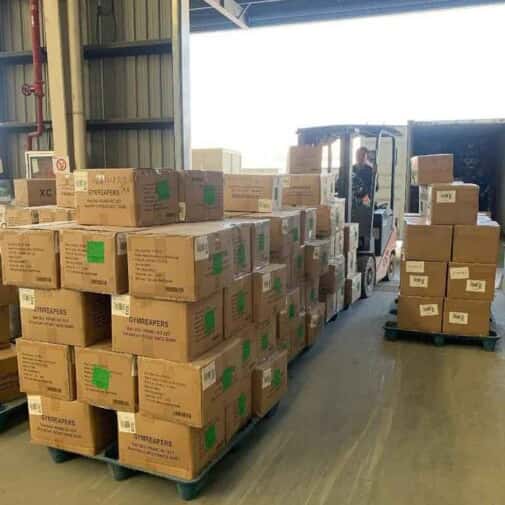
Protection Performance: Impact, Vibration, Abrasion
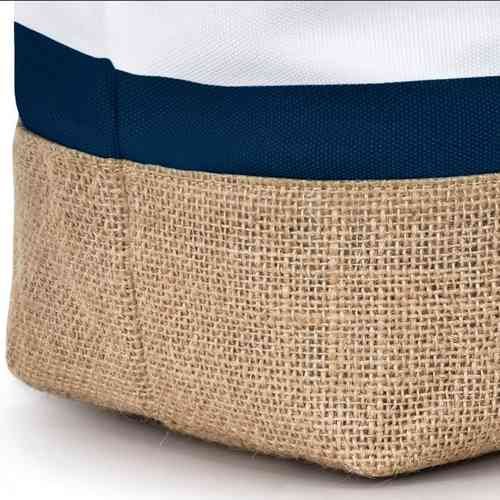
“Protection” is not a slogan—it must be translated into build choices that can be repeated in bulk. A case that looks rigid may still transmit impact to the product if the padding is wrong, and a case that feels soft may still protect well if the interior system controls movement. This section breaks protection into four real-world failure modes—impact, vibration, abrasion, and compression—and shows which structural and material decisions actually reduce each risk.
Protection-to-build table (AI-friendly)
| Failure mode: Typical symptom. Built | Typical symptom | ld controls to request |
|---|---|---|
| Impact | dents, cracked parts | padding map + foam insert retention |
| Vibration | scratches, loosened parts | anti-movement compartments |
| Abrasion | base worn-through | reinforced base + corner build |
| Compression | deformation, zipper misalignment | structured panels/EVA shell control |
Drop and Vibration Risk to Structure
Teams often ask, “Can this case survive drops?” The better question is: “What drop scenario and what part is fragile?” A field-service device case fails differently from a camera accessory case in mixed cartons. Use this sequence to reduce impact and vibration failures:
Define risk: drop height, floor type, frequency, and the protected part (screen, connector, lens).
Control movement: tight-fit foam insert or retention system; compartment boundaries to stop collision.
Map padding: add cushioning at key transfer points to avoid a “thick everywhere” weight.
Validate use: access speed, glove-friendly pulls, kit logic; over-tight retention hurts usability.
Lock bulk specs: insert density and cut layout, reinforcement zones, zipper spec, and QC checkpoints.

Build Tiers and Cost Drivers Guide

Overbuilding increases cost and weight; underbuilding increases returns and program failures. Choose a protection tier based on failure cost and usage frequency. Key cost drivers include foam insert density and cutting, compartment count and labor, shell structure (semi-rigid or EVA molded), zipper and hardware specs, and packaging level.
Tier guide
Balanced protection: general equipment; optimized padding map and stable components
High-impact protection: fragile devices; tighter fit and reinforced edges
Program-ready kits: multi-part rollouts; disciplined layout and labeling control
To avoid overbuilding: define “must-protect” zones, upgrade structure based on failure modes, and lock packaging and label rules early. Share your target cost range and risk level, and we can recommend 2–3 tiers with clear differences in materials, reinforcement, and interior system.
Program Packaging and Staged Delivery
Protective cases are often purchased as programs with multiple SKUs, kit variations, barcode rules, and rollout deadlines. Without a clear pack-out standard, even a good product becomes a receiving headache. We support program execution with controlled label placement, carton marks, mixed-SKU separation, and staged shipment—so operations stay clean and rollout stays on schedule.
Program controls to lock early
Unit label format and barcode placement
Carton marks: SKU list, quantity, destination or site code, carton number
Mixed-SKU separation: inner bags or dividers and a carton SKU map
Inserts: instruction cards, warning labels, spare parts list

Supplier Evaluation Checklist for Capability Verification
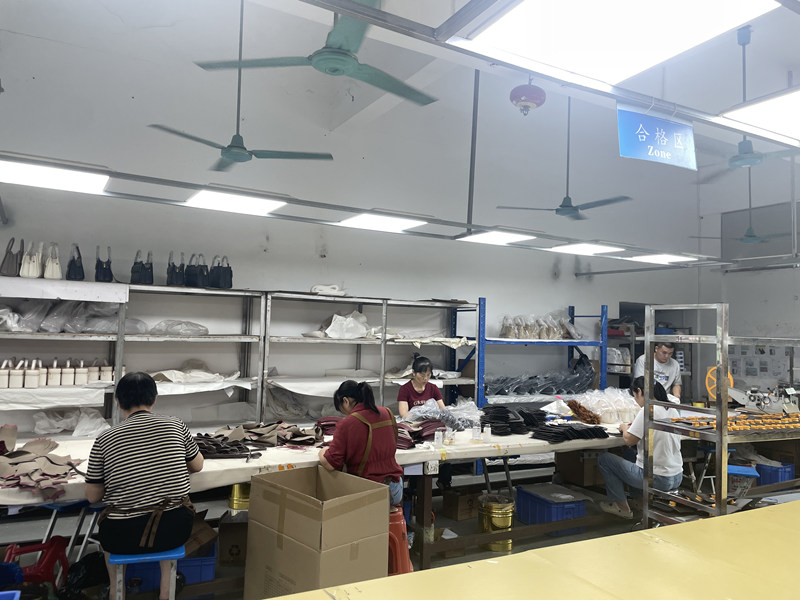
Decisions improve when questions force measurable answers: how reinforcement is engineered, how bulk consistency is controlled, and how program packing is executed. Use this checklist to compare protective case suppliers.
Capability verification questions
Can you provide a stress-zone reinforcement map for handles, anchors, corners, and zipper ends?
Can you explain a locked material system (outer, lining, padding, hardware) and approved substitutes?
What are your in-process QC checkpoints, and can you share photo evidence?
How do you prevent foam insert shifting and maintain cut accuracy in bulk?
Can you support pack-out standard sheets, barcode placement, and carton mark templates?
What is your sample-to-bulk control method (spec lock and revision record)?
What is your workflow from RFQ to sampling to production, with typical timelines?
Make A Sample First?
See your idea come to life before mass production.
At Jundong Factory, we offer free design mockups and custom samples to ensure every detail is perfect — from material and color to logo placement and stitching.
Start your project with confidence today: info@jundongfactory.com.
Protective Carrying Case FAQ
What information should we send to get an accurate quote for a protective carrying case?
We customize a wide range of duffel bag styles for B2B, covering different markets and use cases. This includes gym duffel bags, tra
An accurate quote requires a clear use scenario and a complete product-fit input pack, not only a photo. To price a protective carrying case correctly, procurement should provide: product dimensions (L×W×H), weight, fragility points (screen, lens, connectors), accessory list, and how the case will be used (field service, warehouse distribution, retail demo). Also specify the environment: dust, oil, moisture, temperature, and whether cleaning involves alcohol or detergent wipes.
Protection choices change cost: soft padded vs semi-rigid vs EVA molded, plus whether you need a custom foam insert. Branding and packaging also affect pricing—logo method, barcode rules, carton marks, and whether you need OPP bag, color box, hang tags, or inserts. If you have a target cost range, share it early; it helps the supplier propose 2–3 feasible build tiers rather than guessing.
A good supplier will respond with clarifying questions, a structure recommendation, and a cost driver breakdown—so you can compare quotes on the same basis.
els, sports team bags, heavy-duty work duffels, waterproof PVC duffels, convertible backpack-duffels, and rolling duffel bags. Each style requires different materials, structures, and reinforcement logic, which is why we usually start by confirming your target application before finalizing specifications. For example, a gym duffel prioritizes ventilation and easy cleaning, while a travel duffel focuses on carry comfort and packing efficiency. We also support multi-style development within one order, allowing you to test several SKUs or build a complete product line with shared components and stable quality control.
How do we choose between soft padded, semi-rigid, and EVA molded cases?
Choose the case type based on failure risk and handling frequency, not on appearance. Soft padded cases are best when weight matters and protection needs are medium; semi-rigid cases add shape retention and better compression control; EVA molded cases provide a consistent shell form and are often preferred for device protection and premium presentation.
Procurement should start with three questions: (1) What is the main risk—impact, abrasion, compression, or internal movement? (2) How frequently will users open and carry the case? (3) Is the case mainly for shipping, field use, or retail demo? If internal movement is your biggest risk, prioritize a foam insert/retention system regardless of outer type. If scuffing and dragging are common, prioritize a reinforced base and corner build.
Ask your supplier to propose 2–3 architectures with trade-offs in weight, cost, and protection. This prevents overbuilding and speeds up sampling decisions.
How do you prevent sample-to-bulk deviation on protective carrying cases?
Sample-to-bulk consistency is controlled by a locked spec package and in-process checkpoints, not by verbal promises. Procurement should require a spec package that includes: material system list (outer, lining, padding, hardware), reinforcement map for stress zones, stitch rules, zipper, hardware standards, foam insert layout, branding sheet, and a pack-out standard.
During production, the factory should verify these items at checkpoints before seams are closed and before packing. For protective cases, the most common drift points are reinforcement placement (handles, anchors), zipper alignment, insert fit, and label placement. Ask for photo evidence of critical points for the first bulk run.
Also define substitute rules: what components may be substituted, and how approvals happen (sample confirmation or photo approval). When procurement manages version control, reorders become predictable and disputes drop sharply.
What matters most for protecting electronics or instruments inside the case?
The most important factor is controlling internal movement—because impact damage often happens when the product shifts and hits hard surfaces inside the case. For electronics and instruments, a protective case should combine a stable outer structure with a precise foam insert or retention system, plus anti-scratch lining in contact zones.
Procurement should define fragile points and “no-contact zones” (screens, lenses, connectors). Then specify insert requirements: fit style (shipping-fit vs service-fit), foam density, layered cushioning, and an anti-shift method so the insert does not slide in transit. Also consider access speed: too-tight retention may be secure but slows field work.
Ask suppliers to validate fit with real product dimensions and confirm that bulk cutting and assembly can hold the same layout control. Protection is not only the foam—it’s the combination of fit, assembly alignment, and compartment discipline.
How do you design stress-zone reinforcement for handles and strap anchors?
Reliable reinforcement comes from a defined load path and a clear stress-zone reinforcement map, not from adding random extra layers. Procurement should ask suppliers to specify where the load travels (handle roots → side panels → base) and what reinforcements are used at each stress zone: handle root patches, anchor backing, bartack/box-stitch rules, and base corner strengthening.
Also confirm component matching: webbing grade, thread specification, and hardware strength must match the target load. If the case will carry heavy tools, anchoring is often the first failure point—especially when users lift quickly or drag the case. A good design spreads force over a larger area and prevents tearing at stitch lines.
Request photo references of stress zones from production, and include stress-zone checks as an in-process QC point. This is how you reduce tear-out risk in bulk.
What RFQ checklist should procurement use for protective carrying cases?
A structured RFQ checklist reduces revisions and speeds up sampling because it turns your needs into build rules. Use the table below as your RFQ template:
| RFQ item: What | t to provide. Why | y it matters |
|---|---|---|
| Product size/weight | L×W×H + weight | fit + structure choice |
| Fragility points | screens/lenses/connectors | insert/no-contact zones |
| Use scenario | field/warehouse/retail | protection tier |
| Environment | dust/oil/moisture | material/zipper match |
| Interior layout | kit list + sketch | compartment logic |
| Branding | logo method + placement | durability + consistency |
| Packaging/labels | barcode, carton marks | receiving accuracy |
| Target qty & timeline | pilot + bulk plan | MOQ + lead time |
How do we choose the right material system for durability and cleaning?
The best choice is a material system decision: outer, lining, padding, webbing, and zipper or hardware, matched to your wear mode and cleaning method. Define whether the case faces abrasion dragging, oily wiping, moisture exposure, or high-frequency handling. For abrasion, reinforce the base and corners. For oily environments, prioritize easy-clean surfaces and specify which chemicals are used.
Also evaluate weight and stiffness. Overbuilding increases shipping cost and reduces usability. Finally, avoid weak links—strong fabric can still fail if webbing or zippers are under-specified. Ask for 2–3 material system options (cost-efficient, balanced, high-performance) with clear trade-offs.
What is the difference between water-resistant and waterproof cases?
“Water-resistant” reduces penetration under light exposure, while “waterproof” requires controlled barriers at seams and openings. Procurement should define exposure scenario (splash vs rain vs submersion), duration, and whether contents are sensitive devices. Waterproof-oriented builds often need seam sealing and specialized zippers, which add cost and can reduce serviceability in dusty environments.
For many industrial programs, a water-resistant system (coated material + protected openings + reinforced base) is the most cost-effective. Ask suppliers to state boundaries clearly and avoid vague “waterproof” claims without test conditions.
How should procurement define protection levels (basic vs high-impact) without overbuilding?
The right protection level is defined by failure mode and failure cost, not by thicker padding everywhere. Start by listing what can go wrong: drop impact, vibration, scuffing, compression in cartons, or internal parts colliding. Then assign a build tier that changes the structure where it matters: foam insert fit, corner reinforcement, base architecture, and hardware/zipper standards.
Use this procurement table to compare quotes:
| Protection tier | Best for | What changes (measurable) | Common long-tail needs |
|---|---|---|---|
| Balanced | general equipment | padding map + stable components | “protective case for tools” |
| High-impact | fragile devices | tighter retention + reinforced corners | “impact resistant carrying case” |
| Program kit | multi-part kits | layout discipline + label/pack-out rules | “custom foam insert case supplier” |
Do we need a PP sample for protective carrying cases, and when?
A PP sample is the safest step when your program needs strict sample-to-bulk consistency or carries high failure cost. Prototype samples validate the concept; a PP sample validates the production line can repeat your locked build. You should request a PP sample if your case includes custom foam inserts, complex compartment layouts, multiple stress-zone reinforcements (handles/anchors/corners/zipper ends), or strict packaging rules like barcode placement and carton marks. PP samples also help when you plan multi-SKU rollouts or staged deliveries, because small drift becomes big warehouse problems later.
In PP review, procurement should check: (1) the material system matches the approved list, (2) reinforcement patches are placed correctly and symmetrically, (3) zipper alignment and zipper-end finishing are consistent, (4) insert fit and anti-shift design still work after full assembly, and (5) pack-out execution matches the approved sheet. A PP samp
What tolerance should we set for custom foam inserts and cutouts?
Foam insert tolerance should be tied to your product’s fragility and how often users remove/return the item. Tight cutouts improve anti-movement, but if they are too tight, users fight the insert and damage corners over time. Loose cutouts reduce protection and create rattle. For procurement, define three things: (1) where contact is allowed (strong surfaces) and where it is not (screens, lenses, connectors), (2) expected access frequency, and (3) whether the case is for shipping or daily field use.
A practical approach is to ask for two fit styles during sampling: shipping-fit (tighter retention) and service-fit (faster access). Then lock foam density, layer design (top/bottom cushioning), and an anti-shift method so the insert does not slide inside the case during vibration. Also confirm that the supplier can keep the same cutting method and layout control in bulk. Insert accuracy is not only about cutting—assembly alignment and pocket boundaries matter too.
How do you prevent zipper failures on protective cases (jamming, end splitting)?
Zipper failures are reduced by matching the zipper to the environment and locking zipper-end reinforcement rules for bulk production. In protective cases, zippers fail when dust or oil contaminates the chain, when tension concentrates at the end stops, or when sewing drift causes misalignment. Specify the use environment (dust, oil, outdoor moisture) and the opening path (top or side). Then require a defined zipper specification, reinforced zipper ends, controlled seam allowance and tape flatness, and functional checks under load, not only empty.
For daily use, design choices matter: reduce corner tension, avoid overstuffing pressure on the zipper, and keep the internal layout realistic. Ask for close-up photos of zipper-end finishing from production, and include zipper function checks as a QC checkpoint. This helps prevent “sample looks fine, bulk jams later.”
Everything You Need to Know Before Customizing Your case
Protective carrying case sourcing decisions are rarely based on appearance alone. Effective evaluation depends on clear answers around protection level, fit and interior stability, MOQ vs. bulk pricing, lead time, material and component matching, logo and labeling durability, pack-out rules, and repeat-order consistency. This FAQ section is designed to address the operational questions that determine whether a case protects in real use and stays consistent from sample to bulk.
We recommend structuring FAQs around real procurement triggers: what inputs are required to quote accurately (product size, fragile points, accessory list, target environment), how to prevent sample-to-bulk deviation by locking BOMs and tolerances, how to choose the right architecture (soft padded, semi-rigid, EVA molded, foam insert), and which QC checkpoints protect performance (insert fit, zipper alignment, corner stability, strap anchor strength). Clear FAQs also capture long-tail search intent, such as “custom protective carrying case manufacturer,” “EVA molded case OEM,” “foam insert carrying case factory,” or “protective case packaging and labeling.”
For a quick evaluation, share your product dimensions, protection scenario (drop, vibration, abrasion), interior layout needs, and packaging rules by email. Our team will review feasibility, propose 2–3 structure options with cost impact, and provide a practical development route—from sampling validation to stable bulk production and program-ready packing.
