Skip to content

Promotional Canvas Bag Printing Solutions
Custom canvas bags for campaigns, retail launches, corporate programs and events, developed from artwork review through printing, sampling, quality control and delivery.
- Choose canvas weight, bag size, structure and handle details around the campaign use, target presentation, required order volume and sales channel requirements.
- Match screen printing, heat transfer, digital printing or embroidery to artwork complexity, color references, print area and fabric surface.
- Approve material, dimensions, print position, logo color and packing details on samples before bulk production begins.
- Coordinate production, multi-stage inspection, packing, carton marks and shipment planning around the required arrival date, quantity, destination and approved specification.

Factory Capacity Behind Large Promotional Canvas Bag Programs
Promotional projects need more than printing equipment. Development, production planning, inspection and packing capacity determine whether approved artwork becomes stable bulk output for major campaigns.


20+ Years OEM/ODM Experience
Long-term bag development experience helps the team review canvas selection, bag construction, logo methods, sample details and production risks before volume orders begin. The value is not the number alone; it is the ability to recognize where artwork, material, structure or packing decisions can affect later production.
600+ Employee Team
A 600+ employee operation supports product development, sampling, production, inspection, packing and export coordination across larger programs. For multi-color, multi-style or repeat orders, organized team capacity helps keep material preparation, printing schedules, sewing lines, packing instructions and delivery planning connected. Clear role division also supports faster issue tracking when specifications change.
18,000㎡ Factory Space
An 18,000㎡ factory area supports development, cutting, sewing, quality checks, packing and order handling in one production system. Larger promotional programs often require material staging, printed panels, finished-goods inspection and carton preparation to move in sequence without turning the project into disconnected subcontracting steps. This matters when quantities move into the thousands.
80 QC Inspectors
Eighty QC inspectors support checks across materials, printing, sewing, finished bags and packing rather than relying only on a final inspection. For branded canvas programs, logo position, color, clarity, bag dimensions, handle stitching and carton details can be reviewed against approved references before shipment. The aim is consistency from approved sample to packed order.
Promotional Canvas Bags Built Around Real Campaign Uses
Brand Campaigns
For seasonal launches, membership programs and branded merchandise, the bag must carry more than a logo. Canvas feel, color, print scale, handle proportions and finishing should support the campaign identity. Sampling should confirm artwork placement and material presentation before bulk production locks the visual standard.
Retail & Private Label
Retail programs usually need stronger product presentation and more repeatable specifications. Size, gusset, handle length, pocket details, private labels, hangtags, barcodes and individual packing can all affect shelf readiness. Approved material and print records also help future repeat orders follow the same visual direction across seasons.
Corporate Gift Programs
Corporate gifting often balances brand visibility, useful capacity, budget and distribution efficiency. Clear logos, uncomplicated packing and dependable delivery matter as much as the bag itself. Jundong can review canvas weight, print method, quantity, presentation requirements and destination details before sampling and quotation and final delivery planning.
Events & Trade Shows
Conference, exhibition and event orders are deadline-driven. Bag size, artwork approval, printing schedule, packing method and carton marks should be fixed early enough to protect the required arrival date. For large distribution programs, easy carton identification and simple handout-ready packing can reduce last-stage handling pressure.
Six Printing Risks To Control Before Promotional Bag Production
Strong promotional merchandise depends on more than attractive artwork. Print compatibility, color control, placement, durability, bulk consistency and timing all need confirmation before production.

Wrong Printing Method
A visually attractive artwork file does not automatically mean every print process will produce the same result on canvas. Solid logos, gradients, fine text and photographic graphics behave differently on woven surfaces. Choosing the method before reviewing the artwork can create unnecessary revisions, weaker visual results or higher cost.
- Review artwork complexity and number of colors
- Check canvas texture and base color
- Confirm print area and desired finish
- Compare suitable methods before sampling
Color Matching Differences
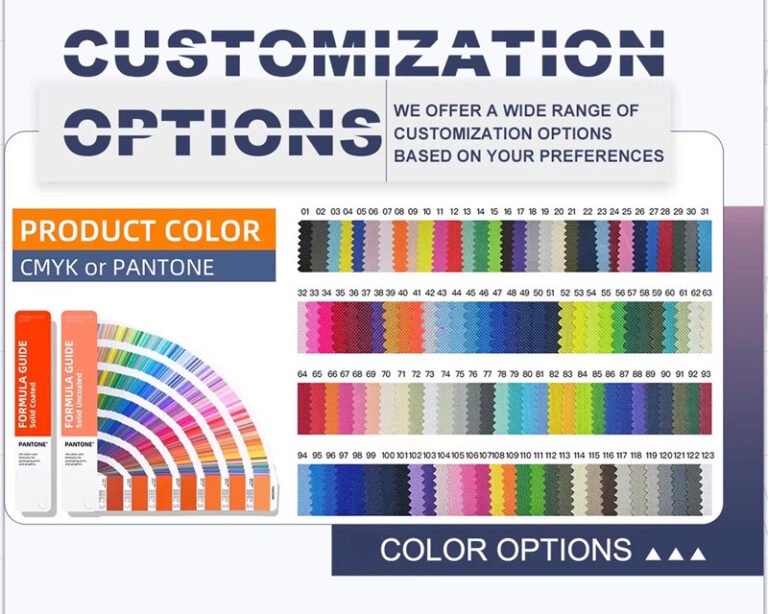
Brand colors can look different once ink meets natural, dyed or textured canvas. Fabric base color, surface texture, print process, ink system and lighting conditions can all influence visual appearance. Pantone references provide an important production standard, but the physical sample remains the most useful approval reference before volume production.
- Provide Pantone or approved brand color references
- Review color against the selected canvas
- Compare the physical sample under normal lighting
- Keep approved color records for bulk control
Lost Artwork Detail
Very thin lines, small lettering, shadows, gradients or complex illustrations can lose definition when transferred onto textured canvas. A logo designed for screens may need small production adjustments without changing the brand identity. Early artwork review reduces the risk of blurred edges, filled gaps or details disappearing after printing.
- Use vector artwork where possible
- Confirm minimum readable detail at actual print size
- Review complex gradients before selecting the process
- Approve the real printed result before volume production
Incorrect Logo Placement
A print can be technically clear and still look wrong when the size, proportion or position is inaccurate. Handle height, gusset width, pocket placement and seam lines affect the visual center of a canvas bag. Placement should therefore be reviewed on the actual bag structure rather than approved only from a flat artwork file.
- Confirm logo width and height
- Specify distance from seams, edges or handles
- Check front and back orientation
- Approve placement on the finished sample
Sample-To-Bulk Variation
The approved sample sets the visual and technical reference, but bulk production introduces larger material quantities, repeated printing cycles, cutting, sewing and packing operations. Without recorded standards, variation can appear in logo position, print color, dimensions or overall presentation. Production data and staged inspection help keep the confirmed sample relevant throughout the order.
- Retain approved material and logo references
- Record print size, position and color
- Check output during production, not only at completion
- Compare finished bags against confirmed specifications
Campaign Deadline Pressure
Promotional bags often support exhibitions, product launches, conferences, gifting programs or scheduled campaigns. Artwork approval delays can affect printing, sewing, inspection, packing and shipment in sequence. A realistic schedule should start from the required arrival date and work backward through every production stage instead of treating factory completion as the only deadline.
- Share the required arrival date early
- Lock artwork and packing files before production
- Allow time for sample approval and revisions
- Include shipping time when setting the schedule
Choose The Right Printing Method For Your Canvas Artwork
Artwork style, canvas surface, logo size, order volume and desired presentation should guide the decoration method rather than selecting a process by price alone.
| Printing Method | Best Suited For | Artwork Characteristics | Canvas Considerations | Production Review |
|---|---|---|---|---|
| Screen Printing | Large promotional runs, corporate events, retail campaigns and clear brand logos | Solid colors, simple graphics, bold lettering and clearly separated color areas | Works well on many flat canvas surfaces. Coarse texture, dark base colors and very fine details can affect clarity and color appearance. | Confirm vector artwork, Pantone reference, color count, print size, position and real sample result before bulk production. |
| Heat Transfer | Colorful campaign graphics, gradients and artwork requiring more visual detail | Multi-color artwork, gradients, detailed graphics and selected photographic-style visuals | Surface texture, heat response, print area and hand feel need review. Not every canvas construction or coating performs the same under heat. | Check artwork resolution, transfer edge, color appearance, adhesion, surface feel and durability on the selected material during sampling. |
| Digital Printing | Complex illustrations, detailed visual graphics and designs with many colors | High-detail artwork, multiple colors and images difficult to separate into simple spot colors | Canvas base color and fabric texture influence definition and color. Natural or darker fabric may produce a different visual result from the screen file. | Approve color, detail, print area and fabric compatibility on a physical sample before fixing the production standard. |
| Embroidery | Premium brand marks, corporate gifts, lifestyle merchandise and designs needing a textured finish | Simplified logos, lettering, emblems and artwork suitable for stitch conversion | Canvas generally provides a stable base, but fabric thickness, backing, logo size and stitch density need coordination with the bag structure. | Review embroidery file, stitch density, thread color, backing, position, surface distortion and finished appearance before quantity production. |
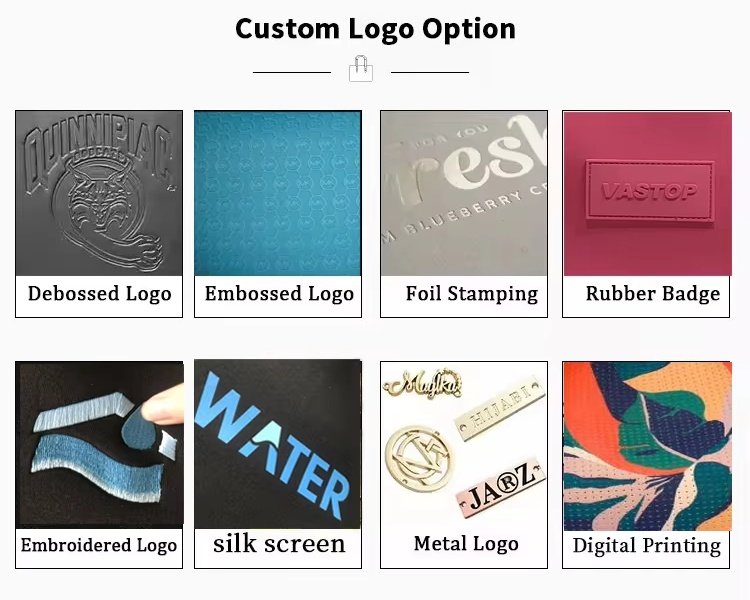
No single method is automatically the best choice for every promotional canvas bag. A simple two-color campaign logo may work efficiently with screen printing, while detailed visual artwork can require another process. Embroidery can add depth and a premium finish, but very small text or complex gradients may not translate well into stitches.
A reliable decision starts with the actual logo file, canvas specification, print dimensions, position, quantity and expected presentation. Jundong can compare feasible methods before sample development, allowing visual effect, production stability, timing and cost structure to be considered together.
Build The Canvas Bag Around Use, Print And Presentation
Canvas specification and bag construction directly influence print quality, carrying performance, brand presentation, packing volume and cost. Strong projects define both before sample development.


Canvas Weight & Feel
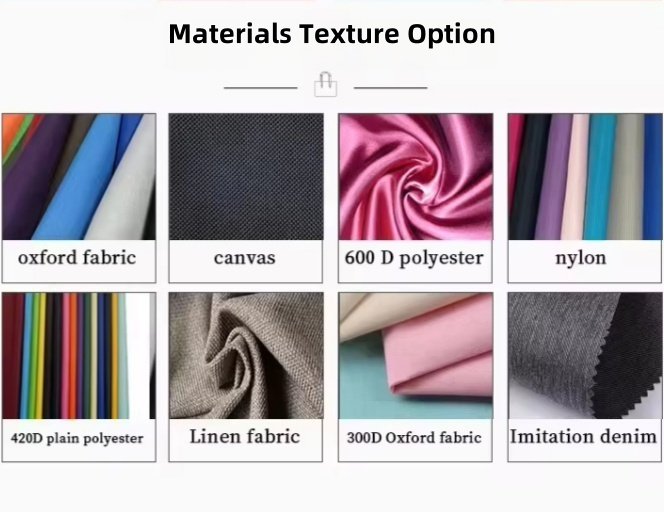
Canvas should be selected around the required hand feel, structure and intended use rather than relying on a material name alone. A lighter construction can suit large event distribution, while a heavier fabric can create a more substantial retail or gift presentation. Fabric thickness also affects sewing, folding, packing volume and how the printed area sits on the finished bag.
- Define the desired soft, medium or structured feel
- Match fabric weight to intended loading and presentation
- Consider packing volume for larger quantities
- Confirm the actual fabric by swatch or sample before production
Surface & Base Color
Natural canvas, dyed fabric and darker colors can produce very different printing results. Woven texture affects the edges of fine artwork, while the fabric base color can influence ink appearance and visual contrast. Material selection should therefore be reviewed together with the logo instead of approving fabric and printing as two unrelated decisions.
- Compare natural and dyed canvas against the artwork
- Check how texture affects small details
- Review contrast between fabric and logo colors
- Use an approved physical reference for bulk production
Size, Gusset & Handles
Dimensions determine much more than capacity. Width, height, bottom gusset and handle length affect material consumption, carrying comfort, print position and carton volume. A flat giveaway tote has different requirements from a structured retail canvas bag. Handle attachment areas also need enough space and strength without interfering with the planned branding area.
- Confirm finished width, height and gusset
- Define hand-carry or shoulder-carry handle length
- Keep printing clear of seams and stress areas
- Review capacity based on the intended contents
Structure & Brand Details
A promotional canvas bag does not have to remain a simple blank tote. Pockets, zipper closures, lining, reinforced bottoms, woven labels, care labels, hangtags and branded packing can turn the same basic material into very different products. Added details should support the campaign or retail purpose rather than increasing complexity without a clear reason.
- Add pockets or closures when function requires them
- Use lining when interior finish or structure matters
- Plan private labels and hangtags with the bag design
- Confirm added details during sampling before bulk production
Control Artwork, Color And Placement Before Canvas Bag Printing
Accurate branding starts before ink reaches fabric. Artwork quality, color references, print dimensions and placement should be confirmed together with the selected canvas.
Production-Ready Artwork
A logo designed for websites, presentations or social media may not contain enough usable production detail for custom canvas bag printing. Vector files such as AI, CDR or PDF are preferred for clean edges, controlled proportions and accurate resizing. High-resolution files can also be reviewed when vector artwork is unavailable, but very small raster images may limit fine-detail reproduction.
- Keep original logo proportions
- Provide outlined fonts when required
- Avoid compressed screenshots as production files
- Identify gradients, fine lines and small lettering early
- Confirm authorization for licensed artwork before development
Pantone & Fabric Color
Pantone references provide a clear starting standard for branded printing, but printed color can change visually across natural canvas, dyed cotton and textured surfaces. Fabric base color, weave, ink, printing process, lighting and production conditions all influence appearance. For a critical corporate color, the physical printed sample should be reviewed together with the color reference before bulk canvas tote bag production.
- Send Pantone Solid Coated references when available
- Identify approved brand colors separately
- Compare ink against the actual selected fabric
- Review natural and dyed canvas differently
- Keep the confirmed sample as a production reference
Print Size & Position
Logo placement should be planned around the finished bag rather than a flat rectangle. Handle attachments, upper seams, side gussets, pockets and bottom folds can shift the visual center or reduce usable printing space. A 25 cm-wide logo may look balanced on one tote size but oversized on another, so actual dimensions and placement distances need to be recorded before printing.
- Confirm logo width and height in centimeters
- Define distance from the top edge and side seams
- Keep key artwork away from folds and stress areas
- Check front, back or multi-position decoration separately
- Approve placement on the completed sample
Approved Brand Reference
The most useful approval is a physical reference combining the selected canvas, actual print process, agreed color, final dimensions and confirmed position. Screen displays, digital mockups and photographs help communication but cannot fully represent fabric texture or real ink appearance. Once approved, the reference should guide print setup and later inspection so the brand mark is evaluated against a defined standard rather than memory.
- Record artwork version and color reference
- Fix logo dimensions and approved location
- Keep material and print method unchanged unless reviewed
- Use the sample during bulk inspection
- Reconfirm specifications when repeat orders change
More Than Printing: Develop The Complete Promotional Canvas Bag
A stronger promotional bag starts with the product itself. Dimensions, carrying structure, storage details, finishing and branding can all be developed around the program.
Custom Size & Shape

Custom printed canvas tote bags can be developed around the items they need to carry rather than being limited to standard stock dimensions. Width, height and proportion influence visual presentation, material consumption, printing space and carton volume. Reference samples, drawings or target dimensions can be reviewed before pattern development begins.
- Flat tote or shaped construction
• Portrait or landscape proportion
• Campaign-specific capacity
• Custom finished dimensions
Gusset & Capacity

A flat promotional tote works well for lightweight handouts, while side or bottom gussets create more usable volume for retail products, conference kits, gift sets or launch materials. Gusset depth also changes the finished silhouette, printing balance and packing volume, so capacity should be planned around actual contents instead of appearance alone.
- Flat construction
• Bottom gusset
• Side gussets
• Box-style capacity
Handle Design

Handle length changes both carrying comfort and visual proportion. Short handles suit hand carry, while longer straps can support shoulder use. Width, fabric type, attachment position and reinforcement should also match expected contents. For printed promotional canvas bags, handle placement must leave enough uninterrupted space for the main logo or campaign graphic.
- Hand-carry handles
• Shoulder-length handles
• Cotton or webbing options
• Reinforced attachment areas
Pockets & Closures

A corporate promotional tote may only need an open top, while retail, travel or premium gifting programs can benefit from internal pockets, external pockets, zipper closures or snap details. Added functions affect pattern making, sewing time and cost, so every feature should have a clear purpose linked to the intended use.
- Inner storage pockets
• External brand-facing pockets
• Zipper top closure
• Selected snap or fastening details
Lining & Reinforcement

Canvas can be used as a simple single-layer construction or combined with lining and reinforcement when presentation or structure requires more support. Bottom panels, internal lining and strengthened stress areas can change hand feel and durability. Development should consider expected load, appearance and packing requirements rather than adding layers without functional value.
- Single-layer canvas
• Interior lining
• Reinforced bottom areas
• Strengthened handle connections
Private Label Details

Private label canvas bags can extend branding beyond the main printed logo. Woven labels, care labels, hangtags, barcode labels and branded packing can connect the bag with a wider retail or campaign system. Label dimensions, artwork versions and packing rules should be approved early enough to avoid mismatched files during final assembly.
- Woven or printed labels
• Care and content labels
• Hangtags and barcodes
• Branded individual packing
Approve The Sample Before Promotional Canvas Bag Production
Turn Artwork And Specifications Into A Physical Canvas Bag
A useful sample does more than show what a promotional tote may look like. It converts artwork, dimensions, fabric, handles, printing and finishing requirements into a physical product that can be measured, handled and reviewed.
Development can begin from a reference photo, existing sample, sketch, design file or clear product idea. A complete technical pack is helpful when available, but initial review can also start with basic project information such as target size, canvas preference, logo artwork, quantity and intended use.
A typical custom bag sample usually takes about 5–7 days after key specifications and materials are ready for development. Simple styles may sometimes be completed in 2–3 days. More complex structures, special materials, uncommon accessories, detailed printing processes or revision requirements need separate timing review.
Sample making may include:
- Material preparation and fabric confirmation
• Pattern development based on finished dimensions
• Cutting with attention to canvas direction and texture
• Screen printing, heat transfer, digital printing or embroidery
• Sewing and handle attachment
• Assembly and finishing
• Dimensional and appearance inspection
For promotional canvas bag printing, the goal is not simply to produce a visually attractive prototype. The sample should reveal whether the chosen canvas, construction and decoration method work together as expected before the same decisions are repeated across hundreds or thousands of pieces.
Approve The Details That Define The Finished Product
A printed logo should never be the only approval item. The complete bag needs to be reviewed because material, construction and branding interact with one another.
Start with the canvas. Check texture, thickness, hand feel, base color and whether the fabric gives the intended level of structure. Then confirm finished width, height, gusset and usable capacity. Handle length and attachment position should match the intended carrying style.
Brand execution needs equally detailed review. Compare logo size, placement, proportion, color and clarity against the approved artwork. Fine lines and small lettering should be inspected at normal viewing distance rather than only through close-up photographs. For Pantone-controlled projects, compare the real printed surface with the agreed color reference under suitable lighting.
A complete approval can include:
- Canvas material and color
• Finished dimensions and gusset depth
• Handle length, width and attachment position
• Pocket, zipper or lining details when specified
• Printing process and logo dimensions
• Pantone reference and actual color appearance
• Logo placement and distance from seams
• Overall sewing and finishing
• Hangtags, labels or packing when included
Any revision should be clearly identified before another version is produced. Changing size, fabric, logo process or construction after approval may alter material use, cost and schedule, so critical adjustments are best resolved during development rather than after volume production has started.
Convert The Approved Sample Into A Bulk Production Reference
Sample approval becomes valuable only when the agreed details are carried into production records. The approved bag should serve as a physical reference, while confirmed specifications guide material preparation, printing, cutting, sewing, inspection and packing.
For printed canvas tote bags, production records should identify the fabric specification, color reference, finished dimensions, handle details, artwork version, print method, logo size and logo position. Private label projects may also require confirmed label files, hangtag versions, barcode information and packing instructions.
The approved reference can then support checks during different production stages:
- Material against the confirmed fabric direction
• Printed panels against approved color, clarity and placement
• Cut pieces against the approved pattern and dimensions
• Sewing against the confirmed structure and handle details
• Finished bags against size and appearance standards
• Packing against labels, SKU rules and carton instructions
Approval does not mean variation becomes impossible. Fabric, printing and repeated production involve physical processes, so consistency requires recorded standards and inspection rather than assumption.
If specifications change after approval, the revised details should be reviewed before moving forward. A new color, altered logo size, different canvas, changed handle length or revised packing method can affect production preparation. Clear approval records create a stronger bridge between one successful sample and a repeatable promotional canvas bag order.
Control Promotional Canvas Bag Quality From Sample To Bulk
Approved samples set the reference, while material checks, print control, sewing inspection and packing verification help keep large promotional orders aligned with confirmed specifications.

| Control Stage | What Needs To Match | Key Inspection Focus | Why It Matters |
|---|---|---|---|
| Material Preparation | Approved canvas specification, color and related trims | Fabric type, texture, color batch, direction, visible defects and confirmed accessories | A different fabric weight, weave or color can change hand feel, print appearance, finished dimensions and overall brand presentation before sewing even begins. |
| Printing Process | Approved artwork, Pantone reference, logo size and placement | Print color, clarity, alignment, dimensions, edges, adhesion and position on the cut panel | A clear sample logo can still become inconsistent during repeated production runs. Early print checks reduce the risk of discovering color or placement errors after hundreds of panels have been completed. |
| Cutting | Confirmed pattern and finished dimensions | Panel dimensions, canvas direction, gusset pieces, handle parts and cutting consistency | Cutting accuracy influences bag shape, capacity, seam alignment and the final position of printed artwork after assembly. Canvas direction and texture also need attention during panel preparation. |
| Sewing & Assembly | Approved construction and handle details | Stitching, seam alignment, handle attachment, pockets, closures, lining and reinforcement where specified | Construction quality affects appearance and function. A correctly printed panel can still become an unacceptable finished bag if handles, seams or structural details move away from the approved reference. |
| In-Process Inspection | Production details and approved sample | Color, logo position, dimensions, stitching, handle strength, zipper operation, pockets and SKU separation | Problems found while production is running can be corrected earlier. Waiting until every bag is finished increases rework risk and can put campaign schedules under pressure. |
| Finished Bag Inspection | Complete approved specification | Overall appearance, measurements, print presentation, sewing, cleanliness, structure and requested functions | The completed tote should be evaluated as one product rather than as separate printing and sewing operations. Brand presentation depends on how every confirmed detail works together. |
| Packing Verification | Confirmed packing files and order instructions | Individual packing, labels, barcodes, SKU information, carton quantity, carton marks and destination details | Correct products packed with incorrect labels or carton information can create warehouse, distribution and event problems even when the bags themselves meet quality requirements. |
Bulk promotional canvas bag production should follow an approved sample together with written production details. The sample establishes the physical reference; production records define the fabric, finished measurements, artwork version, print method, logo dimensions, placement, construction and packing instructions.
Inspection works best when it begins before finished goods exist. Material issues can be found during preparation, print differences can be identified on panels, and sewing deviations can be corrected while lines are running. Finished-product and packing checks then confirm whether the completed order still follows the agreed standard.
For multi-color or multi-SKU programs, each version should have clear identification. Color, artwork, label and carton information need to remain connected throughout production to reduce mix-ups during final packing.
Plan Canvas Bag Production Backward From Your Arrival Date
Event dates and retail launches leave little room for recovery. A reliable schedule connects artwork approval, sampling, materials, printing, sewing, inspection, packing and shipment.
Required Arrival Date
The most useful starting date is when the bags must arrive at the warehouse, office, hotel, exhibition venue or distribution location—not merely when production should finish. Once the required arrival date is known, shipping, packing, inspection and production can be planned backward with clearer time allowances.
Artwork & Sample Approval
Printing cannot be scheduled reliably while logo dimensions, colors, placement or bag specifications remain open. Sample development normally takes about 5–7 days once key details and materials are ready; selected simple styles may take 2–3 days. Revisions, special materials or more complex decoration can require additional review time.
Material Preparation
Canvas, handles, lining, zippers, labels and packing materials should follow the approved specification. Custom colors, special accessories or branded packaging may need more preparation than standard materials. Material planning should begin after specifications are sufficiently stable so later design changes do not create unnecessary waste or schedule disruption.
Printing & Sewing Schedule
Decoration needs to connect with cutting and sewing rather than operate as an isolated step. Screen printing, heat transfer, digital printing or embroidery may follow different preparation sequences. Printed panels should be completed in time for assembly, while production lines need enough capacity for the confirmed quantity, color versions and structural details.
Inspection & Packing Time
Finished sewing does not mean an order is immediately ready to ship. Completed bags still need inspection, sorting, individual packing where required, label application, carton packing and final quantity checks. Multi-SKU orders or destination-separated packing require additional organization because each style, color and carton must match the correct instructions.
Shipment Planning
Factory completion should leave enough time for the selected shipping method and destination requirements. Express, air or sea shipment can be reviewed according to order volume, destination, budget and required arrival date. Booking, document preparation, carton information and handover timing should be considered before the final production days.
Prepare Promotional Canvas Bags For Packing And Distribution
The order is not complete when sewing ends. Packing, labels, SKU identification and carton instructions determine how efficiently finished bags reach the next destination.


Individual & Event Packing
Large campaign orders may need simple bulk packing for fast distribution, while other programs require individual OPP bags or polybags before carton packing. The right format depends on how the bags will be stored, transported and handed out. Packing dimensions also affect carton efficiency and freight volume, especially when thousands of canvas totes are involved.
Retail Brand Labels
Retail-ready canvas bags may require woven labels, care labels, hangtags, barcode stickers, product labels or branded packing. Artwork versions and label information should be approved before packing begins. Barcode data, warning text and platform-specific information must come from, or be confirmed by, the brand team rather than being created without an approved reference.
SKU & Carton Control
Programs with several colors, designs or sizes need clear SKU identification before products reach the packing area. Carton quantity, style number, PO number, SKU information and carton marks should match the packing instruction. Clear identification helps warehouses, retail teams and event coordinators understand what is inside each carton without unnecessary reopening and resorting.
Multi-Destination Distribution
Regional campaigns, chain stores, exhibitions and corporate programs may require cartons separated by warehouse, store, event venue or city. Each destination should have confirmed quantities, SKU allocation, carton count, address information and destination marks. Planning the split before packing reduces the risk of shortages, over-shipment, wrong-location delivery and last-minute redistribution.
Review Material And Compliance Needs Before Canvas Bag Development
Material selection should reflect product use, destination, brand standards and required testing. Early review prevents avoidable changes after artwork, sampling or production preparation has begun.
Material Requirements
Canvas projects can involve specific expectations for fiber composition, fabric weight, color, hand feel, recycled content or restricted substances. Requirements should be shared before material approval because changing fabric after printing and sampling can affect appearance, cost, MOQ and timing. Jundong can review available material directions against the intended use and supplied specifications.
Target Destination
A promotional canvas bag used for a European retail program may carry different labeling, documentation or testing needs from an event order delivered elsewhere. Destination country, sales channel and end use should therefore be confirmed early. When third-party testing is required, test items and material expectations should be defined before sample approval or volume production.
Brand Standards
Large brands, retailers and project teams often provide their own product specifications, color standards, logo placement guides, quality checklists, packaging manuals, labeling rules or inspection requirements. Jundong can review supplied standards and integrate confirmed requirements into sampling and production preparation. Final compliance depends on the actual specification, applicable requirements and requested testing scope.
See How Promotional Canvas Bags Move Through Real Production
A finished tote reveals only the result. Material preparation, printing, cutting, sewing, inspection and packing show how an approved design becomes repeatable volume production.
From Approved Material And Artwork To Production-Ready Panels

Promotional canvas bag production starts before the sewing line. The approved sample and confirmed specifications need to be translated into material preparation, cutting patterns, artwork files and process instructions.
Canvas deserves particular attention because weave direction, texture, base color and thickness can influence both construction and printing. Material should follow the confirmed specification, while visible fabric issues or unexpected color differences are easier to address before panels have been printed or assembled.
Artwork preparation follows the approved logo version, dimensions, color reference and location. Screen printing, heat transfer, digital printing and embroidery require different production setups. Print areas should be planned around the actual bag construction so important graphics remain clear of seams, folds and handle attachment areas.
Once material and artwork are ready, cutting converts the approved dimensions into repeatable panels. For a gusseted tote, front, back, side, bottom and handle components must work together after sewing. Cutting accuracy matters because even a correctly printed logo can appear misaligned on the finished bag when panel dimensions or assembly positions drift.
Useful visual evidence for this stage includes:
- Approved canvas swatches beside production fabric
- Pantone references and final artwork files
- Printing screens, transfer preparation or embroidery setup
- Printed panel close-ups before sewing
- Pattern pieces and cutting tables
- Material batch and color identification
For a serious promotional program, early-stage evidence is more valuable than a generic photograph of a finished tote. It shows whether the production process is being built around approved specifications before the first complete bulk unit leaves the line.
After printed panels are prepared, sewing determines whether the approved dimensions and visual balance remain intact. Main body seams, gussets, handle attachments, pockets, zipper closures, lining and reinforcement details must follow the confirmed construction.
Canvas tote bags can look simple, but repeated assembly still depends on controlled panel alignment and consistent stitching. Handle positions need to remain balanced from side to side. Gussets need to form the intended capacity. Printed graphics should remain centered after seams are closed. Reinforcement should be used where the confirmed design requires additional strength rather than added randomly.
In-process checking matters because production errors are cheaper and faster to correct while work is still moving through the line. Waiting until all units are completed can turn a small deviation into a large rework problem.
Inspection during production may cover:
- Material and color against the approved reference
- Printed logo size, clarity and position
- Panel dimensions before assembly
- Stitching appearance and seam alignment
- Handle length and attachment position
- Pocket, zipper or lining details when specified
- Finished width, height and gusset
- SKU or color identification for multi-version orders
Jundong has 80 QC inspectors supporting multi-stage quality checks across custom bag projects. The value of the QC team is not a claim of zero defects. Its role is to place inspection at different production stages so material, print, sewing, finished-product and packing issues can be identified against approved standards.
Photographs and short videos of real inspections strengthen the production record: measuring finished bags, comparing logo placement, checking seams, reviewing printed panels and confirming color versions all provide clearer evidence than broad statements about “strict quality.”
Sewing, Assembly And In-Process Checks Protect The Approved Design

Finished Inspection And Packing Complete The Delivery Standard

A promotional canvas bag is not complete simply because sewing has finished. The finished product still needs to be reviewed as one complete branded item.
Final checks can compare appearance, dimensions, print presentation, cleanliness, handle construction and specified functions against the approved reference. For projects involving several colors or designs, identification also needs to stay clear so correct products move into the correct packing stream.
Packing then converts finished goods into a shipment that warehouses, retail teams, event coordinators or regional distribution teams can receive accurately. Individual OPP bags, polybags, hangtags, care labels, barcode stickers, SKU labels and carton marks should follow the confirmed files. Information should not be guessed at the packing stage.
Before shipment preparation is complete, cartons can be checked for:
- Correct quantity per carton
- Total carton count
- Product or SKU identification
- PO or style numbers when required
- Carton and destination marks
- Outer carton condition
- Packing-list consistency
- Destination separation for split shipments
Production photographs can also document finished bags, packed units and cartons before handover. When required, shipment or loading images can support order records and communication with the receiving team.
A credible production chain therefore runs from approved sample to material, print, cutting, sewing, in-process inspection, finished inspection and packing. Each stage creates a reference for the next one. For promotional projects with a fixed campaign date, the value is straightforward: fewer details are left to interpretation at the final stage.
Understand Promotional Canvas Bag MOQ And Cost Before Quotation
Accurate pricing comes from confirmed materials, dimensions, printing, structure, packing and quantity. Comparing only a finished-bag photo rarely shows the real production cost.
| Cost Or Quantity Factor | How It Affects The Project | Useful Details To Provide |
|---|---|---|
| Order Quantity | Jundong’s standard MOQ is usually 500 pcs per design. Selected simple styles may be reviewed at 200–300 pcs case by case. Some low-unit-price promotional products may require 1000 pcs or more because full setup, sewing, packing and QC steps still apply. | Quantity per design, color and SKU |
| Canvas Specification | Fabric weight, weave, color and finish affect material consumption, hand feel, printing appearance and unit cost. Custom-dyed or special fabrics may also carry their own purchasing requirements. | Fabric reference, desired feel, color and target use |
| Finished Size | Width, height and gusset change fabric consumption, print proportion and carton volume. A large tote with the same artwork can have a different cost structure from a compact flat bag. | Finished width, height and gusset |
| Printing Method | Screen printing, heat transfer, digital printing and embroidery follow different setup and production logic. Number of colors, print area, artwork detail and processing steps can all affect cost. | Artwork file, Pantone, print size and preferred effect |
| Bag Construction | Pockets, zipper closures, lining, reinforced bottoms, wider handles and additional sewing operations increase material and labor requirements compared with a basic flat tote. | Reference drawing or list of required structural details |
| Private Label Details | Woven labels, care labels, hangtags, barcodes, insert cards and branded packing add separate materials and application steps. Packaging components may also have individual setup or MOQ requirements. | Label files, barcode data and packing guide |
| Delivery Schedule | A normal production plan allows materials, printing, sewing, inspection and packing to follow the approved specification in sequence. Shorter timelines need feasibility review based on order size, material availability, logo process and packing complexity. | Required arrival date and destination |
| Sampling | Sampling confirms material, size, structure, printing and packing before volume production. Sample development has its own material, labor and process cost. Sample fees can be refunded or deducted when the bulk order reaches 2,000 pcs. | Reference photo, specifications and sample requirements |
Two canvas bags that look similar in a photograph can have very different cost structures. Fabric thickness, bag dimensions, print colors, artwork complexity, handle construction, internal details, individual packing and carton rules all influence the final quotation.
For promotional programs, the lowest unit price is not always the most useful comparison. A more meaningful review looks at whether the proposed specification can deliver the required visual standard, production stability and arrival schedule.
If a target cost already exists, share it with the project details. Material weight, structure, printing method or packing format can then be evaluated together rather than reducing quality blindly.
Send The Right Details For A Faster Canvas Bag Review
A clear brief makes printing, sampling, costing and production planning more accurate. Complete technical files are helpful, but a reference image and core specifications can start the review.
| Detail To Send | What To Include | Why It Matters |
|---|---|---|
| Artwork File | AI, CDR, PDF or high-resolution artwork; include the correct logo version and any licensed graphic files | Artwork quality affects process selection, print clarity, scaling and preparation. Vector files are preferred when accurate logo proportions and clean edges are important. |
| Brand Color Reference | Pantone code, approved color standard or physical reference where available | Fabric base color, weave and printing method can influence final appearance. A clear color reference provides a better starting standard for sampling and approval. |
| Finished Bag Size | Width × height × gusset, plus intended capacity when relevant | Dimensions affect canvas consumption, visual proportion, print area, structure, packing volume and quotation accuracy. |
| Canvas Preference | Natural or dyed canvas, desired hand feel, thickness direction, color and any material requirement | Material choice influences appearance, printing behavior, structure, sewing and cost. If material is not yet fixed, intended use and target presentation can guide selection. |
| Structure Details | Handle length, gusset, pockets, zipper, lining, reinforcement or other required features | Structural additions change pattern making, sewing operations, material use and finished presentation. A reference photo or sketch can be enough for an initial review. |
| Order Quantity | Quantity per design, color or SKU; include expected repeat order information when relevant | Standard MOQ is usually 500 pcs per design. Quantity also affects material planning, print setup, packing rules, production scheduling and unit cost. |
| Packing & Labels | Bulk or individual packing, hangtags, care labels, barcodes, SKU labels, carton marks or branded packing | Packing requirements affect cost, preparation time, carton planning and final distribution. Barcode, warning and platform information should be supplied or approved before packing. |
| Delivery Plan | Required arrival date, destination country, city or warehouse, and preferred freight direction if known | The arrival date helps plan sampling, material preparation, printing, sewing, inspection, packing and shipment backward from the real deadline. |
| Testing Requirements | Target destination, sales channel, material restrictions, inspection standard or third-party testing requirement | Compliance and documentation needs differ by product use, destination and channel. Testing requirements are best identified before material approval and production. |
Make a Printed Canvas Bag Sample First?
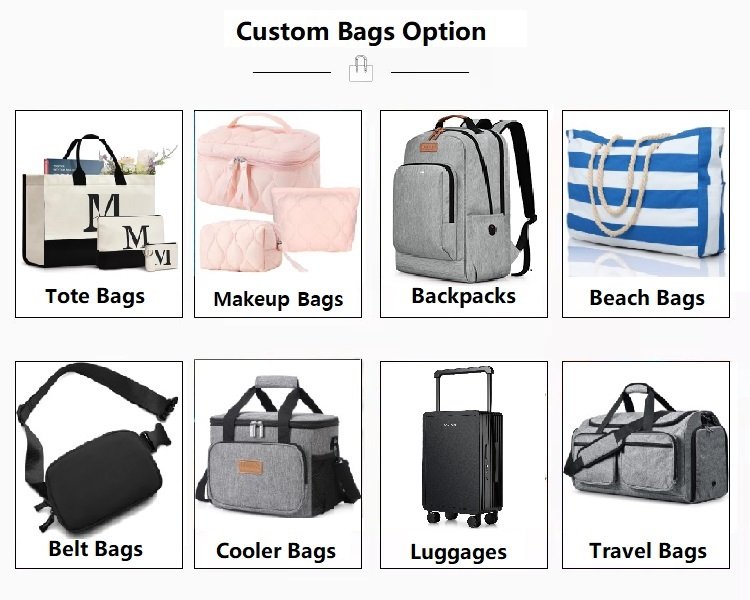
A successful promotional canvas bag should do more than display a logo. The canvas weight, bag size, handle length, print position, ink color, printing method, and intended use should all work together. A pre-production sample helps confirm print sharpness, color appearance, logo scale, stitching, and overall bag structure before bulk production, reducing unnecessary changes and keeping the final result consistent.
Client Testimonials
800+ brand Clients Trust Jundong


Promotional Canvas Bag FAQs
These are the questions brands most often raise before approving artwork, samples, pricing and production for custom printed promotional canvas bag programs.

Which printing method is best for promotional canvas bags?
The best printing method depends on artwork detail, canvas surface, logo size, quantity and desired finish. Screen printing works especially well for clear solid-color graphics and many volume promotional programs. Heat transfer can suit multi-color or gradient designs, while digital printing may fit detailed visual artwork. Embroidery creates a textured, premium logo effect. Jundong reviews the actual artwork together with the selected fabric before sampling because no single process performs equally well on every canvas construction.
Is screen printing suitable for large promotional canvas bag orders?
Absolutely. Screen printing is one of the most established options for volume canvas tote bag programs using simple, clearly separated colors. It can work well for corporate logos, event graphics, retail promotions and large print areas. Production still requires proper artwork, color references, print dimensions and placement approval. Fabric texture and base color can affect clarity and ink appearance, so a real printed sample should be approved before the same settings are repeated across a large order.
Can you print detailed or multi-color artwork on canvas bags?
Certainly. Detailed and multi-color artwork can be reviewed for heat transfer, digital printing or another suitable decoration method based on the fabric and design. Gradients, fine text, shadows and photographic graphics require more care than a simple one-color logo because canvas texture can reduce visual definition. High-resolution or vector artwork helps the review. Before volume production, the physical sample should confirm detail, color, print area, surface feel and adhesion on the actual selected material.
How do you control Pantone colors on printed canvas bags?
Pantone references improve color communication, but fabric and ink are physical materials, so final appearance must be confirmed on the chosen canvas. Natural fabric, dyed canvas, weave texture, printing method and lighting can all change how a brand color looks. For color-sensitive programs, provide the Pantone code and approved artwork before sampling. Jundong compares the printed result with the agreed reference, and the approved physical sample can then serve as an important color standard during bulk production.
What is the MOQ for custom promotional canvas bags?
Jundong’s standard MOQ is usually 500 pcs per design. Selected simple styles may be reviewed at 200–300 pcs case by case, depending on canvas availability, printing, packing and production scheduling. Some low-unit-price basic promotional products may need 1,000 pcs or more because material purchasing, print setup, cutting, sewing, inspection and packing still require a complete production flow. For accurate MOQ review, send the target design, quantity per color, logo and packing requirements together.
How long does promotional canvas bag sampling take?
Normally, custom bag sampling takes about 5–7 days after key specifications and materials are ready. Sure, selected simple styles may sometimes be completed in 2–3 days, while special canvas, complex printing, unusual accessories, structural revisions or custom packaging can require more time. Sampling should verify more than appearance: material, finished dimensions, handles, structure, logo position, color and packing may all need approval. Sample fees can be refunded or deducted when the confirmed bulk order reaches 2,000 pcs.
How long does bulk production usually take?
Bulk production usually takes about 20–30 days, depending on the confirmed product, quantity, material, printing process and packing requirements. Definitely share a fixed event date or retail launch date early, because production time is only one part of the schedule. Sample approval, material preparation, printing, inspection, packing and international transport all require time. For deadline-sensitive promotional programs, Jundong reviews the required arrival date first and works backward to determine whether the planned schedule is realistic.
What affects the price of custom printed canvas bags?
Price is mainly determined by canvas specification, finished size, construction, printing method, logo colors, print area, quantity, packing and delivery requirements. Two totes that look similar online can carry different costs when fabric weight, gusset, lining, handle construction or branding details change. Of course, a target cost can be shared during review. Jundong can then compare material, structure, printing and packing options to balance the intended brand presentation with a realistic production cost instead of reducing specifications blindly.
How do you control sample-to-bulk printing consistency?
Consistency starts with an approved physical sample and written production specifications, not with a verbal instruction such as “make it the same.” Jundong uses confirmed canvas details, artwork version, print method, logo dimensions, placement and color references during production. With 80 QC inspectors supporting multi-stage checks, material, printed panels, sewing, finished bags and packing can be reviewed at different stages. The aim is to identify deviations while production is running and keep the approved sample relevant throughout the order.
What should I send for an accurate canvas bag quotation?
A useful quotation starts with the bag size, canvas preference, artwork, quantity, structure, packing and required delivery date. A full technical pack is not required for the first review; a reference photo, sketch or existing sample can also start the process. For a more complete quotation, include Pantone colors, quantity per SKU, label requirements, destination and any testing needs. Confidential or unreleased brand files can be discussed with NDA requirements before sensitive artwork is shared.
Start Your Promotional Canvas Bag Project With Clear Specifications
Your promotional canvas bag can begin with an artwork file, reference photo, existing sample or clear product idea. You do not need every technical detail ready before making contact.
For a more accurate project review, include the information already available:
- Target bag size or reference dimensions
- Canvas color, hand feel or material preference
- Logo artwork and Pantone reference where available
- Printing area, logo size and preferred position
- Quantity per design, color or SKU
- Handle, gusset, pocket, zipper or lining requirements
- Individual packing, hangtags, barcodes or carton instructions
- Required arrival date and destination
- Testing, labeling or brand-standard requirements
Jundong will review the information against material feasibility, structure, decoration method, MOQ, sampling, packing and production timing before the project moves forward.
If the artwork is confidential, unreleased or part of a private label program, mention any NDA requirement before sending sensitive files.
Project files can also be sent to info@jundongfactory.com when email is more convenient.