Skip to content
Private Label Wallets for Fashion and Leather Goods Brands
Custom wallet development for fashion accessories, leather goods collections, retail programs, gift sets, and brand-ready bulk orders.
- Develop private label wallets, card holders, bifold wallets, long wallets, zip wallets, passport wallets, and gift wallet sets with material, structure, logo, and packing reviewed before sampling.
- Confirm leather look, PU texture, microfiber leather, card slot tension, fold thickness, edge paint, stitching, lining, zipper movement, snap closure, embossed logo, foil logo, metal plate, and gift box details.
- Work with a Guangdong custom bag and leather goods factory with 20+ years of OEM/ODM experience, 600+ team members, a 18,000 m² factory area, and 80 QC inspectors.
- Start from a reference wallet, product photo, design file, material swatch, logo artwork, packaging idea, or existing bag collection.
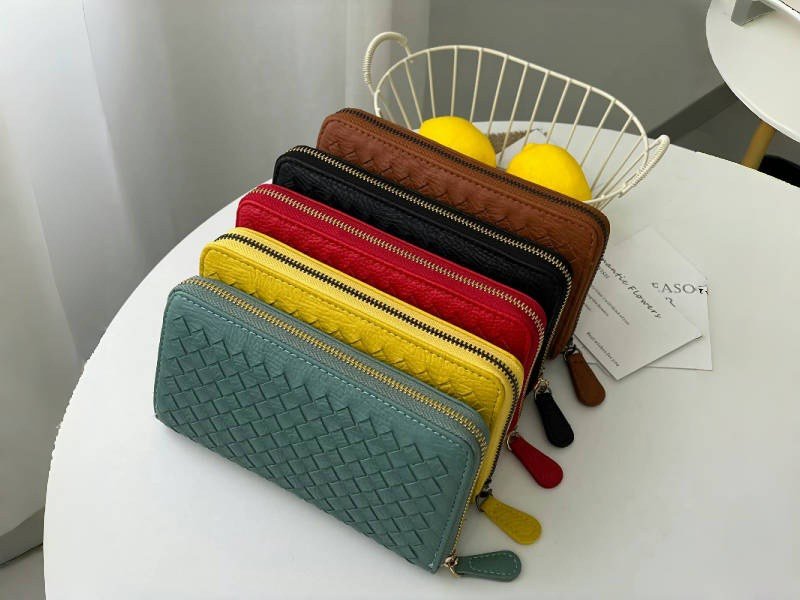
Built For Brands Extending Into Wallet Collections
Fashion Accessory Brands
Fashion accessory brands often use wallets as a natural extension of handbags, tote bags, crossbody bags, belts, or seasonal accessories. A wallet can become an entry-price item, a giftable product, or a matching add-on. Jundong reviews color story, material texture, front shape, logo scale, lining, and packing, so card holders, bifold wallets, and zip wallets feel connected with the full accessory line.
Leather Goods Brands
Leather goods brands usually care deeply about touch, grain, edge finishing, stitching, thickness, and logo depth. Small details decide whether a wallet feels premium or ordinary. Jundong reviews the genuine leather look, PU leather, microfiber leather, folded edge, edge paint, thread color, card slot structure, metal trim, and gift box presentation before sample approval.
Retail And E-Commerce Lines
Retail and online wallet programs need clear SKU control, accurate packaging, and repeatable details. Wallets are small products, but color, barcode, tag, logo, and box accuracy matter a lot when several styles ship together. Jundong reviews individual packing, hangtag, barcode sticker, SKU label, carton mark, and color separation before bulk work begins.
Gift And Corporate Programs
Wallets are strong gift products because they are compact, useful, and easy to package beautifully. Gift programs often need logo clarity, a gift box, an insert card, a dust bag, quantity planning, and delivery timing. Jundong reviews the logo method, material level, box structure, inner card, carton separation, and event schedule before sample making.
Turn Wallet Ideas Into Clear Product Specifications
A private label wallet should be confirmed by style, material, slot structure, thickness, finishing, logo, packaging, and order plan before sampling. Clear decisions reduce sample revisions and help the approved wallet move into stable bulk work.


| Program Need | What To Confirm Before Sampling | Jundong Review Focus |
|---|---|---|
| Wallet style | Card holder, bifold wallet, long wallet, zip wallet, passport wallet or gift set | Match wallet type with brand position and sales channel |
| Material direction | Genuine leather look, PU leather, microfiber leather, canvas mix, lining and trim | Review texture, thickness, hand feel, color and logo compatibility |
| Card slot structure | Slot count, card size, slot tension, opening direction and inner layer | Improve use feel while controlling bulk thickness |
| Fold thickness | Layer count, reinforcement, lining, foam or folded edge method | Keep closed wallet shape clean and comfortable to carry |
| Edge finishing | Edge paint, folded edge, stitching edge or raw-cut look | Improve premium feel and reduce rough edge appearance |
| Logo method | Embossing, debossing, foil stamping, metal plate, print or woven label | Match logo result with material surface and brand tone |
| Hardware and closure | Zipper, snap button, magnetic closure, puller, ring or metal trim | Check movement, plating, weight and attachment strength |
| Packing system | Gift box, dust bag, hangtag, barcode, SKU label, insert card and carton mark | Support retail display, gift use, online handling and repeat orders |
| Bulk consistency | Approved sample, material reference, logo position, edge finish and packing rule | Keep wallet details stable across colors, styles and quantities |
Fix Small Wallet Risks Before They Become Bulk Problems
Wallets are small products, but their details are easy to judge by hand. Material touch, slot tension, folded thickness, edge finish, and logo clarity should be reviewed before sample cutting. A wallet that looks acceptable in a flat mockup may feel very different after folding, stitching, and packing.
Material Feels Too Cheap
A wallet’s value is felt within seconds. Grain, surface shine, softness, thickness, and color depth affect the first impression. PU leather, microfiber leather, and genuine leather-look materials should be checked on real samples, not only digital images. Jundong reviews material hand feel, texture, folding behavior, scratch marks, color match, and logo compatibility before sample work begins.
Card Slots Feel Wrong
Card slot tension decides daily use. If slots are too tight, cards are hard to remove. If slots are too loose, the wallet feels unreliable. Slot size, opening angle, lining friction, leather thickness, and sewing position all matter. Jundong reviews card size, slot depth, layer order, and sample fitting, especially for card holders, bifold wallets, and long wallets.
Wallet Gets Too Thick
A wallet may look slim when open and become bulky after folding. Layer count, lining, reinforcement, card slots, zippers, coin pockets, and edge finishing all affect closed thickness. Jundong reviews the folding structure before approval, so the wallet keeps a clean shape when carried in a pocket, handbag, gift box, or retail display.
Logo Looks Unclear
Logo work should be tested on the selected material. Fine logo lines may not show clearly on heavy grain. Foil stamping may need correct pressure and temperature. Metal plates need clean fixing. Jundong reviews embossing, debossing, hot foil, print, woven label, and metal logo options based on material texture, logo size, and brand tone.
Build A Wallet Line With Clear Style Roles
A stronger wallet program starts with the right style mix. Card holders, bifold wallets, long wallets, zip wallets, passport wallets, and gift wallet sets serve different retail positions, gift uses, and collection needs. Jundong helps review the structure, material, and packing direction before samples are made.

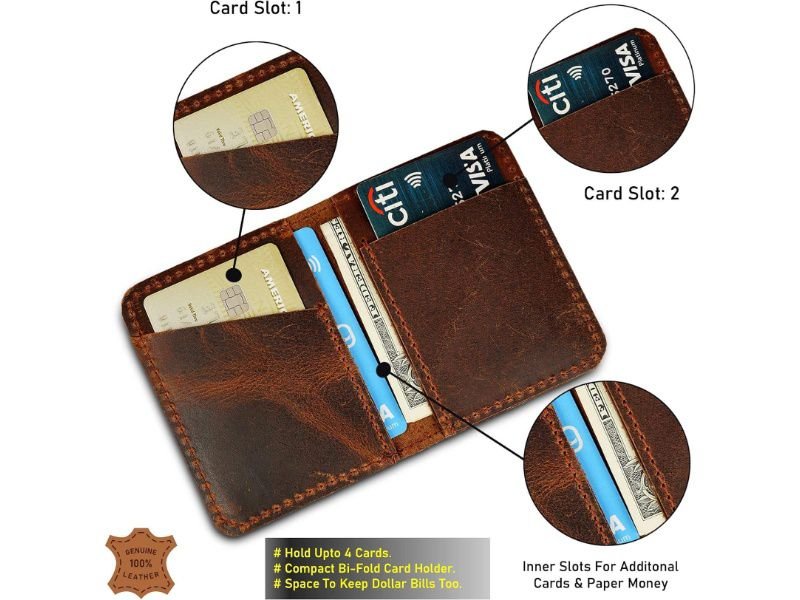
Card Holders
Card holders are slim, easy to carry, and suitable for fashion accessories, office use, gift programs, and entry-level leather goods. They may use 3–8 card slots, a center pocket, a folded edge, edge paint, or an embossed logo.
Jundong reviews card fit, material thickness, slot tension, and closed feel so the card holder stays clean and useful without becoming too stiff.
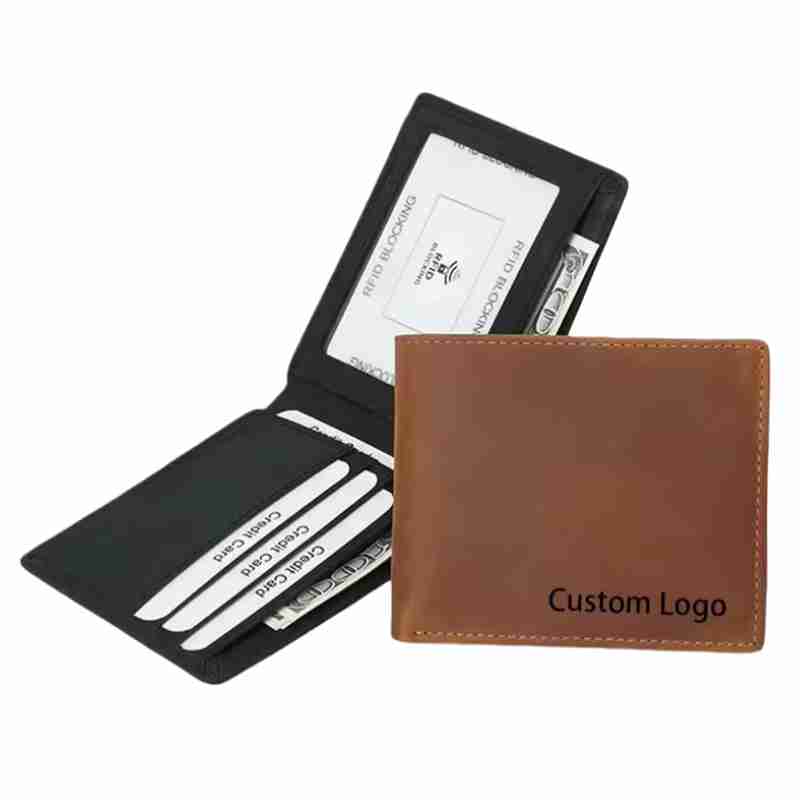
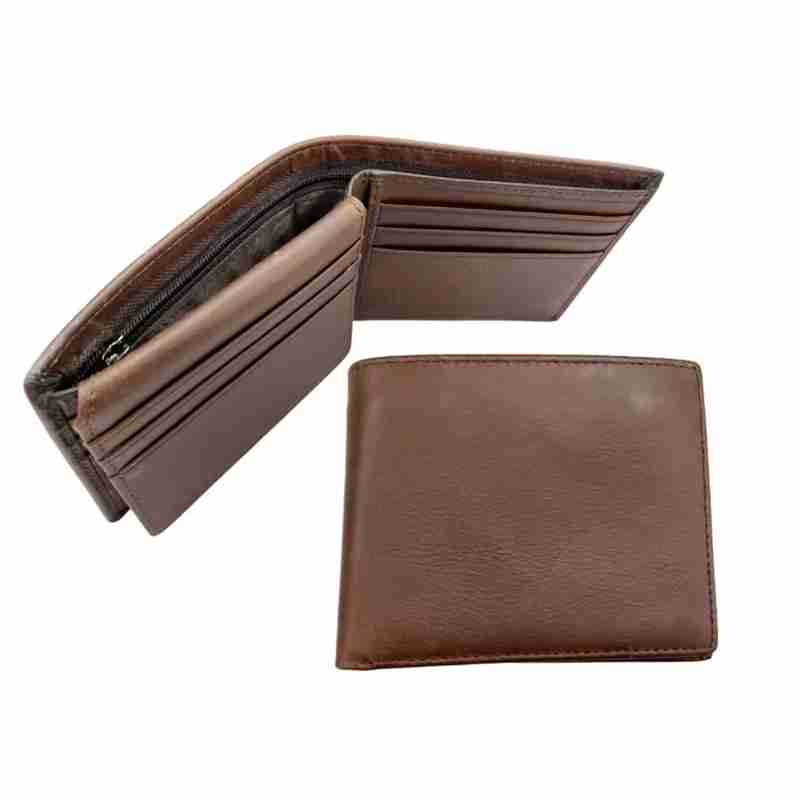
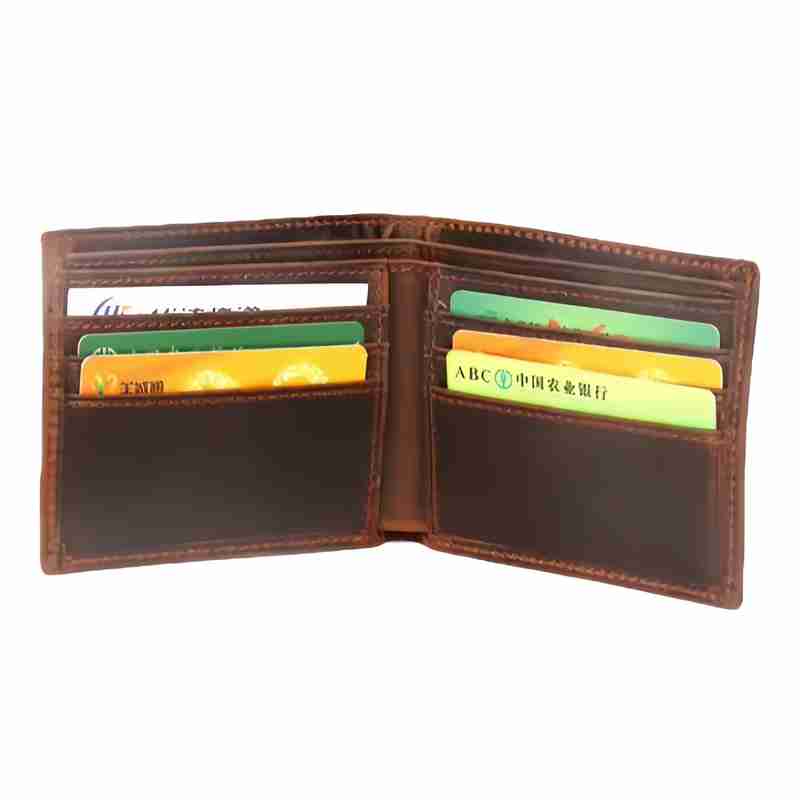
Bifold Wallets
Bifold wallets are classic choices for men’s wallets, classic leather goods, and daily use collections. They often include card slots, a cash pocket, an ID window, or a hidden pocket.
Jundong reviews folding thickness, lining, reinforcement, stitch route, logo position, and edge finishing so that the wallet closes neatly and feels balanced in hand.

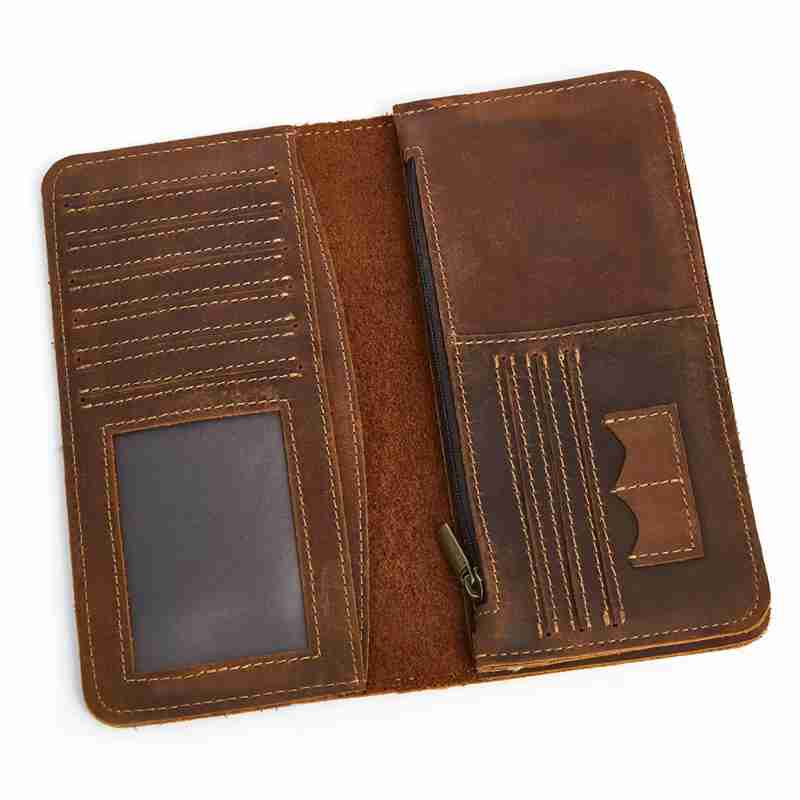
Long Wallets
Long wallets suit fashion brands, women’s accessory lines, gift sets, and retail displays. They can include card slots, a cash section, a zipper coin pocket, phone space, or a receipt pocket.
Jundong reviews length, zipper route, inner layer order, material stiffness, and packing box size to keep the wallet elegant, structured, and easy to use.

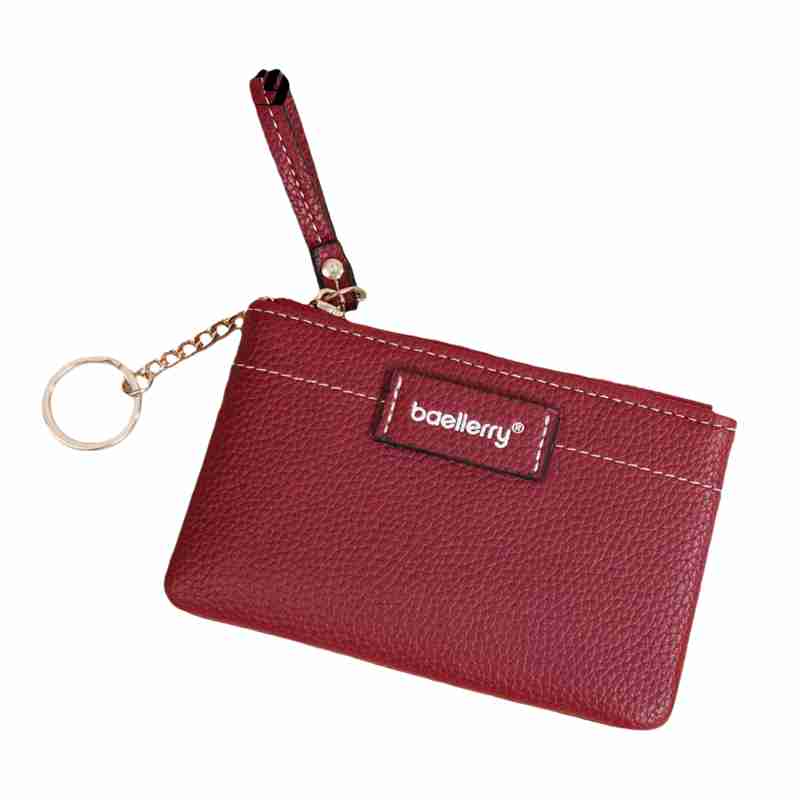
Zip Wallets
Zip wallets offer stronger closure for cards, cash, coins, and small items. They are popular for travel, daily carry, and giftable wallet programs.
Jundong reviews zipper movement, corner shape, puller comfort, inner divider, coin pocket, and edge finishing. A zip wallet should open smoothly, hold its shape, and avoid bulky corners.

Passport Wallets
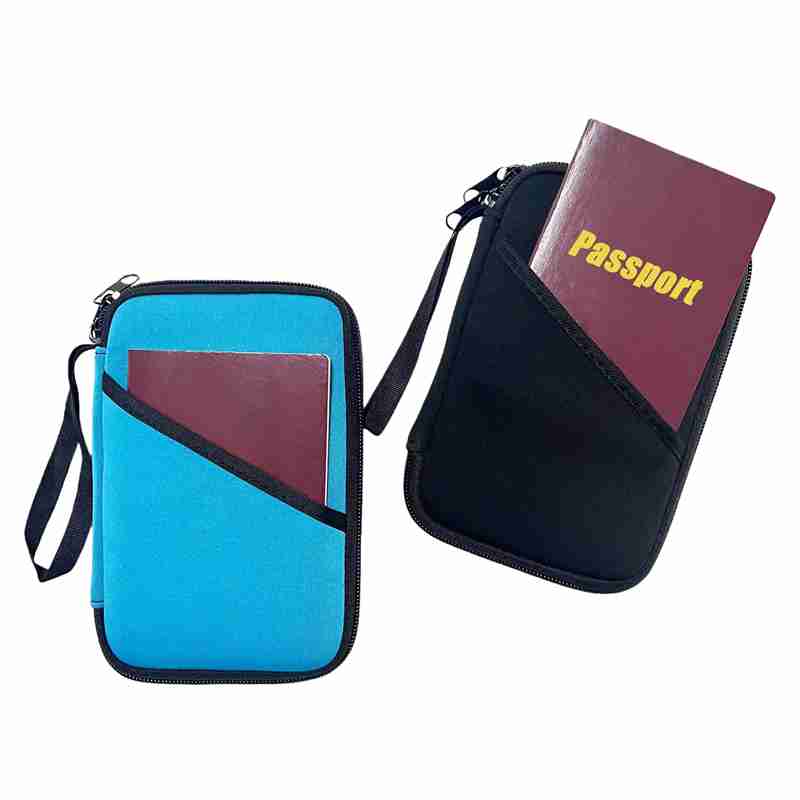
Passport wallets are useful for travel brands, airline gifts, hotel programs, business travel collections, and premium accessories. They may include a passport pocket, card slots, boarding pass space, a SIM card pocket, a pen loop, or a zipper pocket.
Jundong reviews size, fold thickness, document access, material strength, and logo position for travel use.
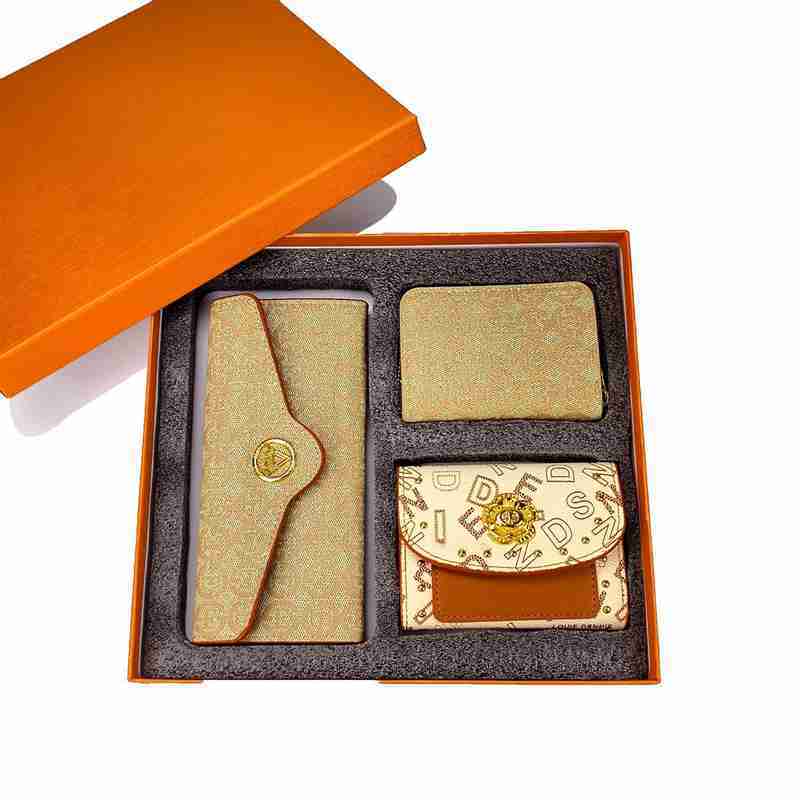
Gift Wallet Sets
Gift wallet sets can combine a wallet with a card holder, key holder, passport holder, belt, small pouch, or branded box. They are suitable for corporate gifts, member gifts, seasonal launches, and leather goods collections.
Jundong reviews product combination, box structure, insert card, dust bag, color match, and carton separation before bulk work.
Plan Wallets As A Collection, Not One Isolated Product
Fashion and leather goods brands often need wallets that connect with existing bags, belts, travel goods, or small accessories. A wallet line becomes stronger when core styles, materials, colors, logo details, and packaging are planned together before sample development.
Start With Core SKUs
A clear wallet collection can begin with 3 core styles: card holder, bifold wallet, and zip wallet. These styles cover light carry, classic daily use, and secure closure. For a more fashion-focused line, a long wallet can be added. For travel or gift programs, a passport wallet or boxed set may be stronger. Jundong helps review which styles should enter the first sample round.
Match Existing Bag Lines
Wallets should feel connected with handbags, crossbody bags, tote bags, travel bags, or leather accessories. The connection can come from the same material texture, similar color tone, matching logo method, shared lining color, or unified packaging. A wallet that matches an existing bag line can support add-on sales, gift sets, and seasonal collection planning.
Build A Clear Price Ladder
Wallets can help brands create a wider product ladder. A cardholder can sit at an entry price. A bifold or zip wallet can become the core style. A long wallet, passport wallet, or gift set can support a higher value position. Jundong reviews material, card slot count, logo method, and packing level, so each style has a clear value role.
Control SKU Complexity
Too many colors, materials, logo methods, and box styles can make the first production round harder to control. A focused launch may use one material family, two or three colors, and one shared logo method. After the first order performs well, the next round can expand into more colors, seasonal textures, or matching small leather goods.
Example Launch Path
A leather goods brand may start with 500 pcs of black cardholders and 500 pcs of brown bifold wallets to confirm material, edge paint, and logo depth. The next order may grow to 1,500 pcs across three styles with the same lining and box. A gift program may later move to 3,000 pcs with a wallet, card holder, and an insert card packed as a set.
Choose Wallet Materials By Feel, structure, and brand level
Wallet materials decide hand feel, thickness, logo effect, edge finish, and final product value. A material that looks good on a large bag may not work well for card slots or folded wallet edges. Jundong reviews wallet materials with structure, logo method, and packing direction before sample cutting.

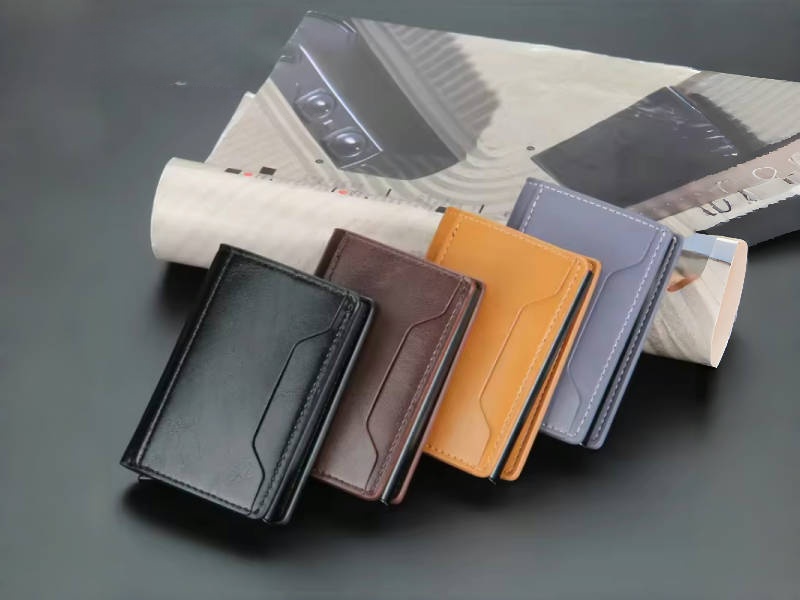

| Material / Component | Best Use | Product Feel | Review Before Sampling |
|---|---|---|---|
| Genuine Leather | Premium wallets, leather goods collections, executive gifts | Natural, refined, high-value | Check grain, thickness, stretch, color depth, logo depth and edge finish |
| PU Leather | Fashion wallets, seasonal colors, cost-controlled retail programs | Clean, flexible, smooth | Review surface texture, peeling risk, folding behavior and logo result |
| Microfiber Leather | Vegan-style premium wallets, stable small leather goods | Smooth, dense, more stable than many basic synthetics | Check thickness, cutting edge, slot tension, embossing clarity and fold resistance |
| Synthetic Leather | Fashion accessories, gift wallets, color-rich collections | Versatile, clean, easy to match | Review surface durability, color match, smell, logo compatibility and inner layer support |
| Canvas and Leather Trim | Lifestyle wallets, casual collections, travel accessories | Relaxed, light, less formal | Check trim match, edge strength, lining color and dirt resistance |
| Lining Fabric | Card slots, bill pockets, coin pockets, inner compartments | Smooth, clean, protective | Review friction, color transfer, sewing strength and pocket opening feel |
| RFID Blocking Material | Selected card holders, travel wallets and security-focused styles | Functional, hidden, technical | Confirm target function, layer position and testing requirements before claim use |
| Metal Hardware | Zip wallets, snap wallets, logo plates and gift sets | Premium, structured, polished | Check plating tone, weight, fixing method, scratch risk and color match |
| Edge Paint | Leather-look wallets, PU wallets, microfiber wallets | Refined, finished, premium | Review color, layer thickness, drying quality, smoothness and cracking risk |
Fashion wallets often need clean color, a smooth hand feel, and a surface that works well with logo details. Leather goods wallets need stronger attention to grain, edge paint, stitching, and closed thickness. Gift wallet sets may need a material that looks premium in a box and still remains cost-stable for 500 pcs, 1,500 pcs, or 3,000 pcs programs.
Material choice should never be separated from structure. A thick material may feel premium, but it can make card slots tight and folded wallets bulky. A soft material may feel pleasant, but it may need reinforcement to keep the shape stable. Jundong reviews material, lining, slot layers, edge finish, and logo method together so the approved sample can move into larger orders with fewer surprises.
Control Card Fit Before The Wallet Looks Finished
A wallet can look beautiful from the outside and still fail in daily use if the card slots are wrong. Card fit, slot tension, layer order, and folded thickness should be checked during sample development, not after production starts. Jundong reviews these details with real card references and finished-wallet structure.
Slot Tension
Good slot tension should hold cards securely while allowing smooth removal. Tight slots may create frustration. Loose slots may make the wallet feel unreliable. Slot tension is affected by material thickness, lining friction, cutting size, sewing position, and layer structure. During sample review, Jundong can test card insertion, removal, and edge pressure before approval.
Card Slot Count
More card slots can make a wallet look functional, but every slot adds material, stitching, and thickness. A slim card holder may work well with 3–8 slots. A bifold wallet may need card slots plus a bill compartment. A long wallet may need multiple card sections, a zipper pocket, and receipt space. Jundong helps review how many slots are useful without making the wallet bulky.
Folded Thickness
Closed thickness matters more than flat size. A bifold wallet, trifold wallet, long wallet, or zip wallet can become too thick after adding card slots, lining, reinforcement, a zipper, a coin pocket, and a logo patch. Jundong reviews the side profile, folding line, layer buildup, and closed shape, so the wallet still feels comfortable in a pocket, handbag, or gift box.
Reinforcement Planning
Card slot areas often need inner support, but too much reinforcement can make the wallet stiff. Some areas may need thinning, folding, lining support, or edge finishing. The goal is to keep the slot opening stable, the card movement smooth, and the wallet body clean. Jundong reviews the full layer order before sample cutting to avoid unnecessary bulk.

Style-Based Control
A card holder should be slim and precise. A men’s bifold wallet should fold cleanly and sit comfortably in a pocket. A long wallet should look elegant when filled. A passport wallet should carry documents without bending. Each wallet style needs a different thickness target. Jundong reviews the structure based on how the wallet will be used and packed.
Make Small Leather Goods Feel Finished
Wallet quality is judged at close distance. Edges, stitching, glue control, and corner shape are easy to see and touch. Jundong reviews these details before bulk work, so each wallet feels refined when opened, folded, held, and packed.

Edge Paint Finish
Edge paint can make a wallet look cleaner and more premium, especially for leather-look, PU, and microfiber wallets. The finish should be smooth, even, and matched with the material color or design tone. Jundong reviews edge paint color, layer thickness, drying quality, corner coverage, and cracking risk during sample checking.
Stitching Line
Stitching gives shape, strength, and visual rhythm to a wallet. Uneven stitch lines can make a small wallet look poorly made. Thread color, stitch spacing, stitch route, corner turning, and thread trimming should be checked before approval. Jundong reviews stitching around card slots, edges, zipper areas, folds, and logo panels.
Glue And Layer Control
Glue should support the structure without becoming visible. Overflow glue near card slots, edges, lining, or zipper tape can quickly reduce the product value. Jundong reviews glue position, layer bonding, lining flatness, fold line, and pocket opening during sample and finished goods checking.
Corner Refinement
Corners decide how the wallet feels in the hand. A card holder may need sharp, clean corners. A long wallet may need softer, curved corners. A zip wallet needs a balanced corner shape so the zipper runs smoothly. Jundong reviews corner radius, cutting accuracy, edge finish, folding shape, and side profile before larger production begins.
Make The Logo Fit The Wallet Material
A wallet logo should feel intentional, not forced. The right finish depends on material texture, wallet size, surface thickness, brand style, packing level, and order plan. Jundong reviews logo artwork on real material samples before bulk work, so the final wallet looks clean, sharp, and brand-ready.
| Brand Finish | Best Use | Product Feel | Review Before Production |
|---|---|---|---|
| Embossed Logo | PU wallets, microfiber wallets, leather-look wallets, gift wallets | Subtle, clean, premium | Check material thickness, pressure, logo line width and depth |
| Debossed Logo | Leather goods wallets, card holders, bifold wallets | Quiet, refined, long-lasting | Review grain texture, depth, edge clarity and placement |
| Hot Foil Stamping | Fashion wallets, gift sets, seasonal collections | Polished, visible, elegant | Confirm foil color, temperature, pressure, material surface and logo size |
| Metal Plate | Premium wallets, executive gifts, long wallets and boxed sets | Strong, high-value, structured | Check plating tone, weight, fixing method, scratch risk and corner position |
| Screen Print | Smooth PU wallets, flat card holders, color logo needs | Clear, direct, cost-controlled | Review ink adhesion, color accuracy, edge sharpness and rubbing risk |
| Heat Transfer Logo | Selected synthetic materials and clean fashion wallets | Smooth, light, modern | Check temperature tolerance, surface match and peeling risk |
| Woven Label | Inner branding, side label, care detail or small brand mark | Soft, understated, retail-friendly | Confirm label size, fold type, sewing position and artwork readability |
| Zipper Puller Logo | Zip wallets, travel wallets, gift sets | Functional and brand-visible | Review puller size, mold needs, hand feel and attachment strength |
| Hangtag And Barcode | Retail wallets, online programs, multi-SKU collections | Organized, channel-ready | Check tag size, hole position, barcode clarity and packing rule |
A fashion wallet may use foil stamping for a brighter shelf look. A leather goods wallet may look better with a quiet debossed logo. A tech-style or travel wallet may use a rubber-feel patch, a metal plate, or a branded puller. A gift wallet set may need logo work on both the product and the box.
Logo testing should happen on the selected material, not only on a digital mockup. Heavy grain may reduce fine logo clarity. Very soft material may not hold deep embossing well. Metal plates add polish but also affect weight and fixing. Jundong reviews artwork, material, logo size, pressure, color, and packing together before approval.
Choose closures that feel smooth and reliable
Wallet hardware should support the structure without making the product heavy, noisy, or difficult to use. Zip wallets, snap wallets, long wallets, passport wallets, and gift sets may need different closure details. Jundong reviews movement, fixing, plating, weight, and hand feel before approving the sample.

Zipper Movement
A zip wallet should open smoothly around corners and hold its shape after repeated use. Zipper size, tape stiffness, slider quality, puller shape, and corner route all affect the final feel. Jundong reviews zipper movement on the actual wallet sample, especially for long wallets, coin pockets, and travel wallets.
Snap And Magnetic Closure
Snap buttons and magnetic closures can keep wallets neat, but the opening force must feel right. Too strong can feel uncomfortable. Too weak can feel unreliable. Jundong reviews button position, inner reinforcement, closure sound, pressure mark, and material stress before production.
Metal Logo Plate
Metal plates can lift the value of premium wallets and gift sets, but they need careful control. Plate size, plating color, corner shape, fixing method, and weight should match the wallet surface. Jundong reviews whether the plate makes the wallet feel polished or too heavy for the intended style.
Puller, Ring, and Small Trim
Small trims can improve use and brand feel, especially on zip wallets, travel wallets, and gift sets. A puller should be easy to hold. A ring or charm should not scratch the wallet or packaging. Jundong reviews trim shape, edge finish, movement, plating, and packing protection before larger orders.
Build A Wallet Sample That Tests Real Details
A wallet sample should confirm more than shape. It should test material feel, card slot tension, folded thickness, edge finish, stitching, logo clarity, closure movement, and packing fit. Jundong reviews wallet samples, noting the details that determine retail value and repeat-order stability.

Step 1: Project Review
A wallet project can begin with a reference sample, product photo, sketch, design file, material swatch, logo artwork, or existing bag collection. Jundong first reviews wallet type, size, material direction, card slot count, coin pocket, zipper, closure, logo method, label plan, packing style, order quantity, and target schedule.
For fashion and leather goods brands, existing product direction matters. If the wallet should match a handbag or leather accessory line, material texture, color tone, logo position, and packaging should be reviewed together from the beginning.
Step 2: Material And Structure Advice
After the first review, Jundong checks material thickness, lining choice, card slot structure, fold line, edge finishing, stitching route, zipper or button position, and logo method. A slim card holder needs a different structure from a long wallet or passport wallet. Material and construction should be selected together, not separately. This keeps the sample practical, balanced, and easier to approve before bulk order details are locked.


Step 3: Sample Making
After the main details are confirmed, wallet sample making usually takes 5–7 days. More complex options, such as special materials, new metal plates, molded pullers, custom embossing molds, foil stamping, gift boxes, RFID layers, or multi-piece gift sets, may need more preparation time.
During sample checking, the wallet should be tested with real cards, folded by hand, opened and closed several times, placed into the planned box, and checked under close light. Small details such as edge paint, glue marks, stitch alignment, and logo depth should be reviewed before approval.
Step 4: Revision Before Bulk
A strong sample process leaves room for refinement. Card slot depth, slot tension, folded thickness, edge paint color, thread color, logo depth, zipper route, snap pressure, or box size may need adjustment before the final sample is approved.
Once confirmed, Jundong records key details for production, quality checking, and packing. These records help each department follow the same standard during bulk order work and reduce repeated corrections after materials and packaging are prepared.
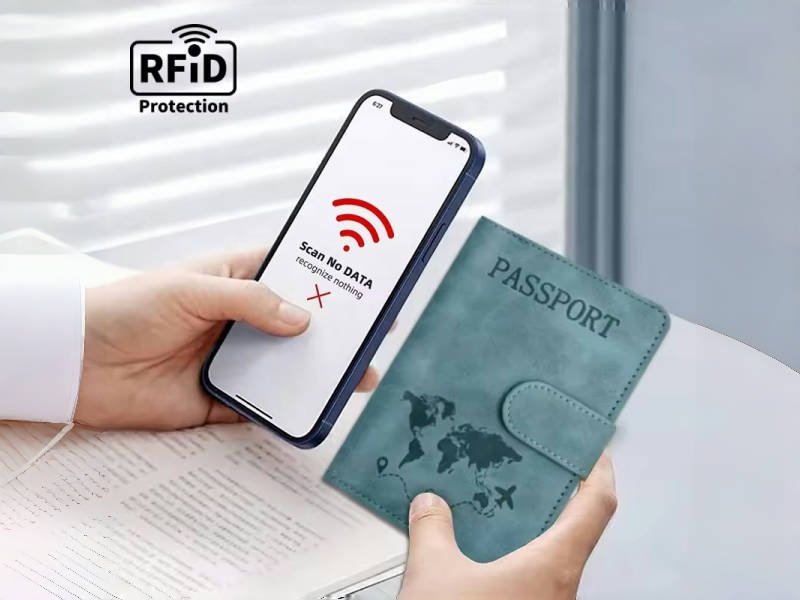
Keep Approved Wallet Details Stable In Larger Orders
A wallet sample can look excellent, but larger orders need records. Material, slot size, edge finish, logo depth, stitching, hardware, lining, and packing should be confirmed before bulk work begins. Jundong connects the approved sample with clear detail records for cutting, sewing, finishing, checking, and packing.
| Approved Detail | Record Needed For Bulk Work | QC Focus |
|---|---|---|
| Main Material | Material name, color reference, grain, thickness, surface finish, and batch | Texture, shade, hand feel, fold behavior, and scratch marks |
| Lining Material | Lining type, color, friction level, pocket placement, and sewing method | Clean surface, smooth card movement, color transfer risk, and seam strength |
| Card Slots | Slot count, width, depth, opening direction, and layer order | Card fit, insertion feel, removal comfort, and slot alignment |
| Fold Thickness | Layer structure, reinforcement, folded edge, zipper, or coin pocket position | Closed shape, side profile, pocket comfort, and gift box fit |
| Edge Finish | Edge paint color, layer thickness, drying quality, or folded edge rule | Smoothness, coverage, cracking risk, and corner finish |
| Stitching | Thread color, stitch spacing, route, corner turn, and thread ending | Alignment, neatness, tension, loose thread, and visible stitch quality |
| Logo Finish | Artwork, size, method, position, depth, foil color, or metal plate setting | Clarity, placement, pressure, color match, and edge definition |
| Hardware And Closure | Zipper, snap button, magnetic closure, puller, plate, ring, or trim | Movement, plating, fixing strength, noise, weight, and scratch risk |
| Packing Rule | Gift box, dust bag, hangtag, barcode, insert card, SKU label, and carton mark | Packing accuracy, SKU separation, box fit, label clarity, and carton count |
Wallets contain many small layers, so even a tiny change can affect hand feel. A thinner lining may change card slot tension. A harder material may make the fold too stiff. A deeper logo may look strong on smooth PU but unclear on heavy grain. Jundong records these details after sample approval, so the same wallet can be repeated more safely across colors and order rounds.
For a 500-piece card holder order, the focus may be on material, slot fit, and logo depth. For a 1,500-piece wallet collection across three styles, color records, lining records, and packing rules become more important. For a 3,000-piece boxed gift set, insert cards, dust bags, carton separation, and barcode accuracy should be checked before shipment preparation.
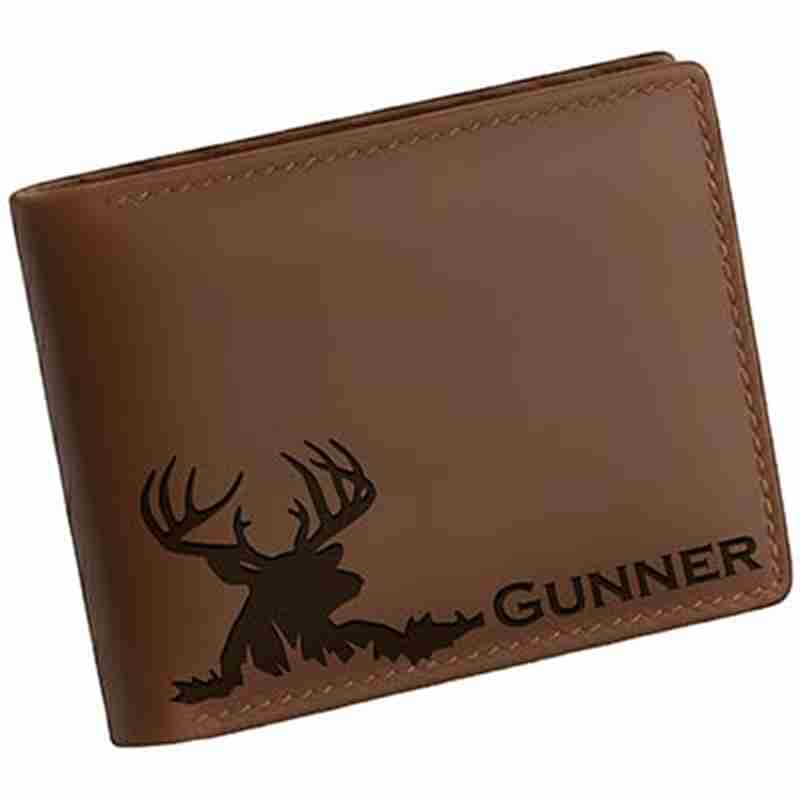
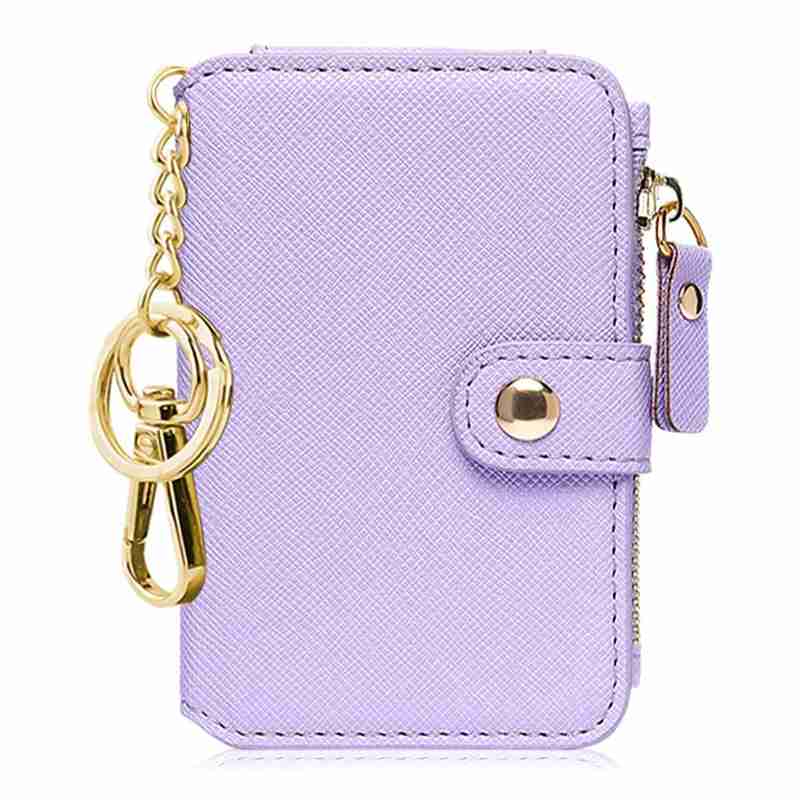
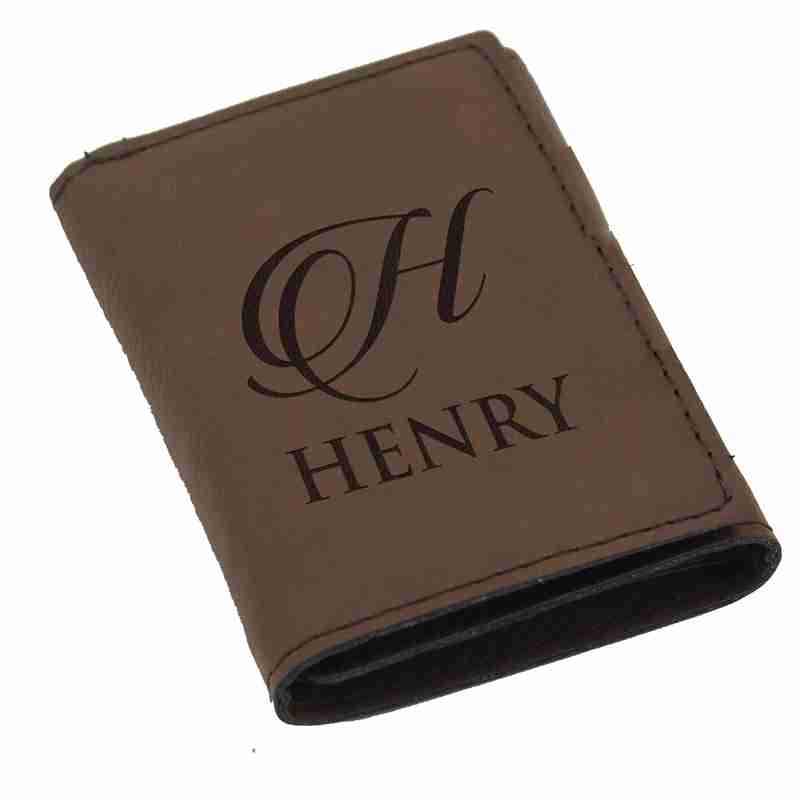
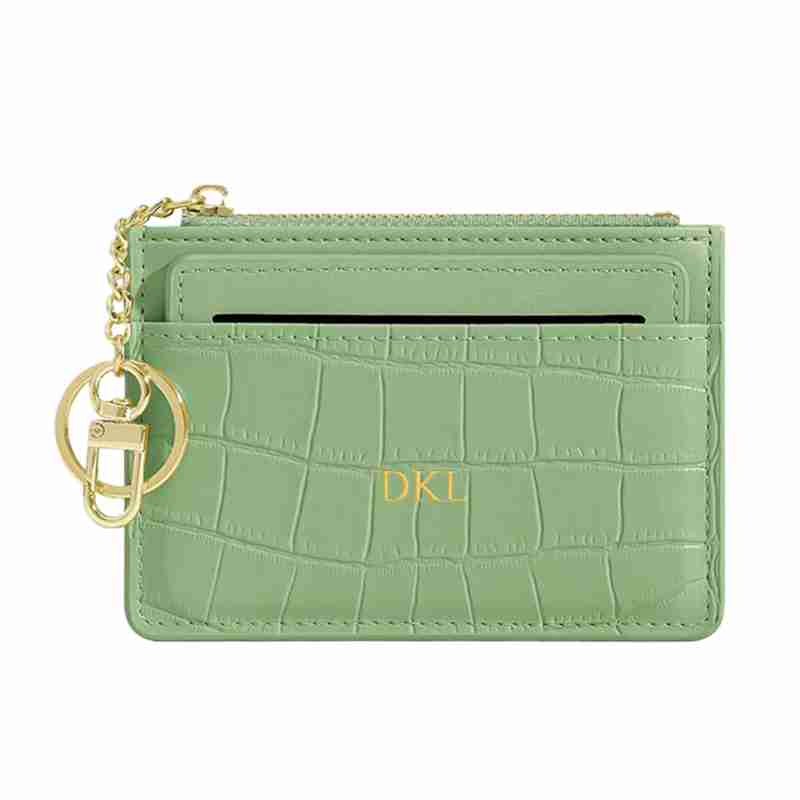
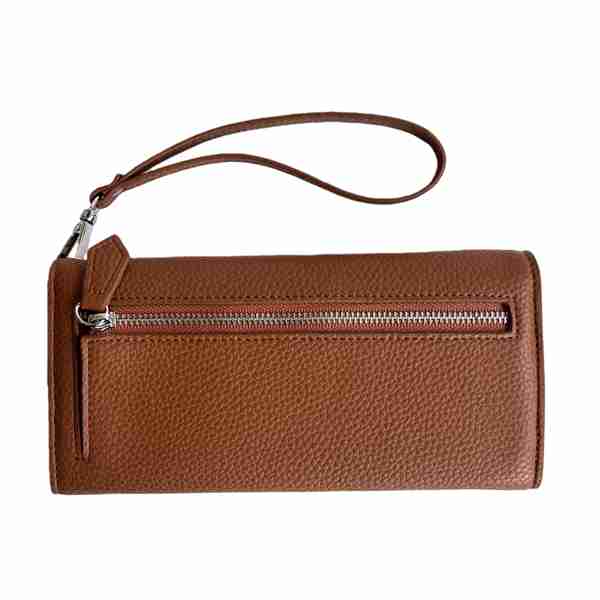
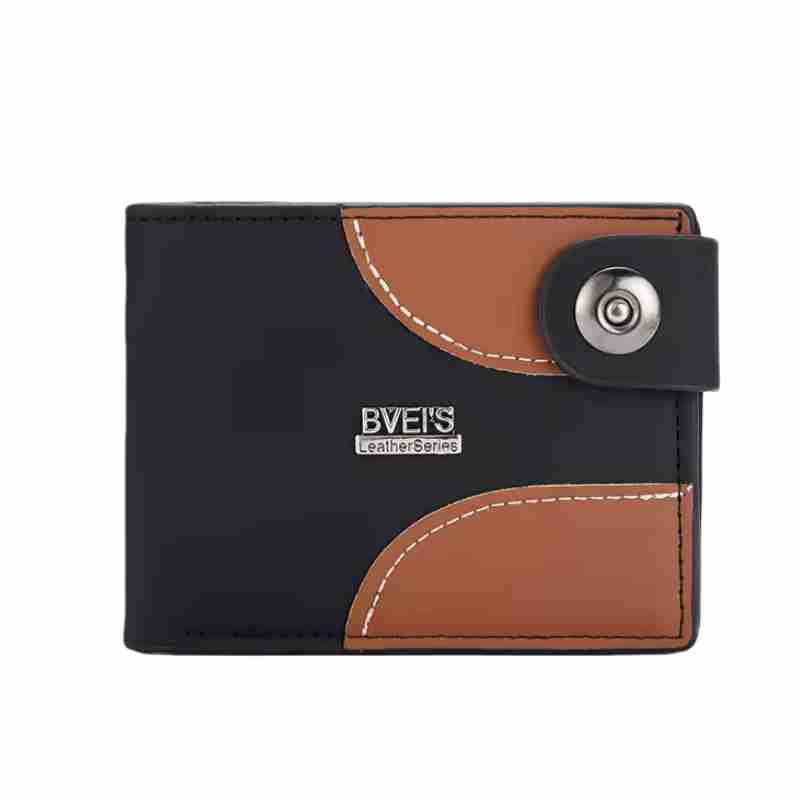
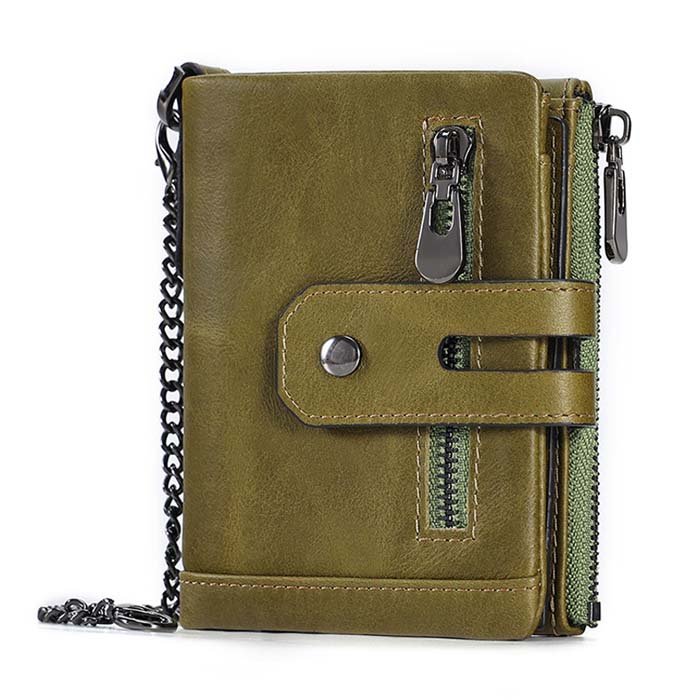
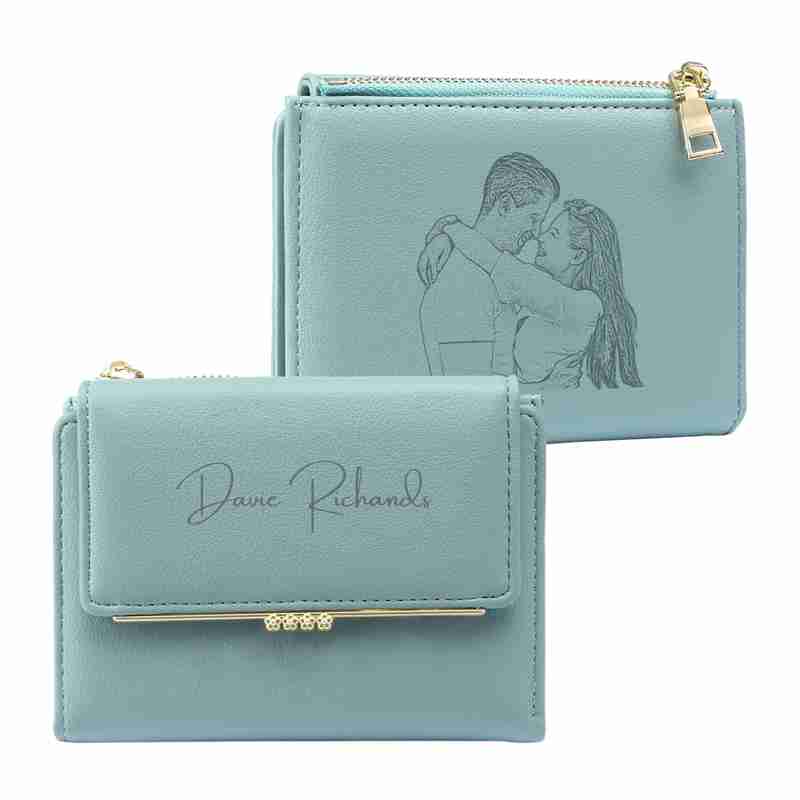
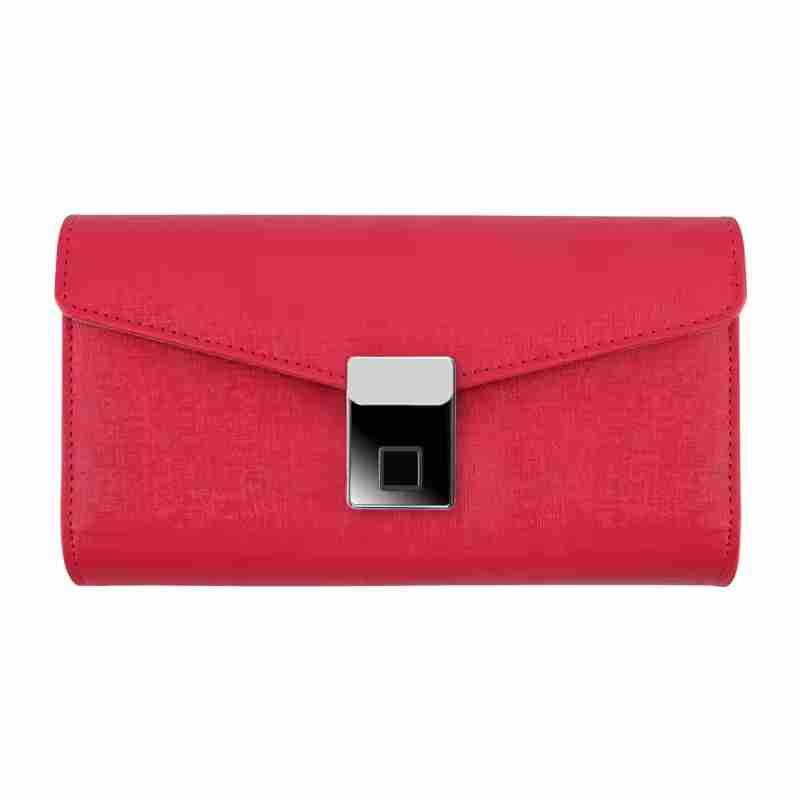
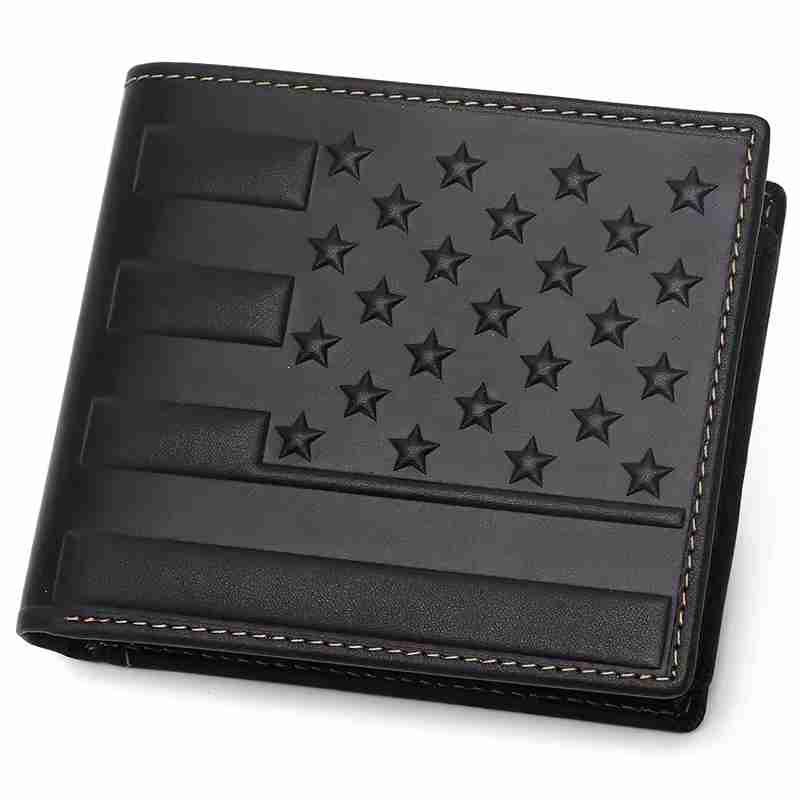

Check The Small Details People Notice First
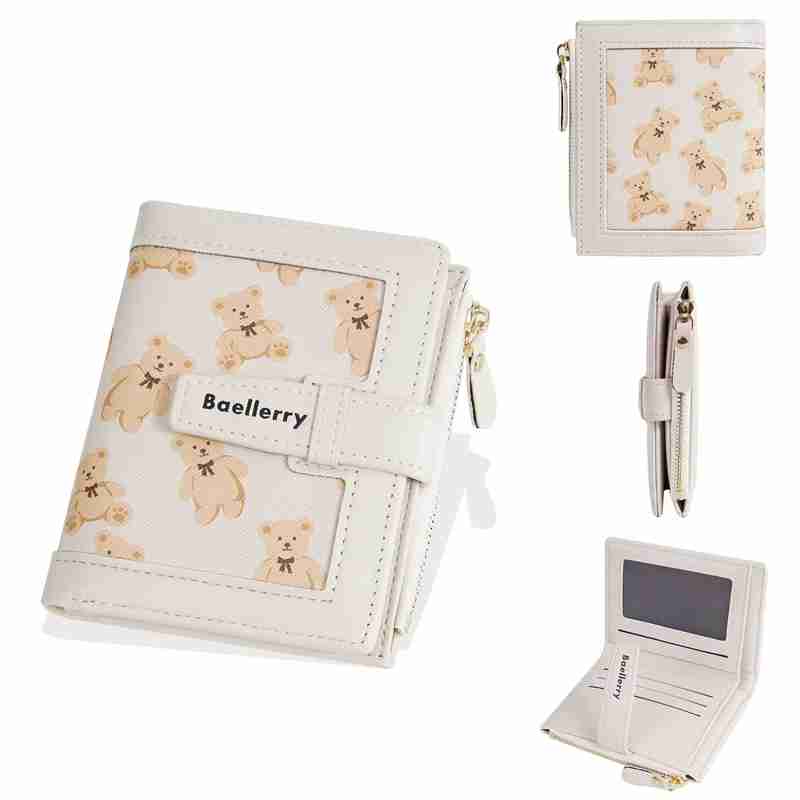
Wallets are held close, opened often, and judged by touch. Jundong checks the details that decide brand value: material surface, card slot fit, closed thickness, edge paint, stitching, logo clarity, hardware movement, and packing accuracy.
Material Color And Grain
The material surface is the first thing people see and touch. Jundong checks color reference, grain consistency, surface shine, scratch marks, wrinkles, cutting direction, and batch difference. For fashion and leather goods wallets, color should match the approved sample, especially when several wallet styles share the same material family.
Card Slot Fit
Card slots decide daily use. Jundong checks slot width, depth, opening shape, layer order, lining friction, and card movement. A good wallet should hold cards securely without making removal difficult. For card holders and bifold wallets, sample cards should be inserted and removed during checking.
Fold Thickness
Closed thickness affects comfort, box fit, and product value. Jundong checks the wallet’s side profile after folding, especially around card slots, coin pockets, zipper areas, and reinforced layers. A wallet should not twist, swell, or look uneven when closed.
Edge Paint Finish
Edge finish is easy to see on small leather goods. Jundong checks edge paint color, layer thickness, drying quality, corner coverage, cracking risk, and sticky feel. Smooth edges help the wallet look more polished and feel better in hand.
Stitching Alignment
Clean stitching helps the wallet feel precise. Jundong checks stitch spacing, line direction, corner turning, thread color, stitch tension, and thread trimming. Visible stitch errors on a wallet are easier to notice than on a large bag, so alignment needs careful checking.
Logo Clarity
Logo quality affects brand presentation. Jundong checks embossing depth, foil edge, print sharpness, metal plate position, woven label sewing, and artwork spelling. The logo should be readable, centered, and suitable for the wallet surface.
Hardware And Closure
Zippers, buttons, magnets, pullers, and plates should move smoothly and stay secure. Jundong checks zipper corner movement, snap force, magnetic closure alignment, metal plating, plate fixing, and puller strength. Hardware should improve use without scratching the wallet or packaging.
Packing And Barcode
Packing should protect the wallet and keep SKUs clear. Jundong checks gift box size, dust bag, hangtag, insert card, barcode sticker, SKU label, carton mark, and packing count. For multi-color programs, packing separation should be reviewed before cartons are sealed.
Make Wallets Ready For Retail, Gifting, and Online Programs
Wallet packaging should do more than hold the product. It should protect the surface, support brand presentation, keep SKU information accurate, and make the wallet easier to sell, gift, or store. Jundong reviews packaging together with wallet size, material, logo finish, and quantity plan.


Retail Wallet Packing
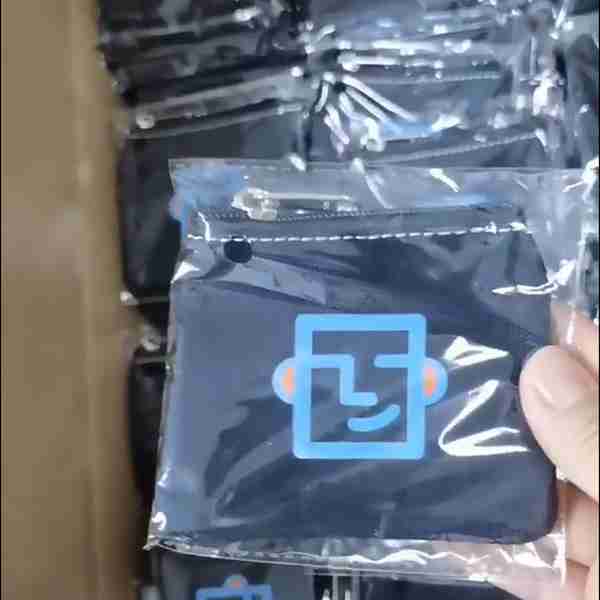
Retail wallets need clear presentation and accurate product information. A wallet may use a hangtag, barcode sticker, care label, individual bag, display box, or shelf-ready carton. Jundong reviews tag position, barcode clarity, box size, wallet placement, color grouping, and carton mark before bulk packing begins.
Gift Box Packing
Wallets are strong gift items, especially for corporate programs, member gifts, travel gifts, and seasonal launches. Gift packing can include a rigid box, paper sleeve, dust bag, tissue paper, insert card, care card, or matching small accessory. Jundong reviews box structure, inner fit, logo placement, paper weight, color match, and carton separation.
Online And SKU Packing
Online wallet programs need clean SKU control. Several colors, materials, or wallet styles may ship together, so labels and carton marks must stay accurate. Jundong reviews individual packing, SKU sticker, barcode, FNSKU needs, color separation, carton label, and packing count before shipment preparation.
Plan Quantity, Cost, and Timing Before Wallet Approval
Wallet cost is shaped by material, slot structure, layer thickness, edge finish, stitching, logo method, hardware, packing, and order quantity. A simple card holder and a boxed zip wallet may look close in size, but they can differ greatly in process steps and cost structure. Jundong reviews these details before sample approval, so the project can move forward with clearer numbers.
MOQ Planning
For many custom private label wallet programs, the standard MOQ usually starts from 500 pcs per design. Simple wallet styles using available materials and standard logo methods may be reviewed at 200–300 pcs, case by case. More complex projects may need 1,000 pcs or more, especially when they involve custom color materials, molded metal plates, new embossing molds, special lining, RFID layers, multi-piece gift sets, or premium box packing.
Cost Factors
Wallet cost should be reviewed by structure, not only by size. Card slot count, material thickness, lining, reinforcement, zipper, snap button, edge paint, stitching density, logo method, and gift box all affect the final price. A thin wallet can become expensive if it uses premium material, a metal logo plate, foil stamping, and rigid box packing.
Sample And Bulk Time
After main details are confirmed, wallet sample making usually takes 5–7 days. Simple card holders and bifold wallets may move faster when materials and logo methods are clear. Special materials, custom metal plates, embossing molds, foil stamping, RFID layers, zip structures, or gift box development may need more preparation time.
Development Scenario
A leather goods brand may begin with 500 pcs. of black cardholders to confirm material texture, edge paint, and logo depth. The next order may grow to 1,500 pcs across cardholders, bifold wallets, and zip wallets, using the same material family and box style. A later gift program may reach 3,000 pcs with a wallet, card holder, dust bag, and an insert card packed as a set. This staged plan keeps development controlled while allowing the wallet line to grow.


Make a wallet sample first?
A reliable custom wallet should match more than a logo. It should match the people who will carry it, the cards and items it needs to hold, the material feel, the gift or retail setting, and the way it needs to be packed, shipped, received, and reordered. When these details are clear from the beginning, bulk wallet orders become easier to quote, sample, produce, inspect, and deliver.
Client Testimonials
800+ brand Clients Trust Jundong
Questions Brand Teams Ask Before Developing Private Label Wallets
Private label wallet projects often look simple at the beginning, but the key decisions sit in small details: material feel, card slot tension, fold thickness, edge paint, logo method, packing, and repeat order control. These FAQs help fashion, leather goods, retail, and gift teams make clearer decisions before sample development starts.

Can Jundong develop private label wallets from a reference sample?
Certainly—Jundong can develop private label wallets from a reference sample, product photo, sketch, design file, material swatch, logo artwork, or existing bag collection. The first review usually covers wallet type, target size, material direction, card slot quantity, coin pocket, zipper, closure method, logo finish, label plan, packing style, quantity, and target schedule.
A complete tech pack is helpful, but not always required at the first stage. For better review, send front, back, inside, side thickness, card slot, and logo close-up photos. If the wallet needs to match an existing handbag or leather goods line, material texture, color, and packaging should be shared.
What wallet styles can Jundong support?
Sure—Jundong can support card holders, bifold wallets, long wallets, zip wallets, passport wallets, coin wallets, and gift wallet sets for fashion and leather goods programs. Each style needs a different structure, thickness target, and packing plan.
A card holder should stay slim and precise. A bifold wallet needs clean folding and balanced card storage. A long wallet may need a zipper pocket, cash section, and retail box fit. A passport wallet should hold travel documents without bending. A gift set may combine a wallet, a card holder, a section, a dust bag, and an insert card. Jundong reviews the style mix before sampling, so each SKU has a clear role in the collection.
Which materials work best for private label wallets?
Of course, genuine leather, PU leather, microfiber leather, synthetic leather, canvas with leather trim, lining fabric, metal hardware, and selected RFID layers can all be reviewed based on product direction. Material choice should match hand feel, thickness, logo method, edge finish, and packing level.
For premium leather goods, grain, thickness, edge paint, and logo depth matter most. For fashion wallets, color, surface texture, and logo clarity may be more important. For gift programs, the material should look good inside a box and remain stable for 500 pcs, 1,500 pcs, or 3,000 pcs orders. Jundong reviews material with structure, not as a separate decision.
How should card slot size and tension be checked?
Definitely—card slot size and tension should be checked with real card references during sample review. A good wallet should hold cards securely but still allow smooth insertion and removal. Slot width, depth, opening direction, lining friction, material thickness, and stitching position all affect the final feel.
A card holder with 3–8 slots may need a slim structure. A bifold wallet with a cash pocket and hidden slots may need more layer control. A long wallet with many slots must avoid becoming bulky. Jundong checks card fit, slot alignment, folded thickness, and hand feel before sample approval.
What logo method works best for leather or PU wallets?
Absolutely—an embossed logo, debossed logo, hot foil stamping, metal plate, screen print, heat transfer, woven label, and branded puller can all work, but the best method depends on the material surface and brand tone. Logo testing should happen on the selected material before approval.
Heavy grain may reduce fine logo clarity. Smooth PU may work well with foil stamping or embossing. Microfiber leather can create a cleaner logo result when the thickness and pressure are suitable. Metal plates can look premium, but need careful fixing and scratch review. Jundong reviews artwork, material, pressure, placement, and packing together so the logo feels intentional.
Can Jundong support gift boxes, dust bags, and retail packing?
Certainly—Jundong can support gift boxes, dust bags, paper sleeves, hangtags, care cards, insert cards, barcode stickers, SKU labels, and carton marks for wallet programs. Packing should match the product level, sales channel, and delivery plan.
A retail wallet may need a hangtag, barcode, and display-ready box. A gift wallet set may need a rigid box, a dust bag, and an insert card. An online wallet program may need an SKU sticker, FNSKU, carton label, and clear color separation. Jundong reviews box fit, wallet placement, edge protection, label clarity, and packing count before shipment preparation.
What is the usual MOQ for private label wallets?
Sure, many private label wallet projects usually start from 500 pcs per design. Simple wallet styles using available materials and standard logo methods may be reviewed on a case-by-case basis of 200–300 pcs. Complex wallets with custom colors, metal plates, embossing molds, RFID layers, zipper structures, premium boxes, or multi-piece sets may need 1,000 pcs or more.
The MOQ is connected to material sourcing, cutting efficiency, logo setup, finishing process, and packing rules. A focused first order often works better than too many styles at once. For example, 500 pcs of card holders can test material and logo; 1,500 pcs across three styles can support a stronger collection launch.
How long does wallet sampling usually take?
Definitely—standard wallet sampling usually takes 5–7 days after key details are confirmed. Simple card holders may move faster when the material and logo method are clear. More complex wallets with zippers, metal plates, foil stamping, RFID layers, custom embossing molds, special lining, or gift box development may need more preparation time.
A useful sample should test real details, not only appearance. Cards should be inserted and removed. The wallet should be folded, opened, closed, and placed into the planned box. Edge paint, stitching, glue marks, logo depth, and hardware movement should be checked before approval.
How does Jundong control sample-to-bulk consistency?
Of course, Jundong records approved wallet details before bulk production, including material, color, grain, thickness, lining, card slots, folded thickness, edge finish, stitching, logo position, hardware, and packing rule. These records guide cutting, sewing, finishing, inspection, and packing.
Wallets have many small layers, so minor changes can affect hand feel. A different lining may change card slot tension. A deeper logo may work on smooth material but not on heavy grain. Jundong checks key details through sample approval, material review, production checking, finished wallet inspection, and packing review so repeat orders can stay closer to the approved sample.
What should we send for a wallet quote?
Absolutely—the fastest way to receive a useful wallet quote is to send wallet type, reference photos, target size, material preference, card slot quantity, coin pocket or zipper needs, logo file, logo method, label needs, packing style, quantity, deadline, and destination.
If there is an existing sample, photos of the front, back, inside, side thickness, card slots, zipper, edge finish, and logo area are very helpful. For fashion and leather goods lines, also share whether the wallet should match an existing bag, belt, or accessory collection. Files can be sent to info@jundongfactory.com when ready.
Ready To Develop Private Label Wallets For Your Brand?
Send Jundong your wallet direction, material idea, target size, card slot plan, logo artwork, packing style, order quantity, and delivery plan. The team will review material suitability, card structure, folded thickness, edge finish, logo method, gift presentation, and production feasibility before sample making.
Please include:
- Product type: card holder, bifold wallet, long wallet, zip wallet, passport wallet, coin wallet or gift wallet set
- Reference files: product photo, sketch, design file, existing sample photos or current bag collection reference
- Target size: width, height, folded thickness or preferred wallet capacity
- Material direction: genuine leather, PU leather, microfiber leather, synthetic leather, canvas mix, lining fabric or RFID layer
- Structure details: card slot quantity, cash pocket, coin pocket, zipper, snap button, passport pocket or phone space
- Finish details: edge paint, folded edge, stitching color, thread type, corner shape and lining color
- Brand details: embossed logo, debossed logo, foil stamping, metal plate, printed logo, woven label, hangtag or barcode
- Packing needs: gift box, dust bag, paper sleeve, insert card, SKU sticker, carton mark or retail packing
- Order plan: quantity per style, color plan, target deadline, destination and testing needs